Article

Taking a Closer Look: “Evaluating Online Video Content for Rehabilitation after Distal Radius Fracture”


by
Roberta Laggner
1,
Dominikus Huber
2,*,
Timothy Hasenoehrl
3,
Julia Sternik
3,
Michaela Stoffer Marx
4,
Rita Weber-Stallecker
5,
Richard Crevenna
3,
Gerhild Thalhammer
1 and
Stephan Heisinger
1
1
Department of Orthopedics and Trauma Surgery, Medical University of Vienna, 1090 Vienna, Austria
2
Department of Internal Medicine I, Division of Clinical Oncology, Medical University of Vienna, 1090 Vienna, Austria
3
Department of Physical Medicine, Rehabilitation and Occupational Medicine, Medical University of Vienna, 1090 Vienna, Austria
4
Institute of Occupational Therapy, FH Campus Wien, 1100 Vienna, Austria
5
Institute of Therapeutic and Midwifery Science, Occupational Therapy, University of Applied Sciences Krems, 3500 Krems, Austria
*
Author to whom correspondence should be addressed.
J. Clin. Med. 2024, 13(16), 4691; https://doi.org/10.3390/jcm13164691
Submission received: 25 June 2024 / Revised: 2 August 2024 / Accepted: 8 August 2024 / Published: 9 August 2024
(This article belongs to the Section Orthopedics)

Abstract

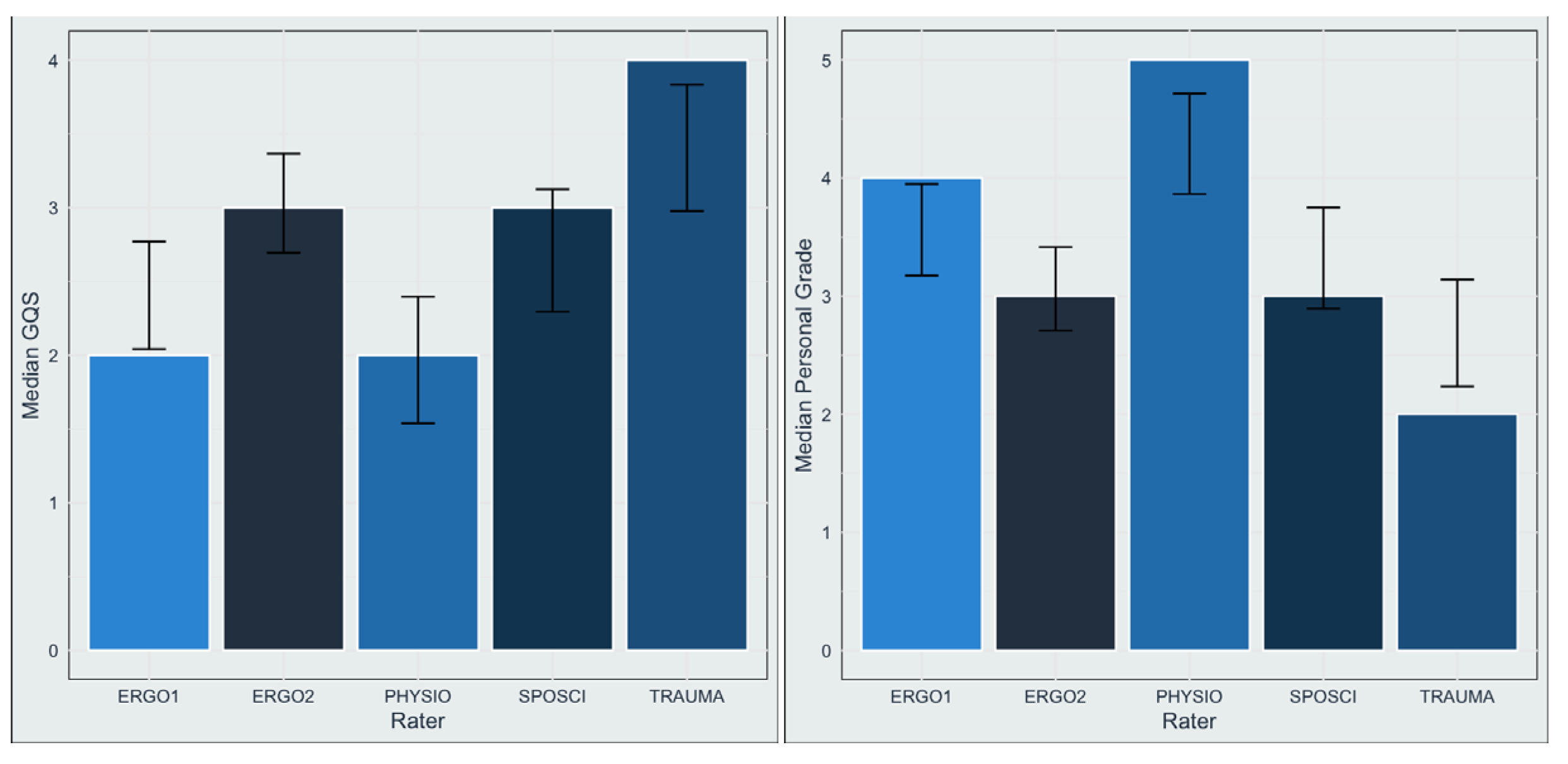
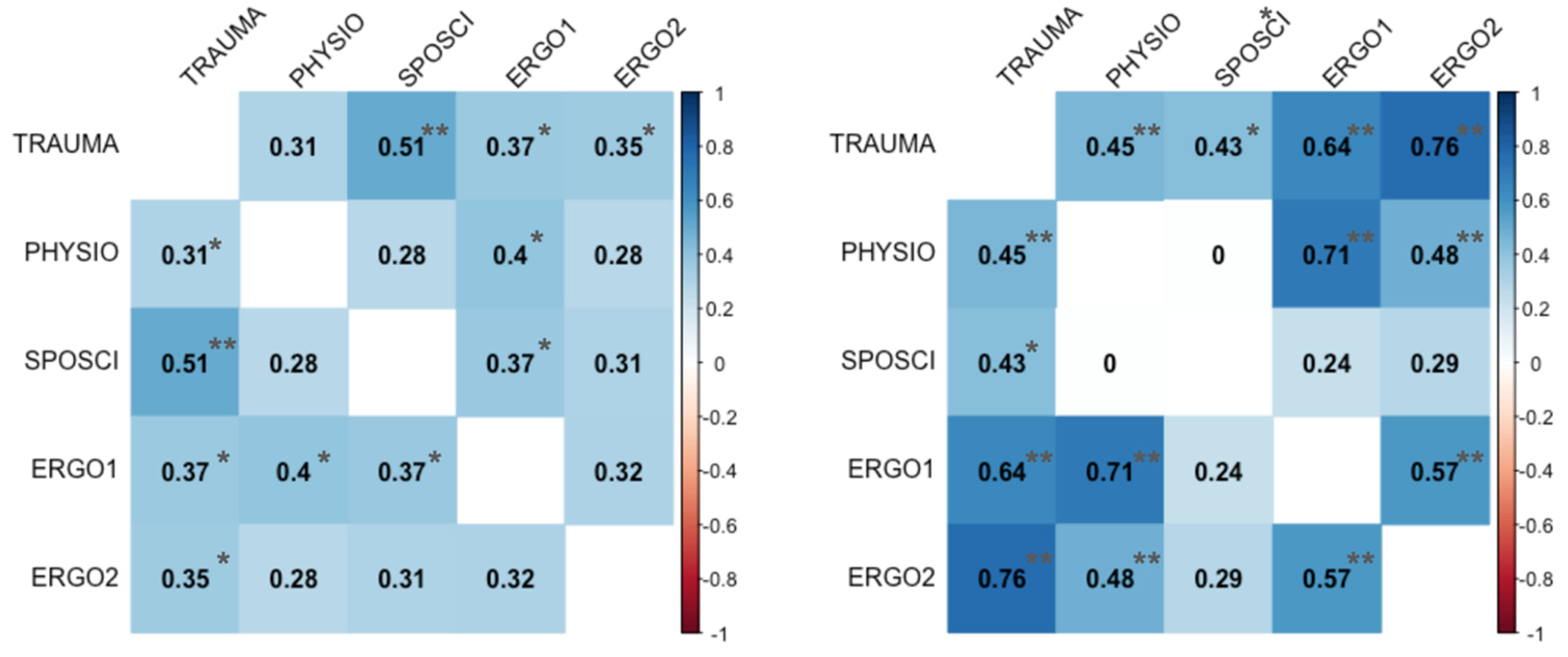
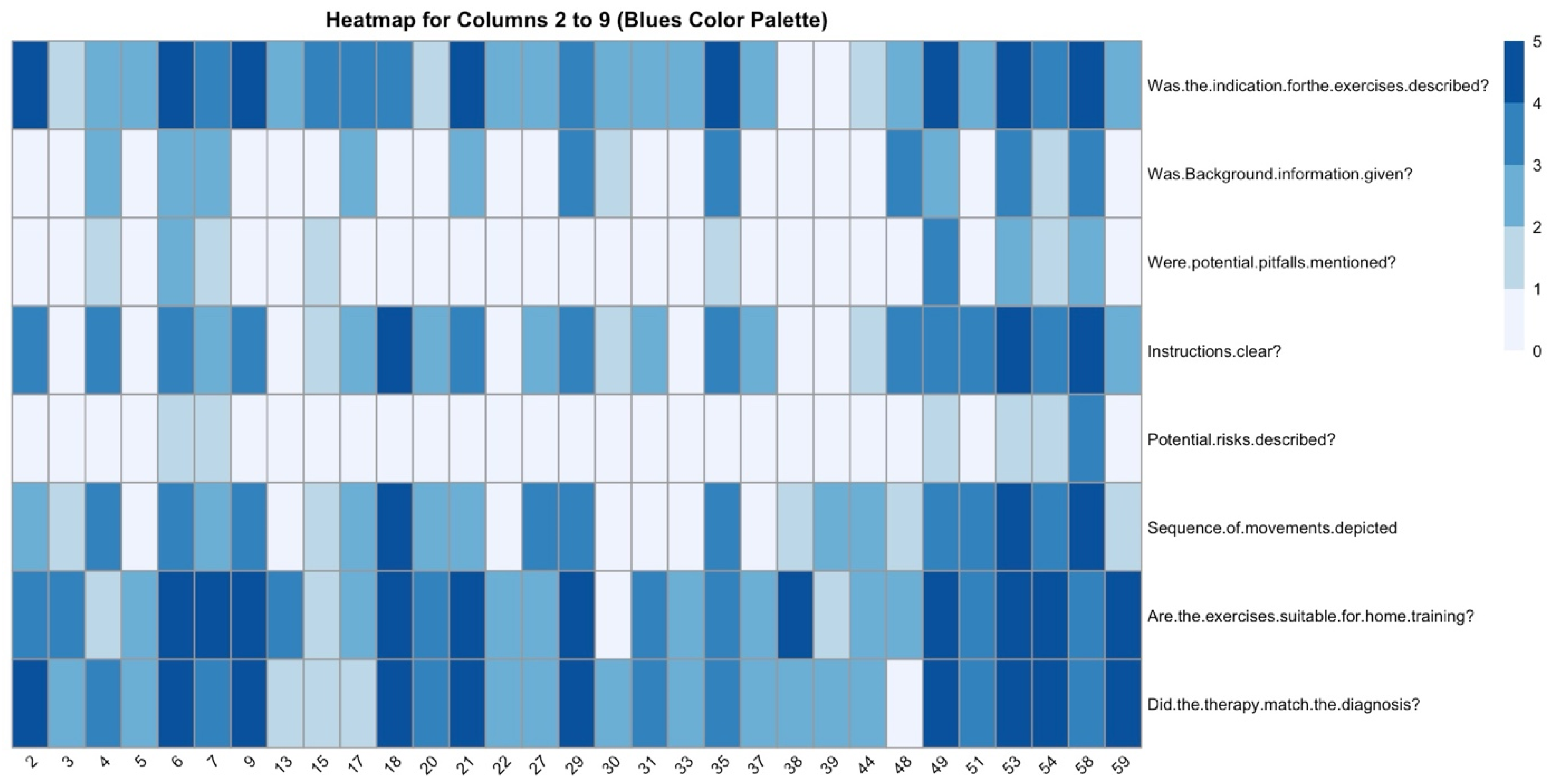
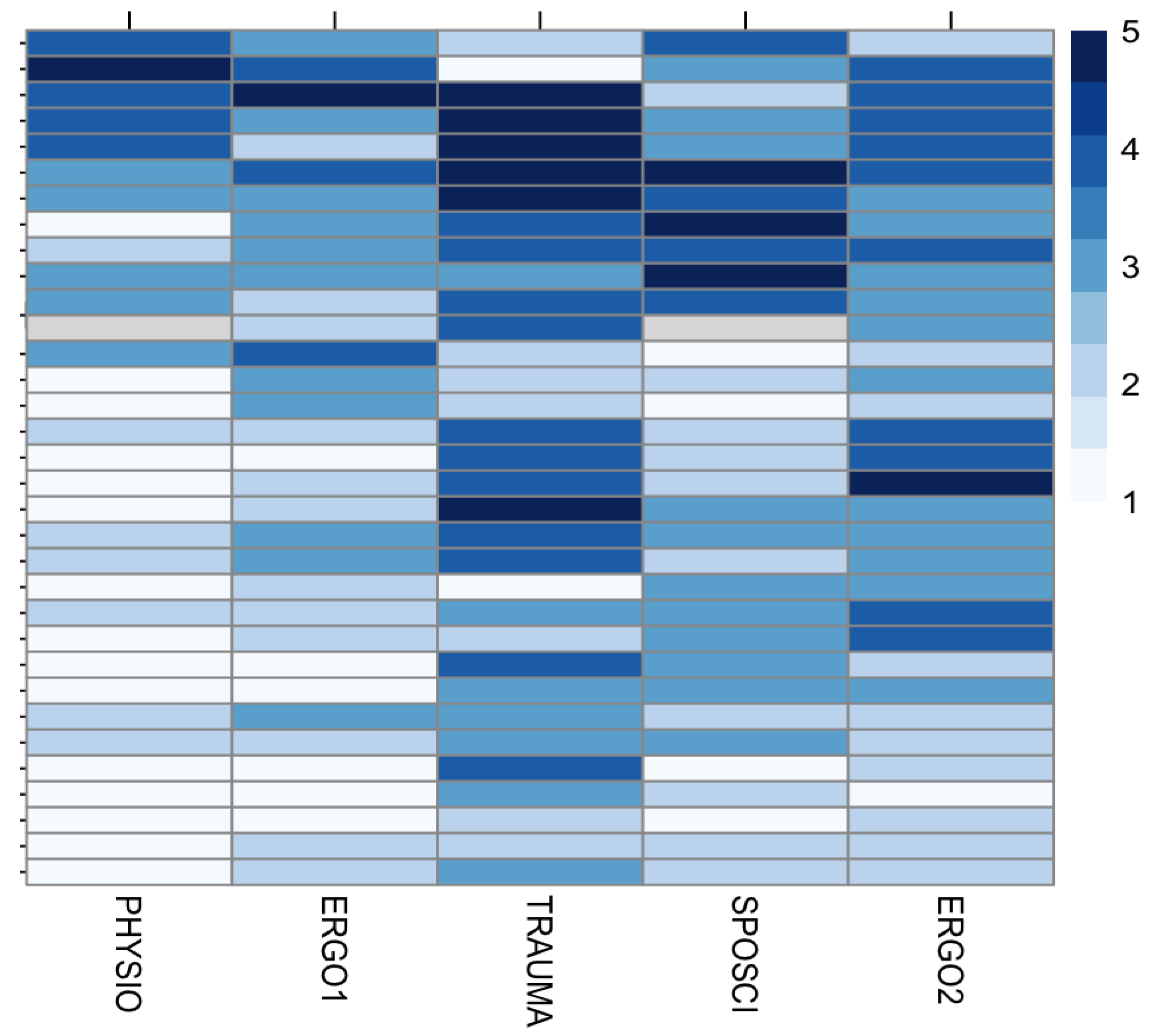
Background: Fractures of the distal radius are among the most common bone injuries, and their frequency is constantly increasing, leading to an elevated need for subsequent rehabilitation. This growing need has led to the emergence of online content aimed at providing guidance on rehabilitation. Nonetheless, unreviewed online content raises concerns about its reliability; therefore, the objective of this study was to evaluate the quality, reliability, and comprehensiveness of online videos concerning rehabilitation following a distal radius fracture. Methods: A total of 240 YouTube videos were screened, identifying 33 videos that met the inclusion criteria. These selected videos were evaluated by five independent experts from various professional groups, using the Global Quality Scale, the DISCERN reliability tool, and the JAMA Benchmark Score, as well as a structured set of questions to assess their comprehensiveness and coverage of pertinent aspects. Results: The observers’ assessment of the Global Quality Scale exhibited a broad spectrum of viewpoints, indicating considerable variability in evaluations. In most cases, therapy aligned well with the diagnosed condition, and most raters deemed the indication and instruction in the videos acceptable. A proportion of 87% of the videos was deemed suitable for home training by at least three raters. However, a concerning trend emerged, as potential risks and pitfalls were scarcely addressed. Conclusions: The moderate overall quality of the videos and the divergence in expert opinions highlight the need for a regulatory authority to ensure adherence to guidelines and maintain high-quality content. Additionally, our results raise concerns about the applicability of established assessment tools in this context.
Keywords: online content; distal radius fracture; rehabilitation; guidance; quality assessment online content; distal radius fracture; rehabilitation; guidance; quality assessment