Article

Orbital Exenteration in Recurrence Cancer: 5 Years Experience

Maxillo Facial Surgery Unit, Fondazione Policlinico Agostino Gemelli IRCCS Hospital, 8 Largo Agostino Gemelli, 00168 Rome, Italy
*
Author to whom correspondence should be addressed.
J. Clin. Med. 2023, 12(19), 6180; https://doi.org/10.3390/jcm12196180
Submission received: 21 August 2023 / Revised: 10 September 2023 / Accepted: 21 September 2023 / Published: 25 September 2023
(This article belongs to the Special Issue Oral and Maxillofacial Surgery in 2023 and Beyond)

Abstract

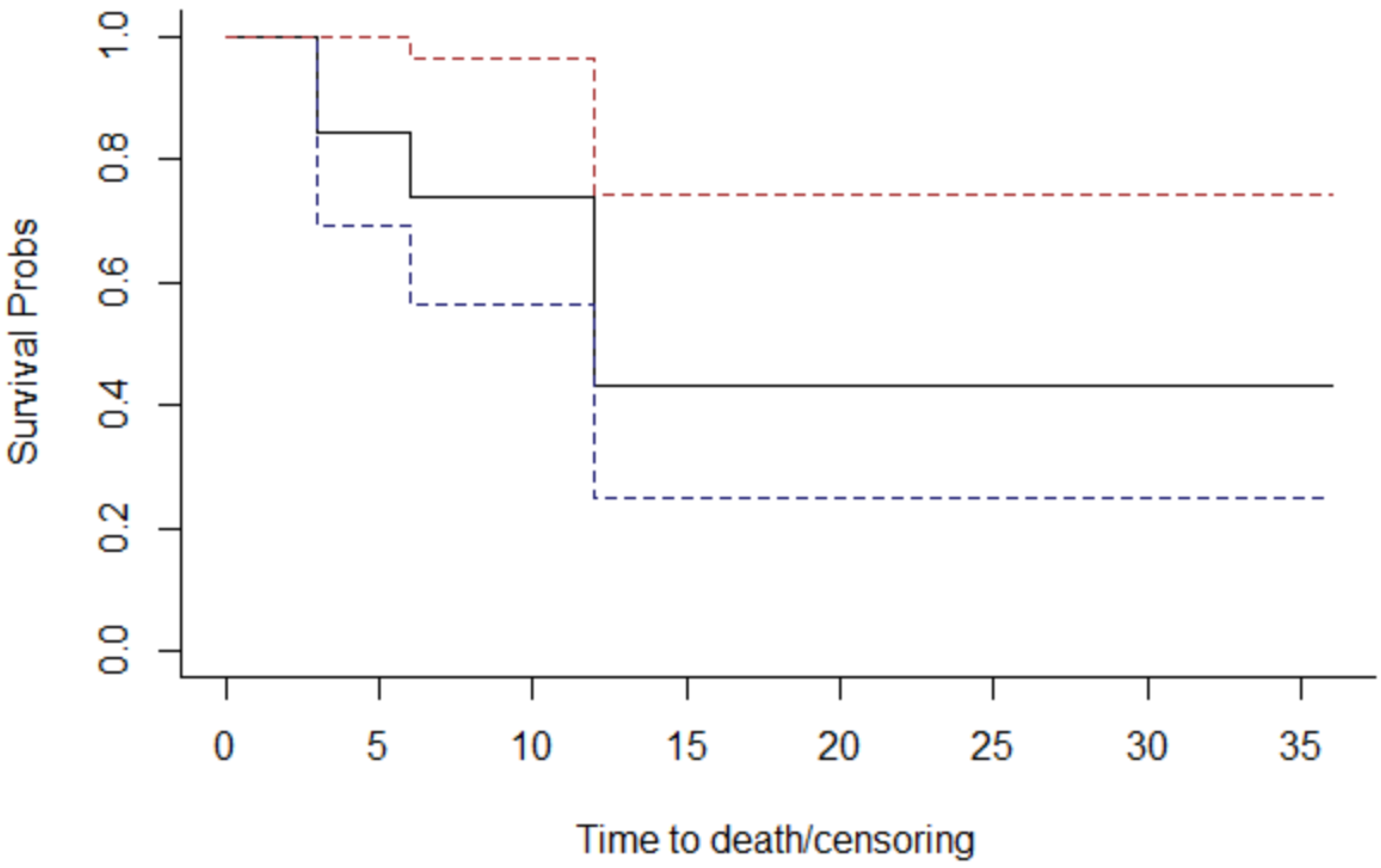
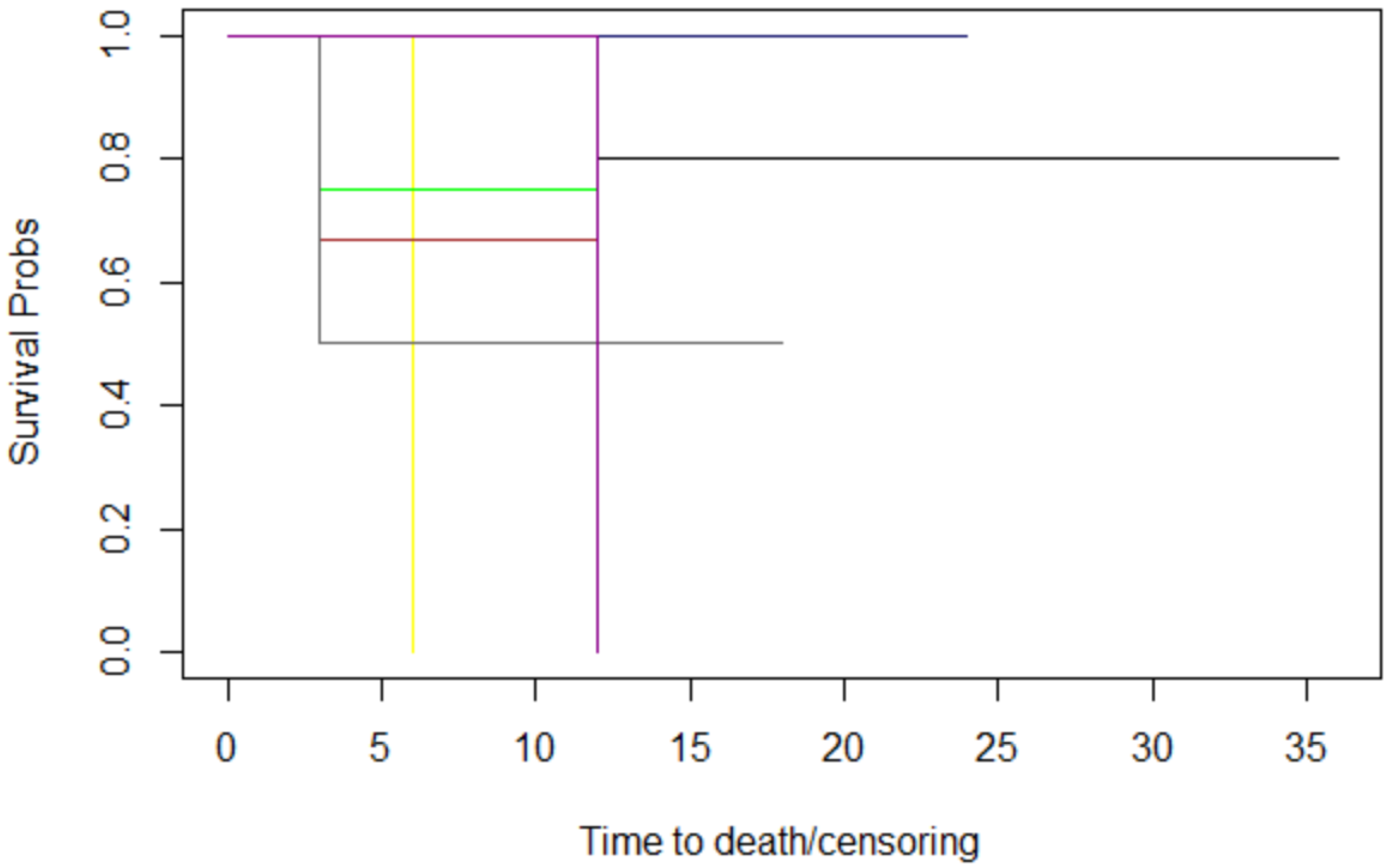
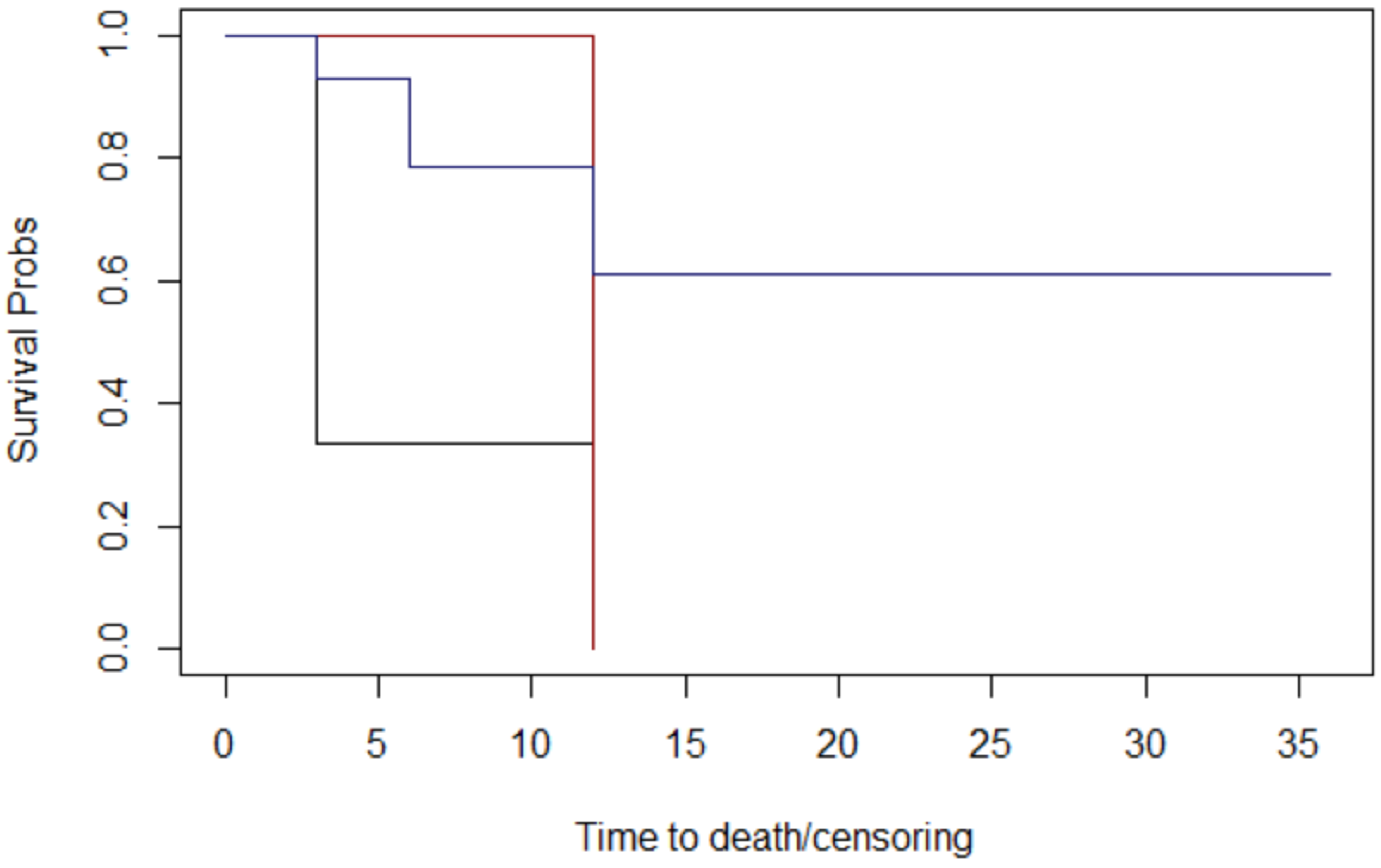
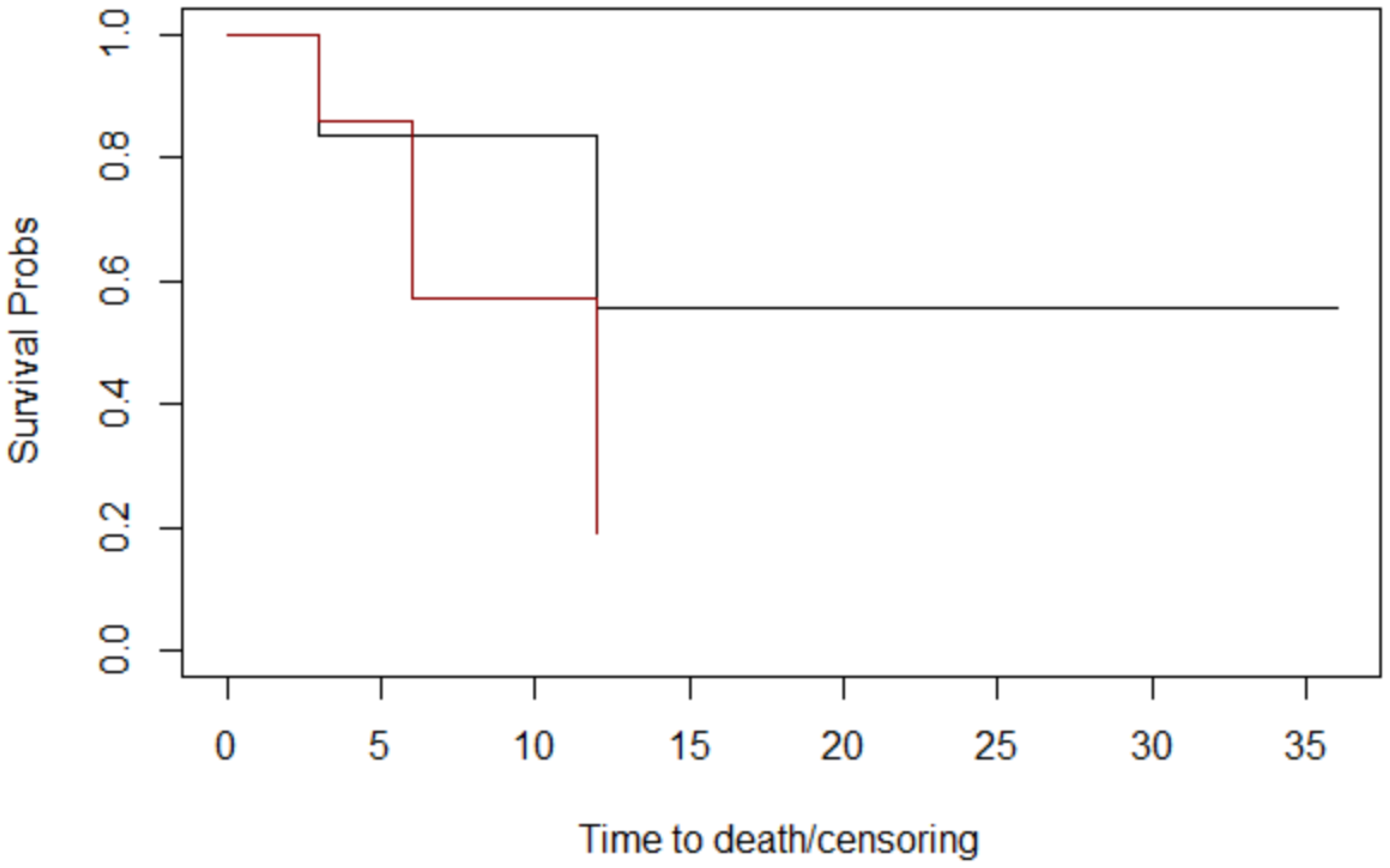
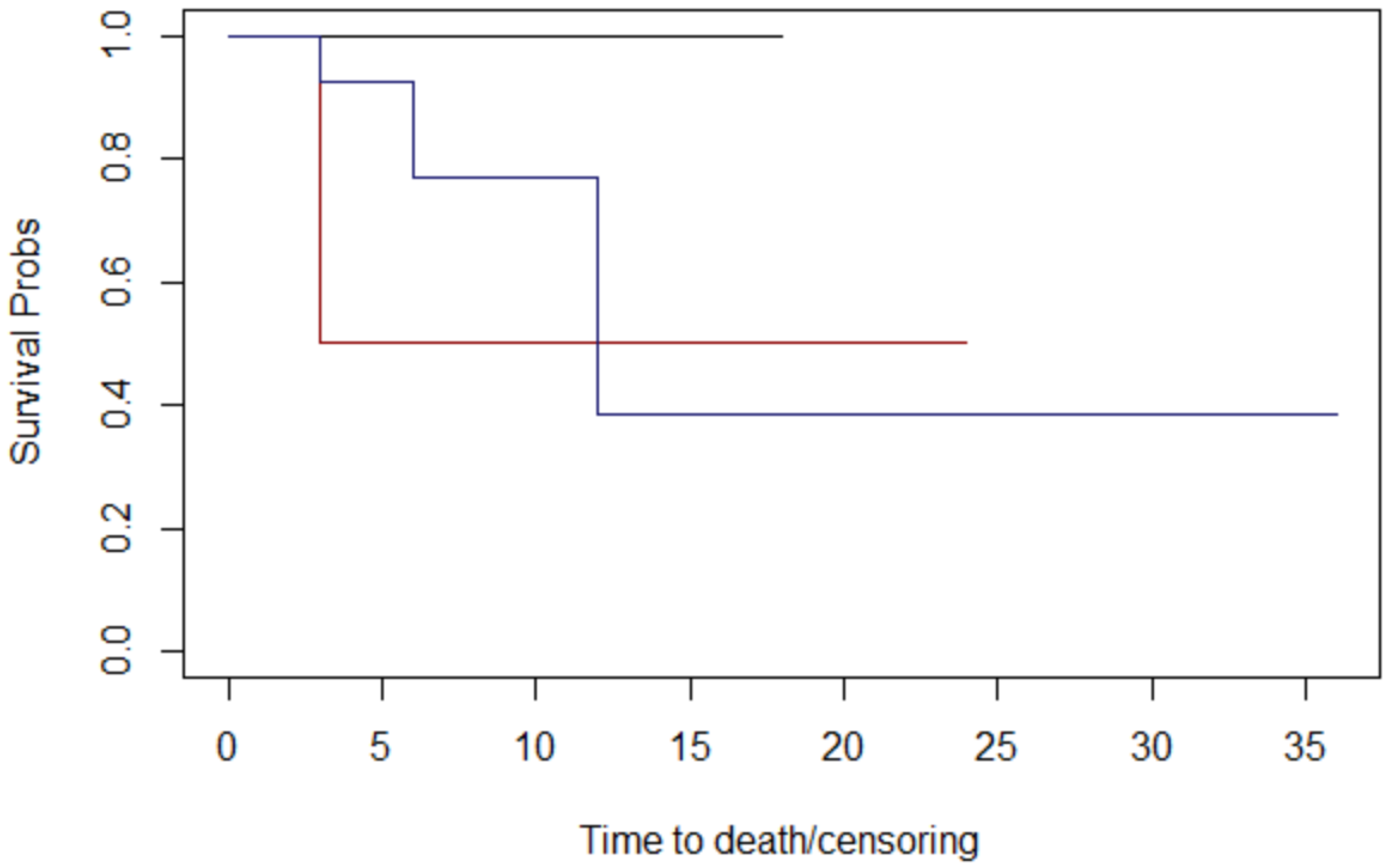
Introduction: The purpose of this study was to assess the overall survival (OS) and disease-free survival (DFS) of patients who underwent orbital exenteration for periorbital, conjunctival, and primary intraorbital carcinomas. Additionally, we assessed the outcomes of anterior retrograde temporalis muscle flap restoration. Methods: For all patients who had orbital exenteration in the previous five years, a non-comparative retrospective assessment of their medical records, histology, and radiographic imaging was carried out. We investigated the relationships between the various qualitative factors using Cramer’s V Kaplan–Meier (KM) analysis. For each of the patient’s categorical factors that were of relevance, estimates of the survival distribution were displayed, and log-rank tests were used to determine whether the survival distributions were equal. Results: This study looks at 19 participants. The sample is made up of 13 men (68%) and 6 women (32%). The degree of relationship (Cramer’s V index) between lymph node metastases (N) and the existence of distant metastases (M) is high, at 64%, and is statistically significant because the p-value is 0.0034 < 0.005. Lymph node metastases had a statistically significant impact on overall survival (p = 0.04 < 0.05). Thirteen of the nineteen patients tested had no palsy (68%). There was no one presenting a CSF leak. Conclusion: Our findings show how crucial it is to identify any lymph node involvement that orbital neoplasms may have. In patients who have received many treatments, sentinel lymph node biopsy (SLNB) may be used to determine the stage and spread of the cancer. To determine whether additional tumor characteristics may be explored, more expertise in the SLNB field for patients with orbital cancer who have received many treatments may be helpful. To prevent additional scarring and to be comparable to previous techniques for facial nerve lesions, the anterior retrograde approach and the transorbital procedure for temporal muscle flap in-setting are both effective methods.
Keywords: exenteration; orbital tumors; temporalis flap; orbital reconstruction exenteration; orbital tumors; temporalis flap; orbital reconstruction