Article

The Radiographic Risk Factors Predicting Occurrence of Idiopathic Carpal Tunnel Syndrome in Simple Wrist X-ray

Department of Orthopedic Surgery, Seoul Medical Center, 156, Sinnae-ro, Jungnang-gu, Seoul 02053, Korea
*
Author to whom correspondence should be addressed.
J. Clin. Med. 2022, 11(14), 4031; https://doi.org/10.3390/jcm11144031
Submission received: 21 June 2022 / Revised: 6 July 2022 / Accepted: 11 July 2022 / Published: 12 July 2022

Abstract

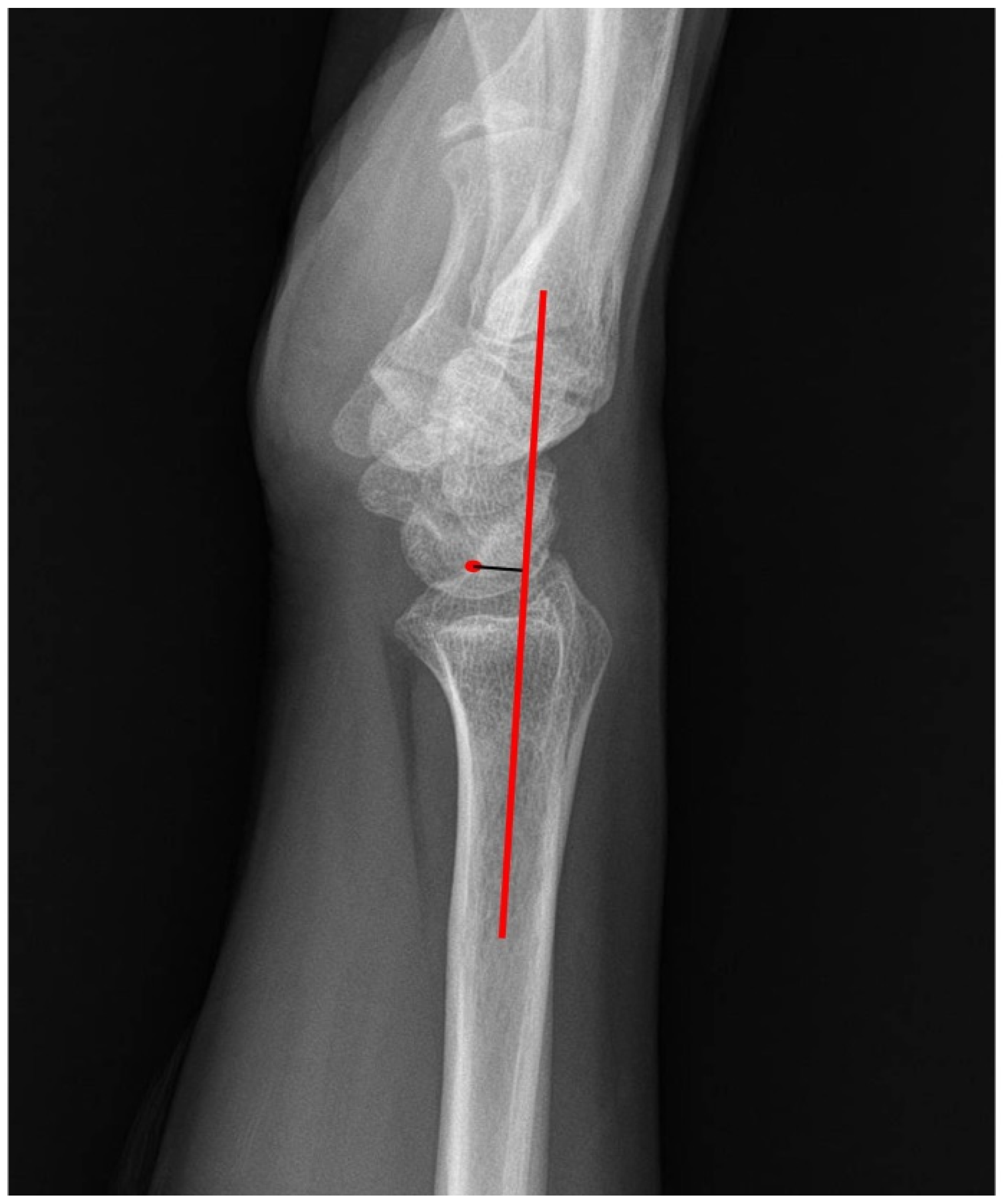
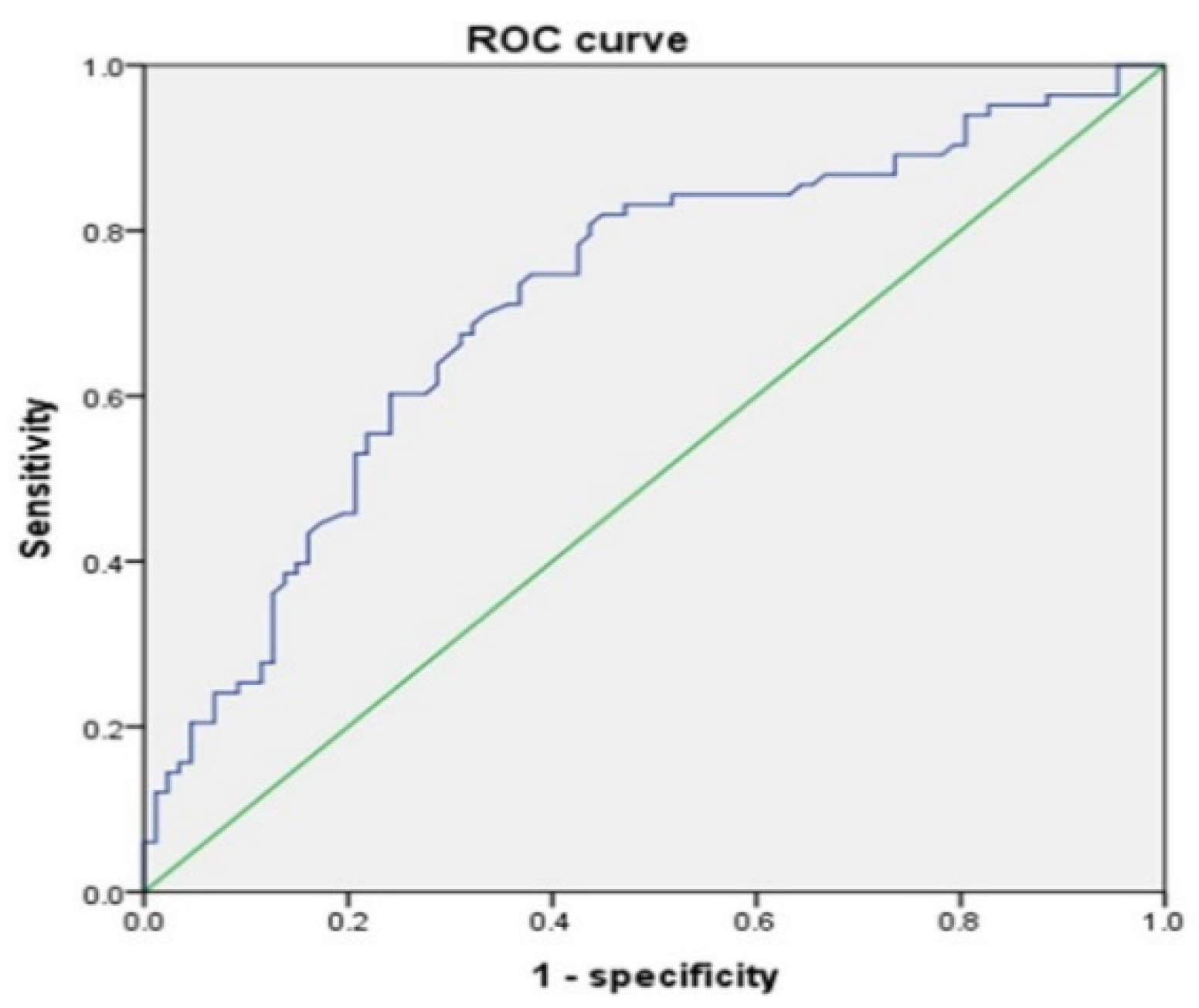
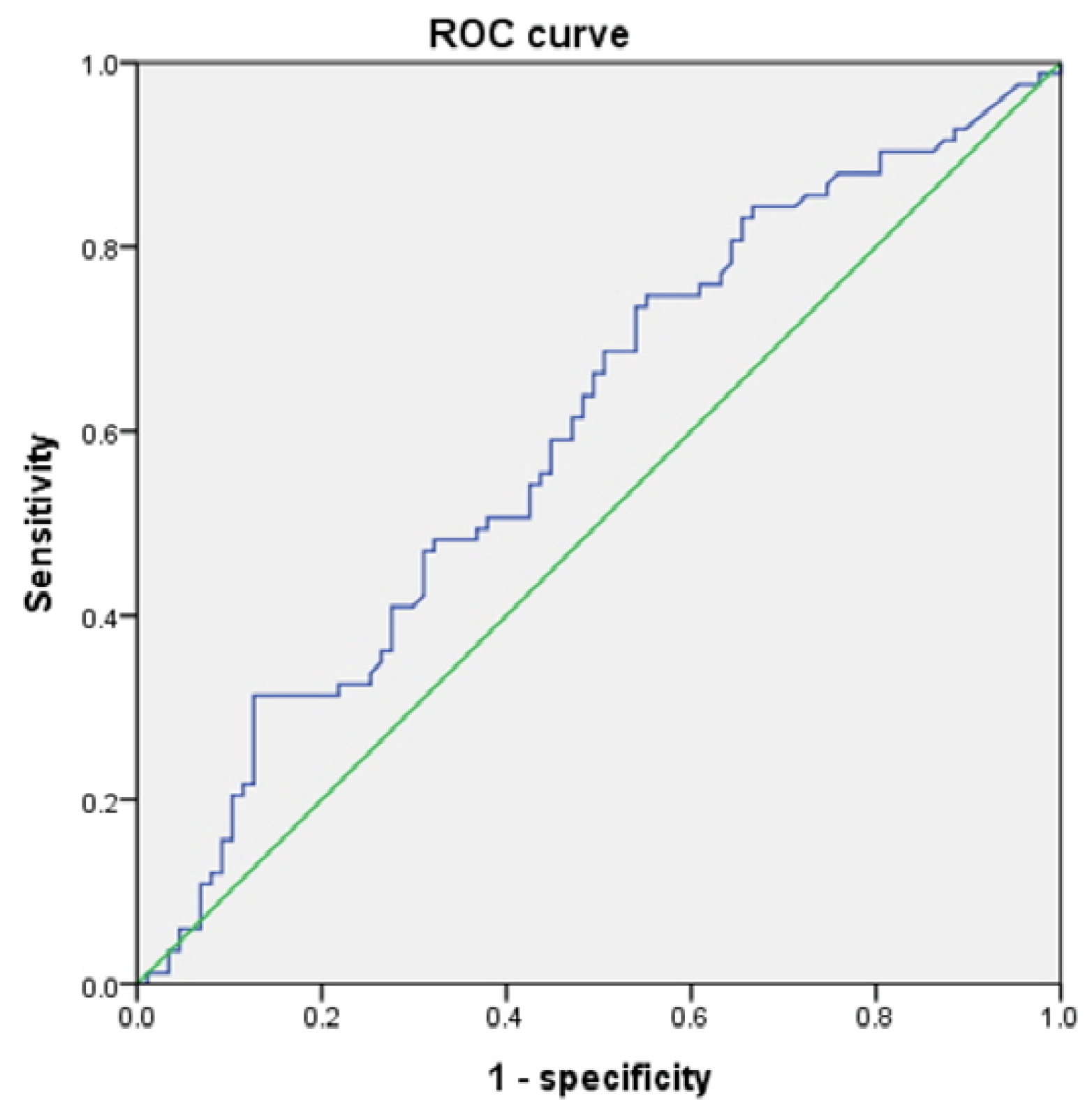
The causes of carpal tunnel syndrome are complex. However, little is known about the risk factors for carpal tunnel syndrome occurrence on simple radiographic images. To determine the X-ray imaging factors that can predict idiopathic carpal tunnel syndrome occurrence, we compared a group diagnosed with idiopathic carpal tunnel syndrome who received carpal tunnel release with a control group that had no symptoms. The simple wrist X-ray findings of 75 patients diagnosed with idiopathic carpal tunnel syndrome and 87 patients selected for the control group were evaluated. All the carpal tunnel syndrome patients were diagnosed based on clinical symptoms and nerve conduction studies. Anteroposterior and lateral radiographs of the wrists were taken in all the groups. The radial inclination, volar tilt, ulnar variance, radiolunate angle, and lunate-to-axis-of-radius distance were measured. Data were measured using two independent raters. After calculating the average of each value, the two groups were statistically compared. The diagnostic performance of statistically different figures was confirmed by drawing receiver operator characteristic curves. There was a significant difference in the radiolunate angle and lunate-to-axis-of-radius distance between the two groups (p < 0.01 and p = 0.028, respectively). The odd ratios for each parameter were 1.052 and 1.319, respectively. The area under the receiver operator characteristic curves were 0.715 and 0.601, respectively. In this study, radiolunate angle and lunate-to-axis-of-radius distance were useful as radiographic diagnostic tools. In other words, excessive dorsiflexion and volar displacement of the lunate can be considered as risk factors that may cause idiopathic carpal tunnel syndrome in the future.
Keywords: idiopathic carpal tunnel syndrome; development; radiographic; risk factors idiopathic carpal tunnel syndrome; development; radiographic; risk factors