Advances and Challenges in Aerobic Granular Sludge Membrane Bioreactors for Treating Sulfamethoxazole in Wastewater


 ,
, Highlights
- AGMBRs improve Sulfamethoxazole (SMX) removal via high biomass retention and SRT/HRT decoupling.
- SMX-induced EPS/SMP shifts link granule stability with membrane fouling.
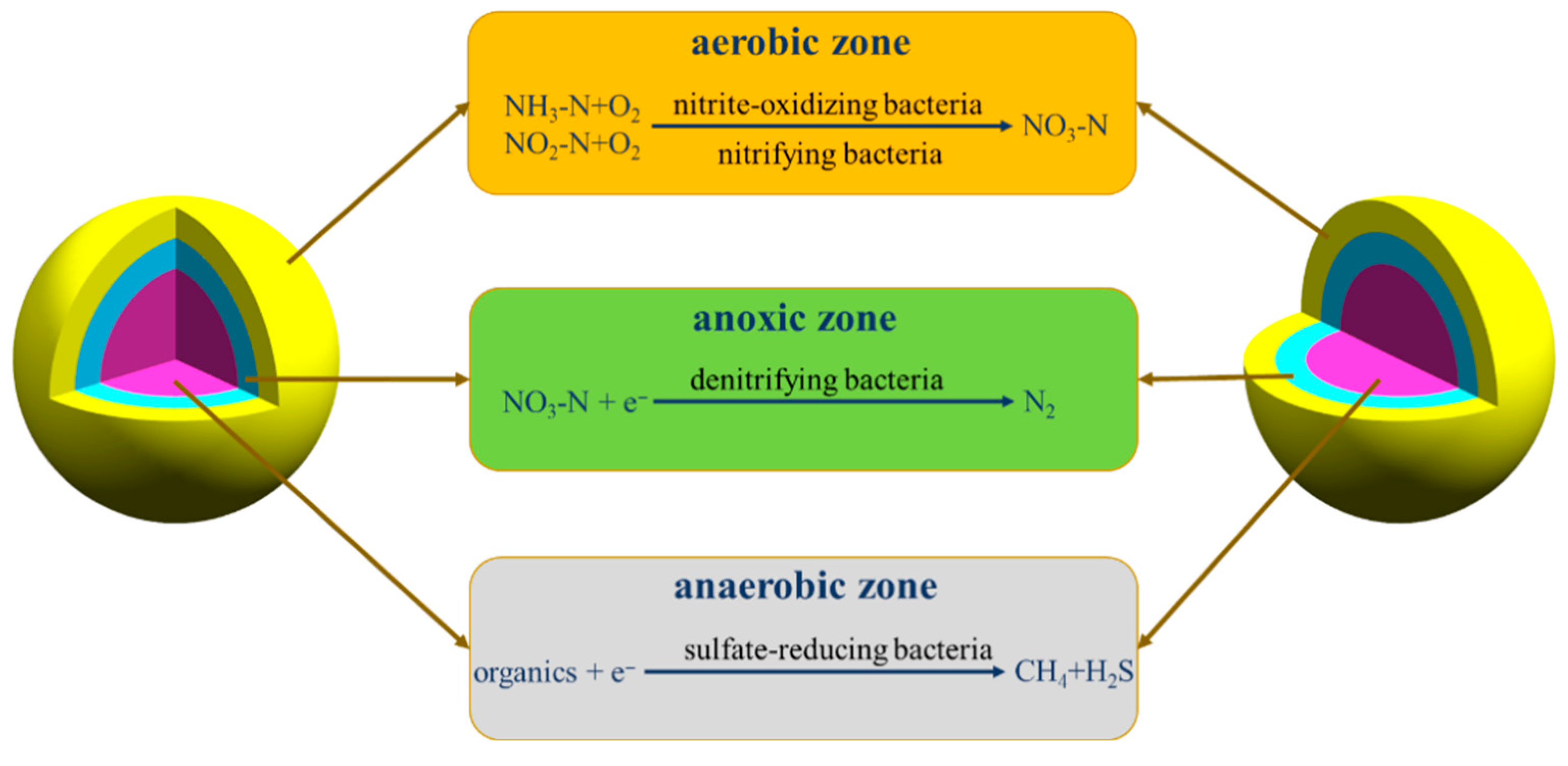
- Sorption, biodegradation, and co-metabolism jointly govern SMX attenuation.
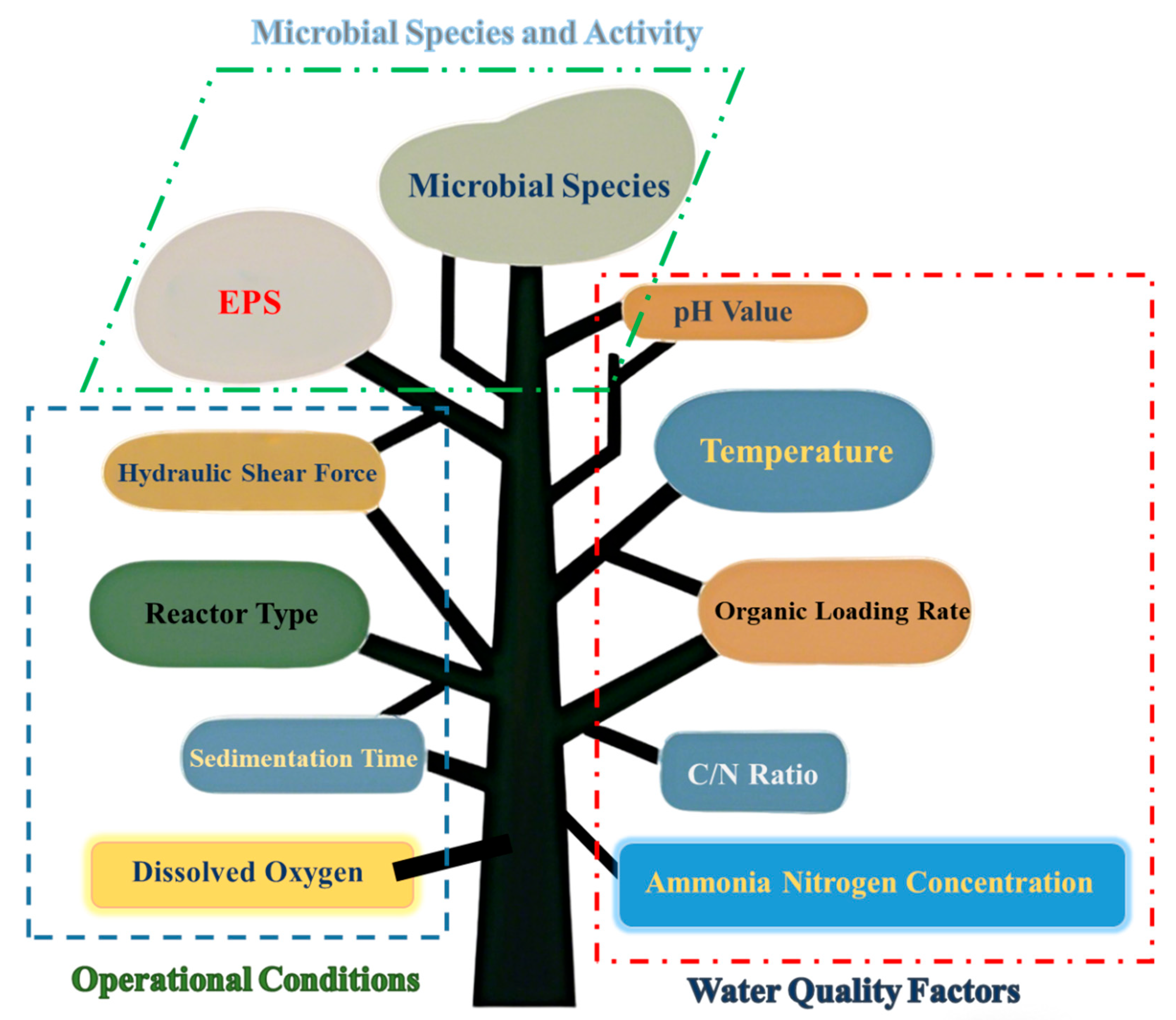
- DO, OLR, C/N, shear, and flux jointly regulate removal and process stability.
- Key gaps include TPs, ARG/MGE risks, fouling control, and pilot-scale validation.
Abstract
1. Introduction
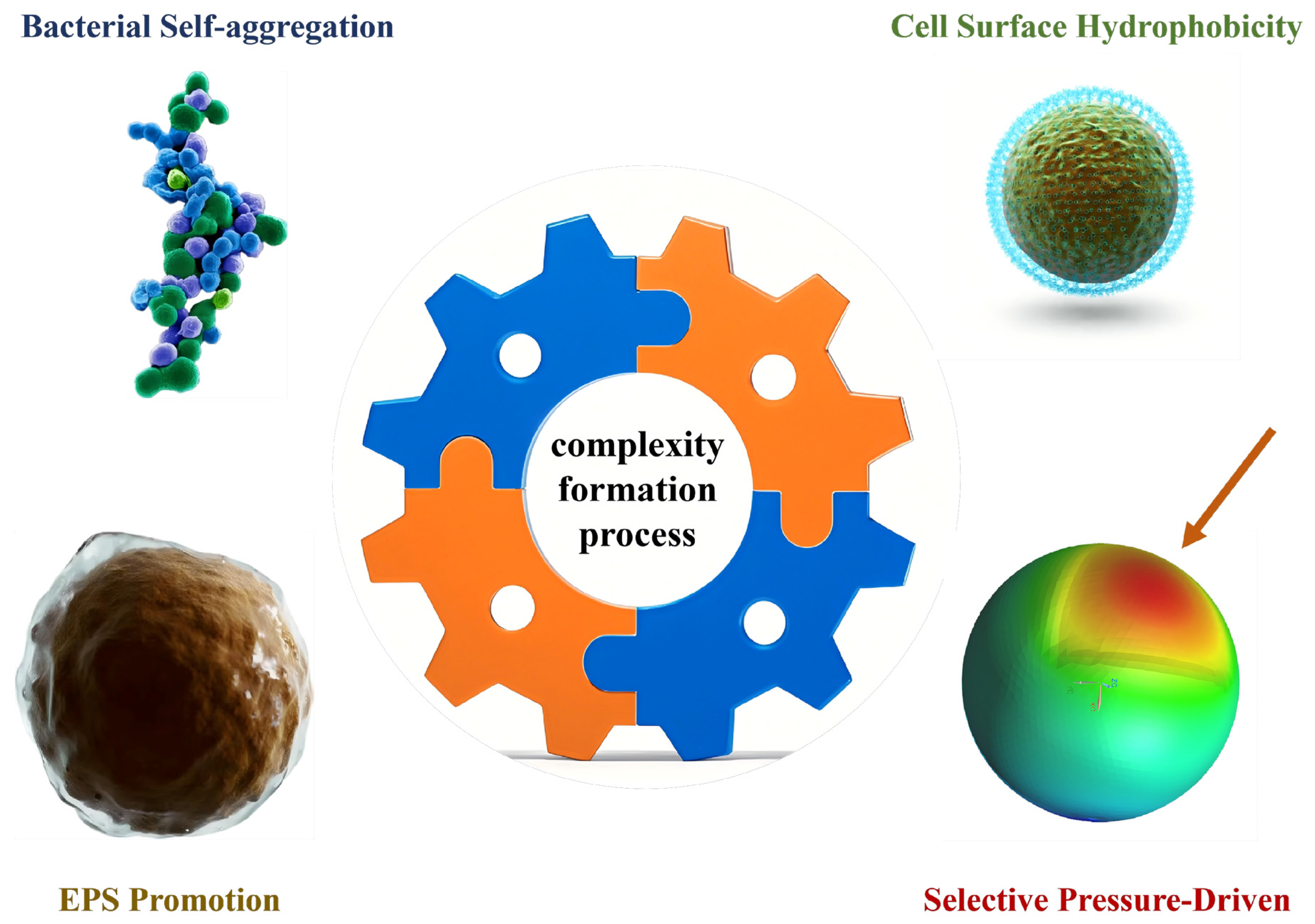
2. Formation Mechanisms of Granular Sludge in AGMBRs
2.1. Bacterial Self-Aggregation Theory
2.2. Cell Surface Hydrophobicity Hypothesis
2.3. EPS Promotion Hypothesis
2.4. Selective Pressure-Driven Hypothesis
2.5. Complexity of the Formation Process
3. Impacts of Antibiotics Such as Sulfamethoxazole on Granular Sludge in AGMBRs
3.1. Inhibitory Effects of Antibiotics on Microbial Activity in Granular Sludge
3.2. Influence of Antibiotics on Granule Structural Stability and Its Implications for Filtration
3.3. Effects on Particle Integrity, Effluent Quality, and Overall AGMBR Stability
4. Adaptability and Degradation Capacity of Granular Sludge in AGMBRs Under Antibiotic Stress
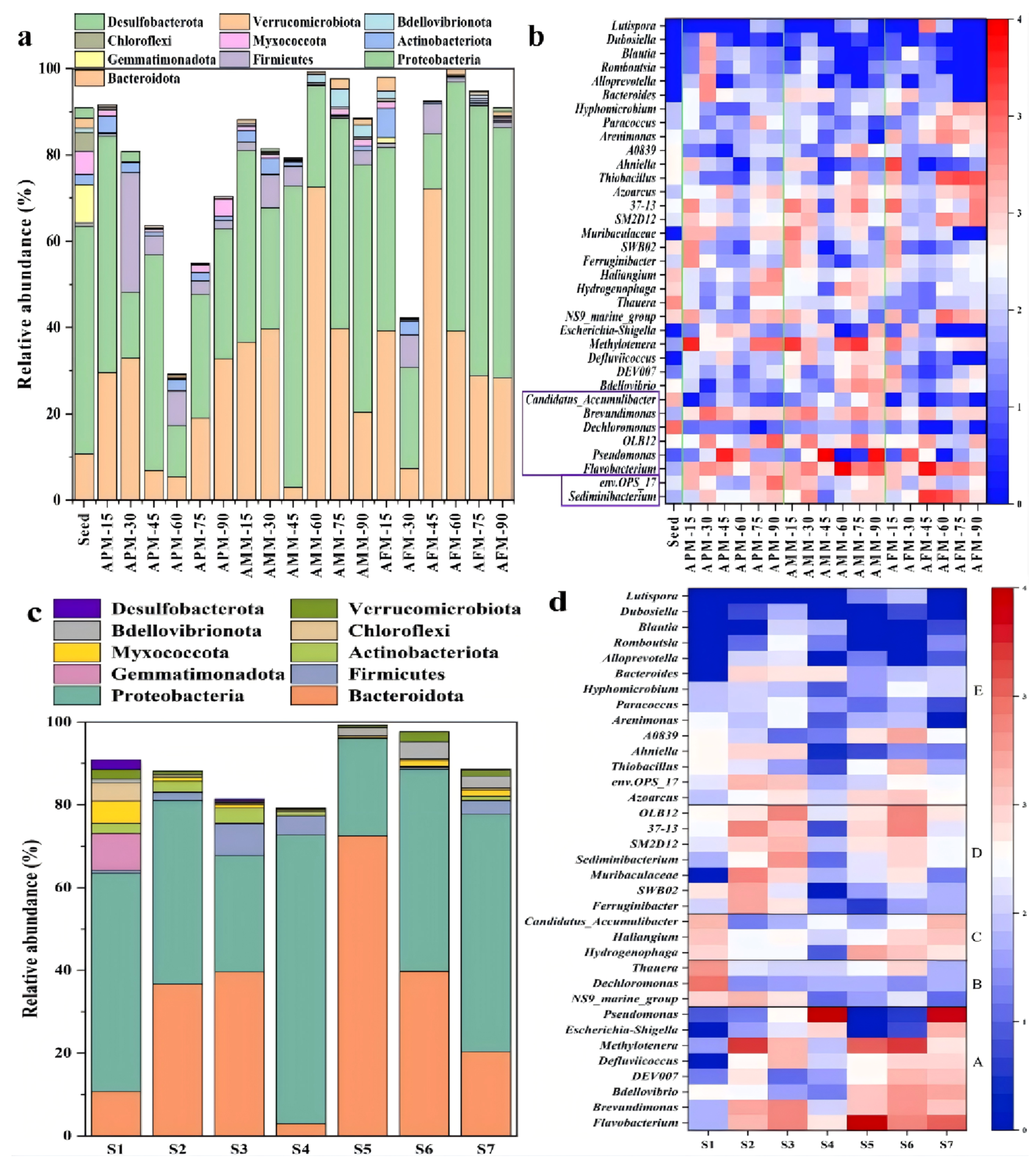
4.1. Adaptive Changes in Microbial Community Structure Under Antibiotics
4.2. Mechanisms of Key Microorganisms Degrading Antibiotics Within Granular Sludge
4.3. Strategies to Enhance Antibiotic Degradation Efficiency in AGMBRs
5. Key Factors Influencing Antibiotic Removal Efficiency in AGMBRs
5.1. Operational Conditions
5.1.1. Dissolved Oxygen Concentration
5.1.2. Hydraulic Shear Force
5.1.3. Sedimentation Time
5.1.4. Reactor Type
5.2. Water Quality Factors
5.2.1. Organic Loading Rate
5.2.2. Ammonia Nitrogen Concentration
5.2.3. C/N Ratio
5.2.4. pH Value
5.2.5. Temperature
5.2.6. Effects of Real Wastewater Matrices and Co-Contaminants
5.3. Key Components and Activity in Granular Sludge for AGMBRs
5.3.1. Microbial Species
5.3.2. The Role of EPS
5.4. Strategies to Enhance the Efficiency of AGS in Treating Antibiotic Wastewater
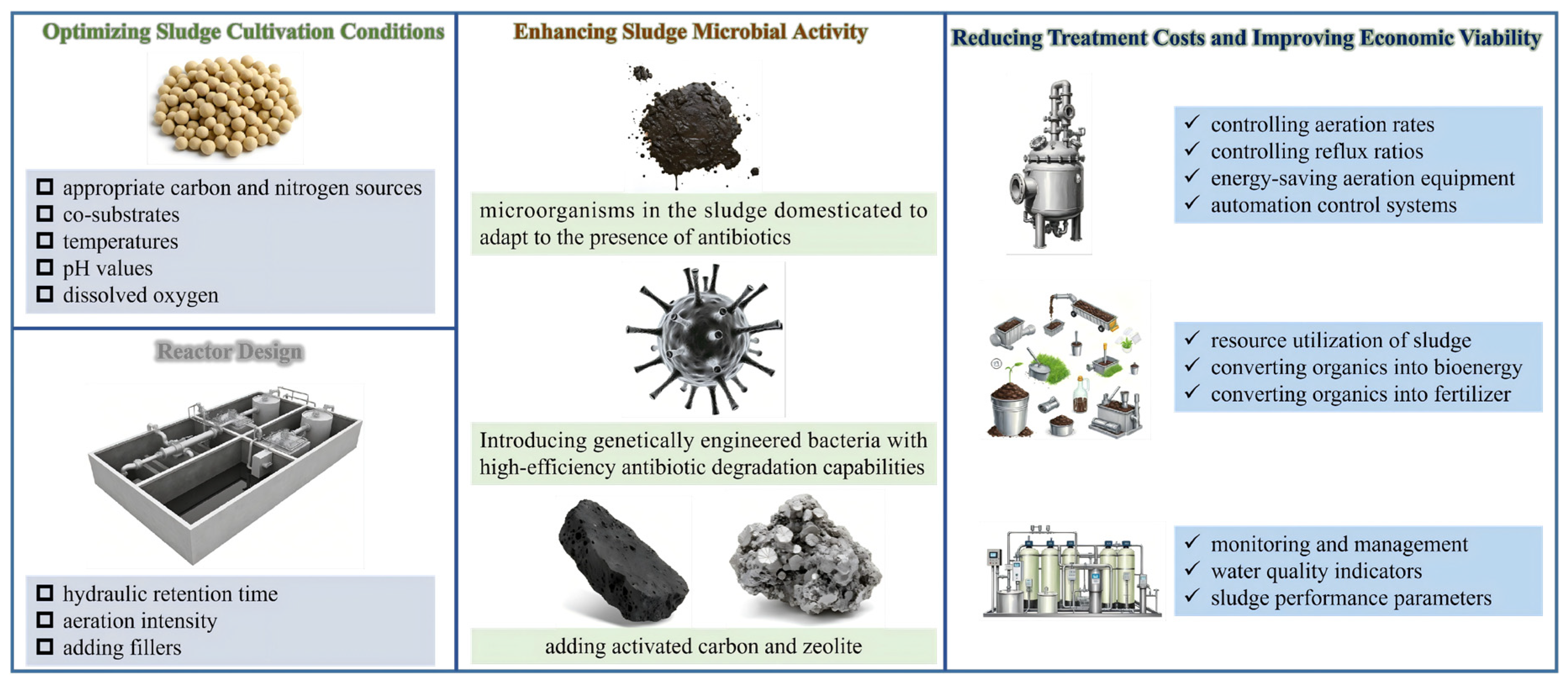
5.4.1. Optimizing Granular Sludge Cultivation Conditions and Reactor (Membrane) Design
5.4.2. Enhancing Microbial Activity and Tolerance for Antibiotic Degradation
5.4.3. Reducing Treatment Costs and Improving Economic Viability
6. Foresight
7. Conclusions
Supplementary Materials
Funding
Data Availability Statement
Conflicts of Interest
References
- Giannetti, B.F.; Sevegnani, F.; García, R.R.M.; Agostinho, F.; Almeida, C.; Coscieme, L.; Liu, G.Y.; Lombardi, G.V. Enhancing the Assessment of Cleaner Production Practices for Sustainable Development: The Five-Sector Sustainability Model Applied to Water and Wastewater Treatment Companies. Sustainability 2022, 14, 4126. [Google Scholar] [CrossRef]
- Blotevogel, J.; Thagard, S.M.; Mahendra, S. Scaling up water treatment technologies for PFAS destruction: Current status and potential for fit-for-purpose application. Curr. Opin. Chem. Eng. 2023, 41, 100944. [Google Scholar] [CrossRef]
- Zhang, Z.B.; Fu, H.S.; Li, Z.; Huang, J.Y.; Xu, Z.W.; Lai, Y.K.; Qian, X.M.; Zhang, S.N. Hydrogel materials for sustainable water resources harvesting & treatment: Synthesis, mechanism and applications. Chem. Eng. J. 2022, 439, 135756. [Google Scholar] [CrossRef]
- Kedves, A.; Kónya, Z. Effects of nanoparticles on anaerobic, anammox, aerobic, and algal-bacterial granular sludge: A comprehensive review. Biofilm 2024, 8, 100234. [Google Scholar] [CrossRef]
- Kedves, A.; Yavuz, C.; Kedves, O.; Haspel, H.; Kónya, Z. The response to shock loads of Ni-MOF and NiO NPs on aerobic granular sludge and algal-bacterial aerobic granular sludge. Heliyon 2024, 10, e40796. [Google Scholar] [CrossRef]
- Dong, Z.; Hu, J.; Wang, P.J.; Han, G.T.; Jia, Z. Antibiotics in Wastewater Treatment Plants in Tangshan: Perspectives on Temporal Variation, Residents’ Use and Ecological Risk Assessment. Water 2024, 16, 1627. [Google Scholar] [CrossRef]
- Ren, L.H.; Chen, M.; Zheng, J.J.; Li, Z.Y.; Tian, C.X.; Wang, Q.Y.; Wang, Z.W. Efficacy of a novel electrochemical membrane-aerated biofilm reactor for removal of antibiotics from micro-polluted surface water and suppression of antibiotic resistance genes. Bioresour. Technol. 2021, 338, 125527. [Google Scholar] [CrossRef]
- Zuo, R.; Liu, X.; Zhang, Q.R.; Wang, J.S.; Yang, J.; Teng, Y.G.; Chen, X.J.; Zhai, Y.Z. Sulfonamide antibiotics in groundwater and their migration in the vadose zone: A case in a drinking water resource. Ecol. Eng. 2021, 162, 106175. [Google Scholar] [CrossRef]
- Kengne, B.T.; Sun, Y.X.; Wang, S.Z.; Wang, J.L.; Bulka, S.; Pyszynska, M.; Sudlitz, M. Kinetic analysis and transformation pathways of sulfamethoxazole degradation in water and wastewater under electron beam irradiation. Water 2025, 17, 1596. [Google Scholar] [CrossRef]
- Fang, C.Y.; Garcia-Rodriguez, O.; Yang, L.M.; Zhou, Y.C.; Imbrogno, J.; Swenson, T.M.; Lefebvre, O.; Zhang, S. Sequential high-recovery nanofiltration and electrochemical degradation for the treatment of pharmaceutical wastewater. Water Res. 2024, 259, 121832. [Google Scholar] [CrossRef]
- Fonseca, V.F.; Duarte, I.A.; Duarte, B.; Freitas, A.; Pouca, A.S.V.; Barbosa, J.; Gillanders, B.M.; Reis-Santos, P. Environmental risk assessment and bioaccumulation of pharmaceuticals in a large urbanized estuary. Sci. Total Environ. 2021, 783, 147021. [Google Scholar] [CrossRef]
- Sarvajith, M.; Nandini, D.; Nancharaiah, Y.V. Comparative evaluation of activated sludge and aerobic granular sludge for biological treatment of real domestic wastewater with oxytetracycline dosing. J. Environ. Chem. Eng. 2024, 12, 112482. [Google Scholar] [CrossRef]
- Dababat, S.; Berzio, S.; Wichern, M.; Luebken, M. Characterization of the dewaterability of excess aerobic granular sludge. Environ. Technol. Innov. 2024, 33, 103503. [Google Scholar] [CrossRef]
- Zhang, X.F.; Liu, Y.Q.; Li, J.; Wei, Z.; Duan, W.Y.; Chen, F.Y. Enhancing Effects of Sludge Biochar on Aerobic Granular Sludge for Wastewater Treatment. Processes 2022, 10, 2385. [Google Scholar] [CrossRef]
- Ji, Y.T.; Liu, J.Y.; Wang, C.; Zhang, F.; Xu, X.Y.; Zhu, L. Stability improvement of aerobic granular sludge (AGS) based on Gibbs free energy change (?G) of sludge-water interface. Water Res. 2023, 240, 120059. [Google Scholar] [CrossRef]
- Liu, Z.; Liu, J.X.; Zhao, Y.; Zhang, S.M.; Gao, M.; Wang, J.X.; Zhang, A.N.; Zhang, T.T.; Liu, Y.J. Understanding the effects of algae growth on algae-bacterial granular sludge formation: From sludge characteristics, extracellular polymeric substances, and microbial community. J. Clean. Prod. 2023, 410, 137327. [Google Scholar] [CrossRef]
- Kosar, S.; Isik, O.; Akdag, Y.; Gulhan, H.; Koyuncu, I.; Ozgun, H.; Ersahin, M.E. Impact of seed sludge characteristics on granulation and performance of aerobic granular sludge process. J. Clean. Prod. 2022, 363, 132424. [Google Scholar] [CrossRef]
- Wang, M.F.; He, J.G.; Zhang, J. Evaluating the performance and microbial community of aerobic granular sludge under different salinities. J. Water Process Eng. 2024, 58, 104891. [Google Scholar] [CrossRef]
- Wang, Y.Y.; Wang, J.Q.; Liu, Z.P.; Huang, X.H.; Fang, F.; Guo, J.S.; Yan, P. Effect of EPS and its forms of aerobic granular sludge on sludge aggregation performance during granulation process based on XDLVO theory. Sci. Total Environ. 2021, 795, 148682. [Google Scholar] [CrossRef]
- Zou, X.; Gao, M.J.; Yao, Y.D.; Zhang, Y.H.; Guo, H.B.; Liu, Y. Efficient nitrogen removal from ammonia rich wastewater using aerobic granular sludge (AGS) reactor: Selection and enrichment of effective microbial community. Environ. Res. 2024, 251, 118573. [Google Scholar] [CrossRef] [PubMed]
- Wei, Y.J.; Ye, Y.Y.; Ji, M.; Peng, S.T.; Qin, F.F.; Guo, W.S.; Ngo, H.H. Microbial analysis for the ammonium removal from landfill leachate in an aerobic granular sludge sequencing batch reactor. Bioresour. Technol. 2021, 324, 124639. [Google Scholar] [CrossRef]
- Zhu, L.; Yu, Y.W.; Dai, X.; Xu, X.Y.; Qi, H.Y. Optimization of selective sludge discharge mode for enhancing the stability of aerobic granular sludge process. Chem. Eng. J. 2013, 217, 442–446. [Google Scholar] [CrossRef]
- Zhang, D.J.; Li, W.; Hou, C.; Shen, J.Y.; Jiang, X.B.; Sun, X.Y.; Li, J.S.; Han, W.Q.; Wang, L.J.; Liu, X.D. Aerobic granulation accelerated by biochar for the treatment of refractory wastewater. Chem. Eng. J. 2017, 314, 88–97. [Google Scholar] [CrossRef]
- Wang, W.Z.; Wang, R.; Yuan, H.; Zhu, N. A novel strategy for high efficiency of anaerobic digestion of waste activated sludge by using a Fe-Cu microelectrolysis method: Performance, electron transfer, key enzymes and microbial community. Water Res. 2025, 287, 124322. [Google Scholar] [CrossRef]
- Wan, X.P.; Gao, M.M.; Ye, M.S.; Wang, Y.K.; Xu, H.; Wang, M.Y.; Wang, X.H. Formation, characteristics and microbial community of aerobic granular sludge in the presence of sulfadiazine at environmentally relevant concentrations. Bioresour. Technol. 2018, 250, 486–494. [Google Scholar] [CrossRef]
- Zhang, M.Q.; Yuan, L.; Li, Z.H.; Zhang, H.C.; Sheng, G.P. Tetracycline exposure shifted microbial communities and enriched antibiotic resistance genes in the aerobic granular sludge. Environ. Int. 2019, 130, 104902. [Google Scholar] [CrossRef] [PubMed]
- Wu, X.; Li, H.; Lei, L.; Ren, J.Q.; Li, W.; Liu, Y.D. Tolerance to short-term saline shocks by aerobic granular sludge. Chemosphere 2020, 243, 125370. [Google Scholar] [CrossRef]
- Cydzik-Kwiatkowska, A.; Nosek, D.; Wojnowska-Baryla, I.; Mikulski, A. Efficient dewatering of polymer-rich aerobic granular sludge with cationic polymer containing hydrocarbons. Int. J. Environ. Sci. Technol. 2020, 17, 361–370. [Google Scholar] [CrossRef]
- Haaksman, V.A.; Mirghorayshi, M.; van Loosdrecht, M.C.M.; Pronk, M. Impact of aerobic availability of readily biodegradable COD on morphological stability of aerobic granular sludge. Water Res. 2020, 187, 116402. [Google Scholar] [CrossRef] [PubMed]
- Geng, M.Y.; Ma, F.; Guo, H.J.; Su, D.L. Enhanced aerobic sludge granulation in a Sequencing Batch Reactor (SBR) by applying mycelial pellets. J. Clean. Prod. 2020, 274, 123037. [Google Scholar] [CrossRef]
- Pishgar, R.; Dominic, J.A.; Sheng, Z.Y.; Tay, J.H. Influence of operation mode and wastewater strength on aerobic granulation at pilot scale: Startup period, granular sludge characteristics, and effluent quality. Water Res. 2019, 160, 81–96. [Google Scholar] [CrossRef]
- Daraei, H.; Rafiee, M.; Yazdanbakhsh, A.R.; Amoozegar, M.A.; Guanglei, Q. A comparative study on the toxicity of nano zero valent iron (nZVI) on aerobic granular sludge and flocculent activated sludge: Reactor performance, microbial behavior, and mechanism of toxicity. Process Saf. Environ. Protect. 2019, 129, 238–248. [Google Scholar] [CrossRef]
- Iorhemen, O.T.; Zaghloul, M.S.; Hamza, R.A.; Tay, J.H. Long-term aerobic granular sludge stability through anaerobic slow feeding, fixed feast-famine period ratio, and fixed SRT. J. Environ. Chem. Eng. 2020, 8, 103681. [Google Scholar] [CrossRef]
- Zhou, D.F.; Yuan, H.; Yu, Z.R.; Guo, W.; Xiong, Y.L.; Luo, G.Q.; Shen, Q. Broadband electromagnetic absorbing performance by constructing alternate gradient structure (AGS) for PMMA-based foams. Compos. Part A Appl. Sci. Manuf. 2021, 149, 106557. [Google Scholar] [CrossRef]
- Saifullah, M.; Kim, K.; Shahzad, R.; Gwak, J.; Cho, J.S.; Yoo, J.S.; Yun, J.H.; Park, J.H. Insertion of the AGS layer at the CIGSe/ITO interface: A way to reduce the formation of the GaOx interfacial phase in CIGSe solar cells. Sol. Energy Mater. Sol. Cells 2018, 178, 29–37. [Google Scholar] [CrossRef]
- Chen, L.S.; Wang, Y.; Zhu, E.Y.; Wu, H.F.; Feng, D.L. Carbon storage estimation and strategy optimization under low carbon objectives for urban attached green spaces. Sci. Total Environ. 2024, 923, 171507. [Google Scholar] [CrossRef]
- Jahn, L.; Svardal, K.; Krampe, J. Nitrous oxide emissions from aerobic granular sludge. Water Sci. Technol. 2019, 80, 1304–1314. [Google Scholar] [CrossRef] [PubMed]
- Quoc, B.N.; Cavanaugh, S.K.; Hunt, K.A.; Bryson, S.J.; Winkler, M.K.H. Impact of aerobic granular sludge sizes and dissolved oxygen concentration on greenhouse gas N2O emission. Water Res. 2024, 255, 121479. [Google Scholar] [CrossRef]
- Lebiedz, D.; Brandt-Pollmann, U. Manipulation of self-aggregation patterns and waves in a reaction-diffusion system by optimal boundary control strategies. Phys. Rev. Lett. 2003, 91, 208301. [Google Scholar] [CrossRef] [PubMed]
- Yae, J.; Ryu, J.; Tuyen, N.V.; Kim, H.; Hong, S.; Ahn, D. An aerobic granular sludge process for treating low carbon/nitrogen ratio sewage. Environ. Eng. Res. 2019, 24, 238–245. [Google Scholar] [CrossRef]
- Su, L.; Li, Y.F.; Chao, L.; Li, Q.Q.; Hu, Z.Q. Enhanced Simultaneous Nitrogen and Phosphorus Removal Performance of the AGS-SBR Reactor Based on the Effects of the C/N Ratio and Microbial Community Change. Sustainability 2023, 15, 7691. [Google Scholar] [CrossRef]
- Santorio, S.; Couto, A.T.; Amorim, C.L.; del Rio, A.V.; Arregui, L.; Mosquera-Corral, A.; Castro, P.M.L. Sequencing versus continuous granular sludge reactor for the treatment of freshwater aquaculture effluents. Water Res. 2021, 201, 117293. [Google Scholar] [CrossRef] [PubMed]
- Wang, Y.; Samaranayake, L.P.; Dykes, G.A. Plant components affect bacterial biofilms development by altering their cell surface physicochemical properties: A predictability study using Actinomyces naeslundii. FEMS Microbiol. Ecol. 2021, 97, fiaa217. [Google Scholar] [CrossRef]
- Adav, S.S.; Lee, D.J.; Lai, J.Y. Potential cause of aerobic granular sludge breakdown at high organic loading rates. Appl. Microbiol. Biotechnol. 2010, 85, 1601–1610. [Google Scholar] [CrossRef]
- Adav, S.S.; Lee, D.J.; Show, K.Y.; Tay, J.H. Aerobic granular sludge: Recent advances. Biotechnol. Adv. 2008, 26, 411–423. [Google Scholar] [CrossRef]
- Li, Z.W.; Li, H.Q.; Tang, R.; Wan, C.L.; Zhang, C.; Tan, X.J.; Liu, X. Understanding the dependence of start-up and stability of aerobic granule on pH from the perspective of adhesion behavior and properties of extracellular polymeric substances. Environ. Res. 2021, 198, 111311. [Google Scholar] [CrossRef]
- Li, Z.W.; Wan, C.L.; Liu, X.; Wang, L.; Lee, D.J. Understanding of the mechanism of extracellular polymeric substances of aerobic granular sludge against tetracycline from the perspective of fluorescence properties. Sci. Total Environ. 2021, 756, 144054. [Google Scholar] [CrossRef]
- He, C.H.; Fang, K.; Gong, H.; Liu, J.; Song, X.X.; Liang, R.S.; He, Q.H.; Yuan, Q.; Wang, K.J. Advanced organic recovery from municipal wastewater with an enhanced magnetic separation (EMS) system: Pilot-scale verification. Water Res. 2022, 217, 118449. [Google Scholar] [CrossRef]
- Liu, Z.; Wang, J.W.; Zhang, S.M.; Hou, Y.W.; Wang, J.X.; Gao, M.; Chen, X.D.; Zhang, A.N.; Liu, Y.J.; Li, Z.H. Formation characteristics of algal-bacteria granular sludge under low-light environment: From sludge characteristics, extracellular polymeric substances to microbial community. Bioresour. Technol. 2023, 376, 128851. [Google Scholar] [CrossRef] [PubMed]
- Kedves, A.; Sánta, L.; Balázs, M.; Kesseru, P.; Kiss, I.; Rónavári, A.; Kónya, Z. Chronic responses of aerobic granules to the presence of graphene oxide in sequencing batch reactors. J. Hazard. Mater. 2020, 389, 121905. [Google Scholar] [CrossRef]
- Zhang, S.H.; Yu, X.; Guo, F.; Wu, Z.Y. Effect of interspecies quorum sensing on the formation of aerobic granular sludge. Water Sci. Technol. 2011, 64, 1284–1290. [Google Scholar] [CrossRef]
- Zeynali, V.; Sargolzaei, J.; Moghaddam, A.H.; Masoudl, S.M.A. Implication of Statistical Design Approach Methodology for Optimization of COD Removal, Effluent Quality, and Biosludge Settling Properties in Aerobic Bioreactor. Environ. Prog. Sustain. Energy 2017, 36, 1428–1438. [Google Scholar] [CrossRef]
- Zhou, J.H.; Zhang, Z.M.; Zhao, H.; Yu, H.T.; Alvarez, P.J.J.; Xu, X.Y.; Zhu, L. Optimizing granules size distribution for aerobic granular sludge stability: Effect of a novel funnel-shaped internals on hydraulic shear stress. Bioresour. Technol. 2016, 216, 562–570. [Google Scholar] [CrossRef] [PubMed]
- Zhu, L.; Zhou, J.H.; Yu, H.T.; Xu, X.Y. Optimization of hydraulic shear parameters and reactor configuration in the aerobic granular sludge process. Environ. Technol. 2015, 36, 1605–1611. [Google Scholar] [CrossRef] [PubMed]
- Kan, X.R.D.; Ji, B.F.; Zhang, J.Q.; Liu, Z.Q.; Xu, Y.R.; Zhao, L.J.; Shi, B.F.; Pu, J.W.; Zhang, Z.Y. Advances in aerobic granular sludge stabilization in wastewater. Desalin. Water Treat. 2024, 319, 100513. [Google Scholar] [CrossRef]
- Truong, H.T.B.; Bui, H. Potential of aerobic granular sludge membrane bioreactor (AAGMBR) in wastewater treatment. Bioengineered 2023, 14, 2260139. [Google Scholar] [CrossRef]
- Wang, R.D.; Peng, Y.Z.; Cheng, Z.L.; Ren, N.Q. Understanding the role of extracellular polymeric substances in an enhanced biological phosphorus removal granular sludge system. Bioresour. Technol. 2014, 169, 307–312. [Google Scholar] [CrossRef]
- Pratoomwun, J.; Thomson, P.; Jaruthamsophon, K.; Tiyasirichokchai, R.; Jinda, P.; Rerkpattanapipat, T.; Tassaneeyakul, W.; Nakkam, N.; Rerknimitr, P.; Klaewsongkram, J.; et al. Characterization of T-Cell Responses to SMX and SMX-NO in Co-Trimoxazole Hypersensitivity Patients Expressing HLA-B*13:01. Front. Immunol. 2021, 12, 11. [Google Scholar] [CrossRef]
- Zhang, X.; Wang, J.; Duan, B.R.; Jiang, S. Degradation of sulfamethoxazole in water by a combined system of ultrasound/PW12/KI/H2O2. Sep. Purif. Technol. 2021, 270, 118790. [Google Scholar] [CrossRef]
- Cui, D.; Wei, N.P.; Ling, N.; Zheng, G.C.; Sun, Y.A.; Chen, Z.Y.; Zou, X.; Deng, H.N.; Li, W.L. Effects of sulfamethoxazole on aerobic sludge granulation process. J. Appl. Microbiol. 2022, 132, 1091–1103. [Google Scholar] [CrossRef] [PubMed]
- Zhang, B.; He, Y.K.; Shi, W.X.; Liu, L.J.; Li, L.; Liu, C.; Lens, P.N.L. Biotransformation of sulfamethoxazole (SMX) by aerobic granular sludge: Removal performance, degradation mechanism and microbial response. Sci. Total Environ. 2023, 858, 159771. [Google Scholar] [CrossRef]
- Cui, D.; Chen, Z.Y.; Cheng, X.M.; Zheng, G.C.; Sun, Y.; Deng, H.N.; Li, W.L. Efficiency of sulfamethoxazole removal from wastewater using aerobic granular sludge: Influence of environmental factors. Biodegradation 2021, 32, 663–676. [Google Scholar] [CrossRef]
- Zhang, F.Y.; Cheng, S.Q.; Zhao, J.B.; Li, A.J. Effects of zero-valent iron (ZVI) on nitrogen conversion, transformation of sulfamethoxazole (SMX) and abundance of antibiotic resistance genes (ARGs) in aerobic granular sludge process. J. Environ. Manage. 2023, 348, 119194. [Google Scholar] [CrossRef]
- Tang, X.; Zhang, X.F. New insights into long-term impacts of sulfamethoxazole on anaerobic/oxic/anoxic (AOA) processes performance, sludge properties, and microbial oxidative stress mechanisms. Water Sci. Technol. 2026, 93, 256–272. [Google Scholar]
- Ren, C.Y.; Xu, Q.J.; Zhao, H.P. The unique features of aerobic granule sludge contribute to simultaneous antibiotic removal and mitigation of antibiotic resistance genes enrichment. J. Water Process Eng. 2023, 52, 103577. [Google Scholar] [CrossRef]
- Liang, J.L.; Li, C.J.; Zhang, J.Q.; Zhang, L.; Yang, J.W.; Sun, S.Y.; Wong, J.W.C. High-valent iron-driven sulfamethoxazole removal during sludge dewatering process. Eng. Environ. 2026, 20, 8. [Google Scholar]
- Liu, X.Y.; Pei, Q.Q.; Han, H.Y.; Yin, H.; Chen, M.; Guo, C.; Li, J.L.; Qiu, H. Functional analysis of extracellular polymeric substances (EPS) during the granulation of aerobic sludge: Relationship among EPS, granulation and nutrients removal. Environ. Res. 2022, 208, 112692. [Google Scholar] [CrossRef]
- Garneau-Tsodikova, S.; Labby, K.J. Mechanisms of resistance to aminoglycoside antibiotics: Overview and perspectives. MedChemComm 2016, 7, 11–27. [Google Scholar] [CrossRef]
- Peng, T.; Wang, Y.Y.; Wang, J.Q.; Fang, F.; Yan, P.; Liu, Z.P. Effect of different forms and components of EPS on sludge aggregation during granulation process of aerobic granular sludge. Chemosphere 2022, 303, 135116. [Google Scholar] [CrossRef] [PubMed]
- Cydzik-Kwiatkowska, A. Biopolymers in Aerobic Granular Sludge-Their Role in Wastewater Treatment and Possibilities of Re-Use in Line with Circular Economy. Energies 2021, 14, 7219. [Google Scholar] [CrossRef]
- Zhu, Y.J.; Wang, Y.Y.; Zhou, S.; Jiang, X.X.; Ma, X.; Liu, C. Robust performance of a membrane bioreactor for removing antibiotic resistance genes exposed to antibiotics: Role of membrane foulants. Water Res. 2018, 130, 139–150. [Google Scholar] [CrossRef] [PubMed]
- Yang, D.; Wang, J.F.; Qiu, Z.G.; Jin, M.; Shen, Z.Q.; Chen, Z.L.; Wang, X.W.; Zhang, B.; Li, J.W. Horizontal transfer of antibiotic resistance genes in a membrane bioreactor. J. Biotechnol. 2013, 167, 441–447. [Google Scholar] [CrossRef] [PubMed]
- Wang, Z.Q.; Gao, J.F.; Dai, H.H.; Zhao, Y.F.; Li, D.C.; Duan, W.J.; Guo, Y. Microplastics affect the ammonia oxidation performance of aerobic granular sludge and enrich the intracellular and extracellular antibiotic resistance genes. J. Hazard. Mater. 2021, 409, 124981. [Google Scholar] [CrossRef]
- Wu, J.; Sun, D.; Pan, Y.; Liu, D.F.; Zhang, H.; Zhou, J.H.; Gao, T.; Wu, J.; He, R.L.; Chen, Y.G. Overlooked roles of pharmaceutical metabolic products in stimulating microbial metabolism and antibiotic resistance gene dissemination of anaerobic sludge. Environ. Microbiol. 2026, 28, e70247. [Google Scholar]
- Li, Y.Q.; Zhao, B.H.; Chen, X.T.; Zhang, Y.Q.; Yang, H.S. Co-existence effect of copper oxide nanoparticles and ciprofloxacin on simultaneous nitrification, endogenous denitrification, and phosphorus removal by aerobic granular sludge. Chemosphere 2023, 312, 137254. [Google Scholar] [CrossRef]
- Chen, H.A.; Zhou, S.G.; Li, T.H. Impact of extracellular polymeric substances on the settlement ability of aerobic granular sludge. Environ. Technol. 2010, 31, 1601–1612. [Google Scholar] [CrossRef] [PubMed]
- Zhang, B.; Li, W.; Guo, Y.; Zhang, Z.Q.; Shi, W.X.; Cui, F.Y.; Lens, P.N.L.; Tay, J.H. A sustainable strategy for effective regulation of aerobic granulation: Augmentation of the signaling molecule content by cultivating AHL-producing strains. Water Res. 2020, 169, 115193. [Google Scholar] [CrossRef]
- Altunoz, M.; Allesina, G.; Pedrazzi, S.; Guidetti, E. Integration of biological waste conversion and wastewater treatment plants by microalgae cultivation. Process Biochem. 2020, 91, 158–164. [Google Scholar] [CrossRef]
- Liu, X.; Painter, R.E.; Enesa, K.; Holmes, D.; Whyte, G.; Garlisi, C.G.; Monsma, F.J.; Rehak, M.; Craig, F.F.; Smith, C.A. High-throughput screening of antibiotic-resistant bacteria in picodroplets. Lab Chip 2016, 16, 1636–1643. [Google Scholar] [CrossRef]
- Peng, J.; Cao, K.L.; Lv, S.B.; Hu, Y.X.; Lin, J.; Zhou, Q.Z.; Wang, J.H. Algal strains, treatment systems and removal mechanisms for treating antibiotic wastewater by microalgae. J. Water Process Eng. 2023, 56, 104266. [Google Scholar] [CrossRef]
- He, Z.F.; Wei, Z.; Zhao, Y.H.; Zhang, D.Y.; Pan, X.L. Enhanced performance of tetracycline treatment in wastewater using aerobic granular sludge with in-situ generated biogenic manganese oxides. Sci. Total Environ. 2020, 735, 139533. [Google Scholar] [CrossRef]
- Liu, W.H.; Long, Y.H.; Zhang, S.J.; Cao, Z.H.; Xiang, P.; Lei, Z.F.; Huang, W.W.; Xi, L.M.; Wang, Y.N.; Huang, W.L.; et al. The fate and behavior mechanism of antibiotic resistance genes in different-sized aerobic granular sludge under antibiotics pressure. Chem. Eng. J. 2024, 497, 154893. [Google Scholar] [CrossRef]
- Cheng, L.; Wei, M.Y.; Hu, Q.X.; Li, B.T.; Li, B.; Wang, W.J.; Abudi, Z.N.; Hu, Z.Q. Aerobic granular sludge formation and stability in enhanced biological phosphorus removal system under antibiotics pressure: Performance, granulation mechanism, and microbial successions. J. Hazard. Mater. 2023, 454, 131472. [Google Scholar] [CrossRef]
- Li, D.C.; Gao, J.F.; Dai, H.H.; Wang, Z.Q.; Zhao, Y.F.; Cui, Y.C. Higher spreading risk of antibacterial biocide and heavy metal resistance genes than antibiotic resistance genes in aerobic granular sludge. Environ. Res. 2022, 212, 113356. [Google Scholar] [CrossRef]
- Xiong, W.; Wang, S.J.; Zhou, N.; Chen, Y.Y.; Su, H.J. Granulation enhancement and microbial community shift of tylosin-tolerant aerobic granular sludge on the treatment of tylosin wastewater. Bioresour. Technol. 2020, 318, 124041. [Google Scholar] [CrossRef]
- Nivedhita, S.; Jasmin, P.S.; Sarvajith, M.; Nancharaiah, Y.V. Effects of oxytetracycline on aerobic granular sludge process: Granulation, biological nutrient removal and microbial community structure. Chemosphere 2022, 307, 136103. [Google Scholar] [CrossRef]
- Pathak, A.; Angst, D.C.; León-Sampedro, R.; Hall, A.R. Antibiotic-degrading resistance changes bacterial community structure via species-specific responses. Isme J. 2023, 17, 1495–1503. [Google Scholar] [CrossRef] [PubMed]
- Li, S.; Li, F.C.; Bao, Y.W.; Peng, A.K.; Lyu, B. Polyethylene and sulfa antibiotic remediation in soil using a multifunctional degrading bacterium. Sci. Total Environ. 2024, 930, 172619. [Google Scholar] [CrossRef]
- Leng, Y.F.; Bao, J.G.; Chang, G.F.; Zheng, H.; Li, X.X.; Du, J.K.; Snow, D.; Li, X. Biotransformation of tetracycline by a novel bacterial strain Stenotrophomonas maltophilia DT1. J. Hazard. Mater. 2016, 318, 125–133. [Google Scholar] [CrossRef]
- Kim, J.K.; Kim, N.; Lim, Y.H. Evaluation of the Antibacterial Activity of Rhapontigenin Produced from Rhapontin by Biotransformation Against Propionibacterium acnes. J. Microbiol. Biotechnol. 2010, 20, 82–87. [Google Scholar] [CrossRef] [PubMed]
- Martin, J.F.; Alvarez-Alvarez, R.; Liras, P.; Proteins, P.-B. Lactamases, and β-Lactamase Inhibitors in β-Lactam-Producing Actinobacteria: Self-Resistance Mechanisms. Int. J. Mol. Sci. 2022, 23, 5662. [Google Scholar] [CrossRef] [PubMed]
- Qi, X.; Xiong, J.Q.; Zhao, C.Y.; Ru, S.G. Unraveling the key driving factors involved in cometabolism enhanced aerobic degradation of tetracycline in wastewater. Water Res. 2022, 226, 119285. [Google Scholar] [CrossRef]
- Wang, B.Z.; Ni, B.J.; Yuan, Z.G.; Guo, J.H. Insight into the nitrification kinetics and microbial response of an enriched nitrifying sludge in the biodegradation of sulfadiazine. Environ. Pollut. 2019, 255, 113160. [Google Scholar] [CrossRef]
- Wang, X.C.; Li, J.; Zhang, X.L.; Chen, Z.L.; Shen, J.M.; Kang, J. The performance of aerobic granular sludge for simulated swine wastewater treatment and the removal mechanism of tetracycline. J. Hazard. Mater. 2021, 408, 124762. [Google Scholar] [CrossRef]
- Wang, L.; Yuan, L.; Li, Z.H.; Zhang, X.; Sheng, G.P. Quantifying the occurrence and transformation potential of extracellular polymeric substances (EPS)-associated antibiotic resistance genes in activated sludge. J. Hazard. Mater. 2021, 408, 124428. [Google Scholar] [CrossRef]
- Yan, N.; Hu, Y.B.; Tang, B.Z.; Wang, W.X. Real-Time 3D Framework Tracing of Extracellular Polymeric Substances by an AIE-Active Nanoprobe. ACS Sens. 2021, 6, 4206–4216. [Google Scholar] [CrossRef]
- Linn, A.K.; Samainukul, N.; Li, H.C.; Angsuthanasombat, C.; Katzenmeier, G. Optimized high-purity protein preparation of biologically active recombinant VacA cytotoxin variants from Helicobacter pylori. Protein Expr. Purif. 2020, 175, 105696. [Google Scholar] [CrossRef] [PubMed]
- Ding, P.; Wu, P.; Cao, Q.H.; Liu, H.B.; Chen, C.J.; Cui, M.H.; Liu, H. Advantages of residual phenol in coal chemical wastewater as a co-metabolic substrate for naphthalene degradation by microbial electrolysis cell. Sci. Total Environ. 2023, 901, 166342. [Google Scholar] [CrossRef]
- Wang, H.; Li, X.; Gong, Z.Y.; Wang, X.L.; Liang, H.; Gao, D.W. Co-metabolic substrates enhanced biological nitrogen removal from cellulosic ethanol biorefinery wastewater using aerobic granular sludges. Environ. Technol. 2020, 41, 389–399. [Google Scholar] [CrossRef]
- Fiaz, A.; Zhu, D.C.; Sun, J.Z. Environmental fate of tetracycline antibiotics: Degradation pathway mechanisms, challenges, and perspectives. Environ. Sci. Eur. 2021, 33, 64. [Google Scholar] [CrossRef] [PubMed]
- Liu, Y.; Wei, Q.; Wang, S.J.; Liu, H.; Zhou, N.Y. Construction of an engineered strain free of antibiotic resistance gene markers for simultaneous mineralization of methyl parathion and ortho-nitrophenol. Appl. Microbiol. Biotechnol. 2010, 87, 281–287. [Google Scholar] [CrossRef]
- Liu, Z.B.; Sun, X.P.; Sun, Z.R. Degradation mechanism of montmorillonite-enhanced antibiotic wastewater: Performance, antibiotic resistance genes, microbial communities, and functional metabolism. Bioresour. Technol. 2022, 352, 127098. [Google Scholar] [CrossRef]
- Bu, J.; Sun, Y.; Huang, Z.; Zhu, X.; Li, S.; Chen, P.; Tang, Y.; He, G.; Zhong, S. Efficient degradation of norfloxacin by synergistic activation of PMS with a three-dimensional electrocatalytic system based on Cu-MOF. Sep. Purif. Technol. 2025, 356, 129945. [Google Scholar] [CrossRef]
- Ran, X.C.; Zhou, M.D.; Wang, T.; Wang, W.G.; Kumari, S.; Wang, Y.Y. Multidisciplinary characterization of nitrogen-removal granular sludge: A review of advances and technologies. Water Res. 2022, 214, 118214. [Google Scholar] [CrossRef]
- Cao, D.Q.; Jin, J.Y.; Wang, Q.H.; Song, X.; Hao, X.D.; Iritani, E.; Katagiri, N. Ultrafiltration recovery of alginate: Membrane fouling mitigation by multivalent metal ions and properties of recycled materials. Chin. J. Chem. Eng. 2020, 28, 2881–2889. [Google Scholar] [CrossRef]
- Sturm, B.S.M.; Irvine, R.L. Dissolved oxygen as a key parameter to aerobic granule formation. Water Sci. Technol. 2008, 58, 781–787. [Google Scholar] [CrossRef]
- Zheng, G.Q.; Su, K.Z.; Zhang, S.; Wang, Y.L.; Wang, W.H. Three-dimensional multi-species mathematical model of the aerobic granulation process based on cellular automata theory. Water Sci. Technol. 2018, 77, 2761–2771. [Google Scholar] [CrossRef] [PubMed]
- Zhou, J.; Wang, H.Y.; Yang, K.; Ma, F.; Lv, B. Optimization of operation conditions for preventing sludge bulking and enhancing the stability of aerobic granular sludge in sequencing batch reactors. Water Sci. Technol. 2014, 70, 1519–1525. [Google Scholar] [CrossRef] [PubMed]
- Yan, J.L.; Cui, Y.W.; Huang, J.L. Continuous flow reactors for cultivating aerobic granular sludge: Configuration innovation, principle and research prospect. J. Chem. Technol. Biotechnol. 2021, 96, 2721–2734. [Google Scholar] [CrossRef]
- Xu, J.; Gao, Y.; Ju, H.L. The compensation of micro-carriers on hydraulic shear force during aerobic sludge granulation. J. Water Process Eng. 2023, 51, 103379. [Google Scholar] [CrossRef]
- Hou, Y.P.; Peng, D.C.; Wang, B.B.; Zhang, X.Y.; Xue, X.D. Effects of stirring strategies on the sludge granulation in anaerobic CSTR reactor. Desalin. Water Treat. 2014, 52, 6348–6355. [Google Scholar] [CrossRef]
- Wen, Q.X.; Liu, S.J.; Lin, X.; Liu, B.Z.; Chen, Z.Q. Rapid recovery of mixed culture polyhydroxyalkanoate production system from EPS bulking using azithromycin. Bioresour. Technol. 2022, 350, 126944. [Google Scholar] [CrossRef]
- Liu, C.; Qi, L.; Yang, S.Y.; He, Y.; Jia, X.Q. Increased sedimentation of a Pseudomonas-Saccharomyces microbial consortium producing medium chain length polyhydroxyalkanoates. Chin. J. Chem. Eng. 2019, 27, 1659–1665. [Google Scholar] [CrossRef]
- Shen, R.Y.; Fang, Q.; Zhang, K.Q.; Xiao, Y.Y.; Cheng, M.Y.; Xiong, B.W.; Zhou, W.Y. Optimization of activated sludge polyhydroxyalkanoates(PHAs) synthesis system by performing sludge activity recovery experiments and varying the initial sludge concentration. Environ. Technol. 2024, 45, 4682–4690. [Google Scholar] [CrossRef]
- Dababat, S.; Berzio, S.; Wichern, M.; Luebken, M. Anaerobic digestibility of aerobic granular sludge from continuous flow reactors: The role of granule size distribution. Water Sci. Technol. 2023, 87, 3047–3058. [Google Scholar] [CrossRef]
- Cong, S.B.; Yu, G.; Xia, S.; Yu, H.Y.; Sun, Y.; Gao, Y.; Liu, Y.Z.; Zou, D.L. Pilot-scale vertical continuous-flow reactors applied to treat rural domestic wastewater at low temperature via aerobic granular sludge. J. Water Process Eng. 2024, 60, 105220. [Google Scholar] [CrossRef]
- Liang, H.K.; Cui, Y.W.; Yan, J.L.; Yan, H.J.N.; Li, Z.Y.; Cui, Y.B. The role of fungi in the formation and instability of halophilic aerobic granular sludge in a continuous flow reactor. J. Water Process Eng. 2024, 59, 105038. [Google Scholar] [CrossRef]
- Chen, Z.G.; Wang, X.J.; Chen, X.Z.; Chen, J.; Gu, X.Y. Rapid start-up and performance of denitrifying granular sludge in an upflow sludge blanket (USB) reactor treating high concentration nitrite wastewater. Biodegradation 2018, 29, 543–555. [Google Scholar] [CrossRef]
- Zou, J.T.; Tao, Y.Q.; Li, J.; Wu, S.Y.; Ni, Y.J. Cultivating aerobic granular sludge in a developed continuous-flow reactor with two-zone sedimentation tank treating real and low-strength wastewater. Bioresour. Technol. 2018, 247, 776–783. [Google Scholar] [CrossRef]
- Awang, N.A.; Shaaban, M.G.; Weng, L.C.; Wei, B.C. Characterization of Aerobic Granular Sludge Developed under Variable and Low Organic Loading Rate. Sains Malays. 2017, 46, 2497–2506. [Google Scholar] [CrossRef]
- Geng, M.Y.; You, S.J.; Guo, H.J.; Ma, F.; Xiao, X.; Zhang, J.N.; Ma, X.P. Response of aerobic granular sludge to loading shock: Performance and proteomic study. Chem. Eng. J. 2022, 444, 136458. [Google Scholar] [CrossRef]
- Yue, J.X.; Han, X.S.; Jin, Y.; Yu, J.G. Performance and Bacterial Characteristics of Aerobic Granular Sludge in Treatment of Ultra-Hypersaline Mustard Tuber Wastewater. Fermentation 2023, 9, 224. [Google Scholar] [CrossRef]
- Wang, J.Y.; Zhao, B.; An, Q.; Dan, Q.; Guo, J.S.; Chen, Y.P. The acceleration of aerobic sludge granulation by alternating organic loading rate: Performance and mechanism. J. Environ. Manage. 2023, 347, 119047. [Google Scholar] [CrossRef] [PubMed]
- Liu, Z.; Zhang, D.; Yang, R.S.; Wang, J.W.; Duan, Y.D.; Gao, M.; Wang, J.X.; Zhang, A.N.; Liu, Y.J.; Li, Z.H. Changes and stage disparity of aerobic sludge granulation with increasing organic load rate under low organotrophic conditions. J. Clean. Prod. 2024, 450, 141937. [Google Scholar] [CrossRef]
- Wang, S.; Yang, Q.Q.; Shi, W.X.; Yu, S.L.; Wang, Y.; Li, J. Nitrifier Augmentation for High Ammonia Nitrogen Removal by Aerobic Granular Sludge at Low Temperatures. Clean-Soil. Air Water 2016, 44, 525–531. [Google Scholar] [CrossRef]
- Cheng, W.; Ma, C.; Bao, R.L.; Yang, X.L.; Zhou, X.K.; Liu, Y.; Liu, Q.; Ruan, A.D.; Li, X. Effect of influent ammonia nitrogen concentration on the phosphorus removal process in the aerobic granular sludge reactor. J. Environ. Chem. Eng. 2023, 11, 110476. [Google Scholar] [CrossRef]
- Wang, X.C.; Chen, Z.L.; Shen, J.M.; Zhao, X.; Kang, J. Impact of carbon to nitrogen ratio on the performance of aerobic granular reactor and microbial population dynamics during aerobic sludge granulation. Bioresour. Technol. 2019, 271, 258–265. [Google Scholar] [CrossRef]
- Zhang, Z.M.; Yu, Z.D.; Dong, J.J.; Wang, Z.H.; Ma, K.; Xu, X.Y.; Alvarezc, P.J.J.; Zhu, L. Stability of aerobic granular sludge under condition of low influent C/N ratio: Correlation of sludge property and functional microorganism. Bioresour. Technol. 2018, 270, 391–399. [Google Scholar] [CrossRef] [PubMed]
- Chen, C.; Guo, W.S.; Ngo, H.H.; Chang, S.W.; Nguyen, D.D.; Zhang, J.; Liang, S.; Guo, J.B.; Zhang, X.B. Effects of C/N ratio on the performance of a hybrid sponge-assisted aerobic moving bed-anaerobic granular membrane bioreactor for municipal wastewater treatment. Bioresour. Technol. 2018, 247, 340–346. [Google Scholar] [CrossRef]
- Huang, Y.; Zhang, J.Q.; Liu, J.Y.; Gao, X.P.; Wang, X.H. Effect of C/N on the microbial interactions of aerobic granular sludge system. J. Environ. Manage. 2024, 349, 119505. [Google Scholar] [CrossRef]
- Campo, R.; Sguanci, S.; Caffaz, S.; Mazzoli, L.; Ramazzotti, M.; Lubello, C.; Lotti, T. Efficient carbon, nitrogen and phosphorus removal from low C/N real domestic wastewater with aerobic granular sludge. Bioresour. Technol. 2020, 305, 122961. [Google Scholar] [CrossRef]
- Yu, Z.D.; Zhang, Y.; Zhang, Z.M.; Dong, J.J.; Fu, J.S.; Xu, X.Y.; Zhu, L. Enhancement of PPCPs removal by shaped microbial community of aerobic granular sludge under condition of low C/N ratio influent. J. Hazard. Mater. 2020, 394, 122583. [Google Scholar] [CrossRef] [PubMed]
- Liu, Y.Q.; Lan, G.H.; Zeng, P. Resistance and resilience of nitrifying bacteria in aerobic granules to pH shock. Lett. Appl. Microbiol. 2015, 61, 91–97. [Google Scholar] [CrossRef]
- Mihciokur, H.; Oguz, M. Removal of oxytetracycline and determining its biosorption properties on aerobic granular sludge. Environ. Toxicol. Pharmacol. 2016, 46, 174–182. [Google Scholar] [CrossRef]
- Gonzalez-Martinez, A.; Muñoz-Palazon, B.; Rodriguez-Sanchez, A.; Maza-Márquez, P.; Mikola, A.; Gonzalez-Lopez, J.; Vahala, R. Start-up and operation of an aerobic granular sludge system under low working temperature inoculated with cold-adapted activated sludge from Finland. Bioresour. Technol. 2017, 239, 180–189. [Google Scholar] [CrossRef]
- Muñoz-Palazon, B.; Rodriguez-Sanchez, A.; Hurtado-Martinez, M.; Gonzalez-Lopez, J.; Pfetzing, P.; Gonzalez-Martinez, A. Performance and microbial community structure of aerobic granular bioreactors at different operational temperature. J. Water Process Eng. 2020, 33, 101110. [Google Scholar] [CrossRef]
- Xia, Z.; Wang, X.C.; Chen, Z.L.; Xu, H.; Zhang, Q.F. Microbial community structure and pharmaceuticals and personal care products removal in a membrane bioreactor seeded with aerobic granular sludge. Appl. Microbiol. Biotechnol. 2015, 99, 425–433. [Google Scholar] [CrossRef]
- Song, W.; Xu, D.; Bi, X.; Ng, H.Y.; Shi, X. Intertidal wetland sediment as a novel inoculation source for developing aerobic granular sludge in membrane bioreactor treating high-salinity antibiotic manufacturing wastewater. Bioresour. Technol. 2020, 314, 123715. [Google Scholar] [CrossRef]
- Barros, A.R.M.; Argenta, T.S.; de Carvalho, C.D.; de Oliveira, F.D.; Firmino, P.I.M.; Santos, A.B.D. Effects of the antibiotics trimethoprim (TMP) and sulfamethoxazole (SMX) on granulation, microbiology, and performance of aerobic granular sludge systems. Chemosphere 2021, 262, 127840. [Google Scholar] [CrossRef] [PubMed]
- Wang, Y.; Zhang, D.; Song, Y.Z.; Liang, J.X.; Gong, L.N.; Zhao, Z. Antibiotic reduction enhances the aggregation of intracellular and extracellular resistance genes in the phycosphere. J. Environ. Chem. Eng. 2026, 14, 121092. [Google Scholar]
- Ji, J.; Peng, L.; Gao, T.P.; Salama, E.; Khan, A.; Liu, P.; Yun, H.; Li, X.K. Microplastics enhanced the toxic effects of sulfamethoxazole on aerobic granular sludge and enriched antibiotic resistance genes. Chem. Eng. J. 2023, 464, 142783. [Google Scholar] [CrossRef]
- Wang, X.C.; Chen, Z.L.; Kang, J.; Zhao, X.; Shen, J.M.; Yang, L. The key role of inoculated sludge in fast start-up of sequencing batch reactor for the domestication of aerobic granular sludge. J. Environ. Sci. 2019, 78, 127–136. [Google Scholar] [CrossRef]
- Rosa-Masegosa, A.; Muñoz-Palazon, B.; Gonzalez-Martinez, A.; Fenice, M.; Gorrasi, S.; Gonzalez-Lopez, J. New Advances in Aerobic Granular Sludge Technology Using Continuous Flow Reactors: Engineering and Microbiological Aspects. Water 2021, 13, 1792. [Google Scholar] [CrossRef]
- Cheng, L.; Wei, M.Y.; Guo, G.; Hu, Q.X.; Li, B.T.; Jiang, Y.F.; Hu, Z.Q. Effects of feeding mode on the formation and stability of aerobic granular sludge under combined antibiotic stress. Chem. Eng. J. 2023, 475, 145996. [Google Scholar] [CrossRef]
- Lin, H.H.; Sun, S.C.; Lin, Z.P.; Chen, M.T.; Fang, L.; Ma, R.; Lin, J.H.; Luo, J. Bio-carrier-enhanced aerobic granulation: Effects on the extracellular polymeric substances production and microorganism community. Chemosphere 2021, 280, 130756. [Google Scholar] [CrossRef]
- Wu, D.Q.; Zhao, B.; Zhang, P.; An, Q. Insight into the effect of nitrate on AGS granulation: Granular characteristics, microbial community and metabolomics response. Water Res. 2023, 236, 119949. [Google Scholar] [CrossRef] [PubMed]
- Elahinik, A.; de Clercq, F.; Pabst, M.; Xevgenos, D.; Loosdrecht, M.; Pronk, M. Effects of salinity on glycerol conversion and biological phosphorus removal by aerobic granular sludge. Water Res. 2024, 257, 121737. [Google Scholar] [CrossRef]
- Yuan, C.Y.; Sun, F.Y.; Zhang, J.J.; Feng, L.; Tu, H.H.; Li, A. Low-temperature-resistance granulation of activated sludge and the microbial responses to the granular structural stabilization. Chemosphere 2023, 311, 137146. [Google Scholar] [CrossRef]
- Mousavi, S.M.; Raveshiyan, S.; Amini, Y.; Zadhoush, A. A critical review with emphasis on the rheological behavior and properties of polymer solutions and their role in membrane formation, morphology, and performance. Adv. Colloid Interface Sci. 2023, 319, 102986. [Google Scholar] [CrossRef] [PubMed]
- Liu, H.; Liang, L.; Tian, F.; Xi, X.; Zhang, Y.; Zhang, P.; Cao, X.; Bai, Y.; Zhang, C.; Dong, L. Scalable Preparation of Ultraselective and Highly Permeable Fully Aromatic Polyamide Nanofiltration Membranes for Antibiotic Desalination. Angew. Chem. Int. Ed. 2024, 63, e202402509. [Google Scholar] [CrossRef] [PubMed]
- Suhonen, T.; Al-Juboori, R.A.; Kruglova, A.; Pulkkinen, J.; Vielma, J.; Mikola, A. Nascent application of aerobic granular sludge for recirculating aquaculture system effluent treatment: Performance, granule formation, and microbial community. Aquac. Eng. 2023, 103, 102361. [Google Scholar] [CrossRef]
- Duarte, K.L.S.; Castellanos, R.M.; Costa, R.C.; Mahler, C.F.; Bassin, J.P. Start-up of an aerobic granular sludge system from stored granules: Evaluating the impact of storage period on biomass activity and stability and the effect of temperature on nitrification and phosphorus removal rates. J. Environ. Manage. 2021, 296, 113200. [Google Scholar] [CrossRef]
- Wang, Y.; Guo, X.; Zhang, L.; Si, C.; Wang, Q.; Chen, C.; Wang, W.; Xu, C. A side-stream membrane contactor embedded up-flow anaerobic sludge blanket reactor for hydrothermal filtrate of penicillin fermentation residues: Improvement of organic loading rate and green recovery of ammonia. J. Environ. Manag. 2025, 393, 127104. [Google Scholar]
- Zeng, Z.; Lei, T.; Zhou, M.; Wen, H.; Li, S. Ciprofloxacin removal and antibiotic resistance genes response in the EGSB-AnMBR system treating swine wastewater: Performance, mechanism, and metagenomics. J. Environ. Manag. 2026, 397, 128233. [Google Scholar]
- Chen, J.; Liu, H.; Han, R.; Ni, W.; Ping, Q.; Lan, H.; Liang, Q.; Lu, W.; Zhang, Y. Coordinating sulfamethoxazole removal and fouling control through species–ratio configurations in membrane microalgal–bacterial coupling systems. J. Clean. Prod. 2026, 539, 147479. [Google Scholar]
- Xiong, W.; Zeng, Y.; Bin, L.; Chen, W.; Chen, X.; Wen, S.; Huang, S.; Li, P.; Tang, B. Metagenomics-metabolomics integration reveals the impacts and action mechanisms of sulfamethoxazole in a continuous-flow aerobic granular sludge membrane bioreactor: System performance and microbial functional shifts. Chem. Eng. J. 2025, 522, 168034. [Google Scholar]
- Meng, S.; Chen, X.; Wang, X.; Niu, B.; Li, X.; Yang, L.; Ji, B.; Wu, B.; Yang, X.; Zhang, M. Synergistic microalgal-bacterial granular sludge and ultrafiltration: A novel strategy for concurrent municipal wastewater remediation and antibiotic resistance mitigation. J. Water Process Eng. 2025, 77, 108580. [Google Scholar]
- Rollemberg, S.L.D.; de Barros, A.N.; Lira, V.; Firmino, P.I.M.; Santos, A.B.D. Comparison of the dynamics, biokinetics and microbial diversity between activated sludge flocs and aerobic granular sludge. Bioresour. Technol. 2019, 294, 122106. [Google Scholar] [CrossRef]
- Pal, A.; Swain, S.S.; Mukherjee, A.K.; Chand, P.K. Agrobacterium pRi TL-DNA rolB and TR-DNA Opine Genes Transferred to the Spiny Amaranth (Amaranthus spinosus L.), A Nutraceutical Crop. Food Technol. Biotechnol. 2013, 51, 26–35. [Google Scholar]
- Larsen, S.B.; Karakashev, D.; Angelidaki, I.; Schmidt, J.E. Ex-situ bioremediation of polycyclic aromatic hydrocarbons in sewage sludge. J. Hazard. Mater. 2009, 164, 1568–1572. [Google Scholar] [CrossRef]
- Torre, A.; Vázquez-Rowe, I.; Kahhat, R. Integrating microplastic management into a broader wastewater decision-making framework. Is activated granular sludge (AGS) a game changer? J. Water Process Eng. 2025, 69, 106624. [Google Scholar] [CrossRef]
- Liu, Q.; Wu, C.D.; Bin, L.Y.; Li, P.; Gao, X.L.; Zhao, Y.; Huang, S.S.; Fu, F.L.; Tang, B. Distribution characteristics of phosphorus-containing substances in a long running aerobic granular sludge-membrane bioreactor with no sludge discharge. Bioresour. Technol. 2022, 347, 126694. [Google Scholar] [CrossRef] [PubMed]
- Yu, Y.; Lei, Z.F.; Yang, X.; Yang, X.J.; Huang, W.W.; Shimizu, K.; Zhang, Z.Y. Hydrothermal carbonization of anaerobic granular sludge: Effect of process temperature on nutrients availability and energy gain from produced hydrochar. Appl. Energy 2018, 229, 88–95. [Google Scholar] [CrossRef]
- Nancharaiah, Y.V.; Reddy, G.K.K. Aerobic granular sludge technology: Mechanisms of granulation and biotechnological applications. Bioresour. Technol. 2018, 247, 1128–1143. [Google Scholar] [CrossRef] [PubMed]
- Cydzik-Kwiatkowska, A.; Gusiatin, M.Z.; Zielinska, M.; Wojnowska-Baryla, I.; Kulikowska, D.; Bernat, K. Alginate-like polymers from full-scale aerobic granular sludge: Content, recovery, characterization, and application for cadmium adsorption. Sci. Rep. 2022, 12, 22260. [Google Scholar] [CrossRef]





| Process Configuration | Operation Mode | Wastewater Type | Granules Size/µm | HRT/h | Biomass Concentration/(g/L) | Target Pollutant Removal (%) | Ref. |
|---|---|---|---|---|---|---|---|
| UASB + side-stream membrane contactor | Continuous-flow anaerobic | Penicillin fermentation residue hydrothermal filtrate | 2000–4000 | 120 | - | COD: 75.0 | [153] |
| EGSB-AnMBR | Two-stage continuous-flow | Synthetic swine wastewater with CIP (150 μg/L) | - | 161 | 0.10–0.15 | CIP: 98.6 | [154] |
| MMBC (PVDF hollow fiber MBR) | Continuous-flow (light/dark) | Hospital wastewater with SMX (0–10 mg/L) | - | 24 | 3.0 | SMX: 41.07–50.15 | [155] |
| Continuous-flow AGS-MBR | Continuous-flow | Synthetic wastewater with SMX (0–4 mg/L) | >450 (Dv50) | - | 7.96–13.93 | SMX: >95 | [156] |
| MBGS-UF | Aerobic photobioreactor + UF | Municipal wastewater with SDZ (1/10 mg/L) | 1700 | 8 | 8.82–10.13 | SDZ: 94.1 | [157] |
Disclaimer/Publisher’s Note: The statements, opinions and data contained in all publications are solely those of the individual author(s) and contributor(s) and not of MDPI and/or the editor(s). MDPI and/or the editor(s) disclaim responsibility for any injury to people or property resulting from any ideas, methods, instructions or products referred to in the content. |
© 2026 by the authors. Licensee MDPI, Basel, Switzerland. This article is an open access article distributed under the terms and conditions of the Creative Commons Attribution (CC BY) license.
Share and Cite
Zhang, Q.; Yan, B.; Sun, X.; Lin, Z.; Liu, L.; Guo, H.; Ma, F. Advances and Challenges in Aerobic Granular Sludge Membrane Bioreactors for Treating Sulfamethoxazole in Wastewater. Membranes 2026, 16, 139. https://doi.org/10.3390/membranes16040139
Zhang Q, Yan B, Sun X, Lin Z, Liu L, Guo H, Ma F. Advances and Challenges in Aerobic Granular Sludge Membrane Bioreactors for Treating Sulfamethoxazole in Wastewater. Membranes. 2026; 16(4):139. https://doi.org/10.3390/membranes16040139
Chicago/Turabian StyleZhang, Qingyu, Bingjie Yan, Xinhao Sun, Zhengda Lin, Lu Liu, Haijuan Guo, and Fang Ma. 2026. "Advances and Challenges in Aerobic Granular Sludge Membrane Bioreactors for Treating Sulfamethoxazole in Wastewater" Membranes 16, no. 4: 139. https://doi.org/10.3390/membranes16040139
APA StyleZhang, Q., Yan, B., Sun, X., Lin, Z., Liu, L., Guo, H., & Ma, F. (2026). Advances and Challenges in Aerobic Granular Sludge Membrane Bioreactors for Treating Sulfamethoxazole in Wastewater. Membranes, 16(4), 139. https://doi.org/10.3390/membranes16040139