Review

A Brief Overview of the Microstructural Engineering of Inorganic–Organic Composite Membranes Derived from Organic Chelating Ligands


by
Sulaiman Oladipo Lawal
and
Masakoto Kanezashi
*
Chemical Engineering Program, Graduate School of Advanced Science and Engineering, Hiroshima University, 1-4-1 Kagamiyama, Higashi-Hiroshima 739-8527, Japan
*
Author to whom correspondence should be addressed.
Membranes 2023, 13(4), 390; https://doi.org/10.3390/membranes13040390

Submission received: 6 March 2023 / Revised: 23 March 2023 / Accepted: 29 March 2023 / Published: 30 March 2023
(This article belongs to the Special Issue Structure and Performance of Porous Polymer Membranes)

Abstract

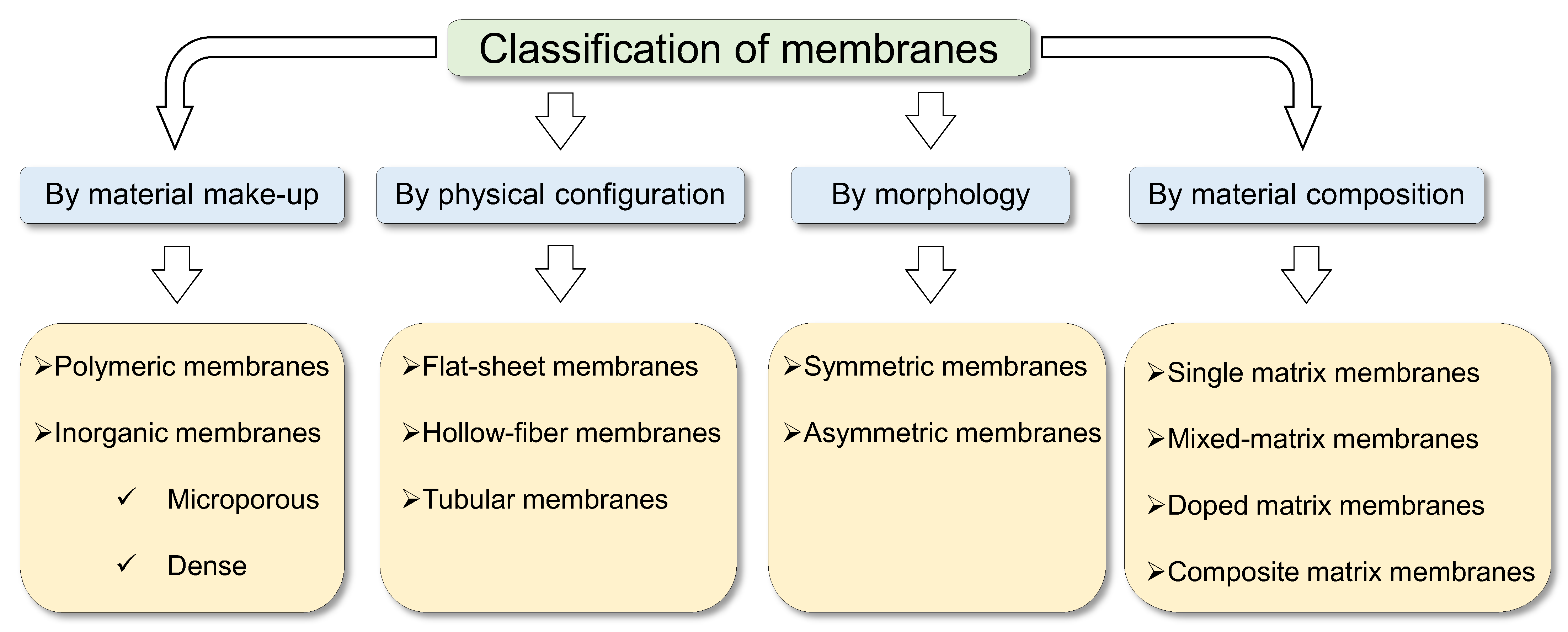
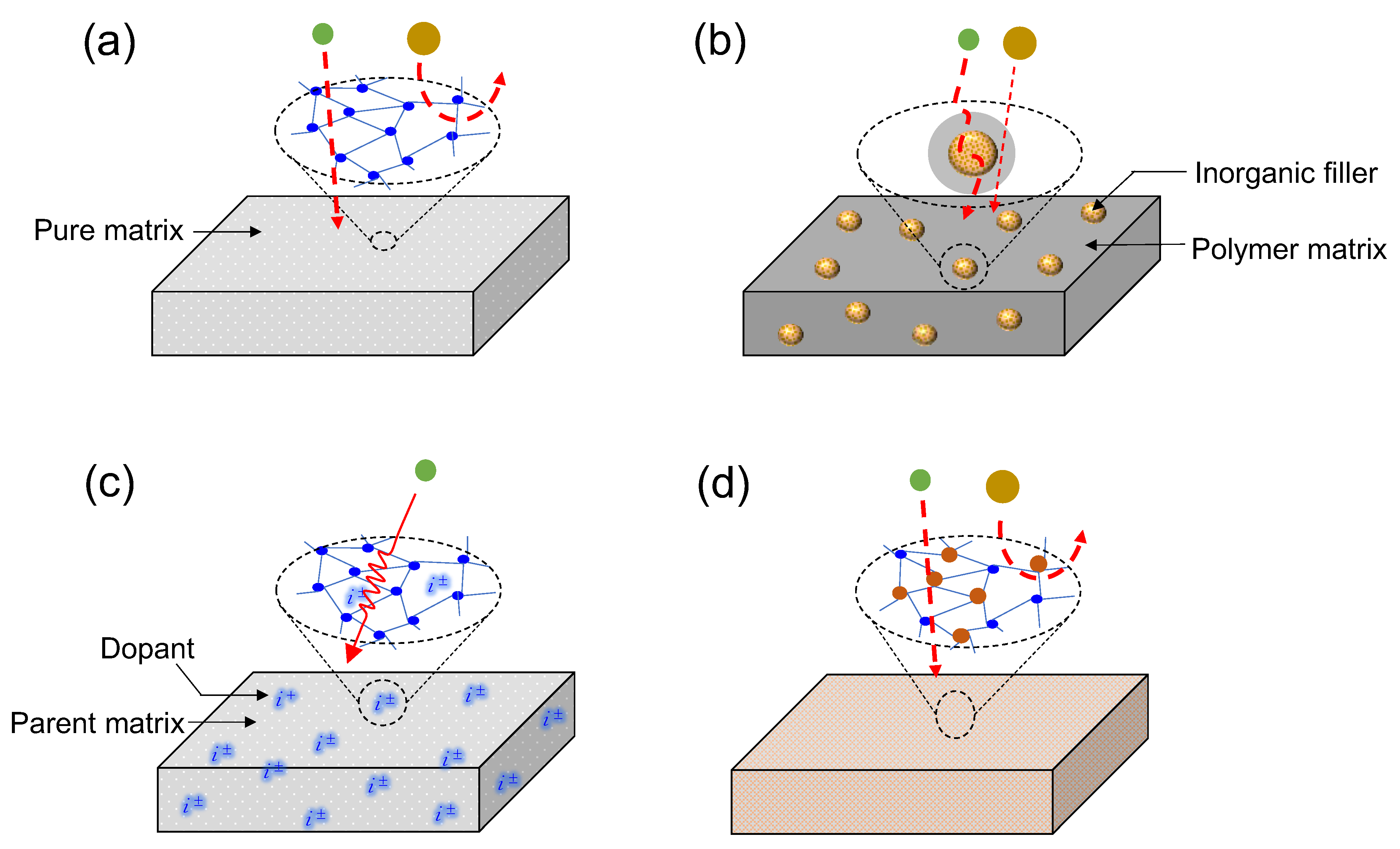
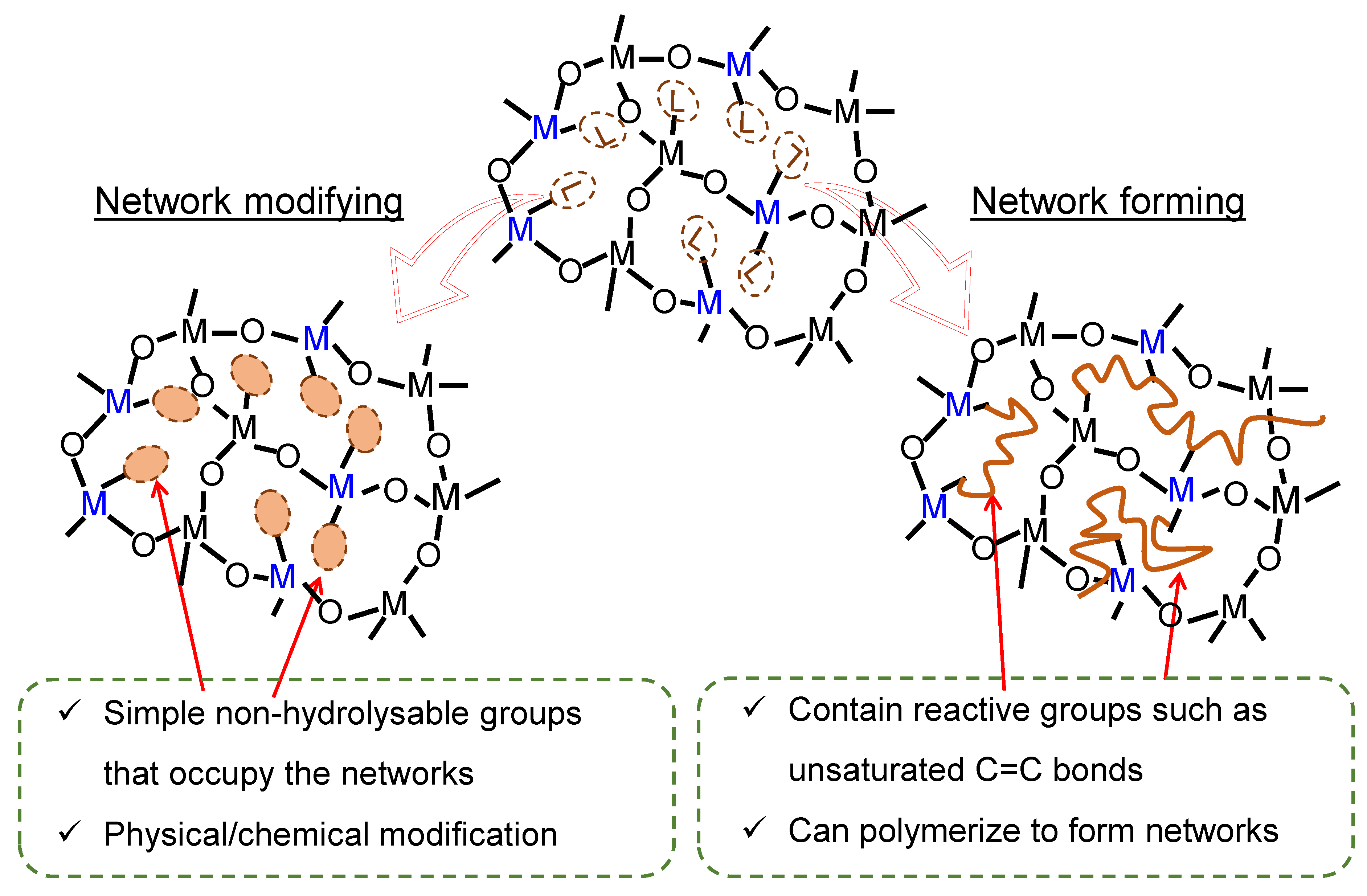
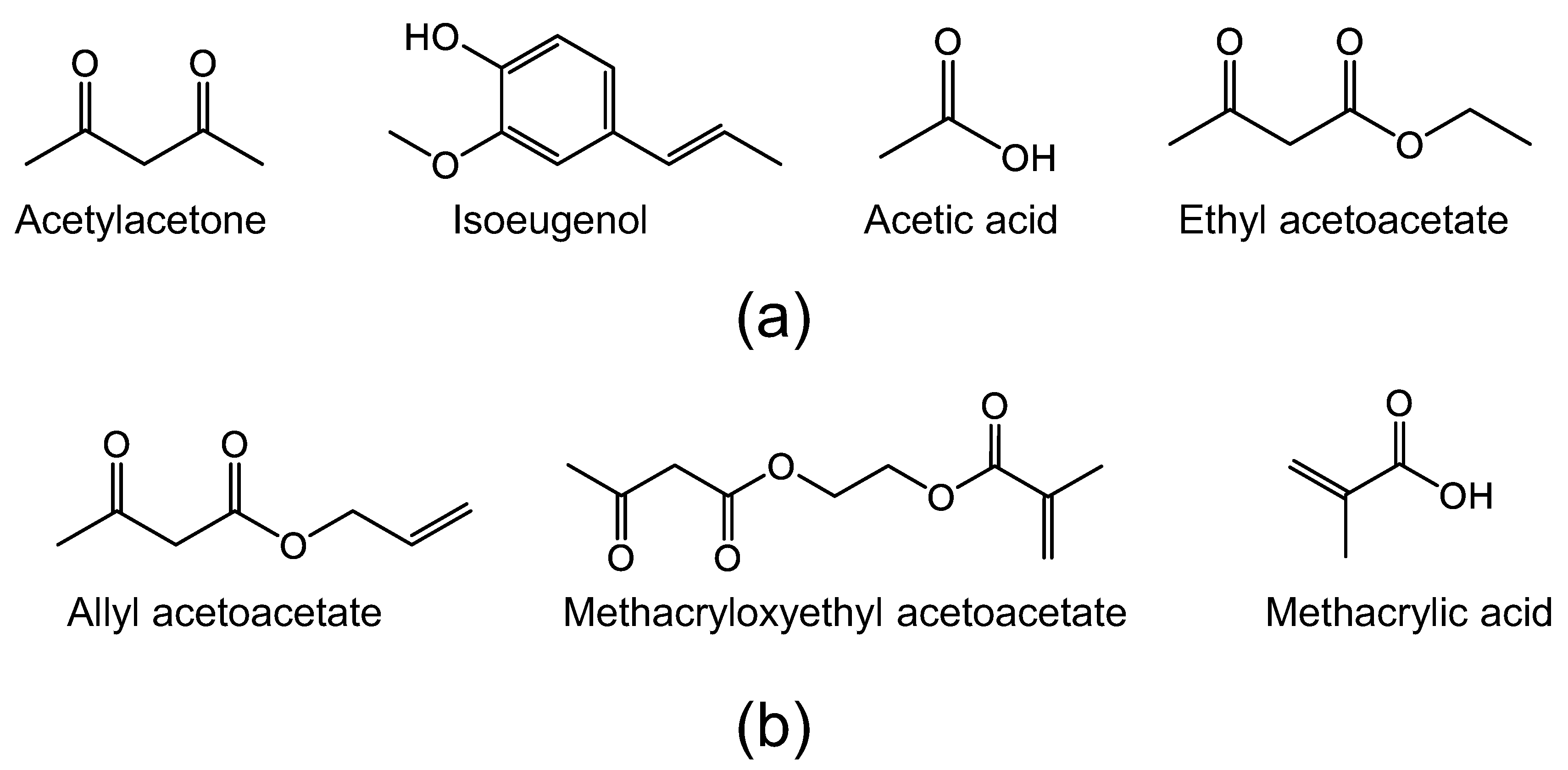
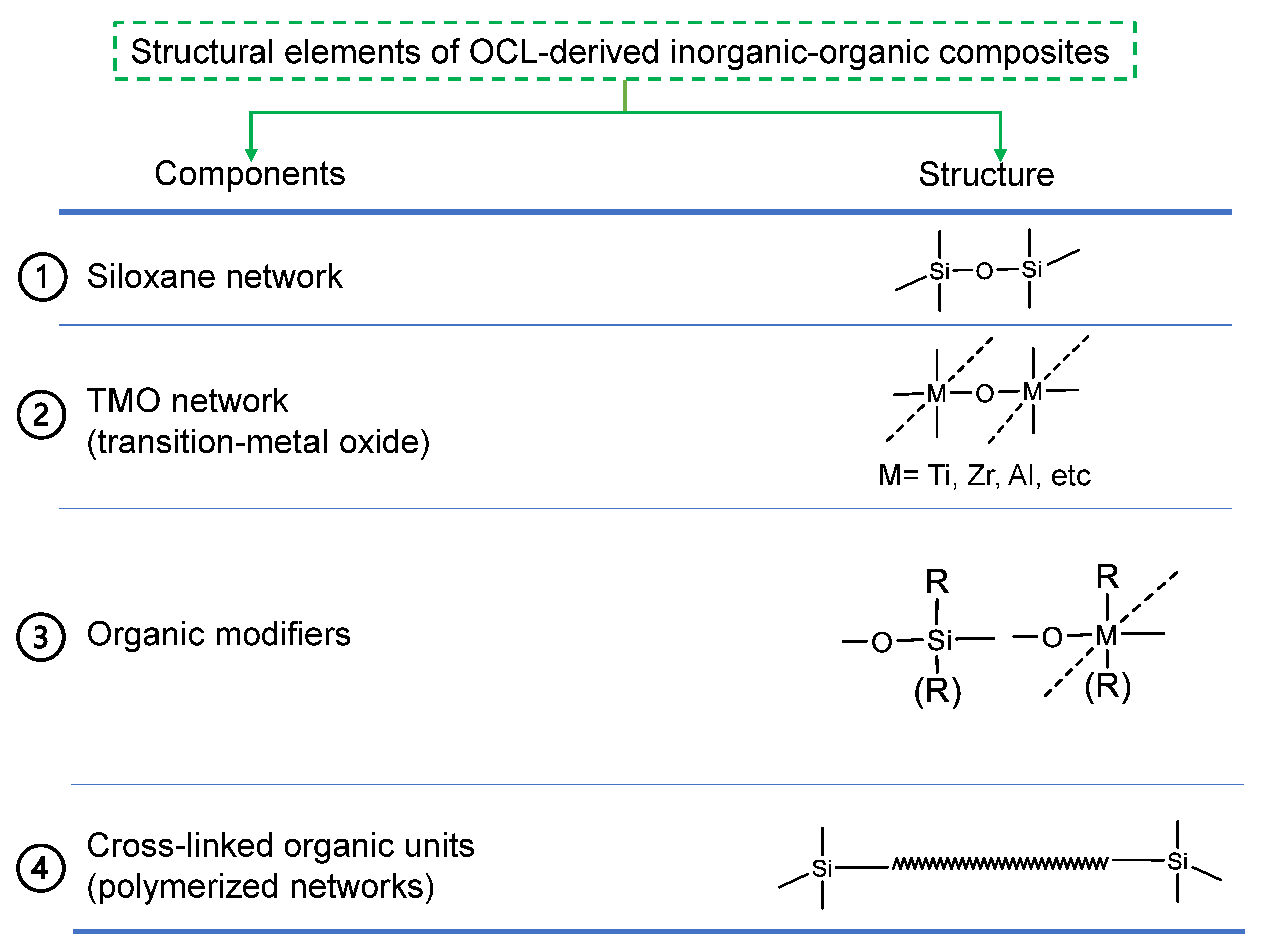
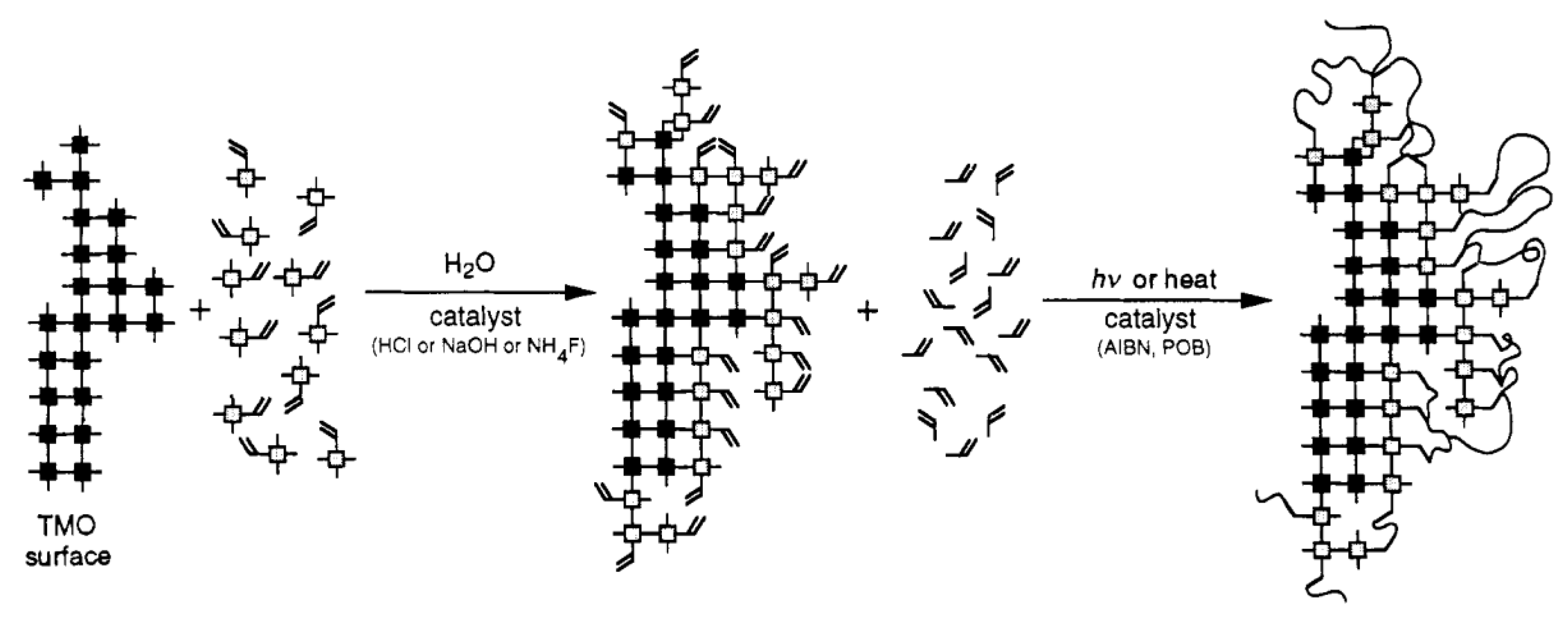
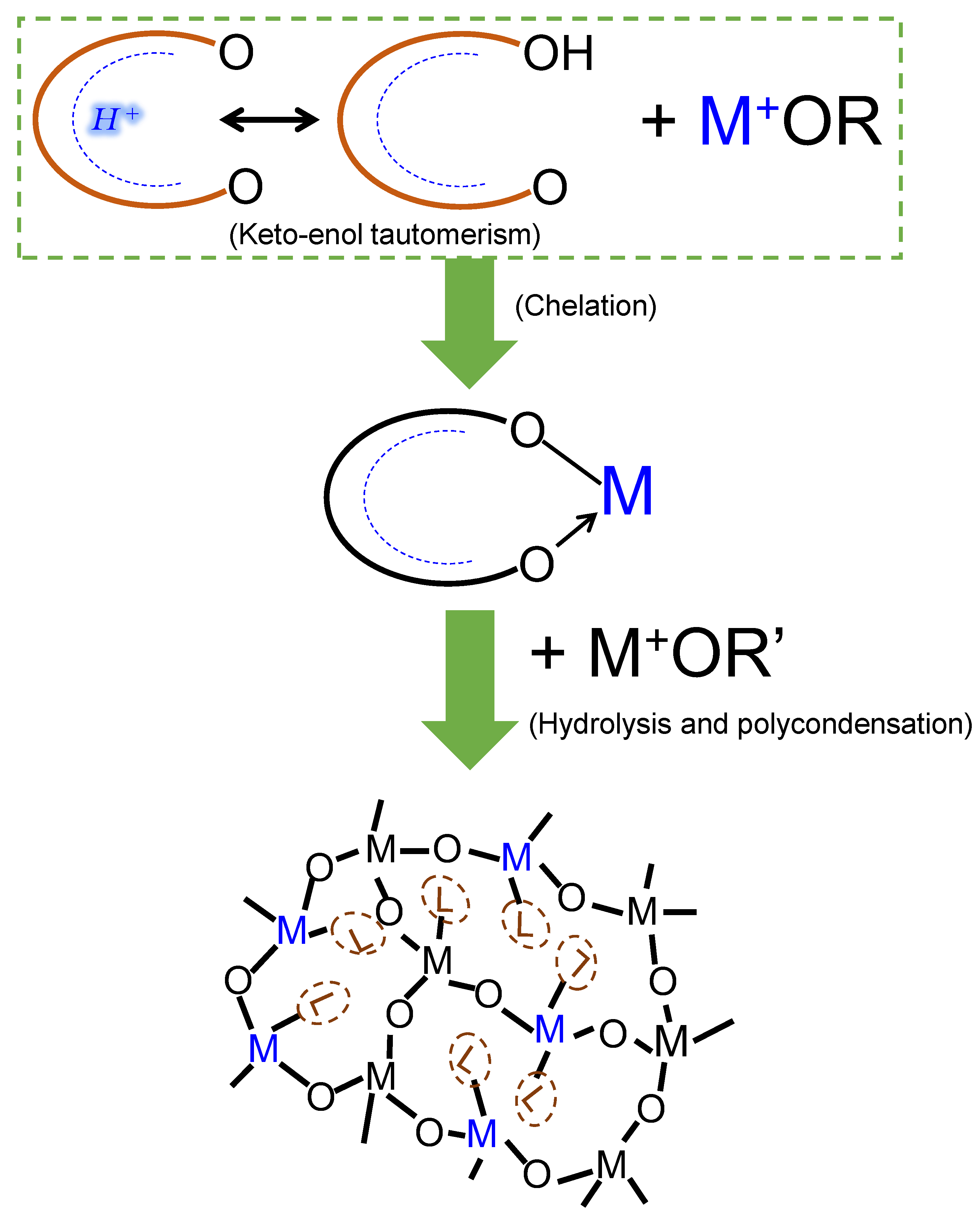
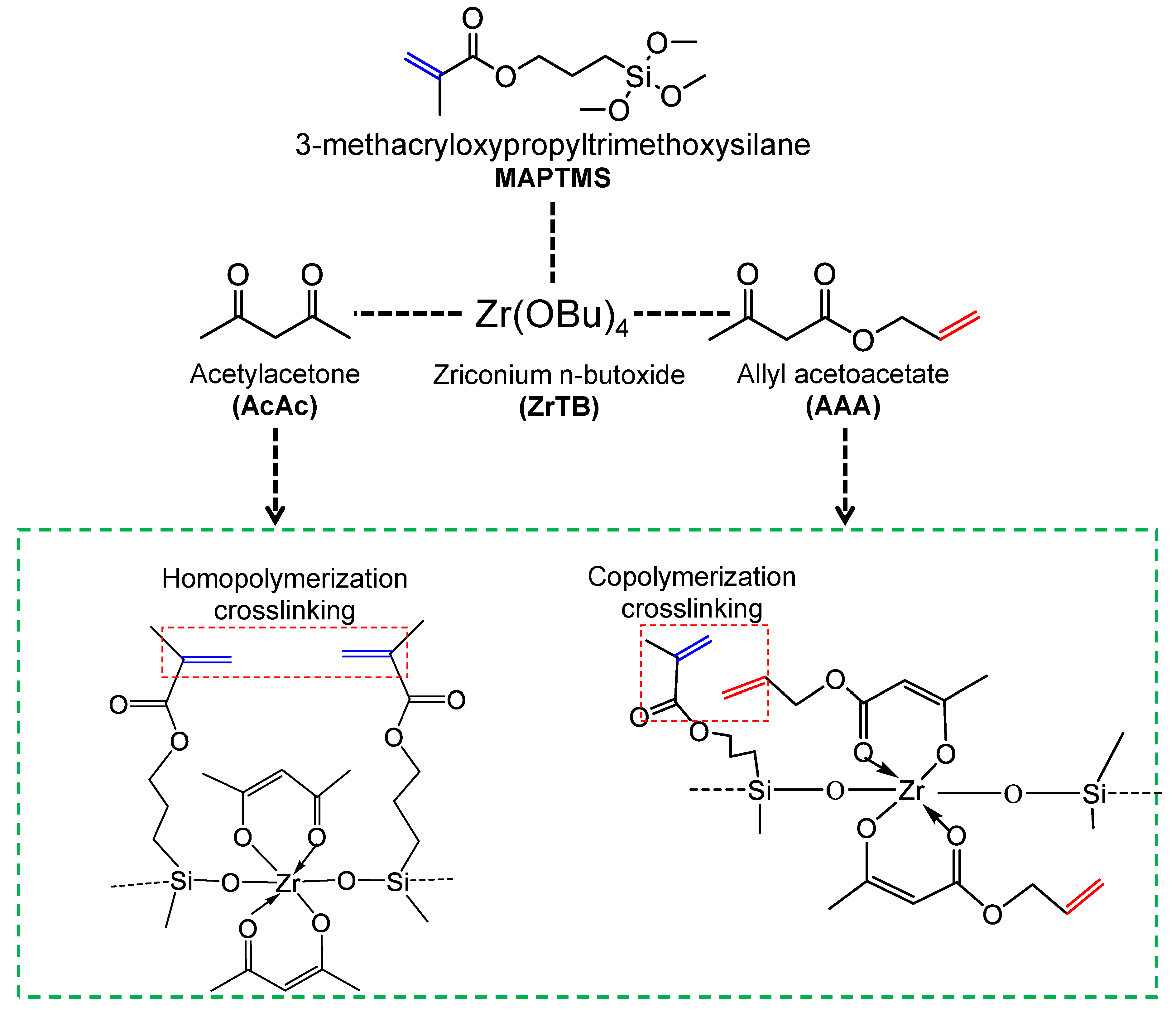
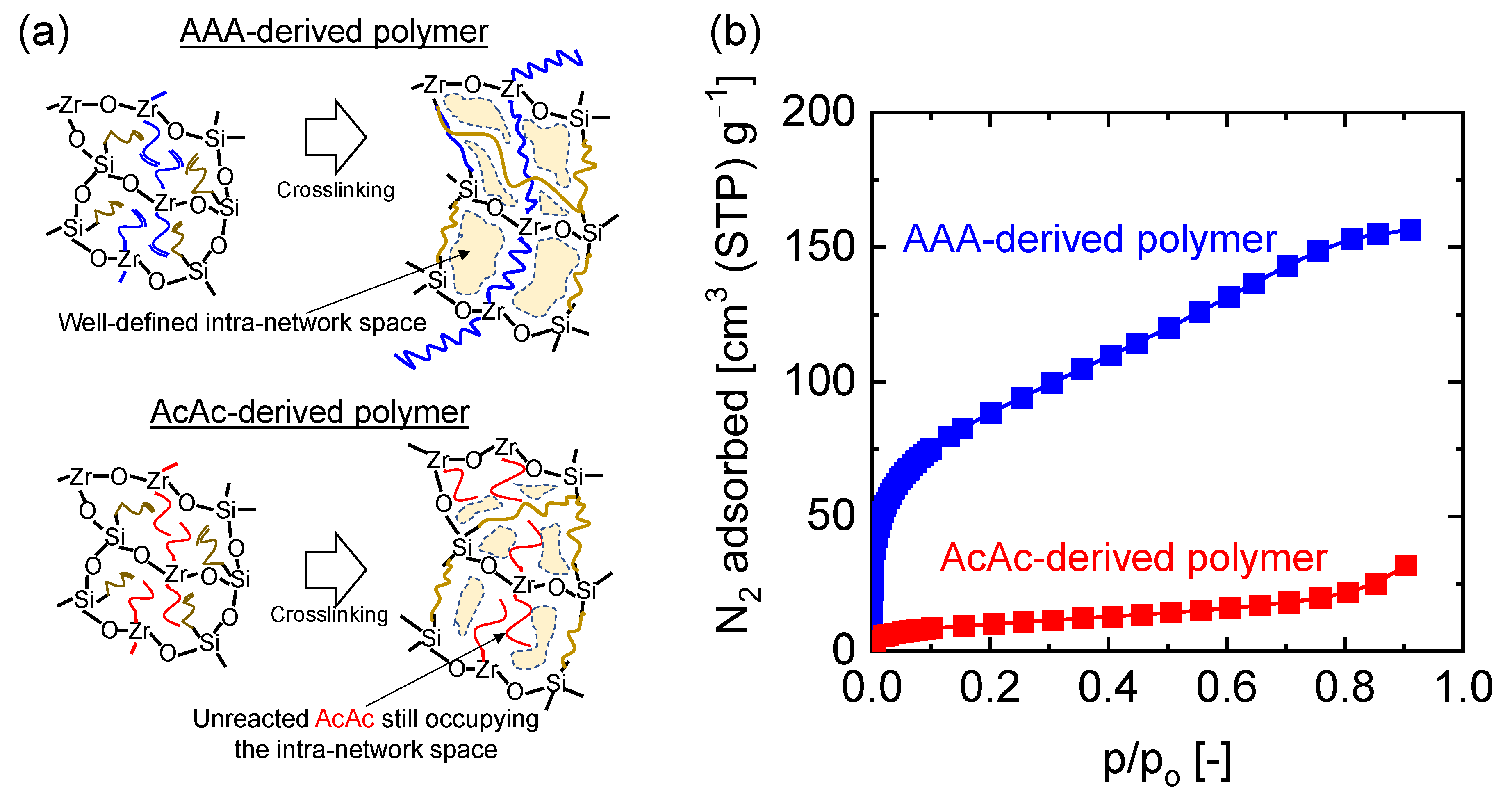
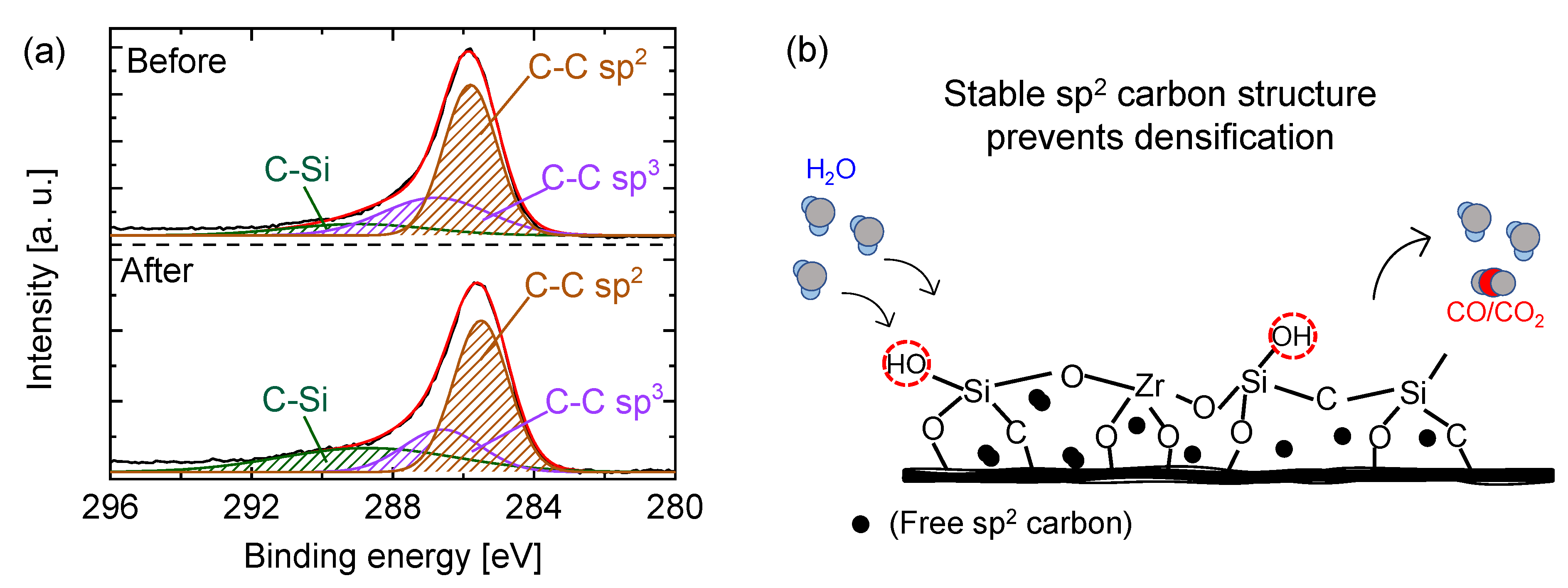
This review presents a concise conceptual overview of membranes derived from organic chelating ligands as studied in several works. The authors’ approach is from the viewpoint of the classification of membranes by matrix composition. The first part presents composite matrix membranes as a key class of membranes and makes a case for the importance of organic chelating ligands in the formation of inorganic–organic composites. Organic chelating ligands, categorized into network-modifying and network-forming types, are explored in detail in the second part. Four key structural elements, of which organic chelating ligands (as organic modifiers) are one and which also include siloxane networks, transition-metal oxide networks and the polymerization/crosslinking of organic modifiers, form the building blocks of organic chelating ligand-derived inorganic–organic composites. Three and four parts explore microstructural engineering in membranes derived from network-modifying and network-forming ligands, respectively. The final part reviews robust carbon–ceramic composite membranes as important derivatives of inorganic–organic hybrid polymers for selective gas separation under hydrothermal conditions when the proper organic chelating ligand and crosslinking conditions are chosen. This review can serve as inspiration for taking advantage of the wide range of possibilities presented by organic chelating ligands.
Keywords: organic chelating ligands; microstructure engineering; composite membranes; crosslinking; network modification; network formation organic chelating ligands; microstructure engineering; composite membranes; crosslinking; network modification; network formation