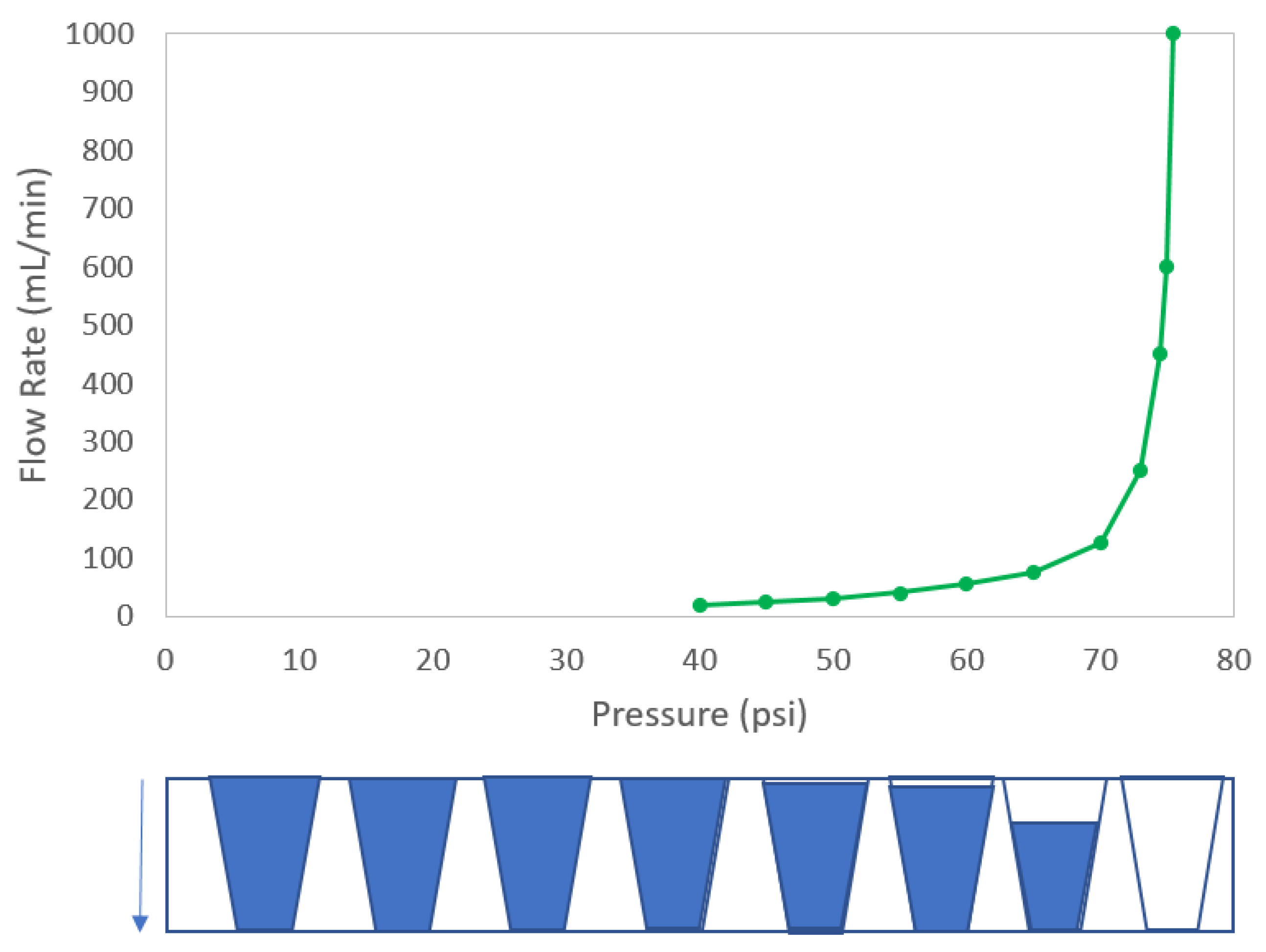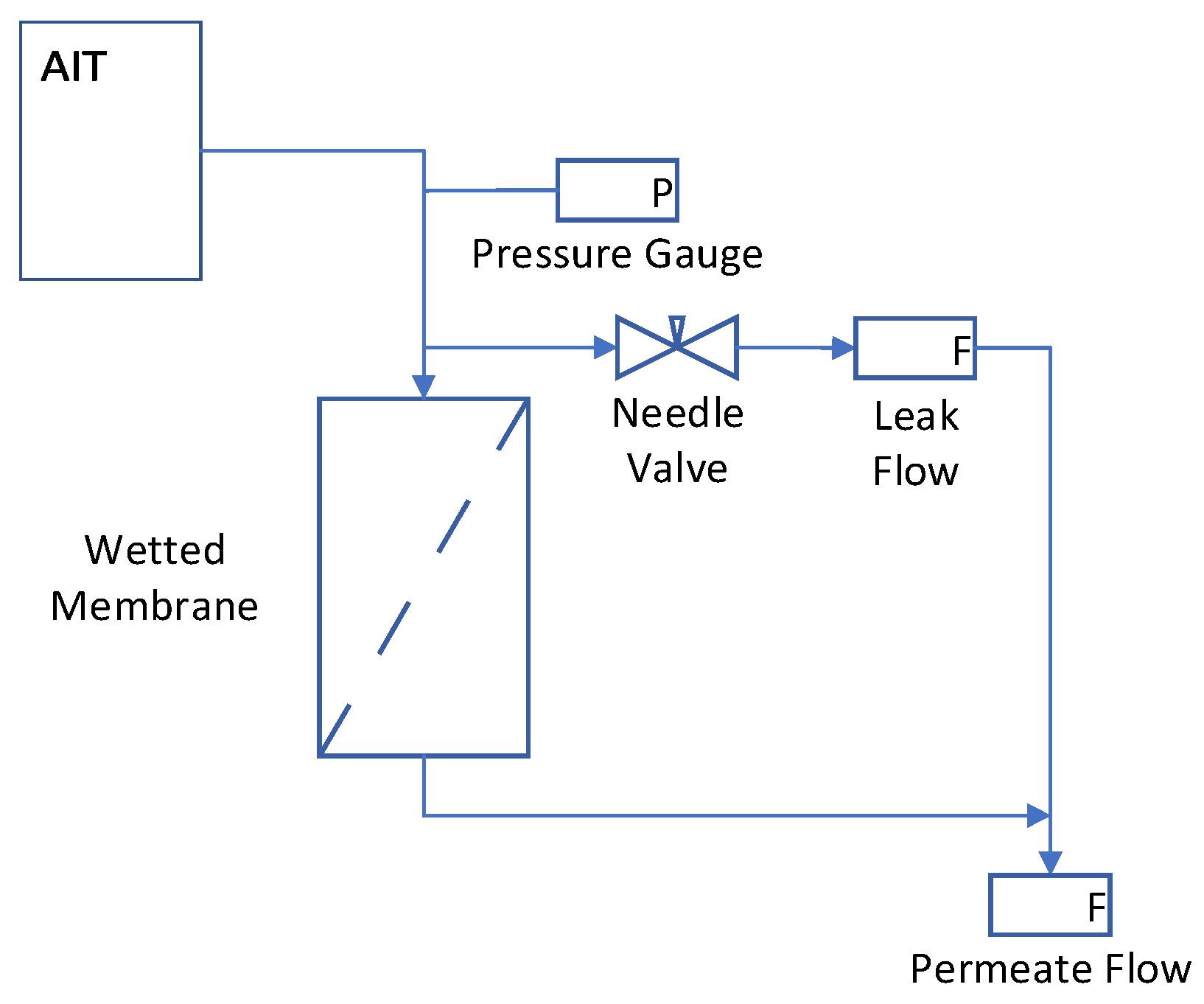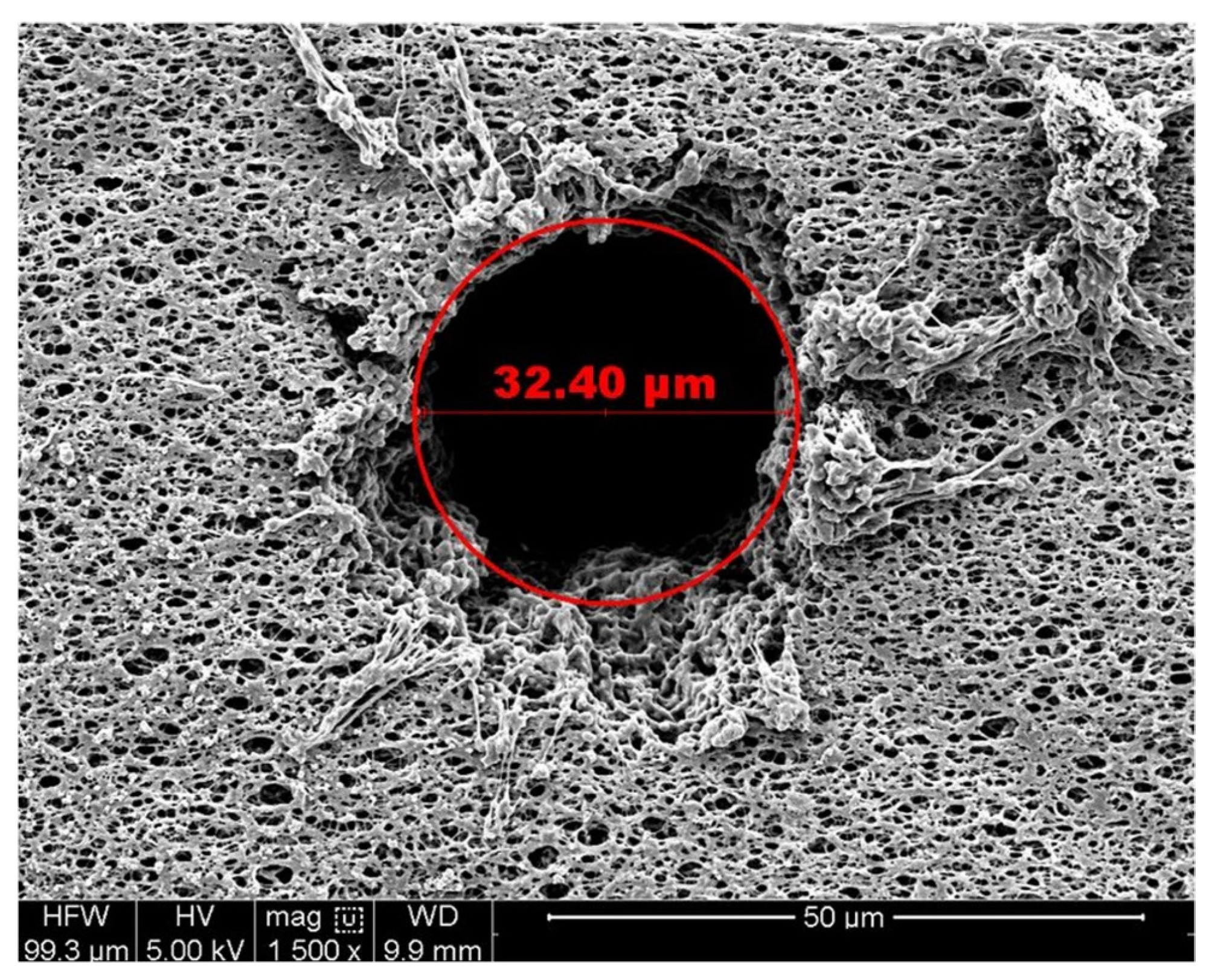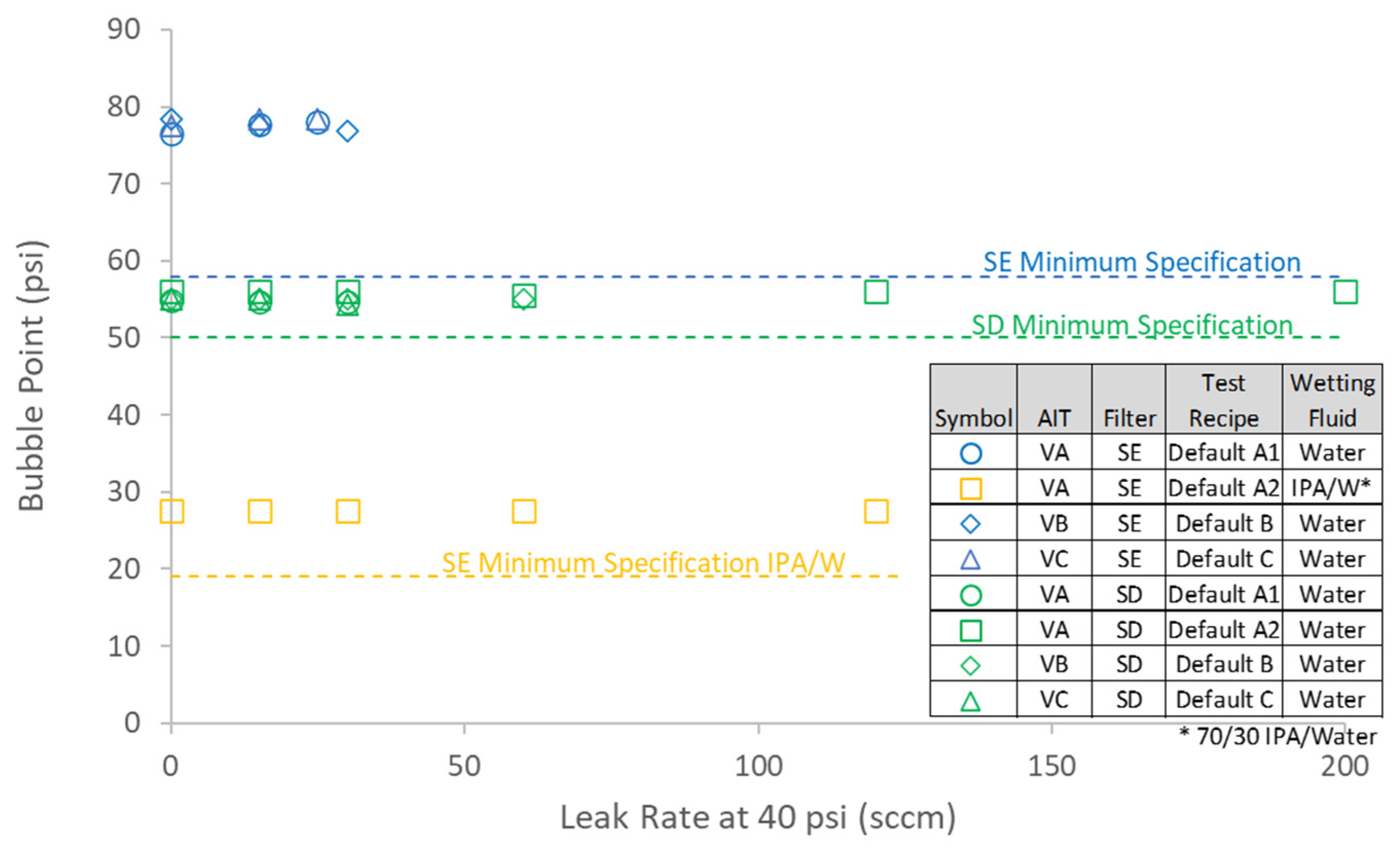

Defect Detection Sensitivity of Bubble-Point-Type Tests for Sterilizing-Grade Membrane Cartridge Filters


Abstract
Share and Cite
Giglia, S.; Alembath, A.; Hersey, J. Defect Detection Sensitivity of Bubble-Point-Type Tests for Sterilizing-Grade Membrane Cartridge Filters. Membranes 2023, 13, 88. https://doi.org/10.3390/membranes13010088
Giglia S, Alembath A, Hersey J. Defect Detection Sensitivity of Bubble-Point-Type Tests for Sterilizing-Grade Membrane Cartridge Filters. Membranes. 2023; 13(1):88. https://doi.org/10.3390/membranes13010088
Chicago/Turabian StyleGiglia, Sal, Anand Alembath, and Joseph Hersey. 2023. "Defect Detection Sensitivity of Bubble-Point-Type Tests for Sterilizing-Grade Membrane Cartridge Filters" Membranes 13, no. 1: 88. https://doi.org/10.3390/membranes13010088
APA StyleGiglia, S., Alembath, A., & Hersey, J. (2023). Defect Detection Sensitivity of Bubble-Point-Type Tests for Sterilizing-Grade Membrane Cartridge Filters. Membranes, 13(1), 88. https://doi.org/10.3390/membranes13010088