Article

A Model of Lipid Monolayer–Bilayer Fusion of Lipid Droplets and Peroxisomes

by
Maksim A. Kalutsky
1,2,
Timur R. Galimzyanov
1 and
Rodion J. Molotkovsky
1,*
1
A.N. Frumkin Institute of Physical Chemistry and Electrochemistry, Russian Academy of Sciences, 31/5 Leninskiy Prospekt, 119071 Moscow, Russia
2
Department of Theoretical Physics and Quantum Technologies, National University of Science and Technology “MISiS”, 4 Leninskiy Prospekt, 119049 Moscow, Russia
*
Author to whom correspondence should be addressed.
Membranes 2022, 12(10), 992; https://doi.org/10.3390/membranes12100992

Submission received: 6 September 2022 / Revised: 6 October 2022 / Accepted: 10 October 2022 / Published: 13 October 2022
(This article belongs to the Special Issue Membrane Regulation of Protein Function)

Abstract

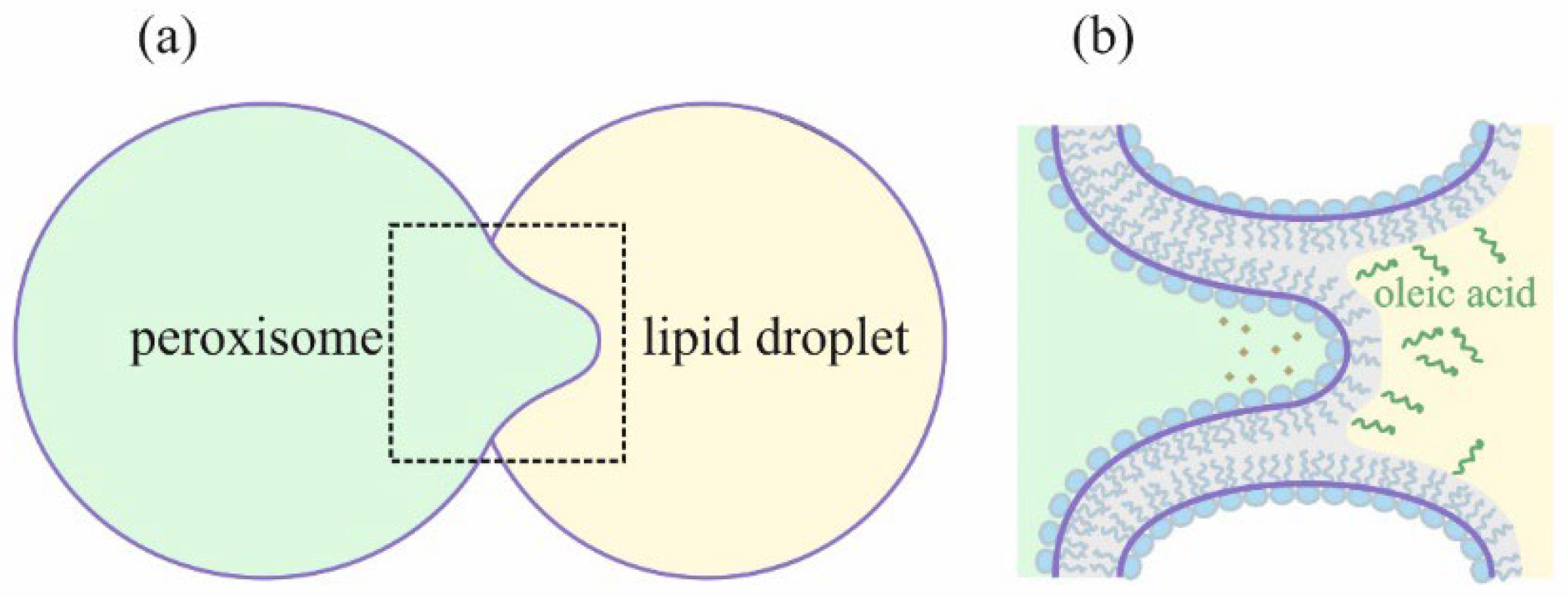
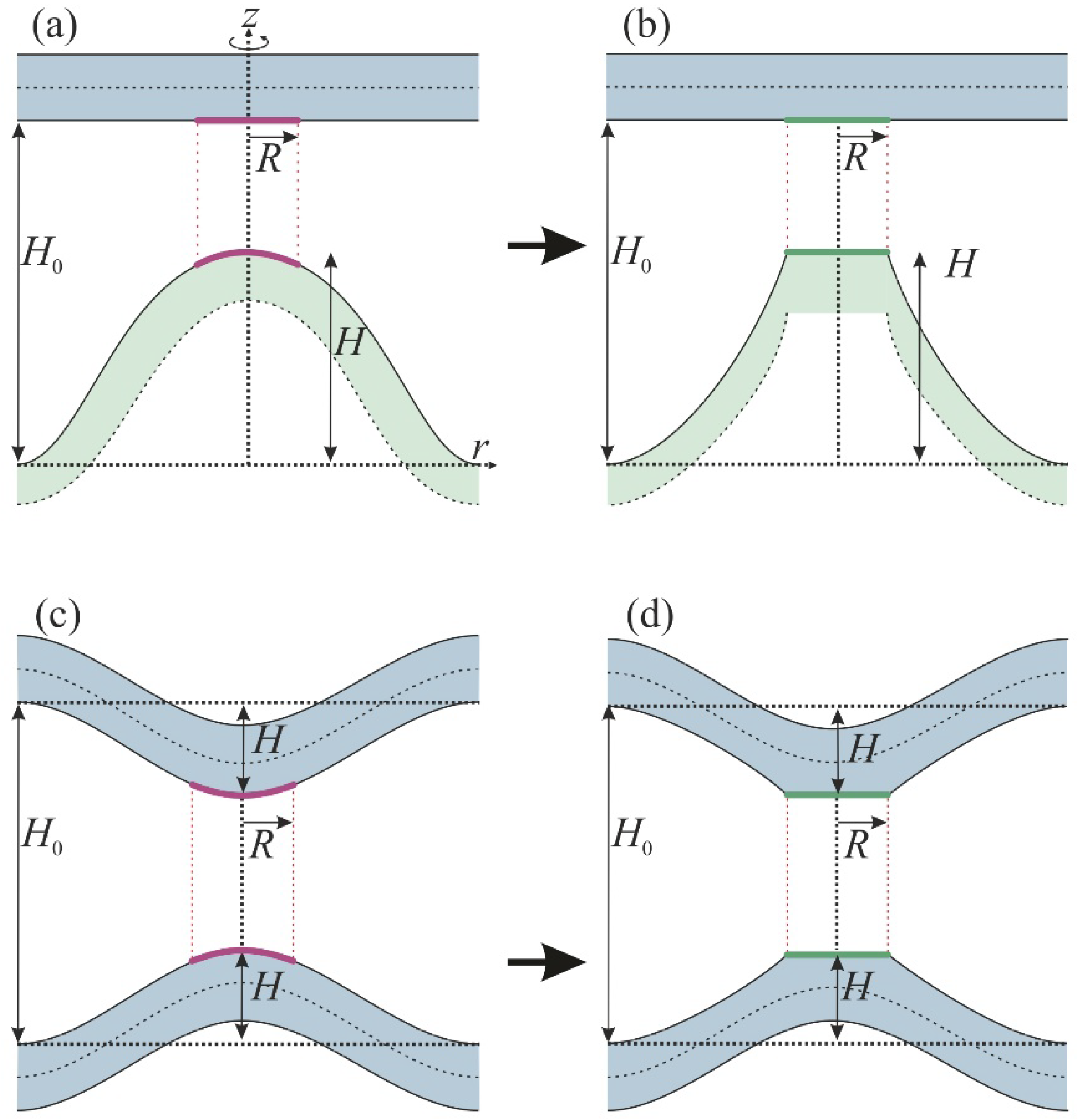
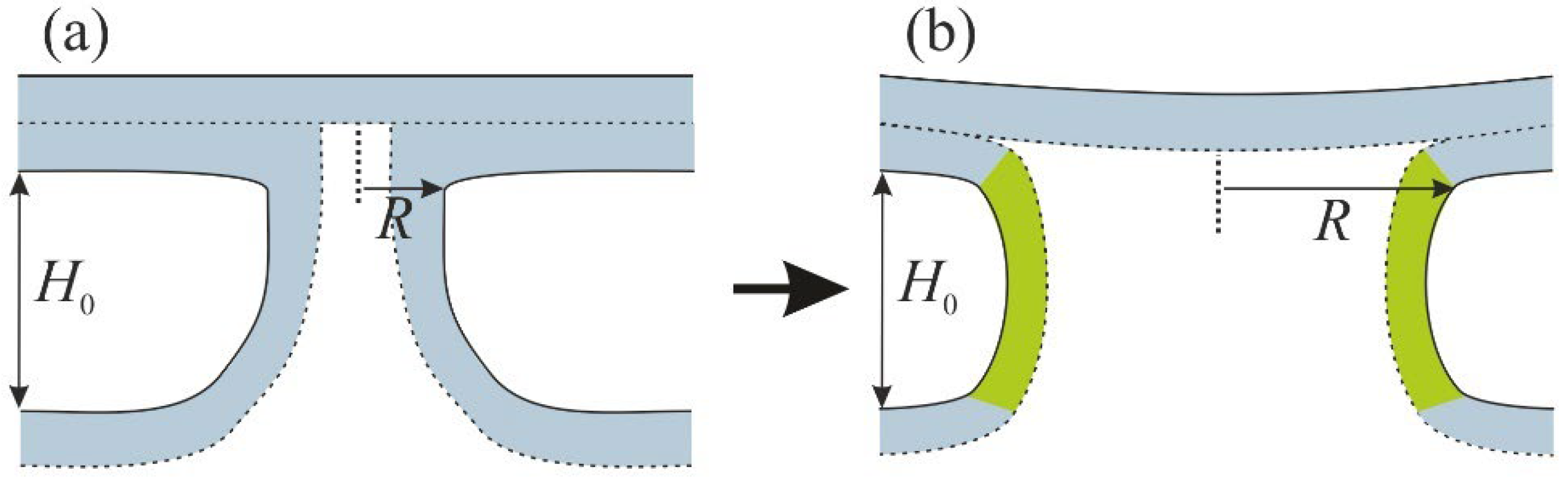
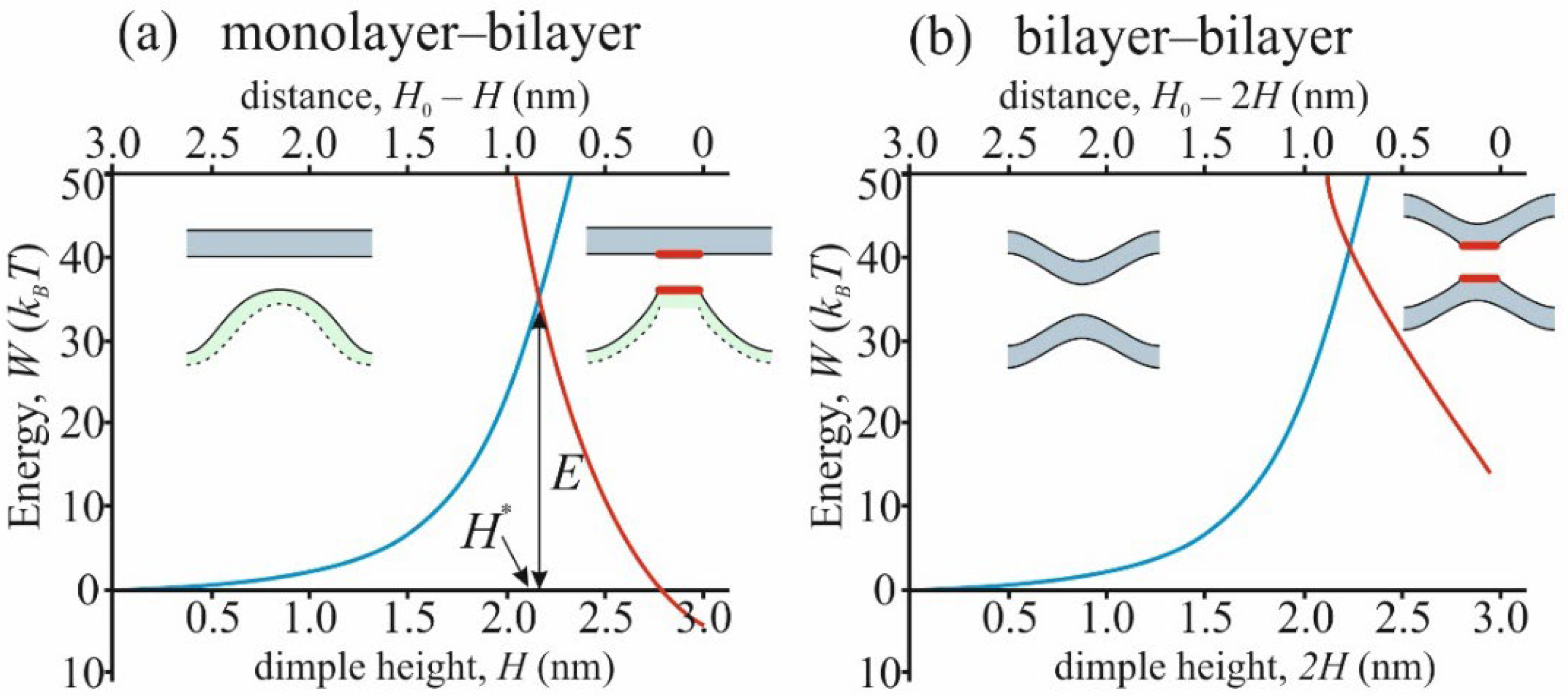
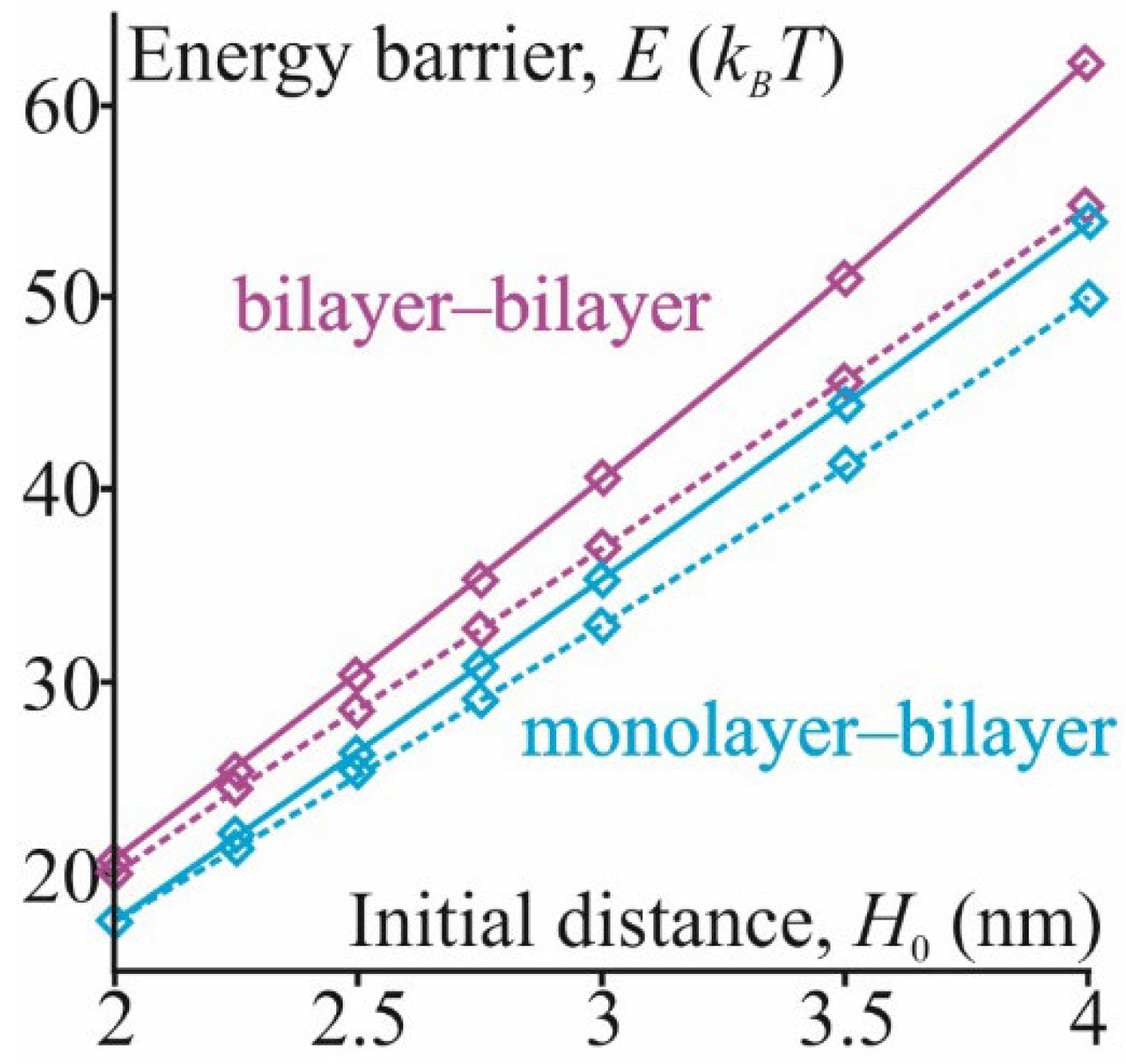
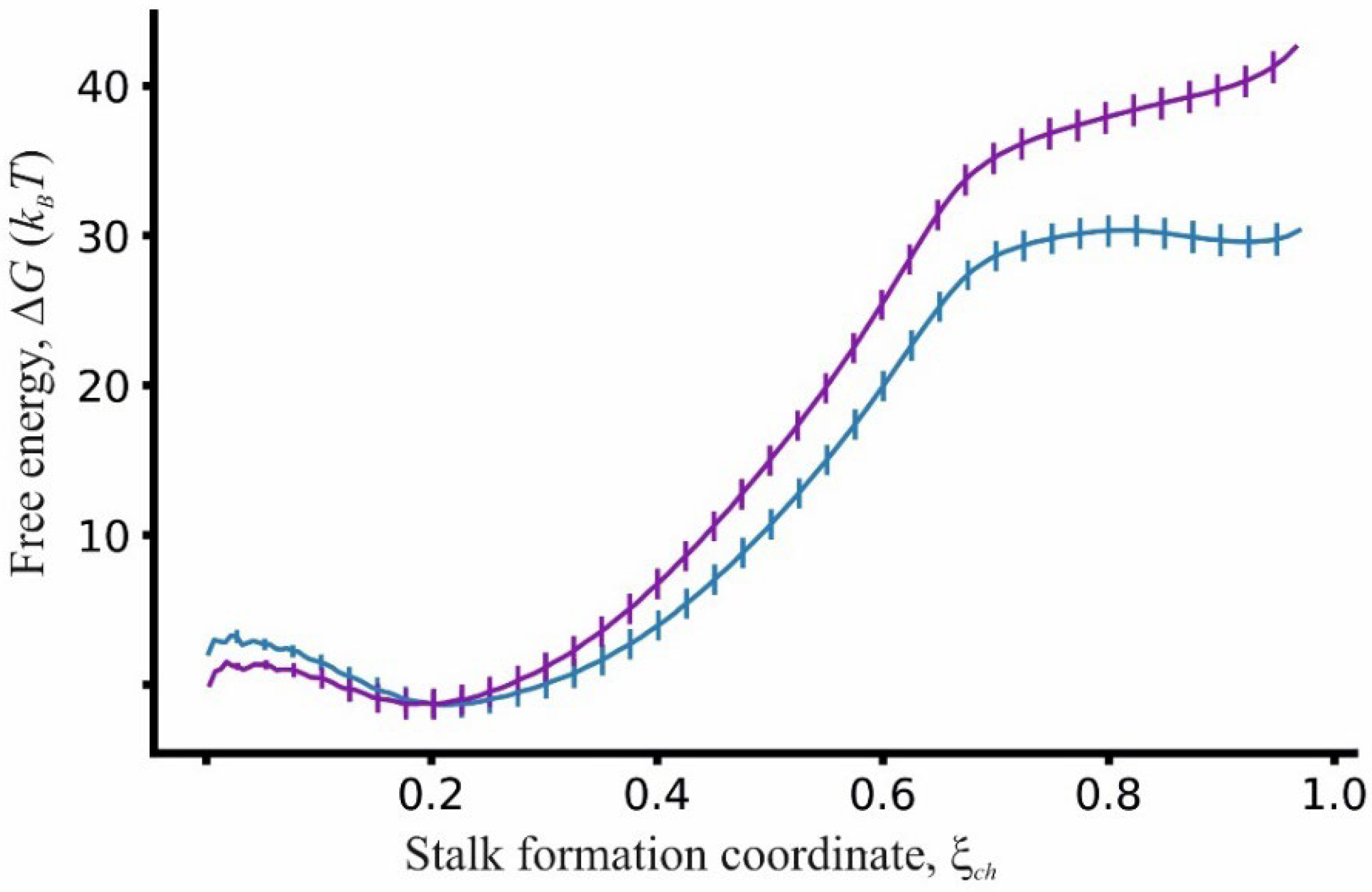
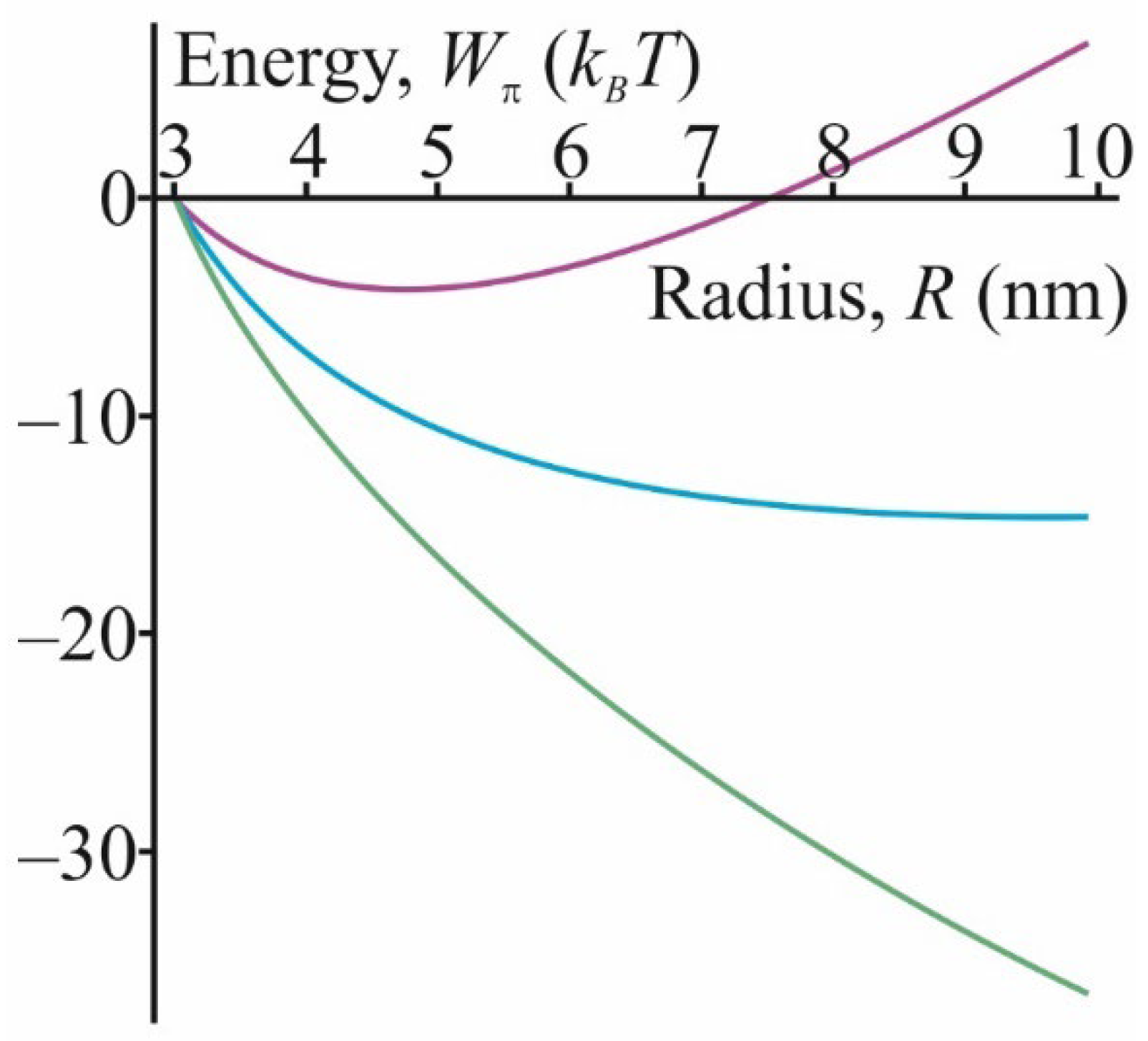
Lipid droplets are unique organelles that store neutral lipids encapsulated by the lipid monolayer. In some processes of cellular metabolism, lipid droplets interact with peroxisomes resulting in the fusion of their envelopes and the formation of protrusions of the peroxisome monolayer, called pexopodia. The formation of pexopodia is facilitated by free fatty acids generated during lipolysis within lipid droplets. In this work, we studied the fusion of monolayer and bilayer membranes during the interaction between lipid droplets and peroxisomes. To this end, we built the energy trajectory of this process using the continuum elasticity theory and investigated the molecular details of the fusion structures utilizing molecular dynamics. We divided the fusion process into two stages: formation of a stalk and its consequent expansion into pexopodia. We found that in the considered system, the stalk was energetically more stable and had a lower energy barrier of formation compared to the case of bilayer fusion. The further evolution of the stalk depended on the value of the spontaneous curvature of the membrane in a threshold manner. We attributed the possible expansion of the stalk to the incorporation of free fatty acids into the stalk region. The developed model allowed describing quantitatively the process of monolayer–bilayer fusion.
Keywords: lipid droplet; peroxisome; membrane fusion; membrane elasticity; molecular dynamics lipid droplet; peroxisome; membrane fusion; membrane elasticity; molecular dynamics