Article

NS1 Protein N-Linked Glycosylation Site Affects the Virulence and Pathogenesis of Dengue Virus

1
Institute of Health Inspection and Quarantine, Chinese Academy of Inspection and Quarantine, Beijing 100176, China
2
Department of Arbovirus Vaccine, National Institutes for Food and Drug Control, Beijing 102629, China
3
Vaccines R&D Department, Changchun Institute of Biological Products Co., Ltd., Changchun 130000, China
*
Author to whom correspondence should be addressed.
These authors contributed equally to this work.
Vaccines 2023, 11(5), 959; https://doi.org/10.3390/vaccines11050959

Submission received: 21 March 2023 / Revised: 2 May 2023 / Accepted: 4 May 2023 / Published: 8 May 2023

Abstract

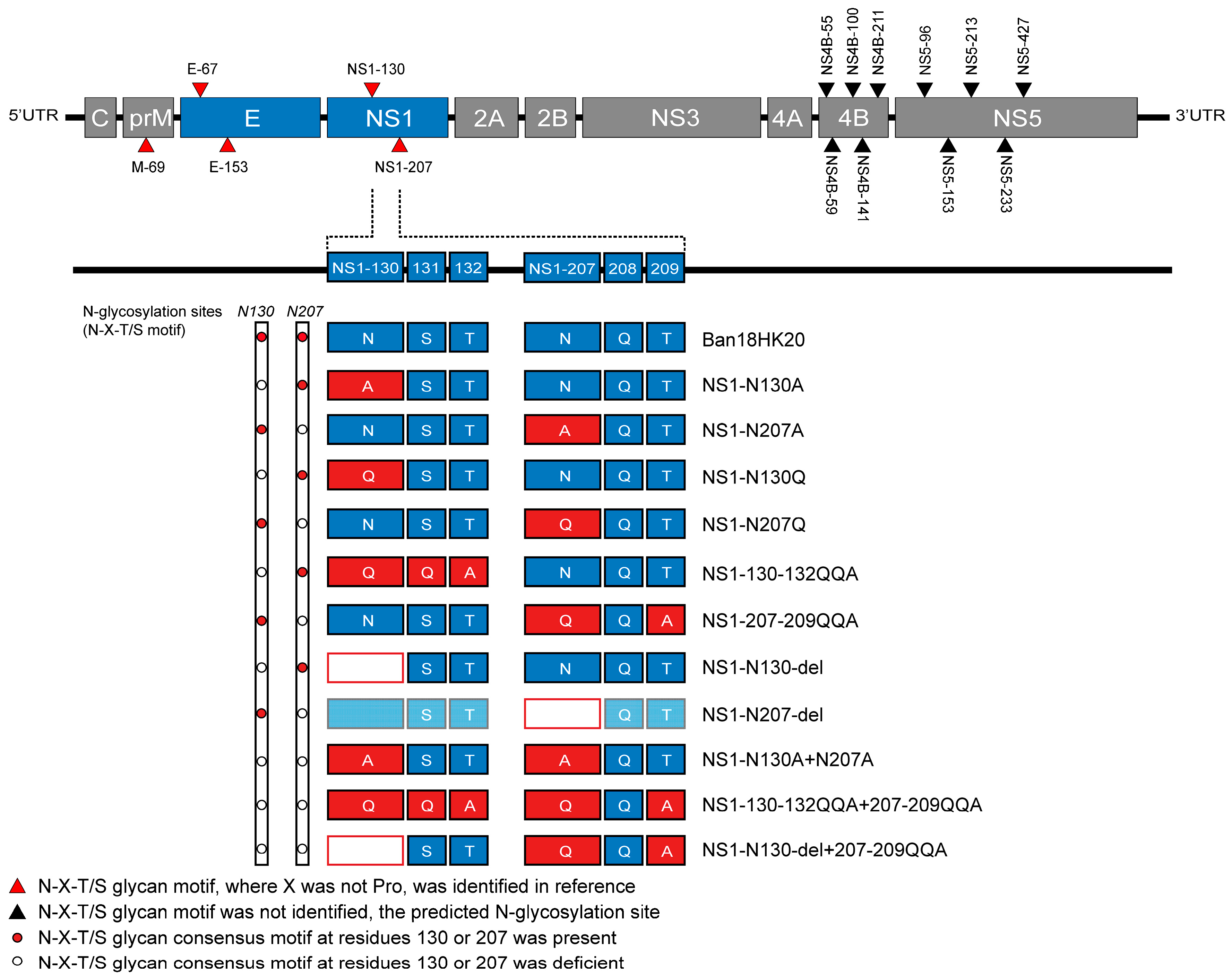
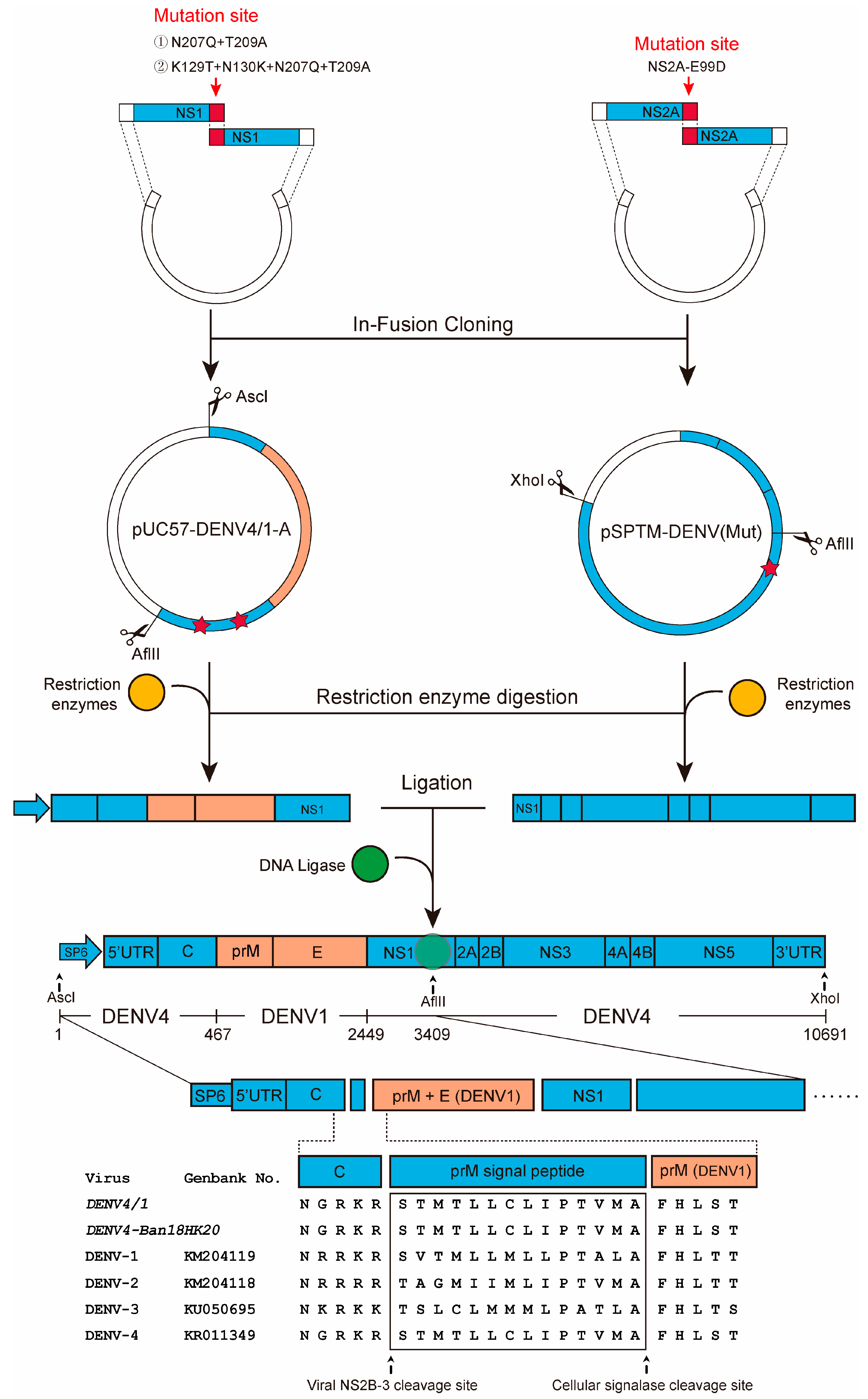
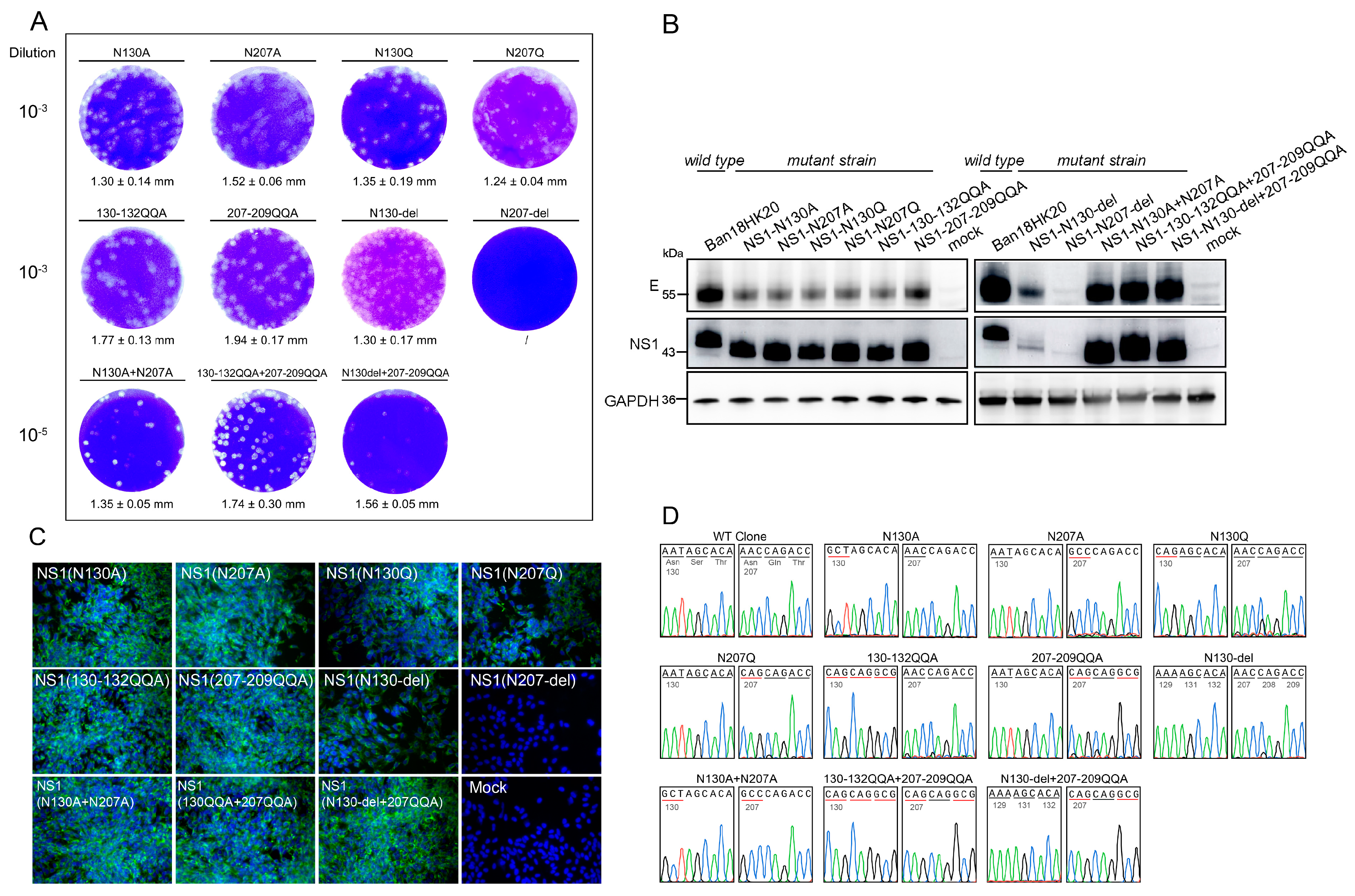
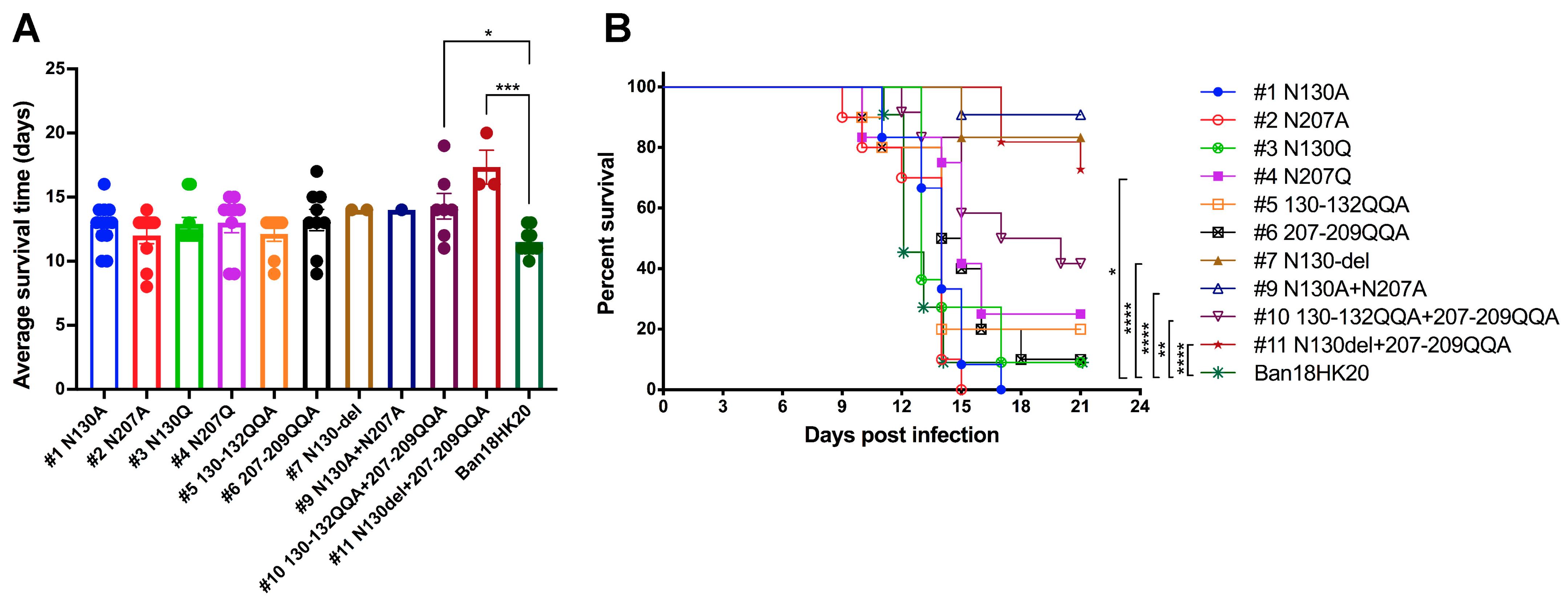
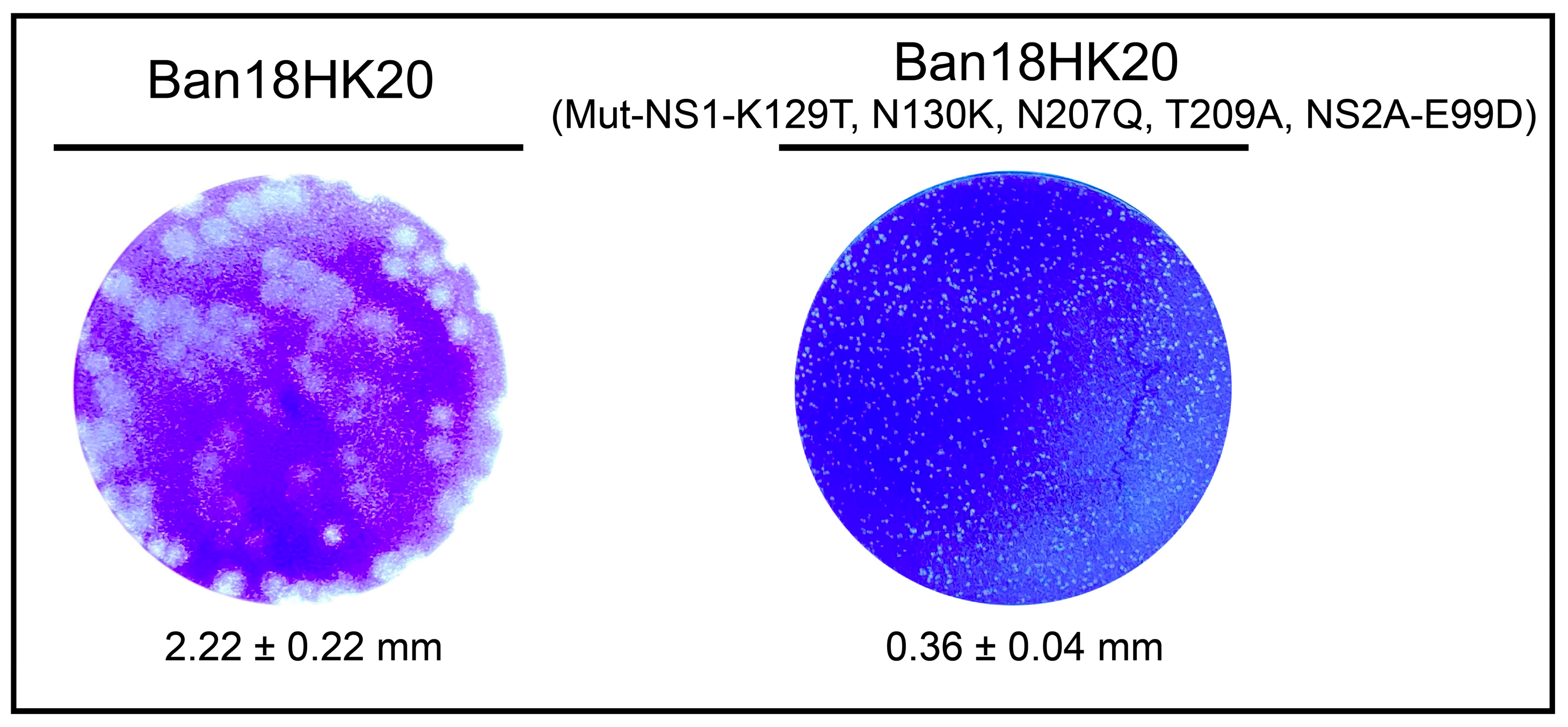
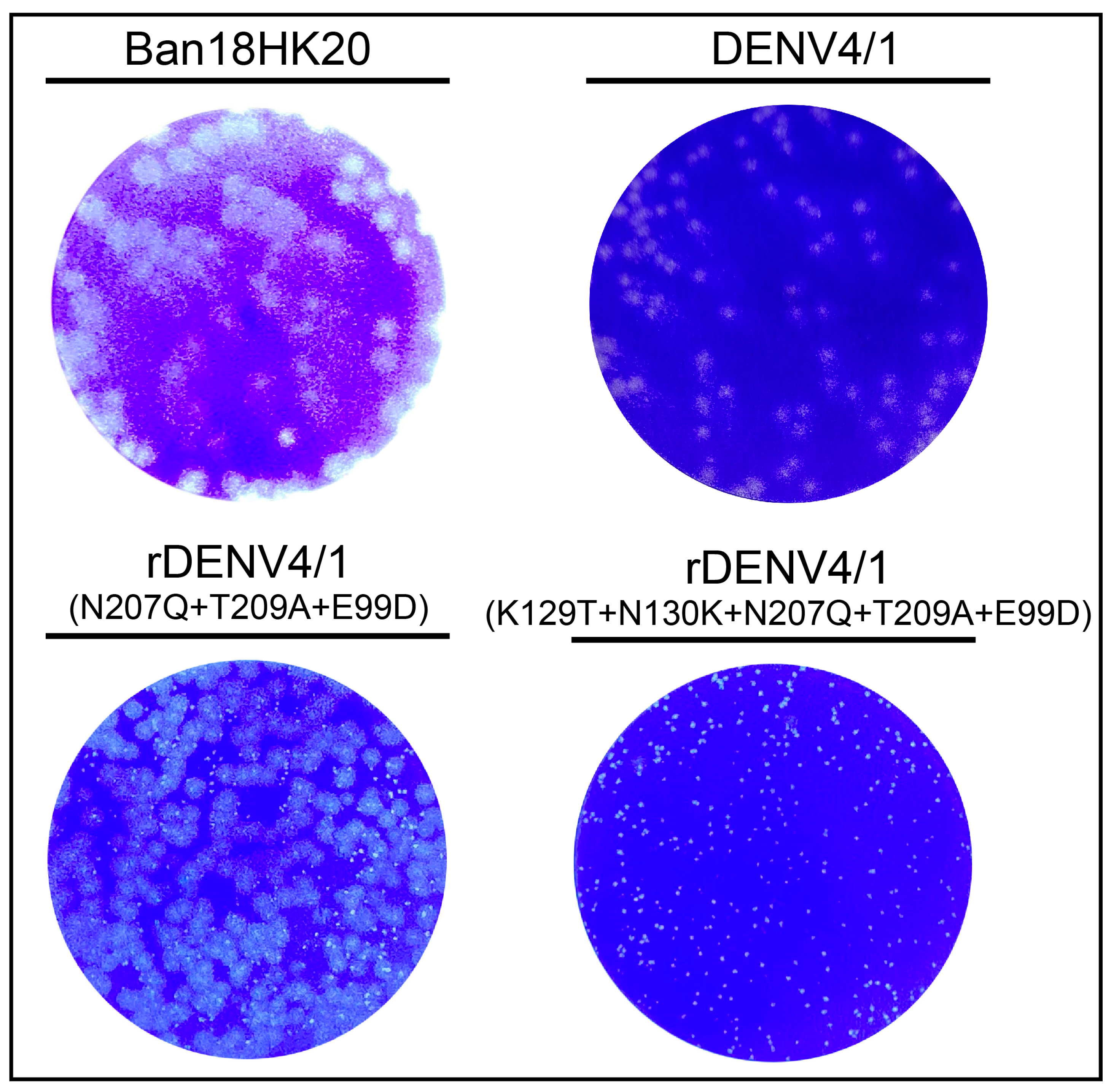
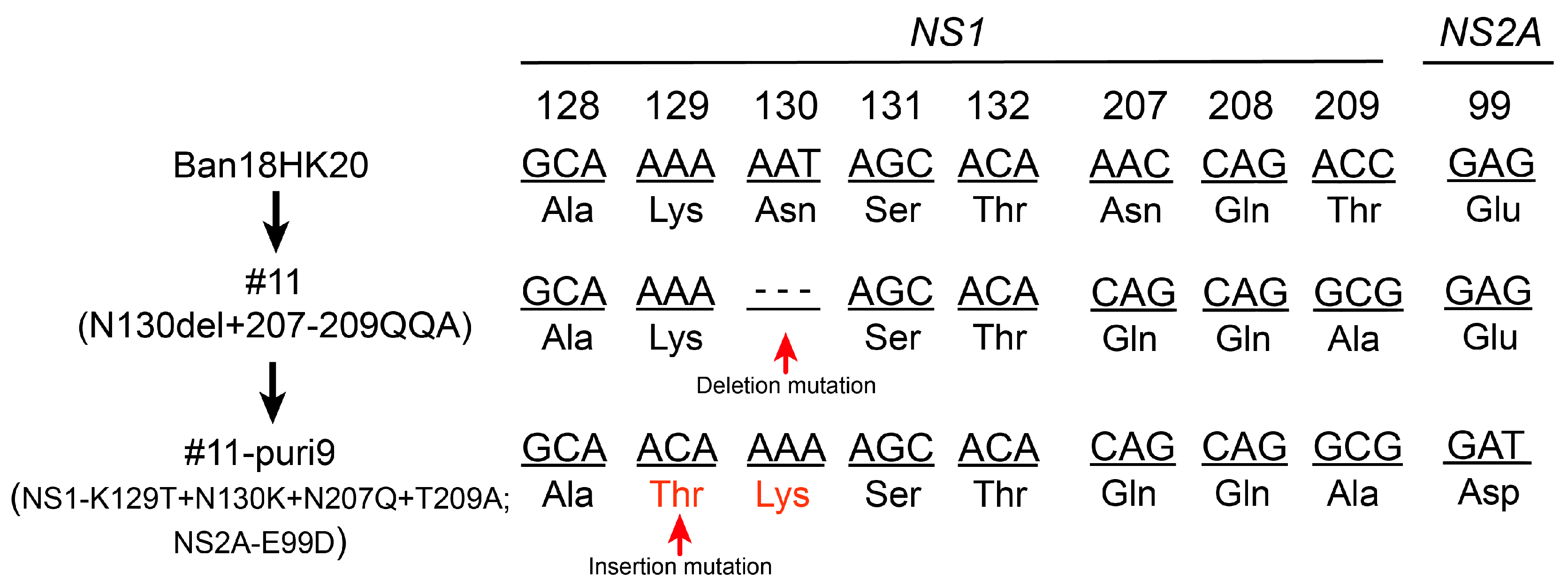
Live attenuated vaccine is one of the most effective vaccines against flavivirus. Recently, site-directed mutation of the flavivirus genome using reverse genetics techniques has been used for the rapid development of attenuated vaccines. However, this technique relies on basic research of critical virulence loci of the virus. To screen the attenuated sites in dengue virus, a total of eleven dengue virus type four mutant strains with deletion of N-glycosylation sites in the NS1 protein were designed and constructed. Ten of them (except for the N207-del mutant strain) were successfully rescued. Out of the ten strains, one mutant strain (N130del+207-209QQA) was found to have significantly reduced virulence through neurovirulence assay in suckling mice, but was genetically unstable. Further purification using the plaque purification assay yielded a genetically stable attenuated strain #11-puri9 with mutations of K129T, N130K, N207Q, and T209A in the NS1 protein and E99D in the NS2A protein. Identifying the virulence loci by constructing revertant mutant and chimeric viruses revealed that five amino acid adaptive mutations in the dengue virus type four non-structural proteins NS1 and NS2A dramatically affected its neurovirulence and could be used in constructing attenuated dengue chimeric viruses. Our study is the first to obtain an attenuated dengue virus strain through the deletion of amino acid residues at the N-glycosylation site, providing a theoretical basis for understanding the pathogenesis of the dengue virus and developing its live attenuated vaccines.
Keywords: dengue virus; N-linked glycosylation; neurovirulence; chimeric vaccine dengue virus; N-linked glycosylation; neurovirulence; chimeric vaccine