Article

Immunoinformatics and Biophysics Approaches to Design a Novel Multi-Epitopes Vaccine Design against Staphylococcus auricularis
by
Roba Attar
1,
Eid A. Alatawi
2,
Faris F. Aba Alkhayl
3,4,
Khloud Nawaf Alharbi
3,
Khaled S. Allemailem
3 and
Ahmad Almatroudi
3,*
1
Department of Biology, Faculty of Science, University of Jeddah, Jeddah 21959, Saudi Arabia
2
Department of Medical Laboratory Technology, Faculty of Applied Medical Sciences, University of Tabuk, Tabuk 71491, Saudi Arabia
3
Department of Medical Laboratories, College of Applied Medical Sciences, Qassim University, Buraydah 51452, Saudi Arabia
4
Department of Pharmaceutical Chemistry and Pharmacognosy, College of Dentistry and Pharmacy, Buraydah Colleges, Buraydah 51418, Saudi Arabia
*
Author to whom correspondence should be addressed.
Vaccines 2022, 10(5), 637; https://doi.org/10.3390/vaccines10050637

Submission received: 12 March 2022 / Revised: 6 April 2022 / Accepted: 14 April 2022 / Published: 19 April 2022
(This article belongs to the Special Issue Computer and Technology Supported Development of Vaccines)

Abstract

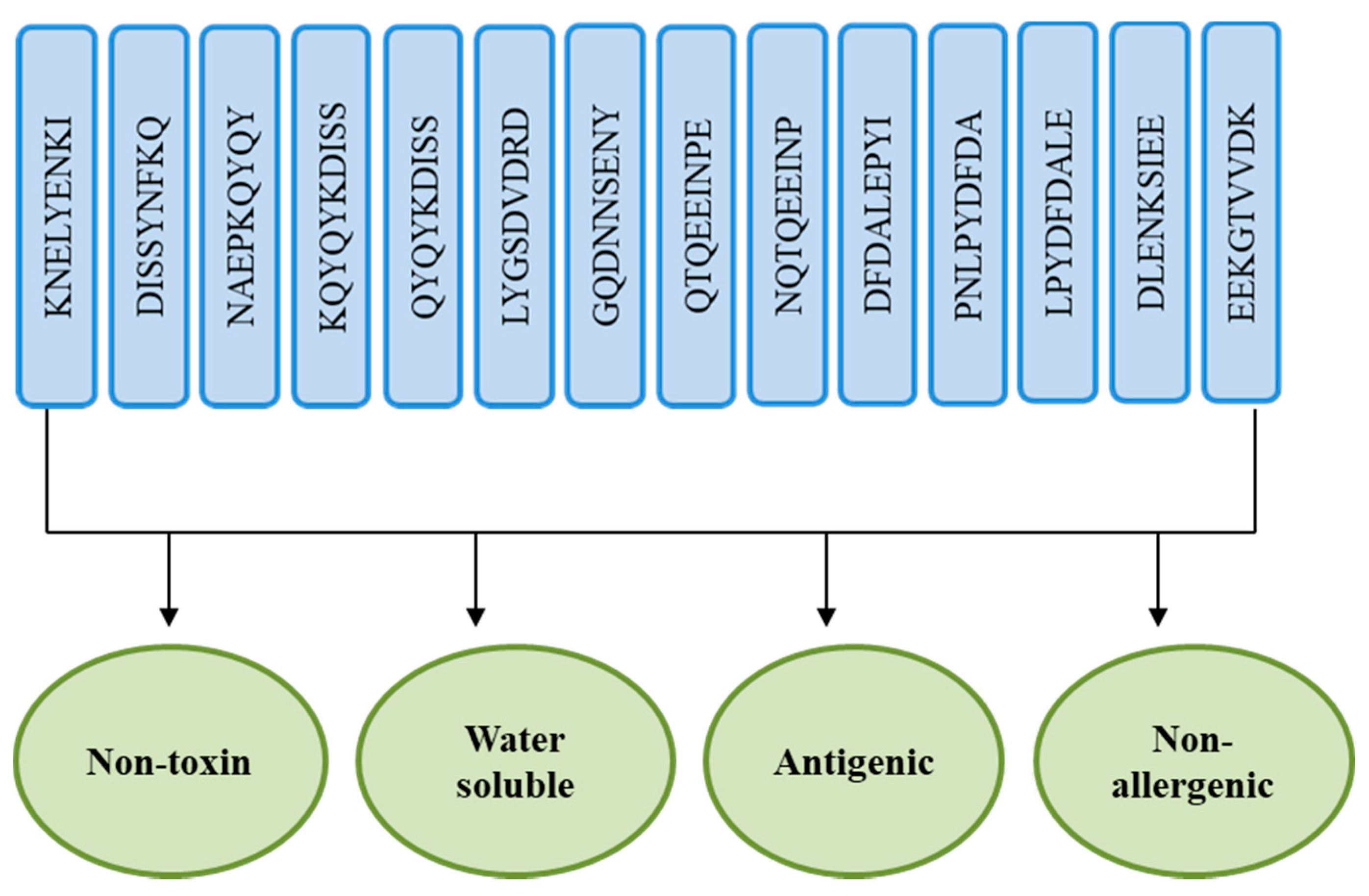
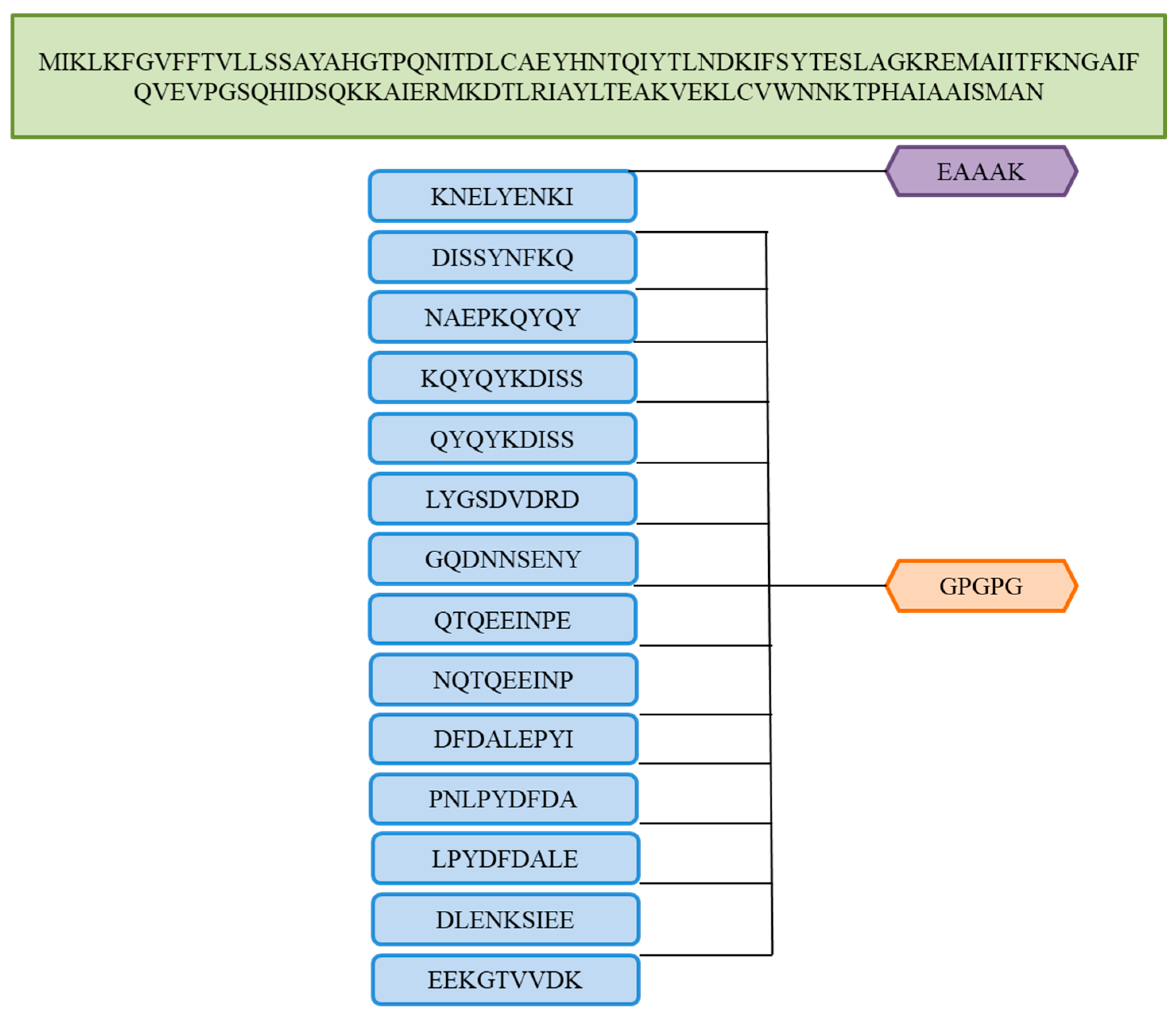
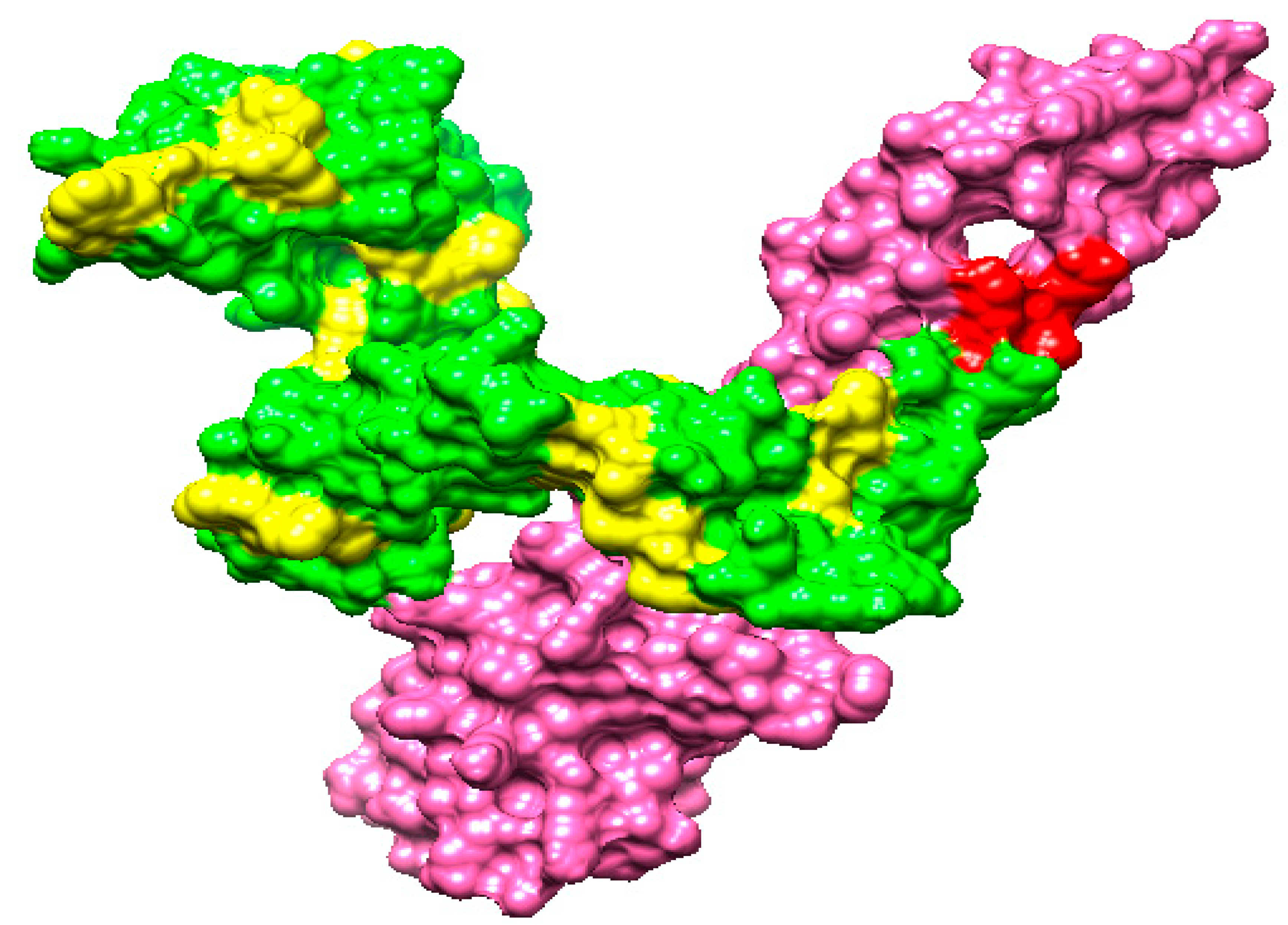
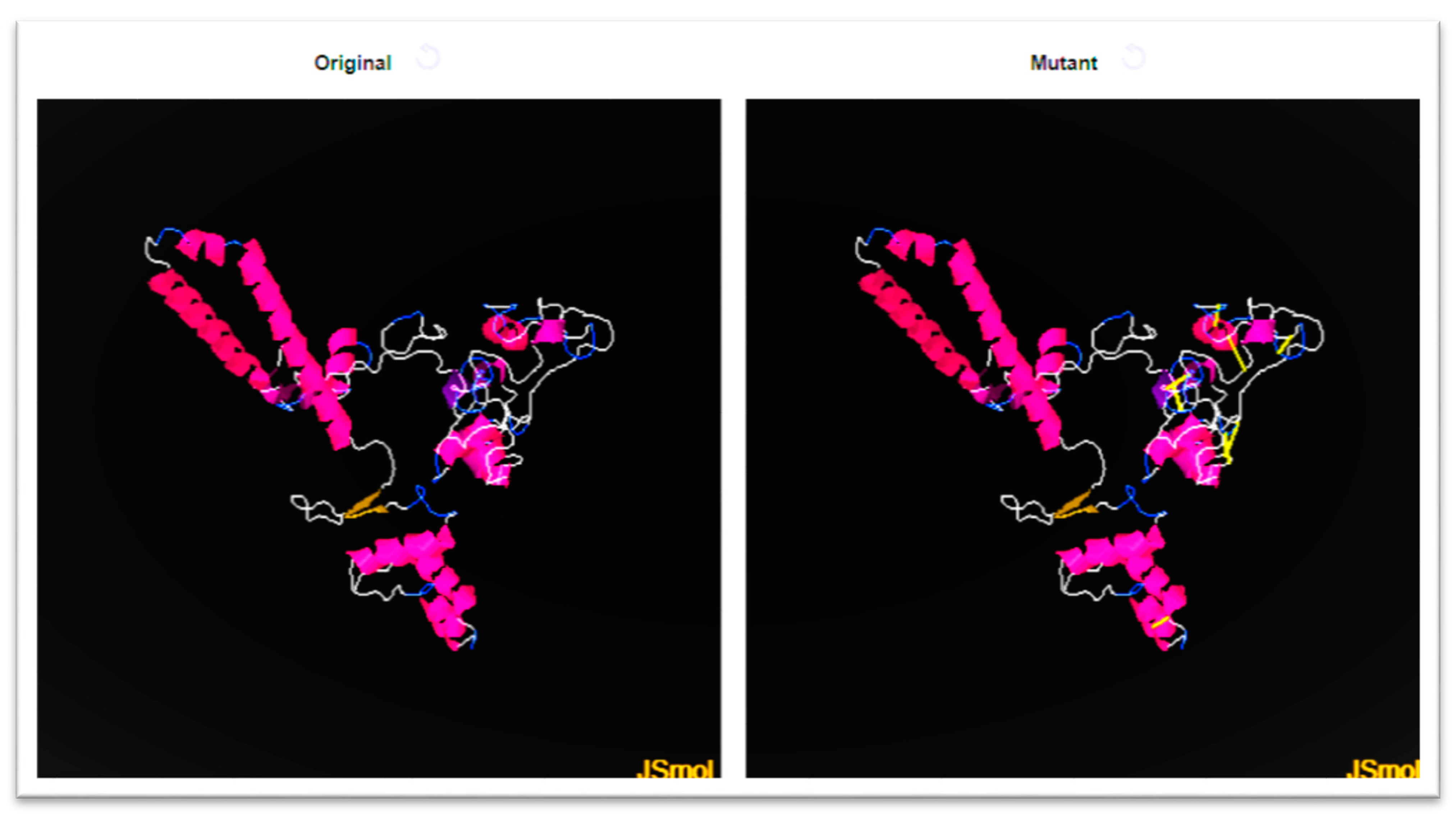
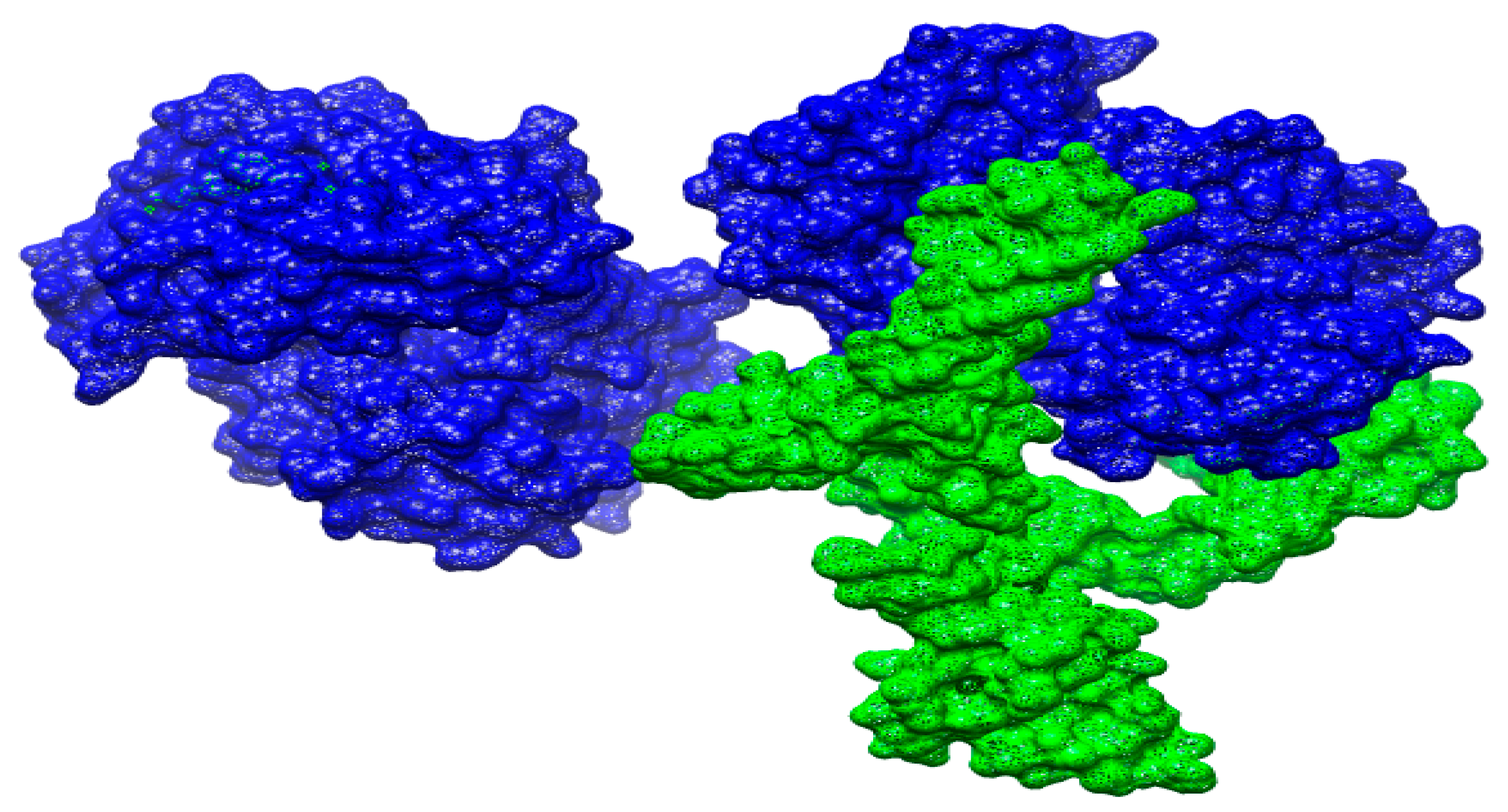
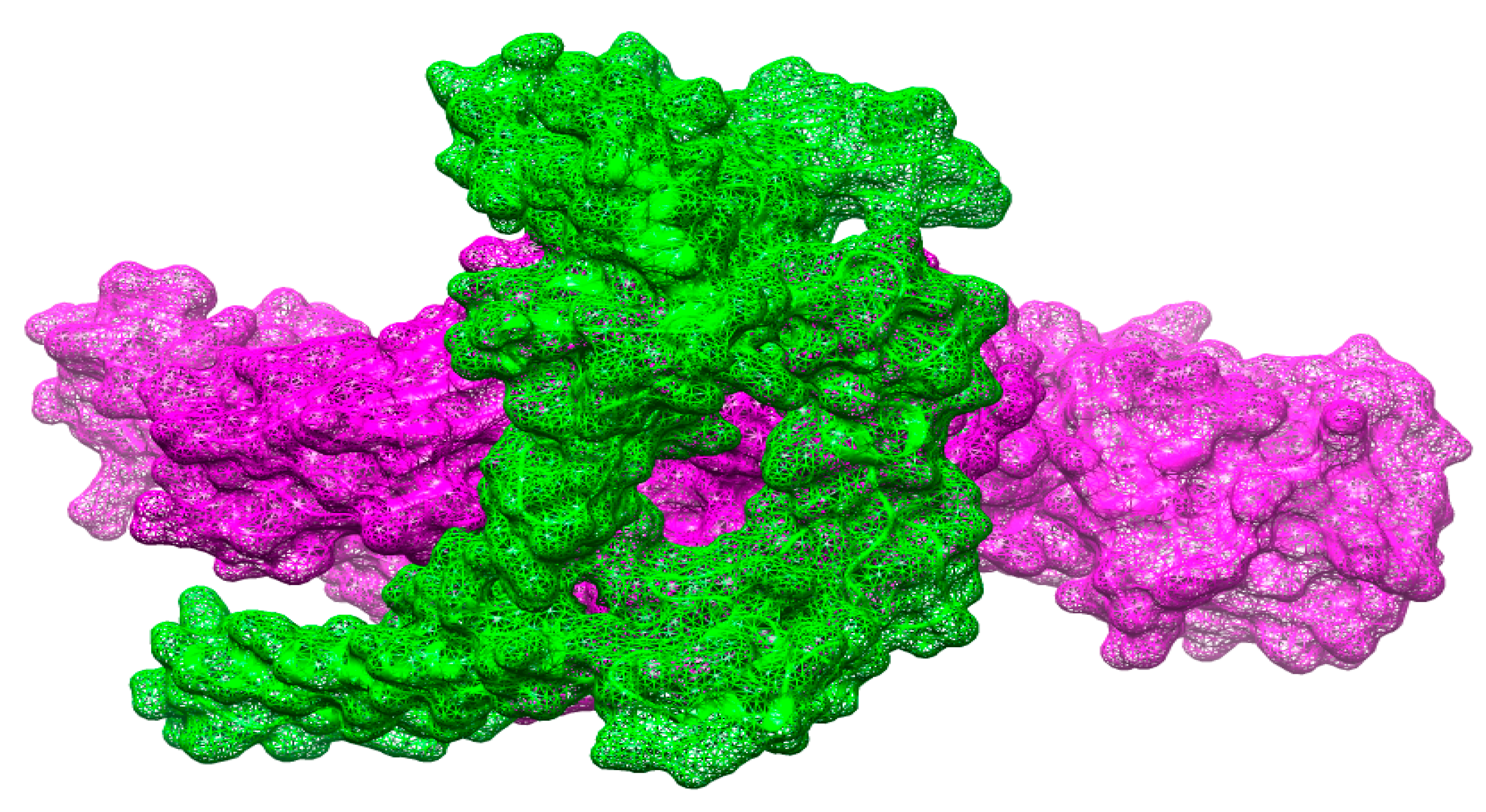
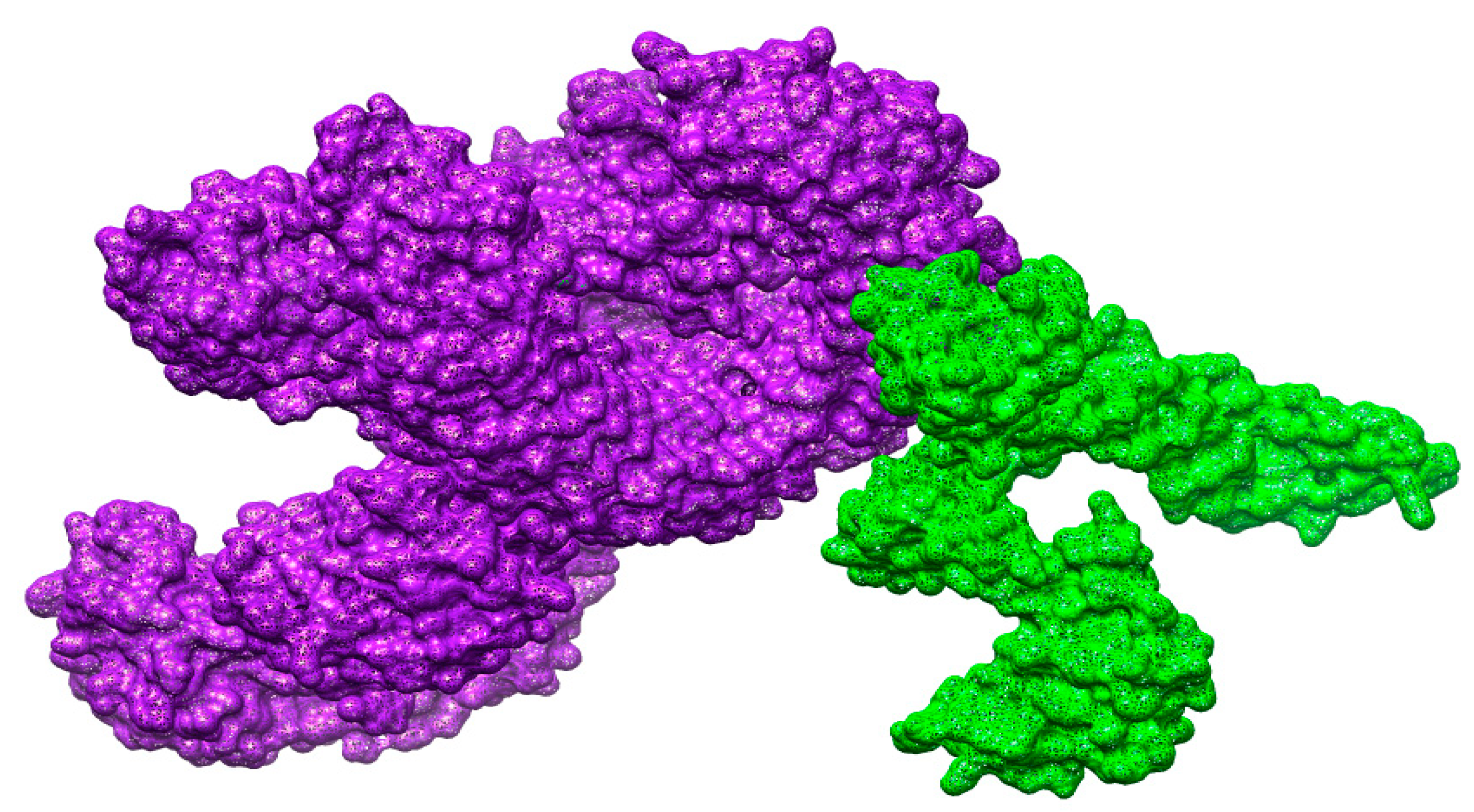
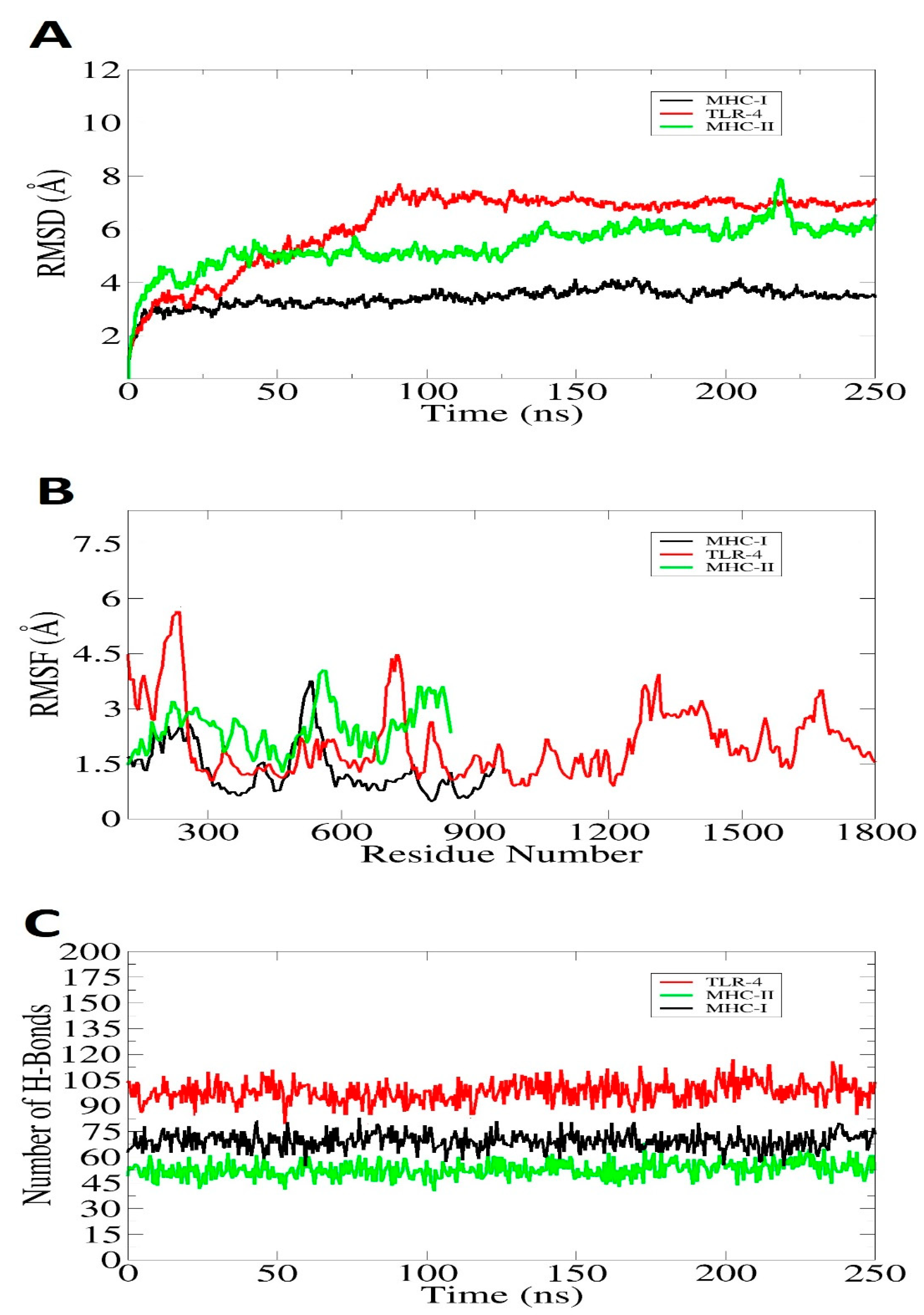
Due to the misuse of antibiotics in our daily lives, antimicrobial resistance (AMR) has become a major health problem. Penicillin, the first antibiotic, was used in the 1930s and led to the emergence of AMR. Due to alterations in the microbe’s genome and the evolution of new resistance mechanisms, antibiotics are losing efficacy against microbes. There are high rates of mortality and morbidity due to antibiotic resistance, so addressing this major health issue requires new approaches. Staphylococcus auricularis is a Gram-positive cocci and is capable of causing opportunistic infections and sepsis. S. auricularis is resistant to several antibiotics and does not currently have a licensed vaccine. In this study, we used bacterial pan-genome analysis (BPGA) to study S. auricularis pan-genome and applied a reverse immunology approach to prioritize vaccine targets against S. auricularis. A total of 15,444 core proteins were identified by BPGA analysis, which were then used to identify good vaccine candidates considering potential vaccine filters. Two vaccine candidates were evaluated for epitope prediction including the superoxide dismutase and gamma-glutamyl transferase protein. The epitope prediction phase involved the prediction of a variety of B-Cell and T-cell epitopes, and the epitopes that met certain criteria, such as antigenicity, immunogenicity, non-allergenicity, and non-toxicity were chosen. A multi-epitopes vaccine construct was then constructed from all the predicted epitopes, and a cholera toxin B-subunit adjuvant was also added to increase vaccine antigenicity. Three-dimensional models of the vaccine were used for downward analyses. Using the best-modeled structure, binding potency was tested with MHC-I, MHC-II and TLR-4 immune cells receptors, proving that the vaccine binds strongly with the receptors. Further, molecular dynamics simulations interpreted strong intermolecular binding between the vaccine and receptors and confirmed the vaccine epitopes exposed to the host immune system. The results support that the vaccine candidate may be capable of eliciting a protective immune response against S. auricularis and may be a promising candidate for experimental in vitro and in vivo studies.
Keywords: antimicrobial resistance; Staphylococcus auricularis; multi-epitopes vaccine; epitopes mapping; molecular dynamics simulation antimicrobial resistance; Staphylococcus auricularis; multi-epitopes vaccine; epitopes mapping; molecular dynamics simulation