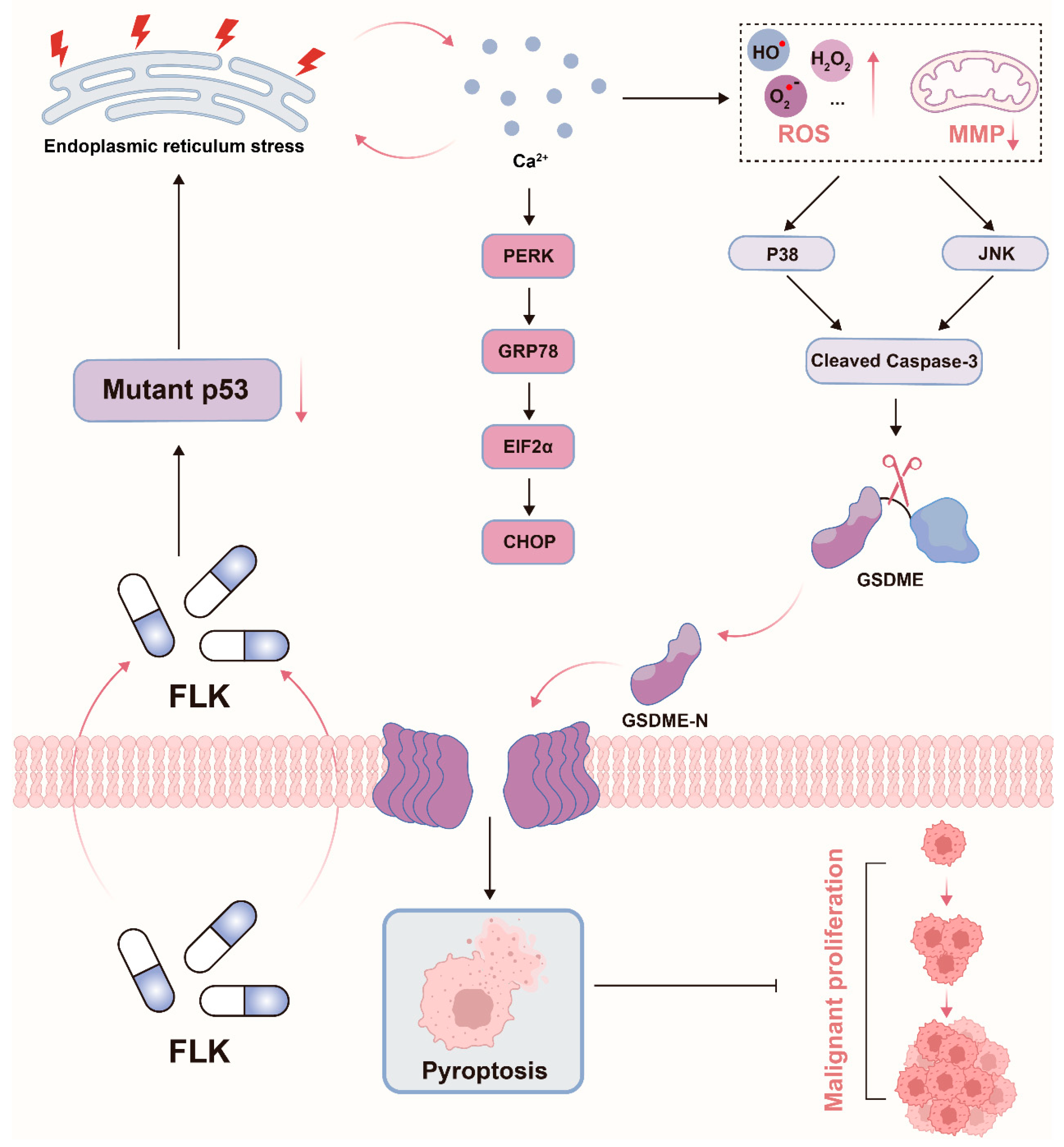
Feilike and Its Constituent Licochalcone B Trigger Caspase-3/GSDME-Mediated Pyroptosis in Triple-Negative Breast Cancer via Modulation of the Mutant p53–Calcium/ER Stress–ROS–MAPK Axis

 and
and
Abstract
1. Introduction
2. Materials and Methods
2.1. Preparation of FLK Extract and Chemicals
2.2. Cell Culture
2.3. Cell Viability Assay
2.4. Colony Formation Assay
2.5. Organoid Culture
2.6. Organoid Viability
2.7. Lactate Dehydrogenase (LDH) Detection
2.8. Propidium Iodide (PI) Staining Assay
2.9. UPLC-HR-MS/MS Analysis
2.10. Network Pharmacology Analysis
2.11. RNA Sequencing (RNA-Seq) Analysis
2.12. Measurement of Reactive Oxygen Species (ROS)
2.13. Measurement of Mitochondrial Membrane Potential (MMP)
2.14. Measurement of Ca2+
2.15. Western Blot Assay
2.16. Animal Experiments
2.17. Hematoxylin-Eosin (H&E) Staining
2.18. Immunohistochemistry (IHC) Assay
2.19. Statistical Analysis
3. Results
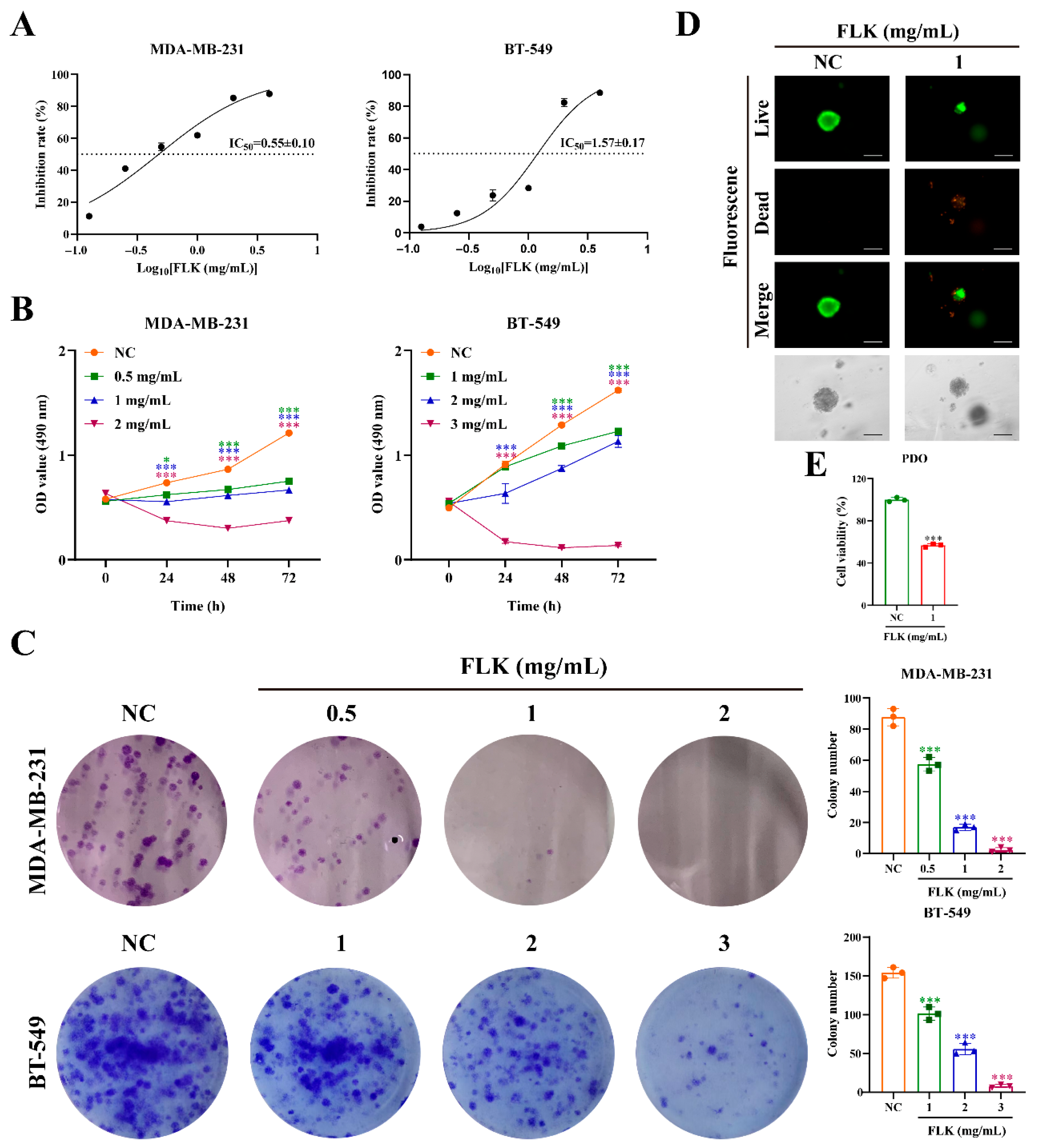
3.1. FLK Inhibits the Proliferation of TNBC 2D Cell Lines and 3D Patient-Derived Organoids
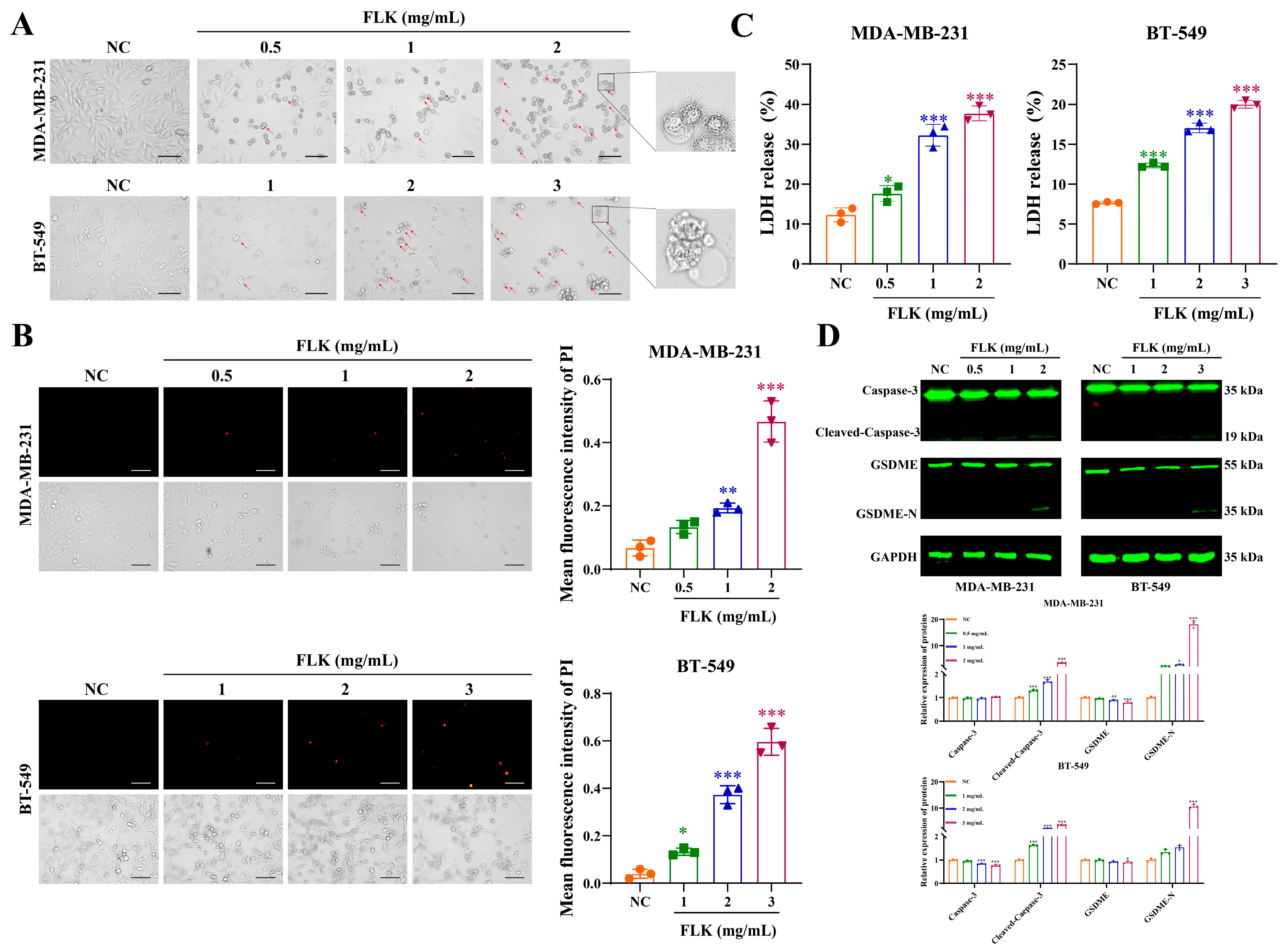
3.2. FLK Induces Pyroptosis in TBNC Cells
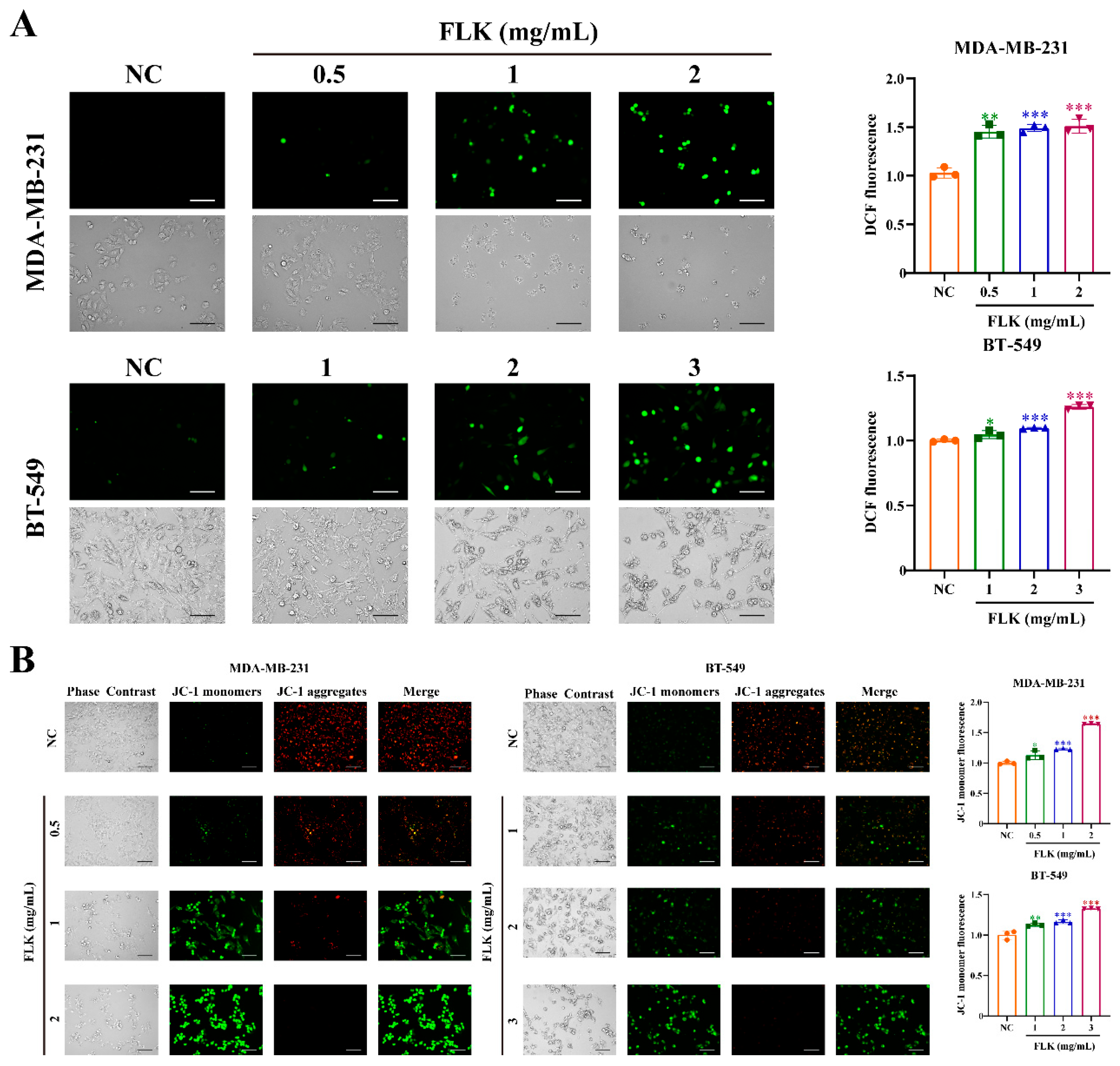
3.3. FLK Increases the Level of ROS and Decreases MMP in TNBC Cells
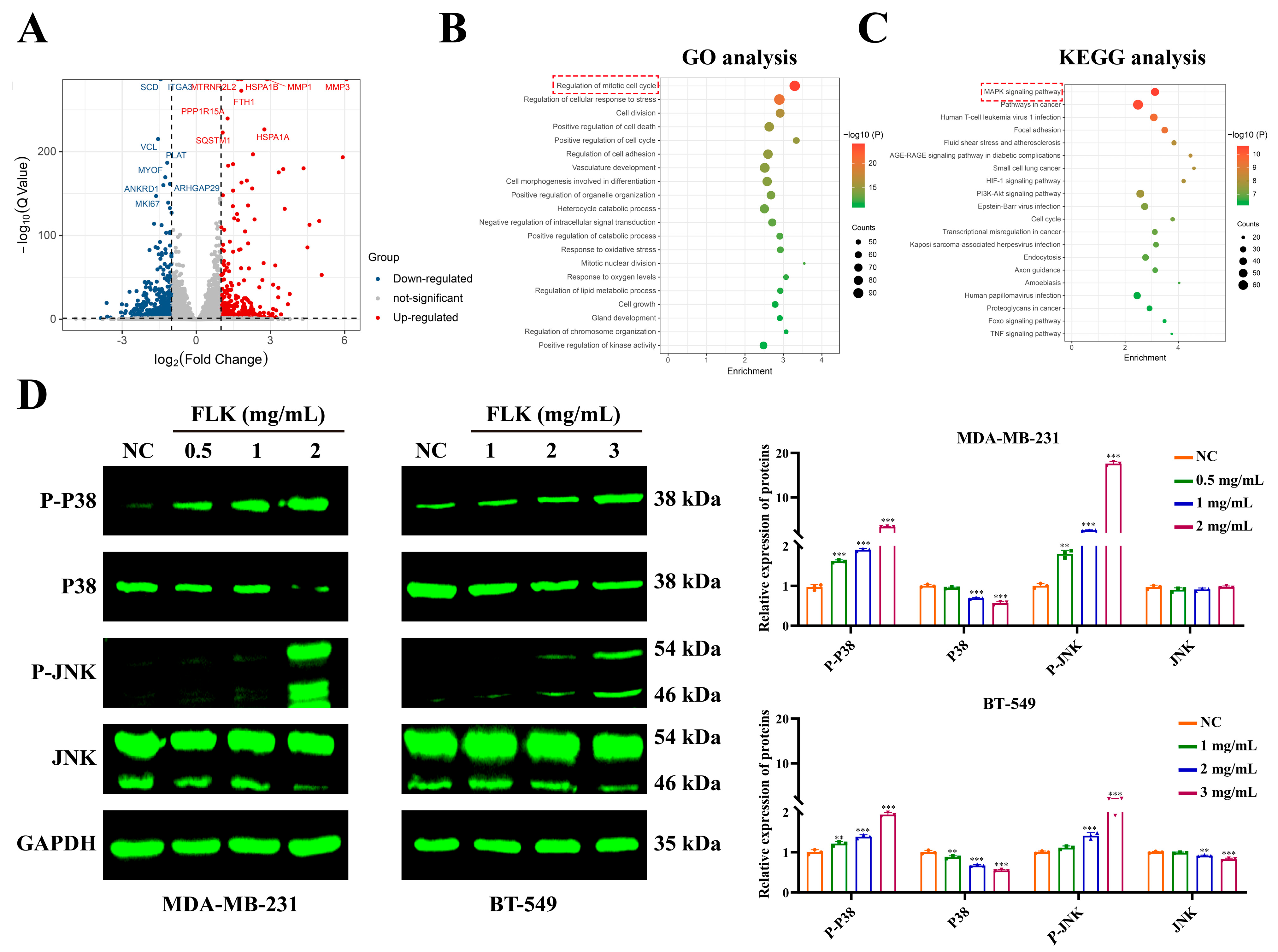
3.4. Transcriptomic Analysis Reveals Involvement of the Mitogen-Activated Protein Kinase (MAPK) Signaling Pathway in FLK-Induced Pyroptosis
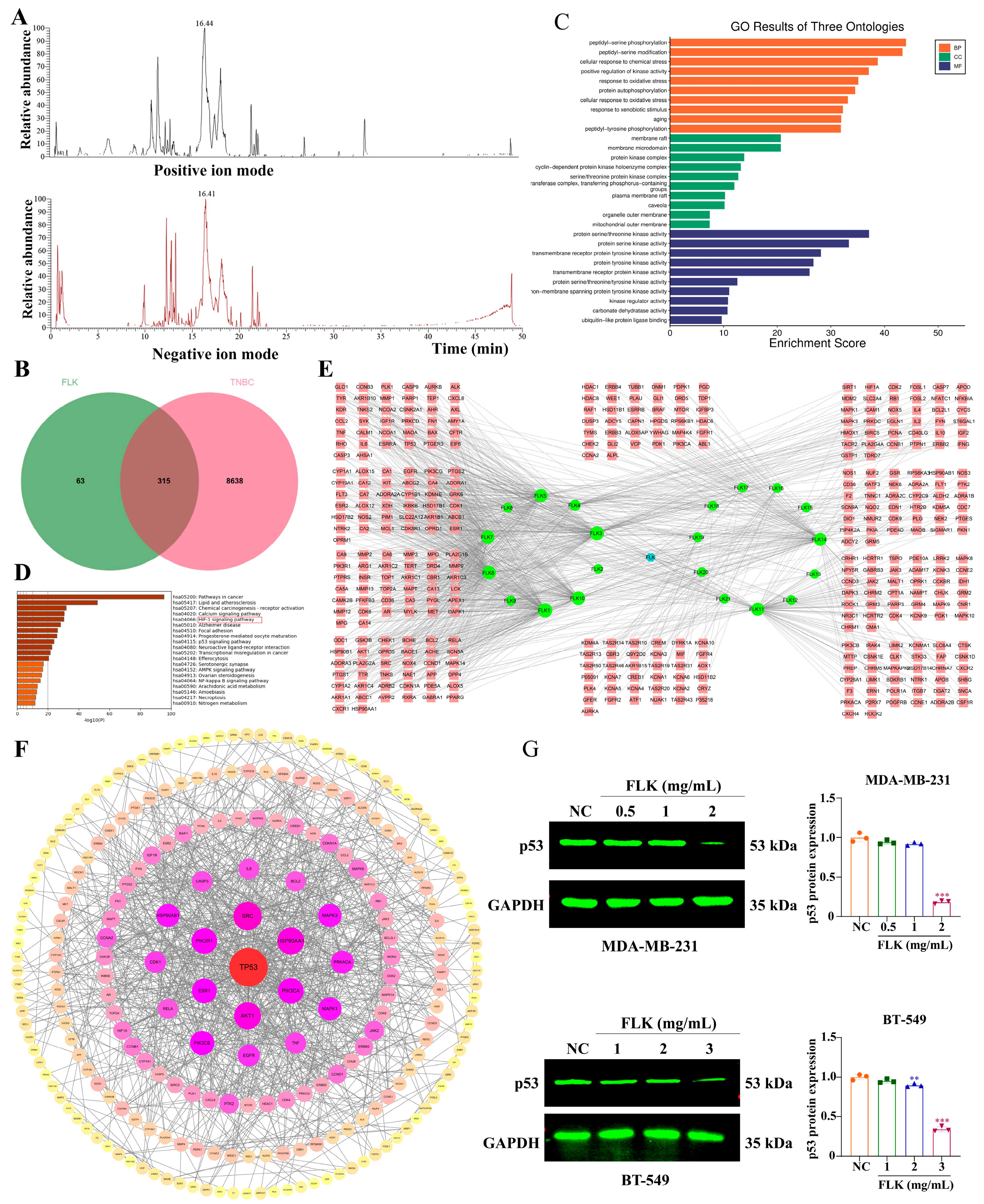
3.5. Identification of the Pharmacodynamic Basis and Network Pharmacology Analysis of FLK
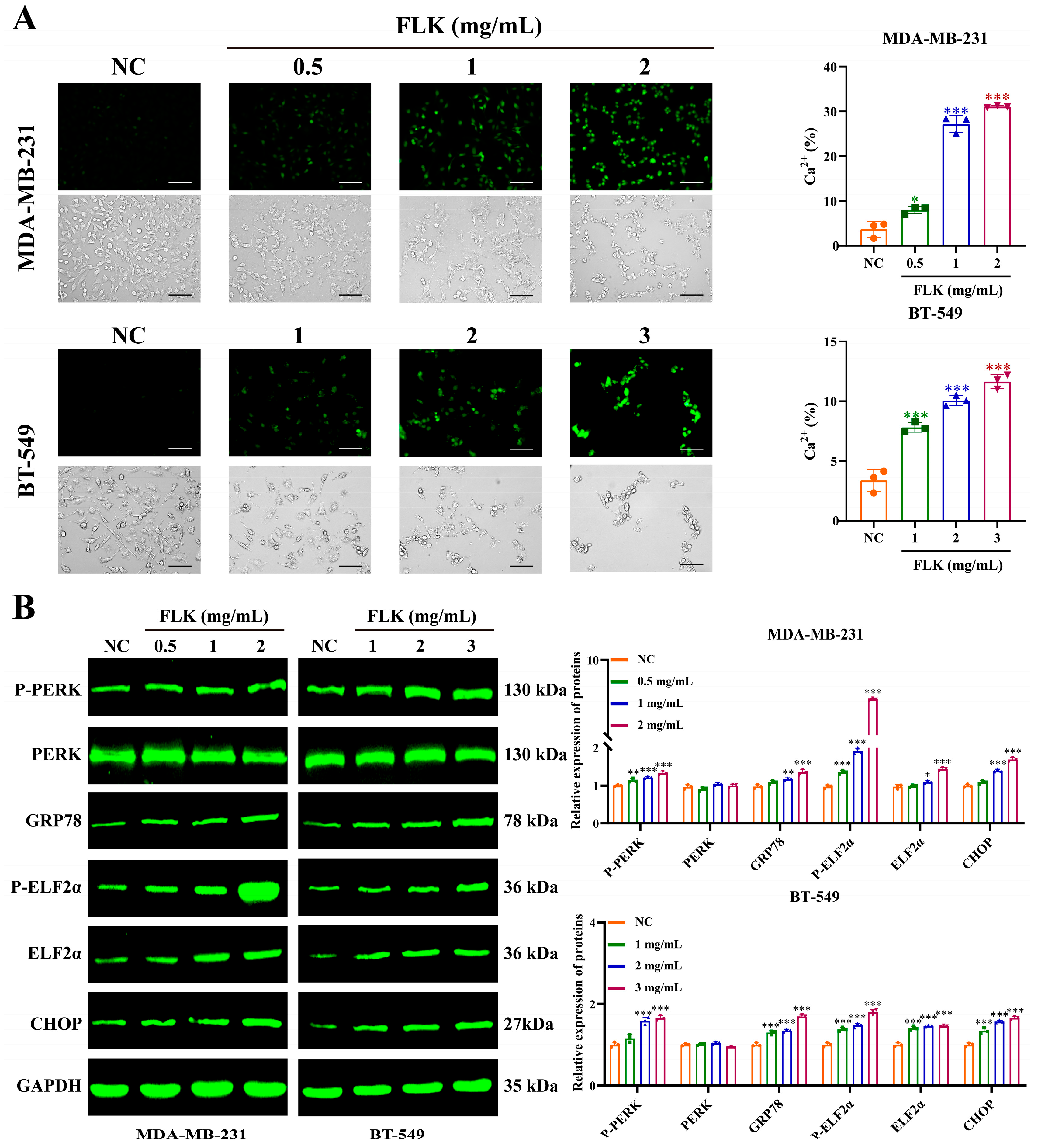
3.6. FLK Induces Endoplasmic Reticulum Stress (ERS) via Calcium Dysregulation in TNBC Cells
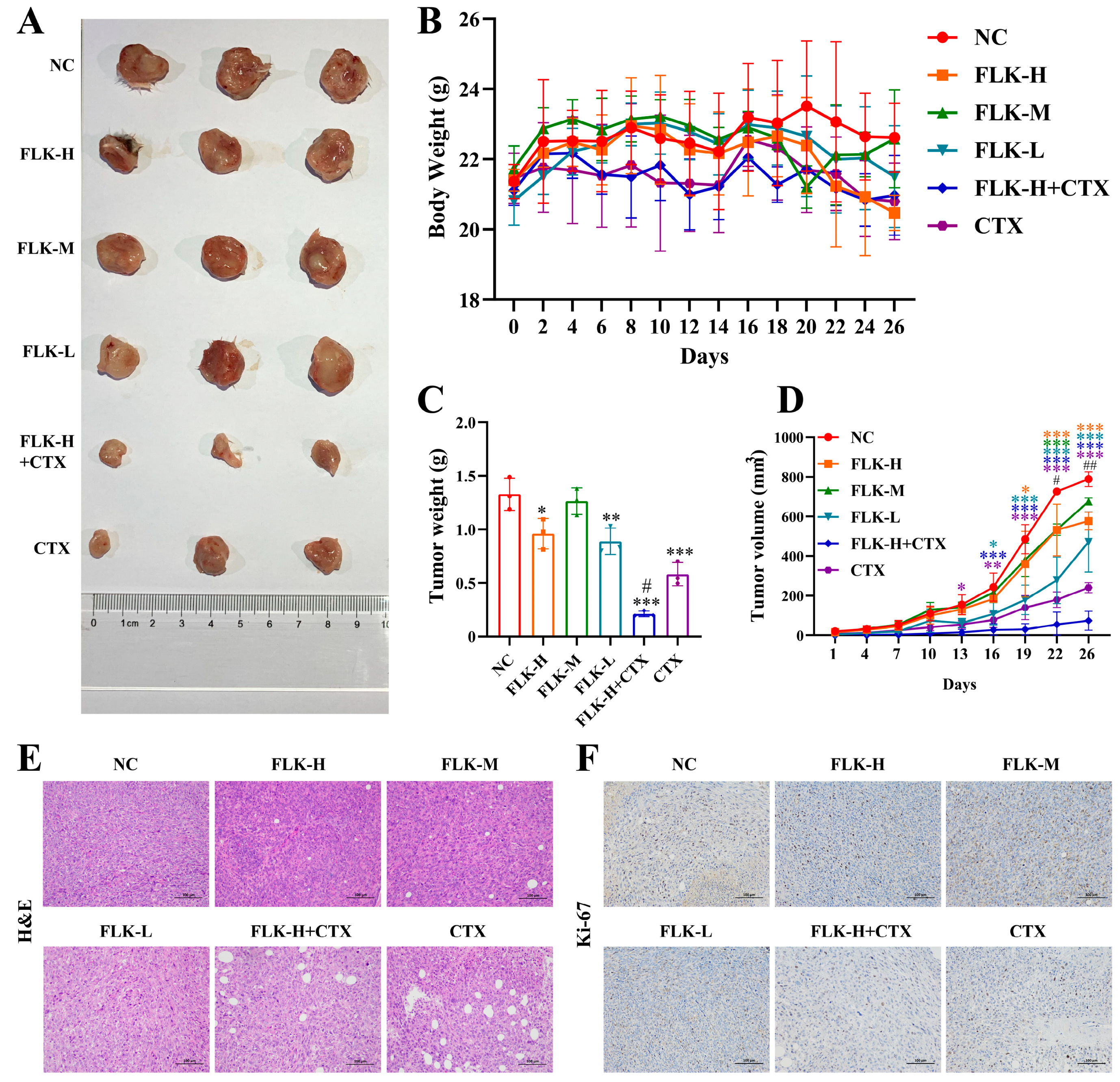
3.7. FLK Suppresses Tumor Growth and Enhances Chemotherapeutic Efficacy in an Orthotopic TNBC Mouse Model
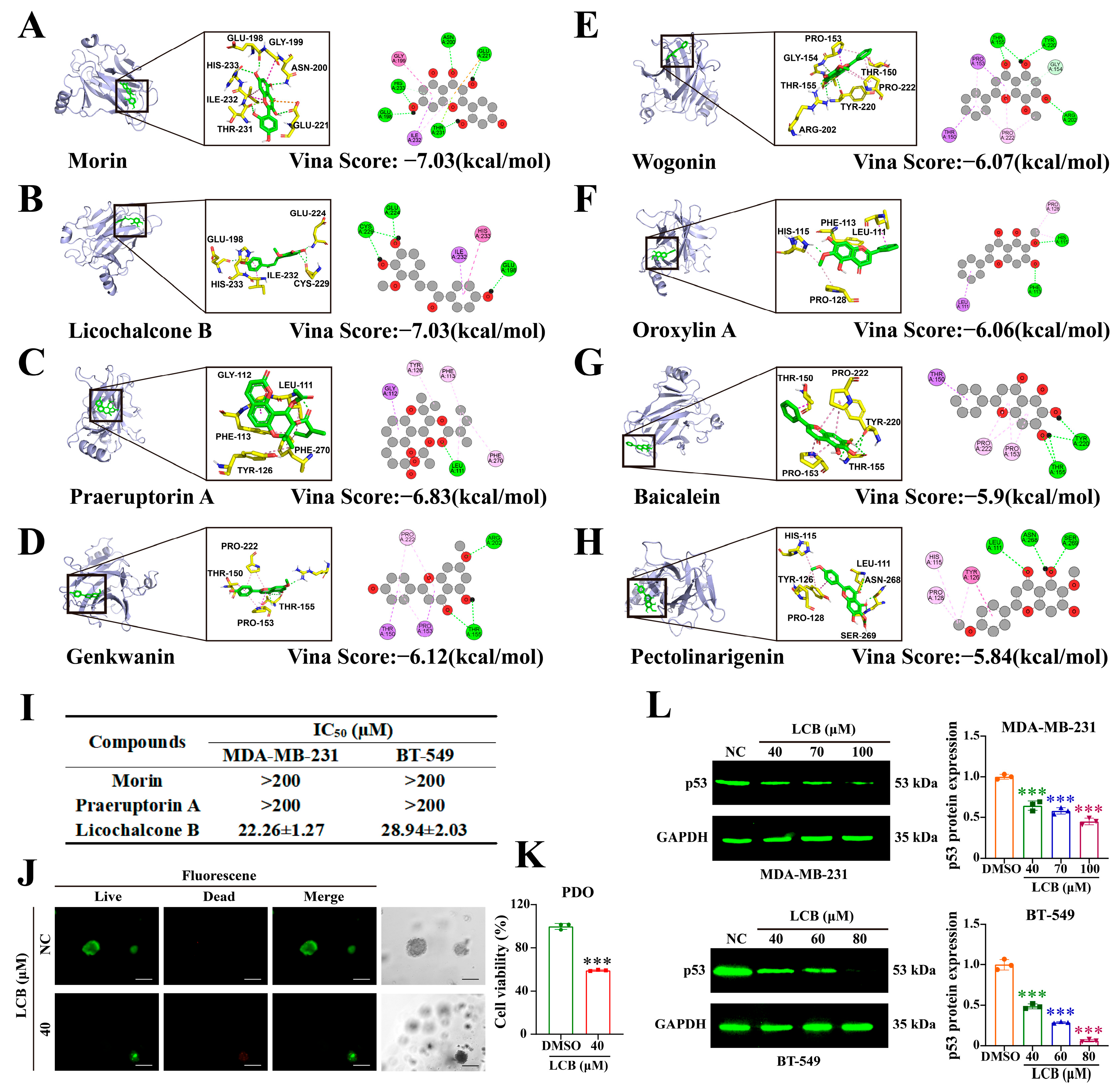
3.8. LCB Is Identified as a Major Active Constituent of FLK Targeting p53 in TNBC
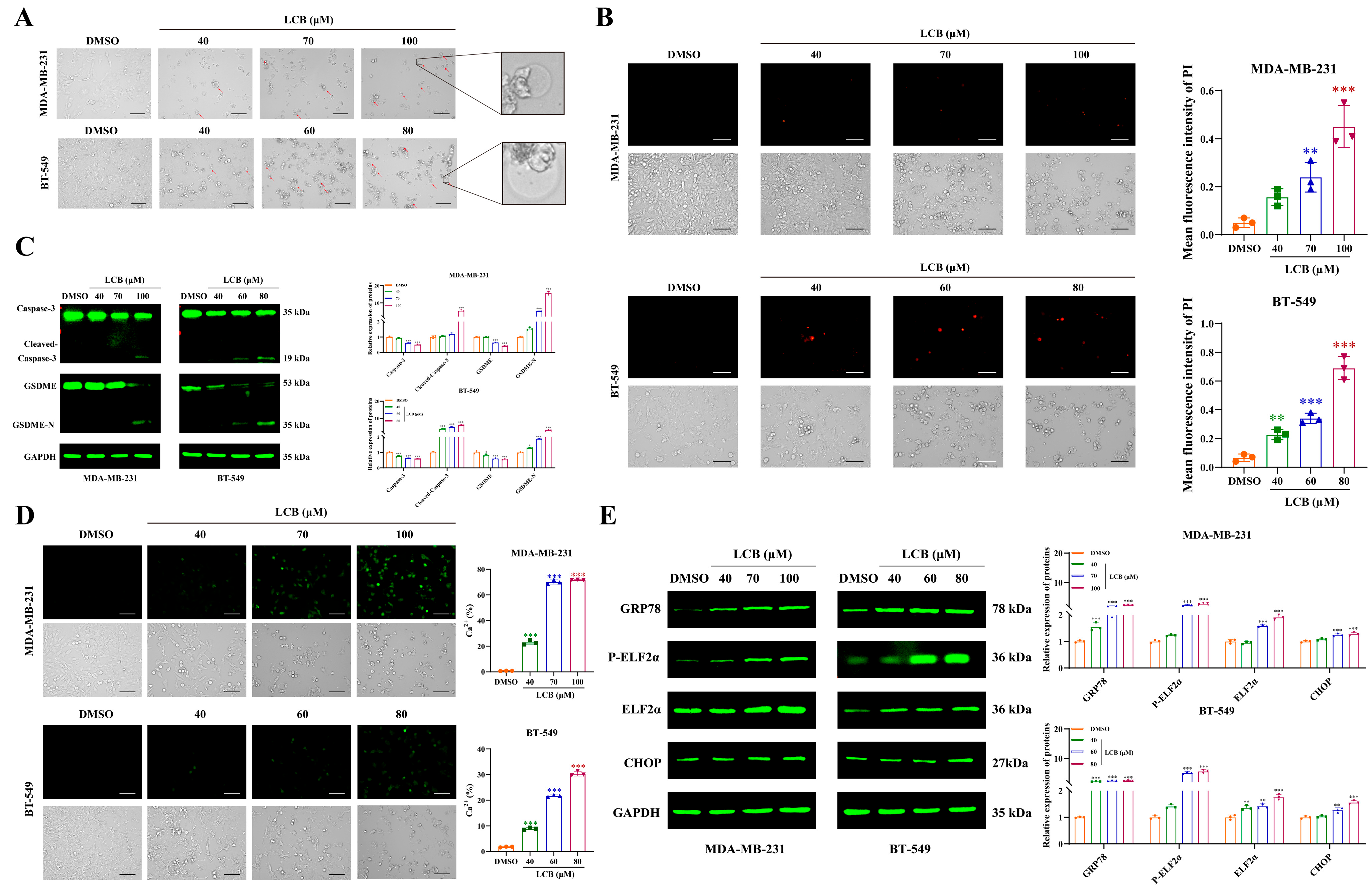
3.9. LCB Recapitulates FLK-Induced Pyroptosis via Caspase-3/GSDME Activation and ERS in TNBC Cells
4. Discussion
5. Conclusions
Supplementary Materials
Author Contributions
Funding
Institutional Review Board Statement
Informed Consent Statement
Data Availability Statement
Conflicts of Interest
Abbreviations
References
- Bray, F.; Laversanne, M.; Sung, H.; Ferlay, J.; Siegel, R.L.; Soerjomataram, I.; Jemal, A. Global cancer statistics 2022: GLOBOCAN estimates of incidence and mortality worldwide for 36 cancers in 185 countries. CA Cancer J. Clin. 2024, 74, 229–263. [Google Scholar] [CrossRef]
- Goldhirsch, A.; Wood, W.C.; Coates, A.S.; Gelber, R.D.; Thürlimann, B.; Senn, H.J. Strategies for subtypes—dealing with the diversity of breast cancer: Highlights of the St. Gallen International Expert Consensus on the Primary Therapy of Early Breast Cancer 2011. Ann. Oncol. 2011, 22, 1736–1747. [Google Scholar] [CrossRef] [PubMed]
- Bianchini, G.; Balko, J.M.; Mayer, I.A.; Sanders, M.E.; Gianni, L. Triple-negative breast cancer: Challenges and opportunities of a heterogeneous disease. Nat. Rev. Clin. Oncol. 2016, 13, 674–690. [Google Scholar] [CrossRef] [PubMed]
- Liedtke, C.; Mazouni, C.; Hess, K.R.; André, F.; Tordai, A.; Mejia, J.A.; Symmans, W.F.; Gonzalez-Angulo, A.M.; Hennessy, B.; Green, M.; et al. Response to neoadjuvant therapy and long-term survival in patients with triple-negative breast cancer. J. Clin. Oncol. 2008, 26, 1275–1281. [Google Scholar] [CrossRef]
- Holohan, C.; Van Schaeybroeck, S.; Longley, D.B.; Johnston, P.G. Cancer drug resistance: An evolving paradigm. Nat. Rev. Cancer 2013, 13, 714–726. [Google Scholar] [CrossRef]
- Hossain, M.B.; Haldar Neer, A.H. Chemotherapy. Cancer Treat. Res. 2023, 185, 49–58. [Google Scholar] [CrossRef]
- Qiu, J.; Zhang, Z.; Hu, A.; Zhao, P.; Wei, X.; Song, H.; Yang, J.; Li, Y. Integrating UPLC-HR-MS/MS, Network Pharmacology, and Experimental Validation to Uncover the Mechanisms of Jin’gan Capsules against Breast Cancer. ACS Omega 2022, 7, 28003–28015. [Google Scholar] [CrossRef]
- Yang, X.; Li, F.; Shi, Y.; Wu, Y.; Yang, R.; Liu, X.; Zhang, Y.; Zhang, G.; Ma, M.; Luo, Z.; et al. Integrated network pharmacology and experimental verification to explore the potential mechanism of San Ying decoction for treating triple-negative breast cancer. Acta Biochim. Biophys. Sin. 2024, 56, 763–775. [Google Scholar] [CrossRef]
- Li, R.; Ke, H.; Liu, P.; Yang, Q.; Li, Y.; Ke, L.; Wang, X.; Wu, C.; Zhang, Y. Mechanisms of Yiai Fuzheng formula in the treatment of triple-negative breast cancer based on UPLC-Q-Orbitrap-HRMS, network pharmacology, and experimental validation. Heliyon 2024, 10, e36579. [Google Scholar] [CrossRef]
- Gu, Y.; Wang, Y.; Qu, G.; Pen, Y.; Chen, Y.; Zhu, X.; Li, Y.; Wang, Y.; Fang, F.; Zhang, S.; et al. Xi Huang Pill exerts anti-triple-negative breast cancer effects by modulating gut microbiota, regulating glycerophospholipid metabolism, and promoting autophagy homeostasis. J. Pharm. Biomed. Anal. 2026, 267, 117166. [Google Scholar] [CrossRef]
- Yu, P.; Li, J.; Luo, Y.; Sun, J.; Hu, Y.; Lin, B.; Meng, X.; Xiang, L. Mechanistic Role of Scutellaria baicalensis Georgi in Breast Cancer Therapy. Am. J. Chin. Med. 2023, 51, 279–308. [Google Scholar] [CrossRef]
- Pan, Y.; Ma, T.; Chen, D.; Wang, Y.; Peng, Y.; Lu, T.; Yin, X.; Li, H.; Zhang, G.; Wang, X. Scutellaria barbata D.Don and Scleromitrion diffusum (Willd.) R.J.Wang inhibits the progression of triple negative breast cancer though the activation inhibition of NF-κB triggered by CAFs-derived IL6. J. Ethnopharmacol. 2024, 335, 118656. [Google Scholar] [CrossRef]
- Mesner, P.W., Jr.; Budihardjo, I.I.; Kaufmann, S.H. Chemotherapy-induced apoptosis. Adv. Pharmacol. 1997, 41, 461–499. [Google Scholar] [CrossRef] [PubMed]
- Neophytou, C.M.; Trougakos, I.P.; Erin, N.; Papageorgis, P. Apoptosis Deregulation and the Development of Cancer Multi-Drug Resistance. Cancers 2021, 13, 4363. [Google Scholar] [CrossRef] [PubMed]
- Loveless, R.; Bloomquist, R.; Teng, Y. Pyroptosis at the forefront of anticancer immunity. J. Exp. Clin. Cancer Res. 2021, 40, 264. [Google Scholar] [CrossRef]
- Shi, J.; Zhao, Y.; Wang, K.; Shi, X.; Wang, Y.; Huang, H.; Zhuang, Y.; Cai, T.; Wang, F.; Shao, F. Cleavage of GSDMD by inflammatory caspases determines pyroptotic cell death. Nature 2015, 526, 660–665. [Google Scholar] [CrossRef]
- An, H.; Heo, J.S.; Kim, P.; Lian, Z.; Lee, S.; Park, J.; Hong, E.; Pang, K.; Park, Y.; Ooshima, A.; et al. Tetraarsenic hexoxide enhances generation of mitochondrial ROS to promote pyroptosis by inducing the activation of caspase-3/GSDME in triple-negative breast cancer cells. Cell Death Dis. 2021, 12, 159. [Google Scholar] [CrossRef]
- Liang, C.; Liu, X.; Yu, J.; Shi, L.; Wei, W.; Zhu, Y.; Feng, M.; Tang, T.; Li, D.; Yang, T.; et al. Hypericin photoactivation induces triple-negative breast cancer cells pyroptosis by targeting the ROS/CALR/Caspase-3/GSDME pathway. J. Adv. Res. 2025, 77, 669–688. [Google Scholar] [CrossRef]
- Wu, L.; Bai, S.; Huang, J.; Cui, G.; Li, Q.; Wang, J.; Du, X.; Fu, W.; Li, C.; Wei, W.; et al. Nigericin Boosts Anti-Tumor Immune Response via Inducing Pyroptosis in Triple-Negative Breast Cancer. Cancers 2023, 15, 3221. [Google Scholar] [CrossRef]
- Cao, S.; Li, H.; Ye, X.; Xing, X.; Xie, Y.; Zeng, X.; Liu, H.; Zhong, X.; Yang, X.; Xing, W.; et al. Shikonin induces the apoptosis and pyroptosis of EGFR-T790M-mutant drug-resistant non-small cell lung cancer cells via the degradation of cyclooxygenase-2. Eur. J. Med. Res. 2024, 29, 611. [Google Scholar] [CrossRef]
- Liang, W.F.; Gong, Y.X.; Li, H.F.; Sun, F.L.; Li, W.L.; Chen, D.Q.; Xie, D.P.; Ren, C.X.; Guo, X.Y.; Wang, Z.Y.; et al. Curcumin Activates ROS Signaling to Promote Pyroptosis in Hepatocellular Carcinoma HepG2 Cells. In Vivo 2021, 35, 249–257. [Google Scholar] [CrossRef]
- Liu, J.; Qi, X.; Gu, P.; Wang, L.; Song, S.; Shu, P. Baicalin Induces Gastric Cancer Cell Pyroptosis through the NF-κB-NLRP3 Signaling Axis. J. Cancer 2024, 15, 494–507. [Google Scholar] [CrossRef]
- Wang, Y.; Gao, W.; Shi, X.; Ding, J.; Liu, W.; He, H.; Wang, K.; Shao, F. Chemotherapy drugs induce pyroptosis through caspase-3 cleavage of a gasdermin. Nature 2017, 547, 99–103. [Google Scholar] [CrossRef] [PubMed]
- Glover, H.L.; Schreiner, A.; Dewson, G.; Tait, S.W.G. Mitochondria and cell death. Nat. Cell Biol. 2024, 26, 1434–1446. [Google Scholar] [CrossRef]
- Tang, D.; Xu, C.; Jiang, Z.; Meng, Z.; Zhang, M.; Fan, F.; Liu, H. OTSSP167 suppresses TNBC brain metastasis via ROS-driven P38/JNK and FAK/ERK pathways. Eur. J. Pharmacol. 2025, 1004, 178017. [Google Scholar] [CrossRef] [PubMed]
- Yun, S.M.; Woo, S.H.; Oh, S.T.; Hong, S.E.; Choe, T.B.; Ye, S.K.; Kim, E.K.; Seong, M.K.; Kim, H.A.; Noh, W.C.; et al. Melatonin enhances arsenic trioxide-induced cell death via sustained upregulation of Redd1 expression in breast cancer cells. Mol. Cell. Endocrinol. 2016, 422, 64–73. [Google Scholar] [CrossRef]
- Tombari, C.; Zannini, A.; Bertolio, R.; Pedretti, S.; Audano, M.; Triboli, L.; Cancila, V.; Vacca, D.; Caputo, M.; Donzelli, S.; et al. Mutant p53 sustains serine-glycine synthesis and essential amino acids intake promoting breast cancer growth. Nat. Commun. 2023, 14, 6777. [Google Scholar] [CrossRef]
- Krebs, J.; Agellon, L.B.; Michalak, M. Ca2+ homeostasis and endoplasmic reticulum (ER) stress: An integrated view of calcium signaling. Biochem. Biophys. Res. Commun. 2015, 460, 114–121. [Google Scholar] [CrossRef]
- Zhang, J.; Guo, J.; Yang, N.; Huang, Y.; Hu, T.; Rao, C. Endoplasmic reticulum stress-mediated cell death in liver injury. Cell Death Dis. 2022, 13, 1051. [Google Scholar] [CrossRef]
- Li, J.; Yu, K.; Pang, D.; Wang, C.; Jiang, J.; Yang, S.; Liu, Y.; Fu, P.; Sheng, Y.; Zhang, G.; et al. Adjuvant Capecitabine with Docetaxel and Cyclophosphamide Plus Epirubicin for Triple-Negative Breast Cancer (CBCSG010): An Open-Label, Randomized, Multicenter, Phase III Trial. J. Clin. Oncol. 2020, 38, 1774–1784. [Google Scholar] [CrossRef]
- Liu, Y.; Fan, L.; Wang, Z.H.; Shao, Z.M. Nab-paclitaxel Followed by Dose-dense Epirubicin/Cyclophosphamide in Neoadjuvant Chemotherapy for Triple-negative Breast Cancer: A Phase II Study. Oncologist 2023, 28, 86-e76. [Google Scholar] [CrossRef]
- Chen, M.; Zhao, P.; Chou, J.; Zhou, L.; Feng, Z.; Hao, X.; Song, H.; Yang, J. Non-coding RNAs regulating programmed cell death and its implications in cancer chemotherapy resistance. Int. J. Biol. Macromol. 2025, 318, 144888. [Google Scholar] [CrossRef]
- Jiang, M.; Qi, L.; Li, L.; Li, Y. The caspase-3/GSDME signal pathway as a switch between apoptosis and pyroptosis in cancer. Cell Death Discov. 2020, 6, 112. [Google Scholar] [CrossRef]
- Zhou, L.; Zhao, P.; Zhou, T.; Chen, M.; Feng, Z.; Pan, Y.; Xiao, F.; Hao, X.; Song, H.; Yang, J. Cantharidin Induces Pyroptosis in triple-negative breast cancer cells via vitamin D receptor-targeted inhibition and activation of ROS/caspase/GSDME axis. Eur. J. Pharmacol. 2025, 1003, 177927. [Google Scholar] [CrossRef] [PubMed]
- Zhang, C.C.; Li, C.G.; Wang, Y.F.; Xu, L.H.; He, X.H.; Zeng, Q.Z.; Zeng, C.Y.; Mai, F.Y.; Hu, B.; Ouyang, D.Y. Chemotherapeutic paclitaxel and cisplatin differentially induce pyroptosis in A549 lung cancer cells via caspase-3/GSDME activation. Apoptosis 2019, 24, 312–325. [Google Scholar] [CrossRef]
- Huang, H.; Ni, B.; Chen, Q.; Wang, W.; Guo, Z.; Wang, N.; Chen, R.; Yin, X.; Qu, C.; Ni, J.; et al. Polyphyllin II Triggers Pyroptosis in Hepatocellular Carcinoma via Modulation of the ROS/NLRP3/Caspase-1/GSDMD Axis. Antioxidants 2026, 15, 75. [Google Scholar] [CrossRef] [PubMed]
- Wang, J.; Huangfu, M.; Li, X.; Han, M.; Liu, G.; Yu, D.; Zhou, L.; Dou, T.; Liu, Y.; Guan, X.; et al. Osthole Induces Apoptosis and Caspase-3/GSDME-Dependent Pyroptosis via NQO1-Mediated ROS Generation in HeLa Cells. Oxid. Med. Cell. Longev. 2022, 2022, 8585598. [Google Scholar] [CrossRef]
- Kwon, Y. Possible Beneficial Effects of N-Acetylcysteine for Treatment of Triple-Negative Breast Cancer. Antioxidants 2021, 10, 169. [Google Scholar] [CrossRef] [PubMed]
- Lin, H.W.; Chen, T.C.; Wang, I.; Yeh, J.H.; Tsou, S.C.; Sun, L.; Chung, S.C.; Chuang, C.J.; Chang, Y.Y. Tetrahydrocurcumin Protects Microglial Cells Against Pseudomonas aeruginosa Lipopolysaccharide-Induced Reactive Oxygen Species Production and Cathepsin B to Activate NLRP3 Inflammasome-Mediated Pyroptosis via the HO-1 and p38/JNK Pathway. Int. J. Med. Sci. 2025, 22, 4049–4062. [Google Scholar] [CrossRef]
- Liu, Z.; Yao, X.; Jiang, W.; Li, W.; Zhu, S.; Liao, C.; Zou, L.; Ding, R.; Chen, J. Advanced oxidation protein products induce microglia-mediated neuroinflammation via MAPKs-NF-κB signaling pathway and pyroptosis after secondary spinal cord injury. J. Neuroinflammation 2020, 17, 90. [Google Scholar] [CrossRef]
- Picot, N.; Guerrette, R.; Beauregard, A.P.; Jean, S.; Michaud, P.; Harquail, J.; Benzina, S.; Robichaud, G.A. Mammaglobin 1 promotes breast cancer malignancy and confers sensitivity to anticancer drugs. Mol. Carcinog. 2016, 55, 1150–1162. [Google Scholar] [CrossRef]
- Li, Q.; Zhang, K.; Hou, L.; Liao, J.; Zhang, H.; Han, Q.; Guo, J.; Li, Y.; Hu, L.; Pan, J.; et al. Endoplasmic reticulum stress contributes to pyroptosis through NF-κB/NLRP3 pathway in diabetic nephropathy. Life Sci. 2023, 322, 121656. [Google Scholar] [CrossRef] [PubMed]
- Zeng, J.; Cheng, Y.; Xie, W.; Lin, X.; Ding, C.; Xu, H.; Cui, B.; Chen, Y.; Gao, S.; Zhang, S.; et al. Calcium-sensing receptor and NF-κB pathways in TN breast cancer contribute to cancer-induced cardiomyocyte damage via activating neutrophil extracellular traps formation. Cell. Mol. Life Sci. 2024, 81, 19. [Google Scholar] [CrossRef]
- Filadi, R.; De Mario, A.; Audano, M.; Romani, P.; Pedretti, S.; Cardenas, C.; Dupont, S.; Mammucari, C.; Mitro, N.; Pizzo, P. Sustained IP3-linked Ca2+ signaling promotes progression of triple negative breast cancer cells by regulating fatty acid metabolism. Front. Cell Dev. Biol. 2023, 11, 1071037. [Google Scholar] [CrossRef]
- Mukhopadhyay, D.; Goel, H.L.; Xiong, C.; Goel, S.; Kumar, A.; Li, R.; Zhu, L.J.; Clark, J.L.; Brehm, M.A.; Mercurio, A.M. The calcium channel TRPC6 promotes chemotherapy-induced persistence by regulating integrin α6 mRNA splicing. Cell Rep. 2023, 42, 113347. [Google Scholar] [CrossRef] [PubMed]
- Xu, D.; Su, C.; Song, X.; Shi, Q.; Fu, J.; Hu, L.; Xia, X.; Song, E.; Song, Y. Polychlorinated biphenyl quinone induces endoplasmic reticulum stress, unfolded protein response, and calcium release. Chem. Res. Toxicol. 2015, 28, 1326–1337. [Google Scholar] [CrossRef] [PubMed]
- Katseff, A.; Alhawaj, R.; Wolin, M.S. Redox and Inflammatory Signaling, the Unfolded Protein Response, and the Pathogenesis of Pulmonary Hypertension. Adv. Exp. Med. Biol. 2021, 1304, 333–373. [Google Scholar] [CrossRef]
- Chen, Q.; Peng, B.; Lin, L.; Chen, J.; Jiang, Z.; Luo, Y.; Huang, L.; Li, J.; Peng, Y.; Wu, J.; et al. Chondroitin Sulfate-Modified Hydroxyapatite for Caspase-1 Activated Induced Pyroptosis through Ca Overload/ER Stress/STING/IRF3 Pathway in Colorectal Cancer. Small 2024, 20, e2403201. [Google Scholar] [CrossRef]
- Nong, W.J.; Tong, X.Y.; Ouyang, J.M. Comparison of Endoplasmic Reticulum Stress and Pyroptosis Induced by Pathogenic Calcium Oxalate Monohydrate and Physiologic Calcium Oxalate Dihydrate Crystals in HK-2 Cells: Insights into Kidney Stone Formation. Cells 2024, 13, 2070. [Google Scholar] [CrossRef]
- Kwak, A.W.; Kim, W.K.; Lee, S.O.; Yoon, G.; Cho, S.S.; Kim, K.T.; Lee, M.H.; Choi, Y.H.; Lee, J.Y.; Park, J.W.; et al. Licochalcone B Induces ROS-Dependent Apoptosis in Oxaliplatin-Resistant Colorectal Cancer Cells via p38/JNK MAPK Signaling. Antioxidants 2023, 12, 656. [Google Scholar] [CrossRef]
- Oh, H.; Yoon, G.; Shin, J.C.; Park, S.M.; Cho, S.S.; Cho, J.H.; Lee, M.H.; Liu, K.; Cho, Y.S.; Chae, J.I.; et al. Licochalcone B induces apoptosis of human oral squamous cell carcinoma through the extrinsic- and intrinsic-signaling pathways. Int. J. Oncol. 2016, 48, 1749–1757. [Google Scholar] [CrossRef]
- Oh, H.N.; Lee, M.H.; Kim, E.; Yoon, G.; Chae, J.I.; Shim, J.H. Licochalcone B inhibits growth and induces apoptosis of human non-small-cell lung cancer cells by dual targeting of EGFR and MET. Phytomedicine 2019, 63, 153014. [Google Scholar] [CrossRef]
- Yuan, X.; Li, T.; Xiao, E.; Zhao, H.; Li, Y.; Fu, S.; Gan, L.; Wang, Z.; Zheng, Q.; Wang, Z. Licochalcone B inhibits growth of bladder cancer cells by arresting cell cycle progression and inducing apoptosis. Food Chem. Toxicol. 2014, 65, 242–251. [Google Scholar] [CrossRef]
- Dibra, D.; Xiong, S.; Moyer, S.M.; El-Naggar, A.K.; Qi, Y.; Su, X.; Kong, E.K.; Korkut, A.; Lozano, G. Mutant p53 protects triple-negative breast adenocarcinomas from ferroptosis in vivo. Sci. Adv. 2024, 10, eadk1835. [Google Scholar] [CrossRef]
- Dilshara, M.G.; Molagoda, I.M.N.; Jayasooriya, R.G.P.T.; Choi, Y.H.; Park, C.; Lee, K.T.; Lee, S.; Kim, G.Y. p53-Mediated Oxidative Stress Enhances Indirubin-3′-Monoxime-Induced Apoptosis in HCT116 Colon Cancer Cells by Upregulating Death Receptor 5 and TNF-Related Apoptosis-Inducing Ligand Expression. Antioxidants 2019, 8, 423. [Google Scholar] [CrossRef]
- D’Orazi, G.; Cirone, M. Mutant p53 and Cellular Stress Pathways: A Criminal Alliance That Promotes Cancer Progression. Cancers 2019, 11, 614. [Google Scholar] [CrossRef]
- Liu, Z.; Xu, S.; Chen, L.; Gong, J.; Wang, M. The role of pyroptosis in cancer: Key components and therapeutic potential. Cell Commun. Signal. 2024, 22, 548. [Google Scholar] [CrossRef]
- Bourne, C.M.; Taabazuing, C.Y. Harnessing Pyroptosis for Cancer Immunotherapy. Cells 2024, 13, 346. [Google Scholar] [CrossRef]
- Malvankar, S.; Jaiswal, P.; Bhat, P.P.; Mehto, S. Regulation of cancer by inflammasomes: From inflammation to tumorigenesis. Front. Immunol. 2025, 16, 1611719. [Google Scholar] [CrossRef]
- Liu, Y.; He, J.; Chen, J.; Chen, T.; Li, W.; Yang, Z.; Zeng, F. Programmed cell death in triple-negative breast cancer. Cell. Mol. Biol. Lett. 2025, 30, 111. [Google Scholar] [CrossRef]
- Song, P.; Liu, T.; Zhang, Y.; Shao, T.; Li, R.; An, C.; Cao, L.Q.; Chen, Z.S.; Guo, W.; Duan, D. Traditional Chinese medicine in the treatment of breast Cancer. Mol. Cancer 2025, 24, 209. [Google Scholar] [CrossRef]
- Nedeljković, M.; Damjanović, A. Mechanisms of Chemotherapy Resistance in Triple-Negative Breast Cancer-How We Can Rise to the Challenge. Cells 2019, 8, 957. [Google Scholar] [CrossRef]


Disclaimer/Publisher’s Note: The statements, opinions and data contained in all publications are solely those of the individual author(s) and contributor(s) and not of MDPI and/or the editor(s). MDPI and/or the editor(s) disclaim responsibility for any injury to people or property resulting from any ideas, methods, instructions or products referred to in the content. |
© 2026 by the authors. Licensee MDPI, Basel, Switzerland. This article is an open access article distributed under the terms and conditions of the Creative Commons Attribution (CC BY) license.
Share and Cite
Yang, J.; Zhao, P.; Zhou, L.; Song, H.; Feng, Z.; Cui, H.; Li, Y.; Qiu, J.; Hao, X. Feilike and Its Constituent Licochalcone B Trigger Caspase-3/GSDME-Mediated Pyroptosis in Triple-Negative Breast Cancer via Modulation of the Mutant p53–Calcium/ER Stress–ROS–MAPK Axis. Antioxidants 2026, 15, 649. https://doi.org/10.3390/antiox15050649
Yang J, Zhao P, Zhou L, Song H, Feng Z, Cui H, Li Y, Qiu J, Hao X. Feilike and Its Constituent Licochalcone B Trigger Caspase-3/GSDME-Mediated Pyroptosis in Triple-Negative Breast Cancer via Modulation of the Mutant p53–Calcium/ER Stress–ROS–MAPK Axis. Antioxidants. 2026; 15(5):649. https://doi.org/10.3390/antiox15050649
Chicago/Turabian StyleYang, Jue, Peng Zhao, Lianghong Zhou, Hui Song, Zili Feng, Hongjian Cui, Yanmei Li, Jianfei Qiu, and Xiaojiang Hao. 2026. "Feilike and Its Constituent Licochalcone B Trigger Caspase-3/GSDME-Mediated Pyroptosis in Triple-Negative Breast Cancer via Modulation of the Mutant p53–Calcium/ER Stress–ROS–MAPK Axis" Antioxidants 15, no. 5: 649. https://doi.org/10.3390/antiox15050649
APA StyleYang, J., Zhao, P., Zhou, L., Song, H., Feng, Z., Cui, H., Li, Y., Qiu, J., & Hao, X. (2026). Feilike and Its Constituent Licochalcone B Trigger Caspase-3/GSDME-Mediated Pyroptosis in Triple-Negative Breast Cancer via Modulation of the Mutant p53–Calcium/ER Stress–ROS–MAPK Axis. Antioxidants, 15(5), 649. https://doi.org/10.3390/antiox15050649