Anti-Hepatocarcinoma Activity and Mechanism of Isosendanin and Its Novel Structural Analogues Isolated from the Bark of Melia azedarach L.: In Vitro and In Vivo Studies

 ,
, 
Abstract
1. Introduction
2. Materials and Methods
2.1. Materials
2.2. Extraction and Isolation
2.3. Hep3B Cell Culture
2.4. Cell Viability Assay
2.5. RNA-Seq
2.6. ROS Level Analysis
2.7. Hoechst 33342 Staining Analysis
2.8. Annexin V-FITC/PI Assay
2.9. Western Blot Analysis
2.10. Animals Experimental Design
2.11. Hematoxylin–Eosin (H&E) Staining
2.12. Immunohistochemical Analysis
2.13. Statistical Analysis
3. Results
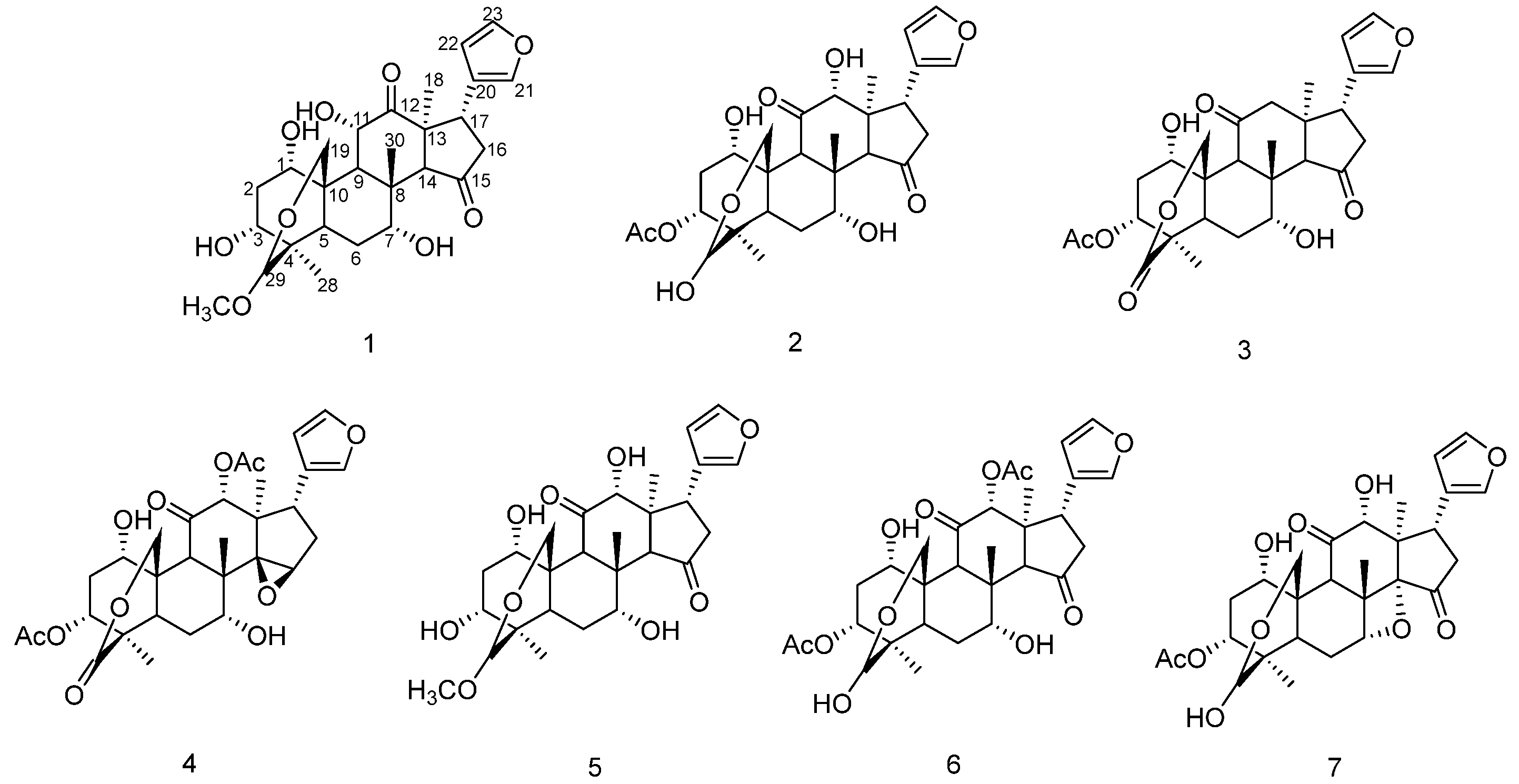
3.1. Studies on the Chemical Constituents
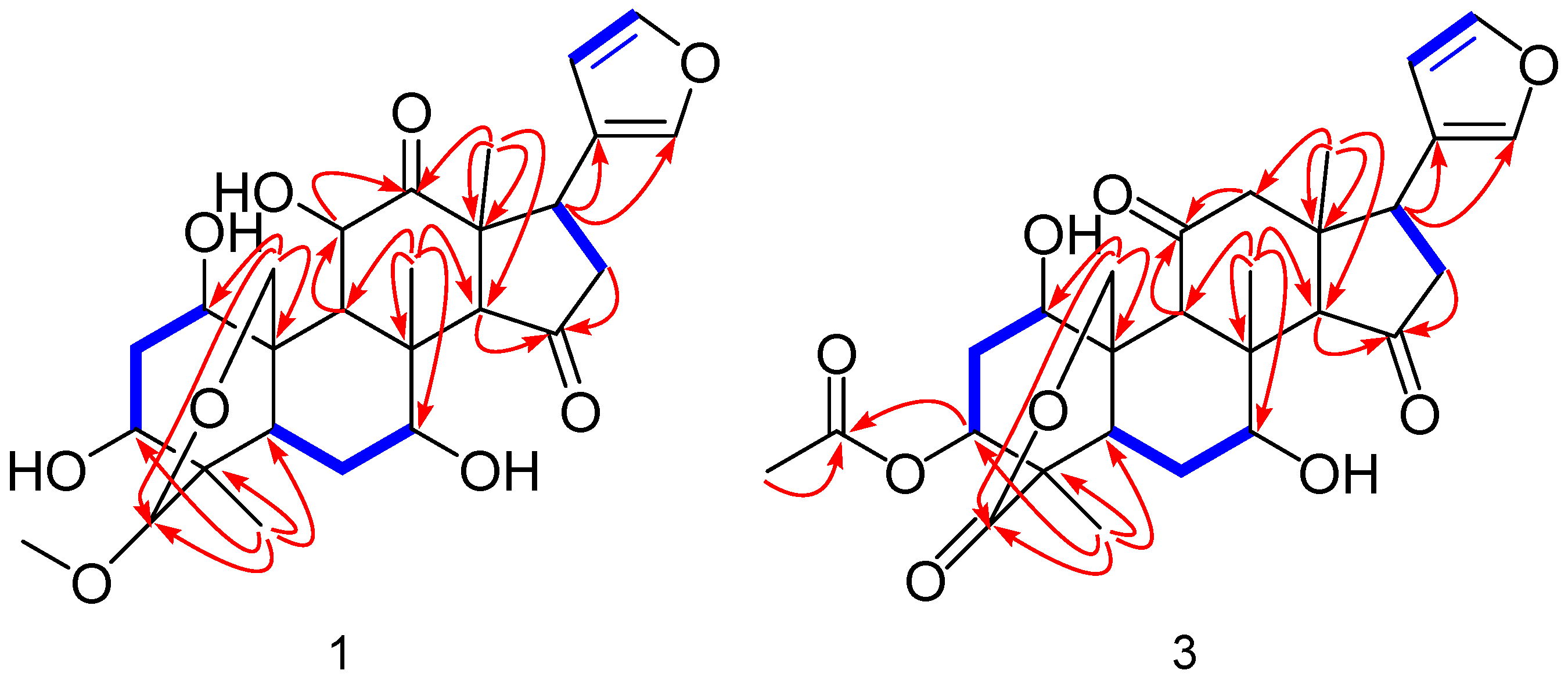
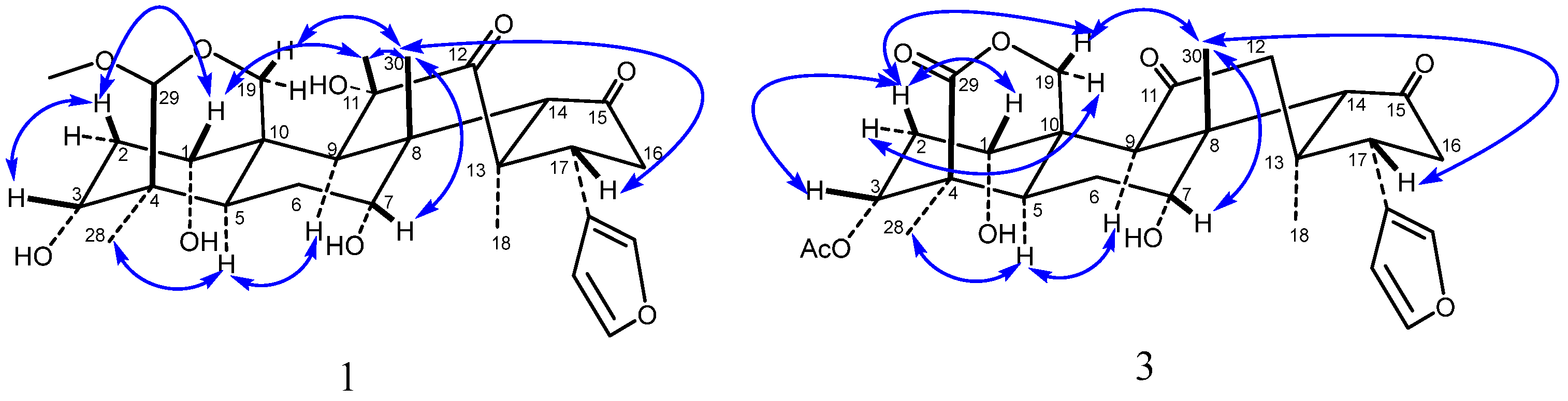
Structural Analysis of Compounds 1 and 3
3.2. Compounds 1–7 Inhibit the Proliferation of Hep3B Cells
3.3. RNA-Seq Analysis Results
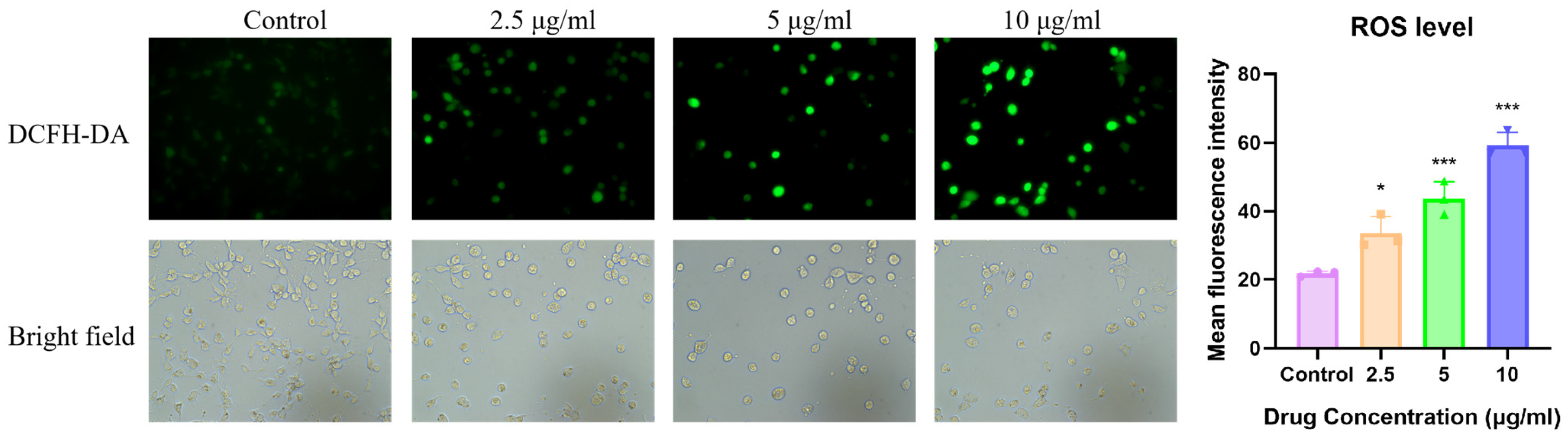
3.4. ITSN Increases the Level of ROS
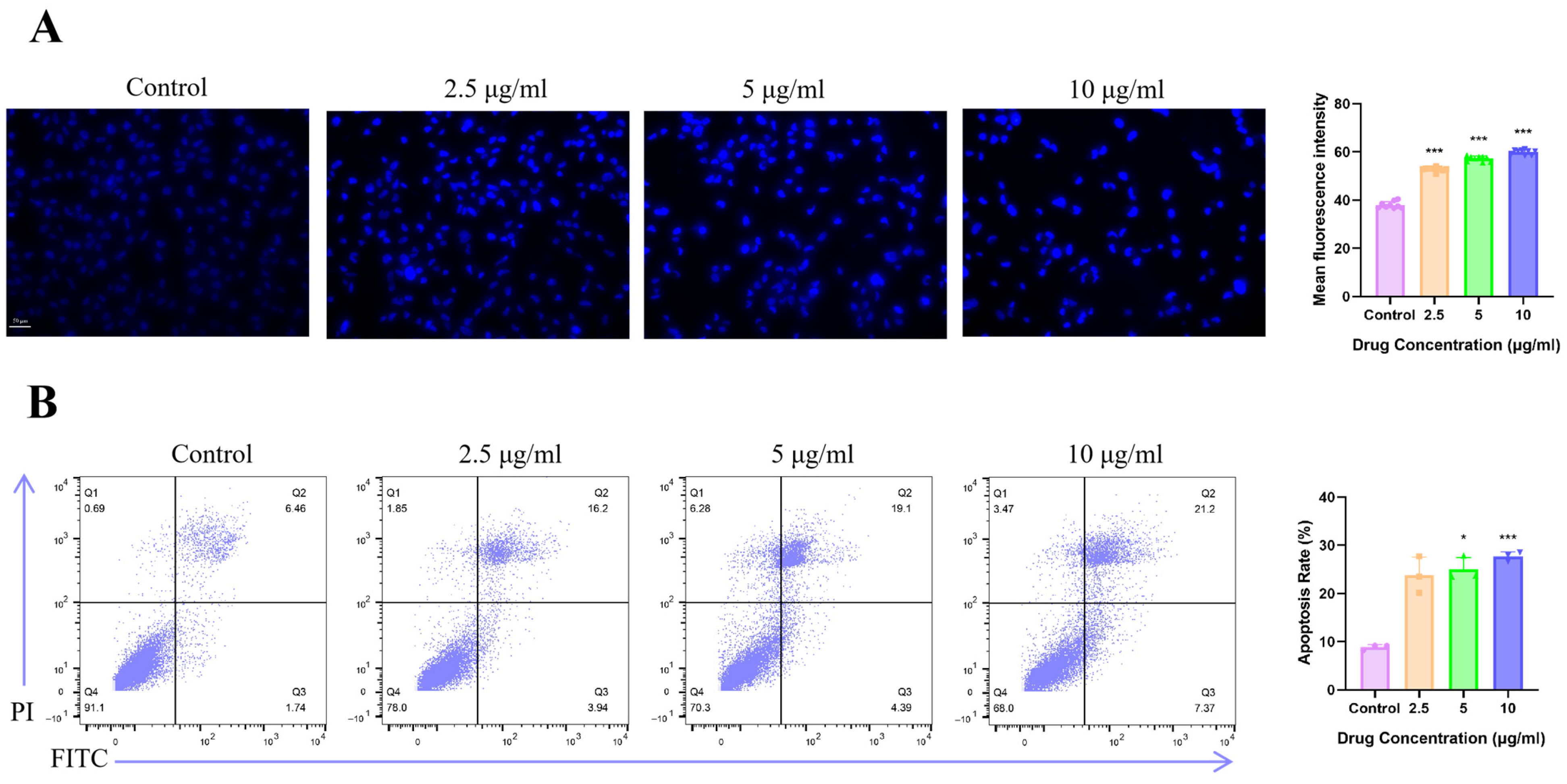
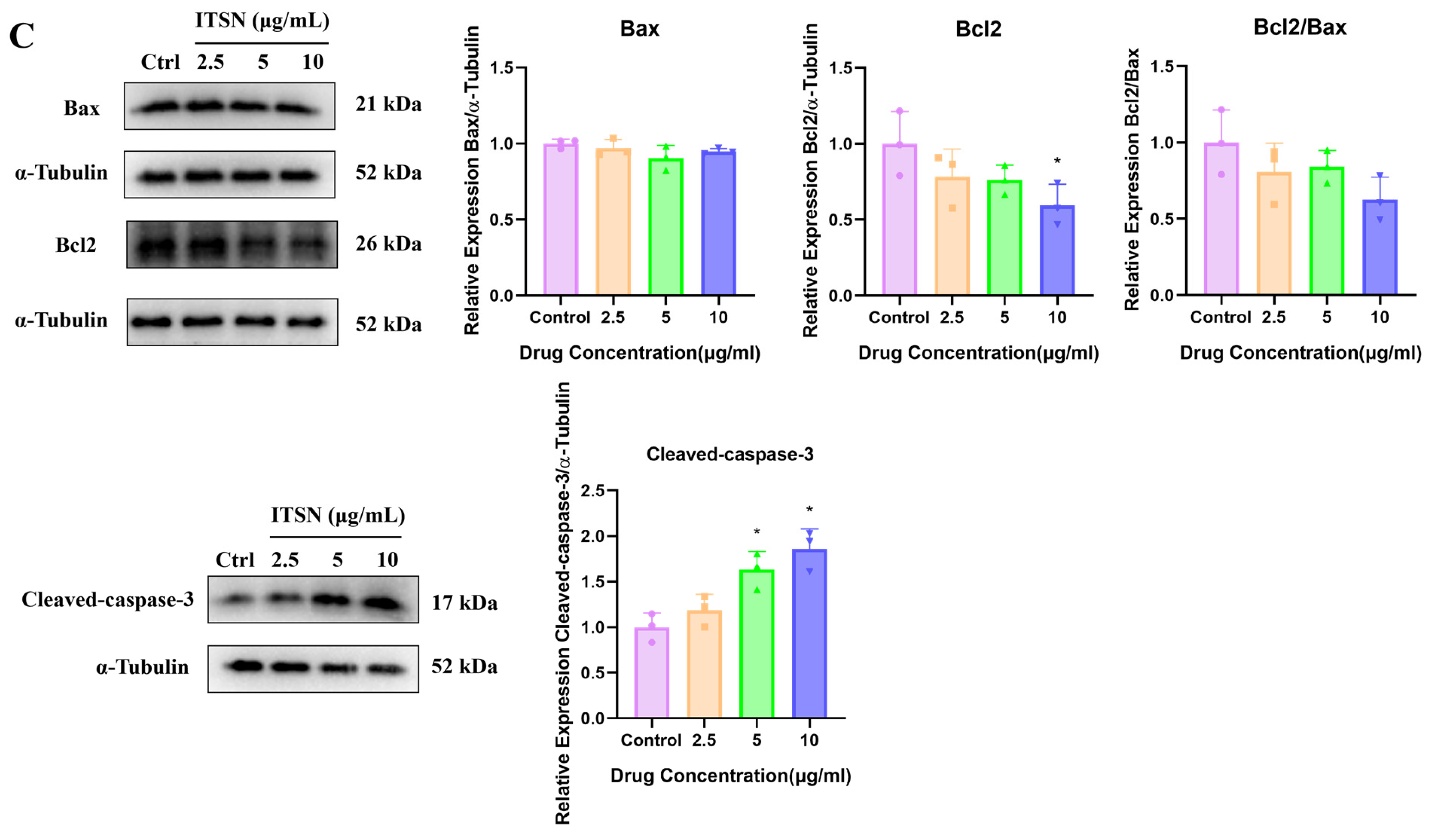
3.5. ITSN Increased the Apoptosis of Hep3B Cells
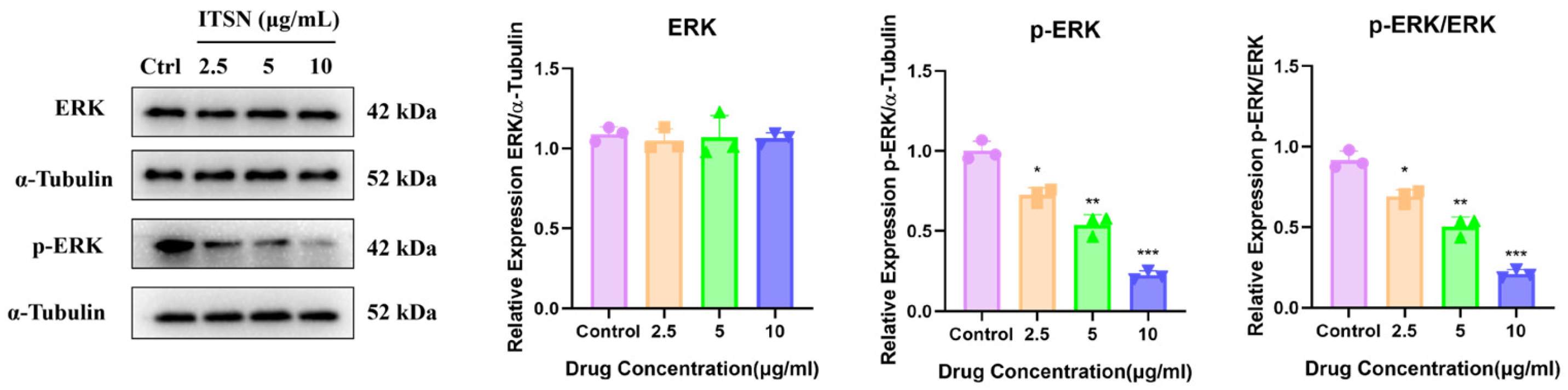
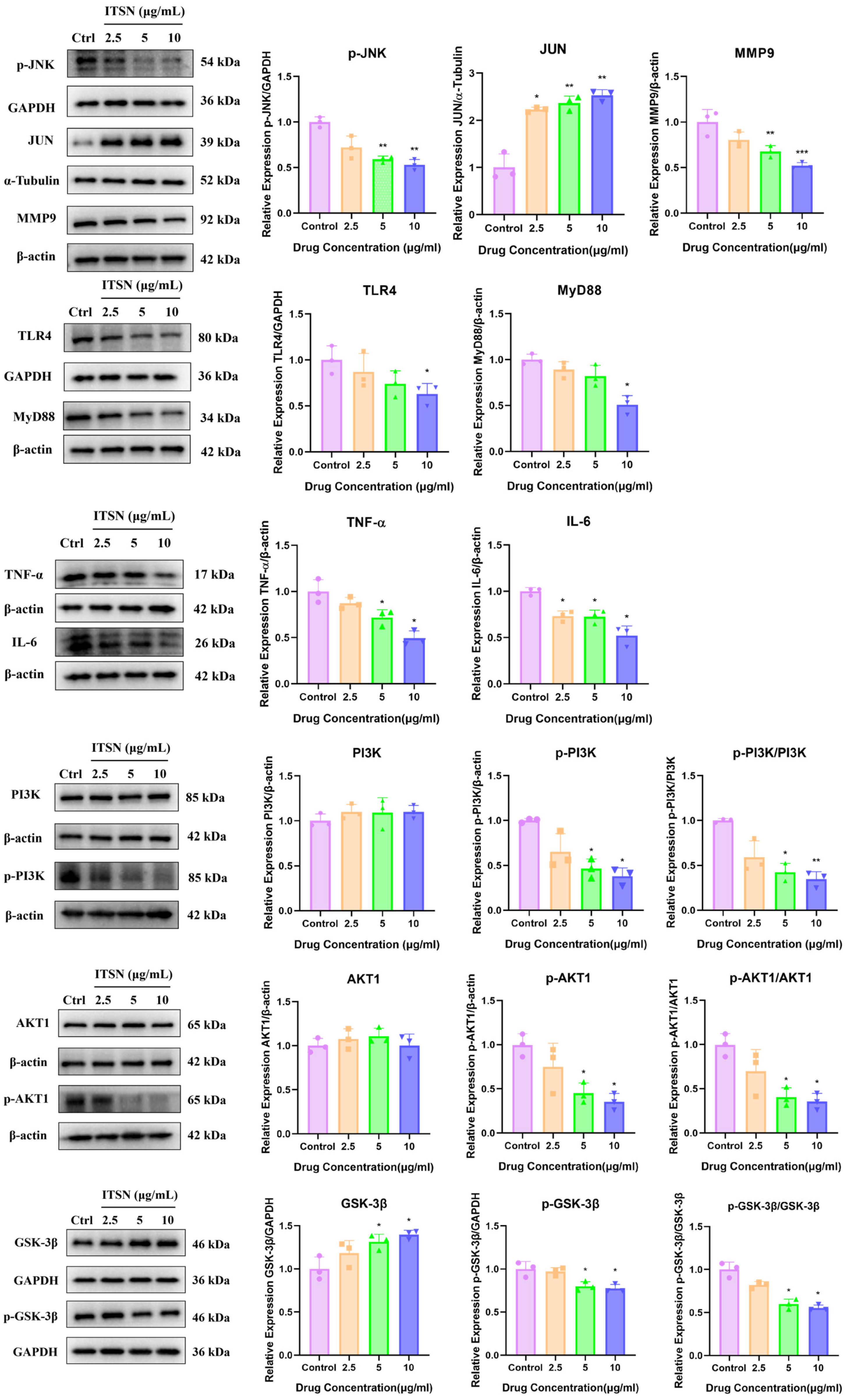
3.6. Effects of ITSN on MAPK and PI3K/AKT Signaling Pathways in Hep3B Cells
3.7. Effects of ITSN on p53 Signaling Pathway in Hep3B Cells
3.8. ITSN Inhibits the Growth of Xenograft Tumors In Vivo
4. Discussion
5. Conclusions
Supplementary Materials
Author Contributions
Funding
Institutional Review Board Statement
Informed Consent Statement
Data Availability Statement
Acknowledgments
Conflicts of Interest
References
- Sung, H.; Ferlay, J.; Siegel, R.L.; Laversanne, M.; Soerjomataram, I.; Jemal, A.; Bray, F. Global cancer statistics 2020: GLOBOCAN estimates of incidence and mortality worldwide for 36 cancers in 185 countries. CA Cancer J. Clin. 2021, 71, 209–249. [Google Scholar] [CrossRef] [Scilit] [PubMed]
- Chan, S.L.; Sun, H.C.; Xu, Y.; Zeng, H.M.; El-Serag, H.B.; Lee, J.M.; Schwartz, M.E.; Finn, R.S.; Seong, J.; Wang, X.W.; et al. The Lancet Commission on addressing the global hepatocellular carcinoma burden: Comprehensive strategies from prevention to treatment. Lancet 2025, 406, 731–778. [Google Scholar] [CrossRef] [Scilit]
- Zeng, H.M.; Chen, W.Q.; Zheng, R.S.; Zhang, S.W.; Ji, J.S.; Zou, X.N.; Xia, C.F.; Sun, K.X.; Yang, Z.X.; Li, H.; et al. Changing cancer survival in China during 2003-15: A pooled analysis of 17 population-based cancer registries. Lancet Glob. Health 2018, 6, E555–E567. [Google Scholar] [CrossRef] [Scilit]
- Yang, Y.; Sun, J.X.; Cai, J.Q.; Chen, M.S.; Dai, C.L.; Wen, T.F.; Xia, J.L.; Ying, M.A.; Zhang, Z.W.; Zhang, X.W.; et al. Chinese Expert Consensus on the Whole-Course Management of Hepatocellular Carcinoma (2023 Edition). Liver Cancer 2025, 14, 311–333. [Google Scholar] [CrossRef] [Scilit]
- Khaled, J.; Kopsida, M.; Lennernäs, H.; Heindryckx, F. Drug Resistance and Endoplasmic Reticulum Stress in Hepatocellular Carcinoma. Cells 2022, 11, 632. [Google Scholar] [CrossRef] [Scilit]
- Lin, J.C.; Yang, P.M.; Liu, T.P. PERK/ATF4-Dependent ZFAS1 Upregulation Is Associated with Sorafenib Resistance in Hepatocellular Carcinoma Cells. Int. J. Mol. Sci. 2021, 22, 5848. [Google Scholar] [CrossRef] [Scilit]
- Murthy, K.N.C.; Jayaprakasha, G.K.; Safe, S.; Patil, B.S. Citrus limonoids induce apoptosis and inhibit the proliferation of pancreatic cancer cells. Food Funct. 2021, 12, 1111–1120. [Google Scholar] [CrossRef] [Scilit]
- Cao, F.; Chen, J.; Lin, Z.T.; Lin, H.Y.; Liu, B.; Chen, Z.W.; Ma, X.H.; Zhang, Y.H. Chemical Constituents from the Fruit of Melia azedarach and Their Anti-Inflammatory Activity. Antioxidants 2024, 13, 1338. [Google Scholar] [CrossRef] [Scilit]
- Ou, B.; Zhu, J.H.; Han, L.; Li, C.; Li, Y.Z.; Xu, C.; Guo, T.X.; Cui, Z.J. Study on growth analysis and selection of superior provenances of different Melia azedarach. South China For. Sci. 2021, 49, 26–31. [Google Scholar]
- Editorial Committee of Flora of China. Flora of China; Science Press: Beijing, China, 1997; Volume 43, p. 100. [Google Scholar]
- Li, S.Z. Compendium of Materia Medica; People’s Health Publishing House: Beijing, China, 2005; Volume 35. [Google Scholar]
- Editorial Committee of Chinese Materia Medica, State Administration of Traditional Chinese Medicine. Chinese Materia Medica; Shanghai Scientific and Technical Publishers: Shanghai, China, 1999; Volume 5, pp. 33–38. [Google Scholar]
- Tran, T.H.; Nguyen, T.; Vo Cong, D.; Dau, X.D. Chemical composition and bioactivities of Melia azedarach (Meliaceae): A comprehensive review. Curr. Org. Chem. 2022, 26, 2160–2187. [Google Scholar]
- Luo, J.; Sun, Y.P.; Li, Q.R.; Kong, L.Y. Research progress of meliaceous limonoids from 2011 to 2021. Nat. Prod. Rep. 2022, 39, 1325–1365. [Google Scholar] [CrossRef] [Scilit]
- Attique, I.; Haider, Z.; Khan, M.; Hassan, S.; Soliman, M.M.; Ibrahim, W.N.; Anjum, S. Reactive Oxygen Species: From Tumorigenesis to Therapeutic Strategies in Cancer. Cancer Med. 2025, 14, e70947. [Google Scholar] [CrossRef] [Scilit]
- Vipin, R.; Sushil, K.A.; Sumit, S.V.; Nikee, A.; Anupam, D.; Sadhna, A.; Satya, N.D.; Mangalam, S.N.; Sanjay, Y.; Subash, C.G. Epoxyazadiradione exhibit activities in head and neck squamous cell carcinoma by targeting multiple pathways. Apoptosis 2020, 25, 763–782. [Google Scholar] [CrossRef] [Scilit]
- Chen, X.; Zhang, H.S.; Pan, Y.Z.; Zhu, N.; Zhou, L.S.; Chen, G.; Wang, J.B. Nimbolide Exhibits Potent Anticancer Activity Through ROS-Mediated ER Stress and DNA Damage in Human Non-small Cell Lung Cancer Cells. Appl. Biochem. Biotechnol. 2024, 196, 182–202. [Google Scholar] [CrossRef] [Scilit]
- Mehmetoglu-Gurbuz, T.; Lakshmanaswamy, R.; Perez, K.; Sandoval, M.; Jimenez, C.A.; Rocha, J.; Goldfarb, R.M.; Perry, C.; Bencomo, A.; Neela, N.; et al. Nimbolide Inhibits SOD2 to Control Pancreatic Ductal Adenocarcinoma Growth and Metastasis. Antioxidants 2023, 12, 1791. [Google Scholar] [CrossRef] [Scilit]
- Geng, Y.D.; Zhang, C.; Lei, J.L.; Yu, P.; Xia, Y.Z.; Zhang, H.; Yang, L.; Kong, L.Y. Walsuronoid B induces mitochondrial and lysosomal dysfunction leading to apoptotic rather than autophagic cell death via ROS/p53 signaling pathways in liver cancer. Biochem. Pharmacol. 2017, 142, 71–86. [Google Scholar] [CrossRef] [Scilit] [PubMed]
- Aung, H.M.; Wattanathamsan, O.; Sanookpan, K.; Hongprasit, A.; Muangnoi, C.; Phumsuay, R.; Rojpitikul, T.; Sritularak, B.; Bunlue, T.; Chantaravisoot, N.; et al. A Bibenzyl from Dendrobium pachyglossum Exhibits Potent Anti-Cancer Activity Against Glioblastoma Multiforme. Antioxidants 2025, 14, 1212. [Google Scholar] [CrossRef] [Scilit]
- Xiao, G.; Wu, G.; Liu, Y.; Chen, W.; Zeng, Z.; Li, S.; Li, Y.; Bi, X. Mechanisms of Microctis Folium in Hyperlipidemia: Integrating Serum Pharmacochemistry, Network Pharmacology, and Transcriptomics. Drug Des. Dev. Ther. 2025, 19, 5973–5991. [Google Scholar] [CrossRef] [Scilit] [PubMed]
- Wei, Q.W.; Shen, Y.Q.; Tian, Y.R.; Ling, Y.Z. Diagnostic potential of CDK1 and STAT1 in acute kidney injury associated with gastrointestinal cancers: A bioinformatics-based study. Front. Mol. Biosci. 2025, 12, 1522246. [Google Scholar] [CrossRef] [Scilit]
- Su, Z.S.; Yang, S.P.; Zhang, S.; Dong, L.; Yue, J.M. Meliarachins A-K: Eleven limonoids from the twigs and leaves of Melia azedarach. Helv. Chim. Acta 2011, 94, 1515–1526. [Google Scholar] [CrossRef] [Scilit]
- Akihisa, T.; Pan, X.; Nakamura, Y.; Kikuchi, T.; Takahashi, N.; Matsumoto, M.; Ogihara, E.; Fukatsu, M.; Koike, K.; Tokuda, H. Limonoids from the fruits of Melia azedarach and their cytotoxic activities. Phytochemistry 2013, 89, 59–70. [Google Scholar] [CrossRef] [Scilit]
- Ahn, J.W.; Choi, S.U.; Lee, C.O. Cytotoxic limonoids from Melia azedarach var. Japonica. Phytochemistry 1994, 36, 1493–1496. [Google Scholar] [CrossRef] [Scilit]
- Xie, J.X.; Yuan, A.X. The structure of iso-chuanliansu isolated from Chinese medicine the bark of Melia. Yao Xue Xue Bao 1985, 20, 188–192. [Google Scholar]
- Li, H.Y.; Zhang, J.; Sun, L.L.; Li, B.H.; Gao, H.L.; Xie, T.; Zhang, N.; Ye, Z.M. Celastrol induces apoptosis and autophagy via the ROS/JNK signaling pathway in human osteosarcoma cells: An in vitro and in vivo study. Cell Death Dis. 2015, 6, e1604. [Google Scholar] [CrossRef] [Scilit] [PubMed]
- Thongsom, S.; Suginta, W.; Lee, K.J.; Choe, H.; Talabnin, C. Piperlongumine induces G2/M phase arrest and apoptosis in cholangiocarcinoma cells through the ROS-JNK-ERK signaling pathway. Apoptosis 2017, 22, 1473–1484. [Google Scholar] [CrossRef] [Scilit]
- Kang, C.W.; Park, M.; Lee, H.J. Fucoidan ameliorates amyloid-β 42 oligomer-induced neuronal apoptosis by activating the PI3K/Akt signaling pathway and MAPK cascades in human neuroblastoma SH-SY5Y cells. Mol. Cell. Toxicol. 2024, 20, 679–687. [Google Scholar] [CrossRef] [Scilit]
- Pandey, P.; Verma, M.; Siddiqui, S.; Alkhathami, A.G.; Saeed, M.; Singh, A.; Khan, F. Modulation of Mitogen-Activated Protein Kinase (MAPK) Signaling Pathway in Gastrointestinal Cancers by Phytochemicals. Pharm. Res. 2025. [Google Scholar] [CrossRef] [Scilit]
- Hedayati, N.; Safari, M.H.; Milasi, Y.E.; Kahkesh, S.; Farahani, N.; Khoshnazar, S.M.; Dorostgou, Z.; Alaei, E.; Alimohammadi, M.; Rahimzadeh, P.; et al. Modulation of the PI3K/Akt signaling pathway by resveratrol in cancer: Molecular mechanisms and therapeutic opportunity. Discov. Oncol. 2025, 16, 669. [Google Scholar] [CrossRef] [Scilit]
- Jiang, S.; Li, H.Q.; Zhang, L.W.Y.; Mu, W.P.; Zhang, Y.; Chen, T.J.; Wu, J.X.; Tang, H.Y.; Zheng, S.X.; Liu, Y.F.; et al. Generic Diagramming Platform (GDP): A comprehensive database of high-quality biomedical graphics. Nucleic Acids Res. 2025, 53, D1670–D1676. [Google Scholar] [CrossRef] [Scilit]
- Newman, D.J.; Cragg, G.M. Natural products as sources of new drugs over the nearly four decades from 01/1981 to 09/2019. J. Nat. Prod. 2020, 83, 770–803. [Google Scholar] [CrossRef] [Scilit]
- Tian, Q.; Miller, E.G.; Ahmad, H.; Tang, L.; Patil, B.S. Differential inhibition of human cancer cell proliferation by citrus limonoids. Nutr. Cancer 2001, 40, 180–184. [Google Scholar] [CrossRef] [Scilit]
- Shi, Y.S.; Zhang, Y.; Li, H.T.; Wu, C.H.; El-Seedi, H.R.; Ye, W.K.; Wang, Z.W.; Li, C.B.; Zhang, X.F.; Kai, G.Y. Limonoids from Citrus: Chemistry, anti-tumor potential, and other bioactivities. J. Funct. Foods 2020, 75, 104213. [Google Scholar] [CrossRef] [Scilit]
- Kowshik, J.; Mishra, R.; Sophia, J.; Rautray, S.; Anbarasu, K.; Reddy, G.D.; Dixit, M.; Mahalingam, S.; Nagini, S. Nimbolide upregulates RECK by targeting miR-21 and HIF-1α in cell lines and in a hamster oral carcinogenesis model. Sci. Rep. 2017, 7, 2045. [Google Scholar] [CrossRef] [Scilit]
- Brandt, G.E.L.; Schmidt, M.D.; Prisinzano, T.E.; Blagg, B.S.J. Gedunin, a Novel Hsp90 Inhibitor: Semisynthesis of Derivatives and Preliminary Structure-Activity Relationships. J. Med. Chem. 2008, 51, 6495–6502. [Google Scholar] [CrossRef] [Scilit]
- Zhang, H.L.; Chen, Y.Y.; Liu, Q.Y.; Xiao, W.W.; Shao, L.D.; Pan, Z.H.; Chen, C.H.; Li, D.S. Design, synthesis, and anti-triple negative breast cancer activity of novel toosendanin derivatives. Bioorg. Med. Chem. Lett. 2023, 83, 129187. [Google Scholar] [CrossRef] [Scilit] [PubMed]
- Guerra, A.R.; Duarte, M.F.; Duarte, I.F. Targeting tumor metabolism with plant-derived natural products: Emerging trends in cancer therapy. J. Agric. Food Chem. 2018, 66, 10663–10685. [Google Scholar] [CrossRef] [Scilit] [PubMed]
- Achanta, G.; Huang, P. Role of p53 in sensing oxidative DNA damage in response to reactive oxygen species-generating agents. Cancer Res. 2004, 64, 6233–6239. [Google Scholar] [CrossRef] [Scilit] [PubMed]
- Lei, Y.M.; Cui, S.Y.; Wang, L.L.; Zhang, H.B.; Fu, J.M.; Tong, R.T.; Zhang, M.L. Research progress on anti-tumor pharmacological activities and mechanisms of glycyrrhizic acid. China J. Chin. Mater. Med. 2026, 1–16. [Google Scholar] [CrossRef] [Scilit]
- Kang, F.P.; Wu, J.; Hong, L.; Zhang, P.; Song, J.J. Iodine-125 seed inhibits proliferation and promotes apoptosis of cholangiocarcinoma cells by inducing the ROS/p53 axis. Funct. Integr. Genom. 2024, 24, 114. [Google Scholar] [CrossRef] [Scilit]
- Kashyap, D.; Garg, V.K.; Goel, N. Intrinsic and extrinsic pathways of apoptosis: Role in cancer development and prognosis. Adv. Protein Chem. Struct. Biol. 2021, 125, 73–120. [Google Scholar]

 ) and 1H-1H COSY (
 ) correlations of compounds 1 and 3.
 ) correlations of compounds 1 and 3.


Disclaimer/Publisher’s Note: The statements, opinions and data contained in all publications are solely those of the individual author(s) and contributor(s) and not of MDPI and/or the editor(s). MDPI and/or the editor(s) disclaim responsibility for any injury to people or property resulting from any ideas, methods, instructions or products referred to in the content. |
© 2026 by the authors. Licensee MDPI, Basel, Switzerland. This article is an open access article distributed under the terms and conditions of the Creative Commons Attribution (CC BY) license.
Share and Cite
Huang, Y.; Gao, E.; Liu, Q.; Yuan, J.; Wu, Y.; Wang, W.; Rao, X. Anti-Hepatocarcinoma Activity and Mechanism of Isosendanin and Its Novel Structural Analogues Isolated from the Bark of Melia azedarach L.: In Vitro and In Vivo Studies. Antioxidants 2026, 15, 562. https://doi.org/10.3390/antiox15050562
Huang Y, Gao E, Liu Q, Yuan J, Wu Y, Wang W, Rao X. Anti-Hepatocarcinoma Activity and Mechanism of Isosendanin and Its Novel Structural Analogues Isolated from the Bark of Melia azedarach L.: In Vitro and In Vivo Studies. Antioxidants. 2026; 15(5):562. https://doi.org/10.3390/antiox15050562
Chicago/Turabian StyleHuang, Yuanyuan, Erjian Gao, Quan Liu, Jingquan Yuan, Yanchun Wu, Wei Wang, and Xiaoping Rao. 2026. "Anti-Hepatocarcinoma Activity and Mechanism of Isosendanin and Its Novel Structural Analogues Isolated from the Bark of Melia azedarach L.: In Vitro and In Vivo Studies" Antioxidants 15, no. 5: 562. https://doi.org/10.3390/antiox15050562
APA StyleHuang, Y., Gao, E., Liu, Q., Yuan, J., Wu, Y., Wang, W., & Rao, X. (2026). Anti-Hepatocarcinoma Activity and Mechanism of Isosendanin and Its Novel Structural Analogues Isolated from the Bark of Melia azedarach L.: In Vitro and In Vivo Studies. Antioxidants, 15(5), 562. https://doi.org/10.3390/antiox15050562