Review

Modern Trends in Alternative Proteins and Processing Technologies for Sustainable Food Systems with Antioxidant Implications

1
Institute of Agriculture & Life Science, Gyeongsang National University, Jinju 52828, Republic of Korea
2
Division of Applied Life Science (BK21 Four), Gyeongsang National University, Jinju 52828, Republic of Korea
*
Author to whom correspondence should be addressed.
These authors contributed equally to this work.
Antioxidants 2026, 15(5), 535; https://doi.org/10.3390/antiox15050535

Submission received: 20 March 2026 / Revised: 20 April 2026 / Accepted: 22 April 2026 / Published: 24 April 2026

Abstract

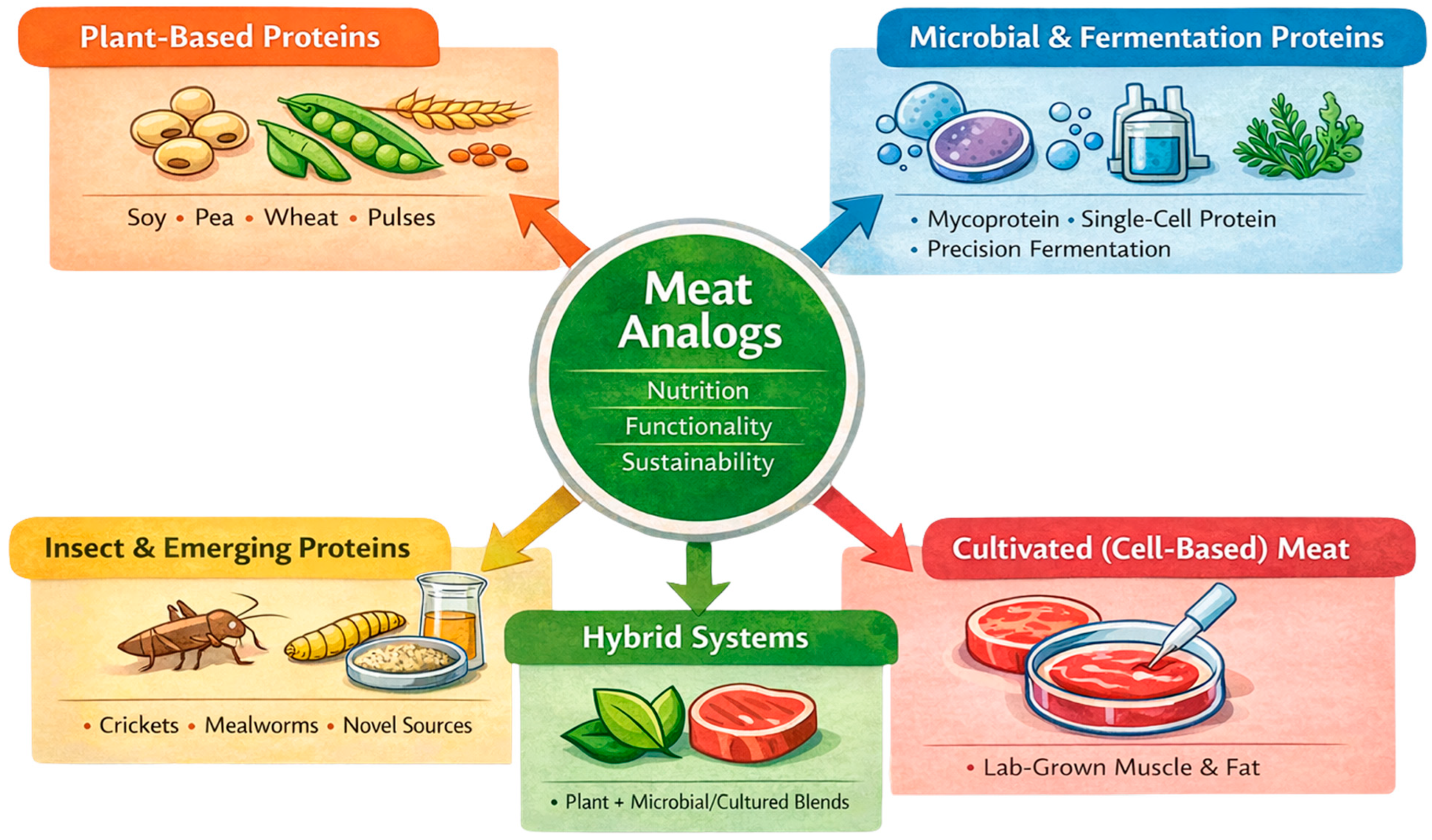
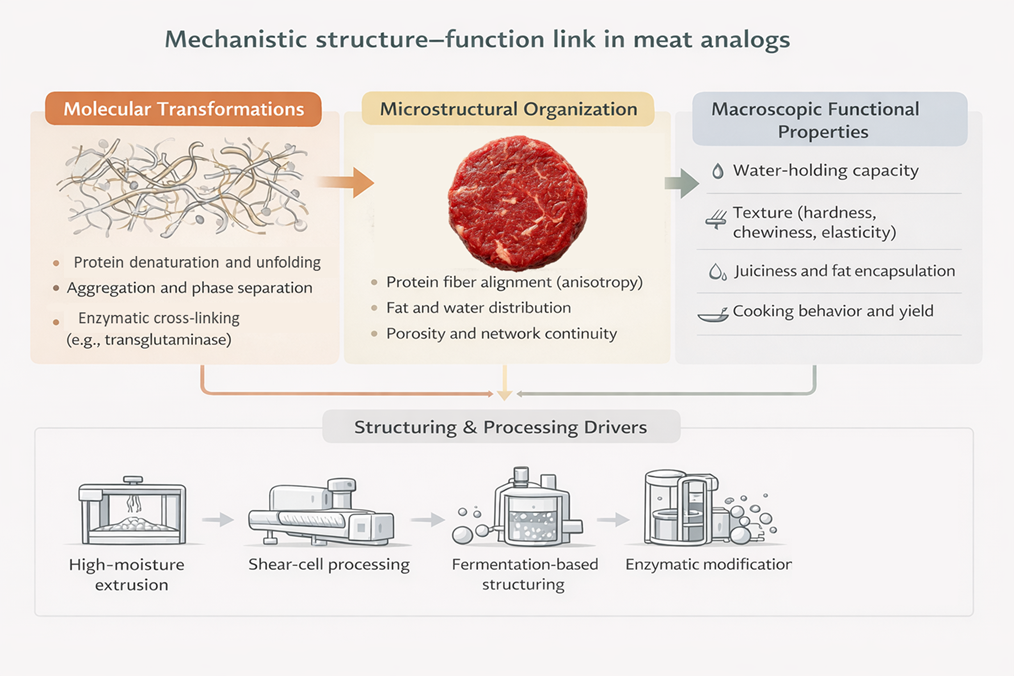
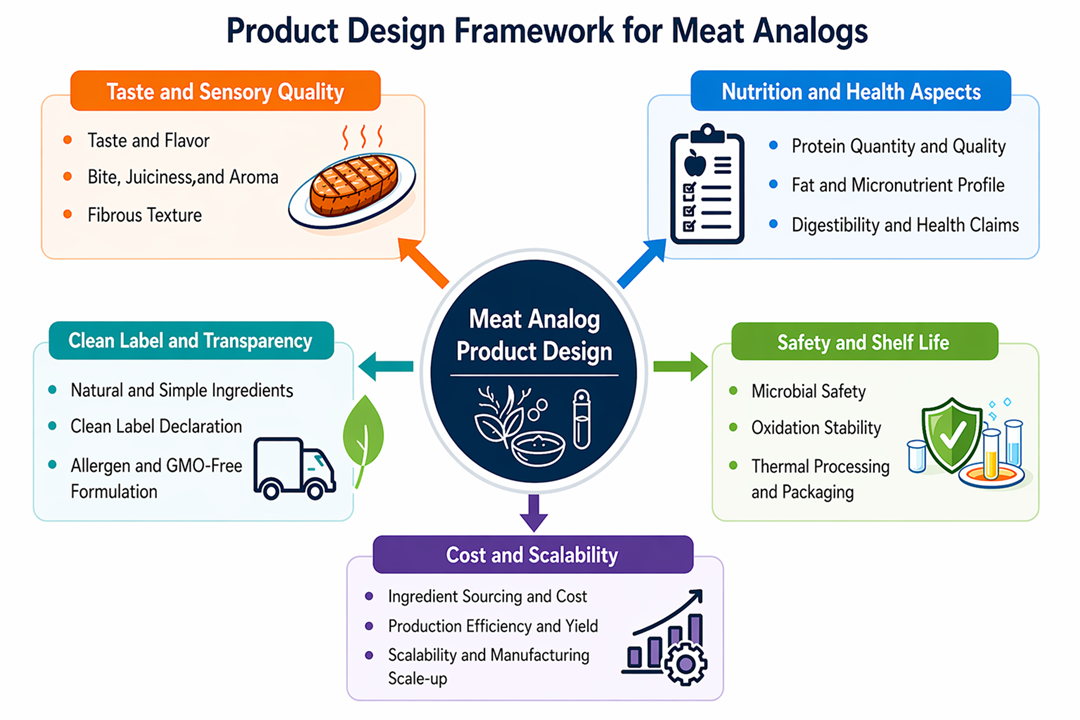
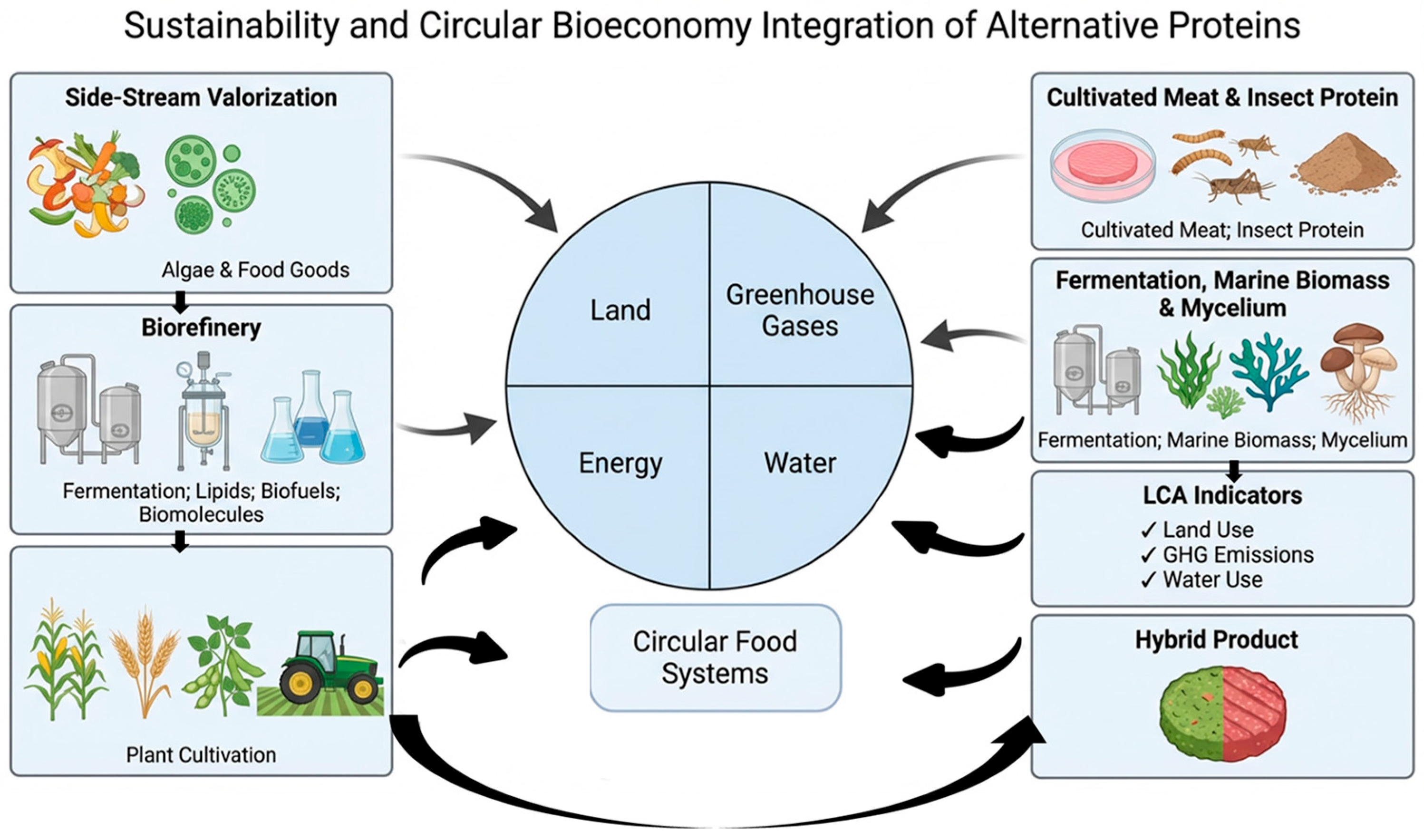
Alternative proteins and novel processing technologies are crucial to transforming contemporary food systems into ones with lower environmental impact while meeting the rising global demand for protein. Alternative protein sources from plants, microbes, insects, and cultivated cells offer diverse nutritional and techno-functional attributes that can partially or fully replace conventional animal proteins in meat analogs and related products. This review synthesizes the current knowledge on major categories of alternative protein sources, including plant-based ingredients, microbial- and fermentation-derived proteins, insect and other emerging sources, and cultivated (cell-based) meat, with a specific focus on their suitability for structured meat analog applications. Modern structuring and processing technologies are discussed, including the traditional wet and dry extrusion to modern technologies like high-moisture extrusion, high-pressure processing, shear-cell technology, 3D printing, fermentation-based structuring, and enzymatic protein modification. Furthermore, this review critically evaluates product design and quality attributes of meat analogs, including physicochemical properties, sensory performance, nutritional aspects, and safety considerations. This review highlights technological and scale-up challenges, as well as the necessity of multi-criteria optimization in sensory quality, nutrition, sustainability, and affordability, and presents research priorities focused on combining multiple protein sources and advanced processing pathways for next-generation meat analog. This review provides an integrated framework linking protein sources, processing technologies, antioxidant functionality, and sustainability considerations to support the development of next-generation meat analogs. In addition, this review highlights the intrinsic antioxidant potential of alternative proteins, emphasizing the role of bioactive peptides, polyphenols, and structure–function relationships in enhancing oxidative stability and product quality.
Keywords: alternative proteins; meat analogs; novel processing technologies; sustainable food systems; structuring technologies alternative proteins; meat analogs; novel processing technologies; sustainable food systems; structuring technologies