Transcriptomic Analysis of Fermented Chinese Chive Selectively Attenuating Deoxynivalenol-Induced Ovarian Toxicity in Mice
 , , ,
, , ,
Abstract
1. Introduction
2. Materials and Methods
2.1. Ethics Statement
2.2. Fermented Chinese Chive Extract and DON Preparation
2.3. Untargeted Metabolomic Profiling by UPLC-ESI-MS/MS
2.4. Animals, Experimental Design, Mating Procedure, and Sample Collection
2.5. Cleavage Rate Counting Method
2.6. Histological Analysis
2.7. ROS and Mitochondrial Membrane Potential Assays
2.8. RNA Extraction and Library Preparation of Ovarian Tissues
2.9. Bioinformatics Analysis
2.10. Molecular Docking
2.11. Validation of DEGs
2.12. Statistics Analysis
3. Results
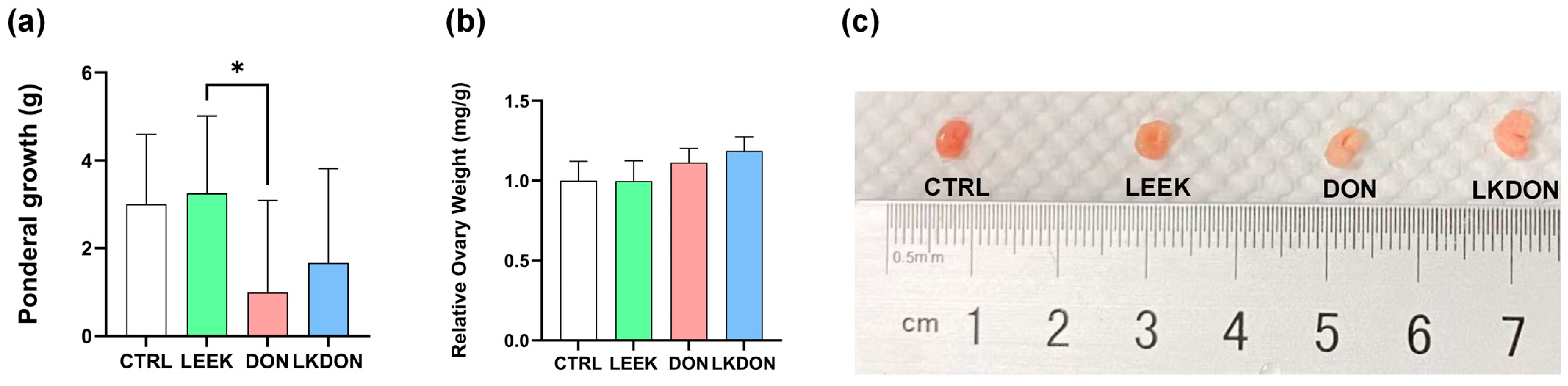
3.1. Effects of DON, LEEK, LKDON on Body Weight Gain and Ovarian Weight in Mice
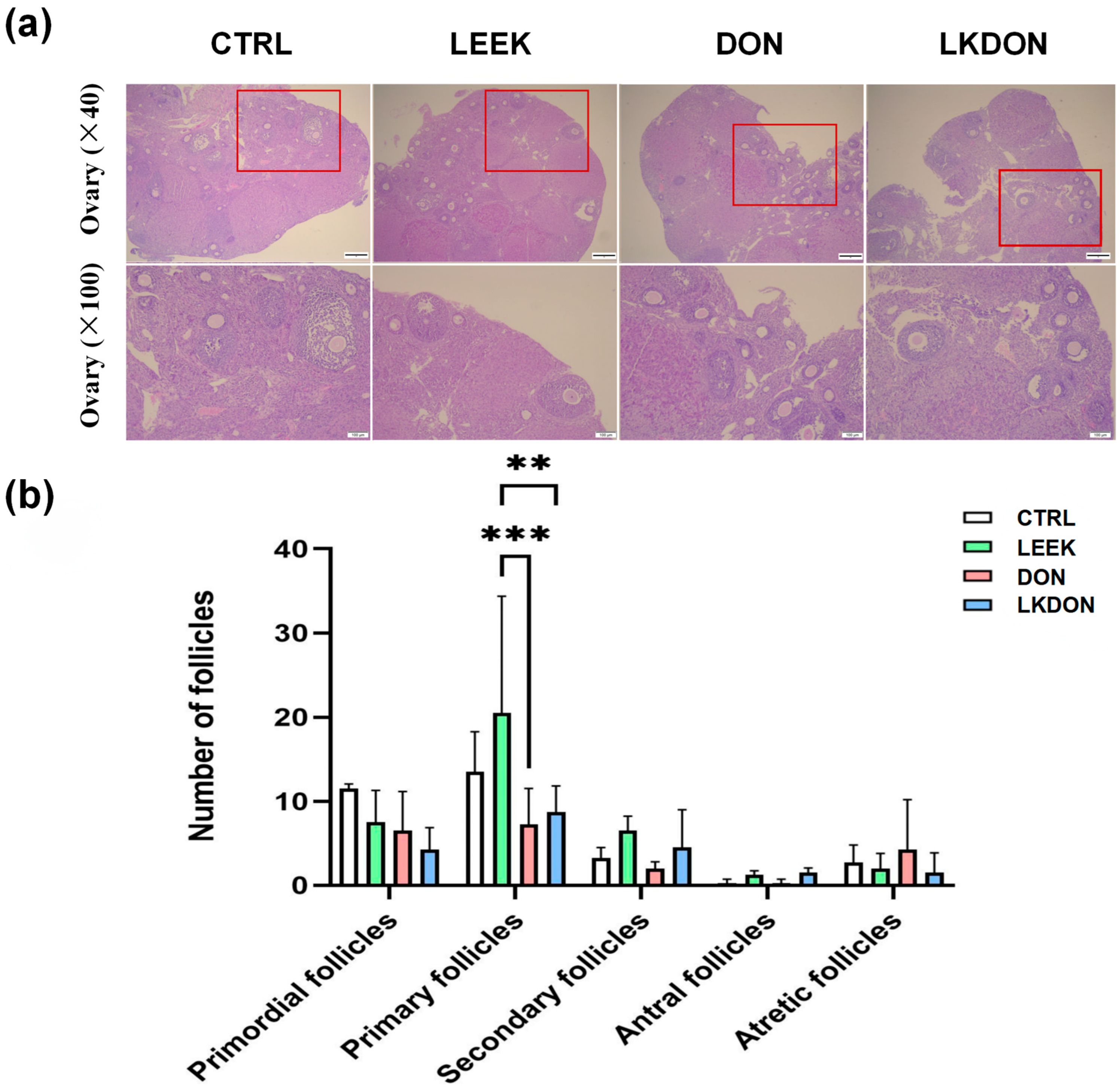
3.2. Histological Analysis of Mouse Ovaries by H&E Staining
3.3. Effects of DON, LEEK, LKDON on Cleavage Rate (Early Embryonic Development) in Mice
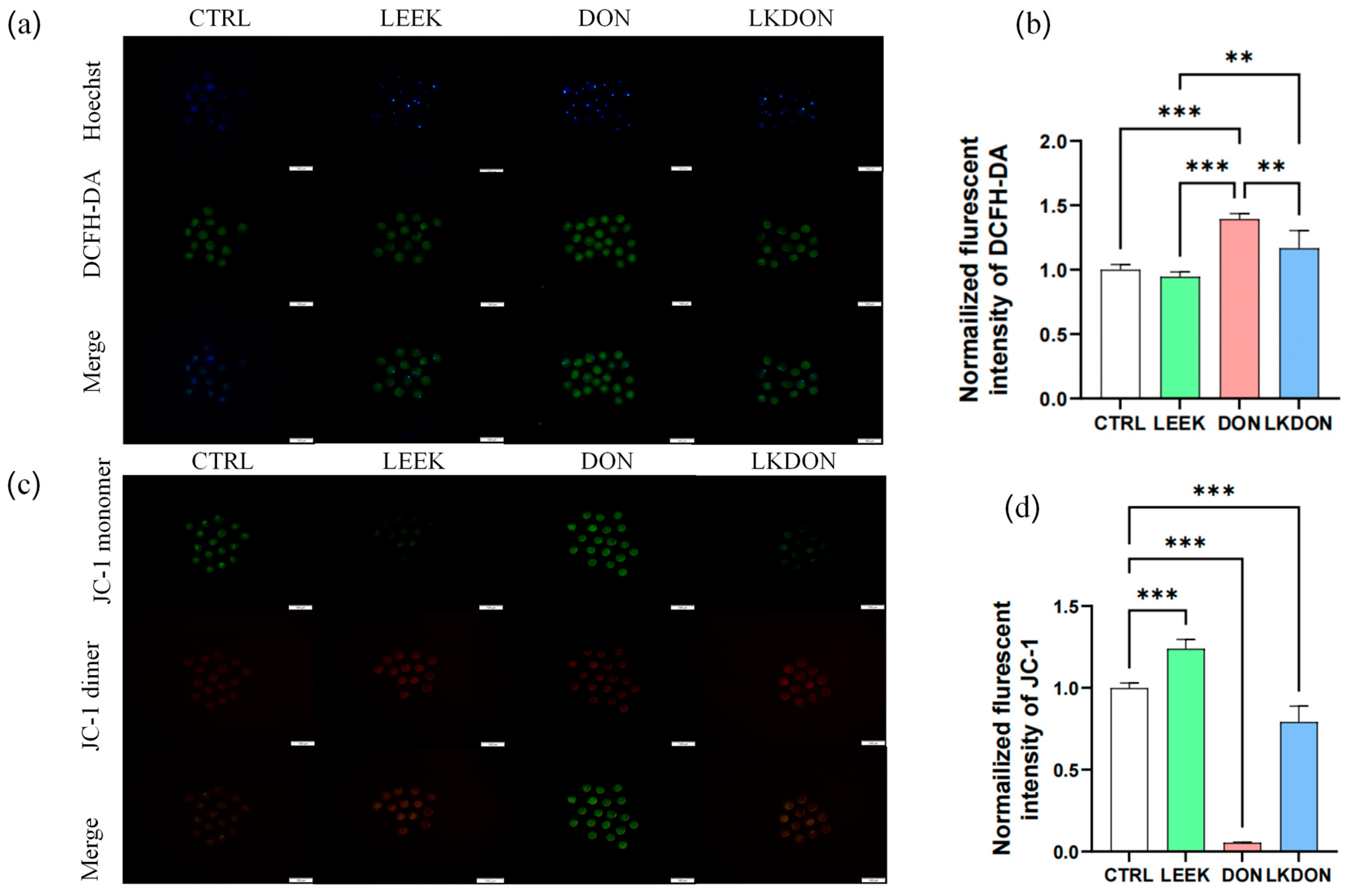
3.4. ROS and JC-1 Mitochondrial Staining of Mouse Oocyte
3.5. Transcriptomics Analysis of Mouse Ovaries
3.5.1. Transcriptome Sequencing and Read Distribution Summary
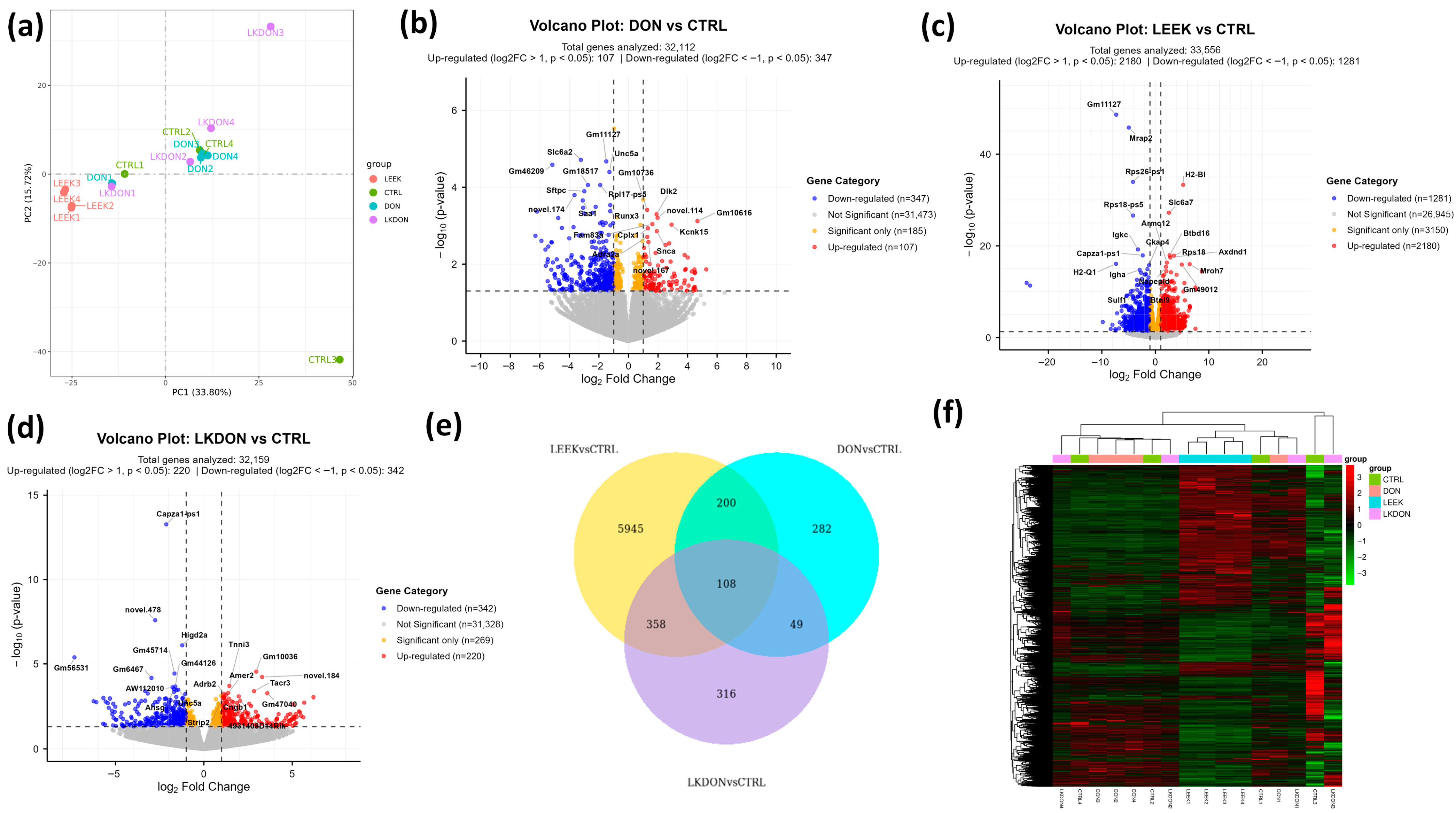
3.5.2. Comparative Transcriptomics Analysis of Mouse Ovaries
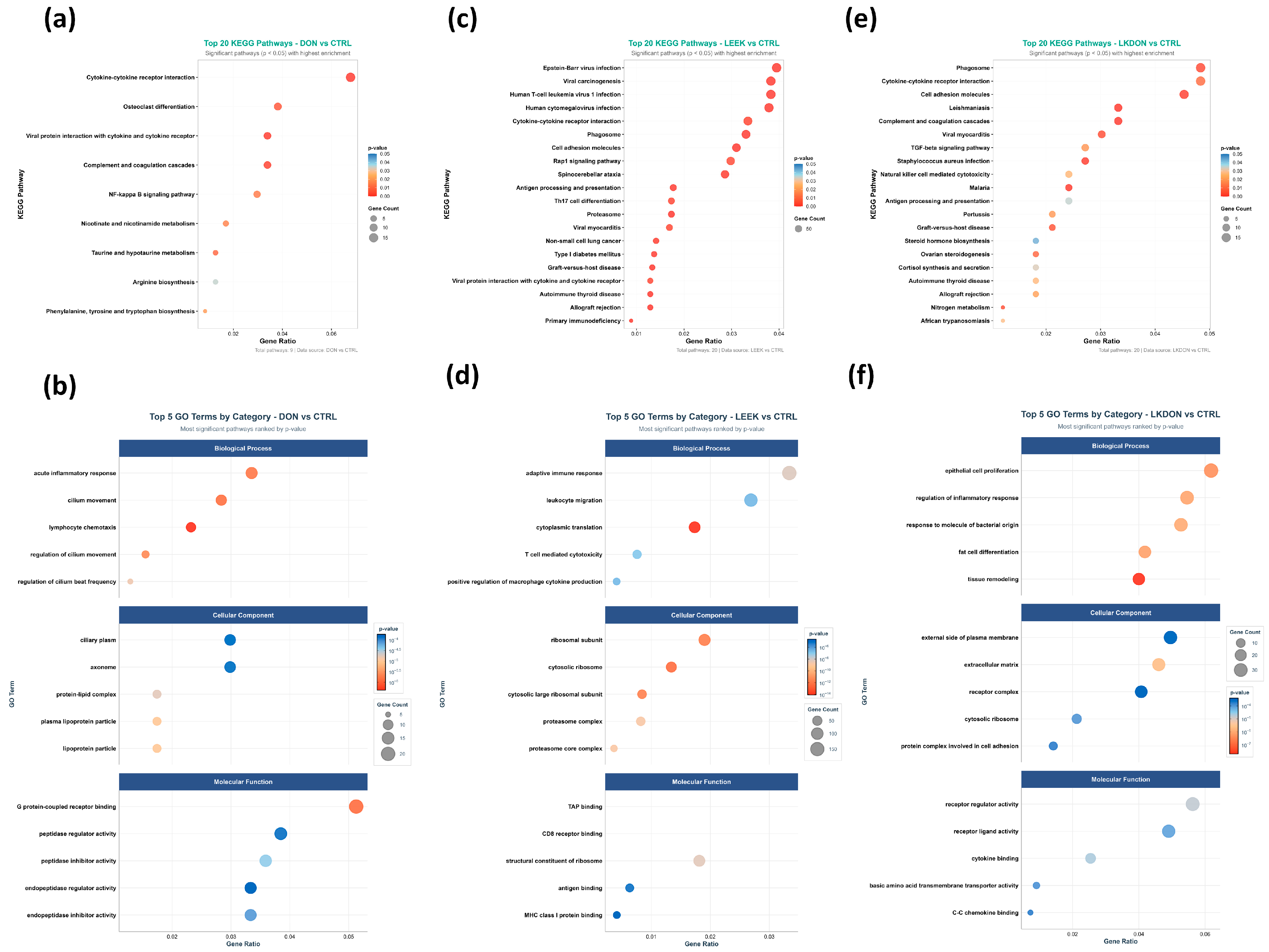
3.5.3. Functional Pathway and Gene Ontology Analysis of Differential Gene Expression in Mouse Ovaries Treated with DON, LEEK, and LKDON
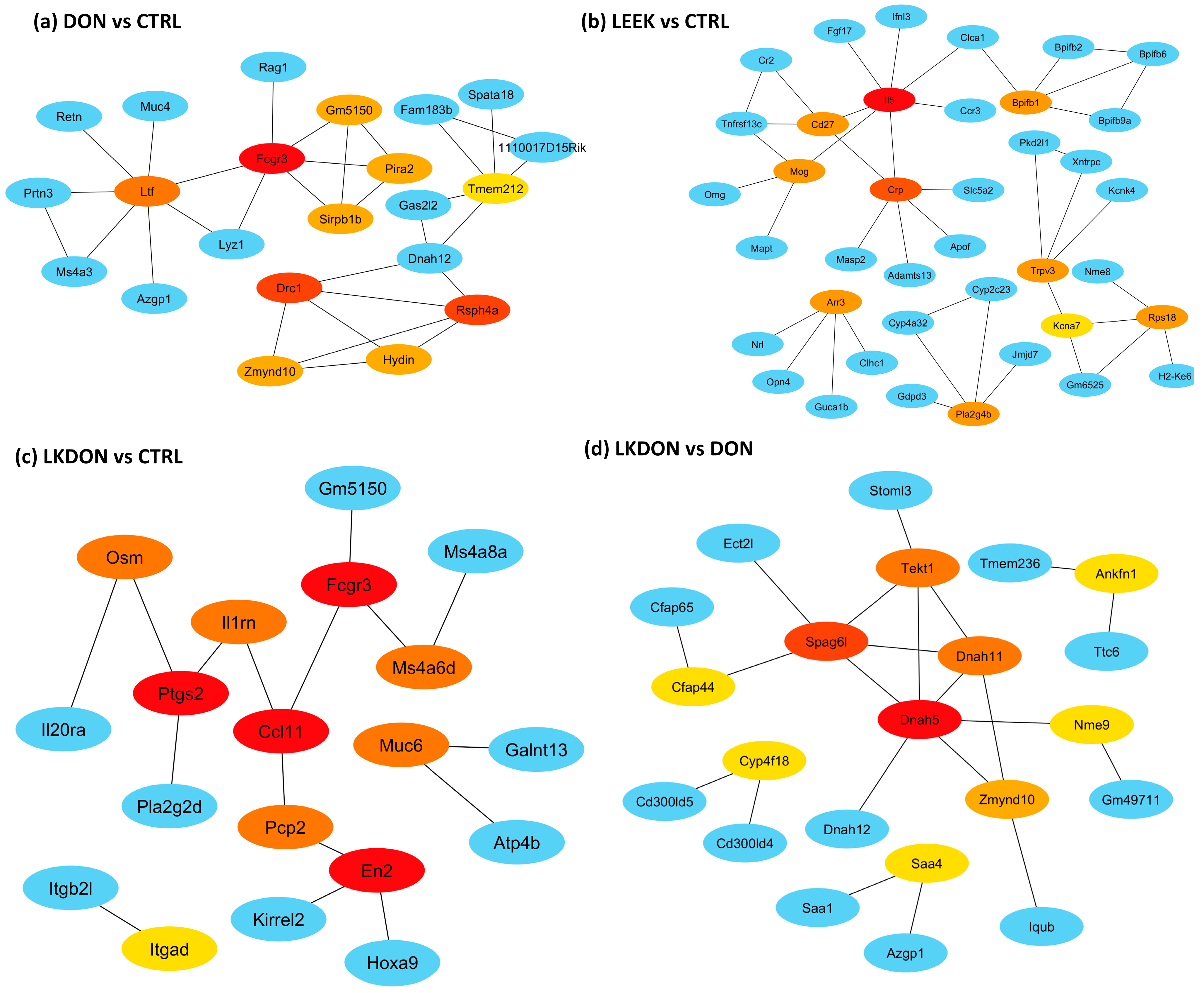
3.5.4. Identification of Hub Genes from DEGs
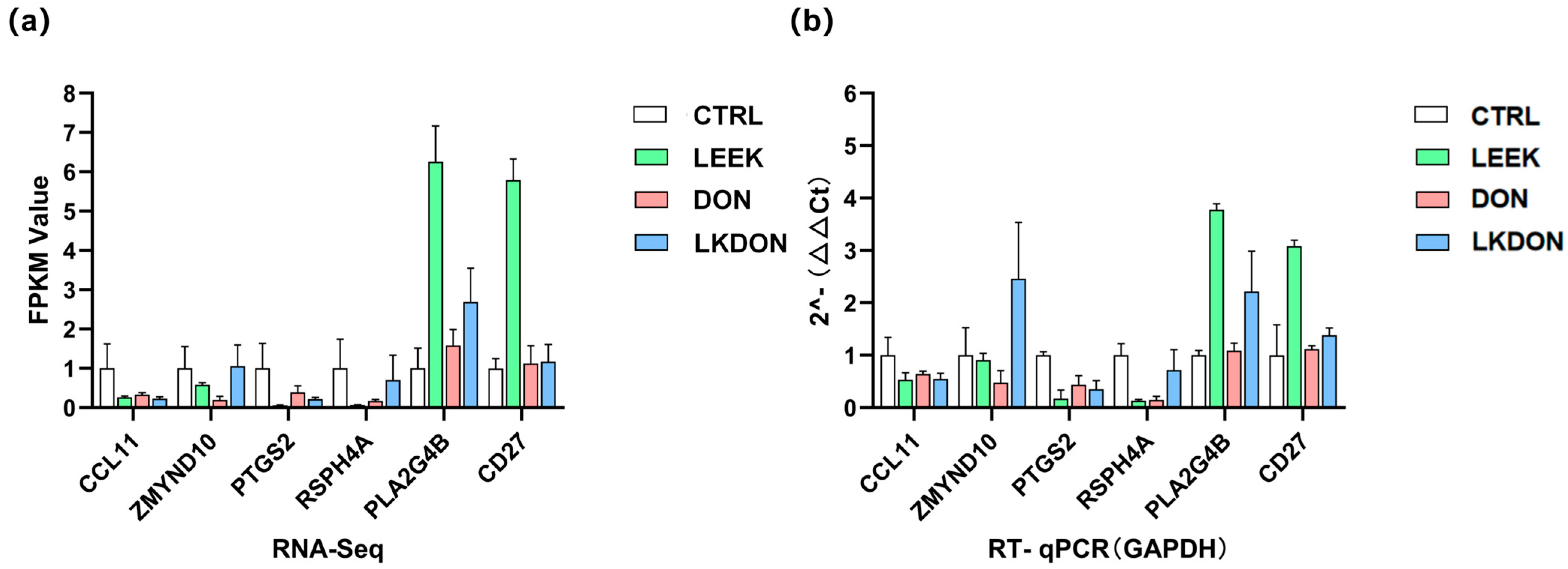
3.5.5. DEG RT-qPCR
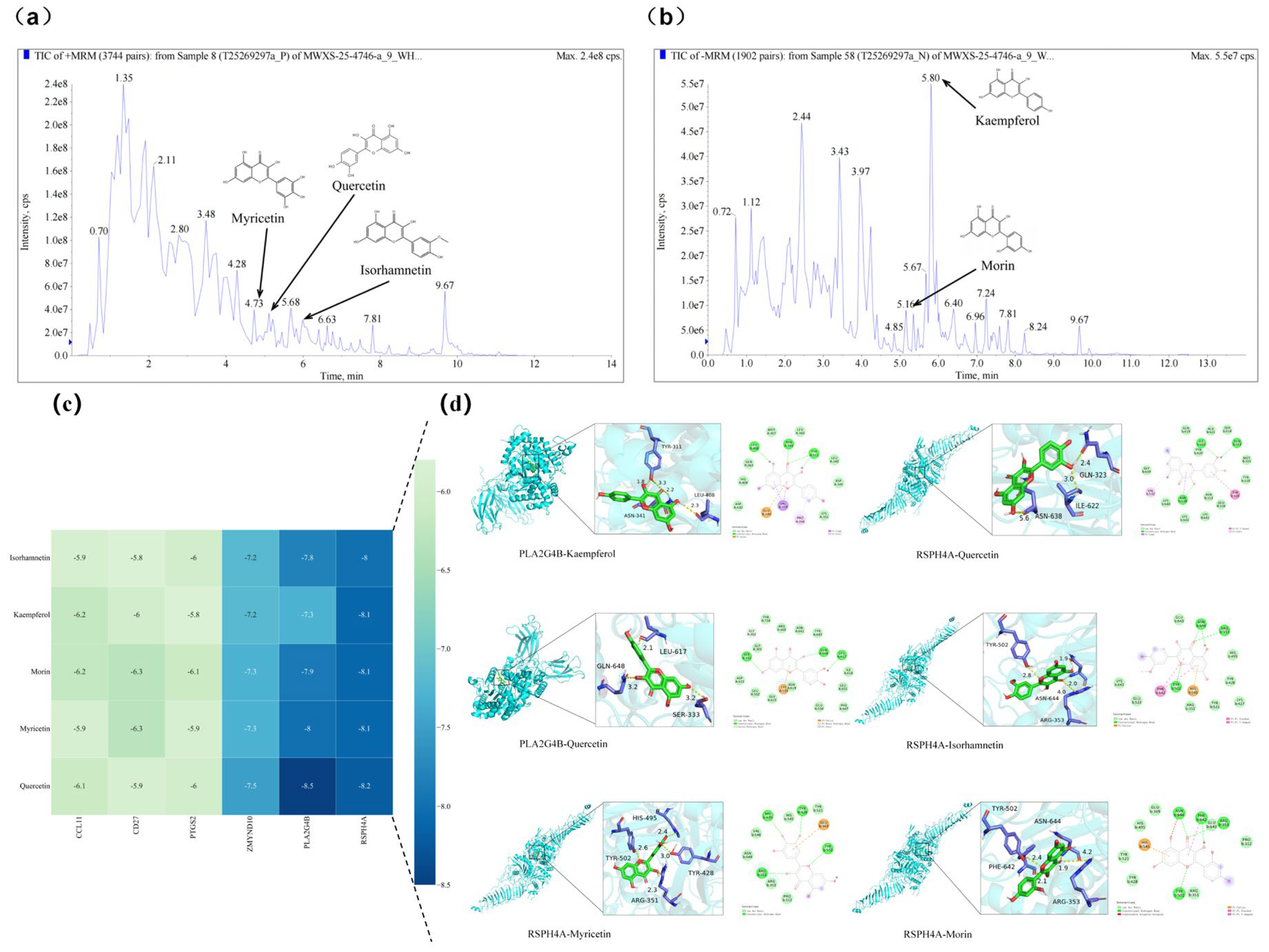
3.6. Chemical Profiling of Fermented Chinese Chive Extract and Molecular Docking with Target Proteins
4. Discussion
5. Conclusions
Supplementary Materials
Author Contributions
Funding
Institutional Review Board Statement
Informed Consent Statement
Data Availability Statement
Acknowledgments
Conflicts of Interest
References
- Eskola, M.; Kos, G.; Elliott, C.T.; Hajšlová, J.; Mayar, S.; Krska, R. Worldwide contamination of food-crops with mycotoxins: Validity of the widely cited ‘FAO estimate’ of 25%. Crit. Rev. Food Sci. Nutr. 2020, 60, 2773–2789. [Google Scholar] [CrossRef] [PubMed]
- Gruber-Dorninger, C.; Jenkins, T.; Schatzmayr, G. Global mycotoxin occurrence in feed: A ten-year survey. Toxins 2019, 11, 375. [Google Scholar] [CrossRef] [PubMed]
- Pestka, J.J. Deoxynivalenol: Mechanisms of action, human exposure, and toxicological relevance. Arch. Toxicol. 2010, 84, 663–679. [Google Scholar] [CrossRef]
- Zhang, Y.; Jia, Z.; Yin, S.; Shan, A.; Gao, R.; Qu, Z.; Liu, M.; Nie, S. Toxic effects of maternal zearalenone exposure on uterine capacity and fetal development in gestation rats. Reprod. Sci. 2014, 21, 743–753. [Google Scholar] [CrossRef] [PubMed]
- Schoevers, E.J.; Fink-Gremmels, J.; Colenbrander, B.; Roelen, B.A. Porcine oocytes are most vulnerable to the mycotoxin deoxynivalenol during formation of the meiotic spindle. Theriogenology 2010, 74, 968–978. [Google Scholar] [CrossRef]
- Han, J.; Wang, Q.C.; Zhu, C.C.; Liu, J.; Zhang, Y.; Cui, X.S.; Kim, N.H.; Sun, S.C. Deoxynivalenol exposure induces autophagy/apoptosis and epigenetic modification changes during porcine oocyte maturation. Toxicol. Appl. Pharmacol. 2016, 300, 70–76. [Google Scholar] [CrossRef]
- Fan, H.; Wang, S.; Wang, H.; Sun, M.; Wu, S.; Bao, W. Melatonin Ameliorates the Toxicity Induced by Deoxynivalenol in Murine Ovary Granulosa Cells by Antioxidative and Anti-Inflammatory Effects. Antioxidants 2021, 10, 1045. [Google Scholar] [CrossRef]
- Sajjad, Y.; Dib, J.; Soliman, N.; Alhmoudi, M.; Sajjad, S.G.; Kandil, H.; Fakih, M. The role of mycotoxins in reproductive health: Mechanisms, evidence, and clinical implications. J. IVF-Worldw. 2025, 3, 42–55. [Google Scholar] [CrossRef]
- Şanlier, N.; Gökcen, B.B.; Sezgin, A.C. Health benefits of fermented foods. Crit. Rev. Food Sci. Nutr. 2019, 59, 506–527. [Google Scholar] [CrossRef]
- Lanzotti, V.; Scala, F.; Bonanomi, G. Compounds from Allium species with cytotoxic and antimicrobial activity. Phytochem. Rev. 2014, 13, 769–791. [Google Scholar] [CrossRef]
- Hur, S.J.; Lee, S.Y.; Kim, Y.-C.; Choi, I.; Kim, G.-B. Effect of fermentation on the antioxidant activity in plant-based foods. Food Chem. 2014, 160, 346–356. [Google Scholar] [CrossRef] [PubMed]
- Hai, P.V.; Dung, H.T.; Thao, T.N.; Hoa, N.X.; Hung, P.H.S. Enhanced Bioactivity and Anti-microbial Properties of Lactobacillus plantarum Fermented Purple Onion (Allium cepa L.) Extracts Against Selected Poultry Microbes. Poult. Sci. J. 2025, 13, 159–169. [Google Scholar]
- Zhao, H.; Wang, Y.; Yang, Y. Follicular development and ovary aging: Single-cell studies. Biol. Reprod. 2023, 109, 390–407. [Google Scholar] [CrossRef] [PubMed]
- Wang, J.-J.; Ge, W.; Zhai, Q.-Y.; Liu, J.-C.; Sun, X.-W.; Liu, W.-X.; Li, L.; Lei, C.-Z.; Dyce, P.W.; De Felici, M. Single-cell transcriptome landscape of ovarian cells during primordial follicle assembly in mice. PLoS Biol. 2020, 18, e3001025. [Google Scholar] [CrossRef]
- Anbarci, D.N.; O’Rourke, R.; Xiang, Y.; Peters, D.T.; Capel, B.; McKey, J. Bulk and single-cell transcriptome datasets of the mouse fetal and adult rete ovarii and surrounding tissues. Sci. Data 2024, 11, 383. [Google Scholar] [CrossRef]
- Niu, K.-M.; Kothari, D.; Lee, W.-D.; Cho, S.; Wu, X.; Kim, S.-K. Optimization of Chinese Chive Juice as a Functional Feed Additive. Appl. Sci. 2020, 10, 6194. [Google Scholar] [CrossRef]
- Sun, C.; Yang, F.; Xiao, J.; Zhou, W.; Li, J.; Gu, X. Simulating ozone degradation of deoxynivalenol and its bio-safety assessment by mouse model. Front. Microbiol. 2023, 14, 1286503. [Google Scholar] [CrossRef]
- Luo, H.; Chen, J.; Guo, Z.; Zhu, Y.; Wang, Y.; Wu, T.; Yin, S.; Li, C.; Su, Y.; Chen, Y.; et al. Tubacin alleviate the reproductive toxicity of deoxynivalenol in mouse oocytes and zygotes via strengthening microtubule stability. Cell Commun. Signal. 2025, 23, 417. [Google Scholar] [CrossRef]
- Knox, R.V. Recruitment and selection of ovarian follicles for determination of ovulation rate in the pig. Domest. Anim. Endocrinol. 2005, 29, 385–397. [Google Scholar] [CrossRef]
- Fortune, J.E. Ovarian follicular growth and development in mammals. Biol. Reprod. 1994, 50, 225–232. [Google Scholar] [CrossRef]
- Chen, S.; Zhou, Y.; Chen, Y.; Gu, J. fastp: An ultra-fast all-in-one FASTQ preprocessor. Bioinformatics 2018, 34, i884–i890. [Google Scholar] [CrossRef]
- Kim, D.; Langmead, B.; Salzberg, S.L. HISAT: A fast spliced aligner with low memory requirements. Nat. Methods 2015, 12, 357–360. [Google Scholar] [CrossRef] [PubMed]
- Love, M.I.; Huber, W.; Anders, S. Moderated estimation of fold change and dispersion for RNA-seq data with DESeq2. Genome Biol. 2014, 15, 550. [Google Scholar] [CrossRef] [PubMed]
- Chen, H.; Boutros, P.C. VennDiagram: A package for the generation of highly-customizable Venn and Euler diagrams in R. BMC Bioinform. 2011, 12, 35. [Google Scholar] [CrossRef] [PubMed]
- Kolde, R. pheatmap: Pretty Heatmaps, R Package Version 1.0.12; R Foundation: Vienna, Austria, 2019.
- Smedley, D.; Haider, S.; Ballester, B.; Holland, R.; London, D.; Thorisson, G.; Kasprzyk, A. BioMart–biological queries made easy. BMC Genom. 2009, 10, 22. [Google Scholar] [CrossRef]
- Alexa, A.; Rahnenführer, J. Gene set enrichment analysis with topGO. Bioconductor. Improv. 2009, 27, 1–26. [Google Scholar]
- Yu, G.; Wang, L.-G.; Han, Y.; He, Q.-Y. clusterProfiler: An R package for comparing biological themes among gene clusters. OMICS 2012, 16, 284–287. [Google Scholar] [CrossRef]
- Szklarczyk, D.; Gable, A.L.; Lyon, D.; Junge, A.; Wyder, S.; Huerta-Cepas, J.; Simonovic, M.; Doncheva, N.T.; Morris, J.H.; Bork, P. STRING v11: Protein–protein association networks with increased coverage, supporting functional discovery in genome-wide experimental datasets. Nucleic Acids Res. 2019, 47, D607–D613. [Google Scholar] [CrossRef]
- Shannon, P.; Markiel, A.; Ozier, O.; Baliga, N.S.; Wang, J.T.; Ramage, D.; Amin, N.; Schwikowski, B.; Ideker, T. Cytoscape: A software environment for integrated models of biomolecular interaction networks. Genome Res. 2003, 13, 2498–2504. [Google Scholar] [CrossRef]
- Zhou, H.R.; Jia, Q.; Pestka, J.J. Ribotoxic stress response to the trichothecene deoxynivalenol in the macrophage involves the SRC family kinase Hck. Toxicol. Sci. 2005, 85, 916–926. [Google Scholar] [CrossRef]
- Fan, H.; Ren, Z.; Xu, C.; Wang, H.; Wu, Z.; Rehman, Z.U.; Wu, S.; Sun, M.A.; Bao, W. Chromatin Accessibility and Transcriptomic Alterations in Murine Ovarian Granulosa Cells upon Deoxynivalenol Exposure. Cells 2021, 10, 2818. [Google Scholar] [CrossRef]
- Lemos, G.; Gerez, J.; Costa, J.; Venâncio, E.J.; Souza, M.; Favaron, P.O.; Greghi, J.; Gloria, E.M.d.; Staurengo-Ferrari, L.; Verri, W. Deoxynivalenol induces ovarian damage and uterine changes in prepubertal and adult mice. Toxicon 2024, 251, 108123. [Google Scholar] [CrossRef] [PubMed]
- Xu, X.; Xi, N.; Chen, J.; Zhou, Z.; Liu, M.; Yan, G.; Liu, Y. Deoxynivalenol exposure induces oxidative stress and apoptosis in human keratinocytes via PI3K/Akt and MAPK signaling pathway. Env. Toxicol 2024, 39, 277–288. [Google Scholar] [CrossRef] [PubMed]
- Fan, S.; Zhou, R.; Xue, X.; Ye, H.; Wang, Q.; Guan, J.; Tian, F.; Yang, L.; Xu, G.; Ren, D.; et al. Deoxynivalenol induces ferroptosis via inhibiting glycolysis-H3K18la-STEAP3 axis to promote ovary damage in piglets. Commun. Biol. 2025, 8, 1626. [Google Scholar] [CrossRef] [PubMed]
- Pestka, J.J. Deoxynivalenol-induced proinflammatory gene expression: Mechanisms and pathological sequelae. Toxins 2010, 2, 1300–1317. [Google Scholar] [CrossRef]
- Hashim, P.H.; Perry, M.J.; Pritchard, M.T.; Gerton, J.L.; Duncan, F.E. Autonomous follicle quality control mechanisms: Innate immune signaling capabilities of granulosa cells. Reproduction 2025, 169, e250042. [Google Scholar] [CrossRef]
- Lejeune, J.; Brachet, G.; Watier, H. Evolutionary Story of the Low/Medium-Affinity IgG Fc Receptor Gene Cluster. Front. Immunol. 2019, 10, 1297. [Google Scholar] [CrossRef]
- Mostafa, M.H.; Faisal, M.M.; Mohamed, N.R.; Idle, F.H. Effect of Follicular Fluid Lactoferrin Level on Oocytes Quality and Pregnancy Rate in Intracytoplasmic Sperm Injection Cycles. Open J. Obstet. Gynecol. 2019, 9, 745. [Google Scholar] [CrossRef]
- Li, S.; Liu, M.; Ma, H.; Jin, Q.; Ma, Y.; Wang, C.; Ren, J.; Liu, G.; Dai, Y. Ameliorative effect of recombinant human lactoferrin on the premature ovarian failure in rats after cyclophosphamide treatments. J. Ovarian Res. 2021, 14, 17. [Google Scholar] [CrossRef]
- Geng, R.; Zhao, Y.; Xu, W.; Ma, X.; Jiang, Y.; Han, X.; Zhao, L.; Li, Y. SIRPB1 regulates inflammatory factor expression in the glioma microenvironment via SYK: Functional and bioinformatics insights. J. Transl. Med. 2024, 22, 338. [Google Scholar] [CrossRef]
- Wang, L.; Wang, R.; Yang, D.; Lu, C.; Xu, Y.; Liu, Y.; Guo, T.; Lei, C.; Luo, H. Novel RSPH4A Variants Associated with Primary Ciliary Dyskinesia-Related Infertility in Three Chinese Families. Front. Genet. 2022, 13, 922287. [Google Scholar] [CrossRef] [PubMed]
- Yoke, H.; Ueno, H.; Narita, A.; Sakai, T.; Horiuchi, K.; Shingyoji, C.; Hamada, H.; Shinohara, K. Rsph4a is essential for the triplet radial spoke head assembly of the mouse motile cilia. PLoS Genet. 2020, 16, e1008664. [Google Scholar] [CrossRef] [PubMed]
- Pigino, G. Intraflagellar transport. Curr. Biol. 2021, 31, R530–R536. [Google Scholar] [CrossRef] [PubMed]
- Wirschell, M.; Olbrich, H.; Werner, C.; Tritschler, D.; Bower, R.; Sale, W.S.; Loges, N.T.; Pennekamp, P.; Lindberg, S.; Stenram, U.; et al. The nexin-dynein regulatory complex subunit DRC1 is essential for motile cilia function in algae and humans. Nat. Genet. 2013, 45, 262–268. [Google Scholar] [CrossRef]
- Dutcher, S.K.; Brody, S.L. HY-DIN’ in the Cilia: Discovery of Central Pair-related Mutations in Primary Ciliary Dyskinesia. Am. J. Respir. Cell Mol. Biol. 2020, 62, 281–282. [Google Scholar] [CrossRef]
- Yuan, S.; Wang, Z.; Peng, H.; Ward, S.M.; Hennig, G.W.; Zheng, H.; Yan, W. Oviductal motile cilia are essential for oocyte pickup but dispensable for sperm and embryo transport. Proc. Natl. Acad. Sci. USA 2021, 118, e2102940118. [Google Scholar] [CrossRef]
- Mali, G.R.; Yeyati, P.L.; Mizuno, S.; Dodd, D.O.; Tennant, P.A.; Keighren, M.A.; Zur Lage, P.; Shoemark, A.; Garcia-Munoz, A.; Shimada, A.; et al. ZMYND10 functions in a chaperone relay during axonemal dynein assembly. eLife 2018, 7, e34389. [Google Scholar] [CrossRef]
- Duffy, D.M. Novel contraceptive targets to inhibit ovulation: The prostaglandin E2 pathway. Hum. Reprod. Update 2015, 21, 652–670. [Google Scholar] [CrossRef]
- Pestka, J.J. Mechanisms of deoxynivalenol-induced gene expression and apoptosis. Food Addit. Contam. Part A Chem. Anal. Control. Expo. Risk Assess. 2008, 25, 1128–1140. [Google Scholar] [CrossRef]
- Takatsu, K. Interleukin 5 and B cell differentiation. Cytokine Growth Factor Rev. 1998, 9, 25–35. [Google Scholar] [CrossRef]
- Hendriks, J.; Xiao, Y.; Borst, J. CD27 Promotes Survival of Activated T Cells and Complements CD28 in Generation and Establishment of the Effector T Cell Pool. J. Exp. Med. 2003, 198, 1369–1380. [Google Scholar] [CrossRef]
- Mortensen, R.F. C-reactive protein, inflammation, and innate immunity. Immunol. Res. 2001, 24, 163–176. [Google Scholar] [CrossRef]
- Tang, M.; Zhao, M.; Shi, Y. New insight into the role of macrophages in ovarian function and ovarian aging. Front. Endocrinol. 2023, 14, 1282658. [Google Scholar] [CrossRef]
- Field, S.L.; Dasgupta, T.; Cummings, M.; Orsi, N.M. Cytokines in ovarian folliculogenesis, oocyte maturation and luteinisation. Mol. Reprod. Dev. 2014, 81, 284–314. [Google Scholar] [CrossRef]
- Zeng, Y.; Li, Y.; Yang, J.; Pu, X.; Du, J.; Yang, X.; Yang, T.; Yang, S. Therapeutic Role of Functional Components in Alliums for Preventive Chronic Disease in Human Being. Evid.-Based Complement. Altern. Med. 2017, 2017, 9402849. [Google Scholar] [CrossRef]



| Genes | Primer Sequences (5′-3′) | Product Length (bp) |
|---|---|---|
| CCL11 | F: AGCTAGTCGGGAGAGCCTAC R: AAGGAAGTGACCGTGAGCAG | 122 |
| ZMYND10 | F: GGGGCCTCCAGGTGGAATA R: GATGGAGGCCTCATGGTGTA | 258 |
| PTGS2 | F: CATCCCCTTCCTGCGAAGTT R: CATGGGAGTTGGGCAGTCAT | 178 |
| RSPH4A | F: TTGCTGTCCTTCGCTCCAAT R: AGTGCAACTGGCTCTTGTGT | 232 |
| PLA2G4B | F: GTAGTCGAGTGGTTCCCAGG R: TAGGGAGGGTGGTTGGTTCC | 123 |
| CD27 | F: ACAGCTGCTCAGTGTGATCC R: GCTTCTCTGTGCCATGAGGT | 283 |
| GAPDH | F: AGGCTTGAGATGGCTCTTGC R: TGCCGTGGGTGGAATCATAC | 148 |
| Groups | Number of Zygotes with Cleavage | Total Number of Zygotes Observed | Mean Cleavage Rate ± SD (%) | p-Value | |||
|---|---|---|---|---|---|---|---|
| CTRL | LEEK | DON | LKDON | ||||
| CTRL | 58 | 102 | 56.89 ± 14.94 a | — | 0.522 | <0.001 | 0.029 |
| LEEK | 54 | 106 | 51.18 ± 9.92 ab | 0.522 | — | 0.001 | 0.136 |
| DON | 26 | 99 | 27.08 ± 9.61 c | <0.001 | 0.001 | — | 0.004 |
| LKDON | 44 | 101 | 45.20 ± 11.79 b | 0.029 | 0.136 | 0.004 | — |
Disclaimer/Publisher’s Note: The statements, opinions and data contained in all publications are solely those of the individual author(s) and contributor(s) and not of MDPI and/or the editor(s). MDPI and/or the editor(s) disclaim responsibility for any injury to people or property resulting from any ideas, methods, instructions or products referred to in the content. |
© 2026 by the authors. Licensee MDPI, Basel, Switzerland. This article is an open access article distributed under the terms and conditions of the Creative Commons Attribution (CC BY) license.
Share and Cite
Zou, H.; Qin, C.-Y.; Suthar, T.K.; Xie, Y.; Abednicco, K.P.; Wang, C.-F.; Kim, M.K.; Zhang, S.-M.; Sun, W.-S. Transcriptomic Analysis of Fermented Chinese Chive Selectively Attenuating Deoxynivalenol-Induced Ovarian Toxicity in Mice. Antioxidants 2026, 15, 442. https://doi.org/10.3390/antiox15040442
Zou H, Qin C-Y, Suthar TK, Xie Y, Abednicco KP, Wang C-F, Kim MK, Zhang S-M, Sun W-S. Transcriptomic Analysis of Fermented Chinese Chive Selectively Attenuating Deoxynivalenol-Induced Ovarian Toxicity in Mice. Antioxidants. 2026; 15(4):442. https://doi.org/10.3390/antiox15040442
Chicago/Turabian StyleZou, Hong, Chun-Yan Qin, Teerath Kumar Suthar, Yupeng Xie, Koroloso Phomane Abednicco, Chun-Feng Wang, Min Kyu Kim, Shu-Min Zhang, and Wu-Sheng Sun. 2026. "Transcriptomic Analysis of Fermented Chinese Chive Selectively Attenuating Deoxynivalenol-Induced Ovarian Toxicity in Mice" Antioxidants 15, no. 4: 442. https://doi.org/10.3390/antiox15040442
APA StyleZou, H., Qin, C.-Y., Suthar, T. K., Xie, Y., Abednicco, K. P., Wang, C.-F., Kim, M. K., Zhang, S.-M., & Sun, W.-S. (2026). Transcriptomic Analysis of Fermented Chinese Chive Selectively Attenuating Deoxynivalenol-Induced Ovarian Toxicity in Mice. Antioxidants, 15(4), 442. https://doi.org/10.3390/antiox15040442