Article

A Novel Pathway Phenotype of Temporal Lobe Epilepsy and Comorbid Psychiatric Disorders: Results of Precision Nomothetic Medicine
by
Michael Maes
1,2,3,*,
Décio Sabbatini Barbosa
4,
Abbas F. Almulla
5 and
Buranee Kanchanatawan
1
1
Department of Psychiatry, Faculty of Medicine, Chulalongkorn University, Bangkok 10330, Thailand
2
Department of Psychiatry, Medical University of Plovdiv, 4000 Plovdiv, Bulgaria
3
IMPACT—The Institute for Mental and Physical Health and Clinical Translation, School of Medicine, Deakin University, Barwon Health, Geelong 3220, Australia
4
Health Sciences Graduate Program, Health Sciences Center, State University of Londrina, Londrina 86038-440, Brazil
5
Medical Laboratory Technology Department, College of Medical Technology, The Islamic University, Najaf 54001, Iraq
*
Author to whom correspondence should be addressed.
Antioxidants 2022, 11(5), 803; https://doi.org/10.3390/antiox11050803

Submission received: 24 March 2022 / Revised: 13 April 2022 / Accepted: 13 April 2022 / Published: 20 April 2022
(This article belongs to the Special Issue Reactive Oxygen Species in Central Nervous System Disorders)

Abstract

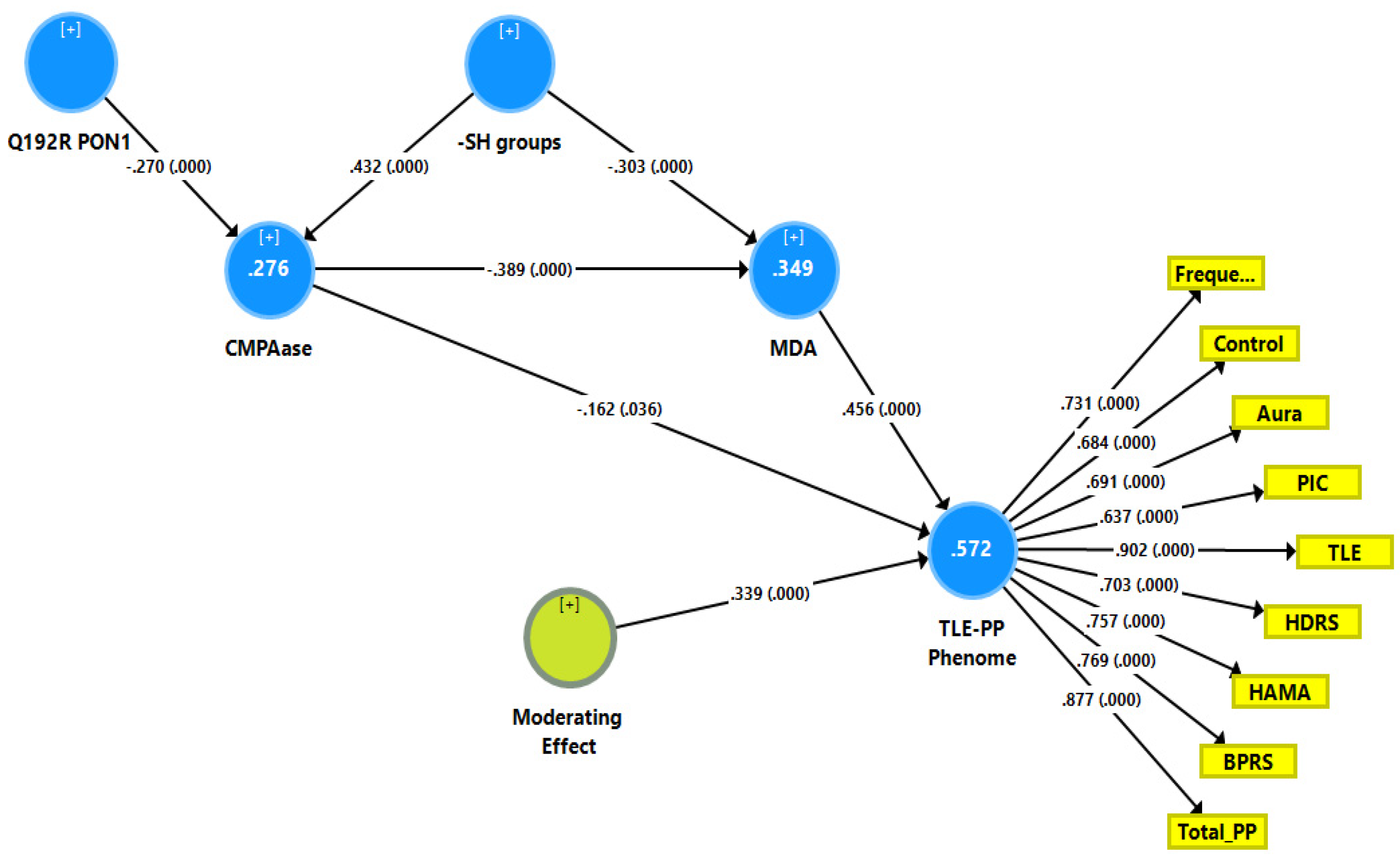
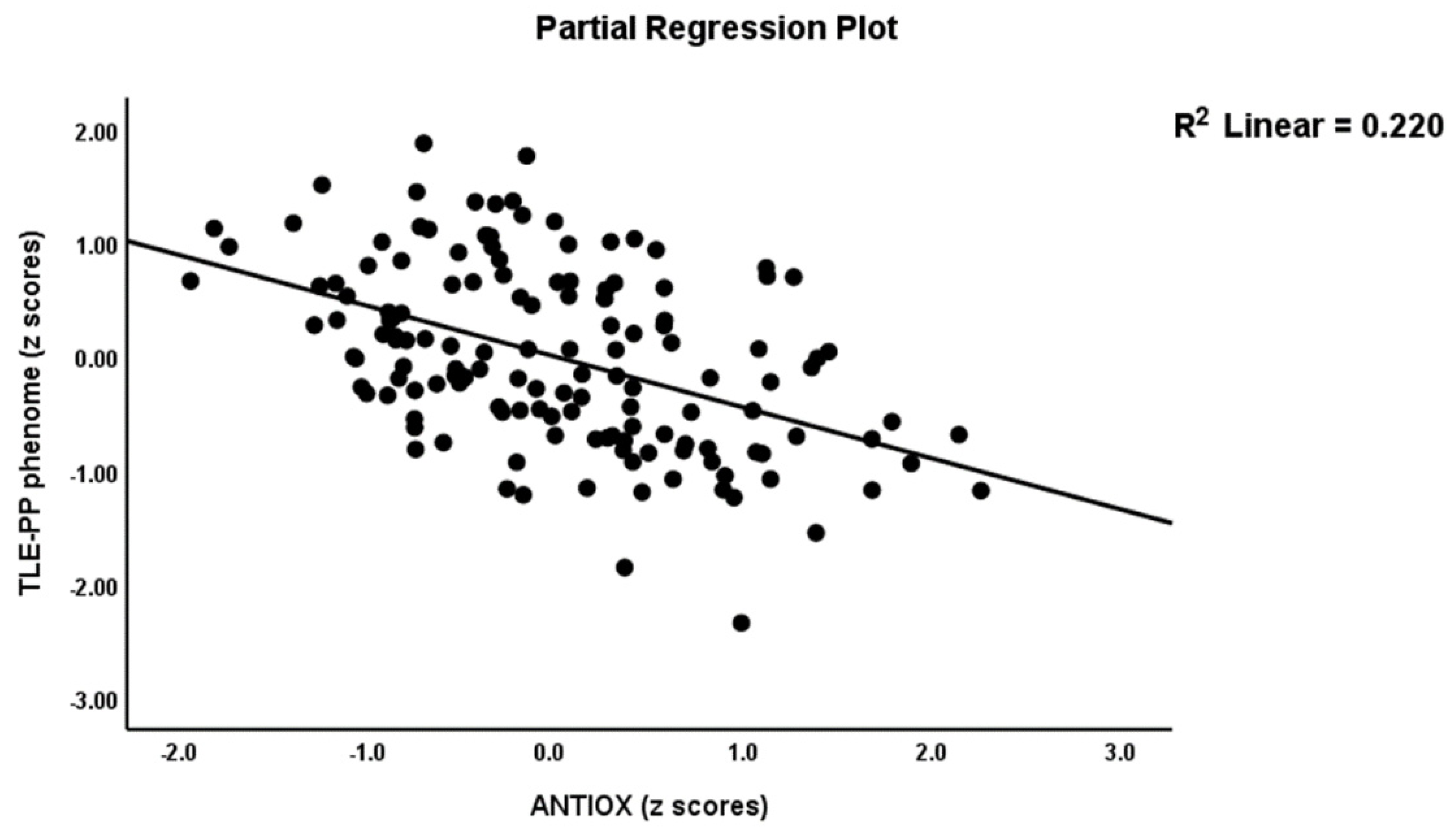
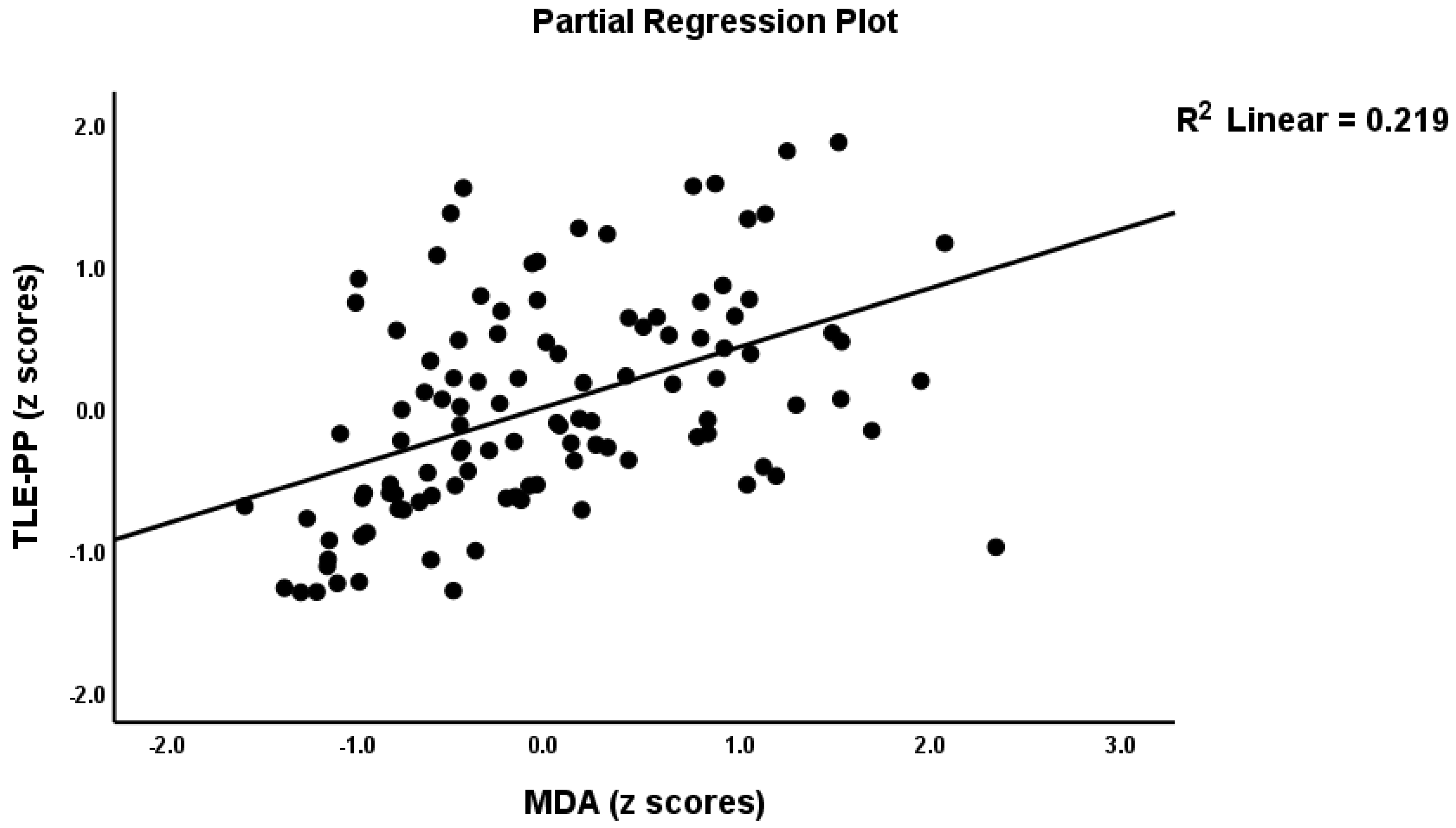
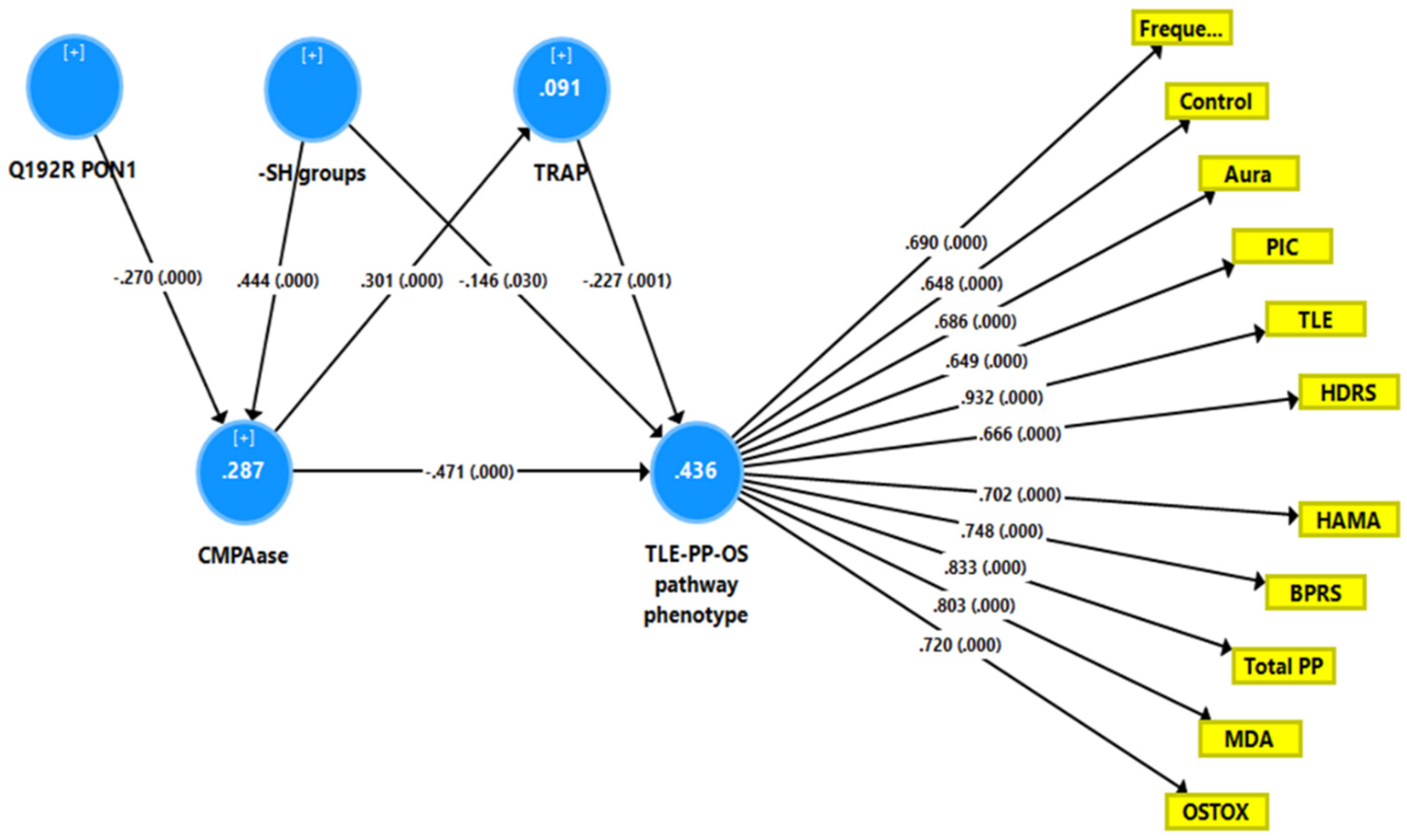
No precision medicine models of temporal lobe epilepsy (TLE) and associated mental comorbidities have been developed to date. This observational study aimed to develop a precision nomothetic, data-driven comorbid TLE model with endophenotype classes and pathway phenotypes that may have prognostic and therapeutical implications. We recruited forty healthy controls and 108 TLE patients for this research and assessed TLE and psychopathology (PP) features as well as oxidative stress (OSTOX, e.g., malondialdehyde or MDA, lipid hydroperoxides, and advanced oxidation protein products) and antioxidant (paraoxonase 1 or PON1 status, -SH groups, and total radical trapping potential or TRAP) biomarkers. A large part (57.2%) of the variance in a latent vector (LV) extracted from the above TLE and PP features was explained by these OSTOX and antioxidant biomarkers. The PON1 Q192R genetic variant showed indirect effects on this LV, which were completely mediated by PON1 activity and MDA. Factor analysis showed that a common core could be extracted from TLE, PP, OSTOX and antioxidant scores, indicating that these features are manifestations of a common underlying construct, i.e., a novel pathway phenotype of TLE. Based on the latter, we constructed a new phenotype class that is characterized by increased severity of TLE, PP and OSTOX features and lowered antioxidant defenses. A large part of the variance in episode frequency was explained by increased MDA, lowered antioxidant, and nitric oxide metabolite levels. In conclusion, (a) PP symptoms belong to the TLE phenome, and the signal increased severity; and (b) cumulative effects of aldehyde formation and lowered antioxidants determine epileptogenic kindling.
Keywords: depression; schizophrenia; neuroimmune; oxidative and nitrosative stress; antioxidants; inflammation depression; schizophrenia; neuroimmune; oxidative and nitrosative stress; antioxidants; inflammation