
Uncertain Drop vs. Socially Evaluated Cold Pressor: Uncertain Stress Elicits Stronger Psychophysiological Responses and Differential Neural Oscillatory Patterns

Highlights
- The Uncertain Drop Stress Test (UDST) effectively induced psychophysiological stress responses, with significantly stronger effects than the Socially Evaluated Cold Pressor Test (SECPT).
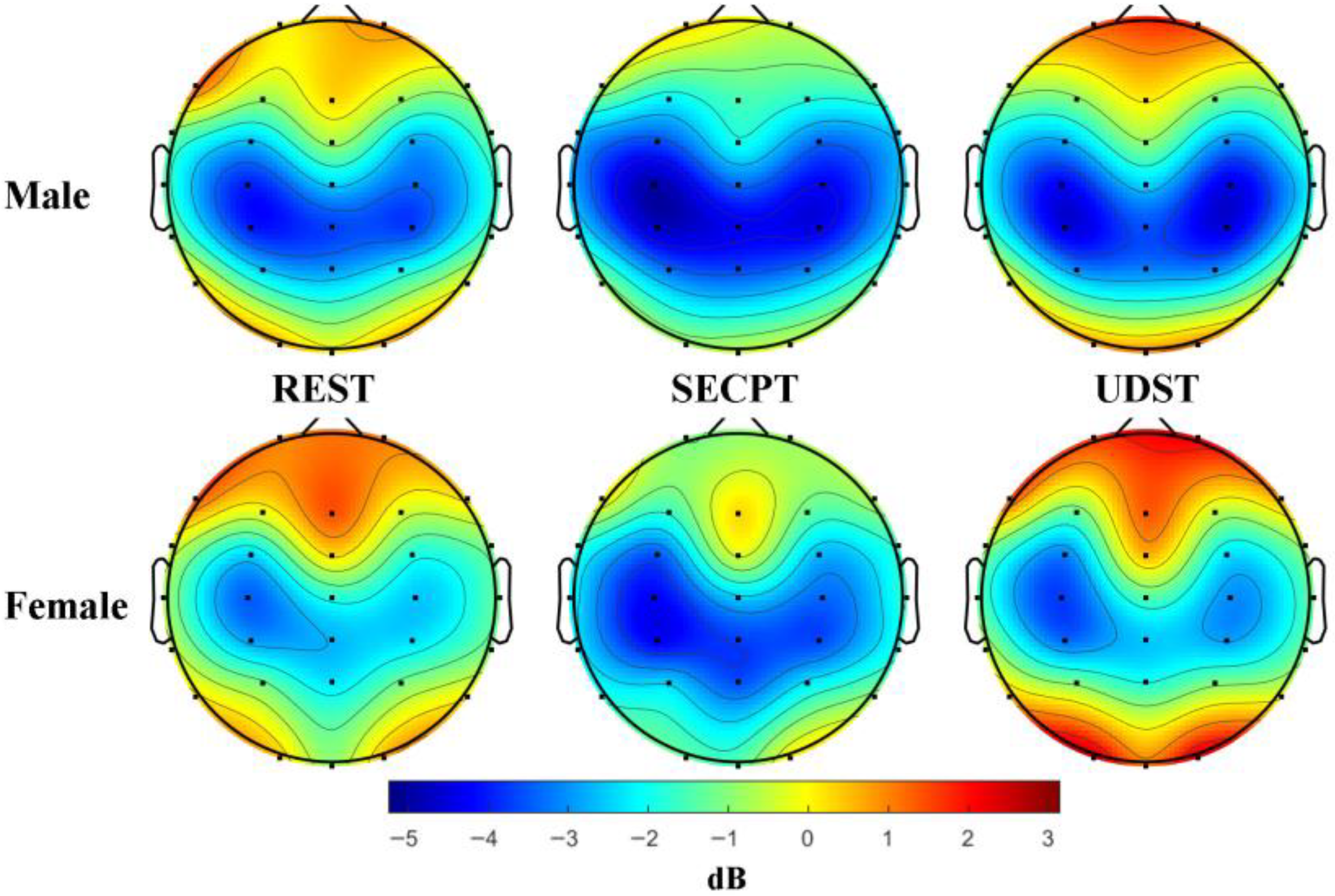
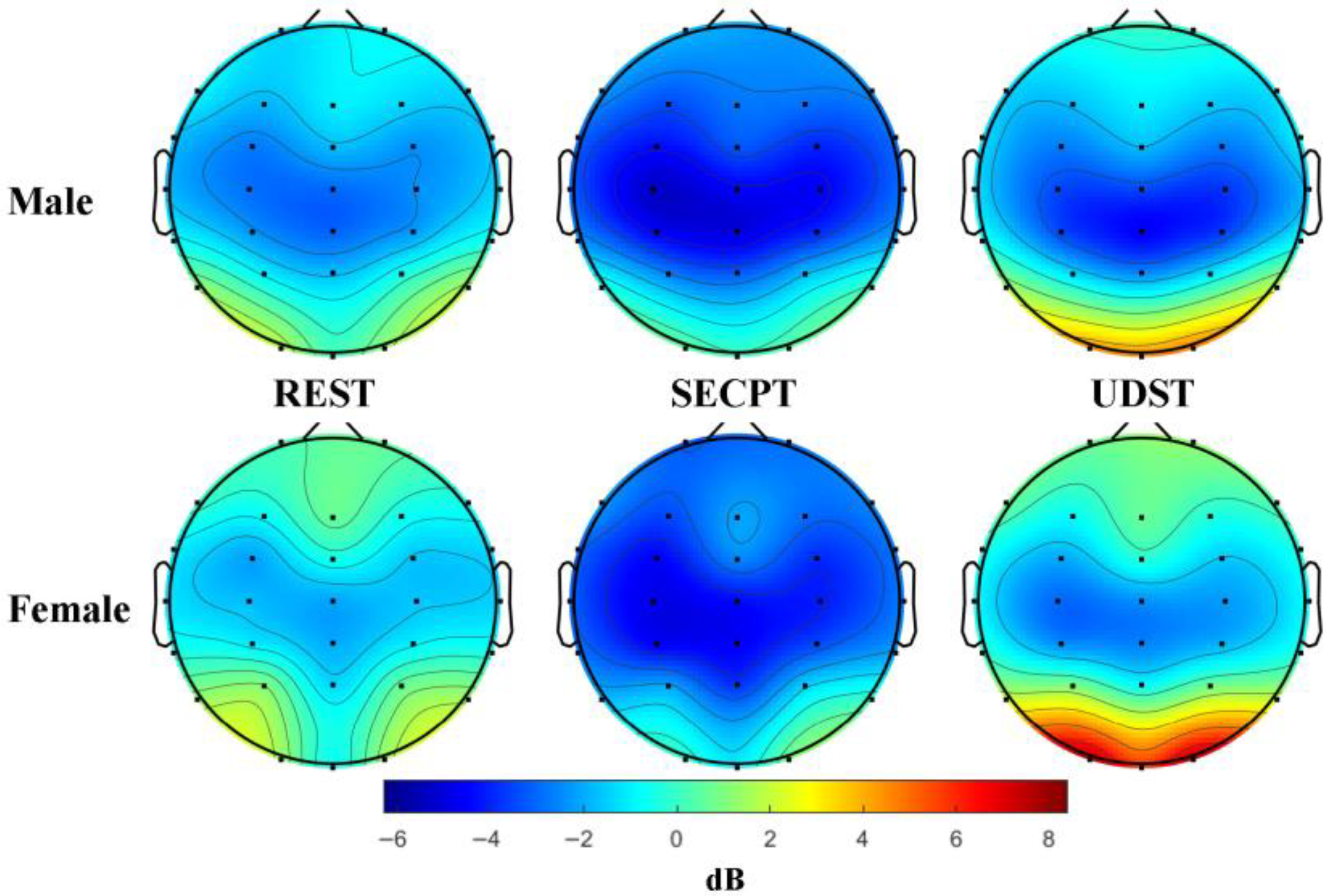
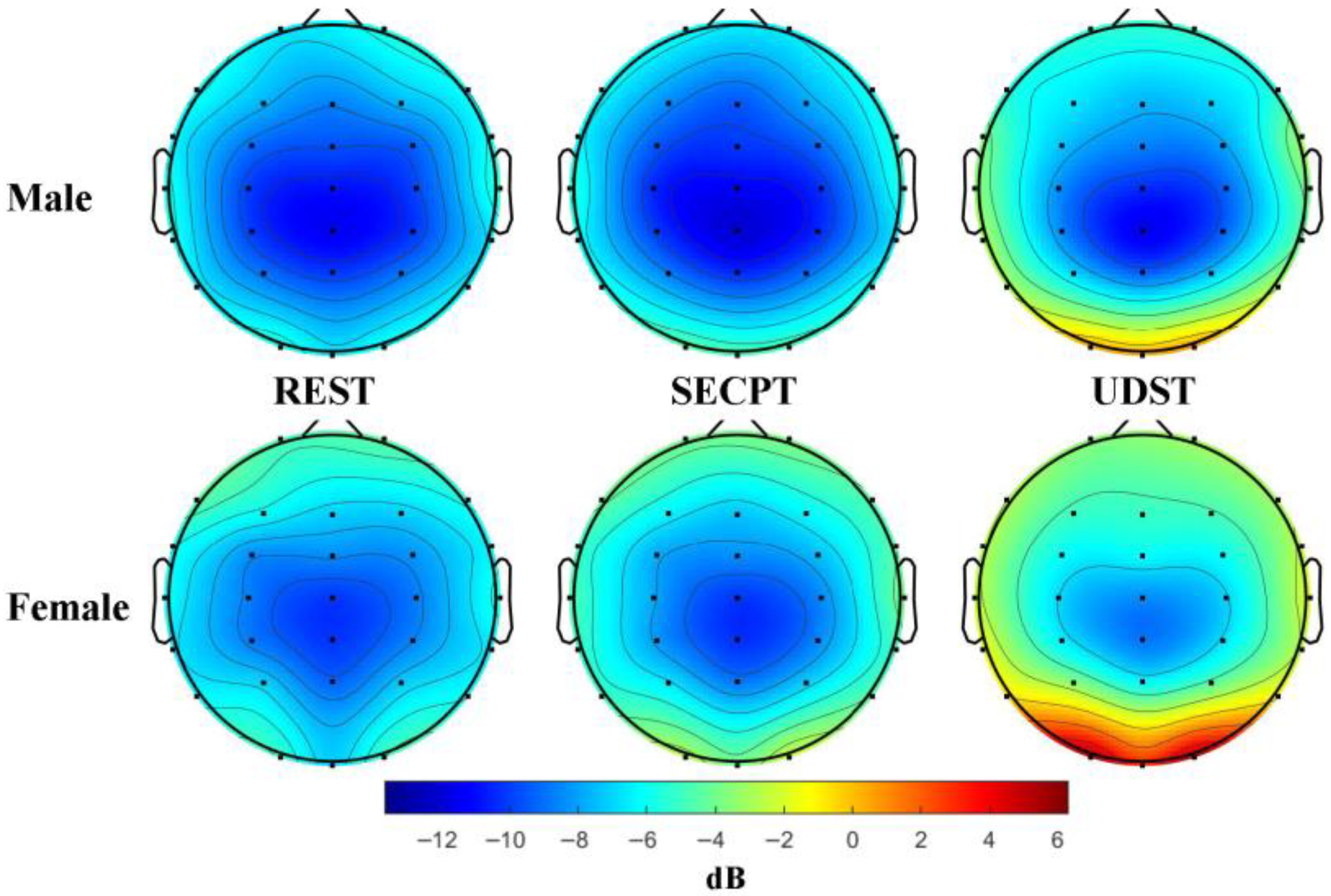
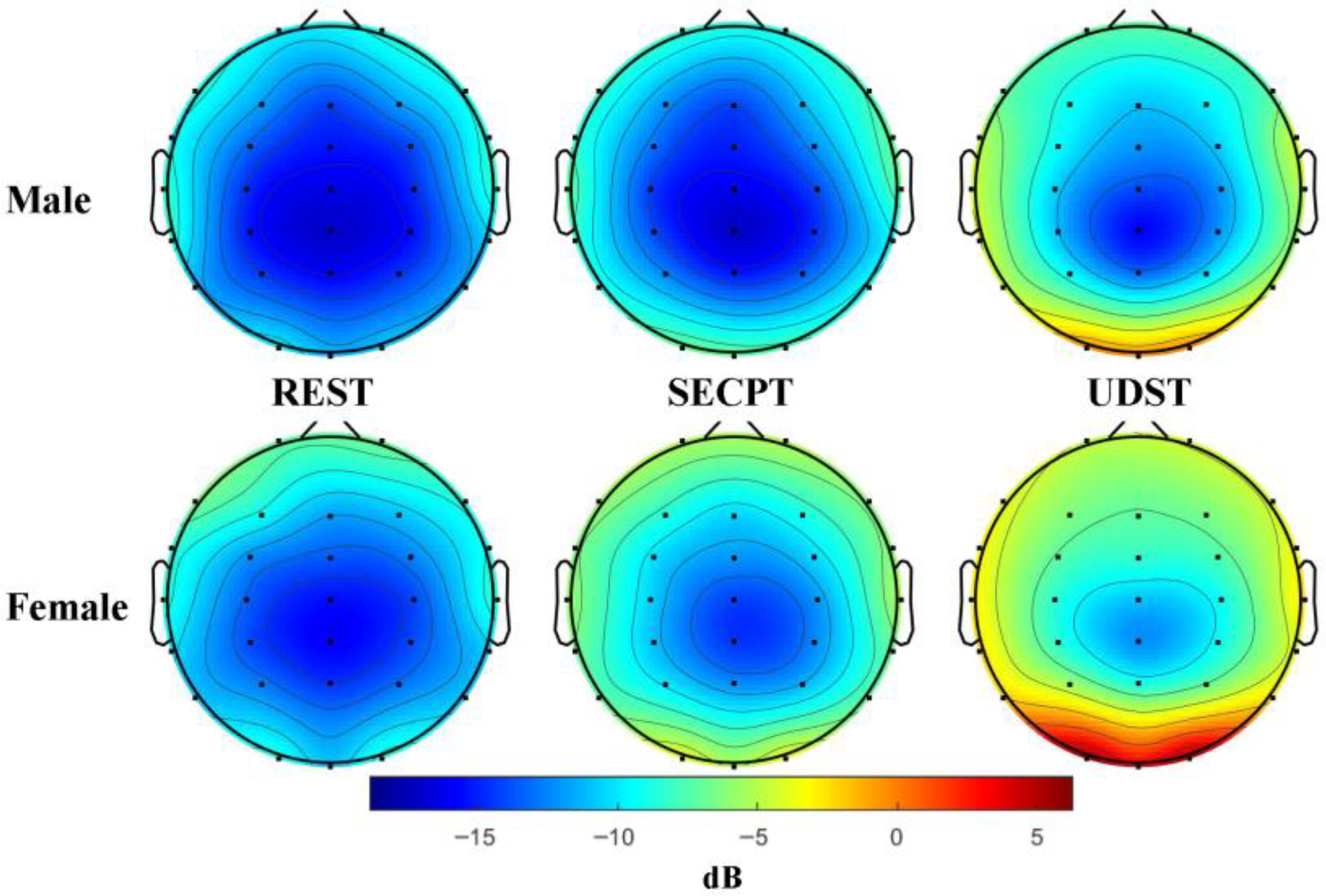
- UDST enhanced high-frequency (Beta/Gamma) neural activity (exogenous vigilance mode), whereas SECPT suppressed low-frequency (Theta/Alpha) activity (interoceptive focusing mode); females exhibited higher stress reactivity.
- UDST provides a novel, standard, and effective laboratory paradigm for inducing acute uncertain stress, with important methodological implications.
- The distinct neural patterns between certain and uncertain stress may inform interventions for stress-related disorders, particularly considering sex differences.
Abstract
1. Introduction
2. Materials and Methods
2.1. Participants
2.2. Stress Induction Methods
2.2.1. Uncertain Drop Stress Test
Design Rationale
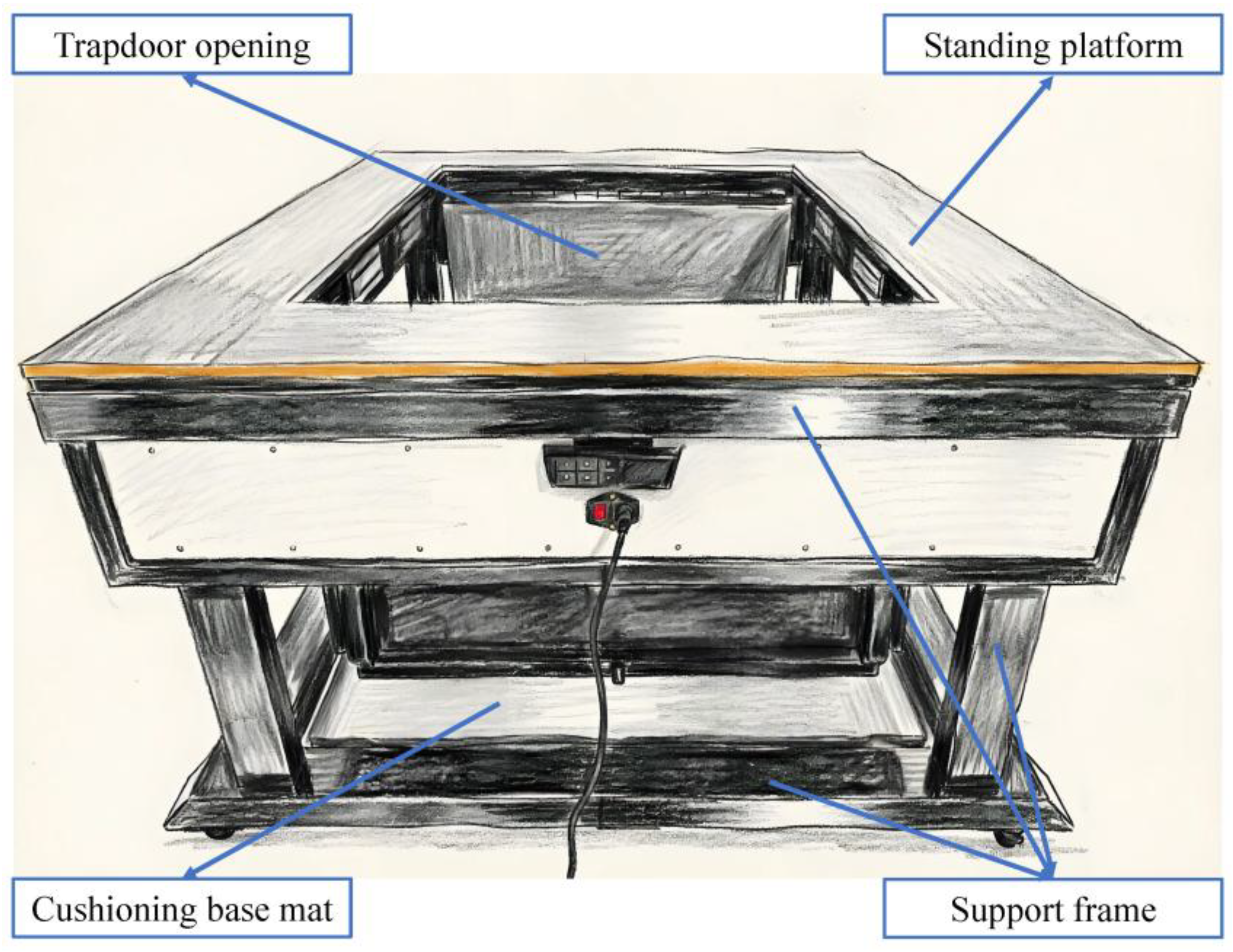
Drop Apparatus
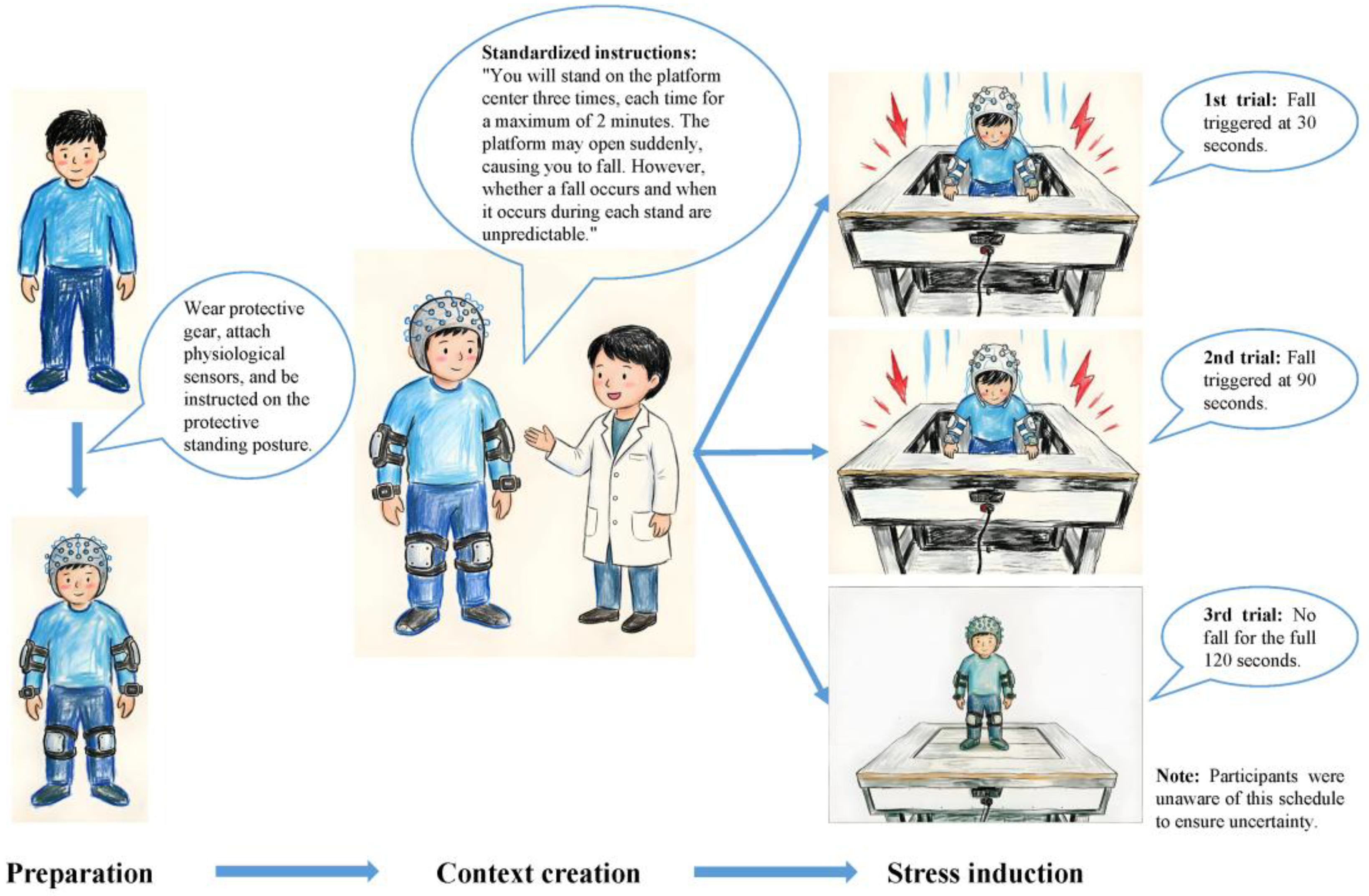
Induction Procedure
2.2.2. Socially Evaluated Cold Pressor Test
2.3. Experimental Materials
2.3.1. Psychophysiological Indicator Collection
Subjective Stress Report
Negative Affect Scale
State Anxiety Inventory
Heart Rate and Heart Rate Variability Acquisition
Galvanic Skin Response Acquisition
Salivary Cortisol Acquisition
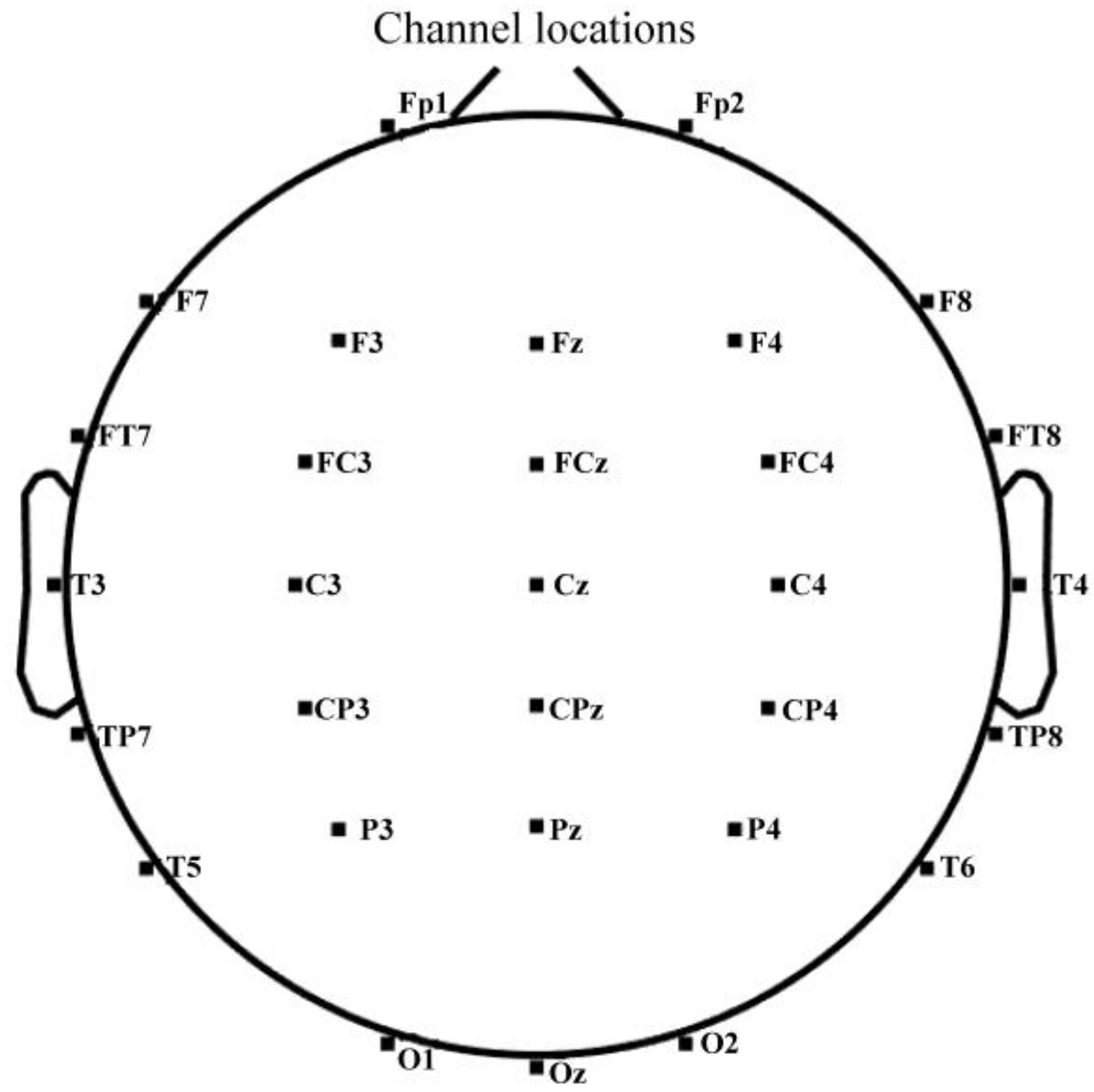
2.3.2. Resting-State EEG Measurement
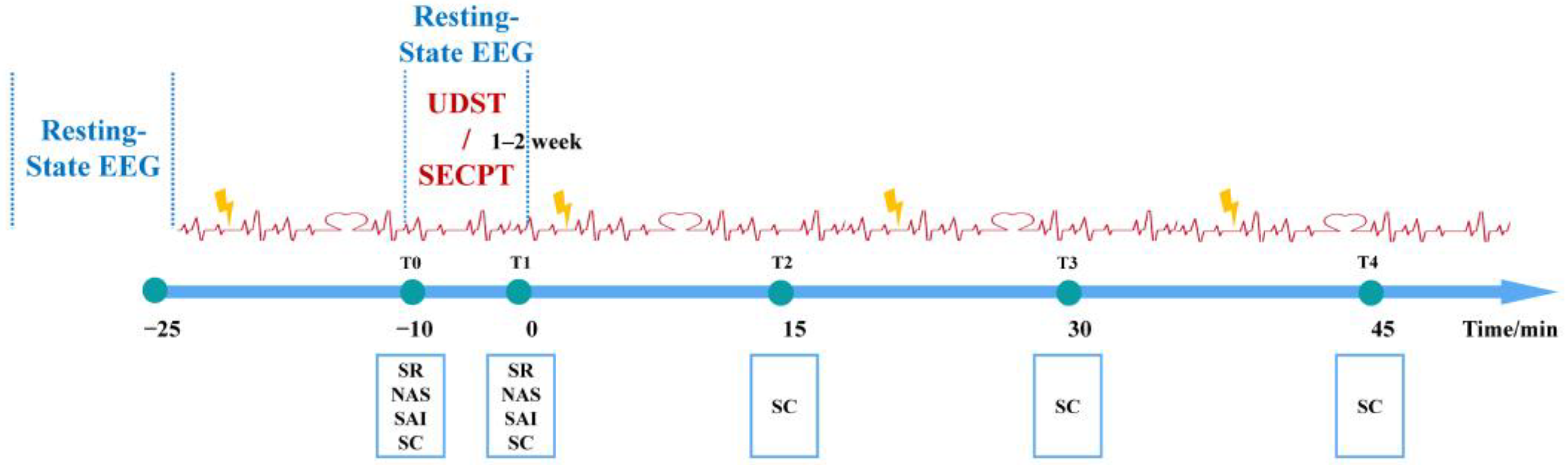
2.4. Experimental Procedure
2.5. Data Analysis
2.5.1. Psychophysiological Indicator Processing
2.5.2. Resting-State EEG Processing
2.5.3. Statistical Analysis
3. Results
3.1. Comparison of Induction Efficacy
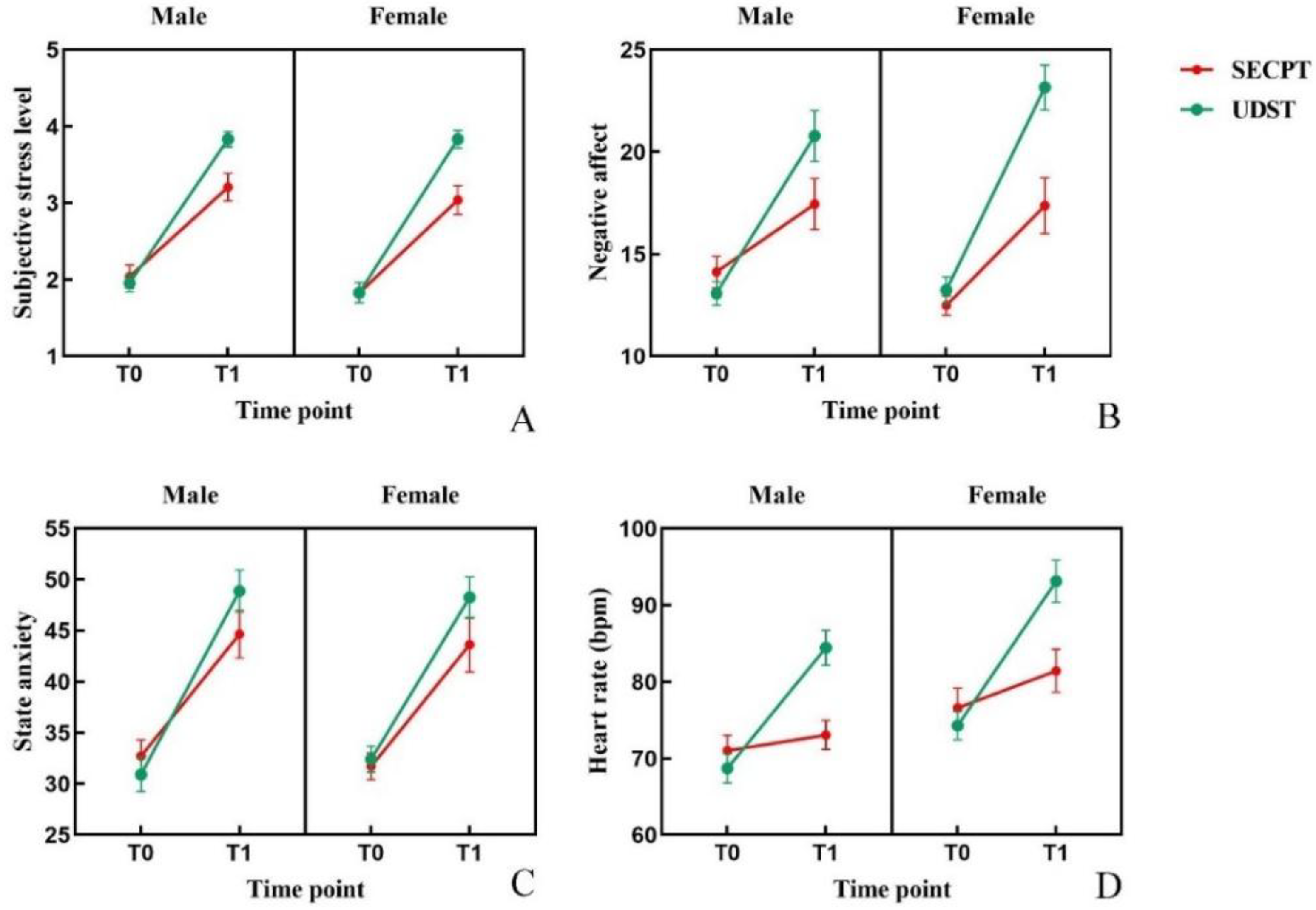
3.1.1. Subjective Stress
3.1.2. Negative Affect
3.1.3. State Anxiety
3.1.4. Heart Rate
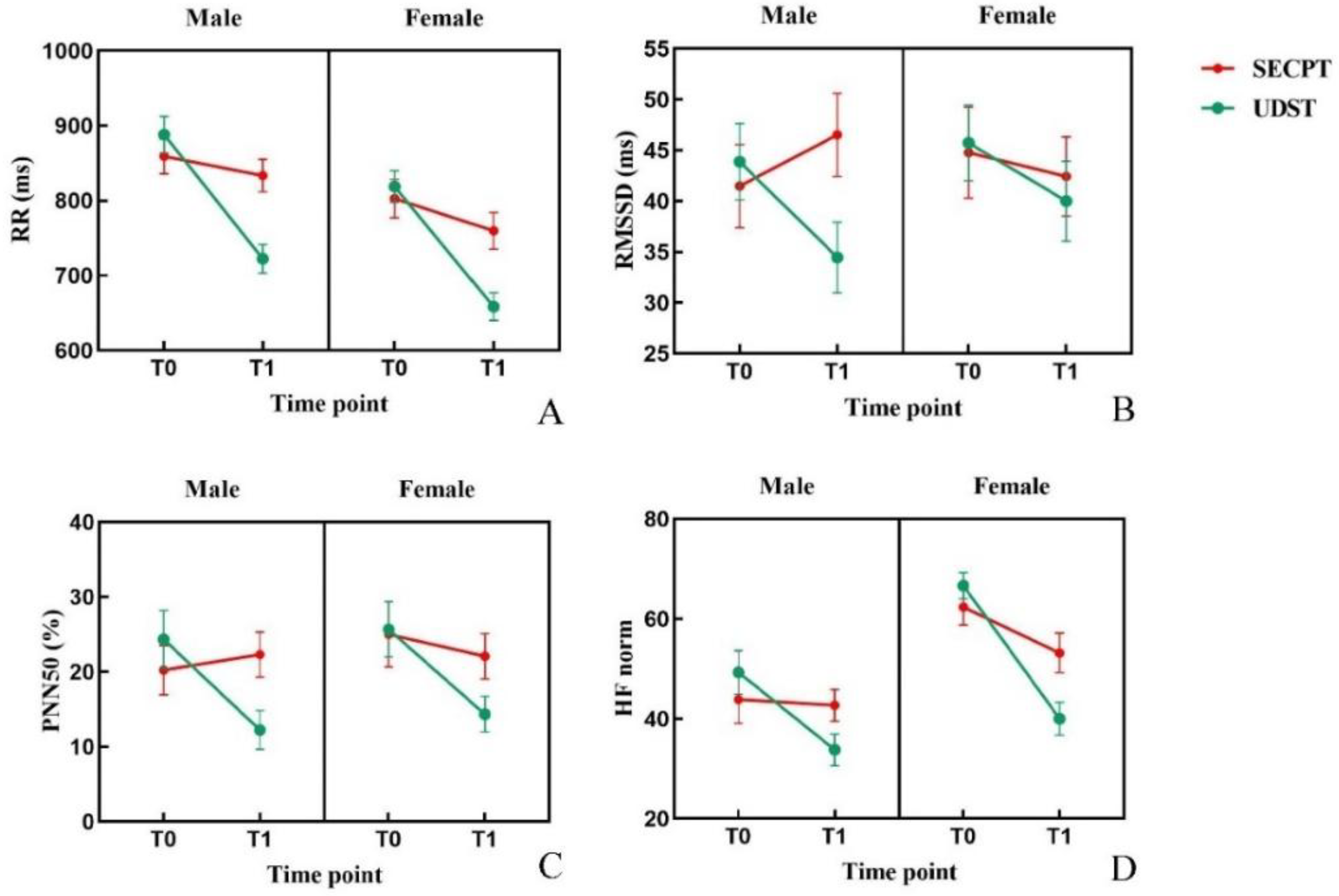
3.1.5. Heart Rate Variability
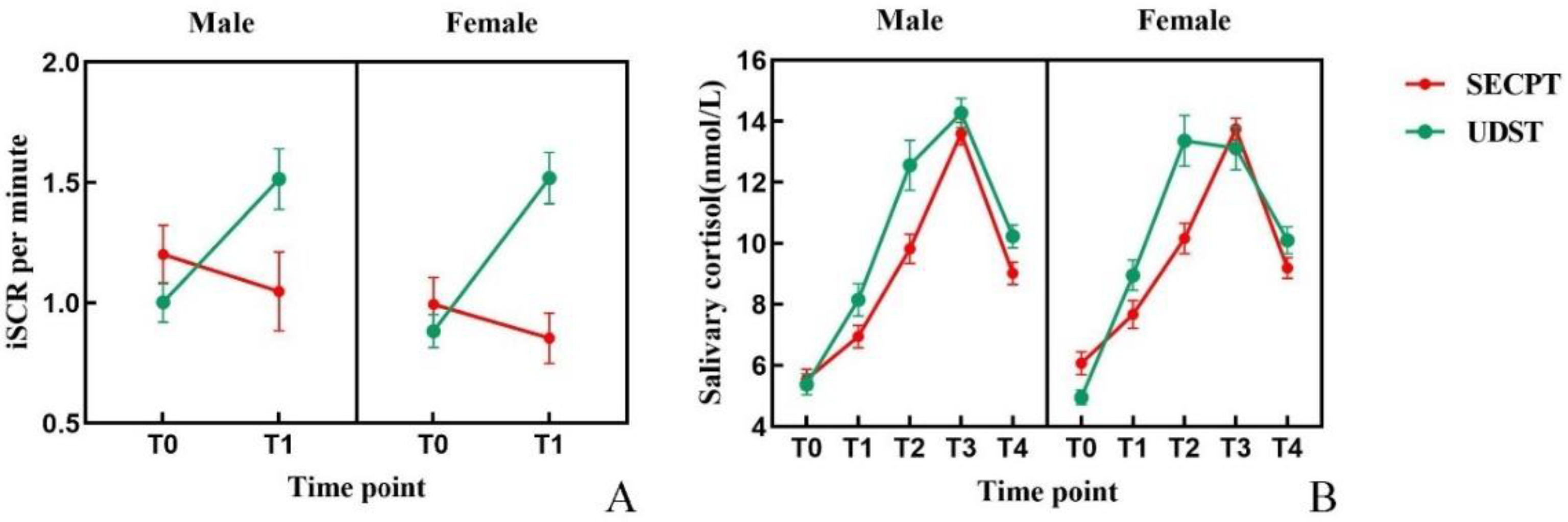
3.1.6. Galvanic Skin Response
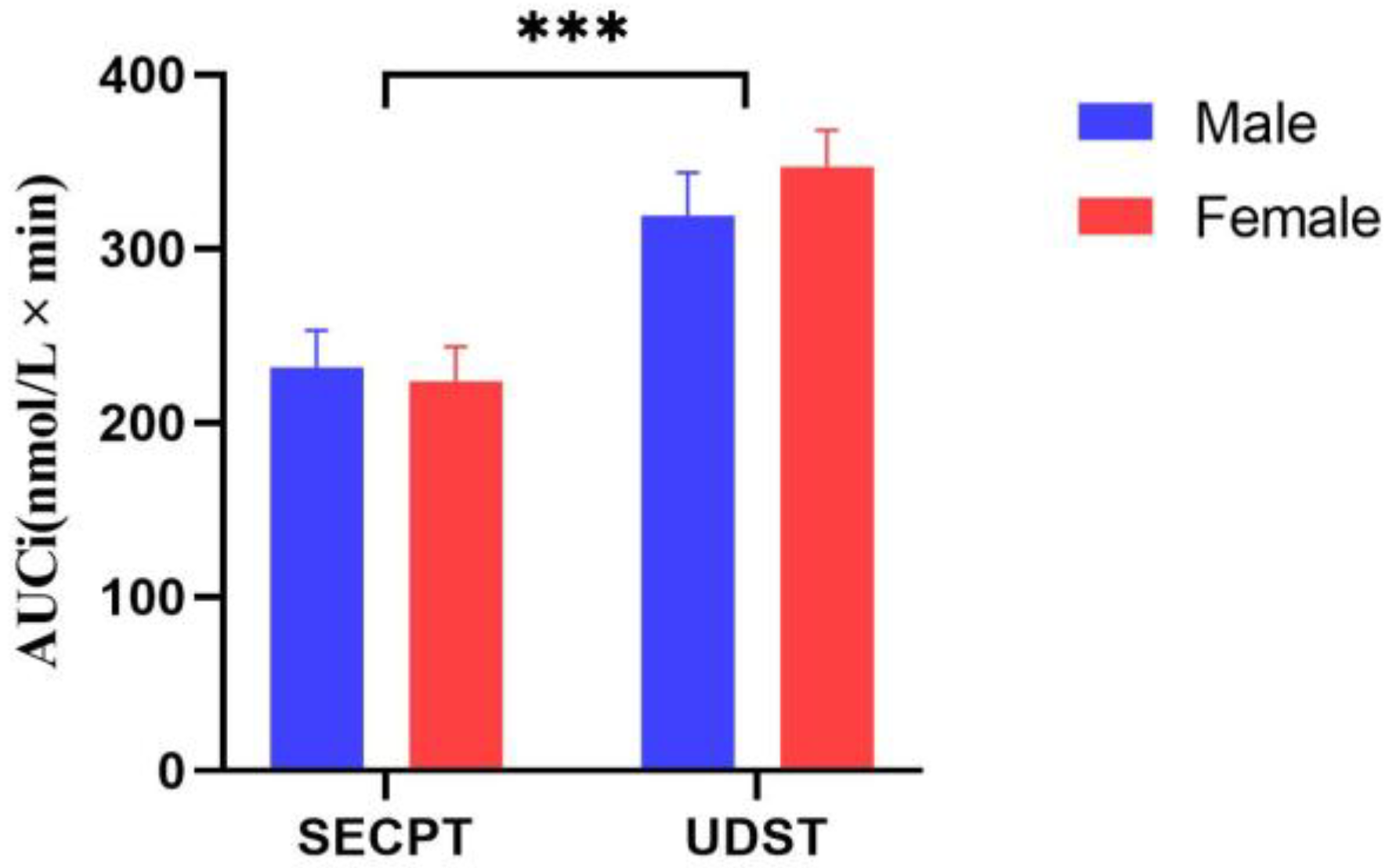
3.1.7. Salivary Cortisol
3.2. Frequency Domain Analysis Results
3.2.1. Theta Band
3.2.2. Alpha Band
3.2.3. Beta Band
3.2.4. Gamma Band
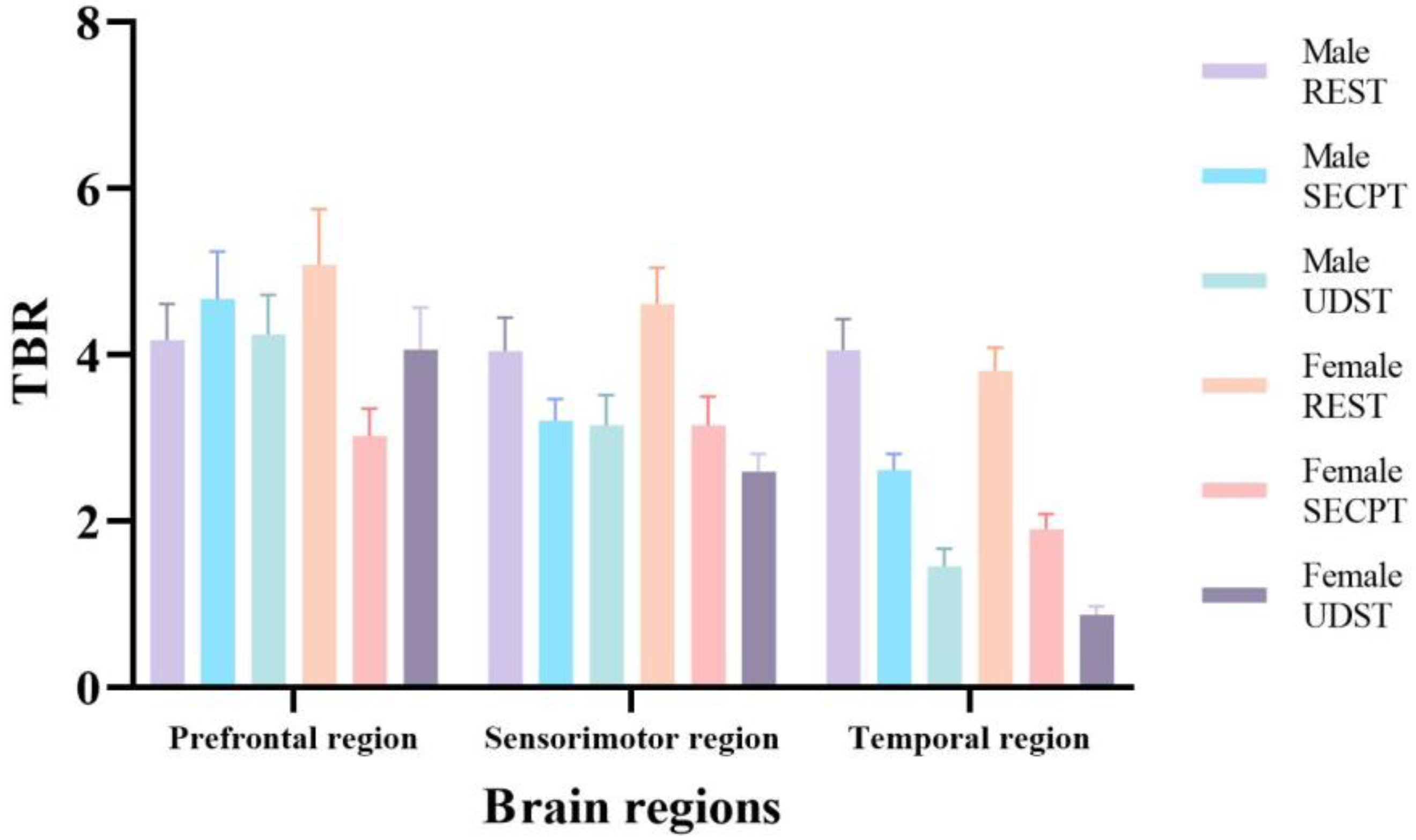
3.2.5. Theta/Beta Ratio (TBR)
4. Discussion
4.1. Discussion of Induction Efficacy Comparison
4.2. Discussion of Frequency Domain Analysis
4.3. Discussion of Sex Differences
4.4. Limitations
5. Conclusions
- (1)
- UDST effectively induced psychophysiological stress responses in individuals, demonstrating significantly superior induction efficacy compared to SECPT.
- (2)
- The two stress methods evoked distinct neural oscillatory patterns: UDST triggered an “exogenous vigilance mode” characterized by enhanced high-frequency activity, while SECPT elicited an “interoceptive focusing mode” characterized by suppressed low-frequency activity.
- (3)
- Females displayed stronger stress reactivity than males in terms of heart rate and neural oscillations.
Author Contributions
Funding
Institutional Review Board Statement
Informed Consent Statement
Data Availability Statement
Conflicts of Interest
References
- Godoy, L.D.; Rossignoli, M.T.; Delfino-Pereira, P.; Garcia-Cairasco, N.; de Lima Umeoka, E.H. A Comprehensive Overview on Stress Neurobiology: Basic Concepts and Clinical Implications. Front. Behav. Neurosci. 2018, 12, 127. [Google Scholar] [CrossRef] [PubMed]
- Li, W.; Ku, Y. The influence of acute stress on working memory: Physiological and psychological mechanisms. Adv. Psychol. Sci. 2020, 28, 1508–1524. [Google Scholar] [CrossRef]
- Hamidovic, A.; Childs, E.; Conrad, M.; King, A.; de Wit, H. Stress-induced changes in mood and cortisol release predict mood effects of amphetamine. Drug Alcohol. Depend. 2010, 109, 175–180. [Google Scholar] [CrossRef]
- Krkovic, K.; Clamor, A.; Lincoln, T.M. Emotion regulation as a predictor of the endocrine, autonomic, affective, and symptomatic stress response and recovery. Psychoneuroendocrinology 2018, 94, 112–120. [Google Scholar] [CrossRef] [PubMed]
- Kan, Y.; Duan, H.; Chen, X.; Wang, X.; Xue, W.; Hu, W. Attentional blink affected by acute stress in women: The role of affective stimuli and attentional resources. Conscious. Cogn. 2019, 75, 102796. [Google Scholar] [CrossRef]
- Het, S.; Rohleder, N.; Schoofs, D.; Kirschbaum, C.; Wolf, O. Neuroendocrine and psychometric evaluation of a placebo version of the ‘Trier Social Stress Test’. Psychoneuroendocrinology 2009, 34, 1075–1086. [Google Scholar] [CrossRef]
- Dickerson, S.S.; Kemeny, M.E. Acute Stressors and Cortisol Responses: A Theoretical Integration and Synthesis of Laboratory Research. Psychol. Bull. 2004, 130, 355–391. [Google Scholar] [CrossRef]
- Vanhollebeke, G.; De Smet, S.; De Raedt, R.; Baeken, C.; van Mierlo, P.; Vanderhasselt, M.-A. The neural correlates of psychosocial stress: A systematic review and meta-analysis of spectral analysis EEG studies. Neurobiol. Stress 2022, 18, 100452. [Google Scholar] [CrossRef]
- Gärtner, M.; Rohde-Liebenau, L.; Grimm, S.; Bajbouj, M. Working memory-related frontal theta activity is decreased under acute stress. Psychoneuroendocrinology 2014, 43, 105–113. [Google Scholar] [CrossRef]
- Wu, X.; Di, S.; Ma, C. Evoked Acute Stress Alters Frontal Midline Neural Oscillations Affecting Behavioral Inhibition in College Students. Psychol. Res. Behav. Manag. 2022, 15, 2915–2926. [Google Scholar] [CrossRef]
- Xu, S.; Fang, J. Research Progress on the Impact of Stress on Risk Decision-making. Chin. J. Behav. Med. Brain Sci. 2014, 23, 1138–1140. [Google Scholar] [CrossRef]
- Малюченкo, Г.Н. ВЛИЯНИЕ ТЕХНИЧЕСКИХ ИННОВАЦИЙ НА БОЕВЫЕ СТРЕССОРЫ И ПСИХИЧЕСКИЕ РЕАКЦИИ УЧАСТНИКОВ СВО. Russ. Mil. Psychol. J. 2025, 4, 36–43. [Google Scholar] [CrossRef]
- Rubio, A.; van Oudenhove, L.; Pellissier, S.; Ly, H.G.; Dupont, P.; de Micheaux, H.L.; Tack, J.; Dantzer, C.; Delon-Martin, C.; Bonaz, B. Uncertainty in anticipation of uncomfortable rectal distension is modulated by the autonomic nervous system—A fMRI study in healthy volunteers. NeuroImage 2015, 107, 10–22. [Google Scholar] [CrossRef] [PubMed]
- Grupe, D.; Nitschke, J. Uncertainty and anticipation in anxiety: An integrated neurobiological and psychological perspective. Nat. Rev. Neurosci. 2013, 14, 488–501. [Google Scholar] [CrossRef]
- Funke, M. Neuroergonomic and stress dynamics associated with spatial uncertainty during vigilance task performance. Diss. Abstr. Int. Sect. B Sci. Eng. 2012, 73, 639. [Google Scholar]
- Blanchard, D.C. Translating dynamic defense patterns from rodents to people. Neurosci. Biobehav. Rev. 2017, 76, 22–28. [Google Scholar] [CrossRef]
- Morriss, J.; McSorley, E. Intolerance of uncertainty is associated with reduced attentional inhibition in the absence of direct threat. Behav. Res. Ther. 2019, 118, 1–6. [Google Scholar] [CrossRef]
- Bradford, D.E.; Magruder, K.P.; Korhumel, R.A.; Curtin, J.J. Using the threat probability task to assess anxiety and fear during uncertain and certain threat. J. Vis. Exp. 2014, 51905. [Google Scholar] [CrossRef]
- Oka, S.; Chapman, C.R.; Kim, B.; Shimizu, O.; Noma, N.; Takeichi, O.; Imamura, Y.; Oi, Y. Predictability of painful stimulation modulates subjective and physiological responses. J. Pain 2010, 11, 239–246. [Google Scholar] [CrossRef]
- Patton, D.; Gamble, K. Physiological Measures of Arousal During Soldier-Relevant Tasks Performed in a Simulated Environment. In Foundations of Augmented Cognition: Neuroergonomics and Operational Neuroscience; Lecture Notes in Computer Science; Springer: Cham, Switzerland, 2016; Volume 9743, pp. 372–382. [Google Scholar] [CrossRef]
- Brunyé, T.T.; Giles, G.E. Methods for eliciting and measuring behavioral and physiological consequences of stress and uncertainty in virtual reality. Front. Virtual Real. 2023, 4, 951435. [Google Scholar] [CrossRef]
- Cantelon, J.A.; Navarro, E.; Brunye, T.T.; Eddy, M.D.; Ward, N.; Pantoja-Feliciano, I.; Whitman, J.; Saikia, M.J.; E Giles, G. Emotional, physiological, biochemical, and behavioral responses to acute stress and uncertainty in military personnel. PLoS ONE 2024, 19, e0312443. [Google Scholar] [CrossRef] [PubMed]
- Glenn, C.; Lieberman, L.; Hajcak, G. Comparing electric shock and a fearful screaming face as unconditioned stimuli for fear learning. Int. J. Psychophysiol. 2012, 86, 214–219. [Google Scholar] [CrossRef] [PubMed]
- Frenkel, M.O.; Laborde, S.; Rummel, J.; Giessing, L.; Kasperk, C.; Plessner, H.; Heck, R.-B.; Strahler, J. Heidelberg risk sport-specific stress test: A paradigm to investigate the risk sport-specific psycho-physiological arousal. Front. Psychol. 2019, 10, 2249. [Google Scholar] [CrossRef] [PubMed]
- Verma, R.; Balhara, Y.P.S.; Gupta, C.S. Gender differences in stress response: Role of developmental and biological determinants. Ind. Psychiatry J. 2011, 20, 4–10. [Google Scholar] [CrossRef]
- Hemakom, A.; Atiwiwat, D.; Israsena, P. ECG and EEG based detection and multilevel classification of stress using machine learning for specified genders: A preliminary study. PLoS ONE 2023, 18, e0291070. [Google Scholar] [CrossRef]
- Wriessnegger, S.C.; Lorenzer, L.; Kostoglou, K. Neurocardiac signatures of acute mental stress: A sex-comparative study. Front. Neurosci. 2025, 19, 1633295. [Google Scholar] [CrossRef]
- Hanshans, C.; Amler, T.; Zauner, J.; Bröll, L. Inducing and measuring acute stress in virtual reality: Evaluation of canonical physiological stress markers and measuring methods. J. Environ. Psychol. 2024, 94, 102107. [Google Scholar] [CrossRef]
- Yang, J.; Hou, Y.; Yang, Y.; Zhang, Q.-L. Impact of Trier Social Stress Test (TSST) on Salivary Cortisol Secretion. Acta Psychol. Sin. 2011, 43, 403–409. [Google Scholar] [CrossRef]
- Watson, D.; Clark, L.A.; Tellegen, A. Development and validation of brief measures of positive and negative affect: The PANAS scales. J. Personal. Soc. Psychol. 1988, 54, 1063–1070. [Google Scholar] [CrossRef]
- Li, W.; Qian, M. Revised Chinese Norms for the State Trait Anxiety Scale for College Students. J. Peking Univ. (Nat. Sci. Ed.) 1995, 108–115. [Google Scholar] [CrossRef]
- Gilgen-Ammann, R.; Schweizer, T.; Wyss, T. RR interval signal quality of a heart rate monitor and an ECG Holter at rest and during exercise. Eur. J. Appl. Physiol. 2019, 119, 1525–1532. [Google Scholar] [CrossRef]
- Castaldo, R.; Melillo, P.; Bracale, U. Acute mental stress assessment via short term HRV analysis in healthy adults: A systematic review with meta-analysis. Biomed. Signal Process. Control 2015, 18, 370–377. [Google Scholar] [CrossRef]
- Han, Y.; Dong, Y.; Bi, J. The Physiological Data Representation of Emotion in Learning Analysis—Prospects for the Application of Galvanic Skin Response. Mod. Educ. Technol. 2018, 28, 12–19. [Google Scholar] [CrossRef]
- Su, M.; Cheng, S.; Shen, C.; Zhang, T.H.; Guan, C.C.; Sun, J.C.; Ma, J.; Hu, W.D. Application of Saliva Biochemical Index in Stress Assessment of Parachuting and Correlation Analysis with Personality Characteristics. Space Med. Med. Eng. 2019, 32, 471–477. [Google Scholar] [CrossRef]
- von Dawans, B.; Kirschbaum, C.; Heinrichs, M. The Trier Social Stress Test for Groups (TSST-G): A new research tool for controlled simultaneous social stress exposure in a group format. Psychoneuroendocrinology 2011, 36, 514–522. [Google Scholar] [CrossRef] [PubMed]
- Yang, W.P.; Lin, J.F.; Yang, X.F.; Li, S.N.; Li, Z.M. Self-regulated Learning of Normal College Students in Classrooms: An Experimental Study Based on Physiological Feedback. Educ. Sci. Explor. 2022, 40, 4–10. [Google Scholar]
- Benedek, M.; Kaernbach, C. A continuous measure of phasic electrodermal activity. J. Neurosci. Methods 2010, 190, 80–91. [Google Scholar] [CrossRef]
- van Dooren, M.P.R.E.; de Vries, J.J.G.G.; Janssen, J.H.P.R. Emotional sweating across the body: Comparing 16 different skin conductance measurement locations. Physiol. Behav. 2012, 106, 298–304. [Google Scholar] [CrossRef]
- Delorme, A.; Makeig, S. EEGLAB: An open source toolbox for analysis of single-trial EEG dynamics including independent component analysis. J. Neurosci. Methods 2004, 134, 9–21. [Google Scholar] [CrossRef]
- Kim, H.; Luo, J.; Chu, S.; Cannard, C.; Hoffmann, S.; Miyakoshi, M. ICA’s bug: How ghost ICs emerge from effective rank deficiency caused by EEG electrode interpolation and incorrect re-referencing. Front. Signal Process. 2023, 3, 1064138. [Google Scholar] [CrossRef]
- Putman, P.; van Peer, J.; Maimari, I.; van der Werff, S. EEG theta/beta ratio in relation to fear-modulated response-inhibition, attentional control, and affective traits. Biol. Psychol. 2010, 83, 73–78. [Google Scholar] [CrossRef]
- Becker, L.; Schade, U.; Rohleder, N. Evaluation of the socially evaluated cold-pressor group test (SECPT-G) in the general population. PeerJ 2019, 7, e7521. [Google Scholar] [CrossRef] [PubMed]
- Chen, Y.; Hu, N.; Yang, J.; Gao, T. Prefrontal cortical circuits in anxiety and fear: An overview. Front. Med. 2022, 16, 518–539. [Google Scholar] [CrossRef] [PubMed]
- Yang, Y.Q.; Huang, Y.J.; Luo, X.L.; Easa, S.M.; Zheng, X.Y. Driver s Stress Response Behavior in Cognitive Distraction Condition. J. Chongqing Jiaotong Univ. (Nat. Sci.) 2024, 43, 54–63. [Google Scholar] [CrossRef]
- Ehrhardt, N.M.; Fietz, J.; Kopf-Beck, J.; Kappelmann, N.; Brem, A. Separating EEG correlates of stress: Cognitive effort, time pressure, and social-evaluative threat. Eur. J. Neurosci. 2022, 55, 2464–2473. [Google Scholar] [CrossRef]
- Helbig, S.; Backhaus, J. Sex differences in a real academic stressor, cognitive appraisal and the cortisol response. Physiol. Behav. 2017, 179, 67–74. [Google Scholar] [CrossRef]
- Liu, Q.; Zhang, W. Sex Differences in Stress Reactivity to the Trier Social Stress Test in Virtual Reality. Psychol. Res. Behav. Manag. 2020, 13, 859–869. [Google Scholar] [CrossRef]
- Back, S.E.; Waldrop, A.E.; Saladin, M.E.; Yeatts, S.D.; Simpson, A.; McRae, A.L.; Upadhyaya, H.P.; Sisson, R.C.; Spratt, E.G.; Allen, J.; et al. Effects of gender and cigarette smoking on reactivity to psychological and pharmacological stress provocation. Psychoneuroendocrinology 2008, 33, 560–568. [Google Scholar] [CrossRef]
- Sato, N.; Miyake, S. Cardiovascular reactivity to mental stress: Relationship with menstrual cycle and gender. J. Physiol. Anthropol. Appl. Hum. Sci. 2004, 23, 215–223. [Google Scholar] [CrossRef]
- Min, J.; Koenig, J.; Nashiro, K.; Yoo, H.J.; Cho, C.; Thayer, J.F.; Mather, M. Sex Differences in Neural Correlates of Emotion Regulation in Relation to Resting Heart Rate Variability. Brain Topogr. 2023, 36, 698–709. [Google Scholar] [CrossRef]
- Menashri Sinai, Y.; Ma, Y.X.J.; Abba Daleski, M.; Gannot, S.; Bartsch, R.P.; Gordon, I. Unveiling gender differences in psychophysiological dynam-ics: Support for a two-dimensional autonomic space approach. Front. Hum. Neurosci. 2024, 18, 1363891. [Google Scholar] [CrossRef]
- Bianchin, M.; Angrilli, A. Gender differences in emotional responses: A psychophysiological study. Physiol. Behav. 2012, 105, 925–932. [Google Scholar] [CrossRef]
- Martinez-Muniz, G.A.; Wood, S.K. Sex Differences in the Inflammatory Consequences of Stress: Implications for Pharmacotherapy. J. Pharmacol. Exp. Ther. 2020, 375, 161–174. [Google Scholar] [CrossRef]



| Indicator | Meaning | Unit | Interpretation | |
|---|---|---|---|---|
| Time Domain | RR | Interval between normal sinus heartbeats | ms | Overall HRV indicator |
| SDNN | Standard deviation of normal sinus heartbeats | ms | Negatively correlated with sympathetic activity | |
| RMSSD | Root mean square of successive RR interval differences | ms | Positively correlated with parasympathetic activity | |
| PNN50 | Percentage of successive RR intervals differing by >50 ms | % | Positively correlated with parasympathetic activity | |
| Frequency Domain | HF norm | Normalized high-frequency power | Proportion of high-frequency power |
| Indicator | Gender | SECPT | UDST | Gender | Condition | Time | Condition × Time | ||
|---|---|---|---|---|---|---|---|---|---|
| T0 | T1 | T0 | T1 | p | p | p | p | ||
| RR | Male | 859.19 ± 114.82 | 833.51 ± 106.21 | 888.24 ± 119.29 | 722.33 ± 94.59 | 0.027 | <0.001 | <0.001 | <0.001 |
| Female | 802.18 ± 125.39 | 759.79 ± 118.92 | 818.98 ± 103.02 | 658.52 ± 90.06 | |||||
| RMSSD | Male | 41.48 ± 19.99 | 46.53 ± 20.05 | 43.88 ± 18.42 | 34.46 ± 17.10 | 0.723 | 0.175 | 0.067 | 0.008 |
| Female | 44.80 ± 21.93 | 42.43 ± 19.12 | 45.74 ± 18.28 | 40.00 ± 19.33 | |||||
| PNN50 | Male | 20.24 ± 16.04 | 22.32 ± 14.63 | 24.34 ± 19.02 | 12.26 ± 12.70 | 0.615 | 0.054 | <0.001 | <0.001 |
| Female | 25.03 ± 21.32 | 22.09 ± 14.83 | 25.70 ± 17.99 | 14.35 ± 11.67 | |||||
| HF norm | Male | 43.85 ± 23.11 | 42.70 ± 15.56 | 49.30 ± 21.31 | 33.81 ± 15.53 | 0.001 | 0.121 | <0.001 | <0.001 |
| Female | 62.35 ± 17.48 | 53.19 ± 19.52 | 66.67 ± 12.87 | 40.04 ± 16.08 | |||||
Disclaimer/Publisher’s Note: The statements, opinions and data contained in all publications are solely those of the individual author(s) and contributor(s) and not of MDPI and/or the editor(s). MDPI and/or the editor(s) disclaim responsibility for any injury to people or property resulting from any ideas, methods, instructions or products referred to in the content. |
© 2026 by the authors. Licensee MDPI, Basel, Switzerland. This article is an open access article distributed under the terms and conditions of the Creative Commons Attribution (CC BY) license.
Share and Cite
Wang, P.; Sun, K.; Ye, S.; Wu, D.; Li, S.; Zhao, X.; Xiao, W. Uncertain Drop vs. Socially Evaluated Cold Pressor: Uncertain Stress Elicits Stronger Psychophysiological Responses and Differential Neural Oscillatory Patterns. Brain Sci. 2026, 16, 445. https://doi.org/10.3390/brainsci16050445
Wang P, Sun K, Ye S, Wu D, Li S, Zhao X, Xiao W. Uncertain Drop vs. Socially Evaluated Cold Pressor: Uncertain Stress Elicits Stronger Psychophysiological Responses and Differential Neural Oscillatory Patterns. Brain Sciences. 2026; 16(5):445. https://doi.org/10.3390/brainsci16050445
Chicago/Turabian StyleWang, Panhui, Kewei Sun, Shengdong Ye, Di Wu, Shengli Li, Xiaodong Zhao, and Wei Xiao. 2026. "Uncertain Drop vs. Socially Evaluated Cold Pressor: Uncertain Stress Elicits Stronger Psychophysiological Responses and Differential Neural Oscillatory Patterns" Brain Sciences 16, no. 5: 445. https://doi.org/10.3390/brainsci16050445
APA StyleWang, P., Sun, K., Ye, S., Wu, D., Li, S., Zhao, X., & Xiao, W. (2026). Uncertain Drop vs. Socially Evaluated Cold Pressor: Uncertain Stress Elicits Stronger Psychophysiological Responses and Differential Neural Oscillatory Patterns. Brain Sciences, 16(5), 445. https://doi.org/10.3390/brainsci16050445