Article

The Use of Quantitative Electroencephalography (QEEG) to Assess Post-COVID-19 Concentration Disorders in Professional Pilots: An Initial Concept


1
Department of Pathophysiology, University of Rzeszow, 35-959 Rzeszow, Poland
2
Institute of Sports Sciences, University of Physical Education, 31-571 Kraków, Poland
3
Institute of Health Sciences, Medical College, University of Rzeszow, Kopisto 2a, 35-959 Rzeszow, Poland
4
Students Science Club “Reh-Tech”, Institute of Medical Sciences, University of Rzeszow, 35-959 Rzeszow, Poland
5
Department of Physiology and Biochemistry, Faculty of Physical Education and Sport, University of Physical Education, 31-571 Kraków, Poland
6
Faculty of Medicine, University of Rzeszow, 35-959 Rzeszow, Poland
7
Department of Neurosurgery, Faculty of Medicine, Saarland University, 66421 Homburg, Germany
*
Author to whom correspondence should be addressed.
Brain Sci. 2023, 13(9), 1264; https://doi.org/10.3390/brainsci13091264

Submission received: 29 July 2023 / Revised: 23 August 2023 / Accepted: 29 August 2023 / Published: 30 August 2023
(This article belongs to the Special Issue EEG and Event-Related Potentials)

Abstract

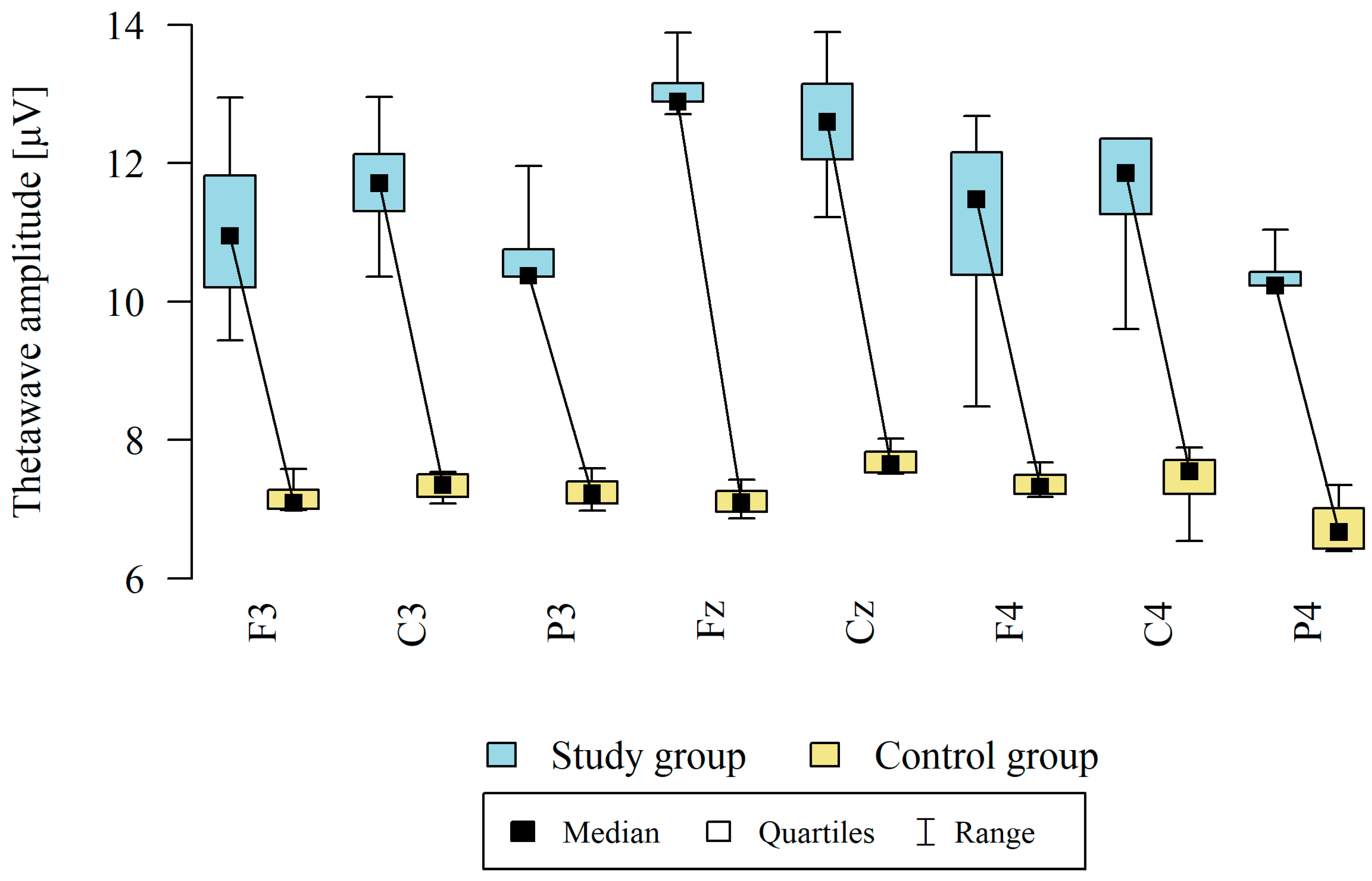
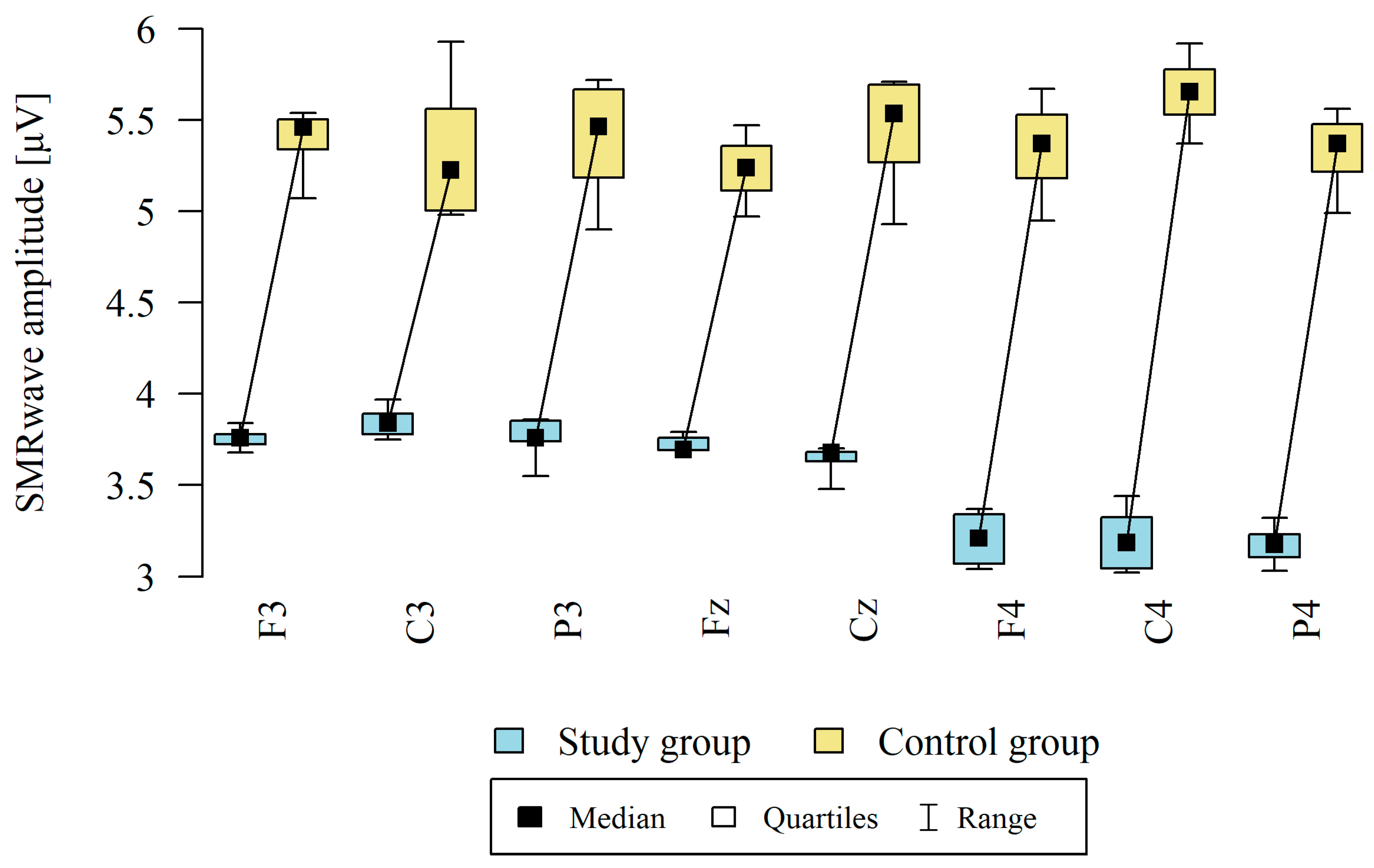
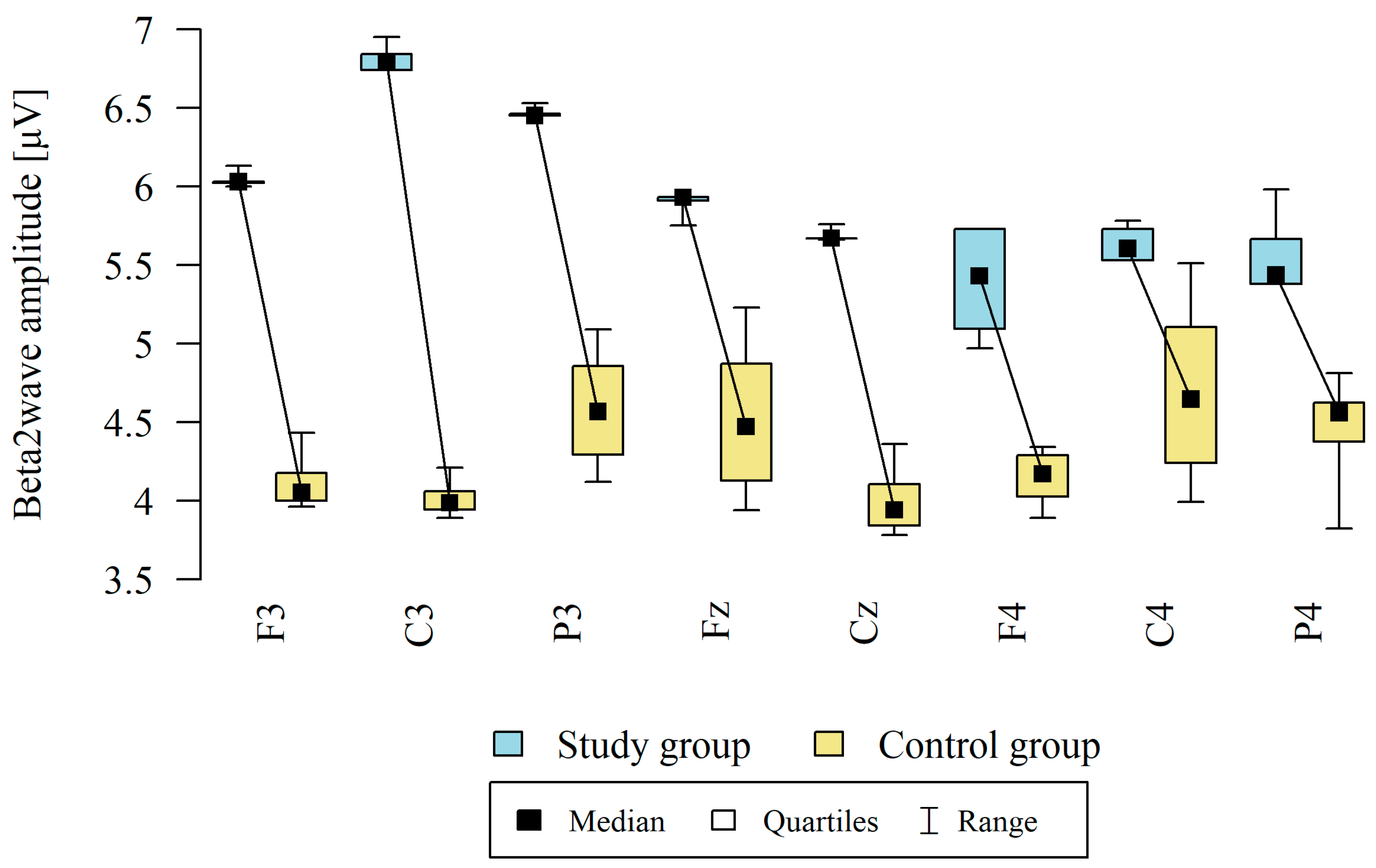
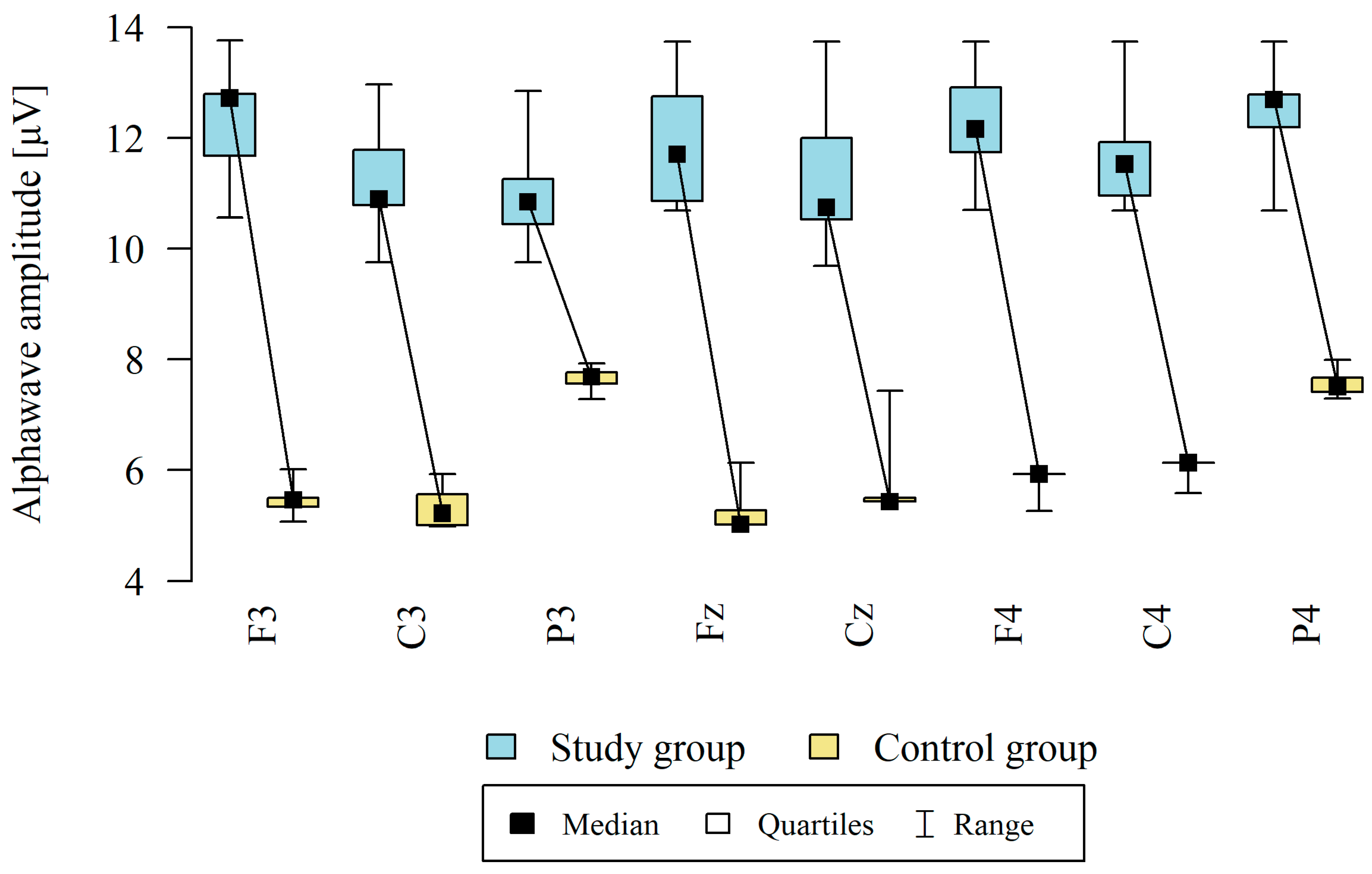
Announced by WHO in 2020, the global COVID-19 pandemic caused by SARS-CoV-2 has affected many people, leading to serious health consequences. These consequences are observed in the daily lives of infected patients as various dysfunctions and limitations. More and more people are suffering post-COVID-19 complications that interfere with or completely prevent them from working or even functioning independently on a daily basis. The aim of our study was to demonstrate that innovative quantitative electroencephalography (QEEG) can be used to assess cognitive function disorders reported after the COVID-19 pandemic. It is worth noting that no similar study has been conducted to date in a group of pilots. The QEEG method we used is currently one of the basic neurological examinations, enabling easy observation of post-COVID-19 changes in the nervous system. With the innovativeness of this technique, our study shows that the use of quantitative electroencephalography can be a precursor in identifying complications associated with cognitive function disorders after COVID-19. Our study was conducted on twelve 26-year-old pilots. All participants had attended the same flight academy and had contracted SARS-CoV-2 infection. The pilots began to suspect COVID-19 infection when they developed typical symptoms such as loss of smell and taste, respiratory problems, and rapid fatigue. Quantitative electroencephalography (QEEG), which is one of the most innovative forms of diagnostics, was used to diagnose the patients. Comparison of the results between the study and control groups showed significantly higher values of all measurements of alpha, theta, and beta2 waves in the study group. In the case of the sensorimotor rhythm (SMR), the measurement results were significantly higher in the control group compared to the study group. Our study, conducted on pilots who had recovered from COVID-19, showed changes in the amplitudes of brain waves associated with relaxation and concentration. The results confirmed the issues reported by pilots as evidenced by the increased amplitudes of alfa, theta, and beta2 waves. It should be emphasized that the modern diagnostic method (QEEG) presented here has significant importance in the medical diagnosis of various symptoms and observation of treatment effects in individuals who have contracted the SARS-CoV-2 virus. The present study demonstrated an innovative approach to the diagnosis of neurological complications after COVID-19.
Keywords: quantitative EEG analysis; QEEG; brain; pilots; concentration; COVID-19 quantitative EEG analysis; QEEG; brain; pilots; concentration; COVID-19