
Article

Developmental Risk, Adversity Experiences and ADHD Clinical Profiles: A Naturalistic Exploratory Study
1
Faculty of Sciences (Medical Sciences), Dalhousie University, Halifax, NS B3H 4R2, Canada
2
Department of Psychiatry, Dalhousie University, Halifax, NS B3H 4R2, Canada
*
Author to whom correspondence should be addressed.
Brain Sci. 2022, 12(7), 919; https://doi.org/10.3390/brainsci12070919

Submission received: 12 June 2022 / Revised: 8 July 2022 / Accepted: 12 July 2022 / Published: 13 July 2022
(This article belongs to the Special Issue Advances in ADHD)

Abstract

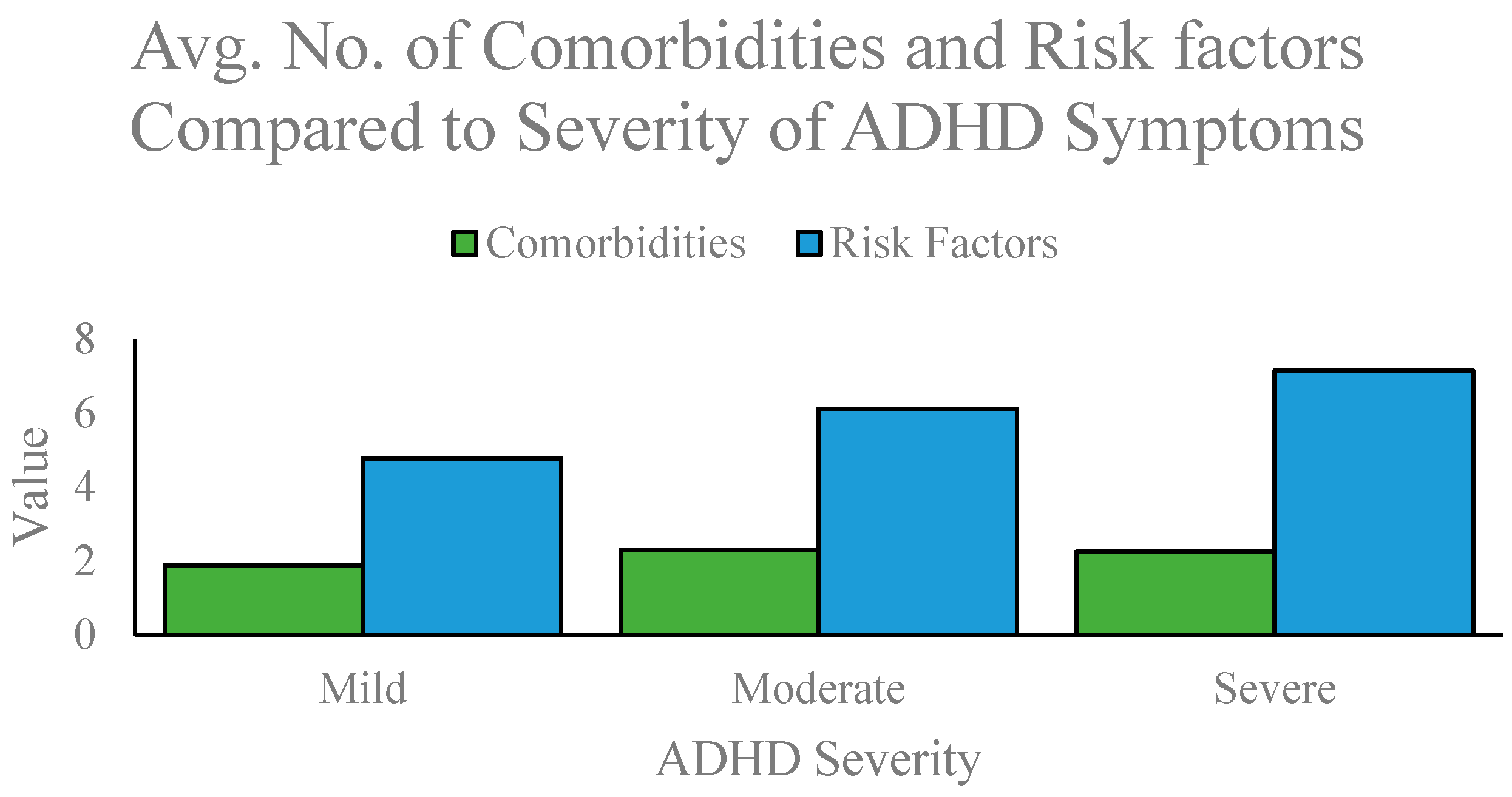
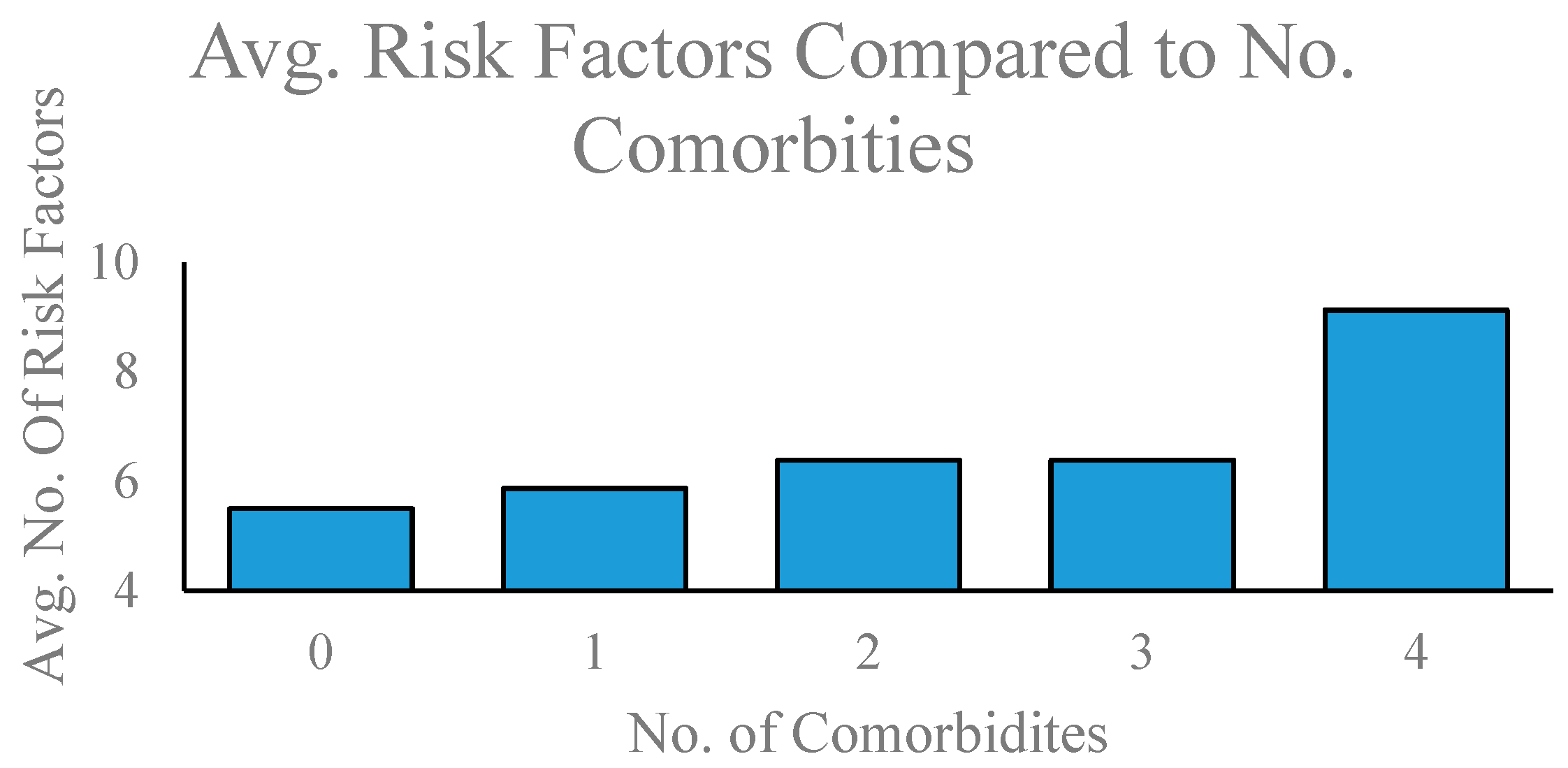
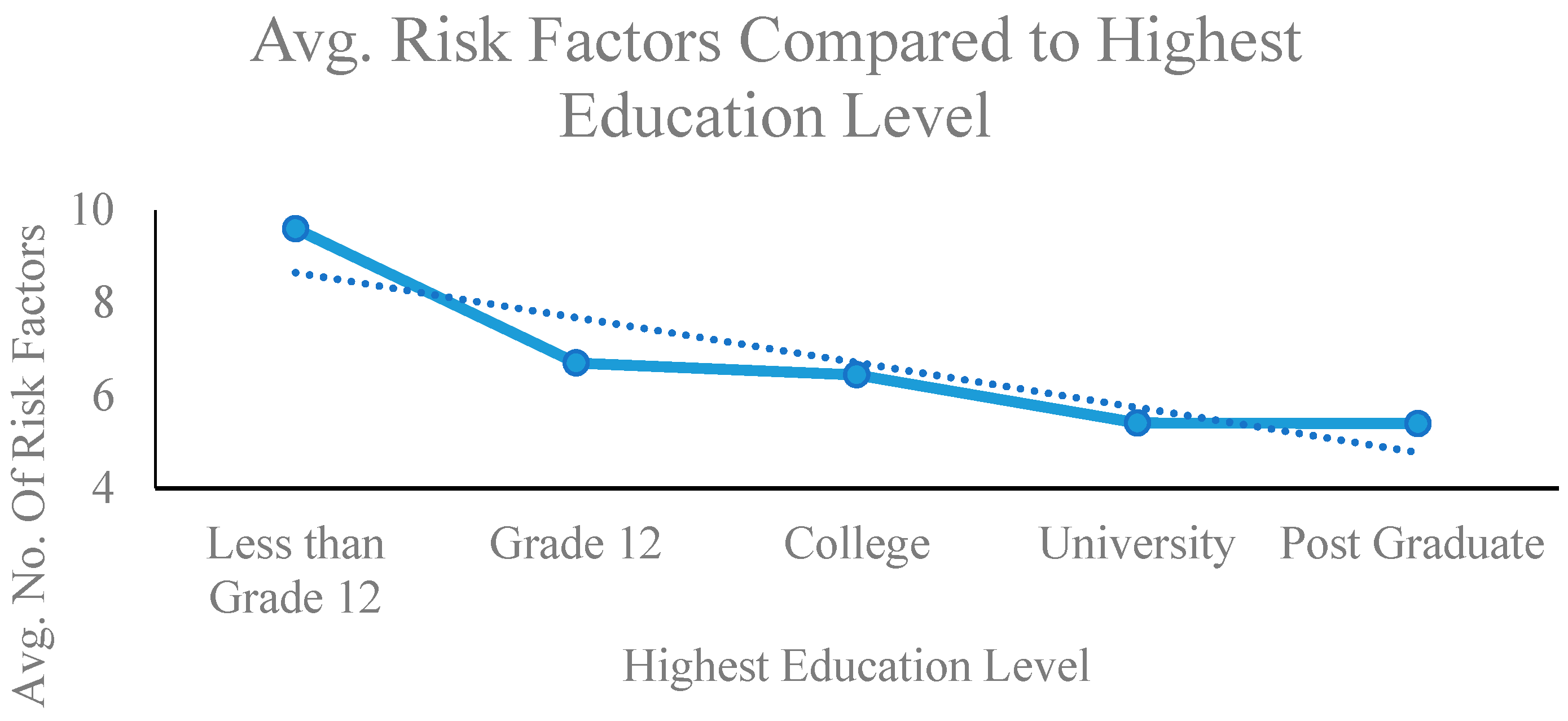
Attention-deficit/hyperactivity disorder (ADHD) is a persistent neurodevelopmental disorder that results from complex interactions of multiple genes and environmental risk and adversity factors. Some researchers have suggested a need for additional research into differing clinical presentations of ADHD for further classification. In this context, this study aimed to investigate whether increases in risk and adversity factors increase the severity of ADHD and the number of comorbid psychiatric disorders. This is a naturalistic retrospective chart review exploratory study in 100 patients 16 years or older who have a confirmed diagnosis of ADHD. The quantitative data were analyzed using SPSS, using the Mann–Whitney test for parametric data and the Chi-square and Kruskal–Wallis p value tests for non-parametric and categorical data. Qualitative data were tabulated and described. The study found that (1) the average number of comorbidities increases with the severity of ADHD, (2) the average number of risk and adversity factors increases with the severity of ADHD, (3) the number of risk and adversity factors were positively associated with the number of comorbidities, and (4) Level of education was negatively associated with the number of risk and adversity factors and the number of comorbidities. The implications of these findings are discussed, and future research in this important area is suggested.
Keywords: attention-deficit/hyperactivity disorder; ADHD; risk and adversity-factors; severity; comorbidities; clinical profile attention-deficit/hyperactivity disorder; ADHD; risk and adversity-factors; severity; comorbidities; clinical profile