Article

Integrated Drug Mining Reveals Actionable Strategies Inhibiting Plexiform Neurofibromas

1
Medicine, Hematology and Medical Oncology, Neurosurgery, The Mount Sinai Hospital, New York, NY 10029, USA
2
Department of Pediatrics, Memorial Sloan Kettering Cancer Center, New York, NY 10065, USA
3
Department of Cell Biology, Neurobiology and Anatomy, The Medical College of Wisconsin, Milwaukee, WI 53226, USA
4
Department of Pediatrics, The Medical College of Wisconsin, Milwaukee, WI 53226, USA
5
Cancer Center, The Medical College of Wisconsin, Milwaukee, WI 53226, USA
*
Author to whom correspondence should be addressed.
Brain Sci. 2022, 12(6), 720; https://doi.org/10.3390/brainsci12060720

Submission received: 26 April 2022 / Revised: 24 May 2022 / Accepted: 26 May 2022 / Published: 31 May 2022

Abstract

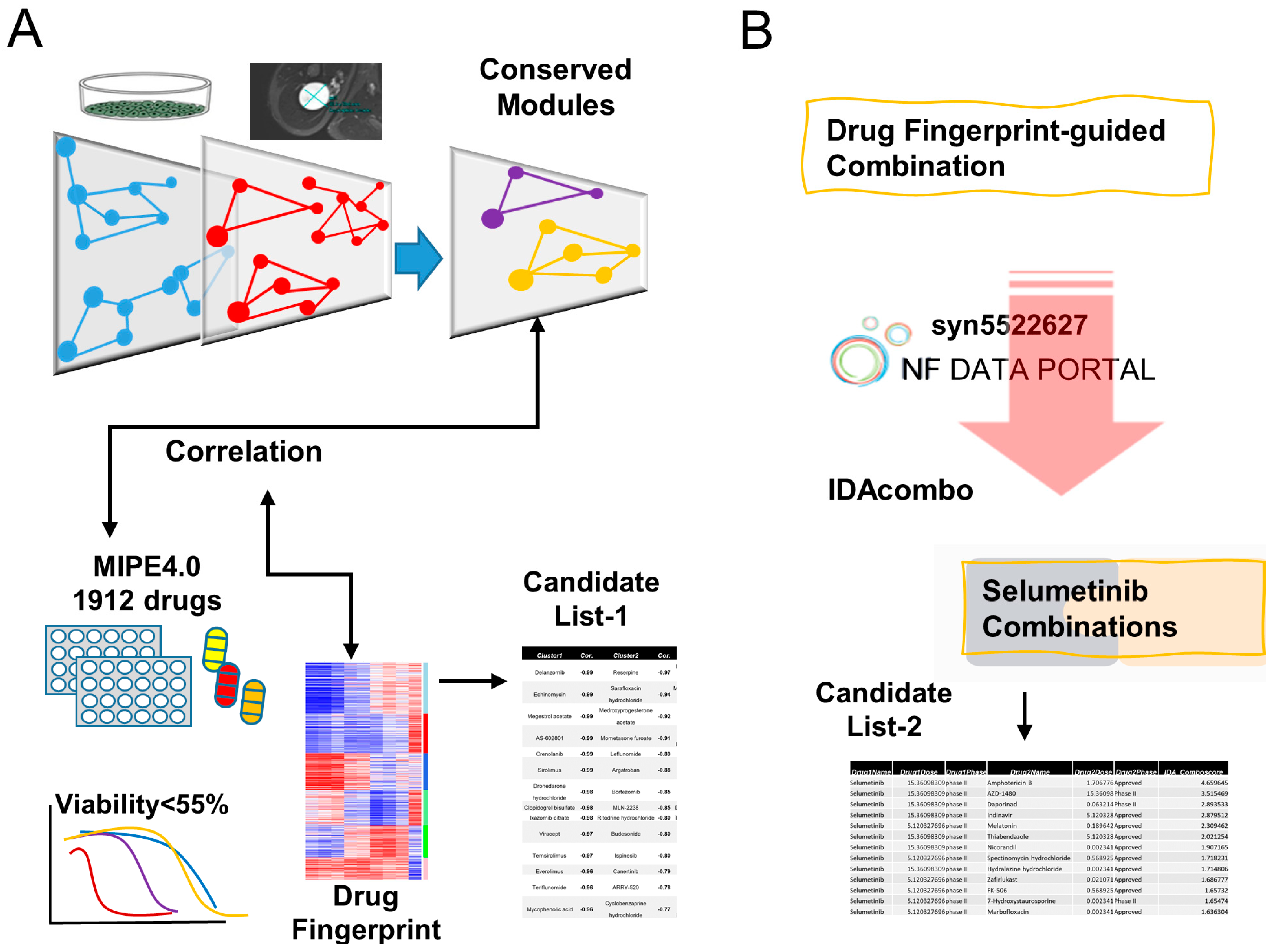
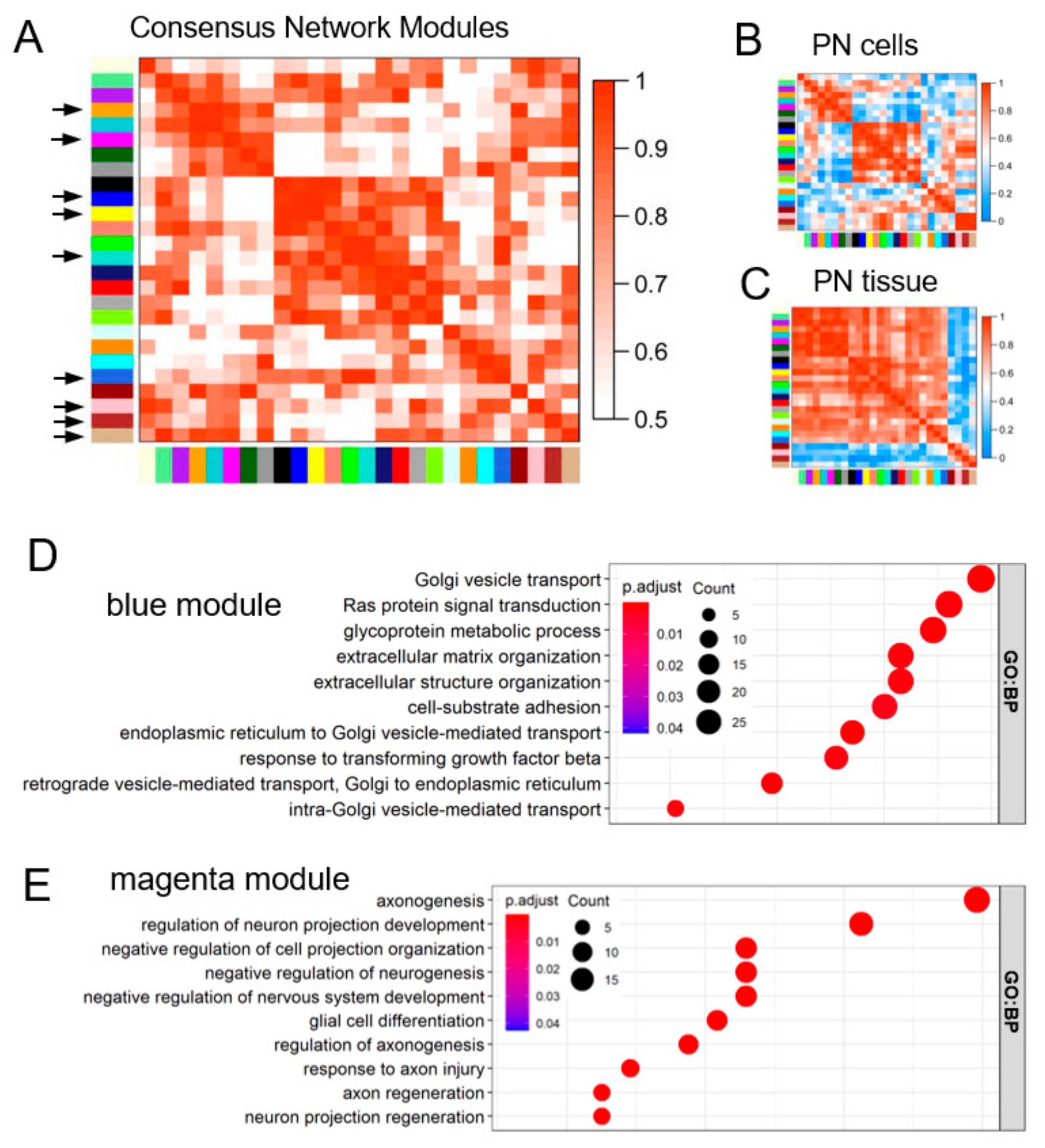
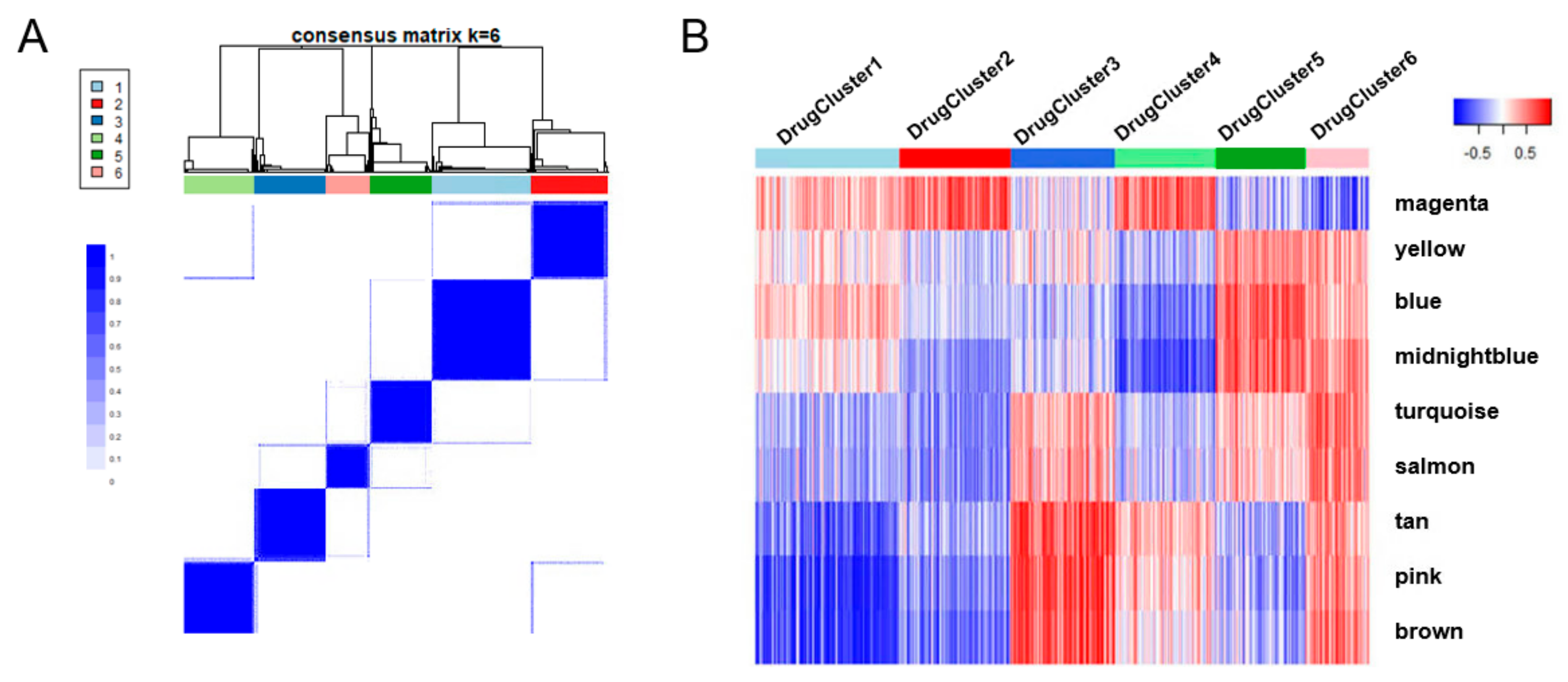
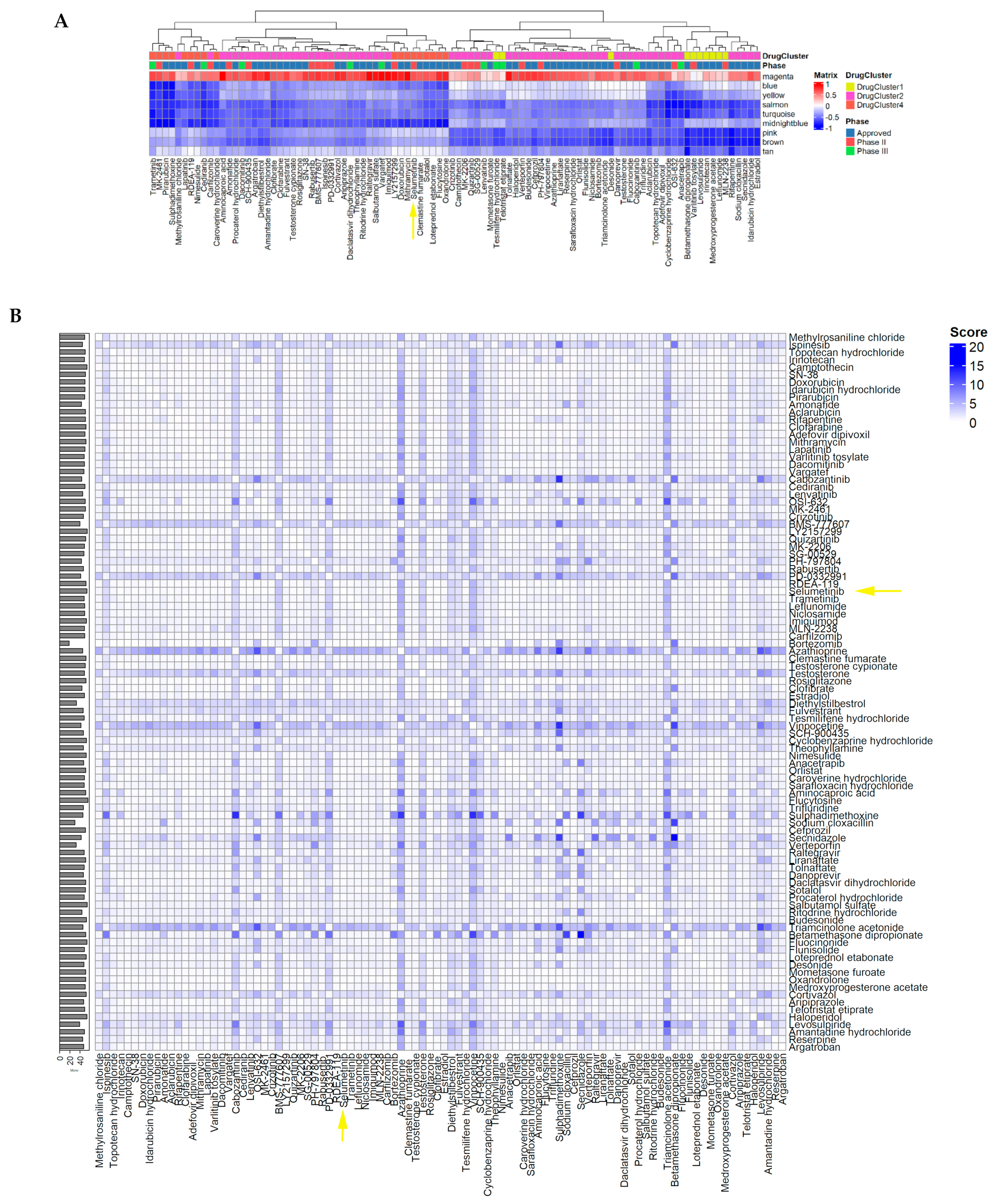
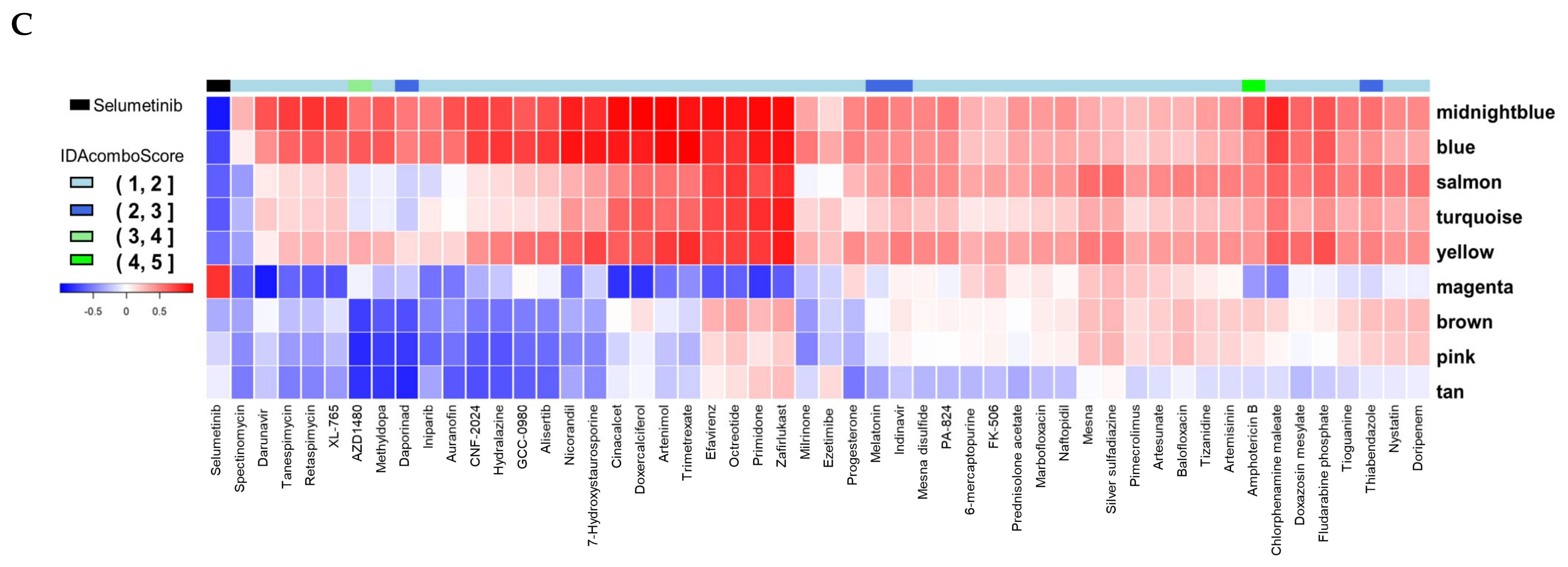
Neurofibromatosis Type 1 (NF1) is one of the most common genetic tumor predisposition syndromes, affecting up to 1 in 2500 individuals. Up to half of patients with NF1 develop benign nerve sheath tumors called plexiform neurofibromas (PNs), characterized by biallelic NF1 loss. PNs can grow to immense sizes, cause extensive morbidity, and harbor a 15% lifetime risk of malignant transformation. Increasingly, molecular sequencing and drug screening data from various preclinical murine and human PN cell lines, murine models, and human PN tissues are available to help identify salient treatments for PNs. Despite this, Selumetinib, a MEK inhibitor, is the only currently FDA-approved pharmacotherapy for symptomatic and inoperable PNs in pediatric NF1 patients. The discovery of alternative and additional treatments has been hampered by the rarity of the disease, which makes prioritizing drugs to be tested in future clinical trials immensely important. Here, we propose a gene regulatory network-based integrated analysis to mine high-throughput cell line-based drug data combined with transcriptomes from resected human PN tumors. Conserved network modules were characterized and served as drug fingerprints reflecting the biological connections among drug effects and the inherent properties of PN cell lines and tissue. Drug candidates were ranked, and the therapeutic potential of drug combinations was evaluated via computational predication. Auspicious therapeutic agents and drug combinations were proposed for further investigation in preclinical and clinical trials.
Keywords: plexiform neurofibromas; neurofibromatosis type 1; drug screening; gene network plexiform neurofibromas; neurofibromatosis type 1; drug screening; gene network