Article

Suicidal Behavior and Club Drugs in Young Adults

by
Giovanni Martinotti
1,
Stefania Schiavone
2,
Attilio Negri
3,4,
Chiara Vannini
1,
Luigia Trabace
2,
Domenico De Berardis
5,*,
Mauro Pettorruso
1,
Stefano L. Sensi
1,6 and
Massimo Di Giannantonio
1
1
Department of Neuroscience, Imaging and Clinical Sciences, University G. d’Annunzio of Chieti-Pescara, 66100 Chieti-Pescara, Italy
2
Department of Clinical and Experimental Medicine, University of Foggia, 71122 Foggia, Italy
3
S.C Area Ser.D Mantova—U.O. Ser.T Alto Mantovano, 46100 Mantova, Italy
4
Department of Clinical and Pharmaceutical Sciences, School of Life and Medical Science, University of Hertfordshire, Hatfield AL10 9AB, UK
5
NHS, Department of Mental Health, Psychiatric Service for Diagnosis and Treatment, Hospital “G. Mazzini”, 64100 Teramo, Italy
6
Center for Advanced Studies and Technology (CAST) University G. d’Annunzio of Chieti-Pescara, 66100 Chieti-Pescara, Italy
*
Author to whom correspondence should be addressed.
Brain Sci. 2021, 11(4), 490; https://doi.org/10.3390/brainsci11040490

Submission received: 1 March 2021 / Revised: 9 April 2021 / Accepted: 11 April 2021 / Published: 12 April 2021
(This article belongs to the Special Issue Cognitive and Behavioral Patterns across Psychiatric Conditions)

Abstract

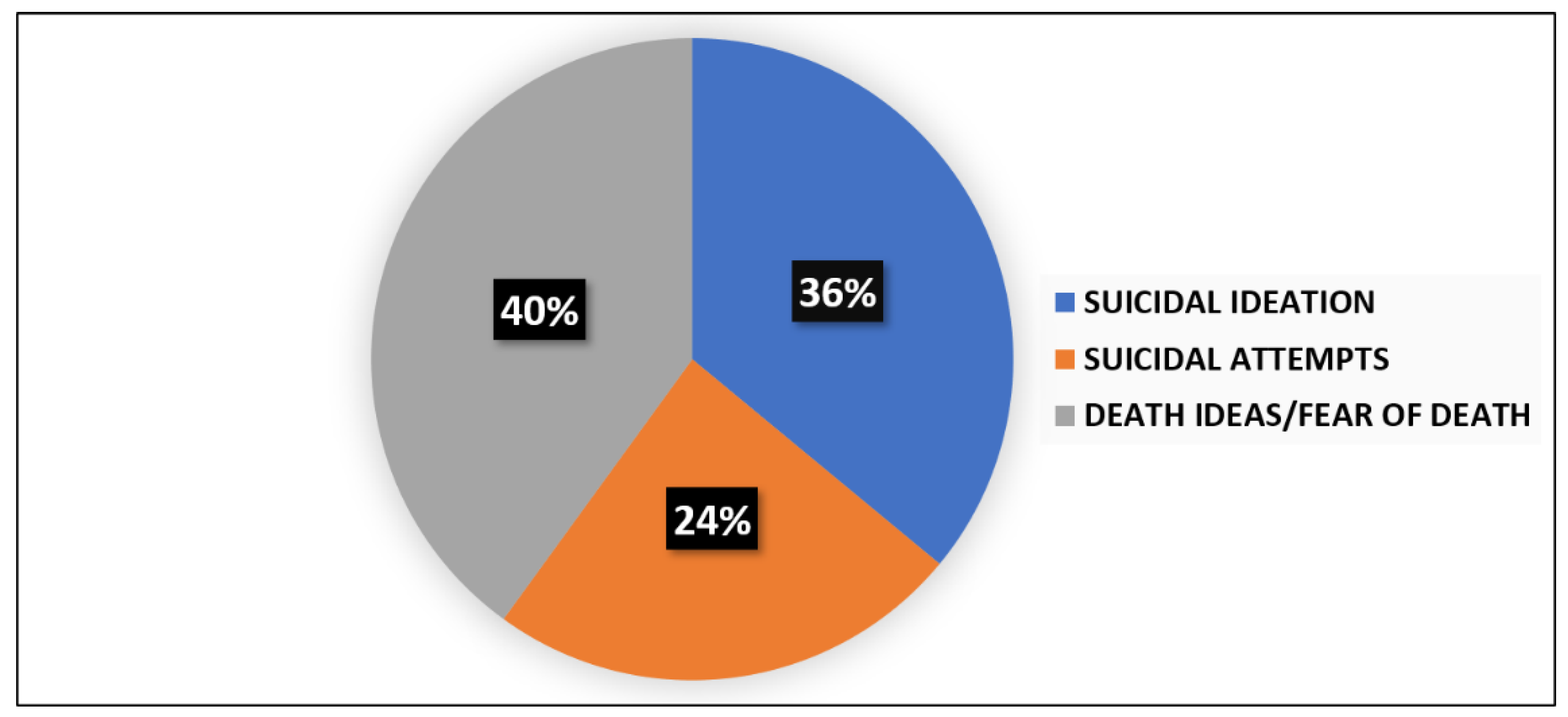
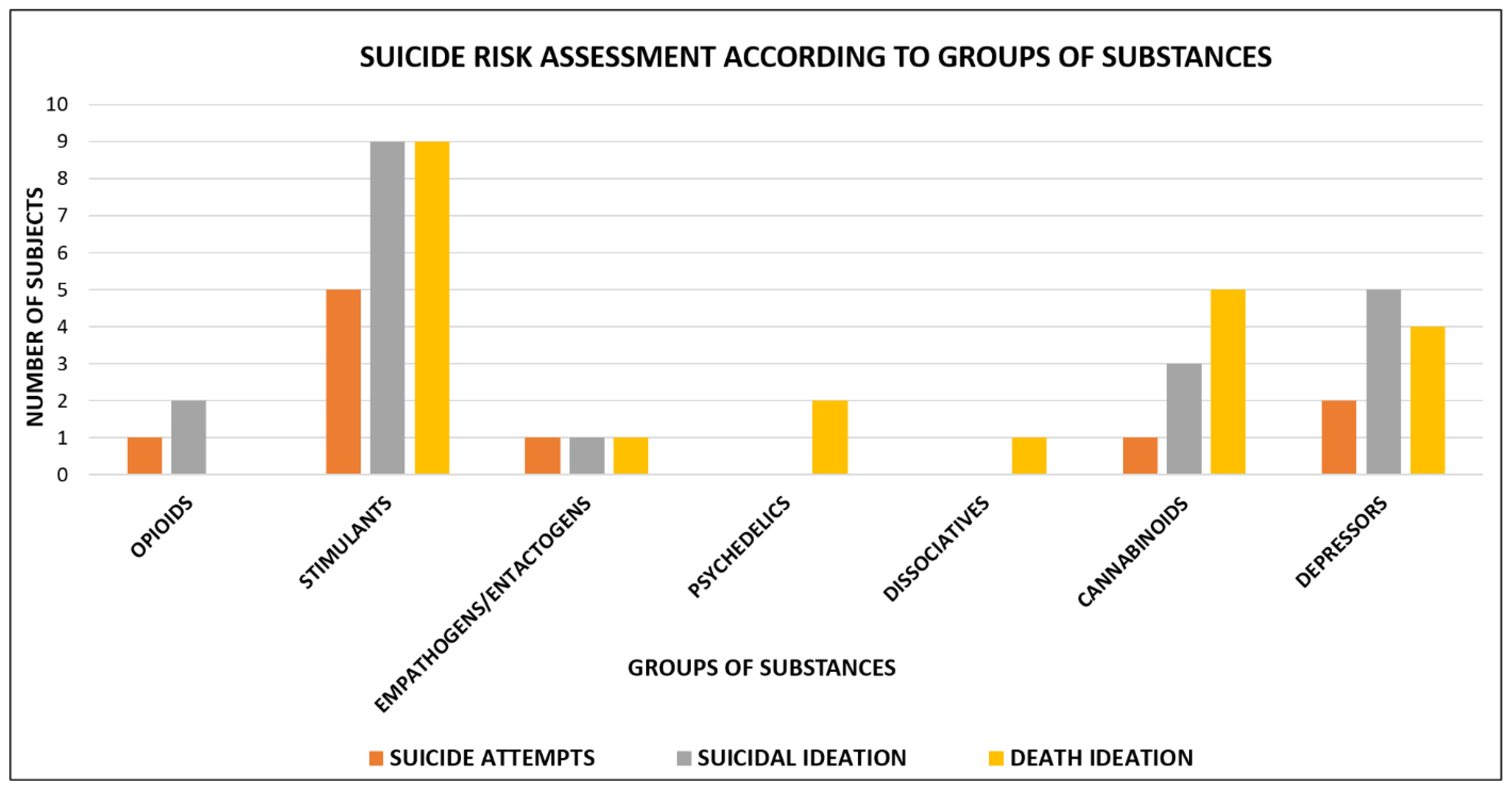
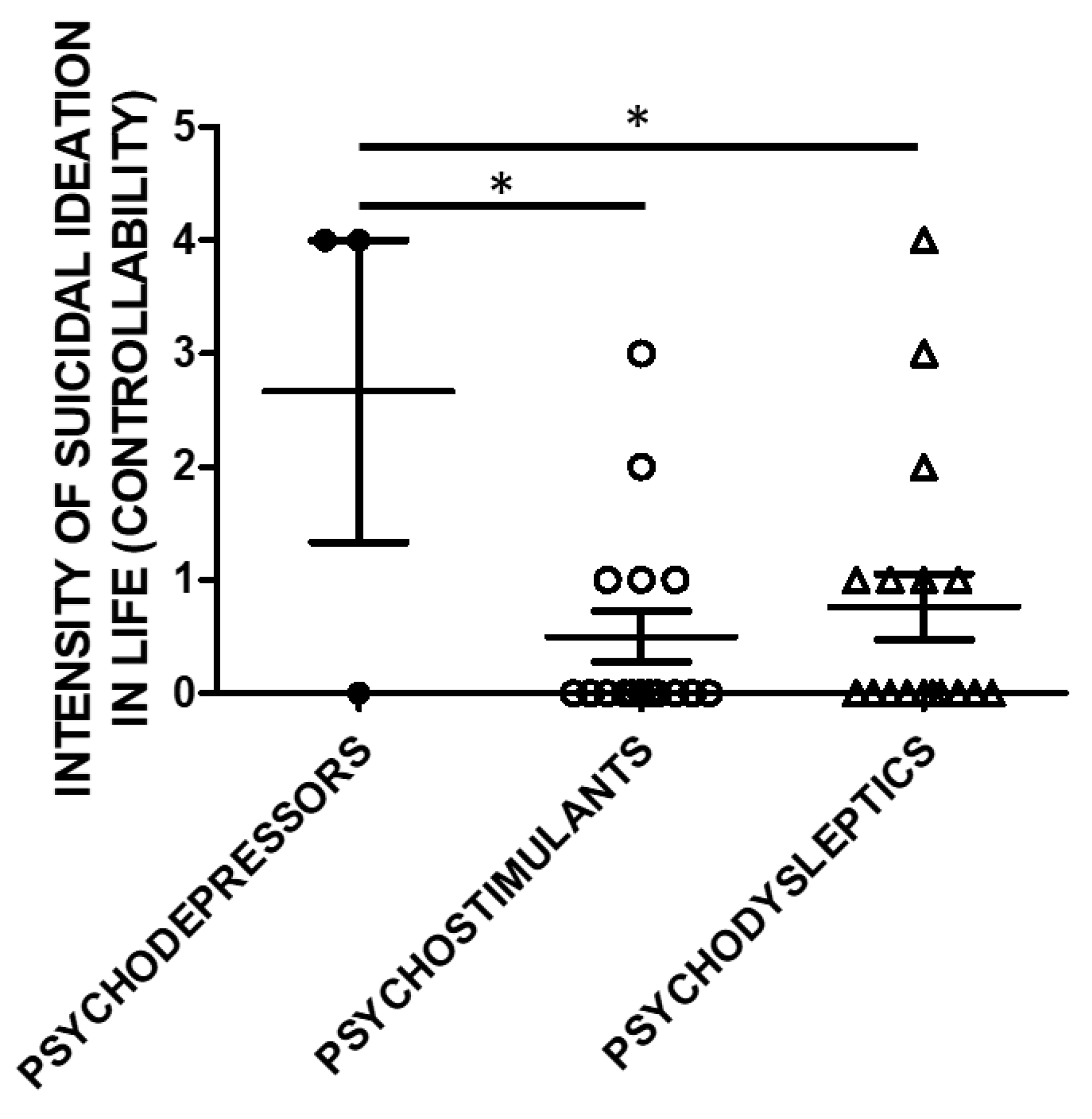
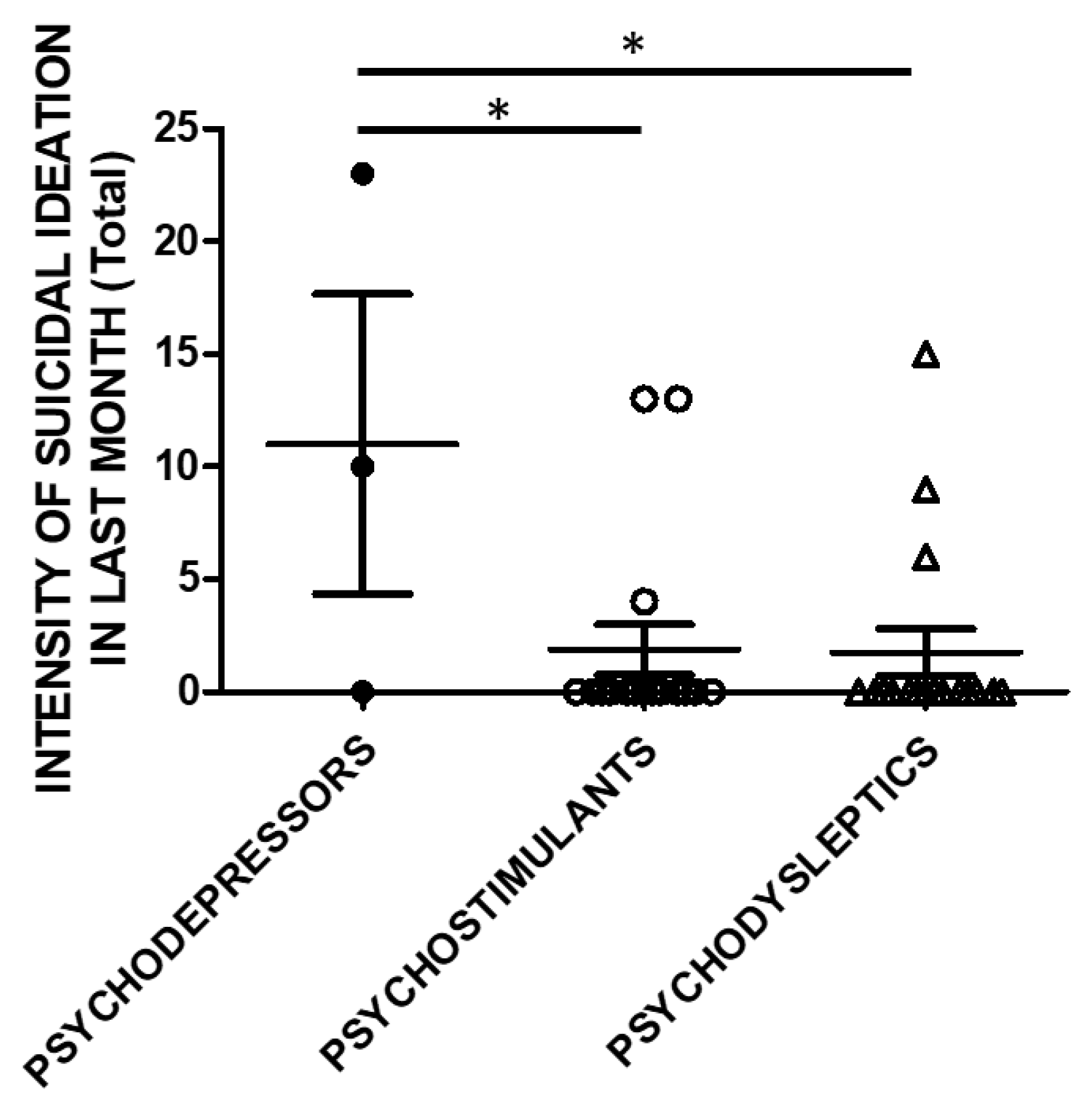
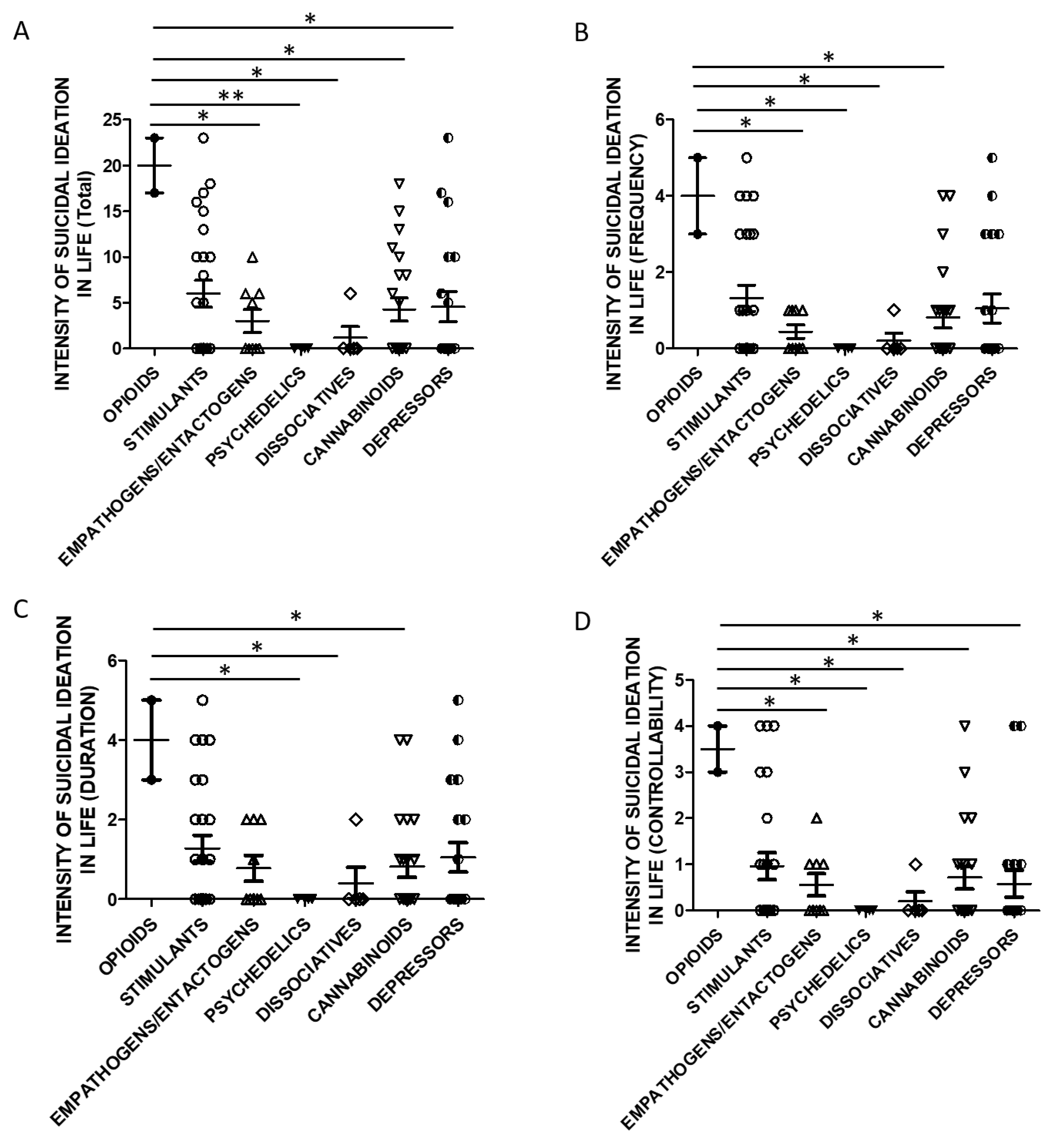
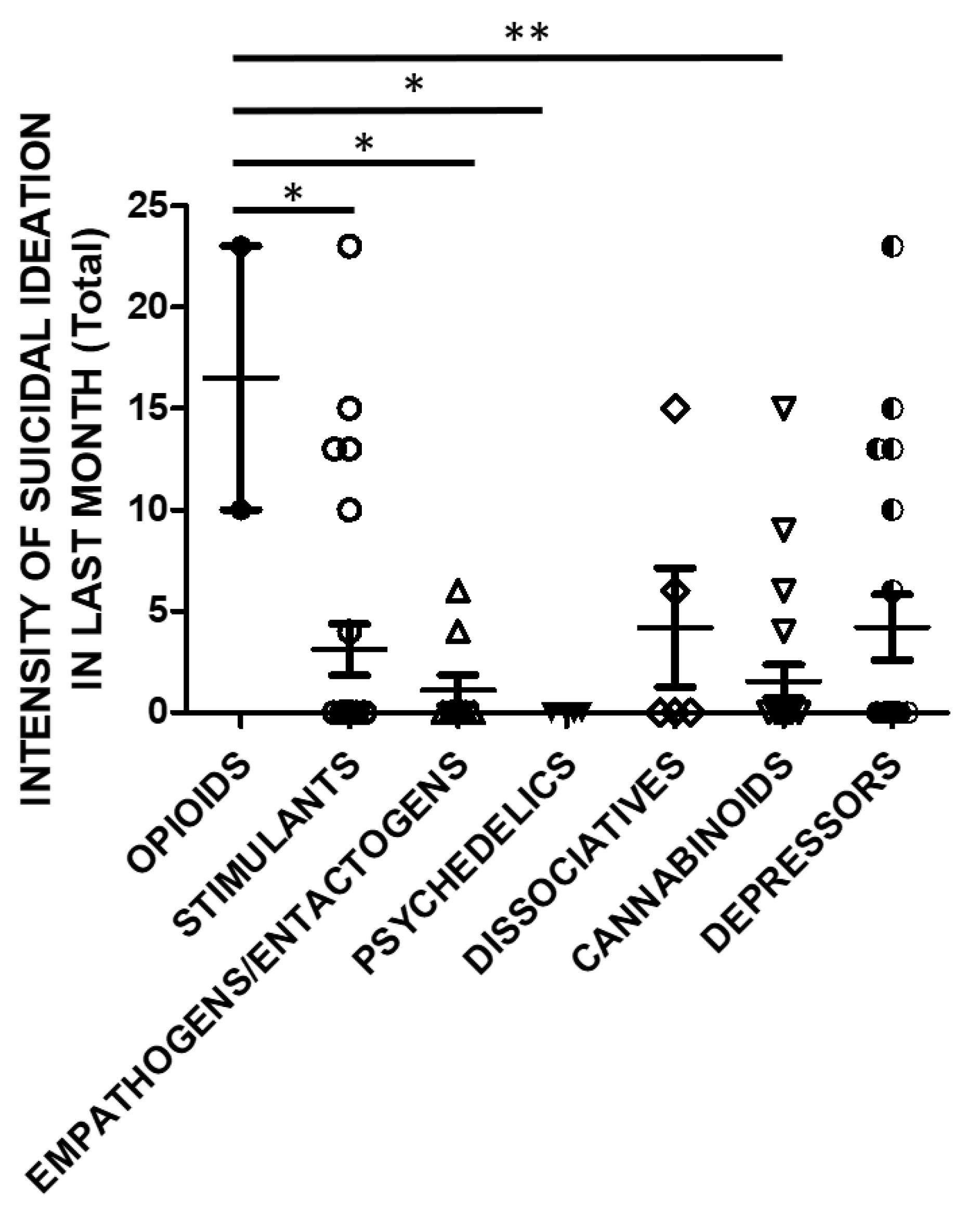
Psychoactive drugs play a significant role in suicidality when used for intentional overdose or, more frequently, when the intoxication leads to disinhibition and alterations in judgment, thereby making suicide more likely. In this study, we investigated suicidality prevalence among drug users and evaluated the differences in suicide ideation, taking into account the substance categories and the association of suicide ideation intensity with other psychiatric symptoms. Subjects admitted to the Can Misses Hospital’s psychiatry ward in Ibiza were recruited during summer openings of local nightclubs for four consecutive years starting in 2015. The main inclusion criterium was an intake of psychoactive substances during the previous 24 h. The Columbia Suicide Severity Rating Scale (C-SSRS) was used to assess the suicide risk. Suicidality was present in 39% of the study cohort. Suicide Ideation Intensity overall and in the previous month was higher in users of opioids and in general of psychodepressors compared to psychostimulants or psychodysleptics. Suicidality was not correlated with alterations in any of the major psychopathological scales employed to assess the psychiatric background of the study subjects. The presence of high levels of suicidality did not specifically correlate with any major symptom indicative of previous or ongoing psychopathological alterations. These findings suggest that impulsivity and loss of self-control may be determinants of the increased suicidality irrespectively of any major ongoing psychiatric background.
Keywords: suicide; suicide attempts; club drugs; polydrug abuse; novel psychoactive substances suicide; suicide attempts; club drugs; polydrug abuse; novel psychoactive substances