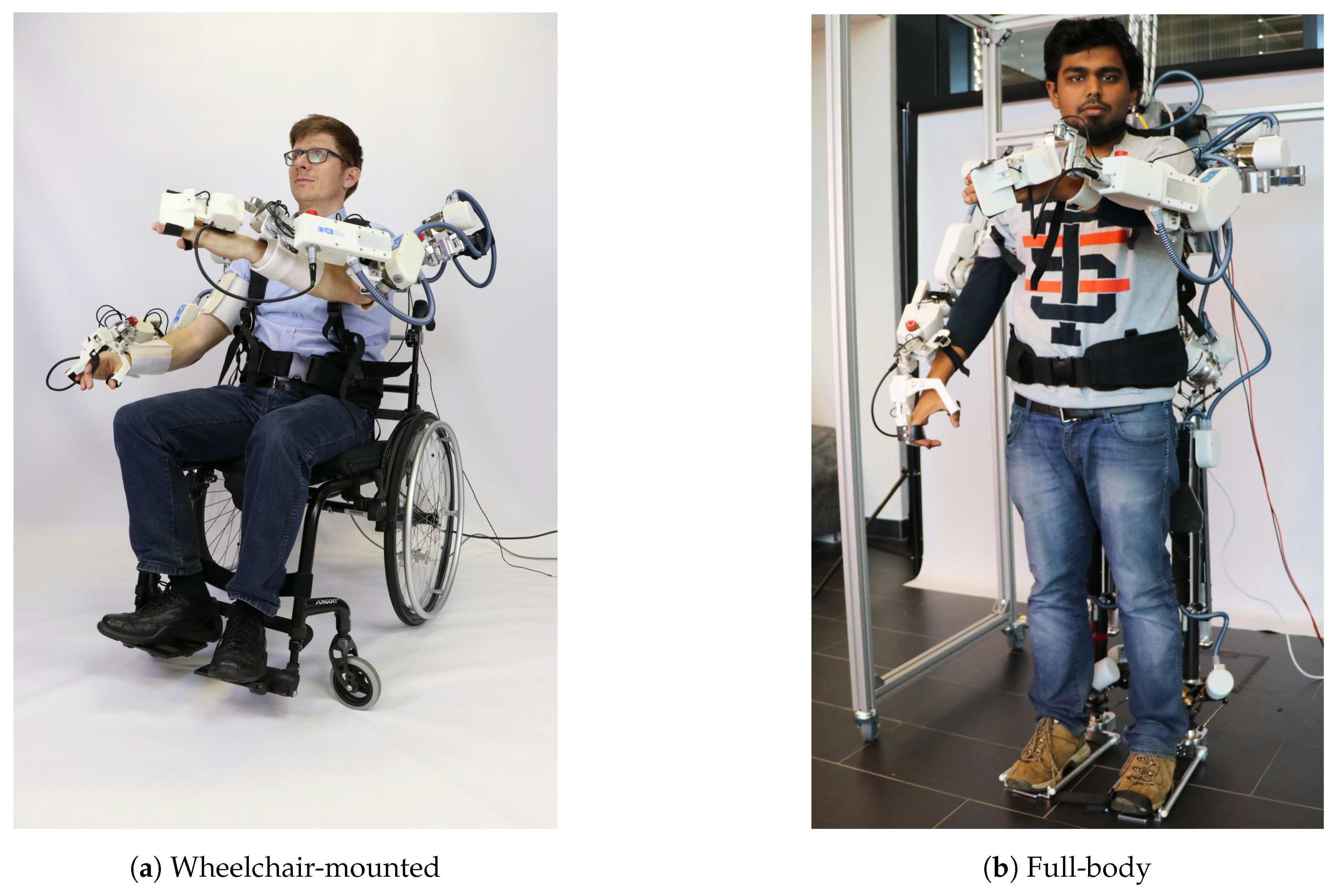
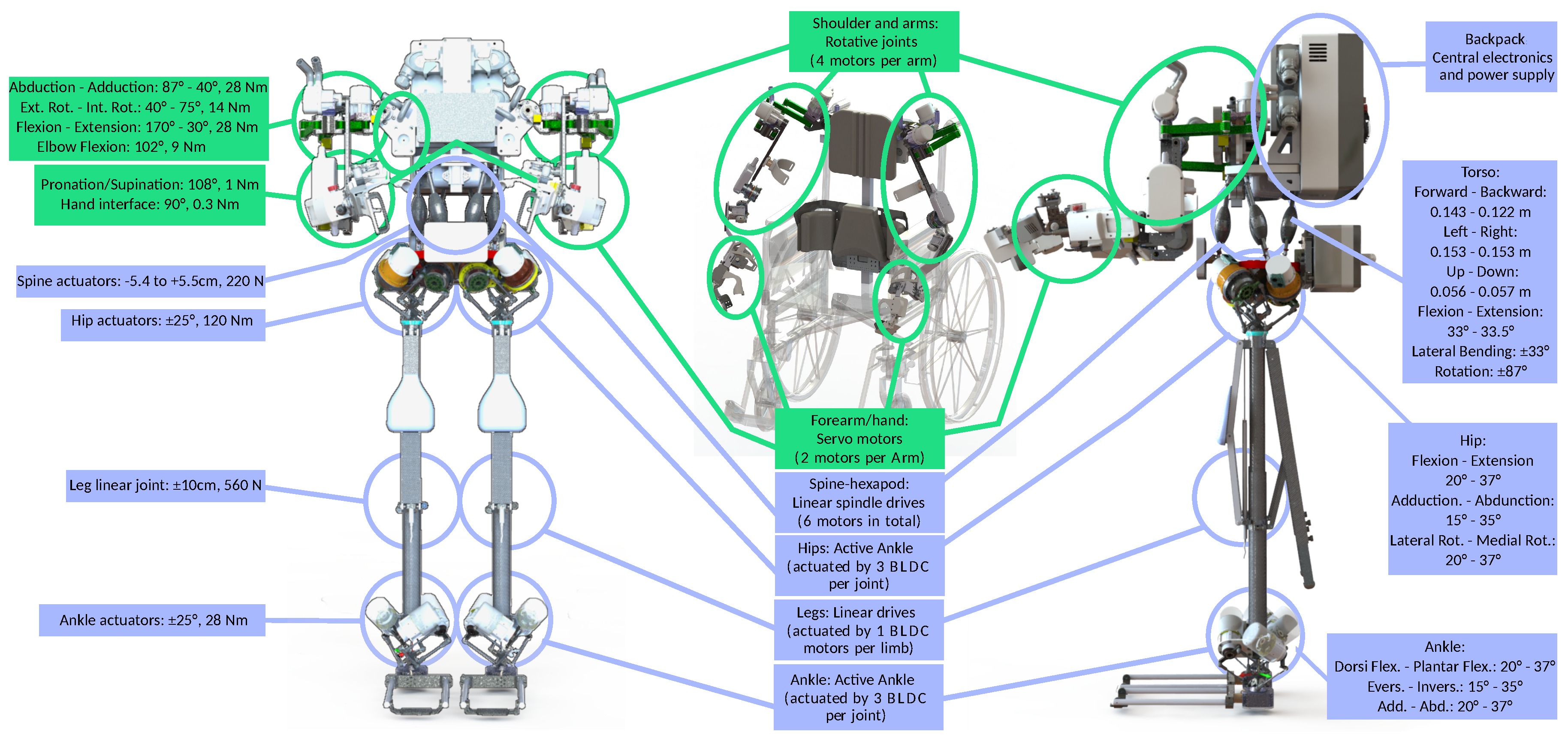
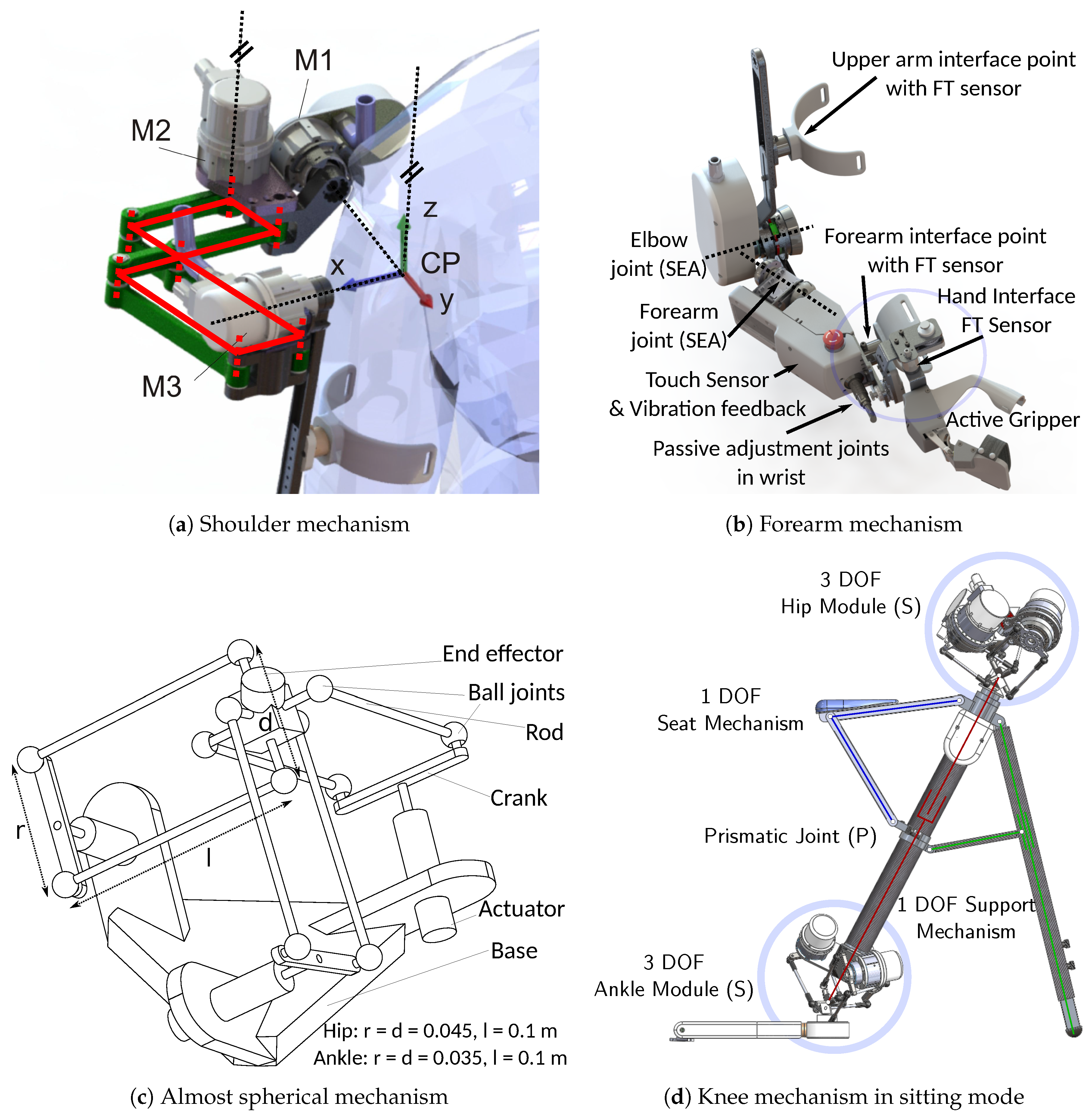
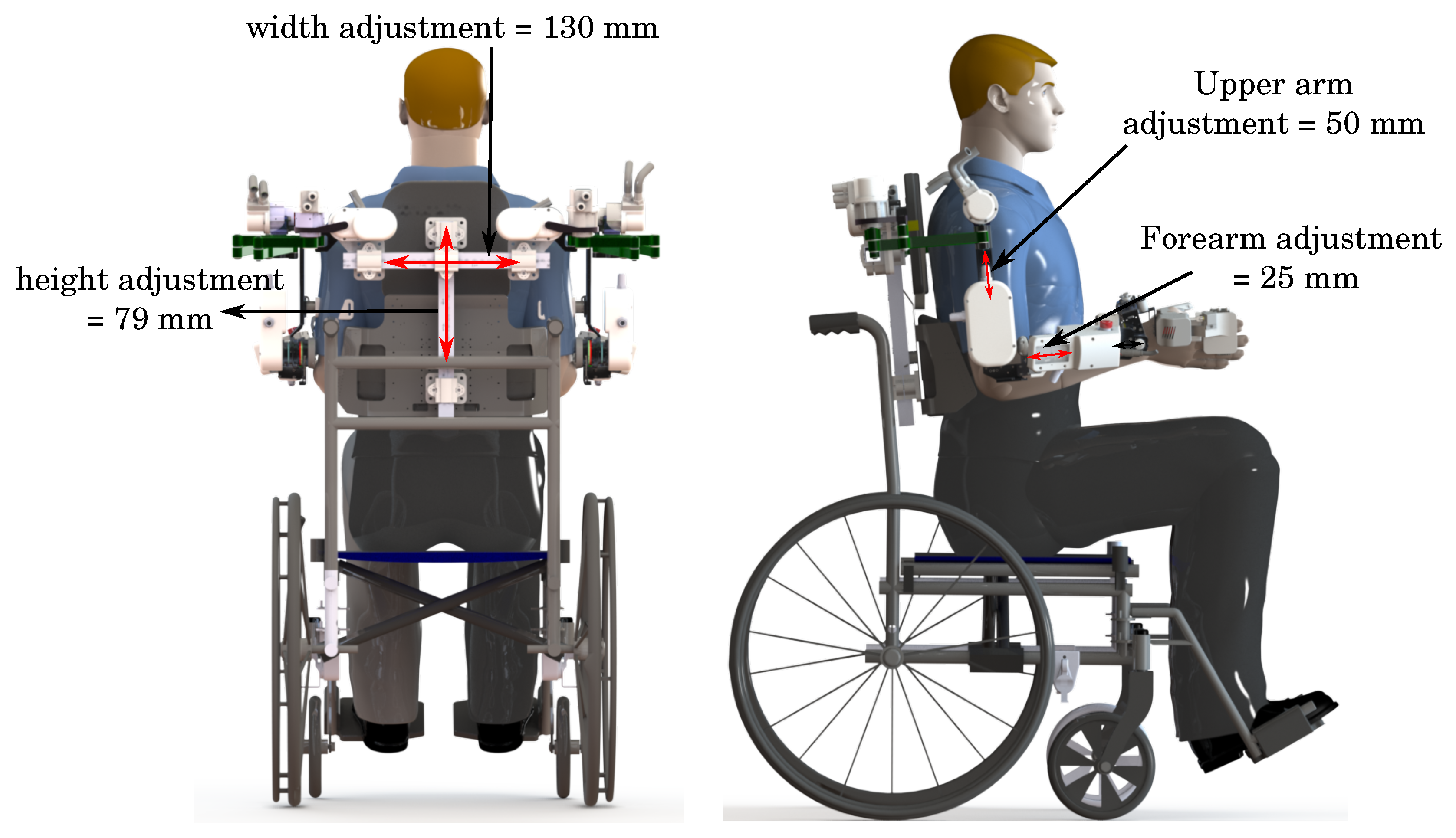
Modular Design and Decentralized Control of the Recupera Exoskeleton for Stroke Rehabilitation

 , ,
, , Abstract
Share and Cite
Kumar, S.; Wöhrle, H.; Trampler, M.; Simnofske, M.; Peters, H.; Mallwitz, M.; Kirchner, E.A.; Kirchner, F. Modular Design and Decentralized Control of the Recupera Exoskeleton for Stroke Rehabilitation. Appl. Sci. 2019, 9, 626. https://doi.org/10.3390/app9040626
Kumar S, Wöhrle H, Trampler M, Simnofske M, Peters H, Mallwitz M, Kirchner EA, Kirchner F. Modular Design and Decentralized Control of the Recupera Exoskeleton for Stroke Rehabilitation. Applied Sciences. 2019; 9(4):626. https://doi.org/10.3390/app9040626
Chicago/Turabian StyleKumar, Shivesh, Hendrik Wöhrle, Mathias Trampler, Marc Simnofske, Heiner Peters, Martin Mallwitz, Elsa Andrea Kirchner, and Frank Kirchner. 2019. "Modular Design and Decentralized Control of the Recupera Exoskeleton for Stroke Rehabilitation" Applied Sciences 9, no. 4: 626. https://doi.org/10.3390/app9040626
APA StyleKumar, S., Wöhrle, H., Trampler, M., Simnofske, M., Peters, H., Mallwitz, M., Kirchner, E. A., & Kirchner, F. (2019). Modular Design and Decentralized Control of the Recupera Exoskeleton for Stroke Rehabilitation. Applied Sciences, 9(4), 626. https://doi.org/10.3390/app9040626