Article

Wind-Induced Response Control of High-Rise Buildings Using Inerter-Based Vibration Absorbers


1
Department of Civil and Environmental Engineering, Shantou University, Shantou 515063, China
2
Key Laboratory of Structure and Wind Tunnel of Guangdong Higher Education Institutes, Shantou 515063, China
3
Department of Engineering, University of Messina, 98166 Messina, Italy
4
State Key Laboratory of Subtropical Building Science, South China University of Technology, Guangzhou 510640, China
*
Author to whom correspondence should be addressed.
Appl. Sci. 2019, 9(23), 5045; https://doi.org/10.3390/app9235045
Submission received: 25 October 2019 / Revised: 14 November 2019 / Accepted: 18 November 2019 / Published: 22 November 2019

Abstract

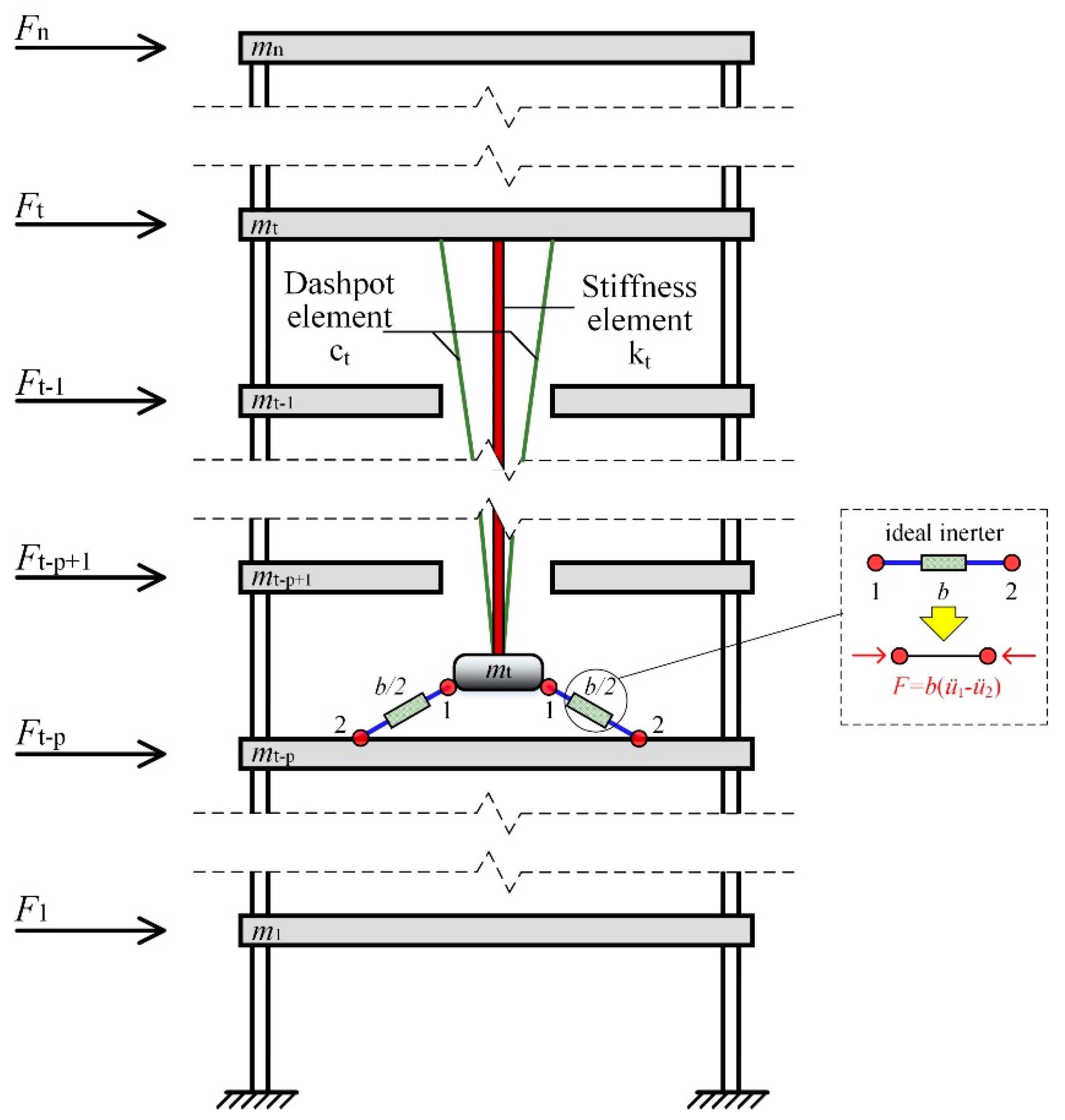
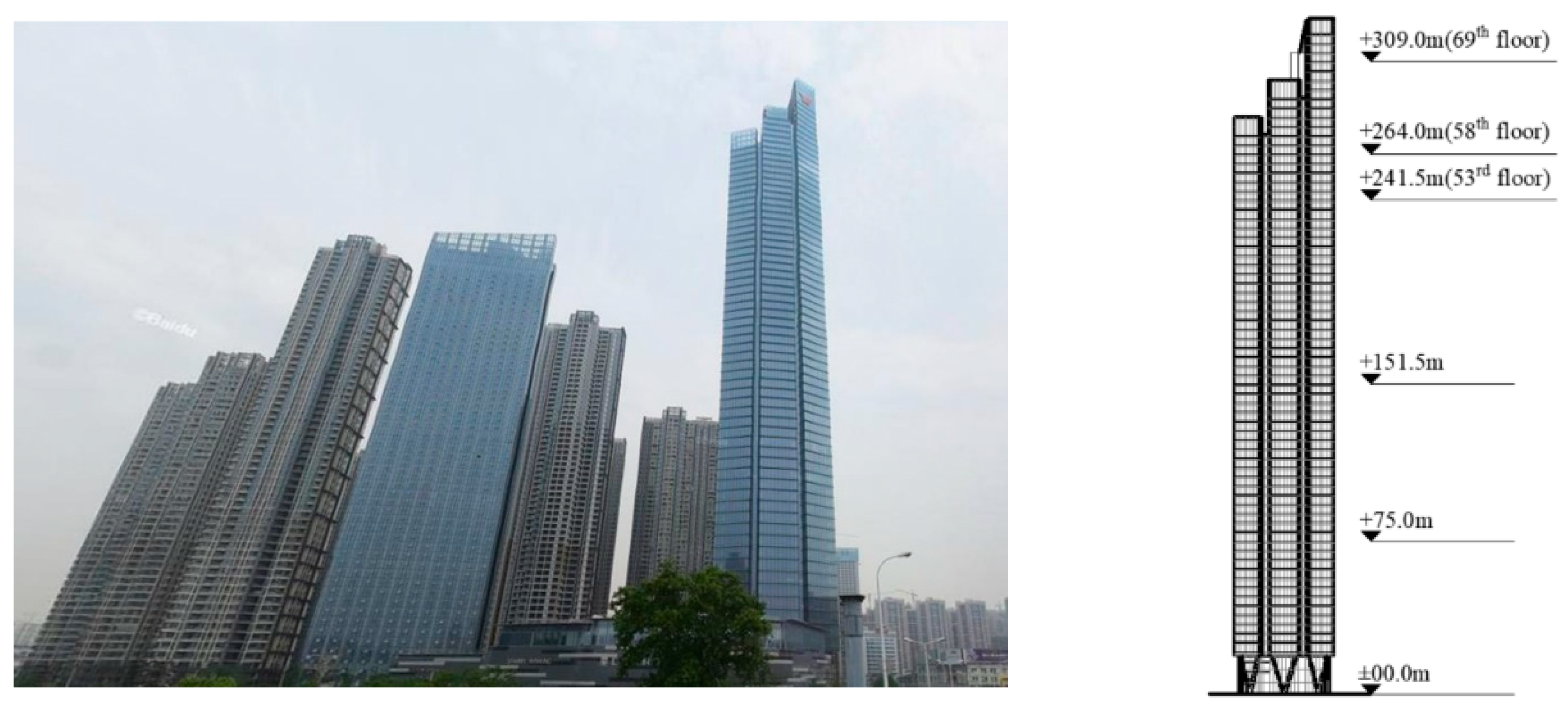
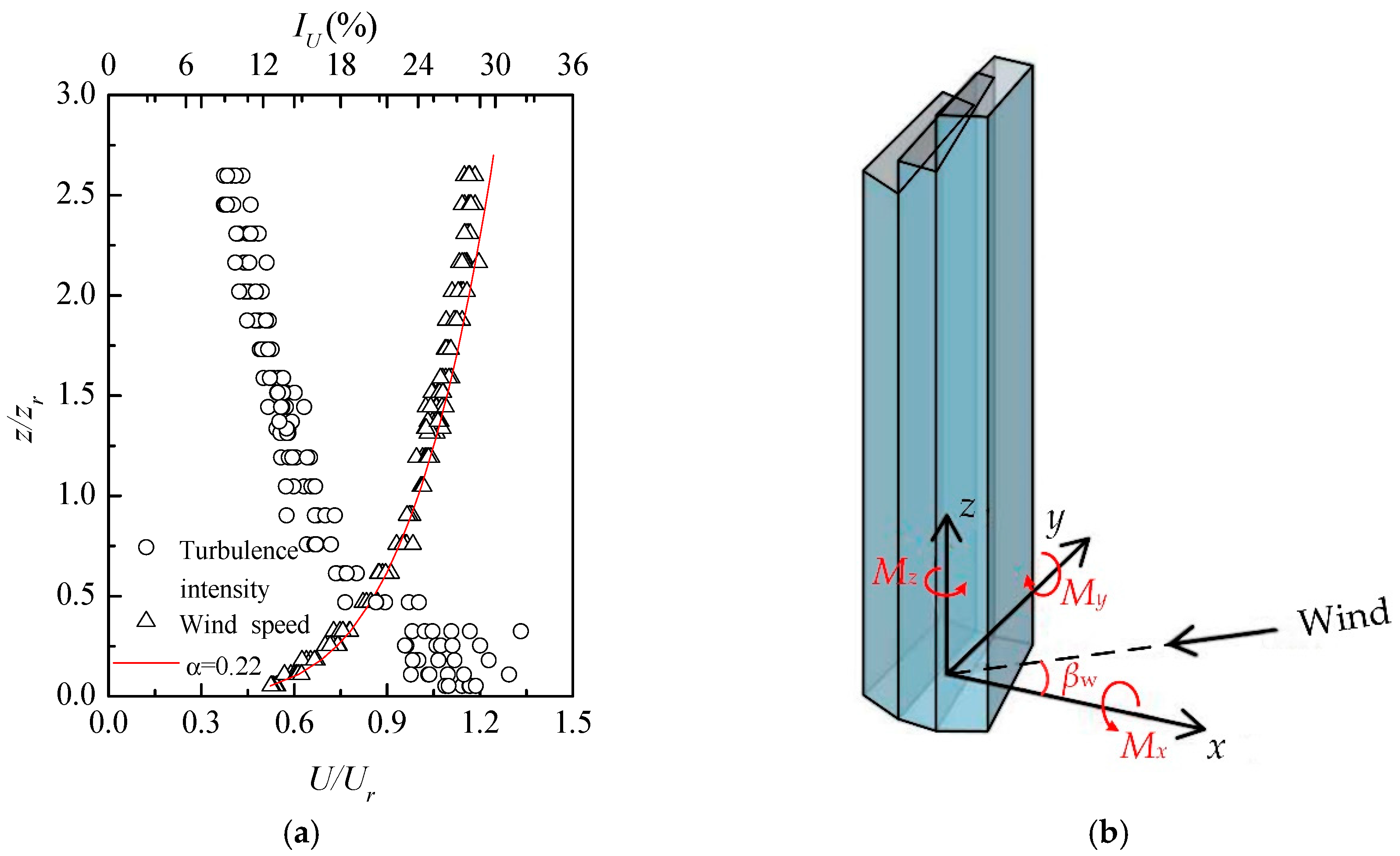
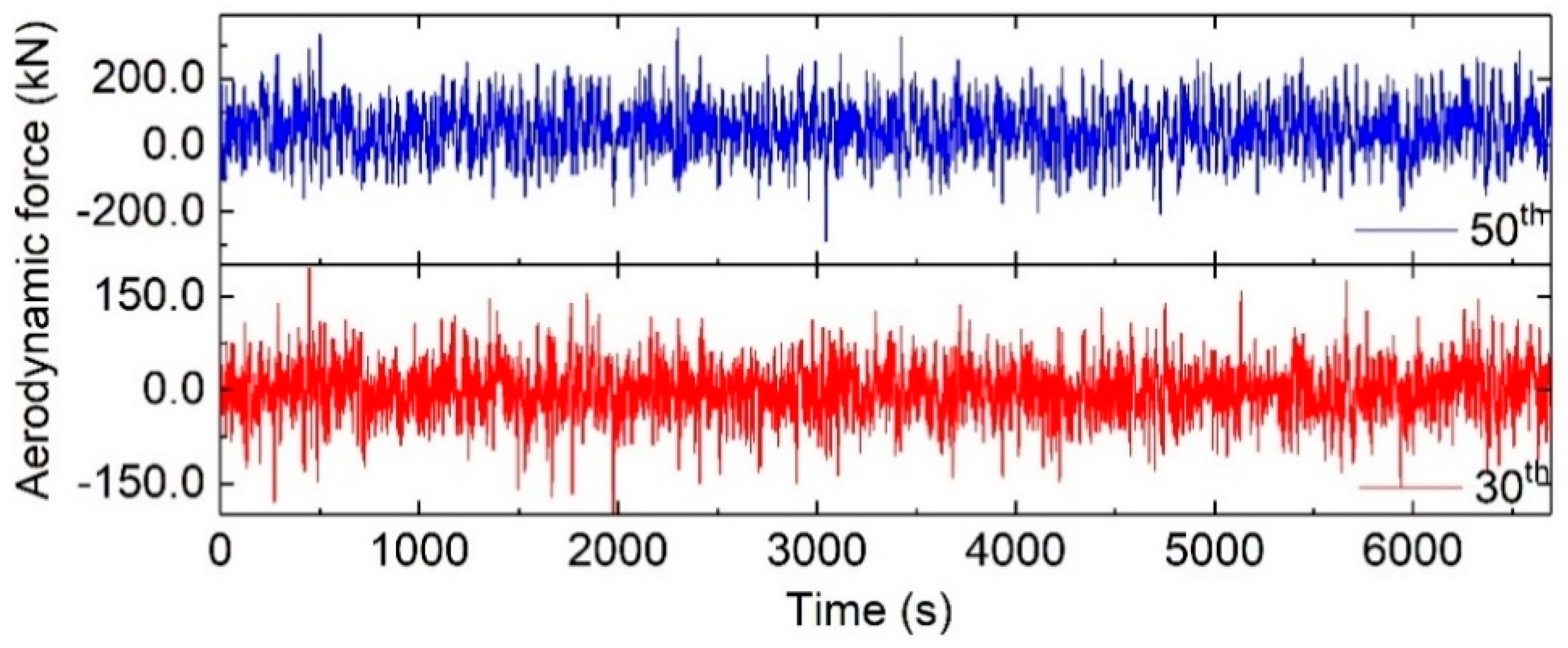
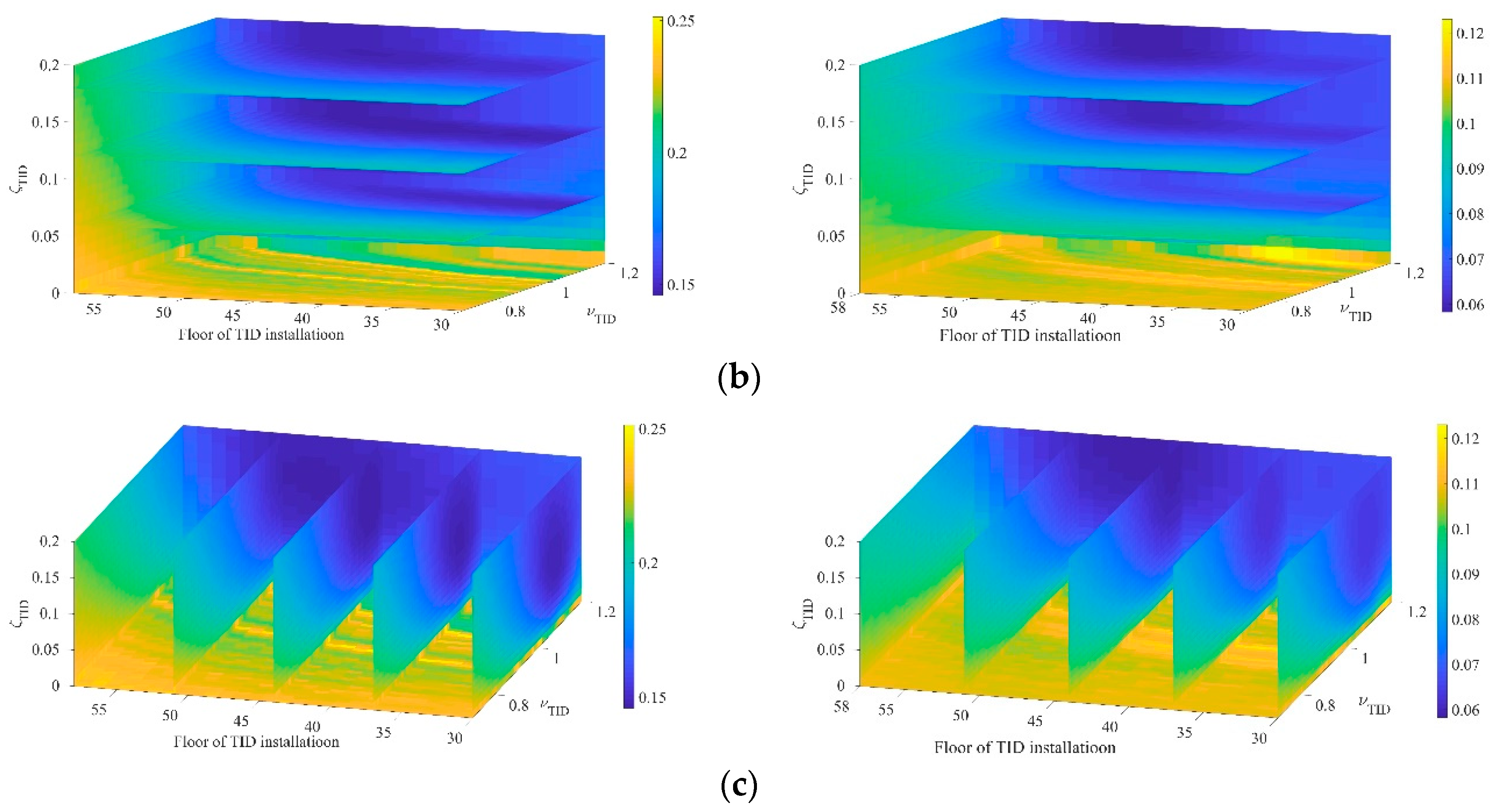
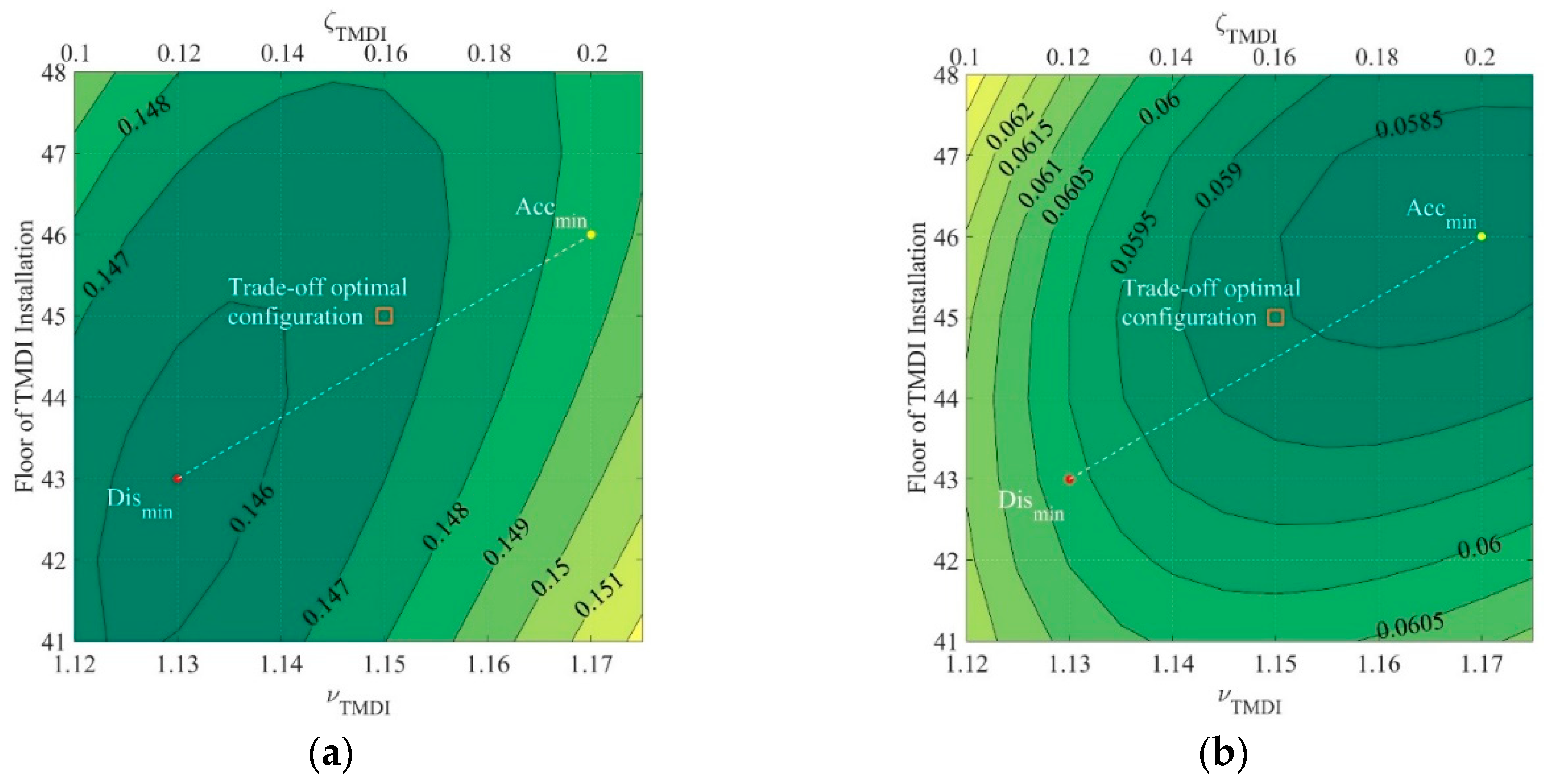
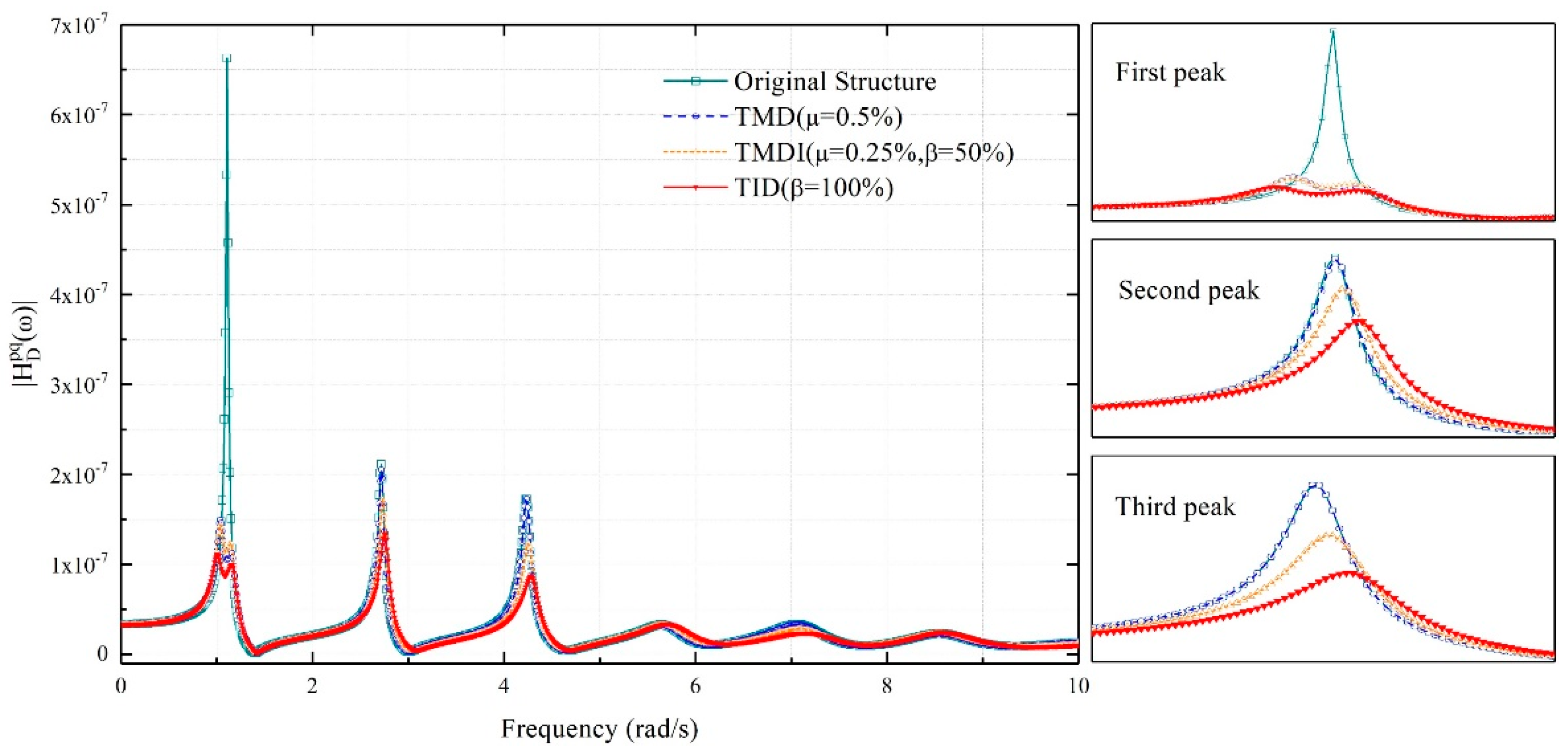
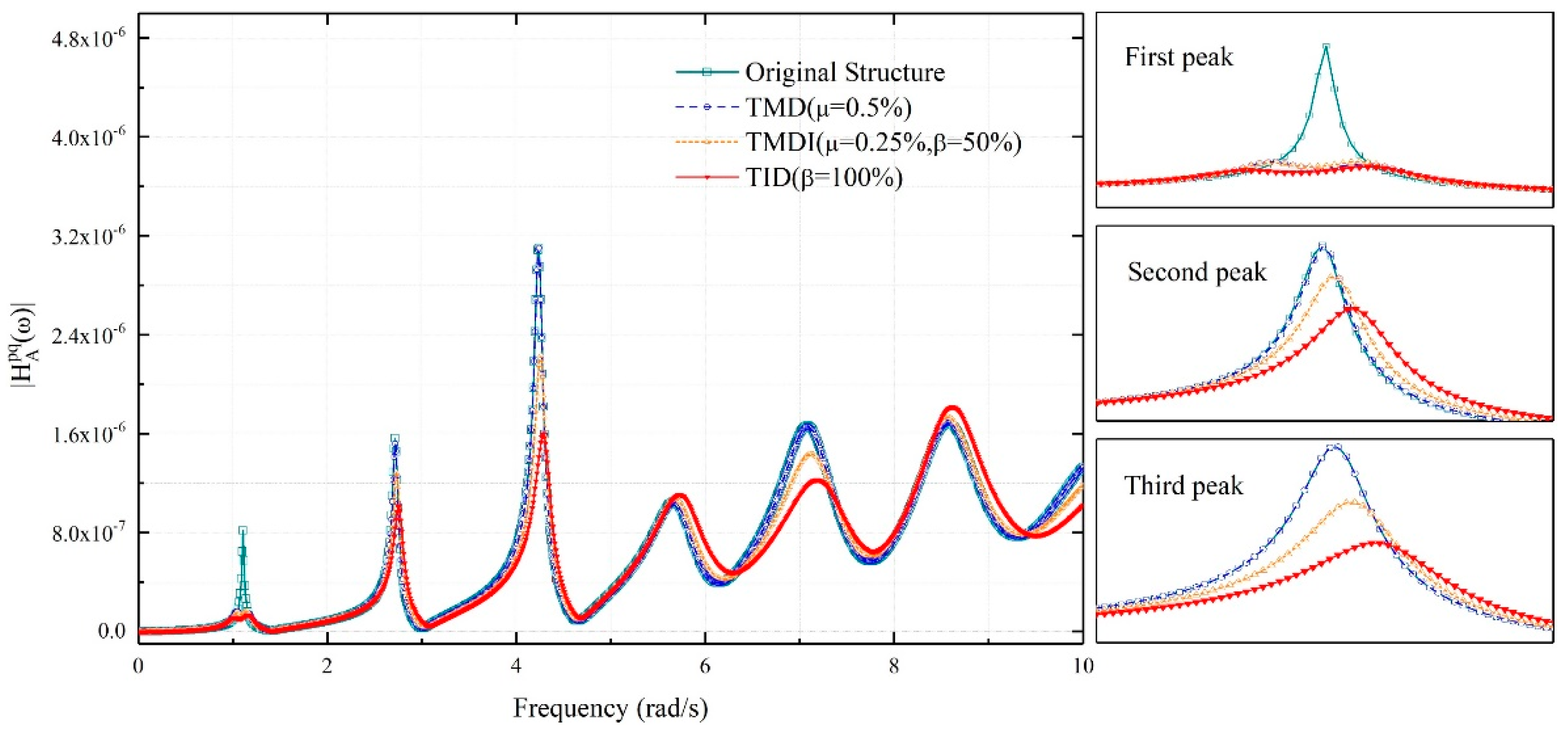
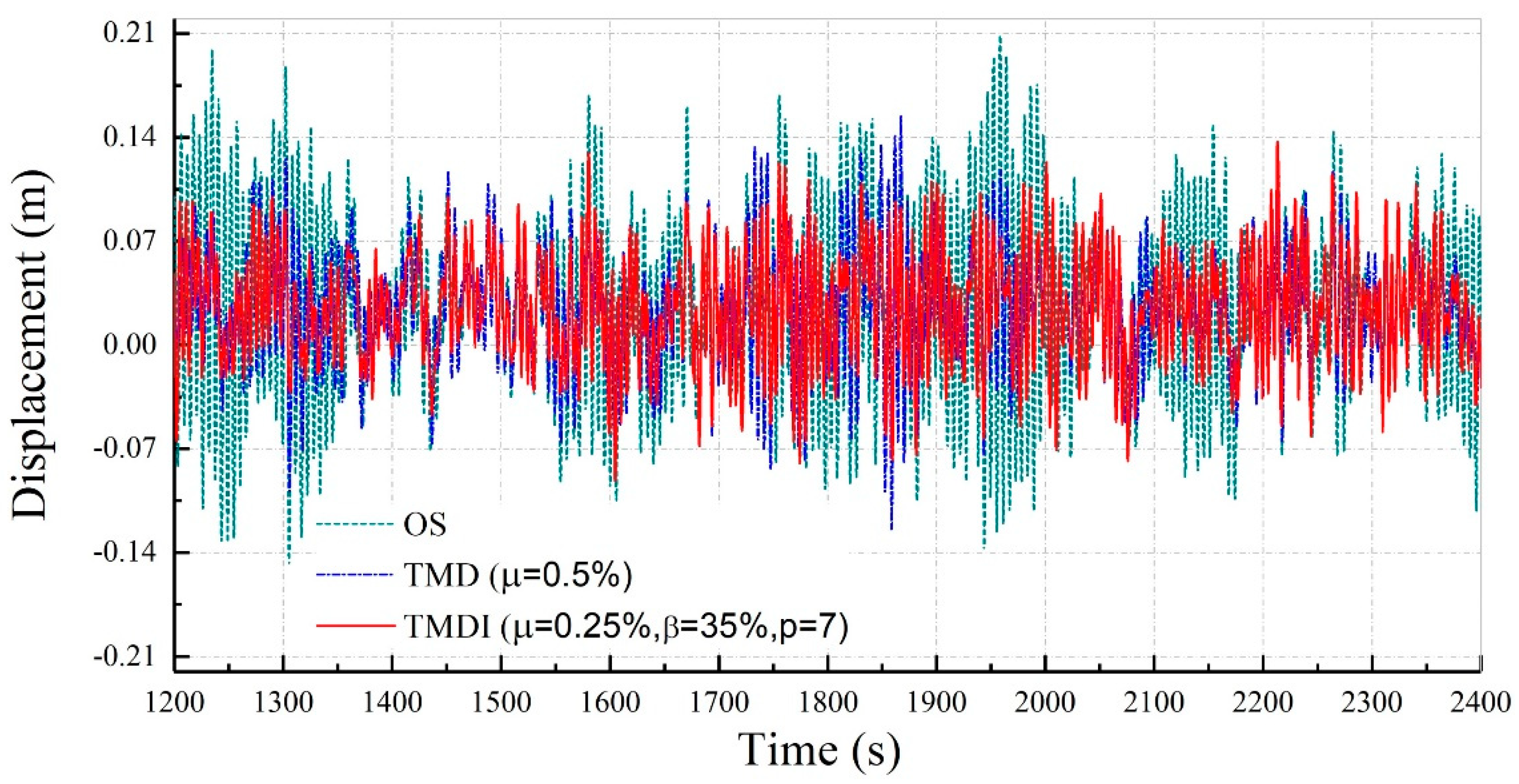
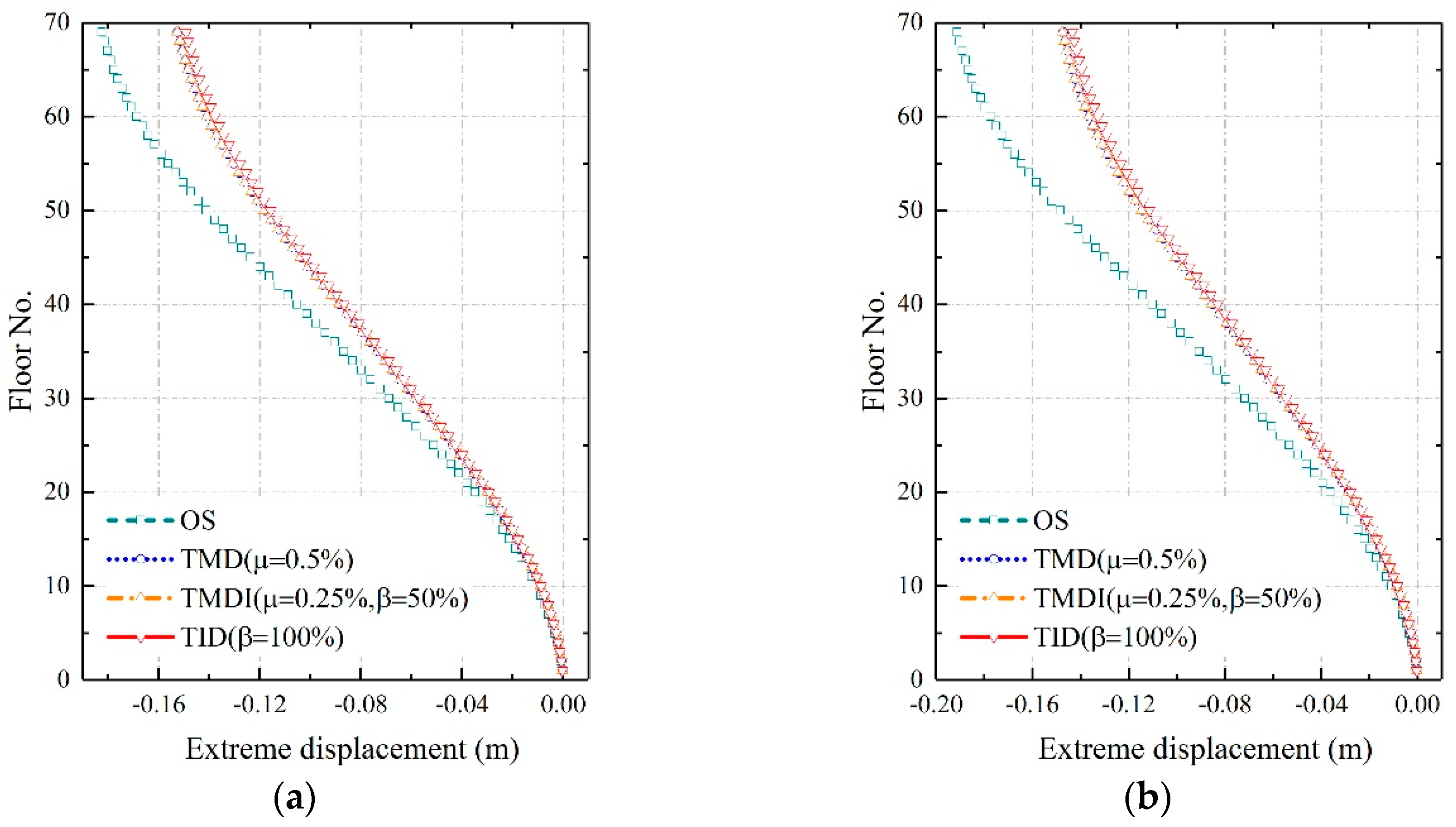
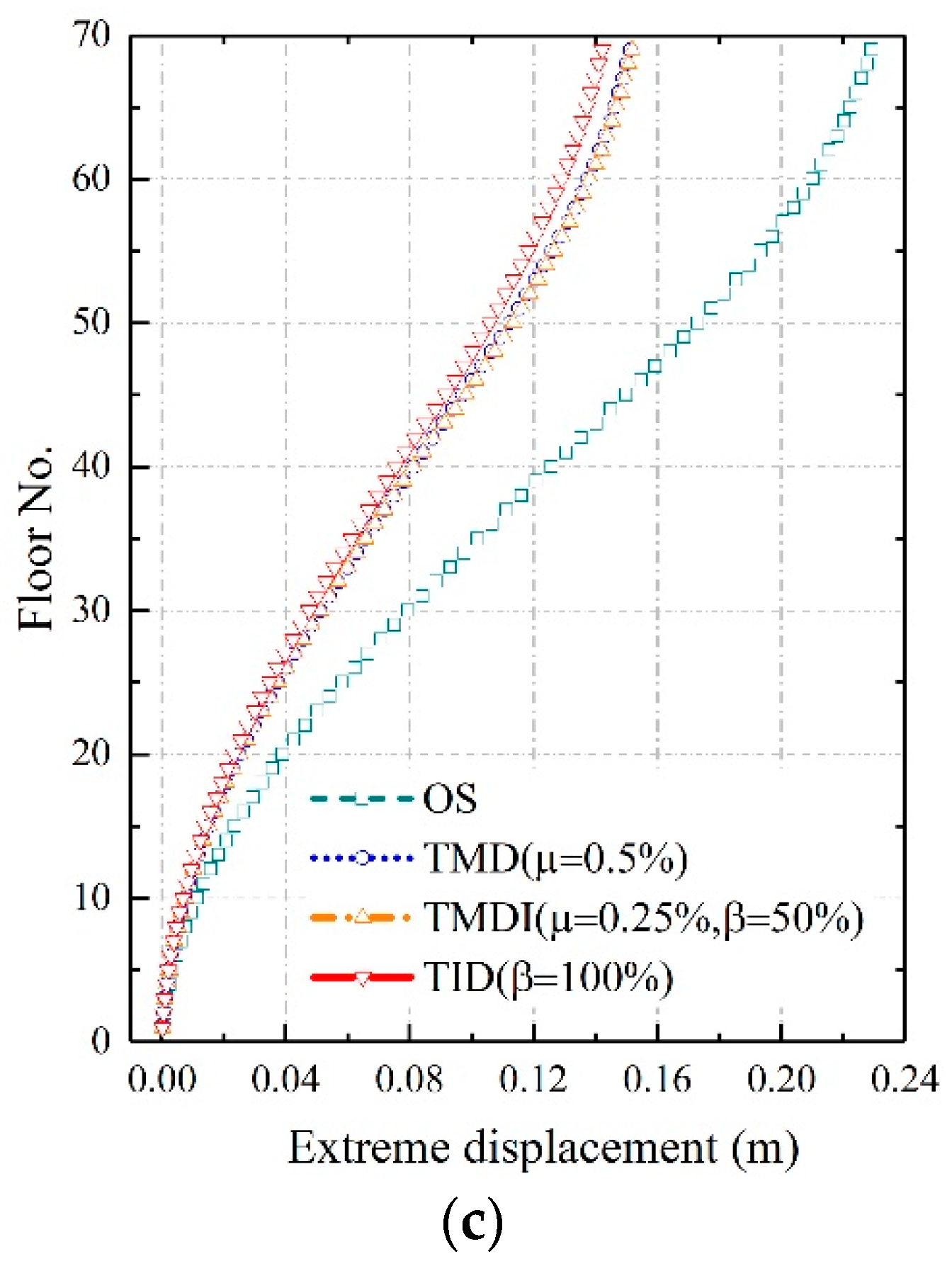
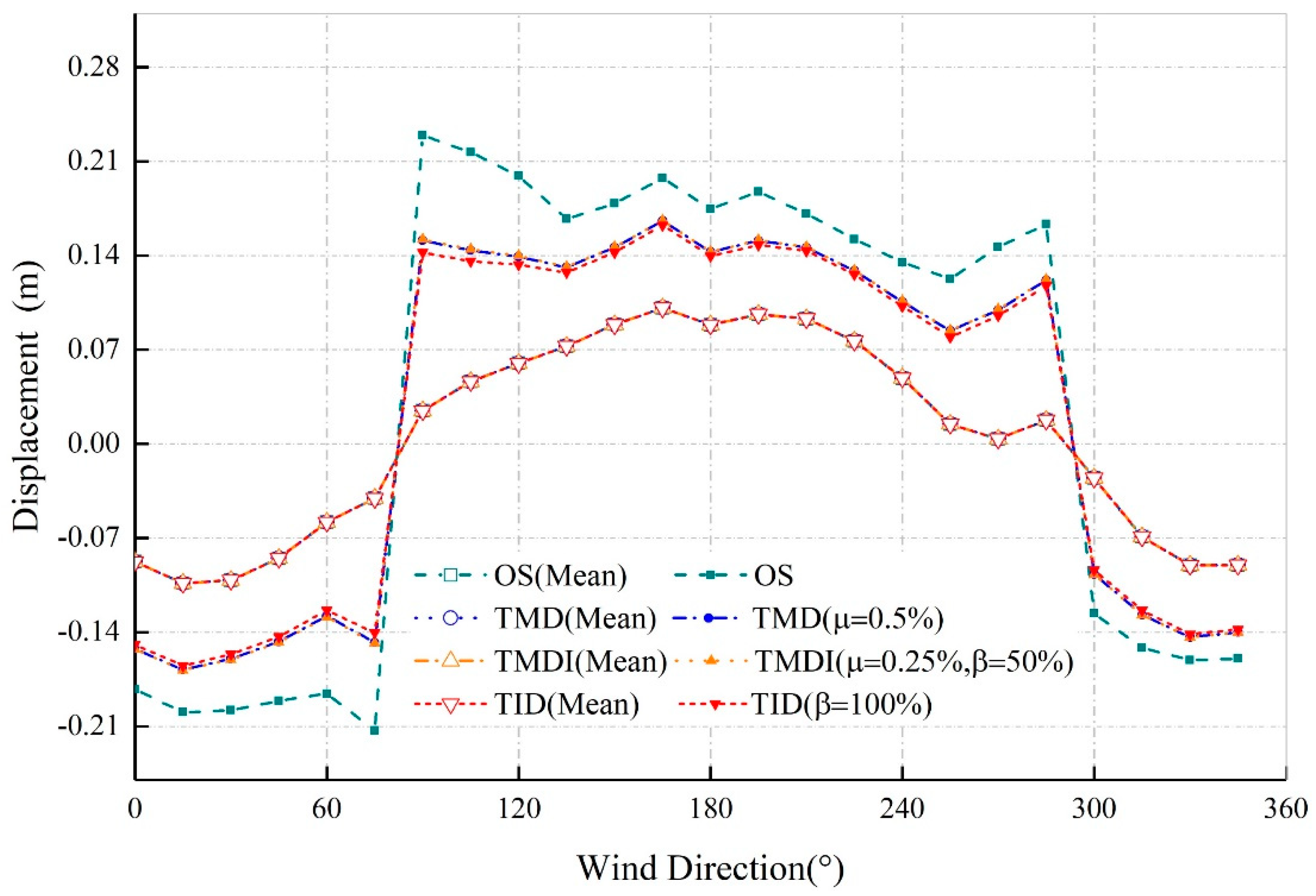
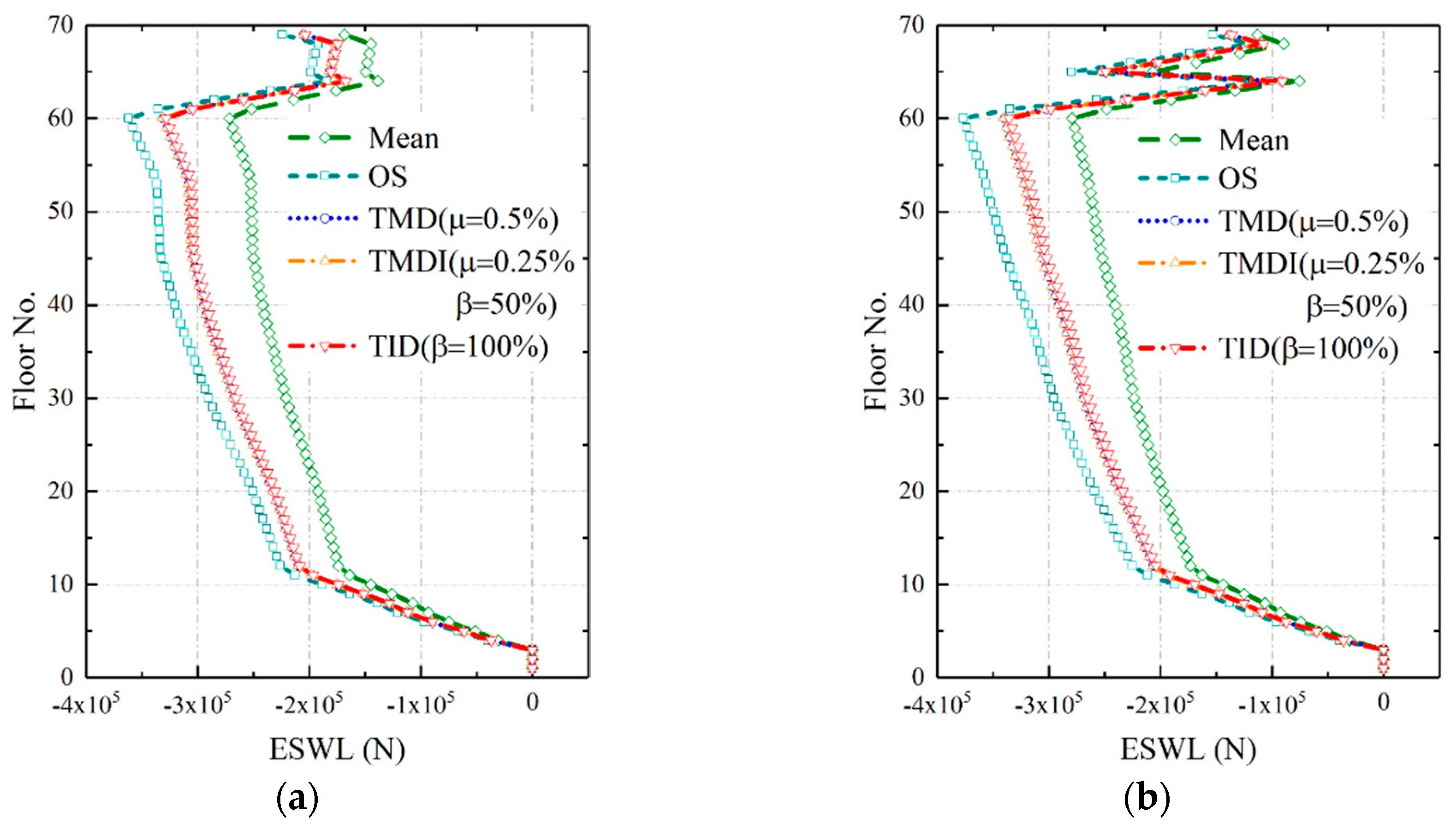
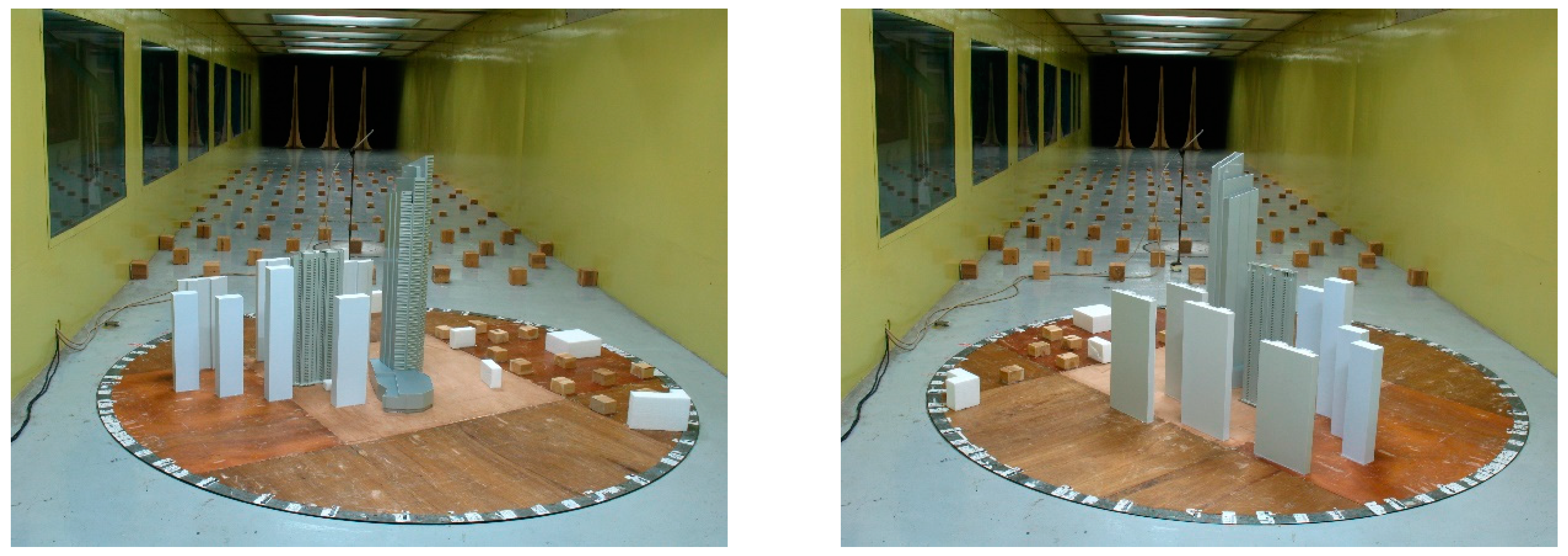
The beneficial mass-amplification effect induced by the inerter can be conveniently used in enhanced variants of the traditional Tuned Mass Damper (TMD), namely the Tuned Mass-Damper-Inerter (TMDI) and its special case of Tuned Inerter Damper (TID). In this paper, these inerter-based vibration absorbers are studied for mitigating the wind-induced response of high-rise buildings, with particular emphasis on a 340 m tall building analyzed as case study. To adopt a realistic wind-excitation model, the analysis is based on aerodynamic forces computed through experimental wind tunnel tests for a scaled prototype of the benchmark building, which accounts for the actual cross-section of the structure and the existing surrounding conditions. Mass and stiffness parameters are extracted from the finite element model of the primary structure. Performance-based optimization of the TMDI and the TID is carried out to find a good trade-off between displacement- and acceleration-response mitigation, with the installation floor being an explicit design variable in addition to frequency and damping ratio. The results corresponding to 24 different wind directions indicate that the best vibration mitigation is achieved with a lower installation floor of the TMDI/TID scheme than the topmost floor. The effects of different parameters of TMD, TMDI and TID on wind-induced displacement and acceleration responses and on the equivalent static wind loads (ESWLs) are comparatively evaluated. It is shown that the optimally designed TMDI/TID can achieve better wind-induced vibration mitigation than the TMD while allocating lower or null attached mass, especially in terms of acceleration response.
Keywords: tuned mass damper; inerter; high-rise buildings; wind tunnel test; wind-induced response; structural control; synchronous multi-point pressure measurement tuned mass damper; inerter; high-rise buildings; wind tunnel test; wind-induced response; structural control; synchronous multi-point pressure measurement