Article

Multi-Task Learning Using Task Dependencies for Face Attributes Prediction


1
School of Mechatronical Engineering, Beijing Institute of Technology, Beijing 100081, China
2
Beijing Advanced Innovation Center for Intelligent Robots and Systems, Beijing Institute of Technology, Beijing 100081, China
3
School of Electrical Engineering, Korea Advanced Institute of Science and Technology, 291 Daehak-ro, Yuseong-gu, Daejeon 34141, Korea
4
Department of Mechanical and Automation Engineering, The Chinese University of Hong Kong, Shatin, NT, Hong Kong SAR, China
*
Author to whom correspondence should be addressed.
Appl. Sci. 2019, 9(12), 2535; https://doi.org/10.3390/app9122535
Submission received: 21 May 2019 / Revised: 14 June 2019 / Accepted: 19 June 2019 / Published: 21 June 2019
(This article belongs to the Special Issue Computer Vision and Pattern Recognition in the Era of Deep Learning)

Abstract

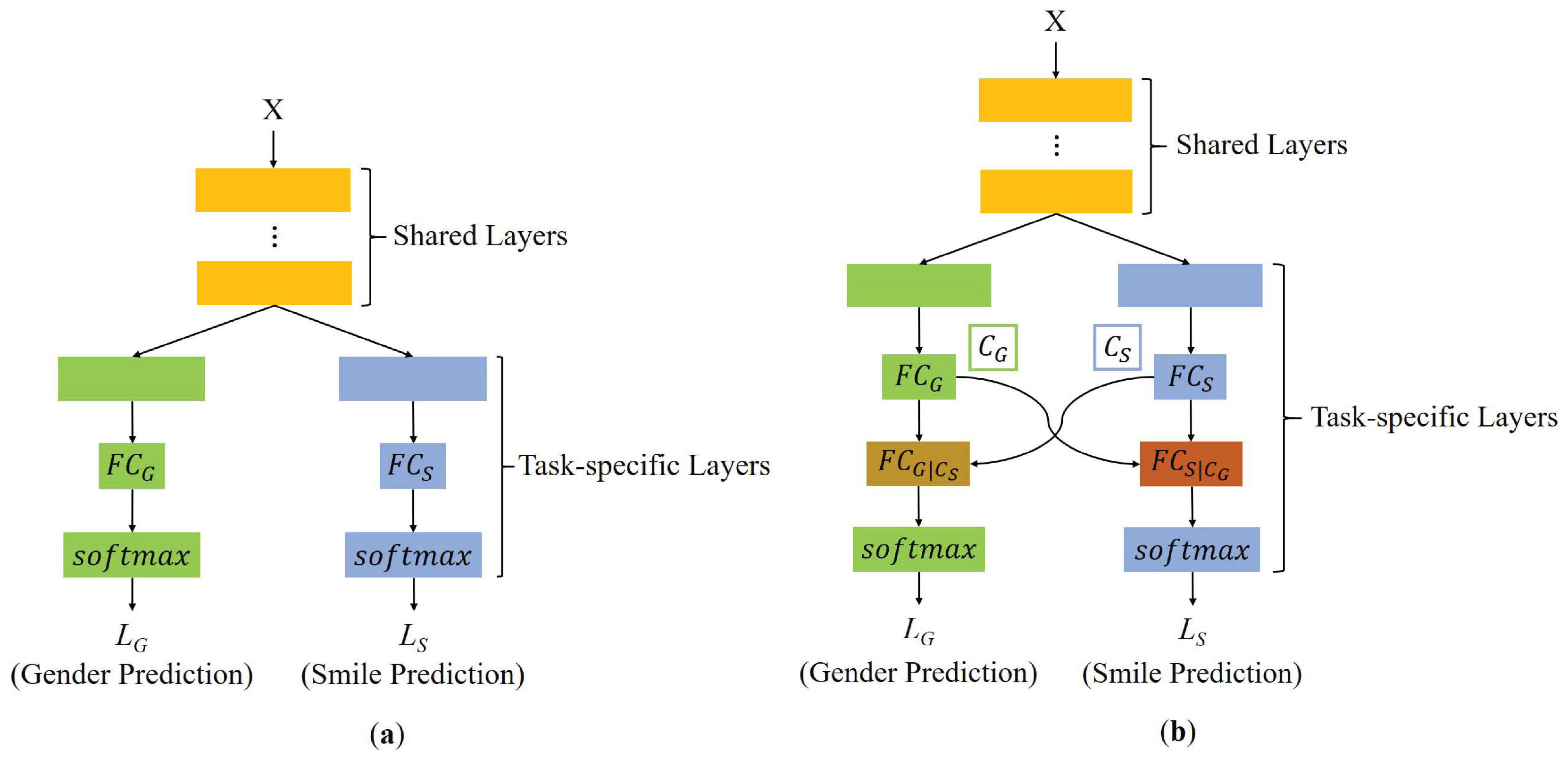
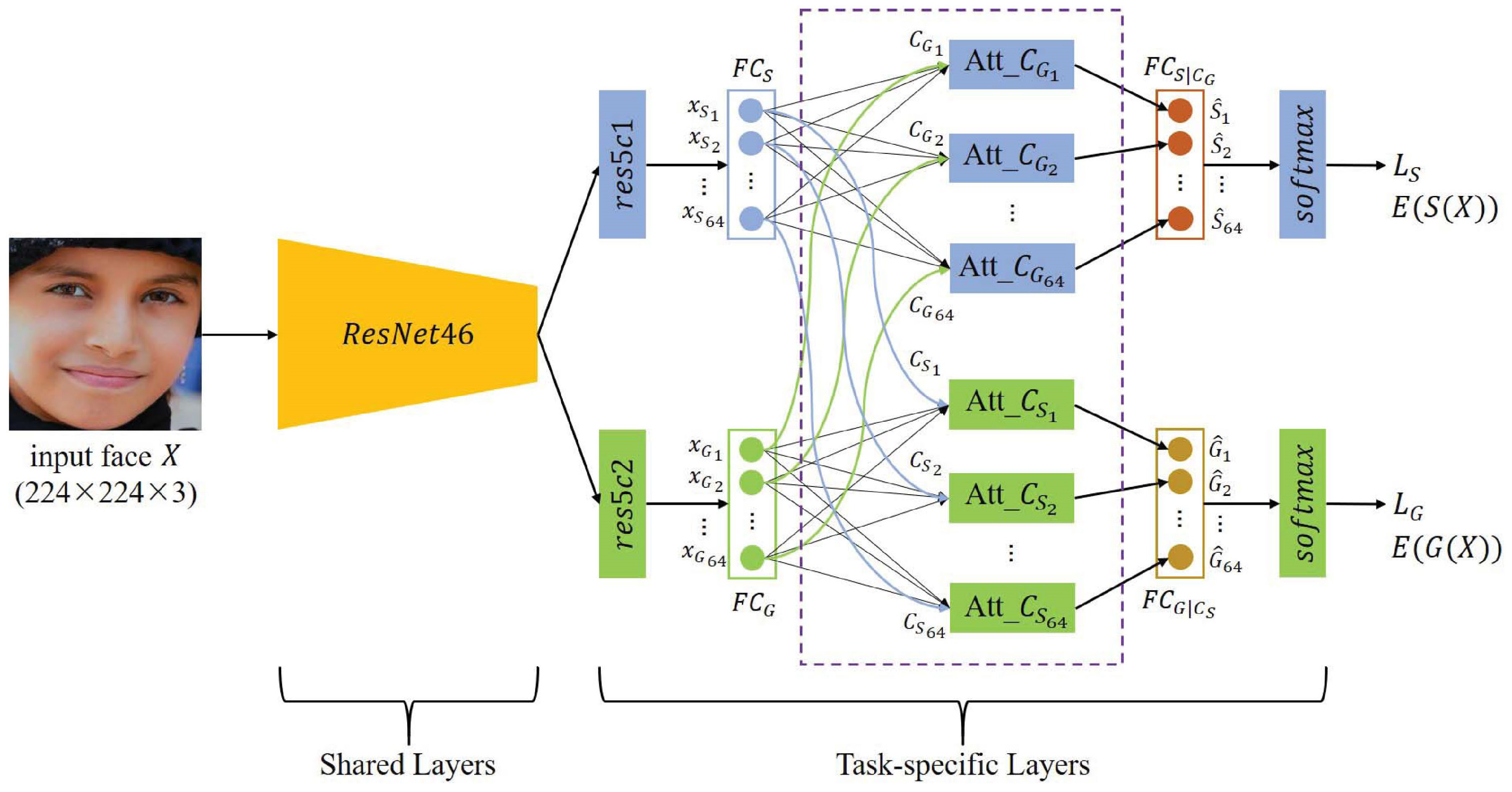
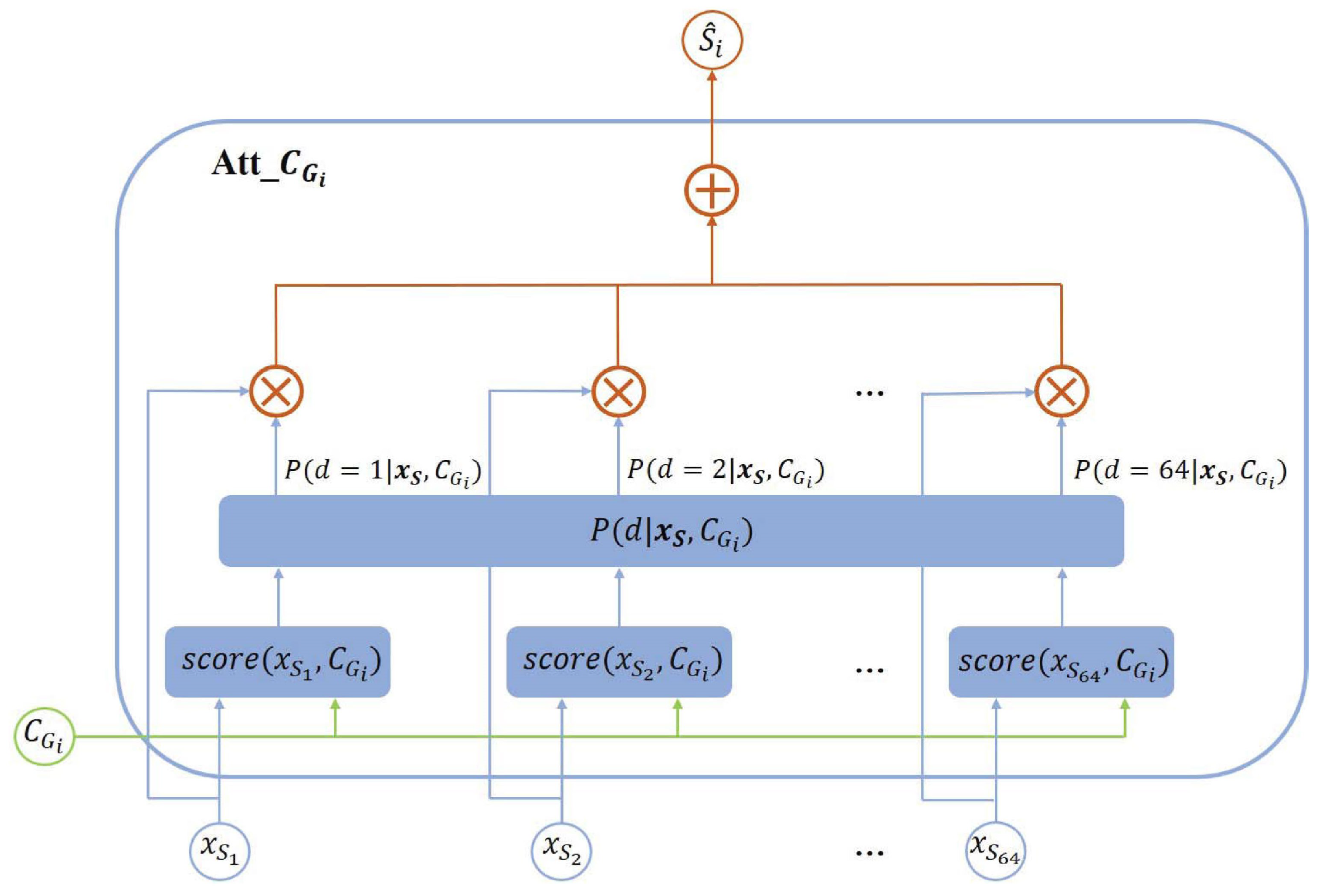
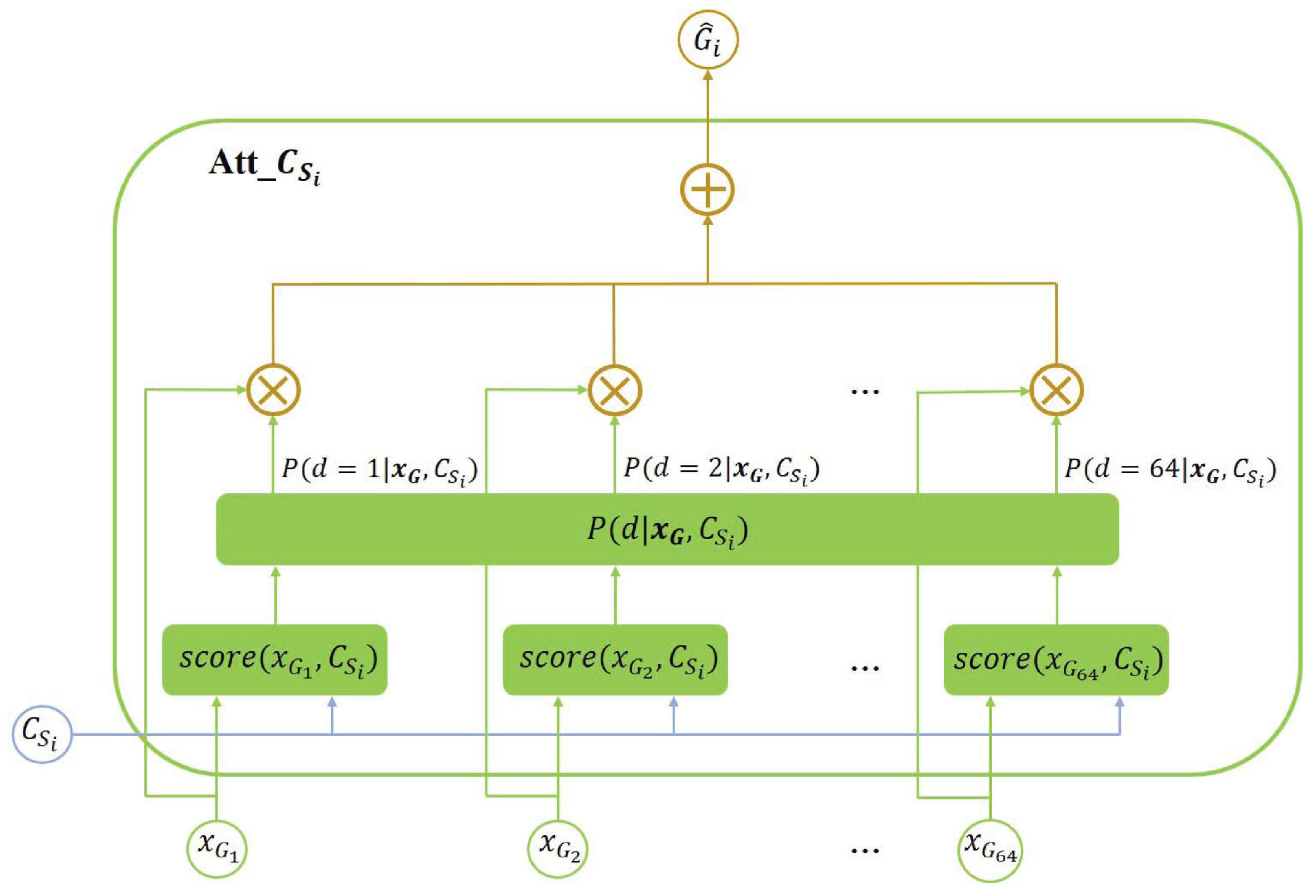
Face attributes prediction has an increasing amount of applications in human–computer interaction, face verification and video surveillance. Various studies show that dependencies exist in face attributes. Multi-task learning architecture can build a synergy among the correlated tasks by parameter sharing in the shared layers. However, the dependencies between the tasks have been ignored in the task-specific layers of most multi-task learning architectures. Thus, how to further boost the performance of individual tasks by using task dependencies among face attributes is quite challenging. In this paper, we propose a multi-task learning using task dependencies architecture for face attributes prediction and evaluate the performance with the tasks of smile and gender prediction. The designed attention modules in task-specific layers of our proposed architecture are used for learning task-dependent disentangled representations. The experimental results demonstrate the effectiveness of our proposed network by comparing with the traditional multi-task learning architecture and the state-of-the-art methods on Faces of the world (FotW) and Labeled faces in the wild-a (LFWA) datasets.
Keywords: multi-task learning; task dependencies; attention; face attributes prediction; deep convolutional neural network multi-task learning; task dependencies; attention; face attributes prediction; deep convolutional neural network