Article

Strain Measurement Distributed on a Ground Anchor Bearing Plate by Fiber Optic OFDR Sensor

1
Center for Safety Measurement, Korea Research Institute of Standards and Science (KRISS), Yuseong-gu, Daejeon 34114, Korea
2
Department of Physics, Chungnam National University, Yuseong-gu, Daejeon 34134, Korea
3
Department of Materials Physics, Dong-A University, Saha-gu, Busan 49315, Korea
*
Authors to whom correspondence should be addressed.
Appl. Sci. 2018, 8(11), 2051; https://doi.org/10.3390/app8112051
Submission received: 12 September 2018 / Revised: 18 October 2018 / Accepted: 19 October 2018 / Published: 25 October 2018
(This article belongs to the Special Issue Optical Correlation-domain Distributed Fiber Sensors)

Abstract

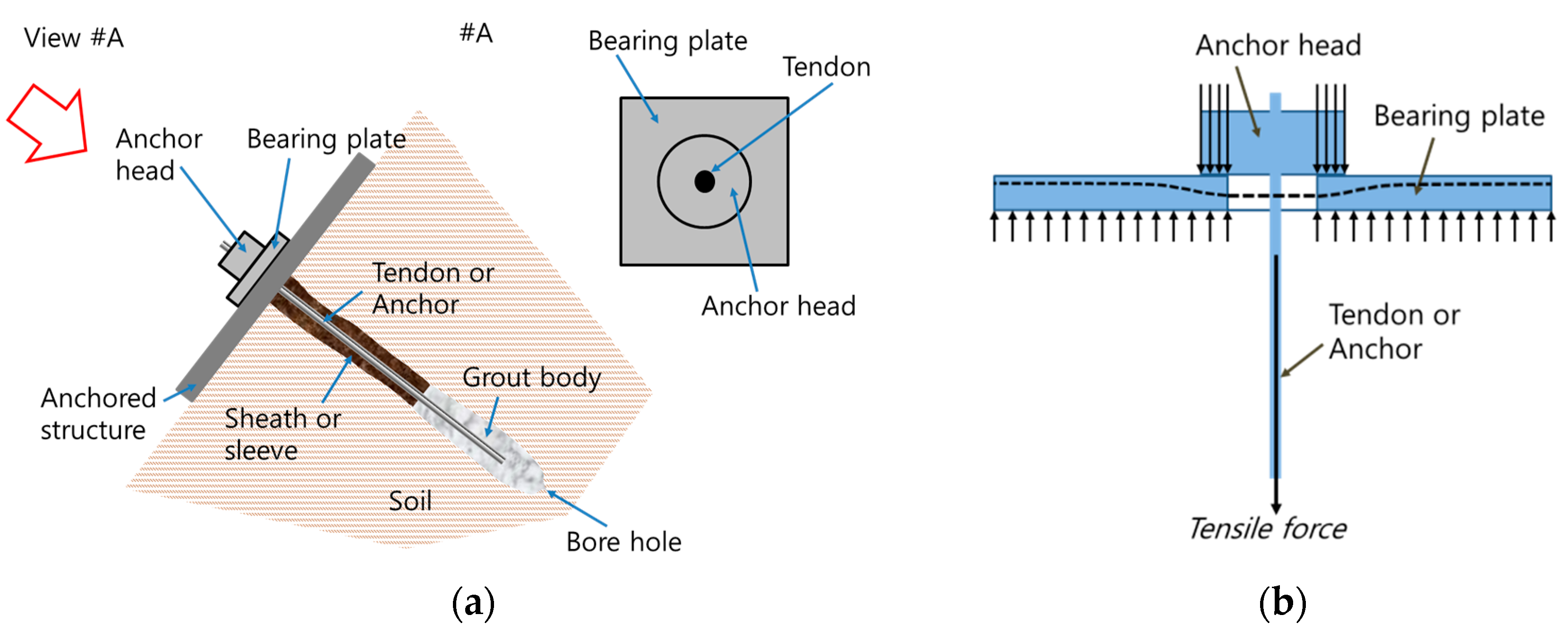
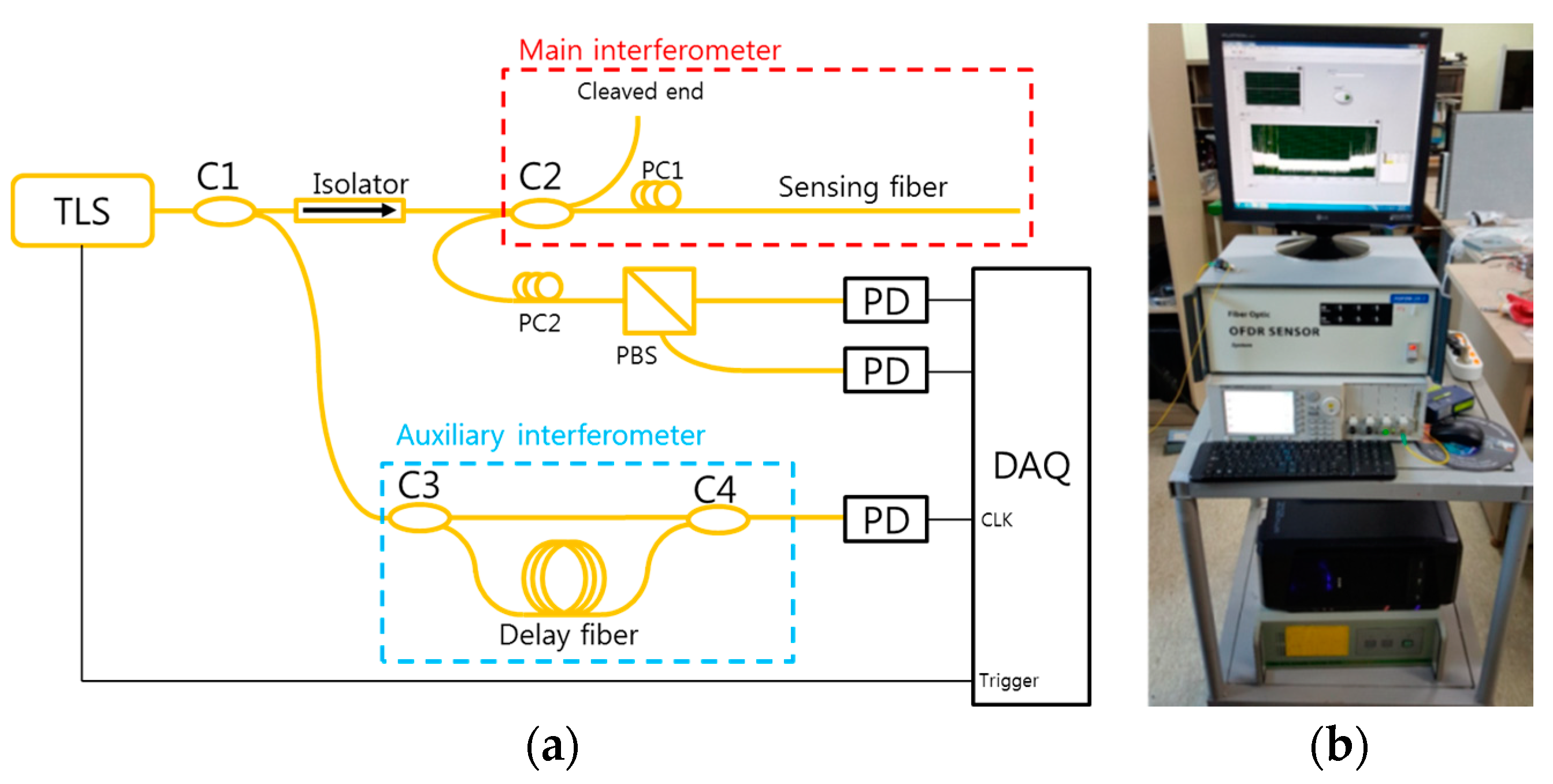
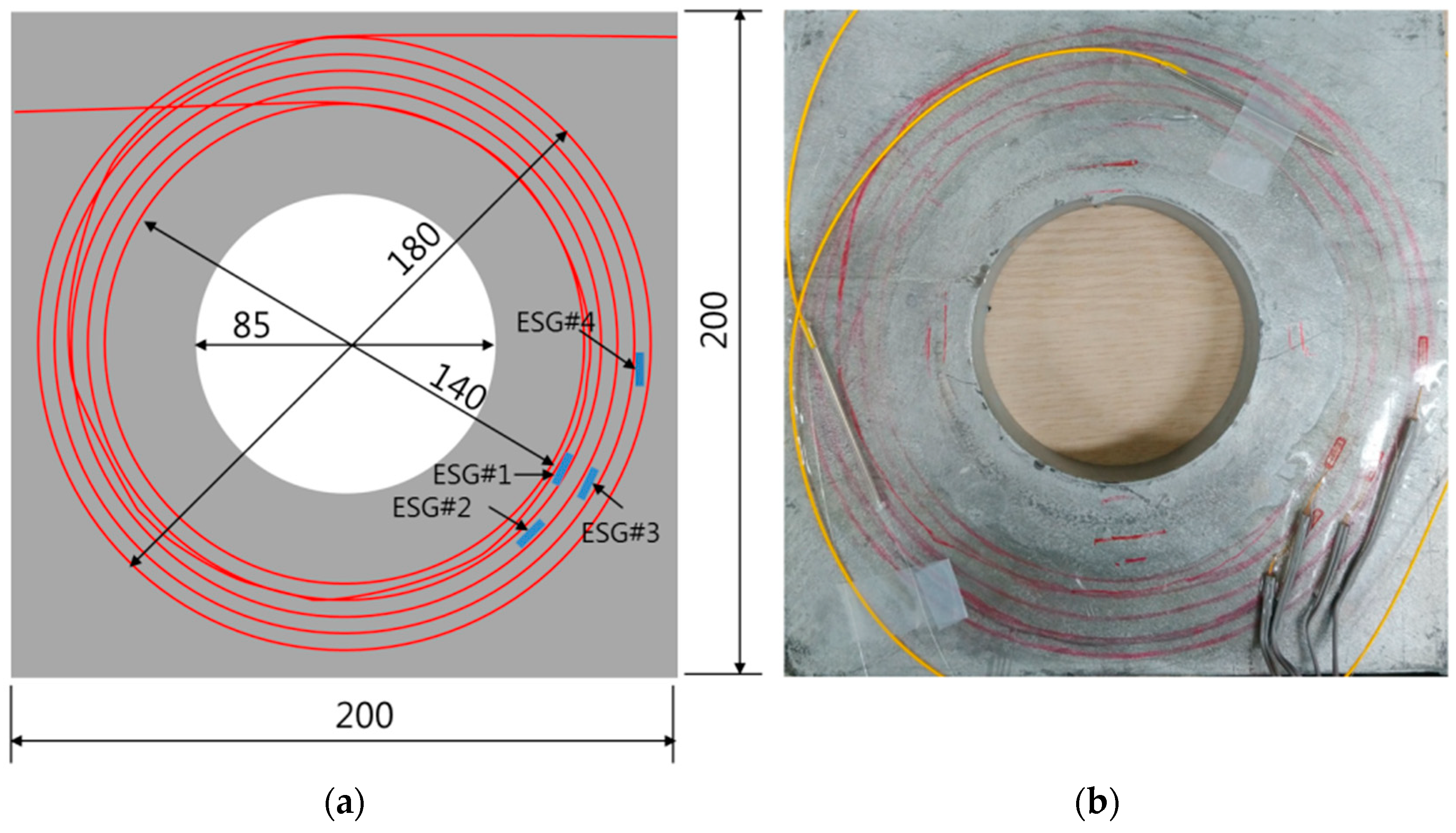
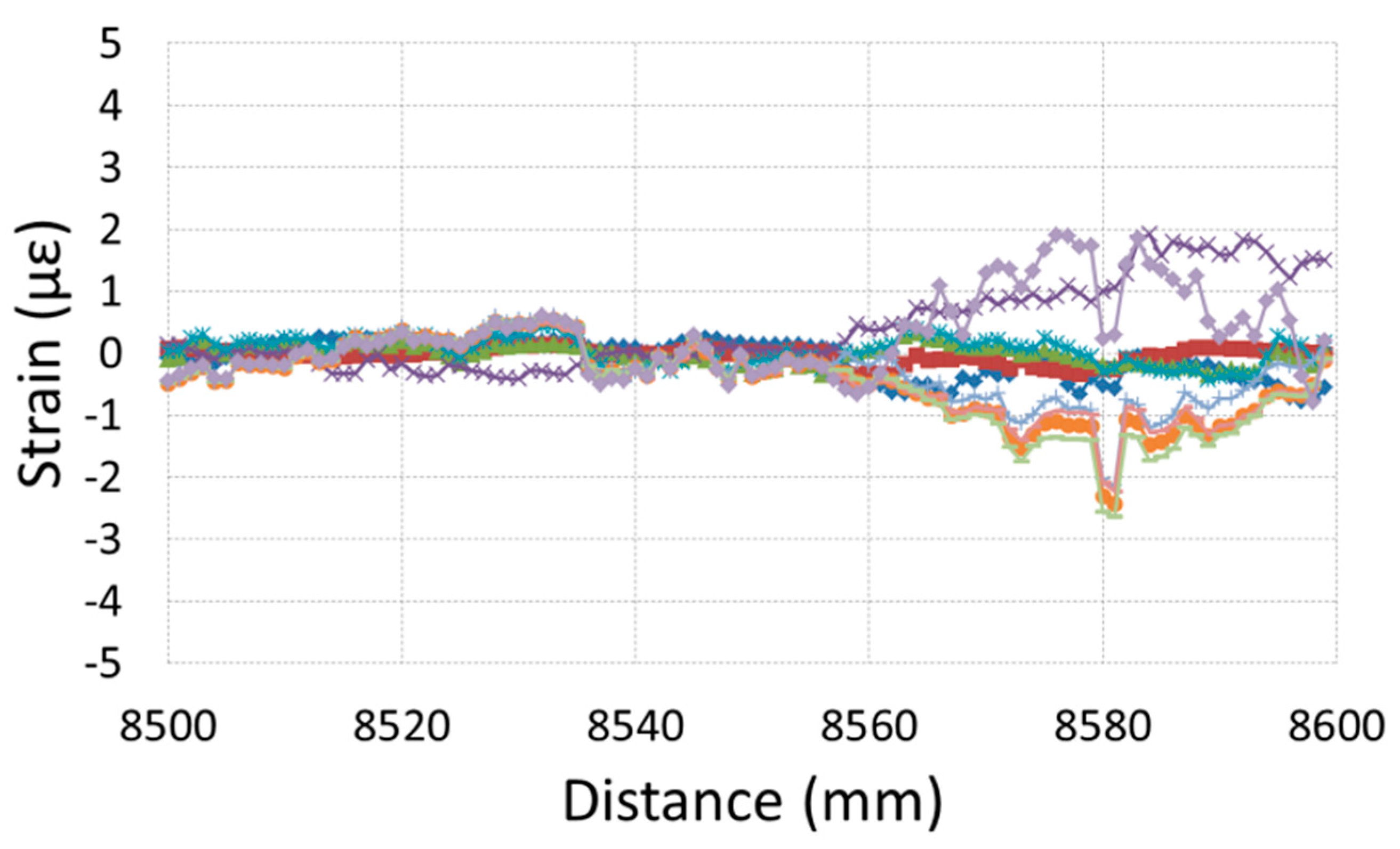
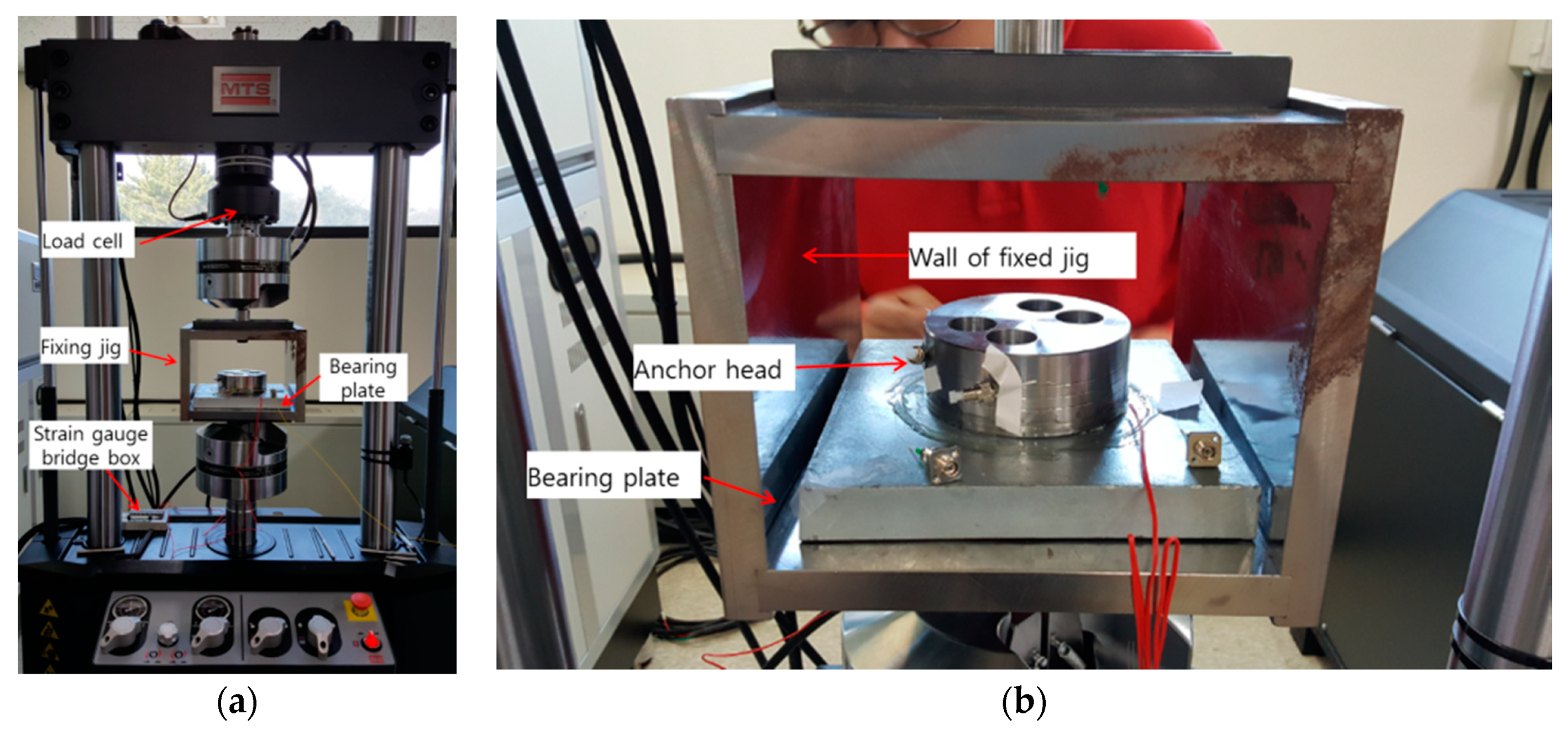
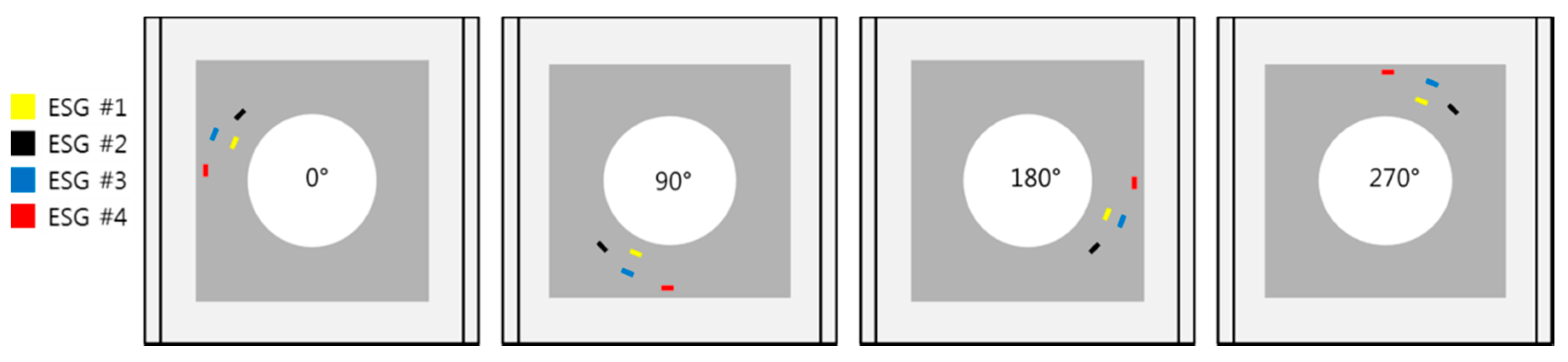
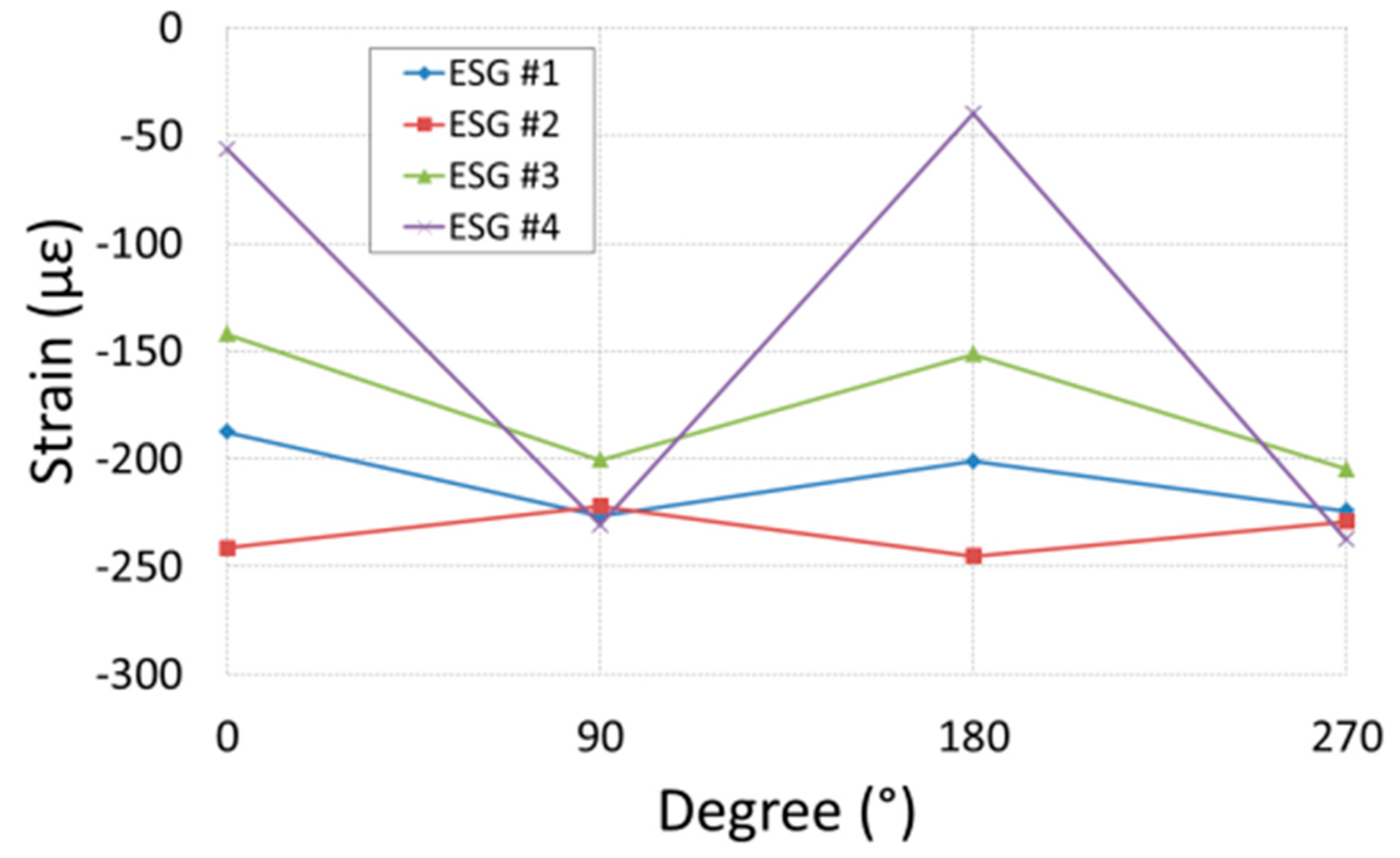
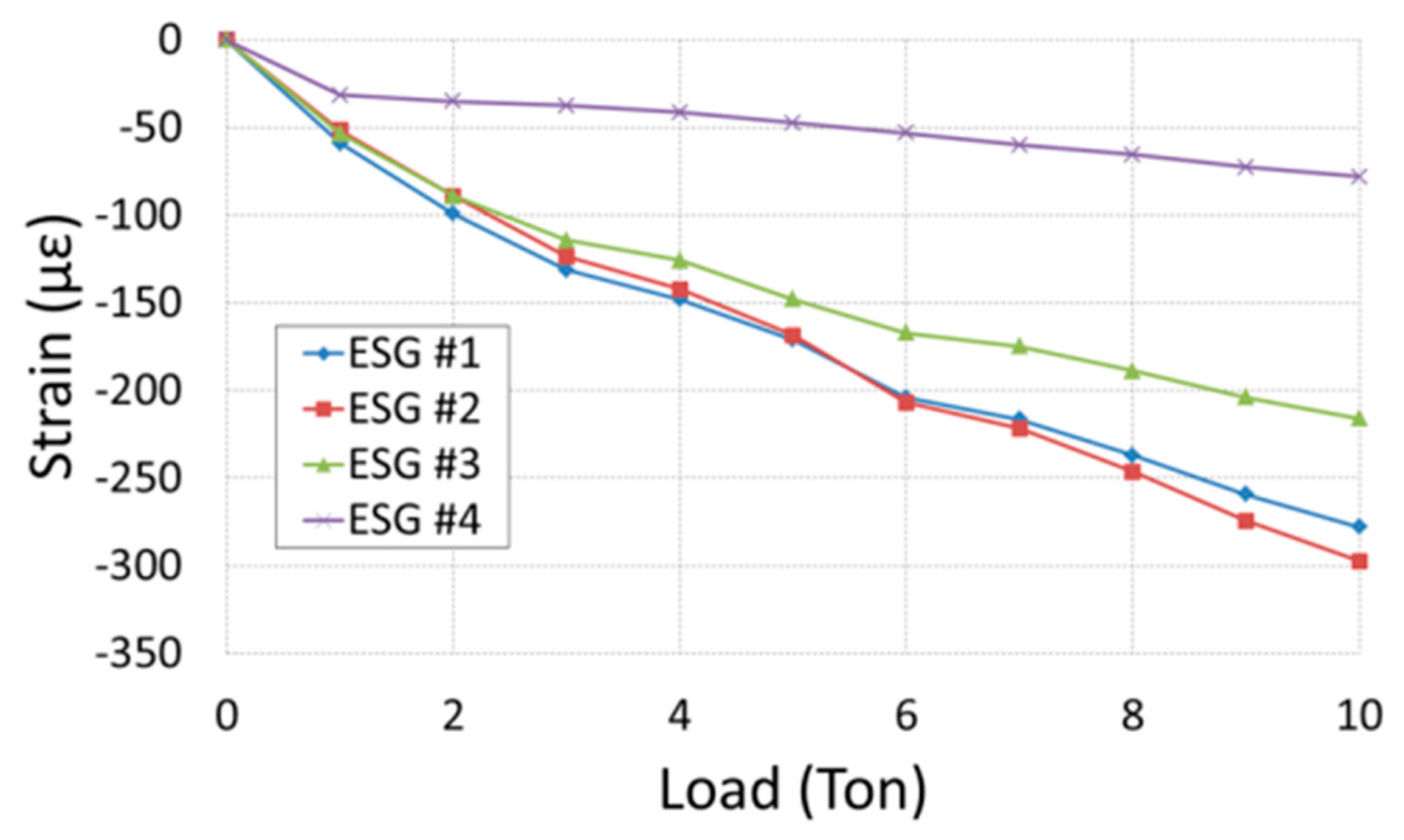
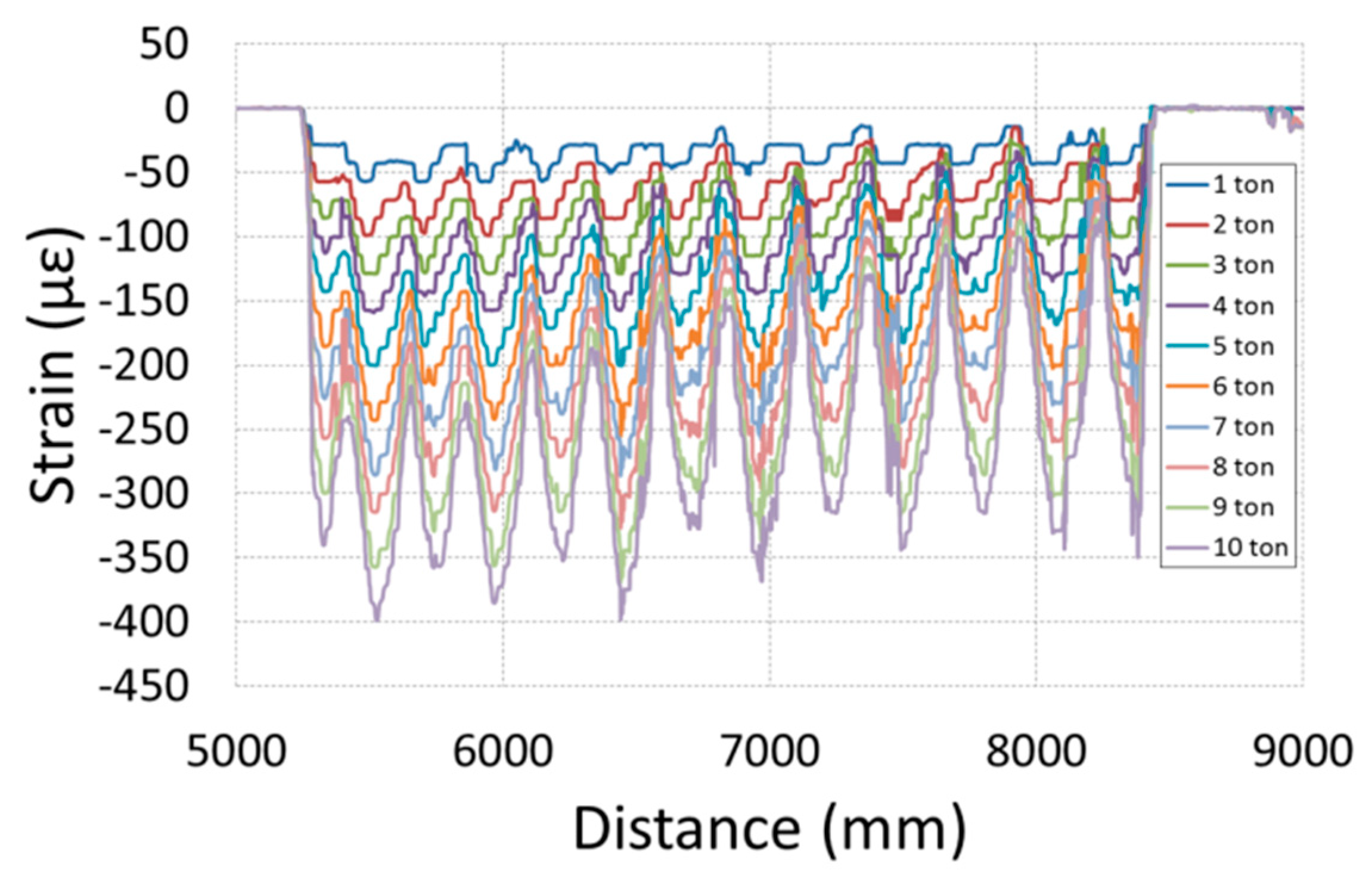
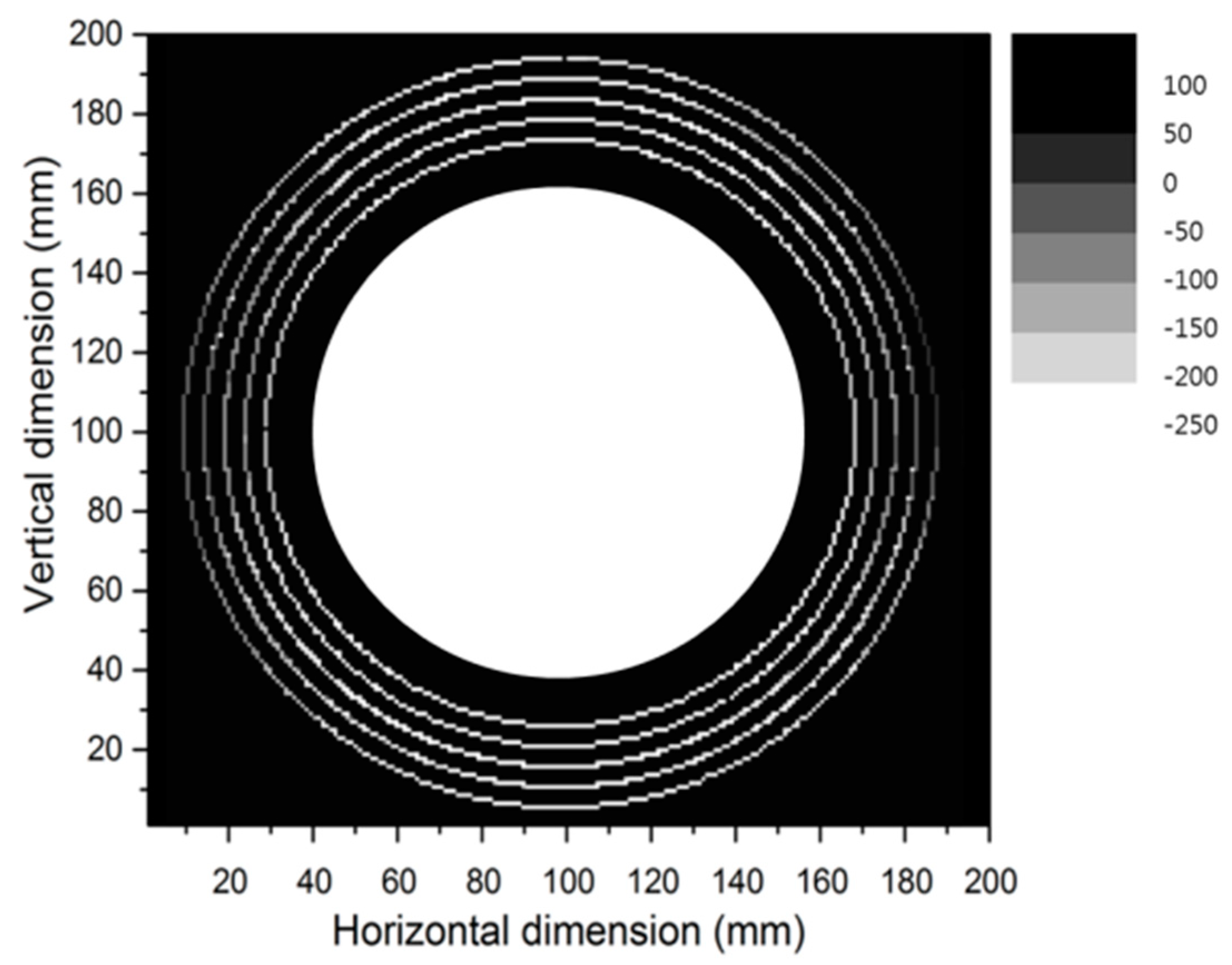
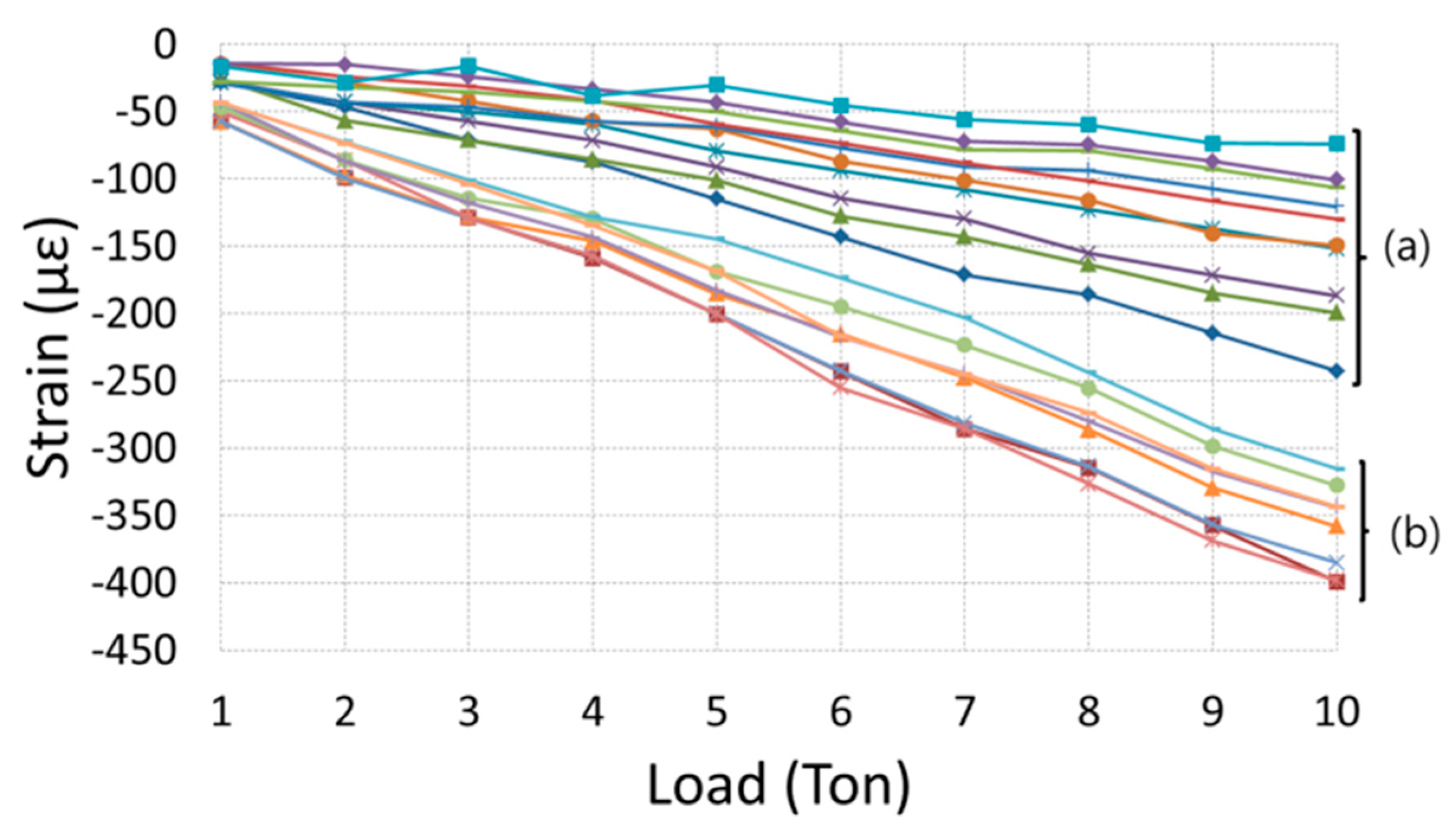
The safety of soil slopes reinforced by ground anchors can be evaluated by monitoring the tensile force of the anchors. The tensile force of ground anchors can be determined by measuring the strain of the bearing plate that transfers the tensile force of the anchor to the ground. Therefore, in order to investigate the relation between the strain of the bearing plate and the tensile force of a ground anchor, the strain distributed on the bearing plate was measured by a fiber optic OFDR (optical frequency domain reflectometry) sensor, which was fabricated by a tunable laser source, auxiliary interferometer, and main interferometer. This OFDR sensor was operated through a sweep range of 500 GHz with a spatial resolution of 0.2 mm, and a strain accuracy of approximately 4 με, considering the system noise when operating in 5-cm segments. The sensing fiber was circularly bonded onto the bearing plate using epoxy, and the distributed strain was measured on the bearing plate while increasing the load up to 10 tons. From the experimental results, the difference between the strain near the anchor head and the strain at the far site is significant in the region where compression strain is dominant. However, such a tendency did not appear in areas where bending strain dominates. Therefore, in order to monitor an anchor tensile force, it is necessary to carefully study the calibration factor between the anchor tensile force and the strain of the bearing plate.
Keywords: OFDR (optical frequency domain reflectometry); ground anchor; bearing plate; distributed strain; structural health monitoring OFDR (optical frequency domain reflectometry); ground anchor; bearing plate; distributed strain; structural health monitoring