1. Introduction
Cement is one of the most widely used materials in the global construction industry. However, this production process is accompanied by substantial carbon emissions, posing significant challenges to the green transition and sustainable development of the construction industry [
1,
2,
3]. Therefore, developing cement substitutes has become a key strategy for the construction industry to achieve decarbonization [
4,
5,
6]. Among numerous alternatives, construction and demolition (C&D) waste has garnered particular attention due to its recyclability, reusability, and substantial generation volume [
7,
8,
9]. Recent studies have explored multiple application pathways of C&D waste in construction materials [
10]. For instance, recycled brick powder shows great promise for use in water-based coatings due to its low water absorption and high hardness [
11]. Recycled aggregates modified with nano-titanium dioxide (including recycled glass, clay bricks and concrete sand) can improve the rheological properties of concrete [
12,
13,
14]. Recycled aggregates made from construction and demolition waste exhibit significantly enhanced sulphate resistance following carbonation or nano-silica impregnation treatment [
15]. Using C&D wastes as cement substitutes not only reduces cement consumption but also provides a sustainable solution to alleviate the growing pressure of waste accumulation [
16,
17,
18].
Recycled brick powder (RBP), derived from C&D waste, has been widely investigated as a potential supplementary cementitious material because of its high SiO
2 and Al
2O
3 contents, pozzolanic reactivity, and micro-filling effect [
19,
20,
21]. Numerous studies have shown that RBP can participate in secondary hydration reactions by consuming Ca(OH)
2 and forming additional cementitious gels, thereby contributing to strength development and pore structure refinement at later ages [
22,
23,
24]. In addition to RPB, Other clay-based materials also exhibit similar pozzolanic activity [
25,
26,
27]. For example, when untreated kaolin and claystone are calcined at 800 °C and used as partial substitutes for cement, their performance levels can reach 106% to 132% [
28]. Similarly, when lime-rich calcined clay is used as a partial substitute for cement, the mechanical properties and durability it exhibits are comparable to those of ordinary mortar [
29]. Nevertheless, the relatively low early-age reactivity of RBP significantly restricts its application at high cement replacement levels. When used as the sole cement substitute, excessive incorporation of RBP often results in insufficient early strength, increased porosity, and deteriorated durability performance [
30,
31,
32].
To address these limitations, binary systems incorporating RBP with more reactive supplementary cementitious materials, particularly ground granulated blast-furnace slag (GGBS), have been widely investigated. The addition of GGBS can partially compensate for the delayed reactivity of RBP by supplying calcium-rich hydration products at early ages, thereby enhancing early strength development and matrix continuity [
33,
34]. Therefore, RBP–GGBS systems generally exhibit superior early-age mechanical performance compared with mixtures containing RBP alone.
Despite these improvements, most published studies still limit the cement replacement rate in such binary systems to relatively low levels to maintain stable mechanical properties and durability. At higher substitution rates, the reduction in cement content, coupled with the imbalance between calcium ion availability and the reactivity of aluminosilicates, may impede sustained hydration and pore refinement, thereby limiting the achievable reduction in cement consumption and the associated carbon emissions [
35,
36]. Alternatively, binary systems combining RBP with aluminosilicate-rich materials, such as metakaolin or coal gangue, have been reported to improve later-age pozzolanic activity and durability-related properties [
37,
38,
39]. However, due to the limited early-age calcium supply and the inherently slower reaction kinetics of these materials, such systems often exhibit insufficient early framework formation, leading to reduced early strength and compromised workability. Overall, existing single or binary solid-waste-based cementitious systems generally face the challenge of achieving a balance between early-stage performance, long-term durability, and achievable cement replacement rates. These observations show that the key limitation of cementitious materials with high solid waste content lies not only in the inherent reactivity of individual supplementary cementitious materials (SCMs), but more critically in the lack of effective coordination between their hydration and pozzolanic reactions over time. In multicomponent cementitious systems, macroscopic performance is primarily governed by the time-scale-dependent synergy among early-age hydration, calcium availability, delayed aluminosilicate reactions, and progressive pore structure refinement. Simply increasing the replacement level or indiscriminately combining multiple solid wastes does not necessarily lead to synergistic performance enhancement.
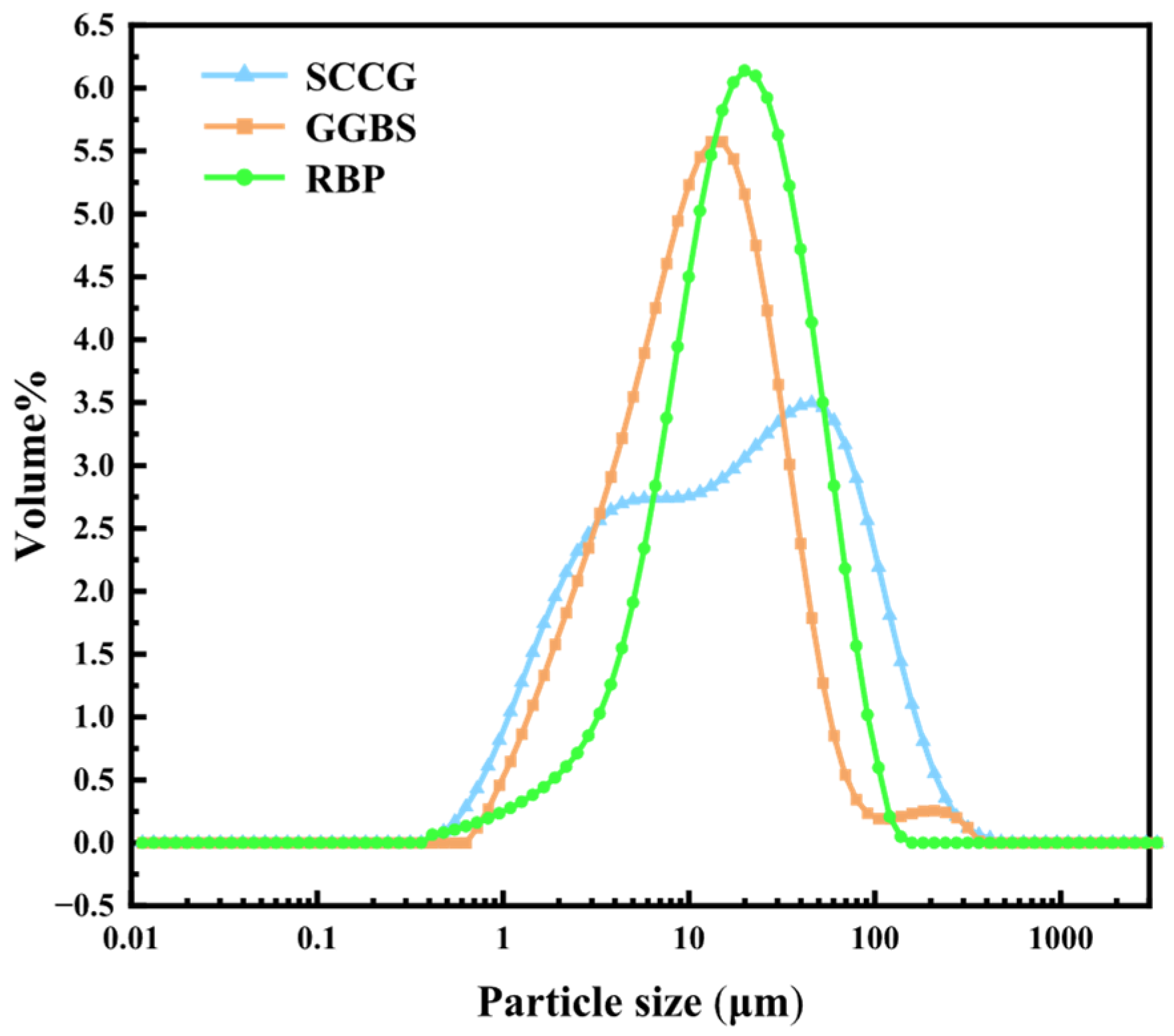
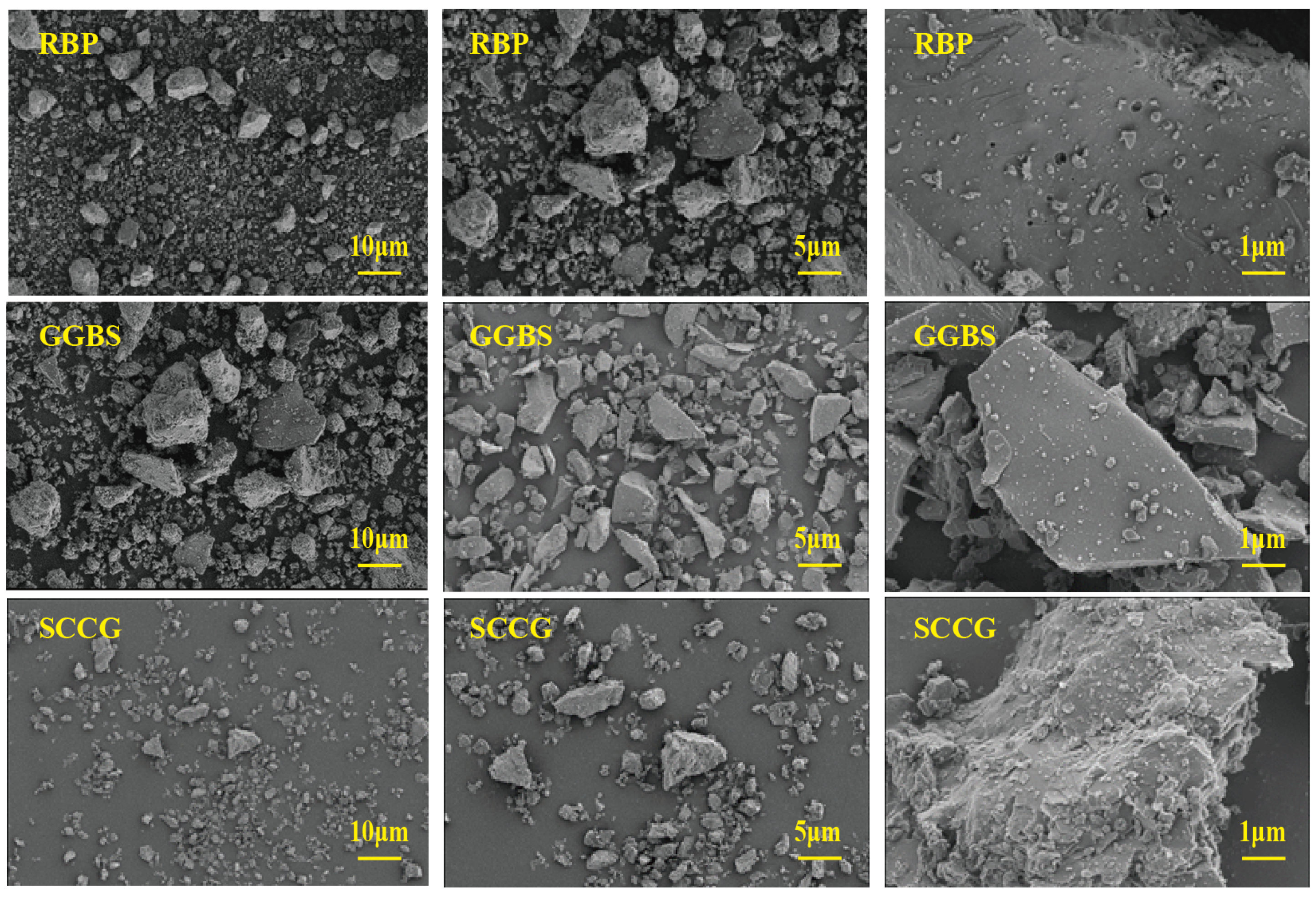
Based on this perspective, a reaction-sequence-coordinated design concept for multicomponent cementitious systems is proposed in this study. In the proposed ternary system, GGBS is introduced to ensure sufficient early-age calcium availability and matrix continuity, thereby supporting initial hydration and early strength development. Recycled brick powder and self-combusting coal gangue (SCCG) are incorporated as comparatively low-reactivity components that preferentially contribute at later curing stages through delayed pozzolanic reactions and microstructural refinement. In addition, the porous morphology of SCCG may provide internal space and moisture reservoirs for hydration product growth, thereby promoting sustained reactions and interfacial densification.
Although ternary composite systems have been extensively studied, most existing research has focused primarily on optimizing mixing ratios or combining materials with complementary properties. In contrast, this study proposes a fundamentally different approach that emphasizes coordinating the reaction sequences among the multiple components. Accordingly, this study aims not merely to present another ternary solid-waste cementitious system with improved properties, but to investigate whether coordinating the functional roles and reaction kinetics of different SCMs across curing stages can alleviate the trade-off between early-age strength, durability, and cement replacement level. By systematically comparing the mechanical performance, workability, durability, and microstructural evolution of single, binary, and ternary mortar systems incorporating RBP, GGBS, and SCCG, this work aims to elucidate how early-age calcium supply, delayed aluminosilicate reactivity, and progressive pore refinement interact to govern mechanical performance and durability. The results provide a mechanistic basis for rational design of multicomponent solid waste cementitious materials in low-carbon construction.
3. Results and Discussion
3.1. Mechanical Performance and Mix Design Optimization
The mechanical performance and mix design optimization of mortar systems incorporating different solid-waste combinations were evaluated based on compressive strength development.
Table 3 summarizes the mix proportions of all investigated mortar systems together with their compressive strength results. The internal ratios of recycled brick powder (RBP), ground granulated blast furnace slag (GGBS), and self-combusting coal gangue (SCCG), together with the cement substitution rate, are presented along with the corresponding 7-day and 28-day compressive strength values. Each reported compressive strength value represents the average of three parallel specimens tested for the same mixture. These results provide the basis for subsequent performance comparison and mix design optimization of the ternary cementitious system. The selected mixtures were chosen to represent key compositions that exhibited distinct performance characteristics, allowing for a more focused analysis of the underlying mechanisms.
3.1.1. Effect of Single and Binary Systems
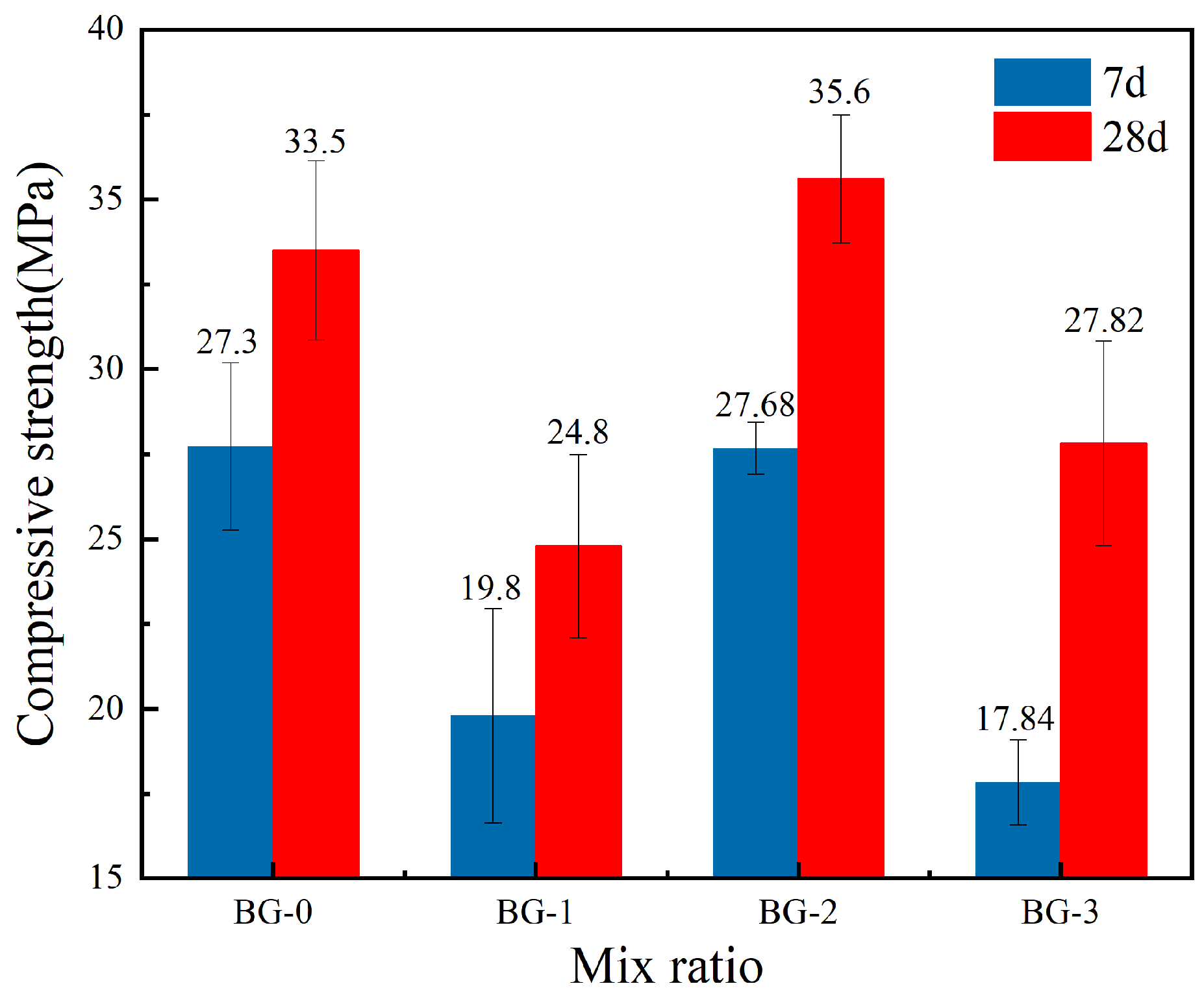
The compressive strength results of mortars incorporating single and binary supplementary cementitious materials are summarized in
Figure 4. The mortar containing only recycled brick powder (RBP, BG-1) exhibited a pronounced reduction in strength, with its 28-day compressive strength reaching only 74% of that of the plain cement mortar (BG-0). This behavior is primarily governed by the inherently low early-age reactivity of RBP, which limits its contribution to early hydration and leads to an insufficiently developed initial microstructure.
In contrast, the binary system incorporating RBP and ground granulated blast-furnace slag (GGBS, BG-2) showed a substantial improvement in compressive strength at both 7 and 28 days, even slightly exceeding the control mixture. This indicates that early-age strength development is governed by the dominant contribution of GGBS, which supplies calcium-rich hydration products and partially compensates for the delayed pozzolanic activity of RBP.
The RBP with self-combusting coal gangue (SCCG) binary system (BG-3) exhibited a different strength evolution pattern. Although its early-age strength remained relatively low, the 28-day compressive strength was higher than that of the RBP-only system. This improvement is closely associated with the porous morphology and mineral composition of SCCG, which provide internal space and favorable nucleation sites for secondary hydration products at later curing stages. However, compared with GGBS, the activation and reaction rate of SCCG are relatively slow, limiting its contribution to early-age strength development.
Overall, the results suggest that macroscopic strength development in these systems is governed by a time-dependent distribution of contributions, in which GGBS dominates early-age framework formation, whereas RBP and SCCG contribute more significantly at later ages. However, none of the binary systems simultaneously achieve high early strength and optimized later-age performance, highlighting the necessity of a ternary design to fully exploit the complementary functions of the three solid wastes.
3.1.2. Optimization of Ternary Composition
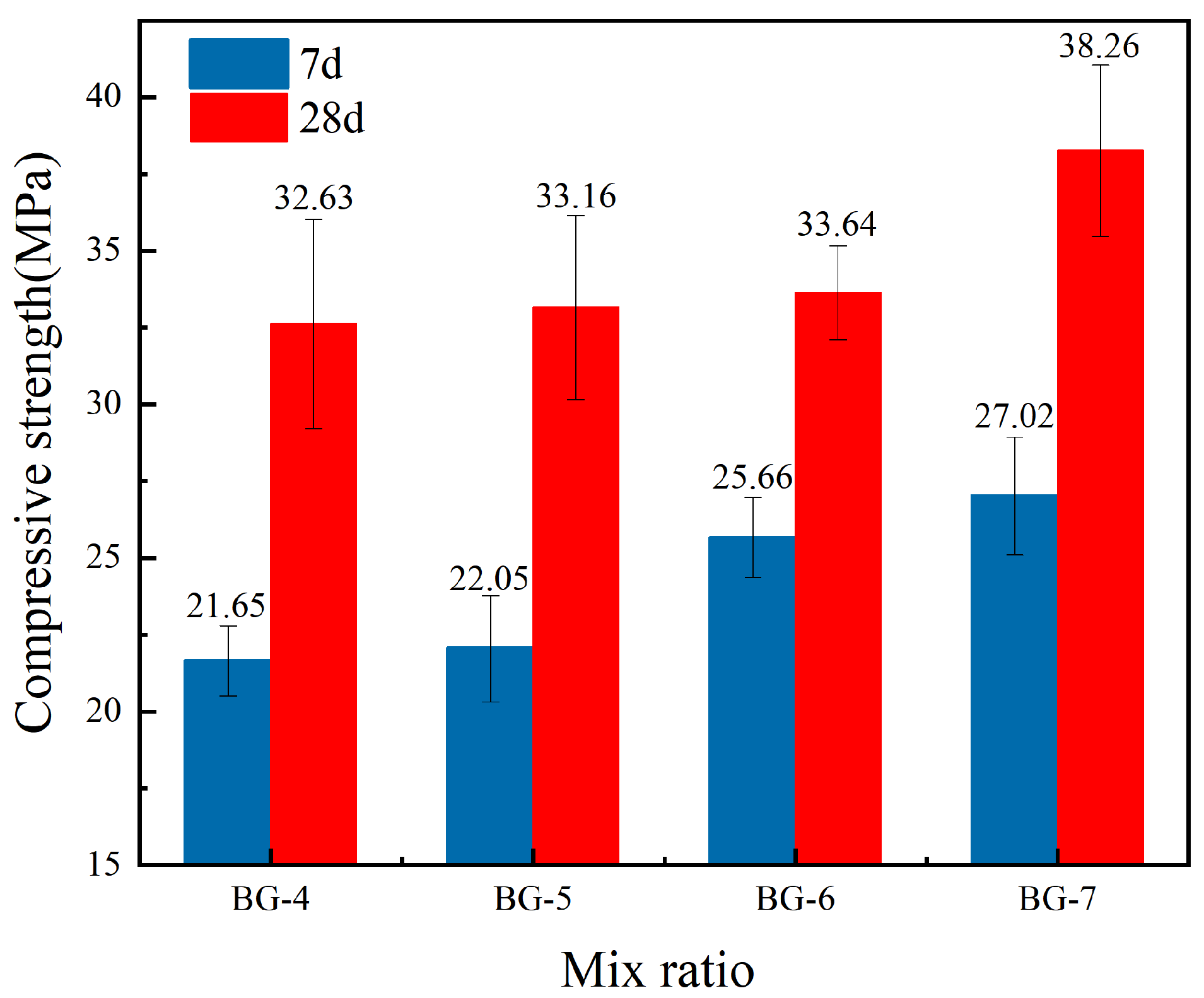
To achieve a balanced mechanical performance across different curing ages, the ternary system was systematically optimized by adjusting the relative proportions of recycled brick powder (RBP), ground granulated blast furnace slag (GGBS), and self-combusting coal gangue (SCCG), with emphasis on coordinating their contributions at different curing stages. As shown in
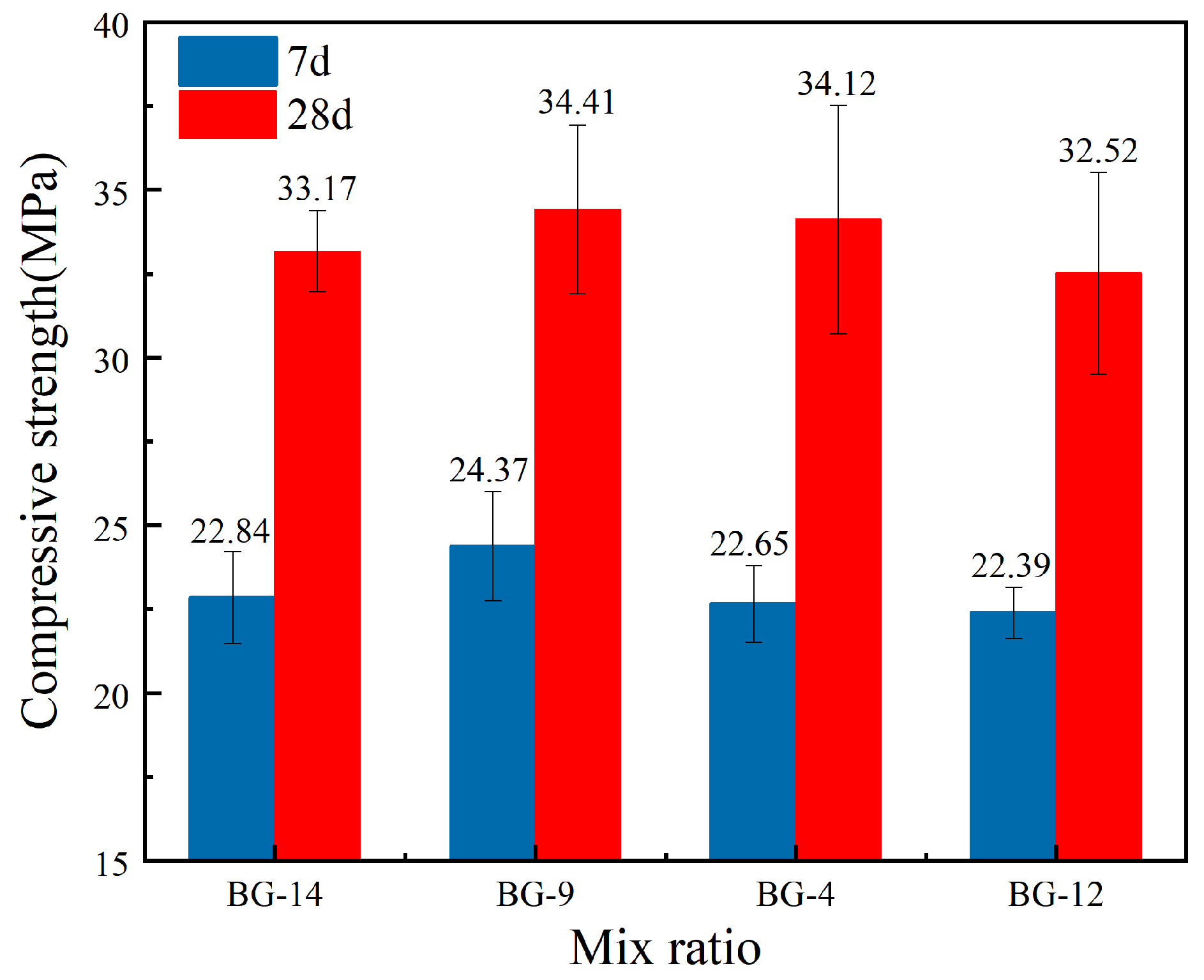
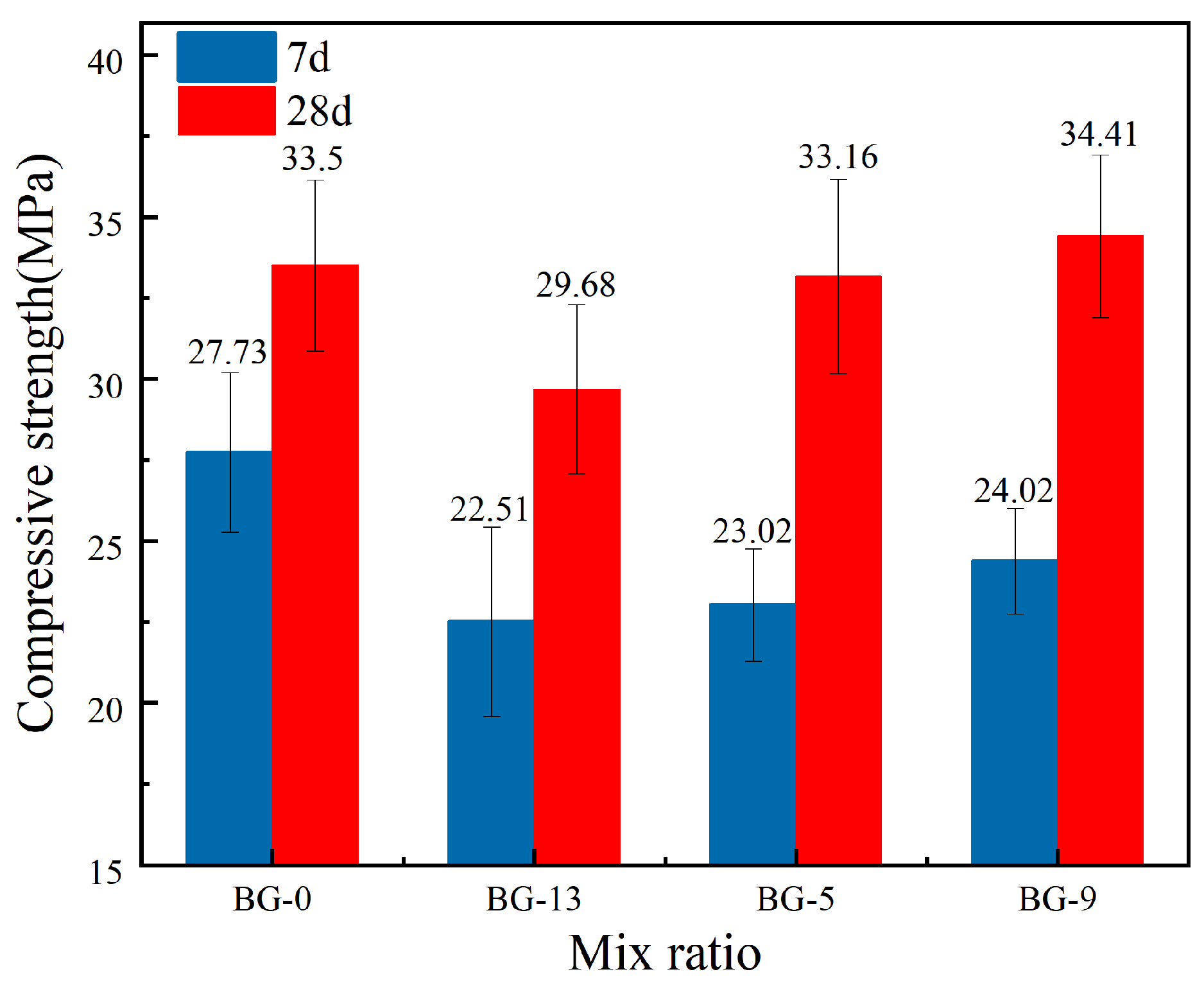
Figure 5, when the GGBS-to-SCCG ratio was fixed at 1:1, increasing the RBP content resulted in a non-monotonic variation in compressive strength. The highest 28-day compressive strength (34.41 MPa) was obtained at an RBP content of 40%, while a comparable strength level was maintained at 50% RBP. This indicates that an appropriate RBP dosage window exists at approximately 40–50%, within which the later-age pozzolanic contribution of RBP can be effectively mobilized without excessively impairing early-age strength development.
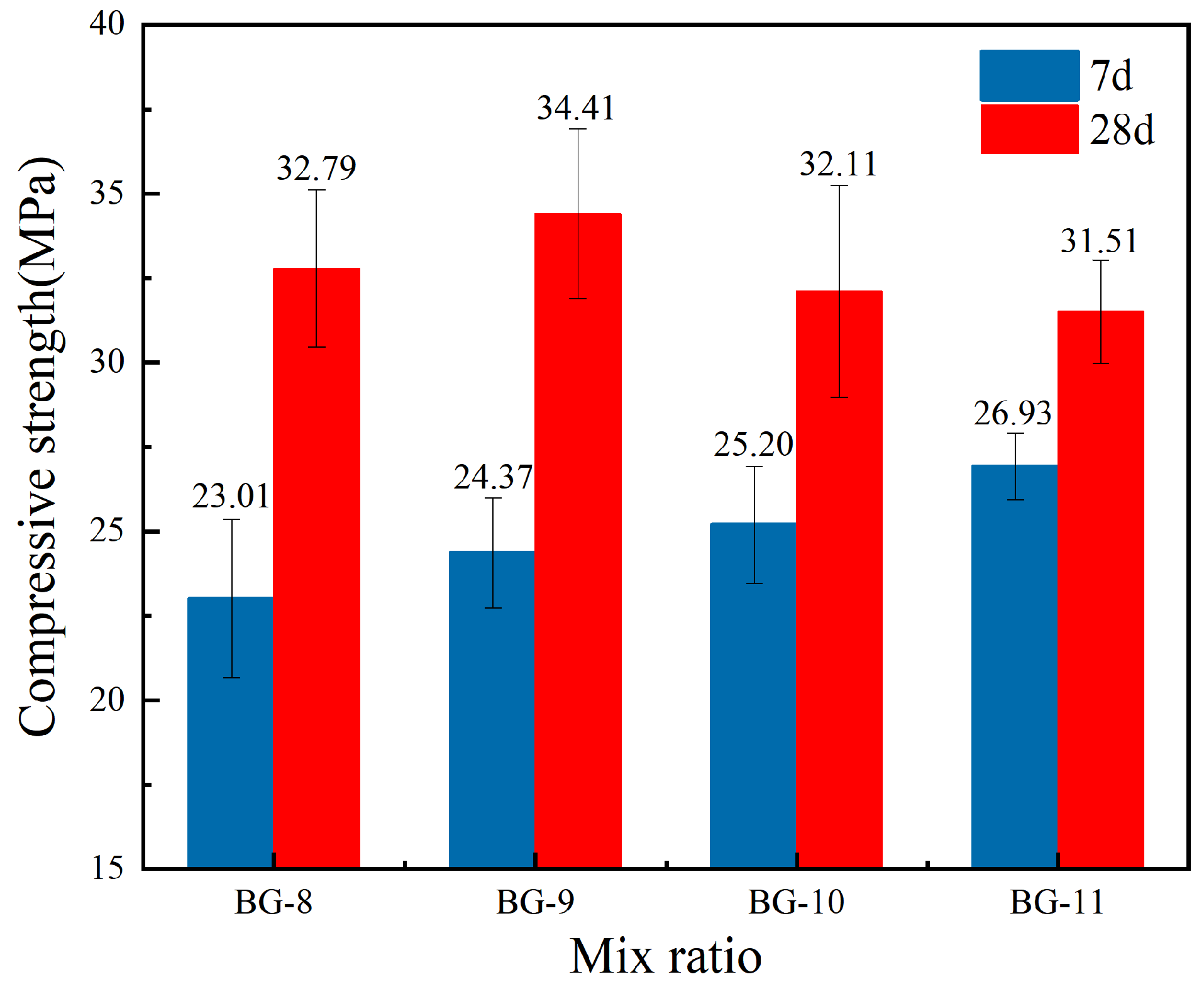
Based on this dosage window, the ratio between GGBS and SCCG was further optimized. As illustrated in
Figure 6, at a relatively high RBP content (50%), increasing the proportion of GGBS significantly enhanced early-age strength and simultaneously improved 28-day performance. This behavior highlights the important role of GGBS in supplying calcium ions and accelerating early hydration, thereby establishing a favorable alkaline environment that supports subsequent pozzolanic reactions. In contrast, when the RBP content was reduced to 40% (
Figure 7), an excessive GGBS proportion led to a decline in 28-day strength, suggesting that an imbalance between calcium availability and reactive aluminosilicate phases can restrict the sustained development of later-age pozzolanic reactions.
Supplementary experiments with fixed SCCG or GGBS contents (
Figure 8 and
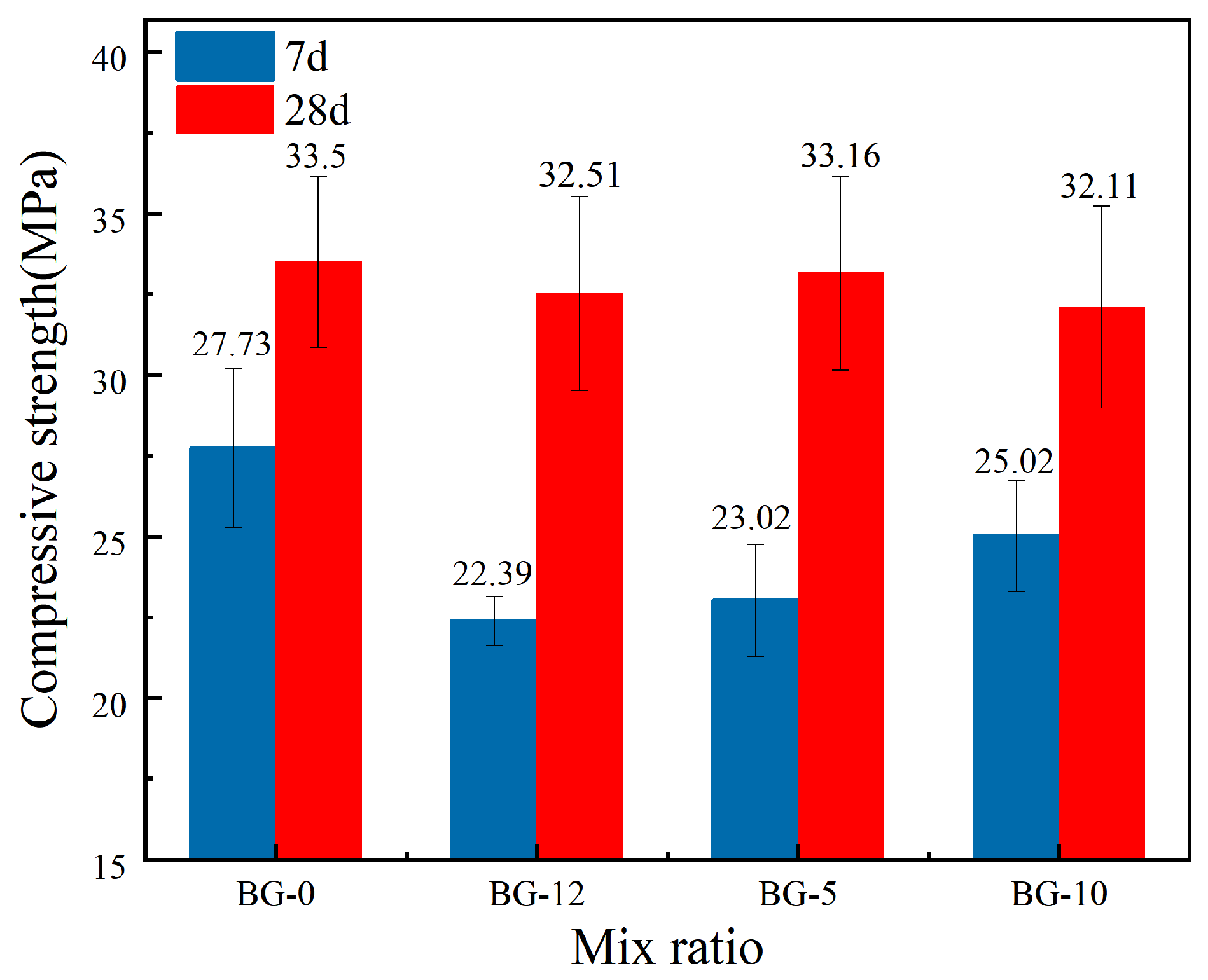
Figure 9) further confirm that a balanced proportion among the three components is essential for coordinating strength development at different curing ages. An excessive GGBS content promotes early-age strength but may suppress later-age pozzolanic activity, whereas overly high RBP or SCCG contents tend to delay early hydration and weaken the initial microstructural framework.
Among all tested mixtures, the ternary blend with an RBP:GGBS:SCCG ratio of 4:3:1 consistently exhibited the most favorable mechanical performance, achieving a 28-day compressive strength of 38.26 MPa, which exceeded that of the plain cement mortar. This optimized composition represents a balanced reaction window, in which early-age hydration promoted by GGBS is effectively coordinated, in a time-dependent manner, with the sustained pozzolanic reactivity of RBP and SCCG at later ages. Such balance avoids both insufficient early framework formation and premature depletion of reactive phases, enabling a stable and continuous strength development process. Consequently, the superior performance of the 4:3:1 mixture arises from an effective coordination of functional contributions among the three solid-waste components rather than from the dominance of any single constituent.
3.1.3. Effect of Cement Replacement Level
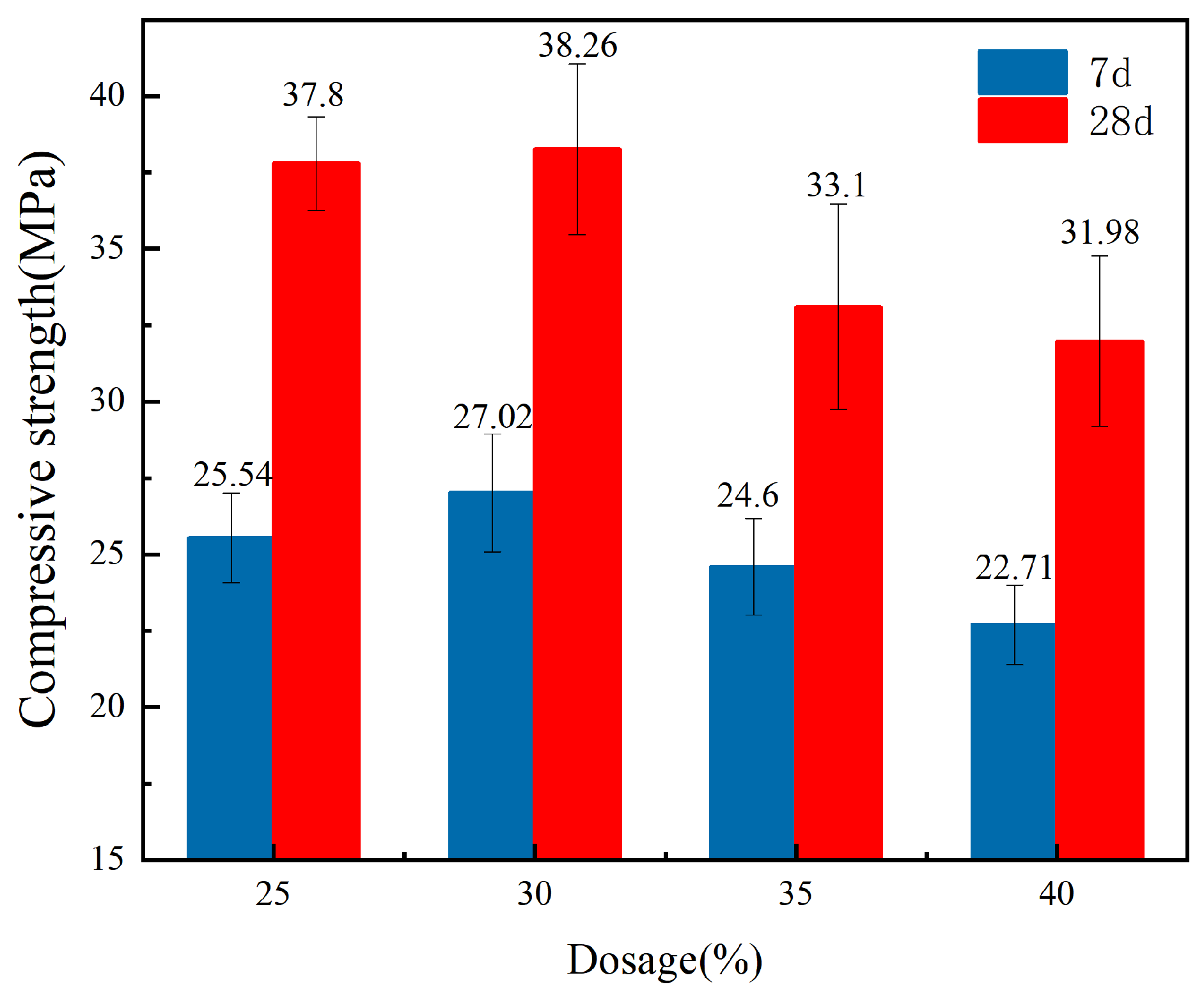
With the optimal ternary ratio of RBP:GGBS:SCCG = 4:3:1 fixed, the influence of cement replacement level on compressive strength was evaluated at replacement rates of 25%, 30%, 35%, and 40% (
Figure 10). Both 7-day and 28-day compressive strengths exhibited a non-monotonic trend, initially increasing and then decreasing with increasing replacement level.
The highest compressive strengths were achieved at a cement replacement level of 30%, with 7-day and 28-day strengths of 27.02 MPa and 38.26 MPa, corresponding to 97% and 114.2% of the plain cement mortar, respectively. At a lower replacement level (25%), the limited dosage of supplementary cementitious materials reduced particle packing efficiency and restricted the development of secondary hydration products. In contrast, at higher replacement levels (≥35%), the substantial reduction in cement content weakened the primary hydration framework, while the delayed pozzolanic reactions of the solid waste components were insufficient to fully compensate, within the relevant curing period, for the loss of cement hydration products.
These results indicate that a 30% cement replacement level provides a favorable balance between cement hydration and pozzolanic reactions in the ternary system, enabling stable mechanical performance while substantially increasing the utilization of solid waste materials.
3.2. Workability and Construction Feasibility
Workability is a critical parameter governing the practical applicability of cementitious materials. While the preceding section identified the optimal ternary composition in terms of mechanical performance, it is necessary to verify whether this optimized mixture can simultaneously satisfy construction requirements. This section therefore evaluates the flowability of fresh mortars incorporating RBP, GGBS, and SCCG, with particular emphasis on the effects of RBP dosage and cement replacement level.
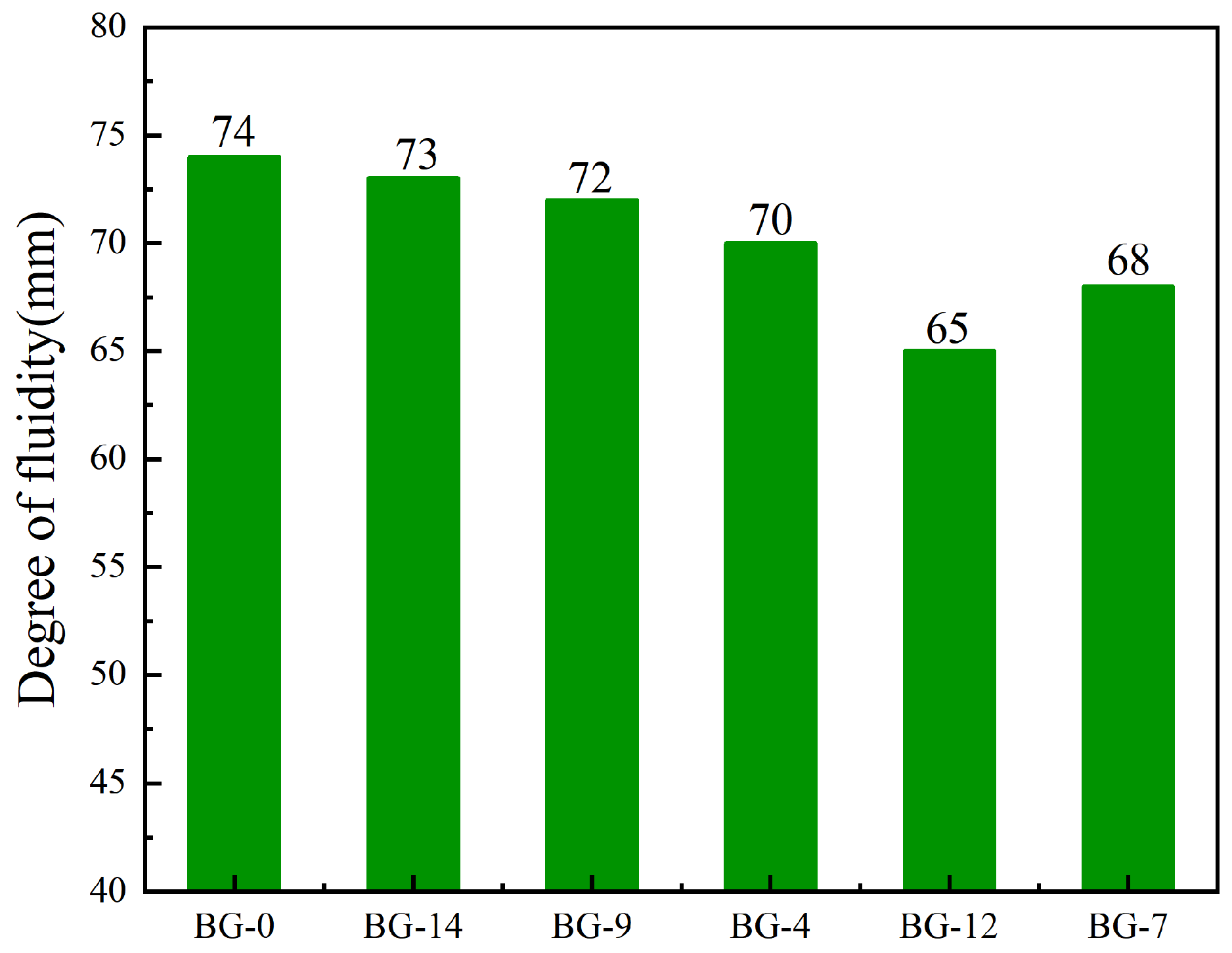
The consistency results of ternary mortars with varying RBP contents are summarized in
Table 4 and
Figure 11. When the GGBS-to-SCCG ratio was fixed at 1:1 and the water-to-binder ratio remained constant, the mortar consistency gradually decreased with increasing RBP content. Specifically, the flow diameter declined slightly from 73 mm at 33% RBP (by mass of total binder) to 70 mm at 50% RBP, followed by a more pronounced reduction to 65 mm at 60% RBP.
These results indicate the existence of a relatively tolerant RBP dosage window (≤50%) in terms of workability. At moderate dosages, the increased water demand associated with the high specific surface area of RBP remains limited, allowing sufficient free water to maintain particle mobility. However, when the RBP content exceeds this threshold, cumulative water absorption and increased interparticle friction markedly reduce flowability.
Notably, the mixture with optimal mechanical performance (BG-7, 50% RBP by mass of total binder) maintained a consistency of 68 mm, which falls within the acceptable range of 60–80 mm specified in JGJ/T 70-2009 [
41]. This suggests that a relatively high RBP utilization level can be achieved without significantly compromising workability, provided that its dosage is properly controlled.
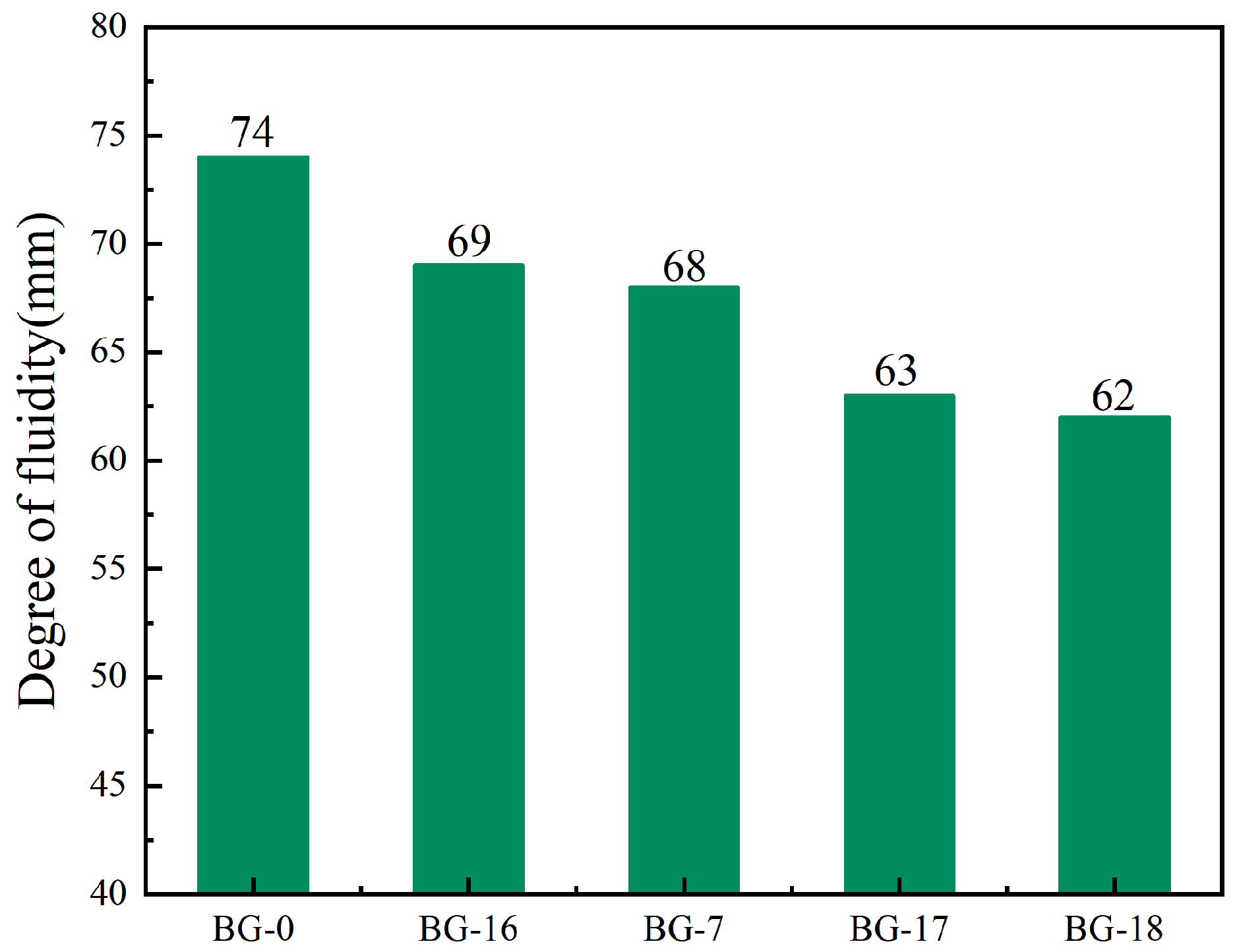
Figure 12 illustrates the influence of cement replacement level on the consistency of mortars prepared with the optimal ternary ratio of RBP:GGBS:SCCG = 4:3:1. When the replacement rate increased from 25% to 30%, only a slight reduction in flowability was observed. In contrast, further increasing the replacement level resulted in a marked decrease in consistency, reaching 63 mm and 62 mm at replacement rates of 35% and 40%, respectively.
This deterioration in workability can be associated with several coupled factors. Increasing the proportion of solid waste admixtures raises the overall water demand of the system, while the reduced cement content lowers the fraction of fine cement particles that normally enhance lubrication. In addition, the angular morphology and rough surface texture of RBP and SCCG hinder particle rearrangement during flow.
Overall, the results indicate that a cement replacement level of 30% represents a practical upper limit for maintaining satisfactory workability under the present mix conditions. Importantly, this threshold coincides with the optimal replacement level identified for compressive strength, demonstrating a good consistency between mechanical optimization and construction feasibility. The optimized ternary mixture (BG-7) therefore achieves a favorable balance between strength performance and workability, confirming its suitability for practical construction applications. In this section, the RBP content refers to its mass fraction relative to the total binder content.
3.3. Durability Performance of Ternary Mortars
Durability governs the long-term service performance of cementitious materials, particularly under aggressive environments. In this study, water absorption and chloride ion penetration resistance were selected as representative indicators to evaluate the durability of ternary mortars incorporating RBP, GGBS, and SCCG. These parameters are closely related to pore connectivity and microstructural compactness, thereby providing insight into the microstructural characteristics associated with the proposed synergistic design.
3.3.1. Water Absorption Behavior
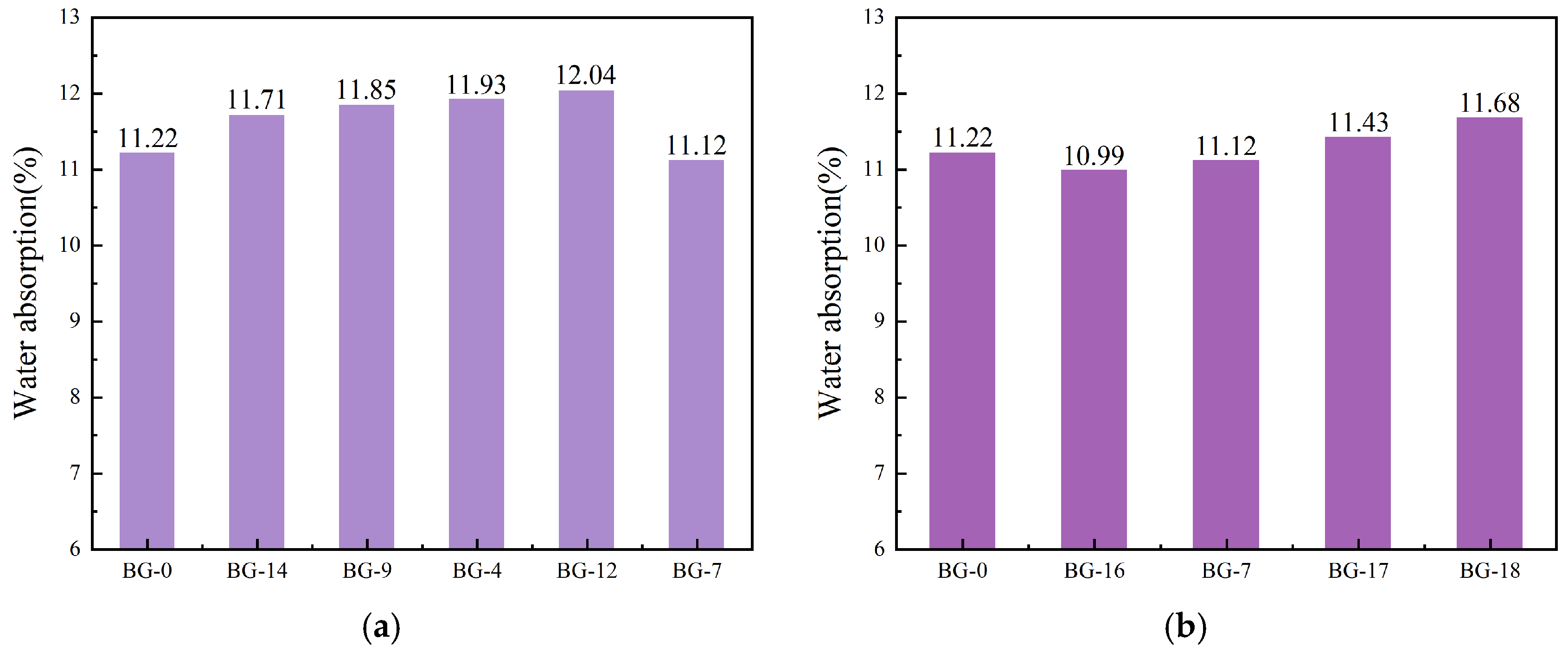
The water absorption results of different mortar systems are summarized in
Table 5 and
Figure 13. To clarify the influence of mix parameters, two experimental series were considered. The first examined the effect of RBP content at a fixed total replacement level of 30%, while the second evaluated the influence of cement replacement level at the optimal ternary ratio of RBP:GGBS:SCCG = 4:3:1.
As shown in
Figure 13a, when the GGBS-to-SCCG ratio was fixed at 1:1, increasing the RBP content from 33% to 60% resulted in a gradual increase in water absorption from 11.71% to 12.04%. Even the lowest value in this series exceeded that of the plain cement control (11.22%). This trend indicates that excessive RBP introduces additional porosity due to its inherently porous morphology and limited early-age reactivity, leading to a higher proportion of residual particles that readily retain moisture.
In contrast, the optimized ternary mixture (BG-7, RBP:GGBS:SCCG = 4:3:1) exhibited a markedly lower water absorption of 11.12%, representing an absolute reduction of 0.8 percentage points compared with the control. This improvement reflects the formation of a denser microstructure through complementary hydration and pozzolanic reactions. In this system, early-age hydration products associated with GGBS contribute to the formation of a continuous matrix, while the subsequent pozzolanic reactions of RBP and SCCG are conducive to progressive filling of capillary pores, thereby mitigating the intrinsic porosity of the individual components.
When the cement replacement level was varied at the fixed 4:3:1 ratio (
Figure 13b), water absorption first decreased and then increased, with the minimum value occurring at a replacement level of 30%. Beyond this threshold, water absorption rose noticeably. This behavior mirrors the compressive strength development trend, confirming that excessive cement reduction weakens the primary hydration framework and increases open porosity, which cannot be fully compensated by secondary hydration products.
Overall, the water absorption results indicate that durability-related performance in ternary mortars is sensitive to both the internal proportion of solid waste components and the total cement replacement level. A replacement level of 30% represents a favorable balance between matrix formation and pore refinement under the present curing conditions, consistent with the trends observed in mechanical performance.
3.3.2. Resistance to Chloride Ion Penetration
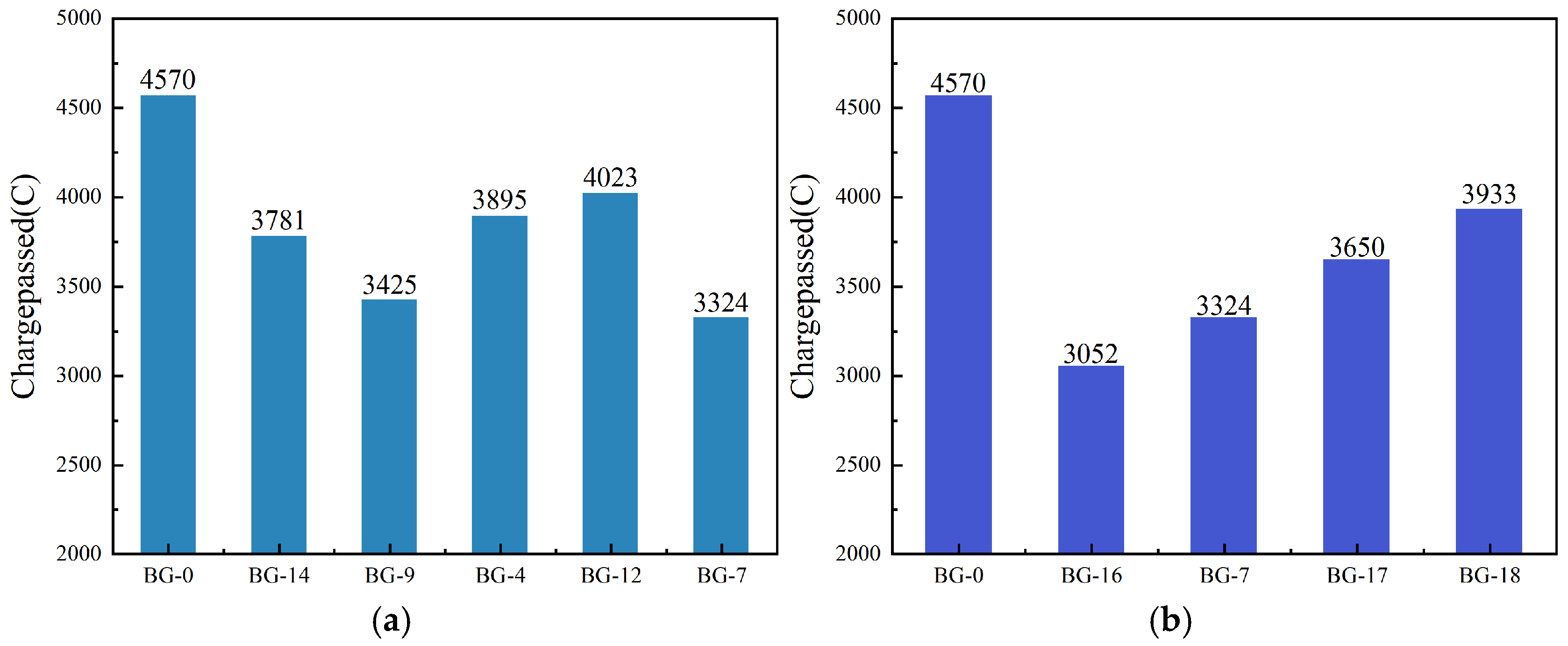
The resistance to chloride ion penetration, quantified by electrical flux, is presented in
Table 6 and
Figure 14. Consistent with the water absorption tests, the effects of RBP content and cement replacement level were systematically evaluated to assess the durability performance of the ternary mortars.
As shown in
Figure 14a, at a fixed cement replacement level of 30%, the incorporation of ternary admixtures substantially reduced the electrical flux compared with the plain cement mortar. With increasing RBP content, the electrical flux initially decreased and then slightly increased. However, all values remained substantially lower than those of the control mixture. Among the tested compositions, the optimized ternary mixture exhibited the lowest electrical flux, indicating an enhanced resistance to chloride ion transport.
Figure 14b further illustrates the influence of cement replacement level at the optimal ternary ratio of RBP:GGBS:SCCG = 4:3:1. The electrical flux decreased sharply as the replacement level increased from 25% to 30%, reaching a minimum value of 3324 C. This corresponds to a reduction of 27.2% relative to the control. Further increasing the replacement level resulted in a gradual rebound in electrical flux, which is consistent with the deterioration of matrix integrity observed at excessive cement reduction.
The enhanced resistance to chloride ion penetration can be associated with two complementary mechanisms. First, the combined pozzolanic reactions of RBP, GGBS, and SCCG consume Ca(OH)2 and generate additional C–S–H and C–A–S–H gels. These hydration products refine the pore structure and reduce pore connectivity. Second, the alumina-rich phases in RBP contribute to chemical chloride binding, such as the formation of Friedel’s salt. This process further restricts ion migration. Together, these effects significantly hinder chloride transport through the hardened matrix.
The durability performance of the optimized ternary mortar demonstrates that the synergistic incorporation of RBP, GGBS, and SCCG is associated with an improvement in microstructural compactness rather than a simple dilution effect. The optimal mixture (BG-7) simultaneously achieved a low water absorption of 11.12% and a 27.2% reduction in electrical flux compared with the plain cement mortar. These results support its superior resistance to fluid ingress and ion penetration.
Importantly, the durability enhancement follows the same optimal parameter window identified for mechanical performance and workability, namely a ternary ratio of 4:3:1 and a cement replacement level of 30%. This consistency highlights the robustness of the proposed design strategy and suggests that the observed improvements are associated with coordinated microstructural development rather than isolated test conditions.
3.4. Synergistic Hydration and Microstructural Evolution Mechanisms
The enhanced macroscopic performance of the optimized ternary mortar system is closely associated with the synergistic hydration behavior and microstructural evolution arising from the combined incorporation of recycled brick powder (RBP), ground granulated blast furnace slag (GGBS), and self-combusting coal gangue (SCCG). To elucidate the underlying mechanisms, XRD, SEM, and TG–DTG analyses were conducted on representative mortar systems, including single, binary, and ternary admixture formulations. These techniques provide complementary evidence linking hydration kinetics, phase assemblage, and microstructural densification.
3.4.1. XRD Analysis
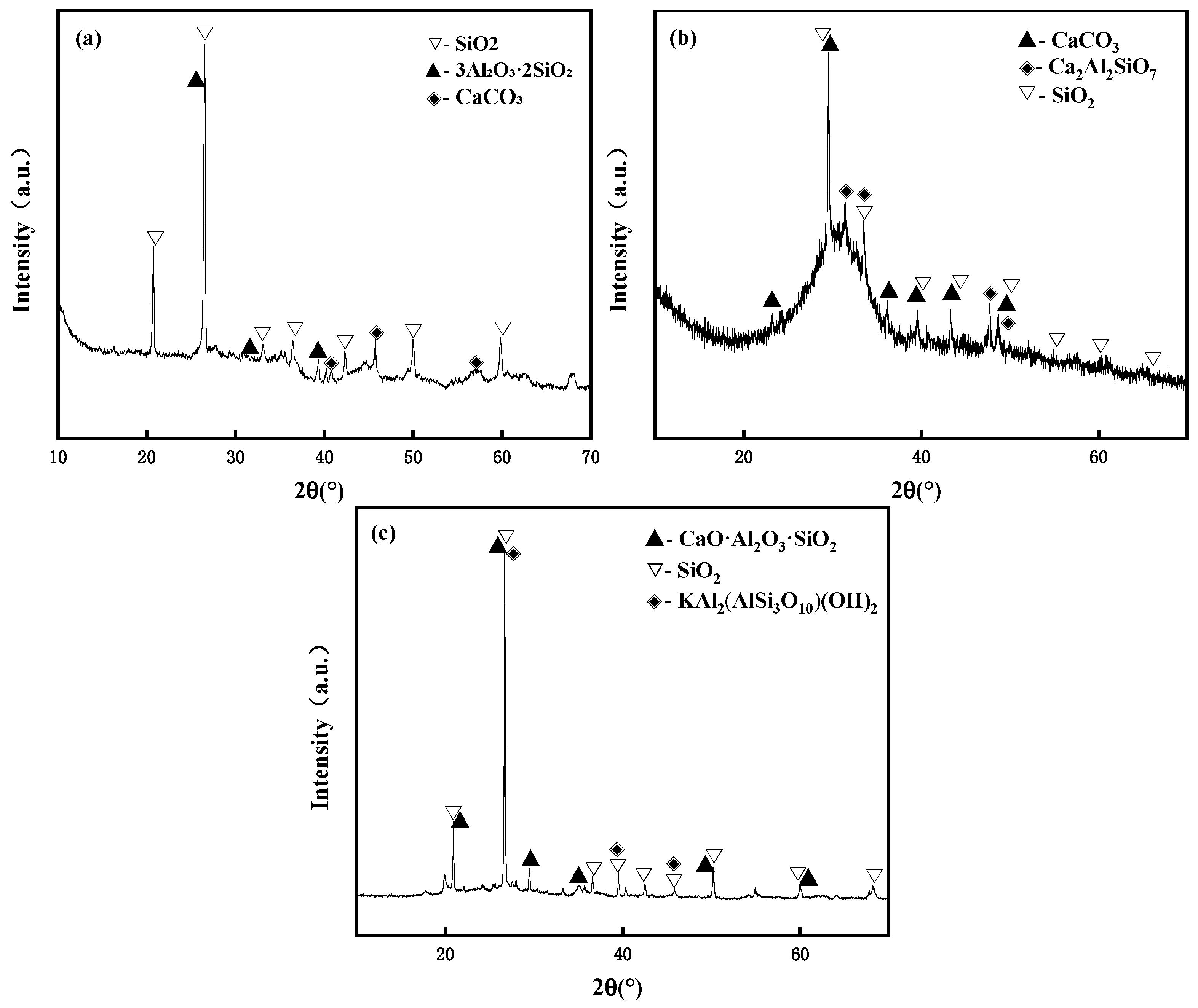
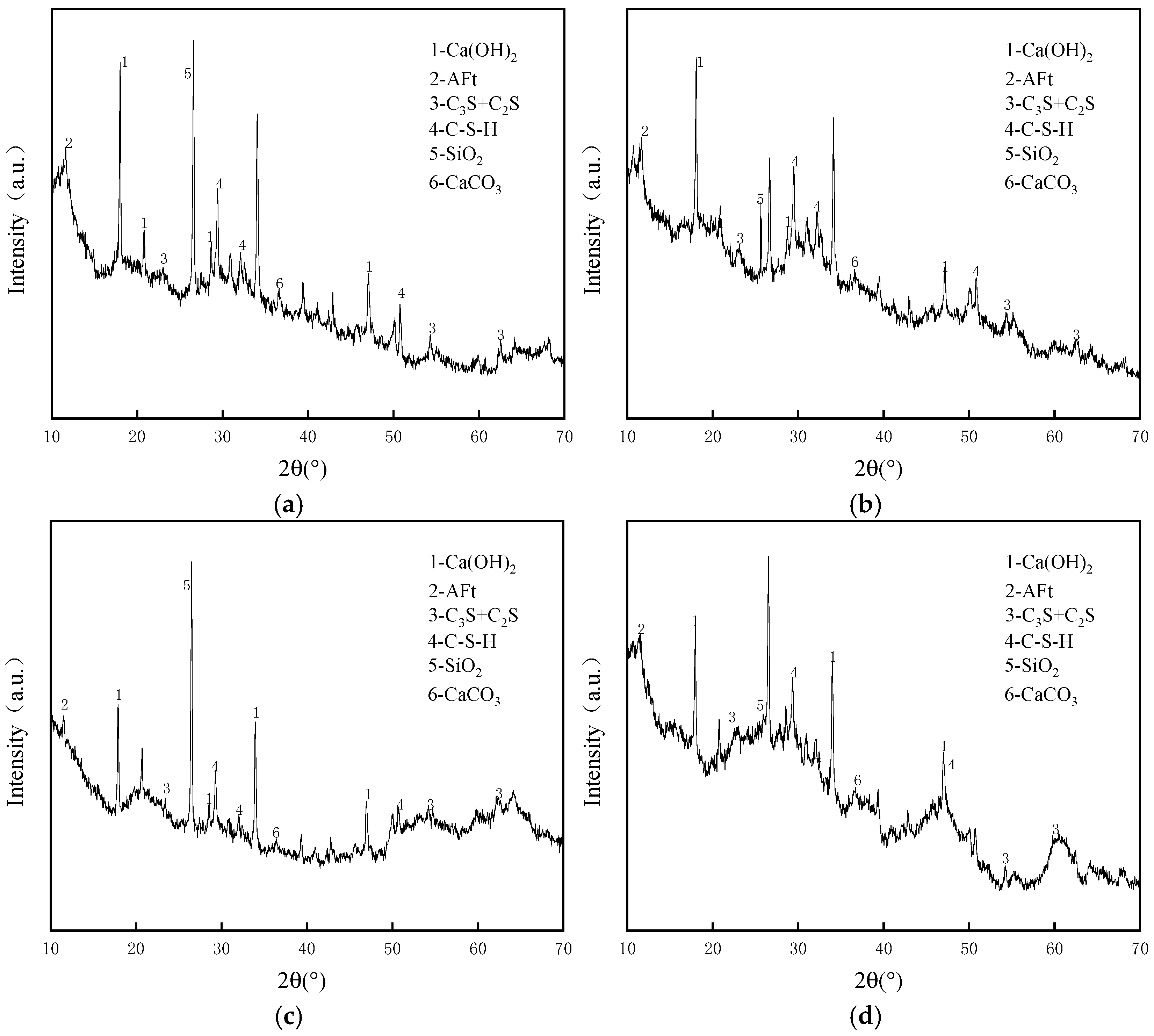
Figure 15a–d presents the XRD patterns of hydrated pastes at 28 days for BG-1 (RBP), BG-2 (RBP + GGBS), BG-3 (RBP + SCCG), and BG-7 (ternary system). All samples exhibit typical hydration products of cement-based materials, including portlandite (Ca(OH)
2), ettringite (AFt), and poorly crystalline calcium silicate hydrate (C–S–H). The presence of amorphous hydration products is reflected by the broad diffuse hump in the range of 20–35° (2θ).
Compared with the RBP-only system (BG-1), the binary system incorporating GGBS (BG-2) shows a noticeable reduction in Ca(OH)2 peak intensity. This observation suggests an increased consumption of Ca(OH)2 associated with the relatively higher reactivity of GGBS, which is conducive to slag hydration and subsequent pozzolanic reactions. In contrast, the RBP + SCCG system (BG-3) retains relatively stronger Ca(OH)2 reflections, suggesting that SCCG contributes more gradually to secondary hydration and exhibits a lower reaction rate when acting alone.
Notably, the ternary system (BG-7) exhibits the weakest Ca(OH)2 diffraction among all mixtures, accompanied by a pronounced enhancement of the amorphous hump. This behavior suggests an increased extent of secondary hydration and the formation of greater amounts of C–S–H and C–A–S–H gels. The simultaneous attenuation of crystalline Ca(OH)2 and enrichment of amorphous hydration products support the view that the ternary blend facilitates a more sustained pozzolanic reaction compared with the single or binary systems. Such enhanced formation of amorphous phases provides a microstructural basis for the improved strength development and durability performance observed at the macroscopic level.
3.4.2. SEM Analysis
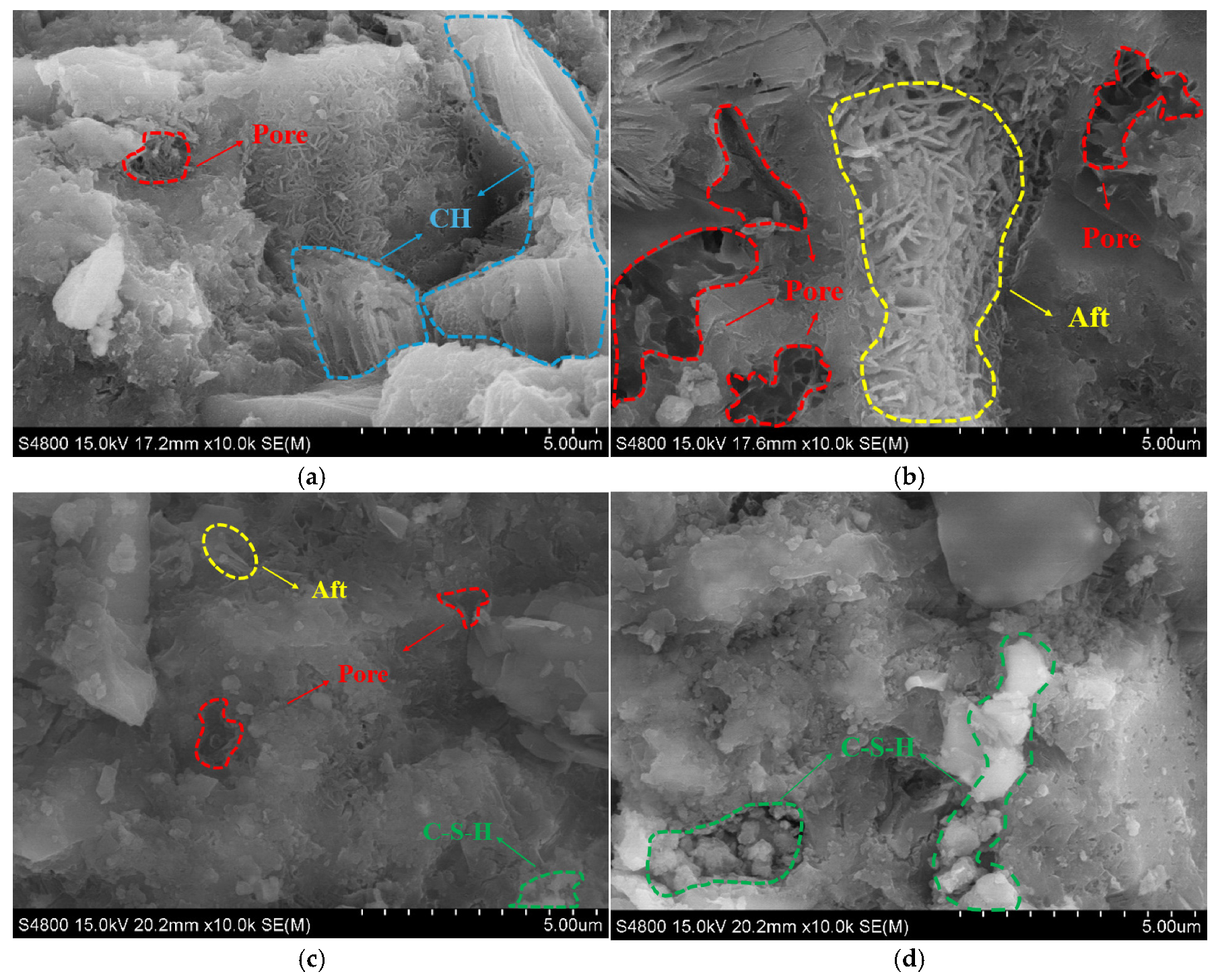
Figure 16 presents SEM micrographs of hydrated paste samples at 28 days corresponding to BG-1 (RBP), BG-2 (RBP + GGBS), BG-3 (RBP + SCCG), and the optimized ternary system BG-7.
SEM micrographs further illustrate the microstructural differences induced by varying admixture combinations. As shown in (BG-1,
Figure 16a), the RBP-only system displays a relatively loose microstructure with unreacted brick particles embedded in the matrix and a noticeable presence of capillary pores. A large amount of CH is present, and the degree of secondary hydration is low. The bonding between hydration products and RBP particles remains limited at 28 days, which is consistent with the relatively slow reaction kinetics of RBP.
In the binary RBP + GGBS system (BG-2,
Figure 16b), a denser matrix is observed. However, localized voids and partially reacted particles are still present, indicating incomplete microstructural homogenization.
The RBP + SCCG system (BG-3,
Figure 16c) exhibits hydration products preferentially nucleating within the porous SCCG particles. While this internal growth may contribute to local densification, the overall matrix remains insufficiently developed, which can be associated with limited early-age gel formation.
In contrast, the ternary system (BG-7,
Figure 16d) exhibits a relatively compact and homogeneous microstructure. Interconnected C–S–H and C–A–S–H gels are observed filling the interstitial spaces between particles, while SCCG pores appear to provide internal space that may facilitate moisture retention and nucleation of secondary hydration products. The coordinated interaction among the three components is associated with enhanced particle packing, reduced pore connectivity, and a more compact interfacial morphology, which is consistent with the enhanced mechanical and durability performance observed at the macroscopic level.
3.4.3. TG–DTG Analysis
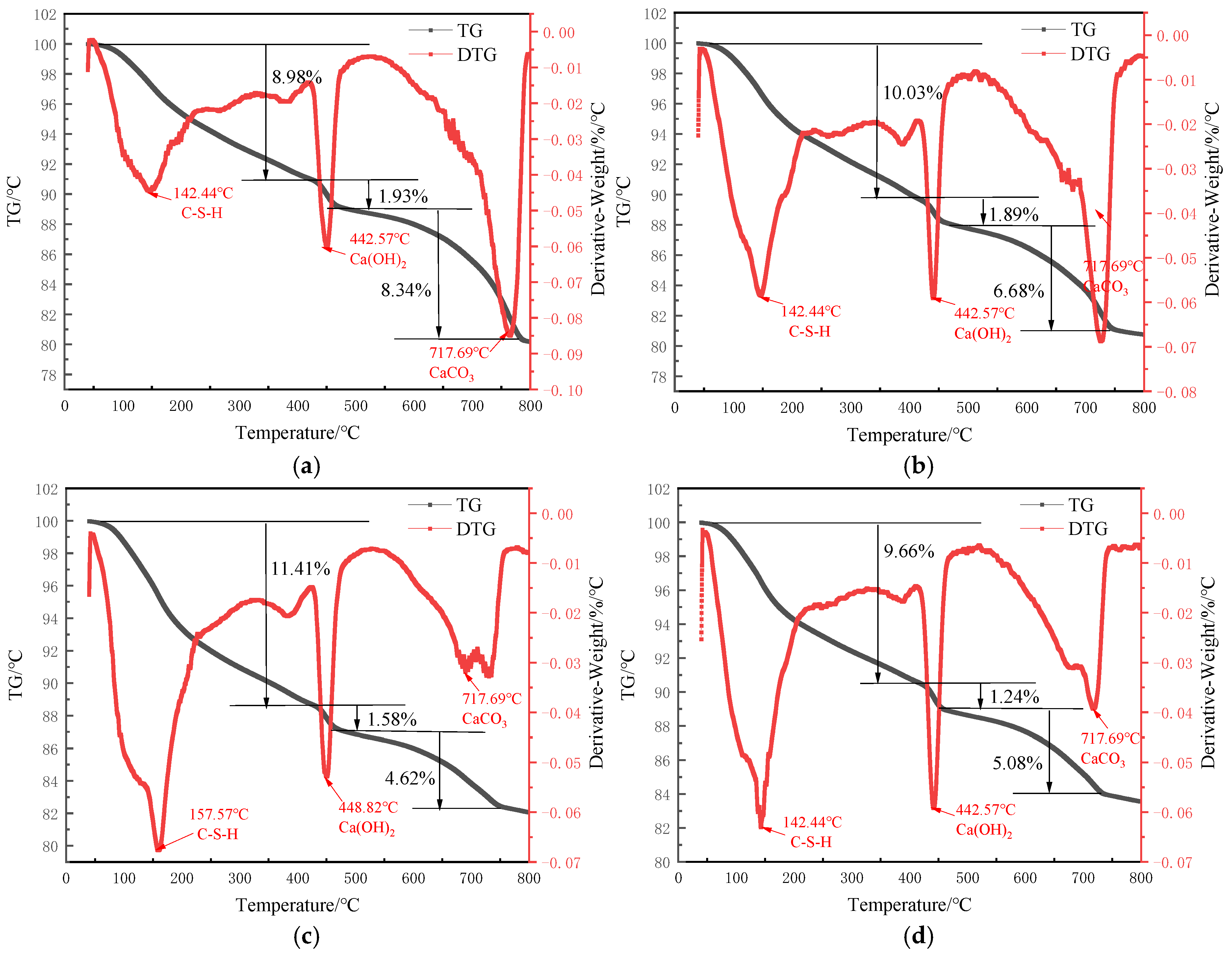
Thermogravimetric and differential thermogravimetric (TG–DTG) analyses were conducted on paste samples cured for 28 days using a TA TGA 550 analyzer (China). The investigated systems included the single-admixture system BG-1, the binary systems BG-2 and BG-3, and the optimized ternary system BG-7. The corresponding TG and DTG curves are shown in
Figure 17.
The Ca(OH)
2 content of the hydrated paste was quantified based on TG–DTG analysis by evaluating the mass losses occurring at specific temperature intervals associated with Ca(OH)
2 dihydroxylation and CaCO
3 decarbonation. According to stoichiometric relationships, the Ca(OH)
2 content (CH) was calculated as:
where
WLCH and
represent the mass losses corresponding to Ca(OH)
2 dehydroxylation and CaCO
3 decomposition, respectively. The calculated data is summarized in
Table 7.
As shown in
Figure 17 and
Table 7, the paste containing only RBP (BG-1) exhibited a Ca(OH)
2 content of 26.88%. When RBP was combined with SCCG in the binary system BG-3, the Ca(OH)
2 content decreased markedly to 16.89%, corresponding to an absolute reduction of 11.79 percentage points. This reduction reflects the enhanced consumption of Ca(OH)
2 due to secondary hydration reactions promoted by the presence of SCCG at later curing stages.
In the binary system incorporating RBP and GGBS (BG-2), the Ca(OH)2 content was 22.93%. This value is lower than that of BG-1 but higher than that of BG-3. The relatively higher Ca(OH)2 content in BG-2 may be related to the high early hydration activity of GGBS, which is activated in the alkaline environment provided by cement hydration and participates in secondary hydration reactions, while its subsequent pozzolanic reaction with RBP contributes to partial portlandite consumption. As a result, the Ca(OH)2 content in BG-2 remains at an intermediate level.
For the ternary system BG-7 with an RBP:GGBS:SCCG ratio of 4:3:1, the Ca(OH)2 content further decreased to 16.63%, representing reductions of 11.97 and 6.30 percentage points relative to BG-1 and BG-2, respectively. This system exhibits the lowest Ca(OH)2 content among all tested mixtures, indicating a relatively high degree of portlandite consumption. Such behavior suggests that the combined hydration and pozzolanic reactions in the ternary blend are associated with a more effective utilization of available calcium, which is consistent with the denser microstructural features and improved macroscopic performance observed in the ternary system.
3.5. Ternary Synergistic Mechanism
The superior macroscopic performance of the optimized ternary mortar system cannot be attributed solely to the additive effects of recycled brick powder (RBP), ground granulated blast furnace slag (GGBS), and self-combusting coal gangue (SCCG). Rather, it is more reasonably interpreted as arising from a time-dependent coordination of hydration and pozzolanic reactions, governed by the complementary physicochemical characteristics and intrinsic reaction kinetics of the three solid-waste components.
This coordinated interaction is manifested in the evolution of hydration products, pore structure, and matrix continuity, enabling a balance between early-age strength development and sustained microstructural densification at elevated cement replacement levels.
At early curing stages, GGBS plays a dominant role in establishing the primary load-bearing framework of the matrix. Owing to its latent hydraulic activity and relatively high CaO content, GGBS is readily activated in the alkaline environment generated by cement hydration, leading to the preferential formation of calcium-rich C–S–H gels. These early hydration products effectively compensate for the limited early-age reactivity of RBP and SCCG, thereby ensuring matrix continuity and initial mechanical integrity. During this stage, RBP and SCCG mainly contribute through physical filling and nucleation effects, while their chemical reactivity remains comparatively limited.
With ongoing hydration, the contributions of RBP and SCCG become increasingly pronounced. The reactive SiO2 and Al2O3 phases in RBP gradually participate in pozzolanic reactions, consuming Ca(OH)2 released from cement hydration and GGBS dissolution. This delayed reactivity promotes the formation of secondary C–S–H and C–A–S–H gels, which progressively fill capillary pores and refine the pore structure. Compared with systems dominated by highly reactive supplementary cementitious materials, the relatively slower reaction kinetics of RBP may help sustain pozzolanic activity over extended curing periods by avoiding premature depletion of calcium hydroxide.
SCCG contributes to microstructural development through a combination of physical and chemical mechanisms. Its porous morphology provides internal space for hydration product growth and may function as an internal curing reservoir, facilitating moisture redistribution within the matrix. In addition, the heterogeneous mineral composition and rough surface texture of SCCG particles offer favorable nucleation sites for hydration products, promoting localized densification at the particle–matrix interface. Although the intrinsic pozzolanic reactivity of SCCG is lower than that of GGBS, its gradual participation in secondary reactions further enhances pore filling and interfacial bonding at later ages.
Accordingly, the synergistic behavior of the ternary system is better understood in terms of temporal matching of reaction rates rather than maximization of individual reactivity. Early-age framework formation dominated by GGBS ensures initial structural stability, while the delayed yet sustained pozzolanic reactions of RBP and SCCG drive progressive microstructural densification. This coordinated reaction sequence mitigates the limitations commonly observed in binary systems, where excessive early reactivity may suppress long-term pozzolanic potential or insufficient calcium availability may delay framework formation.
Notably, the optimized RBP:GGBS:SCCG ratio of 4:3:1 appears to establish a balanced reaction window in which calcium supply, aluminosilicate availability, and internal curing capacity are effectively coordinated. Excessive GGBS content may accelerate early hydration but constrain later-age pozzolanic reactions due to rapid calcium consumption, whereas overly high RBP or SCCG contents tend to delay early framework establishment. The selected ratio alleviates these competing effects, allowing each component to contribute without inducing adverse interactions.
Consequently, the enhanced compressive strength, reduced water absorption, and improved resistance to chloride ion penetration observed in the optimized ternary mortar are consistent with a refined and progressively densified microstructure, rather than with dilution or packing effects alone. The reaction-sequence-coordinated ternary design therefore provides a rational basis for developing multicomponent solid-waste cementitious systems capable of achieving high cement replacement levels without compromising mechanical performance or durability.
4. Discussion
The results indicate that the improved performance of the ternary system is primarily governed by the coordinated interaction among RBP, GGBS, and SCCG, which exhibit distinct reaction characteristics at different stages. GGBS, with its latent hydraulic properties, reacts rapidly in the presence of calcium hydroxide and alkaline conditions, contributing to early-stage strength development and the formation of a primary structural framework. In contrast, RBP and SCCG, which are rich in aluminosilicate phases, mainly participate in later-stage pozzolanic reactions, consuming Ca(OH)2 and generating additional C–S–H and C–A–S–H gels.
The reduction in Ca(OH)2 content to 16.63% in the optimized system further confirms the enhanced pozzolanic activity, which contributes to the refinement of the pore structure and the densification of the matrix. The porous structure of SCCG may also facilitate internal curing and provide nucleation sites for hydration products, further promoting microstructural development.
Compared with binary systems reported in the literature, where either early strength (in slag-rich systems) or later-age performance (in aluminosilicate-rich systems) is improved, the present ternary system achieves a more balanced performance. Previous studies have shown that RBP–GGBS systems can enhance early strength due to increased calcium availability but often require relatively low replacement levels to maintain durability [
33,
34,
35]. Similarly, systems incorporating materials such as metakaolin or coal gangue tend to improve later-age properties but suffer from insufficient early framework formation [
37,
38,
39].
In contrast, the ternary system proposed in this study enables a more effective coordination of reaction kinetics, resulting in improved compressive strength and reduced permeability at a relatively high replacement level of 30%. The observed increase of approximately 14% in compressive strength and the reduction in chloride ion transmittance by about 27% demonstrate the advantage of this approach over conventional systems.
These findings suggest that the coordination of reaction sequences is a key factor in designing high-performance cementitious materials with high solid waste content. This mechanism-oriented approach provides new insights beyond traditional mix proportion optimization and may be extended to other multicomponent systems.
Among the tested mixtures, the ternary composition with an RBP:GGBS:SCCG ratio of 4:3:1 exhibited the most favorable overall performance in terms of compressive strength, workability, and durability. It should be noted that this ratio is identified as optimal within the experimental range investigated, rather than through a full factorial or statistical optimization approach. The superiority of this composition is consistently supported by multiple performance indicators and is further corroborated by microstructural analysis, suggesting that the observed trend is not incidental but associated with the coordinated reaction behavior of the three components. Further statistical optimization using factorial design or response surface methodology could be conducted in future studies to quantitatively validate the optimal composition.
This study has several limitations. The properties of construction and demolition waste (CDW), including RBP and SCCG, may vary significantly depending on their source, composition, and processing conditions, which could affect the reproducibility and generalizability of the results. In addition, the experimental investigation was conducted under controlled laboratory conditions with a limited range of replacement levels and mixture proportions. Long-term durability aspects, such as freeze–thaw resistance and performance under variable environmental conditions, were not evaluated in this study. Therefore, further research is required to assess the robustness of the proposed ternary system under different raw material sources and practical engineering conditions.