Closed-Loop System Identification and Gain Scheduled Control of Piston Engine–Dynamometer System with Disturbance Observer

Abstract
1. Introduction
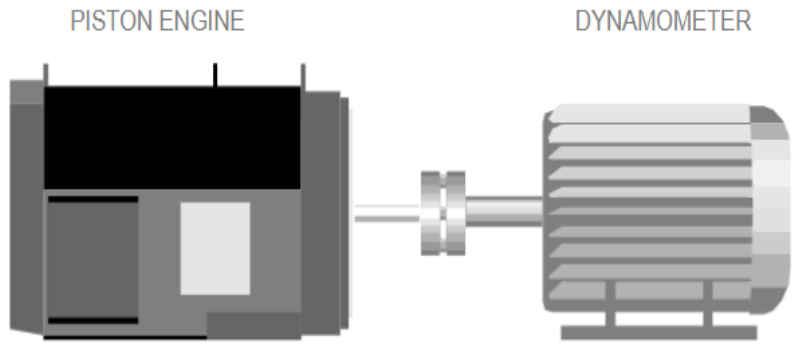
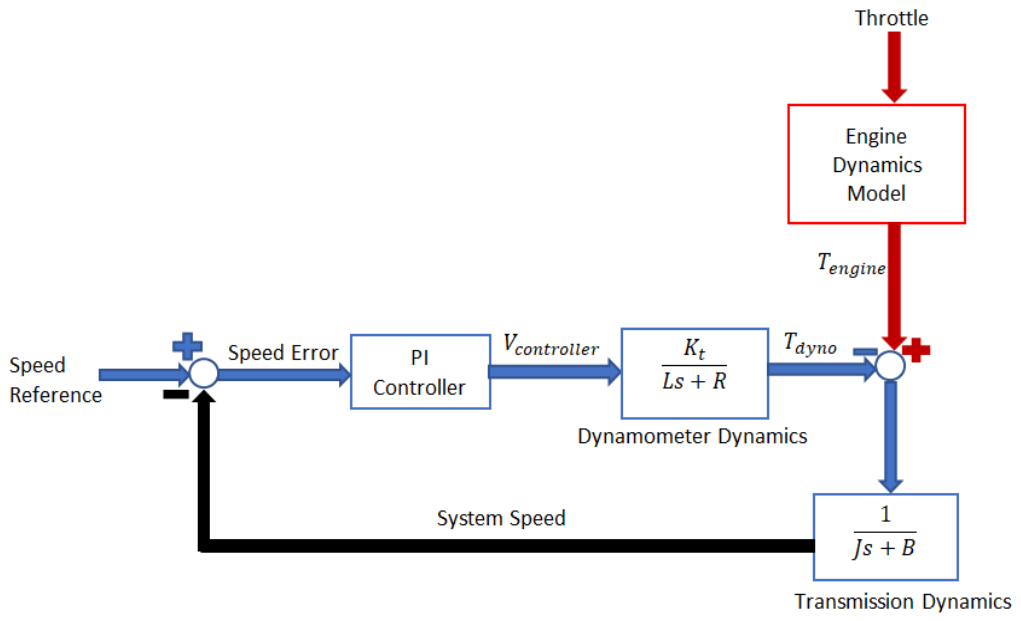
2. Piston Engine–Dynamometer System
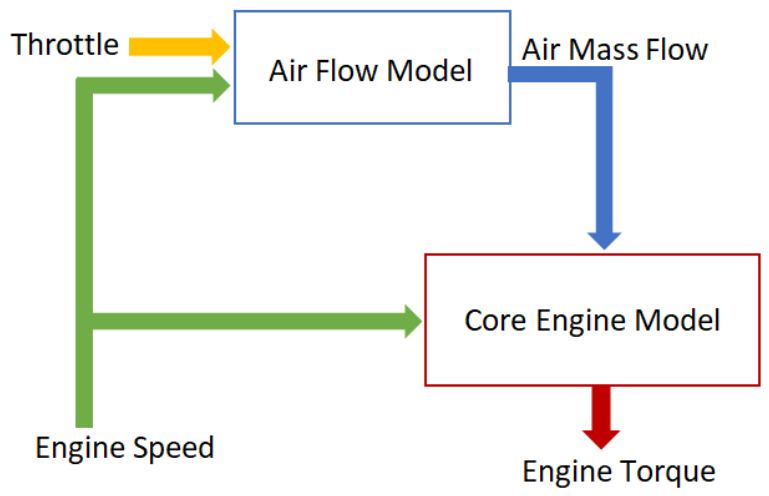
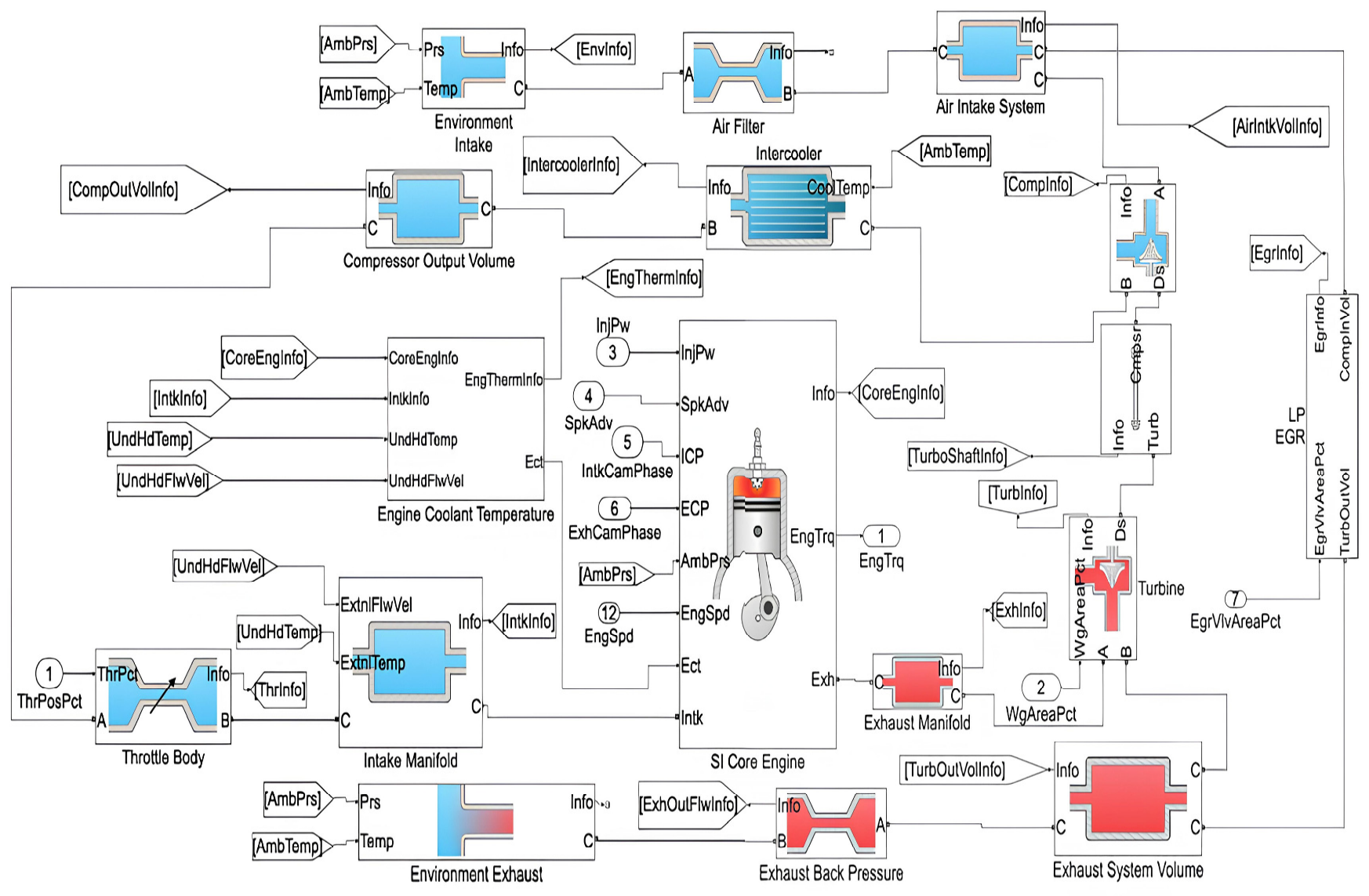
2.1. Piston Engine Model
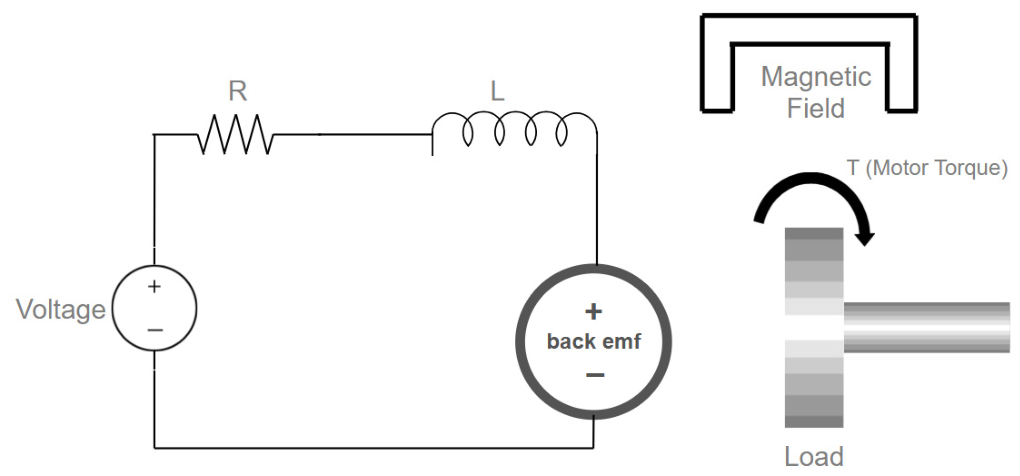
2.2. Dynamometer Model
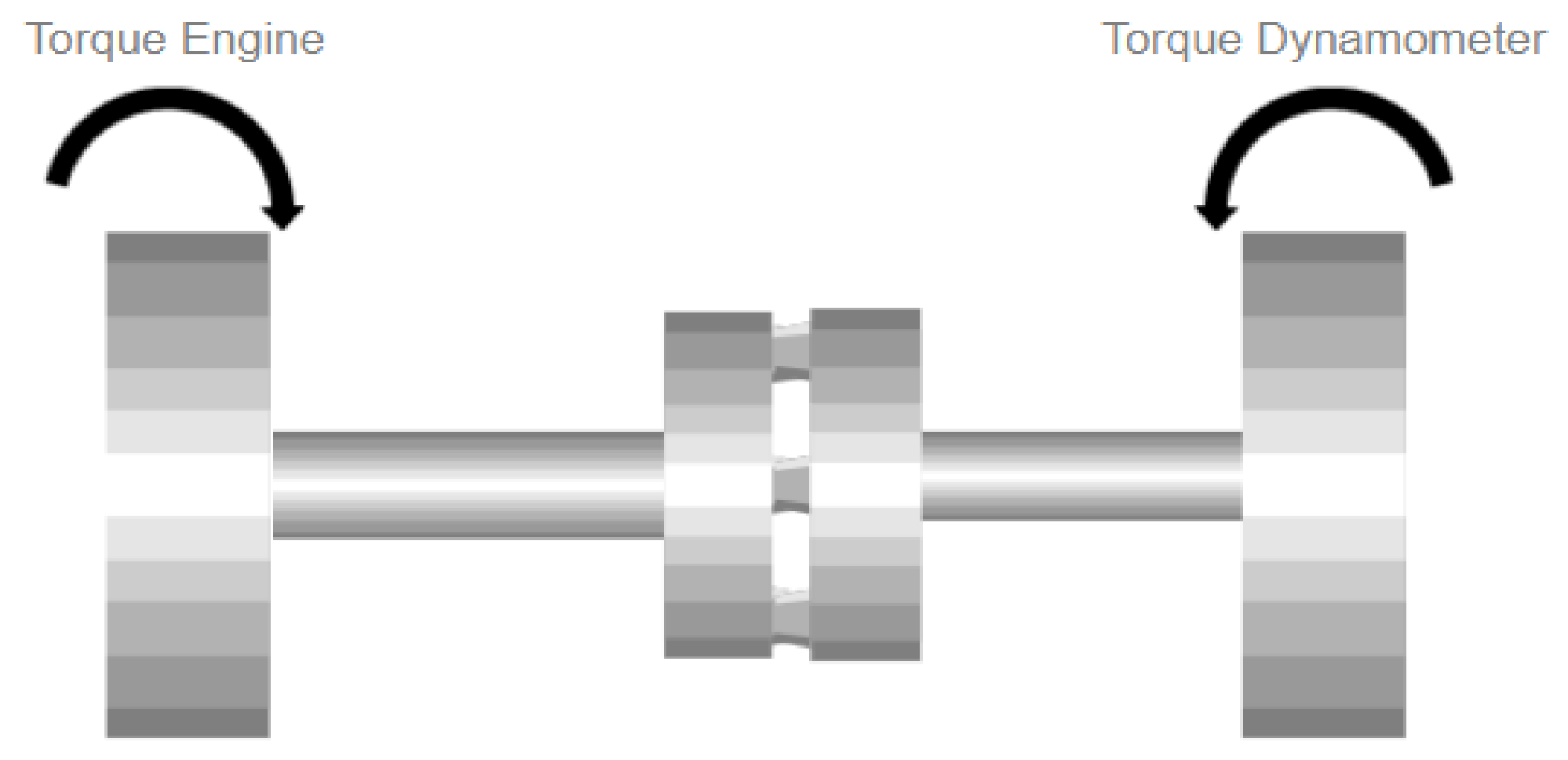
2.3. Transmission Model
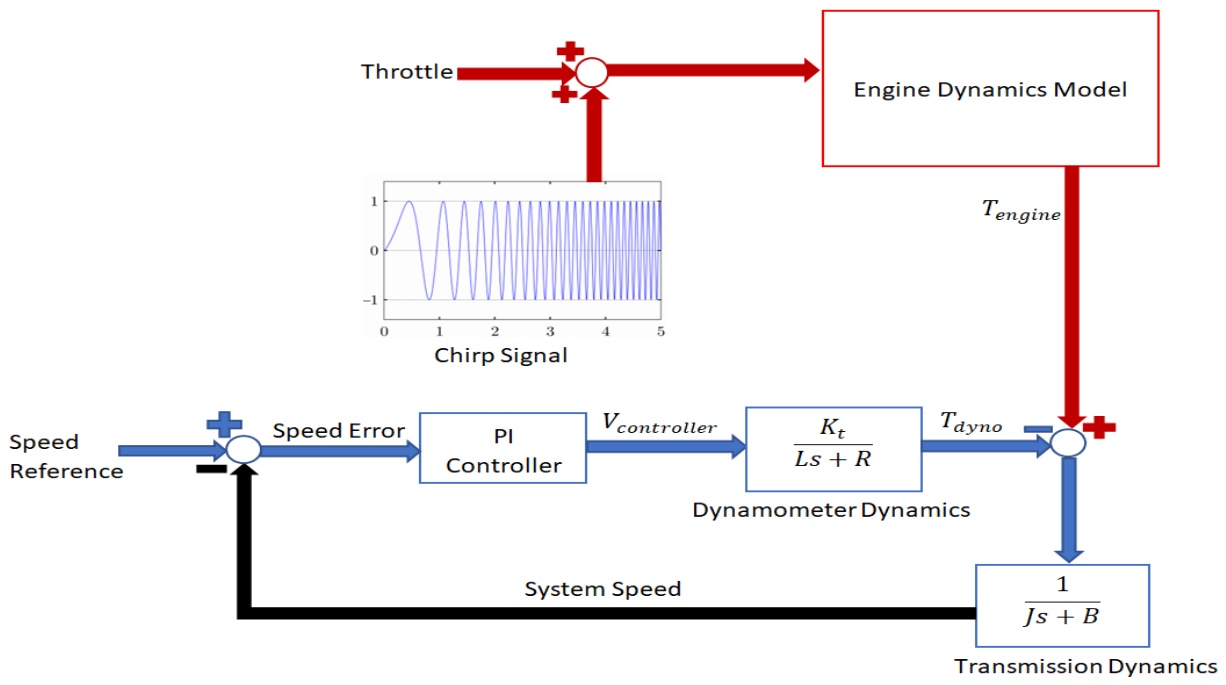
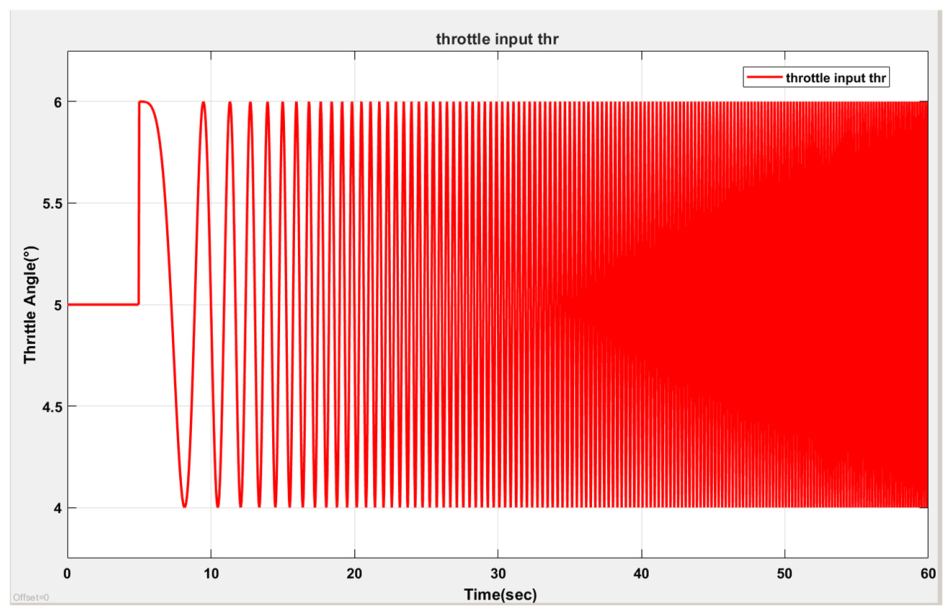
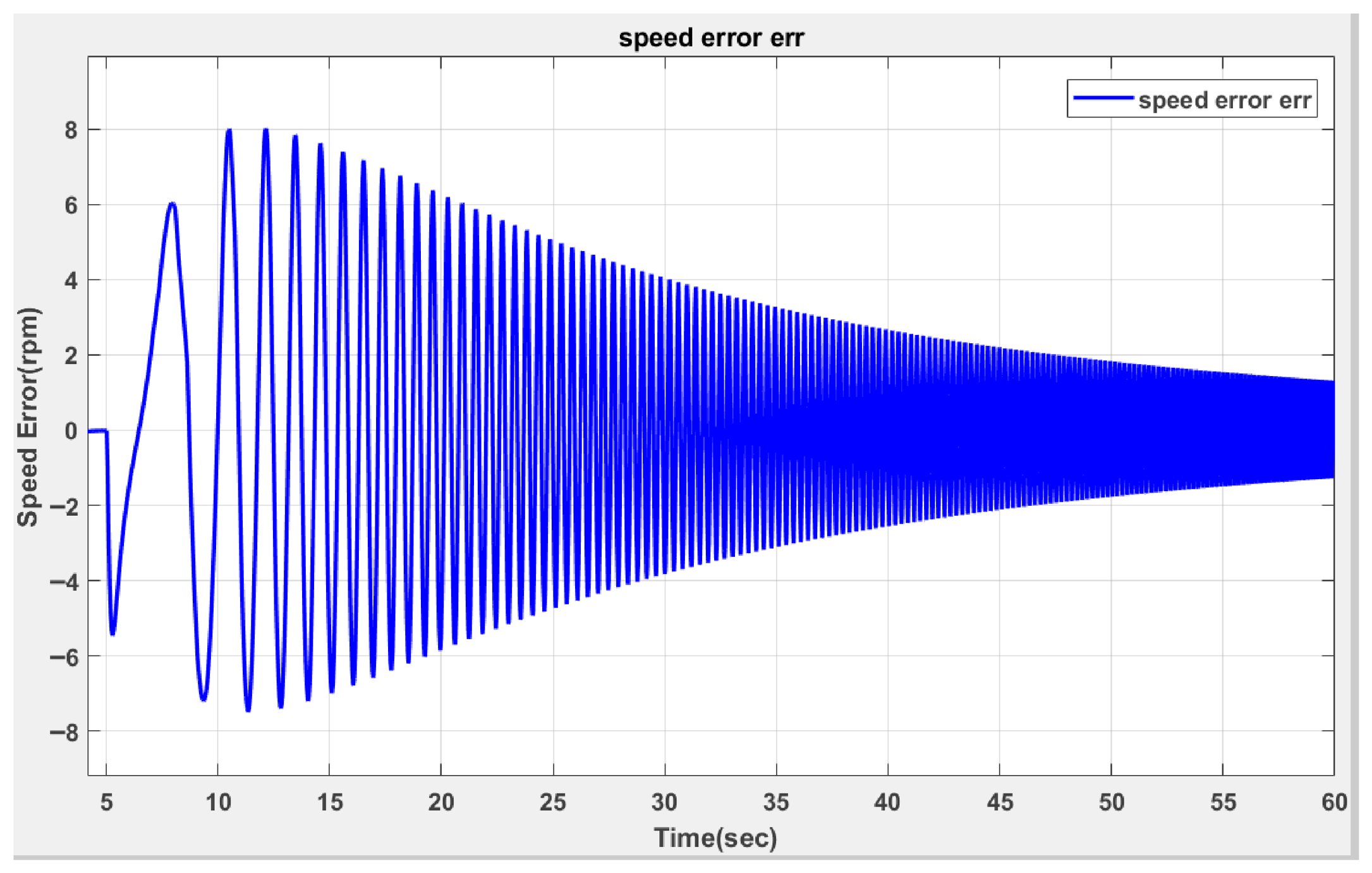
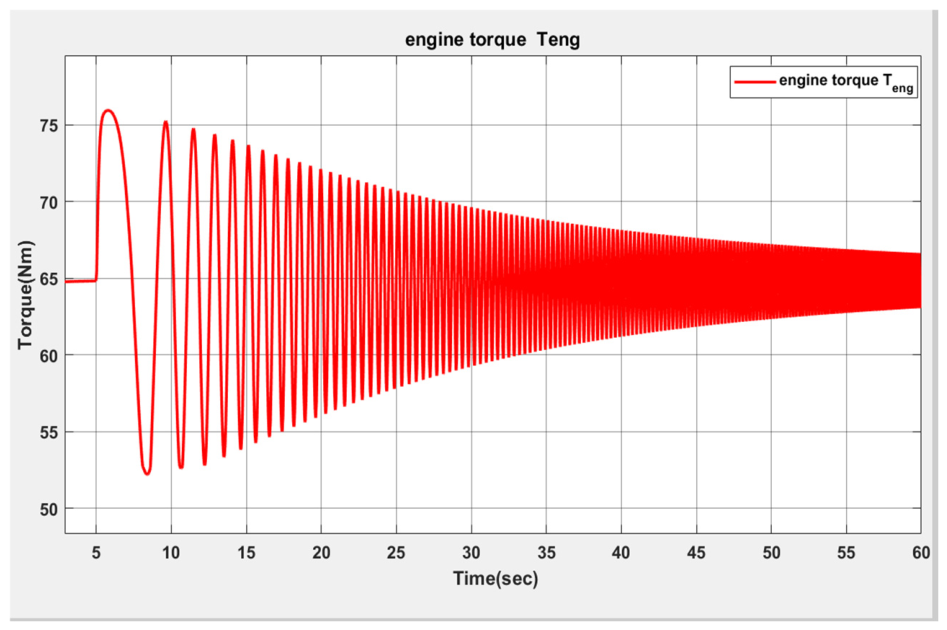
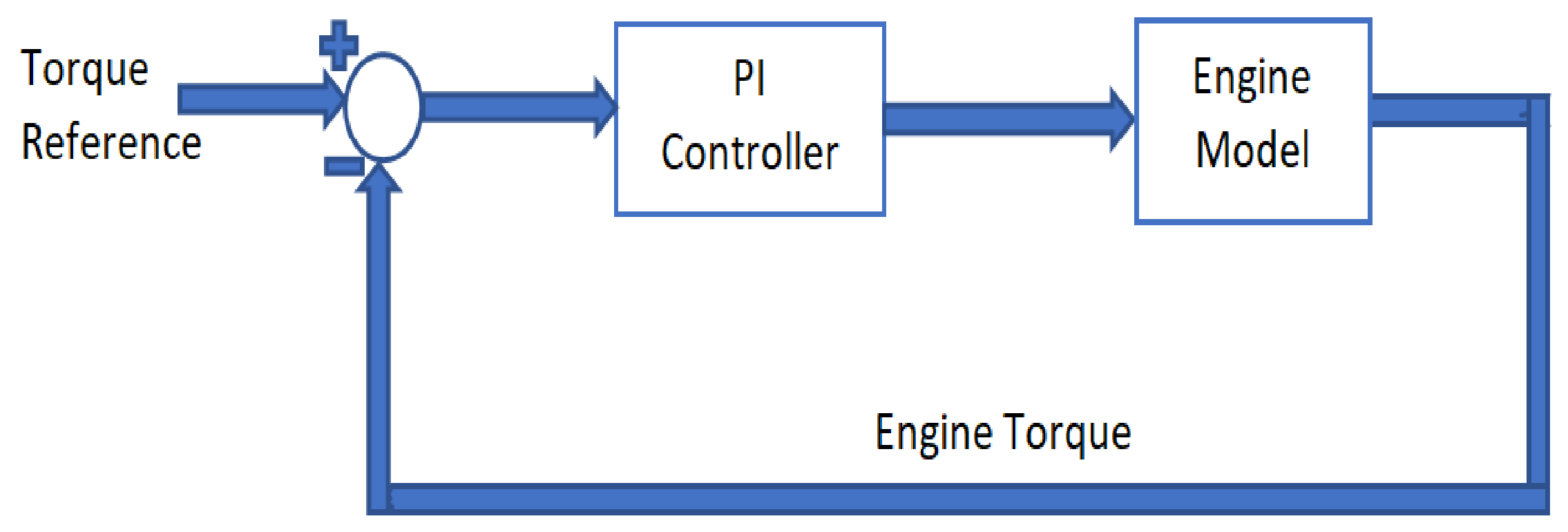
3. Closed-Loop System Identification
4. System Identification Methods
4.1. State-Space Model
4.2. Nonlinear ARX Model
4.3. Hammerstein–Wiener Model
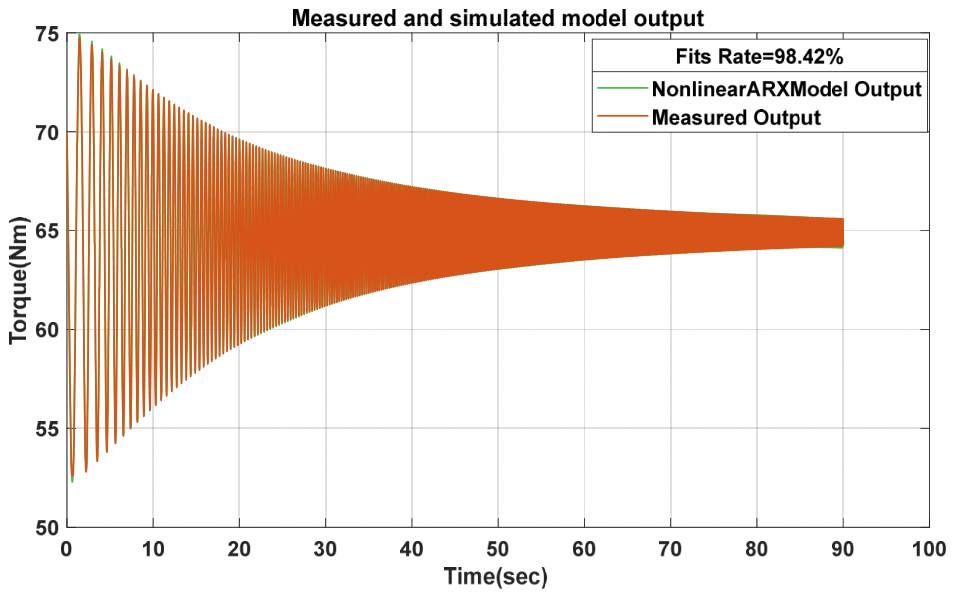
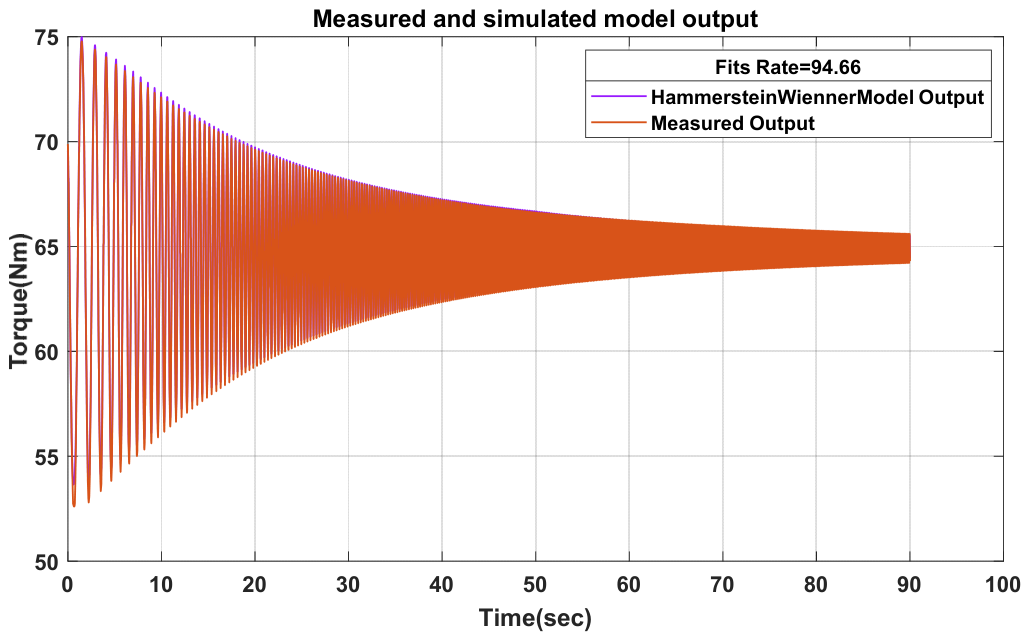
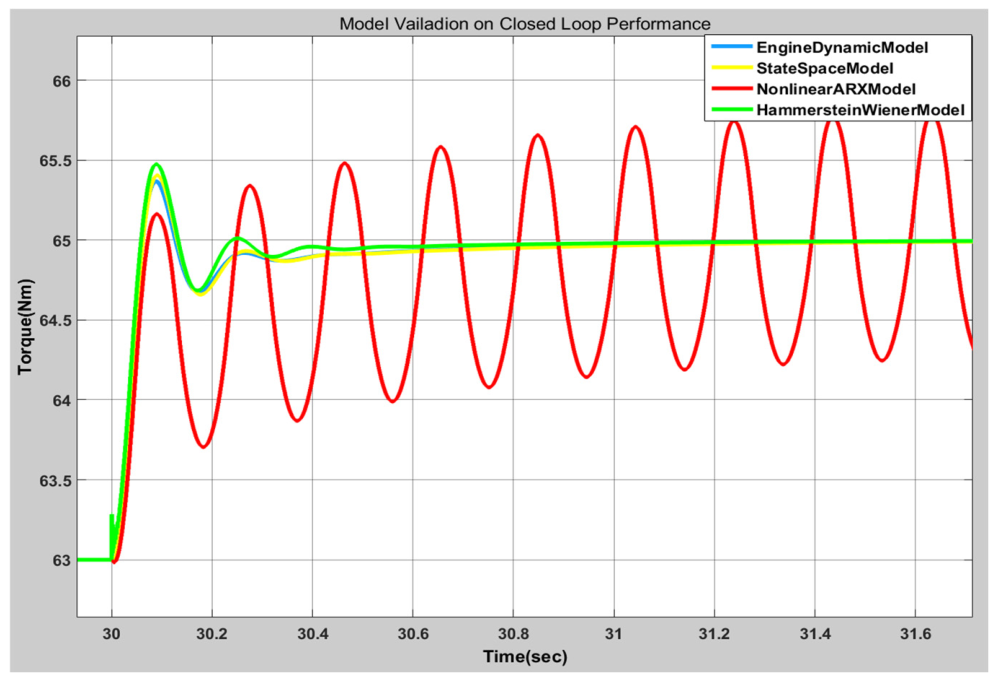
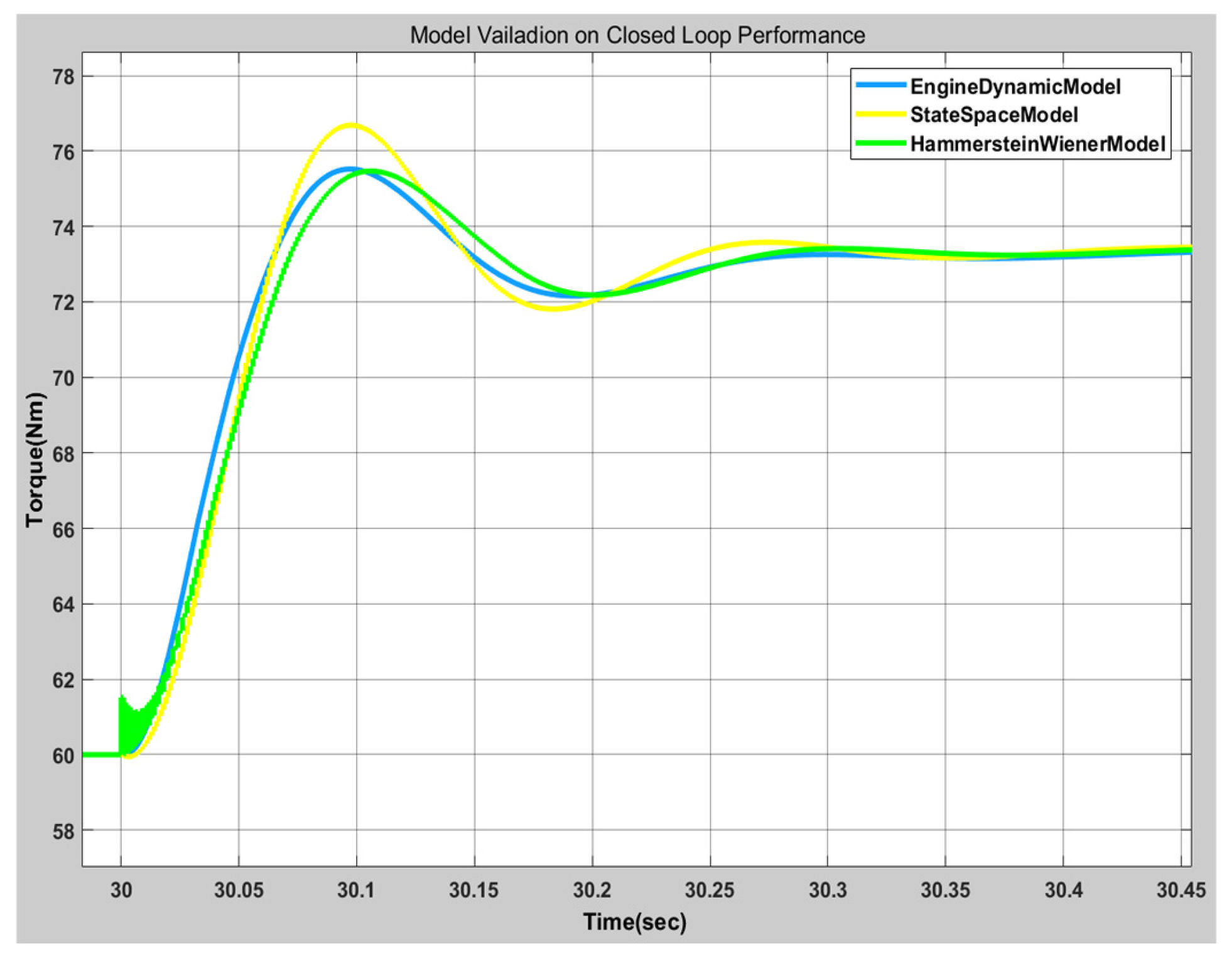
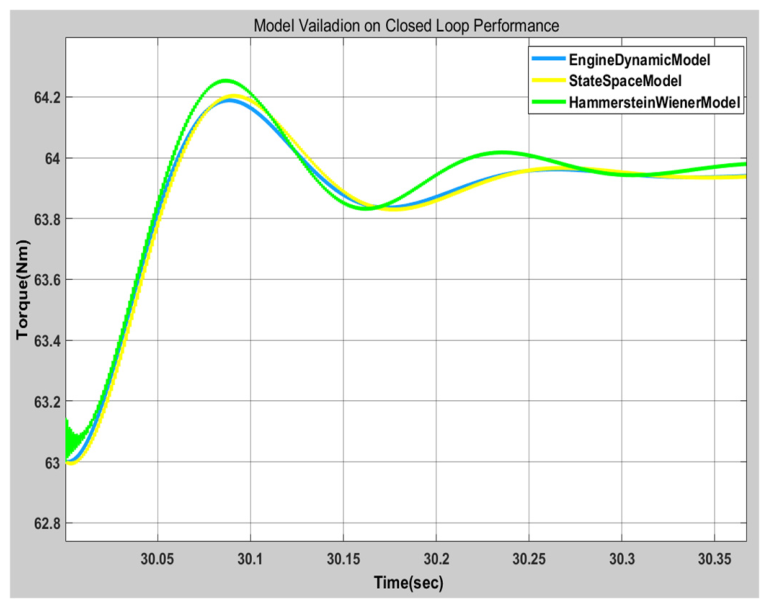
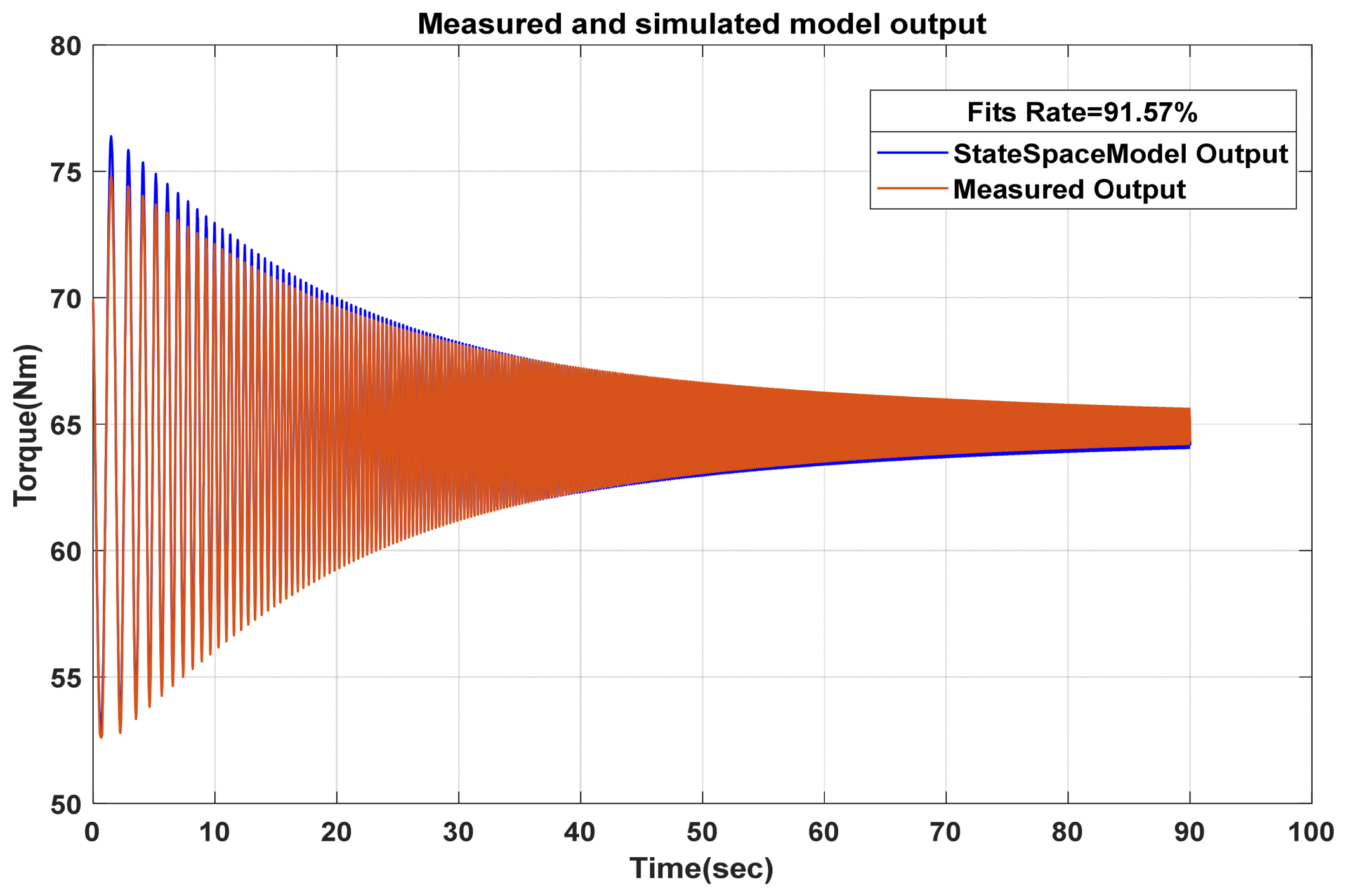
5. Model Validation
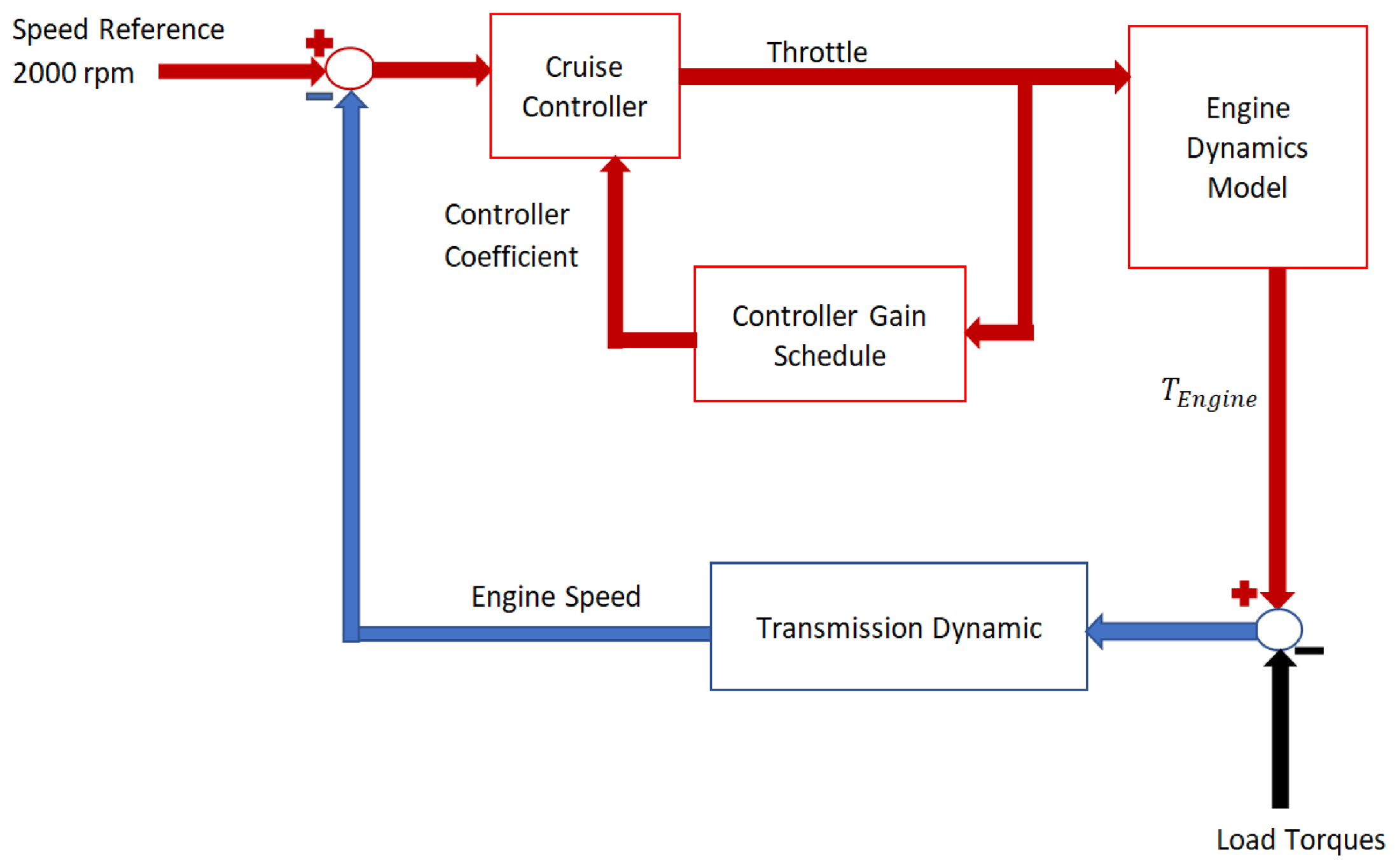
6. Cruise Controller Design
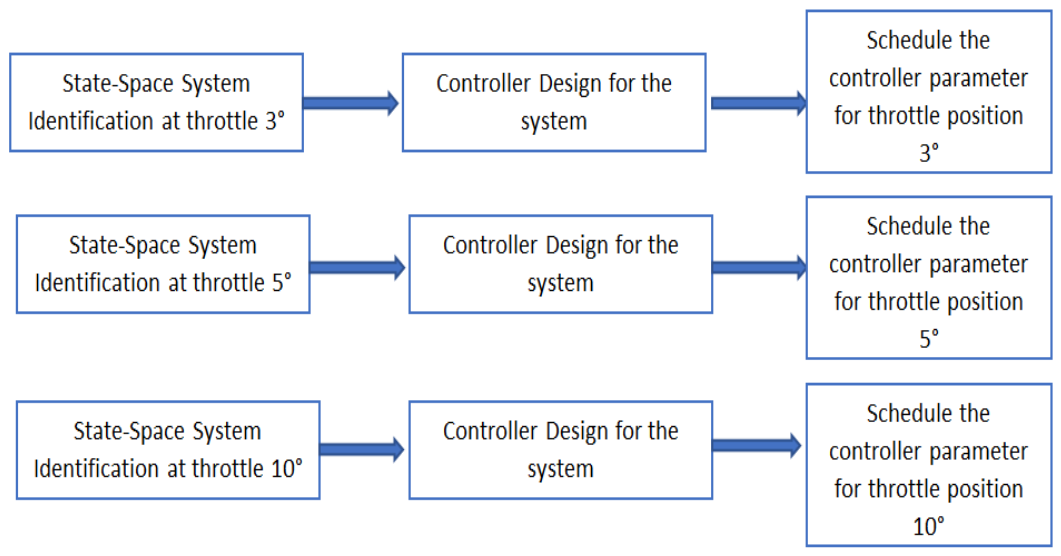
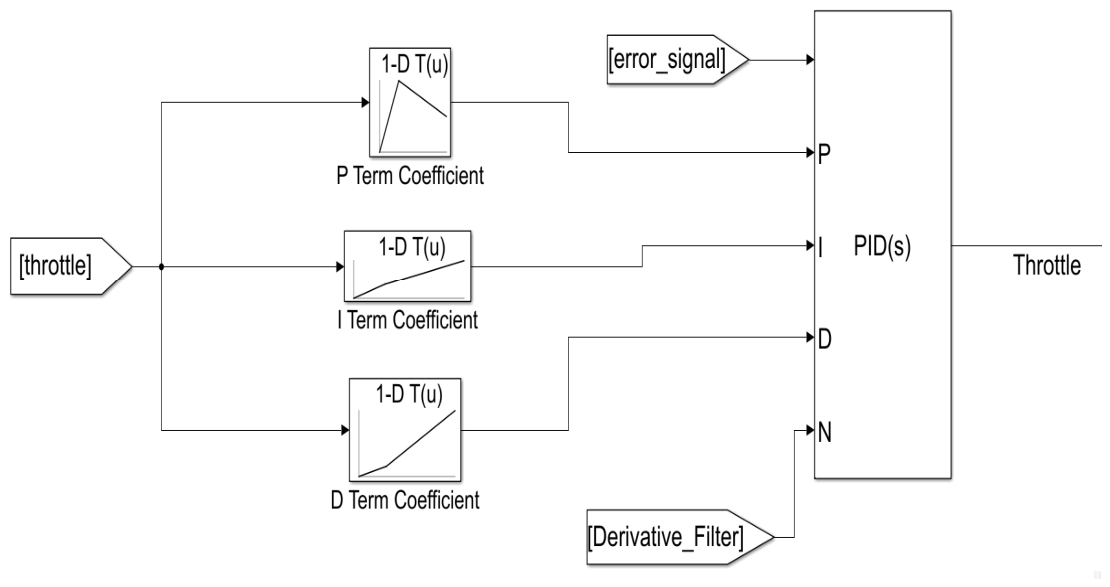
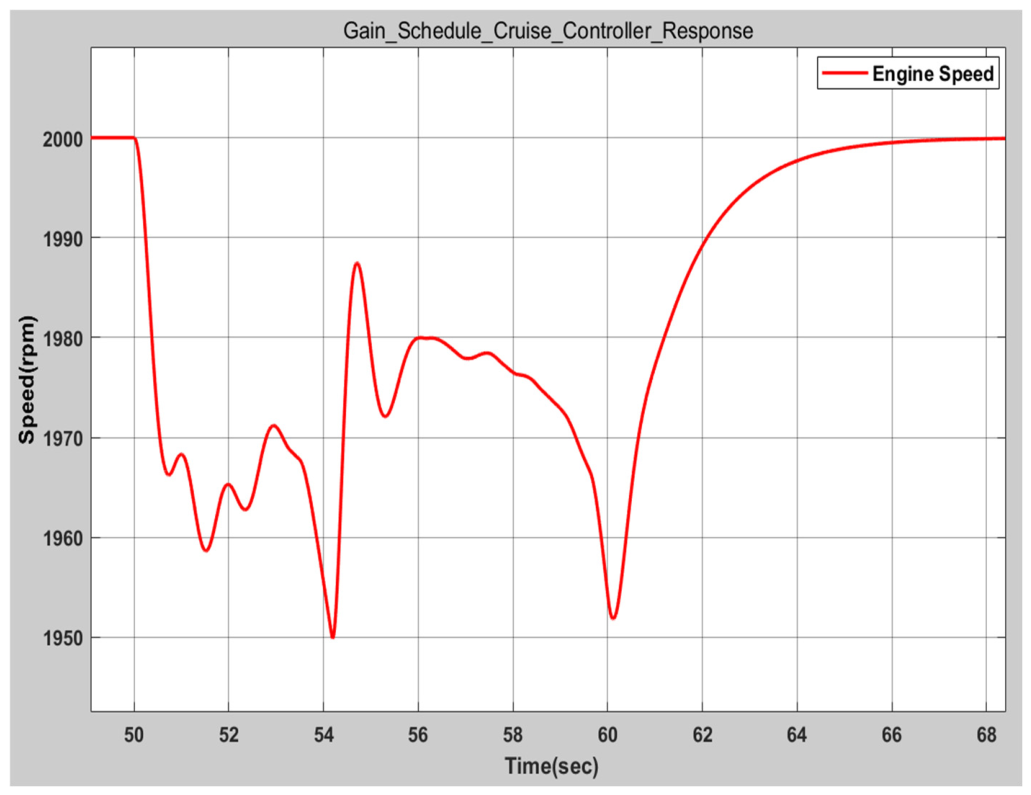
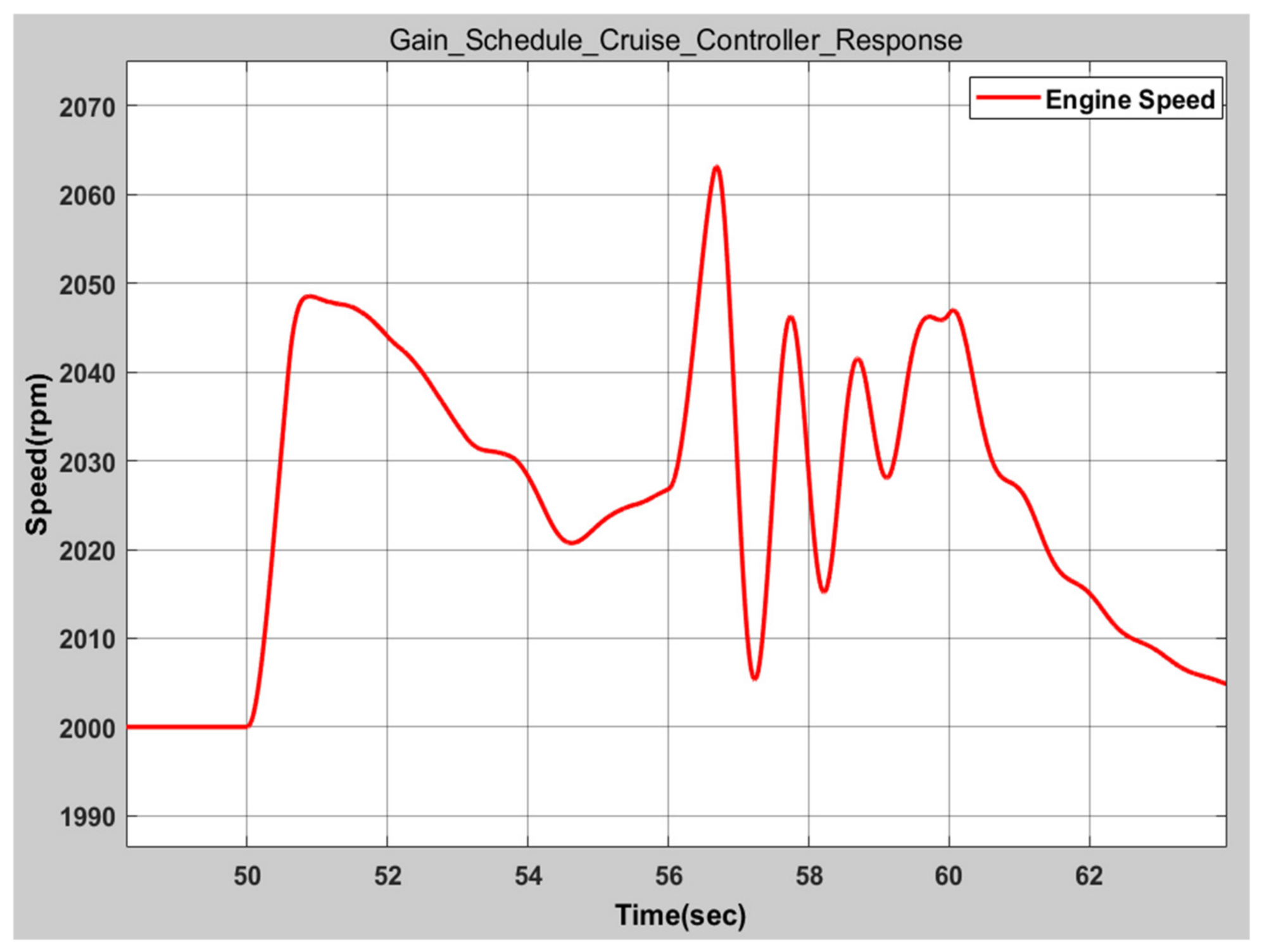
Gain Schedule Controller
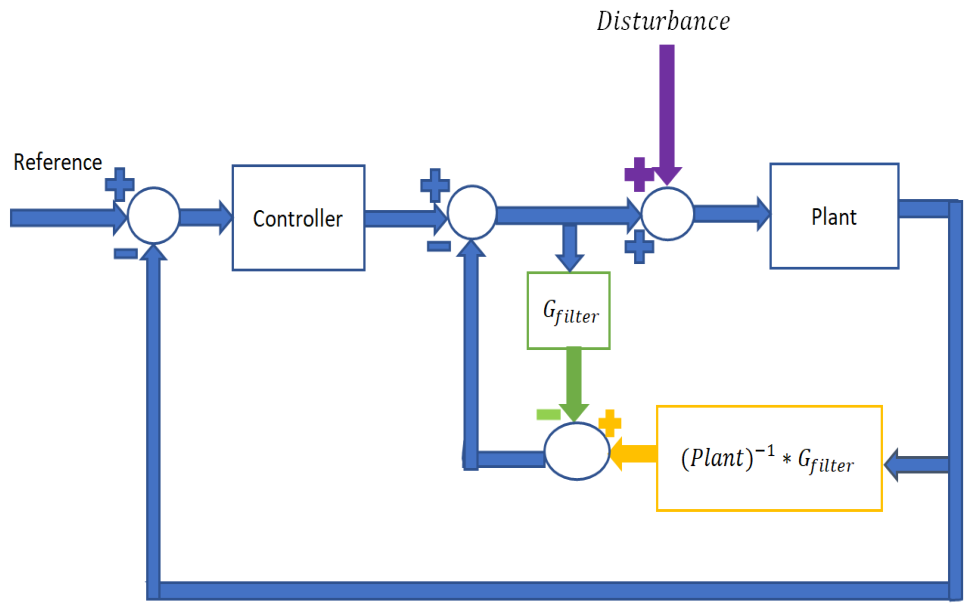
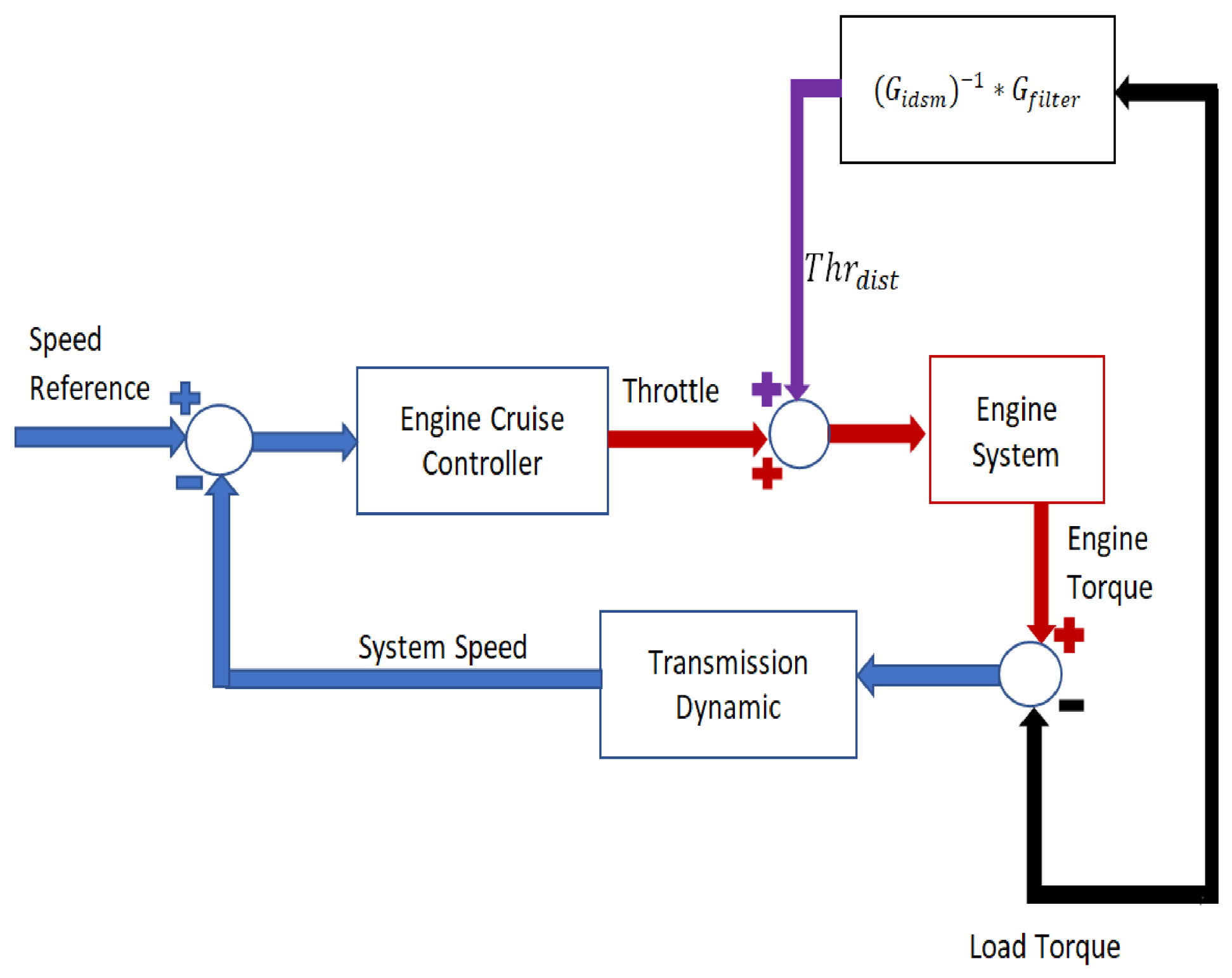
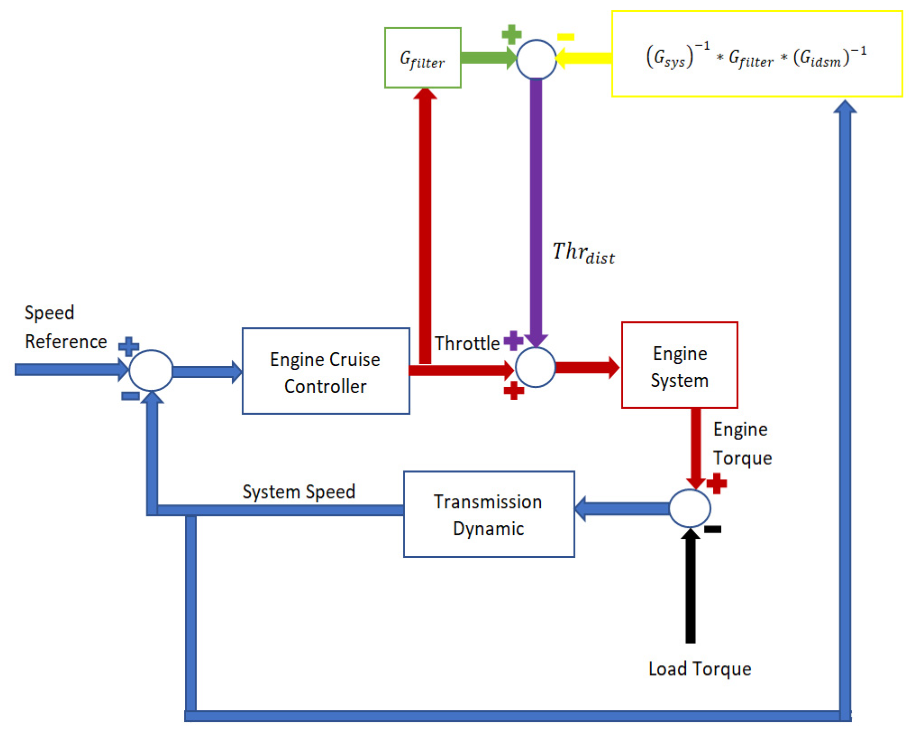
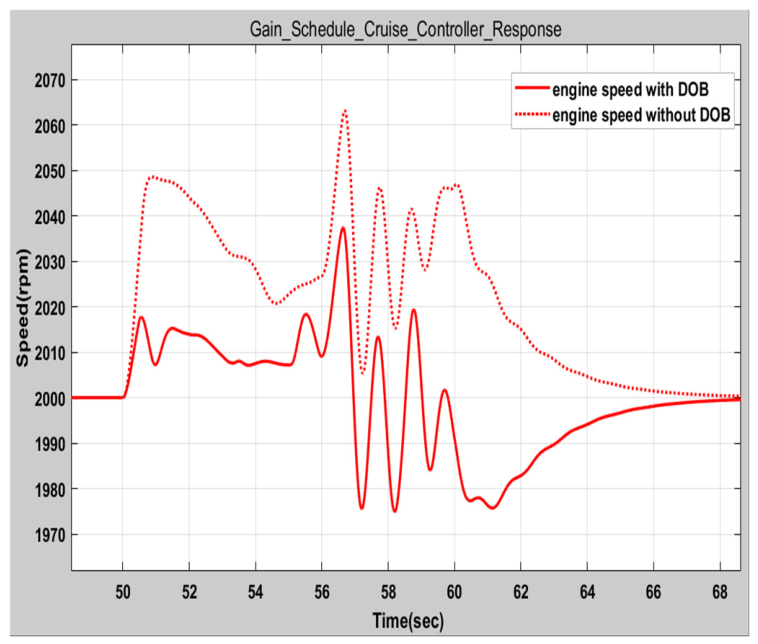
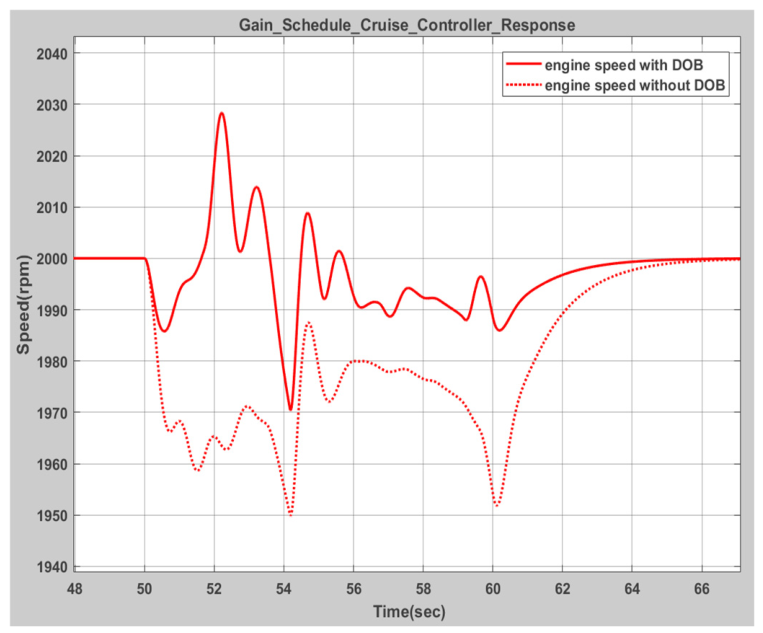
7. Disturbance Observer Design
Non-Minimum Phase Criteria
8. Conclusions
Author Contributions
Funding
Institutional Review Board Statement
Informed Consent Statement
Data Availability Statement
Conflicts of Interest
References
- Jiang, H.; Zhou, Y.; Ho, H.W.; Abu Bakar, E. Modeling of two-stroke aviation piston engines for control applications. Adv. Mech. Eng. 2023, 15, 16878132231153234. [Google Scholar] [CrossRef]
- Carbot-Rojas, D.; Escobar-Jiménez, R.; Gómez-Aguilar, J.; Téllez-Anguiano, A. A survey on modeling, biofuels, control and supervision systems applied in internal combustion engines. Renew. Sustain. Energy Rev. 2017, 73, 1070–1085. [Google Scholar] [CrossRef]
- Crossley, P.R.; Cook, J.A. A nonlinear engine model for drivetrain system development. In International Conference on Control; IET: Auburn Hills, MI, USA, 1991; pp. 921–925. [Google Scholar]
- Zhihu, W.; Run, P. Torque based spark ignition engine and powertrain modeling. In 7th World Congress on Intelligent Control and Automation; IEEE: New York, NY, USA, 2008. [Google Scholar]
- Tan, Y.; Saif, M. Neural-networks-based nonlinear dynamic modeling for automotive engines. Neurocomputing 2000, 30, 129–142. [Google Scholar] [CrossRef]
- Yu, M.; Tang, X.; Lin, Y.; Wang, X. Diesel engine modeling based on recurrent neural networks for a hardware-in-the-loop simulation system of diesel generator sets. Neurocomputing 2018, 283, 9–19. [Google Scholar] [CrossRef]
- Zhai, Y.; Qian, K.; Xue, F.; Tayahi, M. Modelling of automotive engine dynamics using diagonal recurrent neural network. J. Univers. Comput. Sci. 2018, 24, 1330–1342. [Google Scholar]
- Ren, Y. Torque Prediction of Internal Combustion Engines Based on Time Series. In Proceedings of the 2025 2nd International Conference on Image Processing, Intelligent Control and Computer Engineering; Association for Computing Machinery: New York, NY, USA, 2025. [Google Scholar]
- Gölcü, M.; Sekmen, Y.; Erduranlı, P.; Salman, M.S. Artificial neural-network based modeling of variable valve-timing in a spark-ignition engine. Appl. Energy 2005, 81, 187–197. [Google Scholar] [CrossRef]
- Buşoniu, L.; de Bruin, T.; Tolić, D.; Kober, J.; Palunko, I. Reinforcement learning for control: Performance, stability, and deep approximators. Annu. Rev. Control. 2018, 46, 8–28. [Google Scholar] [CrossRef]
- Dai, H.; Landry, B.; Yang, L.; Pavone, M.; Tedrake, R. Lyapunov-stable neural-network control. arXiv 2021, arXiv:2109.14152. [Google Scholar]
- ArjomandBigdeli, A.; Mata, A.; Bak, S. Verification of neural network control systems in continuous time. In International Symposium on AI Verification; Springer Nature: Cham, Switzerland, 2024. [Google Scholar]
- Bunker, B.J.; Franchek, M.A.; Thomason, B.E. Robust multivariable control of an engine-dynamometer system. IEEE Trans. Control. Syst. Technol. 1997, 5, 189–199. [Google Scholar] [CrossRef]
- Lamara, A.; Lanusse, P.; Charlet, A.; Gruel, D.N.; Colin, G.; Lesobre, A.; Oustaloup, A.; Chamaillard, Y. High dynamic engine-dynamometer identification and control. IFAC Proc. Vol. 2014, 47, 5217–5222. [Google Scholar] [CrossRef]
- Erdogan, D.; Jakubek, S.; Mayr, C.; Hametner, C. Combustion engine test bed system identification under the presence of cyclic disturbances. IEEE Trans. Ind. Electron. 2020, 68, 8636–8645. [Google Scholar] [CrossRef]
- Tan, J.; Xue, S.; Li, H.; Guo, Z.; Cao, H.; Li, D. Prescribed performance robust approximate optimal tracking control via Stackelberg game. IEEE Trans. Autom. Sci. Eng. 2025, 22, 12871–12883. [Google Scholar] [CrossRef]
- Tan, J.; Xue, S.; Guan, Q.; Guo, Z.; Cao, H.; Chen, B. Fixed-time stochastic learning from human-UAV interaction with state-input constraints. IEEE Trans. Ind. Electron. 2025, 73, 3071–3082. [Google Scholar] [CrossRef]
- Grobbelaar, E. The Development of a Small Diesel Engine Test Bench Employing an Electric Dynamometer. Master’s Thesis, Stellenbosch University, Stellenbosch, South Africa, 2017. [Google Scholar]
- The MathWorks Inc. Calibrate, Validate, and Optimize SI Engine with Dynamometer Test Harness. 2025. Available online: https://ww2.mathworks.cn/help/autoblks/ug/explore-the-si-engine-dynamometer-reference-application.html (accessed on 10 April 2026).
- Niemann, H.; Miklos, R.; Poulsen, N.K. Grey box identification in closed-loop. In American Control Conference (ACC); IEEE: New York, NY, USA, 2019. [Google Scholar]
- Mandloi, R.; Pritesh, S. Methods for closed loop system identification in industry. J. Chem. Pharm. Res. 2015, 7, 892–896. [Google Scholar]
- Shah, P.; Sekhar, R. Closed loop system identification of a DC motor using fractional order model. In International Conference on Mechatronics, Robotics and Systems Engineering; IEEE: New York, NY, USA, 2019. [Google Scholar]
- Dou, L.; Zong, Q.; Sun, L.; Ji, Y. Excitation signal design for closed-loop system identification. In Chinese Control and Decision Conference; IEEE: New York, NY, USA, 2009. [Google Scholar]
- Shim, H. Disturbance observers. In Encyclopedia of Systems and Control; Springer: Cham, Switzerland, 2021; pp. 622–629. [Google Scholar]
- Wai, C.K.; Rong, Y.Y.; Morris, S. Simulation of a distance estimator for battery electric vehicle. Alex. Eng. J. 2015, 54, 359–371. [Google Scholar] [CrossRef]
- Glass, J.; Franchek, M. NARMAX modelling and robust control of internal combustion engines. Int. J. Control 1999, 72, 289–304. [Google Scholar] [CrossRef]
- Zito, G.; Landau, I. NARMAX model identification of a variable geometry turbocharged diesel engine. In American Control Conference; IEEE: New York, NY, USA, 2005. [Google Scholar]
- Mottin, T.; Oroski, E.; Carlos, T.M.; Silveira, L.B.; Alegre, J.A.A.V. Nonlinear system identification of a homogeneous charge compression ignition engine. In Proceedings of the Simpósio Brasileiro de Automação Inteligente—SBAI, Manaus, Brazil, 15–18 October 2023. [Google Scholar]
- Jamaludin, I.W.; Wahab, N.A.; Khalid, N.S.; Sahlan, S.; Ibrahim, Z.; Rahmat, M.F. N4SID and MOESP subspace identification methods. In IEEE Colloquium on Signal Processing; IEEE: New York, NY, USA, 2013. [Google Scholar]
- The MathWorks Inc. What Are Nonlinear ARX Models? 2025. Available online: https://ww2.mathworks.cn/help/ident/ug/what-are-nonlinear-arx-models.html (accessed on 10 April 2026).
- The MathWorks Inc. Hammerstein-Wiener Models. 2025. Available online: https://ww2.mathworks.cn/help/ident/hammerstein-wiener-models.html (accessed on 10 April 2026).
- Li, Y.; He, L. Counterbalancing speed control for hydrostatic drive heavy vehicle under long down-slope. IEEE/ASME Trans. Mechatron. 2015, 20, 1533–1542. [Google Scholar] [CrossRef]
- Iwanski, G.; Bigorajski, Ł.; Koczara, W. Speed control with incremental algorithm of minimum fuel consumption tracking for variable speed diesel generator. Energy Convers. Manag. 2018, 161, 182–192. [Google Scholar] [CrossRef]
- Khayyam, H.; Nahavandi, S.; Davis, S. Adaptive cruise control look-ahead system for energy management of vehicles. Expert Syst. Appl. 2012, 39, 3874–3885. [Google Scholar] [CrossRef]
- Huo, H.; Li, J. Cruise control based on gain scheduling PI diesel engine speed controller. In IEEE International Vehicle Electronics Conference; IEEE: New York, NY, USA, 1999. [Google Scholar]
- Shams, T.A.; Shah, S.I.A.; Khushbash, S.; Ahmad, M.A. Evaluation of aerodynamic and stability performance parameters of high wing piston engine aircraft. In 2019 16th International Bhurban Conference on Applied Sciences and Technology (IBCAST), Islamabad, Pakistan, 8–12 January 2019; IEEE: New York, NY, USA, 2019. [Google Scholar]
- Liu, Z.; Gou, L.; Fan, D.; Zhou, Z. Design of gain-scheduling robust controller for aircraft engine. In Chinese Control Conference; IEEE: New York, NY, USA, 2019. [Google Scholar]
- Gou, L.; Liu, Z.; Fan, D.; Zheng, H. Aeroengine robust gain-scheduling control based on performance degradation. IEEE Access 2020, 8, 104857–104869. [Google Scholar] [CrossRef]
- The MathWorks Inc. Gain Scheduling. 2025. Available online: https://ww2.mathworks.cn/discovery/gain-scheduling.html (accessed on 10 April 2026).
- Son, Y.I.; Shim, H.; Jo, N.H.; Kim, S.-J. Design of disturbance observer for non-minimum phase systems using PID controllers. In SICE Annual Conference; IEEE: New York, NY, USA, 2007. [Google Scholar]
- Jo, N.H.; Shim, H.; Son, Y.I. Disturbance observer for non-minimum phase linear systems. Int. J. Control Autom. Syst. 2010, 8, 994–1002. [Google Scholar] [CrossRef]





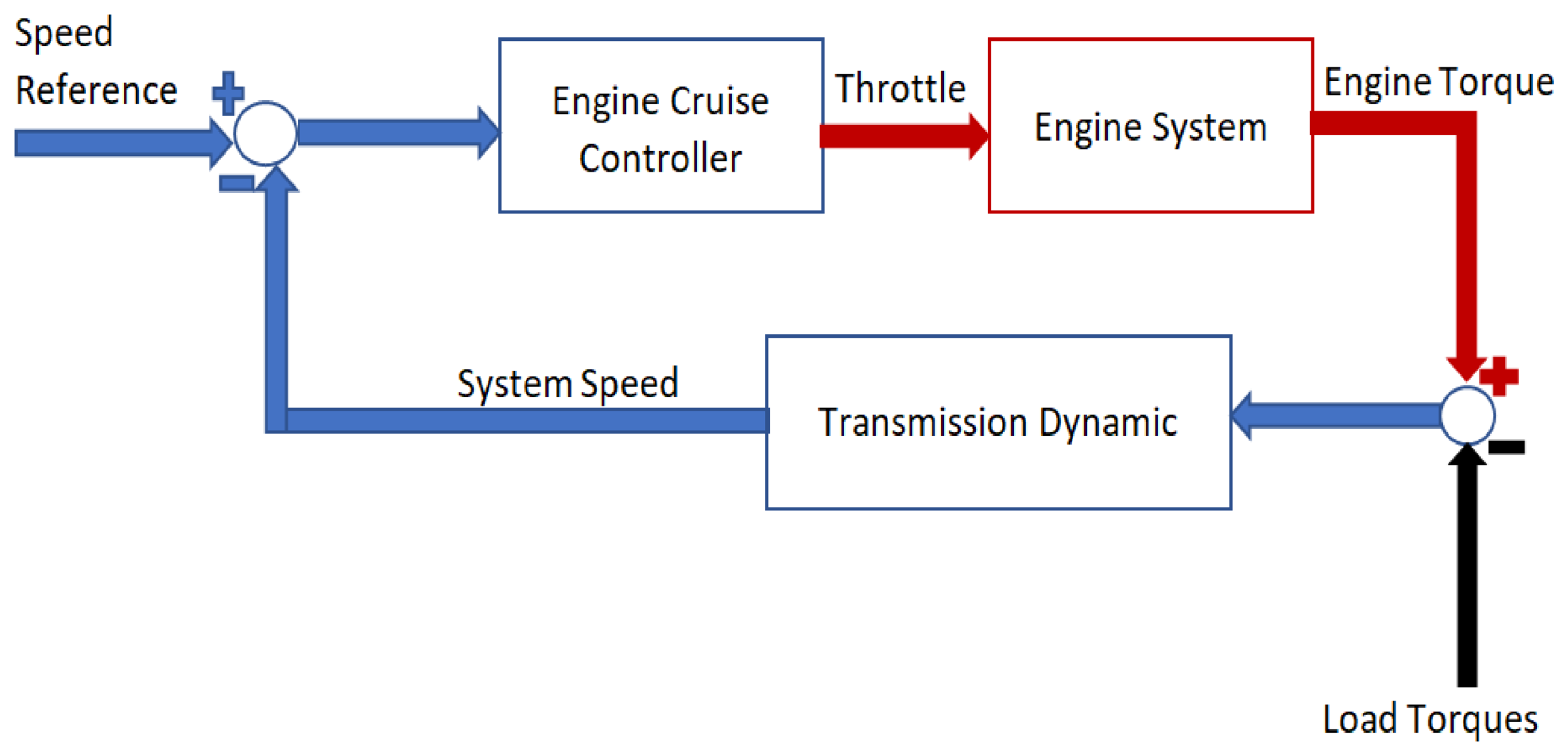



| Symbol | Description |
|---|---|
| Engine torque | |
| Dynamometer torque | |
| External load torque | |
| Identified minimum phase engine model | |
| Dynamometer dynamics | |
| Transmission dynamics | |
| Low pass filter used to obtain implementable system | |
| Throttle input | |
| Throttle compensation signal from disturbance observer | |
| System speed | |
| Speed reference | |
| Speed error | |
| PI controller | |
| Motor voltage | |
| Controller output voltage | |
| Bias voltage | |
| Motor current | |
| Motor inductance | |
| Motor resistance |
| Name | Parameter | Value | Unit |
|---|---|---|---|
| Torque Constant | 0.21 | Nm/A | |
| Back Emf Constant | emf | 0.239 | V/(rad/s) |
| Electrical Resistance | 16.95 | mΩ | |
| Inductance | L | 16 | uH |
| Name | Parameter | Value | Unit |
|---|---|---|---|
| System Inertia | 0.155 | Kg·m2 | |
| Friction Coefficient | 0.089 | Nm·(s/rad) |
| Name | Parameter | Value | Unit |
|---|---|---|---|
| Proportional Term | 1.05 | ||
| Integration Term | 0.95 | ||
| Reference speed | ref | 2000 | rpm |
| Model | RMSE (Nm) |
|---|---|
| State-Space | 0.0144 |
| Nonlinear ARX | 0.5695 |
| Hammerstein-Wienner | 0.0389 |
| Model | RMSE (Nm) |
|---|---|
| State-Space | 0.5241 |
| Hammerstein–Wiener | 0.4313 |
| Model | RMSE (Nm) |
|---|---|
| State-Space | 0.0126 |
| Hammerstein–Wiener | 0.0405 |
| Method | Maximum Speed Deviation (rpm) | Reference Tracking Error RMSE (rpm) |
|---|---|---|
| Gain Scheduling | 62 | 27.72 |
| Gain Scheduling + Disturbance Observer | 37 | 12.7 |
| Method | Maximum Speed Deviation (rpm) | Reference Tracking Error RMSE (rpm) |
|---|---|---|
| Gain Scheduling | 50 | 26.29 |
| Gain Scheduling + Disturbance Observer | 28 | 9.36 |
Disclaimer/Publisher’s Note: The statements, opinions and data contained in all publications are solely those of the individual author(s) and contributor(s) and not of MDPI and/or the editor(s). MDPI and/or the editor(s) disclaim responsibility for any injury to people or property resulting from any ideas, methods, instructions or products referred to in the content. |
© 2026 by the authors. Licensee MDPI, Basel, Switzerland. This article is an open access article distributed under the terms and conditions of the Creative Commons Attribution (CC BY) license.
Share and Cite
Özkan, M.; Erbatur, K. Closed-Loop System Identification and Gain Scheduled Control of Piston Engine–Dynamometer System with Disturbance Observer. Appl. Sci. 2026, 16, 4037. https://doi.org/10.3390/app16084037
Özkan M, Erbatur K. Closed-Loop System Identification and Gain Scheduled Control of Piston Engine–Dynamometer System with Disturbance Observer. Applied Sciences. 2026; 16(8):4037. https://doi.org/10.3390/app16084037
Chicago/Turabian StyleÖzkan, Mutluhan, and Kemalettin Erbatur. 2026. "Closed-Loop System Identification and Gain Scheduled Control of Piston Engine–Dynamometer System with Disturbance Observer" Applied Sciences 16, no. 8: 4037. https://doi.org/10.3390/app16084037
APA StyleÖzkan, M., & Erbatur, K. (2026). Closed-Loop System Identification and Gain Scheduled Control of Piston Engine–Dynamometer System with Disturbance Observer. Applied Sciences, 16(8), 4037. https://doi.org/10.3390/app16084037