Structural and Geotechnical Assessment of Onshore Wind Turbine Foundation for Service Life Extension: A Case Study


Abstract
1. Introduction
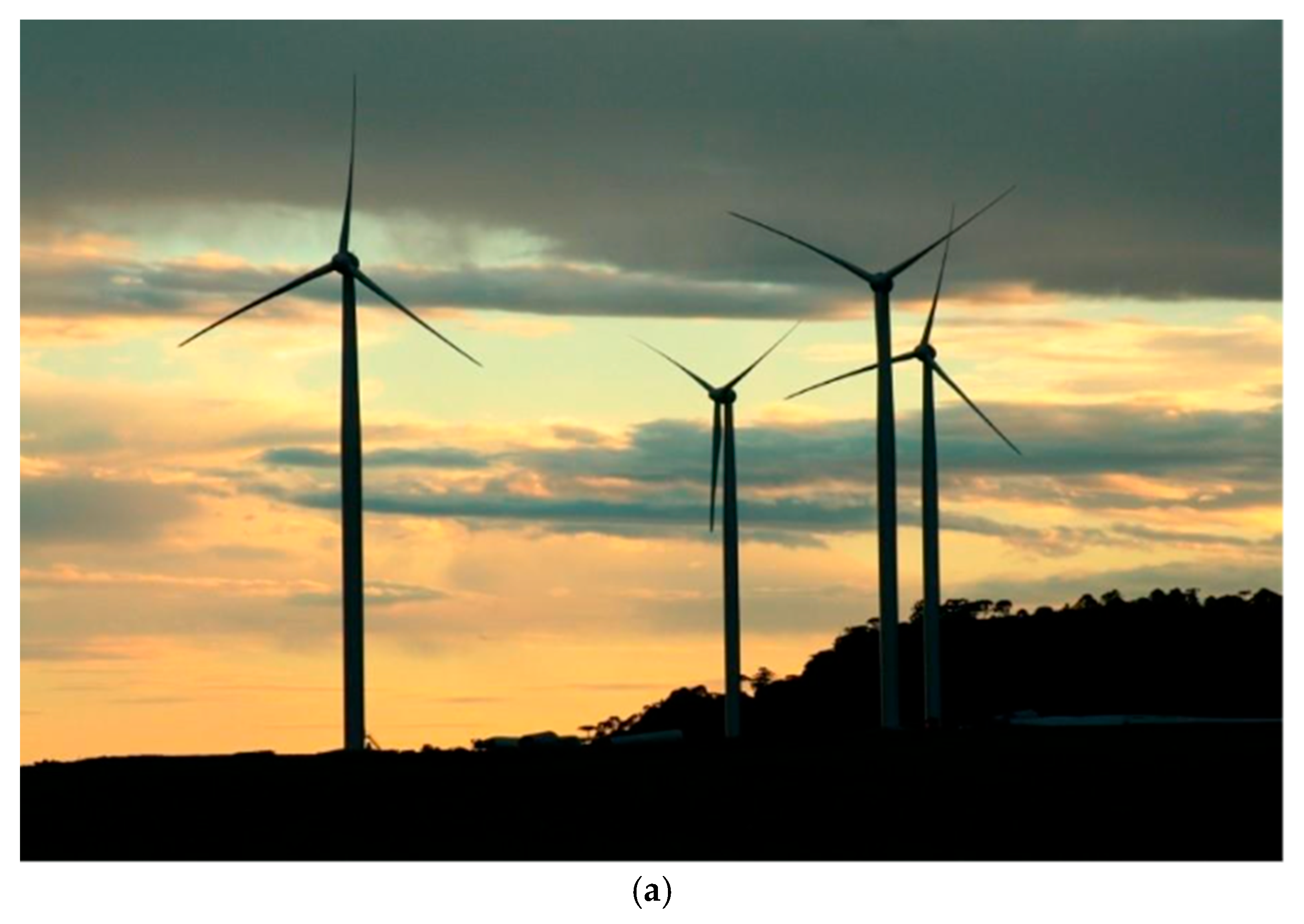
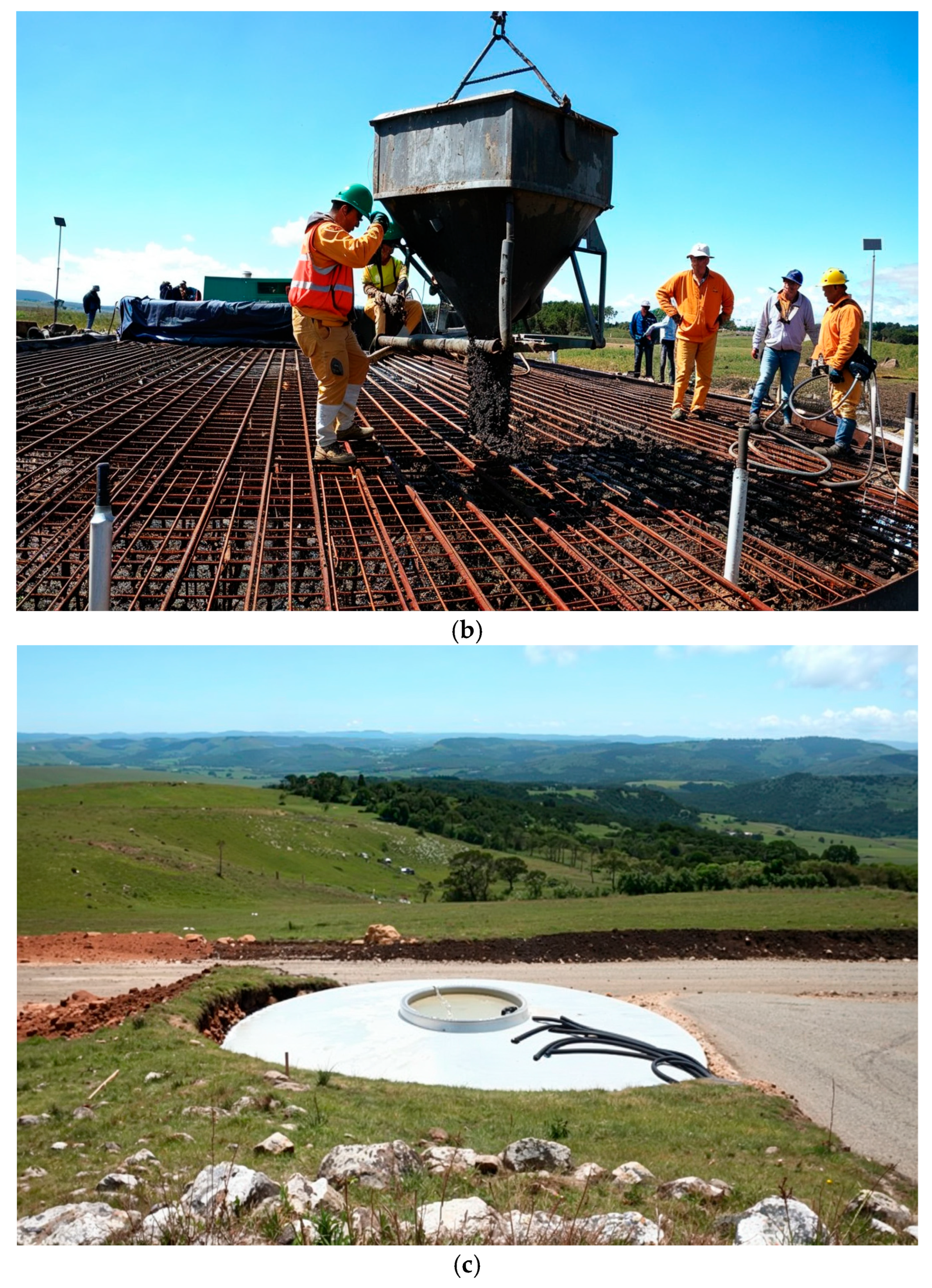
2. Case Study
3. Materials and Methods
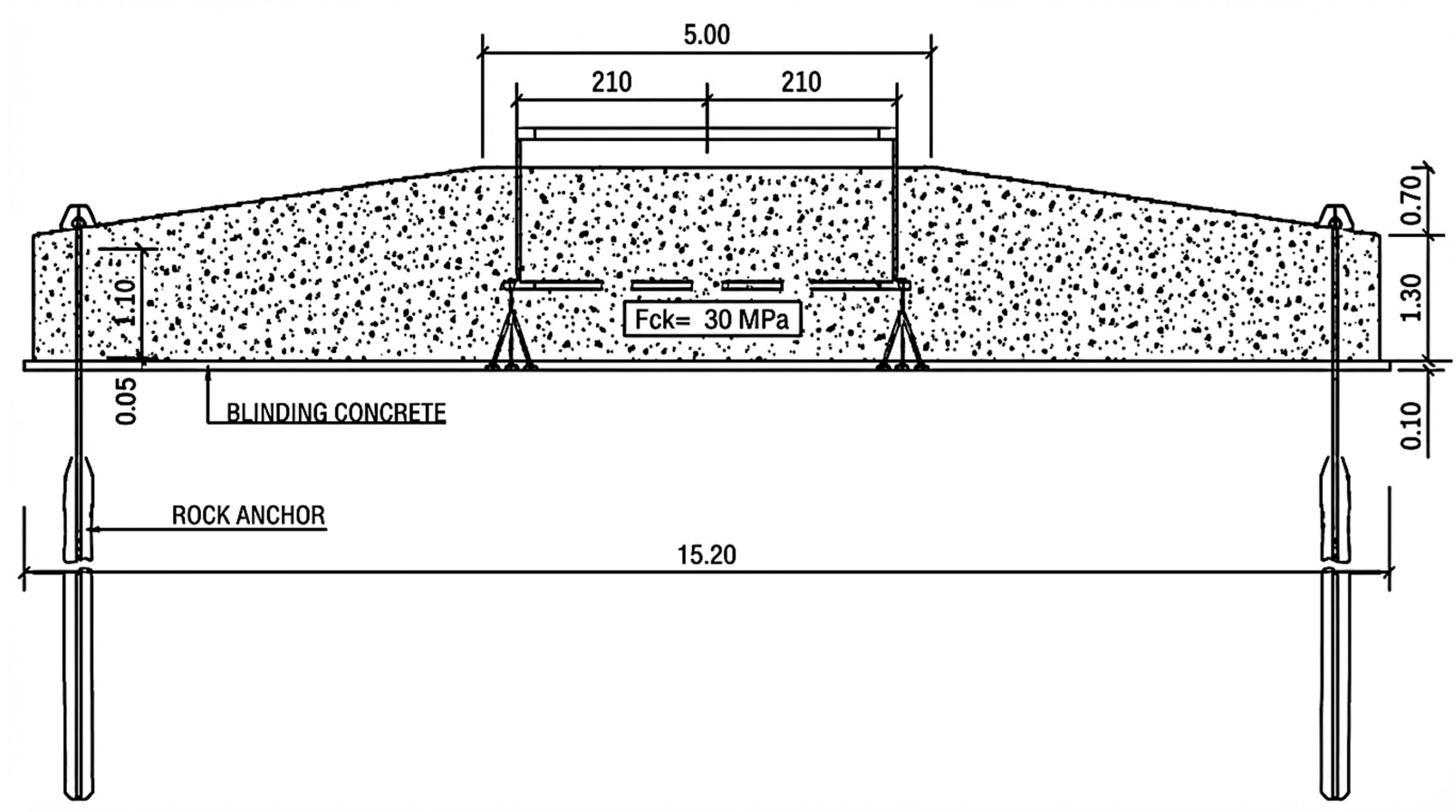
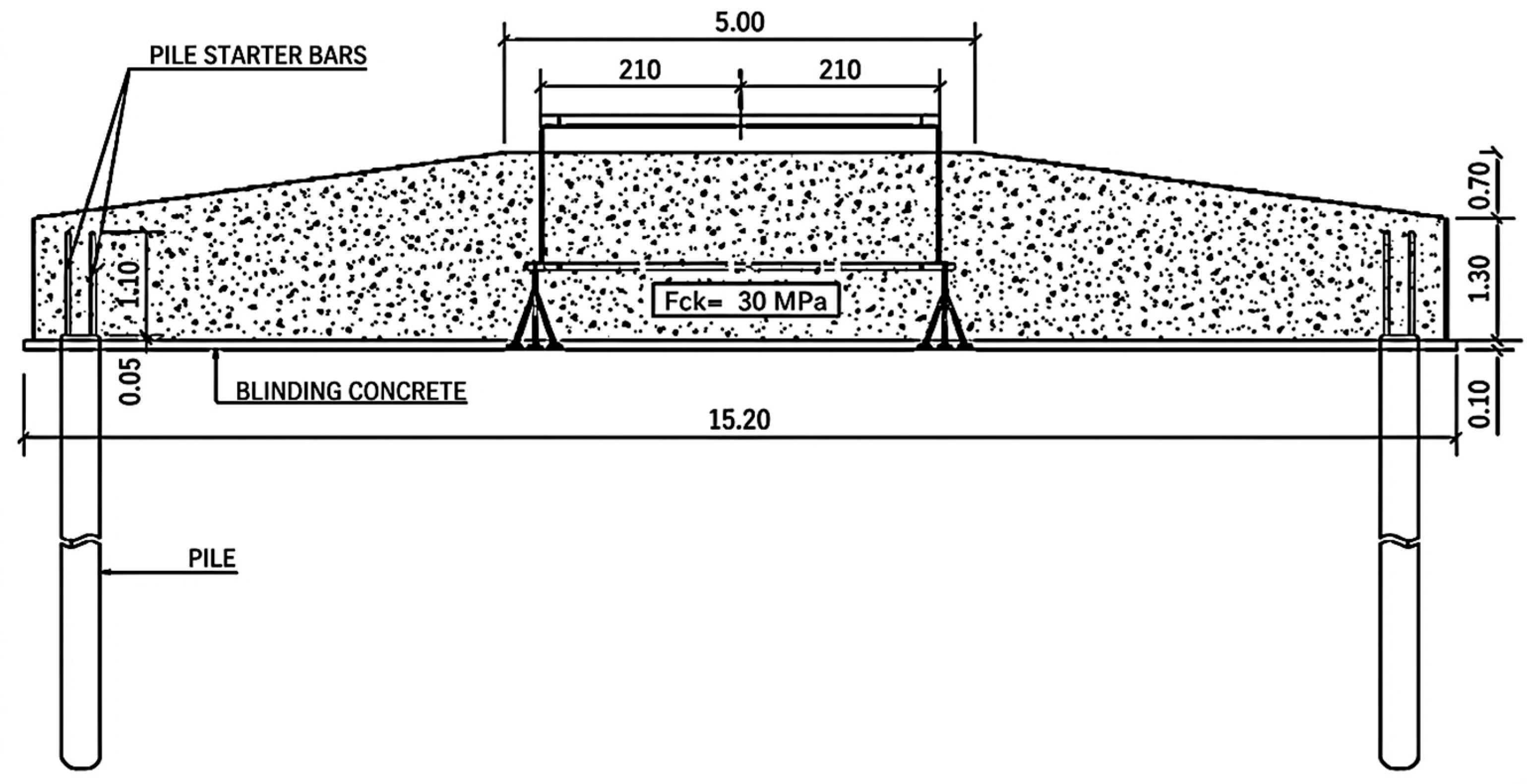
3.1. Foundation Geometry
3.2. Geotechnical Characterization
3.3. Actions and Load Combinations
3.4. Numerical Modeling
3.5. Regulatory Criteria and Verifications
3.5.1. Geotechnical Analyses
- (a)
- Soil bearing capacity: The ultimate bearing capacity was determined by a plate load test at the foundation level, conducted under slow loading with loading and unloading cycles, as per standard geotechnical protocols [19,20]. The test directly provided the ultimate capacity and the reaction modulus required in numerical modeling (Equation (1)):where denotes the soil’s ultimate capacity, is the final load applied to the plate, and is the plate area. Soil–structure interaction was modeled using Winkler’s concept, where the soil serves as a series of springs of stiffness , idealized as linearly elastic for small deformations [21]. The test also allowed determination of the soil reaction modulus (Equation (2)), relating applied stress to observed displacement:where is the soil reaction modulus, is the unit area load, and δ is the corresponding foundation displacement under stress.
- (b)
- Stress distribution: For shallow, gravity-type foundations, contact pressure beneath the foundation is assumed to be linearly distributed, following the classical principles of material resistance. The general expression for contact stress is presented in Equation (3):where is the maximum stress at the soil-foundation interface, it is derived from the combined normal load , the cover soil weight added to the footing weight, , and the footing area, . Moreover, the base moment and the section modulus defined by the foundation geometry, govern the stress distribution used in stability assessment.
- (c)
- Overturning: Overturning evaluation (Equation (4)) compares the stabilizing moments from vertical loads with destabilizing moments from horizontal and bending actions. The safety factor for overturning should exceed 1.5 in the serviceability limit state (SLS) and 1.0 in the ultimate limit state (ULS) [11].where, is the sum of vertical forces times the foundation radius, and is the moment load applied by the turbine manufacturer. Their ratio defines the overturning safety factor .
- (d)
- Sliding: To verify sliding, horizontal actions should not exceed the friction resistance at the soil-foundation interface. Following Milititsky [11], a minimum safety factor of 1.5 is used. For drained conditions, this verification can be expressed by Equation (5):where the friction coefficient μ is tan (2/3 Φ), the soil-base interaction. is the combined weight of base and superimposed soil, and is the applied axial force (Equation (6)). The reduction coefficient is used according to regulatory criteria, and these parameters yield the sliding safety factor , evaluating the foundation’s horizontal stability.
- (e)
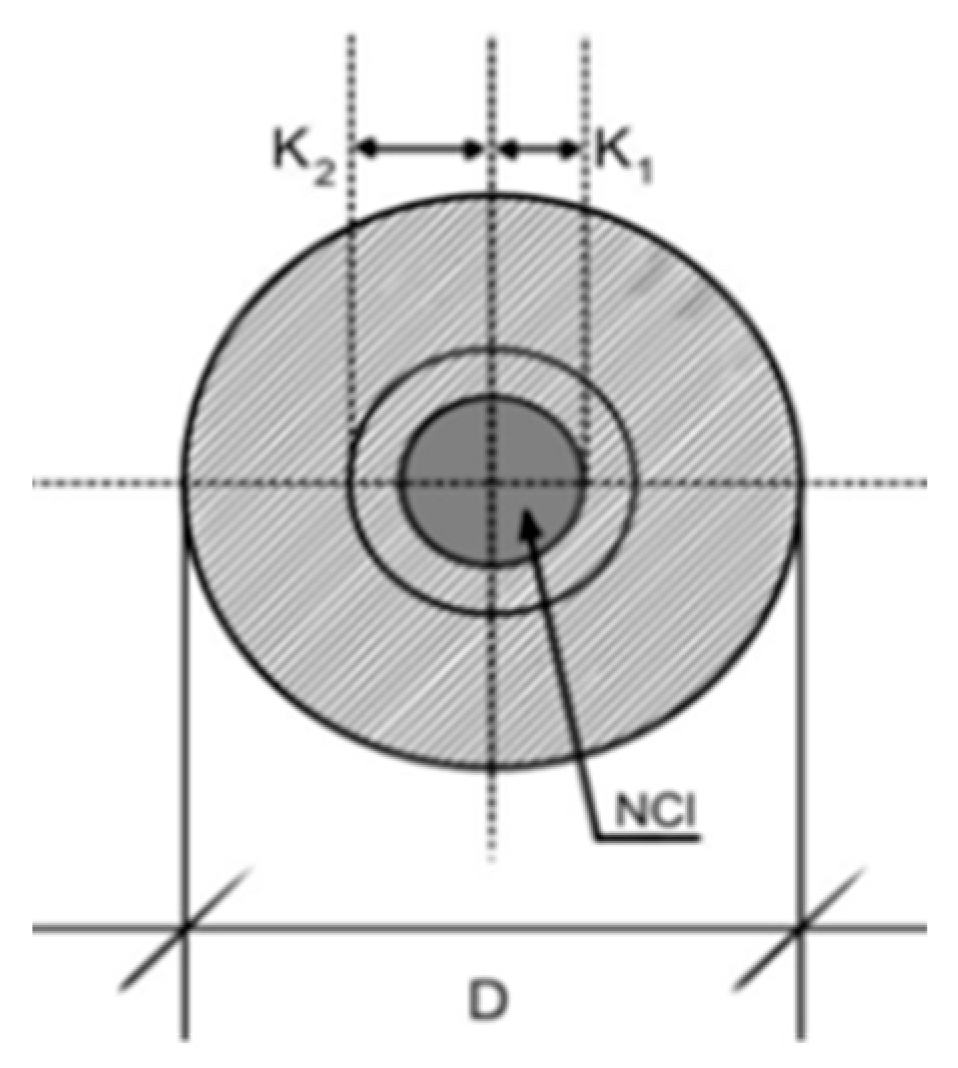
- Decompression with “no gapping”: For decompression assessment, eccentricity is evaluated under SLS and ULS conditions. Eccentricity must be < in SLS, ensuring a fully compressed area, and < in ULS, securing at least 50% compression [22]. These limits are described in Equations (7) and (8).The inertia core respective and boundaries are illustrated in Figure 5.
- (f)
- Rotational stiffness: To assure proper tower-foundation-soil system performance, wind turbine manufacturers require a minimum rotational stiffness, controlling the system’s natural frequency. This performance is checked at SLS with the characteristic action combination. The IEC 61400-6 [6] specifies dynamic and static soil behavior stiffness limits, as outlined in Equation (9):where dynamic rotational stiffness () corresponds to the foundation’s ability to resist overturning moments. (Equation (10)) is the initial distortion modulus of the supporting soil. is the foundation radius, is the Poisson’s ratio of the soil material, and is the modulus of elasticity that determines ground deformation under rotational loads.
- (g)
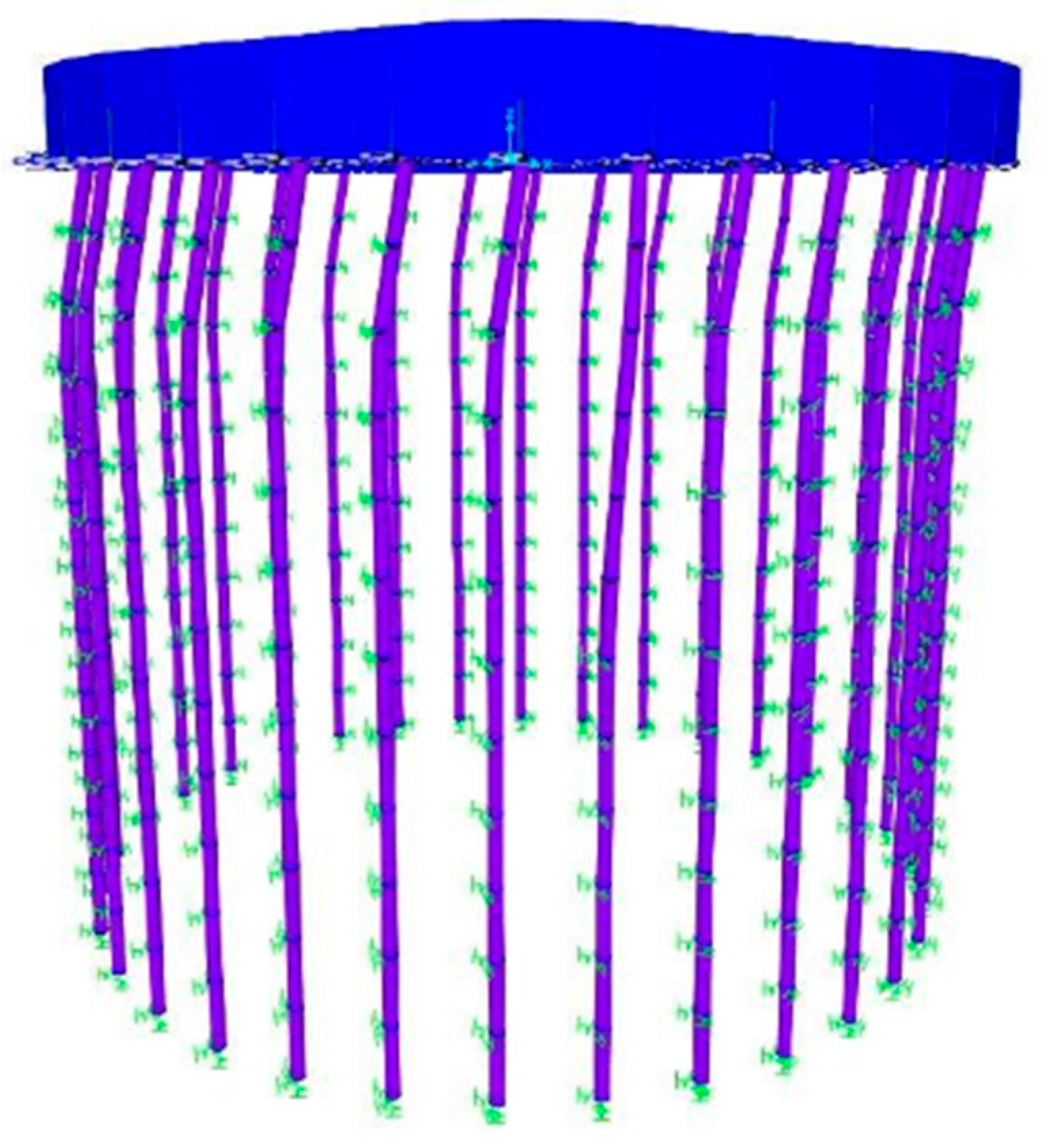
- Load distribution on piles and geotechnical sizing: For piled foundations, the pile group is typically idealized as a rigid set of piles. distributed at a constant radius from the block’s center. When subjected to vertical load and overturning moment , and assuming plane sections remain plane, the axial load on the i-th pile at position is given by Equation (12):where is the axial load on pile i, is the total vertical load applied, is the number of piles, is the applied moment, is the pile’s moment arm along the moment axis, and is the pile group’s second moment of area, quantifying its moment resistance. The axial pile capacity comprising both tip and lateral resistance along the embedded pile length is , Then, the safety factor must be applied. Detailed expressions for tip and shaft resistances are presented in Equation (13).where is the characteristic pile base resistance, the unit resistance mobilized at the pile’s base, and is the base area. Similarly, is shaft resistance, is the sum of the overall soil layer contribution, is the layer unit resistance, and is the pile area per layer. The structural resistance of the pile is detailed in Equation (14), where is the design pile resistance and is the design concrete compressive strength.
3.5.2. Structural Analyses
- (a)
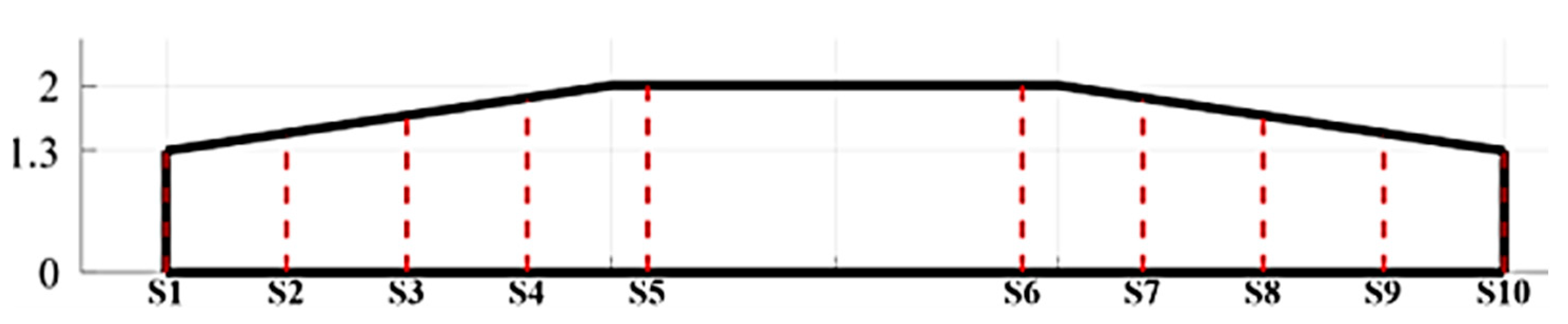
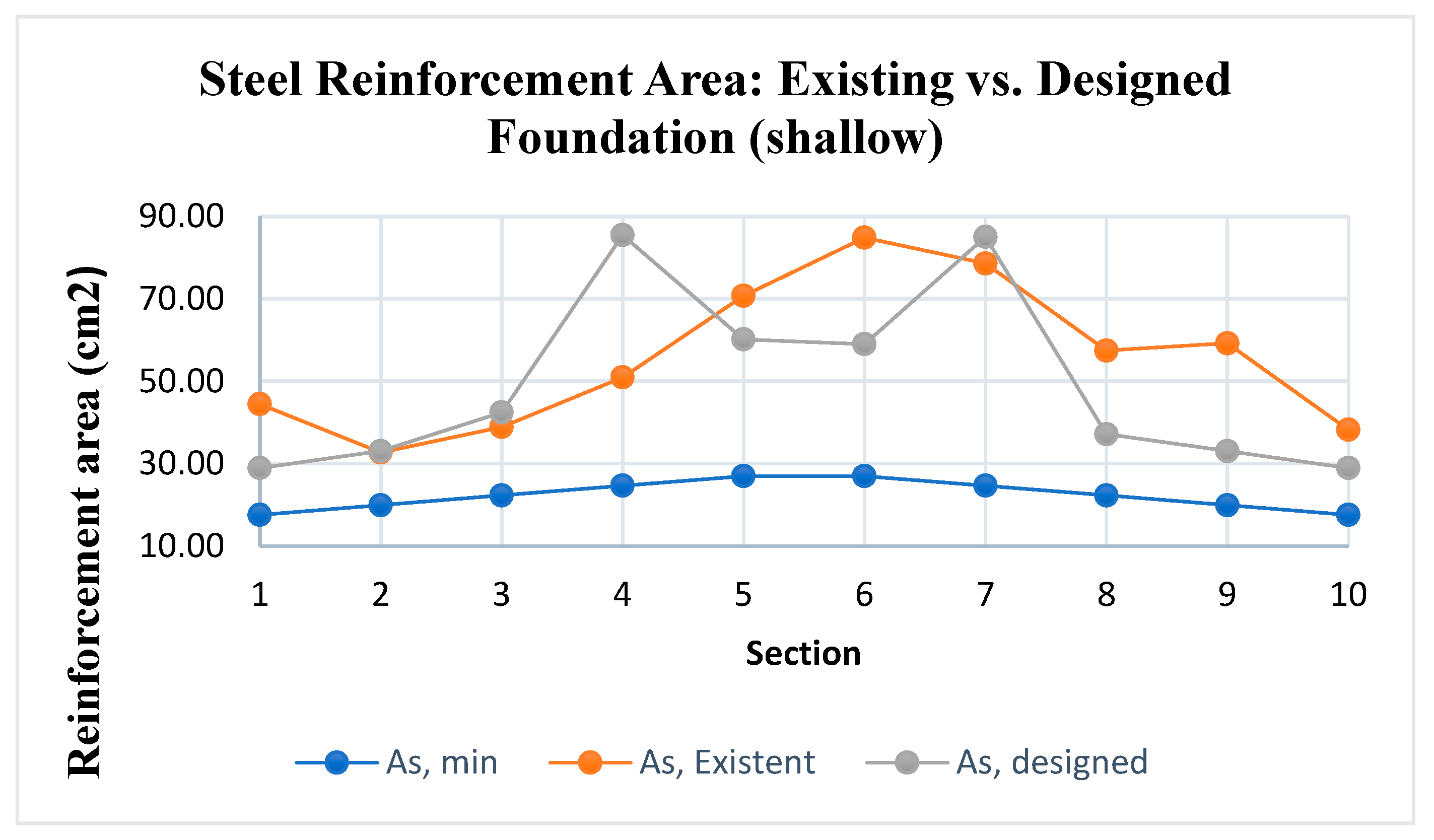
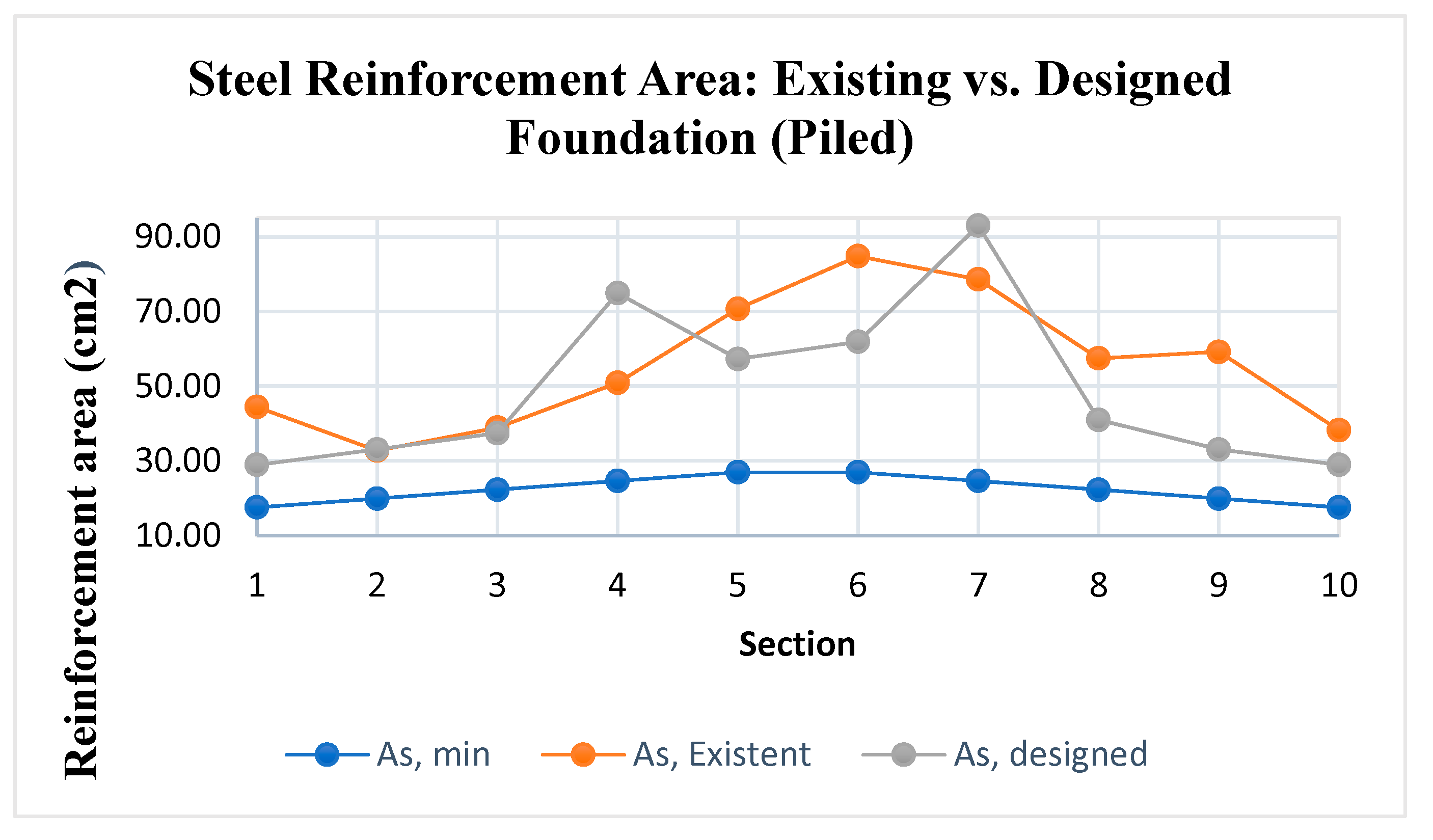
- Flexural and shear reinforcement: Flexural and shear reinforcement were sized per Eurocode 2 [7], based on classical reinforced concrete relations (Equation (15)).where, is the required tensile reinforcement area, is the design bending moment, is the internal lever arm, is the steel yield capacity. The formulation accounts for compressed concrete, tensile reinforcement, and shear resistance contributions (Equation (16)). Thus, both minimum and required steel areas for ULS and SLS are determined by the requests obtained in the numerical modeling.
- (b)
- Crack control: Crack control was checked using standard reinforced concrete relationships to estimate the characteristic crack opening as a function of reinforcement stress and the section’s deformability (Equation (18)). Verification was performed for service combinations, ensuring that the calculated opening remained within the limit of w ≤ 0.3 mm, in line with SLS performance requirements.where, is the service-state characteristic crack width at SLS, is the maximum crack spacing from the steel-concrete bond model, is the mean post-cracking tensile reinforcement’s deformation, is mean concrete strain between cracks, affected by shrinkage, creep, and bond-based stress transfer.
- (c)
- Steel fatigue control: Reinforcement was checked for fatigue per Eurocode 2 [7], with stress variation from turbine loading cycles kept <70 MPa permissible limit (Equation (19)), achieving adequate fatigue performance over the structure’s service life.
- (d)
- Fatigue control in concrete: Fatigue control followed Eurocode 2 [7], evaluating the relationship between maximum and minimum compressive stresses under repeated actions. Concrete fatigue resistance was calculated for ≤ 50 MPa (Equation (20)), ensuring compressive stress cycles remain within the standard fatigue resistance limits.
4. Results
4.1. Soil Bearing Capacity and Stress Distribution in the Soil
4.2. Decompression, Eccentricity, Overturning, and Sliding
4.3. Rotational Stiffness of the Foundation
4.4. Summary of Internal Stresses in the Foundation
4.5. Crack Evaluation
4.6. Fatigue Evaluation
5. Discussion
6. Conclusions
Author Contributions
Funding
Data Availability Statement
Conflicts of Interest
References
- Ziegler, L.; Gonzalez, E.E.; Rubert, T.; Smolka, U.; Melero, J. Lifetime extension of onshore wind turbines: A review covering Germany, Spain, Denmark, and the UK. Renew. Sustain. Energy Rev. 2018, 82, 1261–1271. [Google Scholar] [CrossRef]
- Alves, G.P. Useful Life of Wind Energy Projects in Portugal. Master’s Thesis, Universidade do Minho, Braga, Portugal, 2019. [Google Scholar]
- Toña, R.J.; Rojo, J.C.; Chandro, E.R. Foundations of onshore wind turbines: Current situation and trends. Inf. Constr. 2024, 76, 6443. [Google Scholar] [CrossRef]
- Jeong, Y.J.; Park, M.S.; Song, S.H.; Kim, J. Numerical evaluation of structural safety for aged onshore wind foundation to extend service life. Appl. Sci. 2020, 10, 4561. [Google Scholar] [CrossRef]
- Zhou, X.; Kong, H.; Dow, J.S. Failure case study of reinforced concrete foundations of wind turbine towers. Proc. Inst. Civ. Eng. Forensic Eng. 2015, 168, 158–166. [Google Scholar] [CrossRef]
- IEC 61400-6; Wind Energy Generation Systems—Part 6: Tower and Foundation Design Requirements. International Electrotechnical Commission: Geneva, Switzerland, 2020.
- EN 1992-1-1; Eurocode 2—Design of Concrete Structures—Part 1-1: General Rules and Rules for Buildings. European Committee for Standardization: Brussels, Belgium, 2004.
- EN 1997-1; Eurocode 7—Geotechnical Design—Part 1: General Rules. European Committee for Standardization: Brussels, Belgium, 2004.
- DNV-ST-0126; Support Structures for Wind Turbines. DNV GL: Bærum, Norway, 2021. Available online: https://rules.dnv.com/docs/pdf/DNV/ST/2021-12/DNV-ST-0126.pdf (accessed on 2 April 2026).
- Braz, E.M.; de Barros, R.C. Wind turbine foundations: A comparison between shallow and deep typologies. In Proceedings of the XIV Brazilian Conference on Bridges and Structures (CBPE 2023), Rio de Janeiro, Brazil, 10–12 May 2023. [Google Scholar]
- Milititsky, J.C. Tower’s Foundation; Oficina de Textos: São Paulo, Brazil, 2019. [Google Scholar]
- Das, B.M.; Sobhan, K. Principles of Geotechnical Engineering, 10th ed.; Cengage Learning: Boston, MA, USA, 2022. [Google Scholar]
- Modu, J.; Briançon, L.; Georgin, J.F.; Antoinet, E. Experimental study of load transfer mechanisms of onshore wind turbine foundations. Sustain. Struct. 2025, 5, 27. [Google Scholar] [CrossRef]
- Svensson, H. Design of Foundations for Wind Turbines. Master’s Thesis, Lund University, Lund, Sweden, 2010. [Google Scholar]
- Maunu, P. Design of Wind Turbine Foundation Slabs. Master’s Thesis, Lund University, Lund, Sweden, 2008. [Google Scholar]
- Oñate, E. Calculation of Structures by the Finite Element Method, 2nd ed.; Centro Internacional de Métodos Numéricos en Ingeniería: Barcelona, Spain, 1995. [Google Scholar]
- Rodríguez Ortiz, J.M.; Serra Gesta, J.; Oteo Mazo, C. Applied Course on Foundations, 2nd ed.; Centro de Publicaciones del COAM: Madrid, Spain, 1995. [Google Scholar]
- Júnior, A.P. Practical Applications and Structural Challenges with FEM, 1st ed.; Oficina de Textos: São Paulo, Brazil, 2023. [Google Scholar]
- Terzaghi, K.; Peck, R.B. Soil Mechanics in Engineering Practice, 2nd ed.; John Wiley & Sons: New York, NY, USA, 1967. [Google Scholar]
- Bowles, J.E. Foundation Analysis and Design, 5th ed.; McGraw-Hill: New York, NY, USA, 1996. [Google Scholar]
- Hetényi, M. Beams on Elastic Foundation: Theory with Applications in the Fields of Civil and Mechanical Engineering; University of Michigan Press: Ann Arbor, MI, USA, 1946. [Google Scholar]
- Campos, J.C. Elements of Concrete Foundations; Editora Pini: São Paulo, Brazil, 2020. [Google Scholar]
- Demirci, H.E. Geotechnical Preliminary Design of Onshore Wind Turbine Foundations. Erzincan Univ. J. Sci. Technol. 2023, 16, 756–781. [Google Scholar] [CrossRef]
- Charles, S.; Mohapatra, S.R.; Prusty, S.B. Wind Turbine Foundation Using PHC Piles in Problematic Soil. In Proceedings of the Indian Geotechnical Conference, New Delhi, India, 15–17 December 2022. [Google Scholar]
- Lago, B.D.; Flessati, L.; Marveggio, P.; Martinelli, P.; Fraraccio, G.; di Prisco, C.; di Prisco, M. Experimental tests on shallow foundations of onshore wind turbine towers. Struct. Concr. 2022, 23, 2986–3006. [Google Scholar] [CrossRef]
- Gil García, I.C.; Fernández Guillamón, A.; García Cascales, M.S.; Molina García, Á. Multi factorial methodology for wind power plant repowering optimization: A Spanish case study. Energy Rep. 2024, 11, 179–196. [Google Scholar] [CrossRef]



| Design Load Cases | Load Type | FS | Fz (kN) | Fxy (kN) | Mz (kN·m) | Mxy (kN·m) |
|---|---|---|---|---|---|---|
| 110 | QPC | 1.0 | 2972 | 302 | 949 | 24,175 |
| 210 | ACC | 1.1 | 3201 | 773 | 1355 | 61,853 |
| 310 | Rare | 1.0 | 2918 | 629 | 681 | 59,010 |
| 311 | Extreme | 0.90–1.35 | 2626 | 849 | 919 | 82,620 |
| 312 | Extreme | 1.35 | 3939 | 849 | 919 | 82,620 |
| 410 | Fat. Mean | 1.0 | 2950 | 219 | 178 | 19,472 |
| 411 | Fat. Min. | 1.0 | - | 105 | - | 9001 |
| 412 | Fat. Max. | 1.0 | - | 333 | - | 29,943 |
| Section | M11 | M22 | V13 | V23 | M11 | M22 | V13 | V23 |
|---|---|---|---|---|---|---|---|---|
| Serviceability Limit State | Ultimate Limit State | |||||||
| kN·m | kN·m | kN | kN | kN·m | kN·m | kN | kN | |
| 1 | 0 | 0 | 0 | −59 | 28 | −31 | −9 | −210 |
| 2 | −166 | −151 | −128 | −104 | −385 | −424 | −365 | −347 |
| 3 | −440 | −298 | −158 | −119 | −1288 | −958 | −624 | −414 |
| 4 | −1090 | −414 | −230 | −63 | −3715 | −1413 | −1074 | −243 |
| 5 | −682 | −146 | −129 | −22 | −2472 | −529 | −580 | −96 |
| 6 | 727 | 171 | 272 | 35 | 2395 | 563 | 753 | 107 |
| 7 | 1084 | 416 | 507 | 90 | 3693 | 1409 | 1436 | 278 |
| 8 | 224 | 212 | 237 | 162 | 966 | 806 | 724 | 423 |
| 9 | 33 | 57 | 63 | 97 | 129 | 295 | 157 | 339 |
| 10 | 11 | 71 | 26 | 63 | 11 | 147 | 59 | 212 |
| Section | M11 | M22 | V13 | V23 | M11 | M22 | V13 | V23 |
|---|---|---|---|---|---|---|---|---|
| Serviceability Limit State | Ultimate Limit State | |||||||
| kN·m | kN·m | kN | kN | kN·m | kN·m | kN | kN | |
| 1 | 0 | −8 | −9 | −66 | 0 | −63 | −33 | −218 |
| 2 | −49 | −62 | −75 | −102 | −209 | −297 | −300 | −348 |
| 3 | −251 | −173 | −136 | −120 | −1018 | −756 | −590 | −420 |
| 4 | −819 | −315 | −221 | −64 | −3229 | −1264 | −1070 | −246 |
| 5 | −514 | −117 | −123 | −21 | −2281 | −539 | −576 | −91 |
| 6 | 868 | 215 | 282 | 37 | 2586 | 571 | 787 | 123 |
| 7 | 1346 | 507 | 538 | 95 | 4046 | 1531 | 1492 | 294 |
| 8 | 369 | 323 | 277 | 134 | 1211 | 952 | 631 | 438 |
| 9 | 74 | 136 | 127 | 107 | 222 | 393 | 266 | 357 |
| 10 | 0 | 36 | 15 | 66 | 0 | 95 | 40 | 219 |
Disclaimer/Publisher’s Note: The statements, opinions and data contained in all publications are solely those of the individual author(s) and contributor(s) and not of MDPI and/or the editor(s). MDPI and/or the editor(s) disclaim responsibility for any injury to people or property resulting from any ideas, methods, instructions or products referred to in the content. |
© 2026 by the authors. Licensee MDPI, Basel, Switzerland. This article is an open access article distributed under the terms and conditions of the Creative Commons Attribution (CC BY) license.
Share and Cite
Braz, E.M.; Barros, R.C.d. Structural and Geotechnical Assessment of Onshore Wind Turbine Foundation for Service Life Extension: A Case Study. Appl. Sci. 2026, 16, 3659. https://doi.org/10.3390/app16083659
Braz EM, Barros RCd. Structural and Geotechnical Assessment of Onshore Wind Turbine Foundation for Service Life Extension: A Case Study. Applied Sciences. 2026; 16(8):3659. https://doi.org/10.3390/app16083659
Chicago/Turabian StyleBraz, Evandro Medeiros, and Rui Carneiro de Barros. 2026. "Structural and Geotechnical Assessment of Onshore Wind Turbine Foundation for Service Life Extension: A Case Study" Applied Sciences 16, no. 8: 3659. https://doi.org/10.3390/app16083659
APA StyleBraz, E. M., & Barros, R. C. d. (2026). Structural and Geotechnical Assessment of Onshore Wind Turbine Foundation for Service Life Extension: A Case Study. Applied Sciences, 16(8), 3659. https://doi.org/10.3390/app16083659