Review

Unraveling Uveal Melanoma: Advances in Three-Dimensional Models

1
Department of Biomedical and Biotechnological Sciences, Section of Anatomy, Histology and Movement Sciences, University of Catania, 95123 Catania, Italy
2
Department of Drug Sciences, University of Catania, 95123 Catania, Italy
3
Department of Clinical and Experimental Medicine, Section of Occupational Medicine, University of Catania, 95123 Catania, Italy
4
Department of Surgery, Garibaldi Hospital, 95124 Catania, Italy
*
Author to whom correspondence should be addressed.
Appl. Sci. 2026, 16(6), 2797; https://doi.org/10.3390/app16062797
Submission received: 13 January 2026 / Revised: 6 March 2026 / Accepted: 11 March 2026 / Published: 14 March 2026
(This article belongs to the Special Issue Advances in Cancers and Tumor Targeted Immunotherapy)

Abstract

Uveal melanoma (UM) is the most common primary intraocular malignancy in adults and remains associated with a high risk of metastatic spread and poor survival once metastasis occurs. Despite advances in the molecular characterization of UM, progress in effective therapeutic strategies has been limited, partly due to the lack of preclinical models that accurately recapitulate the tumor’s complex biology and microenvironment. Traditional two-dimensional (2D) culture systems fail to reflect key features of UM, including cellular heterogeneity, extracellular matrix interactions, and immune modulation. In recent years, three-dimensional (3D) models have emerged as powerful tools to overcome these limitations and to better mimic in vivo tumor architecture and behavior. This review provides a comprehensive overview of the current landscape of 3D UM models, including spheroids and organoids. We discuss their applications in studying UM pathogenesis, tumor–microenvironment interactions, metastatic mechanisms, and therapeutic responses. Advancing 3D modeling approaches holds promise for improving translational research and accelerating the development of effective therapies for uveal melanoma.

1. Introduction

Melanoma is a tumor that originates from melanocytes, which are located in various anatomical locations, including the ocular region [1]. Ocular melanoma is a type of malignant tumor that arises specifically inside the eye, most commonly affecting the uvea. Symptoms may include dark spots near or around the iris or mucosa of the eyes.
Uveal melanoma can occur in the iris, ciliary body (6%), or, more frequently, choroid (90%). Iris melanomas (3% of cases) have the best prognosis compared to melanomas of the ciliary body, which instead have the worst prognosis. Iris melanomas show lower mortality rates of 3–5% over the past 10 years [2,3,4]. This can be attributed to the fact that these tumors frequently consist of low-grade spindle cells, which are less aggressive than the highly malignant epithelioid cells commonly found in posterior uveal melanomas.
Malignant melanoma of the uvea represents a rare primary intraocular malignant tumor more common in adults [5]. While the majority of uveal melanomas occur sporadically, approximately 1 to 6% of UM cases arise within a hereditary context. The most well-characterized is BAP1 Tumor Predisposition Syndrome (BAP1-TPDS), which is caused by germline mutations in the BAP1 gene, a tumor suppressor gene found on chromosome 3 [6,7,8,9]. Germline mutations in MBD4 have been identified as predisposing factors [10,11,12]. Additionally, various germline variants in DNA damage repair genes, including BRCA1, BRCA2, CHEK2, PALB2 and POT1, have been identified in UM patients. Furthermore, associations with Lynch Syndrome-related genes (MSH6, MLH1, MLH2 and PMS2) and others such as TP53AIP1 have been reported [13]. However, the definitive penetrance and specific contribution of these constitutional anomalies to UM pathogenesis remain under active investigation.
The incidence is approximately 5 per million people in the United States, and in Europe, the rates ranged from 3.1 to 5.8 per million [14]. Despite the high accuracy of the diagnosis and the availability of various therapeutic approaches, the mortality rate associated with UM has stayed unchanged over the decades [15]. Currently, the most widely used first-line treatment options include resection, radiation therapy, laser therapy, enucleation, or evisceration of the eye [16]. Although such therapies contain satisfactory local control of the disease, the long-term survival rate in patients with UM remains limited, with risk of liver metastases [1]. Approximately 90% of individuals develop metastatic liver disease, with a mean survival of 4–5 months and a 1-year survival of 10–15% [17,18]. Furthermore, approximately half of the patients with liver metastases also have extrahepatic involvement [19]. Progress has been made in early detection in recent years, with the hope that survival rates will improve as smaller tumors are treated. As with other tumor indications, both early diagnosis and early treatment could be instrumental for a positive long-term survival outcome in UM [1,20]. Among possible environmental risk factors, exposure to sunlight has been proposed, because it is known to cause skin melanoma, and both diseases are rare in non-white breeds. In the United States (97.8%) and Europe, the prevalence is higher in the Caucasian population [21]. Major risk factors for the host include fair skin, a light eye color, ocular or oculodermal melanocytosis, and a cutaneous, iris, or choroidal nevus [1]. Moreover, in adolescent and young adult patients, several novel risk factors were described, including a family history of cutaneous melanoma, Ashkenazi Jewish ancestry, prior eye trauma, secondhand cigarette smoke exposure, and previous head and neck surgery [22].
Tumor size represents one of the most important clinical and pathological factors in determining both the treatment and prognosis of UM [5], resulting in a factor highly related to mortality. As tumor size increases, the internal microenvironment often becomes hypoxic, a state of low oxygen tension that occurs when the tumor outgrows its blood supply. Hypoxia plays a pivotal role in the progression of different tumors, including UM, by stabilizing hypoxia-inducible factors, which trigger the expression of genes involved in angiogenesis, metabolic reprogramming, and epithelial-to-mesenchymal transition [23,24]. The prognosis in UM depends on clinical (position, size, and configuration), histopathological (cell type, mitotic activity, microcirculation architecture, and tumor-infiltrating lymph nodes), and cytological (cell proliferation) factors. Nine main factors significantly influence prognosis: patient’s age at enucleation, location of the tumor and its anterior border, diameter of the largest tumor in contact with the sclera, tumor height, integrity of Bruch’s membrane, cell type, pigmentation, and scleral infiltration by tumor cells. Apical height and a larger tumor diameter are risk factors for extrascleral extension, post-treatment recurrence, and metastasis. Accurate measurements of the apical height and basal diameter of the tumor are critical for monitoring tumor growth and establishing treatment, such as radiation dosage [25].
A significant hurdle in oncology remains the identification of experimental models that can accurately simulate specific biological features of the disease. In the context of UM, the scarcity of animal models that truly mirror human tumor progression has led many research teams to rely heavily on various cell lines. However, this reliance introduces its own set of complications. The absence of standardized characterization for these cell lines often makes it difficult to cross-reference findings or determine how closely these models align with the actual genetic and phenotypic makeup of human tumors [26]. While utilizing primary in vitro cultures derived directly from UM patients offers a potential solution, this approach is fraught with its own challenges: such cultures are notoriously difficult to establish and maintain, and they frequently exhibit high levels of biological heterogeneity.
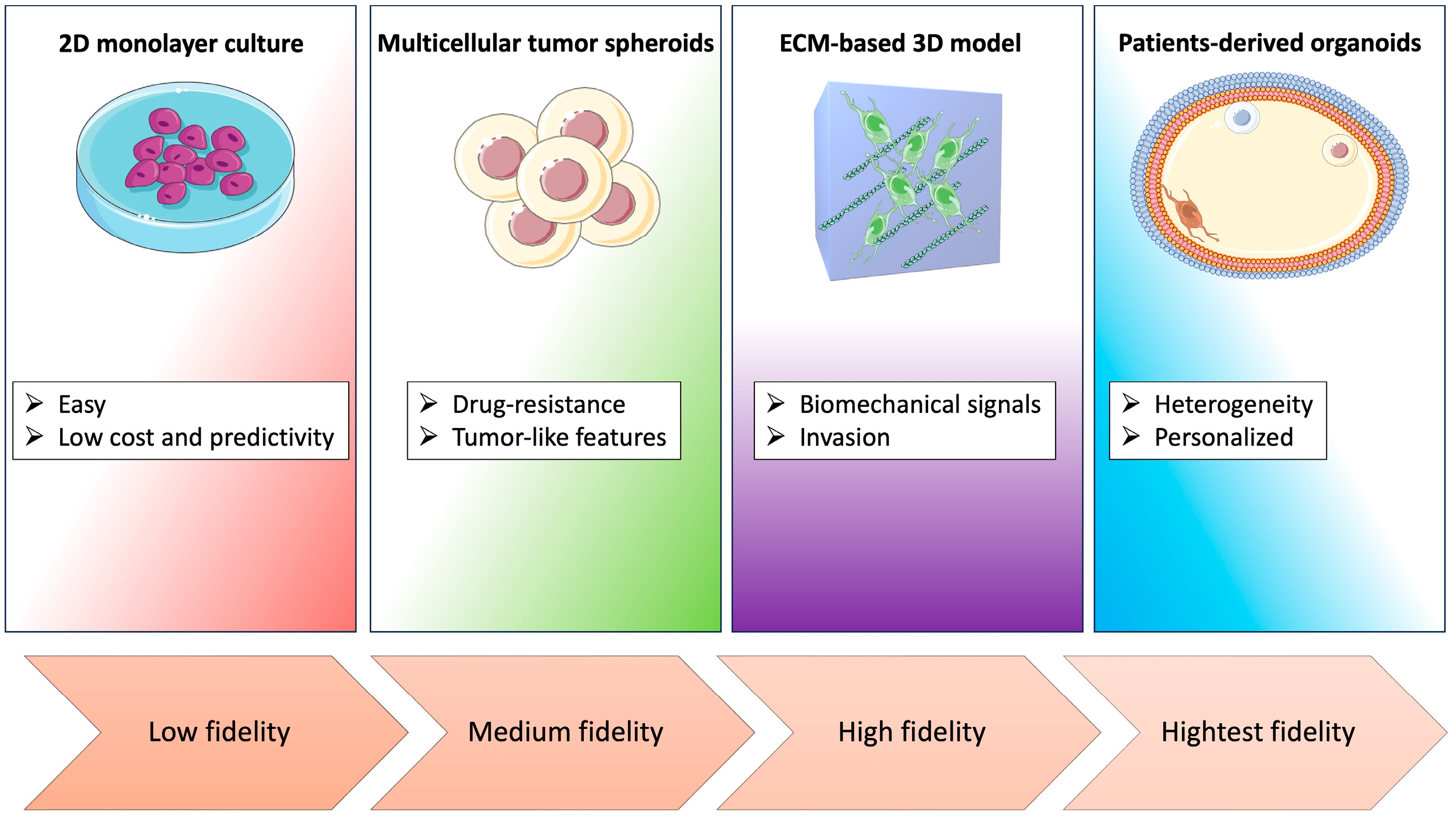
Despite diagnostic and therapeutic advances, UM continues to pose a clinical challenge for high metastatic propensity and the paucity of reliable preclinical models. Understanding the molecular mechanisms underlying progression and standardizing more representative experimental models of human diseases are key to improving prognosis and developing more effective therapeutic strategies (Figure 1).

2. Uveal Melanoma Classification

Uveal melanoma is currently classified according to several criteria, which include anatomical origin, histopathological characteristics, clinical–pathological parameters and genetic–molecular profiles. The combination of these approaches allows for more accurate risk stratification and better prognostic assessment.

2.1. Anatomical Classification

From an anatomical perspective, UM is categorized into three primary subtypes that are determined by the initial site of the tumor: the iris, the ciliary body, and the choroid [27]. The majority of cases originate in the choroid or ciliary body; these are collectively referred to as posterior UM. In contrast, iris melanomas are treated as a distinct group. This separation is due to their relative rarity and a clinical profile that generally carries a more positive prognosis compared to their posterior counterparts.

2.2. Histopathological Classification

The early histological classification of uveal melanoma, based on the Callender system (1931) and later modified by McLean et al. [28], defined cell types with improved correlation between cell type and mortality. We distinguish three main cell types [29]: (1) the spindle cell type (elongated cells with a better prognosis); (2) the epithelioid cell type (large cells associated with a poor prognosis); and (3) the mixed cell type, representing a combination of the two cell populations with intermediate behavior.

2.3. Clinico-Pathological Classification (AJCC TNM)

The American Joint Committee on Cancer (AJCC) [30] has become the benchmark for ranking cancer patients, defining prognosis, and determining the best treatment approaches. It developed a UM-specific staging system based on TNM (tumor, node, and metastasis) principles. Presently, there are two separate classification systems, one specifically for posterior UM and another for iris melanoma, that identify tumor categories but lack a formalized staging structure. The AJCC classification primarily relies on tumor dimensions, as the largest basal diameter (LBD) and tumor height (TH) are critical indicators of metastatic risk and patient mortality. Beyond size, this staging system incorporates key clinical markers, including the involvement of the ciliary body (CBI) and any evidence of extraocular extension (EOE). Recently, a revision of the system integrating tumor volume [31] and genetic data has been proposed to improve prognostic stratification, with the aim of obtaining a unified model applicable to all forms of uveal melanoma.

2.4. Genetic–Molecular Classification

Lately, molecular and genetic classification has become fundamental to predicting outcomes in UM. Research indicates that incorporating genetic profiles enhances the prognostic accuracy of the standard AJCC staging system [32]. Among the most critical genomic shifts identified in UM are the monosomy of chromosome 3 and the gain of the long arm in chromosome 8 (8q) [33,34]. On the contrary, the presence of a normal chromosomal structure indicates a favorable prognosis. Based on this data, several integrated predictive models were developed, such as: LUMPO (Liverpool Uveal Melanoma Prognosticator Online) [35] and PRiMeUM (Predicting Risk of Metastasis in Uveal Melanoma) [32]. These systems combine clinical (size, location, and extent) and genetic parameters to provide an individualized prognosis of metastatic risk. Furthermore, the classification proposed by The Cancer Genome Atlas (TCGA) divides uveal melanomas, according to Jager et al. [33], into four classes (A–D) based on distinct genomic profiles, each with a different prognosis. Emerging research [36,37] suggests that integrating The Cancer Genome Atlas (TCGA) classifications with the AJCC framework enhances prognostic accuracy. This hybrid approach improves the predictive power of current models, allowing for more precise patient stratification within standard TNM groupings. However, selecting the appropriate classification system remains a challenge in complex clinical scenarios. This is particularly true when a tumor spans both the iris and the ciliary body at the time of diagnosis or in the case of ring melanomas, which develop circumferentially along the anterior chamber angle and infiltrate both tissue types. In summary, the combined approach, along with the inclusion of genetic information, represents the future of staging this neoplasm, allowing for more precise prognostic assessment and personalized therapeutic management.

3. Uveal Melanoma Microenvironment

Tumors are sophisticated multicellular structures defined by diverse cell populations, unique molecular signatures, and specific genomic identifiers. An important portion of this internal variation is driven by the tumor microenvironment (TME). In the early stages of tumor development, cells are subjected to fluctuating gradients of oxygen and nutrients, alongside various physicochemical stresses. These environmental shifts contribute to the diversity of cell populations, fluctuating metastatic potential, and the development of drug resistance [38]. While UM is an aggressively malignant intraocular cancer that may appear histologically uniform, it is often marked by widespread leukocyte infiltration. Notably, the presence of infiltrating macrophages and T cells in UM correlates with a negative prognosis, a phenomenon that stands in stark contrast to the favorable prognostic role these immune cells typically play in many other cancers [39]. Goesmann et al. [34] conducted the first systematic TME study of UM, specifically analyzing the intratumoral and intraocular localization of different cell populations. Research indicates a distinct spatial organization within UM tumors: while vascular networks are primarily concentrated in the central core, immune cells, specifically CD68-positive macrophages, tend to cluster in the peripheral regions. This heterogeneous landscape includes not only malignant cells but also a population of non-cancerous cells, such as macrophages and lymphocytes. This specific arrangement points toward a functional compartmentalization of the TME, likely reflecting varying levels of vascular and immunological activity throughout the tumor mass. The TME consists of the set of cellular and non-cellular components surrounding neoplastic cells, including fibroblasts, immune cells, the extracellular matrix (ECM), and soluble factors [36,40]. It is a dynamic and complex system that is in continuous interaction with tumor cells: inflammation mediated by immune infiltration can promote angiogenesis and facilitate metastatic dissemination [41]. As reported by Bronkhorst et al. [37], inflammatory infiltrates play a key role in the different stages of development and progression of UM. They include a heterogeneous population of TAMs that modulate both tumor growth and the local immune response. Inflammatory activity in UM extends beyond the tumor itself, as evidenced by significantly high concentrations of pro-inflammatory cytokines (such as IL-6, VEGF, and MCP-1) within the aqueous humor. Interestingly, these elevated levels do not appear to correlate with the density of macrophages inside the tumor, suggesting a broader ocular inflammatory response [42]. Simultaneously, the ECM acts as a critical driver of the TME. Beyond providing a physical scaffold, the ECM delivers biochemical signals that facilitate cancer cell growth, movement, and survival against treatment [43]. While laboratory 3D models often rely on substrates like Matrigel or collagen, they fail to fully capture the intricate architecture found in vivo. Research now shows that both malignant and stromal cells actively remodel the ECM, creating a specialized environment that promotes local invasion and systemic metastasis while shielding the tumor from therapies [44,45,46,47]. In UM, the TME emerges as a determining element in progression and therapeutic response. Dynamic interactions between tumor cells, immune infiltrate, and the ECM contribute to treatment resistance and metastatic propensity. A deeper understanding of these relationships, supported by 3D models that mimic the TME architecture, might facilitates the identification of novel therapeutic targets and the optimization of clinical outcomes.

4. Uveal Melanoma Cells from 2D to 3D Models

Advancing biomedical science necessitates a dual approach: utilizing both in vitro and in vivo methodologies to investigate disease mechanisms and pharmacological interactions. Since the early 1900s, 2D cell cultures have served as the foundational preclinical standard. This model has been instrumental in screening bioactive compounds for a wide array of conditions, including Parkinson’s disease, HIV, diabetes, and various cancers [48]. The enduring popularity of 2D systems in drug development stems from several practical advantages: they are cost-effective, highly reproducible, user-friendly, and compatible with a vast range of cell types. Furthermore, this type of cell culture system has also helped reduce the use of laboratory animal models. In the context of UM, over 20 cell lines have been established [26], and they have been used variably in the literature. The employment of fresh primary cell samples is particularly relevant as they are more representative of the original tumor characteristics; however, the availability of samples is limited as a result of the increasing adoption of eye-preserving therapies for the treatment of primary UM [2]. Furthermore, the generation of cell lines from primary tumors has a low success rate (3%) [49], and in vitro selection can lead to the loss of genetic alterations present in vivo [26,50,51,52].
To overcome these limitations, in recent years, 3D models have established themselves as tools capable of more accurately imitating tumor biology and providing more predictive preclinical data [53,54]. Cells growing in 3D culture systems more closely mimic the tumor environment in vivo than 2D monolayers. Cell aggregates mirror the molecular signaling that occurs between cells of the same tissue, allowing cell–cell and cell–matrix interactions [55]. The possibility of developing 3D cultures that reproduce the uveal tumor architecture, stroma and signaling microenvironment can improve the predictivity of preclinical drug evaluation in this rare pathology. In their comparative study, Goyeneche et al. [54] analyzed six distinct UM cell lines across both 2D and 3D environments to observe the formation of multicellular tumor structures (MCTs). The 3D experiments utilized two primary approaches: anchorage-dependent (AD) methods, where cells were embedded in or seeded onto basement membrane extracts, and anchorage-free (AF) methods, involving ultra-low attachment plates, agarose-coated surfaces, or hanging drop suspensions with methylcellulose.
The findings revealed that UM cells successfully organized into spherical MCTs when grown under anchorage-free conditions. Regardless of their specific density or dimensions, these spheroids consistently displayed a distinct architecture: a peripheral ring of active, dividing cells surrounding a core characterized by reduced proliferation and apoptotic activity. Conversely, the anchorage-dependent models resulted in varied cellular behaviors, with some cells remaining solitary and spherical, others forming unsymmetrical clusters, and some reverting to a flattened morphology reminiscent of standard 2D cultures. In an environment lacking anchoring, UM cells form spherical MCTs that acquire characteristics similar to those of vascularized solid tumors in vivo. The behavior of UM cells under AD conditions revealed the existence of heterogeneous cell populations capable of responding to extracellular matrix signals, highlighting their plasticity. This study proposes a 3D cell culture platform more predictive of UM biology than traditional 2D models. Table 1 and Table 2 compare 2D and 3D models, outlining the primary advantages and limitations of each.

5. Multicellular 3D Tumor Models: Spheroids and Scaffolds

Among the 3D architectures derived from suspended cells reported in the literature, spheroids represent one of the most versatile and widespread 3D models. Their spherical shape and ability to organize spontaneously into uniform and reproducible cellular structures make them a particularly useful system for the study of tumor biology in vitro [43].
In recent years, the employment of 3D models, especially multicellular tumor spheroids (MCTSs), has increased, especially in studies of tumor cell metabolism and in the evaluation of new anticancer drugs and new therapeutic approaches [44,45,46,47]. In fact, spheroids offer a preclinical intermediate platform between conventional in vitro systems and in vivo models, improving the predictivity of experimental results [56]. Spheroids can originate from single tumor cell lines or from co-cultures that include fibroblasts, endothelial cells or immune cells, thus forming complex multicellular structures more representative of the TME [57]. Such models mimic avascular tumor nodules or micrometastases, reproducing not only growth kinetics but also oxygen and nutrient gradients that affect gene expression, protein synthesis, and drug penetration [58]. Additionally, the use of 3D spheroids allows for early-stage drug screening and is an important first step towards personalizing treatment for patients with UM [53]. Currently, several techniques are available for the production of MCTS [59], including scaffold-free systems (hydrogels, inserts), which exploit the intrinsic ability of cells to spontaneously aggregate in suspension; three-dimensional scaffold-based systems, providing structural support similar to the extracellular matrix (ECM); and systems without scaffolds [60].

5.1. Scaffold-Free Systems: Self-Aggregation and Hanging Drop

Liquid superposition is a simple and economical method for obtaining 3D cultures, in which the culture surfaces are made non-adhesive (for example with agar, poly-HEMA or hyaluronic acid) [55,61,62], preventing cell adhesion and promoting self-aggregation. Since the cells cannot attach to the underlying surface, they aggregate spontaneously [60,63,64] to form MCTSs of different sizes, even starting from single cells or in co-culture [65]. Recently, Angeli et al. [66] described a standardized protocol for the generation of scaffold-free, multicomponent 3D human melanoma spheroids, in which cells self-assemble into 3D spheroids, facilitating better simulation of tumor microenvironmental interactions compared to conventional 2D cultures. In practice, the work provides a reproducible and versatile methodology for preclinical studies and drug screening in a physiologically significant setting for the treatment of melanoma patients, highlighting the value of complex 3D models in studying the tumor microenvironment. However, commercial melanoma and stromal cell lines were used in this model, resulting in reduced heterogeneity compared to cells derived directly from patients and thus necessitating further adaptations for personalized medicine applications. In a recent study, Djirackor et al. [67] developed a 3D spheroid model derived from primary uveal melanoma (PUM) and normal choroidal melanocytes (NCMs), comparing five different cell lines and culture methods. Cultures on ULA plates produced more compact and stable spheroids than those obtained with the hanging drop method, maintaining a structure, protein expression, and genetic profile similar to the patient’s original tumor. In contrast, spheroids from the hanging drop method were variable in size and compactness, did not maintain their integrity when manipulated, and usually disintegrated upon harvest. After evaluating spheroid growth and necrosis, an optimal culture regimen was identified: 8000 UM cells per spheroid, cultured for 3–6 days. Immunohistochemistry analysis confirmed that, under these conditions, PUM spheroids retained protein expression and were histologically similar to the patient’s tumor, while their genetic profile matched that of the patient’s tumor at passage 1. Furthermore, comparative analysis between PUM and NCM spheroids revealed specific alterations in markers such as nestin and α-SMA. Overall, these results indicate that the established culture conditions support the formation of 3D spheroids that recapitulate some histological and molecular features of human tumors. This system provides a platform for the preclinical evaluation of UM and the potential assessment of personalized therapeutic strategies.

5.2. Scaffold-Based Systems: Mimicking the Extracellular Matrix (ECM)

Recently, several research groups have developed three-dimensional spheroidal models derived from UM cell lines grown in collagen or Matrigel matrices, with the aim of recapitulating tumor behavior under conditions more similar to those in vivo [53]. These models allow us not only to study tumor progression and cell–matrix interactions but also to carry out more representative drug screenings in the initial phase, paving the way for the personalization of therapies for patients with UM. 3D scaffolds consist of biopolymers that mimic the ECM, providing structural support, porosity for nutrient exchange, and a microenvironment conducive to cell growth [68]. Therefore, various types of scaffolds have been designed to meet the special needs of each cell type; such materials can be natural (collagen, Matrigel, fibrin, hyaluronic acid, and agarose) or synthetic (polyacrylamide, PEG/DEX, microspheres or magnetic beads) [69,70,71], aiding aggregation, but they do not always correctly recreate tumor metabolic gradients. Natural scaffolds offer better biocompatibility but exhibit variability and mechanical limitations, while synthetic ones allow more precise control of chemical–physical properties but are sometimes less physiological.

6. Organoids

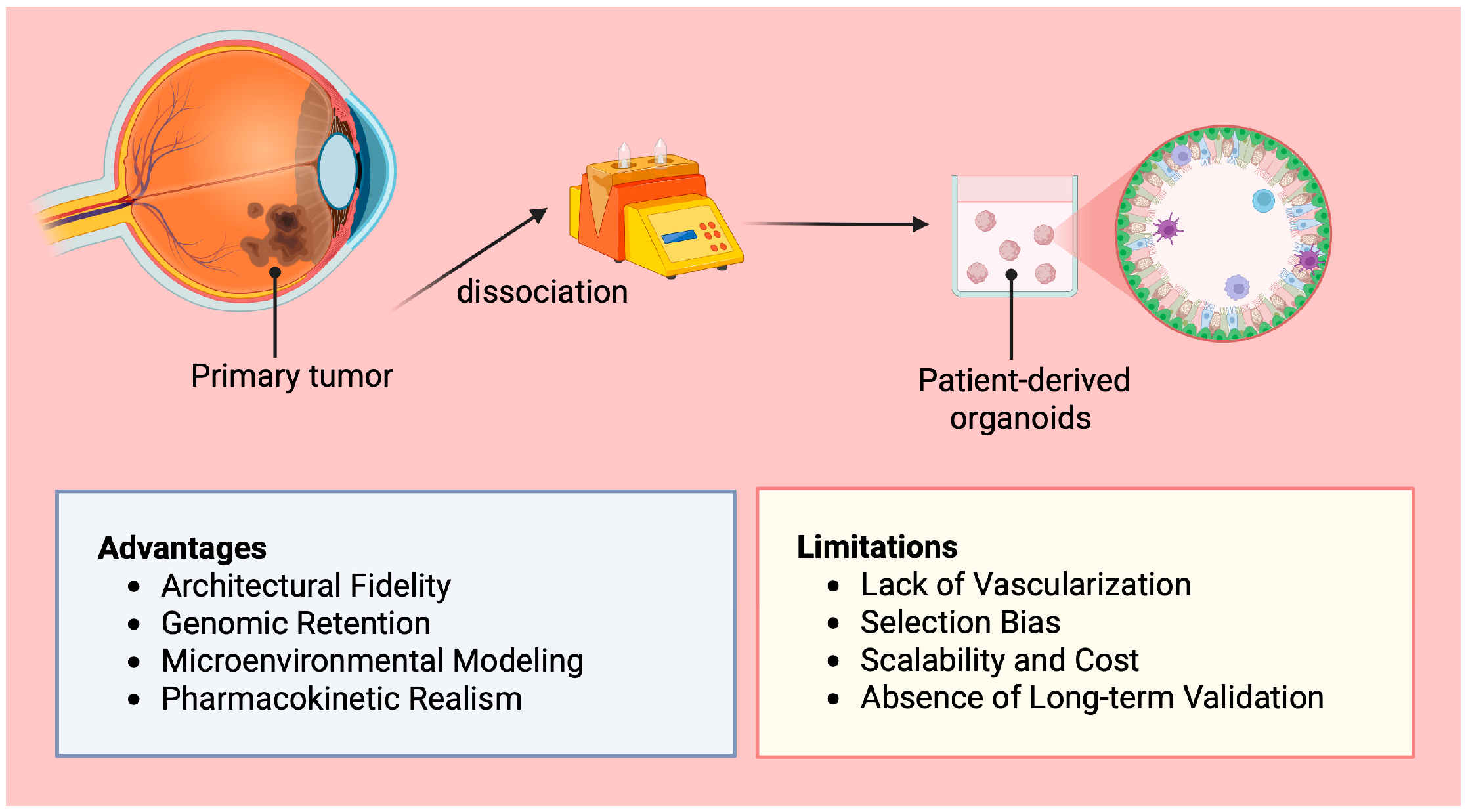
Organoids provide an alternative in biomedical research, offering 3D models that recapitulate the genetic, biological, and functional characteristics of human diseases in vitro. This approach is utilized to model disease progression and to characterize potential therapeutic interventions. Recently, patient-derived organoids (PDOs) have been integrated into drug discovery and biomarker research (Figure 2). These models are utilized for their capacity to simulate patient-specific responses to therapy by modeling the micro-anatomical features of the primary tumor. Derived from excised tumor tissue, PDOs exhibit self-organizing and self-renewing properties, retaining the genetic mutations and biological profiles of the source malignancy. PDOs preserve the cellular heterogeneity of the parental tumor, providing a functional framework for personalized medicine applications.
Dalvin et al. [72] recently established a biobank of uveal melanoma PDOs, including patients enrolled in a prospective tumor tissue collection study from 1 July 2019 to 1 July 2024 at the Mayo Clinic. Uveal melanoma PDOs retain genomic features of the corresponding clinical tumor. Exome sequencing of paired PDOs at passages 1 and 3 showed relative stability and retention of key uveal melanoma hallmark mutations in GNAQ and SF3B1 through passaging. Uveal melanoma PDOs successfully recapitulated the transcriptomic landscape of their parental tumors, effectively stratifying into prognostic categories that matched the original clinical samples. Specifically, organoids harboring BAP1 loss consistently exhibited the expected high-risk gene expression profile. These transcriptional signatures mirrored the high-risk patterns identified in The Cancer Genome Atlas (TCGA) cohort [73], confirming that UM PDOs retain the molecular hallmarks associated with metastatic progression. Recent evidence [74] has elucidated a BRCA1-associated protein 1 (BAP1)–SRC–BECN1–autophagy regulatory axis, where BAP1 transcriptionally regulates the proto-oncogene SRC, leading to the inactivation of the essential autophagy protein BECN1. In high-risk UM PDOs that are characterized by BAP1 loss, this axis is disrupted, creating a targetable autophagic vulnerability. Studies performed on UM PDOs demonstrated that the combination of SRC inhibitors (e.g., dasatinib) and autophagy-inducing drugs (e.g., Tat-BECN1) exerts a potent synergistic effect. Importantly, this synergy was observed preferentially in the context of BAP1 deficiency, validating the use of PDOs as high-fidelity platforms for precision oncology and the development of genotype-contingent therapeutic strategies. Overall, these works demonstrate how UM PDOs represent highly representative platforms of the human tumor, making them complementary to traditional 3D models, with potential impact in studying immune interactions and testing personalized therapies in uveal melanoma.
Table 2. Overview of experimental models used in uveal melanoma research.
Model TypeAdvantagesLimitationsTypical
Applications
Reference
2D cell linesEasy, cheap, and reproduciblePoorly mimic tumor Screening and basic biology[48,59,60]
Short-term primary culturesHigh fidelityHard to obtain and limited lifespanPhenotypic studies[26]
3D spheroidsMimic gradients e structure Setup required Drug response and reproduce different types of cancer[66,67,75,76,77,78,79]
PDOPatient-specific and highly predictive Resource intensive Personalized oncology[72,74]

7. In Vivo Model of UM

Since no single experimental model is able to reproduce tumor complexity, the research integrates in vitro assays on cell cultures and animal models in order to study UM progression and evaluate therapeutic efficacy early [80] (Table 3). There are a variety of animal models that have specific advantages, disadvantages, and applications [80]. Most mouse models of UM require inoculation of cells or tumors into mice. Rabbits, due to their large ocular size, facilitate tumor cell implantation and monitoring using imaging techniques [81,82]. The zebrafish is an increasingly used model in biomedical research, with availability of both xenograft [83,84] and transgenic [85,86] UM models. In the end, mice remain the most widely used model thanks to their fecundity, low costs and extensive genetic manipulability, which have allowed the development of numerous models of UM [87,88].
Although a mouse model that fully reproduces human UM is not yet available, the systems currently employed have contributed steadily to the understanding of the main signaling pathways and the evaluation of new therapeutic options for UM. Syngeneic models are particularly important in studies aimed at analyzing immune responses, as they require the presence of a functional immune system [89]. In particular, syngeneic models based on mouse cutaneous melanoma have long been used in the study of UM, allowing for the analysis of tumor progression in immunocompetent animals. However, they are based on cutaneous cell lines that exhibit mutational profiles and molecular characteristics that do not overlap with those of human UM, with possible differences in treatment responses. The future availability of murine UM cell lines obtained from genetic-mind-modified models would be powerful tools for syngeneic models.
Xenotransplantation models have constituted a key advance to increase the clinical relevance of animal models [90] and represent another widely used approach, as they offer the possibility of studying human uveal cells and tumors in vivo while maintaining, at least in part, the molecular characteristics of the tumor of origin [38,49,91]. Moreover, these models are useful for analyzing signaling pathways and treatment responses; they also show good mouse-to-mouse reproducibility [92] and allow the study of metastatic processes with frequent involvement of the liver. Furthermore, this approach is predominantly informative about the primary tumor, while many grafts may undergo spontaneous regression [93]. It should also be considered that such models require immunosuppressed hosts, limiting the assessment of the immune response [80]. In this new era of immunotherapy, the impossibility of analyzing the relationship between tumors and the immune system, especially in metastatic sites, represents a criticality. Recently, patient-derived xenografts (PDXs) obtained by implantation of fresh human tumor tissue into mice have been developed; however, they include high costs, variable engraftment rates and reduced scalability [94,95].
Genetically modified models (GEMMs) instead allow us to investigate the onset and spread of native uveal tumors in an immunocompetent host, although the generated neoplasms do not fully reflect the molecular complexity and metastatic behavior observed in patients with UM [95]. Unlike xenografted models, mice employed in GEMMs are trustable and reproducible models as they maintain a fully immunocompetent system capable of interfering with tumor growth [96]. GEMMs comprise animals in which oncogenes and tumor suppressor genes can be activated or deactivated permanently or inducibly through genetic engineering techniques such as retroviral vectors, DNA microinjection, or gene-targeting strategies. These approaches allow us to study both the intrinsic mechanisms of tumor cells and the influence of microenvironmental factors on the progression to metastatic disease [95]. A serious obstacle encountered in UM GEMMs is the widespread expression of transgenes in melanocytes throughout the body, which can generate extraocular tumors, causing systemic symptoms and sometimes requiring early euthanasia of animals before the ocular tumor can be adequately studied. Furthermore, the presence of multiple primary tumors, even in viable organs such as the heart [97,98], also makes metastasis analysis complex.
The biological differences between mice and humans and the difficulty of reproducing the chromosomal and epigenetic alterations typical of human UM in mice should not be overlooked. Consequently, while most models can provide valuable information in vivo, no model alone is able to fully reproduce the complexity of human diseases.
Table 3. Comparison of specific in vitro and in vivo experimental models in UM.
ModelsTypeCore FeaturesAdvantagesLimitsReferences
UM multicellular tumor spheroids (MCTS)In vitro 3DAnchor-free spheroids: hypoxic core and proliferative ringmimic vascularized so-lid tumors; greater biological relevanceLack of immune system and real vascularization[56]
Multicomponent human melanoma spheroidsIn vitro 3D (scaffold-free)Co-culture of tumor cells + fibroblasts + endothelial cells and/or immune cellsThey reproduce tumor architecture and TMEUse of commercial lines → reduced heterogeneity[99]
Primary UM (PUM) spheroidsIn vitro 3D (patient-derived)Derived from primary UM; compact and stable spheroids using ULA platesThey maintain the genetic and protein profile of the patient’s tumorLimited availability of samples[100]
C918 spheroidsIn vitro 3D cell-line basedThey develop ischemic/hypoxic gradients; they express Ki67, MelanA, HMB45, S100They reproduce
tumor architecture observed in vivo
[77]
Xenograft murine UMIn vivoImplantation of human UM cells/linesGood reproducibility; liver metastasis studyImmunosuppressed hosts; non-native environment[38,49,91,92]
Patient-derived xenografts (PDX)In vivoImplantation of fresh human tumor tissueHigh similarity to human UMHigh costs; low scalability; variable engraftment rates[94,95]
Syngeneic murine modelsIn vivoMurine lines in immunocompetent miceImmune system intactMolecular differences from human UM[89,101]
GEMM (genetically engineered mouse models)In vivoOncogene/tumor suppressor activation/inactivationFunctional immune system; gene-specific studyHigh cost; technical complexity[95,99,102]

UM Hepatic Metastasis Models

Although treatment of the primary tumor is often effective, up to approximately half of the patients subsequently develop metastases, especially liver metastases [100], which show poor sensitivity to conventional chemotherapy and are associated with lethal outcomes [103]. Therefore, experimental models, both in vitro and in vivo, represent fundamental tools for the study of the pathogenesis of metastatic UM and the development of therapeutic strategies targeting metastases [104]. In particular, animal models are designed to reproduce the different stages of the metastatic process. However, their ability to faithfully reflect the biology of metastasis in humans must be critically evaluated.
In vivo models are mainly based on the inoculation of tumor cells through different routes of administration, including intraocular, intrasplenic, intrahepatic, intravenous or intracardiac injections, with the choice of strategy guided by experimental objectives [104]. Intraocular injections allow us to reproduce the primary anatomical site of the tumor and, in some cell lines (e.g., 92.1, Mel290, MP41, OMM1, and OMM2.3), can lead to the development of liver metastases [103,105,106,107].
Among the most widely used strategies to obtain reproducible liver metastases is intrasplenic injection, which allows tumor cells to reach the liver through portal circulation [108,109]. This approach is considered highly reproducible and is characterized by a high incidence of liver colonization, proving useful for both the study of metastatic mechanisms from primary UM [110,111,112] and the evaluation of systemic treatments (immunotherapeutic and chemotherapeutic measures for the treatment of liver metastases) [104]. Direct intrahepatic implantation also allows rapid tumor nodule formation [113] and is particularly informative for analyzing interactions between tumor cells and the liver microenvironment, as well as for the identification of biomarkers [114].
Xenograft models represent a widely employed approach in the study of metastatic UM and are based on the in vivo grafting of human-derived tumor cells. Cell lines derived from UM metastases are particularly useful for analyzing tumor growth in visceral organs, including the liver [80]. In this context, immunodeficient mice are commonly used to facilitate engraftment of human uveal melanoma (UM) cells [6]. An evolution is represented by patient-derived xenograft (PDX) models, which have assumed a central role in translational research [115]. Hepatic orthotopic PDXs, obtained by direct implantation of liver metastases from patients, show high engraftment rates and largely maintain the histological and molecular characteristics of the original tumor. In particular, orthotopic implantation in the liver of mice has demonstrated high success rates and remarkable preservation of histological, genomic, and proteomic profiles of patient metastases. The potential for radiological imaging monitoring and the biological fidelity of these models make them promising tools for preclinical pharmacological studies and personalized medicine approaches [80,115]. In contrast, subcutaneous ectopic PDXs have limitations related to the non-physiological microenvironment, slower tumoral growth, and possible biological drifts after serial passages [115]. Recently, Ramos et al. [103] describe a spontaneous metastatic model of uveal melanoma from an orthotopic ocular model in immunodeficient mice that has the ability to generate spontaneous liver metastases from the primary site, reproducing the organotropism observed in patients. In such systems, bioluminescent cell lines such as OMM2.5 and MP41 showed a high incidence of liver metastases, suggesting a value relevant for the study of dissemination mechanisms and for the evaluation of antimetastatic therapies. Among emerging systems, patient-derived zebrafish models, as presented by Groenewoud et al. [116], enable rapid observation of metastatic behavior. While not fully replicating the immunological complexity of mouse models, they represent a complementary platform for the study of metastatic dissemination [84]. Liver metastases represent the main lethal clinical outcome in UM, making the development and use of experimental models capable of reproducing the three-dimensional aspects of tumor colonization and interactions with the liver microenvironment crucial. Despite the progress achieved, appropriate selection of the cell line, inoculum site, and animal species remains a crucial step in developing predictive models of metastatic liver disease in UM. To date, the availability of in vitro 3D models specifically dedicated to liver metastases from UM is still limited, highlighting an important area of development for future research.

8. Integrating 2D, 3D, and In Vivo Models for Drug Validation

Undoubtedly, a multi-pronged approach integrating 2D in vitro, 3D, and in vivo assays represents the most robust framework for comprehensive drug testing (Table 4). Miltiadis Fiorentzis et al. [75] demonstrated the utility of 3D uveal melanoma spheroids to evaluate the efficacy of electrochemotherapy (ECT) with bleomycin in the local control of uveal melanoma. Both 3D in vitro models and an in vivo model based on chicken embryos (CAM) were used. The results showed that the combined treatment induced a significant reduction in tumor viability and growth compared to single chemotherapy or electroporation, with results also confirmed in the in vivo CAM model. Subsequently, the authors used 3D ocular melanoma spheroids (uveal and conjunctival) as an in vitro experimental model to test whether ECT is further optimized and standardized, strengthening the role of 3D spheroids as a reproducible and physiologically more relevant experimental system than two-dimensional cultures for the study of loco-regional therapies [76]. Finally, in the most recent study [76], these 3D models are employed to explore combined therapeutic strategies. Briefly, this work expands the knowledge of previous studies by demonstrating that the combination of electrochemotherapy and radiotherapy enhances the antitumor effect and allows us to overcome, at least in part, the radioresistance observed in some uveal melanoma cell lines. Overall, these works outline an evolutionary path from the validation of the 3D model to its application for the development of combined therapeutic approaches, confirming the value of 3D systems as advanced platforms for preclinical research in ocular melanoma.
Yu Jinhai et al. [78] examined the structural and histological characteristics of 3D spheroids generated from the C918 uveal melanoma line while also testing the efficacy of luteolin. By utilizing ultra-low attachment (ULA) plates, the team successfully grew 3D clusters that expanded over time, naturally developing internal zones of ischemia and hypoxia. Histological analysis confirmed the presence of crucial melanoma markers, such as MelanA, HMB45, and S-100, alongside the proliferation marker Ki67, proving that these spheroids mimic the architecture of solid tumors. Critically, when exposed to luteolin, the 3D models exhibited greater drug resistance than their 2D counterparts, probably due the presence of ischemic- and hypoxic-like regions within the spheroids, conferring more drug resistance.
In another study, Farhoumand et al. [79] investigated the repurposed use of the β-blocker nebivolol against UM. By comparing 2D and 3D models, they assessed factors such as cellular viability, morphological shifts, long-term survival, and programmed cell death. Their findings suggest that nebivolol could serve as a valuable adjuvant treatment to suppress UM growth and lower the risk of metastatic spread, offering a novel therapeutic avenue for managing this aggressive ocular cancer. Gonçalves et al. [117] explored a potential therapeutic strategy for UM by combining the MEK inhibitor (MEKi) trametinib with various epigenetic modifiers. Among the epigenetic drugs tested, the DNA methyltransferase inhibitor (DNMTi) decitabine proved most effective. It significantly boosted the ability of trametinib to reduce cell viability and colony formation in both 2D and 3D organoid models. Moreover, in mouse xenograft models (an MP41 xenograft model of UM), the DNMTi-MEKi combination suppressed tumor growth more effectively than either drug used as a monotherapy.
Table 4. Cellular and molecular effects of drugs across UM models.
DrugIn Vitro ModelCellular/Molecular Effect In VitroIn Vivo ModelIn Vivo ResultsReference
Navitoclax, everolimus, and flavopiridolUM spheroids primary↓ metastasis and growth in spheroidszebrafish PDX↓ metastasis, ↑ ferroptosis[116,118]
Paclitaxel, panobinostat, and everolimusUM cells B16-BL6↓ proliferationzebrafish orthotopic↓ proliferation in vivo[119]
Quisinostat and dasatinibUM primary and metastasis cells↓ proliferation/migrationzebrafish xenograft↓ proliferation[84]
FotemustinA, dacarbazina, bendamustina, andPDX murine↓ tumor variable volume[120]
darovasertibUM cell lines↓ PKC signaling[121]
Legend: ↓ decrease; ↑ increase.

9. Perspective

The methodology of UM research is evolving toward the increased adoption of 3D culture systems to address the constraints of traditional 2D models. Spheroids and organoids function as preclinical platforms for drug screening and the analysis of patient-specific mutations. Current 3D models, however, possess defined technical limitations; specifically, most systems lack vascularization, which is required to study vasculogenic mimicry, or immune components necessary to evaluate immunotherapies such as Tebentafusp [121]. Recent applications of 3D bioprinting have enabled the automated deposition of cell types and biomaterials to generate constructs that replicate specific aspects of the tumor microenvironment (TME). In oncology, this technology is utilized to model tumor heterogeneity through the development of specialized bioinks. While important progress in bioink design and vascularization has been reported for cutaneous melanoma [114], applications specific to uveal melanoma remain limited. The unique ocular environment of UM presents distinct modeling challenges. However, extending bioprinting technologies to UM offers a potential framework for developing personalized models using patient-derived cells. Furthermore, as corneal bioprinting progresses, there is an opportunity to integrate the uveal layer into future ocular models. Currently, reproducing the liver-specific metastatic niche in vitro remains a significant challenge. Future research directions include the development of microfluidics and multi-organ-on-a-chip platforms [122] to simulate the eye-to-liver metastatic axis. Incorporating hepatic stellate cells and the liver-specific extracellular matrix (ECM) may facilitate the identification of molecular cues driving the hepatic tropism of UM. Finally, the integration of artificial intelligence (AI) with 3D imaging provides a computational tool for the detection and characterization of drug-resistant cell populations.

Author Contributions

All authors reviewed the manuscript. Conceptualization, G.M.; funding acquisition, G.M.; investigation, N.P., G.E., V.D. and A.G.D.; visualization, S.M., V.D. and A.G.D.; writing—original draft, G.M. and N.P.; writing—review and editing, G.E. and C.C. All authors have read and agreed to the published version of the manuscript.

Funding

This research was funded by the University Research Project Grant (PIACERI Found—Real-CORNEA), Department of Biomedical and Biotechnological Sciences (BIOMETEC), University of Catania, 95123 Catania, Italy.

Institutional Review Board Statement

Not applicable.

Informed Consent Statement

Not applicable.

Data Availability Statement

The data presented in this study are available on request from the corresponding author.

Acknowledgments

During the preparation of this manuscript, the authors used Google Gemini for the purposes of refining some sentences. The authors have reviewed and edited the output and take full responsibility for the content of this publication.

Conflicts of Interest

The authors declare no conflicts of interest.

Abbreviations

α-SMAAlpha-smooth muscle actin
AJCCAmerican Joint Committee on Cancer
ADAnchor-dependent
αPD-1Anti-programmed cell death protein 1
BAP-1 TPDSBAP1 Tumor Predisposition Syndrome
BFGFBasic fibroblast growth factor
CAMChicken Embryos
8qChromosome 8
CBICiliary Body Involvement
CD4+T lymphocytesCluster of Differentiation 4-positive T lymphocytes
CD68-positive macrophagesCluster of Differentiation 68–positive macrophage
CD8+ T lymphocytesCluster of Differentiation 8-positive T lymphocytes
CTLA-4Cytotoxic T-lymphocyte-associated protein 4
DEXDextran
DNMTiDNA methyltransferase inhibitor
ECTElectrochemotherapy
ECMExtracellular Matrix
EOEExtraocular Extension
GEMMsGenetically modified models
GM-CSFGranulocyte-macrophage colony-stimulating factor
IHCImmunohistochemistry
ICAM-1Intercellular adhesion molecule-1
IP-10Interferon gamma-induced protein 10
IL-2Interleukin-2
IL-6Interleukin-6
LBDLargest Basal Diameter
LUMPOLiverpool Uveal Melanoma Prognosticator Online
LAG-3Lymphocyte activation gene-3
MEKiMEK inhibitor
MPDOsMelanoma patient-derived organoids
MCP-1Monocyte chemoattractant protein-1
MCTSMulticellular Tumor Spheroids
MCTsMulticellular Tumor Structures
AFNon-Anchor
NCMNormal Choroidal Melanocytes
Ki67nuclear proliferation marker
PDOsPatient-Derived Organoids
PDXsPatient-derived Xenografts
poly-HEMAPoly(2-hydroxyethyl methacrylate)
PEGPoly(ethylene glycol)
PRiMeUMPredicting Risk of Metastasis in Uveal Melanoma
PUMPrimary Uveal Melanoma
PD-1Programmed cell death protein 1
PD-L1Programmed death-ligand 1
RANTESRegulated upon activation, Normal T cell expressed and secreted
RWVsRotational wall systems
TCGAThe Cancer Genome Atlas
3DThree-dimensional
THTumor height
TMETumor microenvironment
TNMTumor, node, and metastasis
TAMsTumor-associated lymphocytes and macrophages
2DTwo-dimensional
ULAUltra-low attachment
UMUveal melanoma
VCAMVascular cell adhesion molecule
VEGFVascular endothelial growth factor

References

  1. Kaliki, S.; Shields, C.L. Uveal melanoma: Relatively rare but deadly cancer. Eye 2017, 31, 241–257. [Google Scholar] [CrossRef]
  2. Jager, M.J.; Shields, C.L.; Cebulla, C.M.; Abdel-Rahman, M.H.; Grossniklaus, H.E.; Stern, M.H.; Carvajal, R.D.; Belfort, R.N.; Jia, R.; Shields, J.A.; et al. Uveal melanoma. Nat. Rev. Dis. Primers 2020, 6, 24. [Google Scholar] [CrossRef]
  3. Shields, C.L.; Materin, M.A.; Shields, J.A.; Gershenbaum, E.; Singh, A.D.; Smith, A. Factors associated with elevated intraocular pressure in eyes with iris melanoma. Br. J. Ophthalmol. 2001, 85, 666–669. [Google Scholar] [CrossRef]
  4. Shields, C.L.; Kaliki, S.; Shah, S.U.; Luo, W.; Furuta, M.; Shields, J.A. Iris melanoma: Features and prognosis in 317 children and adults. J. Am. Assoc. Pediatr. Ophthalmol. Strabismus 2012, 16, 10–16. [Google Scholar] [CrossRef] [PubMed]
  5. Singh, A.D.; Shields, C.L.; Shields, J.A. Prognostic factors in uveal melanoma. Melanoma Res. 2001, 11, 255–263. [Google Scholar] [CrossRef] [PubMed]
  6. Abdel-Rahman, M.H.; Pilarski, R.; Cebulla, C.M.; Massengill, J.B.; Christopher, B.N.; Boru, G.; Hovland, P.; Davidorf, F.H. Germline BAP1 mutation predisposes to uveal melanoma, lung adenocarcinoma, meningioma, and other cancers. J. Med. Genet. 2011, 48, 856–859. [Google Scholar] [CrossRef]
  7. Cebulla, C.M.; Binkley, E.M.; Pilarski, R.; Massengill, J.B.; Rai, K.; Liebner, D.A.; Marino, M.J.; Singh, A.D.; Abdel-Rahman, M.H. Analysis of BAP1 Germline Gene Mutation in Young Uveal Melanoma Patients. Ophthalmic. Genet. 2015, 36, 126–131. [Google Scholar] [CrossRef]
  8. Aoude, L.G.; Vajdic, C.M.; Kricker, A.; Armstrong, B.; Hayward, N.K. Prevalence of germline BAP1 mutation in a population-based sample of uveal melanoma cases. Pigment Cell Melanoma Res. 2013, 26, 278–279. [Google Scholar] [CrossRef]
  9. Rai, K.; Pilarski, R.; Cebulla, C.M.; Abdel-Rahman, M.H. Comprehensive review of BAP1 tumor predisposition syndrome with report of two new cases. Clin. Genet. 2016, 89, 285–294. [Google Scholar] [CrossRef] [PubMed]
  10. Saint-Ghislain, M.; Derrien, A.C.; Geoffrois, L.; Gastaud, L.; Lesimple, T.; Negrier, S.; Penel, N.; Kurtz, J.E.; Le Corre, Y.; Dutriaux, C.; et al. MBD4 deficiency is predictive of response to immune checkpoint inhibitors in metastatic uveal melanoma patients. Eur. J. Cancer 2022, 173, 105–112. [Google Scholar] [CrossRef]
  11. Godiveau, M.; Ginzac, A.; Bidet, Y.; Ponelle-Chachuat, F.; Privat, M.; Durando, X.; Cavaillé, M.; Lepage, M. Identification of new candidate genes for the hereditary predisposition to uveal melanoma: IGCMU trial. Front. Oncol. 2025, 15, 1538924. [Google Scholar] [CrossRef]
  12. Repo, P.; Jäntti, J.E.; Järvinen, R.S.; Rantala, E.S.; Täll, M.; Raivio, V.; Kivelä, T.T.; Turunen, J.A. Germline loss-of-function variants in MBD4 are rare in Finnish patients with uveal melanoma. Pigment Cell Melanoma Res. 2020, 33, 756–762. [Google Scholar] [CrossRef] [PubMed]
  13. Abdel-Rahman, M.H.; Sample, K.M.; Pilarski, R.; Walsh, T.; Grosel, T.; Kinnamon, D.; Boru, G.; Massengill, J.B.; Schoenfield, L.; Kelly, B.; et al. Whole Exome Sequencing Identifies Candidate Genes Associated with Hereditary Predisposition to Uveal Melanoma. Ophthalmology 2020, 127, 668–678. [Google Scholar] [CrossRef] [PubMed]
  14. Virgili, G.; Gatta, G.; Ciccolallo, L.; Capocaccia, R.; Biggeri, A.; Crocetti, E.; Lutz, J.M.; Paci, E. Incidence of uveal melanoma in Europe. Ophthalmology 2007, 114, 2309–2315. [Google Scholar] [CrossRef] [PubMed]
  15. Singh, A.D.; Turell, M.E.; Topham, A.K. Uveal melanoma: Trends in incidence, treatment, and survival. Ophthalmology 2011, 118, 1881–1885. [Google Scholar] [CrossRef]
  16. Lee, M.; Nichols, E.; Reddy, V.N.; Ganti, L. Visualizing the landscape of ocular melanoma research: A bibliometric analysis. Int. J. Emerg. Med. 2025, 18, 195. [Google Scholar] [CrossRef]
  17. Rantala, E.S.; Hernberg, M.; Kivelä, T.T. Overall survival after treatment for metastatic uveal melanoma: A systematic review and meta-analysis. Melanoma Res. 2019, 29, 561–568. [Google Scholar] [CrossRef]
  18. Singh, A.D.; Borden, E.C. Metastatic uveal melanoma. Ophthalmol. Clin. N. Am. 2005, 18, 143–150. [Google Scholar] [CrossRef]
  19. Kujala, E.; Mäkitie, T.; Kivelä, T. Very long-term prognosis of patients with malignant uveal melanoma. Invest. Ophthalmol. Vis. Sci. 2003, 44, 4651–4659. [Google Scholar] [CrossRef]
  20. Damato, B. Progress in the management of patients with uveal melanoma. The 2012 Ashton Lecture. Eye 2012, 26, 1157–1172. [Google Scholar] [CrossRef]
  21. Aronow, M.E.; Topham, A.K.; Singh, A.D. Uveal Melanoma: 5-Year Update on Incidence, Treatment, and Survival (SEER 1973–2013). Ocul. Oncol. Pathol. 2018, 4, 145–151. [Google Scholar] [CrossRef]
  22. Nisanova, A.; Park, S.S.; Amin, A.; Zako, C.; Wilson, M.D.; Scholey, J.; Afshar, A.R.; Tsai, T.; Char, D.H.; Mishra, K.K. Novel Risk Factors for Uveal Melanoma in Adolescent and Young Adult Patients: A Comprehensive Case-Control Analysis. Ophthalmol. Sci. 2025, 5, 100687. [Google Scholar] [CrossRef] [PubMed]
  23. Sun, J.; Ding, J.; Yue, H.; Xu, B.; Sodhi, A.; Xue, K.; Ren, H.; Qian, J. Hypoxia-induced BNIP3 facilitates the progression and metastasis of uveal melanoma by driving metabolic reprogramming. Autophagy 2025, 21, 191–209. [Google Scholar] [CrossRef]
  24. Maugeri, G.; D’Amico, A.G.; Saccone, S.; Federico, C.; Rasà, D.M.; Caltabiano, R.; Broggi, G.; Giunta, S.; Musumeci, G.; D’Agata, V. Effect of PACAP on Hypoxia-Induced Angiogenesis and Epithelial-Mesenchymal Transition in Glioblastoma. Biomedicines 2021, 9, 965. [Google Scholar] [CrossRef]
  25. Finger, P.T. Radiation therapy for choroidal melanoma. Surv. Ophthalmol. 1997, 42, 215–232. [Google Scholar] [CrossRef] [PubMed]
  26. Angi, M.; Versluis, M.; Kalirai, H. Culturing Uveal Melanoma Cells. Ocul. Oncol. Pathol. 2015, 1, 126–132. [Google Scholar] [CrossRef]
  27. Nissen, K.; Hindso, T.G.; Faber, C.; Wallentin Wadt, K.A.; Andersen, M.K.; Heegaard, S.; Bagger, M.; Kiilgaard, J.F. A Novel Staging Model for Uveal Melanoma: Combining Tumor Volume, Clinical Factors, and Genetic Alterations in a Danish Cohort. Ophthalmology 2026, 133, 233–247. [Google Scholar] [CrossRef] [PubMed]
  28. McLean, I.W.; Foster, W.D.; Zimmerman, L.E.; Gamel, J.W. Modifications of Callender’s classification of uveal melanoma at the Armed Forces Institute of Pathology. Am. J. Ophthalmol. 1983, 96, 502–509. [Google Scholar] [CrossRef]
  29. McLean, I.W.; Foster, W.D.; Zimmerman, L.E. Uveal melanoma: Location, size, cell type, and enucleation as risk factors in metastasis. Hum. Pathol. 1982, 13, 123–132. [Google Scholar] [CrossRef]
  30. Amin, M.B.; Greene, F.L.; Edge, S.B.; Compton, C.C.; Gershenwald, J.E.; Brookland, R.K.; Meyer, L.; Gress, D.M.; Byrd, D.R.; Winchester, D.P. The Eighth Edition AJCC Cancer Staging Manual: Continuing to build a bridge from a population-based to a more “personalized” approach to cancer staging. CA Cancer J. Clin. 2017, 67, 93–99. [Google Scholar] [CrossRef]
  31. Stålhammar, G.; Coupland, S.E.; Ewens, K.G.; Ganguly, A.; Heimann, H.; Shields, C.L.; Damato, B. Improved Staging of Ciliary Body and Choroidal Melanomas Based on Estimation of Tumor Volume and Competing Risk Analyses. Ophthalmology 2024, 131, 478–491. [Google Scholar] [CrossRef]
  32. Vaquero-Garcia, J.; Lalonde, E.; Ewens, K.G.; Ebrahimzadeh, J.; Richard-Yutz, J.; Shields, C.L.; Barrera, A.; Green, C.J.; Barash, Y.; Ganguly, A. PRiMeUM: A Model for Predicting Risk of Metastasis in Uveal Melanoma. Invest. Ophthalmol. Vis. Sci. 2017, 58, 4096–4105. [Google Scholar] [CrossRef]
  33. Jager, M.J.; Brouwer, N.J.; Esmaeli, B. The Cancer Genome Atlas Project: An Integrated Molecular View of Uveal Melanoma. Ophthalmology 2018, 125, 1139–1142. [Google Scholar] [CrossRef] [PubMed]
  34. Goesmann, L.; Refaian, N.; Bosch, J.J.; Heindl, L.M. Characterization and Quantitation of the Tumor Microenvironment of Uveal Melanoma. Biology 2023, 12, 738. [Google Scholar] [CrossRef]
  35. Gelmi, M.C.; Bas, Z.; Malkani, K.; Ganguly, A.; Shields, C.L.; Jager, M.J. Adding the Cancer Genome Atlas Chromosome Classes to American Joint Committee on Cancer System Offers More Precise Prognostication in Uveal Melanoma. Ophthalmology 2022, 129, 431–437. [Google Scholar] [CrossRef]
  36. LeBleu, V.S. Imaging the Tumor Microenvironment. Cancer J. 2015, 21, 174–178. [Google Scholar] [CrossRef] [PubMed]
  37. Bronkhorst, I.H.; Jager, M.J. Uveal melanoma: The inflammatory microenvironment. J. Innate Immun. 2012, 4, 454–462. [Google Scholar] [CrossRef]
  38. Jager, M.J.; Magner, J.A.; Ksander, B.R.; Dubovy, S.R. Uveal Melanoma Cell Lines: Where do they come from? (An American Ophthalmological Society Thesis). Trans. Am. Ophthalmol. Soc. 2016, 114, T5. [Google Scholar] [PubMed]
  39. Burgess, B.L.; Rao, N.P.; Eskin, A.; Nelson, S.F.; McCannel, T.A. Characterization of three cell lines derived from fine needle biopsy of choroidal melanoma with metastatic outcome. Mol. Vis. 2011, 17, 607–615. [Google Scholar]
  40. Wan, G.Y.; Liu, Y.; Chen, B.W.; Liu, Y.Y.; Wang, Y.S.; Zhang, N. Recent advances of sonodynamic therapy in cancer treatment. Cancer Biol. Med. 2016, 13, 325–338. [Google Scholar] [CrossRef]
  41. Hanahan, D.; Weinberg, R.A. The hallmarks of cancer. Cell 2000, 100, 57–70. [Google Scholar] [CrossRef]
  42. Antoni, D.; Burckel, H.; Josset, E.; Noel, G. Three-dimensional cell culture: A breakthrough in vivo. Int. J. Mol. Sci. 2015, 16, 5517–5527. [Google Scholar] [CrossRef] [PubMed]
  43. Achilli, T.M.; Meyer, J.; Morgan, J.R. Advances in the formation, use and understanding of multi-cellular spheroids. Expert Opin. Biol. Ther. 2012, 12, 1347–1360. [Google Scholar] [CrossRef]
  44. Fang, Y.; Eglen, R.M. Three-Dimensional Cell Cultures in Drug Discovery and Development. SLAS Discov. 2017, 22, 456–472. [Google Scholar] [CrossRef] [PubMed]
  45. Ma, H.L.; Jiang, Q.; Han, S.; Wu, Y.; Cui Tomshine, J.; Wang, D.; Gan, Y.; Zou, G.; Liang, X.J. Multicellular tumor spheroids as an in vivo-like tumor model for three-dimensional imaging of chemotherapeutic and nano material cellular penetration. Mol. Imaging 2012, 11, 487–498. [Google Scholar] [CrossRef] [PubMed]
  46. Xu, X.; Sabanayagam, C.R.; Harrington, D.A.; Farach-Carson, M.C.; Jia, X. A hydrogel-based tumor model for the evaluation of nanoparticle-based cancer therapeutics. Biomaterials 2014, 35, 3319–3330. [Google Scholar] [CrossRef] [PubMed]
  47. Vinci, M.; Gowan, S.; Boxall, F.; Patterson, L.; Zimmermann, M.; Court, W.; Lomas, C.; Mendiola, M.; Hardisson, D.; Eccles, S.A. Advances in establishment and analysis of three-dimensional tumor spheroid-based functional assays for target validation and drug evaluation. BMC Biol. 2012, 10, 29. [Google Scholar] [CrossRef]
  48. Jensen, C.; Teng, Y. Is It Time to Start Transitioning From 2D to 3D Cell Culture? Front. Mol. Biosci. 2020, 7, 33. [Google Scholar] [CrossRef]
  49. Amirouchene-Angelozzi, N.; Nemati, F.; Gentien, D.; Nicolas, A.; Dumont, A.; Carita, G.; Camonis, J.; Desjardins, L.; Cassoux, N.; Piperno-Neumann, S.; et al. Establishment of novel cell lines recapitulating the genetic landscape of uveal melanoma and preclinical validation of mTOR as a therapeutic target. Mol. Oncol. 2014, 8, 1508–1520. [Google Scholar] [CrossRef]
  50. Luyten, G.P.; Naus, N.C.; Mooy, C.M.; Hagemeijer, A.; Kan-Mitchell, J.; Van Drunen, E.; Vuzevski, V.; De Jong, P.T.; Luider, T.M. Establishment and characterization of primary and metastatic uveal melanoma cell lines. Int. J. Cancer 1996, 66, 380–387. [Google Scholar] [CrossRef]
  51. Pardo, M.; Piñeiro, A.; de la Fuente, M.; García, A.; Prabhakar, S.; Zitzmann, N.; Dwek, R.A.; Sánchez-Salorio, M.; Domínguez, F.; Capeans, C. Abnormal cell cycle regulation in primary human uveal melanoma cultures. J. Cell. Biochem. 2004, 93, 708–720. [Google Scholar] [CrossRef]
  52. Suesskind, D.; Gauss, S.; Faust, U.E.; Bauer, P.; Schrader, M.; Bartz-Schmidt, K.U.; Henke-Fahle, S. Characterisation of novel uveal melanoma cell lines under serum-free conditions. Graefes Arch. Clin. Exp. Ophthalmol. 2013, 251, 2063–2070. [Google Scholar] [CrossRef] [PubMed]
  53. Aughton, K.; Shahidipour, H.; Djirackor, L.; Coupland, S.E.; Kalirai, H. Characterization of Uveal Melanoma Cell Lines and Primary Tumor Samples in 3D Culture. Transl. Vis. Sci. Technol. 2020, 9, 39. [Google Scholar] [CrossRef] [PubMed]
  54. Goyeneche, A.A.; Lasiste, J.M.E.; Abdouh, M.; Bustamante, P.; Burnier, J.V.; Burnier, M.N., Jr. Delineating three-dimensional behavior of uveal melanoma cells under anchorage independent or dependent conditions. Cancer Cell. Int. 2024, 24, 180. [Google Scholar] [CrossRef] [PubMed]
  55. Kunz-Schughart, L.A.; Freyer, J.P.; Hofstaedter, F.; Ebner, R. The use of 3-D cultures for high-throughput screening: The multicellular spheroid model. J. Biomol. Screen. 2004, 9, 273–285. [Google Scholar] [CrossRef]
  56. Sant, S.; Johnston, P.A. The production of 3D tumor spheroids for cancer drug discovery. Drug Discov. Today Technol. 2017, 23, 27–36. [Google Scholar] [CrossRef] [PubMed]
  57. Courau, T.; Bonnereau, J.; Chicoteau, J.; Bottois, H.; Remark, R.; Assante Miranda, L.; Toubert, A.; Blery, M.; Aparicio, T.; Allez, M.; et al. Cocultures of human colorectal tumor spheroids with immune cells reveal the therapeutic potential of MICA/B and NKG2A targeting for cancer treatment. J. Immunother. Cancer 2019, 7, 74. [Google Scholar] [CrossRef]
  58. Khaitan, D.; Dwarakanath, B.S. Multicellular spheroids as an in vitro model in experimental oncology: Applications in translational medicine. Expert Opin. Drug Discov. 2006, 1, 663–675. [Google Scholar] [CrossRef]
  59. Mitrakas, A.G.; Tsolou, A.; Didaskalou, S.; Karkaletsou, L.; Efstathiou, C.; Eftalitsidis, E.; Marmanis, K.; Koffa, M. Applications and Advances of Multicellular Tumor Spheroids: Challenges in Their Development and Analysis. Int. J. Mol. Sci. 2023, 24, 6949. [Google Scholar] [CrossRef]
  60. Costa, E.C.; Moreira, A.F.; de Melo-Diogo, D.; Gaspar, V.M.; Carvalho, M.P.; Correia, I.J. 3D tumor spheroids: An overview on the tools and techniques used for their analysis. Biotechnol. Adv. 2016, 34, 1427–1441. [Google Scholar] [CrossRef]
  61. Ivascu, A.; Kubbies, M. Rapid generation of single-tumor spheroids for high-throughput cell function and toxicity analysis. SLAS Discov. 2006, 11, 922–932. [Google Scholar] [CrossRef]
  62. Friedrich, J.; Seidel, C.; Ebner, R.; Kunz-Schughart, L.A. Spheroid-based drug screen: Considerations and practical approach. Nat. Protoc. 2009, 4, 309–324. [Google Scholar] [CrossRef]
  63. Zanoni, M.; Pignatta, S.; Arienti, C.; Bonafè, M.; Tesei, A. Anticancer drug discovery using multicellular tumor spheroid models. Expert Opin. Drug Discov. 2019, 14, 289–301. [Google Scholar] [CrossRef] [PubMed]
  64. Zanoni, M.; Piccinini, F.; Arienti, C.; Zamagni, A.; Santi, S.; Polico, R.; Bevilacqua, A.; Tesei, A. 3D tumor spheroid models for in vitro therapeutic screening: A systematic approach to enhance the biological relevance of data obtained. Sci. Rep. 2016, 6, 19103. [Google Scholar] [CrossRef]
  65. Metzger, W.; Sossong, D.; Bächle, A.; Pütz, N.; Wennemuth, G.; Pohlemann, T.; Oberringer, M. The liquid overlay technique is the key to formation of co-culture spheroids consisting of primary osteoblasts, fibroblasts and endothelial cells. Cytotherapy 2011, 13, 1000–1012. [Google Scholar] [CrossRef]
  66. Angeli, C.; Wroblewska, J.P.; Klein, E.; Margue, C.; Kreis, S. Protocol to generate scaffold-free, multicomponent 3D melanoma spheroid models for preclinical drug testing. STAR Protoc. 2024, 5, 103058. [Google Scholar] [CrossRef]
  67. Djirackor, L.; Shahidipour, H.; Coupland, S.E.; Kalirai, H. A 3D spheroid model of Uveal Melanoma (UM). Investig. Ophthalmol. Vis. Sci. 2019, 60, 730. [Google Scholar]
  68. Anderson, N.M.; Simon, M.C. The tumor microenvironment. Curr. Biol. 2020, 30, R921–R925. [Google Scholar] [CrossRef] [PubMed]
  69. Caliari, S.R.; Burdick, J.A. A practical guide to hydrogels for cell culture. Nat. Methods 2016, 13, 405–414. [Google Scholar] [CrossRef]
  70. Kojima, N.; Takeuchi, S.; Sakai, Y. Rapid aggregation of heterogeneous cells and multiple-sized microspheres in methylcellulose medium. Biomaterials 2012, 33, 4508–4514. [Google Scholar] [CrossRef]
  71. Han, C.; Takayama, S.; Park, J. Formation and manipulation of cell spheroids using a density adjusted PEG/DEX aqueous two phase system. Sci. Rep. 2015, 5, 11891. [Google Scholar] [CrossRef]
  72. Dalvin, L.A.; Andrews-Pfannkoch, C.M.; Miley, D.R.; Hogenson, T.L.; Erickson, S.A.; Malpotra, S.; Anderson, K.J.; Omer, M.E.; Almada, L.L.; Zhang, C.; et al. Novel Uveal Melanoma Patient-Derived Organoid Models Recapitulate Human Disease to Support Translational Research. Invest. Ophthalmol. Vis. Sci. 2024, 65, 60. [Google Scholar] [CrossRef]
  73. Robertson, A.G.; Shih, J.; Yau, C.; Gibb, E.A.; Oba, J.; Mungall, K.L.; Hess, J.M.; Uzunangelov, V.; Walter, V.; Danilova, L.; et al. Integrative Analysis Identifies Four Molecular and Clinical Subsets in Uveal Melanoma. Cancer Cell 2017, 32, 204–220. [Google Scholar] [CrossRef] [PubMed]
  74. Vega-Rubin-de-Celis, S.; Kristani, A.; Kudla, M.; Mergener, S.; Corrochano-Ruiz, A.; Larafa, S.; Montero-Vergara, J.; Ahle, L.M.; Will, R.; Lever, M.; et al. Autophagy suppression via SRC induction represents a therapeutic vulnerability for BAP1-mutant cancers. Autophagy 2025, 21, 3324–3343. [Google Scholar] [CrossRef]
  75. Fiorentzis, M.; Viestenz, A.; Siebolts, U.; Seitz, B.; Coupland, S.E.; Heinzelmann, J. The Potential Use of Electrochemotherapy in the Treatment of Uveal Melanoma: In Vitro Results in 3D Tumor Cultures and In Vivo Results in a Chick Embryo Model. Cancers 2019, 11, 1344. [Google Scholar] [CrossRef] [PubMed]
  76. Fiorentzis, M.; Viestenz, A.; Seitz, B.; Coupland, S.E.; Heinzelmann, J. Electrochemotherapy in 3D Ocular Melanoma Spheroids using a Customized Electrode. J. Vis. Exp. 2020, 158, e60611. [Google Scholar] [CrossRef]
  77. Fiorentzis, M.; Sokolenko, E.A.; Bechrakis, N.E.; Ting, S.; Schmid, K.W.; Sak, A.; Stuschke, M.; Seitz, B.; Berchner-Pfannschmidt, U. Electrochemotherapy with Bleomycin Enhances Radiosensitivity of Uveal Melanomas: First In Vitro Results in 3D Cultures of Primary Uveal Melanoma Cell Lines. Cancers 2021, 13, 3086. [Google Scholar] [CrossRef] [PubMed]
  78. Jinhai, Y.; Yunxiu, C.; Qi, J.; Jiancheng, G.; Zhida, P.; Sha, W.; Hongfei, L.; Qihua, X. Three-dimensional cell spheroid culture and cell viability study of uveal melanoma cell line C918 with luteolin treatment. Int. Ophthalmol. 2024, 44, 385. [Google Scholar] [CrossRef]
  79. Farhoumand, L.S.; Liu, H.; Tsimpaki, T.; Hendgen-Cotta, U.B.; Rassaf, T.; Bechrakis, N.E.; Fiorentzis, M.; Berchner-Pfannschmidt, U. Blockade of ß-Adrenergic Receptors by Nebivolol Enables Tumor Control Potential for Uveal Melanoma in 3D Tumor Spheroids and 2D Cultures. Int. J. Mol. Sci. 2023, 24, 5894. [Google Scholar] [CrossRef]
  80. Richards, J.R.; Yoo, J.H.; Shin, D.; Odelberg, S.J. Mouse models of uveal melanoma: Strengths, weaknesses, and future directions. Pigment Cell Melanoma Res. 2020, 33, 264–278. [Google Scholar] [CrossRef]
  81. Bontzos, G.; Detorakis, E.T. Animal Models of Uveal Melanoma for Localized Interventions. Crit. Rev. Oncog. 2017, 22, 187–194. [Google Scholar] [CrossRef] [PubMed]
  82. Gao, M.; Tang, J.; Liu, K.; Yang, M.; Liu, H. Quantitative Evaluation of Vascular Microcirculation Using Contrast-Enhanced Ultrasound Imaging in Rabbit Models of Choroidal Melanoma. Invest. Ophthalmol. Vis. Sci. 2018, 59, 1251–1262. [Google Scholar] [CrossRef]
  83. Fornabaio, G.; Barnhill, R.L.; Lugassy, C.; Bentolila, L.A.; Cassoux, N.; Roman-Roman, S.; Alsafadi, S.; Del Bene, F. Angiotropism and extravascular migratory metastasis in cutaneous and uveal melanoma progression in a zebrafish model. Sci. Rep. 2018, 8, 10448. [Google Scholar] [CrossRef]
  84. van der Ent, W.; Burrello, C.; Teunisse, A.F.; Ksander, B.R.; van der Velden, P.A.; Jager, M.J.; Jochemsen, A.G.; Snaar-Jagalska, B.E. Modeling of human uveal melanoma in zebrafish xenograft embryos. Investig. Ophthalmol. Vis. Sci. 2014, 55, 6612–6622. [Google Scholar] [CrossRef]
  85. Mouti, M.A.; Dee, C.; Coupland, S.E.; Hurlstone, A.F. Minimal contribution of ERK1/2-MAPK signalling towards the maintenance of oncogenic GNAQQ209P-driven uveal melanomas in zebrafish. Oncotarget 2016, 7, 39654–39670. [Google Scholar] [CrossRef]
  86. Perez, D.E.; Henle, A.M.; Amsterdam, A.; Hagen, H.R.; Lees, J.A. Uveal melanoma driver mutations in GNAQ/11 yield numerous changes in melanocyte biology. Pigment Cell Melanoma Res. 2018, 31, 604–613. [Google Scholar] [CrossRef]
  87. Cao, J.; Jager, M.J. Animal Eye Models for Uveal Melanoma. Ocul. Oncol. Pathol. 2015, 1, 141–150. [Google Scholar] [CrossRef] [PubMed]
  88. Zuberi, A.; Lutz, C. Mouse Models for Drug Discovery. Can New Tools and Technology Improve Translational Power? ILAR J. 2016, 57, 178–185. [Google Scholar] [CrossRef] [PubMed]
  89. Stei, M.M.; Loeffler, K.U.; Holz, F.G.; Herwig, M.C. Animal Models of Uveal Melanoma: Methods, Applicability, and Limitations. Biomed. Res. Int. 2016, 2016, 4521807. [Google Scholar] [CrossRef]
  90. Kelland, L.R. Of mice and men: Values and liabilities of the athymic nude mouse model in anticancer drug development. Eur. J. Cancer 2004, 40, 827–836. [Google Scholar] [CrossRef]
  91. Griewank, K.G.; Yu, X.; Khalili, J.; Sozen, M.M.; Stempke-Hale, K.; Bernatchez, C.; Wardell, S.; Bastian, B.C.; Woodman, S.E. Genetic and molecular characterization of uveal melanoma cell lines. Pigment Cell Melanoma Res. 2012, 25, 182–187. [Google Scholar] [CrossRef]
  92. Gould, S.E.; Junttila, M.R.; de Sauvage, F.J. Translational value of mouse models in oncology drug development. Nat. Med. 2015, 21, 431–439. [Google Scholar] [CrossRef]
  93. Sutmuller, R.P.; Schurmans, L.R.; van Duivenvoorde, L.M.; Tine, J.A.; van Der Voort, E.I.; Toes, R.E.; Melief, C.J.; Jager, M.J.; Offringa, R. Adoptive T cell immunotherapy of human uveal melanoma targeting gp100. J. Immunol. 2000, 165, 7308–7315. [Google Scholar] [CrossRef] [PubMed]
  94. Siolas, D.; Hannon, G.J. Patient-derived tumor xenografts: Transforming clinical samples into mouse models. Cancer Res. 2013, 73, 5315–5319. [Google Scholar] [CrossRef]
  95. Uner, O.E.; Gandrakota, N.; Azarcon, C.P.; Grossniklaus, H.E. Animal Models of Uveal Melanoma. Ann. Eye Sci. 2022, 7, 7. [Google Scholar] [CrossRef] [PubMed]
  96. Beaumont, K.A.; Mohana-Kumaran, N.; Haass, N.K. Modeling Melanoma In Vitro and In Vivo. Healthcare 2013, 2, 27–46. [Google Scholar] [CrossRef]
  97. Huang, J.L.; Urtatiz, O.; Van Raamsdonk, C.D. Oncogenic G Protein GNAQ Induces Uveal Melanoma and Intravasation in Mice. Cancer Res. 2015, 75, 3384–3397. [Google Scholar] [CrossRef] [PubMed]
  98. Moore, A.R.; Ran, L.; Guan, Y.; Sher, J.J.; Hitchman, T.D.; Zhang, J.Q.; Hwang, C.; Walzak, E.G.; Shoushtari, A.N.; Monette, S.; et al. GNA11 Q209L Mouse Model Reveals RasGRP3 as an Essential Signaling Node in Uveal Melanoma. Cell Rep. 2018, 22, 2455–2468. [Google Scholar] [CrossRef] [PubMed]
  99. Walker, G.J.; Soyer, H.P.; Terzian, T.; Box, N.F. Modelling melanoma in mice. Pigment Cell Melanoma Res. 2011, 24, 1158–1176. [Google Scholar] [CrossRef]
  100. Bustamante, P.; Piquet, L.; Landreville, S.; Burnier, J.V. Uveal melanoma pathobiology: Metastasis to the liver. Semin. Cancer Biol. 2021, 71, 65–85. [Google Scholar] [CrossRef]
  101. Fidler, I.J.; Nicolson, G.L. Organ selectivity for implantation survival and growth of B16 melanoma variant tumor lines. J. Natl. Cancer Inst. 1976, 57, 1199–1202. [Google Scholar] [CrossRef]
  102. Larue, L.; Beermann, F. Cutaneous melanoma in genetically modified animals. Pigment Cell Res. 2007, 20, 485–497. [Google Scholar] [CrossRef]
  103. Ramos, R.; Cabré, E.; Vinyals, A.; Lorenzo, D.; Ferreres, J.R.; Varela, M.; Gomá, M.; Paules, M.J.; Gutierrez, C.; Piulats, J.M.; et al. Orthotopic murine xenograft model of uveal melanoma with spontaneous liver metastasis. Melanoma Res. 2023, 33, 1–11. [Google Scholar] [CrossRef] [PubMed]
  104. Yang, H.; Cao, J.; Grossniklaus, H.E. Uveal Melanoma Metastasis Models. Ocul. Oncol. Pathol. 2015, 1, 151–160. [Google Scholar] [CrossRef]
  105. Yang, H.; Fang, G.; Huang, X.; Yu, J.; Hsieh, C.L.; Grossniklaus, H.E. In-vivo xenograft murine human uveal melanoma model develops hepatic micrometastases. Melanoma Res. 2008, 18, 95–103. [Google Scholar] [CrossRef]
  106. Repp, A.C.; Mayhew, E.S.; Howard, K.; Alizadeh, H.; Niederkorn, J.Y. Role of fas ligand in uveal melanoma-induced liver damage. Graefes Arch. Clin. Exp. Ophthalmol. 2001, 239, 752–758. [Google Scholar] [CrossRef]
  107. Ma, D.; Niederkorn, J.Y. Role of epidermal growth factor receptor in the metastasis of intraocular melanomas. Invest. Ophthalmol. Vis. Sci. 1998, 39, 1067–1075. [Google Scholar]
  108. Fidler, I.J. Critical factors in the biology of human cancer metastasis: Twenty-eighth G.H.A. Clowes memorial award lecture. Cancer Res. 1990, 50, 6130–6138. [Google Scholar] [PubMed]
  109. Kuruppu, D.; Christophi, C.; Bertram, J.F.; O’Brien, P.E. Characterization of an animal model of hepatic metastasis. J. Gastroenterol. Hepatol. 1996, 11, 26–32. [Google Scholar] [CrossRef]
  110. Notting, I.C.; Buijs, J.T.; Que, I.; Mintardjo, R.E.; van der Horst, G.; Karperien, M.; Missotten, G.S.; Jager, M.J.; Schalij-Delfos, N.E.; Keunen, J.E.; et al. Whole-body bioluminescent imaging of human uveal melanoma in a new mouse model of local tumor growth and metastasis. Invest. Ophthalmol. Vis. Sci. 2005, 46, 1581–1587. [Google Scholar] [CrossRef] [PubMed]
  111. Li, H.; Alizadeh, H.; Niederkorn, J.Y. Differential expression of chemokine receptors on uveal melanoma cells and their metastases. Invest. Ophthalmol. Vis. Sci. 2008, 49, 636–643. [Google Scholar] [CrossRef] [PubMed]
  112. Gangemi, R.; Mirisola, V.; Barisione, G.; Fabbi, M.; Brizzolara, A.; Lanza, F.; Mosci, C.; Salvi, S.; Gualco, M.; Truini, M.; et al. Mda-9/syntenin is expressed in uveal melanoma and correlates with metastatic progression. PLoS ONE 2012, 7, e29989. [Google Scholar] [CrossRef]
  113. Folberg, R.; Leach, L.; Valyi-Nagy, K.; Lin, A.Y.; Apushkin, M.A.; Ai, Z.; Barak, V.; Majumdar, D.; Pe’er, J.; Maniotis, A.J. Modeling the behavior of uveal melanoma in the liver. Invest. Ophthalmol. Vis. Sci. 2007, 48, 2967–2974. [Google Scholar] [CrossRef]
  114. Barak, V.; Frenkel, S.; Valyi-Nagy, K.; Leach, L.; Apushkin, M.A.; Lin, A.Y.; Kalickman, I.; Baumann, N.A.; Pe’er, J.; Maniotis, A.J.; et al. Using the direct-injection model of early uveal melanoma hepatic metastasis to identify TPS as a potentially useful serum biomarker. Invest. Ophthalmol. Vis. Sci. 2007, 48, 4399–4402. [Google Scholar] [CrossRef]
  115. Vázquez-Aristizabal, P.; Henriksen-Lacey, M.; García-Astrain, C.; Jimenez de Aberasturi, D.; Langer, J.; Epelde, C.; Litti, L.; Liz-Marzán, L.M.; Izeta, A. Biofabrication and Monitoring of a 3D Printed Skin Model for Melanoma. Adv. Healthcare Mater. 2024, 13, e2401136. [Google Scholar] [CrossRef]
  116. Groenewoud, A.; Yin, J.; Gelmi, M.C.; Alsafadi, S.; Nemati, F.; Decaudin, D.; Roman-Roman, S.; Kalirai, H.; Coupland, S.E.; Jochemsen, A.G.; et al. Patient-derived zebrafish xenografts of uveal melanoma reveal ferroptosis as a drug target. Cell. Death Discov. 2023, 9, 183. [Google Scholar] [CrossRef] [PubMed]
  117. Gonçalves, J.; Emmons, M.F.; Faião-Flores, F.; Aplin, A.E.; Harbour, J.W.; Licht, J.D.; Wink, M.R.; Smalley, K.S.M. Decitabine limits escape from MEK inhibition in uveal melanoma. Pigment Cell Melanoma Res. 2020, 33, 507–514. [Google Scholar] [CrossRef] [PubMed]
  118. Yin, J.; Zhao, G.; Kalirai, H.; Coupland, S.E.; Jochemsen, A.G.; Forn-Cuní, G.; Wierenga, A.P.A.; Jager, M.J.; Snaar-Jagalska, B.E.; Groenewoud, A. Zebrafish Patient-Derived Xenograft Model as a Preclinical Platform for Uveal Melanoma Drug Discovery. Pharmaceuticals 2023, 16, 598. [Google Scholar] [CrossRef]
  119. Tobia, C.; Coltrini, D.; Ronca, R.; Loda, A.; Guerra, J.; Scalvini, E.; Semeraro, F.; Rezzola, S. An Orthotopic Model of Uveal Melanoma in Zebrafish Embryo: A Novel Platform for Drug Evaluation. Biomedicines 2021, 9, 1873. [Google Scholar] [CrossRef]
  120. Carita, G.; Némati, F.; Decaudin, D. Uveal Melanoma Patient-Derived Xenografts. Ocul. Oncol. Pathol. 2015, 1, 161–169. [Google Scholar] [CrossRef]
  121. Cao, L.; Chen, S.; Sun, R.; Ashby, C.R., Jr.; Wei, L.; Huang, Z.; Chen, Z.S. Darovasertib, a novel treatment for metastatic uveal melanoma. Front. Pharmacol. 2023, 14, 1232787. [Google Scholar] [CrossRef]
  122. Nhàn, N.T.T.; Ganesh, S.; Maidana, D.E.; Heiferman, M.J.; Yamada, K.H. Uveal melanoma with a GNA11/GNAQ mutation secretes VEGF for systemic spread. Signal Transduct. Target Ther. 2025, 10, 51. [Google Scholar] [CrossRef]
Figure 1. Experimental paradigms for in vitro modeling of uveal melanoma (UM). A schematic representation of current methodologies utilized for studying UM progression and therapeutic responses. Image provided by Servier Medical Art (https://smart.servier.com), licensed under CC BY 4.0 (https://creativecommons.org/licenses/by/4.0/).
Applsci 16 02797 g001
Figure 2. A summary of the key experimental trade-offs when utilizing patient-derived organoids (PDOs) in translational research. Created at https://BioRender.com.
Applsci 16 02797 g002
Table 1. Comparison of 2D and 3D uveal melanoma cell culture models.
Cell
Morphology
Cell–Cell
Interactions
Cell–ECM
Interaction
Response to
Anchorage
Drug
Resistance
Ease of
Culture
LimitReference
2D modelsFlattened monolayer LimitedMinimal or absentGrow adherentOverestimates drug efficacyEasy and low costDo not mimic tumor architecture[48,50,52]
3D models:
Spheroids\Scaffolds
Spherical aggregatesExtensive multilayeredPresent Anchor-free (AF): uniform spheroids
Anchor-dependent (AD): heterogeneous shapes
Higher resistanceMore complexImitating tumor biology and predictive preclinical data[42,53,54,55]
Disclaimer/Publisher’s Note: The statements, opinions and data contained in all publications are solely those of the individual author(s) and contributor(s) and not of MDPI and/or the editor(s). MDPI and/or the editor(s) disclaim responsibility for any injury to people or property resulting from any ideas, methods, instructions or products referred to in the content.