Biocompound and Lake Pigment Extraction from Invasive Alien Plant Biomass for Sustainable Ink Applications



Abstract
1. Introduction
2. Materials and Methods
2.1. Selected Species and Area of Study
2.1.1. Arundo donax
2.1.2. Phytolacca americana
2.1.3. Tradescantia fluminensis
2.1.4. Eucalyptus globulus
2.2. Solid–Liquid Extraction Methods
2.2.1. Infusion Solid–Liquid Extraction
2.2.2. Infusion with Heat Solid–Liquid Extraction
2.2.3. Thermal Agitator Solid–Liquid Extraction
2.2.4. Soxhlet Solid–Liquid Extraction
2.2.5. Ultrasonic Extraction Solid–Liquid Extraction
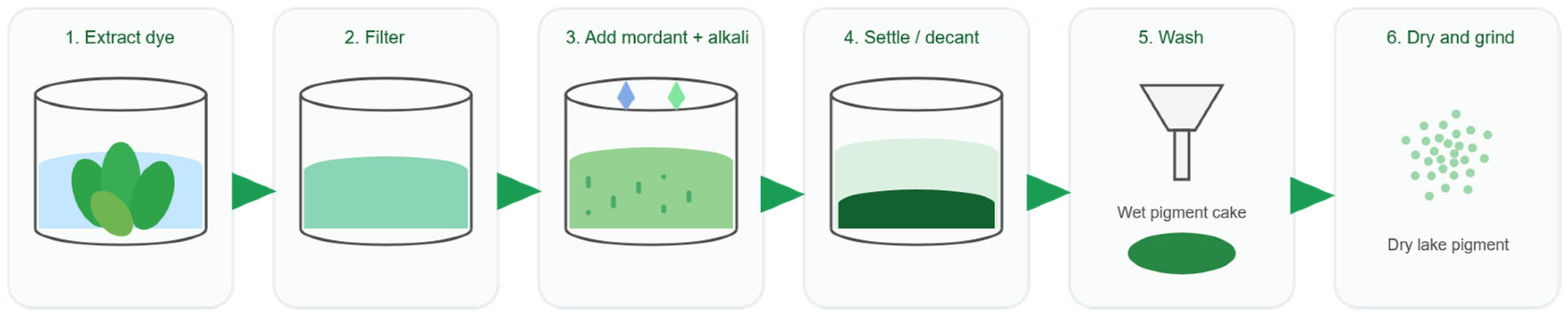
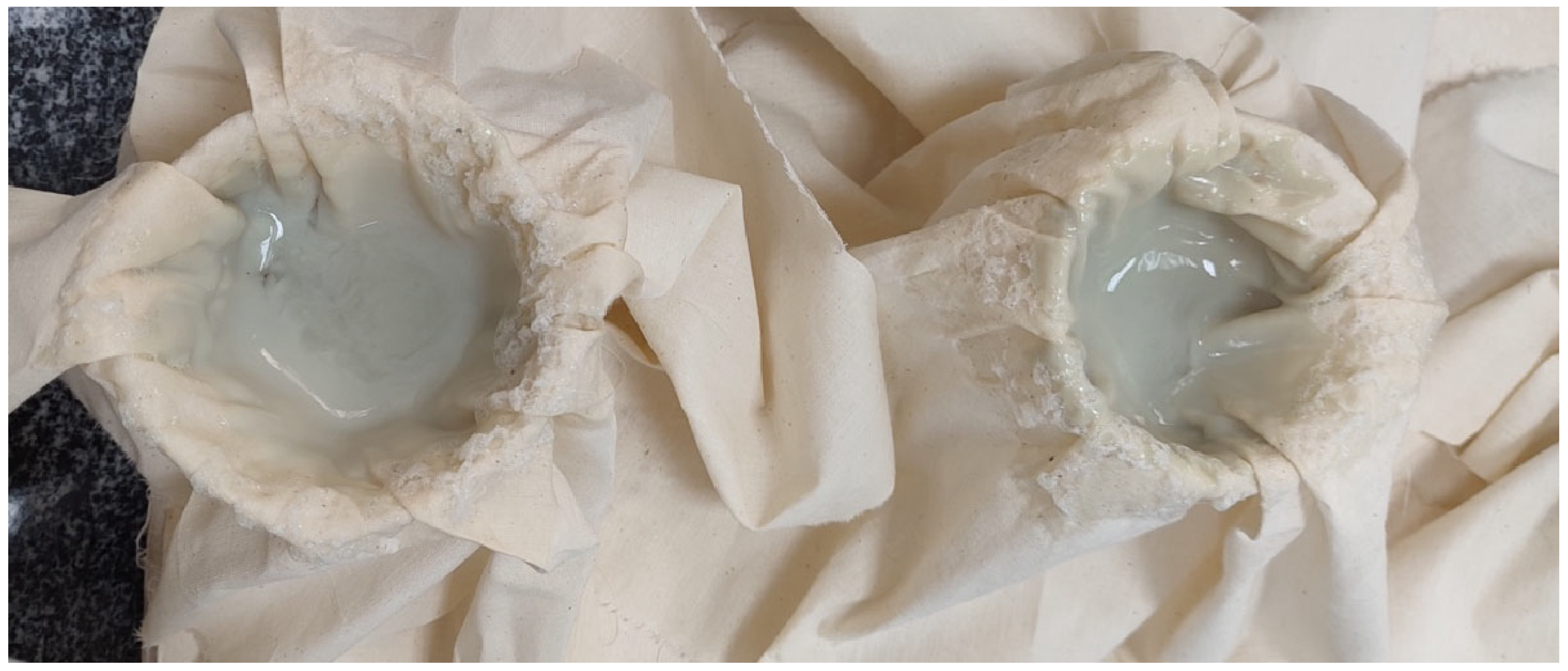
2.3. Solidification Method: Lake Pigment Formation
2.4. Pigment Grinding and Ink Formulation
2.5. Optical Analysis and Properties Determination of Pigments and Greasy-Inks
2.6. Statistical Analysis
3. Results
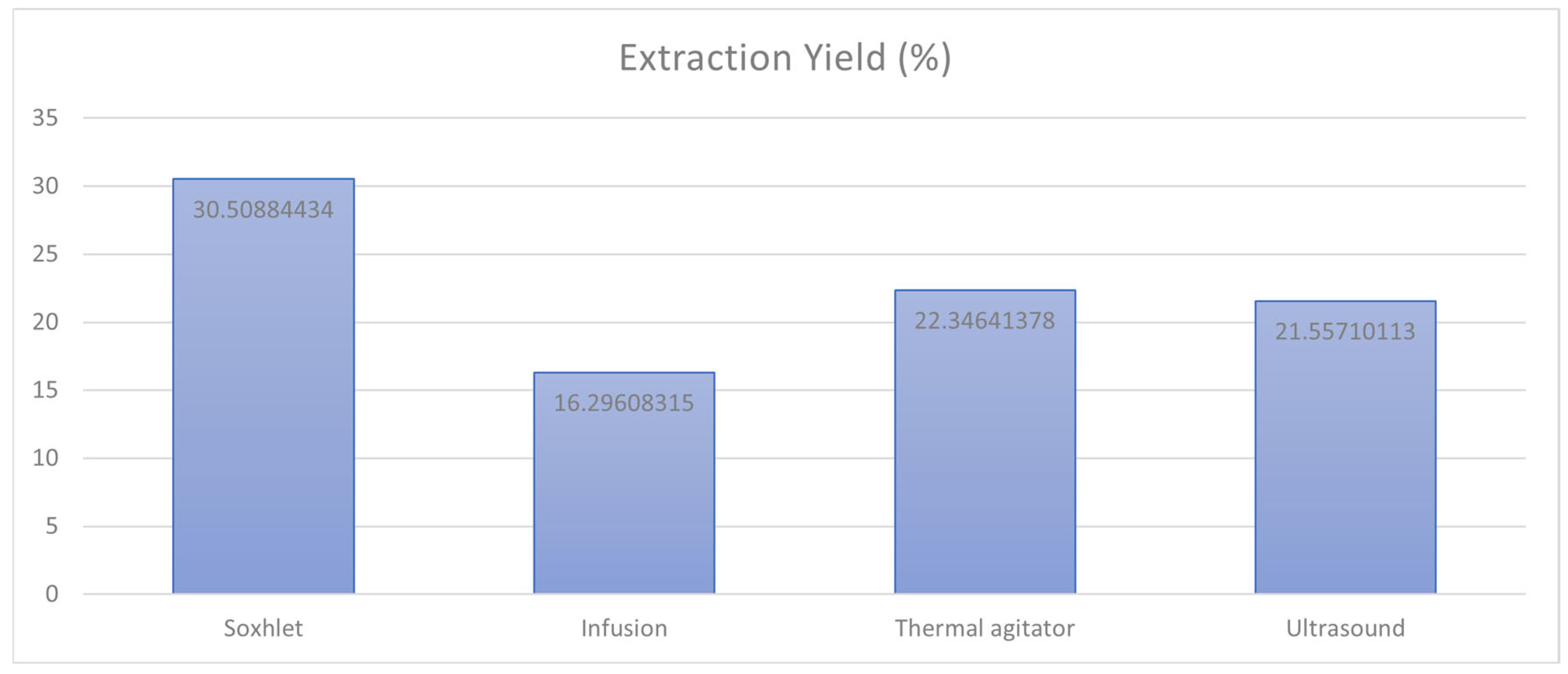
3.1. Extraction Yield and Visual Characteristics of Liquid Dyes
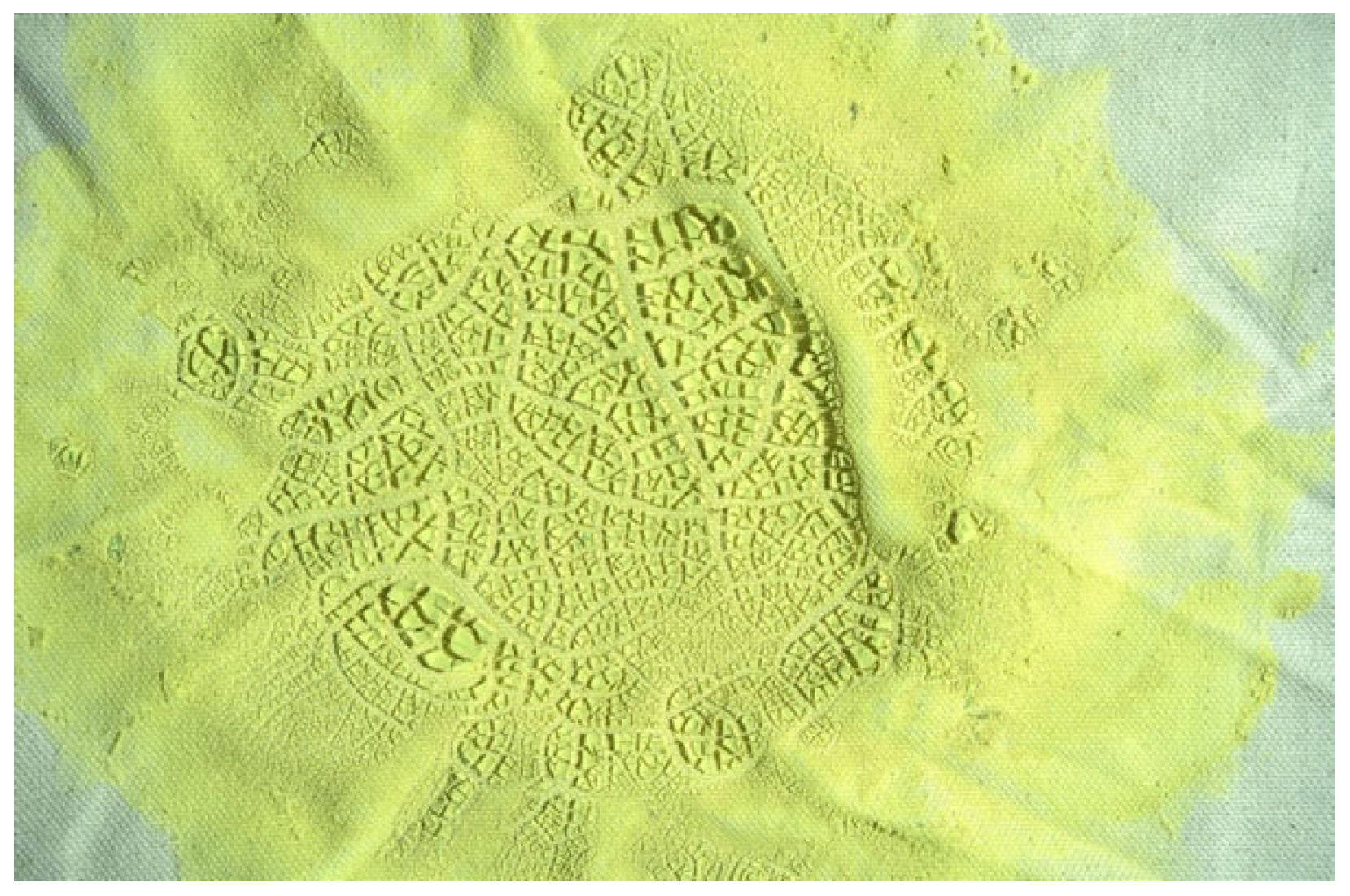
3.2. Color, Pigment and Ink Properties
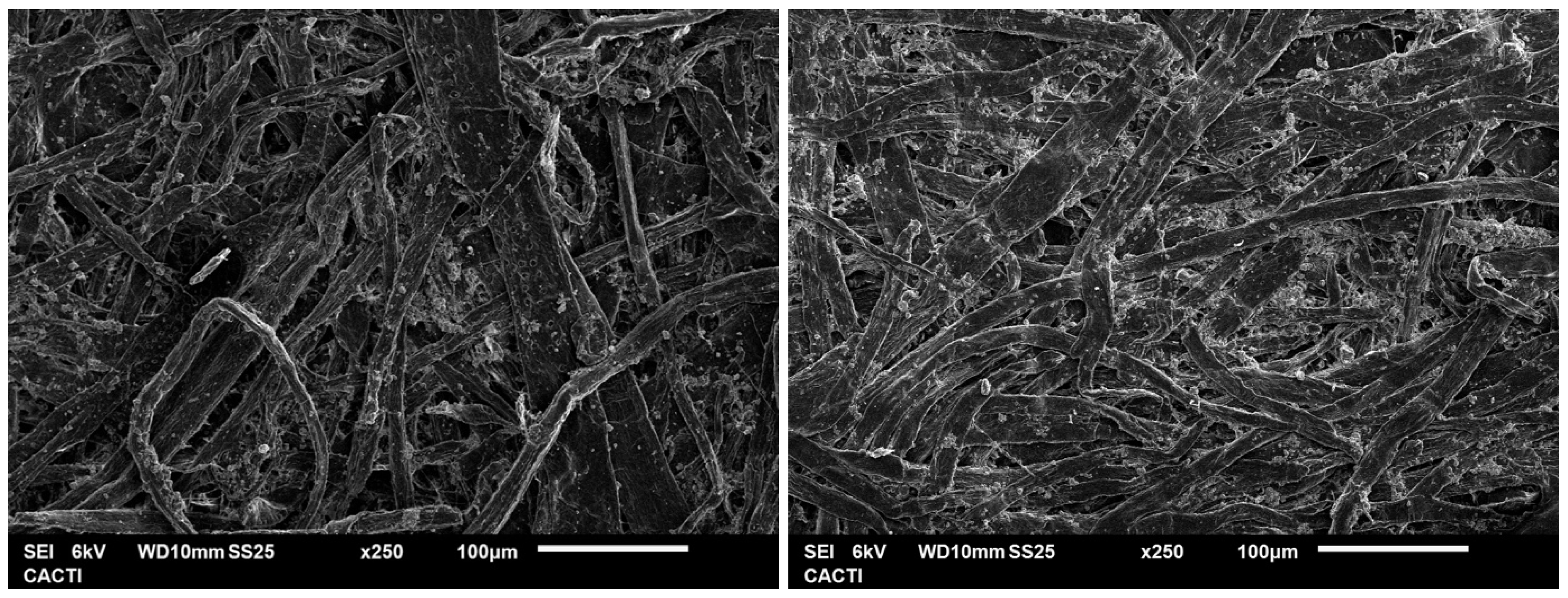
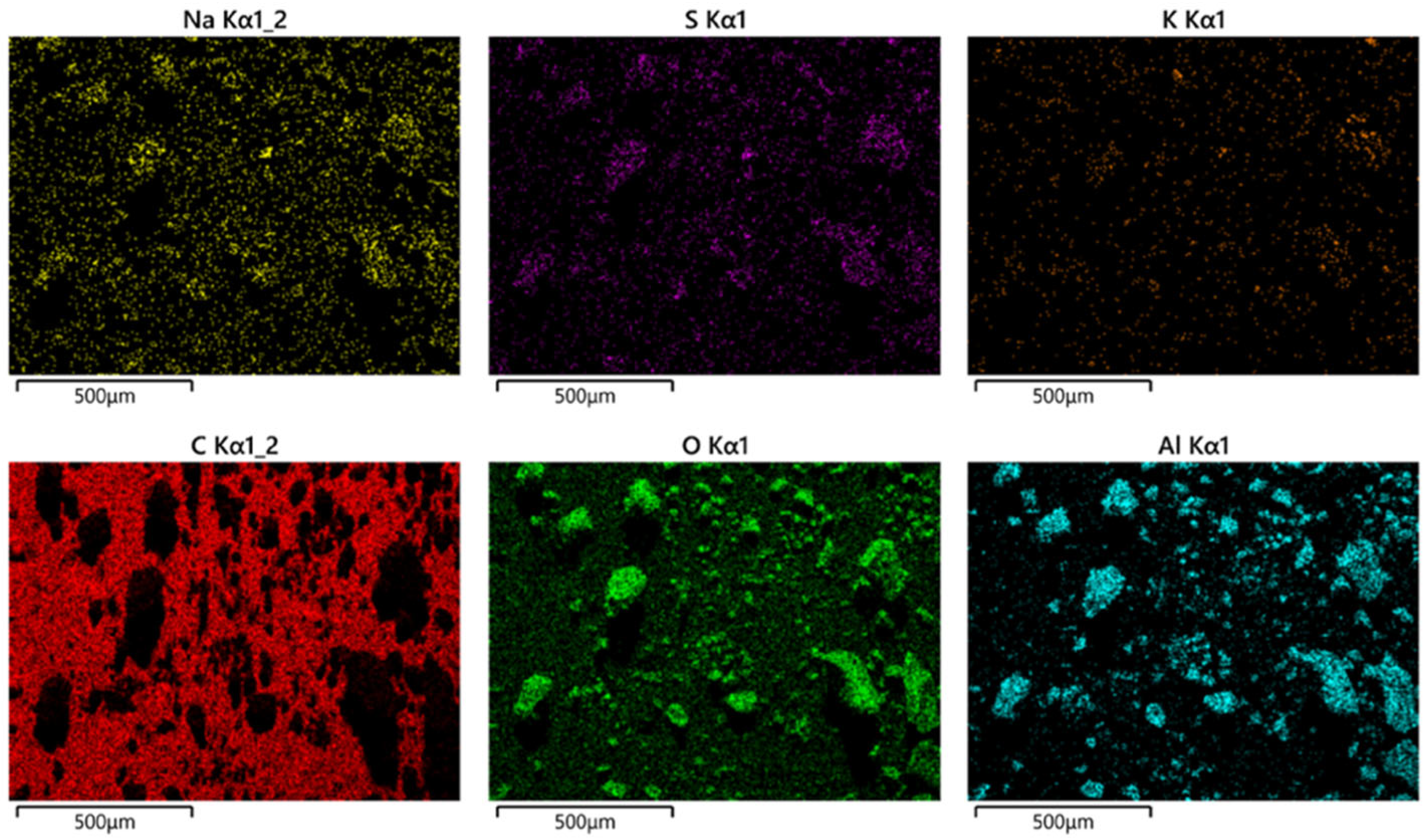
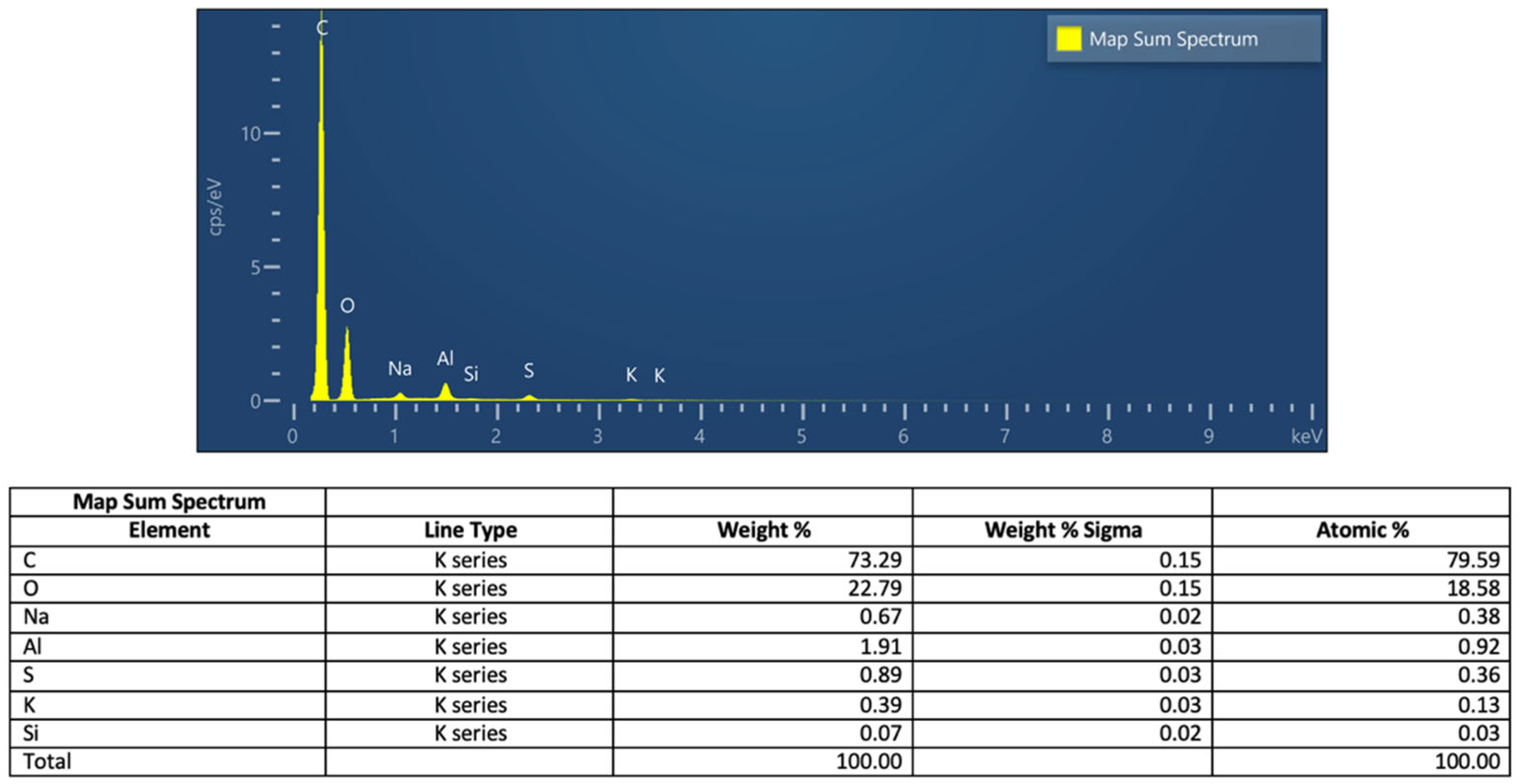
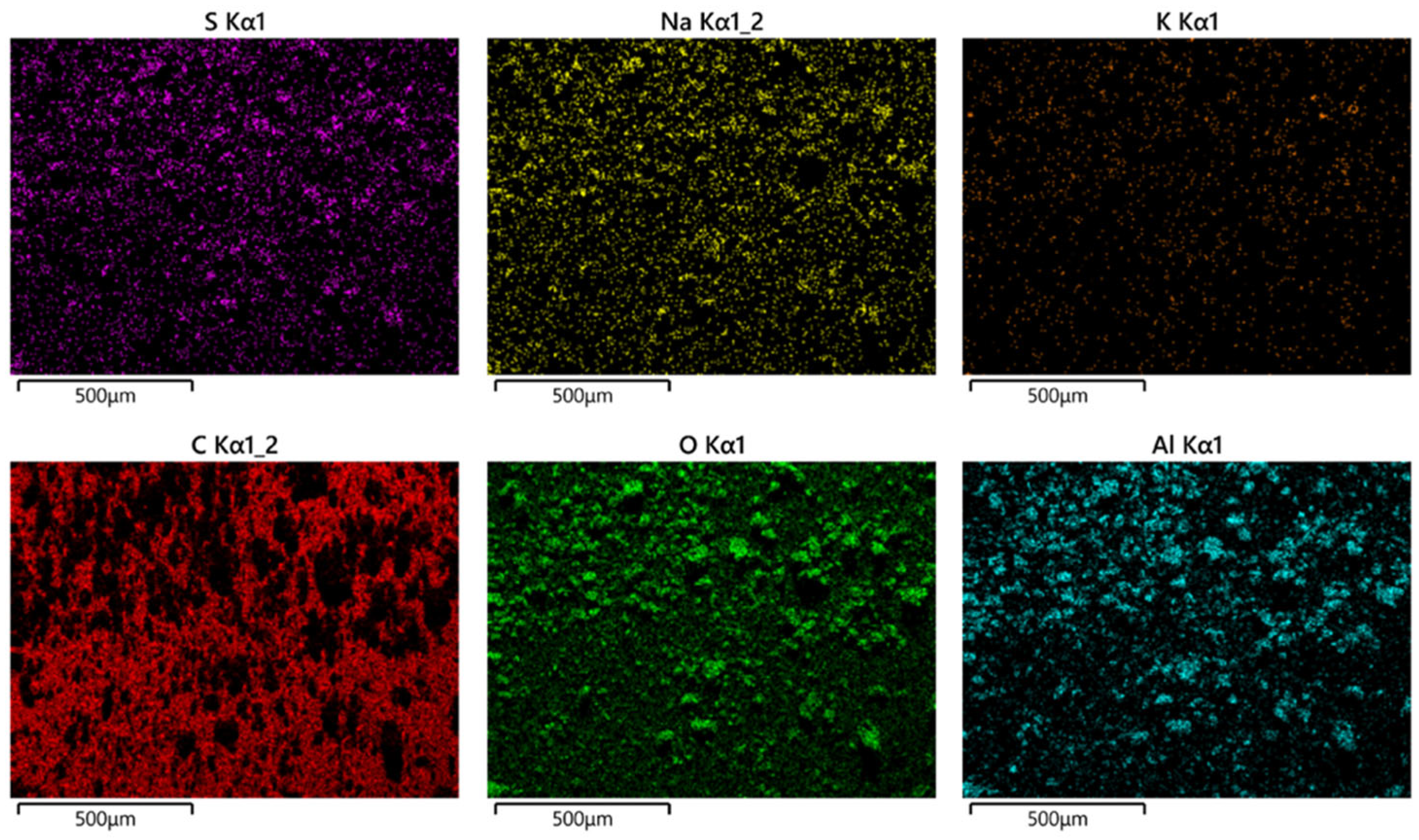
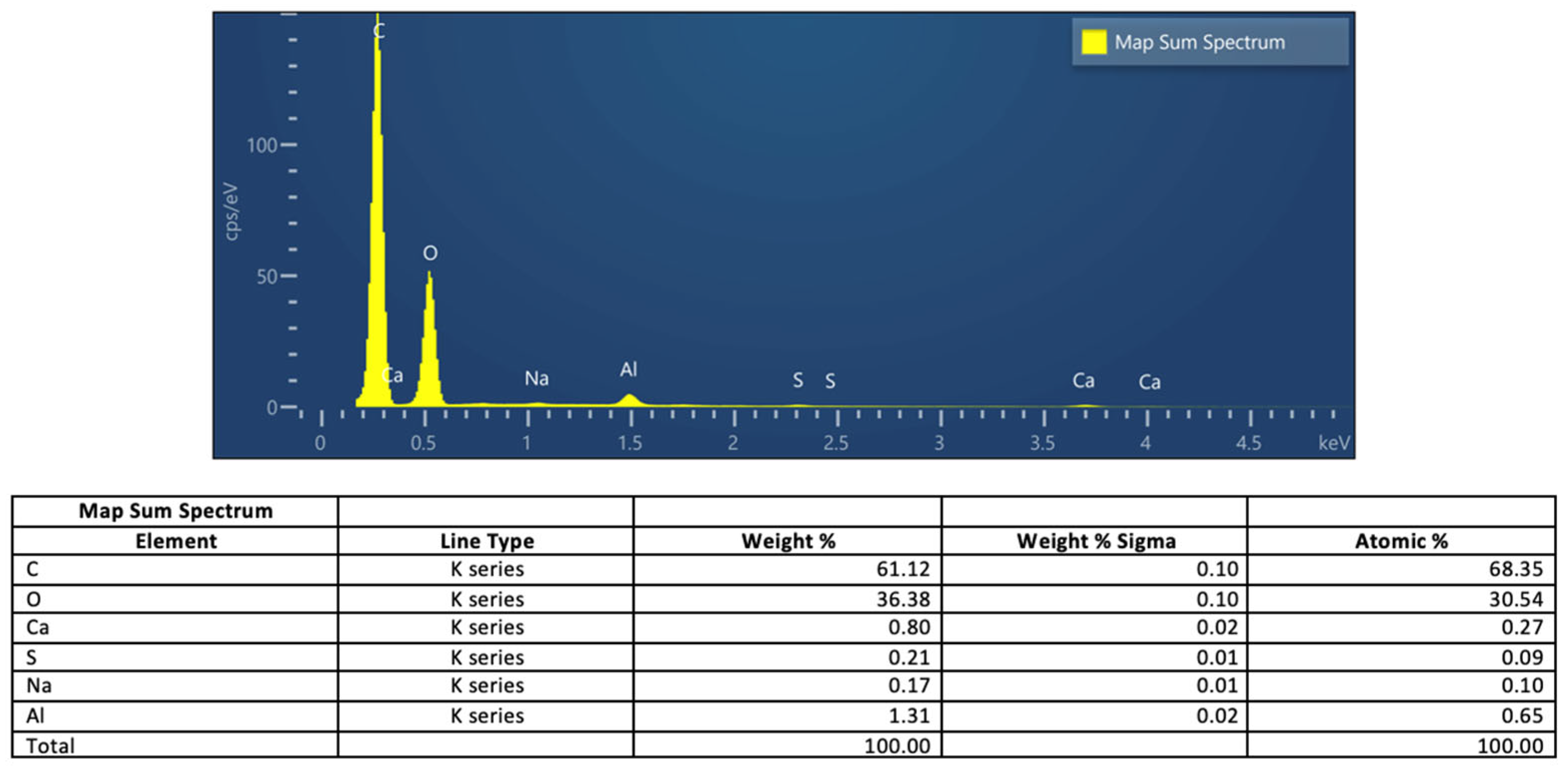
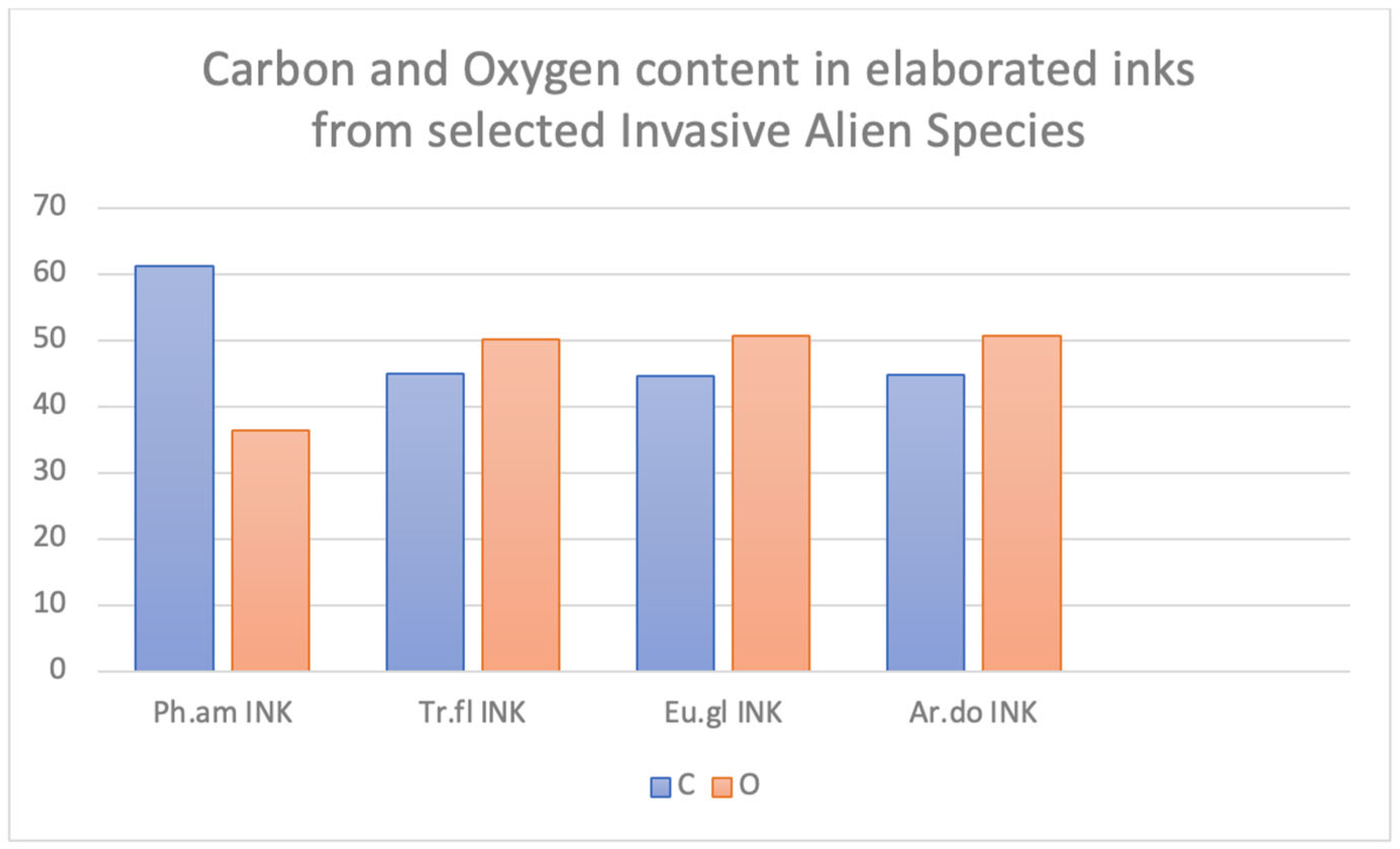
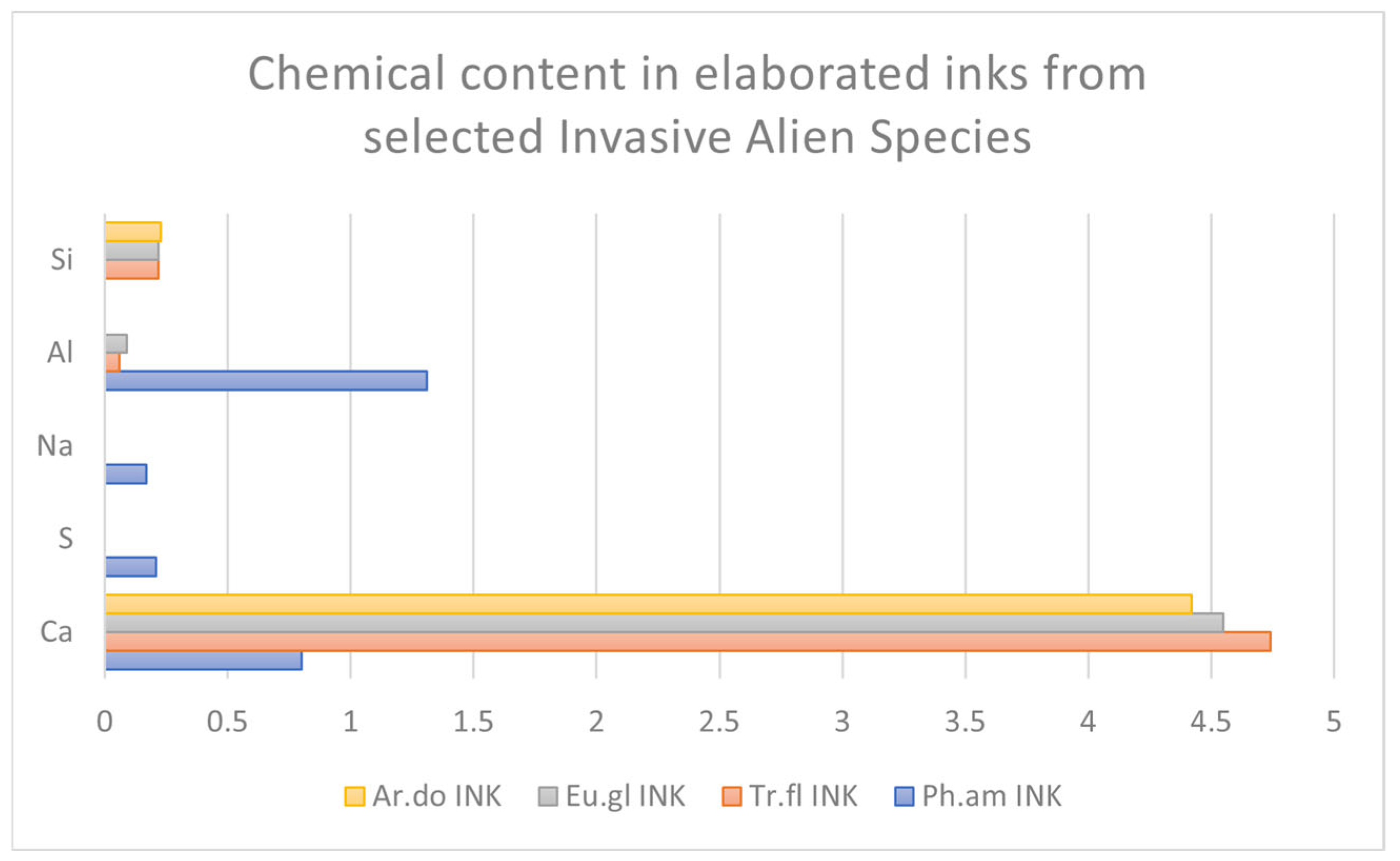
3.3. Chemical Composition
4. Discussion
5. Conclusions
Author Contributions
Funding
Data Availability Statement
Conflicts of Interest
References
- Romero Buján, M.I. The alien flora of Galicia (Iberian northwest). Bot. Complut. 2007, 31, 113–125. [Google Scholar]
- Valero, E.; Bermúdez, X.; Abilleira, F. Conservación y Restauración del Bosque de Ribera. Impacto de Especies Invasoras, 1st ed.; Universidade de Vigo: Vigo, Spain, 2015. [Google Scholar]
- Míguez, C.; Cancela, A.; Álvarez, X.; Sánchez, A. The reuse of bio waste from invasive species Tradescantia fluminensis as a source of phenolic compounds. J. Clean. Prod. 2022, 336, 130293–130303. [Google Scholar] [CrossRef]
- Míguez, C.; Cancela, A.; Sánchez, A.; Álvarez, X. Possibilities for Exploitation of Invasive Species, Arundo donax L., as a Source of Phenol Compounds. Waste Biomass Valorization 2022, 13, 4253–4265. [Google Scholar] [CrossRef]
- Meyerson, L.A.; Mooney, H.A. Invasive alien species in an era of globalization. Front. Ecol. Environ. 2007, 5, 199–208. [Google Scholar] [CrossRef]
- Singh, R. Synthetic Dyes; Mittal Publications: Delhi, India, 2002. [Google Scholar]
- Mia, R.; Selim, M.D.; Shamim, A.M.; Chowdhury, M.; Sultana, S.; Armin, M.; Hossain, M.; Akter, R.; Dey, S.; Naznin, H. Review on various types of pollution problem in textile dyeing & printing industries of Bangladesh and recommendation for mitigation. J. Text. Eng. Fash. Technol. 2019, 5, 220–226. [Google Scholar] [CrossRef]
- Szadkowski, B.; Kuśmierek, M.; Śliwka-Kaszyńska, M.; Marzec, A. Structure and Stability Characterization of Natural Lake Pigments Made from Plant Extracts and Their Potential Application in Polymer Composites for Packaging Materials. Materials 2022, 15, 4608. [Google Scholar] [CrossRef]
- Cardon, D. Natural Dyes. Sources, Tradition, Technology and Science; Archetype: London, UK, 2007. [Google Scholar]
- Bechtold, T.; Manian, A.; Pham, T. Handbook of Natural Colorants; John Wiley & Sons: London, UK, 2023. [Google Scholar]
- Mlodzinska, E. Survey of plant pigments: Molecular and environmental determinantes of plant colors. Ser. Bot. Acta Biol. Cracoviensia 2009, 51, 7–16. [Google Scholar]
- Yadav, A.; Singh Tiwari, K.; Gupta, C.; Kumar Tiwari, M.; Khan, A.; Sonkar, S. A brief review on natural dyes, pigments: Recent advances and future perspectives. Results Chem. 2023, 5, 100733. [Google Scholar] [CrossRef]
- Gürses, A.; Günes, K.; Gürses, S.; Açikyildiz, M. Dyes and Pigments; Springer: Berlin/Heidelberg, Germany, 2016. [Google Scholar]
- Saefudin Basri, E. Utilization of tannin as renewable natural pigment in the culture of Indonesian batik fabrics: A review. J. Posit. Sch. Psychol. 2023, 7, 338–354. [Google Scholar]
- Samanta, A.; Das, G.; Kumar Das, S. Roles of flavonoids in plants. Int. J. Pharm. Sci. Tech. 2023, 6, 12–35. [Google Scholar]
- Freeman, H.S.; Sokolowska, J. Developments in dyestuff chemistry. Rev. Prog. Color. Relat. Top. 1999, 29, 8–22. [Google Scholar] [CrossRef]
- Melo, M.J. History of natural dyes in the ancient mediterranean world. In Handbook of Natural Colorants; John Wiley & Sons: Hoboken, NJ, USA, 2009; Volume 8, pp. 1–18. [Google Scholar] [CrossRef]
- Berrie, B.H.; Strumfels, Y. Change is Permanente: Thoughts on the fading of cochineal-based watercolor pigments. Herit. Sci. 2017, 5, 30. [Google Scholar] [CrossRef]
- Iglesias, A.; Cancela, Á.; Álvarez, X.; Sánchez, Á. Anthocyanins and Total Phenolic Compounds from Pigment Extractions of Non-Native Species from the Umia River Basin: Eucalyptus globulus, Tradescantia fluminensis, and Arundo donax. Appl. Sci. 2023, 13, 5909. [Google Scholar] [CrossRef]
- Klančnik, M. Printing with Natural Dye Extracted from Impatiens glandulifera Royle. Coatings 2021, 11, 445. [Google Scholar] [CrossRef]
- Datta, D.B.; Das, D.; Sarkar, B.; Majumdar, A. Lantana camara flowers as a natural dye source for cotton fabrics. J. Nat. Fibers 2023, 20, 2159604. [Google Scholar] [CrossRef]
- de Santayana, M.P.; Morales, R.; Molina, M.; Aceituno, L. Arundo donax” en Inventario Español de los Conocimientos Tradicionales Relativos a la Biodiversidad. Primera Fase: Introducción, Metodología y Fichas; Ministerio de Agricultura, Alimentación y Medio Ambiente: Madrid, Spain, 2014. [Google Scholar]
- Kumar, P.; Singh, S.; Sharma, A.; Kaur, G.; Kaur, R.; Singh, A. Arundo donax L: An overview on its traditional and ethnomedicinal importance, phytochemistry and pharmacological aspects. J. Herbmed Pharmacol. 2021, 10, 269–280. [Google Scholar] [CrossRef]
- Jagtap, S.D.; Deokule, S.S.; Bhosle, S.V. Some unique ethnomedicinal uses of plants used by the Korku tribe of Amravati district of Maharashtra, India. J. Ethnopharmacol. 2006, 107, 463–469. [Google Scholar] [CrossRef]
- Pilu, R.; Badone, F.C.; Michela, L. Giant reed (Arund donax L.): A weed plant or a promising energy crop? Afr. J. Biotechnol. 2012, 11, 9163–9174. [Google Scholar] [CrossRef]
- Corno, L.; Pilu, R.; Adani, F. Arundo donax L.: A non-food crop for bioenergy and bio-compound production. Biotechnol. Adv. 2014, 32, 1535–1549. [Google Scholar] [CrossRef] [PubMed]
- Balogh, L.; Juhasz, J. American and Chinese pokeweed (Phytolacca americana L., Phytolacca esculenta van Houtte). In The Most Important Invasive Plants in Hungary; Zoltán Botta-Dukát, Z., Balogh, L., Eds.; Institute of Ecology and Botany, Hungarian Academy of Sciences: Vácrátót, Hungary, 2008. [Google Scholar]
- Pepe, M.; Crescente, M.F.; Varone, L. Effect of Water Stress on Physiological and Morphological Leaf Traits: A Comparison among the Three Widely-Spread Invasive Alien Species Ailanthus altissima, Phytolacca americana, and Robinia pseudoacacia. Plants 2022, 11, 899. [Google Scholar] [CrossRef]
- Marinas, I.; Oprea, E.; Geana, E.; Luntraru, C.; Gîrd, C.; Chifiriuc, M. Chemical composition, antimicrobial and antioxidant activity of Phytolacca americana L. Fruits and leaves extracts. Farmacia 2021, 69, 883–889. [Google Scholar]
- Standish, R.J.; Robertson, A.W.; Williams, P.A. The impact of an invasive weed Tradescantia fluminensis on native forest regeneration. J. Appl. Ecol. 2001, 38, 1253–1263. [Google Scholar] [CrossRef]
- Blood, K. Environmental Weeds: A Field Guide for SE Australia; Blooming Books: Richmond, Australia, 2001. [Google Scholar]
- Butnariu, M.; Quispe, C.; Herrera-Bravo, J.; Fernández-Ochoa, A.; Emamzadeh-Yazdi, S.; Oluwaseun, C.; Memudu, A.; Otlewska, A.; Bogdan, P.; Antolak, H.; et al. A review on Tradescantia: Phytochemical Constituents, Biological Activities on Helath-Promoting Effects. Front. Biosci. 2022, 27, 197. [Google Scholar] [CrossRef]
- Castro-Díez, P.; Fierro-Brunnenmeister, N.; González-Muñoz, N.; Gallardo, A. Effects of exotic and native tree leaf litter on soil properties of two contrasting sites in the Iberian Peninsula. Plant Soil 2012, 350, 179–191. [Google Scholar] [CrossRef]
- Goded, S.; Ekroos, J.; Domínguez, J.; Azcárate, J.G.; Guitián, J.A. Effects of eucalyptus plantations on avian and herb species richness and composition in North-West Spain. Glob. Ecol. Conserv. 2019, 19, e00690. [Google Scholar] [CrossRef]
- Shala, A.Y.; Gururani, M.A. Phytochemical Properties and Diverse Beneficial Roles of Eucalyptus globulus Labill.: A Review. Horticulturae 2021, 7, 450. [Google Scholar] [CrossRef]
- Yadav, K.R.; Sharma, R.K.; Kothari, R.M. Bioconversion of eucalyptus bark waste into soil conditioner. Bioresour. Technol. 2002, 81, 163–165. [Google Scholar] [CrossRef]
- Rodrígues, V.; De Melo, M.; Portugal, I.; Silva, C. Extraction of Eucalyptus leaves using solvents of distinct polarity. Cluster analysis and extracts characterization. J. Supercrit. Fluids 2018, 135, 263–274. [Google Scholar] [CrossRef]
- Fleischmann, C.; Lievenbrück, M.; Ritter, H. Polymers and dyes: Developments and applications. Polymers 2015, 7, 717–746. [Google Scholar] [CrossRef]
- Kastens, M.L.; Prigotsky, M.J. Barium potassium chromate pigment. Ind. Eng. Chem. 1949, 41, 2376–2382. [Google Scholar] [CrossRef]
- Mactaggart, P.; Mactaggart, A. Black and Brown Pigments. In Pigment ID Using Polarised Light Microscopy; International Academic Projects Ltd.: London, UK, 2007; Available online: https://academicprojects.co.uk/black-and-brown-pigments/ (accessed on 15 January 2026).
- Kumar, A.; Dixit, U.; Singh, K.; Prakash Gupta, S.; Jamal Beg, M.S. Structure and Properties of Dyes and Pigments; IntechOpen: London, UK, 2021. [Google Scholar] [CrossRef]
- Deveoglu, O.; Torgan, E.; Karadag, R. The characterisation by liquid chromatography of lake pigments prepared from European buckthorn (Rhamnus cathartica L.). Pigment. Resin Technol. 2012, 41, 331–338. [Google Scholar] [CrossRef]



| Biocompounds | Specifications |
|---|---|
| Indigonoids | Present in the glucoside in the plant Indigofera tinctoria, responsible for a characteristic blue [13,14]. |
| Tannins | Present in different parts, depending on the plant species (barks, stems, leaves and roots) and color varies from yellow, brown and reddish color shades [15]. |
| Flavonoids | Present in most green plant species and responsible for flower coloring, for example from red to purple anthocyanins [14]. |
| Quinonoids | Like the ones present in Henna [12]. |
| Carotenoids | Present in plant and bacteria, allowing us to get yellow, oranges and red colors [11]. |
| Betalains | Present in the Caryophyllales, cactus and some fungi and responsible for yellow and red coloring [11]. However, other studies [13] demonstrated that indigo (blue color) is also structurally related to betalains. |
| Chlorophyll | Present in all photosynthetic plants, responsible for green color. However, it is one of the most difficult colors to extract when dyeing [11]. |
| Solid–Liquid Extraction Methods | Time | Temperature |
|---|---|---|
| Infusion Extraction | 48 h | 20–22 °C |
| Infusion with heat Extraction | 1 h | 100 °C |
| Thermal Agitator Extraction | 8 h | 40 °C |
| Soxhlet Extraction | 2.5 h | 100 °C |
| Ultrasonic-Assisted Extraction | 40 min | 70 °C |
| Test | Dye Content (mL) | Aluminum Potassium Sulfate | Sodium Bicarbonate (g) |
|---|---|---|---|
| 1 | 200 | 5 | 2.5 |
| 2 | 200 | 10 | 5 |
| 3 | 200 | 15 | 10 |
| 4 | 100 | 5 | 2.5 |
| 5 | 100 | 10 | 5 |
| 6 | 100 | 15 | 10 |
| Colour | Raw Matter | CIE-Lab Data | RGB Data |
|---|---|---|---|
 | Phytolacca americana | L: 81 | R: 240 |
| A: 15.18 | G: 218 | ||
| B: 56.63 | B: 107 | ||
 | Arundo donax | L: 94 | R: 247 |
| A: −7.25 | G: 234 | ||
| B: 38.58 | B: 141 | ||
 | Eucalyptus globulus | L: 80 | R: 223 |
| A: 13.85 | G: 191 | ||
| B: 51.56 | B: 114 | ||
 | Tradescantia fluminensis | L: 88 | R: 237 |
| A: 0.67 | G: 217 | ||
| B: 25.54 | B: 144 |
| Raw Matter | Pigment Article Size (μm) | ||
|---|---|---|---|
| Min | Medium | Max | |
| Arundo donax | 1.204 | 3.901 | 7.143 |
| Eucalyptus globulus | 1.346 | 2.100 | 3.041 |
| Phytolacca americana | 5.000 | 8.347 | 11.999 |
| Tradescantia fluminensis | 3.093 | 4.242 | 5.257 |
Disclaimer/Publisher’s Note: The statements, opinions and data contained in all publications are solely those of the individual author(s) and contributor(s) and not of MDPI and/or the editor(s). MDPI and/or the editor(s) disclaim responsibility for any injury to people or property resulting from any ideas, methods, instructions or products referred to in the content. |
© 2026 by the authors. Licensee MDPI, Basel, Switzerland. This article is an open access article distributed under the terms and conditions of the Creative Commons Attribution (CC BY) license.
Share and Cite
Iglesias, A.; Cancela, Á.; Heyvaert, A.; Sánchez, Á. Biocompound and Lake Pigment Extraction from Invasive Alien Plant Biomass for Sustainable Ink Applications. Appl. Sci. 2026, 16, 2635. https://doi.org/10.3390/app16062635
Iglesias A, Cancela Á, Heyvaert A, Sánchez Á. Biocompound and Lake Pigment Extraction from Invasive Alien Plant Biomass for Sustainable Ink Applications. Applied Sciences. 2026; 16(6):2635. https://doi.org/10.3390/app16062635
Chicago/Turabian StyleIglesias, Antía, Ángeles Cancela, Anne Heyvaert, and Ángel Sánchez. 2026. "Biocompound and Lake Pigment Extraction from Invasive Alien Plant Biomass for Sustainable Ink Applications" Applied Sciences 16, no. 6: 2635. https://doi.org/10.3390/app16062635
APA StyleIglesias, A., Cancela, Á., Heyvaert, A., & Sánchez, Á. (2026). Biocompound and Lake Pigment Extraction from Invasive Alien Plant Biomass for Sustainable Ink Applications. Applied Sciences, 16(6), 2635. https://doi.org/10.3390/app16062635