


Abstract
The sluggish reduction kinetics of thionyl chloride and the cathode passivation induced by the densification deposition of discharge product LiCl are critical challenges that severely hinder the commercialization of lithium/thionyl chloride (Li/SOCl2) batteries. In this work, a dual-catalyst cobalt tetrapyridine porphyrin (CoTAP) and copper phthalocyanine (CuPc) supported on activated carbon (AC) were proposed to synergically regulate SOCl2 reduction and product deposition. When the CoTAP/CuPc/AC catalyst was synthesized and applied as the cathode of Li/SOCl2 batteries, UV-Vis spectroscopy, crystal field coordination structure analysis, DFT calculations and XPS measurements collectively demonstrated that CoTAP catalyzes SOCl2 reduction through coordination at Co sites and strongly adsorbs Cl−, while CuPc features a weakly coordinated Cu center that facilitates the migration of LiCl products from the cathode surface. This collaborative effect in CoTAP/CuPc/AC cathodes effectively accelerates the reduction kinetics of SOCl2 and promotes the ordered deposition of product LiCl, thereby guaranteeing the continuous and progressive discharge process in Li/SOCl2 batteries. As a result, the CoTAP/CuPc/AC-catalyzed batteries exhibited excellent electrochemical performance with a stable discharge voltage of 3.16 V and high discharge capacity of 15.08 mAh, superior to the counterpart batteries without catalysts. This work provides a design idea for the development of advanced Li/SOCl2 batteries.
1. Introduction
Owing to their high energy density and broad operational temperature range, Li/SOCl2 batteries are a premier power source for critical and special applications including medical devices, military equipment, and remote sensors [1,2,3,4]. However, Li/SOCl2 batteries have some critical challenges in their practical applications, the slow reduction kinetics of SOCl2 and cathode clogging caused by dense deposition of LiCl products [5,6,7]. The reduction kinetics of SOCl2 is mainly limited by the high reaction energy barrier for the initial reaction step (SOCl2 + e− → SOCl + Cl−), as well as the constrained mass diffusion and charge transfer imposed by insoluble products [8,9]. More seriously, the produced Cl− ions in the reaction easily combine with Li+ to form LiCl products. Because of the low solubility in SOCl2 electrolyte and the lack of viable dissolution channels, the LiCl products undergo nucleation and growth directly at the reduction-active sites, eventually forming a dense and compact passivation film on the cathode surface [10,11,12]. This film significantly hinders electronic transport from the carbon-based cathode to the SOCl2 electrolyte and the further absorption of SOCl2 molecules on the cathode surface [13,14,15], substantially restricting the continuable discharge process in Li/SOCl2 batteries.
To tackle these challenges, the catalytically promoted reduction reaction of SOCl2 was proposed by integrating conjugated transition metal complexes into carbon cathodes [7,16,17]. Notably, transition metal phthalocyanine complexes have attracted extensive interest due to their high catalytic activity toward SOCl2 reduction, commercial accessibility, and low cost [18,19,20]. The enhancement mechanism of reduction kinetics is rooted in the “coordination-induced activation” effect of the central metal cation in complexes on active SOCl2 molecule [18,21]. For iron phthalocyanine (FePc) as catalysts for the reduction reaction of SOCl2, the d-orbitals of Fe2+ ions effectively promote the chemisorption and coordination with the S or Cl atoms in SOCl2 [22,23]. This interaction would induce the elongation and weakening of the S-Cl bonds in SOCl2 molecules, markedly lowering the dissociation energy of the S-Cl bonds. In particular, cobalt tetrapyridine porphyrin (CoTAP) features Co2+ with an empty d orbital [24], enabling not only adsorption coordination with S or Cl to weaken the S-Cl bonds, but also exhibiting dual active sites [10,20,25]. Axial coordination interactions between Co2+ and oxygen atom in SOCl2 [26,27], and the insertion of nitrogen (N) atoms in pyridine into the vacant sites in SOCl2 [25,28], can generate the coordination complexes of CoTAP·SOCl2. This interaction would convert CoTAP into an electron-conducting molecule, accelerating the electron transfer from the carbon-based substrate to the Co2+ and N-containing active sites. Subsequently, the activated SOCl2 molecules accept the electrons from the Co2+ or N-containing active sites, thereby promoting the rate of electron transfer [7,20,25]. These studies demonstrate that single complex catalysts can significantly enhance the reduction kinetics of SOCl2. Notably, recent work has begun to explore the use of bimetallic components to achieve synergistic improvements in electrochemical or catalytic performance [29]. However, in the context of Li/SOCl2 batteries, although single-component molecular catalysts have markedly improved SOCl2 reduction kinetics [14,18], nearly all existing strategies focus solely on accelerating the reaction itself and fail to effectively address the dense deposition of the discharge product LiCl [10,20,21]. Consequently, cathode passivation caused by the compact accumulation of LiCl remains a critical challenge for the practical application of Li/SOCl2 batteries.
In response to this problem, a dual-catalyst strategy was proposed to improve the reduction reaction kinetics and regulate the deposition behaviors of discharged product LiCl by the synergistic catalysis of CoTAP and CuPc. As the catalytically active sites, CoTAP can strongly interact with SOCl2 to form the coordination complexes to reduce the energy barrier for the reduction reaction and accelerate electron transfer [9,12,27]. Simultaneously, CuPc with a weak coordinative interaction with SOCl2 is utilized to regulate the electrode–electrolyte interfacial environment to promote the directional transport of Cl− products [17,21]. This regulatory intervention modifies the deposition behaviors of LiCl products, conducive to the formation of a porous and open microstructure on the cathode surface. The synergistic effect of this dual-catalyst can effectively maintain high reaction kinetics while mitigating the cathode passivation. This work offers a novel avenue for achieving the sustainable discharge performance in Li/SOCl2 batteries.
2. Materials and Methods
2.1. Materials and Reagents
Activated carbon (AC) derived from pitch coke was supplied by Shaanxi Coal and Chemical Technology Research Institute Co., Ltd., Xi’an, China. CuCl2·2H2O, CoCl2·6H2O, and (NH4)6Mo7O24·4H2O were purchased from Sinopharm Chemical Reagent Shaanxi Co., Ltd., Xi’an, China. Phthalic anhydride, 2,3-pyridinedicarboxylic acid, and urea were obtained from Shanghai Aladdin Biochemical Technology Co., Ltd., Shanghai, China. Lithium tetrachloroaluminate-thionyl chloride (LiAlCl4-SOCl2) electrolyte, acetylene black, and polytetrafluoroethylene (PTFE) (60%) were provided by Chengdu Jianzhong Lithium Battery Co., Ltd., Chengdu, China. All reagents were of analytical grade and used without further purification.
2.2. Catalyst Synthesis
CoTAP/CuPc/AC was synthesized by in situ solid-phase sintering in a muffle furnace. First, 0.20 g of AC (using AC with a specific surface area of 1600 m2 g−1, >95 wt.%), 0.80 g of CuCl2-2H2O, 0.30 g of (NH4)6Mo7O24·4H2O, 2.00 g of urea, and 1.65 g of phthalic anhydride were thoroughly mixed and ground in an agate mortar for approximately 35 min. The mixture was then heated in a muffle furnace at 140 °C for 30 min, followed by calcination at 270 °C for 120 min. The resulting product was repeatedly washed with deionized water, ethanol, and acetone to yield the CuPc/AC catalyst. Subsequently, 0.16 g of the as-prepared CuPc/AC, 1.20 g of CoCl2·6H2O, 2.00 g of urea, 1.65 g of 2,3-pyridinedicarboxylic acid, and 0.30 g of (NH4)6Mo7O24·4H2O were co-ground in an agate mortar. Following the same thermal treatment and washing procedure, the CoTAP/CuPc/AC catalyst was obtained.
2.3. Materials Characterization
The morphology of the samples was characterized by scanning electron microscopy (SEM, HITACHI SU-8010, Hitachi High-Tech Corporation, Tokyo, Japan) and transmission electron microscopy (TEM, JEOL, JEM-3010, 300 kV, JEOL Ltd., Tokyo, Japan). Phase composition was determined by X-ray diffraction (XRD, Rigaku D/max 2200, Rigaku Corporation, Tokyo, Japan, Cu Kα radiation λ = 1.5406 Å). Chemical composition was analyzed using Fourier-transform infrared spectroscopy (FTIR, Bruker EQUINOX 55 spectrometer, Bruker Optics, Ettlingen, Germany, KBr pellets, 400–4000 cm−1) and Raman spectroscopy (Renishaw inVia Raman spectrometer, Renishaw plc, Wotton-under-Edge, UK). The interfacial structure of CoTAP/CuPc/AC was examined by X-ray photoelectron spectroscopy (XPS, AXIS SUPRA, Kratos Analytical Ltd., Manchester, UK). The ultraviolet and visible absorption (UV-Vis) spectra were determined using a Cary 100 UV-Vis (Agilent Technologies, Santa Clara, CA, USA) spectrometer.
2.4. Electrode Preparation
The carbon cathodes were prepared from a mixture consisting of 92 wt.% acetylene black (AB) and 8 wt.% polytetrafluoroethylene (PTFE), corresponding to a mass ratio of 23:2 between AB and PTFE. A catalyst loading equivalent to 6 wt.% of the AB mass was incorporated into the mixture. Deionized water was then added, and the resulting slurry was thoroughly ground to form a homogeneous, paste-like consistency. The paste was dried at 180 °C for 24 h to induce fibrillation of the PTFE binder, which binds the components together and imparts a certain degree of flexibility to the electrode. After cooling, the dried material was softened by immersion in ethanol for approximately 30 min. It was subsequently roll-pressed into smooth, free-standing sheets with a thickness of ~0.5 mm. The sheets were further dried under vacuum at 120 °C for 10 h, cooled to room temperature, and punched into circular electrodes with a diameter of 12 mm. Each electrode had an average mass of ~9.2 mg, a geometric surface area of 1.13 cm2, and an apparent density of 0.16 g cm−3. The preparation procedures for electrodes incorporating different catalytic materials are detailed in the Supporting Information.
2.5. Electrochemical Testing
As depicted in Figure S1, electrochemical measurements were performed in custom-designed mold batteries made of polytetrafluoroethylene (PTFE). A glass fiber separator from Whatman (Cytiva, Marlborough, MA, USA) was employed, and the mold, separator, and carbon cathode were dried in an oven at 120 °C for 4 h prior to battery assembly to ensure complete removal of residual moisture, which could otherwise adversely affect the discharge performance of the batteries. The carbon cathode was a circular sheet with a diameter of 12 mm, the anode was a lithium metal foil with a diameter of 10 mm, and the electrolyte was a 1.47 mol L−1 LiAlCl4-SOCl2 solution. Battery assembly was conducted at room temperature (approximately 20 °C) in an anti-corrosion dual-station glove box where both the moisture and oxygen contents were less than 0.01 ppm and the pressure difference between the upper and lower parts of the box ranged from −3 to 3 mbar. The assembly sequence was similar to that of a typical coin battery: first, the lithium foil was placed into the battery case, followed by the separator, then an appropriate amount of electrolyte was added dropwise, and finally the carbon cathode was placed and the upper and lower components were pressed tightly. Additionally, the Li/SOCl2 batteries were discharged under a constant load of 100 Ω. A discharge cutoff voltage of 2.0 V was selected because it corresponds to the near-completion of the primary electrochemical reaction and the end of the effective high-voltage operating region (>3.0 V). This choice not only avoids low-voltage side reactions and potential safety hazards but also aligns with established engineering practices for Li/SOCl2 batteries, thereby enabling a fair and meaningful evaluation of the catalyst’s performance within the practically useful discharge range [5,10,12]. Cyclic voltammetry (CV) tests were carried out on a PARSTAT 3000 electrochemical workstation within a voltage range of 0.1 to 4.0 V at a scan rate of 0.5 mV s−1, and electrochemical impedance spectroscopy (EIS) tests were also performed using the same PARSTAT 3000 electrochemical workstation with a frequency range of 0.10 Hz to 100 kHz.
3. Results and Discussion
3.1. Characterization of CoTAP/CuPc/AC Composite and Construction of Its Microlamellar Structure
It has been increasingly recognized that engineering phase interfaces and defect structures in nanomaterials can effectively enhance electronic conductivity, ion diffusion kinetics, and structural stability, providing a broadly applicable materials design strategy for next-generation high-energy-density storage devices [30]. In this context, AC, with its high specific surface area (~1600 m2 g−1) and abundant surface functional groups (e.g., -OH, -C=O, and -COOH; Figure S2), is widely employed as a support for catalyst immobilization. These functional groups not only anchor metal phthalocyanine complexes (MPCs, M = Co, Cu) but also regulate their nucleation and growth, thereby ensuring uniform dispersion of the MPCs [31]. This yields nanosized catalysts that exhibit higher catalytic activity than their bulk counterparts. Single-component catalysts often suffer from insufficient coordination catalysis, which limits their full catalytic potential [32]. This issue can be addressed by constructing composite catalysts, where different components work synergistically to enhance the overall performance. Herein, a CoTAP/CuPc/AC composite catalyst was synthesized via a two-step approach (Scheme 1). Oxygen-containing groups on the AC surface induce the anchoring of CuPc via metal-oxygen coordination and hydrogen bonding, thus rendering AC a structure-directing scaffold [4,10,19,33]. The CuPc-decorated AC possesses intrinsic catalytic activity and is expected to adsorb Cl−, thereby enabling a cooperative catalytic effect. Subsequently, CoTAP was further grown in situ on the CuPc/AC surface. The abundant surface functional groups of AC also facilitate the heterogeneous nucleation of CoTAP, while the π-π conjugation between CoTAP and CuPc forms an axially linked catalytic structure [21,26]. This vertical catalyst architecture is anticipated to facilitate electron transport and vertical deposition of product LiCl. In addition, the two-step synthesis route results in a multilayered structure for the entire composite. The outermost layer consists of CoTAP, while the intermediate layer comprises both CoTAP and CuPc, which facilitates the transport of discharge product LiCl in the carbon cathode. The bottom activated carbon layer acts as a spatial framework for the catalyst substrate. On the one hand, it downsizes the surface-active catalytic particles to the nanoscale; on the other hand, its favorable conductivity, which is comparable to that of acetylene black, enables rapid electron transport through a two-dimensional conductive carbon network [5,31]. Moreover, the entire CoTAP/CuPc/AC composite features an extended π-electron conjugated system, which allows Co and Cu to readily undergo valence state transitions during catalysis [34,35,36], such as the conversion from TAPM(II)-M(II)Pc to TAPM(I)-M(III)Pc via the conjugated π-system. As a result, electrophilic SOCl2 molecules can readily accept electrons from the highest occupied molecular orbital of the bimetallic phthalocyanine complex, thereby promoting both electron transfer and bonding interactions.
Scheme 1.
(a) Schematic of two-step synthesis of the CoTAP/CuPc/AC composites; (b) theoretical model of pristine carbon cathodes containing the CoTAP/CuPc/AC catalysts.
As shown in Figure 1a, the AC exhibits an irregular bulk morphology with a size of tens of micrometers; the high-magnification SEM image reveals that a large number of microgrooves are distributed on the AC surface (Figure 1b). In the two-step synthesis of the bimetallic nano catalyst, CuPc was anchored onto the AC surface in the first step. The resulting CuPc/AC composite presents a rod-like structure (Figure 1c), where CuPc is composed of stacked microcrystals with a diameter of approximately 200 nm (Figure 1d). Subsequently, CoTAP likely grows in situ on the CuPc/AC surface via π-π interactions (Co-N4/Cu-N4) [23,35]. Notably, benefiting from the abundant oxygen-containing groups on the AC surface, CoTAP can not only be loaded onto the surface of the rod-like CuPc/AC structure, but may also be directly anchored onto the AC matrix via hydrogen bonds and Co-O coordination bonds [26]. The SEM results demonstrate that CoTAP/CuPc/AC displays a microrod-like morphology with a size of around 100 nm (Figure 1e); tiny particles attached to the surface of the microrods can be observed in the high-magnification image, which are presumably the in situ grown CoTAP (Figure 1f). Compared with the morphology of pristine CoTAP (Figure S3), the particle size of CoTAP in CoTAP/CuPc/AC is significantly reduced. This phenomenon can be attributed to the dual spatial confinement effect of the AC matrix and CuPc/AC intermediate, as well as the anchoring effect of Co-O and Co-Cu coordination bonds on CoTAP [31,34]. Consistent with SEM results, TEM images reveal that the AC substrate induces the formation of a micro-layered structure of CoTAP/CuPc on its surface (Figure 1g). High-magnification TEM images further demonstrate (Figure 1h) that CoTAP/CuPc/AC exhibits distinct layered crystalline features, and the CoTAP/CuPc component undergoes ordered growth along the interface of the AC substrate. In contrast, pristine CoTAP/CuPc without the AC substrate shows obvious bulk agglomeration (Figure 1i), with its particle size significantly enlarged owing to the absence of AC’s nanoscale templating regulation effect. The elemental mappings (Figure 1j) reveal that the spatial distributions of C, N, and Co are highly similar over the CoTAP/CuPc/AC surface, indicating the uniform dispersion of CoTAP on the carbon support. In contrast, Cu exhibits a relatively dispersed and homogeneous distribution. This distribution characteristic confirms the effectiveness of the two-step synthesis strategy: CoTAP grows on the exterior of CuPc and partially envelops the CuPc structure, thus forming a spatially stacked composite configuration. This vertically stacked structure not only reflects the CoTAP/CuPc/AC system with a highly conjugated π-electron framework, which facilitates the exposure of more catalytic active sites along the axial direction, but also promotes the vertical transport and deposition of Cl− ions. Consequently, it exerts a favorable effect on the reduction reaction of SOCl2 and the controlled deposition of LiCl products.
Figure 1.
SEM images of (a,b) the AC, (c,d) the CuPc/AC, and (e,f) the CoTAP/CuPc/AC. TEM images of (g,h) the CoTAP/CuPc/AC, and (i) the CoTAP/CuPc. (j) SEM image of the CoTAP/CuPc/AC with the corresponding EDS mapping of C, N, Co, and Cu elements.
Figure 2a shows the FTIR spectra of AC, CuPc, CoTAP, and CoTAP/CuPc/AC composite. The FTIR spectra of CoTAP/CuPc/AC and CoTAP exhibit characteristic bands at 743, 798, and 928 cm−1, attributed to cobalt tetrapyridylporphyrin backbone vibrations and Co-N stretching modes [11,31]. Additionally, the composite also shows three distinct peaks at 1650, 2620, and 3483 cm−1, and these similarly peaks are also observed in AC (at 1690 cm−1 (carbonyl), 2895 cm−1 (carboxyl), and 3679 cm−1 (hydroxyl)), only a blue shift, indicating the Co-O coordination bonds formed between the cobalt center of the porphyrin and oxygen-containing groups on AC [20,37]. CoTAP/CuPc/AC and CuPc exhibit identical peaks at 740 and 850 cm−1, which correspond to the copper phthalocyanine backbone and Cu-N bond vibrations, respectively [38]. However, owing to the CoTAP loading, the Cu-O bonds formed between Cu and the oxygen-containing functional groups of AC are not clearly observable in the infrared spectrum. The absorption peaks in the range of 1060–1130 cm−1 for CoTAP/CuPc/AC, CoTAP, and CuPc correspond to C-H and C-N stretching vibrations on the macrocycle. Peaks at 1385 cm−1 and 1516 cm−1 are attributed to C=C and C=N aromatic ring stretching, respectively. The positions of the different absorption peaks of this composite were also counted in Table S1. It can be observed that the CoTAP/CuPc/AC composite corresponds to the individual peaks of CoTAP, CuPc and AC. The Raman spectrum of AC, CuPc, CoTAP, and CoTAP/CuPc/AC composites are shown in Figure 2b. The two broad peaks shown by AC are the D peak at 1344 cm−1 and the G peak at 1587 cm−1 [33,39]. The CoTAP/CuPc/AC composite exhibits characteristic Raman shifts at 1338 and 1532 cm−1, displaying slight red shifts relative to the D and G bands of pristine AC [20,40]. This might stem from CoTAP/CuPc nanoparticles adhering to the AC surface, which reduces the ability of Raman signals to penetrate into the carbon substrate. The Raman spectrum of CoTAP/CuPc/AC exhibits eight characteristic peaks. Among them, the peaks at 684, 929, and 1338 cm−1 correspond to macrocycle breathing, pyridine ring vibration, and pyrrole C-N stretching, respectively [41]. Table S2 summarizes the vibrational frequencies and assignments of the Raman peaks for each composite. The eight characteristic peaks of CoTAP/CuPc/AC resemble those of CoTAP and CuPc but demonstrate slight blue shifts. This could be ascribed to the diminution of particle size and enhancement of surface defects induced by CuPc incorporation [40,42]. As shown in Figure 2c, the XRD patterns of AC, CuPc, CoTAP, and the CoTAP/CuPc/AC composite are displayed. The AC support exhibits two broad peaks at approximately 25.76° and 42.8°, corresponding to the (002) and (100) crystal planes of amorphous carbon, respectively [33]. The CuPc sample shows distinct and sharp peaks at 7.1°, 8.9°, and 27.3°, which are in good agreement with the standard PDF card (PDF#00-011-0893), confirming its crystalline structure [43]. The CoTAP sample presents characteristic peaks at 8.0° and 26.5° [36], indicating its unique crystalline nature. Notably, the peaks of the CoTAP/CuPc/AC composite are weaker and broader than those of pure CoTAP and CuPc, which may be ascribed to the high surface disorder of phthalocyanines and the formation of short-range ordered stacking structures between CoTAP and CuPc molecules [6,43,44]. Nevertheless, the XRD pattern of the CoTAP/CuPc/AC composite retains the characteristic peaks of both CoTAP and CuPc, together with the broad (002) peak of AC. No obvious new impurity peaks are observed, which confirms the successful synthesis of the composite catalyst.
Figure 2.
(a) FTIR spectra, (b) Raman spectra, and (c) XRD patterns of the CoTAP/CuPc/AC, AC, CuPc, CoTAP. (d) XPS survey of the CoTAP/CuPc/AC and CuPc/AC. High-resolution (e) Co 2p, and (f) Cu 2p spectrum of the CoTAP/CuPc/AC.
XPS analysis of the interfacial chemical states reveals the CoTAP/CuPc/AC composite comprises five constituent elements (C, N, O, Co, and Cu), consistent with EDS mapping results (Figure 2d). The C 1s spectrum shows peaks at 284.8, 286.2, and 286.9 eV [44,45,46], corresponding to the C-C/C=C of AC, C-O/C=O of AC, and C-N/C=N of CoTAP/CuPc, respectively (Figure S4a). Combined with relevant literature reports and the characterization results in this work, Co in CoTAP and Cu in CuPc both exist in the +2-oxidation state (Co2+, Cu2+), which is consistent with the common stable form of central metal ions in transition metal phthalocyanine complexes (MPcs) [47]. This oxidation state also serves as the basis for their coordination with SOCl2. The N 1s spectrum exhibits three characteristic peaks: pyridinic nitrogen (398.8 eV), Co-N within the CoTAP ring (399.8 eV), and Cu-N within the CuPc ring (400.9 eV) [38,46], confirming the coexistence of the two phthalocyanine components within the complex and the stable coordination of Co2+ and Cu2+ with N atoms (Figure S4b). Figure 2e displays the Co 2p spectrum of CoTAP/CuPc/AC. The peaks at 781.1 eV (Co2+ 2p3/2) and 796.2 eV (Co2+ 2p1/2) are attributed to Co-N bonds, while the peaks at 783.4 eV and 795.3 eV correspond to Co-O bonds formed with AC [20,37]. The higher binding energy shift of Co2+ stems from the axial coordination between Co2+ and O of oxygen-containing groups on AC [48,49], resulting in the formation of C-O-Co bonds. Figure 2f shows the Cu 2p spectrum of the CoTAP/CuPc/AC. The peaks at 935.4 eV and 955.7 eV correspond to the characteristic binding energy of Cu2+ and are assigned to Cu-N bonds, while the peaks at 937.2 eV and 954.8 eV correspond to Cu-O bonds [46]. The connection between CuPc and AC is facilitated by C-O-Cu bonding. Figure S5d displays the Cu 2p spectrum of CuPc/AC. In comparison with the CoTAP/CuPc/AC system, the latter exhibits a significant upward shift in Cu 2p binding energy, indicating a modified chemical environment of CuPc. The N atoms in CoTAP presumably function as electron donors, coordinating axially [48,50] with Cu2+ in CuPc to form a Cu-N-Co structure. This draws electron density away from the Cu 3d orbital, leading to an increase in binding energy. Correspondingly, the N 1s spectrum (Figures S4b and S5b) also exhibits a positive shift in the Cu-N bond energy. The highly conjugated macrocyclic planar structure of phthalocyanines allows for π-π stacking between CoTAP and CuPc [51], resulting in electron redistribution. This causes the electron cloud to shift toward CoTAP, lowering electron density on Cu and increasing its effective charge, thus elevating the Cu 2p binding energy. This verifies the partial growth of CoTAP on the CuPc/AC substrate.
3.2. Synergistic Effect of CoTAP and CuPc for Constructing a Loose and Porous Carbon Cathode Structure
To systematically compare the effect of CoTAP/CuPc/AC catalysts on the nucleation of discharge product LiCl in Li/SOCl2 batteries, we characterized the surface and cross-sectional morphologies of carbon cathodes at various discharge stages. Before discharge, the carbon cathodes with different catalytic materials all consist of carbon nanoparticles with a size of approximately 100 nm, forming a porous structure with pore diameters ranging from 50 to 500 nm (Figure S6). After 5 min of discharge, the cathodes in the CoTAP/CuPc/AC-catalyzed systems retained a granular morphology and abundant porosity. The particle size increased to approximately 150 nm, while the pore sizes remained within the range of 100–500 nm (Figure 3a). Internally, the porous framework was well preserved, with nanoscale LiCl (100–150 nm) and open pores (150–500 nm) uniformly distributed throughout the structure (Figure 3d). In contrast, the electrode containing only CoTAP/AC already exhibited partial passivation and relatively large LiCl particles (~500 nm) (Figure S7a), with relatively dense deposits observed internally (Figure S7c). Meanwhile, the surface of the catalyst-free cathode was fully covered by a large amount of product LiCl, forming a distinct passivation layer between carbon particles that severely blocked the pores (Figure 3g). Beneath the surface, micron-sized aggregates (1–1.5 μm) were also observed (Figure 3i). After 18 min of discharge, the CoTAP/CuPc/AC-catalyzed cathode surface was uniformly covered with ~200 nm granular products, while retaining a porous structure with an average pore diameter of ~120 nm (Figure 3b). Beneath the surface, 150–200 nm LiCl particles and loose pores (120–200 nm) were observed (Figure 3e). In stark contrast, the catalyst-free battery had already ceased operation at this stage, with its cathode surface fully passivated and covered by irregular large aggregates (1–3 μm), resulting in complete pore blockage (Figure 3h). Within the structure, the interior was enclosed by a passivation film, leaving almost no visible pores (Figure 3j). The CoTAP/CuPc/AC-based battery did not terminate operation until 28.6 min of discharge. Its cathode surface retained a distinct granular morphology (200–300 nm) and an ordered porous structure with pore diameters of 50–120 nm (Figure 3c), while ~250 nm LiCl particles were uniformly embedded within the internal porous network (80–120 nm) (Figure 3f). Notably, the acetylene black (AB)-crosslinked PTFE conductive framework remained clearly distinguishable, indicating the effective preservation of charge transport pathways. In contrast, the CoTAP/AC-based electrode ceased operation at 19 min. Owing to enhanced nucleation, the active particles on its surface were almost fully encapsulated by a passivation layer, with only partial cracked pores remaining (Figure S7b). Additionally, irregular aggregates (0.5–1 μm) and locally dense regions are observed within the electrode (Figure S7d). These morphological features likely arise from degradation of the AB-PTFE network structure, resulting from the lack of gradient Cl− adsorption that would otherwise be provided by bimetallic sites.
Figure 3.
Surface (a–c) and cross-sectional (d–f) SEM images of CoTAP/CuPc/AC cathodes at various discharged stages. Surface (g,h) and cross-sectional (i,j) SEM images of bare cathodes at various discharged stages. Particle-size distribution of (k) CoTAP/CuPc/AC cathode and (l) bare cathode after complete discharge.
EDS analysis and quantitative elemental analysis (weight and atomic percentages) were performed on the electrode after discharge. As shown in Figure S8a,c, the fully discharged cathode incorporating the CoTAP/CuPc/AC catalyst further verifies that LiCl is the main discharge product on the cathode, accounting for 47.10%, while the content of S element is relatively low at only 1.23%. Both products exhibit a continuous and dispersed distribution across the entire surface without aggregation, indicating that the CoTAP/CuPc/AC bimetallic catalyst promotes the uniform nucleation and deposition of discharge products on the carbon cathode. Notably, the signals of S and LiCl are highly consistent with the carbon framework, confirming that the products are uniformly embedded within the porous carbon structure rather than forming separate phases. For comparison with the catalytic performance of CoTAP/CuPc/AC, EDS analysis was performed on the carbon cathode of a blank battery without any catalyst. As shown in Figure S8b,d, the results further confirm that LiCl is the main discharge product in the Li/SOCl2 battery system. However, the proportion of LiCl in the blank system (62.73%) is much higher than that in the CoTAP/CuPc/AC-catalyzed system, which further demonstrates the excellent regulation effect of CoTAP/CuPc/AC on the discharge product LiCl. In addition, the EDS mappings show uniform elemental distribution, but no characteristic correlation between elemental distribution and the carbon substrate morphology is observed. This can be attributed to the complete passivation of the carbon cathode by massive bulky LiCl. Furthermore, particle size distribution analysis of the discharged cathode surface reveals that LiCl particles in the CoTAP/CuPc/AC system are concentrated in the range of 200–300 nm (Figure 3k), whereas those in the CoTAP/AC system fall in the range of 600–1050 nm (Figure S8e). This discrepancy is presumably attributed to the lack of gradient adsorption, which prevents the timely migration of LiCl particles. The catalyst-free cathode exhibits the largest LiCl particles, predominantly distributed between 1250–2750 nm (Figure 3l). These results fully validate that CoTAP/CuPc/AC inhibits LiCl product aggregation and electrode passivation, thereby sustaining the efficient and continuous operation of the battery.
The catalytic reduction of SOCl2 by CoTAP and CuPc is an electron transfer process [52]. The electron transition of the catalyst was reflected by UV-Vis, thus demonstrating the coordination tendency of CoTAP and CuPc toward SOCl2. In the reaction of Li/SOCl2 batteries, the formation of the ML·SOCl2 complex (where M = Co, Cu; L = TAP, Pc) is a key step. Both the π-system of the ligand (L) and the metal (M) center can serve as potential active sites [28]. The Q-band in the UV-Vis of ML, observed at 550–670 nm, corresponds to the transition of the metal center. In contrast, the B-band located at 270–370 nm originates from the π→π* transition of the macrocyclic ligand [53]. Spectral comparison reveals significant differences: CoTAP exhibits a high molar absorptivity at 640 nm (Q-band) and 288 nm (B-band), whereas CuPc shows considerably weaker absorption at 622 nm (Q-band) and 350 nm (B-band) (Figure 4a). This directly reflects that the π-electron cloud of CoTAP possesses a stronger electron-donating capacity and a higher propensity to interact with SOCl2. Consequently, CoTAP features bifunctional active sites (the Co center and TAP macrocycle), enabling it to more efficiently capture and activate SOCl2 molecules via M-O coordination or L…SOCl2 interactions, thereby forming reactive intermediates. In contrast, the relatively weak electronic absorption characteristics of CuPc indicate its weaker coordination ability toward SOCl2.
Figure 4.
(a) UV-Vis spectra of CoTAP and CuPc. (b) Schematic diagram for the SOCl2 adsorption mechanisms of CoTAP and CuPc caused by the Jahn-Teller effect. (c) Li/SOCl2 battery diagram using CoTAP/CuPc/AC catalysts. (d) LiCl nucleation mechanism promoted by CoTAP/CuPc/AC catalysts.
These differences are further clarified by the Jahn-Teller effect. In CoTAP, the Co2+ ion undergoes only negligible slight distortion due to the weak asymmetric occupation of the t2g orbitals, exerting no significant influence on the coordination structure of Co2+ (Figure S9a,d, the Supporting Information for detailed analysis). A synergistic effect exists between the central Co2+ ion of CoTAP and the macrocyclic phthalocyanine ligand [6], facilitating the formation of a more stable octahedral coordination configuration (Figure S10a). During the SOCl2 reduction process, CoTAP can form a strong interaction with the SOCl2 through a direct coordination bond between its central Co2+ and the O atom in SOCl2, coupled with multiple van der Waals forces (such as H-bond), thereby efficiently forming the CoTAP·SOCl2 reactive complex [26,32]. In the CuPc system, however, Cu2+ possesses 9 valence electrons (d9 configuration), with significant orbital splitting [54]. According to crystal field theory, its d-orbitals are filled in the t2g6eg3 pattern. The electron distribution in the eg orbitals is (dz2)1(dx2-y2)2, which results in bond length contraction and energy level elevation within the x-y plane, while inducing bond length elongation and energy level lowering along the z-axis (Figure S9b,c, the Supporting Information for detailed analysis) [55]. This phenomenon lifts the degeneracy of the eg orbitals, triggering Jahn-Teller distortion that stretches the original octahedral coordination configuration (Figure 4b). Consequently, Cu2+ forms a stable square planar coordination geometry, with its four coordination sites fully occupied by the phthalocyanine macrocyclic ligand (L) [56]. This consequently hinders the O atoms of SOCl2 from forming effective coordination bonds with the Cu2+ centers of CuPc, indicating its weak adsorption capacity toward SOCl2. This difference in coordination ability is translated into a dynamic synergistic regulation mechanism in the micro-layered CoTAP/CuPc/AC composite prepared via a two-step method. Most of the SOCl2 molecules are preferentially captured and activated by the outer-layer CoTAP with strong coordination ability, while the weak adsorption property of the inner-layer CuPc facilitates the transport of a portion of SOCl2. This coordination-transport synergistic mechanism disperses the external SOCl2 reactants, preventing local over-reduction in active SOCl2 and localized blockage by the initial products (LiCl and S), which is beneficial for constructing a relatively loose cathode morphology and prolonging the discharge duration.
Given that the aforementioned transition metal macrocyclic complexes (ML) can form intermediate complexes with SOCl2 and facilitate interfacial electron transfer via bonding interactions, we analyzed the mechanism of induced small-sized LiCl deposit formation. The precipitation reaction involves three sequential processes: (1) precipitation unit concentration; (2) nucleation; (3) deposition and growth [57]. According to Von Weimarn’s empirical formula, the nucleation rate V is proportional to the relative supersaturation of the solution [58]. Therefore, we employ Weimarn’s empirical formula as a theoretical framework to explain how the catalyst, by accelerating the reduction kinetics of SOCl2, influences the particle size and nucleation behavior of LiCl. The formula is as follows:
Q represents the total concentration of precipitation ions; S is the solubility of the crystal; Q − S is the degree of supersaturation; K is a constant. Figure S10b illustrates the LiCl nucleation process without a catalyst. Initially, the sluggish reaction between metallic lithium and SOCl2 results in a low Cl− concentration. According to Von Weimarn’s empirical formula, this low-supersaturation state suppresses the nucleation rate of LiCl, yielding only a limited number of nuclei. As the reaction proceeds, newly formed LiCl tends to grow on the existing nuclei (to reduce the surface energy of the system), ultimately forming large-sized and densely packed LiCl particles [11,48]. These particles form a thick pore-blocking layer on the carbon cathode surface, which severely hinders ion transport. The SEM image in Figure 3h also confirms the presence of this pore-blocking layer. In contrast, as illustrated in Figure 4c, incorporating the CoTAP/CuPc/AC catalyst into the battery allows the outer-layer CoTAP to form a pre-complex with the active material SOCl2 via coordination bonds (e.g., Co-O bonds), thereby accelerating electron transfer and the SOCl2 reduction reaction (Equations (2) and (3)).
As shown in Figure 4d, the rapid battery reaction increases the Cl− concentration. According to Von Weimarn’s empirical formula, the high supersaturation enhances the nucleation rate of LiCl and generates abundant nuclei. In the subsequent discharge process, the limited Li+ and Cl− are distributed to numerous nucleation sites, thus preventing the excessive growth of individual particles and ultimately yielding LiCl deposits with smaller particle size and more uniform distribution [34,59]. Nanoscale LiCl particles can easily penetrate the interior of the carbon cathode without clogging its surface, enabling the battery to sustain continuous reaction. Moreover, the SEM image in Figure 3c shows a loose and porous deposition morphology, which further confirms the formation of small-sized LiCl particles and the significant mitigation of pore blockage.
Furthermore, the CoTAP/CuPc/AC catalyst further regulates the deposition sites and transport behavior of LiCl through the differential adsorption of Cl− by its components. We investigated the adsorption behavior of Cl− on CoTAP and CuPc using density functional theory (DFT) calculations (Figure 5a). The calculation results indicate that both CoTAP and CuPc can adsorb Cl−, with adsorption energies of −2.26 eV and −1.82 eV, respectively. CoTAP exhibits a stronger adsorption capacity, which facilitates the rapid generation of Cl− and promotes the fast nucleation of LiCl. In contrast, the relatively weaker adsorption of CuPc implies a lower binding force toward Cl−, thereby being more conducive to the desorption and migration of Cl−. Additionally, CoTAP and CuPc powders were separately immersed in anhydrous SOCl2 solution, with the unsoaked pristine CoTAP and CuPc samples serving as controls. As shown in Figure S11a, no Cl signals were observed in the spectra of the two pristine samples. In contrast, after SOCl2 immersion treatment, distinct Cl 2p and Cl 2s characteristic peaks appeared at 200 eV and 270 eV for both CoTAP-SOCl2 and CuPc-SOCl2 [32,34], confirming the successful loading of chlorine onto the catalyst surfaces. Cl 2p XPS spectra analysis (Figure 5b) reveals that chlorine on the surfaces of both CoTAP and CuPc exists in three distinct chemical environments. For the CoTAP-SOCl2 sample, the Cl 2p3/2 peak at 198.6 eV is assigned to physically adsorbed chlorine or ionic chlorides, while the peak at 200.6 eV corresponds to adsorbed chlorine chemically interacting with the Co center. The Cl 2p3/2 peak at 202.4 eV is presumably attributed to Co3+-Cl species [6,31,34]. Compared with CuPc-SOCl2, CoTAP-SOCl2 exhibits a higher binding energy for Cl−, indicating that the Co center likely possesses a stronger adsorption affinity toward Cl− than the Cu center. Figure 5c compares the high-resolution Co 2p XPS spectra of CoTAP before and after SOCl2 treatment. After adsorption, the main peak of Co-N 2p3/2 shifts positively from 781.7 eV to 782.7 eV. The positive binding energy shift serves as direct evidence for the reduced electron density at the Co center, with electrons partially transferred to Cl− via the adsorption bond—strongly confirming the formation of Co-Cl adsorption bonds. Meanwhile, after SOCl2 treatment, the Co 2p spectrum splits into three distinguishable components, with binding energies located at 782.7 eV, 785.3 eV, and 787.5 eV, respectively. This evolution from a single peak to three peaks provides direct spectroscopic evidence that the uniform Co-N4 coordination environment is disrupted and new Co species with different coordination shells (e.g., Co-N4−xClx) are formed. For CuPc (Figure S11b), a positive shift in the Cu 2p3/2 main peak is also observed, moving from 934.4 eV to 934.8 eV, indicating that the Cu center similarly undergoes electronic interactions with Cl−. However, the magnitude of this shift is significantly smaller than that of CoTAP. This reveals, from an electronic structure perspective, that the Co center possesses a stronger ability to adsorb and activate Cl− compared to the Cu center.
Figure 5.
(a) Calculated adsorption energy of CoTAP and CuPc to Cl−. (b) Cl 2p spectra of CoTAP and CuPc after SOCl2 immersion and (c) Co 2p spectra of pure CoTAP and SOCl2-immersed CoTAP. (d) Synergetic catalysis mechanism by CoTAP and CuPc for Cl− generation and migration. (e) XRD patterns of CoTAP/CuPc/AC cathode, CoTAP/AC cathode, and bare cathode after discharge.
Based on this, we propose a “multi-level synergistic adsorption-catalysis” model as illustrated in Figure 5d: CoTAP achieves strong coordination activation of SOCl2 via its dual active sites, while CuPc fulfills the functions of “molecular transport” and spatial dispersion of reaction sites through weak adsorption. The formed metal complex intermediates effectively accelerate electron transfer and significantly increase the initial Cl− concentration, thereby promoting the massive instantaneous nucleation of LiCl and facilitating its growth into small-sized nanoparticles. Furthermore, both CoTAP and CuPc are capable of adsorbing Cl−, but the relatively weaker adsorption of CuPc guides Cl− (and subsequently formed LiCl) to diffuse from Co-active sites toward broader electrode regions rather than undergoing local aggregation. Thus, CoTAP and CuPc act synergistically through three aspects: molecular activation, nucleation regulation, and ion transport, which collectively optimize the deposition sites and spatial distribution of LiCl. This effectively avoids local product accumulation and pore blockage, ultimately preserving the highly active porous structure of the electrode. This morphological evolution process is consistent with the electrode structure after discharge termination: as shown in Figure 3c,f, the cathode containing CoTAP/CuPc/AC maintained a uniform, loose, and porous morphology on both its surface and cross-section after discharge completion. In contrast, as displayed in Figure S7b,d, the cathode with only CoTAP/AC exhibited structural characteristics of a dense passivation layer on the surface and large particle agglomeration in the cross-section. XRD measurements were performed on the carbon cathode loaded with CoTAP/CuPc/AC catalyst, with comparisons made to samples containing CoTAP/AC and catalyst-free samples. The results revealed that broad peaks corresponding to C (002) and C (001) of AB appeared in all samples before discharge (Figure S11c). After discharge (Figure 5e), the characteristic peaks of LiCl in the sample with CoTAP/CuPc/AC catalyst were significantly weaker, indicating the formation of smaller LiCl particles. This finding is consistent with the nanoscale product observation from the SEM images.
3.3. Comparative Analysis of Electrochemical Performances
As illustrated in Figure 6a, all CV curves recorded at a scan rate of 0.5 mV s−1 display distinct reduction peaks. Figure 6b compares the catalytic performance of Li/SOCl2 batteries: the battery based on CoTAP/CuPc/AC exhibits the highest reduction peak potential (~2.978 V), whereas the uncatalyzed system shows the lowest potential (2.783 V) and current (38 mA cm−2). In comparison with the non-catalyzed cathode, the reduction peak potentials of the modified CuPc/AC, CoTAP/AC, and CoTAP/CuPc/AC cathode exhibited a positive shift of 0.071 V, 0.095 V, and 0.195 V, respectively. This demonstrates a clear enhancement in catalytic activity and confirms the superior efficiency of CoTAP/CuPc/AC in promoting SOCl2 reduction. Electrochemical impedance spectroscopy (EIS) was employed to further investigate the electrochemical properties of different catalytic materials in terms of electron transport and ion transfer. Figure 6c–f show the Nyquist plots and corresponding equivalent circuit fits at different discharge times. In the equivalent circuit, Re represents the electrolyte resistance (the high-frequency intercept on the real axis, Z′), Rfilm denotes a surface film resistance whose physical meaning evolves during discharge, Rct is the charge-transfer resistance at the electrode–electrolyte interface, and the constant phase elements CPE1 and CPE2 correspond to the capacitance of the LiCl passivation layer and the double-layer capacitance, respectively [60]. Upon initial contact between the lithium anode and SOCl2 electrolyte, a dense and uniform solid electrolyte interphase (SEI) forms spontaneously in situ. As a result, the Nyquist plot at early discharge stages typically exhibits two depressed semicircles (Figure 6c): the high-frequency arc is attributed to Rfilm, which at this stage reflects the resistance of the SEI layer on the lithium anode, while the mid-frequency arc corresponds to Rct [61]. Notably, the uncatalyzed electrode displays only a single semicircle from the outset (Figure S13a), likely due to the absence of catalytic regulation, which leads to premature formation of a pore-blocking layer on the cathode surface. As discharge proceeds, insoluble LiCl deposits continuously form within the carbon cathode and gradually fill its pores, forming a physical pore-blocking layer. During this process, the charge-transfer resistance increases significantly, and Rct rises sharply to be much larger than Rfilm [62]. Concurrently, the original film resistance representing the SEI layer is gradually replaced by the resistance of the pore-blocking layer formed by LiCl accumulation. Since Rct becomes the dominant impedance contribution, its associated semicircle grows much larger than that of the film resistance, ultimately appearing as a single semicircle in the Nyquist plot (Figure 6d–f). Under these conditions, Rfilm no longer reflects the anode SEI but instead represents the resistance of the LiCl-induced pore-blocking layer in the cathode. In addition, the detailed fitting results are summarized in Table S3, where all chi-squared (χ2) values are below 1 × 10⁻², confirming the reliability of the equivalent circuit modeling. Specifically, after 5 min of discharge, the CoTAP/CuPc/AC-catalyzed battery showed the lowest resistance values among all catalysts: Re = 2.81 Ω, Rfilm = 2.48 Ω, and Rct = 1.16 Ω (Figure 6c and Figure S12a). After 19 min of discharge (Figure 6d), the CoTAP/AC-catalyzed battery ceased operation, with the total resistance (Re + Rfilm + Rct) reaching 57.76 Ω. In contrast, the CoTAP/CuPc/AC-catalyzed battery exhibited a total resistance of merely 12.75 Ω at this stage. This discrepancy highlights the exceptional capability of CuPc in regulating the distribution of cathode products, and the loose and porous structure induced by it effectively reduces the internal resistance of the battery. The CuPc/AC-catalyzed battery ceased discharging at 23.4 min (Figure 6e), with a total resistance (Re + Rfilm + Rct) of 37.35 Ω, which is considerably lower than that of the CoTAP/AC-catalyzed battery. However, the total impedance of the CoTAP/CuPc/AC-catalyzed battery was only 18.24 Ω at this stage. The battery incorporating the CoTAP/CuPc/AC composite exhibited a sustained discharge duration of 28.6 min (Figure 6f), with a combined resistance (Re + Rfilm + Rct) of 30.33 Ω, the lowest value among all the catalytic systems investigated (Figures S12b and S13b). Therefore, the high conductivity of AC, coupled with the synergistic regulation between CoTAP and CuPc, collectively minimizes both the surface film resistance and charge transfer resistance, thereby endowing the CoTAP/CuPc/AC composite with a remarkable ability to reduce battery impedance.
Figure 6.
(a) CV curves of the batteries catalyzed by the CoTAP/CuPc/AC, CuPc/AC, CoTAP/AC, and the battery without catalysts, and (b) the catalyst ability of different catalysts of Li/SOCl2 batteries. (c–f) The Nyquist plots at various discharged states (5, 19, 23.4, and 28.6 min) of the Li/SOCl2 batteries catalyzed by the CoTAP/CuPc/AC, CoTAP/AC, and the CuPc/AC, respectively.
Low internal resistance allows for high-current output. As illustrated in Figure 7a,b the CoTAP/CuPc/AC battery exhibited the longest discharge duration and the highest voltage plateau among all batteries. CoTAP/AC exhibits a higher discharge plateau than CuPc/AC, which in turn shows a significantly higher discharge plateau than the non-catalyzed system. This confirms that CoTAP possesses stronger electron transfer and coordination capabilities toward SOCl2 compared to CuPc, while also indicating that CuPc still exerts a certain effect on SOCl2, albeit to a lesser extent than CoTAP. The Tafel slopes derived from CV curves were calculated to further elucidate the effects of CoTAP and CuPc on the reduction kinetics of SOCl2 (Figure 7c). The CoTAP/AC catalyst exhibited a lower Tafel slope (32.54 mV dec−1) than CuPc/AC (41.15 mV dec−1), indicating that CoTAP has stronger coordination and electron transfer capabilities toward SOCl2, thus accelerating its reduction kinetics. Notably, the CoTAP/CuPc/AC composite delivered an even smaller Tafel slope (27.47 mV dec−1), signifying a further enhancement in SOCl2 reduction kinetics. These results confirm that the synergistic effect between CoTAP and CuPc contributes to the improved electrochemical performance of Li/SOCl2 batteries. The catalytic performance of Li/SOCl2 battery was more intuitively evaluated by relative energy (X%). The energy of the Li/SOCl2 battery is [20]:
where P is the discharge power, Re is the external resistance, and U is the discharge voltage under test. The relative energy is [11]:
where E and E0 are the battery energy with or without catalyst, respectively. As shown in Figure 7d, the CoTAP/CuPc/AC-catalyzed battery shows the highest catalytic activity, with performance improvements of 91.04% over the uncatalyzed battery, 49.35% over CuPc/AC, and 69.49% over CoTAP/AC. The catalytic stability of CoTAP/CuPc/AC was further verified by calculating the voltage decay rate (dU/dT). For batteries incorporating CoTAP/CuPc/AC, 55% of dU/dT values were 0, while the remaining 45% fell within 0.05 V s−1 (Figure 7e). By contrast, for catalyst-free batteries, only 27% of dU/dT values are 0, and 35% lie within 0.05 V s−1 (Figure 7f). This demonstrates that batteries with CoTAP/CuPc/AC exhibit exceptionally stable voltage behavior. To assess the voltage level and stability across different catalysts, the maximum discharge voltage of the CuPc/AC-catalyzed battery (3.10 V) was designated as the baseline. The discharge curves of Li/SOCl2 batteries with voltages exceeding 3.10 V are presented in Figure 7g. The battery catalyzed by CoTAP/AC kept its voltage above 3.10 V for 14.39 min. When CoTAP/CuPc/AC served as the catalyst, this duration was extended to 23.66 min, the longest among all tested batteries. The relative energy of Li/SOCl2 batteries with voltages exceeding 3.10 V further evaluated their catalytic performance (Figure 7h). At voltages above 3.10 V, the CoTAP/AC-catalyzed battery exhibited 8.47 times the energy of the CuPc/AC battery, while the CoTAP/CuPc/AC-catalyzed battery achieved 14.01 times that of CuPc/AC. This confirms the primary catalysis by CoTAP and the auxiliary catalysis by CuPc. This synergistic effect not only accelerates SOCl2 reduction but also regulates the uniform distribution of cathode product LiCl, enhancing both the voltage plateau and capacity. Moreover, compared with the performance reported in the literature (Figure 7i), the CoTAP/CuPc/AC-catalyzed battery exhibits a higher discharge voltage plateau and greater discharge capacity, suggesting its potential to enhance the performance and reliability of Li/SOCl2 batteries. To enable a more meaningful comparison with literature data, key testing parameters and recalculated performance metrics are summarized in Table S4 of the Supporting Information.
Figure 7.
(a) Discharge curves, (b) discharge plateaus and capacities, (c) Tafel plots, and (d) relative energy of Li/SOCl2 batteries with various catalysts (the discharge energy of the Li/SOCl2 battery without catalytic material acts as the baseline and is considered to be 100%). Comparison of dU/dT for Li/SOCl2 batteries catalyzed by (e) CoTAP/CuPc/AC and (f) catalyst-free batteries. (g) Discharge curves of batteries with voltage plateaus greater than 3.1 V, and (h) relative energy of Li/SOCl2 batteries with voltage plateaus greater than 3.1 V (the discharge energy of the Li/SOCl2 battery catalyzed by CuPc/AC acts as the baseline and is considered to be 100%). (i) Performance comparison [7,10,14,33].
To further validate the synergistic effect of CoTAP and CuPc on reaction kinetics and product regulation, the electrochemical behavior of Li/SOCl2 batteries with different catalytic systems was investigated under varied temperature conditions. Figure 8a,b compares the discharge profiles of CoTAP/CuPc/AC and CoTAP/AC batteries at different temperatures. The results show that CoTAP/CuPc/AC delivers a higher voltage plateau and longer discharge duration over the entire temperature range from 50 °C to −20 °C (e.g., a discharge duration of 35.4 min at 50 °C, significantly exceeding the 28.6 min of CoTAP/AC), reflecting the synergistic enhancement achieved by introducing CuPc. In the average voltage and discharge duration decay curves shown in Figure 8c and Figure S14, CoTAP/CuPc/AC exhibits a smaller voltage decay slope than CoTAP/AC across all temperature ranges. This may be attributed to CuPc regulating the uniform distribution of cathode products, thereby suppressing voltage drops caused by product accumulation and enhancing the system’s temperature adaptability and discharge stability. The EIS results in Figure 8d–g show that CoTAP/CuPc/AC exhibits lower Rfilm + Rct values across the entire temperature range and lower sensitivity of impedance to temperature variations (Figure 8e,g), with detailed fitting parameters provided in Tables S5 and S6. This not only confirms its superior interfacial charge transfer capability but also suggests that CuPc promotes the loose deposition and dynamic desorption of discharge products (LiCl) by regulating the cathode surface microenvironment, thereby reducing passivation layer compactness and enhancing ion migration efficiency. Additionally, the gradual decrease in slope of the linear segment in the low-frequency region may be attributed to restricted Li+ diffusion and slowed transport kinetics at low temperatures. The CV curves in Figure 8h,i further validate the kinetic advantages of this system under extreme temperatures. At −20 °C, CoTAP/CuPc/AC exhibits a higher reduction peak current (41 mA cm−2 vs. 30 mA cm−2), a more positive peak potential, and a significantly smaller magnitude of peak current and peak potential offsets from 50 °C to −20 °C compared to the CoTAP/AC system. This indicates that CuPc not only enhances the intrinsic catalytic activity, but also maintains efficient reaction kinetics at low temperatures by optimizing the local electronic structure and product diffusion pathways. Overall, the incorporation of CuPc synergistically enhances the catalytic activity of CoTAP, accelerating the electrochemical reduction of SOCl2. This reduces both the membrane resistance and electron transfer resistance of the carbon cathode, improves interfacial charge transfer and ion diffusion processes, and thereby significantly boosts the wide-temperature adaptability, capacity retention, and electrochemical stability of Li/SOCl2 batteries.
Figure 8.
(a,b) Discharge curves of Li/SOCl2 batteries with different catalysts at temperatures ranging from 50 to −20 °C, and (c) the corresponding average voltage comparison plots. Nyquist plots and corresponding Re and Rfilm + Rct values of Li/SOCl2 batteries at various temperatures: (d,e) with CoTAP/CuPc/AC and (f,g) with CoTAP/AC. CV curves of Li/SOCl2 batteries with (h) CoTAP/CuPc/AC and (i) CoTAP/AC catalysts at 50 °C and −20 °C.
4. Conclusions
In summary, a dual-catalyst CoTAP/CuPc supported on activated carbon substrate (AC) was utilized as the catalyzed cathode for Li/SOCl2 batteries. The catalysis action of CoTAP on the reduction reaction of SOCl2 was achieved by the strong interaction to form Co-O bonds, thereby accelerating SOCl2 reduction kinetics and promoting the formation of fine LiCl nanoparticles on the cathode surface. In contrast, CuPc shows weak adsorption on SOCl2 due to its distorted structure induced by the Jahn-Teller effect. This weak adsorption is favorable for the fast migration of Cl− ions to avoid their accumulation on the cathode surface, thereby effectively regulating LiCl deposition and reconstructing the carbon cathode surface with a porous structure. The results indicated the carbon cathode surface after discharge was covered with nanosized LiCl products, thereby forming the interconnected accumulation pores with a diameter of 50–120 nm at the carbon cathode. This porous structure provides a favorable channel for a sustainable reduction reaction and product transport. As a result, the Li/SOCl2 batteries catalyzed by CoTAP/CuPc/AC can maintain a stable voltage plateau of 3.16 V and a high discharge capacity during long-term discharge and exhibit excellent wide-temperature adaptability (50 °C to −20 °C). Even at a low temperature of −20 °C, they still deliver outstanding reaction kinetics.
Supplementary Materials
The following supporting information can be downloaded at: https://www.mdpi.com/article/10.3390/app16052275/s1, Table S1: IR spectral (cm−1) groups of the CoTAP/CuPc/AC, with the CoTAP, CuPc, and AC as baselines. Table S2: Raman shifts (cm−1) and interpretation. Table S3: EIS fitting parameters of Li/SOCl2 batteries with different catalysts. Table S4: Comparison of this work with other Li/SOCl2 batteries reported in the literature. Table S5: EIS fitting parameters of CoTAP/CuPc/AC-catalyzed Li/SOCl2 batteries at different temperatures. Table S6: EIS fitting parameters of CoTAP/AC-catalyzed Li/SOCl2 batteries at different temperatures. Figure S1: Mold battery Schematic and mold battery photo. Figure S2: (a) FTIR spectra, (b) XPS spectrum, and (c) C 1s spectrum of functionalized AC. Figure S3: SEM image of the CoTAP. Figure S4: XPS survey of the CoTAP/CuPc/AC catalyst. (a) C 1s, and (b) N 1s spectrum of CoTAP/CuPc/AC. Figure S5: XPS survey of the CuPc/AC catalyst. (a) C 1s, (b) N 1s, (c) O 1s and (d) Cu 2p spectrum of CuPc/AC. Figure S6: SEM images of (a,b) the CoTAP/CuPc/AC-catalyzed cathode and (c,d) the non-catalyzed cathode before discharge. Figure S7: SEM images of the CoTAP/AC-catalyzed cathode at different discharge stages: (a,b) surface morphology and (c,d) cross-sectional morphology. Figure S8: SEM images, corresponding EDS mappings of C, S and Cl elements, and quantitative EDS results (weight and atomic percentages) of carbon cathodes after full discharge with different catalysts, (a,c) with CoTAP/CuPc/AC catalyst, (b,d) without catalyst. (e) Particle size distribution diagram of the carbon cathode containing CoTAP/AC at 19 min of complete discharge. Figure S9: Octahedral spatial configuration and structural formula of (a) CoTAP, (b) CuPc. (c) Jahn-Teller distortion of the octahedral field of Cu2+ in CuPc caused by d-orbital splitting, leading to elongated coordination bond length along the Z-axis and shortened bond length along the X-Y axis, (d) negligible slight distortion of the octahedral field of Co2+ in CoTAP arising from weak asymmetric occupation of the t2g orbital. Figure S10: Schematic illustrations of (a) the strong adsorption of SOCl2 molecules on CoTAP and (b) the limited nucleation of LiCl leading to large-sized products on the carbon cathode in the absence of catalyst. Figure S11: (a) Comparison of XPS survey spectra for pure CuPc, pure CoTAP, and their samples after SOCl2 immersion, (b) Cu 2p XPS spectra of pure CuPc and CuPc after SOCl2 immersion, (c) XRD patterns of the electrode surfaces of CoTAP/CuPc/AC cathode, CoTAP/AC cathode, and blank cathode before discharge. Figure S12: Impedance fitting data of Li/SOCl2 batteries under different catalytic conditions (a) 5 min of discharge (b) full discharge. Figure S13: Nyquist plots of Li/SOCl2 batteries with the CoTAP/CuPc/AC-catalyzed cathode and the non-catalyzed cathode after (a) 5 min and (b) complete discharge. Figure S14: Discharge time comparison plots of Li/SOCl2 batteries with different catalysts over a temperature range of 50 to −20 °C.
Author Contributions
Conceptualization, J.Y. and Y.S.; methodology, J.Y. and Y.S.; validation, Z.X.; resources, J.Y.; data curation, K.Z.; writing—original draft preparation, K.Z.; writing—review and editing, J.Y. and Y.S.; visualization, K.Z.; supervision, Z.X. and Y.S.; funding acquisition, J.Y.; formal analysis, K.Z. and Y.S.; investigation, K.Z. All authors have read and agreed to the published version of the manuscript.
Funding
This work was provided by the National Natural Science Foundation of China (22279076), the Natural Science Foundation of Shaanxi Province (2024JC-YBQN-0485), the Natural Science Basic Research Plan in Shaanxi Province of China (23JK0420) and the Natural Science Foundation of Shangluo College (21SKY130 and 23KYPY09).
Data Availability Statement
Data are contained within the article and Supplementary Materials.
Acknowledgments
The authors would like to thank Guangzhen Pan and Kang Li for their valuable assistance with the preliminary discussions on this research and for their generous project support throughout the study.
Conflicts of Interest
Author Zhanwei Xu was employed by the company Gongyi Van-Research Innovation Composite Materials Co. The remaining authors declare that the research was conducted in the absence of any commercial or financial relationships that could be construed as a potential conflict of interest.
References
- Zhu, G.; Tian, X.; Tai, H.C.; Li, Y.Y.; Li, J.; Sun, H.; Liang, P.; Angell, M.; Huang, C.L.; Ku, C.S.; et al. Rechargeable Na/Cl2 and Li/Cl2 batteries. Nature 2021, 596, 525–530. [Google Scholar] [CrossRef] [Scilit] [PubMed]
- Liang, P.; Zhu, G.; Huang, C.L.; Li, Y.Y.; Sun, H.; Yuan, B.; Wu, S.C.; Li, J.; Wang, F.; Hwang, B.J.; et al. Rechargeable Li/Cl2 Battery Down to −80 °C. Adv. Mater. 2024, 36, 2307192. [Google Scholar] [CrossRef] [Scilit] [PubMed]
- He, Y.; Shang, W.; Tan, P. Insight into rechargeable batteries in extreme environment for deep space exploration. Carbon Neutralization 2024, 3, 773–780. [Google Scholar] [CrossRef] [Scilit]
- Wei, J.H.; Gao, X.T.; Tan, S.P.; Wang, F.; Zhu, X.D.; Yin, G.P. Acetylene Black Loaded on Graphene as a Cathode Material for Boosting the Discharging Performance of Li/SOCl2 Battery. Int. J. Electrochem. Sci. 2017, 12, 898–905. [Google Scholar] [CrossRef] [Scilit]
- Song, H.Y.; Jung, M.H.; Jeong, S.K. Electrochemical Properties of Acetylene Black/Multi-walled Carbon Nanotube Cathodes for Lithium Thionyl Chloride Batteries at High Discharge Currents. J. Electrochem. Sci. Technol. 2020, 11, 430–436. [Google Scholar] [CrossRef] [Scilit]
- Song, Y.; Ouyang, H.; Xu, Z.; Zhang, Z.; Li, K.; Huang, J.; Li, Z.; Wang, T.; Yang, J. High-Rate Rechargeable Li/SOCl2 Batteries Enabled by Cobalt Phthalocyanine Cathodic Catalysts. Small 2025, 21, e08061. [Google Scholar] [CrossRef] [Scilit]
- Li, B.; Yuan, Z.; Xu, Y.; Liu, J. N-doped graphene as an efficient electrocatalyst for lithium-thionyl chloride batteries. Appl. Catal. A Gen. 2016, 523, 241–246. [Google Scholar] [CrossRef] [Scilit]
- Zhu, G.; Liang, P.; Huang, C.L.; Huang, C.C.; Li, Y.Y.; Wu, S.C.; Li, J.; Wang, F.; Tian, X.; Huang, W.H.; et al. High-Capacity Rechargeable Li/Cl2 Batteries with Graphite Positive Electrodes. J. Am. Chem. Soc. 2022, 144, 22505–22513. [Google Scholar] [CrossRef] [Scilit]
- Gao, Y.; Li, S.; Wang, X.; Zhang, R.; Zhang, G.; Zheng, Y.; Zhao, J. Binuclear metal phthalocyanines bonding with carbon nanotubes as catalyst for the Li/SOCl2 battery. J. Electroanal. Chem. 2017, 791, 75–82. [Google Scholar] [CrossRef] [Scilit]
- Xu, Z.; Yan, H.; Yao, K.; Li, K.; Li, J.; Jiang, K.; Li, Z. Enhanced Stable and High Voltage of Li/SOCl2 Battery Catalyzed by FePc Particulates Fixed on Activated Carbon Substrates. J. Electrochem. Soc. 2021, 168, 100528. [Google Scholar] [CrossRef] [Scilit]
- Li, K.; Zhu, J.; Liu, Q.; Li, Z.; Zhao, J.; Zhang, J.; Wang, L.; Xu, Z. Enhanced Nucleation of LiCl during Lithium Battery Discharging with Carbon Nanotubes Supported Nitrogen-Rich Manganese Phthalocyanine Catalysts. J. Electrochem. Soc. 2020, 167, 040506. [Google Scholar] [CrossRef] [Scilit]
- Li, H.; Zhang, D.; Qian, H.; Chen, R.; Cao, Y.; Ai, X.; Wu, J. Li-SOCl2 batteries: Current status, practical challenges, and future perspectives. J. Energy Chem. 2025, 113, 365–401. [Google Scholar] [CrossRef] [Scilit]
- Mogensen, M.B.; Hennesø, E. Properties and Structure of the LiCl-films on Lithium Anodes in Liquid Cathodes. Acta Chim. Slov. 2016, 63, 519–534. [Google Scholar] [CrossRef] [Scilit] [PubMed]
- Li, B.; Yuan, Z.; Xu, Y.; Liu, J. Co-N-macrocyclic modified graphene with excellent electrocatalytic activity for lithium-thionyl chloride batteries. Electrochim. Acta 2016, 217, 73–79. [Google Scholar] [CrossRef] [Scilit]
- Casaos, A.A.; Parejo, O.S.; Ferrer, J.H.; Benito, A.M.; Maser, W.K. Maser Carbon Nanotube Film Electrodes with Acrylic Additives: Blocking Electrochemical Charge Transfer Reactions. Nanomaterials 2020, 10, 1078. [Google Scholar]
- Fang, G.; Liu, K.; Fan, M.; Xian, J.; Wu, Z.; Wei, L.; Tian, H.; Jiang, H.; Xu, W.; Jin, H.; et al. Unveiling the electron configuration-dependent oxygen evolution activity of 2D porous Sr-substituted LaFeO3 perovskite through microwave shock. Carbon Neutralization 2023, 2, 709–720. [Google Scholar] [CrossRef] [Scilit]
- Ferriani, P.; Heinze, S.; Bellini, V. Designing a molecular magnetic button based on 4d and 5d transition-metal phthalocyanines. Sci. Rep. 2017, 7, 3647. [Google Scholar] [CrossRef] [Scilit]
- De Oliveira, M.A.C.; Mecheri, B.; D’Epifanio, A.; Placidi, E.; Arciprete, F.; Valentini, F.; Perandini, A.; Valentini, V.; Licoccia, S. Graphene oxide nanoplatforms to enhance catalytic performance of iron phthalocyanine for oxygen reduction reaction in bioelectrochemical systems. J. Power Sources 2017, 356, 381–388. [Google Scholar] [CrossRef] [Scilit]
- Wang, M.; Torbensen, K.; Salvatore, D.; Ren, S.; Joulié, D.; Dumoulin, F.; Mendoza, D.; Lassalle-Kaiser, B.; Işci, U.; Berlinguette, C.P.; et al. CO2 electrochemical catalytic reduction with a highly active cobalt phthalocyanine. Nat. Commun. 2019, 10, 3602. [Google Scholar] [CrossRef] [Scilit]
- Li, K.; Xu, Z.; Shen, X.; Yao, K.; Zhao, J.; Zhang, R.; Zhang, J.; Wang, L.; Zhu, J. Cobalt tetrapyridinoporphyrazine nanoparticulates anchored on carbon nanotubes for long-voltage Li/SOCl2 batteries. Electrochim. Acta 2019, 295, 569–576. [Google Scholar] [CrossRef] [Scilit]
- Samawi, K.A.; Ail, S.I.; Salman, T.A.; Alshekhly, B.A. Exploring the capabilities of metal-doped phthalocyanine (MPC, M = Co, Cu, Fe, Ni, Zn) for adsorption of CO2: A DFT study. J. Mol. Graph. Model. 2025, 140, 109088. [Google Scholar] [CrossRef] [Scilit] [PubMed]
- Sk, R.; Nharangatt, B.; Mulani, I.; Mahadevan, P.; Deshpande, A. Adsorption of FePc on Bi2Se3. J. Phys. Chem. C 2024, 128, 17651–17657. [Google Scholar] [CrossRef] [Scilit]
- Liu, M.; Liu, Y.; Zhang, X.; Li, L.; Xue, X.; Humayun, M.; Yang, H.; Sun, L.; Bououdina, M.; Zeng, J.; et al. Altering the Symmetry of Fe-N-C by Axial Cl-Mediation for High-Performance Zinc-Air Batteries. Angew. Chem. Int. Ed. 2025, 64, e202504923. [Google Scholar] [CrossRef] [Scilit] [PubMed]
- Ren, J.; Zhu, H.; Fang, Y.; Li, W.; Lan, S.; Wei, S.; Yin, Z.; Tang, Y.; Ren, Y.; Liu, Q. Typical cathode materials for lithium-ion and sodium-ion batteries: From structural design to performance optimization. Carbon Neutralization 2023, 2, 339–377. [Google Scholar] [CrossRef] [Scilit]
- Xu, Z.; Zhang, G.; Cao, Z.; Zhao, J.; Li, H. Effect of N atoms in the backbone of metal phthalocyanine derivatives on their catalytic activity to lithium battery. J. Mol. Catal. A Chem. 2010, 318, 101–105. [Google Scholar] [CrossRef] [Scilit]
- Wang, Z.; Hao, Y.; Li, B.; Peng, P.; Zang, S.Q. Regulation of Electrocatalytic Behavior by Axial Oxygen Enhances the Catalytic Activity of CoN4 Sites for CO2 Reduction. Small 2023, 19, 2301797. [Google Scholar] [CrossRef] [Scilit]
- Liu, Y.; Zhang, S.; Jiao, C.; Chen, H.; Wang, G.; Wu, W.; Zhuo, Z.; Mao, J. Axial phosphate coordination in Co single atoms boosts electrochemical oxygen evolution. Adv. Sci. 2023, 10, 2206107. [Google Scholar] [CrossRef] [Scilit]
- Zhu, W.; Liu, S.; Zhao, K.; Ye, G.; Huang, K.; He, Z. Revealing a Double-Volcano-Like Structure-Activity Relationship for Substitution-Functionalized Metal-Phthalocyanine Catalysts toward Electrochemical CO2 Reduction. Small 2024, 20, 2306144. [Google Scholar] [CrossRef] [Scilit]
- Reddy, B.P.; Ravindran, E.; Rosaiah, P.; Karim, M.R.; Suh, Y.; Park, S.H.; Mangiri, R. Hierarchical copper indium sulfide and MXene composites: Synergistic effects for enhanced lithium-ion battery performance and photocatalytic hydrogen production. Ceram. Int. 2025, 51, 51723–51733. [Google Scholar] [CrossRef] [Scilit]
- Mangiri, R.; Reddy, N.P.; Bae, J. Phase Engineering of Nanomaterials: Tailoring Crystal Phases for High-Performance Batteries and Supercapacitors. Micromachines 2025, 16, 1289. [Google Scholar] [CrossRef] [Scilit]
- Chen, J.; Wang, Y.; Yu, Y.; Wang, J.; Liu, J.; Ihara, H.; Qiu, H. Composite materials based on covalent organic frameworks for multiple advanced applications. Exploration 2023, 3, 20220144. [Google Scholar] [CrossRef] [Scilit] [PubMed]
- Nasajpour-Esfahani, N.; Garmestani, H.; Bagheritabar, M.; Jasim, D.J.; Toghraie, D.; Dadkhah, S.; Dadkhah, H. Comprehensive review of lithium-ion battery materials and development challenges. Renew. Sustain. Energ. Rev. 2024, 203, 114783. [Google Scholar] [CrossRef] [Scilit]
- Xu, Z.; Zhao, Y.; Li, M.; Li, Z.; Li, J.; Song, Y.; Lu, C.; Li, J.; Zhang, K. Stable and improved voltage plate of Li/SOCl2 battery using carbon electrodes with active carbon. Phys. Scr. 2024, 99, 065044. [Google Scholar] [CrossRef] [Scilit]
- Zhang, R.; Wang, J.; Xu, B.; Huang, X.; Xu, Z.; Zhao, J. Catalytic Activity of Binuclear Transition Metal Phthalocyanines in Electrolyte Operation of Lithium/Thionyl Chloride Battery. J. Electrochem. Soc. 2012, 159, H704. [Google Scholar] [CrossRef] [Scilit]
- Yue, Y.; Cai, P.; Xu, K.; Li, H.; Chen, H.; Zhou, H.C.; Huang, N. Stable Bimetallic Polyphthalocyanine Covalent Organic Frameworks as Superior Electrocatalysts. J. Am. Chem. Soc. 2021, 143, 18052–18060. [Google Scholar] [CrossRef] [Scilit]
- Mangiri, R.; Bae, J. Critical Progress of Mn, Cu, Co, and V-MOFs and Their Derivatives as Promising Electrodes for Aqueous Zn-Ion Batteries. Nanomaterials 2026, 16, 33. [Google Scholar] [CrossRef] [Scilit]
- Fedorov, V.E.; Grayfer, E.D.; Makotchenko, V.G.; Nazarov, A.S.; Shin, H.J.; Choi, J.Y. Highly Exfoliated Graphite Fluoride as a Precursor for Graphene Fluoride Dispersions and Films. Croat. Chem. Acta 2012, 85, 107–112. [Google Scholar] [CrossRef] [Scilit]
- Yang, S.; Yu, Y.; Gao, X.; Zhang, Z.; Wang, F. Recent advances in electrocatalysis with phthalocyanines. Chem. Soc. Rev. 2021, 50, 12985–13011. [Google Scholar] [CrossRef] [Scilit]
- Das, B.; Kundu, R.; Chakravarty, S. Preparation and characterization of graphene oxide from coal. Mater. Chem. Phys. 2022, 290, 126597. [Google Scholar] [CrossRef] [Scilit]
- Zhang, J.; Pham, T.H.M.; Gao, Z.; Li, M.; Ko, Y.; Lombardo, L.; Zhao, W.; Luo, W.; Züttel, A. Electrochemical CO2 Reduction over Copper Phthalocyanine Derived Catalysts with Enhanced Selectivity for Multicarbon Products. ACS Catal. 2023, 13, 9326–9335. [Google Scholar] [CrossRef] [Scilit]
- Klyamer, D.D.; Basova, T.V.; Krasnov, P.O.; Sukhikh, A.S. Effect of fluorosubstitution and central metals on the molecular structure and vibrational spectra of metal phthalocyanines. J. Mol. Struct. 2019, 1189, 73–80. [Google Scholar] [CrossRef] [Scilit]
- Gibbons, B.; Bartlett, E.C.; Cai, M.; Yang, X.; Johnson, E.M.; Morris, A.J. Defect level and particle size effects on the hydrolysis of a chemical warfare agent simulant by UiO-66. Inorg. Chem. 2021, 60, 16378–16387. [Google Scholar] [CrossRef] [Scilit] [PubMed]
- Kumar, S.; Kaur, N.; Sharma, A.K.; Mahajan, A.; Bedi, R.K. Improved Cl2 sensing characteristics of reduced graphene oxide when decorated with copper phthalocyanine nanoflowers. RSC Adv. 2017, 7, 25229–25236. [Google Scholar] [CrossRef] [Scilit]
- Cheng, W.; Zhao, M.; Lai, Y.; Wang, X.; Liu, H.; Xiao, P.; Mo, G.; Liu, B.; Liu, Y. Recent advances in battery characterization using in situ XAFS, SAXS, XRD, and their combining techniques: From single scale to multiscale structure detection. Exploration 2024, 4, 20230056. [Google Scholar] [CrossRef] [Scilit]
- Jansen, R.J.J.; Bekkum, H.V. XPS of nitrogen-containing functional groups on activated carbon. Carbon 1995, 33, 1021–1027. [Google Scholar] [CrossRef] [Scilit]
- Schwieger, T.; Peisert, H.; Golden, M.S.; Knupfer, M.; Fink, J. Electronic structure of the organic semiconductor copper phthalocyanine and K-CuPc studied using photoemission spectroscopy. Phys. Rev. B 2002, 66, 155207. [Google Scholar] [CrossRef] [Scilit]
- Xu, Z.; Zhao, J.; Li, H.; Li, K.; Cao, Z.; Lu, J. Influence of the electronic configuration of the central metal ions on catalytic activity of metal phthalocyanines to Li/SOCl2 battery. J. Power Sources 2009, 194, 1081–1084. [Google Scholar] [CrossRef] [Scilit]
- Liu, X.; Liu, Y.; Yang, W.; Feng, X.; Wang, B. Controlled Modification of Axial Coordination for Transition-Metal Single-Atom Electrocatalyst. Chem. Eur. J. 2022, 28, e202201471. [Google Scholar] [CrossRef] [Scilit]
- Gu, H.; Zhong, L.; Shi, G.; Li, J.; Yu, K.; Li, J.; Zhang, S.; Zhu, C.; Chen, S.; Yang, C.; et al. Graphdiyne/Graphene Heterostructure: A Universal 2D Scaffold Anchoring Monodispersed Transition-Metal Phthalocyanines for Selective and Durable CO2 Electroreduction. J. Am. Chem. Soc. 2021, 143, 8679–8688. [Google Scholar] [CrossRef] [Scilit]
- Zhu, M.; Chen, J.; Guo, R.; Xu, J.; Fang, X.; Han, Y.F. Cobalt phthalocyanine coordinated to pyridine-functionalized carbon nanotubes with enhanced CO2 electroreduction. Appl. Catal. B Environ. 2019, 251, 112–118. [Google Scholar] [CrossRef] [Scilit]
- He, W.L.; Wu, C.D. Incorporation of Fe-phthalocyanines into a porous organic framework for highly efficient photocatalytic oxidation of arylalkanes. Appl. Catal. B Environ. 2018, 234, 290–295. [Google Scholar] [CrossRef] [Scilit]
- Gao, X.; Chen, G.; Sun, J.; Dong, S.; Cui, G. A review on realizing rechargeable batteries based on SOCl2/SO2 electrolyte systems. MetalMat 2024, 1, e19. [Google Scholar] [CrossRef] [Scilit]
- Mutlu, F.; Öztürk, Ö.F.; Pişkin, M. Novel bis-ball-type double-decker phthalocyanines containing symmetric di-schiff base derivatives: Synthesis, spectroscopy, and photophysicochemical properties. J. Mol. Struct. 2025, 1343, 142751. [Google Scholar] [CrossRef] [Scilit]
- Polevik, A.O.; Efimova, A.S.; Sobolev, A.V.; Soboleva, I.S.; Presniakov, I.A.; Verchenko, V.Y.; Lyssenko, K.A.; Teterin, Y.A.; Teterin, A.Y.; Maslakov, K.I.; et al. Atomic distribution, electron transfer, and charge compensation in artificial iron-bearing colusites Cu26-xFexTa2-γSn6S32. J. Alloys Compd. 2024, 976, 173280. [Google Scholar] [CrossRef] [Scilit]
- Migliore, A.; Polizzi, N.F.; Therien, M.J.; Beratan, D.N. Biochemistry and Theory of Proton-Coupled Electron Transfer. Chem. Rev. 2014, 114, 3381–3465. [Google Scholar] [CrossRef] [Scilit] [PubMed]
- Zhang, Y.; Huang, Y.; Ding, Y.F.; Zheng, Y.R.; Dong, W.K. Synthesis, crystal structure, properties, and theoretical studies of novel tetra-nuclear copper(II) salamo-like complex containing four-and five-coordinated geometries. J. Mol. Struct. 2023, 1291, 136051. [Google Scholar] [CrossRef] [Scilit]
- Shen, Y.; Wu, Y.; Xue, H.; Wang, S.; Yin, D.; Wang, L.; Cheng, Y. Insight into the Coprecipitation-Controlled Crystallization Reaction for Preparing Lithium-Layered Oxide Cathodes. ACS Appl. Mater. Interfaces 2021, 13, 717–726. [Google Scholar] [CrossRef] [Scilit]
- Barlow, D.A.; Baird, J.K.; Su, C.H. Theory of the von Weimarn rules governing the average size of crystals precipitated from a supersaturated solution. J. Cryst. Growth 2004, 264, 417–423. [Google Scholar] [CrossRef] [Scilit]
- Li, P.; Ma, C.; Wang, Y.; Zhai, S.; Ma, G.; Kong, D.; Li, Z. Co Single-Atom Catalysis for High-Efficiency LiCl/Cl2 Conversion in Rechargeable Lithium-Chlorine Batteries. Adv. Mater. 2025, 37, 2418990. [Google Scholar] [CrossRef] [Scilit]
- Du, X.; Meng, J.; Amirat, Y.; Gao, F.; Benbouzid, M. Exploring impedance spectrum for lithium-ion batteries diagnosis and prognosis: A comprehensive review. J. Energy Chem. 2024, 95, 464–483. [Google Scholar] [CrossRef] [Scilit]
- Gaberšček, M. Impedance spectroscopy of battery cells: Theory versus experiment. Curr. Opin. Electrochem. 2022, 32, 100917. [Google Scholar] [CrossRef] [Scilit]
- Zabara, M.A.; Uzundal, C.B.; Ulgut, B. Linear and Nonlinear Electrochemical Impedance Spectroscopy Studies of Li/SOCl2 Batteries. J. Electrochem. Soc. 2019, 166, A811–A820. [Google Scholar] [CrossRef] [Scilit]
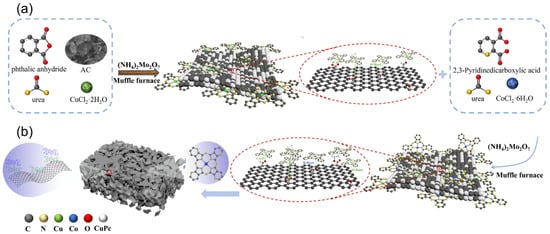
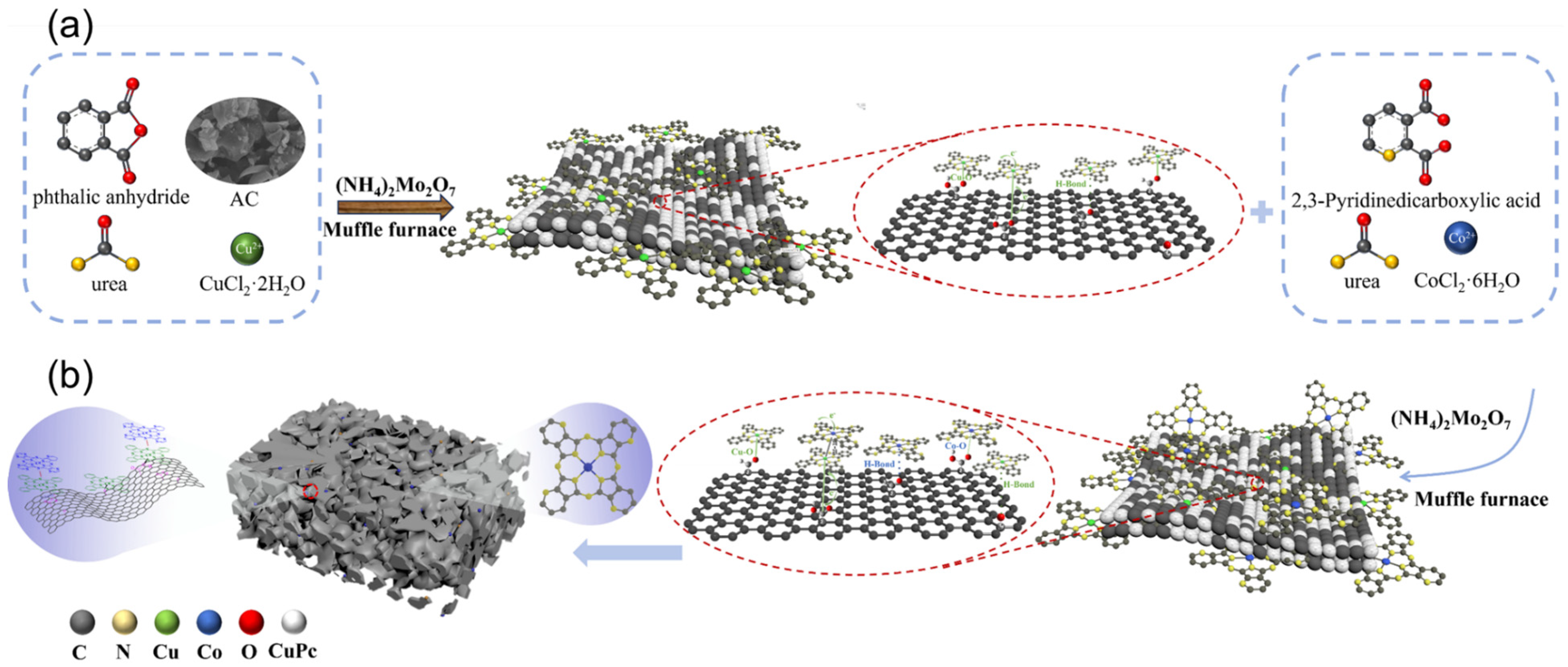
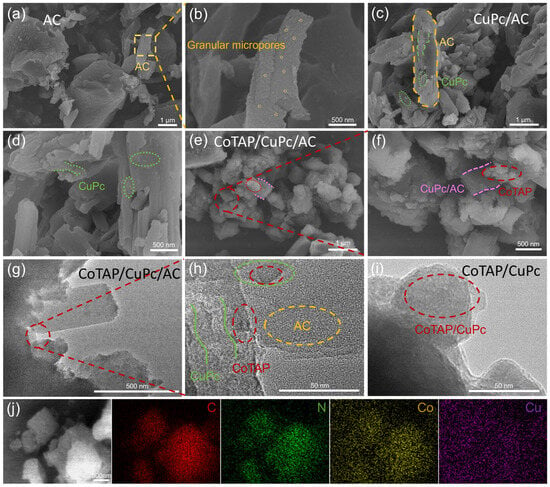
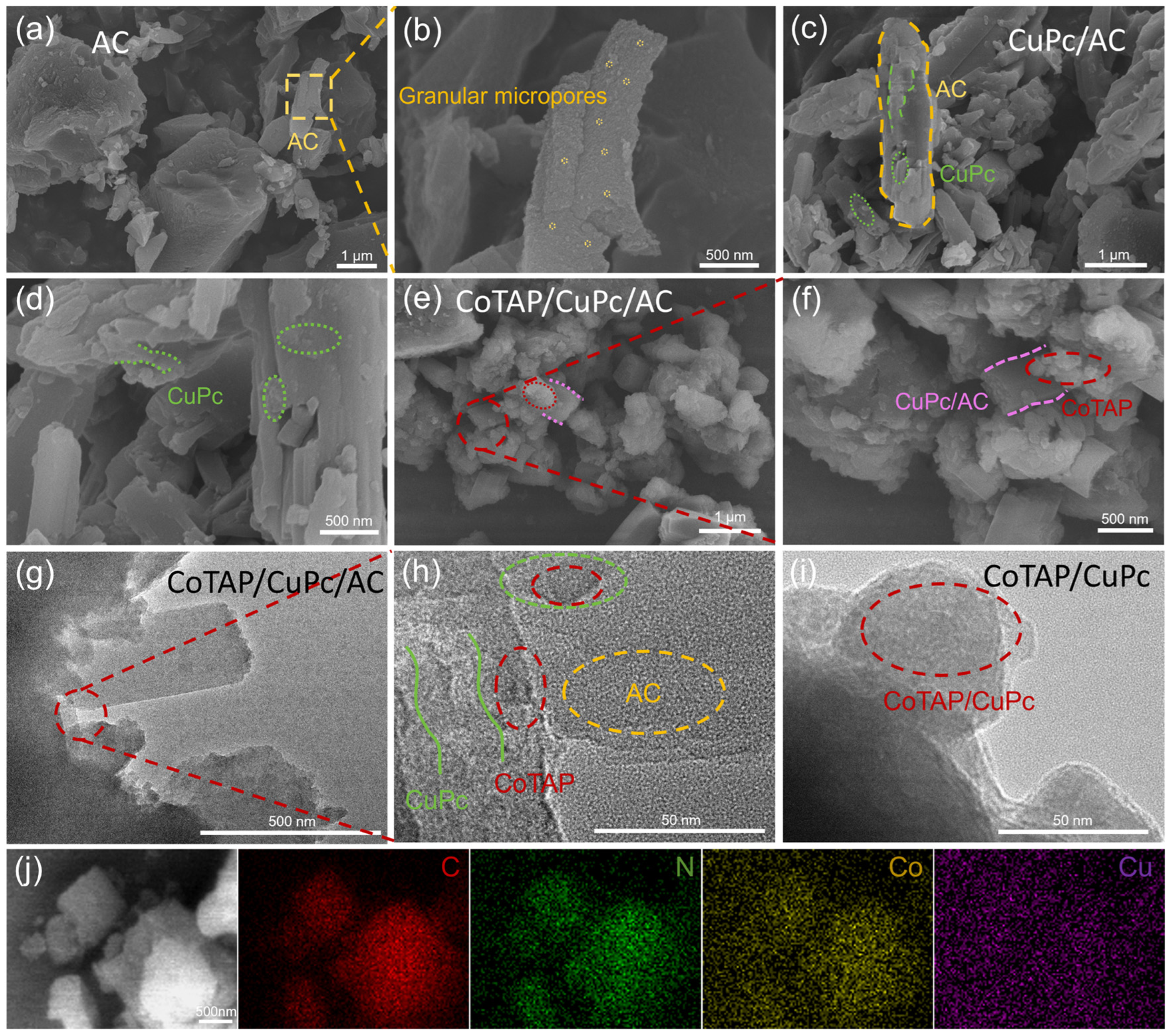
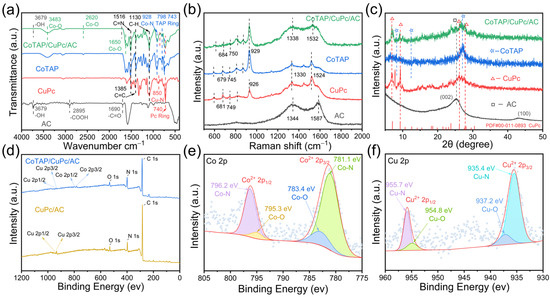
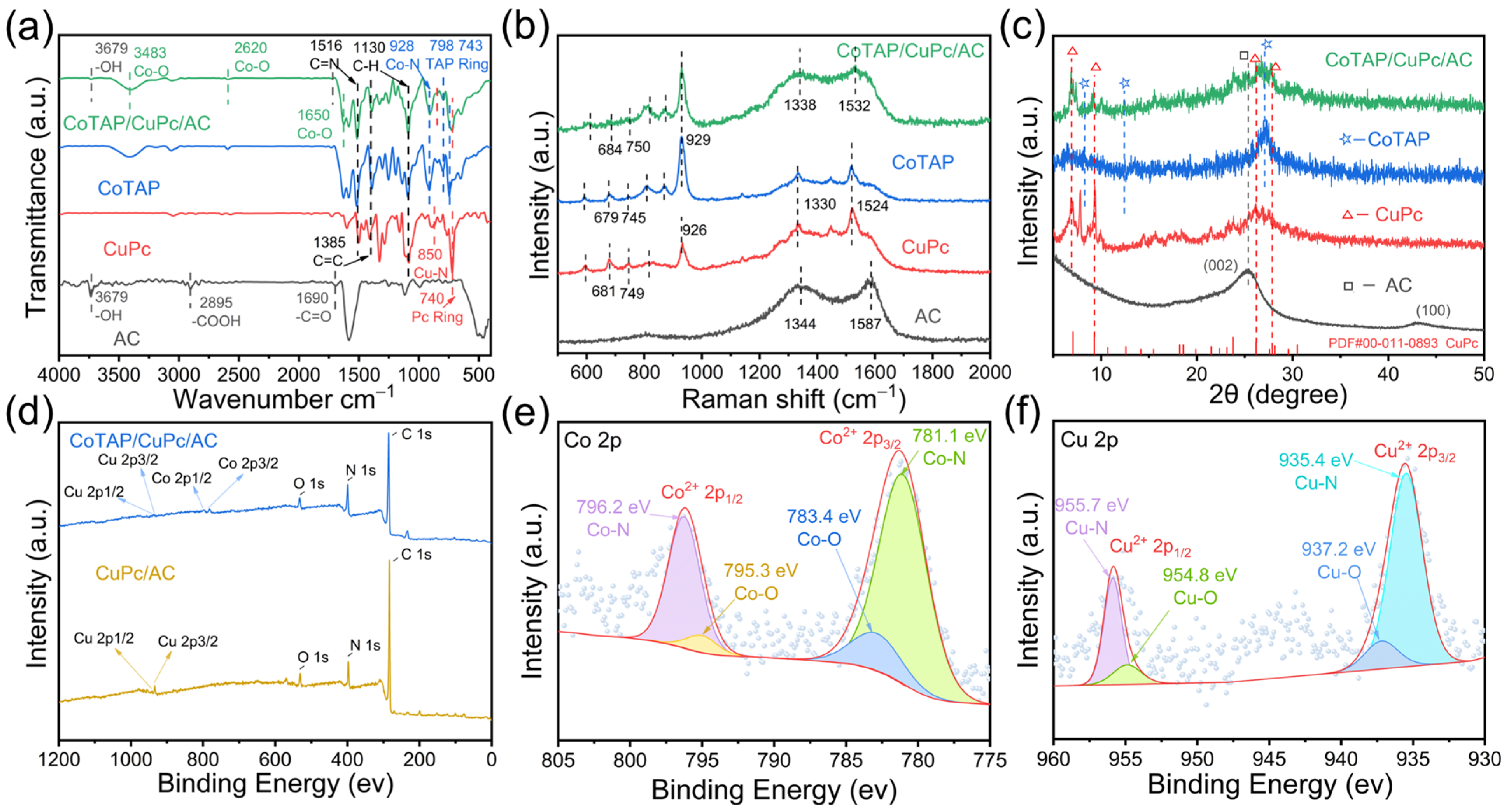
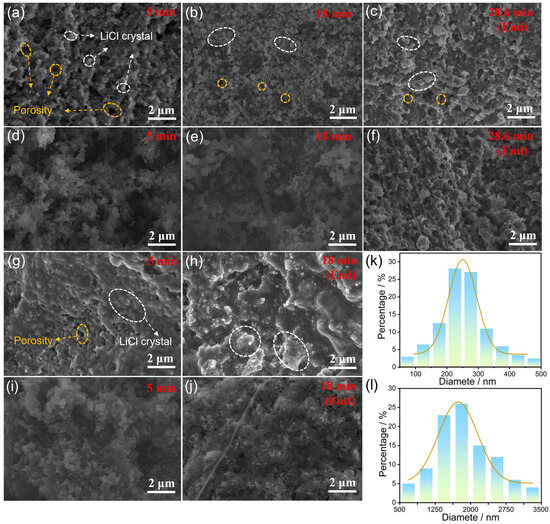
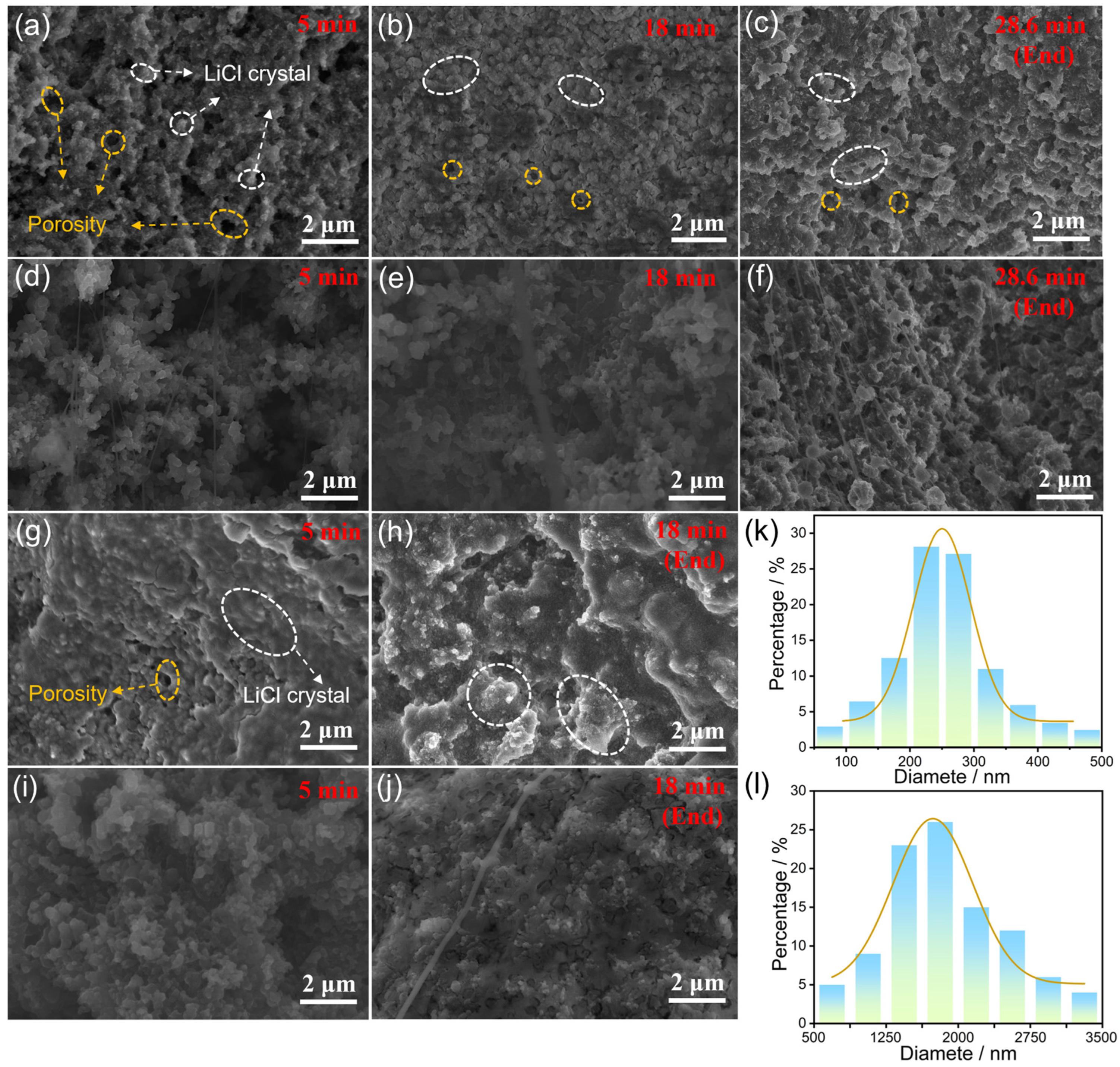
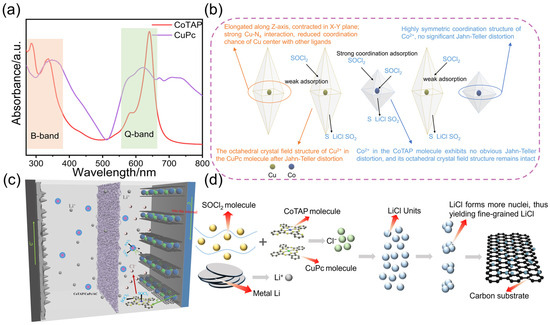
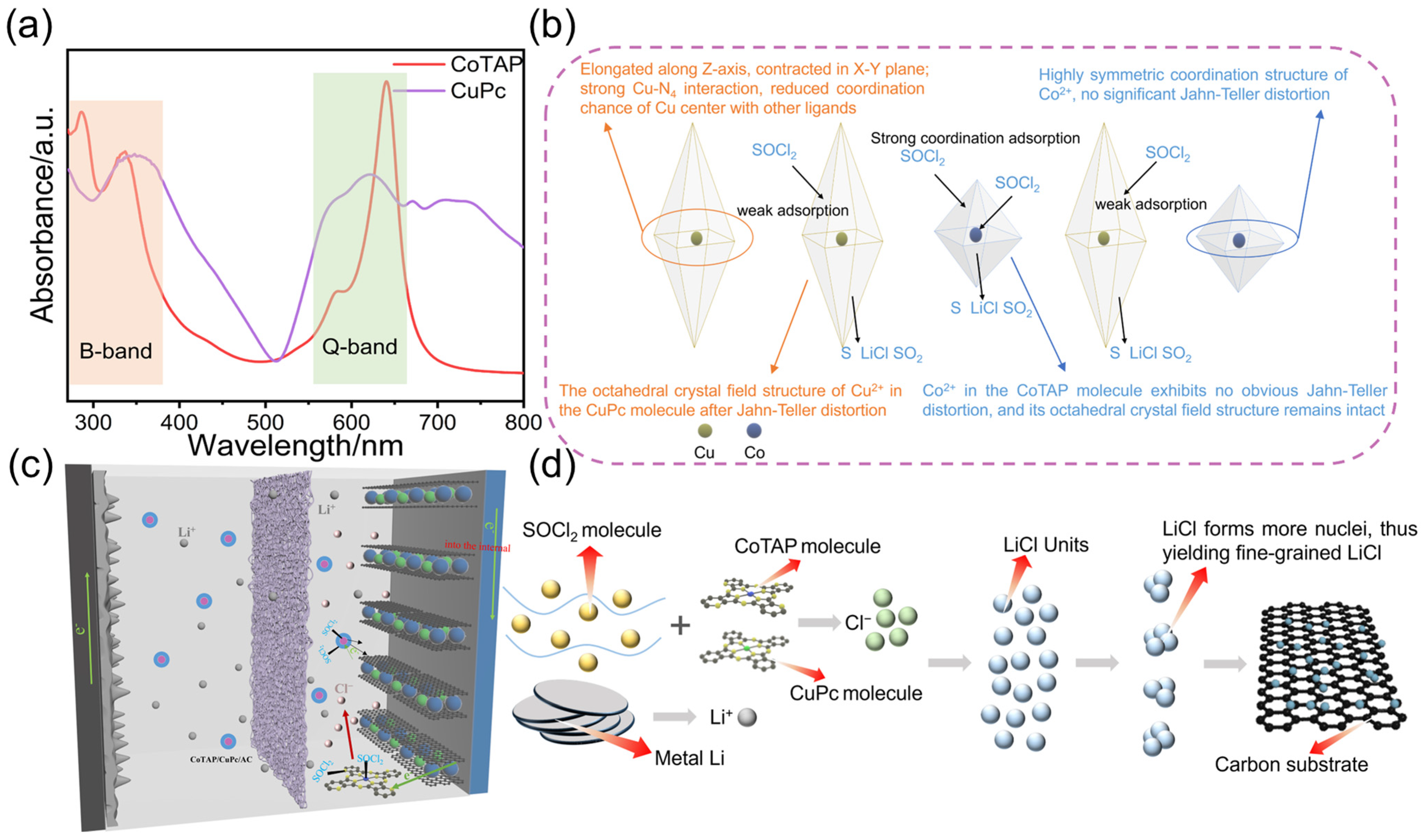
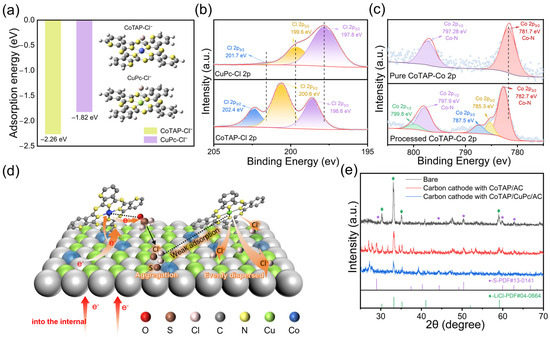
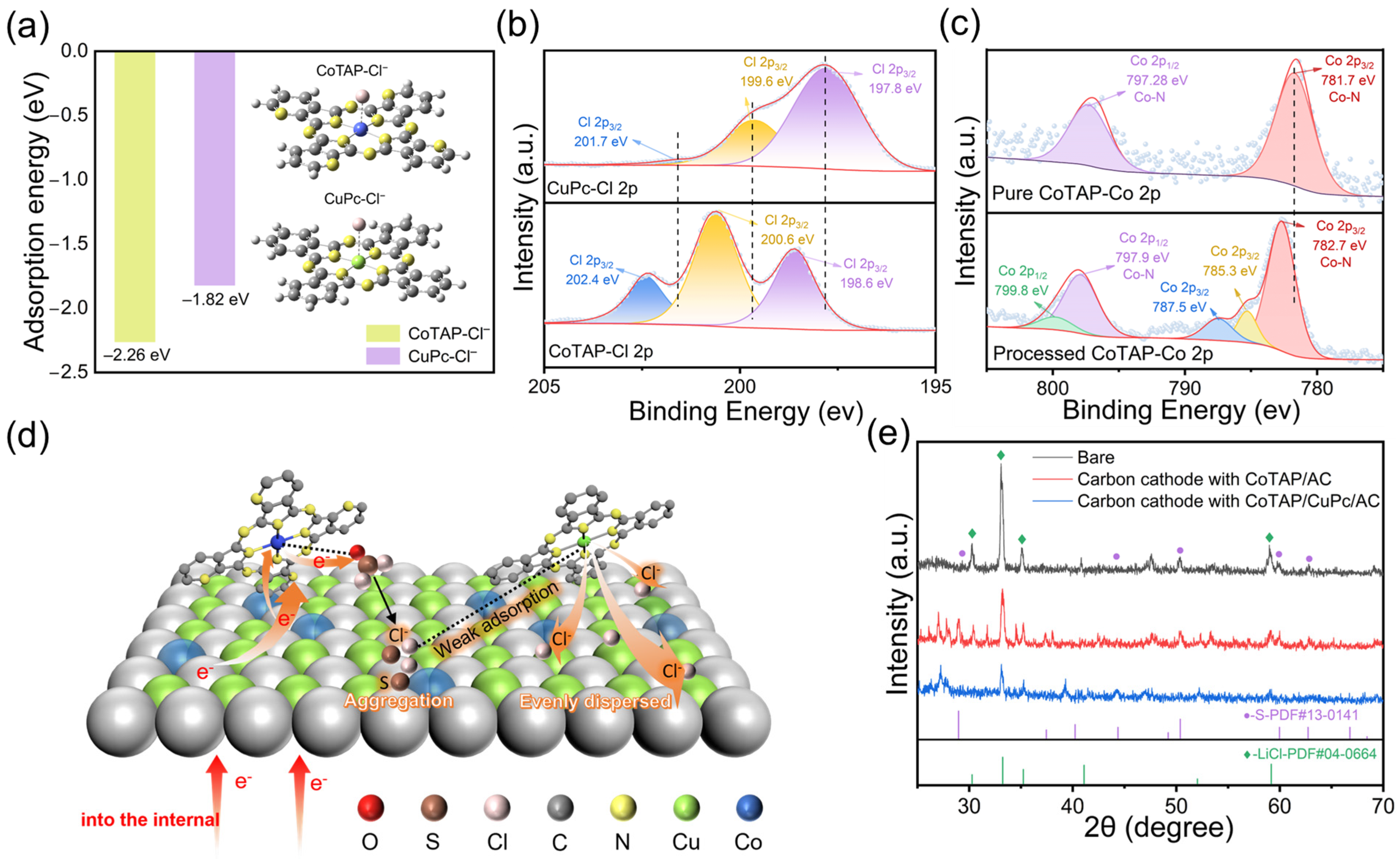
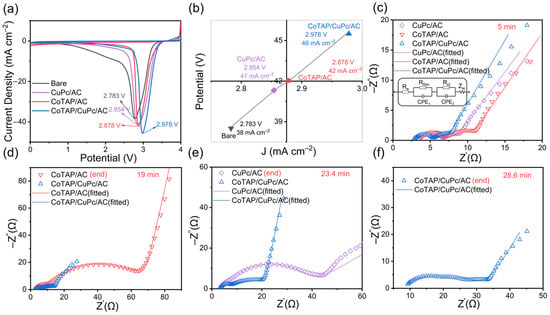
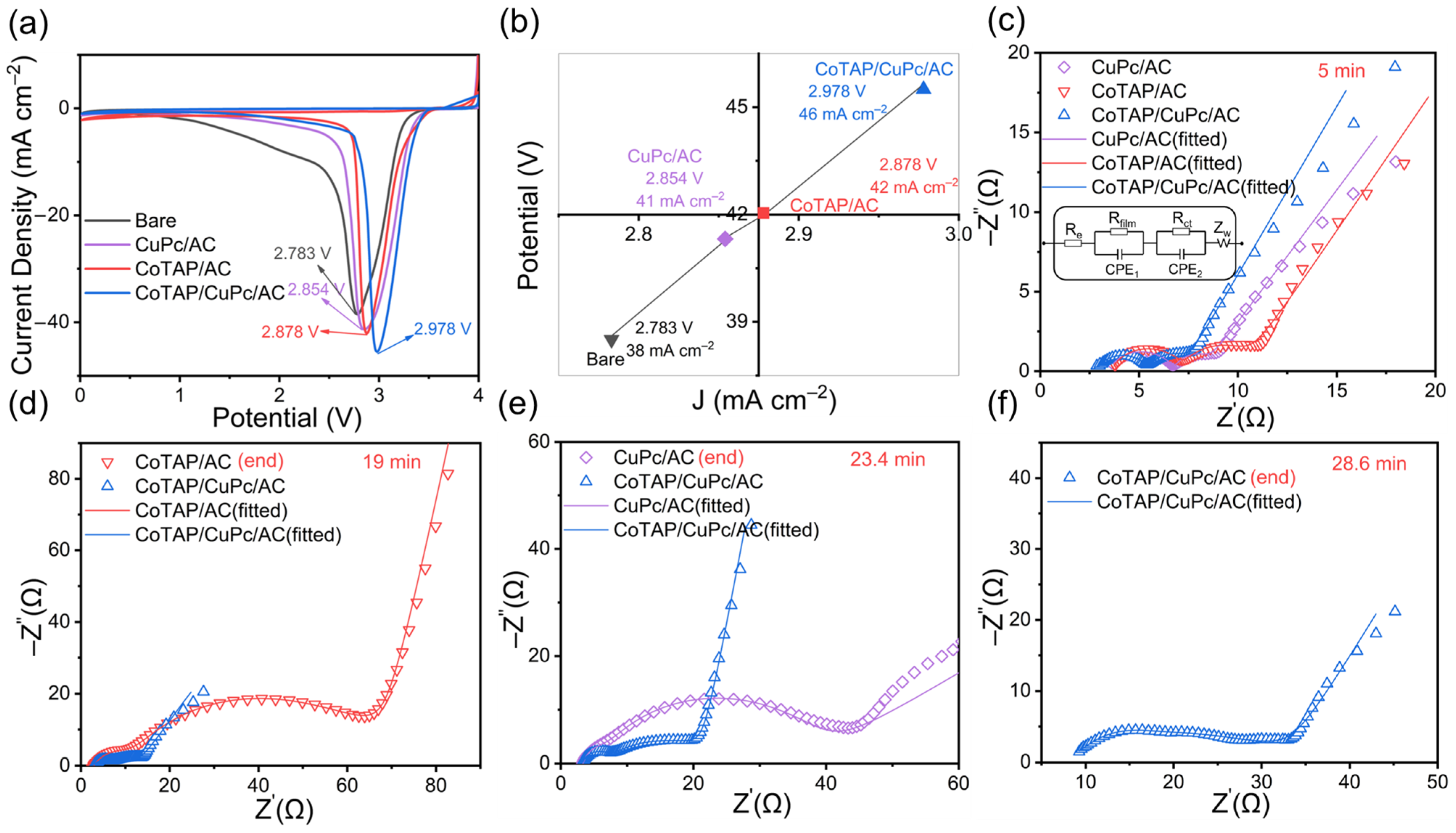
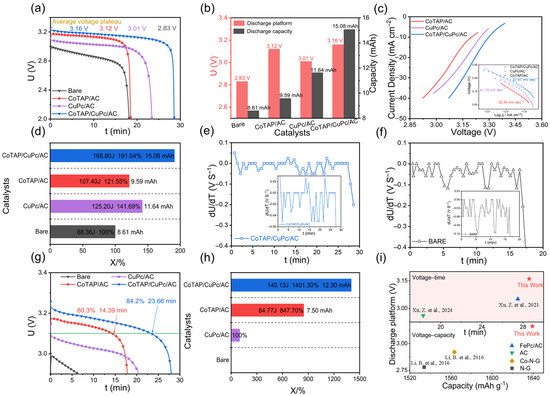
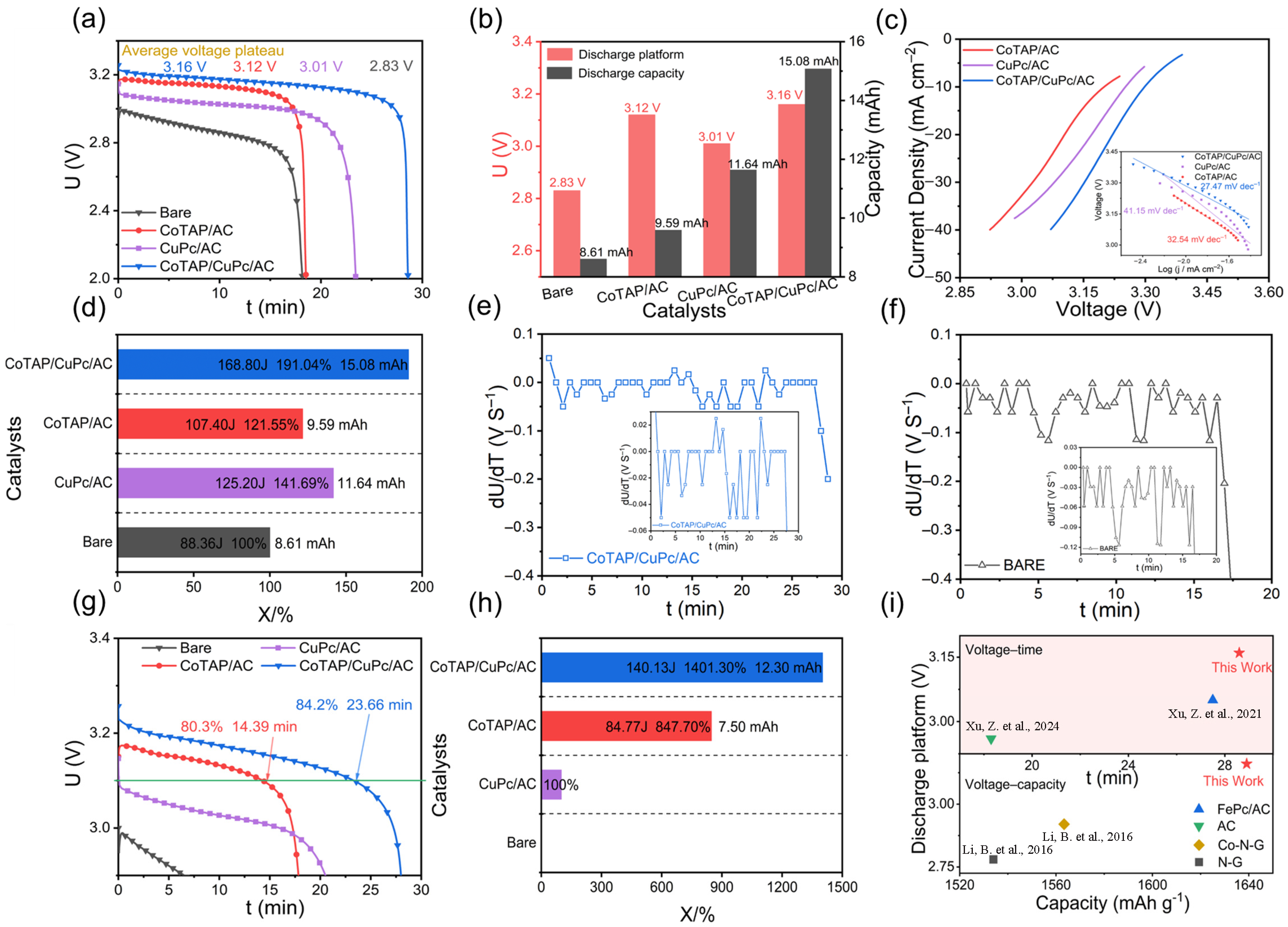
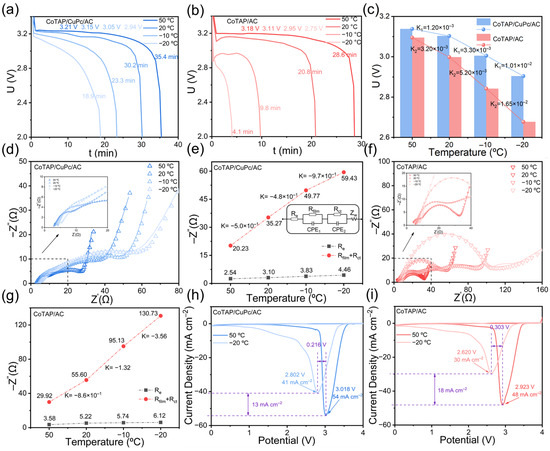
Disclaimer/Publisher’s Note: The statements, opinions and data contained in all publications are solely those of the individual author(s) and contributor(s) and not of MDPI and/or the editor(s). MDPI and/or the editor(s) disclaim responsibility for any injury to people or property resulting from any ideas, methods, instructions or products referred to in the content. |
© 2026 by the authors. Licensee MDPI, Basel, Switzerland. This article is an open access article distributed under the terms and conditions of the Creative Commons Attribution (CC BY) license.