Medicinal Plants in the Space Exploration Era: Opportunities and Challenges for Mitigating Spaceflight-Induced Health Hazards


Featured Application
Abstract
1. Introduction
2. Spaceflight Health Hazards
2.1. Impact of Microgravity on Human Physiology and Health
2.1.1. Effects of Microgravity on the Cardiovascular System
2.1.2. Effects of Microgravity on the Hematological System
2.1.3. Effects of Microgravity on the Musculoskeletal System
2.1.4. Effects of Microgravity on the Neurologic System
2.1.5. Effects of Microgravity on the Gastrointestinal System and Gut Microbiome
2.2. Impact of Radiation on Human Physiology and Health
2.2.1. Acute Radiation Syndrome
2.2.2. Effects of Space Radiation on the Cardiovascular System
2.2.3. Carcinogenesis Induced by Space Radiation
2.2.4. Effects of Space Radiation on the Central Nervous System
2.3. Other Risks for Human Health Induced by Space Exposome
2.3.1. Immunological Dysfunctions Following Spaceflights
2.3.2. Neuro-Behavioural Alterations During Spaceflights
2.3.3. Dermatologic Alterations During Spaceflights
3. Pharmacological Interventions in Space
3.1. Medical Care in Spaceflight
3.2. Stability and Degradation of Pharmaceutical Compounds in Space
3.3. Pharmacokinetics and Pharmacodynamics in Altered Physiology
3.4. In-Situ Pharmaceutical Manufacturing
3.5. Regulatory and Operational Challenges
4. Role of Medicinal Plants in Space Pharmacy
4.1. Therapeutic Potential of Phytochemicals in Space Medicine
4.1.1. Use of Medicinal Plants as an Alternative Medication for Sleep Disorders
4.1.2. Use of Medicinal Plants as an Alternative Medication for Pain
4.1.3. Use of Medicinal Plants as an Alternative Medication for Space Motion Sickness
4.1.4. Use of Medicinal Plants as Alternative Medication for Skin Diseases

| Ailment | Medicinal Plant | Main Active Ingredients | Pharmacological Effects | Clinical Studies |
|---|---|---|---|---|
| Sleep disturbance | Valeriana officinalis L. | Sesquiterpenes (valerenic acid), valepotriates, alkaloids [406,407] | Hypnotic, antioxidant, antimicrobial, anti-inflammatory, sedative, anxiolytic, spasmolytic, anticonvulsant, cytoprotective, neuroprotective activity [407] | [313,408,409,410,411,412,413,414] |
| Crocus sativus L. | Crocin, safranal and picrocrocin [415] | Hypnotic, antioxidant, anti-inflammatory, anxiolytic, antidepressant, antiepileptogenic, neuroprotective activity [416,417] | [418,419,420,421] | |
| Lavandula angustifolis Mill | Linalool, linalyl acetate [422] | Hypnotic, analgesic, stress-relieving, anxiolytic, anti-inflammatory activity [322,423] | [424,425,426,427,428,429,430,431,432] | |
| Melissa officinalis L. | Volatile compounds, triterpenes, phenolic acids, and flavonoids [433] | Antioxidant, anti-inflammatory, hypnotic, antidepressant, neuroprotective, nootropic activity [434,435] | [436,437,438,439,440,441] | |
| Pain | Capsinum annum L. | Capsaicin, carotenoids [442] | Analgesic, antioxidant, anti-inflammatory, antifungal, antimicrobial, gastroprotective, antihyperlipidemic, immunomodulatory activity [442] | [443,444,445,446,447,448] |
| Curcuma longa L. | Curcumin, demethoxycurcumi, and bisdemethoxycurcumin [449] | Analgesic, antioxidant, anti-inflammatory, antimicrobial, anti-diabetic, hepatoprotective activity [450,451] | [452,453,454,455] | |
| Zingiber officinale Roscoe | Phenolic compounds (gingerols, shogaols, paradols, zingerone), terpenes (zingiberene, α-curcumene, β-sesquiphellandrene) [456] | Analgesic, antiarthritic, anti-inflammatory, antioxidant, gastroprotective, hepatoprotective activity [457] | [458,459,460,461] | |
| Willow bark | Salicin, flavonoids, tannins proanthocyanidins [462] | Analgesic, antiarthritic, anti-inflammatory, antimicrobial activity [462] | [383,463,464,465] | |
| Harpagophytum procubens (Burch.) DC. | Iridoid glycosides (harpagoside, harpagide, procumbide, 8-O-p-Coumaroylharpagide) [466] | Analgesic, antioxidant, anti-inflammatory, antimicrobial, anti-diabetic activity [467] | [468,469,470,471,472,473] | |
| Boswellia serrata Roxb | Boswellic acid [474] | Analgesic, antiarthritic, anti-inflammatory, antioxidant, anticancer, neuroprotective activity [474] | [475,476,477,478,479] | |
| SMS | Zingiber officinale Roscoe | Phenolic compounds (gingerols, shogaols, paradols, zingerone), terpenes (zingiberene, α-curcumene, β-sesquiphellandrene) [456] | Analgesic, antiarthritic, anti-inflammatory, antioxidant, gastroprotective, hepatoprotective activity [457] | [399,400,401,402,403,404] |
| Skin diseases | Aloe vera (L.) Burm. f. | Polysaccharides (acemannan), anthraquinones, enzymes, vitamins, minerals [480] | Antioxidant, wound-healing modulatory, immunomodulatory, anti-inflammatory, antimicrobial, gastroprotective [480,481] | [482,483,484,485,486,487] |
| Curcuma longa L. | Curcumin, demethoxycurcumi, and bisdemethoxycurcumin [449] | Analgesic, antioxidant, anti-inflammatory, antimicrobial, anti-diabetic, hepatoprotective activity [450,451] | [488,489,490,491] | |
| Skin diseases | Calendula officinalis L. | Triterpenoids, flavonoids, saponins, carotenoids, and essential oils [492] | Wound-healing modulatory, anti-inflammatory, antioxidant, antimicrobial, anti-fungal, anti-cancer and analgesic activity [492] | [493,494,495,496,497] |
| Camellia sinensis (L.) Kuntze | Polyphenols (epigallocatechin gallate), purine alkaloids [498] | Antioxidant, anticancer, antidiabetic, neuroprotective, immunomodulatory activity [498,499] | [500,501,502,503] | |
| Hypericum perforatum L. | Naphthodianthrones (hypericin), phloroglucinols (hyperforin), flavonoids (rutin, quercetin, hyperoside) [504,505] | Wound-healing modulatory, antioxidant, anti-inflammatory, antimicrobial, anticancer and antidepressant [504,506] | [507,508,509,510] | |
| Stress | Panax ginseng Meyer | Triterpene saponins (ginsenosides), polysaccharides, peptides, alkaloids, polyacetylenes, phenolic compounds [511] | Anti-inflammatory, anti-fatigue, antioxidant, immunomodulatory, nootropic, neuro-protective, cardioprotective activity [512] | [513,514,515,516,517,518,519] |
| Rhodiola rosea L. | Phenylpropanoids (rosavins), phenylethanoid derivatives (salidroside and tyrosol), flavonoids, monoterpenes, triterpenes, phenolic acids [520,521] | Anti-fatigue, antioxidant, anti-inflammatory, cardioprotective, neuroprotective, anxiolytic, antidepressant and nootropic activity [521]. | [522,523,524,525,526,527,528,529] | |
| Withania somnifera (L.) Dunal | Steroidal lactones (withanolides), alkaloids, sitoindosides, flavonoids, saponins [530] | Anti-inflammatory, antioxidant, anxiolytic, immunomodulatory, neuroprotective, antitumoral and anti-fatigue [531,532,533] | [534,535,536,537,538,539,540,541,542,543,544,545] |
4.1.5. Potential Use of Adaptogens to Increase Resilience
4.2. Phyto-Biomanufacturing: Synthetic Pharmacognosy for In Situ Production of Active Compounds
4.3. Psychological and Environmental Benefits for Astronauts
5. Challenges and Future Perspectives
- Beyond traditional claims, the therapeutic use of plant extracts requires rigorous clinical studies to establish both efficacy and safety [674,675]. It is important to note that clinical studies conducted on Earth typically involve either the general population or specific subpopulations of diseased individuals [675]. In contrast, astronauts represent a highly specialized population, and due to the physiological alterations associated with spaceflight, the effectiveness of plant-derived therapies remains to be determined [676]. Because evidence in this field is limited, undertaking preclinical pharmacokinetic and pharmacodynamic studies of medicinal plant extracts— and performing preliminary astronaut evaluations during spaceflights—is of fundamental importance.
- Studies of plant extracts—both preclinical and clinical—have often shown inconsistent findings in efficacy, dosing, and side effects. These inconsistencies largely stem from variations in plant matrix, cultivation practices, environmental conditions and extraction techniques [677]. Standardization of the entire production process is thus critical to ensure batch-to-batch consistency in terms of active compound concentrations and reliable pharmacological outcomes, on Earth and ever more so in space.
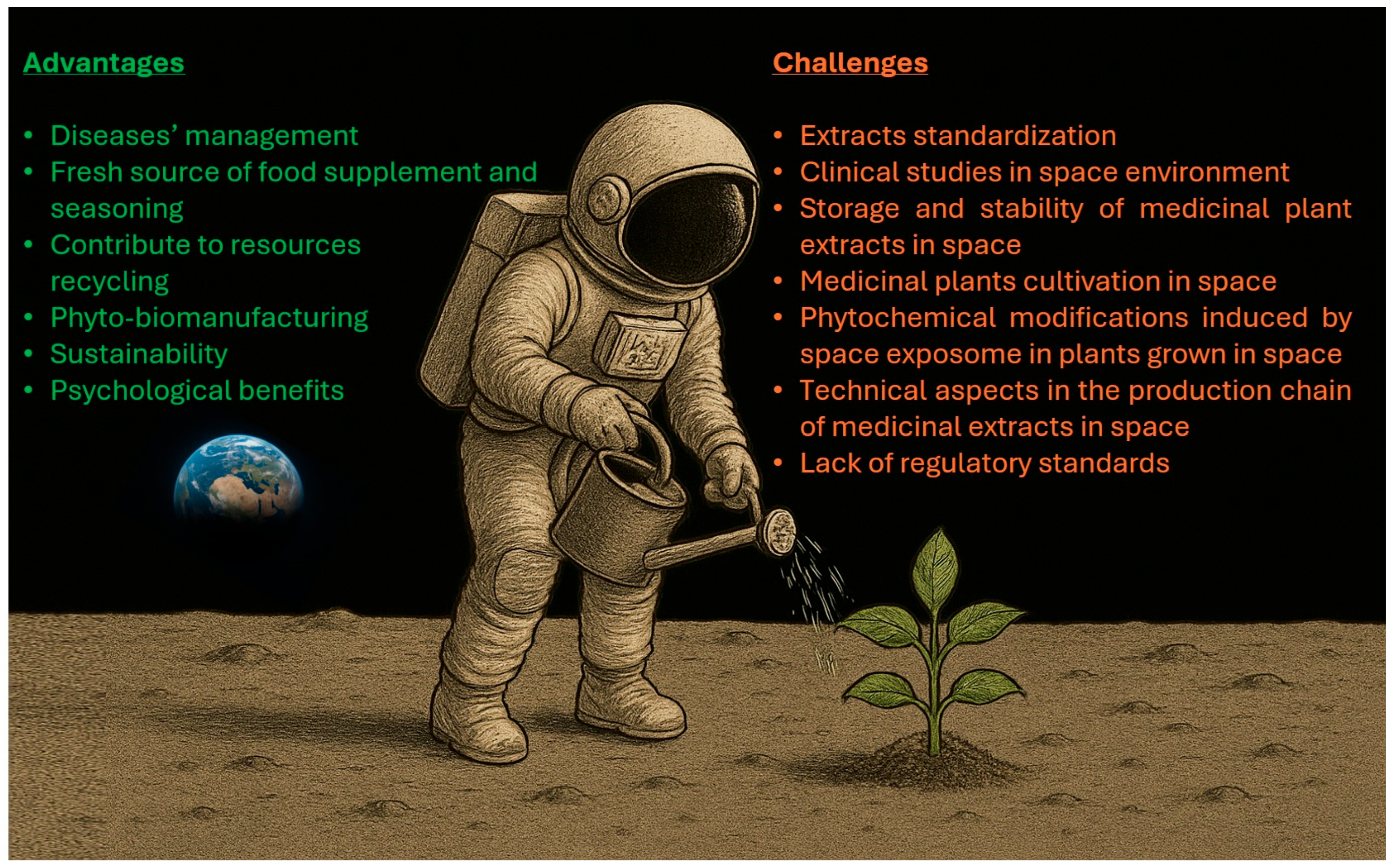
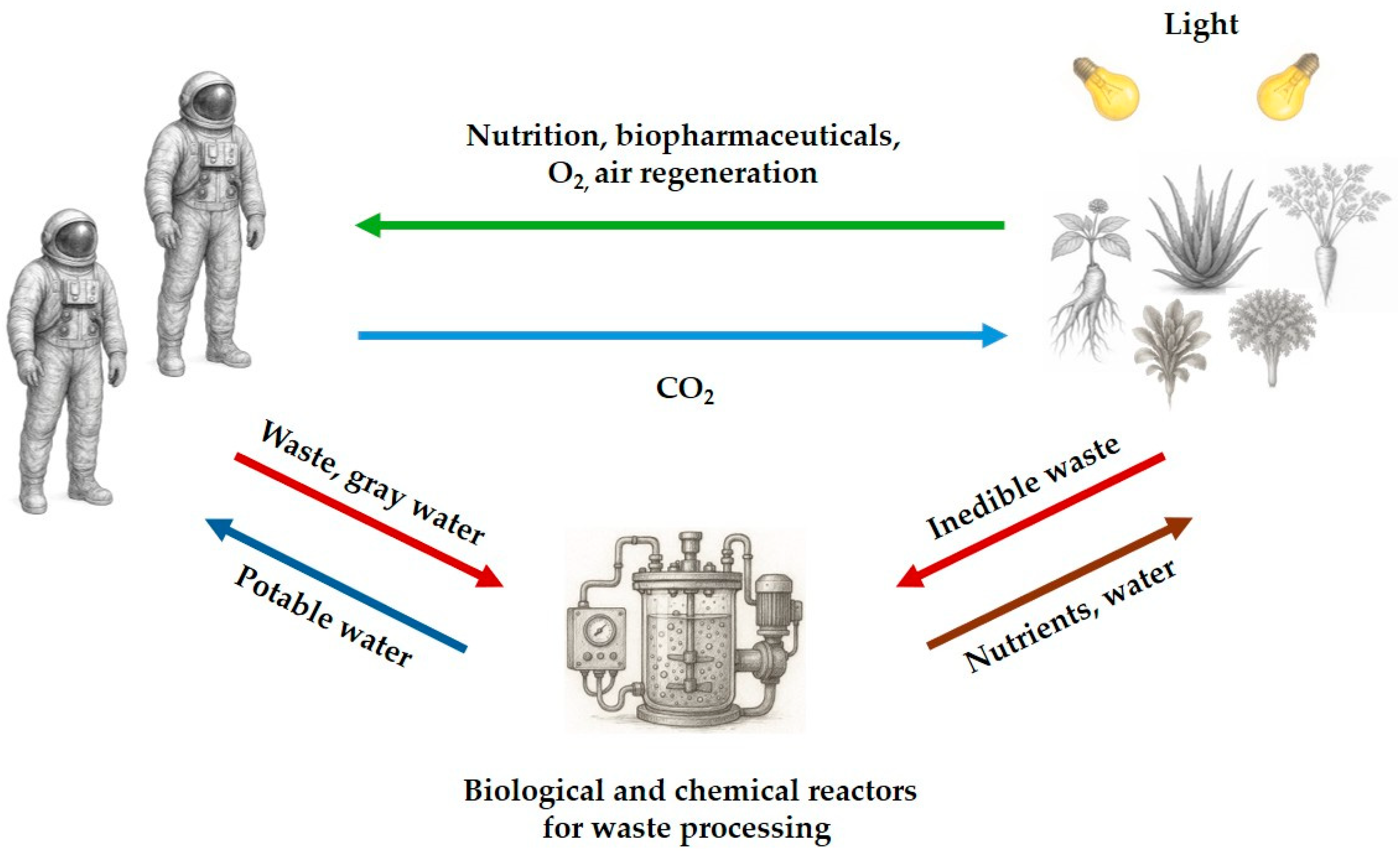
- There is also the strategic decision of whether to rely on Earth-manufactured plant preparations or develop the capacity for on-demand production in space. It depends on the target of the mission and its duration. In short-duration spaceflights or during the early phases of extended missions, the use of Earth-prepared formulations appears to be the more practical and preferred option and may represent a short- to medium-term application. It is important to note that, like conventional pharmaceuticals [269], plant extracts are susceptible to degradation in the space environment, but its extent remains largely uncharacterized. To fill this gap, future studies should be finalized to verify the physical and chemical stability of plant extracts directly in space [678] or in ground-based spaceflight analogues [268]. As general advice, care must be taken with the extract’s formulation because liquid forms are generally more prone to degradation than solid ones [268]. Furthermore, medicinal extracts may benefit from current strategies under investigation to prolong drug stability in space, such as: the use of radioprotective packaging materials (i.e., high-density polyethylene composites) [7,269,679]; the storage of extracts at low temperatures (≤80 °C), since it has been found that cold preserves pharmaceuticals from radiation-induced damage [680,681]. Moreover, it has been demonstrated that some excipients and antioxidants provide protective effects to medicines exposed to radiation [269]; medicinal plants are naturally enriched with antioxidants whose presence could slow extracts’ degradation in space. In contrast, in the context of extended space exploration and off-Earth settlements, the on-site production of fresh plant material may constitute an important strategic asset, representing, in our opinion, a potential longer-term perspective. Within this framework, the possibility of growing plants in the space environment for human alimentation is the most studied aspect, specifically in terms of feasibility [14,15,682]. In contrast, there is no in-depth information on the cultivation of medicinal plants in space. Consequently, integrating medicinal plants and engineered plants into on-site cultivation systems could represent a promising avenue for providing a sustainable source of both nutrition and natural therapeutics. However, further progress in understanding the changes in plant physiology induced by the spatial exposome is essential [16,683,684]. While growing plants in space is possible, albeit complicated, further challenges remain. Not all medicinal plants could be suitable for space farming, at least in this pioneering phase. Key desirable traits include fast growing, compact structure, tolerance to environmental fluctuations, consistent growth under artificial lighting and overall compatibility with closed-loop cultivation systems. Interestingly, medicinal plants in general and among them those selected in this review (with the exception of Salix) have been successfully cultivated under hydroponic conditions [685], a typical cultivation method integrated into BLSS. This suggests that they could be considered for space cultivation. Growing sprouts and microgreens would be the ideal solution, given their rapid growth in a small space, but currently, there is a lack of selected species with specific pharmacological effects. However, the greatest gap in knowledge concerns the effects of the space environment on the chemical composition of medicinal plants. Experimental evidence indicates that the exposure of several plant seeds to the space environment can induce genetic modifications, leading to alterations in the chemical composition of the plants that develop from them [686,687,688,689,690]. It should be emphasized that in these studies, seed germination and plant cultivation were carried out on Earth once the seeds returned from space. The mutagenic effect of the space environment is so strong that it has given rise to a new technique called space mutation breeding, aimed at artificially improving crops [691]. This suggests that the effect of the spatial exposome on plant phytochemistry is not in itself harmful but must be precisely understood. Future studies will have to investigate the phytochemistry of medicinal plants that have completed their entire life cycle in space, which does not necessarily overlap with that observed on Earth. This will allow the accurate reassessment of the efficacy-to-safety ratio of the plant extracts produced in space. Not least of all, the entire production chain of medicinal plant extracts—including biomass harvesting and processing, solvent extraction, purification, chemical and microbiological analysis, and storage— constitutes an exceptionally challenging process to implement in the space environment, whether aboard spacecraft or in extraterrestrial habitats. It requires rethinking the entire process to adapt to the different restrictions imposed by space environmental conditions, such as limited space and microgravity, while maintaining efficiency, reliability and reproducibility. Ideally, the process should be compact, fully automated and include an appropriate waste management component aimed at minimizing waste production. Interestingly, recent technological advances may provide the basis for bridging this gap. Liquid Chromatography-Mass Spectrometry (LC-MS) is a powerful analytical technique representing an appropriate tool for in-flight phytochemical analysis [692]. LC-MS combines the separation power of liquid chromatography (LC) to separate complex mixtures with the identification and quantification capabilities of mass spectrometry (MS), allowing for the detection of chemicals at very low levels, offering high sensitivity and selectivity. Several lines of research have led to the development of compact and miniaturized versions of this bulky laboratory instrument, making this technology usable in out-of-lab contexts [693]. Another fundamental step in the production of food, medicinal plant extracts or phyto-biopharmaceuticals in space is represented by microbiological control analysis [694]. This topic is of such fundamental importance to ensure sustainability, autonomy and human health in space that NASA has developed a portable instrument for microbiological analysis [695]. This evidence suggests that the production of plant extracts and biopharmaceuticals in space is possible, although complicated and requires further technical and scientific advances.
- From a regulatory perspective, space agencies, product regulators and international health organizations need to develop standards for the safe use of space-grown medicinal products. It will therefore be critical to develop guidelines for herbal product production and classification, biosafety characterization, dosage validation, interaction with conventional therapies, and determination of stability.
6. Conclusions
Supplementary Materials
Author Contributions
Funding
Institutional Review Board Statement
Informed Consent Statement
Data Availability Statement
Conflicts of Interest
Abbreviations
| SSP | Space Soviet Program |
| NASA | National Aeronautics and Space Administration |
| ESA | European Space Agency |
| CSA | Canadian Space Agency |
| JAXA | Japan Aerospace eXploration Agency |
| CMSA | China Manned Space Agency |
| LEO | Low Earth Orbit |
| SANS | Spaceflight-Associated Neuro-ocular Syndrome |
| SMS | Space Motion Sickness |
| µG | Microgravity |
| SR | Space Radiation |
| SPEs | Solar Particle Events |
| GCRs | Galactic Cosmic Rays |
| TPR | Trapped Particle Radiation |
| HZE | high (H), atomic number (Z), and energy (E) |
| LET | Linear Energy Transfer |
| ARSs | Acute Radiation Syndrome |
| CNS | Central Nervous System |
| PK | PharmacoKinetic |
| PD | PharmacoDynamic |
| ISS | International Space Station |
| APIs | Active Pharmaceutical Ingredients |
| PBPK | Physiologically-Based Pharmacokinetic |
| ISPM | In-Situ Pharmaceutical Manufacturing |
| USP | United State Pharmacopeia |
| EMA | European Medicines Agency |
| WHO | World Health Organization |
| NSAIDs | Non-Steroidal Anti-Inflammatory Drugs |
| G-CSF | Granulocyte Colony-Stimulating Factor |
| BLSS | Bioregenerative Life Support Systems |
References
- Wu, J. Introduction to Space Science. In History of Human Space Exploration; Springer: Berlin/Heidelberg, Germany, 2021; pp. 9–30. [Google Scholar] [CrossRef]
- Melamed, A.; Rao, A.; de Rohan Willner, O.; Kreps, S. Going to Outer Space with New Space: The Rise and Consequences of Evolving Public-Private Partnerships. Space Policy 2024, 68, 101626. [Google Scholar] [CrossRef]
- Paikowsky, D. What Is New Space? The Changing Ecosystem of Global Space Activity. New Space 2017, 5, 84–88. [Google Scholar] [CrossRef]
- Krittanawong, C.; Singh, N.K.; Scheuring, R.A.; Urquieta, E.; Bershad, E.M.; Macaulay, T.R.; Kaplin, S.; Dunn, C.; Kry, S.F.; Russomano, T.; et al. Human Health during Space Travel: State-of-the-Art Review. Cells 2022, 12, 40. [Google Scholar] [CrossRef] [PubMed]
- Hart, D.A. Homo Sapiens—A Species Not Designed for Space Flight: Health Risks in Low Earth Orbit and Beyond, Including Potential Risks When Traveling beyond the Geomagnetic Field of Earth. Life 2023, 13, 757. [Google Scholar] [CrossRef] [PubMed]
- Smith, L. Space Station and Spacecraft Environmental Conditions and Human Mental Health: Specific Recommendations and Guidelines. Life Sci. Space Res. 2024, 40, 126–134. [Google Scholar] [CrossRef] [PubMed]
- Seoane-Viaño, I.; Ong, J.J.; Basit, A.W.; Goyanes, A. To Infinity and beyond: Strategies for Fabricating Medicines in Outer Space. Int. J. Pharm. X 2022, 4, 100121. [Google Scholar] [CrossRef]
- Aziz, S.; Raza, M.A.; Noreen, M.; Iqbal, M.Z.; Raza, S.M. Astropharmacy: Roles of Pharmacist in Space. Innov. Pharm. 2022, 13, 4926. [Google Scholar] [CrossRef]
- Sawyers, L.; Anderson, C.; Boyd, M.J.; Hessel, V.; Wotring, V.; Williams, P.M.; Toh, L.S. Astropharmacy: Pushing the Boundaries of the Pharmacists’ Role for Sustainable Space Exploration. Res. Soc. Adm. Pharm. 2022, 18, 3612–3621. [Google Scholar] [CrossRef]
- Aksoyalp, Z.Ş.; Temel, A.; Karpuz, M. Pharmacological Innovations in Space: Challenges and Future Perspectives. Pharm. Res. 2024, 41, 2095–2120. [Google Scholar] [CrossRef]
- Pachiyappan, J.K.; Patel, M.; Roychowdhury, P.; Nizam, I.; Seenivasan, R.; Sudhakar, S.; Jeyaprakash, M.R.; Karri, V.V.S.R.; Venkatesan, J.; Mehta, P.; et al. A Review of the Physiological Effects of Microgravity and Innovative Formulation for Space Travelers. J. Pharmacokinet. Pharmacodyn. 2024, 51, 605–620. [Google Scholar] [CrossRef]
- d’Ischia, M.; Manini, P.; Moracci, M.; Saladino, R.; Ball, V.; Thissen, H.; Evans, R.A.; Puzzarini, C.; Barone, V. Astrochemistry and Astrobiology: Materials Science in Wonderland? Int. J. Mol. Sci. 2019, 20, 4079. [Google Scholar] [CrossRef] [PubMed]
- Clément, G. Fundamentals of Space Medicine; Springer: Berlin/Heidelberg, Germany, 2025. [Google Scholar]
- Mortimer, J.C.; Gilliham, M. SpaceHort: Redesigning Plants to Support Space Exploration and on-Earth Sustainability. Curr. Opin. Biotechnol. 2022, 73, 246–252. [Google Scholar] [CrossRef] [PubMed]
- Nguyen, M.T.P.; Knowling, M.; Tran, N.N.; Burgess, A.; Fisk, I.; Watt, M.; Escribà-Gelonch, M.; This, H.; Culton, J.; Hessel, V. Space Farming: Horticulture Systems on Spacecraft and Outlook to Planetary Space Exploration. Plant Physiol. Biochem. 2023, 194, 708–721. [Google Scholar] [CrossRef] [PubMed]
- Maffei, M.E.; Balestrini, R.; Costantino, P.; Lanfranco, L.; Morgante, M.; Battistelli, A.; Del Bianco, M. The Physiology of Plants in the Context of Space Exploration. Commun. Biol. 2024, 7, 1311. [Google Scholar] [CrossRef]
- Bhuyan, N.; Ghose, S.; Bhattacharya, S.; Chakraborty, T. Prolonged Space Flight: Adverse Health Effects and Treatment Options with Medicinal Plants and Natural Products. Sci. Phytochem. 2023, 2, 82–97. [Google Scholar] [CrossRef]
- Newman, D.J.; Cragg, G.M. Natural Products as Sources of New Drugs over the Nearly Four Decades from 01/1981 to 09/2019. J. Nat. Prod. 2020, 83, 770–803. [Google Scholar] [CrossRef]
- Wotring, V.E. Medication Use by U.S. Crewmembers on the International Space Station. FASEB J. 2015, 29, 4417–4423. [Google Scholar] [CrossRef]
- Adamopoulos, K.; Koutsouris, D.; Zaravinos, A.; Lambrou, G.I. Gravitational Influence on Human Living Systems and the Evolution of Species on Earth. Molecules 2021, 26, 2784. [Google Scholar] [CrossRef]
- Barratt, M.R.; Baker, E.S.; Pool, S.L. (Eds.) Physical and Bioenvironmental Aspects of Human Space Flight. In Principles of Clinical Medicine for Space Flight; Springer: Berlin/Heidelberg, Germany, 2019; pp. 3–37. [Google Scholar]
- Pollock, R.D.; Hodkinson, P.D.; Smith, T.G. Oh G: The x, y and z of Human Physiological Responses to Acceleration. Exp. Physiol. 2021, 106, 2367–2384. [Google Scholar] [CrossRef]
- Giacinto, O.; Lusini, M.; Sammartini, E.; Minati, A.; Mastroianni, C.; Nenna, A.; Pascarella, G.; Sammartini, D.; Carassiti, M.; Miraldi, F.; et al. Cardiovascular Effects of Cosmic Radiation and Microgravity. J. Clin. Med. 2024, 13, 520. [Google Scholar] [CrossRef]
- Han, H.; Jia, H.; Wang, Y.-F.; Song, J.-P. Cardiovascular Adaptations and Pathological Changes Induced by Spaceflight: From Cellular Mechanisms to Organ-Level Impacts. Mil. Med. Res. 2024, 11, 68. [Google Scholar] [CrossRef] [PubMed]
- Mircea, A.A.; Pistritu, D.V.; Fortner, A.; Tanca, A.; Liehn, E.A.; Bucur, O. Space Travel: The Radiation and Microgravity Effects on the Cardiovascular System. Int. J. Mol. Sci. 2024, 25, 11812. [Google Scholar] [CrossRef] [PubMed]
- Azariah, J.; Terranova, U. Microgravity and Cardiovascular Health in Astronauts: A Narrative Review. Health Sci. Rep. 2025, 8, e70316. [Google Scholar] [CrossRef] [PubMed]
- Hargens, A.R.; Richardson, S. Cardiovascular Adaptations, Fluid Shifts, and Countermeasures Related to Space Flight. Respir. Physiol. Neurobiol. 2009, 169, S30–S33. [Google Scholar] [CrossRef] [PubMed]
- Hinghofer-Szalkay, H. Gravity, the Hydrostatic Indifference Concept and the Cardiovascular System. Eur. J. Appl. Physiol. 2011, 111, 163–174. [Google Scholar] [CrossRef]
- Thornton, W.; Hoffler, G.W.; Rummel, J. Anthropometric Changes and Fluid Shifts; NASA: Washington, DC, USA, 1977.
- Leach, C.S.; Alfrey, C.P.; Suki, W.N.; Leonard, J.I.; Rambaut, P.C.; Inners, L.D.; Smith, S.M.; Lane, H.W.; Krauhs, J.M. Regulation of Body Fluid Compartments during Short-Term Spaceflight. J. Appl. Physiol. 1996, 81, 105–116. [Google Scholar] [CrossRef]
- Watenpaugh, D.E. Fluid Volume Control during Short-Term Space Flight and Implications for Human Performance. J. Exp. Biol. 2001, 204, 3209–3215. [Google Scholar] [CrossRef]
- Shykoff, B.E.; Farhi, L.E.; Olszowka, A.J.; Pendergast, D.R.; Rokitka, M.A.; Eisenhardt, C.G.; Morin, R.A. Cardiovascular Response to Submaximal Exercise in Sustained Microgravity. J. Appl. Physiol. 1996, 81, 26–32. [Google Scholar] [CrossRef]
- Norsk, P.; Damgaard, M.; Petersen, L.; Gybel, M.; Pump, B.; Gabrielsen, A.; Christensen, N.J. Vasorelaxation in Space. Hypertension 2006, 47, 69–73. [Google Scholar] [CrossRef]
- Norsk, P.; Asmar, A.; Damgaard, M.; Christensen, N.J. Fluid Shifts, Vasodilatation and Ambulatory Blood Pressure Reduction during Long Duration Spaceflight. J. Physiol. 2015, 593, 573–584. [Google Scholar] [CrossRef]
- Perhonen, M.A.; Franco, F.; Lane, L.D.; Buckey, J.C.; Blomqvist, C.G.; Zerwekh, J.E.; Peshock, R.M.; Weatherall, P.T.; Levine, B.D. Cardiac Atrophy after Bed Rest and Spaceflight. J. Appl. Physiol. 2001, 91, 645–653. [Google Scholar] [CrossRef] [PubMed]
- MacNamara, J.P.; Dias, K.A.; Sarma, S.; Lee, S.M.C.; Martin, D.; Romeijn, M.; Zaha, V.G.; Levine, B.D. Cardiac Effects of Repeated Weightlessness During Extreme Duration Swimming Compared with Spaceflight. Circulation 2021, 143, 1533–1535. [Google Scholar] [CrossRef] [PubMed]
- Summers, R.L.; Martin, D.S.; Meck, J.V.; Coleman, T.G. Mechanism of Spaceflight-Induced Changes in Left Ventricular Mass. Am. J. Cardiol. 2005, 95, 1128–1130. [Google Scholar] [CrossRef] [PubMed]
- Fraser, K.S.; Greaves, D.K.; Shoemaker, J.K.; Blaber, A.P.; Hughson, R.L. Heart Rate and Daily Physical Activity with Long-Duration Habitation of the International Space Station. Aviat. Space Environ. Med. 2012, 83, 577–584. [Google Scholar] [CrossRef]
- May, C.; Borowski, A.; Martin, D.; Popovic, Z.; Negishi, K.; Hussan, J.R.; Gladding, P.; Hunter, P.; Iskovitz, I.; Kassemi, M.; et al. Affect of Microgravity on Cardiac Shape: Comparison of Pre- and In-Flight Data to Mathematical Modeling. J. Am. Coll. Cardiol. 2014, 63, A1096. [Google Scholar] [CrossRef][Green Version]
- Siddiqui, R.; Qaisar, R.; Al-Dahash, K.; Altelly, A.H.; Elmoselhi, A.B.; Khan, N.A. Cardiovascular Changes under the Microgravity Environment and the Gut Microbiome. Life Sci. Space Res. 2024, 40, 89–96. [Google Scholar] [CrossRef]
- van Loon, L.M.; Steins, A.; Schulte, K.-M.; Gruen, R.; Tucker, E.M. Computational Modeling of Orthostatic Intolerance for Travel to Mars. npj Microgravity 2022, 8, 34. [Google Scholar] [CrossRef]
- Tank, J.; Jordan, J. Mighty Hearts in Space. J. Physiol. 2015, 593, 485–486. [Google Scholar] [CrossRef]
- Purdy, R.E.; Kahwaji, C.I. Vascular Adaptation to Microgravity: Extending the Hypothesis. J. Appl. Physiol. 2002, 93, 1181–1182. [Google Scholar] [CrossRef]
- Meck, J.V.; Reyes, C.J.; Perez, S.A.; Goldberger, A.L.; Ziegler, M.G. Marked Exacerbation of Orthostatic Intolerance After Long- vs. Short-Duration Spaceflight in Veteran Astronauts. Biopsychosoc. Sci. Med. 2001, 63, 865. [Google Scholar] [CrossRef]
- Johnston, R.S.; Dietlein, L.F.; Berry, C.A.; James, F.; Parker, J.; West, V.; Jones, W.L. Biomedical Results of Apollo; NASA: Washington, DC, USA, 1975.
- Johnston, R.S.; Dietlein, L.F. Biomedical Results from Skylab; NASA: Washington, DC, USA, 1977.
- Baisden, D.L.; Jones, M.M. Cardiac Dysrhythmia Analysis on Flights STS-1. STS-61C; NASA: Washington, DC, USA, 1988.
- Anzai, T.; Frey, M.A.; Nogami, A. Cardiac Arrhythmias during Long-Duration Spaceflights. J. Arrhythm. 2014, 30, 139–149. [Google Scholar] [CrossRef]
- Khine, H.W.; Steding-Ehrenborg, K.; Hastings, J.L.; Kowal, J.; Daniels, J.D.; Page, R.L.; Goldberger, J.J.; Ng, J.; Adams-Huet, B.; Bungo, M.W.; et al. Effects of Prolonged Spaceflight on Atrial Size, Atrial Electrophysiology, and Risk of Atrial Fibrillation. Circ. Arrhythm. Electrophysiol. 2018, 11, e005959. [Google Scholar] [CrossRef]
- D’Aunno, D.S.; Dougherty, A.H.; DeBlock, H.F.; Meck, J.V. Effect of Short- and Long-Duration Spaceflight on QTc Intervals in Healthy Astronauts. Am. J. Cardiol. 2003, 91, 494–497. [Google Scholar] [CrossRef][Green Version]
- Marshall-Goebel, K.; Laurie, S.S.; Alferova, I.V.; Arbeille, P.; Auñón-Chancellor, S.M.; Ebert, D.J.; Lee, S.M.C.; Macias, B.R.; Martin, D.S.; Pattarini, J.M.; et al. Assessment of Jugular Venous Blood Flow Stasis and Thrombosis During Spaceflight. JAMA Netw. Open 2019, 2, e1915011. [Google Scholar] [CrossRef] [PubMed]
- Auñón-Chancellor, S.M.; Pattarini, J.M.; Moll, S.; Sargsyan, A. Venous Thrombosis during Spaceflight. New Engl. J. Med. 2020, 382, 89–90. [Google Scholar] [CrossRef] [PubMed]
- Pavela, J.; Sargsyan, A.; Bedi, D.; Everson, A.; Charvat, J.; Mason, S.; Johansen, B.; Marshall-Goebel, K.; Mercaldo, S.; Shah, R.; et al. Surveillance for Jugular Venous Thrombosis in Astronauts. Vasc. Med. 2022, 27, 365–372. [Google Scholar] [CrossRef] [PubMed]
- Elahi, M.M.; Witt, A.N.; Pryzdial, E.L.G.; McBeth, P.B. Thrombotic Triad in Microgravity. Thromb. Res. 2024, 233, 82–87. [Google Scholar] [CrossRef]
- Lansiaux, E.; Jain, N.; Yatin Chodnekar, S.; Siddiq, A.; Ibrahim, M.; Yèche, M.; Kantane, I. Understanding the Complexities of Space Anaemia in Extended Space Missions: Revelations from Microgravitational Odyssey. Front. Physiol. 2024, 15, 1321468. [Google Scholar] [CrossRef]
- Trudel, G.; Shafer, J.; Laneuville, O.; Ramsay, T. Characterizing the Effect of Exposure to Microgravity on Anemia: More Space Is Worse. Am. J. Hematol. 2020, 95, 267–273. [Google Scholar] [CrossRef]
- Trudel, G.; Shahin, N.; Ramsay, T.; Laneuville, O.; Louati, H. Hemolysis Contributes to Anemia during Long-Duration Space Flight. Nat. Med. 2022, 28, 59–62. [Google Scholar] [CrossRef]
- Agrawal, S.; Kumar, S.; Ingole, V.; Acharya, S.; Wanjari, A.; Bawankule, S.; Raisinghani, N. Does Anemia Affects Cognitive Functions in Neurologically Intact Adult Patients: Two Year Cross Sectional Study at Rural Tertiary Care Hospital. J. Fam. Med. Prim. Care 2019, 8, 3005–3008. [Google Scholar] [CrossRef]
- Moosavi, D.; Wolovsky, D.; Depompeis, A.; Uher, D.; Lennington, D.; Bodden, R.; Garber, C.E. The Effects of Spaceflight Microgravity on the Musculoskeletal System of Humans and Animals, with an Emphasis on Exercise as a Countermeasure: A Systematic Scoping Review. Physiol. Res. 2021, 70, 119–151. [Google Scholar] [CrossRef] [PubMed]
- Man, J.; Graham, T.; Squires-Donelly, G.; Laslett, A.L. The Effects of Microgravity on Bone Structure and Function. npj Microgravity 2022, 8, 9. [Google Scholar] [CrossRef] [PubMed]
- Akima, H.; Kawakami, Y.; Kubo, K.; Sekiguchi, C.; Ohshima, H.; Miyamoto, A.; Fukunaga, T. Effect of Short-Duration Spaceflight on Thigh and Leg Muscle Volume. Med. Sci. Sports Exerc. 2000, 32, 1743–1747. [Google Scholar] [CrossRef] [PubMed]
- Riley, D.A.; Bain, J.L.W.; Thompson, J.L.; Fitts, R.H.; Widrick, J.J.; Trappe, S.W.; Trappe, T.A.; Costill, D.L. Decreased Thin Filament Density and Length in Human Atrophic Soleus Muscle Fibers after Spaceflight. J. Appl. Physiol. 2000, 88, 567–572. [Google Scholar] [CrossRef]
- Antonutto, G.; Capelli, C.; Giradis, M.; Zamparo, P.; di Prampero, P.E. Effects of Microgravity on Muscular Explosive Power of the Lower Limbs in Humans. Acta Astronaut. 1995, 36, 473–478. [Google Scholar] [CrossRef]
- Antonutto, G.; Bodem, F.; Zamparo, P.; di Prampero, P.E. Maximal Power and EMG of Lower Limbs after 21 Days Spaceflight in One Astronaut. J. Gravit. Physiol. 1998, 5, P63–P66. [Google Scholar]
- Bailey, J.F.; Miller, S.L.; Khieu, K.; O’Neill, C.W.; Healey, R.M.; Coughlin, D.G.; Sayson, J.V.; Chang, D.G.; Hargens, A.R.; Lotz, J.C. From the International Space Station to the Clinic: How Prolonged Unloading May Disrupt Lumbar Spine Stability. Spine J. 2018, 18, 7–14. [Google Scholar] [CrossRef]
- Belavy, D.L.; Adams, M.; Brisby, H.; Cagnie, B.; Danneels, L.; Fairbank, J.; Hargens, A.R.; Judex, S.; Scheuring, R.A.; Sovelius, R.; et al. Disc Herniations in Astronauts: What Causes Them, and What Does It Tell Us about Herniation on Earth? Eur. Spine J. 2016, 25, 144–154. [Google Scholar] [CrossRef]
- Chang, D.; Healey, R.; Snyder, A.; Sayson, J.; Macias, B.; Coughlin, D.; Bailey, J.; Parazynski, S.; Lotz, J.; Hargens, A. Lumbar Spine Paraspinal Muscle and Intervertebral Disc Height Changes in Astronauts after Long-Duration Spaceflight on the International Space Station. Spine 2016, 41, 1917–1924. [Google Scholar] [CrossRef]
- Puglia, I.; Balsamo, M.; Vukich, M.; Zolesi, V. Long-Term Microgravity Effects on Isometric Handgrip and Precision Pinch Force with Visual and Proprioceptive Feedback. Int. J. Aerosp. Eng. 2018, 2018, 1952630. [Google Scholar] [CrossRef]
- Kenkre, J.S.; Bassett, J.H. The Bone Remodelling Cycle. Ann. Clin. Biochem. 2018, 55, 308–327. [Google Scholar] [CrossRef] [PubMed]
- Caillot-Augusseau, A.; Lafage-Proust, M.-H.; Soler, C.; Pernod, J.; Dubois, F.; Alexandre, C. Bone Formation and Resorption Biological Markers in Cosmonauts during and after a 180-Day Space Flight (Euromir 95). Clin. Chem. 1998, 44, 578–585. [Google Scholar] [CrossRef] [PubMed]
- Sibonga, J.D.; Evans, H.J.; Sung, H.G.; Spector, E.R.; Lang, T.F.; Oganov, V.S.; Bakulin, A.V.; Shackelford, L.C.; LeBlanc, A.D. Recovery of Spaceflight-Induced Bone Loss: Bone Mineral Density after Long-Duration Missions as Fitted with an Exponential Function. Bone 2007, 41, 973–978. [Google Scholar] [CrossRef]
- Dana Carpenter, R.; LeBlanc, A.D.; Evans, H.; Sibonga, J.D.; Lang, T.F. Long-Term Changes in the Density and Structure of the Human Hip and Spine after Long-Duration Spaceflight. Acta Astronaut. 2010, 67, 71–81. [Google Scholar] [CrossRef]
- Collet, P.; Uebelhart, D.; Vico, L.; Moro, L.; Hartmann, D.; Roth, M.; Alexandre, C. Effects of 1- and 6-Month Spaceflight on Bone Mass and Biochemistry in Two Humans. Bone 1997, 20, 547–551. [Google Scholar] [CrossRef]
- Burkhart, K.; Allaire, B.; Bouxsein, M.L. Negative Effects of Long-Duration Spaceflight on Paraspinal Muscle Morphology. Spine 2019, 44, 879. [Google Scholar] [CrossRef]
- Stein, T.P. Weight, Muscle and Bone Loss during Space Flight: Another Perspective. Eur. J. Appl. Physiol. 2013, 113, 2171–2181. [Google Scholar] [CrossRef]
- Seidler, R.D.; Mao, X.W.; Tays, G.D.; Wang, T.; Zu Eulenburg, P. Effects of Spaceflight on the Brain. Lancet Neurol. 2024, 23, 826–835. [Google Scholar] [CrossRef]
- Wuyts, F.L.; Deblieck, C.; Vandevoorde, C.; Durante, M. Brains in Space: Impact of Microgravity and Cosmic Radiation on the CNS during Space Exploration. Nat. Rev. Neurosci. 2025, 26, 354–371. [Google Scholar] [CrossRef]
- Roberts, D.R.; Asemani, D.; Nietert, P.J.; Eckert, M.A.; Inglesby, D.C.; Bloomberg, J.J.; George, M.S.; Brown, T.R. Prolonged Microgravity Affects Human Brain Structure and Function. AJNR Am. J. Neuroradiol. 2019, 40, 1878–1885. [Google Scholar] [CrossRef]
- Van Ombergen, A.; Jillings, S.; Jeurissen, B.; Tomilovskaya, E.; Rumshiskaya, A.; Litvinova, L.; Nosikova, I.; Pechenkova, E.; Rukavishnikov, I.; Manko, O.; et al. Brain Ventricular Volume Changes Induced by Long-Duration Spaceflight. Proc. Natl. Acad. Sci. USA 2019, 116, 10531–10536. [Google Scholar] [CrossRef] [PubMed]
- Kramer, L.A.; Hasan, K.M.; Stenger, M.B.; Sargsyan, A.; Laurie, S.S.; Otto, C.; Ploutz-Snyder, R.J.; Marshall-Goebel, K.; Riascos, R.F.; Macias, B.R. Intracranial Effects of Microgravity: A Prospective Longitudinal MRI Study. Radiology 2020, 295, 640–648. [Google Scholar] [CrossRef] [PubMed]
- Hupfeld, K.E.; McGregor, H.R.; Lee, J.K.; Beltran, N.E.; Kofman, I.S.; De Dios, Y.E.; Reuter-Lorenz, P.A.; Riascos, R.F.; Pasternak, O.; Wood, S.J.; et al. The Impact of 6 and 12 Months in Space on Human Brain Structure and Intracranial Fluid Shifts. Cereb. Cortex Commun. 2020, 1, tgaa023. [Google Scholar] [CrossRef] [PubMed]
- McGregor, H.R.; Hupfeld, K.E.; Pasternak, O.; Beltran, N.E.; De Dios, Y.E.; Bloomberg, J.J.; Wood, S.J.; Mulavara, A.P.; Riascos, R.F.; Reuter-Lorenz, P.A.; et al. Impacts of Spaceflight Experience on Human Brain Structure. Sci. Rep. 2023, 13, 7878. [Google Scholar] [CrossRef]
- Koppelmans, V.; Bloomberg, J.J.; Mulavara, A.P.; Seidler, R.D. Brain Structural Plasticity with Spaceflight. npj Microgravity 2016, 2, 2. [Google Scholar] [CrossRef]
- Galdamez, L.A.; Mader, T.H.; Ong, J.; Kadipasaoglu, C.M.; Lee, A.G. A Multifactorial, Evidence-Based Analysis of Pathophysiology in Spaceflight Associated Neuro-Ocular Syndrome (SANS). Eye 2025, 39, 700–709. [Google Scholar] [CrossRef]
- Mader, T.H.; Gibson, C.R.; Pass, A.F.; Kramer, L.A.; Lee, A.G.; Fogarty, J.; Tarver, W.J.; Dervay, J.P.; Hamilton, D.R.; Sargsyan, A.; et al. Optic Disc Edema, Globe Flattening, Choroidal Folds, and Hyperopic Shifts Observed in Astronauts after Long-Duration Space Flight. Ophthalmology 2011, 118, 2058–2069. [Google Scholar] [CrossRef]
- Mader, T.H.; Gibson, C.R.; Barratt, M.R.; Miller, N.R.; Subramanian, P.S.; Killer, H.E.; Tarver, W.J.; Sargsyan, A.E.; Garcia, K.; Hart, S.F.; et al. Persistent Globe Flattening in Astronauts Following Long-Duration Spaceflight. Neuroophthalmology 2020, 45, 29–35. [Google Scholar] [CrossRef]
- Buckey, J.C.; Lan, M.; Lewis, L.D. Space Travel-Associated Motion Sickness and Its Treatment. Br. J. Clin. Pharmacol. 2025, 92, 5–10. [Google Scholar] [CrossRef]
- Mergner, T.; Rosemeier, T. Interaction of Vestibular, Somatosensory and Visual Signals for Postural Control and Motion Perception under Terrestrial and Microgravity Conditions—A Conceptual Model. Brain Res. Rev. 1998, 28, 118–135. [Google Scholar] [CrossRef] [PubMed]
- Khalid, A.; Prusty, P.P.; Arshad, I.; Gustafson, H.E.; Jalaly, I.; Nockels, K.; Bentley, B.L.; Goel, R.; Ferrè, E.R. Pharmacological and Non-Pharmacological Countermeasures to Space Motion Sickness: A Systematic Review. Front. Neural Circuits 2023, 17, 1150233. [Google Scholar] [CrossRef] [PubMed]
- Souvestre, P.A.; Landrock, C.K.; Blaber, A.P. Reducing Incapacitating Symptoms during Space Flight: Is Postural Deficiency Syndrome an Applicable Model? Hippokratia 2008, 12, 41–48. [Google Scholar] [PubMed]
- Harris, L.R.; Jenkin, M.; Jenkin, H.; Zacher, J.E.; Dyde, R.T. The Effect of Long-Term Exposure to Microgravity on the Perception of Upright. npj Microgravity 2017, 3, 3. [Google Scholar] [CrossRef]
- Carriot, J.; Jamali, M.; Cullen, K.E. Rapid Adaptation of Multisensory Integration in Vestibular Pathways. Front. Syst. Neurosci. 2015, 9, 59. [Google Scholar] [CrossRef]
- Glukhikh, D.O.; Naumov, I.A.; Schoenmaekers, C.; Kornilova, L.N.; Wuyts, F.L. The Role of Different Afferent Systems in the Modulation of the Otolith-Ocular Reflex After Long-Term Space Flights. Front. Physiol. 2022, 13, 743855. [Google Scholar] [CrossRef]
- Hupfeld, K.E.; McGregor, H.R.; Koppelmans, V.; Beltran, N.E.; Kofman, I.S.; De Dios, Y.E.; Riascos, R.F.; Reuter-Lorenz, P.A.; Wood, S.J.; Bloomberg, J.J.; et al. Brain and Behavioral Evidence for Reweighting of Vestibular Inputs with Long-Duration Spaceflight. Cereb. Cortex 2021, 32, 755–769. [Google Scholar] [CrossRef]
- Jillings, S.; Van Ombergen, A.; Tomilovskaya, E.; Rumshiskaya, A.; Litvinova, L.; Nosikova, I.; Pechenkova, E.; Rukavishnikov, I.; Kozlovskaya, I.B.; Manko, O.; et al. Macro- and Microstructural Changes in Cosmonauts’ Brains after Long-Duration Spaceflight. Sci. Adv. 2020, 6, eaaz9488. [Google Scholar] [CrossRef]
- Jillings, S.; Pechenkova, E.; Tomilovskaya, E.; Rukavishnikov, I.; Jeurissen, B.; Van Ombergen, A.; Nosikova, I.; Rumshiskaya, A.; Litvinova, L.; Annen, J.; et al. Prolonged Microgravity Induces Reversible and Persistent Changes on Human Cerebral Connectivity. Commun. Biol. 2023, 6, 46. [Google Scholar] [CrossRef]
- Mulavara, A.P.; Feiveson, A.H.; Fiedler, J.; Cohen, H.; Peters, B.T.; Miller, C.; Brady, R.; Bloomberg, J.J. Locomotor Function after Long-Duration Space Flight: Effects and Motor Learning during Recovery. Exp. Brain Res. 2010, 202, 649–659. [Google Scholar] [CrossRef]
- Wood, S.J.; Paloski, W.H.; Clark, J.B. Assessing Sensorimotor Function Following ISS with Computerized Dynamic Posturography. Aerosp. Med. Hum. Perform. 2015, 86, A45–A53. [Google Scholar] [CrossRef] [PubMed]
- Shishkin, N.; Kitov, V.; Sayenko, D.; Tomilovskaya, E. Sensory Organization of Postural Control after Long Term Space Flight. Front. Neural Circuits 2023, 17, 1135434. [Google Scholar] [CrossRef] [PubMed]
- Moore, S.T.; Dilda, V.; Morris, T.R.; Yungher, D.A.; MacDougall, H.G.; Wood, S.J. Long-Duration Spaceflight Adversely Affects Post-Landing Operator Proficiency. Sci. Rep. 2019, 9, 2677. [Google Scholar] [CrossRef] [PubMed]
- Tays, G.D.; Hupfeld, K.E.; McGregor, H.R.; Salazar, A.P.; De Dios, Y.E.; Beltran, N.E.; Reuter-Lorenz, P.A.; Kofman, I.S.; Wood, S.J.; Bloomberg, J.J.; et al. The Effects of Long Duration Spaceflight on Sensorimotor Control and Cognition. Front. Neural Circuits 2021, 15, 723504. [Google Scholar] [CrossRef]
- Crucian, B.; Babiak-Vazquez, A.; Johnston, S.; Pierson, D.L.; Ott, C.M.; Sams, C. Incidence of Clinical Symptoms during Long-Duration Orbital Spaceflight. Int. J. Gen. Med. 2016, 9, 383–391. [Google Scholar] [CrossRef]
- Lynch, S.V.; Pedersen, O. The Human Intestinal Microbiome in Health and Disease. N. Engl. J. Med. 2016, 375, 2369–2379. [Google Scholar] [CrossRef]
- Siddiqui, R.; Akbar, N.; Khan, N.A. Gut Microbiome and Human Health under the Space Environment. J. Appl. Microbiol. 2021, 130, 14–24. [Google Scholar] [CrossRef]
- Alauzet, C.; Cunat, L.; Wack, M.; Lanfumey, L.; Legrand-Frossi, C.; Lozniewski, A.; Agrinier, N.; Cailliez-Grimal, C.; Frippiat, J.-P. Impact of a Model Used to Simulate Chronic Socio-Environmental Stressors Encountered during Spaceflight on Murine Intestinal Microbiota. Int. J. Mol. Sci. 2020, 21, 7863. [Google Scholar] [CrossRef]
- Garrett-Bakelman, F.E.; Darshi, M.; Green, S.J.; Gur, R.C.; Lin, L.; Macias, B.R.; McKenna, M.J.; Meydan, C.; Mishra, T.; Nasrini, J.; et al. The NASA Twins Study: A Multidimensional Analysis of a Year-Long Human Spaceflight. Science 2019, 364, eaau8650. [Google Scholar] [CrossRef]
- Voorhies, A.A.; Mark Ott, C.; Mehta, S.; Pierson, D.L.; Crucian, B.E.; Feiveson, A.; Oubre, C.M.; Torralba, M.; Moncera, K.; Zhang, Y.; et al. Study of the Impact of Long-Duration Space Missions at the International Space Station on the Astronaut Microbiome. Sci. Rep. 2019, 9, 9911. [Google Scholar] [CrossRef]
- Borovsky, J.E.; Valdivia, J.A. The Earth’s Magnetosphere: A Systems Science Overview and Assessment. Surv. Geophys. 2018, 39, 817–859. [Google Scholar] [CrossRef] [PubMed]
- Christoudias, T.; Kirkby, J.; Stolzenburg, D.; Pozzer, A.; Sommer, E.; Brasseur, G.P.; Kulmala, M.; Lelieveld, J. Earth’s Atmosphere Protects the Biosphere from Nearby Supernovae. Commun. Earth Environ. 2024, 5, 326. [Google Scholar] [CrossRef]
- Takahashi, A.; Ikeda, H.; Yoshida, Y. Role of High-Linear Energy Transfer Radiobiology in Space Radiation Exposure Risks. Int. J. Part. Ther. 2018, 5, 151–159. [Google Scholar] [CrossRef]
- Restier-Verlet, J.; El-Nachef, L.; Ferlazzo, M.L.; Al-Choboq, J.; Granzotto, A.; Bouchet, A.; Foray, N. Radiation on Earth or in Space: What Does It Change? Int. J. Mol. Sci. 2021, 22, 3739. [Google Scholar] [CrossRef]
- Fogtman, A.; Baatout, S.; Baselet, B.; Berger, T.; Hellweg, C.E.; Jiggens, P.; La Tessa, C.; Narici, L.; Nieminen, P.; Sabatier, L.; et al. Towards Sustainable Human Space Exploration—Priorities for Radiation Research to Quantify and Mitigate Radiation Risks. npj Microgravity 2023, 9, 8. [Google Scholar] [CrossRef]
- Patel, Z.S.; Brunstetter, T.J.; Tarver, W.J.; Whitmire, A.M.; Zwart, S.R.; Smith, S.M.; Huff, J.L. Red Risks for a Journey to the Red Planet: The Highest Priority Human Health Risks for a Mission to Mars. npj Microgravity 2020, 6, 33. [Google Scholar] [CrossRef]
- Simonsen, L.C.; Slaba, T.C.; Guida, P.; Rusek, A. NASA’s First Ground-Based Galactic Cosmic Ray Simulator: Enabling a New Era in Space Radiobiology Research. PLoS Biol. 2020, 18, e3000669. [Google Scholar] [CrossRef]
- Schwadron, N.A.; Cooper, J.F.; Desai, M.; Downs, C.; Gorby, M.; Jordan, A.P.; Joyce, C.J.; Kozarev, K.; Linker, J.A.; Mikíc, Z.; et al. Particle Radiation Sources, Propagation and Interactions in Deep Space, at Earth, the Moon, Mars, and Beyond: Examples of Radiation Interactions and Effects. Space Sci. Rev. 2017, 212, 1069–1106. [Google Scholar] [CrossRef]
- Nelson, G.A. Space Radiation and Human Exposures, A Primer. Radiat. Res. 2016, 185, 349–358. [Google Scholar] [CrossRef]
- Reames, D.V. Solar Energetic Particles: A Paradigm Shift. Rev. Geophys. 1995, 33, 585–589. [Google Scholar] [CrossRef]
- Mewaldt, R.A. Elemental Composition and Energy Spectra of Galactic Cosmic Rays; NASA: Washington, DC, USA, 1988.
- Li, W.; Hudson, M.K. Earth’s Van Allen Radiation Belts: From Discovery to the Van Allen Probes Era. J. Geophys. Res. Space Phys. 2019, 124, 8319–8351. [Google Scholar] [CrossRef]
- Sources and Effects of Ionizing Radiation: UNSCEAR 2008 Report to the General Assembly with Scientific Annexes; Volume 2, Scientific Annexes C, D and E; United Nations: New York, NY, USA, 2011.
- Zeitlin, C.; Hassler, D.M.; Cucinotta, F.A.; Ehresmann, B.; Wimmer-Schweingruber, R.F.; Brinza, D.E.; Kang, S.; Weigle, G.; Böttcher, S.; Böhm, E.; et al. Measurements of Energetic Particle Radiation in Transit to Mars on the Mars Science Laboratory. Science 2013, 340, 1080–1084. [Google Scholar] [CrossRef]
- Lin, E.C. Radiation Risk from Medical Imaging. Mayo Clin. Proc. 2010, 85, 1142–1146. [Google Scholar] [CrossRef]
- Boscolo, D.; Durante, M. Dose Limits and Countermeasures for Mitigating Radiation Risk in Moon and Mars Exploration. Physics 2022, 4, 172–184. [Google Scholar] [CrossRef]
- Bahadori, A.A. Space Radiation Protection in the Modern Era: New Approaches to Familiar Challenges. Radiat. Phys. Chem. 2024, 221, 111764. [Google Scholar] [CrossRef]
- Straume, T. Space Radiation Effects on Crew During and After Deep Space Missions. Curr. Pathobiol. Rep. 2018, 6, 167–175. [Google Scholar] [CrossRef]
- Danho, S.; Thorgrimson, J.; Saary, J. Effects of Space Radiation on Mammalian Cells. In Handbook of Space Pharmaceuticals; Springer: Cham, Switzerland, 2022; pp. 371–388. ISBN 978-3-030-05526-4. [Google Scholar]
- Hu, S.; Barzilla, J.; Semones, E. Acute Radiation Risk Assessment and Mitigation Strategies in Near Future Exploration Spaceflights. Life Sci. Space Res. 2019, 24, 25–33. [Google Scholar] [CrossRef]
- Werneth, C.M.; Huff, J.L. Chapter 2—The Space Radiation Environment and Human Health Risks. In Precision Medicine for Long and Safe Permanence of Humans in Space; Krittanawong, C., Ed.; Academic Press: Cambridge, MA, USA, 2025; pp. 11–44. ISBN 978-0-443-22259-7. [Google Scholar]
- Arnautou, P.; Garnier, G.; Maillot, J.; Konopacki, J.; Brachet, M.; Bonnin, A.; Amabile, J.-C.; Malfuson, J.-V. Management of Acute Radiation Syndrome. Transfus. Clin. Biol. 2024, 31, 253–259. [Google Scholar] [CrossRef]
- Linet, M.S.; Kazzi, Z.; Paulson, J.A.; Council on Environmental Health; Lowry, J.A.; Ahdoot, S.; Baum, C.R.; Bernstein, A.S.; Bole, A.; Byron, L.G.; et al. Pediatric Considerations Before, During, and After Radiological or Nuclear Emergencies. Pediatrics 2018, 142, e20183001. [Google Scholar] [CrossRef]
- Wu, H.; Huff, J.L.; Casey, R.; Kim, M.-H.; Cucinotta, F.A. Risk of Acute Radiation Syndromes Due to Solar Particle Events; NASA: Washington, DC, USA, 2016.
- NASA Spaceflight Human-System Standard Volume 1, Crew Health|Standards. Available online: https://standards.nasa.gov/standard/NASA/NASA-STD-3001_VOL_1 (accessed on 16 June 2025).
- Delp, M.D.; Charvat, J.M.; Limoli, C.L.; Globus, R.K.; Ghosh, P. Apollo Lunar Astronauts Show Higher Cardiovascular Disease Mortality: Possible Deep Space Radiation Effects on the Vascular Endothelium. Sci. Rep. 2016, 6, 29901. [Google Scholar] [CrossRef]
- Barravecchia, I.; De Cesari, C.; Forcato, M.; Scebba, F.; Pyankova, O.V.; Bridger, J.M.; Foster, H.A.; Signore, G.; Borghini, A.; Andreassi, M.; et al. Microgravity and Space Radiation Inhibit Autophagy in Human Capillary Endothelial Cells, through Either Opposite or Synergistic Effects on Specific Molecular Pathways. Cell Mol. Life Sci. 2021, 79, 28. [Google Scholar] [CrossRef] [PubMed]
- Hughson, R.L.; Helm, A.; Durante, M. Heart in Space: Effect of the Extraterrestrial Environment on the Cardiovascular System. Nat. Rev. Cardiol. 2018, 15, 167–180. [Google Scholar] [CrossRef] [PubMed]
- Shimizu, Y.; Kodama, K.; Nishi, N.; Kasagi, F.; Suyama, A.; Soda, M.; Grant, E.J.; Sugiyama, H.; Sakata, R.; Moriwaki, H.; et al. Radiation Exposure and Circulatory Disease Risk: Hiroshima and Nagasaki Atomic Bomb Survivor Data, 1950–2003. BMJ 2010, 340, b5349. [Google Scholar] [CrossRef] [PubMed]
- Shrestha, S.; Bates, J.E.; Liu, Q.; Smith, S.A.; Oeffinger, K.C.; Chow, E.J.; Gupta, A.C.; Owens, C.A.; Constine, L.S.; Hoppe, B.S.; et al. Radiation Therapy Related Cardiac Disease Risk in Childhood Cancer Survivors: Updated Dosimetry Analysis from the Childhood Cancer Survivor Study. Radiother. Oncol. 2021, 163, 199–208. [Google Scholar] [CrossRef]
- Wilson, J.; Jun Hua, C.; Aziminia, N.; Manisty, C. Imaging of the Acute and Chronic Cardiovascular Complications of Radiation Therapy. Circ. Cardiovasc. Imaging 2025, 18, e017454. [Google Scholar] [CrossRef]
- Yu, T.; Parks, B.W.; Yu, S.; Srivastava, R.; Gupta, K.; Wu, X.; Khaled, S.; Chang, P.Y.; Kabarowski, J.H.; Kucik, D.F. Iron-Ion Radiation Accelerates Atherosclerosis in Apolipoprotein E-Deficient Mice. Radiat. Res. 2011, 175, 766–773. [Google Scholar] [CrossRef]
- Soucy, K.G.; Lim, H.K.; Kim, J.H.; Oh, Y.; Attarzadeh, D.O.; Sevinc, B.; Kuo, M.M.; Shoukas, A.A.; Vazquez, M.E.; Berkowitz, D.E. HZE 56Fe-Ion Irradiation Induces Endothelial Dysfunction in Rat Aorta: Role of Xanthine Oxidase. Radiat. Res. 2011, 176, 474–485. [Google Scholar] [CrossRef]
- Yan, X.; Sasi, S.P.; Gee, H.; Lee, J.; Yang, Y.; Mehrzad, R.; Onufrak, J.; Song, J.; Enderling, H.; Agarwal, A.; et al. Cardiovascular Risks Associated with Low Dose Ionizing Particle Radiation. PLoS ONE 2014, 9, e110269. [Google Scholar] [CrossRef]
- Lenarczyk, M.; Kronenberg, A.; Mäder, M.; Komorowski, R.; Hopewell, J.W.; Baker, J.E. Exposure to Multiple Ion Beams, Broadly Representative of Galactic Cosmic Rays, Causes Perivascular Cardiac Fibrosis in Mature Male Rats. PLoS ONE 2023, 18, e0283877. [Google Scholar] [CrossRef]
- Nemec-Bakk, A.S.; Sridharan, V.; Desai, P.; Landes, R.D.; Hart, B.; Allen, A.R.; Boerma, M. Effects of Simulated 5-Ion Galactic Cosmic Radiation on Function and Structure of the Mouse Heart. Life 2023, 13, 795. [Google Scholar] [CrossRef]
- Ali, Y.F.; Cucinotta, F.A.; Ning-Ang, L.; Zhou, G. Cancer Risk of Low Dose Ionizing Radiation. Front. Phys. 2020, 8, 234. [Google Scholar] [CrossRef]
- Ozasa, K. Epidemiological Research on Radiation-Induced Cancer in Atomic Bomb Survivors. J. Radiat. Res. 2016, 57, i112–i117. [Google Scholar] [CrossRef] [PubMed]
- Cardis, E.; Hatch, M. The Chernobyl Accident—An Epidemiological Perspective. Clin. Oncol. 2011, 23, 251–260. [Google Scholar] [CrossRef] [PubMed]
- Richardson, D.B.; Cardis, E.; Daniels, R.D.; Gillies, M.; O’Hagan, J.A.; Hamra, G.B.; Haylock, R.; Laurier, D.; Leuraud, K.; Moissonnier, M.; et al. Risk of Cancer from Occupational Exposure to Ionising Radiation: Retrospective Cohort Study of Workers in France, the United Kingdom, and the United States (INWORKS). BMJ 2015, 351, h5359. [Google Scholar] [CrossRef] [PubMed]
- Reisz, J.A.; Bansal, N.; Qian, J.; Zhao, W.; Furdui, C.M. Effects of Ionizing Radiation on Biological Molecules—Mechanisms of Damage and Emerging Methods of Detection. Antioxid. Redox Signal 2014, 21, 260–292. [Google Scholar] [CrossRef]
- Kumar, K.; Kumar, S.; Datta, K.; Fornace, A.J.; Suman, S. High-LET-Radiation-Induced Persistent DNA Damage Response Signaling and Gastrointestinal Cancer Development. Curr. Oncol. 2023, 30, 5497–5514. [Google Scholar] [CrossRef]
- Danforth, J.M.; Provencher, L.; Goodarzi, A.A. Chromatin and the Cellular Response to Particle Radiation-Induced Oxidative and Clustered DNA Damage. Front. Cell Dev. Biol. 2022, 10, 910440. [Google Scholar] [CrossRef]
- Muhsen, I.N.; Zubair, A.C.; Niederwieser, T.; Hashmi, S.K. Space Exploration and Cancer: The Risks of Deeper Space Adventures. Leukemia 2024, 38, 1872–1875. [Google Scholar] [CrossRef]
- Reynolds, R.; Little, M.P.; Day, S.; Charvat, J.; Blattnig, S.; Huff, J.; Patel, Z.S. Cancer Incidence and Mortality in the USA Astronaut Corps, 1959–2017. Occup. Environ. Med. 2021, 78, 869–875. [Google Scholar] [CrossRef]
- Elgart, S.R.; Little, M.P.; Chappell, L.J.; Milder, C.M.; Shavers, M.R.; Huff, J.L.; Patel, Z.S. Radiation Exposure and Mortality from Cardiovascular Disease and Cancer in Early NASA Astronauts. Sci. Rep. 2018, 8, 8480. [Google Scholar] [CrossRef]
- Reynolds, R.J.; Day, S.M.; Reynolds, R.J.; Day, S.M. The Mortality of Space Explorers. In Into Space—A Journey of How Humans Adapt and Live in Microgravity; IntechOpen: London, UK, 2018; ISBN 978-1-78923-221-9. [Google Scholar]
- Reynolds, R.J.; Day, S.M. Mortality of US Astronauts: Comparisons with Professional Athletes. Occup. Environ. Med. 2019, 76, 114–117. [Google Scholar] [CrossRef]
- Miura, K.; Olsen, C.M.; Rea, S.; Marsden, J.; Green, A.C. Do Airline Pilots and Cabin Crew Have Raised Risks of Melanoma and Other Skin Cancers? Systematic Review and Meta-analysis. Br. J. Dermatol. 2019, 181, 55–64. [Google Scholar] [CrossRef]
- Sanlorenzo, M.; Wehner, M.R.; Linos, E.; Kornak, J.; Kainz, W.; Posch, C.; Vujic, I.; Johnston, K.; Gho, D.; Monico, G.; et al. The Risk of Melanoma in Airline Pilots and Cabin Crew: A Meta-Analysis. JAMA Dermatol. 2015, 151, 51–58. [Google Scholar] [CrossRef]
- Guo, Z.; Zhou, G.; Hu, W. Carcinogenesis Induced by Space Radiation: A Systematic Review. Neoplasia 2022, 32, 100828. [Google Scholar] [CrossRef]
- Beheshti, A.; McDonald, J.T.; Hada, M.; Takahashi, A.; Mason, C.E.; Mognato, M. Genomic Changes Driven by Radiation-Induced DNA Damage and Microgravity in Human Cells. Int. J. Mol. Sci. 2021, 22, 10507. [Google Scholar] [CrossRef]
- Ding, L.-H.; Park, S.; Xie, Y.; Girard, L.; Minna, J.D.; Story, M.D. Elucidation of Changes in Molecular Signalling Leading to Increased Cellular Transformation in Oncogenically Progressed Human Bronchial Epithelial Cells Exposed to Radiations of Increasing LET. Mutagenesis 2015, 30, 685–694. [Google Scholar] [CrossRef]
- Rodman, C.; Almeida-Porada, G.; George, S.; Moon, J.; Soker, S.; Pardee, T.; Beaty, M.; Guida, P.; Sajuthi, S.; Langefeld, C.; et al. In Vitro and in Vivo Assessment of Direct Effects of Simulated Solar and Galactic Cosmic Radiation on Human Hematopoietic Stem/Progenitor Cells. Leukemia 2017, 31, 1398–1407. [Google Scholar] [CrossRef]
- Kennedy, E.M.; Powell, D.R.; Li, Z.; Bell, J.S.K.; Barwick, B.G.; Feng, H.; McCrary, M.R.; Dwivedi, B.; Kowalski, J.; Dynan, W.S.; et al. Galactic Cosmic Radiation Induces Persistent Epigenome Alterations Relevant to Human Lung Cancer. Sci. Rep. 2018, 8, 6709. [Google Scholar] [CrossRef]
- Guracho, A.N.; Strigari, L.; GAlA, G.D.; Paolani, G.; Santoro, M.; Strolin, S.; Bartoloni, A. Space Radiation-Induced Bystander Effect in Estimating the Carcinogenic Risk Due to Galactic Cosmic Rays. J. Mech. Med. Biol. 2023, 23, 2340023. [Google Scholar] [CrossRef]
- Weil, M.M.; Bedford, J.S.; Bielefeldt-Ohmann, H.; Ray, F.A.; Genik, P.C.; Ehrhart, E.J.; Fallgren, C.M.; Hailu, F.; Battaglia, C.L.R.; Charles, B.; et al. Incidence of Acute Myeloid Leukemia and Hepatocellular Carcinoma in Mice Irradiated with 1 GeV/Nucleon 56Fe Ions. Radiat. Res. 2009, 172, 213–219. [Google Scholar] [CrossRef]
- Weil, M.M.; Ray, F.A.; Genik, P.C.; Yu, Y.; McCarthy, M.; Fallgren, C.M.; Ullrich, R.L. Effects of 28Si Ions, 56Fe Ions, and Protons on the Induction of Murine Acute Myeloid Leukemia and Hepatocellular Carcinoma. PLoS ONE 2014, 9, e104819. [Google Scholar] [CrossRef] [PubMed]
- Finkelstein, S.R.; Patel, R.; Deland, K.; Mercer, J.; Starr, B.; Zhu, D.; Min, H.; Reinsvold, M.; Campos, L.D.S.; Williams, N.T.; et al. 56Fe-Ion Exposure Increases the Incidence of Lung and Brain Tumors at a Similar Rate in Male and Female Mice. Radiat. Res. 2024, 202, 734–744. [Google Scholar] [CrossRef] [PubMed]
- Luitel, K.; Siteni, S.; Barron, S.; Shay, J.W. Simulated Galactic Cosmic Radiation-Induced Cancer Progression in Mice. Life Sci. Space Res. 2024, 41, 43–51. [Google Scholar] [CrossRef] [PubMed]
- Watanabe, H.; Ogiu, T.; Nishizaki, M.; Fujimoto, N.; Kido, S.; Ishimura, Y.; Shiraki, K.; Kuramoto, K.; Hirata, S.; Shoji, S.; et al. Induction of Ovarian Tumors by Heavy Ion Irradiation in B6C3F1 Mice. Oncol. Rep. 1998, 5, 1377–1380. [Google Scholar] [CrossRef]
- Mishra, B.; Lawson, G.W.; Ripperdan, R.; Ortiz, L.; Luderer, U. Charged-Iron-Particles Found in Galactic Cosmic Rays Are Potent Inducers of Epithelial Ovarian Tumors. Radiat. Res. 2018, 190, 142–150. [Google Scholar] [CrossRef]
- Nia, A.M.; Shavkunov, A.; Ullrich, R.L.; Emmett, M.R. 137Cs γ Ray and 28Si Irradiation Induced Murine Hepatocellular Carcinoma Lipid Changes in Liver Assessed by MALDI-MSI Combined with Spatial Shrunken Centroid Clustering Algorithm: A Pilot Study. ACS Omega 2020, 5, 25164–25174. [Google Scholar] [CrossRef]
- Suman, S.; Kumar, S.; Fornace, A.J.; Datta, K. Decreased RXRα Is Associated with Increased β-Catenin/TCF4 in 56Fe-Induced Intestinal Tumors. Front. Oncol. 2015, 5, 218. [Google Scholar] [CrossRef]
- Datta, K.; Suman, S.; Kumar, S.; Fornace, A.J. Colorectal Carcinogenesis, Radiation Quality, and the Ubiquitin-Proteasome Pathway. J. Cancer 2016, 7, 174–183. [Google Scholar] [CrossRef]
- Suman, S.; Kumar, S.; Moon, B.-H.; Strawn, S.J.; Thakor, H.; Fan, Z.; Shay, J.W.; Fornace, A.J.; Datta, K. Relative Biological Effectiveness of Energetic Heavy Ions for Intestinal Tumorigenesis Shows Male Preponderance and Radiation Type and Energy Dependence in APC1638N/+ Mice. Int. J. Radiat. Oncol. Biol. Phys. 2016, 95, 131–138. [Google Scholar] [CrossRef]
- Imaoka, T.; Nishimura, M.; Kakinuma, S.; Hatano, Y.; Ohmachi, Y.; Yoshinaga, S.; Kawano, A.; Maekawa, A.; Shimada, Y. High Relative Biologic Effectiveness of Carbon Ion Radiation on Induction of Rat Mammary Carcinoma and Its Lack of H-Ras and Tp53 Mutations. Int. J. Radiat. Oncol. Biol. Phys. 2007, 69, 194–203. [Google Scholar] [CrossRef]
- Illa-Bochaca, I.; Ouyang, H.; Tang, J.; Sebastiano, C.; Mao, J.-H.; Costes, S.V.; Demaria, S.; Barcellos-Hoff, M.H. Densely Ionizing Radiation Acts via the Microenvironment to Promote Aggressive Trp53-Null Mammary Carcinomas. Cancer Res. 2014, 74, 7137–7148. [Google Scholar] [CrossRef] [PubMed]
- Yamanouchi, S.; Rhone, J.; Mao, J.-H.; Fujiwara, K.; Saganti, P.B.; Takahashi, A.; Hada, M. Simultaneous Exposure of Cultured Human Lymphoblastic Cells to Simulated Microgravity and Radiation Increases Chromosome Aberrations. Life 2020, 10, 187. [Google Scholar] [CrossRef] [PubMed]
- Narici, L. Light Flashes and Other Sensory Illusions Perceived in Space Travel and on Ground, Including Proton and Heavy Ion Therapies. Z. Med. Phys. 2023, 34, 44–63. [Google Scholar] [CrossRef] [PubMed]
- Pinsky, L.S.; Osborne, W.Z.; Bailey, J.V.; Benson, R.E.; Thompson, L.F. Light Flashes Observed by Astronauts on Apollo 11 through Apollo 17. Science 1974, 183, 957–959. [Google Scholar] [CrossRef]
- Pinsky, L.S.; Osborne, W.Z.; Hoffman, R.A.; Bailey, J.V. Light Flashes Observed by Astronauts on Skylab 4. Science 1975, 188, 928–930. [Google Scholar] [CrossRef]
- Avdeev, S.; Bidoli, V.; Casolino, M.; De Grandis, E.; Furano, G.; Morselli, A.; Narici, L.; De Pascale, M.P.; Picozza, P.; Reali, E.; et al. Eye Light Flashes on the Mir Space Station. Acta Astronaut. 2002, 50, 511–525. [Google Scholar] [CrossRef]
- Casolino, M.; Bidoli, V.; Morselli, A.; Narici, L.; De Pascale, M.P.; Picozza, P.; Reali, E.; Sparvoli, R.; Mazzenga, G.; Ricci, M.; et al. Dual Origins of Light Flashes Seen in Space. Nature 2003, 422, 680. [Google Scholar] [CrossRef]
- Mesny, E.; Jacob, J.; Noël, G.; Bernier, M.-O.; Ricard, D. Specific Radiosensitivity of Brain Structures (Areas or Regions) and Cognitive Impairment after Focal or Whole Brain Radiotherapy: A Review. Cancer/Radiothérapie 2025, 29, 104625. [Google Scholar] [CrossRef]
- Surendran, H.P.; Sah, S.K.; Veeralakshmanan, P.; Nair, P.; Ashok, H.P.; Unnikrishnan, M.K.; Kalavagunta, S.; Sasidharan, A.; Chandran, D.; Poornachary, N.M.; et al. Efficacy of Hippocampal Avoidance Whole Brain Radiotherapy to Preserve the Cognitive Functions among Brain Metastasis Patients: Systematic Review and Meta-Analysis. Neurol. India 2025, 73, 429. [Google Scholar] [CrossRef]
- Azizova, T.V.; Bannikova, M.V.; Grigoryeva, E.S.; Rybkina, V.L.; Hamada, N. Occupational Exposure to Chronic Ionizing Radiation Increases Risk of Parkinson’s Disease Incidence in Russian Mayak Workers. Int. J. Epidemiol. 2020, 49, 435–447. [Google Scholar] [CrossRef]
- Dauer, L.T.; Walsh, L.; Mumma, M.T.; Cohen, S.S.; Golden, A.P.; Howard, S.C.; Roemer, G.E.; Boice, J.D. Moon, Mars and Minds: Evaluating Parkinson’s Disease Mortality among U.S. Radiation Workers and Veterans in the Million Person Study of Low-Dose Effects. Z. Med. Phys. 2023, 34, 100–110. [Google Scholar] [CrossRef] [PubMed]
- Kiffer, F.; Boerma, M.; Allen, A. Behavioral Effects of Space Radiation: A Comprehensive Review of Animal Studies. Life Sci. Space Res. 2019, 21, 1–21. [Google Scholar] [CrossRef] [PubMed]
- Rabin, B.M.; Poulose, S.M.; Carrihill-Knoll, K.L.; Ramirez, F.; Bielinski, D.F.; Heroux, N.; Shukitt-Hale, B. Acute Effects of Exposure to (56)Fe and (16)O Particles on Learning and Memory. Radiat. Res. 2015, 184, 143–150. [Google Scholar] [CrossRef] [PubMed]
- Carr, H.; Alexander, T.C.; Groves, T.; Kiffer, F.; Wang, J.; Price, E.; Boerma, M.; Allen, A.R. Early Effects of 16O Radiation on Neuronal Morphology and Cognition in a Murine Model. Life Sci. Space Res. 2018, 17, 63–73. [Google Scholar] [CrossRef]
- Howe, A.; Kiffer, F.; Alexander, T.C.; Sridharan, V.; Wang, J.; Ntagwabira, F.; Rodriguez, A.; Boerma, M.; Allen, A.R. Long-Term Changes in Cognition and Physiology after Low-Dose 16O Irradiation. Int. J. Mol. Sci. 2019, 20, 188. [Google Scholar] [CrossRef]
- Hassler, D.M.; Zeitlin, C.; Wimmer-Schweingruber, R.F.; Ehresmann, B.; Rafkin, S.; Eigenbrode, J.L.; Brinza, D.E.; Weigle, G.; Böttcher, S.; Böhm, E.; et al. Mars’ Surface Radiation Environment Measured with the Mars Science Laboratory’s Curiosity Rover. Science 2014, 343, 1244797. [Google Scholar] [CrossRef]
- Liston, A.; Humblet-Baron, S.; Duffy, D.; Goris, A. Human Immune Diversity: From Evolution to Modernity. Nat. Immunol. 2021, 22, 1479–1489. [Google Scholar] [CrossRef]
- Marchal, S.; Choukér, A.; Bereiter-Hahn, J.; Kraus, A.; Grimm, D.; Krüger, M. Challenges for the Human Immune System after Leaving Earth. npj Microgravity 2024, 10, 106. [Google Scholar] [CrossRef]
- Wadhwa, A.; Moreno-Villanueva, M.; Crucian, B.; Wu, H. Synergistic Interplay between Radiation and Microgravity in Spaceflight-Related Immunological Health Risks. Immun. Ageing 2024, 21, 50. [Google Scholar] [CrossRef]
- Mills, P.J.; Meck, J.V.; Waters, W.W.; D’Aunno, D.; Ziegler, M.G. Peripheral Leukocyte Subpopulations and Catecholamine Levels in Astronauts as a Function of Mission Duration. Biopsychosoc. Sci. Med. 2001, 63, 886. [Google Scholar] [CrossRef]
- Stowe, R.P.; Sams, C.F.; Mehta, S.K.; Kaur, I.; Jones, M.L.; Feeback, D.L.; Pierson, D.L. Leukocyte Subsets and Neutrophil Function after Short-Term Spaceflight. J. Leukoc. Biol. 1999, 65, 179–186. [Google Scholar] [CrossRef] [PubMed]
- Stowe, R.P.; Sams, C.F.; Pierson, D.L. Effects of Mission Duration on Neuroimmune Responses in Astronauts. Aviat. Space Environ. Med. 2003, 74, 1281–1284. [Google Scholar] [PubMed]
- Stowe, R.P.; Sams, C.F.; Pierson, D.L. Adrenocortical and Immune Responses Following Short- and Long-Duration Spaceflight. Aviat. Space Environ. Med. 2011, 82, 627–634. [Google Scholar] [CrossRef] [PubMed]
- Kaur, I.; Simons, E.R.; Castro, V.A.; Mark Ott, C.; Pierson, D.L. Changes in Neutrophil Functions in Astronauts. Brain Behav. Immun. 2004, 18, 443–450. [Google Scholar] [CrossRef]
- Kaur, I.; Simons, E.R.; Castro, V.A.; Ott, C.M.; Pierson, D.L. Changes in Monocyte Functions of Astronauts. Brain Behav. Immun. 2005, 19, 547–554. [Google Scholar] [CrossRef]
- Crucian, B.; Stowe, R.P.; Mehta, S.; Quiriarte, H.; Pierson, D.; Sams, C. Alterations in Adaptive Immunity Persist during Long-Duration Spaceflight. npj Microgravity 2015, 1, 15013. [Google Scholar] [CrossRef]
- Bigley, A.B.; Agha, N.H.; Baker, F.L.; Spielmann, G.; Kunz, H.E.; Mylabathula, P.L.; Rooney, B.V.; Laughlin, M.S.; Mehta, S.K.; Pierson, D.L.; et al. NK Cell Function Is Impaired during Long-Duration Spaceflight. J. Appl. Physiol. 2019, 126, 842–853. [Google Scholar] [CrossRef]
- Crucian, B.E.; Cubbage, M.L.; Sams, C.F. Altered Cytokine Production by Specific Human Peripheral Blood Cell Subsets Immediately Following Space Flight. J. Interferon Cytokine Res. 2000, 20, 547–556. [Google Scholar] [CrossRef]
- Crucian, B.E.; Zwart, S.R.; Mehta, S.; Uchakin, P.; Quiriarte, H.D.; Pierson, D.; Sams, C.F.; Smith, S.M. Plasma Cytokine Concentrations Indicate That In Vivo Hormonal Regulation of Immunity Is Altered During Long-Duration Spaceflight. J. Interferon Cytokine Res. 2014, 34, 778–786. [Google Scholar] [CrossRef]
- Mehta, S.K.; Crucian, B.E.; Stowe, R.P.; Simpson, R.J.; Ott, C.M.; Sams, C.F.; Pierson, D.L. Reactivation of Latent Viruses Is Associated with Increased Plasma Cytokines in Astronauts. Cytokine 2013, 61, 205–209. [Google Scholar] [CrossRef]
- Buchheim, J.-I.; Matzel, S.; Rykova, M.; Vassilieva, G.; Ponomarev, S.; Nichiporuk, I.; Hörl, M.; Moser, D.; Biere, K.; Feuerecker, M.; et al. Stress Related Shift Toward Inflammaging in Cosmonauts After Long-Duration Space Flight. Front. Physiol. 2019, 10, 85. [Google Scholar] [CrossRef]
- Gertz, M.L.; Chin, C.R.; Tomoiaga, D.; MacKay, M.; Chang, C.; Butler, D.; Afshinnekoo, E.; Bezdan, D.; Schmidt, M.A.; Mozsary, C.; et al. Multi-Omic, Single-Cell, and Biochemical Profiles of Astronauts Guide Pharmacological Strategies for Returning to Gravity. Cell Rep. 2020, 33, 108429. [Google Scholar] [CrossRef]
- Krieger, S.S.; Zwart, S.R.; Mehta, S.; Wu, H.; Simpson, R.J.; Smith, S.M.; Crucian, B. Alterations in Saliva and Plasma Cytokine Concentrations During Long-Duration Spaceflight. Front. Immunol. 2021, 12, 725748. [Google Scholar] [CrossRef]
- Buchheim, J.-I.; Ghislin, S.; Ouzren, N.; Albuisson, E.; Vanet, A.; Matzel, S.; Ponomarev, S.; Rykova, M.; Choukér, A.; Frippiat, J.-P. Plasticity of the Human IgM Repertoire in Response to Long-Term Spaceflight. FASEB J. 2020, 34, 16144–16162. [Google Scholar] [CrossRef]
- Rooney, B.V.; Crucian, B.E.; Pierson, D.L.; Laudenslager, M.L.; Mehta, S.K. Herpes Virus Reactivation in Astronauts During Spaceflight and Its Application on Earth. Front. Microbiol. 2019, 10, 16. [Google Scholar] [CrossRef]
- Agha, N.H.; Baker, F.L.; Kunz, H.E.; Spielmann, G.; Mylabathula, P.L.; Rooney, B.V.; Mehta, S.K.; Pierson, D.L.; Laughlin, M.S.; Markofski, M.M.; et al. Salivary Antimicrobial Proteins and Stress Biomarkers Are Elevated during a 6-Month Mission to the International Space Station. J. Appl. Physiol. 2020, 128, 264–275. [Google Scholar] [CrossRef]
- Fulop, T.; Larbi, A.; Dupuis, G.; Le Page, A.; Frost, E.H.; Cohen, A.A.; Witkowski, J.M.; Franceschi, C. Immunosenescence and Inflamm-Aging as Two Sides of the Same Coin: Friends or Foes? Front. Immunol. 2018, 8, 1960. [Google Scholar] [CrossRef]
- Mermel, L.A. Infection Prevention and Control during Prolonged Human Space Travel. Clin. Infect. Dis. 2013, 56, 123–130. [Google Scholar] [CrossRef]
- Stahn, A.C.; Werner, A.; Opatz, O.; Maggioni, M.A.; Steinach, M.; von Ahlefeld, V.W.; Moore, A.; Crucian, B.E.; Smith, S.M.; Zwart, S.R.; et al. Increased Core Body Temperature in Astronauts during Long-Duration Space Missions. Sci. Rep. 2017, 7, 16180. [Google Scholar] [CrossRef]
- Mehta, S.K.; Laudenslager, M.L.; Stowe, R.P.; Crucian, B.E.; Sams, C.F.; Pierson, D.L. Multiple Latent Viruses Reactivate in Astronauts during Space Shuttle Missions. Brain Behav. Immun. 2014, 41, 210–217. [Google Scholar] [CrossRef]
- Mehta, S.K.; Laudenslager, M.L.; Stowe, R.P.; Crucian, B.E.; Feiveson, A.H.; Sams, C.F.; Pierson, D.L. Latent Virus Reactivation in Astronauts on the International Space Station. npj Microgravity 2017, 3, 11. [Google Scholar] [CrossRef] [PubMed]
- McDonagh, F.; Cormican, M.; Morris, D.; Burke, L.; Singh, N.K.; Venkateswaran, K.; Miliotis, G. Medical Astro-Microbiology: Current Role and Future Challenges. J. Indian Inst. Sci. 2023, 103, 771–796. [Google Scholar] [CrossRef] [PubMed]
- Klaus, D.; Simske, S.; Todd, P.; Stodieck, L. Investigation of Space Flight Effects on Escherichia Coli and a Proposed Model of Underlying Physical Mechanisms. Microbiology 1997, 143, 449–455. [Google Scholar] [CrossRef] [PubMed]
- Kacena, M.A.; Merrell, G.A.; Manfredi, B.; Smith, E.E.; Klaus, D.M.; Todd, P. Bacterial Growth in Space Flight: Logistic Growth Curve Parameters for Escherichia Coli and Bacillus Subtilis. Appl. Microbiol. Biotechnol. 1999, 51, 229–234. [Google Scholar] [CrossRef]
- Wilson, J.W.; Ott, C.M.; zu Bentrup, K.H.; Ramamurthy, R.; Quick, L.; Porwollik, S.; Cheng, P.; McClelland, M.; Tsaprailis, G.; Radabaugh, T.; et al. Space Flight Alters Bacterial Gene Expression and Virulence and Reveals a Role for Global Regulator Hfq. Proc. Natl. Acad. Sci. USA 2007, 104, 16299–16304. [Google Scholar] [CrossRef]
- Crabbé, A.; Schurr, M.J.; Monsieurs, P.; Morici, L.; Schurr, J.; Wilson, J.W.; Ott, C.M.; Tsaprailis, G.; Pierson, D.L.; Stefanyshyn-Piper, H.; et al. Transcriptional and Proteomic Responses of Pseudomonas aeruginosa PAO1 to Spaceflight Conditions Involve Hfq Regulation and Reveal a Role for Oxygen. Appl. Environ. Microbiol. 2011, 77, 1221–1230. [Google Scholar] [CrossRef]
- Gilbert, R.; Torres, M.; Clemens, R.; Hateley, S.; Hosamani, R.; Wade, W.; Bhattacharya, S. Spaceflight and Simulated Microgravity Conditions Increase Virulence of Serratia Marcescens in the Drosophila Melanogaster Infection Model. npj Microgravity 2020, 6, 4. [Google Scholar] [CrossRef]
- Singh, N.K.; Bezdan, D.; Checinska Sielaff, A.; Wheeler, K.; Mason, C.E.; Venkateswaran, K. Multi-Drug Resistant Enterobacter Bugandensis Species Isolated from the International Space Station and Comparative Genomic Analyses with Human Pathogenic Strains. BMC Microbiol. 2018, 18, 175. [Google Scholar] [CrossRef]
- Urbaniak, C.; Sielaff, A.C.; Frey, K.G.; Allen, J.E.; Singh, N.; Jaing, C.; Wheeler, K.; Venkateswaran, K. Detection of Antimicrobial Resistance Genes Associated with the International Space Station Environmental Surfaces. Sci. Rep. 2018, 8, 814. [Google Scholar] [CrossRef]
- Zhang, B.; Bai, P.; Zhao, X.; Yu, Y.; Zhang, X.; Li, D.; Liu, C. Increased Growth Rate and Amikacin Resistance of Salmonella Enteritidis after One-month Spaceflight on China’s Shenzhou-11 Spacecraft. Microbiologyopen 2019, 8, e00833. [Google Scholar] [CrossRef]
- Singh, N.K.; Blachowicz, A.; Checinska, A.; Wang, C.; Venkateswaran, K. Draft Genome Sequences of Two Aspergillus Fumigatus Strains, Isolated from the International Space Station. Genome Announc. 2016, 4, e00553-16. [Google Scholar] [CrossRef] [PubMed]
- Urbaniak, C.; van Dam, P.; Zaborin, A.; Zaborina, O.; Gilbert, J.A.; Torok, T.; Wang, C.C.C.; Venkateswaran, K. Genomic Characterization and Virulence Potential of Two Fusarium Oxysporum Isolates Cultured from the International Space Station. mSystems 2019, 4, e00345-18. [Google Scholar] [CrossRef] [PubMed]
- Nielsen, S.; White, K.; Preiss, K.; Peart, D.; Gianoulias, K.; Juel, R.; Sutton, J.; McKinney, J.; Bender, J.; Pinc, G.; et al. Growth and Antifungal Resistance of the Pathogenic Yeast, Candida Albicans, in the Microgravity Environment of the International Space Station: An Aggregate of Multiple Flight Experiences. Life 2021, 11, 283. [Google Scholar] [CrossRef] [PubMed]
- Arone, A.; Ivaldi, T.; Loganovsky, K.; Palermo, S.; Parra, E.; Flamini, W.; Marazziti, D. The Burden of Space Exploration on the Mental Health of Astronauts: A Narrative Review. Clin. Neuropsychiatry 2021, 18, 237–246. [Google Scholar] [CrossRef]
- Oluwafemi, F.A.; Abdelbaki, R.; Lai, J.C.-Y.; Mora-Almanza, J.G.; Afolayan, E.M. A Review of Astronaut Mental Health in Manned Missions: Potential Interventions for Cognitive and Mental Health Challenges. Life Sci. Space Res. 2021, 28, 26–31. [Google Scholar] [CrossRef]
- Yin, Y.; Liu, J.; Fan, Q.; Zhao, S.; Wu, X.; Wang, J.; Liu, Y.; Li, Y.; Lu, W. Long-Term Spaceflight Composite Stress Induces Depression and Cognitive Impairment in Astronauts—Insights from Neuroplasticity. Transl. Psychiatry 2023, 13, 342. [Google Scholar] [CrossRef]
- Wu, B.; Wang, Y.; Wu, X.; Liu, D.; Xu, D.; Wang, F. On-Orbit Sleep Problems of Astronauts and Countermeasures. Mil. Med. Res. 2018, 5, 17. [Google Scholar] [CrossRef]
- Flynn-Evans, E.; Gregory, K.; Arsintescu, L.; Whitmire, A. Evidence Report: Performance Decrements and Adverse Health Outcomes Resulting from Sleep-Loss, Circadian Desynchronization, and Work-Overload; NASA: Washington, DC, USA, 2016.
- Gundel, A.; Polyakov, V.V.; Zulley, J. The Alteration of Human Sleep and Circadian Rhythms during Spaceflight. J. Sleep Res. 1997, 6, 1–8. [Google Scholar] [CrossRef]
- Monk, T.H.; Kennedy, K.S.; Rose, L.R.; Linenger, J.M. Decreased Human Circadian Pacemaker Influence After 100 Days in Space: A Case Study. Biopsychosoc. Sci. Med. 2001, 63, 881. [Google Scholar] [CrossRef]
- Dijk, D.-J.; Neri, D.F.; Wyatt, J.K.; Ronda, J.M.; Riel, E.; Ritz-De Cecco, A.; Hughes, R.J.; Elliott, A.R.; Prisk, G.K.; West, J.B.; et al. Sleep, Performance, Circadian Rhythms, and Light-Dark Cycles during Two Space Shuttle Flights. Am. J. Physiol.-Regul. Integr. Comp. Physiol. 2001, 281, R1647–R1664. [Google Scholar] [CrossRef]
- Whitmire, A.M.; Leveton, L.B.; Barger, L.; Brainard, G.; Dinges, D.F.; Klerman, E.; Shea, C. Risk of Performance Errors Due to Sleep Loss, Circadian Desynchronization, Fatigue, and Work Overload; NASA Behavioral Health and Performance Program, Johnson Space Center: Houston, TX, USA, 2009.
- Stuster, J. Behavioral Issues Associated with Long Duration Space Expeditions: Review and Analysis of Astronaut Journals (Experiment 01-E104 Final Report); Anacapa Sciences, Inc.: Santa Barbara, CA, USA, 2010. [Google Scholar]
- Guo, J.-H.; Qu, W.-M.; Chen, S.-G.; Chen, X.-P.; Lv, K.; Huang, Z.-L.; Wu, Y.-L. Keeping the Right Time in Space: Importance of Circadian Clock and Sleep for Physiology and Performance of Astronauts. Mil. Med. Res. 2014, 1, 23. [Google Scholar] [CrossRef] [PubMed]
- Gonfalone, A. Sleep on Manned Space Flights: Zero Gravity Reduces Sleep Duration. Pathophysiology 2016, 23, 259–263. [Google Scholar] [CrossRef] [PubMed]
- Kanas, N.; Manzey, D. Space Psychology and Psychiatry; Microcosm Press: Segundo, CA, USA; Springer: Dordrecht, The Netherlands, 2008. [Google Scholar]
- Barger, L.K.; Flynn-Evans, E.E.; Kubey, A.; Walsh, L.; Ronda, J.M.; Wang, W.; Wright, K.P.; Czeisler, C.A. Prevalence of Sleep Deficiency and Hypnotic Use Among Astronauts Before, During and After Spaceflight: An Observational Study. Lancet Neurol. 2014, 13, 904–912. [Google Scholar] [CrossRef] [PubMed]
- Watson, N.F.; Badr, M.S.; Belenky, G.; Bliwise, D.L.; Buxton, O.M.; Buysse, D.; Dinges, D.F.; Gangwisch, J.; Grandner, M.A.; Kushida, C.; et al. Recommended Amount of Sleep for a Healthy Adult: A Joint Consensus Statement of the American Academy of Sleep Medicine and Sleep Research Society. J. Clin. Sleep Med. 2015, 11, 591–592. [Google Scholar] [CrossRef]
- Gundel, A.; Nalishiti, V.; Reucher, E.; Vejvoda, M.; Zulley, J. Sleep and Circadian Rhythm during a Short Space Mission. Clin. Investig. 1993, 71, 718–724. [Google Scholar] [CrossRef]
- Santy, P.A.; Kapanka, H.; Davis, J.R.; Stewart, D.F. Analysis of Sleep on Shuttle Missions. Aviat. Space Environ. Med. 1988, 59, 1094–1097. [Google Scholar]
- Zong, H.; Fei, Y.; Liu, N. Circadian Disruption and Sleep Disorders in Astronauts: A Review of Multi-Disciplinary Interventions for Long-Duration Space Missions. Int. J. Mol. Sci. 2025, 26, 5179. [Google Scholar] [CrossRef]
- Tafforin, C. The Mars-500 Crew in Daily Life Activities: An Ethological Study. Acta Astronaut. 2013, 91, 69–76. [Google Scholar] [CrossRef]
- Tafforin, C.; Vinokhodova, A.; Chekalina, A.; Gushin, V. Correlation of Etho-Social and Psycho-Social Data from “Mars-500” Interplanetary Simulation. Acta Astronaut. 2015, 111, 19–28. [Google Scholar] [CrossRef]
- Palinkas, L.A.; Suedfeld, P. Psychosocial Issues in Isolated and Confined Extreme Environments. Neurosci. Biobehav. Rev. 2021, 126, 413–429. [Google Scholar] [CrossRef]
- Landon, L.B.; Rokholt, C.; Slack, K.J.; Pecena, Y. Selecting Astronauts for Long-Duration Exploration Missions: Considerations for Team Performance and Functioning. REACH 2017, 5, 33–56. [Google Scholar] [CrossRef]
- Landon, L.B.; Slack, K.J.; Barrett, J.D. Teamwork and Collaboration in Long-Duration Space Missions: Going to Extremes. Am. Psychol. 2018, 73, 563–575. [Google Scholar] [CrossRef] [PubMed]
- Bell, S.T.; Brown, S.G.; Mitchell, T. What We Know About Team Dynamics for Long-Distance Space Missions: A Systematic Review of Analog Research. Front. Psychol. 2019, 10, 811. [Google Scholar] [CrossRef] [PubMed]
- Lefèvre-Utile, A.; Braun, C.; Haftek, M.; Aubin, F. Five Functional Aspects of the Epidermal Barrier. Int. J. Mol. Sci. 2021, 22, 11676. [Google Scholar] [CrossRef]
- Nguyen, C.N.; Urquieta, E. Contemporary Review of Dermatologic Conditions in Space Flight and Future Implications for Long-Duration Exploration Missions. Life Sci. Space Res. 2023, 36, 147–156. [Google Scholar] [CrossRef]
- Toback, A.C.; Kohn, S.R. Manifesto of Space Medicine: The next Dermatologic Frontier. J. Am. Acad. Dermatol. 1989, 20, 489–495. [Google Scholar] [CrossRef]
- König, K.; Weinigel, M.; Pietruszka, A.; Bückle, R.; Gerlach, N.; Heinrich, U. Multiphoton Tomography of Astronauts; SPIE: Washington, DC, USA, 2015; Volume 9329, p. 93290Q. [Google Scholar]
- Crucian, B.; Johnston, S.; Mehta, S.; Stowe, R.; Uchakin, P.; Quiriarte, H.; Pierson, D.; Laudenslager, M.L.; Sams, C. A Case of Persistent Skin Rash and Rhinitis with Immune System Dysregulation Onboard the International Space Station. J. Allergy Clin. Immunol. Pr. 2016, 4, 759–762.e8. [Google Scholar] [CrossRef]
- Braun, N.; Binder, S.; Grosch, H.; Theek, C.; Ülker, J.; Tronnier, H.; Heinrich, U. Current Data on Effects of Long-Term Missions on the International Space Station on Skin Physiological Parameters. Skin Pharmacol. Physiol. 2019, 32, 43–51. [Google Scholar] [CrossRef]
- Gontcharov, I.B.; Kovachevich, I.V.; Pool, S.L.; Navinkov, O.L.; Barratt, M.R.; Bogomolov, V.V.; House, N. In-Flight Medical Incidents in the NASA-Mir Program. Aviat. Space Environ. Med. 2005, 76, 692–696. [Google Scholar]
- Law, J.; Gilmore, S.; Kelly, S. Postflight Rash and Skin Sensitivity Following a Year-Long Spaceflight Mission. Aerosp. Med. Hum. Perform. 2020, 91, 604–607. [Google Scholar] [CrossRef]
- Mehta, S.K.; Szpara, M.L.; Rooney, B.V.; Diak, D.M.; Shipley, M.M.; Renner, D.W.; Krieger, S.S.; Nelman-Gonzalez, M.A.; Zwart, S.R.; Smith, S.M.; et al. Dermatitis during Spaceflight Associated with HSV-1 Reactivation. Viruses 2022, 14, 789. [Google Scholar] [CrossRef] [PubMed]
- Rutherford, A.; Glass, D.A.; Savory, S. Dermatology in Orbit: Anticipating Skin Care Requirements in the Space Age. J. Am. Acad. Dermatol. 2022, 87, 1223–1224. [Google Scholar] [CrossRef] [PubMed]
- Barrat, M.R.; Baker, E.S.; Pool, S.L. Principles of Clinical Medicine for Space Flight|SpringerLink. Available online: https://link.springer.com/book/10.1007/978-1-4939-9889-0 (accessed on 18 July 2025).
- Tronnier, H.; Wiebusch, M.; Heinrich, U. Change in Skin Physiological Parameters in Space–Report on and Results of the First Study on Man. Skin Pharmacol. Physiol. 2008, 21, 283–292. [Google Scholar] [CrossRef] [PubMed]
- Venugopalan, S.K.; Harikrishnan, N.; Pavithra, T.; Maheshwari, U.; Sharon, E.; Singh, A. Challenges and Countermeasures for Ensuring Health and Drug Stability During Long-Term Space Missions. Curr. Drug Discov. Technol. 2025, 22, 1–8. [Google Scholar] [CrossRef]
- Blue, R.S.; Bayuse, T.M.; Daniels, V.R.; Wotring, V.E.; Suresh, R.; Mulcahy, R.A.; Antonsen, E.L. Supplying a Pharmacy for NASA Exploration Spaceflight: Challenges and Current Understanding. npj Microgravity 2019, 5, 14. [Google Scholar] [CrossRef]
- Putcha, L.; Berens, K.L.; Marshburn, T.H.; Ortega, H.J.; Billica, R.D. Pharmaceutical Use by U.S. Astronauts on Space Shuttle Missions. Aviat. Space Environ. Med. 1999, 70, 705–708. [Google Scholar]
- Flynn-Evans, E.E.; Barger, L.K.; Kubey, A.A.; Sullivan, J.P.; Czeisler, C.A. Circadian Misalignment Affects Sleep and Medication Use before and during Spaceflight. npj Microgravity 2016, 2, 15019. [Google Scholar] [CrossRef]
- Plante, I.; Daniels, V.; Young, M.; Gaza, R.; Wu, H.; Reichard, J.F. The Long-Term Stability of Solid-State Oral Pharmaceuticals Exposed to Simulated Intravehicular Space Radiation. npj Microgravity 2025, 11, 17. [Google Scholar] [CrossRef]
- Mehta, P.; Bhayani, D. Impact of Space Environment on Stability of Medicines: Challenges and Prospects. J. Pharm. Biomed. Anal. 2017, 136, 111–119. [Google Scholar] [CrossRef]
- Simon, Á.; Smarandache, A.; Iancu, V.; Pascu, M.L. Stability of Antimicrobial Drug Molecules in Different Gravitational and Radiation Conditions in View of Applications during Outer Space Missions. Molecules 2021, 26, 2221. [Google Scholar] [CrossRef]
- Reichard, J.F.; Phelps, S.E.; Lehnhardt, K.R.; Young, M.; Easter, B.D. The Effect of Long-Term Spaceflight on Drug Potency and the Risk of Medication Failure. npj Microgravity 2023, 9, 35. [Google Scholar] [CrossRef]
- Kast, J.; Yu, Y.; Seubert, C.N.; Wotring, V.E.; Derendorf, H. Drugs in Space: Pharmacokinetics and Pharmacodynamics in Astronauts. Eur. J. Pharm. Sci. 2017, 109S, S2–S8. [Google Scholar] [CrossRef] [PubMed]
- Dello Russo, C.; Bandiera, T.; Monici, M.; Surdo, L.; Yip, V.L.M.; Wotring, V.; Morbidelli, L. Physiological Adaptations Affecting Drug Pharmacokinetics in Space: What Do We Really Know? A Critical Review of the Literature. Br. J. Pharmacol. 2022, 179, 2538–2557. [Google Scholar] [CrossRef] [PubMed]
- Amidon, G.L.; DeBrincat, G.A.; Najib, N. Effects of Gravity on Gastric Emptying, Intestinal Transit, and Drug Absorption. J. Clin. Pharmacol. 1991, 31, 968–973. [Google Scholar] [CrossRef] [PubMed]
- Racine, R.N.; Cormier, S.M. Effect of Spaceflight on Rat Hepatocytes: A Morphometric Study. J. Appl. Physiol. 1992, 73, 136S–141S. [Google Scholar] [CrossRef]
- Hargrove, J.L.; Jones, D.P. Hepatic Enzyme Adaptation in Rats after Space Flight. Physiologist 1985, 28, S230. [Google Scholar]
- Moskaleva, N.; Moysa, A.; Novikova, S.; Tikhonova, O.; Zgoda, V.; Archakov, A. Spaceflight Effects on Cytochrome P450 Content in Mouse Liver. PLoS ONE 2015, 10, e0142374. [Google Scholar] [CrossRef]
- Vinarov, Z.; Abdallah, M.; Agundez, J.A.G.; Allegaert, K.; Basit, A.W.; Braeckmans, M.; Ceulemans, J.; Corsetti, M.; Griffin, B.T.; Grimm, M.; et al. Impact of Gastrointestinal Tract Variability on Oral Drug Absorption and Pharmacokinetics: An UNGAP Review. Eur. J. Pharm. Sci. 2021, 162, 105812. [Google Scholar] [CrossRef]
- Derobertmasure, A.; Kably, B.; Justin, J.; De Sousa Carvalho, C.; Billaud, E.M.; Boutouyrie, P. Dried Urine Spot Analysis for Assessing Cardiovascular Drugs Exposure Applicable in Spaceflight Conditions. J. Chromatogr. B Anal. Technol. Biomed. Life Sci. 2023, 1219, 123539. [Google Scholar] [CrossRef]
- Chou, W.-C.; Lin, Z. Machine Learning and Artificial Intelligence in Physiologically Based Pharmacokinetic Modeling. Toxicol. Sci. 2022, 191, 1–14. [Google Scholar] [CrossRef]
- Katakam, P.; Bhavaraju, M.L.R.; Narayana, T.V.; Bhandari, K.; Sriram, N.; Sisinty, V.S.; Adiki, S.K. Navigating the Challenges of 3D Printing Personalized Medicine in Space Explorations: A Comprehensive Review. CRT 2024, 41, 89–110. [Google Scholar] [CrossRef] [PubMed]
- Zhang, T.; Liu, D.; Zhang, Y.; Chen, L.; Zhang, W.; Sun, T. Biomedical Engineering Utilizing Living Photosynthetic Cyanobacteria and Microalgae: Current Status and Future Prospects. Mater. Today Bio 2024, 27, 101154. [Google Scholar] [CrossRef] [PubMed]
- Shi, Y.; Jiao, Q.; Hu, X.; Jia, T. Recent Advances in Plant-Based Vaccines: From Molecular Farming Innovations to Global Health Applications. Biotechnol. J. 2025, 20, e70120. [Google Scholar] [CrossRef] [PubMed]
- Schillberg, S.; Finnern, R. Plant Molecular Farming for the Production of Valuable Proteins—Critical Evaluation of Achievements and Future Challenges. J. Plant Physiol. 2021, 258–259, 153359. [Google Scholar] [CrossRef]
- Agarwalla, A.; Ahmed, W.; Al-Marzouqi, A.H.; Zaneldin, E.; Rizvi, T.A.; Khan, M. Advancements in Synthetic Polymers for 3D Bioprinting Materials, Applications, and Future Prospects. Int. J. Polym. Mater. Polym. Biomater. 2025, 75, 404–442. [Google Scholar] [CrossRef]
- Ciofani, G.; Bandiera, T.; Corsini, A.; Crescenzi, M.; De Vittorio, M.; Mari, S.; Martinelli, E.; Monici, M.; Piccirillo, S.; Narici, M.; et al. Pharmaceutical and Biomedical Challenges for Crew Autonomy in Health Preservation during Future Exploration Missions. Commun. Med. 2025, 5, 418. [Google Scholar] [CrossRef]
- Barchetti, K.; Derobertmasure, A.; Boutouyrie, P.; Sestili, P. Redefining Space Pharmacology: Bridging Knowledge Gaps in Drug Efficacy and Safety for Deep Space Missions. Front. Space Technol. 2024, 5, 1456614. [Google Scholar] [CrossRef]
- Tran, Q.D.; Tran, V.; Toh, L.S.; Williams, P.M.; Tran, N.N.; Hessel, V. Space Medicines for Space Health. ACS Med. Chem. Lett. 2022, 13, 1231–1247. [Google Scholar] [CrossRef]
- Dakkumadugula, A.; Pankaj, L.; Alqahtani, A.S.; Ullah, R.; Ercisli, S.; Murugan, R. Space Nutrition and the Biochemical Changes Caused in Astronauts Health Due to Space Flight: A Review. Food Chem. X 2023, 20, 100875. [Google Scholar] [CrossRef]
- Sonali, L.; Drisya Raj, M.P.; Pavithra, R.; Kanimozhi, N.V.; Suneetha, C.; Roopa Shri, B.; Sukumar, M. Functional Foods for Astronauts: Enhancing Health and Performance in Microgravity and Extreme Environments. Space Habitat. 2025, 1, 100005. [Google Scholar] [CrossRef]
- Clemente-Villalba, J.; Cerdá-Bernad, D. Functional Food as a Nutritional Countermeasure to Health Risks from Microgravity and Space Radiation in Long-Term Spaceflights: A Review. Appl. Sci. 2025, 15, 9220. [Google Scholar] [CrossRef]
- Mokhtari, M.; Reinsch, S.S.; Barcenilla, B.B.; Ziyaei, K.; Barker, R.J. Space-Driven ROS in Cells: A Hidden Danger to Astronaut Health and Food Safety. npj Microgravity 2025, 11, 52. [Google Scholar] [CrossRef] [PubMed]
- Carlos, D. Synergistic Effects of Plant Extracts: Understanding Complex Interactions in Medicinal Plants. J. Pharmacogn. Nat. Prod. 2024, 10, 313. [Google Scholar] [CrossRef]
- Wani, A.; Prabhakar, B.; Shende, P. Strategic Aspects of Space Medicine: A Journey from Conventional to Futuristic Requisites. Space Sci. Technol. 2024, 4, 0123. [Google Scholar] [CrossRef]
- Kapoor, P.; Yadav, R.B.; Agrawal, N.; Gaur, S.; Arora, R. Long Duration Space Missions: Challenges and Prospects in Sustaining Humans in Space. Life Sci. Space Res. 2025, 47, 14–31. [Google Scholar] [CrossRef]
- Fitsum, S.; Sbhatu, D.; Gebreyohannes, G. Harnessing the Nutritional Value, Therapeutic Applications, and Environmental Impact of Mushrooms. Food Sci. Nutr. 2025, 13, e70611. [Google Scholar] [CrossRef]
- Ślusarczyk, J.; Adamska, E.; Czerwik-Marcinkowska, J.; Ślusarczyk, J.; Adamska, E.; Czerwik-Marcinkowska, J. Fungi and Algae as Sources of Medicinal and Other Biologically Active Compounds: A Review. Nutrients 2021, 13, 3178. [Google Scholar] [CrossRef]
- Dable-Tupas, G.; Palai, S.; Charles, A.O.; Abolanle, K. Natural Toxins and Drug Discovery Opportunities. In Antidotes to Toxins and Drugs; Elsevier: Amsterdam, The Netherlands, 2024; pp. 221–258. [Google Scholar]
- Shanmugaraj, B.; Bulaon, C.J.I.; Phoolcharoen, W. Plant Molecular Farming: A Viable Platform for Recombinant Biopharmaceutical Production. Plants 2020, 9, 842. [Google Scholar] [CrossRef]
- De Martinis, D.; Hitzeroth, I.I.; Matsuda, R.; Soto Pérez, N.; Benvenuto, E. Editorial: Engineering the Plant Biofactory for the Production of Biologics and Small-Molecule Medicines-Volume 2. Front. Plant Sci. 2022, 13, 942746. [Google Scholar] [CrossRef]
- Buyel, J.F. Plant Molecular Farming—Integration and Exploitation of Side Streams to Achieve Sustainable Biomanufacturing. Front. Plant Sci. 2019, 9, 1893. [Google Scholar] [CrossRef] [PubMed]
- Onofri, S.; Moeller, R.; Billi, D.; Balsamo, M.; Becker, A.; Benvenuto, E.; Cassaro, A.; Catanzaro, I.; Cockell, C.S.; Desiderio, A.; et al. Synthetic Biology for Space Exploration. npj Microgravity 2025, 11, 41. [Google Scholar] [CrossRef] [PubMed]
- Lee, M.-S.; Lee, J.; Park, B.-J.; Miyazaki, Y. Interaction with Indoor Plants May Reduce Psychological and Physiological Stress by Suppressing Autonomic Nervous System Activity in Young Adults: A Randomized Crossover Study. J. Physiol. Anthr. 2015, 34, 21. [Google Scholar] [CrossRef] [PubMed]
- Han, K.-T.; Ruan, L.-W.; Liao, L.-S. Effects of Indoor Plants on Human Functions: A Systematic Review with Meta-Analyses. Int. J. Environ. Res. Public Health 2022, 19, 7454. [Google Scholar] [CrossRef]
- Hosseini, A.; Mobasheri, L.; Rakhshandeh, H.; Rahimi, V.B.; Najafi, Z.; Askari, V.R. Edible Herbal Medicines as an Alternative to Common Medication for Sleep Disorders: A Review Article. Curr. Neuropharmacol. 2024, 22, 1205–1232. [Google Scholar] [CrossRef]
- Ghasemzadeh Rahbardar, M.; Hosseinzadeh, H. Therapeutic Potential of Hypnotic Herbal Medicines: A Comprehensive Review. Phytother. Res. 2024, 38, 3037–3059. [Google Scholar] [CrossRef]
- Orhan, I.E. A Review Focused on Molecular Mechanisms of Anxiolytic Effect of Valerina Officinalis L. in Connection with Its Phytochemistry through in Vitro/in Vivo Studies. Curr. Pharm. Des. 2021, 27, 3084–3090. [Google Scholar] [CrossRef]
- Khom, S.; Baburin, I.; Timin, E.; Hohaus, A.; Trauner, G.; Kopp, B.; Hering, S. Valerenic Acid Potentiates and Inhibits GABAA Receptors: Molecular Mechanism and Subunit Specificity. Neuropharmacology 2007, 53, 178–187. [Google Scholar] [CrossRef]
- Santos, M.S.; Ferreira, F.; Cunha, A.P.; Carvalho, A.P.; Macedo, T. An Aqueous Extract of Valerian Influences the Transport of GABA in Synaptosomes. Planta Med. 1994, 60, 278–279. [Google Scholar] [CrossRef]
- Mulyawan, E.; Ahmad, M.; Islam, A.; Massi, M.; Hatta, M.; Arif, S. Analysis of GABRB3 Protein Level After Administration of Valerian Extract (Valeriana Officinalis) in BALB/c Mice. Pharmacogn. J. 2020, 12, 821–827. [Google Scholar] [CrossRef]
- Senn, R.; Schertler, L.; Bussmann, H.; Drewe, J.; Boonen, G.; Butterweck, V. Valerenic Acid and Pinoresinol as Positive Allosteric Modulators: Unlocking the Sleep-Promoting Potential of Valerian Extract Ze 911. Molecules 2025, 30, 2344. [Google Scholar] [CrossRef] [PubMed]
- Shinjyo, N.; Waddell, G.; Green, J. Valerian Root in Treating Sleep Problems and Associated Disorders—A Systematic Review and Meta-Analysis. J. Evid. Based Integr. Med. 2020, 25, 2515690X20967323. [Google Scholar] [CrossRef] [PubMed]
- Dorn, M. Efficacy and tolerability of Baldrian versus oxazepam in non-organic and non-psychiatric insomniacs: A randomised, double-blind, clinical, comparative study. Forsch. Komplement. Klass. Naturheilkd 2000, 7, 79–84. [Google Scholar] [CrossRef]
- Siddiqui, S.A.; Ali Redha, A.; Snoeck, E.R.; Singh, S.; Simal-Gandara, J.; Ibrahim, S.A.; Jafari, S.M. Anti-Depressant Properties of Crocin Molecules in Saffron. Molecules 2022, 27, 2076. [Google Scholar] [CrossRef]
- Lian, J.; Zhong, Y.; Li, H.; Yang, S.; Wang, J.; Li, X.; Zhou, X.; Chen, G. Effects of Saffron Supplementation on Improving Sleep Quality: A Meta-Analysis of Randomized Controlled Trials. Sleep Med. 2022, 92, 24–33. [Google Scholar] [CrossRef]
- Munirah, M.P.; Norhayati, M.N.; Noraini, M. Crocus Sativus for Insomnia: A Systematic Review and Meta-Analysis. Int. J. Environ. Res. Public Health 2022, 19, 11658. [Google Scholar] [CrossRef]
- Han, S.; Cao, Y.; Wu, X.; Xu, J.; Nie, Z.; Qiu, Y. New Horizons for the Study of Saffron (Crocus sativus L.) and Its Active Ingredients in the Management of Neurological and Psychiatric Disorders: A Systematic Review of Clinical Evidence and Mechanisms. Phytother. Res. 2024, 38, 2276–2302. [Google Scholar] [CrossRef]
- Hosseinzadeh, H.; Sadeghnia, H.R. Protective Effect of Safranal on Pentylenetetrazol-Induced Seizures in the Rat: Involvement of GABAergic and Opioids Systems. Phytomedicine 2007, 14, 256–262. [Google Scholar] [CrossRef]
- De la Fuente Muñoz, M.; Román-Carmena, M.; Amor, S.; García-Villalón, Á.L.; Espinel, A.E.; González-Hedström, D.; Granado García, M. Effects of Supplementation with the Standardized Extract of Saffron (Affron®) on the Kynurenine Pathway and Melatonin Synthesis in Rats. Antioxidants 2023, 12, 1619. [Google Scholar] [CrossRef]
- Vora, L.K.; Gholap, A.D.; Hatvate, N.T.; Naren, P.; Khan, S.; Chavda, V.P.; Balar, P.C.; Gandhi, J.; Khatri, D.K. Essential Oils for Clinical Aromatherapy: A Comprehensive Review. J. Ethnopharmacol. 2024, 330, 118180. [Google Scholar] [CrossRef]
- Caballero-Gallardo, K.; Quintero-Rincón, P.; Olivero-Verbel, J. Aromatherapy and Essential Oils: Holistic Strategies in Complementary and Alternative Medicine for Integral Wellbeing. Plants 2025, 14, 400. [Google Scholar] [CrossRef] [PubMed]
- Soares, G.A.B.; Bhattacharya, T.; Chakrabarti, T.; Tagde, P.; Cavalu, S. Exploring Pharmacological Mechanisms of Essential Oils on the Central Nervous System. Plants 2021, 11, 21. [Google Scholar] [CrossRef] [PubMed]
- Cheong, M.J.; Kim, S.; Kim, J.S.; Lee, H.; Lyu, Y.-S.; Lee, Y.R.; Jeon, B.; Kang, H.W. A Systematic Literature Review and Meta-Analysis of the Clinical Effects of Aroma Inhalation Therapy on Sleep Problems. Medicine 2021, 100, e24652. [Google Scholar] [CrossRef] [PubMed]
- Cheng, H.; Lin, L.; Wang, S.; Zhang, Y.; Liu, T.; Yuan, Y.; Chen, Q.; Tian, L. Aromatherapy with Single Essential Oils Can Significantly Improve the Sleep Quality of Cancer Patients: A Meta-Analysis. BMC Complement. Med. Ther. 2022, 22, 187. [Google Scholar] [CrossRef]
- Xu, K.; Wang, S.; Ji, Q.; Ni, Y.; Liu, T. Effects of Aromatherapy on Sleep Quality in Older Adults: A Meta-Analysis. Medicine 2024, 103, e40688. [Google Scholar] [CrossRef]
- Sivamaruthi, B.S.; Kesika, P.; Sisubalan, N.; Chaiyasut, C. The Role of Essential Oils on Sleep Quality and Other Sleep-Related Issues: Evidence from Clinical Trials. Mini Rev. Med. Chem. 2025, 25, 234–258. [Google Scholar] [CrossRef]
- Huang, L.; Abuhamdah, S.; Howes, M.-J.R.; Dixon, C.L.; Elliot, M.S.J.; Ballard, C.; Holmes, C.; Burns, A.; Perry, E.K.; Francis, P.T.; et al. Pharmacological Profile of Essential Oils Derived from Lavandula Angustifolia and Melissa officinalis with Anti-Agitation Properties: Focus on Ligand-Gated Channels. J. Pharm. Pharmacol. 2008, 60, 1515–1522. [Google Scholar] [CrossRef]
- Ren, Y.-L.; Chu, W.-W.; Yang, X.-W.; Xin, L.; Gao, J.-X.; Yan, G.-Z.; Wang, C.; Chen, Y.-N.; Xie, J.-F.; Spruyt, K.; et al. Lavender Improves Sleep through Olfactory Perception and GABAergic Neurons of the Central Amygdala. J. Ethnopharmacol. 2025, 337, 118942. [Google Scholar] [CrossRef]
- Chioca, L.R.; Ferro, M.M.; Baretta, I.P.; Oliveira, S.M.; Silva, C.R.; Ferreira, J.; Losso, E.M.; Andreatini, R. Anxiolytic-like Effect of Lavender Essential Oil Inhalation in Mice: Participation of Serotonergic but Not GABAA/Benzodiazepine Neurotransmission. J. Ethnopharmacol. 2013, 147, 412–418. [Google Scholar] [CrossRef]
- Schuwald, A.M.; Nöldner, M.; Wilmes, T.; Klugbauer, N.; Leuner, K.; Müller, W.E. Lavender Oil-Potent Anxiolytic Properties via Modulating Voltage Dependent Calcium Channels. PLoS ONE 2013, 8, e59998. [Google Scholar] [CrossRef]
- Safari, M.; Asadi, A.; Aryaeian, N.; Huseini, H.F.; shidfar, F.; Jazayeri, S.; Malek, M.; Hosseini, A.F.; hamidi, Z. The Effects of Melissa officinalis on Depression and Anxiety in Type 2 Diabetes Patients with Depression: A Randomized Double-Blinded Placebo-Controlled Clinical Trial. BMC Complement. Med. Ther. 2023, 23, 140. [Google Scholar] [CrossRef] [PubMed]
- Shirazi, M.; Jalalian, M.N.; Abed, M.; Ghaemi, M. The Effectiveness of Melissa officinalis L. versus Citalopram on Quality of Life of Menopausal Women with Sleep Disorder: A Randomized Double-Blind Clinical Trial. Rev. Bras. Ginecol. Obstet. 2021, 43, 126–130. [Google Scholar] [CrossRef] [PubMed]
- Wang, C.-C.; Hsieh, P.-W.; Kuo, J.-R.; Wang, S.-J. Rosmarinic Acid, a Bioactive Phenolic Compound, Inhibits Glutamate Release from Rat Cerebrocortical Synaptosomes through GABAA Receptor Activation. Biomolecules 2021, 11, 1029. [Google Scholar] [CrossRef] [PubMed]
- Awad, R.; Muhammad, A.; Durst, T.; Trudeau, V.L.; Arnason, J.T. Bioassay-Guided Fractionation of Lemon Balm (Melissa officinalis L.) Using an in Vitro Measure of GABA Transaminase Activity. Phytother. Res. 2009, 23, 1075–1081. [Google Scholar] [CrossRef]
- Kim, T.-H.; Bormate, K.J.; Custodio, R.J.P.; Cheong, J.H.; Lee, B.K.; Kim, H.J.; Jung, Y.-S. Involvement of the Adenosine A1 Receptor in the Hypnotic Effect of Rosmarinic Acid. Biomed. Pharmacother. 2022, 146, 112483. [Google Scholar] [CrossRef]
- Salame, A.; Mathew, S.; Bhanu, C.; Bazo-Alvarez, J.C.; Bhamra, S.K.; Heinrich, M.; Walters, K.; Frost, R. Over-the-Counter Products for Insomnia in Adults: A Scoping Review of Randomised Controlled Trials. Sleep Med. 2025, 129, 219–237. [Google Scholar] [CrossRef]
- Jahromi, B.; Pirvulescu, I.; Candido, K.D.; Knezevic, N.N. Herbal Medicine for Pain Management: Efficacy and Drug Interactions. Pharmaceutics 2021, 13, 251. [Google Scholar] [CrossRef]
- Hasan, M.d.K.; Zanzabil, K.Z.; Ara, I.; Rahman, T.; Kieu, A.; Östlundh, L.; Junaidi, S.; Khan, M.A. Herbal Therapies for Pain Management: A Scoping Review of the Current Evidence. Phytochem. Rev. 2024, 23, 1065–1116. [Google Scholar] [CrossRef]
- van Nooten, F.; Treur, M.; Pantiri, K.; Stoker, M.; Charokopou, M. Capsaicin 8% Patch Versus Oral Neuropathic Pain Medications for the Treatment of Painful Diabetic Peripheral Neuropathy: A Systematic Literature Review and Network Meta-Analysis. Clin. Ther. 2017, 39, 787–803.e18. [Google Scholar] [CrossRef]
- Tshering, G.; Posadzki, P.; Kongkaew, C. Efficacy and Safety of Topical Capsaicin in the Treatment of Osteoarthritis Pain: A Systematic Review and Meta-Analysis. Phytother. Res. 2024, 38, 3695–3705. [Google Scholar] [CrossRef]
- Pepelyayeva, Y.; Rardin, B.; Simpson, D.; Leavell, Y. Chapter 8—High-Dose Capsaicin Patch for Pain Relief: Clinical Experience. In TRP Channels as Therapeutic Targets, 2nd ed.; Szallasi, A., Ed.; Academic Press: Cambridge, MA, USA, 2024; pp. 115–141. ISBN 978-0-443-18653-0. [Google Scholar]
- Chung, M.-K.; Campbell, J.N. Use of Capsaicin to Treat Pain: Mechanistic and Therapeutic Considerations. Pharmaceuticals 2016, 9, 66. [Google Scholar] [CrossRef] [PubMed]
- Gao, N.; Li, M.; Wang, W.; Liu, Z.; Guo, Y. The Dual Role of TRPV1 in Peripheral Neuropathic Pain: Pain Switches Caused by Its Sensitization or Desensitization. Front. Mol. Neurosci. 2024, 17. [Google Scholar] [CrossRef] [PubMed]
- Fattori, V.; Hohmann, M.S.N.; Rossaneis, A.C.; Pinho-Ribeiro, F.A.; Verri, W.A. Capsaicin: Current Understanding of Its Mechanisms and Therapy of Pain and Other Pre-Clinical and Clinical Uses. Molecules 2016, 21, 844. [Google Scholar] [CrossRef] [PubMed]
- Hajimirzaei, P.; Eyni, H.; Razmgir, M.; Abolfazli, S.; Pirzadeh, S.; Ahmadi Tabatabaei, F.S.; Vasigh, A.; Yazdanian, N.; Ramezani, F.; Janzadeh, A.; et al. The Analgesic Effect of Curcumin and Nano-Curcumin in Clinical and Preclinical Studies: A Systematic Review and Meta-Analysis. Naunyn-Schmiedeberg’s Arch. Pharmacol. 2025, 398, 393–416. [Google Scholar] [CrossRef]
- Zhao, J.; Liang, G.; Zhou, G.; Hong, K.; Yang, W.; Liu, J.; Zeng, L. Efficacy and Safety of Curcumin Therapy for Knee Osteoarthritis: A Bayesian Network Meta-Analysis. J. Ethnopharmacol. 2024, 321, 117493. [Google Scholar] [CrossRef]
- Wai, H.S.; Pathomwichaiwat, T.; Suansanae, T.; Nathisuwan, S.; Rattanavipanon, W. Effect of Turmeric Products on Knee Osteoarthritis: A Systematic Review and Network Meta-Analysis. BMC Complement. Med. Ther. 2025, 25, 292. [Google Scholar] [CrossRef]
- Pinsornsak, P.; Niempoog, S. The Efficacy of Curcuma Longa L. Extract as an Adjuvant Therapy in Primary Knee Osteoarthritis: A Randomized Control Trial. J. Med. Assoc. Thai. 2012, 95, S51–S58. [Google Scholar]
- Srivastava, S.; Saksena, A.K.; Khattri, S.; Kumar, S.; Dagur, R.S. Curcuma Longa Extract Reduces Inflammatory and Oxidative Stress Biomarkers in Osteoarthritis of Knee: A Four-Month, Double-Blind, Randomized, Placebo-Controlled Trial. Inflammopharmacology 2016, 24, 377–388. [Google Scholar] [CrossRef]
- Atabaki, M.; Shariati-Sarabi, Z.; Tavakkol-Afshari, J.; Mohammadi, M. Significant Immunomodulatory Properties of Curcumin in Patients with Osteoarthritis; a Successful Clinical Trial in Iran. Int. Immunopharmacol. 2020, 85, 106607. [Google Scholar] [CrossRef]
- Shep, D.; Khanwelkar, C.; Gade, P.; Karad, S. Efficacy and Safety of Combination of Curcuminoid Complex and Diclofenac versus Diclofenac in Knee Osteoarthritis. Medicine 2020, 99, e19723. [Google Scholar] [CrossRef]
- Gupta, A.; Agarwal, A. The Effect of Turmeric-Boswellia Formulation (Rhuleave-K) in Posture-Related Low Back Soreness and Discomfort: A Randomized Double Blinded Placebo Controlled Trial. J. Back Musculoskelet. Rehabil. 2025, 38, 494–505. [Google Scholar] [CrossRef] [PubMed]
- Majumdar, A.; Prasad, M.A.V.V.; Gandavarapu, S.R.; Reddy, K.S.K.; Sureja, V.; Kheni, D.; Dubey, V. Efficacy and Safety Evaluation of Boswellia serrata and Curcuma Longa Extract Combination in the Management of Chronic Lower Back Pain: A Randomised, Double-Blind, Placebo-Controlled Clinical Study. EXPLORE 2025, 21, 103099. [Google Scholar] [CrossRef] [PubMed]
- Rudrappa, G.H.; Murthy, M.; Saklecha, S.; Kumar Kare, S.; Gupta, A.; Basu, I. Fast Pain Relief in Exercise-Induced Acute Musculoskeletal Pain by Turmeric-Boswellia Formulation: A Randomized Placebo-Controlled Double-Blinded Multicentre Study. Medicine 2022, 101, e30144. [Google Scholar] [CrossRef] [PubMed]
- Bengmark, S. Curcumin, An Atoxic Antioxidant and Natural NFκB, Cyclooxygenase-2, Lipooxygenase, and Inducible Nitric Oxide Synthase Inhibitor: A Shield Against Acute and Chronic Diseases. J. Parenter. Enter. Nutr. 2006, 30, 45–51. [Google Scholar] [CrossRef]
- Jurenka, J.S. Anti-Inflammatory Properties of Curcumin, a Major Constituent of Curcuma Longa: A Review of Preclinical and Clinical Research. Altern. Med. Rev. 2009, 14, 141–153. [Google Scholar]
- Hasriadi; Dasuni Wasana, P.W.; Vajragupta, O.; Rojsitthisak, P.; Towiwat, P. Mechanistic Insight into the Effects of Curcumin on Neuroinflammation-Driven Chronic Pain. Pharmaceuticals 2021, 14, 777. [Google Scholar] [CrossRef]
- Liu, M.; Wang, J.; Song, Z.; Pei, Y. Regulation Mechanism of Curcumin Mediated Inflammatory Pathway and Its Clinical Application: A Review. Front. Pharmacol. 2025, 16. [Google Scholar] [CrossRef]
- Zhao, G.; Shi, Y.; Gong, C.; Liu, T.; Nan, W.; Ma, L.; Wu, Z.; Da, C.; Zhou, K.; Zhang, H. Curcumin Exerts Antinociceptive Effects in Cancer-Induced Bone Pain via an Endogenous Opioid Mechanism. Front. Neurosci. 2021, 15, 696861. [Google Scholar] [CrossRef]
- Aguiar, D.D.; Gonzaga, A.C.R.; Teófilo, A.L.H.; Miranda, F.A.; de Castro Perez, A.; Duarte, I.D.G.; Romero, T.R.L. Curcumin Induces Peripheral Antinociception by Opioidergic and Cannabinoidergic Mechanism: Pharmacological Evidence. Life Sci. 2022, 293, 120279. [Google Scholar] [CrossRef]
- Daimei, P.; Kumar, Y. Ethnobotanical Uses of Gingers in Tamenglong District, Manipur, Northeast India. Genet. Resour. Crop Evol. 2014, 61, 273–285. [Google Scholar] [CrossRef]
- Shahrajabian, M.H.; Sun, W.; Cheng, Q. Clinical Aspects and Health Benefits of Ginger (Zingiber Officinale) in Both Traditional Chinese Medicine and Modern Industry. Acta Agric. Scand. Sect. B—Soil Plant Sci. 2019, 69, 546–556. [Google Scholar] [CrossRef]
- Inta, A.; Trisonthi, C.; Pongamornkul, W.; Panyadee, P. Ethnobotany of Zingiberaceae in Mae Hong Son, Northern Thailand. Biodivers. J. Biol. Divers. 2023, 24. [Google Scholar] [CrossRef]
- Mathieu, S.; Soubrier, M.; Peirs, C.; Monfoulet, L.-E.; Boirie, Y.; Tournadre, A. A Meta-Analysis of the Impact of Nutritional Supplementation on Osteoarthritis Symptoms. Nutrients 2022, 14, 1607. [Google Scholar] [CrossRef] [PubMed]
- Moshfeghinia, R.; Salmanpour, N.; Ghoshouni, H.; Gharedaghi, H.; Zare, R.; Cramer, H.; Heydarirad, G.; Pasalar, M. Ginger for Pain Management in Primary Dysmenorrhea: A Systematic Review and Meta-Analysis. J. Integr. Complement. Med. 2024, 30, 1016–1030. [Google Scholar] [CrossRef] [PubMed]
- Chen, L.; Cai, Z. The Efficacy of Ginger for the Treatment of Migraine: A Meta-Analysis of Randomized Controlled Studies. Am. J. Emerg. Med. 2021, 46, 567–571. [Google Scholar] [CrossRef]
- Ozgoli, G.; Goli, M.; Moattar, F. Comparison of Effects of Ginger, Mefenamic Acid, and Ibuprofen on Pain in Women with Primary Dysmenorrhea. J. Altern. Complement. Med. 2009, 15, 129–132. [Google Scholar] [CrossRef]
- Yin, Y.; Dong, Y.; Vu, S.; Yang, F.; Yarov-Yarovoy, V.; Tian, Y.; Zheng, J. Structural Mechanisms Underlying Activation of TRPV1 Channels by Pungent Compounds in Gingers. Br. J. Pharmacol. 2019, 176, 3364–3377. [Google Scholar] [CrossRef]
- Rondanelli, M.; Fossari, F.; Vecchio, V.; Gasparri, C.; Peroni, G.; Spadaccini, D.; Riva, A.; Petrangolini, G.; Iannello, G.; Nichetti, M.; et al. Clinical Trials on Pain Lowering Effect of Ginger: A Narrative Review. Phytother. Res. 2020, 34, 2843–2856. [Google Scholar] [CrossRef]
- Kim, S.; Cheon, C.; Kim, B.; Kim, W. The Effect of Ginger and Its Sub-Components on Pain. Plants 2022, 11, 2296. [Google Scholar] [CrossRef]
- Cheng, X.; Ruan, Y.; Dai, J.; Fan, H.; Ling, J.; Chen, J.; Lu, W.; Gao, X.; Cao, P. 8-Shogaol Derived from Dietary Ginger Alleviated Acute and Inflammatory Pain by Targeting TRPV1. Phytomedicine 2024, 128, 155500. [Google Scholar] [CrossRef]
- Ayustaningwarno, F.; Anjani, G.; Ayu, A.M.; Fogliano, V. A Critical Review of Ginger’s (Zingiber officinale) Antioxidant, Anti-Inflammatory, and Immunomodulatory Activities. Front. Nutr. 2024, 11, 1364836. [Google Scholar] [CrossRef]
- Montinari, M.R.; Minelli, S.; De Caterina, R. The First 3500 years of Aspirin History from Its Roots—A Concise Summary. Vasc. Pharmacol. 2019, 113, 1–8. [Google Scholar] [CrossRef] [PubMed]
- Fontana, F. La Salicina, Principio Medicamentoso Del Salice Bianco (Salix Alba) o Base Vegetale Salificabile. G. Farm.-Chim. Sci. Accessorie Sia Racc. Delle Scoperte Ritrov. Miglioramenti Fatti Farm. Chim. 1824, 1, 644–648. [Google Scholar]
- Rigatelli, B. Sostituto Indigeno Del Solfato Di Chinina. Bibl. Ital. Sia G. Lett. Sci. Arti. 1824, 33, 267–271. [Google Scholar]
- Nahrstedt, A.; Schmidt, M.; Jäggi, R.; Metz, J.; Khayyal, M.T. Willow Bark Extract: The Contribution of Polyphenols to the Overall Effect. Wien. Med. Wochenschr. 2007, 157, 348–351. [Google Scholar] [CrossRef]
- Oketch-Rabah, H.A.; Marles, R.J.; Jordan, S.A.; Low Dog, T. United States Pharmacopeia Safety Review of Willow Bark. Planta Med. 2019, 85, 1192–1202. [Google Scholar] [CrossRef]
- Khayyal, M.T.; El-Ghazaly, M.A.; Abdallah, D.M.; Okpanyi, S.N.; Kelber, O.; Weiser, D. Mechanisms Involved in the Anti-Inflammatory Effect of a Standardized Willow Bark Extract. Arzneimittelforschung 2005, 55, 677–687. [Google Scholar] [CrossRef]
- Bonaterra, G.A.; Heinrich, E.U.; Kelber, O.; Weiser, D.; Metz, J.; Kinscherf, R. Anti-Inflammatory Effects of the Willow Bark Extract STW 33-I (Proaktiv(®)) in LPS-Activated Human Monocytes and Differentiated Macrophages. Phytomedicine 2010, 17, 1106–1113. [Google Scholar] [CrossRef]
- Ishikado, A.; Sono, Y.; Matsumoto, M.; Robida-Stubbs, S.; Okuno, A.; Goto, M.; King, G.L.; Blackwell, T.K.; Makino, T. Willow Bark Extract Increases Antioxidant Enzymes and Reduces Oxidative Stress through Activation of Nrf2 in Vascular Endothelial Cells and Caenorhabditis Elegans. Free Radic. Biol. Med. 2013, 65. [Google Scholar] [CrossRef]
- Gligorić, E.; Igić, R.; Teofilović, B.; Grujić-Letić, N. Phytochemical Screening of Ultrasonic Extracts of Salix Species and Molecular Docking Study of Salix-Derived Bioactive Compounds Targeting Pro-Inflammatory Cytokines. Int. J. Mol. Sci. 2023, 24, 11848. [Google Scholar] [CrossRef]
- Vlachojannis, J.; Magora, F.; Chrubasik, S. Willow Species and Aspirin: Different Mechanism of Actions. Phytother. Res. 2011, 25, 1102–1104. [Google Scholar] [CrossRef] [PubMed]
- Chrubasik, S.; Künzel, O.; Model, A.; Conradt, C.; Black, A. Treatment of Low Back Pain with a Herbal or Synthetic Anti-rheumatic: A Randomized Controlled Study. Willow Bark Extract for Low Back Pain. Rheumatology 2001, 40, 1388–1393. [Google Scholar] [CrossRef] [PubMed]
- Brendler, T. From Bush Medicine to Modern Phytopharmaceutical: A Bibliographic Review of Devil’s Claw (Harpagophytum Spp.). Pharmaceuticals 2021, 14, 726. [Google Scholar] [CrossRef] [PubMed]
- Oltean, H.; Robbins, C.; van Tulder, M.W.; Berman, B.M.; Bombardier, C.; Gagnier, J.J. Herbal Medicine for Low-back Pain. Cochrane Database Syst. Rev. 2014, 2014, CD004504. [Google Scholar] [CrossRef]
- Maouche, A.; Boumediene, K.; Baugé, C. Bioactive Compounds in Osteoarthritis: Molecular Mechanisms and Therapeutic Roles. Int. J. Mol. Sci. 2024, 25, 11656. [Google Scholar] [CrossRef]
- Ungerer, G.; Cui, J.; Ndam, T.; Bekemeier, M.; Song, H.; Li, R.; Siedhoff, H.R.; Yang, B.; Appenteng, M.K.; Greenlief, C.M.; et al. Harpagophytum Procumbens Extract Ameliorates Allodynia and Modulates Oxidative and Antioxidant Stress Pathways in a Rat Model of Spinal Cord Injury. Neuromol. Med. 2020, 22, 278–292. [Google Scholar] [CrossRef]
- Mariano, A.; Di Sotto, A.; Leopizzi, M.; Garzoli, S.; Di Maio, V.; Gullì, M.; Dalla Vedova, P.; Ammendola, S.; Scotto d’Abusco, A. Antiarthritic Effects of a Root Extract from Harpagophytum Procumbens DC: Novel Insights into the Molecular Mechanisms and Possible Bioactive Phytochemicals. Nutrients 2020, 12, 2545. [Google Scholar] [CrossRef]
- Bongers, F.; Groenendijk, P.; Bekele, T.; Birhane, E.; Damtew, A.; Decuyper, M.; Eshete, A.; Gezahgne, A.; Girma, A.; Khamis, M.A.; et al. Frankincense in Peril. Nat. Sustain. 2019, 2, 602–610. [Google Scholar] [CrossRef]
- Moussaieff, A.; Mechoulam, R. Boswellia Resin: From Religious Ceremonies to Medical Uses; a Review of in-Vitro, in-Vivo and Clinical Trials. J. Pharm. Pharmacol. 2009, 61, 1281–1293. [Google Scholar] [CrossRef]
- Yu, G.; Xiang, W.; Zhang, T.; Zeng, L.; Yang, K.; Li, J. Effectiveness of Boswellia and Boswellia Extract for Osteoarthritis Patients: A Systematic Review and Meta-Analysis. BMC Complement. Med. Ther. 2020, 20, 225. [Google Scholar] [CrossRef]
- Dubey, V.; Kheni, D.; Sureja, V. Efficacy Evaluation of Standardized Boswellia serrata Extract (Aflapin®) in Osteoarthritis: A Systematic Review and Sub-Group Meta-Analysis Study. EXPLORE 2024, 20, 102983. [Google Scholar] [CrossRef] [PubMed]
- Vaidya, N.; Agarwal, R.; Dipankar, D.G.; Patkar, H.; Ganu, G.; Nagore, D.; Godse, C.; Mehta, A.; Mehta, D.; Nair, S. Efficacy and Safety of Boswellia serrata and Apium graveolens L. Extract Against Knee Osteoarthritis and Cartilage Degeneration: A Randomized, Double-Blind, Multicenter, Placebo-Controlled Clinical Trial. Pharm. Res. 2025, 42, 249–269. [Google Scholar] [CrossRef] [PubMed]
- Siddiqui, M.Z. Boswellia serrata, A Potential Antiinflammatory Agent: An Overview. Indian J. Pharm. Sci. 2011, 73, 255–261. [Google Scholar] [CrossRef] [PubMed]
- Mahto, K.; Kuwar, O.K.; Maloo, A.; Kumar, A. Therapeutic Potential of Boswellia serrata in Arthritis Management: Mechanistic Insights into COX-2, 5-LOX, and NFĸB Modulation. Inflammopharmacology 2025, 33, 5085–5096. [Google Scholar] [CrossRef]
- Shin, M.-R.; Kim, H.-Y.; Choi, H.-Y.; Park, K.S.; Choi, H.J.; Roh, S.-S. Boswellia serrata Extract, 5-Loxin®, Prevents Joint Pain and Cartilage Degeneration in a Rat Model of Osteoarthritis through Inhibition of Inflammatory Responses and Restoration of Matrix Homeostasis. Evid. Based Complement. Altern. Med. 2022, 3067526. [Google Scholar] [CrossRef]
- Kim, J.; Eun, S.; Jung, H.; Kim, J.; Kim, J. Boswellia serrata Extracts Ameliorates Symptom of Irregularities in Articular Cartilage through Inhibition of Matrix Metalloproteinases Activation and Apoptosis in Monosodium-Iodoacetate-Induced Osteoarthritic Rat Models. Prev. Nutr. Food Sci. 2023, 28, 285–292. [Google Scholar] [CrossRef]
- Umar, S.; Umar, K.; Sarwar, A.H.M.G.; Khan, A.; Ahmad, N.; Ahmad, S.; Katiyar, C.K.; Husain, S.A.; Khan, H.A. Boswellia serrata Extract Attenuates Inflammatory Mediators and Oxidative Stress in Collagen Induced Arthritis. Phytomedicine 2014, 21, 847–856. [Google Scholar] [CrossRef]
- Mowrey, D.B.; Clayson, D.E. Motion Sickness, Ginger, and Psychophysics. Lancet 1982, 319, 655–657. [Google Scholar] [CrossRef]
- Grøntved, A.; Brask, T.; Kambskard, J.; Hentzer, E. Ginger Root against Seasickness. A Controlled Trial on the Open Sea. Acta Otolaryngol. 1988, 105, 45–49. [Google Scholar] [CrossRef]
- Lien, H.-C.; Sun, W.M.; Chen, Y.-H.; Kim, H.; Hasler, W.; Owyang, C. Effects of Ginger on Motion Sickness and Gastric Slow-Wave Dysrhythmias Induced by Circular Vection. Am. J. Physiol.-Gastrointest. Liver Physiol. 2003, 284, G481–G489. [Google Scholar] [CrossRef]
- Nunes, C.P.; Rodrigues, C.d.C.; Cardoso, C.A.F.; Cytrynbaum, N.; Kaufman, R.; Rzetelna, H.; Goldwasser, G.; Santos, A.; Oliveira, L.; Geller, M. Clinical Evaluation of the Use of Ginger Extract in the Preventive Management of Motion Sickness. Curr. Ther. Res. 2020, 92, 100591. [Google Scholar] [CrossRef]
- Nunes, C.P.; Rodrigues, C.; Suchmacher, M.; Esteves, C.R.; Gonçalves, K.; Rzetelna, H.; Rodrigues, R.V.; de Vasconcelos, L.R.; Mezitis, S.G.E.; Rabelo, H.; et al. A Combination of Gamma-Aminobutyric Acid, Glutamic Acid, Calcium, Thiamine, Pyridoxine, and Cyanocobalamin vs Ginger Extract in the Management of Chronic Motion Sickness: A Clinical Evaluation. Curr. Ther. Res. Clin. Exp. 2023, 99, 100719. [Google Scholar] [CrossRef] [PubMed]
- Holtmann, S.; Clarke, A.H.; Scherer, H.; Höhn, M. The Anti-Motion Sickness Mechanism of Ginger. A Comparative Study with Placebo and Dimenhydrinate. Acta Otolaryngol. 1989, 108, 168–174. [Google Scholar] [CrossRef] [PubMed]
- Yew, Y.W.; Kuan, A.H.Y.; Ge, L.; Yap, C.W.; Heng, B.H. Psychosocial Impact of Skin Diseases: A Population-Based Study. PLoS ONE 2020, 15, e0244765. [Google Scholar] [CrossRef] [PubMed]
- Patočka, J.; Jakl, J. Biomedically Relevant Chemical Constituents of Valeriana officinalis. J. Appl. Biomed. 2010, 8, 11–18. [Google Scholar] [CrossRef]
- Nandhini, S.; Narayanan, K.; Ilango, K. Valeriana officinalis: A Review of Its Traditional Uses, Phytochemistry and Pharmacology. Asian J. Pharm. Clin. Res. 2018, 11, 36. [Google Scholar] [CrossRef]
- Ziegler, G.; Ploch, M.; Miettinen-Baumann, A.; Collet, W. Efficacy and Tolerability of Valerian Extract LI 156 Compared with Oxazepam in the Treatment of Non-Organic Insomnia—A Randomized, Double-Blind, Comparative Clinical Study. Eur. J. Med. Res. 2002, 7, 480–486. [Google Scholar]
- Koetter, U.; Schrader, E.; Käufeler, R.; Brattström, A. A Randomized, Double Blind, Placebo-Controlled, Prospective Clinical Study to Demonstrate Clinical Efficacy of a Fixed Valerian Hops Extract Combination (Ze 91019) in Patients Suffering from Non-Organic Sleep Disorder. Phytother. Res. 2007, 21, 847–851. [Google Scholar] [CrossRef]
- Maroo, N.; Hazra, A.; Das, T. Efficacy and Safety of a Polyherbal Sedative-Hypnotic Formulation NSF-3 in Primary Insomnia in Comparison to Zolpidem: A Randomized Controlled Trial. Indian J. Pharmacol. 2013, 45, 34–39. [Google Scholar] [CrossRef]
- Zare Elmi, H.K.; Gholami, M.; Saki, M.; Ebrahimzadeh, F. Efficacy of Valerian Extract on Sleep Quality after Coronary Artery Bypass Graft Surgery: A Triple-Blind Randomized Controlled Trial. Chin. J. Integr. Med. 2021, 27, 7–15. [Google Scholar] [CrossRef]
- Hajizadeh, I.; Jamshidi, M.; Kazemi, M.; Kargar, H.; Sadeghi, T. Comparison the Effect of Valerian and Gabapentin on RLS and Sleep Quality in Hemodialysis Patients: A Randomized Clinical Trial. Ther. Apher. Dial. 2023, 27, 621–628. [Google Scholar] [CrossRef] [PubMed]
- Chandra Shekhar, H.; Joshua, L.; Thomas, J.V. Standardized Extract of Valeriana officinalis Improves Overall Sleep Quality in Human Subjects with Sleep Complaints: A Randomized, Double-Blind, Placebo-Controlled, Clinical Study. Adv. Ther. 2024, 41, 246–261. [Google Scholar] [CrossRef] [PubMed]
- Schicktanz, N.; Gerhards, C.; Schlitt, T.; Aerni, A.; Müggler, E.; de Quervain, D.; Papassotiropoulos, A.; Boonen, G.; Drewe, J.; Butterweck, V. Effects of a Valerian-Hops Extract Combination (Ze 91019) on Sleep Duration and Daytime Cognitive and Psychological Parameters in Occasional Insomnia: A Randomized Controlled Feasibility Trial. Brain Behav. 2025, 15, e70600. [Google Scholar] [CrossRef] [PubMed]
- Alavizadeh, S.H.; Hosseinzadeh, H. Bioactivity Assessment and Toxicity of Crocin: A Comprehensive Review. Food Chem. Toxicol. 2014, 64, 65–80. [Google Scholar] [CrossRef]
- Bej, E.; Volpe, A.R.; Cesare, P.; Cimini, A.; d’Angelo, M.; Castelli, V. Therapeutic Potential of Saffron in Brain Disorders: From Bench to Bedside. Phytother. Res. 2024, 38, 2482–2495. [Google Scholar] [CrossRef]
- Ghasemzadeh Rahbardar, M.; Hosseinzadeh, H. A Review of How the Saffron (Crocus sativus) Petal and Its Main Constituents Interact with the Nrf2 and NF-κB Signaling Pathways. Naunyn-Schmiedeberg’s Arch. Pharmacol. 2023, 396, 1879–1909. [Google Scholar] [CrossRef]
- Lopresti, A.L.; Smith, S.J.; Drummond, P.D. An Investigation into an Evening Intake of a Saffron Extract (Affron®) on Sleep Quality, Cortisol, and Melatonin Concentrations in Adults with Poor Sleep: A Randomised, Double-Blind, Placebo-Controlled, Multi-Dose Study. Sleep Med. 2021, 86, 7–18. [Google Scholar] [CrossRef]
- Pachikian, B.D.; Copine, S.; Suchareau, M.; Deldicque, L. Effects of Saffron Extract on Sleep Quality: A Randomized Double-Blind Controlled Clinical Trial. Nutrients 2021, 13, 1473. [Google Scholar] [CrossRef]
- Tajaddini, A.; Roshanravan, N.; Mobasseri, M.; Aeinehchi, A.; Sefid-Mooye Azar, P.; Hadi, A.; Ostadrahimi, A. Saffron Improves Life and Sleep Quality, Glycaemic Status, Lipid Profile and Liver Function in Diabetic Patients: A Double-Blind, Placebo-Controlled, Randomised Clinical Trial. Int. J. Clin. Pract. 2021, 75, e14334. [Google Scholar] [CrossRef]
- Schuster, J.; Mundhenke, C.; Nordsieck, H.; Pouchieu, C.; Pourtau, L.; Hahn, A. Effect of a Saffron Extract on Sleep Quality in Adults with Moderate Insomnia: A Decentralized, Randomized, Double-Blind, Placebo-Controlled Trial. Sleep Med. X 2025, 10, 100147. [Google Scholar] [CrossRef]
- Dobros, N.; Zawada, K.D.; Paradowska, K. Phytochemical Profiling, Antioxidant and Anti-Inflammatory Activity of Plants Belonging to the Lavandula Genus. Molecules 2022, 28, 256. [Google Scholar] [CrossRef] [PubMed]
- de Melo Alves Silva, L.C.; de Oliveira Mendes, F.d.C.; de Castro Teixeira, F.; de Lima Fernandes, T.E.; Barros Ribeiro, K.R.; da Silva Leal, K.C.; Dantas, D.V.; Neves Dantas, R.A. Use of Lavandula Angustifolia Essential Oil as a Complementary Therapy in Adult Health Care: A Scoping Review. Heliyon 2023, 9, e15446. [Google Scholar] [CrossRef] [PubMed]
- Kasper, S.; Gastpar, M.; Müller, W.E.; Volz, H.-P.; Möller, H.-J.; Dienel, A.; Schläfke, S. Silexan, an Orally Administered Lavandula Oil Preparation, Is Effective in the Treatment of “subsyndromal” Anxiety Disorder: A Randomized, Double-Blind, Placebo Controlled Trial. Int. Clin. Psychopharmacol. 2010, 25, 277–287. [Google Scholar] [CrossRef] [PubMed]
- Woelk, H.; Schläfke, S. A Multi-Center, Double-Blind, Randomised Study of the Lavender Oil Preparation Silexan in Comparison to Lorazepam for Generalized Anxiety Disorder. Phytomedicine 2010, 17, 94–99. [Google Scholar] [CrossRef]
- Möller, H.-J.; Volz, H.-P.; Dienel, A.; Schläfke, S.; Kasper, S. Efficacy of Silexan in Subthreshold Anxiety: Meta-Analysis of Randomised, Placebo-Controlled Trials. Eur. Arch. Psychiatry Clin. Neurosci. 2019, 269, 183–193. [Google Scholar] [CrossRef]
- Genç, F.; Karadağ, S.; Kılıç Akça, N.; Tan, M.; Cerit, D. The Effect of Aromatherapy on Sleep Quality and Fatigue Level of the Elderly: A Randomized Controlled Study. Holist. Nurs. Pract. 2020, 34, 155–162. [Google Scholar] [CrossRef]
- Seifritz, E.; Kasper, S.; Möller, H.-J.; Volz, H.-P.; Müller, W.E.; Eckert, A.; Hatzinger, M. Effect of Anxiolytic Drug Silexan on Sleep—A Narrative Review. World J. Biol. Psychiatry 2022, 23, 493–500. [Google Scholar] [CrossRef]
- Kavuran, E.; Yurttaş, A. The Effect of Aromatherapy with Lavender Essential Oil on the Sleep and Fatigue Level of Patients with Multiple Sclerosis in Turkey: A Randomized Controlled Trial. Niger. J. Clin. Pract. 2024, 27, 635. [Google Scholar] [CrossRef]
- Yin, X.-J.; Lin, G.-P.; Wu, X.-Y.; Huang, R.; Xu, C.-J.; Yao, M.-Y. Effects of Lavender Essential Oil Inhalation Aromatherapy on Depression and Sleep Quality in Stroke Patients: A Single-Blind Randomized Controlled Trial. Complement. Ther. Clin. Pract. 2024, 55, 101828. [Google Scholar] [CrossRef]
- Celik, S.; Nazik, E. The Effect of Aromatherapy Applied to Pregnant Women on Sleep Quality and Fatigue Level: A Randomized Clinical Trial. Explore 2025, 21, 103157. [Google Scholar] [CrossRef]
- Yildirim, D.; Harman Ozdogan, M.; Erdal, S.; Selcuk, S.; Guneri, A.; Simsek, E.B.; Can, T.B.; Gunduz, H.; Kuni, A. The Efficacy of Lavender Oil on Fatigue and Sleep Quality in Patients with Hematological Malignancy Receiving Chemotherapy: A Single-Blind Randomized Controlled Trial. Support. Care Cancer 2025, 33, 79. [Google Scholar] [CrossRef] [PubMed]
- Petrisor, G.; Motelica, L.; Craciun, L.N.; Oprea, O.C.; Ficai, D.; Ficai, A. Melissa officinalis: Composition, Pharmacological Effects and Derived Release Systems—A Review. Int. J. Mol. Sci. 2022, 23, 3591. [Google Scholar] [CrossRef] [PubMed]
- Draginic, N.; Andjic, M.; Jeremic, J.; Zivkovic, V.; Kocovic, A.; Tomovic, M.; Bozin, B.; Kladar, N.; Bolevich, S.; Jakovljevic, V.; et al. Anti-Inflammatory and Antioxidant Effects of Melissa officinalis Extracts: A Comparative Study. Iran. J. Pharm. Res. 2022, 21, e126561. [Google Scholar] [CrossRef] [PubMed]
- Awlqadr, F.H.; Altemimi, A.B.; Qadir, S.A.; Mohammed, O.A.; Saeed, M.N.; Hesarinejad, M.A.; Lakhssassi, N. Bioactive Compounds, Medicinal Benefits, and Contemporary Extraction Methods for Lemon Balm (Melissa officinalis). Food Sci. Nutr. 2025, 13, e70864. [Google Scholar] [CrossRef]
- Cases, J.; Ibarra, A.; Feuillère, N.; Roller, M.; Sukkar, S.G. Pilot Trial of Melissa officinalis L. Leaf Extract in the Treatment of Volunteers Suffering from Mild-to-Moderate Anxiety Disorders and Sleep Disturbances. Med. J. Nutr. Metab. 2011, 4, 211–218. [Google Scholar] [CrossRef]
- Aliakbari, F. The Effectiveness of Melissa officinalis on Sleep Problem in Patients with Chronic Heart Failure. J. Pharm. Negat. Results 2018, 9, 55–58. [Google Scholar] [CrossRef]
- Haybar, H.; Javid, A.Z.; Haghighizadeh, M.H.; Valizadeh, E.; Mohaghegh, S.M.; Mohammadzadeh, A. The Effects of Melissa officinalis Supplementation on Depression, Anxiety, Stress, and Sleep Disorder in Patients with Chronic Stable Angina. Clin. Nutr. ESPEN 2018, 26, 47–52. [Google Scholar] [CrossRef]
- Heydari, N.; Dehghani, M.; Emamghoreishi, M.; Akbarzadeh, M. Effect of Melissa officinalis Capsule on the Mental Health of Female Adolescents with Premenstrual Syndrome: A Clinical Trial Study. Int. J. Adolesc. Med. Health 2019, 31, 20170015. [Google Scholar] [CrossRef]
- Soltanpour, A.; Alijaniha, F.; Naseri, M.; Kazemnejad, A.; Heidari, M.R. Effects of Melissa officinalis on Anxiety and Sleep Quality in Patients Undergoing Coronary Artery Bypass Surgery: A Double-Blind Randomized Placebo Controlled Trial. Eur. J. Integr. Med. 2019, 28, 27–32. [Google Scholar] [CrossRef]
- Di Pierro, F.; Sisti, D.; Rocchi, M.; Belli, A.; Bertuccioli, A.; Cazzaniga, M.; Palazzi, C.M.; Tanda, M.L.; Zerbinati, N. Effects of Melissa officinalis Phytosome on Sleep Quality: Results of a Prospective, Double-Blind, Placebo-Controlled, and Cross-Over Study. Nutrients 2024, 16, 4199. [Google Scholar] [CrossRef]
- Mandal, S.K.; Rath, S.K.; Logesh, R.; Mishra, S.K.; Devkota, H.P.; Das, N. Capsicum annuum L. and Its Bioactive Constituents: A Critical Review of a Traditional Culinary Spice in Terms of Its Modern Pharmacological Potentials with Toxicological Issues. Phytother. Res. 2023, 37, 965–1002. [Google Scholar] [CrossRef] [PubMed]
- Keitel, W.; Frerick, H.; Kuhn, U.; Schmidt, U.; Kuhlmann, M.; Bredehorst, A. Capsicum Pain Plaster in Chronic Non-Specific Low Back Pain. Arzneimittelforschung 2001, 51, 896–903. [Google Scholar] [CrossRef] [PubMed]
- Frerick, H.; Keitel, W.; Kuhn, U.; Schmidt, S.; Bredehorst, A.; Kuhlmann, M. Topical Treatment of Chronic Low Back Pain with a Capsicum Plaster. Pain 2003, 106, 59–64. [Google Scholar] [CrossRef] [PubMed]
- Kim, K.S.; Kim, D.W.; Yu, Y.K. The Effect of Capsicum Plaster in Pain after Inguinal Hernia Repair in Children. Pediatr. Anesth. 2006, 16, 1036–1041. [Google Scholar] [CrossRef]
- Kim, K.S.; Nam, Y.M. The Analgesic Effects of Capsicum Plaster at the Zusanli Point after Abdominal Hysterectomy. Anesth. Analg. 2006, 103, 709–713. [Google Scholar] [CrossRef]
- Kim, K.S.; Kim, K.N.; Hwang, K.G.; Park, C.J. Capsicum Plaster at the Hegu Point Reduces Postoperative Analgesic Requirement after Orthognathic Surgery. Anesth. Analg. 2009, 108, 992–996. [Google Scholar] [CrossRef]
- Chrubasik, S.; Weiser, T.; Beime, B. Effectiveness and safety of topical capsaicin cream in the treatment of chronic soft tissue pain. Phytother. Res. 2010, 24, 1877–1885. [Google Scholar] [CrossRef]
- Zhang, H.A.; Kitts, D.D. Turmeric and Its Bioactive Constituents Trigger Cell Signaling Mechanisms That Protect against Diabetes and Cardiovascular Diseases. Mol. Cell. Biochem. 2021, 476, 3785–3814. [Google Scholar] [CrossRef]
- Zhang, P.; Liu, H.; Yu, Y.; Peng, S.; Zhu, S. Role of Curcuma Longae Rhizoma in Medical Applications: Research Challenges and Opportunities. Front. Pharmacol. 2024, 15, 1430284. [Google Scholar] [CrossRef]
- Tian, W.-W.; Liu, L.; Chen, P.; Yu, D.-M.; Li, Q.-M.; Hua, H.; Zhao, J.-N. Curcuma longa (Turmeric): From Traditional Applications to Modern Plant Medicine Research Hotspots. Chin. Med. 2025, 20, 76. [Google Scholar] [CrossRef]
- Appelboom, T.; Maes, N.; Albert, A. A New Curcuma Extract (Flexofytol®) in Osteoarthritis: Results from a Belgian Real-Life Experience. Open Rheumatol. J. 2014, 8, 77–81. [Google Scholar] [CrossRef]
- Wang, Z.; Jones, G.; Winzenberg, T.; Cai, G.; Laslett, L.L.; Aitken, D.; Hopper, I.; Singh, A.; Jones, R.; Fripp, J.; et al. Effectiveness of Curcuma longa Extract for the Treatment of Symptoms and Effusion–Synovitis of Knee Osteoarthritis. Ann. Intern. Med. 2020, 173, 861–869. [Google Scholar] [CrossRef] [PubMed]
- Lopresti, A.L.; Smith, S.J.; Jackson-Michel, S.; Fairchild, T. An Investigation into the Effects of a Curcumin Extract (Curcugen®) on Osteoarthritis Pain of the Knee: A Randomised, Double-Blind, Placebo-Controlled Study. Nutrients 2022, 14, 41. [Google Scholar] [CrossRef] [PubMed]
- Singhal, S.; Hasan, N.; Nirmal, K.; Chawla, R.; Chawla, S.; Kalra, B.S.; Dhal, A. Bioavailable Turmeric Extract for Knee Osteoarthritis: A Randomized, Non-Inferiority Trial versus Paracetamol. Trials 2021, 22, 105. [Google Scholar] [CrossRef] [PubMed]
- Mao, Q.-Q.; Xu, X.-Y.; Cao, S.-Y.; Gan, R.-Y.; Corke, H.; Beta, T.; Li, H.-B. Bioactive Compounds and Bioactivities of Ginger (Zingiber officinale Roscoe). Foods 2019, 8, 185. [Google Scholar] [CrossRef]
- Verma, P.K.; Singh, B.; Sharma, P.; Tukra, S.; Aït-Kaddour, A.; Bhat, Z.F. Mechanistic Advances and Therapeutic Applications of Zingiber officinale Roscoe. Food Chem. Adv. 2025, 8, 101060. [Google Scholar] [CrossRef]
- Altman, R.D.; Marcussen, K.C. Effects of a Ginger Extract on Knee Pain in Patients with Osteoarthritis. Arthritis Rheum. 2001, 44, 2531–2538. [Google Scholar] [CrossRef]
- Martins, L.B.; Rodrigues, A.M.d.S.; Rodrigues, D.F.; dos Santos, L.C.; Teixeira, A.L.; Ferreira, A.V.M. Double-Blind Placebo-Controlled Randomized Clinical Trial of Ginger (Zingiber officinale Rosc.) Addition in Migraine Acute Treatment. Cephalalgia 2019, 39, 68–76. [Google Scholar] [CrossRef]
- Wilson, P.B. A Randomized Double-Blind Trial of Ginger Root for Reducing Muscle Soreness and Improving Physical Performance Recovery Among Experienced Recreational Distance Runners. J. Diet. Suppl. 2020, 17, 121–132. [Google Scholar] [CrossRef]
- Broeckel, J.; Estes, L.; Leonard, M.; Dickerson, B.L.; Gonzalez, D.E.; Purpura, M.; Jäger, R.; Sowinski, R.J.; Rasmussen, C.J.; Kreider, R.B. Effects of Ginger Supplementation on Markers of Inflammation and Functional Capacity in Individuals with Mild to Moderate Joint Pain. Nutrients 2025, 17, 2365. [Google Scholar] [CrossRef]
- Tawfeek, N.; Mahmoud, M.F.; Hamdan, D.I.; Sobeh, M.; Farrag, N.; Wink, M.; El-Shazly, A.M. Phytochemistry, Pharmacology and Medicinal Uses of Plants of the Genus Salix: An Updated Review. Front. Pharmacol. 2021, 12, 593856. [Google Scholar] [CrossRef] [PubMed]
- Chrubasik, S.; Eisenberg, E.; Balan, E.; Weinberger, T.; Luzzati, R.; Conradt, C. Treatment of Low Back Pain Exacerbations with Willow Bark Extract: A Randomized Double-Blind Study. Am. J. Med. 2000, 109, 9–14. [Google Scholar] [CrossRef] [PubMed]
- Chrubasik, S.; Künzel, O.; Black, A.; Conradt, C.; Kerschbaumer, F. Potential Economic Impact of Using a Proprietary Willow Bark Extract in Outpatient Treatment of Low Back Pain: An Open Non-Randomized Study. Phytomedicine 2001, 8, 241–251. [Google Scholar] [CrossRef] [PubMed]
- Uehleke, B.; Müller, J.; Stange, R.; Kelber, O.; Melzer, J. Willow Bark Extract STW 33-I in the Long-Term Treatment of Outpatients with Rheumatic Pain Mainly Osteoarthritis or Back Pain. Phytomedicine 2013, 20, 980–984. [Google Scholar] [CrossRef]
- Gxaba, N.; Manganyi, M.C. The Fight against Infection and Pain: Devil’s Claw (Harpagophytum procumbens) a Rich Source of Anti-Inflammatory Activity: 2011–2022. Molecules 2022, 27, 3637. [Google Scholar] [CrossRef]
- Mncwangi, N.; Chen, W.; Vermaak, I.; Viljoen, A.M.; Gericke, N. Devil’s Claw—A Review of the Ethnobotany, Phytochemistry and Biological Activity of Harpagophytum procumbens. J. Ethnopharmacol. 2012, 143, 755–771. [Google Scholar] [CrossRef]
- Chantre, P.; Cappelaere, A.; Leblan, D.; Guedon, D.; Vandermander, J.; Fournie, B. Efficacy and Tolerance of Harpagophytum procumbens versus Diacerhein in Treatment of Osteoarthritis. Phytomedicine 2000, 7, 177–183. [Google Scholar] [CrossRef]
- Leblan, D.; Chantre, P.; Fournié, B. Harpagophytum procumbens in the Treatment of Knee and Hip Osteoarthritis. Four-Month Results of a Prospective, Multicenter, Double-Blind Trial versus Diacerhein. Jt. Bone Spine 2000, 67, 462–467. [Google Scholar]
- Laudahn, D.; Walper, A. Efficacy and Tolerance of Harpagophytum Extract LI 174 in Patients with Chronic Non-Radicular Back Pain. Phytother. Res. 2001, 15, 621–624. [Google Scholar] [CrossRef]
- Chrubasik, S.; Model, A.; Black, A.; Pollak, S. A Randomized Double-blind Pilot Study Comparing Doloteffin® and Vioxx® in the Treatment of Low Back Pain. Rheumatology 2003, 42, 141–148. [Google Scholar] [CrossRef]
- Wegener, T.; Lüpke, N.-P. Treatment of Patients with Arthrosis of Hip or Knee with an Aqueous Extract of Devil’s Claw (Harpagophytum procumbens DC.). Phytother. Res. 2003, 17, 1165–1172. [Google Scholar] [CrossRef] [PubMed]
- Warnock, M.; McBean, D.; Suter, A.; Tan, J.; Whittaker, P. Effectiveness and Safety of Devil’s Claw Tablets in Patients with General Rheumatic Disorders. Phytother. Res. 2007, 21, 1228–1233. [Google Scholar] [CrossRef] [PubMed]
- Iram, F.; Khan, S.A.; Husain, A. Phytochemistry and Potential Therapeutic Actions of Boswellic Acids: A Mini-Review. Asian Pac. J. Trop. Biomed. 2017, 7, 513–523. [Google Scholar] [CrossRef]
- Kimmatkar, N.; Thawani, V.; Hingorani, L.; Khiyani, R. Efficacy and Tolerability of Boswellia serrata Extract in Treatment of Osteoarthritis of Knee—A Randomized Double Blind Placebo Controlled Trial. Phytomedicine 2003, 10, 3–7. [Google Scholar] [CrossRef]
- Sengupta, K.; Krishnaraju, A.V.; Vishal, A.A.; Mishra, A.; Trimurtulu, G.; Sarma, K.V.; Raychaudhuri, S.K.; Raychaudhuri, S.P. Comparative Efficacy and Tolerability of 5-Loxin® and Aflapin® Against Osteoarthritis of the Knee: A Double Blind, Randomized, Placebo Controlled Clinical Study. Int. J. Med. Sci. 2010, 7, 366–377. [Google Scholar] [CrossRef]
- Kulkarni, P.D.; Damle, N.D.; Singh, S.; Yadav, K.S.; Ghante, M.R.; Bhaskar, V.H.; Hingorani, L.; Gota, V.S. Double-Blind Trial of Solid Lipid Boswellia serrata Particles (SLBSP) vs. Standardized Boswellia serrata Gum Extract (BSE) for Osteoarthritis of Knee. Drug Metab. Pers. Ther. 2020, 35, 20200104. [Google Scholar] [CrossRef]
- Karlapudi, V.; Sunkara, K.B.; Konda, P.R.; Sarma, K.V.; Rokkam, M.P. Efficacy and Safety of Aflapin®, a Novel Boswellia serrata Extract, in the Treatment of Osteoarthritis of the Knee: A Short-Term 30-Day Randomized, Double-Blind, Placebo-Controlled Clinical Study. J. Am. Nutr. Assoc. 2023, 42, 159–168. [Google Scholar] [CrossRef]
- Mohsenzadeh, A.; Karimifar, M.; Soltani, R.; Hajhashemi, V. Evaluation of the Effectiveness of Topical Oily Solution Containing Frankincense Extract in the Treatment of Knee Osteoarthritis: A Randomized, Double-Blind, Placebo-Controlled Clinical Trial. BMC Res. Notes 2023, 16, 28. [Google Scholar] [CrossRef]
- Matei, C.E.; Visan, A.I.; Cristescu, R. Aloe Vera Polysaccharides as Therapeutic Agents: Benefits Versus Side Effects in Biomedical Applications. Polysaccharides 2025, 6, 36. [Google Scholar] [CrossRef]
- Brandão, M.L.; Reis, P.R.M.; Araújo, L.A.d.; Araújo, A.C.V.; Santos, M.H.d.A.S.; Miguel, M.P. Evaluation of Wound Healing Treated with Latex Derived from Rubber Trees and Aloe Vera Extract in Rats. Acta Cir. Bras. 2016, 31, 570–577. [Google Scholar] [CrossRef]
- West, D.P.; Zhu, Y.F. Evaluation of Aloe Vera Gel Gloves in the Treatment of Dry Skin Associated with Occupational Exposure. Am. J. Infect. Control 2003, 31, 40–42. [Google Scholar] [CrossRef]
- Reuter, J.; Jocher, A.; Stump, J.; Grossjohann, B.; Franke, G.; Schempp, C.M. Investigation of the Anti-Inflammatory Potential of Aloe Vera Gel (97.5%) in the Ultraviolet Erythema Test. Skin Pharmacol. Physiol. 2008, 21, 106–110. [Google Scholar] [CrossRef] [PubMed]
- Tanaka, M.; Yamamoto, Y.; Misawa, E.; Nabeshima, K.; Saito, M.; Yamauchi, K.; Abe, F.; Furukawa, F. Effects of Aloe Sterol Supplementation on Skin Elasticity, Hydration, and Collagen Score: A 12-Week Double-Blind, Randomized, Controlled Trial. Skin Pharmacol. Physiol. 2017, 29, 309–317. [Google Scholar] [CrossRef] [PubMed]
- Kaminaka, C.; Yamamoto, Y.; Sakata, M.; Hamamoto, C.; Misawa, E.; Nabeshima, K.; Saito, M.; Tanaka, M.; Abe, F.; Jinnin, M. Effects of Low-dose Aloe Sterol Supplementation on Skin Moisture, Collagen Score and Objective or Subjective Symptoms: 12-week, Double-blind, Randomized Controlled Trial. J. Dermatol. 2020, 47, 998–1006. [Google Scholar] [CrossRef] [PubMed]
- Tungkasamit, T.; Chakrabandhu, S.; Samakgarn, V.; Kunawongkrit, N.; Jirawatwarakul, N.; Chumachote, A.; Chitapanarux, I. Reduction in Severity of Radiation-Induced Dermatitis in Head and Neck Cancer Patients Treated with Topical Aloe Vera Gel: A Randomized Multicenter Double-Blind Placebo-Controlled Trial. Eur. J. Oncol. Nurs. 2022, 59, 102164. [Google Scholar] [CrossRef]
- Jimenez-Garcia, C.; Perula-de Torres, L.A.; Villegas-Becerril, E.; Muñoz-Gavilan, J.J.; Espinosa-Calvo, M.; Montes-Redondo, G.; Romero-Rodriguez, E. Efficacy of an Aloe Vera, Chamomile, and Thyme Cosmetic Cream for the Prophylaxis and Treatment of Mild Dermatitis Induced by Radiation Therapy in Breast Cancer Patients: A Controlled Clinical Trial (Alantel Trials). Trials 2024, 25, 84. [Google Scholar] [CrossRef]
- Bahraini, P.; Rajabi, M.; Mansouri, P.; Sarafian, G.; Chalangari, R.; Azizian, Z. Turmeric Tonic as a Treatment in Scalp Psoriasis: A Randomized Placebo-Control Clinical Trial. J. Cosmet. Dermatol. 2018, 17, 461–466. [Google Scholar] [CrossRef]
- Asada, K.; Ohara, T.; Muroyama, K.; Yamamoto, Y.; Murosaki, S. Effects of Hot Water Extract of Curcuma longa on Human Epidermal Keratinocytes in Vitro and Skin Conditions in Healthy Participants: A Randomized, Double-Blind, Placebo-Controlled Trial. J. Cosmet. Dermatol. 2019, 18, 1866–1874. [Google Scholar] [CrossRef]
- Jalalmanesh, S.; Mansouri, P.; Rajabi, M.; Monji, F. Therapeutic Effects of Turmeric Topical Cream in Vitiligo: A Randomized, Double-Blind, Placebo-Controlled Pilot Study. J. Cosmet. Dermatol. 2022, 21, 4454–4461. [Google Scholar] [CrossRef]
- Thanawala, S.; Shah, R.; Alluri, K.V.; Bhupathiraju, K.; Salvi, A. Efficacy and Safety of an Oral Low-Dose Water-Dispersible Turmeric Extract Capsule on Facial Skin Health in Healthy Women: A Randomized, Double-Blind, Placebo-Controlled Trial. J. Cosmet. Dermatol. 2025, 24, e70462. [Google Scholar] [CrossRef]
- Sapkota, B.; Kunwar, P. A Review on Traditional Uses, Phytochemistry and Pharmacological Activities of Calendula officinalis Linn. Nat. Prod. Commun. 2024, 19, 1934578X241259021. [Google Scholar] [CrossRef]
- Akhtar, N.; Zaman, S.U.; Khan, B.A.; Amir, M.N.; Ebrahimzadeh, M.A. Calendula Extract: Effects on Mechanical Parameters of Human Skin. Acta Pol. Pharm. 2011, 68, 693–701. [Google Scholar] [PubMed]
- Sharp, L.; Finnilä, K.; Johansson, H.; Abrahamsson, M.; Hatschek, T.; Bergenmar, M. No Differences between Calendula Cream and Aqueous Cream in the Prevention of Acute Radiation Skin Reactions—Results from a Randomised Blinded Trial. Eur. J. Oncol. Nurs. 2013, 17, 429–435. [Google Scholar] [CrossRef] [PubMed]
- Sharifi-Heris, Z.; Farahani, L.A.; Haghani, H.; Abdoli-Oskouee, S.; Hasanpoor–Azghady, S.B. Comparison the Effects of Topical Application of Olive and Calendula Ointments on Children’s Diaper Dermatitis: A Triple-Blind Randomized Clinical Trial. Dermatol. Ther. 2018, 31, e12731. [Google Scholar] [CrossRef]
- Siddiquee, S.; McGee, M.A.; Vincent, A.D.; Giles, E.; Clothier, R.; Carruthers, S.; Penniment, M. Efficacy of Topical Calendula officinalis on Prevalence of Radiation-Induced Dermatitis: A Randomised Controlled Trial. Australas. J. Dermatol. 2021, 62, e35–e40. [Google Scholar] [CrossRef]
- Giostri, G.S.; Novak, E.M.; Buzzi, M.; Guarita-Souza, L.C. Treatment of Acute Wounds in Hand with Calendula officinalis L.: A Randomized Trial. Tissue Barriers 2022, 10, 1994822. [Google Scholar] [CrossRef]
- Zhao, T.; Li, C.; Wang, S.; Song, X. Green Tea (Camellia sinensis): A Review of Its Phytochemistry, Pharmacology, and Toxicology. Molecules 2022, 27, 3909. [Google Scholar] [CrossRef]
- Naveed, M.; BiBi, J.; Kamboh, A.A.; Suheryani, I.; Kakar, I.; Fazlani, S.A.; Xia, F.; Kalhoro, S.A.; Liang, Y.; Kakar, M.U.; et al. Pharmacological Values and Therapeutic Properties of Black Tea (Camellia sinensis): A Comprehensive Overview. Biomed. Pharmacother. 2018, 100, 521–531. [Google Scholar] [CrossRef]
- Chiu, A.E.; Chan, J.L.; Kern, D.G.; Kohler, S.; Rehmus, W.E.; Kimball, A.B. Double-Blinded, Placebo-Controlled Trial of Green Tea Extracts in the Clinical and Histologic Appearance of Photoaging Skin. Dermatol. Surg. 2005, 31, 855–860; discussion 860. [Google Scholar] [CrossRef]
- Mahmood, T.; Akhtar, N.; Khan, B.A.; Khan, H.M.S.; Saeed, T. Outcomes of 3% Green Tea Emulsion on Skin Sebum Production in Male Volunteers. Bosn. J. Basic Med. Sci. 2010, 10, 260–264. [Google Scholar] [CrossRef]
- Mahmood, T.; Akhtar, N.; Khan, B.A.; Shoaib Khan, H.M.; Saeed, T. Changes in Skin Mechanical Properties after Long-Term Application of Cream Containing Green Tea Extract. Aging Clin. Exp. Res. 2011, 23, 333–336. [Google Scholar] [CrossRef] [PubMed]
- Rhodes, L.E.; Darby, G.; Massey, K.A.; Clarke, K.A.; Dew, T.P.; Farrar, M.D.; Bennett, S.; Watson, R.E.B.; Williamson, G.; Nicolaou, A. Oral Green Tea Catechin Metabolites Are Incorporated into Human Skin and Protect against UV Radiation-Induced Cutaneous Inflammation in Association with Reduced Production of pro-Inflammatory Eicosanoid 12-Hydroxyeicosatetraenoic Acid. Br. J. Nutr. 2013, 110, 891–900. [Google Scholar] [CrossRef] [PubMed]
- Zhang, R.; Ji, Y.; Zhang, X.; Kennelly, E.J.; Long, C. Ethnopharmacology of Hypericum Species in China: A Comprehensive Review on Ethnobotany, Phytochemistry and Pharmacology. J. Ethnopharmacol. 2020, 254, 112686. [Google Scholar] [CrossRef] [PubMed]
- Alahmad, A.; Alghoraibi, I.; Zein, R.; Kraft, S.; Dräger, G.; Walter, J.-G.; Scheper, T. Identification of Major Constituents of Hypericum perforatum L. Extracts in Syria by Development of a Rapid, Simple, and Reproducible HPLC-ESI-Q-TOF MS Analysis and Their Antioxidant Activities. ACS Omega 2022, 7, 13475–13493. [Google Scholar] [CrossRef]
- Wölfle, U.; Seelinger, G.; Schempp, C.M. Topical Application of St. John’s Wort (Hypericum perforatum). Planta Med. 2014, 80, 109–120. [Google Scholar] [CrossRef]
- Schempp, C.M.; Windeck, T.; Hezel, S.; Simon, J.C. Topical Treatment of Atopic Dermatitis with St. John’s Wort Cream--a Randomized, Placebo Controlled, Double Blind Half-Side Comparison. Phytomedicine 2003, 10, 31–37. [Google Scholar] [CrossRef]
- Kacerovská, D.; Pizinger, K.; Majer, F.; Šmíd, F. Photodynamic Therapy of Nonmelanoma Skin Cancer with Topical Hypericum perforatum Extract—A Pilot Study. Photochem. Photobiol. 2008, 84, 779–785. [Google Scholar] [CrossRef]
- Samadi, S.; Khadivzadeh, T.; Emami, A.; Moosavi, N.S.; Tafaghodi, M.; Behnam, H.R. The Effect of Hypericum perforatum on the Wound Healing and Scar of Cesarean. J. Altern. Complement. Med. 2010, 16, 113–117. [Google Scholar] [CrossRef]
- Clewell, A.; Barnes, M.; Endres, J.R.; Ahmed, M.; Ghambeer, D.K.S. Efficacy and Tolerability Assessment of a Topical Formulation Containing Copper Sulfate and Hypericum perforatum on Patients with Herpes Skin Lesions: A Comparative, Randomized Controlled Trial. J. Drugs Dermatol. 2012, 11, 209–215. [Google Scholar]
- Liu, H.; Lu, X.; Hu, Y.; Fan, X. Chemical Constituents of Panax ginseng and Panax notoginseng Explain Why They Differ in Therapeutic Efficacy. Pharmacol. Res. 2020, 161, 105263. [Google Scholar] [CrossRef]
- Sutopo, N.C.; Qomaladewi, N.P.; Lee, H.W.; Lee, M.S.; Kim, J.H.; Cho, J.Y. Comprehensive Understanding and Underlying Molecular Mechanisms of the Adaptogenic Effects of Panax ginseng. J. Ginseng Res. 2025, 49, 356–365. [Google Scholar] [CrossRef] [PubMed]
- Kim, S.H.; Park, K.S.; Chang, M.J.; Sung, J.H. Effects of Panax Ginseng Extract on Exercise-Induced Oxidative Stress. J. Sports Med. Phys. Fit. 2005, 45, 178–182. [Google Scholar]
- Kim, H.-G.; Cho, J.-H.; Yoo, S.-R.; Lee, J.-S.; Han, J.-M.; Lee, N.-H.; Ahn, Y.-C.; Son, C.-G. Antifatigue Effects of Panax Ginseng C.A. Meyer: A Randomised, Double-Blind, Placebo-Controlled Trial. PLoS ONE 2013, 8, e61271. [Google Scholar] [CrossRef] [PubMed]
- Reay, J.L.; Kennedy, D.O.; Scholey, A.B. Single Doses of Panax Ginseng (G115) Reduce Blood Glucose Levels and Improve Cognitive Performance during Sustained Mental Activity. J. Psychopharmacol. 2005, 19, 357–365. [Google Scholar] [CrossRef]
- Reay, J.L.; Kennedy, D.O.; Scholey, A.B. Effects of Panax Ginseng, Consumed with and without Glucose, on Blood Glucose Levels and Cognitive Performance during Sustained “mentally Demanding” Tasks. J. Psychopharmacol. 2006, 20, 771–781. [Google Scholar] [CrossRef]
- Reay, J.L.; Scholey, A.B.; Kennedy, D.O. Panax Ginseng (G115) Improves Aspects of Working Memory Performance and Subjective Ratings of Calmness in Healthy Young Adults. Hum. Psychopharmacol. Clin. Exp. 2010, 25, 462–471. [Google Scholar] [CrossRef]
- Flanagan, S.D.; DuPont, W.H.; Caldwell, L.K.; Hardesty, V.H.; Barnhart, E.C.; Beeler, M.K.; Post, E.M.; Volek, J.S.; Kraemer, W.J. The Effects of a Korean Ginseng, GINST15, on Hypo-Pituitary-Adrenal and Oxidative Activity Induced by Intense Work Stress. J. Med. Food 2018, 21, 104–112. [Google Scholar] [CrossRef]
- Dormal, V.; Jonniaux, L.; Buchet, M.; Simar, L.; Copine, S.; Deldicque, L. Effect of Hydroponically Grown Red Panax Ginseng on Perceived Stress Level, Emotional Processing, and Cognitive Functions in Moderately Stressed Adults: A Randomized, Double-Blind, Placebo-Controlled Study. Nutrients 2025, 17, 955. [Google Scholar] [CrossRef]
- Panossian, A.; Wikman, G.; Sarris, J. Rosenroot (Rhodiola rosea): Traditional Use, Chemical Composition, Pharmacology and Clinical Efficacy. Phytomedicine 2010, 17, 481–493. [Google Scholar] [CrossRef]
- Ivanova Stojcheva, E.; Quintela, J.C. The Effectiveness of Rhodiola rosea L. Preparations in Alleviating Various Aspects of Life-Stress Symptoms and Stress-Induced Conditions—Encouraging Clinical Evidence. Molecules 2022, 27, 3902. [Google Scholar] [CrossRef]
- Darbinyan, V.; Kteyan, A.; Panossian, A.; Gabrielian, E.; Wikman, G.; Wagner, H. Rhodiola rosea in Stress Induced Fatigue—A Double Blind Cross-over Study of a Standardized Extract SHR-5 with a Repeated Low-Dose Regimen on the Mental Performance of Healthy Physicians during Night Duty. Phytomedicine 2000, 7, 365–371. [Google Scholar] [CrossRef] [PubMed]
- Bystritsky, A.; Kerwin, L.; Feusner, J.D. A Pilot Study of Rhodiola rosea (Rhodax) for Generalized Anxiety Disorder (GAD). J. Altern. Complement. Med. 2008, 14, 175–180. [Google Scholar] [CrossRef] [PubMed]
- Olsson, E.M.G.; Schéele, B.v.; Panossian, A.G. A Randomised, Double-Blind, Placebo-Controlled, Parallel-Group Study of the Standardised Extract SHR-5 of the Roots of Rhodiola rosea in the Treatment of Subjects with Stress-Related Fatigue. Planta Medica 2008, 75, 105–112. [Google Scholar] [CrossRef] [PubMed]
- Ross, S.M. Rhodiola rosea (SHR-5), Part I: A Proprietary Root Extract of Rhodiola rosea Is Found to Be Effective in the Treatment of Stress-Related Fatigue. Holist. Nurs. Pract. 2014, 28, 149–154. [Google Scholar] [CrossRef]
- Cropley, M.; Banks, A.P.; Boyle, J. The Effects of Rhodiola rosea L. Extract on Anxiety, Stress, Cognition and Other Mood Symptoms. Phytother. Res. 2015, 29, 1934–1939. [Google Scholar] [CrossRef]
- Mao, J.J.; Xie, S.X.; Zee, J.; Soeller, I.; Li, Q.S.; Rockwell, K.; Amsterdam, J.D. Rhodiola rosea versus Sertraline for Major Depressive Disorder: A Randomized Placebo-Controlled Trial. Phytomedicine 2015, 22, 394–399. [Google Scholar] [CrossRef]
- Ballmann, C.G.; Maze, S.B.; Wells, A.C.; Marshall, M.M.; Rogers, R.R. Effects of Short-Term Rhodiola rosea (Golden Root Extract) Supplementation on Anaerobic Exercise Performance. J. Sports Sci. 2019, 37, 998–1003. [Google Scholar] [CrossRef]
- Marcos-Frutos, D.; Leban, Ž.; Li, Z.; Zhang, X.; Lara, P.M.; Alix-Fages, C.; Jiménez-Martínez, P.; Zebboudji, N.; Caillet, A.; Redondo, B.; et al. The Impact of Rhodiola rosea Extract on Strength Performance in Alternative Bench-Press and Bench-Pull Exercises Under Resting and Mental Fatigue Conditions: A Randomized, Triple-Blinded, Placebo-Controlled, Crossover Trial. Nutrients 2025, 17, 940. [Google Scholar] [CrossRef]
- Saleem, S.; Muhammad, G.; Hussain, M.A.; Altaf, M.; Bukhari, S.N.A. Withania somnifera L.: Insights into the Phytochemical Profile, Therapeutic Potential, Clinical Trials, and Future Prospective. Iran. J. Basic Med. Sci. 2020, 23, 1501–1526. [Google Scholar] [CrossRef]
- Orrù, A.; Casu, M.A.; Tambaro, S.; Marchese, G.; Casu, G.; Ruiu, S. Withania somnifera (L.) Dunal Root Extract Alleviates Formalin-Induced Nociception in Mice: Involvement of the Opioidergic System. Behav. Pharmacol. 2016, 27, 57–68. [Google Scholar] [CrossRef]
- Orrù, A.; Marchese, G.; Ruiu, S. Alkaloids in Withania somnifera (L.) Dunal Root Extract Contribute to Its Anti-Inflammatory Activity. Pharmacology 2023, 108, 301–307. [Google Scholar] [CrossRef] [PubMed]
- Khalid, M.U.; Sultan, M.T.; Baig, I.; Abbas, A.; Noman, A.M.; Zinedine, A.; Bartkiene, E.; Rocha, J.M. A Comprehensive Review on the Bioactivity and Pharmacological Attributes of Withania somnifera. Nat. Prod. Res. 2025, 1–15. [Google Scholar] [CrossRef] [PubMed]
- Chandrasekhar, K.; Kapoor, J.; Anishetty, S. A Prospective, Randomized Double-Blind, Placebo-Controlled Study of Safety and Efficacy of a High-Concentration Full-Spectrum Extract of Ashwagandha Root in Reducing Stress and Anxiety in Adults. Indian J. Psychol. Med. 2012, 34, 255–262. [Google Scholar] [CrossRef] [PubMed]
- Biswal, B.M.; Sulaiman, S.A.; Ismail, H.C.; Zakaria, H.; Musa, K.I. Effect of Withania somnifera (Ashwagandha) on the Development of Chemotherapy-Induced Fatigue and Quality of Life in Breast Cancer Patients. Integr. Cancer Ther. 2013, 12, 312–322. [Google Scholar] [CrossRef]
- Wankhede, S.; Langade, D.; Joshi, K.; Sinha, S.R.; Bhattacharyya, S. Examining the Effect of Withania somnifera Supplementation on Muscle Strength and Recovery: A Randomized Controlled Trial. J. Int. Soc. Sports Nutr. 2015, 12, 43. [Google Scholar] [CrossRef]
- Choudhary, D.; Bhattacharyya, S.; Bose, S. Efficacy and Safety of Ashwagandha (Withania somnifera (L.) Dunal) Root Extract in Improving Memory and Cognitive Functions. J. Diet. Suppl. 2017, 14, 599–612. [Google Scholar] [CrossRef]
- Ziegenfuss, T.N.; Kedia, A.W.; Sandrock, J.E.; Raub, B.J.; Kerksick, C.M.; Lopez, H.L. Effects of an Aqueous Extract of Withania somnifera on Strength Training Adaptations and Recovery: The STAR Trial. Nutrients 2018, 10, 1807. [Google Scholar] [CrossRef]
- Lopresti, A.L.; Smith, S.J.; Malvi, H.; Kodgule, R. An Investigation into the Stress-Relieving and Pharmacological Actions of an Ashwagandha (Withania somnifera) Extract. Medicine 2019, 98, e17186. [Google Scholar] [CrossRef]
- Lopresti, A.L.; Drummond, P.D.; Smith, S.J. A Randomized, Double-Blind, Placebo-Controlled, Crossover Study Examining the Hormonal and Vitality Effects of Ashwagandha (Withania somnifera) in Aging, Overweight Males. Am. J. Mens. Health 2019, 13, 1557988319835985. [Google Scholar] [CrossRef]
- Smith, S.J.; Lopresti, A.L.; Fairchild, T.J. Exploring the Efficacy and Safety of a Novel Standardized Ashwagandha (Withania somnifera) Root Extract (Witholytin®) in Adults Experiencing High Stress and Fatigue in a Randomized, Double-Blind, Placebo-Controlled Trial. J. Psychopharmacol. 2023, 37, 1091–1104. [Google Scholar] [CrossRef]
- Leonard, M.; Dickerson, B.; Estes, L.; Gonzalez, D.E.; Jenkins, V.; Johnson, S.; Xing, D.; Yoo, C.; Ko, J.; Purpura, M.; et al. Acute and Repeated Ashwagandha Supplementation Improves Markers of Cognitive Function and Mood. Nutrients 2024, 16, 1813. [Google Scholar] [CrossRef] [PubMed]
- Pandit, S.; Srivastav, A.K.; Sur, T.K.; Chaudhuri, S.; Wang, Y.; Biswas, T.K. Effects of Withania somnifera Extract in Chronically Stressed Adults: A Randomized Controlled Trial. Nutrients 2024, 16, 1293. [Google Scholar] [CrossRef] [PubMed]
- Verma, N.; Gupta, S.K.; Patil, S.; Tiwari, S.; Mishra, A.K. Effects of Ashwagandha (Withania somnifera) Standardized Root Extract on Physical Endurance and VO 2max in Healthy Adults Performing Resistance Training: An Eight-Week, Prospective, Randomized, Double-Blind, Placebo-Controlled Study. Indian J. Psychol. Med. 2024, 12, 335. [Google Scholar] [CrossRef]
- Coope, O.C.; Reales Salguero, A.; Spurr, T.; Páez Calvente, A.; Domenech Farre, A.; Jordán Fisas, E.; Lloyd, B.; Gooderick, J.; Abad Sangrà, M.; Roman-Viñas, B. Effects of Root Extract of Ashwagandha (Withania somnifera) on Perception of Recovery and Muscle Strength in Female Athletes. Eur. J. Sport. Sci. 2025, 25, e12265. [Google Scholar] [CrossRef]
- Farkas, Á.; Farkas, G. Effects of Spaceflight on Human Skin. Skin Pharmacol. Physiol. 2021, 34, 239–245. [Google Scholar] [CrossRef]
- Tozzo, P.; Delicati, A.; Caenazzo, L. Skin Microbial Changes during Space Flights: A Systematic Review. Life 2022, 12, 1498. [Google Scholar] [CrossRef]
- Bolatkyzy, N.; Shepilov, D.; Turmanov, R.; Berillo, D.; Vassilina, T.; Ibragimova, N.; Berganayeva, G.; Dyusebaeva, M. Medicinal Plants for Skin Disorders: Phytochemistry and Pharmacological Insights. Molecules 2025, 30, 3281. [Google Scholar] [CrossRef]
- Israyilova, A.; Peykova, T.Z.; Kittleson, B.; Sprowl, P.C.; Mohammed, T.O.; Quave, C.L. From Plant to Patient: A Historical Perspective and Review of Selected Medicinal Plants in Dermatology. JID Innov. 2024, 5, 100321. [Google Scholar] [CrossRef]
- Surjushe, A.; Vasani, R.; Saple, D.G. Aloe Vera: A Short Review. Indian J. Dermatol. 2008, 53, 163–166. [Google Scholar] [CrossRef]
- Kim, S.-H.; Shim, K.-S.; Song, Y.; Kim, K.; Park, C.-S.; Lee, C.-K. Pharmacological and Therapeutic Activities of Aloe Vera and Its Major Active Constituent Acemannan. Food Suppl. Biomater. Health 2023, 3. [Google Scholar] [CrossRef]
- Hekmatpou, D.; Mehrabi, F.; Rahzani, K.; Aminiyan, A. The Effect of Aloe Vera Clinical Trials on Prevention and Healing of Skin Wound: A Systematic Review. Iran. J. Med. Sci. 2019, 44, 1–9. [Google Scholar] [PubMed]
- Sun, Z.; Zheng, Y.; Wang, T.; Zhang, J.; Li, J.; Wu, Z.; Zhang, F.; Gao, T.; Yu, L.; Xu, X.; et al. Aloe Vera Gel and Rind-Derived Nanoparticles Mitigate Skin Photoaging via Activation of Nrf2/ARE Pathway. Int. J. Nanomed. 2025, 20, 4051–4067. [Google Scholar] [CrossRef] [PubMed]
- Haque, S.D.; Saha, S.K.; Salma, U.; Nishi, M.K.; Rahaman, M.S. Antibacterial Effect of Aloe Vera (Aloe barbadensis) Leaf Gel against Staphylococcus Aureus, Pseudomonas Aeruginosa, Escherichia Coli and Klebsiella Pneumoniae. Mymensingh Med. J. 2019, 28, 490–496. [Google Scholar] [CrossRef] [PubMed]
- Kumar, R.; Singh, A.K.; Gupta, A.; Bishayee, A.; Pandey, A.K. Therapeutic Potential of Aloe Vera—A Miracle Gift of Nature. Phytomedicine 2019, 60, 152996. [Google Scholar] [CrossRef]
- Wang, F.; Liu, J.; An, Q.; Wang, Y.; Yang, Y.; Huo, T.; Yang, S.; Ju, R.; Quan, Q. Aloe Extracts Inhibit Skin Inflammatory Responses by Regulating NF-κB, ERK, and JNK Signaling Pathways in an LPS-Induced RAW264.7 Macrophages Model. Clin. Cosmet. Investig. Dermatol. 2023, 16, 267–278. [Google Scholar] [CrossRef]
- Pal, S.; Raj, M.; Singh, M.; Saurav, K.; Paliwal, C.; Saha, S.; Sharma, A.K.; Singh, M. The Effect of Aloe Vera on Skin and Its Commensals: Contribution of Acemannan in Curing Acne Caused by Propionibacterium Acnes. Microorganisms 2024, 12, 2070. [Google Scholar] [CrossRef]
- Alsahli, T.G.; Alharbi, K.S.; Alenezi, S.K.; ALQahtani, R.; Afzal, M.; Kazmi, I.; Sayyed, N. Aloesin Alleviates Imiquimod-Induced Psoriasis in Dermal Layers through Inhibition of Interleukins and NF-κB Signaling Pathways. Sci. Rep. 2025, 16, 337. [Google Scholar] [CrossRef]
- Lee, Z.M.; Goh, B.H.; Khaw, K.Y. Aloe Vera and the Proliferative Phase of Cutaneous Wound Healing: Status Quo Report on Active Principles, Mechanisms, and Applications. Planta Med. 2025, 91, 4–18. [Google Scholar] [CrossRef]
- Barbalho, S.M.; de Sousa Gonzaga, H.F.; de Souza, G.A.; de Alvares Goulart, R.; de Sousa Gonzaga, M.L.; de Alvarez Rezende, B. Dermatological Effects of Curcuma Species: A Systematic Review. Clin. Exp. Dermatol. 2021, 46, 825–833. [Google Scholar] [CrossRef]
- Kim, J.H.; Gupta, S.C.; Park, B.; Yadav, V.R.; Aggarwal, B.B. Turmeric (Curcuma longa) Inhibits Inflammatory Nuclear Factor (NF)-κB and NF-κB-Regulated Gene Products and Induces Death Receptors Leading to Suppressed Proliferation, Induced Chemosensitization, and Suppressed Osteoclastogenesis. Mol. Nutr. Food Res. 2012, 56, 454–465. [Google Scholar] [CrossRef]
- Mo, Z.; Yuan, J.; Guan, X.; Peng, J. Advancements in Dermatological Applications of Curcumin: Clinical Efficacy and Mechanistic Insights in the Management of Skin Disorders. Clin. Cosmet. Investig. Dermatol. 2024, 17, 1083–1092. [Google Scholar] [CrossRef] [PubMed]
- Nie, Y.; Li, Y. Curcumin: A Potential Anti-Photoaging Agent. Front. Pharmacol. 2025, 16, 1559032. [Google Scholar] [CrossRef] [PubMed]
- Kasprzak-Drozd, K.; Niziński, P.; Hawrył, A.; Gancarz, M.; Hawrył, D.; Oliwa, W.; Pałka, M.; Markowska, J.; Oniszczuk, A. Potential of Curcumin in the Management of Skin Diseases. Int. J. Mol. Sci. 2024, 25, 3617. [Google Scholar] [CrossRef] [PubMed]
- Chaudhari, S.P.; Tam, A.Y.; Barr, J.A. Curcumin: A Contact Allergen. J. Clin. Aesthet. Dermatol. 2015, 8, 43–48. [Google Scholar]
- Buhrmann, C.; Mobasheri, A.; Busch, F.; Aldinger, C.; Stahlmann, R.; Montaseri, A.; Shakibaei, M. Curcumin Modulates Nuclear Factor κB (NF-κB)-Mediated Inflammation in Human Tenocytes in Vitro. J. Biol. Chem. 2011, 286, 28556–28566. [Google Scholar] [CrossRef]
- Wu, J.; Deng, L.; Yin, L.; Mao, Z.; Gao, X. Curcumin Promotes Skin Wound Healing by Activating Nrf2 Signaling Pathways and Inducing Apoptosis in Mice. Turk. J. Med. Sci. 2023, 53, 1127–1135. [Google Scholar] [CrossRef]
- Sureshbabu, A.; Smirnova, E.; Tuong, D.T.C.; Vinod, S.; Chin, S.; Moniruzzaman, M.; Senthil, K.; Lee, D.I.; Adhimoolam, K.; Min, T. Unraveling the Curcumin’s Molecular Targets and Its Potential in Suppressing Skin Inflammation Using Network Pharmacology and In Vitro Studies. Drug Dev. Res. 2025, 86, e70058. [Google Scholar] [CrossRef]
- Dehzad, M.J.; Ghalandari, H.; Nouri, M.; Askarpour, M. Antioxidant and Anti-Inflammatory Effects of Curcumin/Turmeric Supplementation in Adults: A GRADE-Assessed Systematic Review and Dose–Response Meta-Analysis of Randomized Controlled Trials. Cytokine 2023, 164, 156144. [Google Scholar] [CrossRef]
- Limón, D.; Gil-Lianes, P.; Rodríguez-Cid, L.; Alvarado, H.L.; Díaz-Garrido, N.; Mallandrich, M.; Baldomà, L.; Calpena, A.C.; Domingo, C.; Aliaga-Alcalde, N.; et al. Supramolecular Hydrogels Consisting of Nanofibers Increase the Bioavailability of Curcuminoids in Inflammatory Skin Diseases. ACS Appl. Nano Mater. 2022, 5, 13829–13839. [Google Scholar] [CrossRef]
- Givol, O.; Kornhaber, R.; Visentin, D.; Cleary, M.; Haik, J.; Harats, M. A Systematic Review of Calendula officinalis Extract for Wound Healing. Wound Repair. Regen. 2019, 27, 548–561. [Google Scholar] [CrossRef]
- Parente, L.M.L.; de Souza Lino Júnior, R.; Tresvenzol, L.M.F.; Vinaud, M.C.; de Paula, J.R.; Paulo, N.M. Wound Healing and Anti-Inflammatory Effect in Animal Models of Calendula officinalis L. Growing in Brazil. Evid. Based Complement. Altern. Med. 2012, 375671. [Google Scholar] [CrossRef]
- Silva, D.; Ferreira, M.S.; Sousa-Lobo, J.M.; Cruz, M.T.; Almeida, I.F. Anti-Inflammatory Activity of Calendula officinalis L. Flower Extract. Cosmetics 2021, 8, 31. [Google Scholar] [CrossRef]
- Ozturan, Y.A.; Akin, I. Calendula officinalis Extract Enhances Wound Healing by Promoting Fibroblast Activity and Reducing Inflammation in Mice. Cutan. Ocul. Toxicol. 2025, 44, 161–171. [Google Scholar] [CrossRef] [PubMed]
- Deligiannidou, G.E.; Papadimitriou, K.; Poulios, E.; Kontogiorgis, C.; Papadopoulou, S.K.; Giaginis, C. An Update of Phytotherapeutic Advances of Marigold (Calendula officinalis L.) in Wound Healing. Plants 2025, 14, 3497. [Google Scholar] [CrossRef]
- Dinda, M.; Mazumdar, S.; Das, S.; Ganguly, D.; Dasgupta, U.B.; Dutta, A.; Jana, K.; Karmakar, P. The Water Fraction of Calendula officinalis Hydroethanol Extract Stimulates In Vitro and In Vivo Proliferation of Dermal Fibroblasts in Wound Healing. Phytother. Res. 2016, 30, 1696–1707. [Google Scholar] [CrossRef]
- Preethi, K.C.; Kuttan, G.; Kuttan, R. Anti-Inflammatory Activity of Flower Extract of Calendula officinalis Linn. and Its Possible Mechanism of Action. Indian J. Exp. Biol. 2009, 47, 113–120. [Google Scholar]
- Hormozi, M.; Gholami, M.; Babaniazi, A.; Gharravi, A.M. Calendula officinalis Stimulate Proliferation of Mouse Embryonic Fibroblasts via Expression of Growth Factors TGFβ1 and bFGF. Inflamm. Regen. 2019, 39, 7. [Google Scholar] [CrossRef]
- Shahane, K.; Kshirsagar, M.; Tambe, S.; Jain, D.; Rout, S.; Ferreira, M.K.M.; Mali, S.; Amin, P.; Srivastav, P.P.; Cruz, J.; et al. An Updated Review on the Multifaceted Therapeutic Potential of Calendula officinalis L. Pharmaceuticals 2023, 16, 611. [Google Scholar] [CrossRef]
- Chopade, V.; Phatak, A.; Upaganlawar, A.; Tankar, A. Green Tea (Camellia sinensis): Chemistry, Traditional, Medicinal Uses and Its Pharmacological Activities—A Review. Pharmacogn. Rev. 2008, 2, 157–162. [Google Scholar]
- Xu, L.; Xia, G.; Luo, Z.; Liu, S. UHPLC Analysis of Major Functional Components in Six Types of Chinese Teas: Constituent Profile and Origin Consideration. LWT 2019, 102, 52–57. [Google Scholar] [CrossRef]
- Yoon, J.Y.; Kwon, H.H.; Min, S.U.; Thiboutot, D.M.; Suh, D.H. Epigallocatechin-3-Gallate Improves Acne in Humans by Modulating Intracellular Molecular Targets and Inhibiting P. Acnes. J. Investig. Dermatol. 2013, 133, 429–440. [Google Scholar] [CrossRef] [PubMed]
- Kim, S.; Park, T.H.; Kim, W.I.; Park, S.; Kim, J.H.; Cho, M.K. The Effects of Green Tea on Acne Vulgaris: A Systematic Review and Meta-Analysis of Randomized Clinical Trials. Phytother. Res. 2021, 35, 374–383. [Google Scholar] [CrossRef] [PubMed]
- Kim, M.J.; Yang, Y.J.; Min, G.-Y.; Heo, J.W.; Son, J.D.; You, Y.Z.; Kim, H.H.; Kim, G.S.; Lee, H.-J.; Yang, J.-H.; et al. Anti-Inflammatory and Antioxidant Properties of Camellia sinensis L. Extract as a Potential Therapeutic for Atopic Dermatitis through NF-κB Pathway Inhibition. Sci. Rep. 2025, 15, 2371. [Google Scholar] [CrossRef] [PubMed]
- Kouhihabibidehkordi, G.; Kheiri, S.; Karimi, I.; Taheri, F.; Bijad, E.; Bahadoram, M.; Alibabaie, Z.; Asgharian, S.; Zamani, H.; Rafieian-Kopaei, M. Effect of White Tea (Camellia sinensis) Extract on Skin Wound Healing Process in Rats. World J. Plast. Surg. 2021, 10, 85–95. [Google Scholar] [CrossRef]
- Cañellas-Santos, M.; Rosell-Vives, E.; Montell, L.; Bilbao, A.; Goñi-de-Cerio, F.; Fernandez-Campos, F. Anti-Inflammatory and Anti-Quorum Sensing Effect of Camellia sinensis Callus Lysate for Treatment of Acne. Curr. Issues Mol. Biol. 2023, 45, 3997–4016. [Google Scholar] [CrossRef]
- Zheng, X.-Q.; Zhang, X.-H.; Gao, H.-Q.; Huang, L.-Y.; Ye, J.-J.; Ye, J.-H.; Lu, J.-L.; Ma, S.-C.; Liang, Y.-R. Green Tea Catechins and Skin Health. Antioxidants 2024, 13, 1506. [Google Scholar] [CrossRef]
- Shill, D.D.; Stade, H.N.; Goodson, K.C.; Beltran, M.A.; Haller, D.; Benson, M.; Drumwright, M.D.; Scholz, D. Pleiotropic Effects of a Camellia sinensis Leaf Extract on in Vitro and in Vivo Skin Health Characteristics. Int. J. Cosmet. Sci. 2025, 47, 835–850. [Google Scholar] [CrossRef]
- Huang, Z.; Zhang, L.; Xuan, J.; Xu, D.; Weng, J.; Yu, B.; Peng, W. Anti-Eczema Potential of Three Tea Extracts: Mechanisms of Anti-Inflammatory, Antibacterial, Antioxidant, and Immunomodulatory Effects. Front. Pharmacol. 2025, 16, 1595573. [Google Scholar] [CrossRef]
- Maron, J.L.; Elmendorf, S.C.; Vilà, M. Contrast plant physiological adaptation to climate in the native and introduced range of Hypericum perforatum. Evolution 2007, 61, 1912–1924. [Google Scholar] [CrossRef]
- Nobakht, S.Z.; Akaberi, M.; Mohammadpour, A.H.; Tafazoli Moghadam, A.; Emami, S.A. Hypericum perforatum: Traditional Uses, Clinical Trials, and Drug Interactions. Iran. J. Basic Med. Sci. 2022, 25, 1045–1058. [Google Scholar] [CrossRef]
- Farasati Far, B.; Gouranmohit, G.; Naimi-jamal, M.R.; Neysani, E.; El-Nashar, H.A.S.; El-Shazly, M.; Khoshnevisan, K. The Potential Role of Hypericum perforatum in Wound Healing: A Literature Review on the Phytochemicals, Pharmacological Approaches, and Mechanistic Perspectives. Phytother. Res. 2024, 38, 3271–3295. [Google Scholar] [CrossRef] [PubMed]
- Meinke, M.C.; Schanzer, S.; Haag, S.F.; Casetti, F.; Müller, M.L.; Wölfle, U.; Kleemann, A.; Lademann, J.; Schempp, C.M. In Vivo Photoprotective and Anti-Inflammatory Effect of Hyperforin Is Associated with High Antioxidant Activity in Vitro and Ex Vivo. Eur. J. Pharm. Biopharm. 2012, 81, 346–350. [Google Scholar] [CrossRef] [PubMed]
- Zhang, S.; Zhang, J.; Yu, J.; Chen, X.; Zhang, F.; Wei, W.; Zhang, L.; Chen, W.; Lin, N.; Wu, Y. Hyperforin Ameliorates Imiquimod-Induced Psoriasis-Like Murine Skin Inflammation by Modulating IL-17A–Producing Γδ T Cells. Front. Immunol. 2021, 12, 635076. [Google Scholar] [CrossRef] [PubMed]
- Mansouri, P.; Mirafzal, S.; Najafizadeh, P.; Safaei-Naraghi, Z.; Salehi-Surmaghi, M.; Hashemian, F. The Impact of Topical Saint John’s Wort (Hypericum perforatum) Treatment on Tissue Tumor Necrosis Factor-Alpha Levels in Plaque-Type Psoriasis: A Pilot Study. J. Postgrad. Med. 2017, 63, 215–220. [Google Scholar] [CrossRef]
- Schempp, C.M.; Winghofer, B.; Lüdtke, R.; Simon-Haarhaus, B.; Schöpf, E.; Simon, J.C. Topical Application of St John’s Wort (Hypericum perforatum L.) and of Its Metabolite Hyperforin Inhibits the Allostimulatory Capacity of Epidermal Cells. Br. J. Dermatol. 2000, 142, 979–984. [Google Scholar] [CrossRef]
- Lyles, J.T.; Kim, A.; Nelson, K.; Bullard-Roberts, A.L.; Hajdari, A.; Mustafa, B.; Quave, C.L. The Chemical and Antibacterial Evaluation of St. John’s Wort Oil Macerates Used in Kosovar Traditional Medicine. Front. Microbiol. 2017, 8. [Google Scholar] [CrossRef]
- Kurt, A.A.; Aslan, İ. A Novel Liposomal In-Situ Hydrogel Formulation of Hypericum perforatum L.: In Vitro Characterization and In Vivo Wound Healing Studies. Gels 2025, 11, 165. [Google Scholar] [CrossRef]
- Dawid-Pać, R. Medicinal Plants Used in Treatment of Inflammatory Skin Diseases. Postep. Dermatol. Alergol. 2013, 30, 170–177. [Google Scholar] [CrossRef]
- Ahuja, A.; Gupta, J.; Gupta, R. Miracles of Herbal Phytomedicines in Treatment of Skin Disorders: Natural Healthcare Perspective. Infect. Disord.-Drug Targets 2021, 21, 328–338. [Google Scholar] [CrossRef]
- Malekijahan, F.; Razavi, S.H.; Nouri, M.; Shafiepour, M.; Afraei, M. Unlocking Nature’s Potential: The Power of Adaptogens in Enhancing Modern Health and Wellness. J. Agric. Food Res. 2025, 24, 102501. [Google Scholar] [CrossRef]
- Esmaealzadeh, N.; Iranpanah, A.; Sarris, J.; Rahimi, R. A Literature Review of the Studies Concerning Selected Plant-Derived Adaptogens and Their General Function in Body with a Focus on Animal Studies. Phytomedicine 2022, 105, 154354. [Google Scholar] [CrossRef] [PubMed]
- Potenza, M.A.; Montagnani, M.; Santacroce, L.; Charitos, I.A.; Bottalico, L. Ancient Herbal Therapy: A Brief History of Panax Ginseng. J. Ginseng Res. 2023, 47, 359–365. [Google Scholar] [CrossRef] [PubMed]
- Xiang, Y.-Z.; Shang, H.-C.; Gao, X.-M.; Zhang, B.-L. A Comparison of the Ancient Use of Ginseng in Traditional Chinese Medicine with Modern Pharmacological Experiments and Clinical Trials. Phytother. Res. 2008, 22, 851–858. [Google Scholar] [CrossRef] [PubMed]
- Ogawa-Ochiai, K.; Kawasaki, K. Panax Ginseng for Frailty-Related Disorders: A Review. Front. Nutr. 2019, 5. [Google Scholar] [CrossRef]
- Zhu, J.; Xu, X.; Zhang, X.; Zhuo, Y.; Chen, S.; Zhong, C.; Liu, M.; Wang, Z. Efficacy of Ginseng Supplements on Disease-Related Fatigue: A Systematic Review and Meta-Analysis. Medicine 2022, 101, e29767. [Google Scholar] [CrossRef]
- Jin, Y.; Cui, R.; Zhao, L.; Fan, J.; Li, B. Mechanisms of Panax Ginseng Action as an Antidepressant. Cell Prolif. 2019, 52, e12696. [Google Scholar] [CrossRef]
- Jang, W.Y.; Hwang, J.Y.; Cho, J.Y. Ginsenosides from Panax Ginseng as Key Modulators of NF-κB Signaling Are Powerful Anti-Inflammatory and Anticancer Agents. Int. J. Mol. Sci. 2023, 24, 6119. [Google Scholar] [CrossRef]
- Nguyen Van, K.; Kim Dang, T.; Thanh Nguyen, H.; Honma, S.; Dang Hoang, V.; Thi Thu Vu, G. Effect of Saponins in Panax notoginseng (Burkill) F. H. Chen on the Steroid Hormone Levels in the Chronic Unpredictable Mild Stress Model of Depression in Rats. Nat. Prod. Res. 2025, 39, 6404–6411. [Google Scholar] [CrossRef]
- Hasegawa, E.; Nakagawa, S.; Miyate, Y.; Takahashi, K.; Ohta, S.; Tachikawa, E.; Yamato, S. Inhibitory Effect of Protopanaxatriol Ginseng Metabolite M4 on the Production of Corticosteroids in ACTH-Stimulated Bovine Adrenal Fasciculata Cells. Life Sci. 2013, 92, 687–693. [Google Scholar] [CrossRef]
- Valdés-González, J.A.; Sánchez, M.; Moratilla-Rivera, I.; Iglesias, I.; Gómez-Serranillos, M.P. Immunomodulatory, Anti-Inflammatory, and Anti-Cancer Properties of Ginseng: A Pharmacological Update. Molecules 2023, 28, 3863. [Google Scholar] [CrossRef]
- Wang, G.-L.; He, Z.-M.; Zhu, H.-Y.; Gao, Y.-G.; Zhao, Y.; Yang, H.; Zhang, L.-X. Involvement of Serotonergic, Noradrenergic and Dopaminergic Systems in the Antidepressant-like Effect of Ginsenoside Rb1, a Major Active Ingredient of Panax Ginseng C.A. Meyer. J. Ethnopharmacol. 2017, 204, 118–124. [Google Scholar] [CrossRef] [PubMed]
- Xu, W.; Yang, T.; Zhang, J.; Li, H.; Guo, M. Rhodiola Rosea: A Review in the Context of PPPM Approach. EPMA J. 2024, 15, 233–259. [Google Scholar] [CrossRef] [PubMed]
- van Diermen, D.; Marston, A.; Bravo, J.; Reist, M.; Carrupt, P.-A.; Hostettmann, K. Monoamine Oxidase Inhibition by Rhodiola Rosea L. Roots. J. Ethnopharmacol. 2009, 122, 397–401. [Google Scholar] [CrossRef] [PubMed]
- Pu, W.; Zhang, M.; Bai, R.; Sun, L.; Li, W.; Yu, Y.; Zhang, Y.; Song, L.; Wang, Z.; Peng, Y.; et al. Anti-Inflammatory Effects of Rhodiola Rosea L.: A Review. Biomed. Pharmacother. 2020, 121, 109552. [Google Scholar] [CrossRef]
- Jiang, S.; Deng, N.; Zheng, B.; Li, T.; Liu, R.H. Rhodiola Extract Promotes Longevity and Stress Resistance of Caenorhabditis Elegans via DAF-16 and SKN-1. Food Funct. 2021, 12, 4471–4483. [Google Scholar] [CrossRef]
- Lelong, C.; Ris, L.; Sytar, O.; Defrère, S.; Villers, A. Rhodiola Rosea L. Roots Powder Strongly Reduces Anxiety and Corticosterone Level Induced by Chronic Stress in a Murine Model. J. Pharm. Health Care Sci. 2026. [Google Scholar] [CrossRef]
- Xu, F.; Xu, J.; Xiong, X.; Deng, Y. Salidroside Inhibits MAPK, NF-κB, and STAT3 Pathways in Psoriasis-Associated Oxidative Stress via SIRT1 Activation. Redox Rep. 2019, 24, 70–74. [Google Scholar] [CrossRef]
- Paul, S.; Chakraborty, S.; Anand, U.; Dey, S.; Nandy, S.; Ghorai, M.; Saha, S.C.; Patil, M.T.; Kandimalla, R.; Proćków, J.; et al. Withania somnifera (L.) Dunal (Ashwagandha): A Comprehensive Review on Ethnopharmacology, Pharmacotherapeutics, Biomedicinal and Toxicological Aspects. Biomed. Pharmacother. 2021, 143, 112175. [Google Scholar] [CrossRef]
- Mukherjee, P.K.; Banerjee, S.; Biswas, S.; Das, B.; Kar, A.; Katiyar, C.K. Withania somnifera (L.) Dunal—Modern Perspectives of an Ancient Rasayana from Ayurveda. J. Ethnopharmacol. 2021, 264, 113157. [Google Scholar] [CrossRef]
- Gupta, A.; Singh, S. Evaluation of Anti-Inflammatory Effect of Withania somnifera Root on Collagen-Induced Arthritis in Rats. Pharm. Biol. 2014, 52, 308–320. [Google Scholar] [CrossRef]
- Sonar, V.P.; Fois, B.; Distinto, S.; Maccioni, E.; Meleddu, R.; Cottiglia, F.; Acquas, E.; Kasture, S.; Floris, C.; Colombo, D.; et al. Ferulic Acid Esters and Withanolides: In Search of Withania somnifera GABAA Receptor Modulators. J. Nat. Prod. 2019, 82, 1250–1257. [Google Scholar] [CrossRef] [PubMed]
- Maccioni, R.; Serra, M.; Marongiu, J.; Cottiglia, F.; Maccioni, E.; Bassareo, V.; Morelli, M.; Kasture, S.B.; Acquas, E. Effects of Docosanyl Ferulate, a Constituent of Withania somnifera, on Ethanol- and Morphine-Elicited Conditioned Place Preference and ERK Phosphorylation in the Accumbens Shell of CD1 Mice. Psychopharmacology 2022, 239, 795–806. [Google Scholar] [CrossRef] [PubMed]
- Bani, S.; Gautam, M.; Sheikh, F.A.; Khan, B.; Satti, N.K.; Suri, K.A.; Qazi, G.N.; Patwardhan, B. Selective Th1 Up-Regulating Activity of Withania somnifera Aqueous Extract in an Experimental System Using Flow Cytometry. J. Ethnopharmacol. 2006, 107, 107–115. [Google Scholar] [CrossRef] [PubMed]
- Candelario, M.; Cuellar, E.; Reyes-Ruiz, J.M.; Darabedian, N.; Feimeng, Z.; Miledi, R.; Russo-Neustadt, A.; Limon, A. Direct Evidence for GABAergic Activity of Withania somnifera on Mammalian Ionotropic GABAA and GABAρ Receptors. J. Ethnopharmacol. 2015, 171, 264–272. [Google Scholar] [CrossRef]
- Wiciński, M.; Fajkiel-Madajczyk, A.; Kurant, Z.; Kurant, D.; Gryczka, K.; Falkowski, M.; Wiśniewska, M.; Słupski, M.; Ohla, J.; Zabrzyński, J. Can Ashwagandha Benefit the Endocrine System?—A Review. Int. J. Mol. Sci. 2023, 24, 16513. [Google Scholar] [CrossRef]
- Sprengel, M.; Laskowski, R.; Jost, Z. Withania somnifera (Ashwagandha) Supplementation: A Review of Its Mechanisms, Health Benefits, and Role in Sports Performance. Nutr. Metab. 2025, 22, 9. [Google Scholar] [CrossRef]
- Malik, F.; Singh, J.; Khajuria, A.; Suri, K.A.; Satti, N.K.; Singh, S.; Kaul, M.K.; Kumar, A.; Bhatia, A.; Qazi, G.N. A Standardized Root Extract of Withania somnifera and Its Major Constituent Withanolide-A Elicit Humoral and Cell-Mediated Immune Responses by up Regulation of Th1-Dominant Polarization in BALB/c Mice. Life Sci. 2007, 80, 1525–1538. [Google Scholar] [CrossRef]
- Lee, K.; Lee, D.; Kim, J.Y.; Shim, J.J.; Bae, J.W.; Lee, J.H. Attenuation Effect of Withania somnifera Extract on Restraint Stress-Induced Anxiety-like Behavior and Hippocampal Alterations in Mice. Int. J. Mol. Sci. 2025, 26, 7317. [Google Scholar] [CrossRef]
- Sun, G.Y.; Li, R.; Cui, J.; Hannink, M.; Gu, Z.; Fritsche, K.L.; Lubahn, D.B.; Simonyi, A. Withania somnifera and Its Withanolides Attenuate Oxidative and Inflammatory Responses and Up-Regulate Antioxidant Responses in BV-2 Microglial Cells. Neuromol. Med. 2016, 18, 241–252. [Google Scholar] [CrossRef]
- Dawane, J.; Seok, S.; Dhande, P.; Langade, D.; Han, H.; Kim, S.-B.; Ju, J.-Y. Evaluation of the Anxiolytic and Antidepressant Effects of Standardized Ashwagandha (Withania somnifera) Root Extract in Wistar Rats. Prev. Nutr. Food Sci. 2024, 29, 414–421. [Google Scholar] [CrossRef]
- Fanibunda, S.E.; Kukkemane, K.; Ghai, U.; Kolthur-Seetharam, U.; Hingorani, L.; Vaidya, A.D.B.; Vaidya, V.A. Withania somnifera Regulates Mitochondrial Biogenesis and Energetics in Rat Cortical Neurons: Role of BDNF and SIRT1. Mol. Neurobiol. 2025, 62, 10277–10295. [Google Scholar] [CrossRef]
- Kos, G.; Czarnek, K.; Sadok, I.; Krzyszczak-Turczyn, A.; Kubica, P.; Fila, K.; Emre, G.; Tatarczak-Michalewska, M.; Latalska, M.; Blicharska, E.; et al. Eleutherococcus senticosus (Acanthopanax senticosus): An Important Adaptogenic Plant. Molecules 2025, 30, 2512. [Google Scholar] [CrossRef] [PubMed]
- Yang, K.; Qiu, J.; Huang, Z.; Yu, Z.; Wang, W.; Hu, H.; You, Y. A Comprehensive Review of Ethnopharmacology, Phytochemistry, Pharmacology, and Pharmacokinetics of Schisandra chinensis (Turcz.) Baill. and Schisandra sphenanthera Rehd. et Wils. J. Ethnopharmacol. 2022, 284, 114759. [Google Scholar] [CrossRef] [PubMed]
- Butterweck, V. Mechanism of Action of St John’s Wort in Depression: What Is Known? CNS Drugs 2003, 17, 539–562. [Google Scholar] [CrossRef] [PubMed]
- Corridori, E.; Salviati, S.; Demontis, M.G.; Vignolini, P.; Vita, C.; Fagiolini, A.; Cuomo, A.; Carmellini, P.; Gambarana, C.; Scheggi, S. Therapeutic Potential of Saffron Extract in Mild Depression: A Study of Its Role on Anhedonia in Rats and Humans. Phytother. Res. 2025, 39, 1277–1291. [Google Scholar] [CrossRef]
- Ebert, A.W. Sprouts and Microgreens-Novel Food Sources for Healthy Diets. Plants 2022, 11, 571. [Google Scholar] [CrossRef]
- Choe, U.; Yu, L.L.; Wang, T.T.Y. The Science behind Microgreens as an Exciting New Food for the 21st Century. J. Agric. Food Chem. 2018, 66, 11519–11530. [Google Scholar] [CrossRef]
- Chaudhary, S.; Ali, Z.; Mahfouz, M. Molecular Farming for Sustainable Production of Clinical-Grade Antimicrobial Peptides. Plant Biotechnol. J. 2024, 22, 2282–2300. [Google Scholar] [CrossRef]
- McNulty, M.J.; Xiong, Y.M.; Yates, K.; Karuppanan, K.; Hilzinger, J.M.; Berliner, A.J.; Delzio, J.; Arkin, A.P.; Lane, N.E.; Nandi, S.; et al. Molecular Pharming to Support Human Life on the Moon, Mars, and Beyond. Crit. Rev. Biotechnol. 2021, 41, 849–864. [Google Scholar] [CrossRef]
- Lam, K.S.; Gustavson, D.R.; Pirnik, D.L.; Pack, E.; Bulanhagui, C.; Mamber, S.W.; Forenza, S.; Stodieck, L.S.; Klaus, D.M. The Effect of Space Flight on the Production of Actinomycin D by Streptomyces Plicatus. J. Ind. Microbiol. Biotechnol. 2002, 29, 299–302. [Google Scholar] [CrossRef]
- Benoit, M.R.; Li, W.; Stodieck, L.S.; Lam, K.S.; Winther, C.L.; Roane, T.M.; Klaus, D.M. Microbial Antibiotic Production Aboard the International Space Station. Appl. Microbiol. Biotechnol. 2006, 70, 403–411. [Google Scholar] [CrossRef] [PubMed]
- Eidenberger, L.; Kogelmann, B.; Steinkellner, H. Plant-Based Biopharmaceutical Engineering. Nat. Rev. Bioeng. 2023, 1, 426–439. [Google Scholar] [CrossRef] [PubMed]
- Frick, S.; Kramell, R.; Kutchan, T.M. Metabolic Engineering with a Morphine Biosynthetic P450 in Opium Poppy Surpasses Breeding. Metab. Eng. 2007, 9, 169–176. [Google Scholar] [CrossRef] [PubMed]
- Liu, B.; Wang, H.; Du, Z.; Li, G.; Ye, H. Metabolic Engineering of Artemisinin Biosynthesis in Artemisia annua L. Plant Cell Rep. 2011, 30, 689–694. [Google Scholar] [CrossRef]
- Motolinía-Alcántara, E.A.; Castillo-Araiza, C.O.; Rodríguez-Monroy, M.; Román-Guerrero, A.; Cruz-Sosa, F. Engineering Considerations to Produce Bioactive Compounds from Plant Cell Suspension Culture in Bioreactors. Plants 2021, 10, 2762. [Google Scholar] [CrossRef]
- Verdú-Navarro, F.; Moreno-Cid, J.A.; Weiss, J.; Egea-Cortines, M. The Advent of Plant Cells in Bioreactors. Front. Plant Sci. 2023, 14, 1310405. [Google Scholar] [CrossRef]
- Walther, I. Space Bioreactors and Their Applications. Adv. Space Biol. Med. 2002, 8, 197–213. [Google Scholar] [CrossRef]
- Zhu, X.; Liu, X.; Liu, T.; Wang, Y.; Ahmed, N.; Li, Z.; Jiang, H. Synthetic Biology of Plant Natural Products: From Pathway Elucidation to Engineered Biosynthesis in Plant Cells. Plant Commun. 2021, 2, 100229. [Google Scholar] [CrossRef]
- Douglas Kinghorn, A. Pharmacognosy in the 21st Century. J. Pharm. Pharmacol. 2001, 53, 135–148. [Google Scholar] [CrossRef]
- Daduang, R.; Suwanchaikasem, P.; Rattanapisit, K.; Vitayathikornnasak, S.; Srisangsung, T.; Bulaon, C.J.I.; Phoolcharoen, W. LC-MS Determination of Nicotiana benthamiana Host Plant Proteins in the Drug Products of Recombinant Plant-Produced Pembrolizumab. Sci. Rep. 2025, 15, 25635. [Google Scholar] [CrossRef]
- Jones, W.P.; Chin, Y.-W.; Kinghorn, A.D. The Role of Pharmacognosy in Modern Medicine and Pharmacy. Curr. Drug Targets 2006, 7, 247–264. [Google Scholar] [CrossRef] [PubMed]
- Wang, Y.; Demirer, G.S. Synthetic Biology for Plant Genetic Engineering and Molecular Farming. Trends Biotechnol. 2023, 41, 1182–1198. [Google Scholar] [CrossRef] [PubMed]
- Trujillo, E.; Angulo, C. Perspectives on the Use of the CRISPR System in Plants to Improve Recombinant Therapeutic Protein Production. J. Biotechnol. 2025, 405, 111–123. [Google Scholar] [CrossRef] [PubMed]
- Ebrahimi, V.; Hashemi, A. CRISPR-Based Gene Editing in Plants: Focus on Reagents and Their Delivery Tools. Bioimpacts 2025, 15, 30019. [Google Scholar] [CrossRef]
- Baeshen, N.A.; Baeshen, M.N.; Sheikh, A.; Bora, R.S.; Ahmed, M.M.M.; Ramadan, H.A.I.; Saini, K.S.; Redwan, E.M. Cell Factories for Insulin Production. Microb. Cell Fact. 2014, 13, 141. [Google Scholar] [CrossRef]
- Holland, T.; Buyel, J.F. Bioreactor-Based Production of Glycoproteins in Plant Cell Suspension Cultures. Methods Mol. Biol. 2018, 1674, 129–146. [Google Scholar] [CrossRef]
- Frigerio, R.; Marusic, C.; Villani, M.E.; Lico, C.; Capodicasa, C.; Andreano, E.; Paciello, I.; Rappuoli, R.; Salzano, A.M.; Scaloni, A.; et al. Production of Two SARS-CoV-2 Neutralizing Antibodies with Different Potencies in Nicotiana benthamiana. Front. Plant Sci. 2022, 13, 956741. [Google Scholar] [CrossRef]
- Hess, J.; Bednarz, D.; Bae, J.; Pierce, J. Petroleum and Health Care: Evaluating and Managing Health Care’s Vulnerability to Petroleum Supply Shifts. Am. J. Public Health 2011, 101, 1568–1579. [Google Scholar] [CrossRef]
- Kumar, V.; Bansal, V.; Madhavan, A.; Kumar, M.; Sindhu, R.; Awasthi, M.K.; Binod, P.; Saran, S. Active Pharmaceutical Ingredient (API) Chemicals: A Critical Review of Current Biotechnological Approaches. Bioengineered 2022, 13, 4309–4327. [Google Scholar] [CrossRef]
- Yeğen, E. An Inquiry of Space Architecture: Design Considerations and Design Process. Master’s Thesis, Middle East Technical University, Ankara, Türkiye, 2019. [Google Scholar]
- Jeong, J.-E.; Park, S.-A. Physiological and Psychological Effects of Visual Stimulation with Green Plant Types. Int. J. Environ. Res. Public Health 2021, 18, 12932. [Google Scholar] [CrossRef]
- Paniccià, M.; Acito, M.; Grappasonni, I. How Outdoor and Indoor Green Spaces Affect Human Health: A Literature Review. Ann. Ig. 2025, 37, 333–349. [Google Scholar] [CrossRef] [PubMed]
- Gaekwad, J.S.; Sal Moslehian, A.; Roös, P.B.; Walker, A. A Meta-Analysis of Emotional Evidence for the Biophilia Hypothesis and Implications for Biophilic Design. Front. Psychol. 2022, 13, 750245. [Google Scholar] [CrossRef] [PubMed]
- Schlacht, I.L.; Kolrep, H.; Daniel, S.; Musso, G. Impact of Plants in Isolation: The EDEN-ISS Human Factors Investigation in Antarctica. In Proceedings of the Advances in Human Factors of Transportation, San Diego, CA, USA, 16–20 July 2020; Springer: Cham, Switzerland, 2020; pp. 794–806. [Google Scholar]
- Liu, T.; He, L.; Yu, W.; Freudenreich, T.; Lin, X. Effect of Green Plants on Individuals’ Mental Stress during the COVID-19 Pandemic: A Preliminary Study. Int. J. Environ. Res. Public Health 2022, 19, 13541. [Google Scholar] [CrossRef] [PubMed]
- Li, Z.; Liu, H.; Zhang, W.; Liu, H. Psychophysiological and Cognitive Effects of Strawberry Plants on People in Isolated Environments. J. Zhejiang Univ. Sci. B 2020, 21, 53–63. [Google Scholar] [CrossRef]
- Manzoor, S.; Rakha, A.; Rasheed, H.; Bhat, Z.F.; Khan, M.S.A.; Abdi, G.; Aadil, R.M. A Comprehensive Review on Anxiolytic Effect of Lavandula Angustifolia Mill. in Clinical Studies. Food Sci. Nutr. 2025, 13, e70993. [Google Scholar] [CrossRef]
- Luo, R.; Lun, X.; Gao, R.; Wang, L.; Yang, Y.; Su, X.; Habibullah-Al-Mamun, M.; Xu, X.; Li, H.; Li, J. A Review of Biogenic Volatile Organic Compounds from Plants: Research Progress and Future Prospects. Toxics 2025, 13, 364. [Google Scholar] [CrossRef]
- Antonelli, M.; Donelli, D.; Barbieri, G.; Valussi, M.; Maggini, V.; Firenzuoli, F. Forest Volatile Organic Compounds and Their Effects on Human Health: A State-of-the-Art Review. Int. J. Environ. Res. Public Health 2020, 17, 6506. [Google Scholar] [CrossRef]
- Doerr, D.F.; Convertino, V.A.; Blue, J.; Wheeler, R.M.; Knott, W.M. Interaction between Exercising Humans and Growing Plants in a Closed Ecological Life Support System. Acta Astronaut. 1995, 36, 601–605. [Google Scholar] [CrossRef]
- Zabel, P.; Bamsey, M.; Schubert, D.; Tajmar, M. Review and Analysis of over 40 Years of Space Plant Growth Systems. Life Sci. Space Res. 2016, 10, 1–16. [Google Scholar] [CrossRef]
- Galston, A.W. Photosynthesis as a Basis for Life Support on Earth and in Space: Photosynthesis and Transpiration in Enclosed Spaces. Bioscience 1992, 42, 490–493. [Google Scholar] [CrossRef]
- Thornfeldt, C.R. Therapeutic Herbs Confirmed by Evidence-Based Medicine. Clin. Dermatol. 2018, 36, 289–298. [Google Scholar] [CrossRef]
- Koonrungsesomboon, N.; Sakuludomkan, C.; Na Takuathung, M.; Klinjan, P.; Sawong, S.; Perera, P.K. Study Design of Herbal Medicine Clinical Trials: A Descriptive Analysis of Published Studies Investigating the Effects of Herbal Medicinal Products on Human Participants. BMC Complement. Med. Ther. 2024, 24, 391. [Google Scholar] [CrossRef] [PubMed]
- Ullah, H.; Dacrema, M.; Buccato, D.G.; Fayed, M.A.A.; De Lellis, L.F.; Morone, M.V.; Di Minno, A.; Baldi, A.; Daglia, M. A Narrative Review on Plant Extracts for Metabolic Syndrome: Efficacy, Safety, and Technological Advances. Nutrients 2025, 17, 877. [Google Scholar] [CrossRef] [PubMed]
- Palit, P.; Mandal, S.C. Climate Change, Geographical Location, and Other Allied Triggering Factors Modulate the Standardization and Characterization of Traditional Medicinal Plants: A Challenge and Prospect for Phyto-Drug Development. In Evidence Based Validation of Traditional Medicines; Springer: Singapore, 2021; pp. 359–369. ISBN 978-981-15-8127-4. [Google Scholar]
- Persaud, T.; Pathak, Y.V. Evaluation of Physical and Chemical Changes in Pharmaceuticals Flown on Space Missions. In Handbook of Space Pharmaceuticals; Springer: Cham, Switzerland, 2022; pp. 179–207. ISBN 978-3-030-05526-4. [Google Scholar]
- Shin, J.W.; Lee, J.-W.; Yu, S.; Baek, B.K.; Hong, J.P.; Seo, Y.; Kim, W.N.; Hong, S.M.; Koo, C.M. Polyethylene/Boron-Containing Composites for Radiation Shielding. Thermochim. Acta 2014, 585, 5–9. [Google Scholar] [CrossRef]
- Moyne, P.; Botella, A.; Peyrouset, A.; Rey, L. Sterilization of Injectable Drugs Solutions by Irradiation. Radiat. Phys. Chem. 2002, 63, 703–704. [Google Scholar] [CrossRef]
- Meents, A.; Gutmann, S.; Wagner, A.; Schulze-Briese, C. Origin and Temperature Dependence of Radiation Damage in Biological Samples at Cryogenic Temperatures. Proc. Natl. Acad. Sci. USA 2010, 107, 1094–1099. [Google Scholar] [CrossRef]
- Oluwafemi, F.A.; De La Torre, A.; Afolayan, E.M.; Olalekan-Ajayi, B.M.; Dhital, B.; Mora-Almanza, J.G.; Potrivitu, G.; Creech, J.; Rivolta, A. Space Food and Nutrition in a Long Term Manned Mission. Adv. Astronaut. Sci. Technol. 2018, 1, 1–21. [Google Scholar] [CrossRef]
- Nie, H.; Zhou, W.; Zheng, Z.; Deng, Y.; Zhang, W.; Zhang, M.; Jiang, Z.; Zheng, H.; Yuan, L.; Yang, J.; et al. Exploring Plant Responses to Altered Gravity for Advancing Space Agriculture. Plant Commun. 2025, 6, 101370. [Google Scholar] [CrossRef]
- Hughes, A.M.; Kiss, J.Z. -Omics Studies of Plant Biology in Spaceflight: A Critical Review of Recent Experiments. Front. Astron. Space Sci. 2022, 9, 964657. [Google Scholar] [CrossRef]
- Atherton, H.R.; Li, P.; Atherton, H.R.; Li, P. Hydroponic Cultivation of Medicinal Plants—Plant Organs and Hydroponic Systems: Techniques and Trends. Horticulturae 2023, 9, 349. [Google Scholar] [CrossRef]
- Gao, W.; Li, K.; Yan, S.; Gao, X.; Hu, L. Effects of Space Flight on DNA Mutation and Secondary Metabolites of Licorice (Glycyrrhiza uralensis Fisch.). Sci. China C Life Sci. 2009, 52, 977–981. [Google Scholar] [CrossRef] [PubMed]
- Dong, Y.-Y.; Gao, W.-Y.; Zhang, J.-Z.; Zuo, B.-M.; Huang, L.-Q. Quantification of Four Active Ingredients and Fingerprint Analysis of Licorice (Glycyrrhiza uralensis Fisch.) after Spaceflight by HPLC–DAD. Res. Chem. Intermed. 2012, 38, 1719–1731. [Google Scholar] [CrossRef]
- Zhang, J.; Gao, W.; Yan, S.; Zhao, Y. Effects of Space Flight on the Chemical Constituents and Anti-Inflammatory Activity of Licorice (Glycyrrhiza uralensis Fisch). Iran. J. Pharm. Res. 2012, 11, 601–609. [Google Scholar] [PubMed]
- Xia, P.; Li, Q.; Liang, Z.; Zhang, X.; Yan, K. Spaceflight Breeding Could Improve the Volatile Constituents of Andrographis paniculata. Ind. Crops Prod. 2021, 171, 113967. [Google Scholar] [CrossRef]
- Kharchenko, V.; Golubkina, N.; Skrypnik, L.; Murariu, O.C.; Vecchietti, L.; Caruso, G. The Effect of One-Year Seed Spaceflight Storage on Yield, Biochemical and Mineral Characteristics of Mature Leafy Vegetables Belonging to Brassicaceae, Apiaceae and Asteraceae Families. Horticulturae 2023, 9, 1073. [Google Scholar] [CrossRef]
- Mohanta, T.K.; Mishra, A.K.; Mohanta, Y.K.; Al-Harrasi, A. Space Breeding: The Next-Generation Crops. Front. Plant Sci. 2021, 12, 771985. [Google Scholar] [CrossRef]
- Sarkar, J.; Singh, R.; Chandel, S. Understanding LC/MS-Based Metabolomics: A Detailed Reference for Natural Product Analysis. Proteom. Clin. Appl. 2025, 19, e202400048. [Google Scholar] [CrossRef]
- Hemida, M.; Ghiasvand, A.; Macka, M.; Gupta, V.; Haddad, P.R.; Paull, B. Recent Advances in Miniaturization of Portable Liquid Chromatography with Emphasis on Detection. J. Sep. Sci. 2023, 46, 2300283. [Google Scholar] [CrossRef]
- Cho, T.J.; Rhee, M.S. Space Food Production on Microbiological Safety: Key Considerations for the Design of Hazard Analysis and Critical Control Points (HACCP) Plan. Adv. Food Nutr. Res. 2025, 113, 287–381. [Google Scholar] [CrossRef]
- Urbaniak, C.; Wong, S.; Tighe, S.; Arumugam, A.; Liu, B.; Parker, C.W.; Wood, J.M.; Singh, N.K.; Skorupa, D.J.; Peyton, B.M.; et al. Validating an Automated Nucleic Acid Extraction Device for Omics in Space Using Whole Cell Microbial Reference Standards. Front. Microbiol. 2020, 11, 1909. [Google Scholar] [CrossRef]
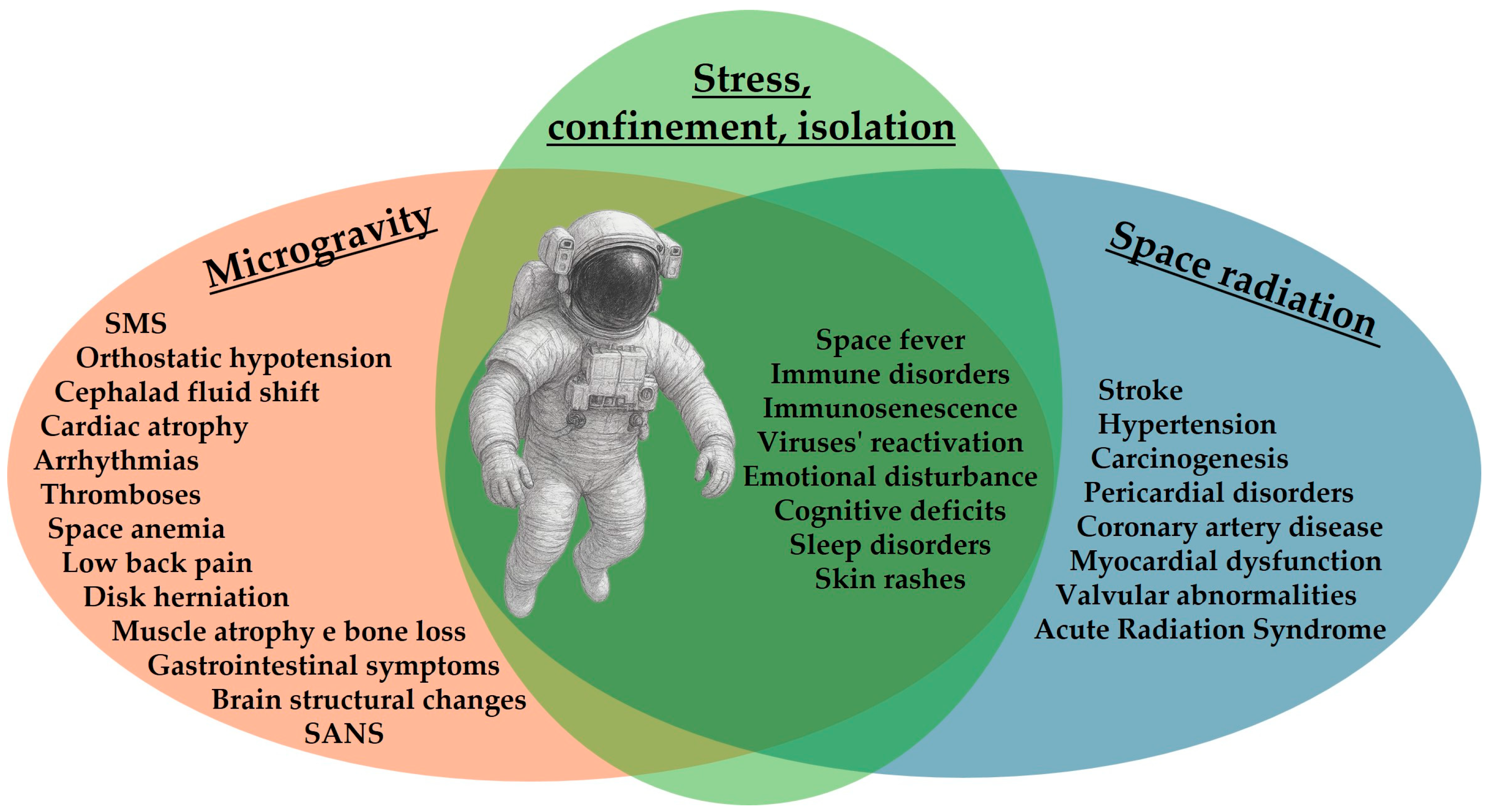
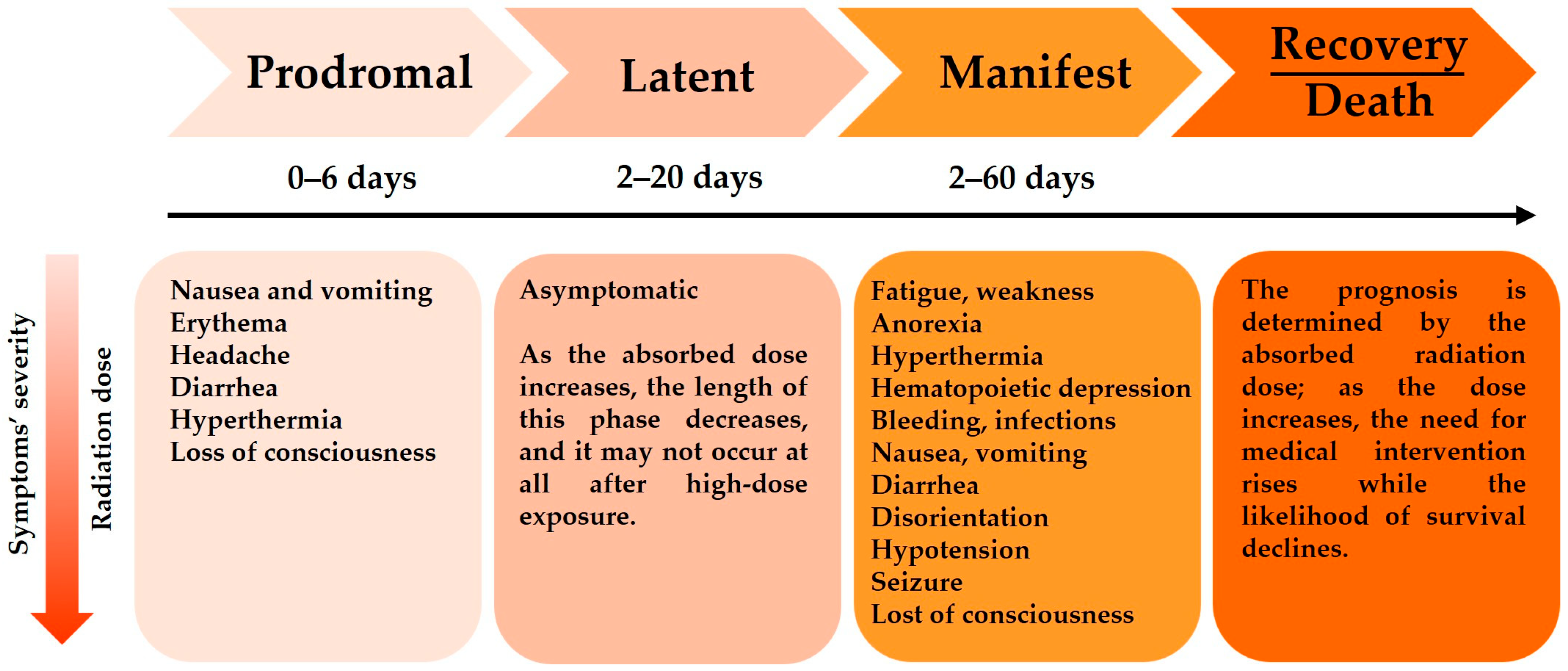


| Category | API (Active Pharmaceutical Ingredients) | Main Uses in Space |
|---|---|---|
| Motion sickness | Scopolamine; Promethazine; Meclizine; Dimenhydrinate | Prevention and treatment of space motion sickness (nausea, vomiting, dizziness) due to adaptation to microgravity |
| Pain management | Acetaminophen (Paracetamol); Ibuprofen; Aspirin; Tramadol; Oxycodone | Relief of muscle pain, headache, joint or exercise-related pain, and minor acute or chronic pain |
| Sleep aids/Alertness | Zolpidem; Melatonin; Diphenhydramine; Modafinil; Caffeine | Regulation of disturbed circadian rhythms; sleep promotion; alertness maintenance during long shifts or after disrupted sleep |
| Respiratory/allergy | Loratadine; Cetirizine; Pseudoephedrine; Fluticasone; Albuterol (Salbutamol) | Management of allergies, nasal congestion, respiratory irritation, and cough in the closed spacecraft environment |
| Gastrointestinal | Omeprazole; Ranitidine; Loperamide; Ondansetron; Metoclopramide | Treatment of nausea, reflux, diarrhea, constipation, and other digestive disturbances linked to microgravity and space diet |
| Anti-infectives | Amoxicillin; Ciprofloxacin; Azithromycin; Mupirocin; Clotrimazole | Prevention and treatment of bacterial, skin, or urinary infections during space missions |
| Anti-inflammatory/Hormonal | Prednisone; Hydrocortisone; Dexamethasone; Naproxen | Management of acute inflammation, allergic reactions, edema; modulation of the immune response in-flight |
| Chronic conditions | Levothyroxine; Insulin; Amlodipine; Metoprolol; Sertraline | Management of preexisting chronic conditions (hypertension, diabetes, hypothyroidism, anxiety/depression) during long-duration missions |
Disclaimer/Publisher’s Note: The statements, opinions and data contained in all publications are solely those of the individual author(s) and contributor(s) and not of MDPI and/or the editor(s). MDPI and/or the editor(s) disclaim responsibility for any injury to people or property resulting from any ideas, methods, instructions or products referred to in the content. |
© 2026 by the authors. Licensee MDPI, Basel, Switzerland. This article is an open access article distributed under the terms and conditions of the Creative Commons Attribution (CC BY) license.
Share and Cite
Pettinau, F.; Orrù, A. Medicinal Plants in the Space Exploration Era: Opportunities and Challenges for Mitigating Spaceflight-Induced Health Hazards. Appl. Sci. 2026, 16, 1860. https://doi.org/10.3390/app16041860
Pettinau F, Orrù A. Medicinal Plants in the Space Exploration Era: Opportunities and Challenges for Mitigating Spaceflight-Induced Health Hazards. Applied Sciences. 2026; 16(4):1860. https://doi.org/10.3390/app16041860
Chicago/Turabian StylePettinau, Francesca, and Alessandro Orrù. 2026. "Medicinal Plants in the Space Exploration Era: Opportunities and Challenges for Mitigating Spaceflight-Induced Health Hazards" Applied Sciences 16, no. 4: 1860. https://doi.org/10.3390/app16041860
APA StylePettinau, F., & Orrù, A. (2026). Medicinal Plants in the Space Exploration Era: Opportunities and Challenges for Mitigating Spaceflight-Induced Health Hazards. Applied Sciences, 16(4), 1860. https://doi.org/10.3390/app16041860