Article

Foggy Ship Detection with Multi-Scale Feature and Attention Fusion

1
School of Computer Science and Engineering, Wuhan Institute of Technology, Wuhan 430205, China
2
Hubei Key Laboratory of Intelligent Robot, Wuhan Institute of Technology, Wuhan 430205, China
*
Author to whom correspondence should be addressed.
Appl. Sci. 2026, 16(3), 1475; https://doi.org/10.3390/app16031475
Submission received: 5 January 2026 / Revised: 28 January 2026 / Accepted: 29 January 2026 / Published: 1 February 2026
(This article belongs to the Section Computing and Artificial Intelligence)

Abstract

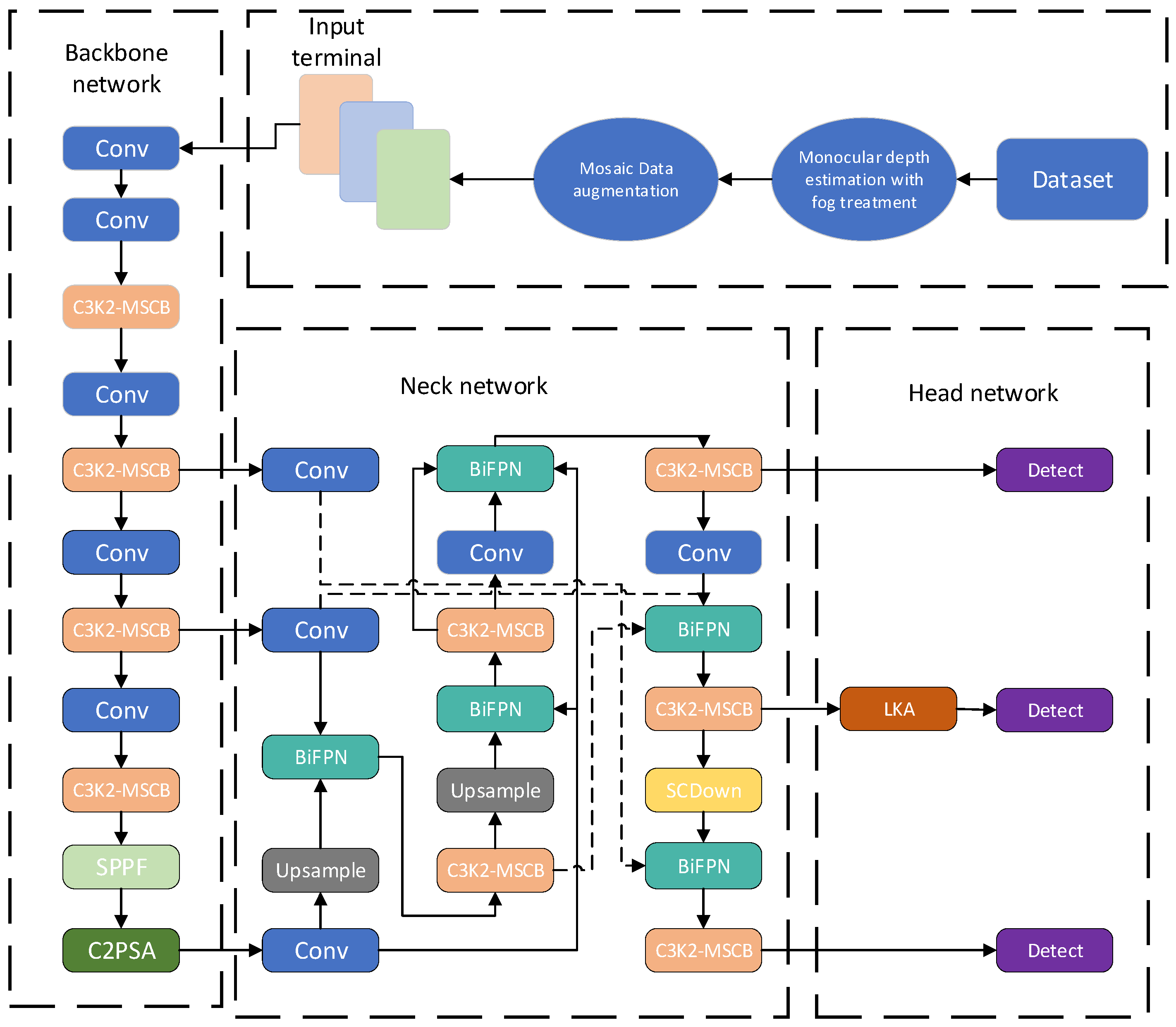
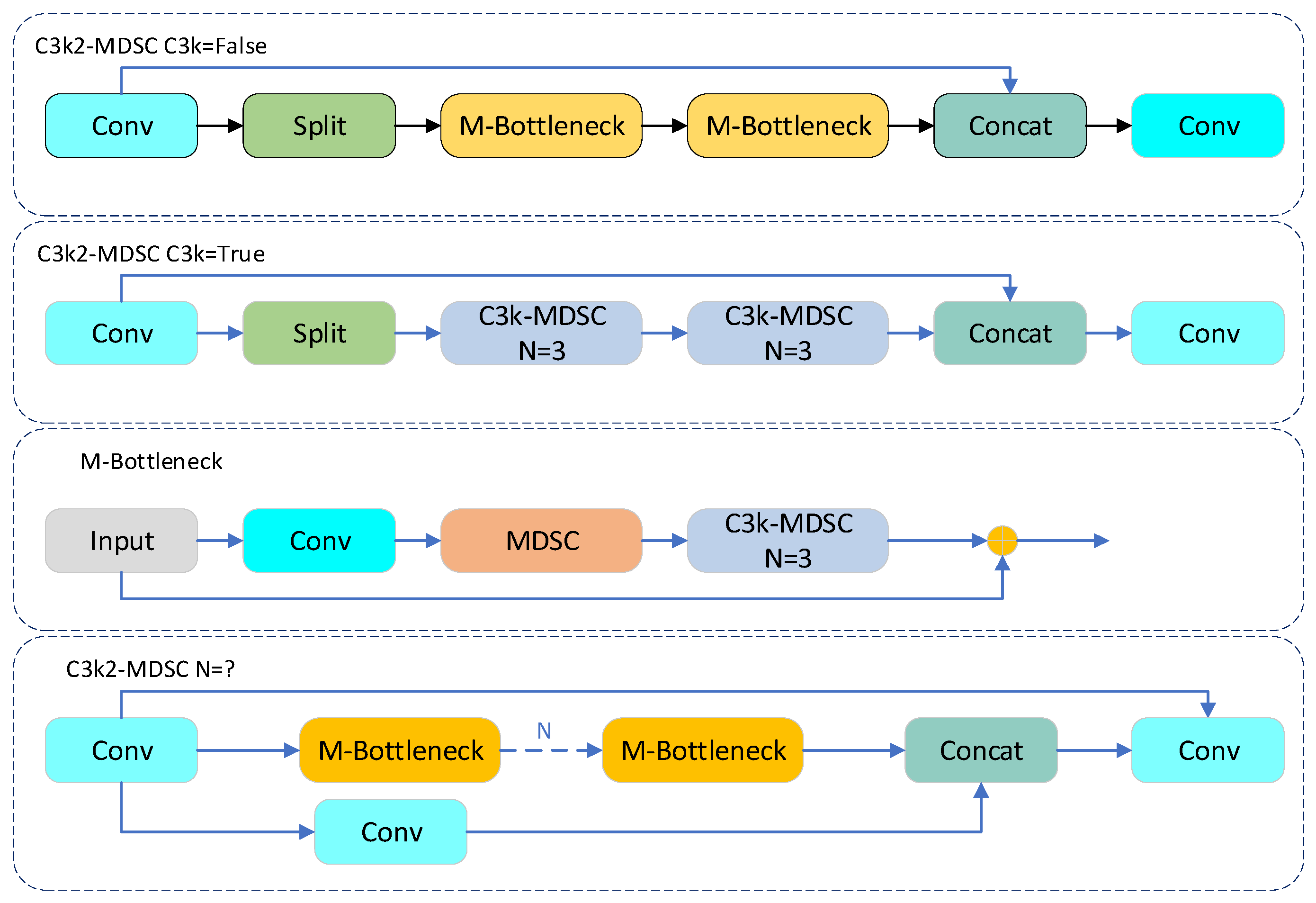
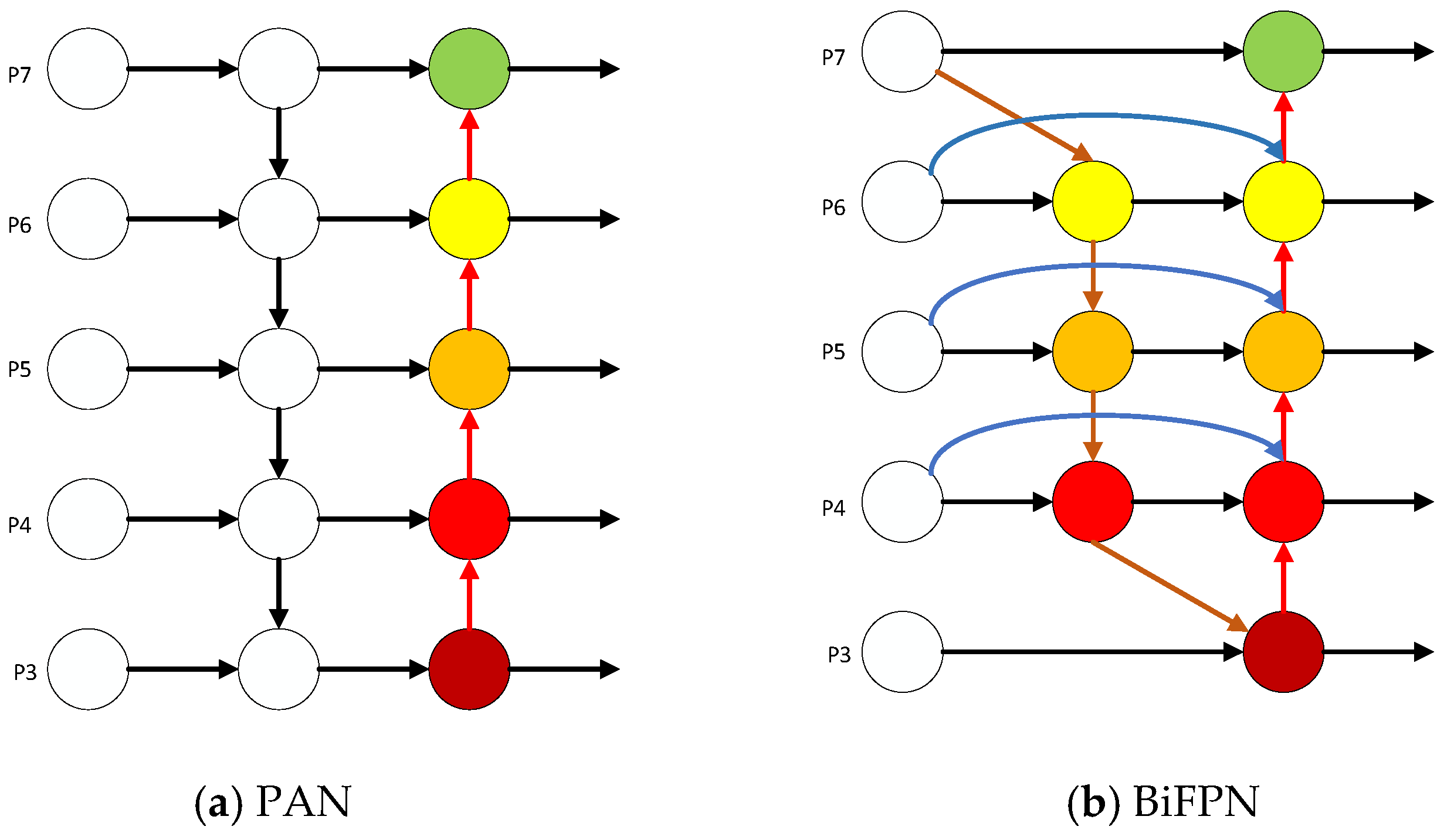
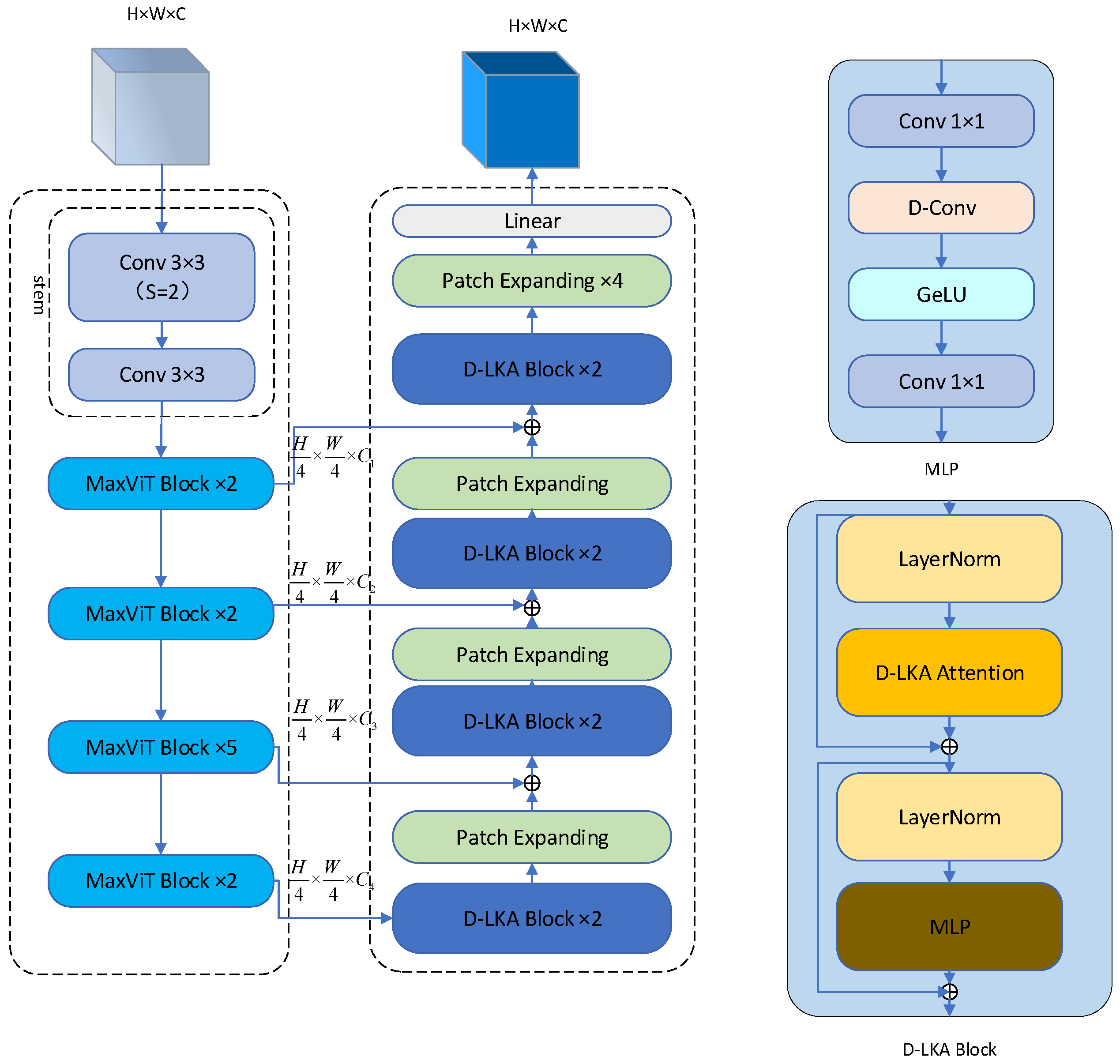
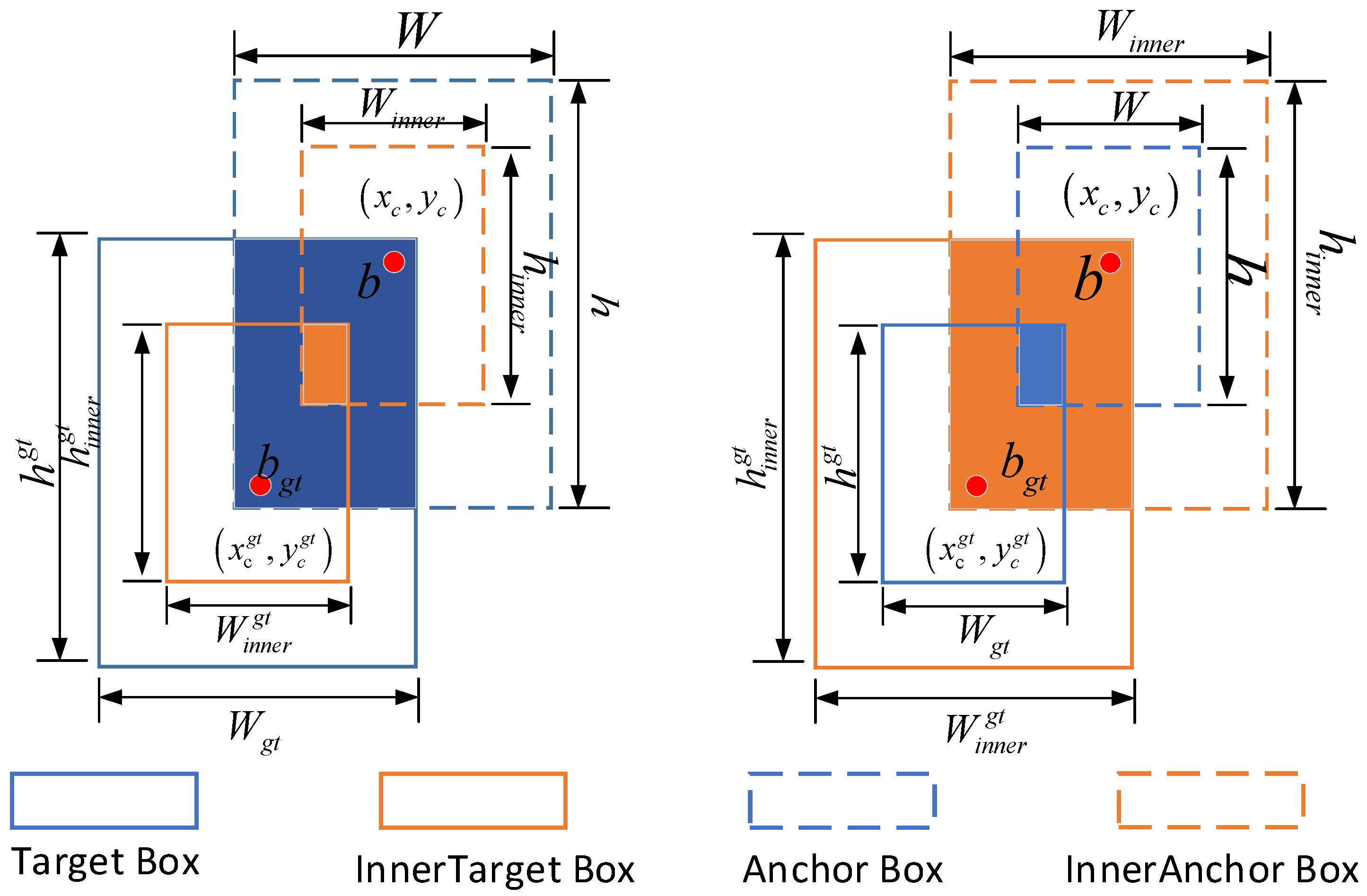
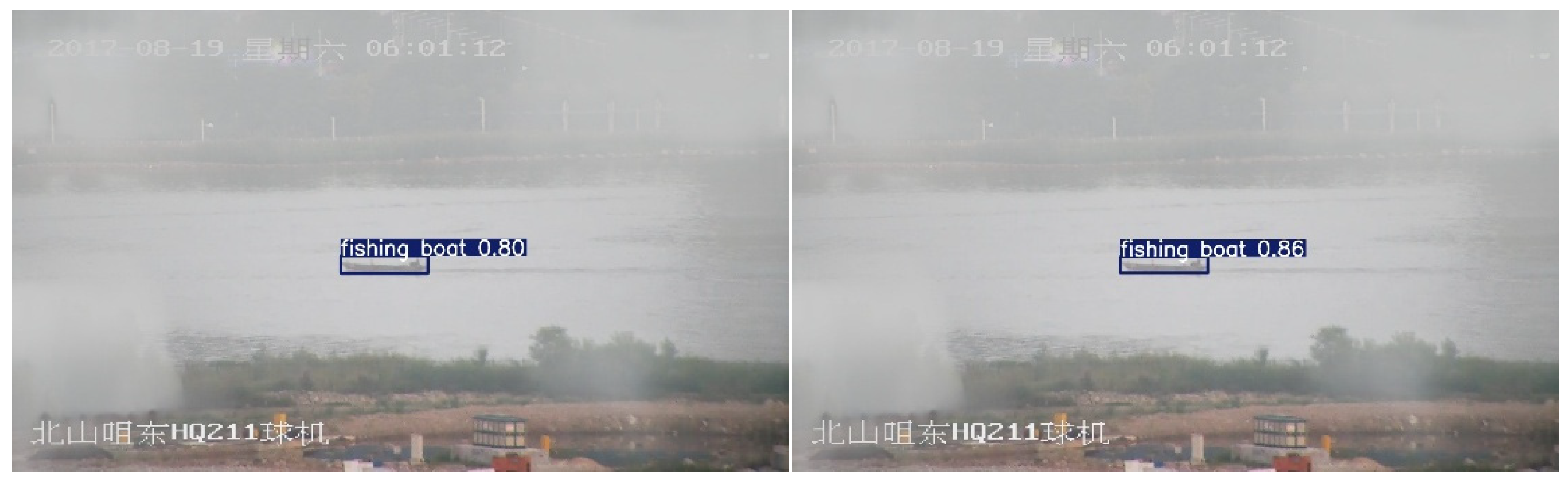
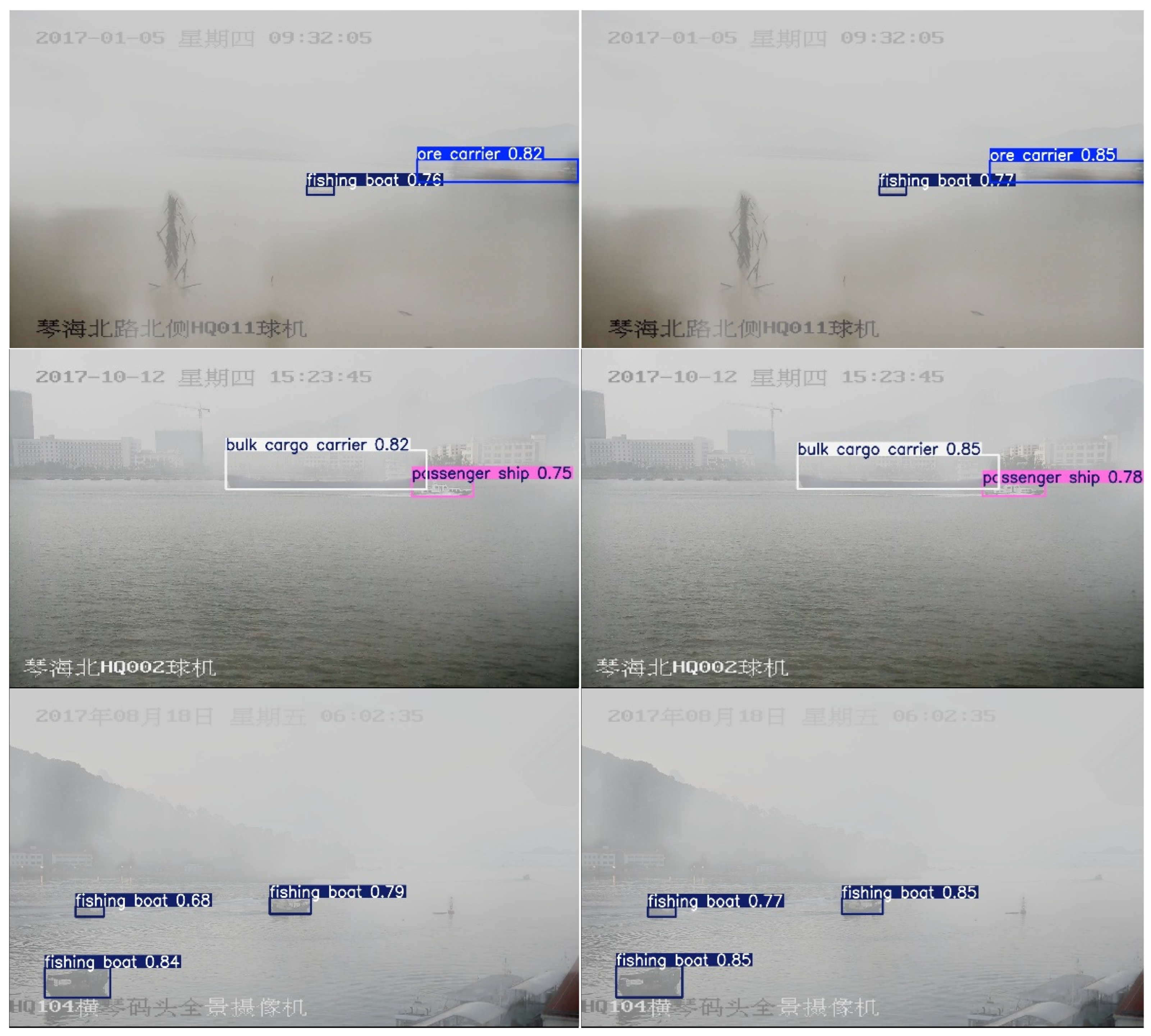
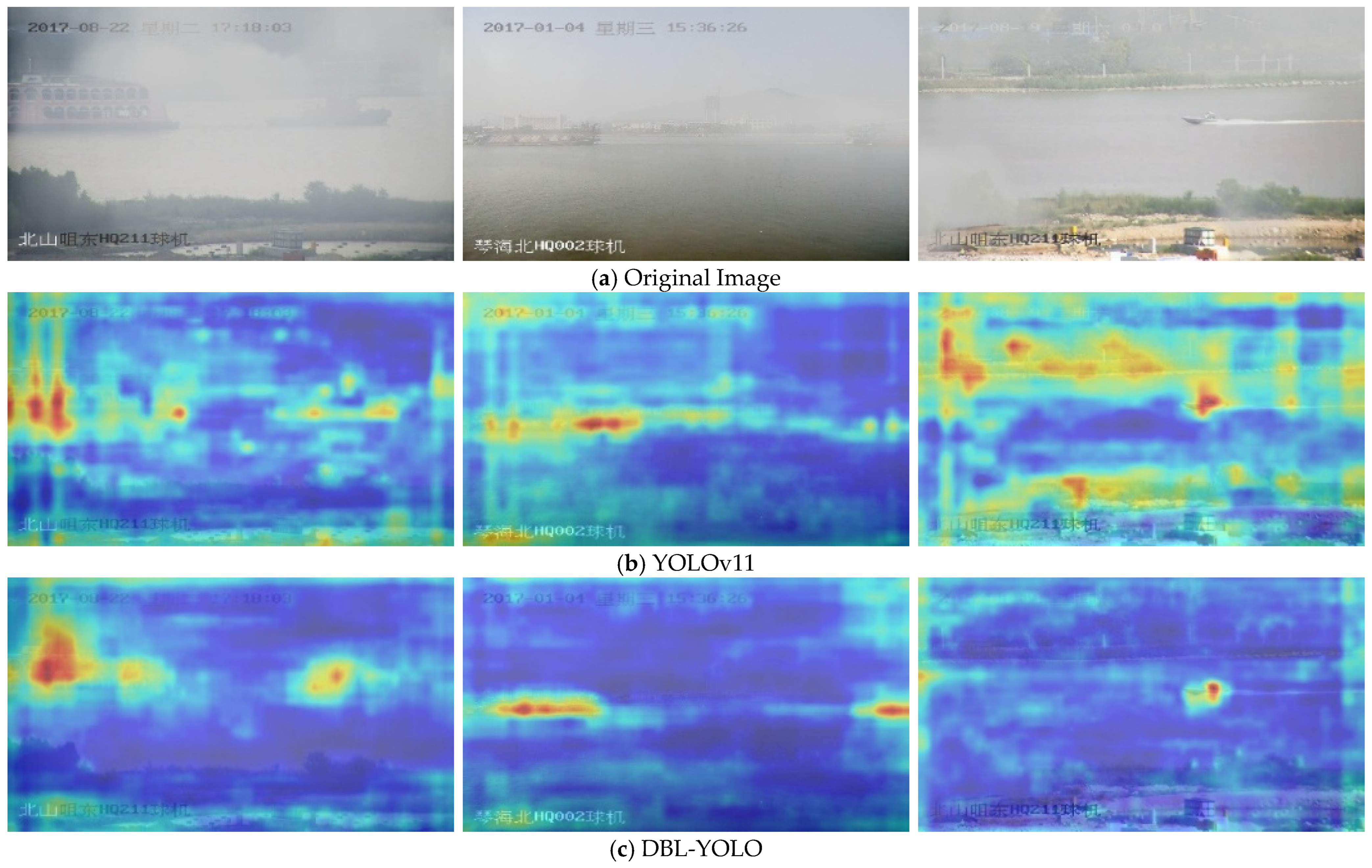
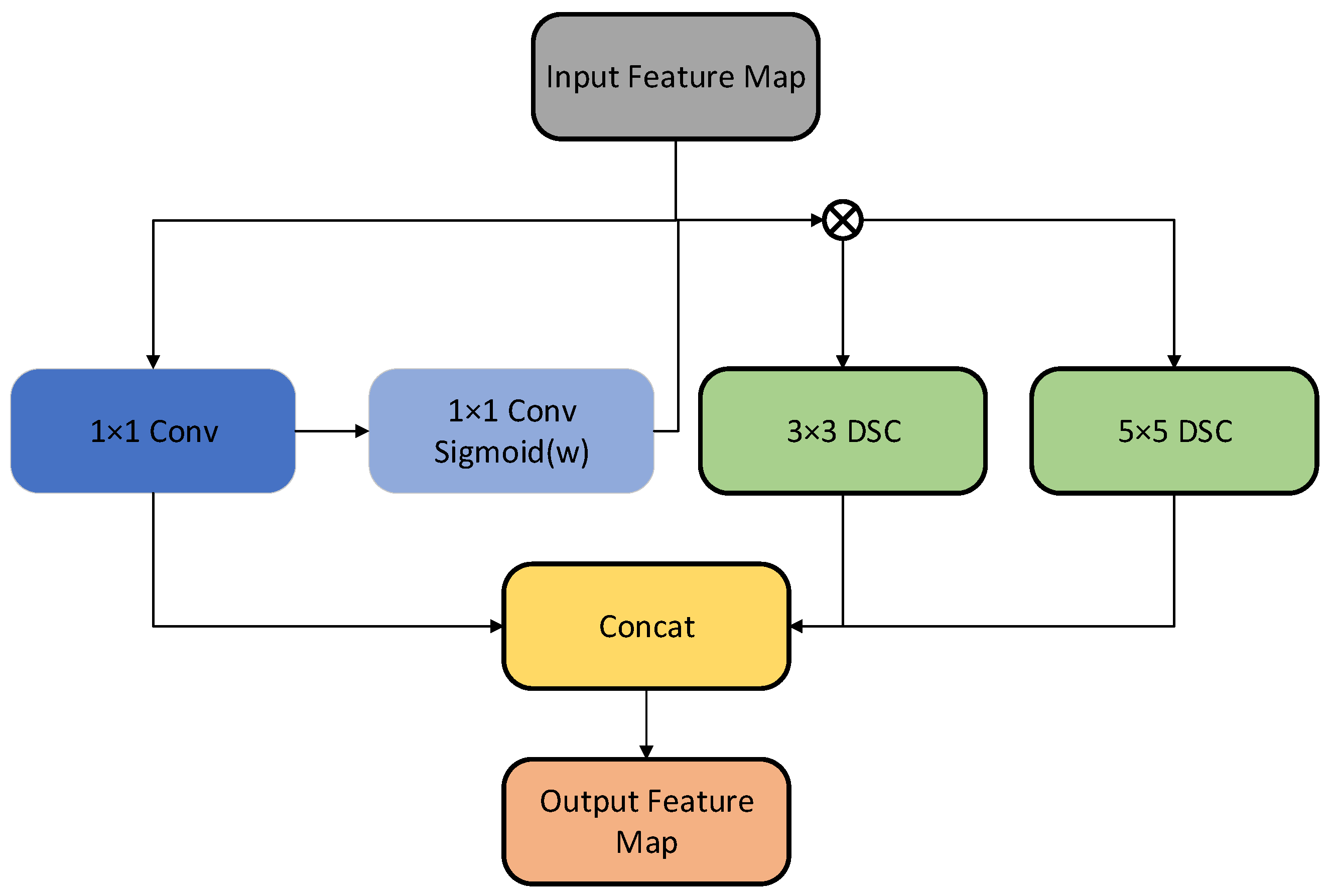
To address the problem of insufficient detection accuracy, high false negative rate of small targets, and large positioning errors of ships in complex marine environments and foggy conditions, an improved DBL-YOLO method based on YOLOv11 is proposed. This method customizes and optimizes modules according to the characteristics of foggy scenes—the C3k2-MDSC module is designed to efficiently extract and fuse multi-scale spatial features, and a dynamic weight allocation mechanism is adopted to balance the contributions of features at different scales in the foggy and blurred environment; a lightweight BiFPN structure is introduced to enhance the efficiency of cross-scale feature transmission and solve the problem of feature attenuation in foggy conditions; a novel fusion of the Deformable-LKA attention mechanism is innovated, which combines a large receptive field and spatial adaptive adjustment capabilities to focus on the key contour features of blurred ships in foggy conditions; an Inner-SIoU regression loss function is proposed, which optimizes the positioning accuracy of dense and small targets through an auxiliary bounding box dynamic scaling strategy. Experimental results show that in foggy scenes, the recall rate is increased by 3.4%, the F1 score is increased by 1%, and mAP@0.5 and mAP@0.5:0.95 are increased by 1.4% and 3.1%, respectively. The final average precision reaches 98.6%, demonstrating excellent detection accuracy and robustness.
Keywords: foggy scenes; ship detection; feature fusion; target detection; attention mechanism foggy scenes; ship detection; feature fusion; target detection; attention mechanism