Article

DropSense: A Novel Imaging Software for the Analysis of Spray Parameters on Water-Sensitive Papers


by
Ömer Barış Özlüoymak
1,*,
Medet İtmeç
1 and
Alper Soysal
2
1
Department of Agricultural Machinery and Technologies Engineering, Faculty of Agriculture, Çukurova University, Adana 01330, Türkiye
2
Agricultural Machinery Program, Department of Machinery and Metal Technologies, Vocational School of Ceyhan, Çukurova University, Adana 01330, Türkiye
*
Author to whom correspondence should be addressed.
Appl. Sci. 2026, 16(3), 1197; https://doi.org/10.3390/app16031197
Submission received: 30 December 2025 / Revised: 18 January 2026 / Accepted: 20 January 2026 / Published: 23 January 2026

Abstract

Measuring the spray parameters and providing feedback on the quality of the spraying is critical to ensuring that the spraying material reaches to the appropriate region. A novel software entitled DropSense was developed to determine spray parameters quickly and accurately compared to DepositScan, ImageJ 1.54d and Image-Pro 10 software. Water-sensitive papers (WSP) were used to determine spray parameters such as deposit coverage, total deposits counted, DV10, DV50, DV90, density, deposit area and relative span values. Upon execution of the developed software, these parameters were displayed on the computer screen and then saved in an Excel spreadsheet file at the end of the image analysis. A conveyor belt system with three different belt speeds (4, 5 and 6 km h−1) and four nozzle types (AI11002, TXR8002, XR11002, TTJ6011002) were used for carrying out the spray experiments. The novel software was developed in the LabVIEW programming language. Compared WSP image results related to the mentioned spray parameters were statistically evaluated. The results showed that the DropSense software had superior speed and ease of use in comparison to the other software for the image analysis of WSPs. The novel software showed mostly similar or more reliable performance compared to the existing software. The core technical innovation of DropSense lay in its integration of advanced morphological operations, which enable the accurate separation and quantification of overlapping droplet stains on WSPs. In addition, it performed fully automated processing of WSP images and significantly reduced analysis time compared to commonly used WSP image analysis software.

1. Introduction

Spray pattern analysis is essential to achieve sustainable, cost-effective and environmentally responsible agriculture. In modern agriculture, optimizing spray deposition is crucial to ensure that agrochemicals, such as pesticides, herbicides and fertilizers, are applied precisely where needed. Efficient spray deposition maximizes the effectiveness of these chemicals while minimizing waste.
The continued application of pesticides represents the primary method employed to control the use of herbicides, fungicides, and insecticides during crop cultivation. This is due to the cost-effectiveness, efficacy, and expediency of pesticides, which are used with the objective of achieving high productivity and quality [1,2]. However, the incorrect application of this process may result in negative effects on human health and the environment, in addition to economic losses. For a treatment to be effective, it is essential that the applied spraying material reaches the target area with minimal environmental impact [3]. The accurate measurement of the quantity of pesticide applied to the field is of great consequence. The use of excessive amounts of chemicals may result in the residual contamination of food products and the deterioration of the natural environment. Conversely, the insufficient application of these substances may lead to the unprotected cultivation of specific areas within a harvest field, ultimately reducing overall productivity [4,5]. Today, many pesticides and sprayers require specific information on crop spray quality, such as the amount of spray deposited on the target, droplet size spectra, and target coverage uniformity [1]. Although various analytical and measurement techniques have been used to assess droplet deposition parameters, the paper stain method is still an important and useful method for rapid assessment of spray coverage using water-sensitive paper (WSP). WSP is an artificial target placed in the area of interest that has been treated with bromoethyl blue, which turns blue in the presence of water. WSP is a valuable tool for droplet deposition, and its use is widely accepted by growers and applicators as a means of selecting optimal application parameters and technologies [2,6,7].
The existing literature contains numerous discussions of various spot size measurement systems and methods, which provide valuable information about the quality of spray coverage. While some of the imaging software developed in the literature are windows-based, some of them have been developed as smartphone applications. Wolf [8] used DropletScan software to analyze spray droplets collected on water-sensitive paper using a flatbed scanner. Spray droplet characteristics collected from the infield and downwind conditions were effectively measured using the mentioned software. Zhu et al. [5] developed an easy-to-use and small portable device for rapid assessment of spray deposit distribution and coverage area on deposit collectors, such as water-sensitive paper and Kromekote cards. While failing to solve the overlapping problem on water-sensitive paper or other collectors was the software’s greatest handicap, problems based on pixel limitations also decreased the accuracy of the developed software entitled DepositScan. Ferguson et al. [7] developed a freely available smartphone application, namely SnapCard, which serves as an extension tool for in-field analysis of spray collectors. It was compared with the imaging software DropletScan, Swath Kit, DepositScan, ImageJ, and Drop Vision-Ag; similar coverage means were found for two artificial collector types. Machado et al. [9] developed a smartphone application, called DropLeaf, to measure the pesticide coverage using water-sensitive papers. The DropLeaf software was compared with the DepositScan software and a stereoscopic microscope provided in the work of Zhu et al. [5] to quantify pesticide application in crops. Özlüoymak and Bolat [10] developed Vision Acquisition Software (VAS) embedded with a watershed algorithm, which was used to more accurately detect overlapping droplets on WSPs. In comparison with the other image processing software, this software provided both better accuracy and more data on spray parameters. A tool that functions as a smartphone-based mobile application, called DropLeaf—Spraying Meter, was developed by Brandoli et al. [4]. It was compared to the other smartphone applications such as DropLeaf, SnapCard, and DropCard with DropScope for measuring spraying coverage. Although the watershed algorithm was used to segment the overlapping stains in this smartphone application, few results were reported on its accuracy and efficiency. Xun and Gil [2] developed a novel method for analyzing WSPs to accurately characterize the deposition pattern of spray applications, and the software developed was validated using samples from five spray applications at three growth stages.
Despite the existence of numerous imaging system software and smartphone applications in the literature, there is a clear need for further improvement in both the operability and accuracy of these imaging systems. Sources of measurement error such as fluctuations of the light intensity in time and location of the target spot in the field of view, improper positioning and focusing errors on the desired target, calibration problems of the camera on the smartphone, etc., are some of the problems of the smartphone applications used in imaging analysis of WSPs [11]. It is therefore considered more reliable to analyze WSPs using computer-aided image processing software.
In summary, most systems in the literature fall short of meeting the needs of operators due to their requirements for careful calibration, high sensitivity to lighting and imaging errors, limited ability to resolve overlapping droplets, and restricted output parameters. This study introduces an enhanced analysis software designed to overcome these practical limitations.
The main aim of this study was to develop a novel imaging software using advanced morphology operations such as Danielsson and Watershed transform functions for the analysis of WSPs to obtain and calculate the spray deposition parameters under laboratory conditions. Considering the droplet overlapping, calculating more spraying parameter data and being extremely fast and user-friendly compared to the other software were important novelties in analyzing the spraying parameters on WSPs automatically. The specific objectives were to eliminate and overcome the droplet/stain overlapping problem in the droplet size and spray deposition measurements; to take into account the droplet spread factor; and to speed up the process and provide greater precision and more data in the agrochemical treatments.

2. Materials and Methods

2.1. Materials

As shown in Figure 1, spraying treatments were carried out on a conveyor-based spraying system in the automation laboratory at the Department of Agricultural Machinery and Technologies Engineering at Çukurova University in Adana, Türkiye. The spraying system had a nozzle, a conveyor belt, a variable frequency controller (ABB Oy, Helsinki, Finland, ABB micro drives, ACS155), a 0.37 kW electric motor (GAMAK, İstanbul, Türkiye, AGM714b) with a gear reducer (Yılmaz Redüktör, Ankara, Türkiye, A12-71MNB), and the necessary hardware for pneumatic control. Different conveyor belt speeds were used by changing the motor speed using the inverter drive system to transport the water-sensitive papers on the conveyor belt.
Water-sensitive papers (Syngenta Spraying Systems Inc., Wheaton, IL, USA, 26 × 76 mm) were used as artificial targets. WSP is a rigid paper with a specially coated, yellow surface which will be stained dark blue by aqueous droplets impinging on it. Four spray applications were conducted using tap water at the conveyor belt speeds of 4, 5, and 6 km h−1 with the aid of four nozzles (Teejet Co., Ltd., Springfield, IL, USA, AI11002, TXR8002, XR11002, TTJ6011002), which are commonly used by farmers, integrated into the spray deposition recognition system. Nozzles were operated at 50 cm spraying height and the spraying pressure was 200 kPa for spraying treatments. Flow rates of all nozzles at 200 kPa spraying pressure were determined as 0.65 L min−1. While TXR8002 (fine droplet (F)) and XR11002 (fine droplet (F)) nozzles are usually used for foliar-acting weed control and contact-acting fungicide and insecticide applications, AI11002 (ultra coarse (UC)) and TTJ6011002 (coarse (C)) nozzles are mostly used for systemic and soil-applied herbicide applications. Droplet size classification standard (The American Society of Agricultural and Biological Engineers (ASABE) S572.1) uses eight droplet classification categories such as extremely fine, very fine, fine, medium, coarse, very coarse, extremely coarse, and ultra coarse to measure and interpret the spray quality in agriculture and horticulture. Selected nozzle types used in the spraying treatments could significantly affect the number and diameter of spray droplets due to their atomization mechanisms. In order to obtain WSP samples with different coverage patterns and provide diversity for software comparisons, the study was carried out using four different nozzle types and three different conveyor belt speeds. Thus, the purpose of the developed software was to determine the spray parameters at different deposition levels.
The WSPs were scanned by using a scanner (Seiko Epson Co., Nagano, Japan, Epson, WF-2520) at 600 dpi resolution. An image processing software was developed in LabVIEW 2015 software (National Instruments Corporation, Austin, TX, USA), which is a graphical programming environment for the development of test systems. Its key features include an intuitive approach to programming, connectivity to any instrument, and fully integrated user interfaces, for the water-sensitive papers to be analyzed. The development of the image processing software and the analysis of the WSP images were carried out using a laptop computer (Acer Inc., New Taipei City, Taiwan, Aspire, 4830TG) equipped with an Intel Core i5 processor, 8 GB RAM, and running a Windows operating system. Results obtained by using developed software—namely DropSense—were evaluated and compared with the DepositScan [5], ImageJ [12], and Image-Pro Version 10.0.15 (Media Cybernetics, Rockville, MD, USA) software. The mentioned software could be downloaded from;
ImageJ: https://imagej.net/ij/ (accessed on 18 January 2026); DepositScan: https://www.ars.usda.gov/research/software/download/?softwareid=247 (accessed on 18 January 2026); Image-Pro: https://my.mediacy.com/support/updates?_gl=1*w5cecr*_gcl_au*OTYzNzQ1MDgzLjE3MjA2OTY1NzM (accessed on 18 January 2026).

2.2. Methods

2.2.1. Digitizing of the WSPs

WSPs used as artificial targets were evaluated following the spraying process and digitized with a resolution of 600 dpi using a scanner in order to enable the implementation of automatic image processing. As mentioned in the literature, the most suitable scanning resolution for water-sensitive papers was also found to be 600 dpi [1,13].

2.2.2. Image Processing Software

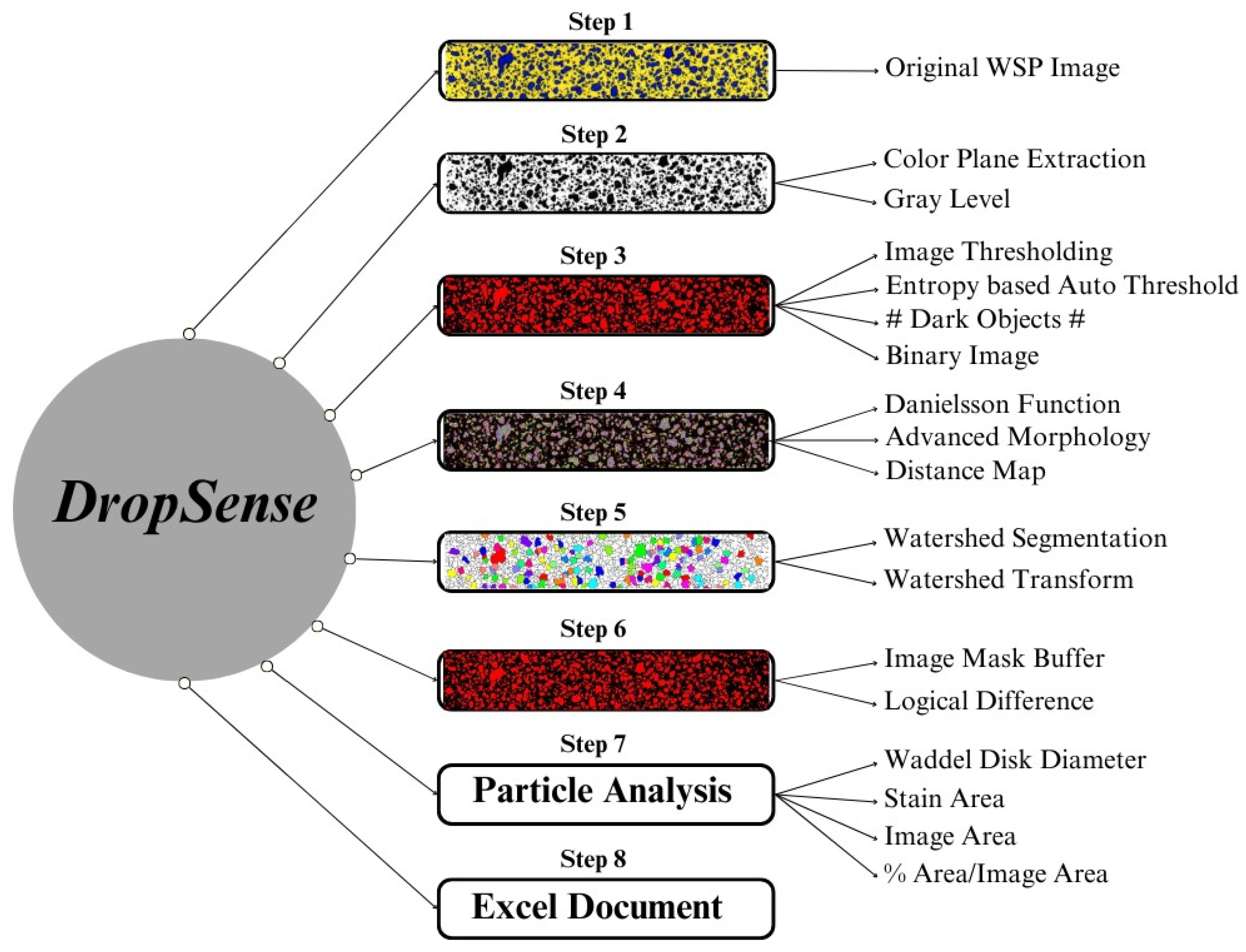
The developed image processing software, which was the main part of the DropSense software, was used for the purpose of determining the physical characteristics of the droplets. Image processing steps of the DropSense software to analyze the WSPs are given in Figure 2.
As shown in Figure 2, DropSense used an eight-step image processing pipeline designed to extract spray characteristics from WSPs. First, the original WSP image was converted into a grayscale color plane. An adaptive thresholding algorithm was then applied to separate droplet stains from the background, generating a binary image. Subsequently, the Danielsson function and advanced morphological operations were used to generate a distance map representing the spatial distribution of the stains. Using the watershed transform, overlapping droplets were segmented and identified as individual particles. Finally, image masking and logical difference operations were performed to define droplet boundaries. In the last stage, the software calculated key spray parameters and exported the results into an Excel spreadsheet file.
Following the scanning and digitizing process of the WSP images, the scanned image files were saved into the corresponding folders. In order to obtain a grayscale image from an RGB three-channel color image, a process of red plane extraction was conducted. In order to generate the binary image, spray droplets on the yellow WSPs were detected on the grayscale WSP images using an entropy-based approach to image thresholding, which selects an optimal threshold by identifying the pixel intensity from the image histogram that has the maximum entropy over the entire image.
The segmented image was given by:
g x , y = 1             i f   f x , y > T 0             i f   f ( x , y ) T
in which g(x,y) is the processed image, f(x,y) is the pixel value of the image in the xth column and yth row, and T is the chosen threshold value [14].
Unlike commonly used approaches such as Otsu thresholding, which assumes a bimodal histogram, the entropy-based method is more robust under non-uniform illumination and complex grayscale distributions. Therefore, the entropy-based thresholding method was preferred to make the droplet segmentation more stable and accurate prior to morphological processing.
As is known, failure to detect overlap leads to the false conclusion that an object is the result of a single, coarser droplet rather than multiple finer droplets.
In order to segment touching or overlapping droplets from each other and from the background, morphological segmentation process was used. A distance map based on the Danielsson function was constructed for the purpose of transforming the binary image into a grayscale distance map. Danielsson’s algorithm, which is effective for calculating the distance between two pixels in an image, was used to compute the Euclidean distance functions [15].
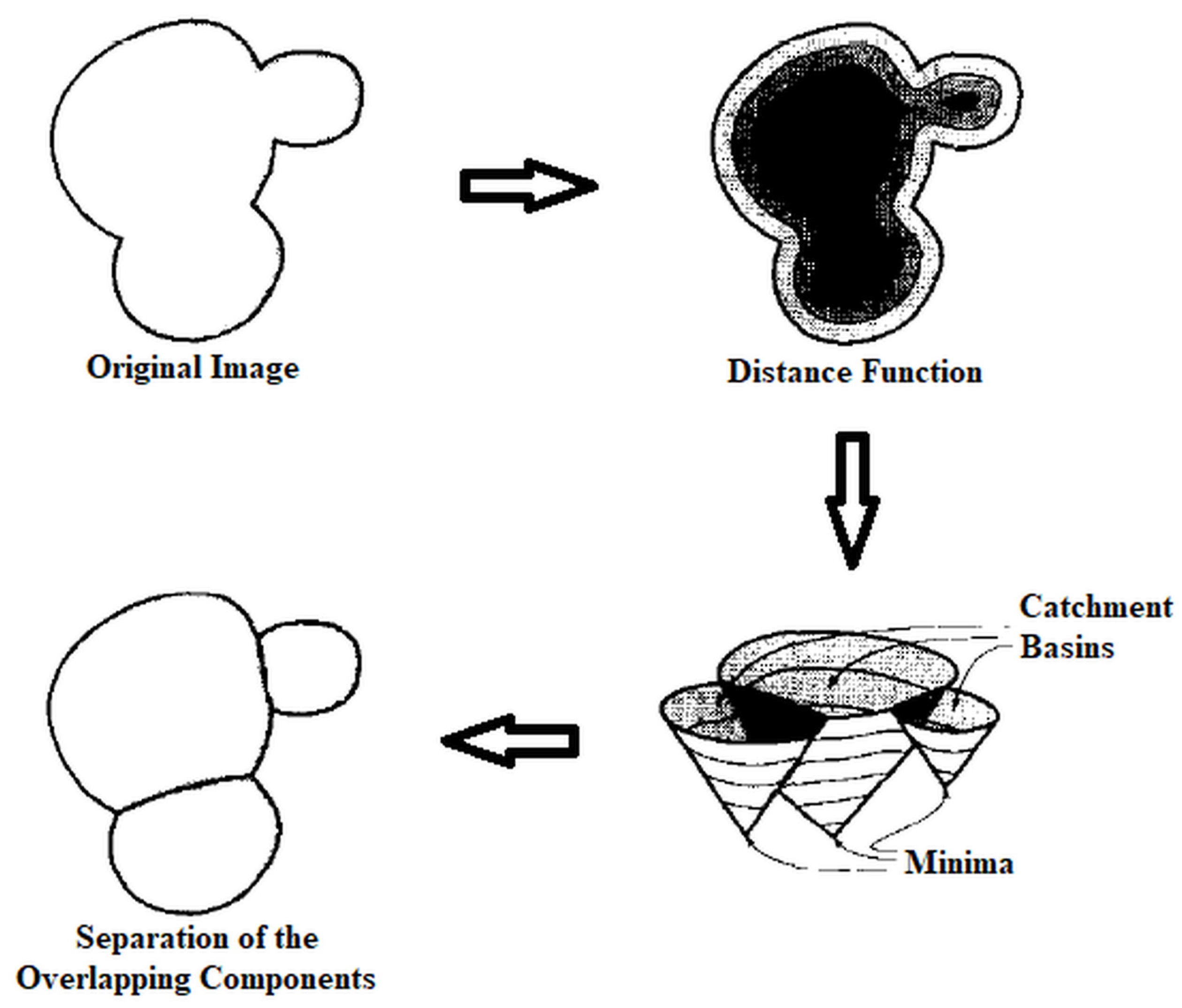
The watershed transformation as a morphological tool is very effective in image segmentation and contour detection. Vincent and Soille’s algorithm was used in the image processing of WSPs as a watershed transform function, which comes down to the separation of the partially overlapping objects. The binary segmentation process by using watersheds is given in Figure 3. This segmentation comes down to the extraction of the contours of the desired objects [16].
In the DropSense algorithm, watershed segmentation was applied after entropy-based thresholding and distance-map generation to reduce the risk of over-segmentation. Furthermore, morphological operations were used to remove small artifacts that do not represent true droplet stains. The robustness of the proposed method was validated through comparative analyses under high droplet density conditions, where consistent and stable droplet counts were obtained.
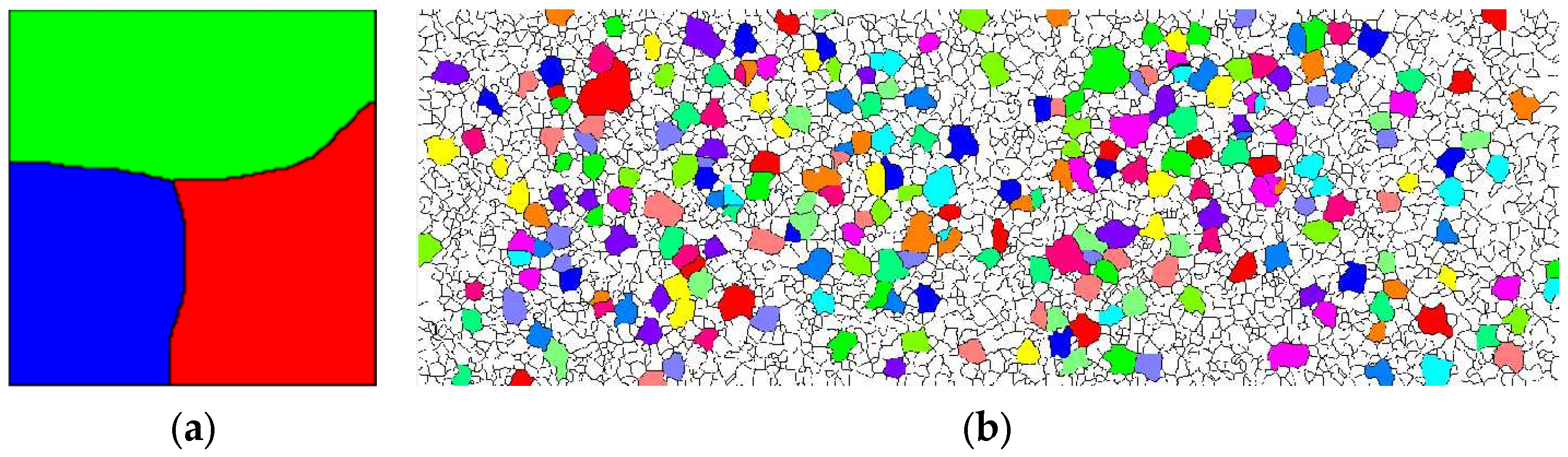
Figure 4a illustrates the watershed transform image subsequent to the completion of the segmentation process. While the water from each catchment basin is represented by a different pixel value, the black lines represent the watershed lines [17]. The transformed image using the watershed function of a WSP image to separate the overlapped stains and provide more accurate number of droplets is given in Figure 4b. The watershed algorithm erodes the droplets until they disappear, then dilates them again such that they do not touch.
The erosion process, which removes tiny artifacts that may not actually represent stains, removes pixels from the outer (and occasionally inner) boundaries of an object, whereas the dilation process, which enlarges tiny objects, fills in any interior holes and can cause objects to merge, adds pixels to the boundary of an object. In general, these two operations have been used sequentially in many image processing applications.
Once the image processing algorithm was completed, the image was subjected to a further stage of processing whereby the image mask was used to superimpose the watershed lines. Finally, the spray deposition parameters such as Wadell disk diameter, stain area, image area, and %Area/Image Area data were derived through particle analysis of the image and documented in an Excel spreadsheet file with the calculated data as mentioned below.

2.2.3. Calculation of Predicted Stain Size Values

In the initial definition of the term, Wadell [18] outlined the concept of particle roundness, which has since become a widely used method for estimating the roundness of objects. Additionally, this method is known to be more accurate than other techniques [19]. The terminology employed in spray deposit analysis, including terms such as “sphericity” and “roundness,” is dependent upon the context in which it is used. Wadell [18] stated that while sphericity is essentially a three-dimensional conception, roundness is obtained by measurements in one plane only. Moreover, the roundness value gives a summarized expression for certain detail characteristic of the solid.
As droplets are predominantly spherical in laboratory conditions, they were assumed to produce circular stains on stationary WSPs, although field conditions may lead to shape distortion due to canopy motion and wind [20].
Three types of shape factors, which are aspect ratio, circularity (roundness), and concavity, are commonly used in the image analysis. Irregularity (anisometry and non-smoothness) for convex and non-convex particles can be measured by using the circularity (roundness) [21]. In order to determine the morphological parameters of the speckle patterns to be analyzed, the Wadell disk diameter was used by Andrade-Eraso et al. [22]. The Wadell disk diameter (dw) is defined as the diameter of the disk with the same area as the particle and used to calculate the gas/droplet volume and the dissolution kinetics [23,24].
d w = 2 A π
where dw is the Wadell disk diameter (µm) and A is the stain area (µm2).
The image processing algorithm developed in DropSense in LabVIEW software calculated the Wadell disk diameter of the droplets and assumed that each individual stain area was equal to the individual droplet area on the WSPs. Disk here means the area inside a circle because a circle has no area (it is just the edge), but a disk does. Same formulation was also used in the literature to calculate the pixel area of each droplet stain by many researchers [1,4,5,9,11].
After the determination of total deposits on the WSPs by using the image processing step, counted total deposits, deposits coverage (%), deposits area (cm2) and deposits per cm2 values were calculated. Since the physical dimensions of the WSP were known (26 × 76 mm), the deposits area was calculated by the ratio of the WSP area to the deposits coverage ratio. Deposits per cm2 (coverage density) was also calculated by dividing counted total deposits to the deposits area. After calculating of droplet diameters according to the Wadell disk diameter, droplets were sorted from smallest to largest and grouped in 15 class sizes with constant increments of 100 µm intervals between class sizes. Then, actual droplet size data were calculated by using Spread Factors (SF) from the following equation [5,25,26]. The spread factors on WSPs are very important for accurate droplet sizing. The spread factor was used to calculate sizes of droplets deposited on Syngenta WSPs. There are also alternatives of the spread factors for different collectors which may require recalibration.
d = 0.95 × d w 0.91
where d is actual droplet diameter (µm), dw is spot diameter (µm).
The volumes of droplets were also calculated by using Equation (4) [5]:
V i =   π × d i 6 ,               i = 1 , ,   N
where Vi is the droplet volume, di is the droplet diameter, i is the order of the droplet in the sorted range, and N is the total number of droplets on the WSP.
After the volumetric calculation, cumulative volumetric distribution was determined by using Equations (5) and (6), respectively [5]:
V j =   i = 1 j V i ,               j = 1 , ,   N
% V j = V j V N × 100            
where Vj is the cumulative volume, %Vj is the percentage cumulative volume, j is the sequenced order of the droplets in the sorted range.
The cumulative volumetric distribution graph was created by the developed software and DV10, DV50 and DV90 data were automatically extracted from that graph. DV10 is a value where 10% of the total volume of liquid sprayed is made up of droplets with diameters smaller or equal to this value. DV50 also known as the Volume Median Diameter (VMD), is a value where 50% of the total volume of liquid sprayed is made up of droplets with diameters larger than the median value and 50% smaller than the median value. DV90 is also a value where 90% of the total volume of liquid sprayed is made up of droplets with diameters smaller or equal to this value. Determined DV values were monitored on the screen and saved for corresponding WSP sample. Relative span value was also calculated by using DV10, DV50, and DV90 values as given below [27]:
R e l a t i v e   S p a n = D V 90 D V 10 D V 50
where DV10, DV50, and DV90 are the droplet diameters for 10, 50, and 90% cumulative spray volumes.
Relative span is the parameter that indicates the droplet size uniformity distribution and it is well known that the lower the relative span value, the more homogeneous the spray droplet spectrum.

2.2.4. Droplet Deposition Analysis Software

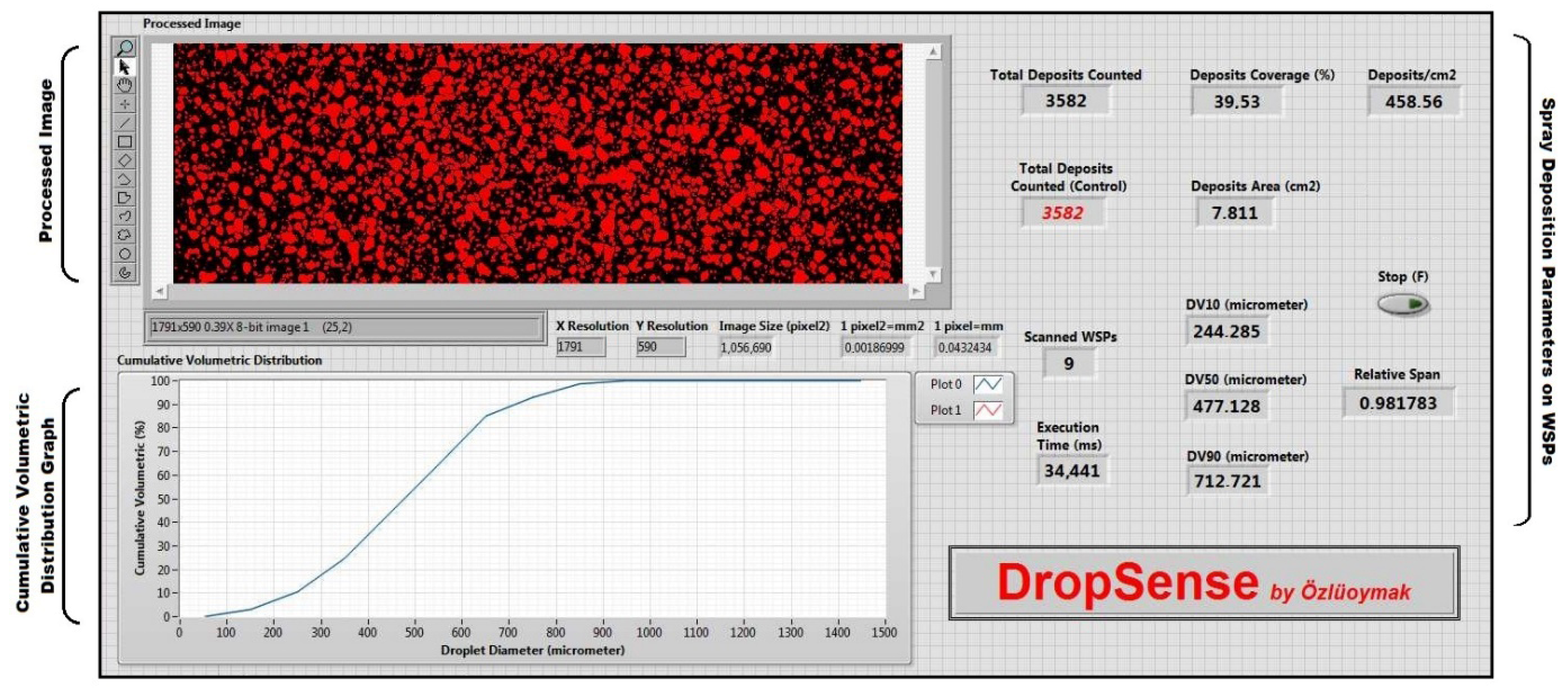
A novel software, entitled DropSense, was developed for the purpose of droplet deposition imaging and analysis. The software was created by using the LabVIEW environment, and it was utilized to determine the spray parameters on WSPs. DropSense user interface developed on LabVIEW software is shown in Figure 5.
As shown in Figure 5, while both the processed image and the cumulative volumetric distribution graphs were located on the left side of the software, the spray parameters such as total deposits counted, deposits coverage (%), deposits area, deposits cm−2, DV10, DV50, DV90, and relative span data on the WSPs were also calculated and displayed on the right side of the software. The resolution of the image was automatically retrieved, and the physical equivalent of the image size and pixel value were automatically calculated. Upon execution of the developed software, the WSP images contained within the specified folder were subjected to a sequential image analysis. The software stopped automatically after the completion of the image processing analysis of all the WSP images in the corresponding folder. Concurrently, the number of WSPs analyzed was automatically given on the screen. Furthermore, the execution time (ms) between the start of the software and its automatic stopping upon the conclusion of the image analysis process was automatically calculated and displayed on the screen. This represented the total time taken for the software to analyze all the image files within the folder. All data displayed in the software user interface was transferred and saved into an Excel spreadsheet file, the file path of which was specified by the user on the computer.

2.2.5. Statistical Analysis Method

IBM SPSS 20 statistical analysis software was used to statistically analyze and evaluate the spray parameters of the WSPs. The one-way analysis of variance (ANOVA) was used for determining any statistically significant differences between the means of two or more independent groups. The Tukey test was used for post hoc analysis when there was a difference between groups as a result of the analysis of variance, and differences in spray parameters were also statistically tested.

3. Results

The main aim of this study was to identify the spray parameters on the WSPs correctly. That is why a novel software was developed for determining the spray parameters using LabVIEW software. The results of the analysis of the developed software were also compared with the results of the DepositScan, ImageJ, and Image-Pro software in order to assess the performance of the developed software.
Before carrying out a comparative analysis of the software, it was first necessary to present a summary of the spray parameters that each software was generally capable of measuring as given in Table 1.
As shown in Table 1, the developed novel imaging software—namely DropSense—was able to calculate the predetermined spray parameters on WSPs for spray deposition analysis. DropSense was the only software capable of providing all key parameters of spray deposition simultaneously within a single analysis framework.

3.1. Operating Times of Software

Spray deposit analysis is a process that requires repetitive operations and can be time consuming. The time taken to analyze the WSPs after the scanning process is expected to be as short as possible and the used software is expected to provide accurate results. After the scanning process, the analyses of WSPs were carried out manually one by one using DepositScan, ImageJ, and Image-Pro 10 software. Unlike other software, following the execution of the software, the DropSense software automatically accessed the pertinent folder, processed the WSP images within the folder in a discrete manner, displayed the results on the screen, and then terminated the program after the analysis of all images was completed. The results displayed on the screen for each WSP in the folder were also saved into an Excel spreadsheet.
The average time required for the software to analyze all the cards in the folders was established and the results are given in Table 2. The folders contained 9 WSP images and the time test was run to determine the average time required to analyze 36 WSP images in four folders (AI, TXR, XR and TTJ folders) and save the results for all software.
The time required for a spray analysis varies considerably between users. The analysis of deposits using the DepositScan software was completed in less than 30 s for a single card with scanning process [5].
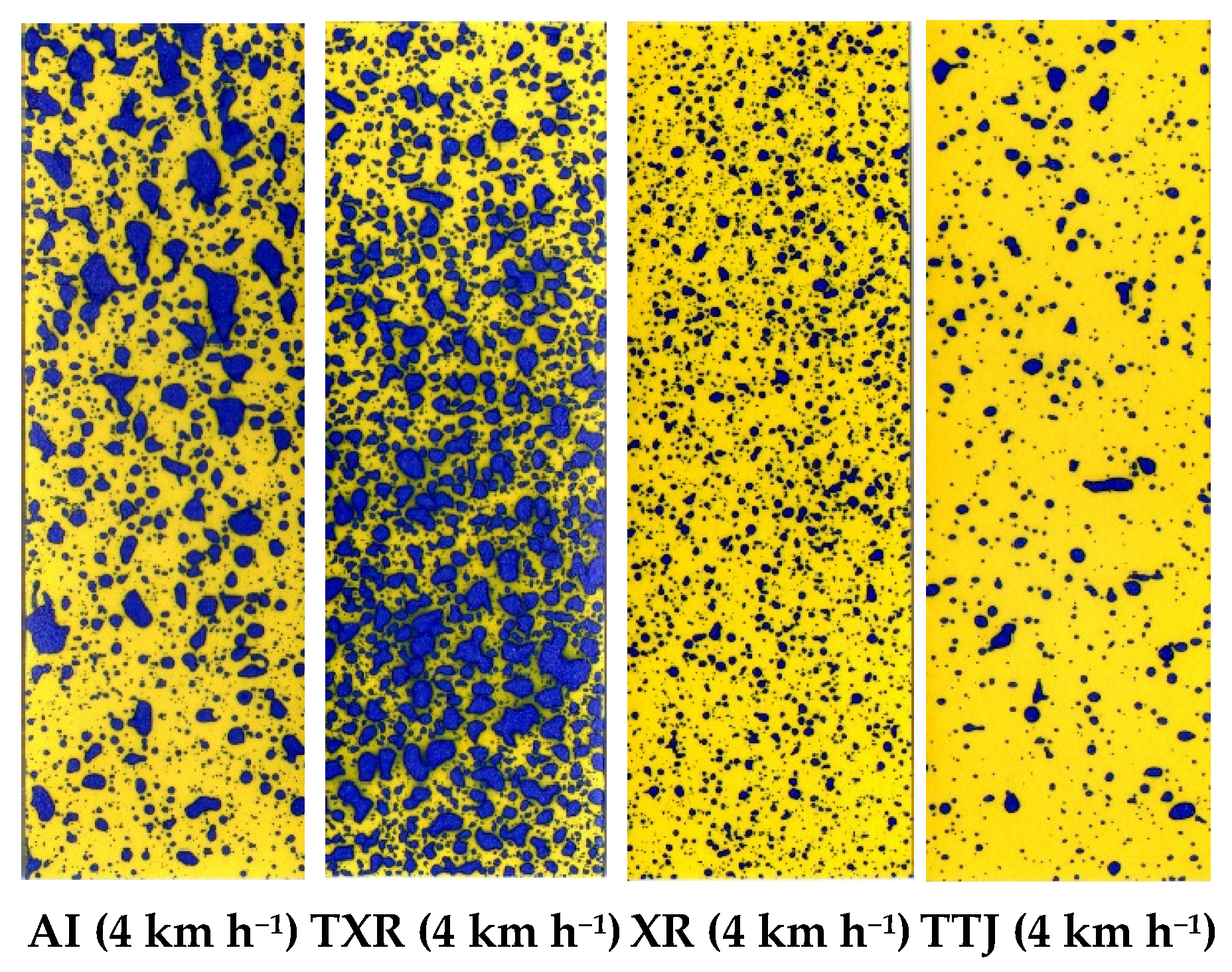
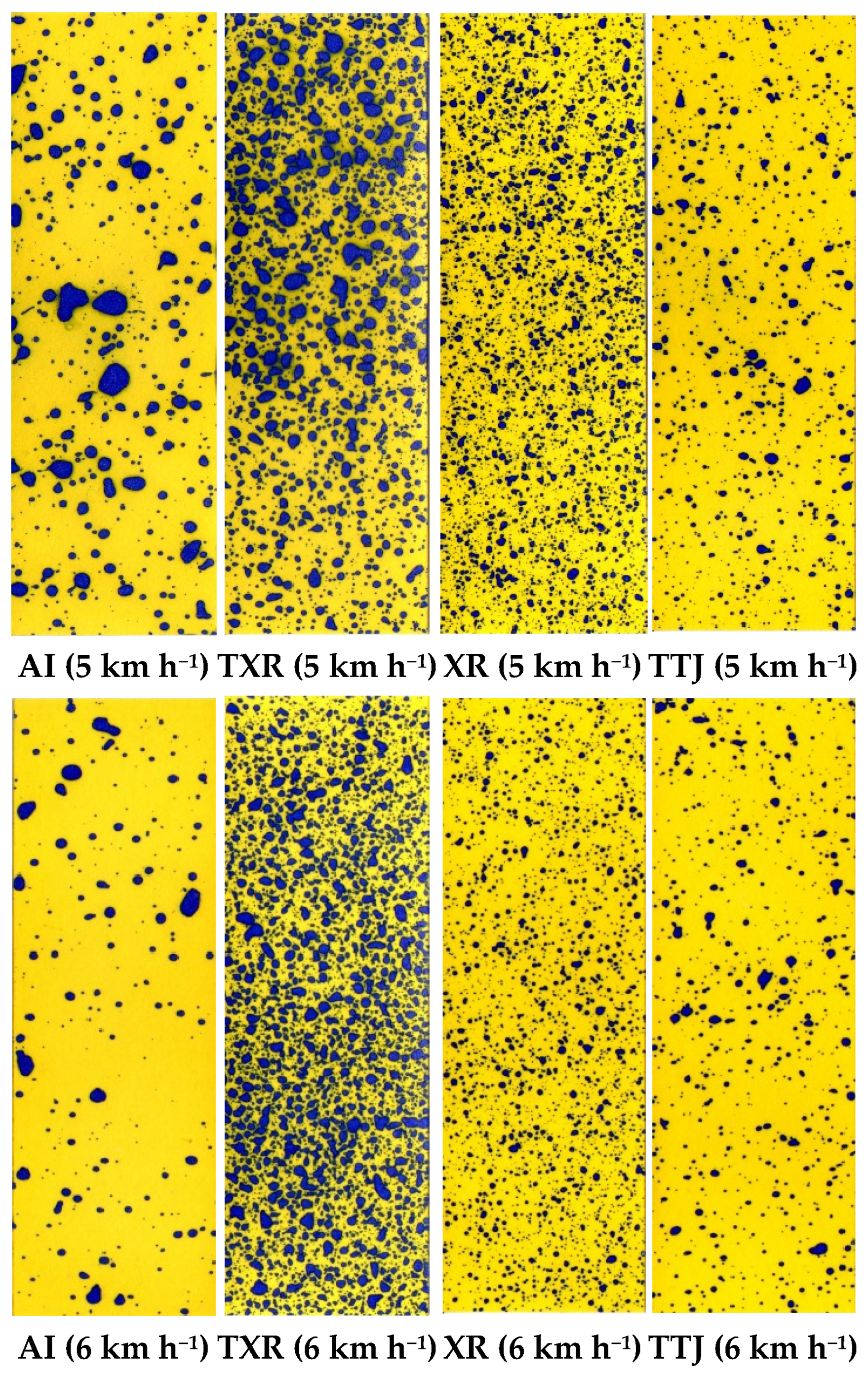
As shown in Table 2, the DropSense software exhibited superior speed and ease of use compared to the other software. The average time experiments were carried out with three repetitions and the same WSPs were analyzed for each software, separately. The software developed—namely DropSense—completed analyses of the WSPs and automatically saved the average results for AI nozzle in 9014 ms (9 WSP images sprayed with AI nozzle), TXR nozzle in 30,300 ms (9 WSP images sprayed with TXR nozzle), XR nozzle in 50,112 ms (9 WSP images sprayed with XR nozzle), and TTJ nozzle in 8575 ms (9 WSP images sprayed with TTJ nozzle), respectively. The TXR and XR nozzles were observed to produce a greater number of droplets at the same spraying pressure and conveyor belt speed when compared to the AI and TTJ nozzles. The reason for the long analysis times of TXR and XR nozzles was the high computational load depending on the number of droplets. Sample images of WSPs at the same spraying pressure (200 kPa) and conveyor belt speeds (4, 5 and 6 km h−1) are shown in Figure 6, respectively.
The software execution times for analyzing the WSP images obtained by spraying with TXR and XR nozzles were greater than the software execution times for analyzing the WSP images obtained by spraying with AI and TTJ nozzles. As shown in Figure 6, the TXR and XR nozzles produced more droplets than the AI and TTJ nozzles at the same spray pressure and conveyor belt speeds. As more droplets required more calculations, the software execution time increased accordingly.

3.2. Between-Software Comparison for Spray Parameter Analysis

A comparative analysis of the spray parameters related to droplets was conducted to evaluate the performance of the developed software in comparison to existing software. As indicated in Table 1, while the spray parameters of deposits coverage and the total number of deposits were determined for all software, the Dv10, Dv50 and Dv90 values were only calculated by the DepositScan and DropSense software. In addition, while the coverage density was determined by using DepositScan, Image-Pro 10 and DropSense software, the deposits area was calculated by Image-Pro 10 and DropSense software. Relative span value was only calculated by the developed DropSense software. Accordingly, all comparisons are conducted in accordance with the established groupings.
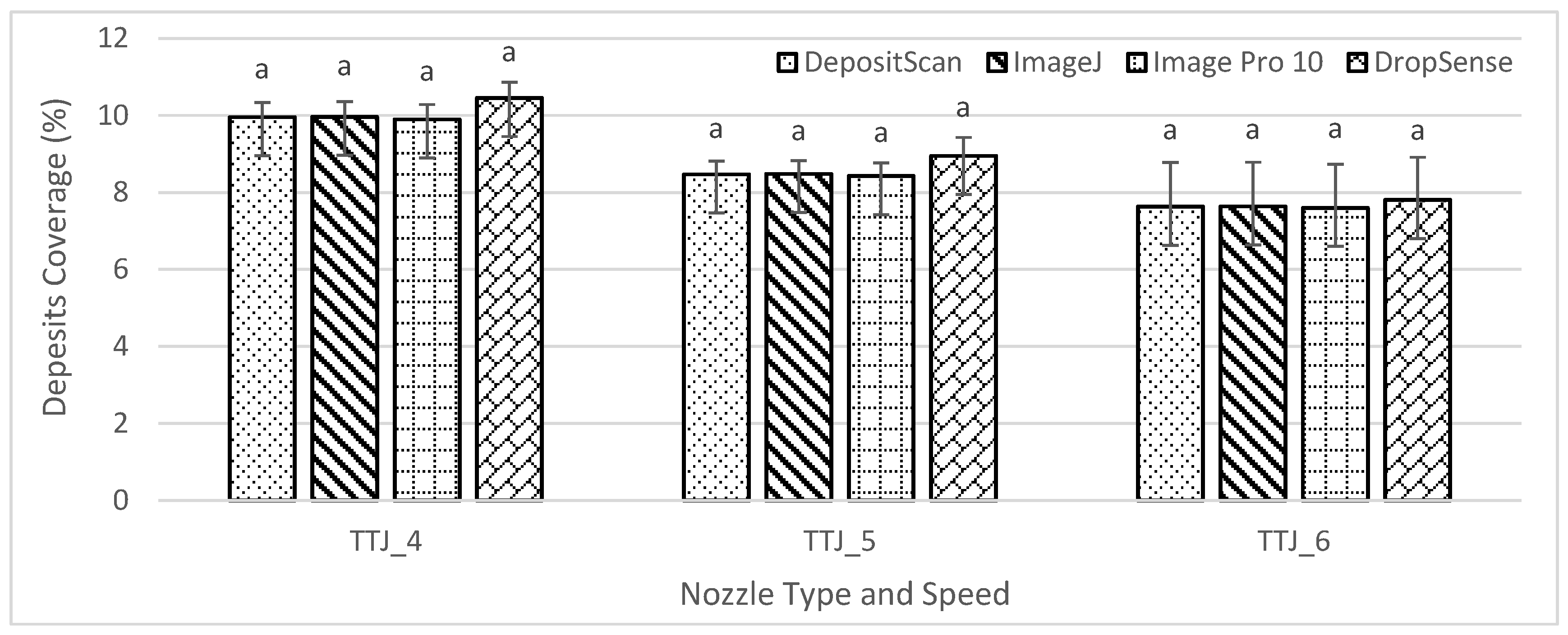
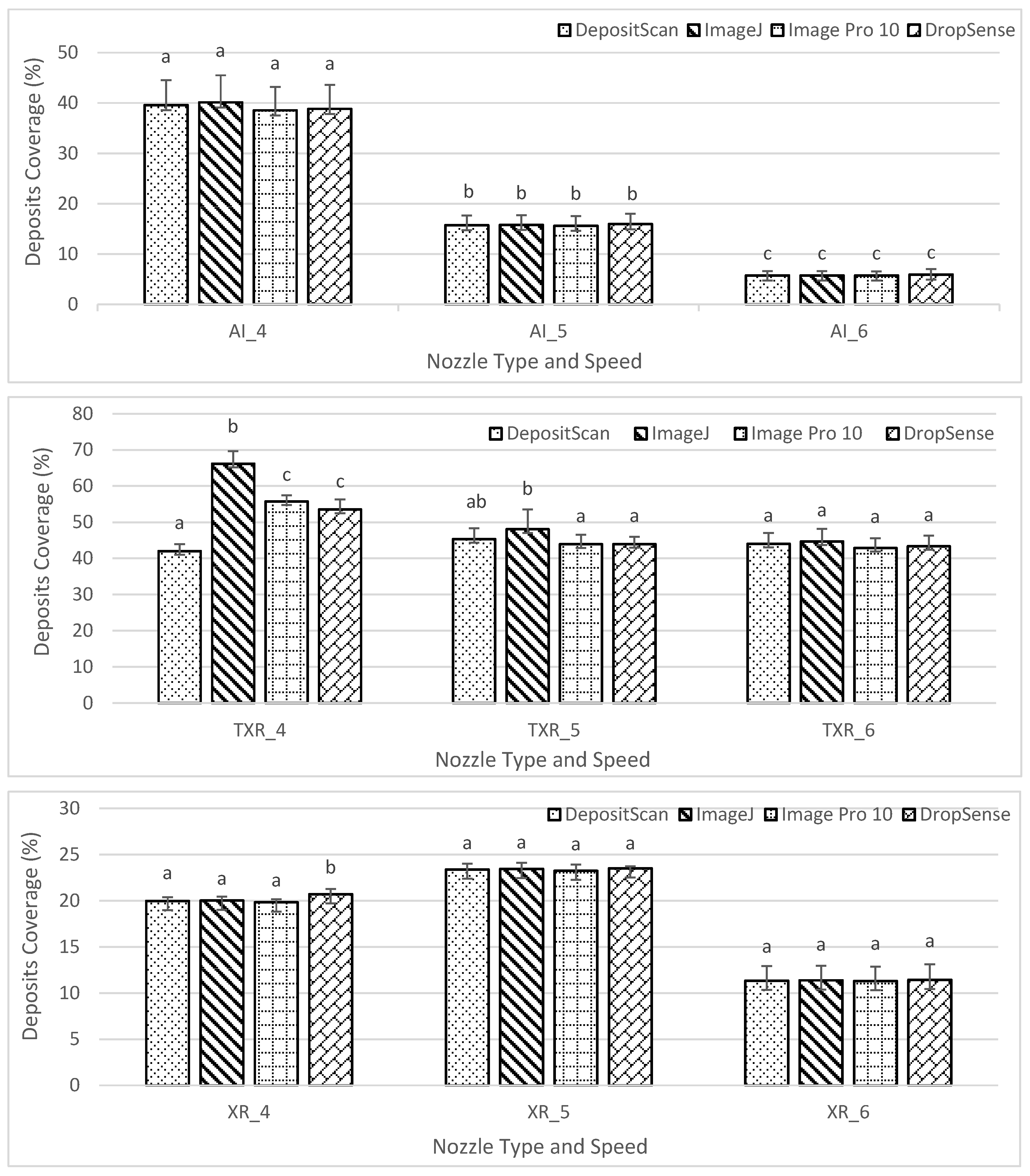
Firstly, deposits coverage rate results of the developed software were evaluated with the results of the other software for three conveyor belt speeds and four different nozzle types. Spray coverage rates (%) on WSPs for all software are shown in Figure 7.
One-way ANOVA tests were performed on the deposit coverage data of WSPs from the four software using SPSS. As shown in Figure 7, no significant difference was found between the software groups for AI and TTJ nozzles at all speeds according to the p-value (sig > 0.05). Deposits coverage rate results were collected in one group for four software according to the Tukey test used for post hoc analysis. While the effect of the software on the deposit coverage data was found to be significant (sig < 0.05) for TXR nozzle at the speeds of 4 and 5 km h−1, no significant difference was found between the software groups for TXR nozzle at the speed of 6 km h−1 according to the p-value (sig > 0.05). The deposit coverage data was collected in three software groups for 4 km h−1 and two software groups for 5 km h−1 according to the Tukey test. No significant difference on the software was found between the groups for TXR nozzle at the speed of 6 km h−1 according to the p-value (sig > 0.05) and deposits coverage rate results were collected in one group for four software. While the effect of the software on the deposit coverage data was found to be significant (sig < 0.05) for XR nozzle at the speed of 4 km h−1, no significant difference on the software was found between the groups for XR nozzle at the speeds of 5 and 6 km h−1 according to the p-value (sig > 0.05). Deposits coverage rate results were collected in two software groups for 4 km h−1 and in one group for 5 and 6 km h−1. As illustrated in Figure 7, the DropSense software showed mostly similar performance to the other software in determining the deposit coverage rates of WSPs.
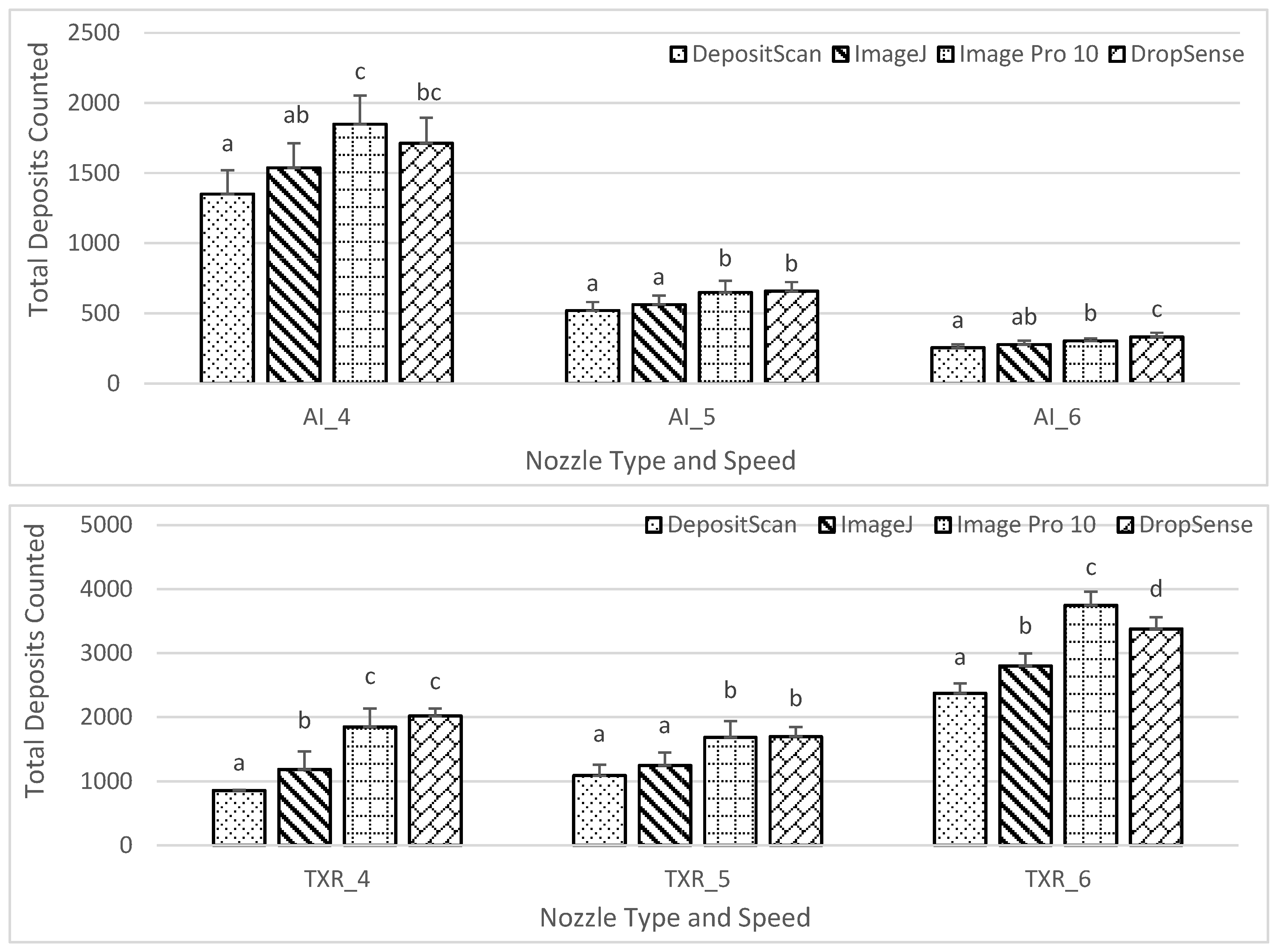
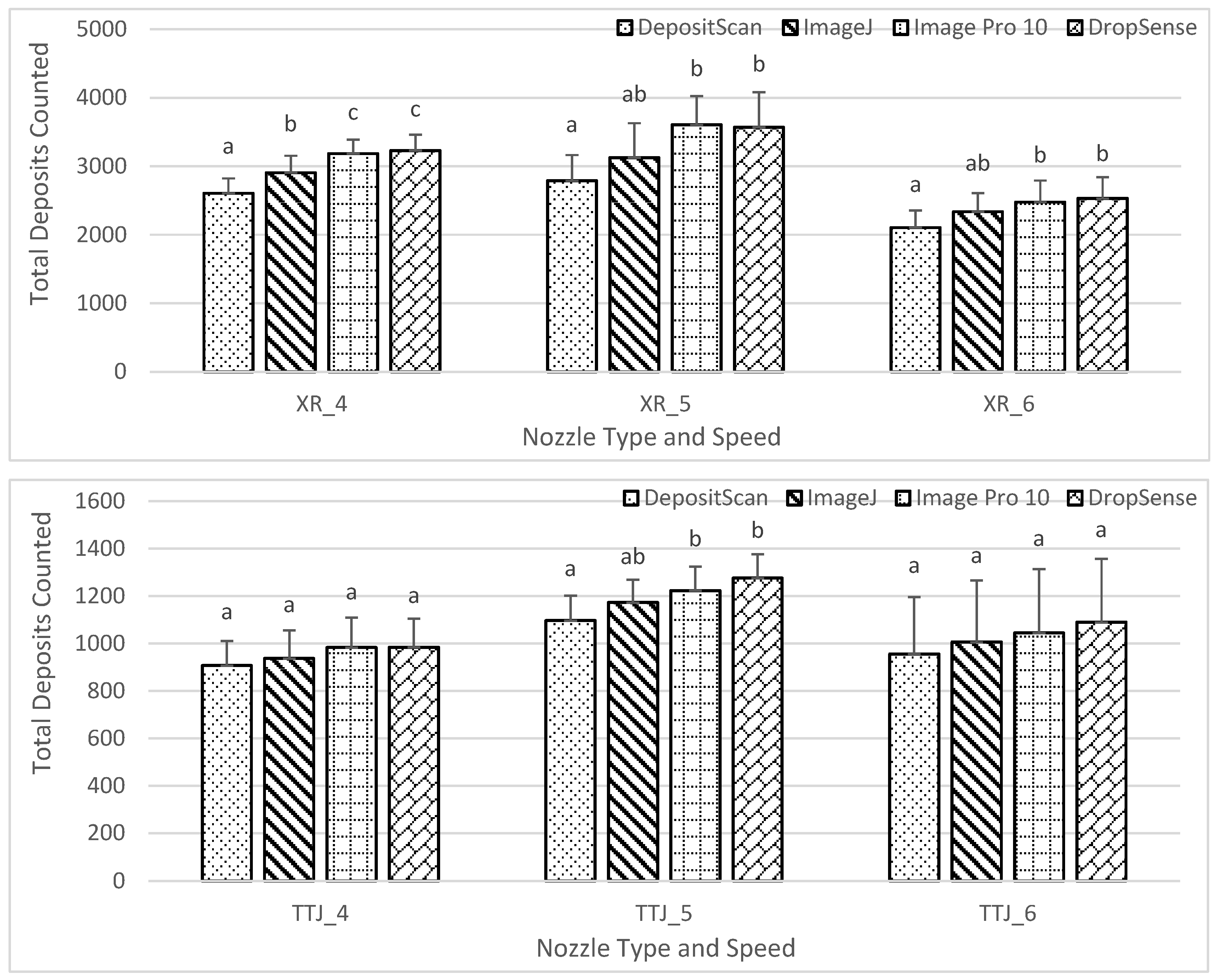
Then, the number of deposited droplets results of the developed software were evaluated with the results of the other software for the same conveyor belt speeds and different nozzle types. Total deposits counted on WSPs for all software are shown in Figure 8. Same tests were applied to the deposit data and the difference on the software for the number of deposited droplets were found to be significant (sig < 0.05) for AI nozzle at all speeds. While the number of deposited droplets data were collected in three software groups for 4 and 6 km h−1, two software groups were determined for 5 km h−1 according to the Tukey test.
The difference on the software for the number of deposited droplets on WSPs were also found to be significant (sig < 0.05) for TXR nozzle at all speeds. Total counted deposits data were collected in three software groups for 4 km h−1, two software groups for 5 km h−1 and four software groups for 6 km h−1 according to the Tukey test, respectively. The difference on the software for the number of deposited droplets on WSPs were also found to be significant (sig < 0.05) for XR nozzle at all speeds. Total counted deposits data were collected in three software groups for 4 km h−1 and two software groups for 5 km h−1 and 6 km h−1. While the effect of the software on the total deposit data was found to be significant (sig < 0.05) for TTJ nozzle at the speed of 5 km h−1, no significant difference on the software was found between the groups for TTJ nozzle at the speeds of 4 and 6 km h−1 according to the p-value (sig > 0.05). Deposits coverage rate results were collected in two software groups for 5 km h−1 and in one group for 4 and 6 km h−1.
As shown in Figure 8 and according to the statistical analysis results, the number of droplets deposited were underestimated by DepositScan and ImageJ software because of touching of the stains. These software did not take into account stain overlapping and could not identify and count smaller droplets that touched larger stains. The number of deposited droplets was estimated by Image-Pro 10 and the developed DropSense software more compared to DepositScan and ImageJ software because of the use of the watershed method in both Image-Pro 10 and DropSense software. Statistical analysis results also showed that the results of the number of deposited droplets were close to each other for Image-Pro 10 and DropSense software and both software were generally in the same group.
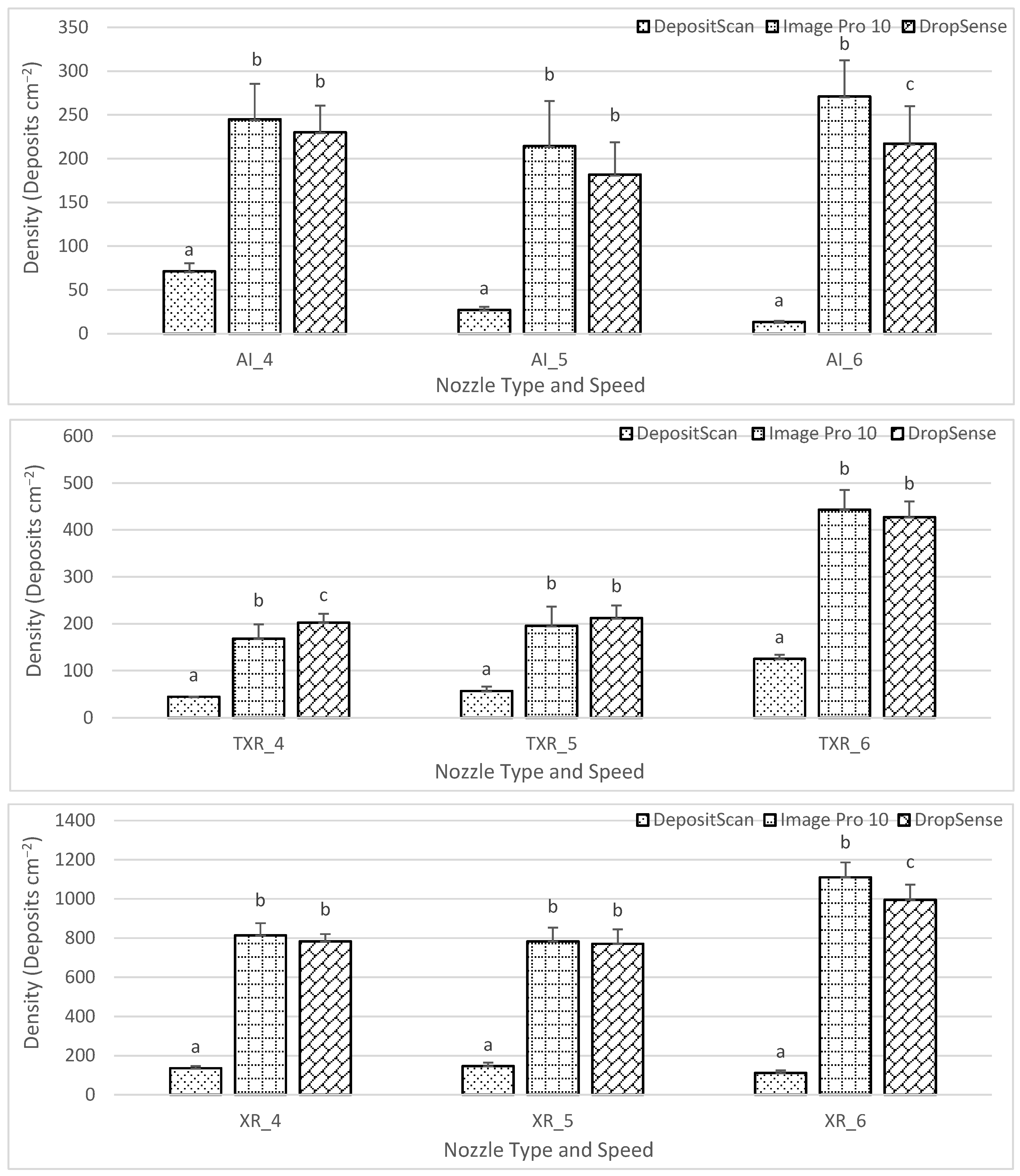
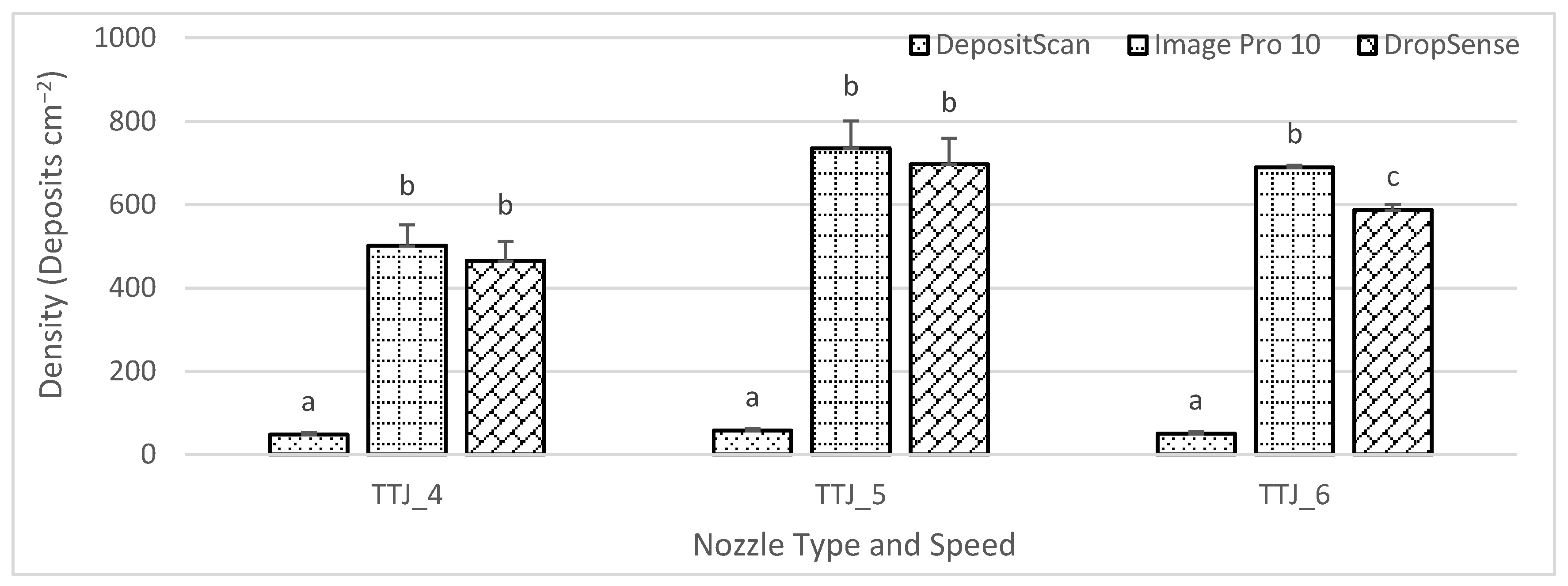
Since the density value could not be calculated in ImageJ software, density (deposits cm−2) results of the developed DropSense software were also compared with the results of the DepositScan and Image-Pro 10 software for the same conveyor belt speeds and different nozzle types. Deposits per cm2 data for all software are shown in Figure 9.
One-way ANOVA tests were applied to the density data and the difference between the software groups were found to be significant (sig < 0.05) for all nozzle types at all speeds. Density results were collected in two and three software groups according to the Tukey test for all nozzle types and speeds. As can be seen in Figure 9, the density results from Image-Pro 10 and the DropSense software were found to be very close to each other, while the density results from the DepositScan software were far from the results of the other two software.
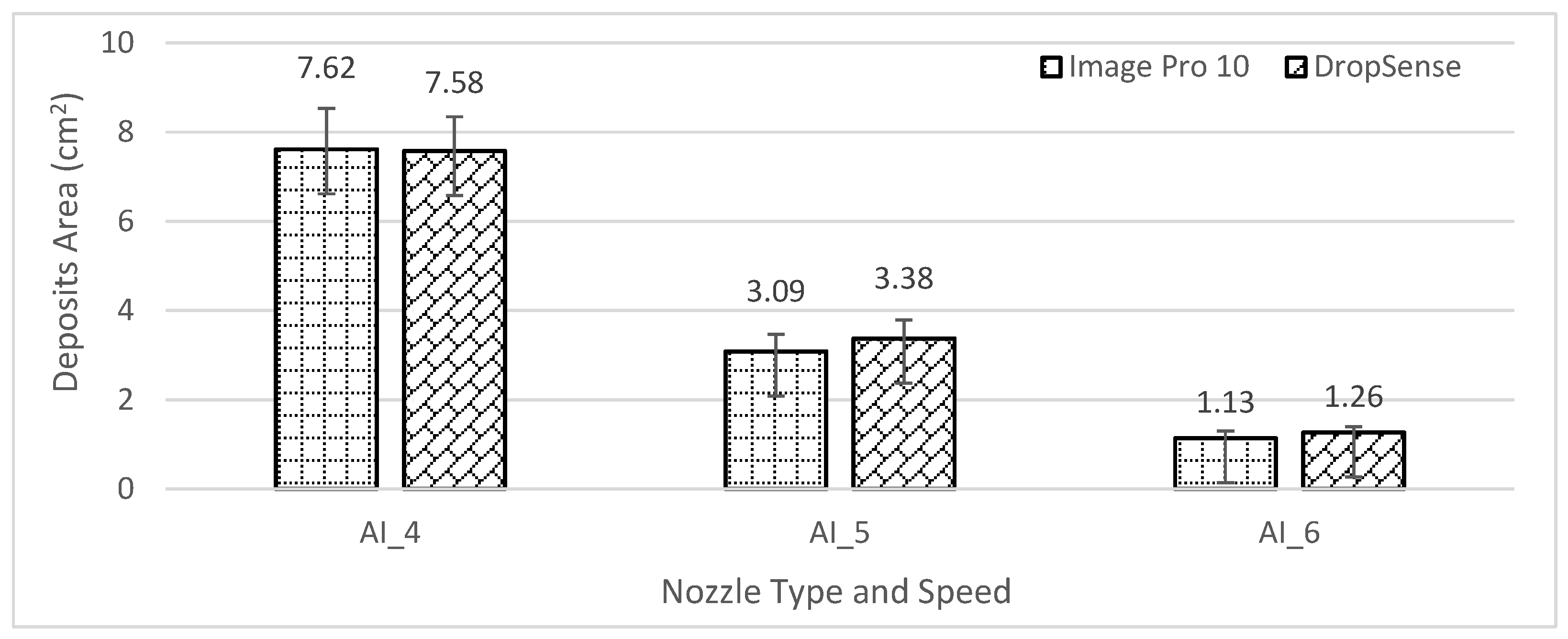
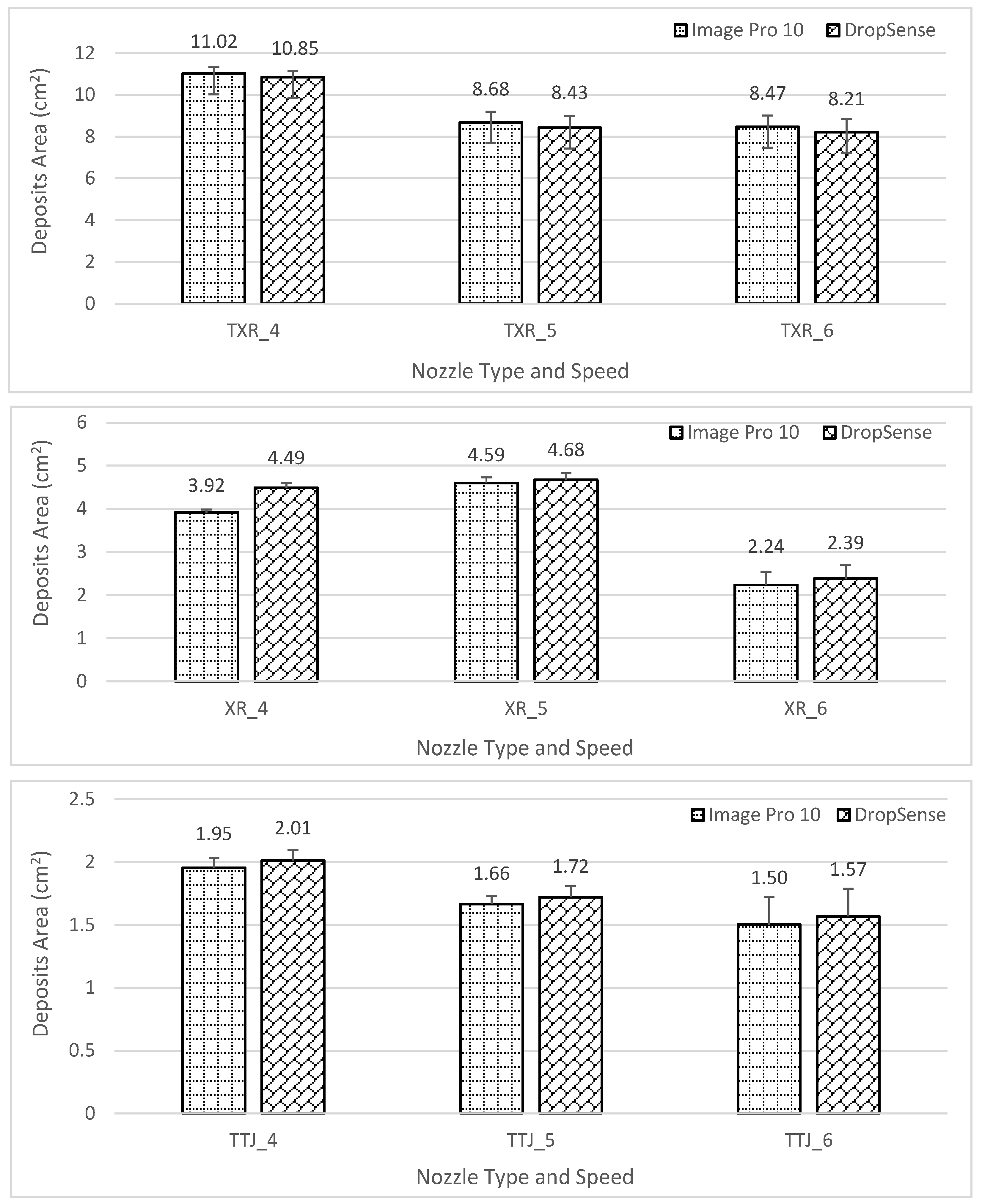
One-way ANOVA tests for the deposits area (cm2) data were only applied to the Image-Pro 10 and the DropSense software since the other software could not give any results for this parameter. Deposits area (cm2) data for both software at the same conveyor belt speeds and for different nozzle types are given in Figure 10.
No significant difference on the evaluated software was found between the groups for all nozzles except one nozzle type at the speeds of 4, 5, and 6 km h−1 according to the p-value (sig > 0.05), while the effect of the software on the deposits area data was found to be significant (sig < 0.05) for XR nozzle at the speed of 4 km h−1. Post hoc tests (Tukey) were not performed for deposits area results because there were fewer than three software groups.
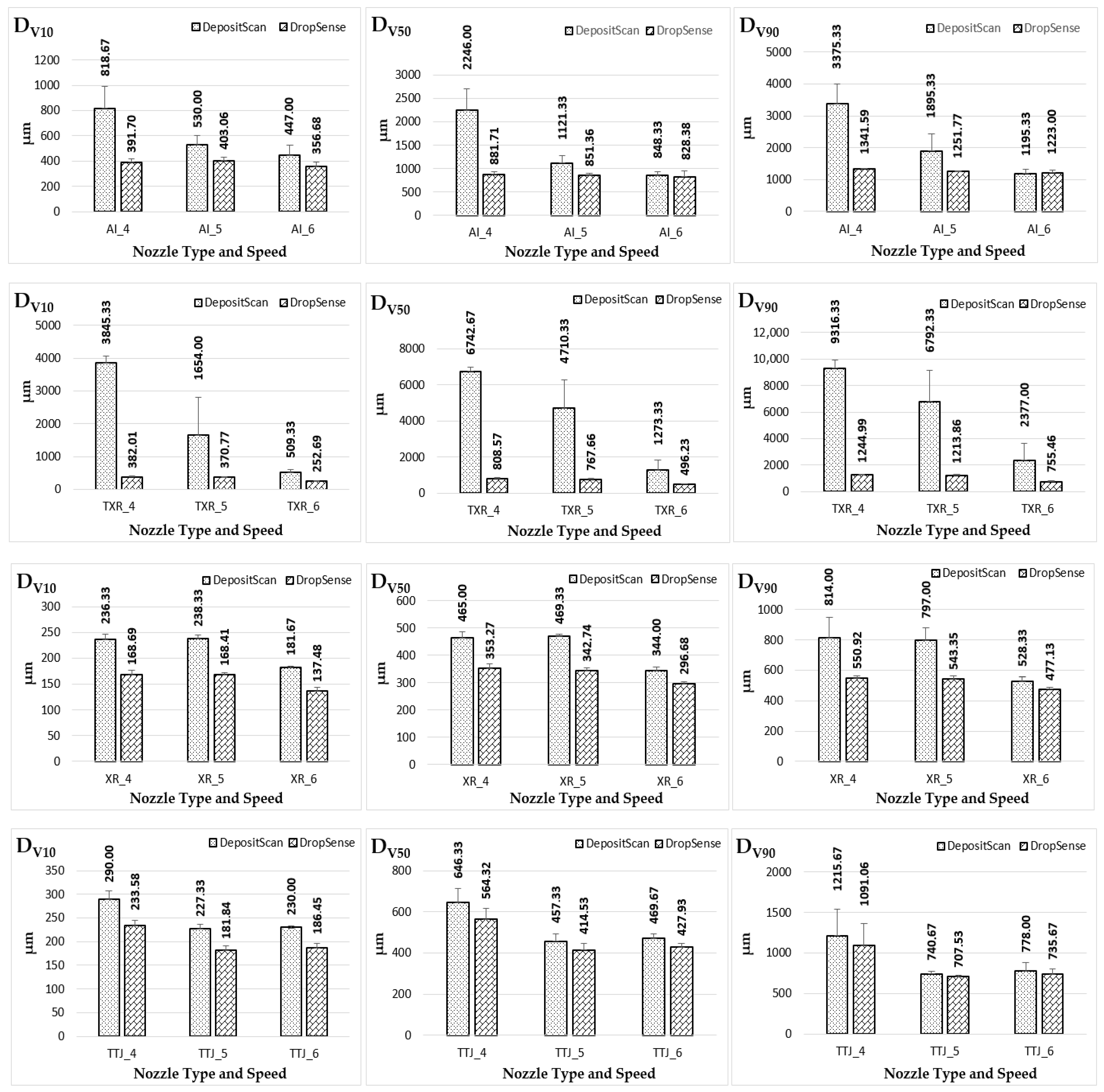
Results for DV10-DV50-DV90 data were also only obtained by the DepositScan and the DropSense software since other software could not give any results for this parameter. DV10-DV50-DV90 data for both software at the same conveyor belt speeds and for different nozzle types are given in Figure 11.
As shown in Figure 11, the DepositScan software gave extraordinary results for DV10, DV50, and DV90 data at low speeds due to inaccurate droplet size and spray deposition estimation due to the droplet overlap problem. Quantitatively, the DV10, DV50, and DV90 data obtained using DropSense differed from those of DepositScan by up to several tens of micrometers, particularly at lower speeds where droplet overlap was more pronounced. In contrast, DropSense exhibited more stable DV distributions across different nozzle types and operating conditions, indicating improved robustness in droplet size estimation under high coverage scenarios.
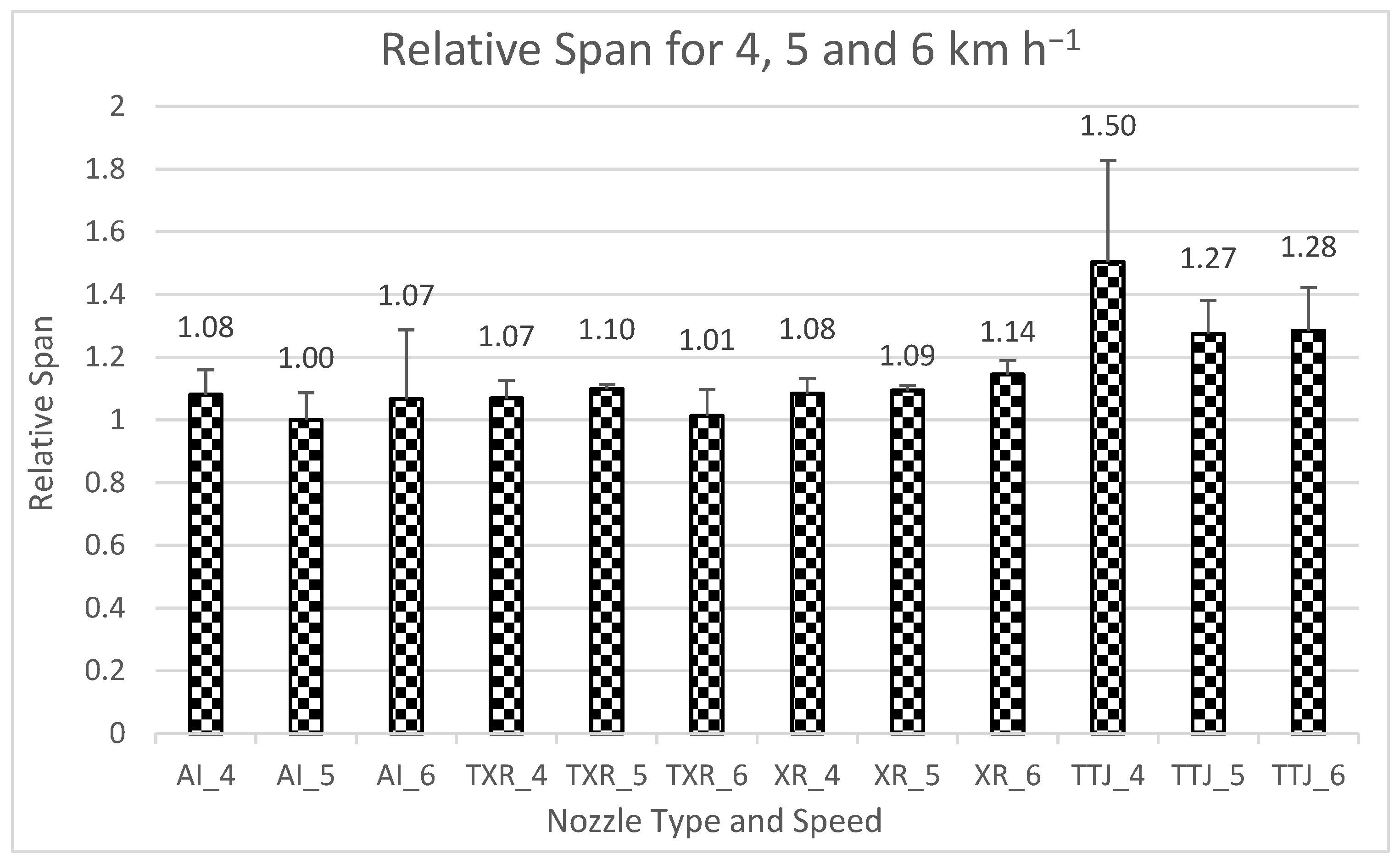
In addition, relative span provides a practical means for comparing various drop size distributions. Of all the software, only DropSense software was able to calculate the relative span value using DV10, DV50, and DV90 data. Relative span results of DropSense software for four nozzles at the conveyor belt speeds of 4, 5, and 6 km h−1 are given in Figure 12. And as mentioned before, the lower the relative span value, the more homogeneous the spray droplet spectrum.
DropSense results were found to be largely consistent with the compared software results in terms of deposits coverage. It was also observed that DropSense produced higher values than ImageJ and DepositScan software for counted total deposits, while producing similar results to the Image-Pro 10. It took into account stain overlapping and could identify and count smaller droplets. It showed similar results with the Image-Pro 10 for density and deposits area parameters when the density results from the DepositScan software were far from the results of the other two software. Inaccurate droplet size and spray deposition estimation due to the droplet overlap problem caused extraordinary results in DV10, DV50, and DV90 data for DepositScan compared to the DropSense software. Moreover, only DropSense software was able to calculate the relative span value using DV10, DV50, and DV90 data. In summary, it has been observed that DropSense software can be used as a reliable reference software in WSP analyses under different speeds and spray pressures.

4. Discussion

As previously mentioned, the main objective of this study was to develop a novel imaging software for the analysis of WSPs to obtain and calculate the spray deposition parameters under laboratory conditions. The results showed that the developed software effectively overcame the problem of overlapping droplets on WSPs by using watershed methodology. It has also been shown that the droplet spread factor has been taken into consideration, and a novel software that can provide results at a significantly faster rate than existing software has been developed.
As mentioned in a previous study [1], droplet density (drops cm−2) was consistently underestimated with the image systems that did not take into account stain overlapping. It has also been mentioned that [5] the DepositScan software could not discriminate among overlapped deposits on water-sensitive paper or other collectors. Its capability was also limited when spot coverage on collectors was too dense. Since the DepositScan software did not correct for the droplet overlap, the estimation of droplet size and spray deposition might be inaccurate when the percentage spray coverage was large [5]. The density value was estimated by Image-Pro 10 and the developed DropSense software more compared to the DepositScan software because of the use of watershed method to overcome the overlap problem and identify smaller droplets. Statistical analysis results also showed that the results of the density were close to each other for Image-Pro 10 and DropSense software and both software were mostly in the same group. In addition to producing comparable results, the developed DropSense software offered several key advantages, including automatic image processing, overlapping droplet resolution, and the calculation of additional spray parameters compared to commercial or professional software. These findings suggest that DropSense can serve as a reliable alternative for image-based analysis tasks in WSP analysis.
The droplet overlap problem was also mentioned for the DepositScan software when the percentage spray coverage is large (for example, over 20%) [5]. High spot coverage density on water sensitive paper or other collectors limited the accuracy of DepositScan because of overlapping problem [5]. It has also been reported a lack of accuracy due to the inability of the AgroScan and StainMaster 1.0.8 software to identify smaller droplets [28]. The use of the watershed function in the DropSense algorithm resulted in more reliable droplet density results and showed higher performance in identifying smaller droplets by overcoming the overlap problem.

5. Conclusions

The analyzing performance of existing imaging software such as DepositScan, ImageJ and Image-Pro 10 and developed software in processing images of WSPs used as artificial targets was evaluated in order to determine the agricultural spray quality parameters. A novel image analyzing software—namely DropSense—was developed in the LabVIEW to calculate the spraying parameters of scanned and digitized WSP images. Theoretical analysis and experimental verification studies were conducted to compare the spray parameters on WSPs between the developed and existing imaging software. The DropSense software gave either close or more accurate results in terms of spray parameters. This study showed that considering the droplet overlapping was an important novelty in analyzing the spraying parameters on WSPs and should be taken into account by the scientist and software developers. Indeed, using the watershed algorithm to overcome the overlap problem on WSPs provided more accurate results and data. In addition, more spraying parameter results compared with the existing software were calculated by using the developed software.
In summary, the developed DropSense software provided a fast, automated, and accurate solution for the analysis of WSPs by effectively addressing the droplet overlap problem through watershed-based segmentation. Reliable computation capability, reducing processing time compared to existing software, and having a user-friendly interface served the DropSense as a robust and practical reference software for laboratory-based WSP analysis.
In this study, all the image processing analysis of WSPs were carried out on the computer under laboratory conditions, but it would be more useful to develop a mobile application for the automatic and rapid processing of WSPs in the field as a future work. Future mobile applications could focus on integrating controlled image acquisition protocols using calibrated lighting and camera settings to minimize variability under field conditions. In addition, artificial intelligence will play a key role in spray pattern analysis by automatically detecting irregularities, optimizing applications based on environmental conditions, and enabling self-calibrating spray systems. In order to enable real-time and self-adaptive spray pattern analysis, artificial intelligence-based studies could be automatically trained to segment overlapping droplets and adapt thresholding parameters according to spray density and background characteristics. This will enhance chemical efficiency and promote environmental sustainability in the future.

Author Contributions

Conceptualization, Ö.B.Ö.; methodology, Ö.B.Ö.; software, Ö.B.Ö.; validation, Ö.B.Ö., A.S. and M.İ.; formal analysis, Ö.B.Ö.; investigation, Ö.B.Ö., A.S. and M.İ.; resources, Ö.B.Ö. and M.İ.; data curation, Ö.B.Ö. and A.S.; writing—original draft preparation, Ö.B.Ö.; writing—review and editing, Ö.B.Ö., A.S. and M.İ.; visualization, Ö.B.Ö.; supervision, Ö.B.Ö.; project administration, Ö.B.Ö.; funding acquisition, Ö.B.Ö. All authors have read and agreed to the published version of the manuscript.

Funding

This research received no external funding.

Institutional Review Board Statement

Not applicable.

Informed Consent Statement

Not applicable.

Data Availability Statement

The data presented in this study are available on request from the corresponding author.

Conflicts of Interest

The authors declare no conflicts of interest.

Abbreviations

The following abbreviations are used in this manuscript:
WSPWater-Sensitive Paper
ANOVAAnalysis of Variance
SFSpread Factors
VMDVolume Median Diameter

References

  1. Cunha, M.; Carvalho, C.; Marcal, A.R.S. Assessing the ability of image processing software to analyse spray quality on water-sensitive papers used as artificial targets. Biosyst. Eng. 2012, 111, 11–23. [Google Scholar] [CrossRef]
  2. Xun, L.; Gil, E. A novel methodology for water-sensitive papers analysis focusing on the segmentation of overlapping droplets to better characterize deposition pattern. Crop. Prot. 2024, 176, 106492, 106492. [Google Scholar] [CrossRef]
  3. Cunha, J.P.A.R.; Farnese, A.C.; Olivet, J.J. Computer programs for analysis of droplets sprayed on water sensitive papers. Planta Daninha Viçosa-MG 2013, 31, 715–720. [Google Scholar] [CrossRef]
  4. Brandoli, B.; Spadon, G.; Esau, T.; Hennessy, P.; Carvalho, A.C.P.L.; Amer-Yahia, S.; Rodrigues, J.F., Jr. DropLeaf: A precision farming smartphone tool for real-time quantification of pesticide application coverage. Comput. Electron. Agric. 2021, 180, 105906. [Google Scholar] [CrossRef]
  5. Zhu, H.; Salyani, M.; Fox, R.D. A portable scanning system for evaluation of spray deposit distribution. Comput. Electron. Agric. 2011, 76, 38–43. [Google Scholar] [CrossRef]
  6. Nansen, C.; Ferguson, J.C.; Moore, J.; Groves, L.; Emery, R.; Garel, N.; Hewitt, A. Optimizing pesticide spray coverage using a novel web and smartphone tool. SnapCard. Agron. Sustain. Dev. 2015, 35, 1075–1085. [Google Scholar] [CrossRef]
  7. Ferguson, J.C.; Chechetto, R.G.; O’Donnell, C.C.; Fritz, B.K.; Hoffmann, W.C.; Coleman, C.E.; Chauhan, B.S.; Adkins, S.W.; Kruger, G.R.; Hewitt, A.J. Assessing a novel smartphone application—SnapCard, compared to five imaging systems to quantify droplet deposition on artificial collectors. Comput. Electron. Agric. 2016, 128, 193–198. [Google Scholar] [CrossRef]
  8. Wolf, R.E. Assessing the ability of Dropletscan to analyze spray droplets from a ground operated sprayer. Appl. Eng. Agric. 2003, 19, 525–530. [Google Scholar] [CrossRef]
  9. Machado, B.B.; Spadon, G.; Arruda, M.S.; Goncalves, W.N.; Carvalho, A.C.P.L.F.; Rodrigues, J.F., Jr. A smartphone application to measure the quality of pest control spraying machines via image analysis. In Proceedings of the 33rd Annual ACM Symposium on Applied Computing, Pau, France, 9–13 April 2018; ISBN 978-1-4503-5191-1/18/04. [Google Scholar]
  10. Özlüoymak, Ö.B.; Bolat, A. Development and assessment of a novel imaging software for optimizing the spray parameters on water-sensitive papers. Comput. Electron. Agric. 2020, 168, 105104. [Google Scholar] [CrossRef]
  11. Salyani, M.; Fox, R.D. Performance of Image Analysis for Assessment of Simulated Spray Droplet Distribution. Trans. ASAE 1994, 37, 1083–1089. [Google Scholar] [CrossRef]
  12. Rasband, W.S. ImageJ, version 1.54d; U.S. National Institutes of Health: Bethesda, MD, USA, 2008.
  13. Marçal, A.R.S.; Cunha, M. Image processing of artificial targets for automatic evaluation of spray quality. Trans. ASABE 2008, 51, 811–821. [Google Scholar] [CrossRef]
  14. Gonzalez, R.C.; Woods, R.E. Digital Image Processing, 3rd ed.; Pearson International Edition, Prentice Hall: Upper Saddle River, NJ, USA, 2008. [Google Scholar]
  15. Vincent, L. Exact euclidean distance function by chain propagations. In Proceedings of the IEEE Conference on Computer Vision and Pattern Recognition, Maui, HI, USA, 3–6 June 1991; pp. 520–525. [Google Scholar]
  16. Vincent, L.; Soille, P. Watersheds in digital spaces: An efficient algorithm based on immersion simulations. IEEE Trans. Pattern Anal. Mach. Intell. 1991, 13, 583–598. [Google Scholar] [CrossRef]
  17. National Instruments. Morphological Segmentation. 2018. Available online: http://zone.ni.com/reference/en-XX/help/370281AE-01/nivisionconcepts/morphological_segmentation/ (accessed on 18 January 2026).
  18. Wadell, H. Volume, Shape, and Roundness of Rock Particles. J. Geol. 1932, 40, 443–451. [Google Scholar] [CrossRef]
  19. Roussillon, T.; Piégay, H.; Sivignon, I.; Tougne, L.; Lavigne, F. Automatic computation of pebble roundness using digital imagery and discrete geometry. Comput. Geosci. 2009, 35, 1992–2000. [Google Scholar] [CrossRef]
  20. Matthews, G.A. Pesticide Application Methods, 4th ed.; Wiley-Blackwell: Hoboken, NJ, USA, 2014. [Google Scholar]
  21. Pabst, W.; Gregorová, E. Characterization of particles and particle systems. ICT Prague 2007, 122, 122. [Google Scholar]
  22. Andrade-Eraso, C.A.; Patiño-Velasco, M.; Vásquez-López, J.; León, J.; Bolaños-Pantoja, G.; Trivi, M. Identification of Gastric Cancer from Speckle Patterns. Acta Phys. Pol. A 2011, 121, 62–64. [Google Scholar] [CrossRef]
  23. Van Ganse, S.; Le Floch, S. Assessment of Dissolution Kinetics and Bouyant Velocity of Two Different Gases in a Five-meter High Seawater Column. In Proceedings of the Thirty-Sixth AMOP Technical Seminar on Environmental Contamination and Response, Halifax, NS, Canada, 4–6 June 2013; pp. 37–45. [Google Scholar]
  24. Legrand, S.; Poncet, F.; Aprin, L.; Parthenay, V.; Donnay, E.; Carvalho, G.; Chataing-Pariaud, S.; Dusserre, G.; Gouriou, V.; Le Floch, S.; et al. Understanding HNS Behaviour in the Marine Environment. 2017. Available online: https://www.hns-ms.eu/downloads/HNS-MS_sub_report_1_lab_experiments.pdf (accessed on 18 January 2026).
  25. Salyani, M.; Fox, R.D. Evaluation of Spray Quality by Oil- and Water-Sensitive Papers. Trans. ASAE 1999, 42, 37–43. [Google Scholar] [CrossRef]
  26. Fox, R.D.; Salyani, M.; Cooper, J.A.; Brazee, R.D. Spot Size Comparisons On Oil- and Water-Sensitive Paper. Appl. Eng. Agric. 2001, 17, 131–136. [Google Scholar]
  27. Bouse, L.F.; Kirk, I.W.; Bode, L.E. Effect of Spray Mixture On Droplet Size. Trans. ASAE 1990, 33, 783–788. [Google Scholar] [CrossRef]
  28. Leiva, P.D.; Araujo, E.C. Comparacio’n de Programas de Computacio’n Para Recuento y Tipificacio’n de Impactos de Aspersio’n Sobre Tarjetas Sensibles. 2009. Available online: https://aws.agroconsultasonline.com/comentario.html/Comparaci%C3%B3n%20de%20programas%20de%20computaci%C3%B3n%20para%20recuento%20.pdf?op=d&comentario_id=13717&orden=1 (accessed on 18 January 2026).
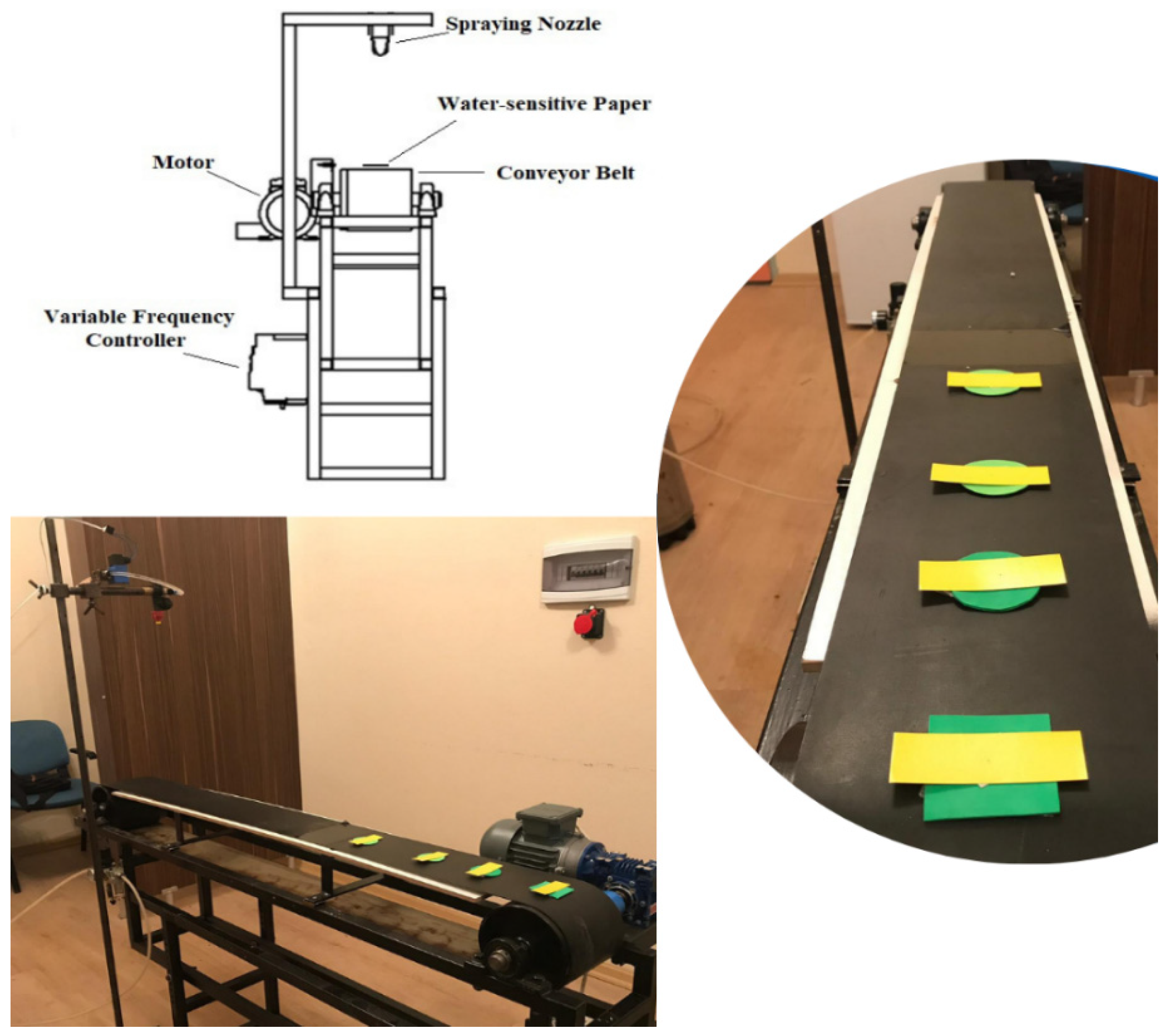
Figure 1. Developed spraying system to be used during tests.
Applsci 16 01197 g001
Figure 2. Image processing steps of the DropSense software to analyze the WSPs.
Applsci 16 01197 g002
Figure 3. Binary segmentation process used by watershed transformation [16].
Applsci 16 01197 g003
Figure 4. (a) The watershed transform image after the completed segmentation [17]; (b) Transformed image sample of a WSP by using the watershed function.
Applsci 16 01197 g004
Figure 5. The user interface of the novel droplet imaging and analysis software.
Applsci 16 01197 g005
Figure 6. WSP images for four spray nozzles at the belt speeds of 4, 5, and 6 km h−1.
Applsci 16 01197 g006aApplsci 16 01197 g006b
Figure 7. Deposits coverage rates of WSPs for four nozzles at belt speeds of 4, 5, and 6 km h−1 (Different letters indicated statistically significant differences among groups).
Applsci 16 01197 g007aApplsci 16 01197 g007b
Figure 8. Total deposits of WSPs for four nozzles at belt speeds of 4, 5, and 6 km h−1 (Different letters indicated statistically significant differences among groups).
Applsci 16 01197 g008aApplsci 16 01197 g008b
Figure 9. Density results of all software for four nozzles at belt speeds of 4, 5, and 6 km h−1 (Different letters indicated statistically significant differences among groups).
Applsci 16 01197 g009aApplsci 16 01197 g009b
Figure 10. Deposits area results of two software for four nozzles at the belt speeds of 4, 5, and 6 km h−1.
Applsci 16 01197 g010aApplsci 16 01197 g010b
Figure 11. DV10, DV50, and DV90 results of two software for four nozzles at the belt speeds of 4, 5, and 6 km h−1.
Applsci 16 01197 g011
Figure 12. Relative span results of DropSense software for four nozzles at the conveyor belt speeds of 4, 5, and 6 km h−1.
Applsci 16 01197 g012
Table 1. Relationships between all software and spray parameters.
SoftwareSpray Parameters
Deposits Coverage (%)Total Deposits CountedDV10 (µm)DV50 (µm)DV90 (µm)Density
(Deposits/cm2)
Deposits Area (cm2)Relative Span
Deposit Scan
ImageJ
Image-Pro 10
Drop Sense
Table 2. A comparative analysis of software in terms of processing and saving times of WSPs.
SoftwareAverage Times
Average Time Required to Analyze Only a Single ImageAverage Time Required to Analyze 9 WSP Images in a Folder and Saving the Results
DepositScan18.93 s6 min 38 s
ImageJ22.49 s7 min 17 s
Image-Pro 1022.56 s5 min 3 s
DropSense2.72 s24.50 s
Disclaimer/Publisher’s Note: The statements, opinions and data contained in all publications are solely those of the individual author(s) and contributor(s) and not of MDPI and/or the editor(s). MDPI and/or the editor(s) disclaim responsibility for any injury to people or property resulting from any ideas, methods, instructions or products referred to in the content.