1. Introduction
The rapid growth of social media platforms has significantly increased the spread of user-generated content, including harmful and offensive language such as hate speech [
1,
2]. In the Indonesian context, hate speech detection presents unique challenges due to the informal nature of online communication, frequent use of slang, code-mixing, and the limited availability of high-quality annotated datasets [
3,
4,
5]. These characteristics make the task particularly difficult for conventional natural language processing (NLP) approaches, especially under low-resource conditions where labeled data is scarce [
6,
7]. In practice, the scarcity of annotated hate speech corpora often forces classifiers to operate with incomplete semantic coverage, weak minority-class representation, and unstable lexical generalization, thereby reducing the reliability of automatic moderation systems.
Recent advances in deep learning, particularly transformer-based models such as BERT and its variants, have demonstrated strong performance in various NLP tasks by capturing contextual semantic representations [
8,
9,
10]. IndoBERT, a pre-trained language model specifically designed for the Indonesian language, has shown promising results in text classification tasks [
11,
12]. However, despite their effectiveness, transformer-based models still rely heavily on sufficiently large labeled corpora to form robust semantic boundaries and may struggle to generalize effectively in low-resource scenarios [
13,
14]. Moreover, purely contextual models primarily emphasize latent semantic dependencies while often underutilizing explicit lexical cues, abusive lexicons, punctuation styles, stylistic irregularities, and corpus-level frequency patterns that remain highly informative in hate speech classification [
15,
16].
To address these limitations, hybrid approaches that integrate deep contextual representations with handcrafted and statistical features have gained increasing attention. Handcrafted linguistic features, including lexical indicators, punctuation patterns, and stylistic signals, can provide complementary information that is not fully captured by transformer embeddings [
17,
18,
19]. Similarly, traditional sparse representations such as TF-IDF, especially when combined with dimensionality reduction techniques such as Singular Value Decomposition (SVD), can preserve global structural and frequency-based characteristics of text [
20,
21]. Nevertheless, most existing hybrid hate speech detection models still treat these heterogeneous feature sources as auxiliary additions rather than as supervision-sensitive components whose effectiveness may vary substantially under different levels of labeled data availability.
Another promising direction for improving low-resource performance is semi-supervised learning (SSL), which leverages unlabeled data to enhance model training [
22]. Among SSL strategies, pseudo-labeling is one of the most widely adopted approaches, where confident predictions on unlabeled samples are iteratively incorporated as additional training data [
7,
23]. However, naive pseudo-labeling remains highly vulnerable to confidence instability, class imbalance reinforcement, and noisy label propagation, particularly when the initial supervised model is trained on only a small fraction of annotated data [
24,
25,
26]. As a result, simply enlarging the training set with pseudo-labels does not necessarily translate into stable generalization gains. Designing a controlled and reliability-aware SSL mechanism therefore remains an open challenge for practical low-resource hate speech detection.
Motivated by these limitations, this study proposes a hybrid feature-enhanced IndoBERT framework for low-resource Indonesian hate speech detection, integrating transformer-based contextual embeddings with handcrafted linguistic features and TF-IDF–SVD statistical representations through a structured fusion architecture. The proposed approach is further extended with a controlled semi-supervised learning strategy that incorporates adaptive confidence thresholding and class-balanced pseudo-label selection in order to regulate pseudo-label quality and suppress error accumulation during iterative training.
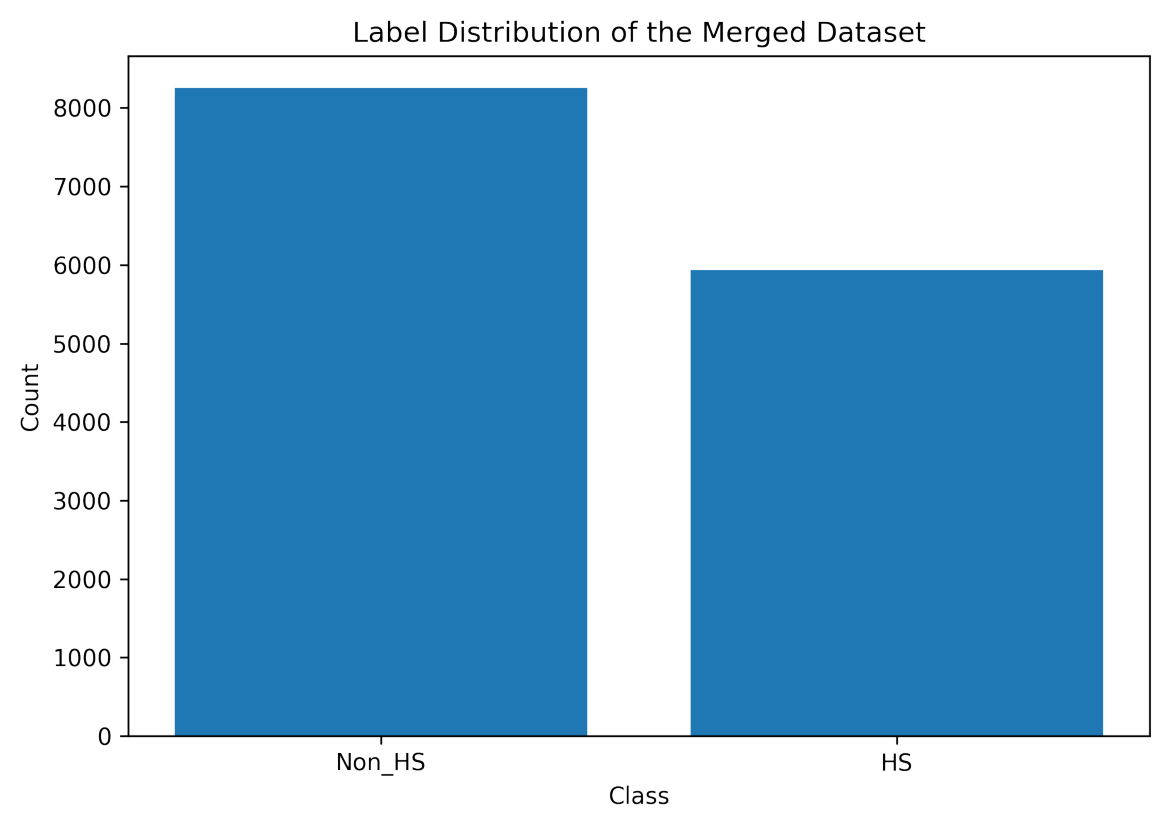
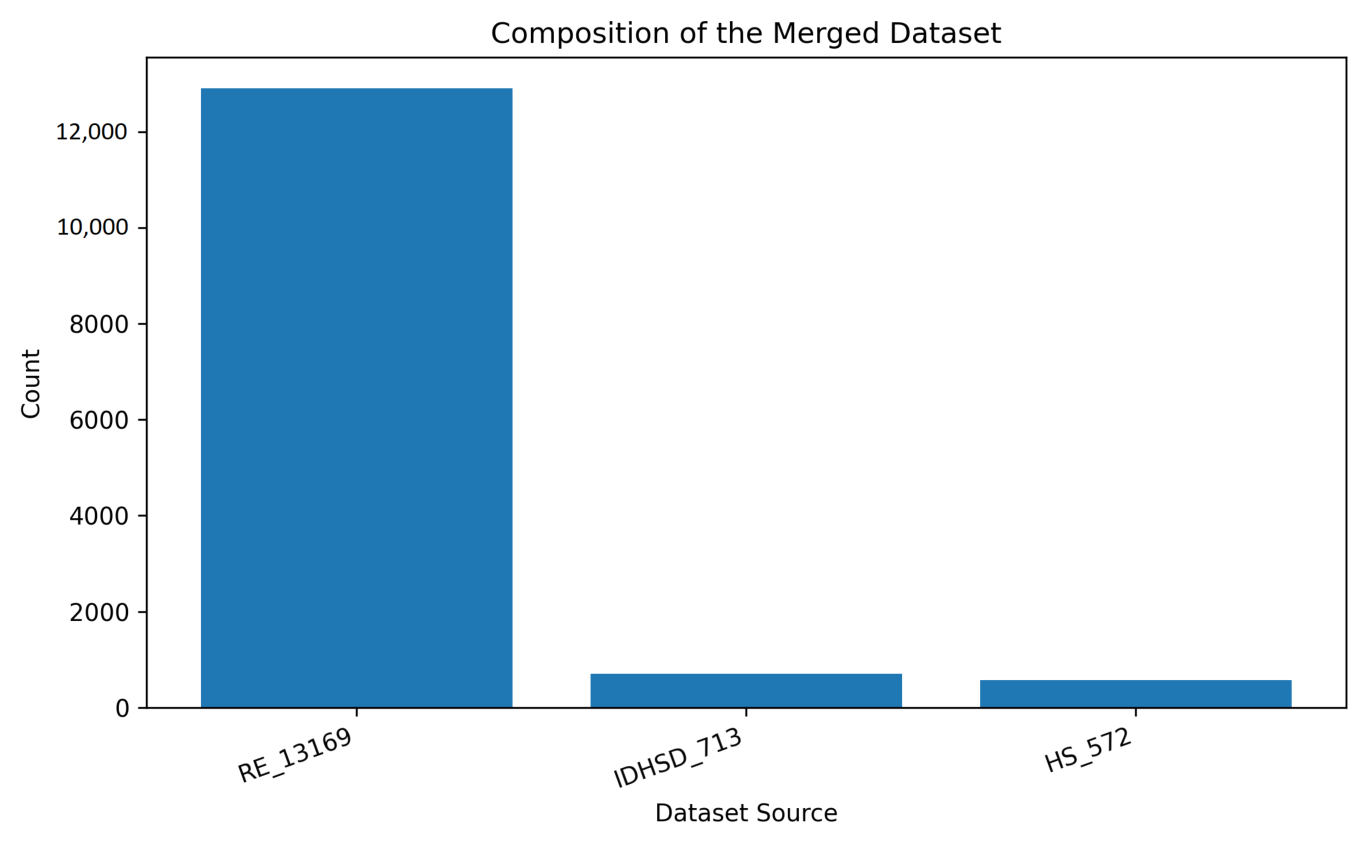
Extensive experiments are conducted on a merged dataset comprising multiple Indonesian hate speech corpora under realistic low-resource supervision settings, specifically using only 5%, 10%, and 20% labeled data [
22]. In contrast to many prior studies that report limited baseline comparisons, this work systematically evaluates the proposed framework against classical lexical machine learning models, shallow neural architectures, multilingual transformers, domain-adaptive pretrained transformers, and conventional pseudo-labeling baselines under the same experimental protocol. The results reveal not only consistent superiority of the proposed framework but also an important supervision-dependent transition in feature effectiveness, where compact statistical representations provide the strongest gains under extreme scarcity, while hybrid semantic–statistical learning with controlled SSL becomes dominant under moderate low-resource supervision.
In addition to conventional benchmark comparisons, this study also evaluates the proposed framework against recent large language model (LLM)-based classifiers, including GPT-4o-mini and Llama-3.1-8B. This comparison is intended to examine whether domain-specialized hybrid feature learning and controlled semi-supervised optimization remain competitive relative to modern general-purpose foundation models under low-resource Indonesian hate speech detection settings.
The main contributions of this work are as follows:
We propose a feature-enhanced IndoBERT framework for low-resource Indonesian hate speech detection that integrates contextual semantic embeddings, handcrafted linguistic indicators, and compact TF-IDF–SVD statistical representations. In response to the limitation of conventional hybrid concatenation-based classifiers, the proposed framework’s novelty lies not in concatenation alone but in the supervision-aware integration and evaluation of heterogeneous feature groups under different labeled-data regimes.
We introduce a controlled semi-supervised learning strategy based on adaptive confidence thresholding and class-balanced pseudo-label selection. This mechanism is designed to address the common weaknesses of standard self-training and confidence-based pseudo-labeling, particularly noisy pseudo-label propagation, unreliable early confidence estimation, and majority-class reinforcement during iterative unlabeled-data expansion.
We provide a systematic low-resource evaluation under 5%, 10%, and 20% labeled-data settings, comparing the proposed framework with representative lexical machine learning models, shallow neural models, Transformer-based classifiers, domain-adaptive Indonesian language models, naive pseudo-labeling baselines, and large language model prompting baselines. This comparative design clarifies the methodological position of the proposed framework relative to conventional lexical-semantic classifiers, Transformer-only models, and standard semi-supervised alternatives.
We analyze the supervision-dependent contribution of heterogeneous feature groups through feature ablation and TF-IDF–SVD sensitivity experiments, showing that compact statistical representations are particularly useful under extreme label scarcity, while the full hybrid representation combined with controlled semi-supervised learning becomes more effective when moderate labeled supervision is available. This analysis helps explain why the observed gains should be interpreted in terms of stability, feature complementarity, and low-resource robustness rather than only absolute performance improvement.
We examine the practical reliability of the proposed framework through additional analyses of pseudo-label acceptance behavior, class-distribution preservation, calibration quality, computational efficiency, and qualitative error cases. These analyses provide a more transparent assessment of pseudo-label reliability, model complexity, and the behavior of the proposed framework on ambiguous, implicit, slang-based, and difficult hate speech expressions.
The remainder of this paper is organized as follows.
Section 2 reviews the related literature on hate speech detection, transformer-based models, feature fusion techniques, and semi-supervised learning approaches.
Section 3 presents the proposed hybrid feature-enhanced IndoBERT framework and the controlled semi-supervised learning strategy.
Section 4 describes the experimental setup, including datasets, preprocessing, and evaluation metrics.
Section 5 provides a comprehensive analysis of the experimental results and discusses the performance under low-resource scenarios. Finally,
Section 6 concludes the paper and outlines future research directions.
3. Proposed Method
This section presents the proposed hybrid framework for low-resource Indonesian hate speech detection. The approach integrates deep contextual representations from IndoBERT with complementary handcrafted linguistic features and statistical TF-IDF–SVD representations to capture both semantic and structural characteristics of textual data. This hybrid design addresses the limitations of purely transformer-based models, which often overlook explicit linguistic cues in noisy and informal social media text.
To further enhance learning under limited labeled data conditions, a controlled semi-supervised learning strategy is introduced. Unlike conventional pseudo-labeling approaches, the proposed method incorporates adaptive thresholding and class-balanced pseudo-label selection to mitigate noise propagation and class imbalance during training. This enables more reliable utilization of unlabeled data while maintaining stable model performance.
The overall framework consists of three main components: (i) a preprocessing and feature extraction module, (ii) a hybrid feature fusion and classification module, and (iii) a controlled semi-supervised learning mechanism for iterative model refinement. These components are described in detail in the following subsections.
3.1. Overview of the Proposed Framework
The proposed method is designed to address two central challenges in low-resource Indonesian hate speech detection: (i) the limited robustness of purely contextual transformer models in preserving explicit lexical hostility indicators, and (ii) the instability of conventional pseudo-labeling when only a small amount of annotated supervision is available. To address these issues, we introduce a unified hybrid framework that combines structured feature-enhanced representation learning with a controlled semi-supervised training mechanism.
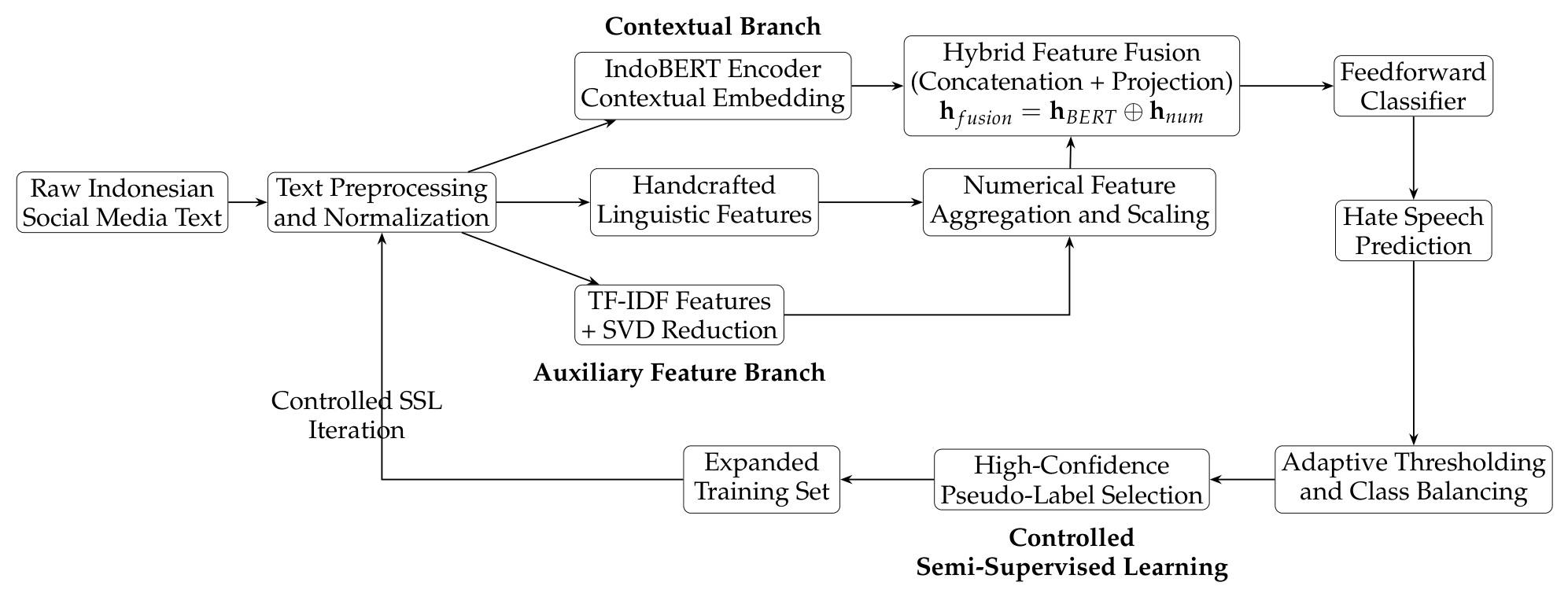
Given an input text sample x, the framework first applies textual normalization to obtain a cleaned representation , which reduces orthographic noise, informal lexical variation, and social-media-specific inconsistencies. The normalized text is then processed through two parallel representational branches. The first branch generates deep contextual semantic embeddings using a pretrained IndoBERT encoder, while the second branch constructs complementary auxiliary numerical descriptors derived from handcrafted linguistic indicators and TF-IDF–SVD statistical representations. These heterogeneous features are subsequently normalized and fused into a unified classification vector.
Unlike conventional single-encoder classifiers that rely exclusively on contextual semantic abstraction, the proposed dual-branch design explicitly preserves both implicit semantic dependencies and sparse lexical aggression markers. This is particularly important for Indonesian hate speech analysis, where offensive intent is often conveyed not only through contextual sentence meaning but also through explicit profanity counts, identity slurs, punctuation emphasis, repeated-character aggression, and frequency-based textual regularities.
To further improve robustness under limited labeled supervision, the framework is extended with a controlled semi-supervised learning loop. Instead of directly adopting naive pseudo-label expansion, unlabeled samples are incorporated only when their prediction confidence satisfies adaptive threshold constraints and when pseudo-label selection remains approximately class balanced. This controlled sample expansion reduces the accumulation of erroneous pseudo-labels and prevents majority-class dominance during iterative retraining.
The complete architecture of the proposed framework is illustrated in
Figure 1. As shown, the model consists of three tightly coupled modules: (i) text preprocessing and feature construction, (ii) structured hybrid feature fusion and classification, and (iii) controlled semi-supervised iterative refinement. The interaction among these modules enables the framework to simultaneously exploit contextual semantics, explicit linguistic cues, and unlabeled supervisory information within a single low-resource learning pipeline.
Formally, the overall prediction function of the proposed architecture is expressed as Equation (
1).
where
denotes the contextual embedding extracted from IndoBERT,
represents the auxiliary numerical feature vector constructed from handcrafted and TF-IDF–SVD descriptors,
denotes feature standardization, ⊕ indicates feature concatenation, and
is the downstream nonlinear classifier.
Equation (
1) summarizes the central principle of the proposed method: hate speech prediction is determined not by contextual semantic modeling alone but by the joint interaction between contextual, lexical–statistical, and iteratively expanded supervisory information. The detailed construction of each module is presented in the following subsections.
3.2. Text Preprocessing and Auxiliary Feature Construction
Indonesian social media hate speech data are characterized by substantial lexical irregularity, including URL contamination, user mentions, hashtags, orthographic elongation, abbreviated slang, repeated punctuation, and nonstandard abusive expressions [
42,
43]. Such characteristics introduce severe sparsity into both contextual tokenization and sparse statistical feature extraction [
17]. Therefore, before contextual encoding and numerical representation learning are performed, a dedicated preprocessing stage is applied to normalize the raw textual input.
Given an original text sample
x, the normalized text is obtained through a composite preprocessing transformation (Equation (
2)).
where
sequentially applies: (i) URL and mention removal, (ii) hashtag normalization, (iii) punctuation standardization, (iv) repeated-character compression, (v) lowercasing, and (vi) slang lexical normalization using an Indonesian colloquial dictionary.
This normalization step serves two important functions. First, it reduces token fragmentation within the IndoBERT tokenizer by converting orthographically inconsistent forms into more stable lexical units. Second, it decreases sparsity in handcrafted and TF-IDF descriptors by collapsing semantically equivalent noisy variants into unified textual representations. Consequently, both contextual and auxiliary feature branches operate on a significantly cleaner input manifold.
After preprocessing, two groups of auxiliary numerical descriptors are extracted to complement contextual IndoBERT embeddings: handcrafted linguistic indicators and TF-IDF–SVD statistical representations.
3.2.1. Handcrafted Linguistic Indicators
Although transformer encoders are effective in modeling semantic context, they do not explicitly preserve several sparse but highly discriminative hate-speech cues that frequently appear in informal Indonesian discourse. To capture such explicit indicators [
87], a handcrafted feature vector is constructed from the normalized text
, as shown in Equation (
3).
where each
denotes a manually designed linguistic statistic.
Handcrafted descriptors include abusive lexicon frequency, punctuation aggression patterns, uppercase emphasis ratio, repeated-character intensity, negation markers, informal intensifier cues, and text-structure indicators. These features provide direct evidence of explicit and stylistic textual aggression that may not be sufficiently emphasized by dense contextual embeddings, particularly when labeled supervision is limited and transformer fine-tuning remains unstable.
To improve reproducibility and interpretability, the handcrafted feature branch is explicitly defined as a compact numerical descriptor consisting of lexicon-based abusive cues, orthographic indicators, punctuation-based patterns, negation markers, informal intensifier cues, and text-structure statistics. Each feature is computed from the normalized text
after preprocessing, so that informal spelling variants, repeated characters, URLs, mentions, and slang forms are handled consistently before feature extraction. The handcrafted feature vector is intentionally kept low-dimensional to avoid dominating the contextual IndoBERT embedding and the TF-IDF–SVD representation.
Table 1 summarizes the handcrafted feature groups, extraction rules, and resulting feature dimensions.
Importantly, handcrafted indicators preserve interpretable lexical and stylistic hostility signatures. For example, abusive lexicon counts directly reflect explicit profanity or abusive-word presence, while punctuation repetition, repeated characters, uppercase intensity, and informal intensifiers capture emotionally amplified expressions often associated with offensive or provocative user behavior. All handcrafted indicators are standardized using z-score normalization before being concatenated with the TF-IDF–SVD representation.
3.2.2. TF-IDF–SVD Statistical Representation
In addition to handcrafted linguistic cues, a statistical representation is constructed to preserve global lexical distribution patterns that remain highly informative under sparse supervision [
20,
21]. Specifically, the normalized text is transformed into a high-dimensional TF-IDF vector [
68,
88] (Equation (
4)).
This sparse vector captures both word-level and character-level frequency salience, allowing the model to retain local lexical patterns, subword hostility fragments, and recurring phrase structures that are common in Indonesian online hate speech.
To ensure reproducibility, the TF-IDF representation was constructed using both word-level and character-level n-grams. Word n-grams were used to capture explicit lexical and phrase-level hostility patterns, while character n-grams were included to preserve subword variations, informal spelling, and orthographic distortions commonly found in Indonesian social media text. The TF-IDF vocabulary was limited to the most informative terms to reduce sparsity and computational overhead, while extremely rare and overly frequent terms were filtered using minimum and maximum document-frequency thresholds. The main TF-IDF–SVD configuration used in the experiments is summarized in
Table 2.
However, direct use of high-dimensional TF-IDF vectors creates substantial dimensional imbalance relative to other feature groups [
89,
90]. Therefore, Singular Value Decomposition (SVD → Equation (
5)) is employed to project the sparse representation into a lower-dimensional latent semantic space.
where
contains the top-
r principal singular directions.
The retained SVD dimension r controls the trade-off between statistical information preservation and compactness. A very small value of r may discard useful lexical-frequency patterns, whereas an excessively large value may increase computational cost and enlarge the auxiliary feature branch. In this study, several candidate dimensions () were examined in terms of explained variance, and was selected as a practical trade-off between compactness and statistical information preservation.
The selected TF-IDF representation produced a 40,000-dimensional sparse vector, consisting of 20,000 word-level features and 20,000 character-level features. Character n-grams were included because Indonesian social media hate speech often contains informal spelling, abbreviation, character elongation, and subword-level hostility patterns. Truncated SVD was then applied to obtain a compact dense representation. The retained SVD rank was set to , which preserved 24.72% of the total sparse TF-IDF variance. Although this explained variance ratio is lower than values commonly observed in dense numerical data, it is expected in high-dimensional sparse lexical spaces where discriminative information is distributed across many rare terms and n-gram patterns. Therefore, the role of SVD in this framework is not to preserve all lexical variance but to obtain a compact and less noisy statistical descriptor that can complement IndoBERT embeddings without dominating the fused representation.
As shown in
Table 3, increasing
r improves the retained statistical variance, from 11.91% at
to 30.19% at
. The value
preserves 24.72% of the TF-IDF variance while keeping the auxiliary representation compact. Although
preserves more variance, it also increases the dimensionality of the auxiliary branch and the computational cost. Therefore,
was adopted as the default SVD dimension in the main hybrid model.
This transformation preserves the dominant statistical structure of the corpus while suppressing sparse lexical noise and redundant dimensionality. As a result, the TF-IDF–SVD branch provides a compact global descriptor of frequency-based hostility patterns, complementing the local handcrafted indicators and the deep semantic contextual representation.
3.2.3. Auxiliary Numerical Aggregation
The handcrafted vector and TF-IDF–SVD statistical vector are concatenated to form the auxiliary numerical representation (Equation (
6)).
Since handcrafted and statistical features originate from heterogeneous scales and distributions, direct fusion would cause unstable dominance by high-variance components. Therefore, feature standardization is applied (Equation (
7)).
where
denotes z-score normalization.
This normalized auxiliary representation serves as the complete explicit lexical–statistical descriptor supplied to the hybrid fusion module. By preserving handcrafted hostility cues together with latent TF-IDF semantic structure, the auxiliary branch ensures that sparse but critical discriminatory information is not lost during transformer-based contextual abstraction.
3.3. Hybrid Feature Fusion and Classification
After contextual and auxiliary numerical representations are constructed, the next critical step is to integrate these heterogeneous feature spaces into a unified discriminative representation. This integration is nontrivial because the two branches encode fundamentally different information modalities. The IndoBERT branch produces dense contextual semantic embeddings that capture long-range linguistic dependencies and sentence-level intent, whereas the auxiliary branch produces sparse-to-compact numerical descriptors that explicitly encode lexical hostility cues and global statistical structure [
55,
56,
61]. Direct use of either branch alone is insufficient: contextual embeddings may suppress sparse explicit hate markers, while numerical descriptors cannot model deep semantic relationships. Therefore, a lightweight hybrid fusion mechanism is introduced to align and jointly exploit both representations.
Let the contextual representation extracted from IndoBERT be denoted by Equation (
8),
and the normalized auxiliary numerical representation be denoted by Equation (
9).
The two feature groups are first concatenated to form the raw hybrid vector (Equation (
10)).
Equation (
10) represents the first-stage alignment of contextual semantics with explicit lexical–statistical descriptors. Unlike isolated feature usage, this unified representation preserves both high-level semantic intent and sparse discriminative hate-speech indicators within a common feature manifold.
It should be noted that the proposed fusion module is intentionally designed as a lightweight concatenation–projection mechanism rather than as a complex cross-attention or gated interaction architecture. This design choice is motivated by the low-resource nature of the task. When only 5%, 10%, or 20% of the labeled data are available, highly parameterized fusion mechanisms may increase optimization instability, overfitting risk, and computational cost. Therefore, the concatenation stage is used to preserve all contextual, handcrafted, and statistical information in a single representation, while the subsequent projection layer provides a compact nonlinear transformation that allows cross-feature interaction without introducing excessive additional parameters.
However, simple concatenation alone does not guarantee effective interaction between heterogeneous feature groups. The fused vector still contains independently encoded components that may not yet contribute synergistically to the final decision process. To enable nonlinear cross-feature interaction, the concatenated representation is passed through a trainable projection layer (Equation (
11)).
where
and
denote trainable parameters and
is the ReLU activation function.
Compared with more advanced interaction mechanisms such as cross-attention, gated fusion, or adaptive feature weighting, the proposed projection-based fusion is less expressive but more stable and computationally efficient under limited supervision. The purpose of this study is therefore not to claim architectural novelty from the fusion operation itself but to evaluate whether a simple and reproducible fusion module can effectively combine contextual semantic representations, explicit linguistic hostility indicators, and compact statistical descriptors when paired with controlled semi-supervised learning. More sophisticated interaction mechanisms are considered promising future extensions, particularly when larger labeled corpora are available.
This projection serves three simultaneous purposes. First, it performs dimensional adaptation between heterogeneous feature scales. Second, it learns nonlinear dependency interactions between semantic contextual signals and explicit numerical indicators. Third, it suppresses redundant dimensions while emphasizing jointly informative combinations of features that are highly predictive for hate speech discrimination.
In practical terms, the projection layer enables the model to learn patterns such as semantically ambiguous statements that become offensive only when accompanied by explicit identity references, punctuation aggression, or latent lexical hostility signatures captured by the auxiliary branch. Thus, the model does not rely on contextual and numerical features as completely isolated signals but uses the projection layer to support nonlinear alignment between semantic, handcrafted, and statistical information.
The projected latent representation
is then passed to the final classifier:
where
denotes the predicted class probability distribution over hate speech and non-hate speech labels.
The classification network is optimized using the cross-entropy objective:
where
C denotes the number of classes,
is the ground-truth class indicator, and
is the predicted probability.
To further compensate for imbalance between hate speech and non-hate speech categories, class weighting is incorporated into the optimization:
where
denotes the inverse-frequency class weight assigned to class
i.
This weighted optimization is particularly important because low-resource hate speech corpora often exhibit skewed class distributions, causing conventional optimization to favor the majority class. By amplifying minority-class error contributions, the weighted objective encourages the fused model to maintain balanced decision boundaries rather than maximizing raw accuracy alone.
The complete hybrid decision function of the proposed framework can therefore be summarized as:
where
denotes the trainable nonlinear projection and classification operator.
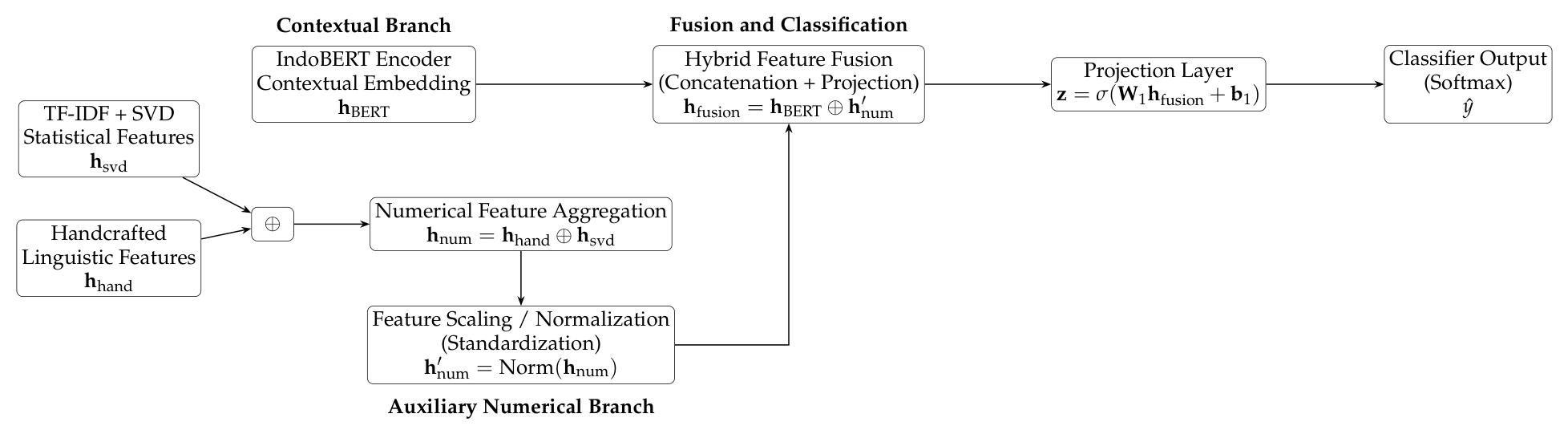
Figure 2 illustrates this lightweight concatenation–projection fusion process. The upper branch supplies dense contextual semantics, while the lower branch contributes normalized explicit numerical descriptors. Both branches are merged through concatenation, transformed by nonlinear projection, and subsequently mapped into final class probabilities. This architecture ensures that the final prediction is not derived from contextual language understanding alone but from a cooperative interaction between semantic interpretation, lexical hostility evidence, and statistical text structure.
3.4. Controlled Semi-Supervised Learning
Although the hybrid feature-enhanced supervised model substantially improves discrimination under limited labeled data, its learning capacity remains constrained by the small size of annotated Indonesian hate speech corpora. A large portion of the merged dataset remains unlabeled during each low-resource split, containing potentially useful lexical and semantic patterns that are not directly exploited by purely supervised optimization. To address this limitation, a controlled semi-supervised learning mechanism is introduced to iteratively assimilate reliable unlabeled samples into the training process.
Unlike conventional pseudo-labeling, which naively assigns labels to all confident predictions and often suffers from confirmation bias [
25], the proposed framework employs a reliability-controlled pseudo-label refinement strategy. This strategy is designed to satisfy three simultaneous objectives: (i) suppress noisy pseudo-label injection, (ii) progressively enlarge the effective training distribution, and (iii) maintain class-balanced expansion during iterative learning.
Let the unlabeled sample pool be denoted by Equation (
16).
where
M is the number of unlabeled instances available after selecting the small labeled subset.
After training the hybrid supervised classifier in iteration
t, the model predicts posterior probabilities for each unlabeled sample (Equation (
17)):
These posterior probabilities quantify the current confidence of the model regarding hate speech membership. However, directly using all predictions is unsafe because low-confidence samples may introduce substantial semantic noise and reinforce early model bias. Therefore, pseudo-label assignment is performed only under a confidence-gated selection rule (Equation (
18)).
where
denotes the iteration-dependent confidence threshold.
This formulation ensures that only strongly separable unlabeled samples are admitted into the pseudo-labeled set, while ambiguous instances located near the decision boundary are intentionally excluded. As a result, the pseudo-label pool is dominated by samples with high semantic certainty, reducing the probability of propagating mislabeled noise.
To avoid overly rigid sample selection in later iterations, the confidence threshold is not kept constant. Instead, an adaptive threshold relaxation schedule is introduced in Equation (
19).
where
is the initial strict confidence threshold,
is the relaxation coefficient, and
is the minimum allowable threshold.
The intuition behind Equation (
19) is that early pseudo-labeling iterations should remain conservative because the classifier is still imperfect and prone to uncertainty. As iterative retraining improves the model, the threshold can gradually be relaxed to admit a larger set of unlabeled samples without significantly compromising reliability. This produces a curriculum-style expansion of the effective training set: highly certain samples are learned first, while moderately certain samples are incorporated only after the classifier becomes more stable.
A second major risk in pseudo-labeling is class-distribution collapse. In imbalanced hate speech corpora, the model tends to assign more confident predictions to the majority class, causing unlabeled expansion to disproportionately reinforce already dominant labels. To prevent this phenomenon, class-balanced pseudo-label filtering is applied (Equation (
20)).
where
and
denote the selected pseudo-labeled hate speech and non-hate speech subsets, respectively.
This balancing mechanism ensures that pseudo-label growth does not simply amplify the dominant non-hate class, but instead supplies approximately symmetric supervisory signals to both categories. Consequently, the classifier learns a more stable and less biased decision boundary across iterative refinement.
After confidence filtering and class balancing, the accepted pseudo-labeled set
is merged into the labeled training pool (Equation (
21)).
The hybrid model is then retrained on the expanded dataset, generating an updated classifier . This process is repeated iteratively until the unlabeled pool is exhausted or the pseudo-label quality gain becomes marginal.
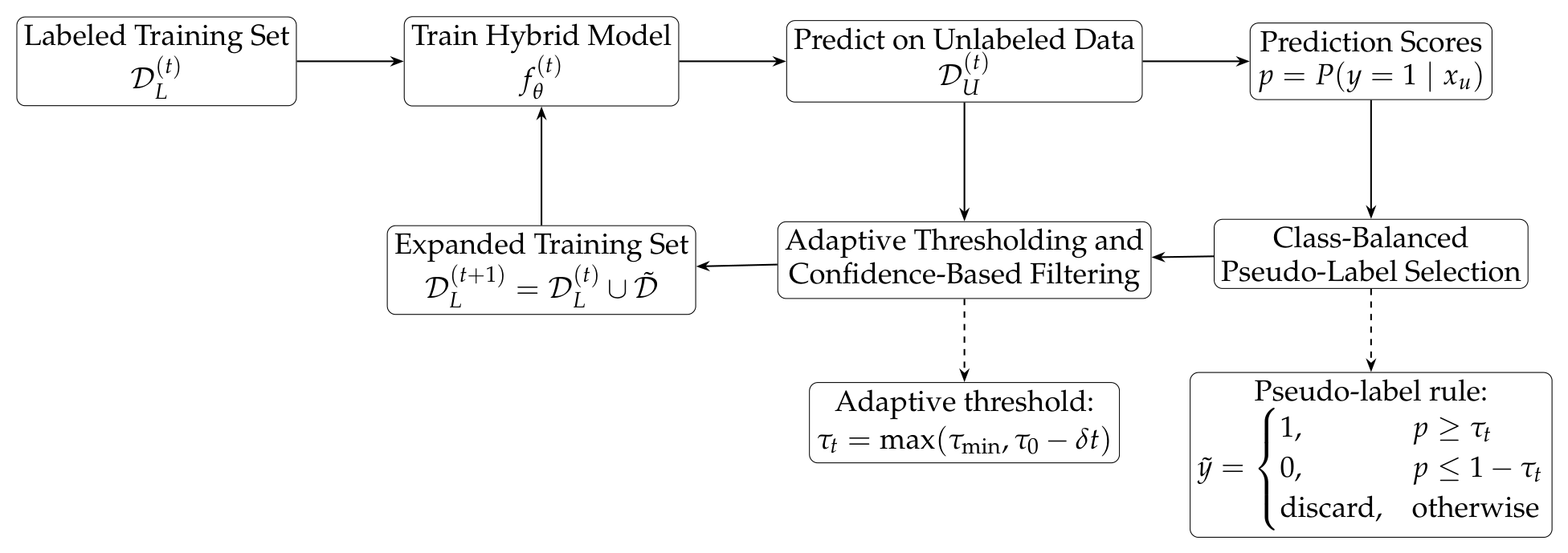
Figure 3 illustrates this reliability-controlled iterative refinement process. Unlabeled data are first scored by the current hybrid classifier and then filtered through adaptive confidence thresholding, followed by class-balanced pseudo-label selection. Only the accepted reliable pseudo-labels are reinjected into the next training cycle. This iterative design differs substantially from naive self-training because pseudo-label admission is explicitly regulated by reliability and distributional constraints rather than by unrestricted confidence alone.
To make the pseudo-labeling process more transparent, the reliability of the selected pseudo-labeled samples is monitored at each SSL iteration. Specifically, four indicators are recorded: pseudo-label acceptance rate, class-wise pseudo-label distribution, estimated pseudo-label noise ratio, and confidence calibration. The acceptance rate measures the proportion of unlabeled samples admitted into the training pool after confidence filtering and class balancing. The class-wise distribution verifies whether pseudo-label expansion remains approximately balanced between hate speech and non-hate speech categories. The pseudo-label noise ratio is estimated on a validation-observable subset by comparing predicted pseudo-labels with available ground-truth annotations when such labels are held out for analysis. Finally, confidence calibration is assessed using Expected Calibration Error (ECE), which evaluates whether high-confidence predictions are consistent with empirical correctness.
where
denotes the pseudo-label acceptance rate at SSL iteration
t,
is the number of accepted pseudo-labeled samples, and
is the number of remaining unlabeled samples before selection. A very high acceptance rate in early iterations may indicate overly permissive filtering, whereas a very low acceptance rate may indicate that the threshold is too conservative.
where
denotes the
m-th confidence bin,
n is the total number of evaluated samples,
is the empirical accuracy of samples in the bin, and
is the average predicted confidence. Lower ECE values indicate better calibration, meaning that the model’s confidence scores are more reliable for pseudo-label selection. These monitoring indicators are used to support the empirical pseudo-label reliability and calibration analysis reported in
Section 5.6.
Overall, the controlled semi-supervised mechanism transforms unlabeled data from a passive unused resource into an actively curated supervisory source. By progressively expanding the labeled manifold with high-confidence and class-balanced pseudo-labels, the framework improves representation robustness, stabilizes decision boundaries, and enhances generalization under severe low-resource supervision.
3.5. Training Strategy and Optimization Protocol
Training the proposed hybrid framework presents several practical challenges beyond standard supervised text classification. First, the low-resource labeled subsets contain only a small fraction of annotated hate speech examples, causing severe class imbalance and unstable gradient updates. Second, the hybrid architecture combines dense transformer embeddings with heterogeneous auxiliary numerical descriptors, which introduces optimization sensitivity during early convergence. Third, the iterative pseudo-label expansion process requires the classifier to maintain sufficiently calibrated confidence estimates so that reliable unlabeled samples can be selected in subsequent semi-supervised iterations. For these reasons, a carefully controlled optimization protocol is employed.
3.5.1. Weighted Objective for Imbalanced Learning
The merged Indonesian hate speech corpus exhibits a nonuniform class distribution between hate speech and non-hate speech instances. Under low-resource sampling, this imbalance becomes even more pronounced because random subset selection may reduce minority hate speech coverage [
38,
78]. If conventional cross-entropy optimization is applied directly, the classifier tends to minimize loss by favoring the dominant class, resulting in inflated accuracy but unstable Macro-F1.
To counteract this effect, an inverse-frequency weighted cross-entropy is used (Equation (
24)).
where
is the class weight assigned and is inversely proportional to class frequency.
This weighted objective amplifies the contribution of minority-class misclassification during backpropagation, forcing the model to learn more balanced discriminatory boundaries rather than majority-class memorization. The use of weighted optimization is particularly important because Macro-F1, rather than raw accuracy, serves as the principal evaluation metric of this study.
3.5.2. Balanced Mini-Batch Sampling
In addition to weighted loss, mini-batch construction is controlled using weighted random sampling [
91]. During each epoch, samples are drawn with probabilities inversely proportional to class occurrence, ensuring that hate speech and non-hate speech examples are presented to the optimizer in approximately balanced proportions.
This batch-level balancing reduces the gradient oscillation caused by dominant-class overexposure and stabilizes the representation learning process of both the contextual and auxiliary branches. More importantly, it prevents the pseudo-labeling module from inheriting strongly biased posterior distributions during early supervised training.
3.5.3. Optimization and Convergence Stabilization
The model parameters are optimized using the Adam optimizer due to its adaptive moment estimation capability, which is effective for hybrid architectures involving heterogeneous parameter scales. Let
denote the trainable parameter set. The parameter update follows Equation (
25).
where
is the learning rate, and
and
are the bias-corrected first and second moment estimates.
Adam is particularly suitable in this framework because the transformer fine-tuning parameters and the auxiliary projection-layer parameters exhibit different gradient magnitudes. Adaptive learning rates, therefore, help maintain synchronized convergence between the contextual encoder and the numerical fusion branch.
To further stabilize training, a linear warm-up and gradual learning-rate decay schedule are employed. Early warm-up prevents abrupt destructive updates on the pretrained IndoBERT weights, while later decay enables smoother convergence toward locally stable minima.
3.5.4. Validation-Guided Early Stopping
Low-resource supervised training is highly vulnerable to overfitting because the model can quickly memorize sparse lexical patterns in the small labeled subset. This risk is amplified in hybrid fusion architectures due to their increased representational capacity. Therefore, validation-guided early stopping is incorporated.
Let
(Equation (
26)) denote the validation Macro-F1 score in epoch
e. Training is terminated when no improvement is observed for a predefined patience interval.
The checkpoint achieving the highest validation Macro-F1 is preserved as the supervised base model for subsequent pseudo-label refinement. This criterion is preferred over validation accuracy because Macro-F1 better reflects minority hate-speech sensitivity.
3.5.5. Iterative Semi-Supervised Retraining Protocol
After the initial supervised model converges, the controlled semi-supervised module generates a pseudo-labeled expansion set according to
Section 3.4. The model is then retrained on the updated labeled pool rather than merely fine-tuned for a few gradient steps. This full retraining strategy is important because it allows newly admitted pseudo-labeled samples to participate uniformly in the optimization process and reduces overdependence on the initial supervised decision boundary.
At each semi-supervised iteration, the same weighted objective, balanced mini-batch sampling, and validation-guided stopping criteria are preserved. This ensures optimization consistency across all pseudo-label refinement cycles and prevents divergence between supervised and semi-supervised learning dynamics.
Overall, this training protocol provides four layers of optimization control: imbalance-aware weighted learning, batch-level class stabilization, adaptive gradient convergence, and validation-regulated iterative retraining. These mechanisms collectively ensure that the proposed hybrid framework remains numerically stable, resistant to overfitting, and sufficiently calibrated for reliable pseudo-label assimilation under severe low-resource supervision.
3.6. Unified Processing Pipeline and Algorithmic Workflow
The complete operational workflow of the proposed framework can now be summarized as a sequential hybrid learning pipeline that integrates supervised feature fusion and reliability-controlled semi-supervised refinement into a single end-to-end process.
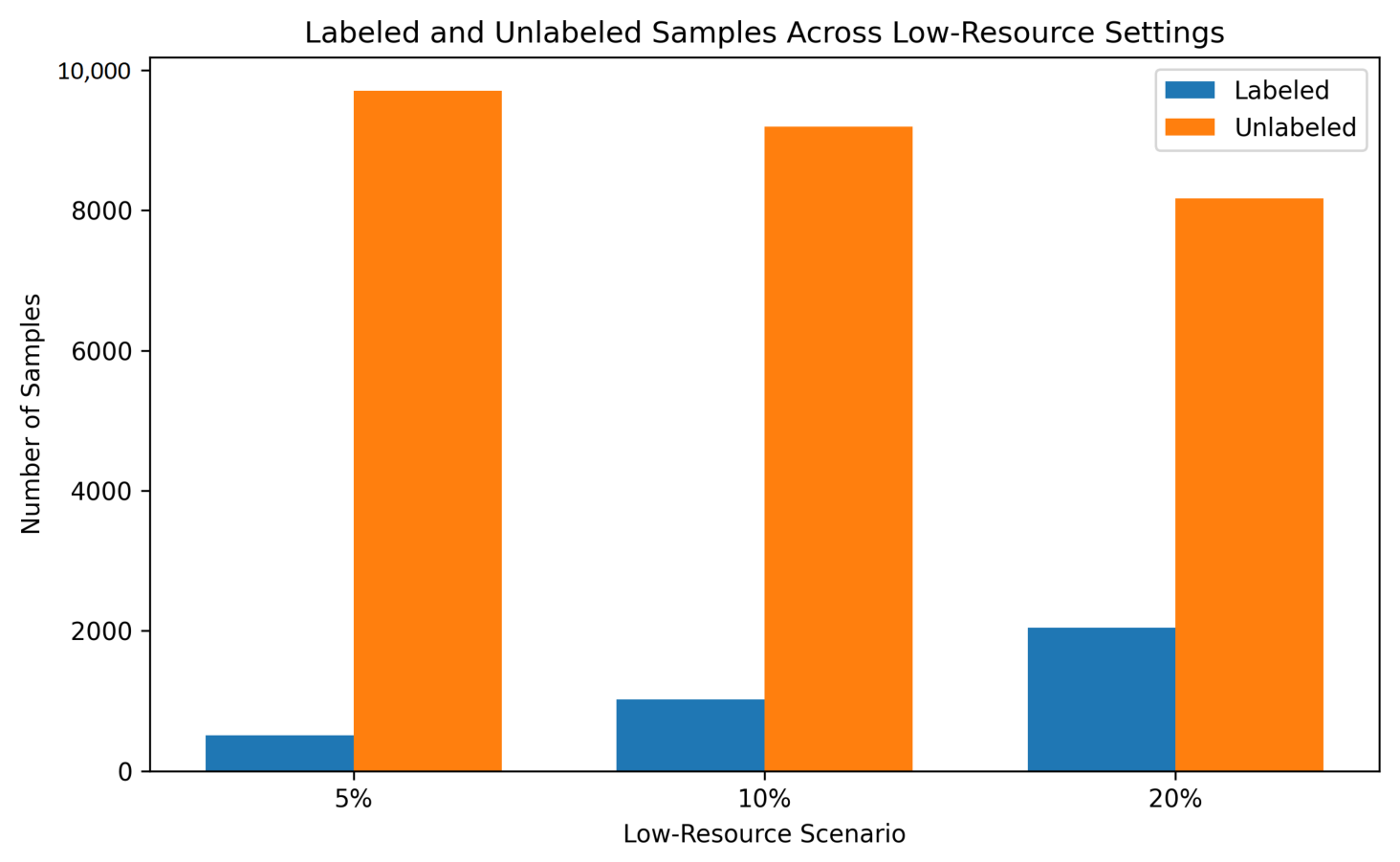
Given the original merged Indonesian hate speech corpus, the dataset is first divided into a small labeled subset and a large unlabeled subset according to the designated low-resource supervision ratios (5%, 10%, and 20%). All textual samples are subsequently passed through the preprocessing transformation to remove lexical noise, normalize slang forms, and reduce orthographic variability.
For each normalized text sample, the contextual branch extracts IndoBERT embeddings
, while the auxiliary branch computes handcrafted linguistic indicators
and TF-IDF–SVD statistical descriptors
. These auxiliary descriptors are aggregated, normalized, and concatenated with contextual embeddings to produce the hybrid representation (Equation (
27)).
The fused vector is then passed through the nonlinear projection-classification module and optimized under weighted imbalance-aware learning to obtain the initial supervised classifier .
Once the supervised model converges, the unlabeled subset is evaluated by the classifier to obtain posterior confidence scores. High-confidence unlabeled samples satisfying the adaptive confidence gate and class-balance criteria are selected as pseudo-labeled candidates and merged into the labeled set. The hybrid classifier is then retrained on the expanded labeled pool, yielding an updated model .
This pseudo-label refinement process is repeated iteratively, allowing the effective labeled manifold to grow from a very small supervision seed toward a broader hybrid-supervised representation space. Throughout each cycle, the model progressively acquires additional lexical hostility patterns, semantic sentence structures, and minority-class decision evidence that were not fully captured during the initial supervised stage.
The complete computational workflow therefore consists of six tightly coupled stages:
Low-resource labeled/unlabeled split generation;
Preprocessing and lexical normalization;
Contextual and auxiliary feature extraction;
Hybrid feature fusion and supervised optimization;
Confidence-controlled pseudo-label selection;
Iterative semi-supervised retraining.
This sequential formulation ensures that the proposed framework does not merely perform static supervised classification, but instead executes a progressive representation expansion process in which contextual semantics, explicit linguistic evidence, and curated unlabeled supervisory signals are jointly integrated.
Algorithm 1 summarizes the complete operational procedure of the proposed method.
| Algorithm 1 Unified Hybrid IndoBERT with Controlled Semi-Supervised Learning. |
Require: Full corpus , labeled ratio , initial threshold , minimum threshold ,
decay rate , maximum SSL iterations T
Ensure: Final trained classifier
1: Split into labeled subset and unlabeled subset using ratio
2: for each text sample x in do
3: Apply preprocessing:
4: Extract contextual embedding
5: Extract handcrafted features
6: Extract TF-IDF–SVD features
7: end for
8: Construct fused hybrid representation:
9: Train initial hybrid classifier on using weighted cross-entropy and balanced
mini-batch sampling
10: for to do
11: Predict posterior probabilities for all :
12: Update adaptive threshold:
13: Select high-confidence pseudo-labels using Equation (18)
14: Apply class-balanced filtering to selected pseudo-labeled set
15: Update labeled pool:
16: Remove selected samples from unlabeled pool
17: Retrain hybrid classifier on updated
18: end for
19: return Final classifier |
5. Results and Discussion
This section presents a comprehensive evaluation of the proposed hybrid feature-enhanced IndoBERT framework under low-resource Indonesian hate speech detection scenarios. Experiments are conducted using three labeled data settings (5%, 10%, and 20%) to simulate varying levels of supervision, reflecting realistic conditions where annotated data are limited. The evaluation focuses on comparing the proposed hybrid model with baseline and ablation variants, including IndoBERT-only, IndoBERT combined with handcrafted features, IndoBERT combined with TF-IDF–SVD features, and the full hybrid model with and without controlled semi-supervised learning.
Performance is assessed using accuracy, Macro-F1, Macro-Precision, Macro-Recall, and ROC-AUC metrics, with Macro-F1 serving as the primary evaluation measure due to class imbalance in hate speech datasets. The experiments aim to analyze not only the overall performance of the proposed method but also the contribution of individual feature groups and the effectiveness of the controlled semi-supervised learning strategy.
The results are organized into five analyses. First, internal model variants are examined to evaluate the contribution of contextual, handcrafted, statistical, and semi-supervised components. Second, the proposed model is compared with representative state-of-the-art baselines under the same experimental protocol. Third, classification behavior is analyzed using a confusion matrix and ROC diagnostics. Fourth, the controlled semi-supervised learning mechanism is examined in relation to naive pseudo-labeling. Finally, the discussion synthesizes the main findings, limitations, and practical implications.
5.1. Performance Trend Analysis Across Internal Model Variants
This subsection investigates the performance behavior of the proposed framework and its internal ablation variants under progressively increasing low-resource supervision levels. Unlike the broader benchmark comparison presented in the subsequent subsection, the objective here is to analyze how individual feature groups and the controlled semi-supervised learning mechanism influence the learning dynamics of the proposed architecture. Five internal configurations are considered: (i) IndoBERT only, (ii) IndoBERT combined with handcrafted linguistic features, (iii) IndoBERT combined with TF-IDF–SVD statistical features, (iv) the full hybrid feature framework, and (v) the full hybrid framework integrated with controlled semi-supervised learning (SSL). The evaluation is conducted under 5%, 10%, and 20% labeled data settings using Accuracy, Macro-F1, Precision, Recall, and ROC-AUC, with Macro-F1 treated as the primary indicator due to class imbalance.
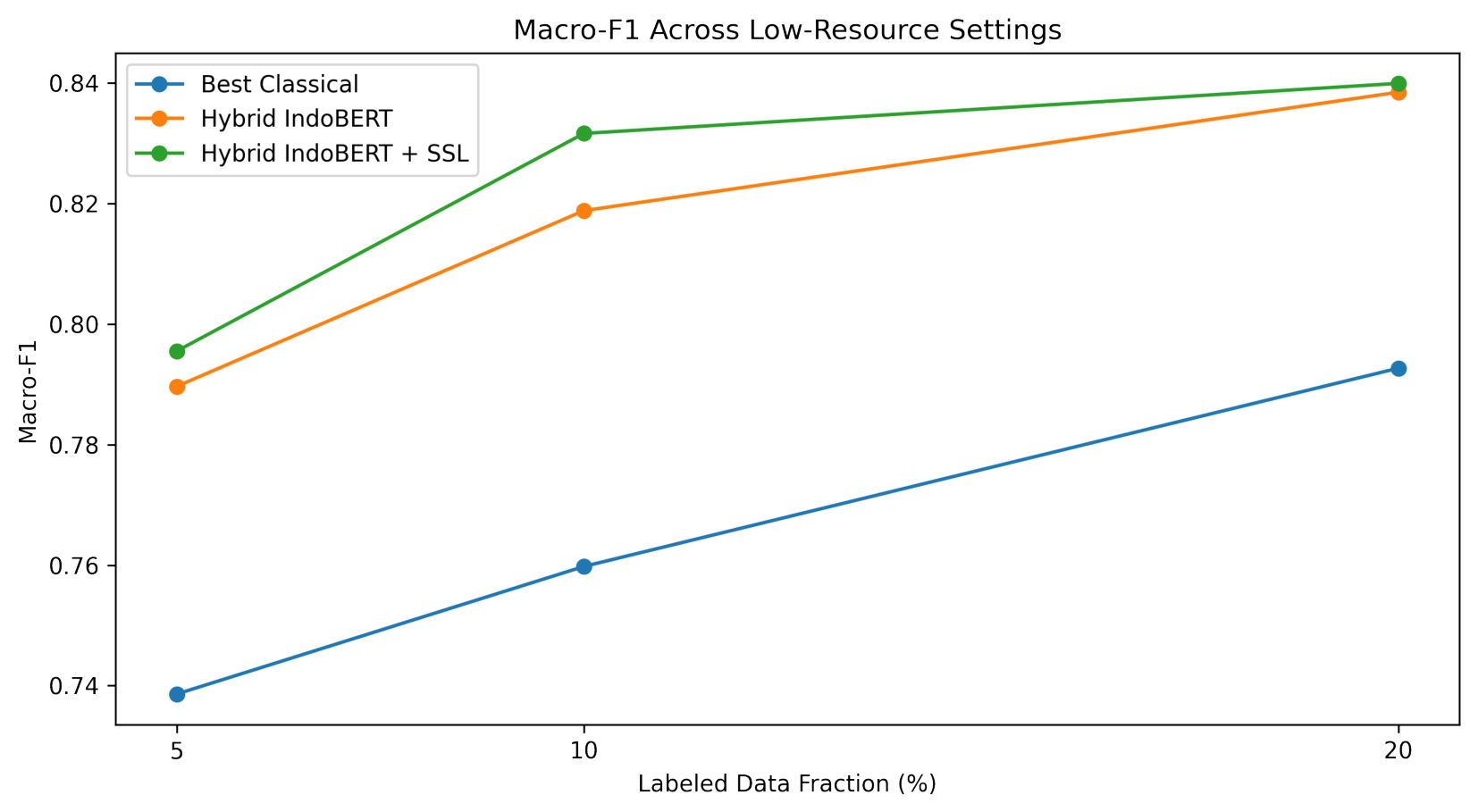
Figure 7 presents the Macro-F1 trajectory across the three supervision levels. Several notable patterns can be observed. First, all IndoBERT-based configurations maintain relatively strong performance even under severe label scarcity, confirming the robustness of contextual transformer embeddings for low-resource Indonesian hate speech detection. However, the contribution of auxiliary feature groups is not uniform across supervision levels. Under the 5% labeled setting, the IndoBERT + TF-IDF–SVD configuration achieves the highest Macro-F1 score among all internal variants, reaching 0.7990. This result indicates that compact statistical representations derived from global lexical distributions provide stable complementary information when contextual transformer representations are still under-constrained by limited labeled supervision.
As the labeled fraction increases, the relative contribution of richer feature fusion becomes more apparent. At the 10% supervision level, the Full Hybrid + SSL configuration becomes the best-performing variant, with a Macro-F1 score of 0.8232, and this superiority becomes even more pronounced at the 20% setting, where the score rises to 0.8633. This progressive improvement suggests that more complex interactions among contextual embeddings, handcrafted linguistic cues, and statistical representations require a sufficiently representative labeled subset before their complementarity can be fully exploited. In other words, hybrid feature integration is not uniformly advantageous at all data scales but becomes increasingly effective once the model is able to learn more reliable semantic alignment from the labeled data.
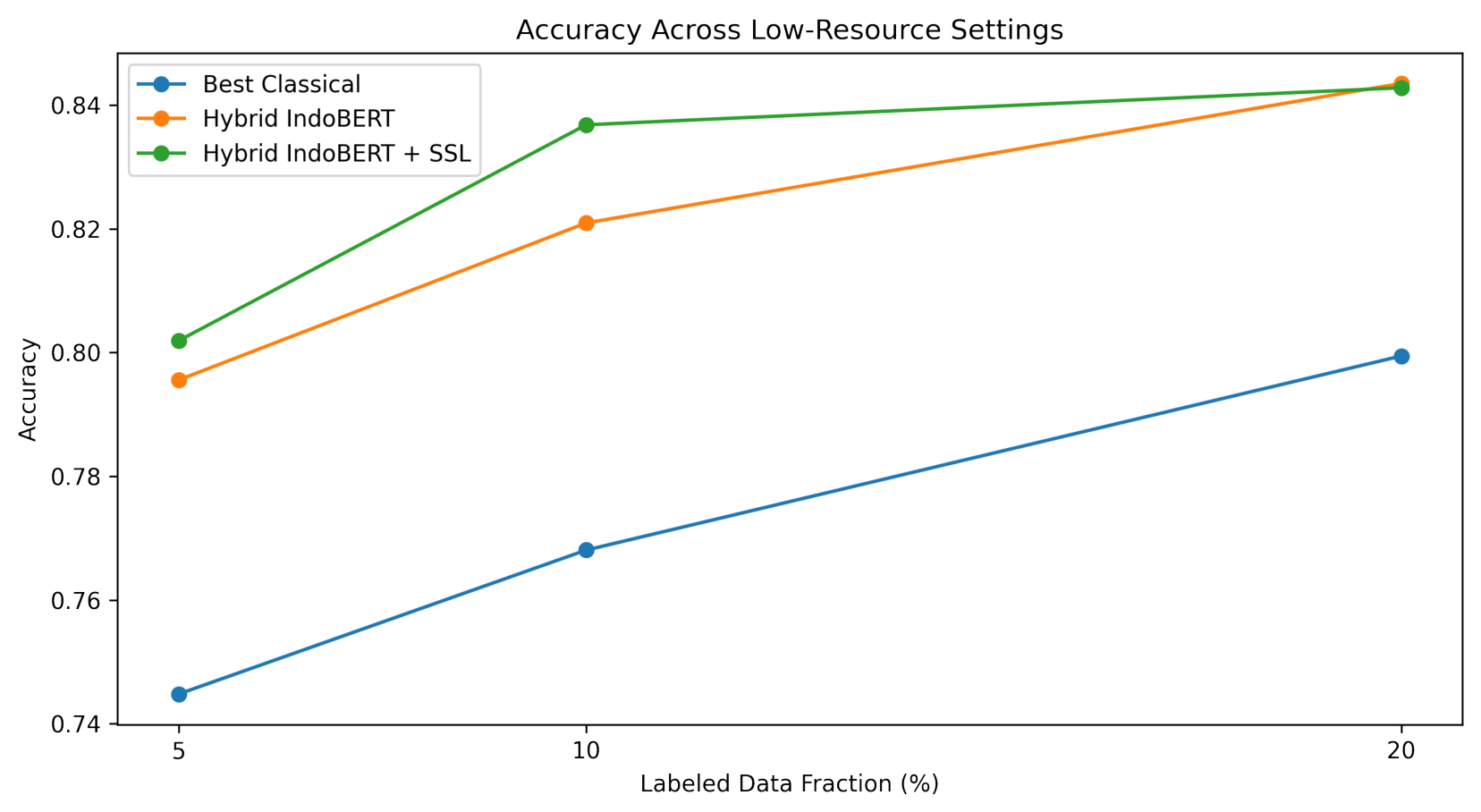
A similar trend is reflected in the accuracy analysis shown in
Figure 8. Under the 5% labeled regime, the IndoBERT + TF-IDF–SVD variant remains the most stable configuration, while the Full Hybrid + SSL framework gradually overtakes all other variants with 10% and 20% labeled data. This confirms that statistical features primarily contribute to early-stage robustness, whereas the semi-supervised hybrid architecture contributes more strongly to downstream generalization once a minimally stable supervised backbone has been established.
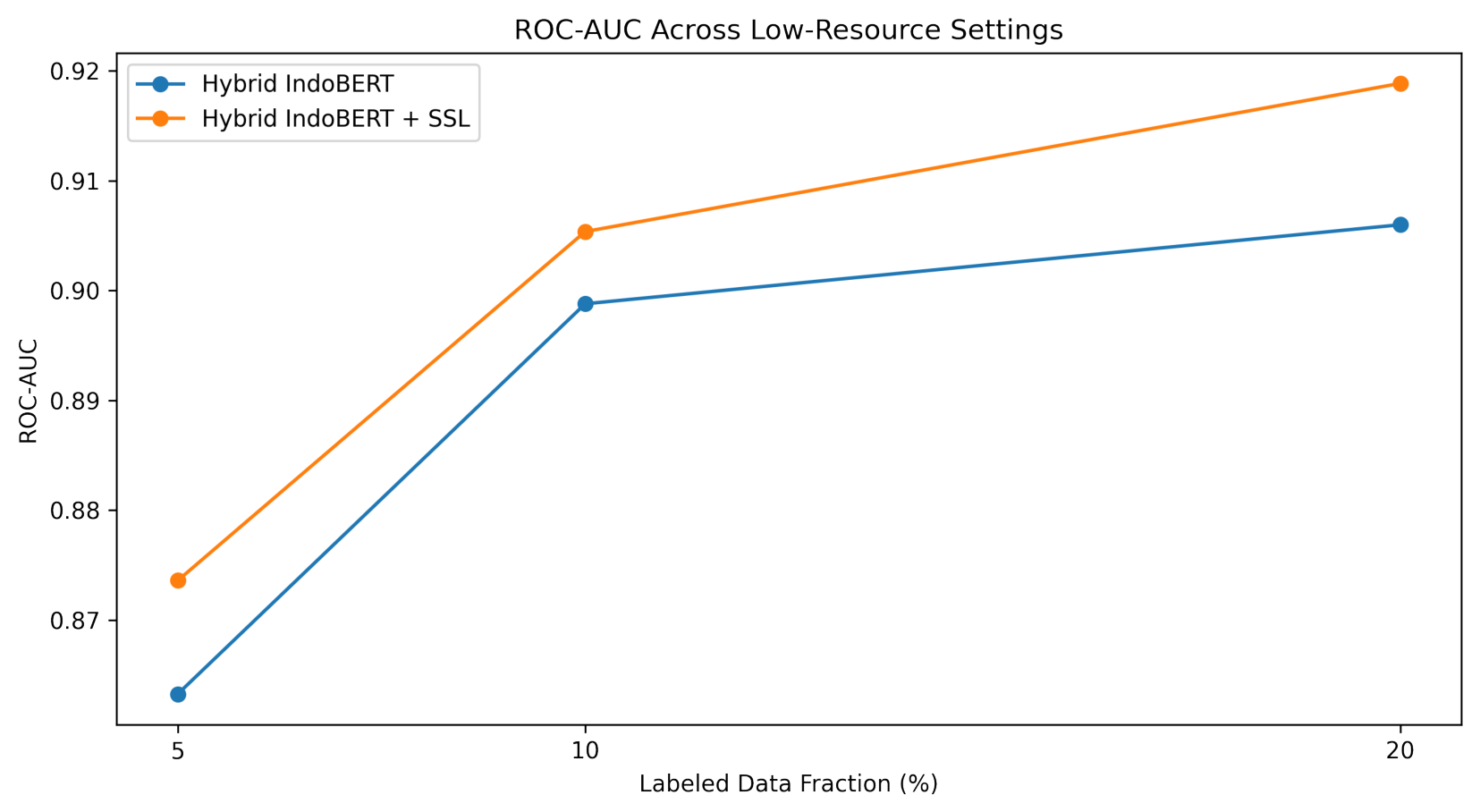
The ROC-AUC behavior in
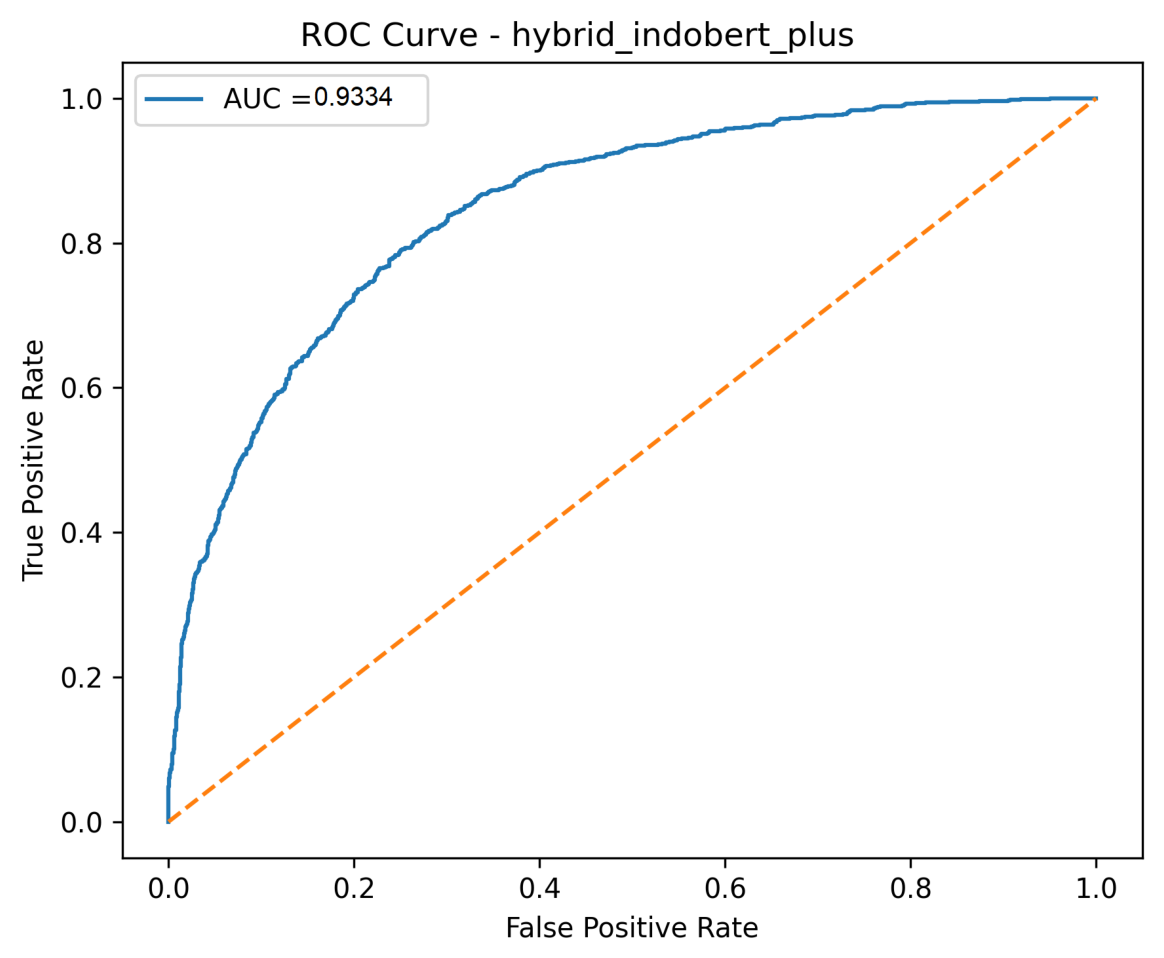
Figure 9 provides additional evidence regarding probabilistic class separability. Although all internal variants show improved ranking behavior as the amount of labeled data increases, the Full Hybrid + SSL model consistently achieves the strongest AUC progression, culminating in 0.9334 at the 20% labeled setting. This indicates that the controlled pseudo-labeling mechanism does not merely improve threshold-specific classification accuracy, but also refines the global ordering of positive and negative confidence distributions, resulting in stronger class separability.
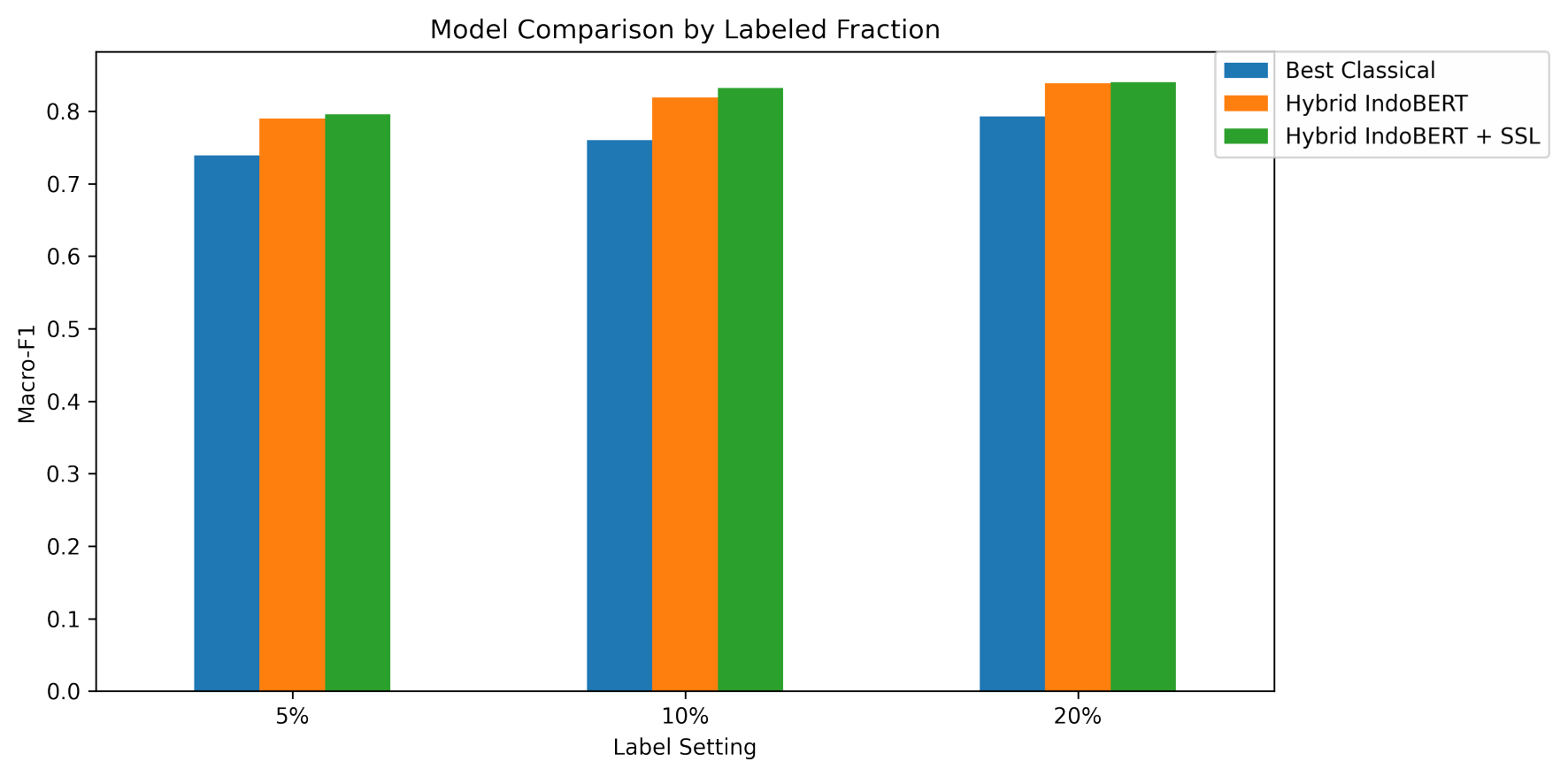
Figure 10 further summarizes the grouped Macro-F1 behavior across all internal variants. The figure clearly shows that handcrafted linguistic features contribute only marginally relative to the IndoBERT baseline, whereas TF-IDF–SVD features provide a stronger complementary signal under the lowest supervision level. However, once pseudo-label refinement is introduced into the complete hybrid framework, the Full Hybrid + SSL variant becomes the most balanced and scalable performer. This indicates that the principal gains do not originate from any single handcrafted feature source but rather from the controlled interaction between heterogeneous feature groups and carefully regulated unlabeled data expansion.
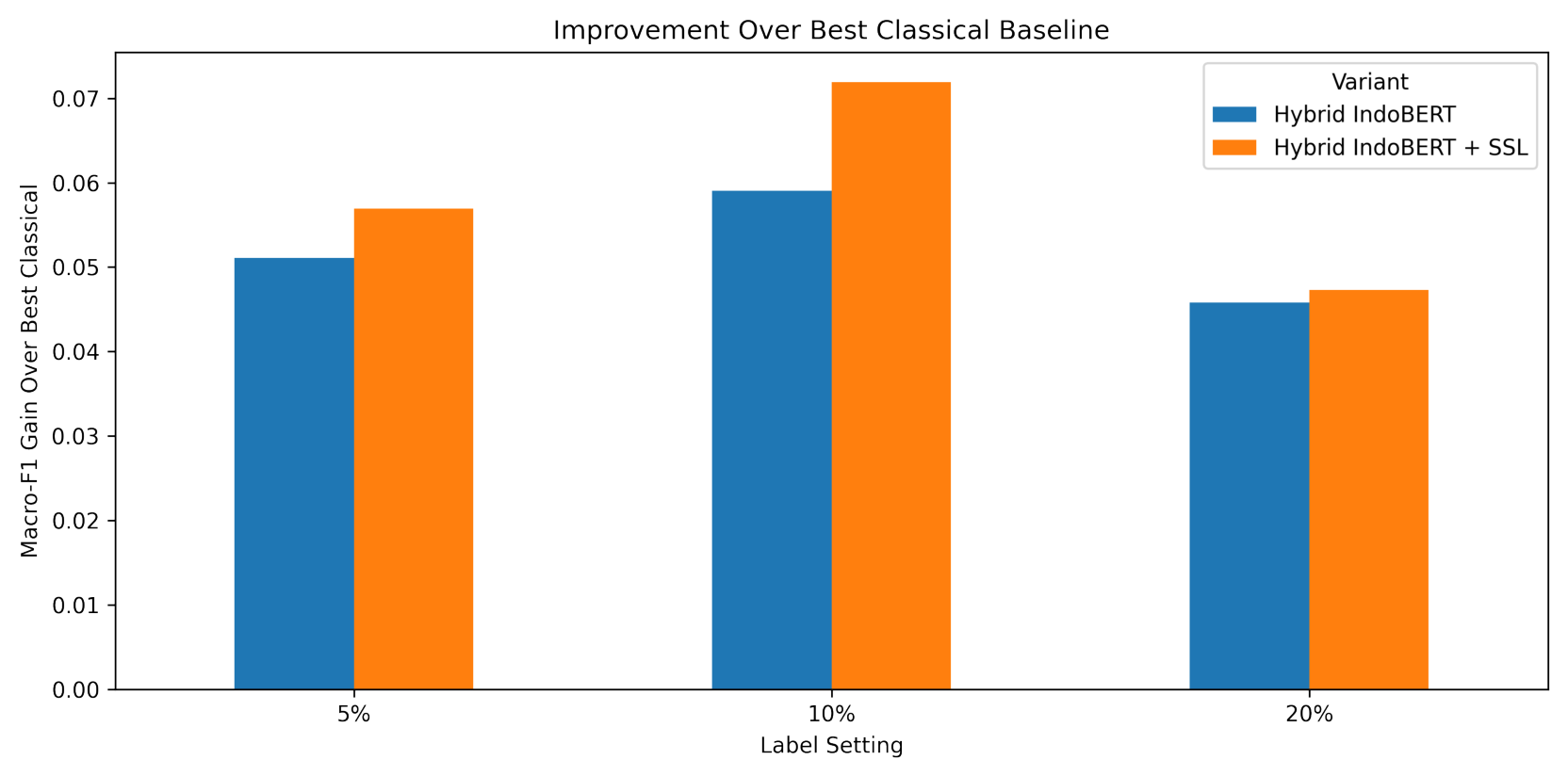
The relative improvement behavior is further illustrated in
Figure 11, where performance gains are measured against the weakest internal configuration. The greatest relative gains are observed under the 5% labeled setting, confirming that feature augmentation has the highest marginal utility when supervision is severely constrained. As the labeled fraction increases, the absolute performance still improves, but the relative gap between variants becomes more compressed, indicating that the model gradually approaches a more stable supervised regime where improvements are increasingly driven by refinement rather than fundamental representational rescue.
For completeness,
Table 5 summarizes the quantitative performance of all internal model variants. Several important observations emerge. First, the IndoBERT baseline alone already establishes a strong contextual foundation across all label fractions. Second, handcrafted linguistic features introduce only minor fluctuations, suggesting that explicit lexical indicators alone are insufficient to substantially reshape transformer-level representations. Third, TF-IDF–SVD features provide the strongest isolated complementary signal under the 5% regime. Finally, the integration of all feature groups together with controlled semi-supervised learning yields the strongest and most consistent performance once the labeled subset becomes sufficiently representative.
Overall, the evidence from the internal variant analysis demonstrates that the effectiveness of each feature component is strongly supervision-dependent. Under extremely constrained labeled regimes, compact statistical augmentation provides the most stable auxiliary signal. As the supervision level becomes moderately richer, the full interaction among contextual embeddings, heterogeneous auxiliary features, and controlled semi-supervised learning becomes the dominant source of improvement. This supervision-dependent transition forms the central empirical motivation for the broader representative baseline comparison presented in the next subsection.
5.2. Comparison with Representative State-of-the-Art Baselines
Although the previous subsection analyzed the internal contribution of each architectural component, a broader evaluation is necessary to determine whether the proposed framework remains competitive compared to representative low-resource hate speech detection baselines spanning multiple methodological families. To this end, a comprehensive benchmark was conducted under the same merged Indonesian hate speech corpus, identical preprocessing pipeline, identical train/validation/test split strategy, and the same low-resource supervision protocol. This controlled evaluation is critical because comparisons based only on literature are often affected by dataset heterogeneity, inconsistent preprocessing, and incompatible evaluation metrics. By contrast, all baselines in this study are trained and evaluated under exactly the same conditions, allowing a more rigorous and directly interpretable assessment.
The benchmark includes four categories of representative competitors: (i) classical sparse lexical models, including SVM + TF-IDF, Logistic Regression + TF-IDF, Random Forest + n-gram, and RFDT with handcrafted linguistic features; (ii) shallow neural architectures, namely CNN and LSTM; (iii) pretrained transformer baselines, including IndoBERT, mBERT, XLM-RoBERTa, and IndoBERTweet; and (iv) a conventional naive pseudo-labeling strategy using IndoBERT without adaptive threshold regulation or class-balanced pseudo-label control. Together, these baselines cover the principal methodological families commonly used in low-resource text classification and hate speech detection.
Table 6 presents the complete Macro-F1 and ROC-AUC comparison across all methods under 5%, 10%, and 20% labeled data settings.
Several important benchmark-level findings emerge from this comparison.
First, among the classical lexical baselines, SVM + TF-IDF and Logistic Regression + TF-IDF remain surprisingly competitive under the 5% labeled regime, outperforming shallow CNN and LSTM architectures. This behavior is consistent with the fact that sparse lexical representations require less supervision to form linear separability than parameter-rich neural sequence encoders. Under severe label scarcity, the explicit lexical frequency structure captured by TF-IDF remains a stable discriminative cue, whereas shallow deep models struggle to estimate reliable semantic composition from only a few hundred labeled examples.
Second, shallow CNN and LSTM models demonstrate the weakest overall robustness across all supervision levels. Although their performance improves as more labeled data become available, both architectures remain consistently below transformer-based baselines. This indicates that low-capacity randomly initialized neural encoders are insufficient for capturing the noisy, informal, and context-sensitive linguistic behavior of Indonesian hate speech without access to large supervised corpora or pretrained language priors.
Third, among standalone pretrained transformers, IndoBERT and IndoBERTweet establish the strongest baseline family. IndoBERT already produces substantial gains over all classical and shallow neural baselines, confirming the advantage of contextual pretraining. More interestingly, IndoBERTweet slightly surpasses IndoBERT at the 10% and 20% supervision levels, reaching a Macro-F1 of 0.8368 and ROC-AUC of 0.9144 at the 20% labeled setting. This suggests that domain-adaptive pretraining on informal Indonesian social media language provides additional robustness for abusive and hate-related discourse where slang, abbreviations, and nonstandard orthography are prevalent.
Fourth, the naive pseudo-labeling baseline confirms that unlabeled data can indeed improve low-resource learning. Relative to the supervised IndoBERT baseline, naive pseudo-labeling yields incremental improvements at all label fractions, particularly at 10% and 20% labeled data. However, the magnitude of improvement remains moderate. Because this conventional pseudo-labeling strategy uses a fixed confidence threshold and does not explicitly regulate pseudo-label quality or class balance, noisy pseudo-label accumulation still limits its long-term stability.
Most importantly, the proposed Hybrid IndoBERT + SSL framework consistently achieves the highest Macro-F1 and ROC-AUC values across all three supervision levels. Under the most difficult 5% labeled regime, it reaches a Macro-F1 of 0.7946, outperforming all classical baselines, shallow neural models, multilingual transformers, and even the naive pseudo-labeling strategy. At the 10% and 20% labeled settings, this superiority becomes more pronounced, culminating in a Macro-F1 of 0.8633 and ROC-AUC of 0.9334 at 20% labeled data.
This consistent benchmark-level dominance is scientifically important because it demonstrates that the observed gains cannot be attributed solely to transformer contextual embeddings, solely to pseudo-label expansion, or solely to lexical feature augmentation. Instead, the strongest performance emerges only when these components are integrated into a unified and regulated framework: contextual semantic encoding from IndoBERT, auxiliary handcrafted and statistical feature enrichment, and a controlled semi-supervised learning mechanism that explicitly manages pseudo-label confidence and class distribution.
Another noteworthy observation is the behavior of multilingual transformers. Both mBERT and XLM-RoBERTa remain substantially below Indonesian-specialized transformers across all settings, with XLM-RoBERTa showing particularly unstable behavior under the 5% labeled setting. This indicates that broad multilingual coverage does not automatically translate into robust low-resource performance when the task is highly dependent on domain-specific slang, local hate expressions, and culturally contextualized lexical semantics. Language specialization appears to be more valuable than broad multilingual generality in this task.
In general, the benchmark evidence demonstrates that the proposed Hybrid IndoBERT + SSL model offers the strongest and most stable low-resource hate speech detection capability among all evaluated methodological families. Its superiority is not restricted to comparison against simplified internal variants but remains consistent when challenged against competitive classical lexical baselines, shallow neural encoders, domain-adapted pretrained transformers, multilingual transformer architectures, and conventional semi-supervised learning strategies. This broad superiority establishes the proposed framework as a genuinely competitive end-to-end solution rather than a narrowly tuned ablation improvement.
5.3. LLM-Based Baseline Evaluation
To further assess the competitiveness of the proposed framework against modern general-purpose language models, an additional LLM-based baseline evaluation was conducted. Specifically, GPT-4o-mini [
92] and Llama-3.1-8B-Instruct [
93] were evaluated on the same test split used throughout this study. Unlike the proposed framework, which is trained under low-resource supervision and further refined through controlled semi-supervised learning, the LLM baselines were evaluated using prompt-based zero-shot inference without task-specific fine-tuning. Therefore, the LLM results should be interpreted as external prompt-based reference baselines rather than as supervised or semi-supervised competitors trained under the same optimization protocol.
To ensure transparency, the same prompt template was applied consistently to all test samples. Each Indonesian social media text was provided to the LLM with a fixed instruction requiring binary classification into either Hate Speech or Non-Hate Speech. No labeled training examples from the target corpus were included in the prompt, and no model parameters were updated during LLM evaluation. The prompt template used for the LLM-based baseline evaluation is shown in
Table 7.
In
Table 7, [INPUT_TEXT] denotes the placeholder replaced by each test sample during LLM inference.
Table 8 compares the LLM-based baselines with the proposed Hybrid IndoBERT + controlled SSL framework. To maintain consistency with the latest supervised and semi-supervised experimental setting, the proposed model result corresponds to the Full Hybrid IndoBERT + controlled SSL configuration under the 20% labeled-data setting.
As shown in
Table 8, GPT-4o-mini and Llama-3.1-8B-Instruct provide competitive zero-shot performance, reflecting the strong general semantic capabilities of modern LLMs. However, the proposed Hybrid IndoBERT + controlled SSL framework achieves higher Accuracy, Macro-F1, and ROC-AUC on the same test split. This suggests that domain-specific supervised adaptation, auxiliary feature integration, and controlled pseudo-label refinement remain beneficial for Indonesian hate speech detection, particularly when the task involves informal expressions, slang, implicit hostility, and culturally contextualized abusive language.
The comparison should also be interpreted in terms of practical deployment. LLM-based prompting is flexible and does not require task-specific training, but it may be sensitive to prompt wording, model-version changes, inference cost, latency, and output-format inconsistency. In contrast, the proposed framework requires offline training but provides a compact task-specific classifier with stable inference behavior once deployed. Therefore, the LLM baselines are used here as strong prompt-based reference models, while the proposed framework is positioned as a domain-adapted low-resource classification approach designed for reproducible and efficient hate speech detection.
5.4. Classification Behavior Analysis
Beyond aggregate numerical metrics, it is important to examine how the proposed framework behaves at the prediction level in order to understand whether the observed performance gains translate into stable class-wise decision behavior. For this purpose, confusion matrix and ROC curve visualizations are analyzed for the best-performing configuration, namely the Proposed Hybrid IndoBERT + controlled SSL model under the 20% labeled supervision setting. This configuration achieved the highest overall Accuracy of 0.8654, Macro-F1 score of 0.8633, and ROC-AUC of 0.9334, making it the most representative candidate for detailed behavioral inspection.
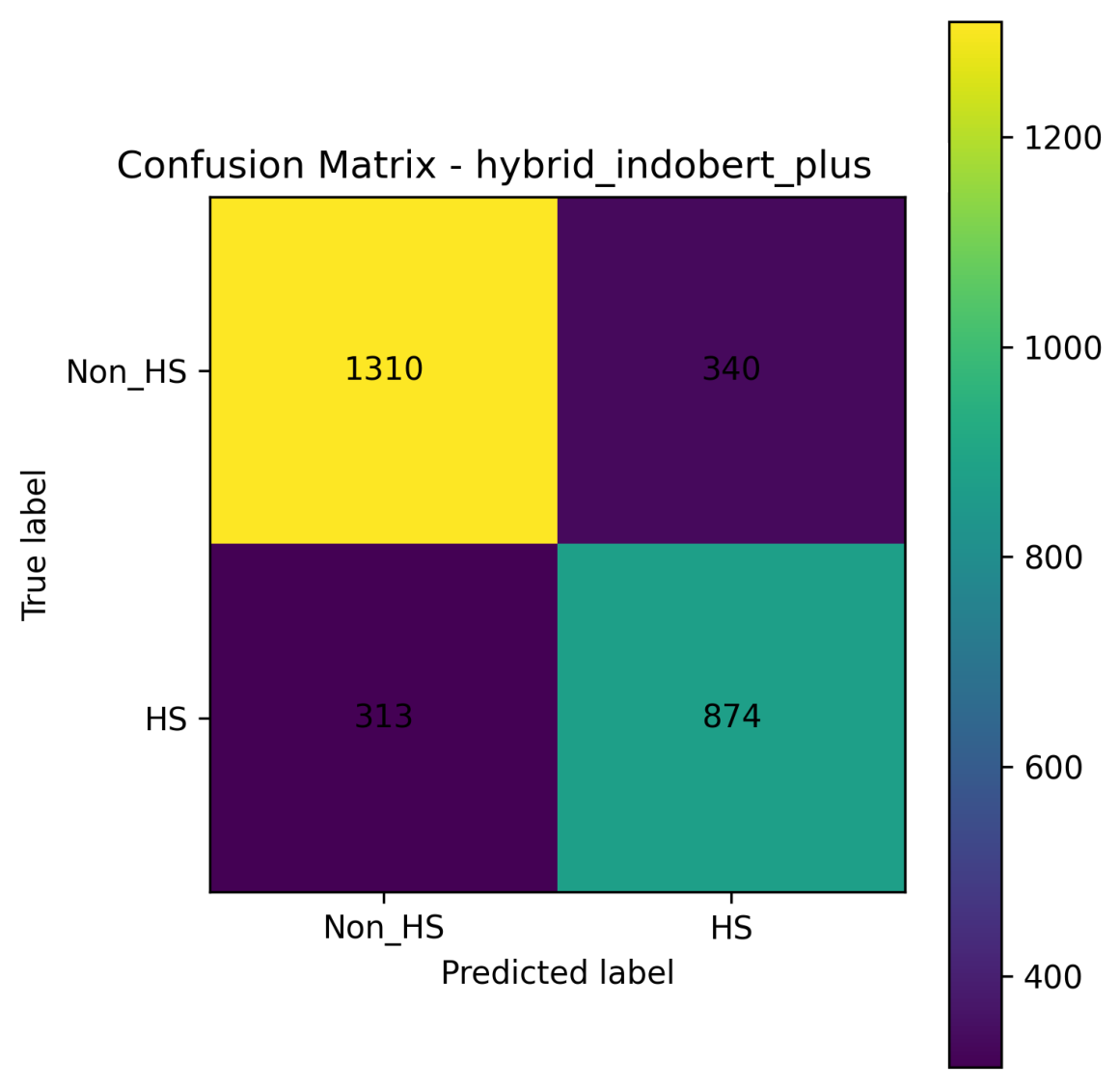
As illustrated in
Figure 12, the confusion matrix provides a more detailed view of the model’s class-wise behavior beyond aggregate performance metrics. The dominance of correct predictions indicates that the proposed framework can distinguish hate speech and non-hate speech with relatively stable decision behavior under limited labeled supervision. This is particularly important in imbalanced hate speech detection tasks, where models may over-favor the majority non-hate class. The present results suggest that the proposed feature-enhanced architecture helps preserve sensitivity toward harmful content while maintaining reasonable specificity for non-hate speech.
A particularly important aspect of the confusion matrix concerns false negative behavior. In practical hate speech moderation systems, false negatives correspond to harmful expressions that escape detection and are therefore operationally critical. The integration of contextual semantic embeddings with auxiliary statistical and linguistic cues is intended to reduce this risk by allowing the model to capture not only explicit lexical triggers but also broader contextual hostility signals. Nevertheless, the remaining false negatives indicate that some harmful expressions remain difficult to detect, especially when they are implicit, coded, sarcastic, or strongly dependent on social and cultural context.
At the same time, false positives also remain an important source of classification error. Manual inspection of misclassified examples indicates that several false-positive cases correspond to emotionally intense, rude, sarcastic, or aggressive interpersonal expressions that resemble abusive discourse but do not necessarily constitute hate speech. This suggests that the model may sometimes associate surface-level hostility cues, such as punctuation intensity, informal intensifiers, or exaggerated spelling, with hate speech even when group-targeted hostility is absent. From an application perspective, this behavior reflects a trade-off between detecting potentially harmful content and avoiding over-flagging non-hate expressions.
The ROC analysis in
Figure 13 further reinforces this interpretation. The high AUC value of 0.9334 indicates that the model preserves strong ranking capability between positive and negative classes over a range of decision thresholds. This means that the performance of the proposed framework is not confined to a single threshold-specific operating point but reflects a broader probabilistic separation between hate speech and non-hate speech confidence distributions.
This probabilistic behavior is particularly relevant because the controlled semi-supervised learning mechanism relies directly on confidence-based pseudo-label filtering. A model that produces poorly separated confidence distributions would be more likely to introduce noisy pseudo-labels during unlabeled-data expansion. The ROC behavior observed here suggests that the learned confidence landscape remains sufficiently structured to support reliable pseudo-label selection, which helps explain why the controlled SSL framework improves over simpler supervised and naive pseudo-labeling configurations.
Taken together, the confusion matrix and ROC diagnostics indicate that the proposed framework achieves not only strong aggregate benchmark performance but also desirable operational classification behavior, including balanced class sensitivity and stable confidence ranking. These properties are important for real-world low-resource hate speech detection, where practical utility depends not only on average metric values but also on how consistently the model handles ambiguous linguistic boundaries.
Nevertheless, the remaining error patterns reveal the principal limitations of the current system. False positives may still be triggered by figurative aggression, irony, or emotionally charged but non-hateful utterances, while some false negatives emerge from highly coded or implicitly derogatory expressions that require deeper discourse or sociocultural interpretation. These residual failures suggest that although the current hybrid representation improves low-resource robustness, further gains may require richer discourse-level context, explicit target-group modeling, or external knowledge integration beyond isolated sentence-level textual signals.
Qualitative Error Analysis
To better understand the classification behavior of the proposed framework, a qualitative error analysis was conducted on misclassified test samples. This analysis focuses on identifying recurring linguistic and semantic conditions that cause false positives and false negatives. Rather than reproducing the original Indonesian social media texts directly, the analysis reports anonymized and paraphrased error patterns to avoid presenting harmful, offensive, or culturally sensitive content. Such analysis is important because hate speech detection errors are often caused not only by insufficient model capacity but also by ambiguity, informal spelling, implicit hostility, sarcasm, context dependency, and culturally specific expressions.
Table 9 summarizes representative error categories observed during test-set inspection. The examples are paraphrased while preserving the linguistic phenomenon responsible for the classification error. False positives generally occur when non-hate expressions contain emotionally strong punctuation, informal intensifiers, repeated characters, or aggressive words used in non-targeted contexts. In contrast, false negatives often occur when hate speech is expressed implicitly, indirectly, or through slang and coded expressions that require broader social or conversational context.
This qualitative analysis shows that the proposed framework improves robustness by combining contextual representations with auxiliary linguistic and statistical features, but it does not completely resolve the semantic ambiguity between hate speech, offensive language, sarcasm, and emotionally intense non-hate expressions. The remaining errors indicate that future work should consider richer discourse context, explicit modeling of target groups, and more robust treatment of obfuscated or coded abusive language.
5.5. Effectiveness of Controlled Semi-Supervised Learning
This subsection specifically examines the contribution of the proposed controlled semi-supervised learning mechanism by analyzing its behavior relative to purely supervised training and to a conventional naive pseudo-labeling baseline. Unlike standard pseudo-labeling approaches that directly augment the labeled set with unlabeled predictions using a fixed confidence rule, the proposed framework introduces pseudo-labeled samples through a regulated process involving adaptive confidence thresholding and class-balanced sample selection. The objective of this design is not merely to increase the number of training instances but to ensure that the additional supervisory signals remain reliable and distributionally useful throughout iterative learning.
The quantitative evidence presented in
Section 5.2 demonstrates that naive pseudo-labeling already provides measurable gains over the standalone IndoBERT baseline, confirming that unlabeled data contain useful latent supervisory information. For example, at the 20% labeled setting, naive pseudo-labeling improves Macro-F1 from 0.8285 to 0.8345. However, this gain remains relatively modest, suggesting that simply adding pseudo-labeled samples is insufficient to fully exploit unlabeled data. Without explicit control, pseudo-label quality is highly dependent on early model confidence, and erroneous high-confidence predictions can easily propagate through subsequent iterations.
A substantially different trend is observed in the proposed Hybrid IndoBERT + SSL framework. Under the same 20% supervision level, the proposed controlled SSL strategy raises Macro-F1 further to 0.8633 and ROC-AUC to 0.9334, outperforming both the purely supervised hybrid model and the naive pseudo-labeling baseline. Similar behavior is observed at 10% labeled data, where the proposed framework again yields the strongest aggregate performance. These results indicate that the observed gains are not attributable solely to the presence of additional unlabeled samples, but rather to the manner in which those samples are filtered, balanced, and progressively incorporated into training.
One of the primary factors behind this improvement is the adaptive thresholding mechanism. During early iterations, model confidence is inherently unstable because the labeled subset is still too small to define robust semantic boundaries. Applying a low or fixed pseudo-label threshold at this stage risks introducing noisy labels that may distort the classifier’s decision surface. The proposed approach instead begins with a stricter confidence requirement, ensuring that only highly reliable unlabeled predictions are accepted. As the supervised backbone becomes more stable, this threshold is gradually relaxed, allowing broader unlabeled coverage without sacrificing pseudo-label precision. This progressive admission process creates a curriculum-like expansion of the training set, where supervisory complexity increases in accordance with model maturity.
A second critical factor is the class-balanced pseudo-label selection strategy. In imbalanced hate speech detection, unrestricted pseudo-labeling tends to favor the majority class because the model naturally produces more confident predictions for dominant patterns. This can lead to self-reinforcing class bias, where pseudo-label expansion further skews the learned representation. By explicitly enforcing balanced pseudo-label acquisition from both hate speech and non-hate speech categories, the proposed method prevents this majority amplification effect and promotes a more symmetric decision boundary. This behavior is reflected indirectly in the stronger Macro-F1 gains of the proposed framework, indicating improved minority-class sensitivity rather than mere overall accuracy inflation.
The effectiveness of the controlled SSL process is also consistent with the probabilistic behavior observed in the ROC analysis in
Section 5.4. The Hybrid IndoBERT + SSL model produces the highest ROC-AUC among all evaluated methods, implying that the classifier learns a cleaner confidence separation between positive and negative classes after pseudo-label refinement. This is an important finding because pseudo-labeling fundamentally depends on the trustworthiness of model confidence scores. The improved AUC suggests that the iterative pseudo-label filtering process not only adds training samples but also sharpens the model’s internal ranking consistency.
Another important observation is that the contribution of controlled SSL becomes more pronounced as the labeled fraction increases. At the 5% labeled setting, the proposed SSL framework yields only a moderate improvement because the initial supervised backbone is still weak, limiting pseudo-label reliability. However, once the labeled data increase to 10% and 20%, the pseudo-labeling process becomes significantly more beneficial because the model has already learned a sufficiently stable semantic representation to generate trustworthy unlabeled predictions. This explains why the largest SSL-derived gains are observed under moderate low-resource supervision rather than under the most extreme scarcity condition.
Overall, these findings confirm that the effectiveness of the proposed semi-supervised learning mechanism originates from controlled pseudo-label quality management rather than from simple data enlargement alone. The combination of adaptive threshold scheduling, confidence-aware iterative admission, and class-balanced pseudo-label selection enables unlabeled data to function as a meaningful extension of supervised information while suppressing the common failure modes of conventional pseudo-labeling. As a result, the proposed framework achieves more stable generalization, stronger minority-class discrimination, and consistently superior low-resource performance.
5.6. Pseudo-Label Reliability and Calibration Analysis
To further evaluate the reliability of the controlled semi-supervised learning strategy, an additional pseudo-label quality and calibration analysis was conducted under the 20% labeled-data setting. This analysis was designed to address whether the adaptive thresholding and class-balanced filtering mechanisms were able to select reliable pseudo-labeled samples while preventing majority-class drift. The hidden labels of the unlabeled pool were used only for post hoc diagnostic evaluation of pseudo-label correctness and were not used during model training.
Table 10 reports the pseudo-label acceptance behavior across three SSL iterations. The analysis includes the adaptive threshold
, the number of accepted pseudo-labeled samples, the acceptance rate, the selected HS:Non-HS distribution, pseudo-label accuracy, pseudo-label noise ratio, and Expected Calibration Error (ECE). The pseudo-label accuracy measures the agreement between selected pseudo-labels and hidden ground-truth labels used only for analysis, while the noise ratio is computed as one minus pseudo-label accuracy. ECE is used to assess whether the model confidence scores are well aligned with empirical correctness.
The ECE results provide an additional calibration-oriented view of pseudo-label reliability. At the first SSL iteration, the ECE value was relatively low at 0.037, indicating that the high-confidence pseudo-labels selected under the strict threshold were reasonably aligned with empirical correctness. As the threshold was relaxed to 0.90 and 0.85, ECE increased to 0.067 and 0.081, respectively. This trend indicates that the model became less calibrated when lower-confidence samples were admitted into the pseudo-labeled pool. Therefore, the calibration analysis supports the use of conservative early pseudo-label selection and confirms that threshold relaxation should be controlled rather than unrestricted.
The results show that the initial strict threshold produced the most reliable pseudo-labels. At SSL iteration 0, the model accepted 2046 pseudo-labeled samples, corresponding to an acceptance rate of 0.258. The selected pseudo-labels were exactly balanced between the two classes, with an HS:Non-HS ratio of 1023:1023. This confirms that the class-balanced filtering mechanism successfully prevented majority-class dominance during pseudo-label expansion. More importantly, the pseudo-label accuracy at this stage reached 0.952, with a low noise ratio of 0.048 and an ECE of 0.037, indicating that the high-confidence selections were both accurate and relatively well calibrated.
As the threshold was gradually relaxed, the method admitted increasingly less certain samples. At iteration 1, the threshold decreased to 0.90, and 1572 samples were accepted with a balanced HS:Non-HS ratio of 786:786. However, pseudo-label accuracy decreased to 0.873, while the noise ratio increased to 0.127 and ECE increased to 0.067. At iteration 2, with , the method accepted 1072 additional pseudo-labeled samples with a balanced ratio of 536:536, but pseudo-label accuracy further decreased to 0.785 and the noise ratio increased to 0.215. The ECE also increased to 0.081, suggesting that confidence estimates became less reliable when the threshold was relaxed.
These findings confirm the expected trade-off in adaptive pseudo-labeling. A stricter confidence threshold yields fewer but more reliable pseudo-labels, whereas a relaxed threshold increases coverage but also introduces more label noise. The class-balanced selection mechanism remained effective across all iterations, as the selected pseudo-labels preserved a 1:1 HS:Non-HS ratio at every stage. Therefore, the controlled SSL strategy provides two practical safeguards: confidence thresholding reduces noisy pseudo-label injection, while class-balanced filtering prevents skewed pseudo-label accumulation.
Overall, the pseudo-label reliability analysis supports the use of conservative early selection followed by gradual threshold relaxation. Although later iterations introduce noisier samples, the controlled selection mechanism prevents unrestricted pseudo-label expansion and maintains balanced class representation. This provides empirical evidence that the proposed SSL component is more reliable than naive self-training, where pseudo-labels are typically selected only by confidence magnitude without explicit control over class distribution or calibration behavior.
5.7. Computational Complexity and Efficiency Analysis
To address the practical feasibility of the proposed framework, a computational complexity and efficiency analysis was conducted. This analysis is important because the proposed model integrates multiple representation sources, including IndoBERT contextual embeddings, handcrafted linguistic indicators, TF-IDF–SVD statistical descriptors, and controlled semi-supervised retraining. Although this hybrid design improves low-resource robustness, it also introduces additional preprocessing and feature-construction steps compared with an IndoBERT-only classifier. Therefore, the computational cost of the proposed framework must be interpreted together with its performance gains and reliability advantages.
Table 11 summarizes the computational efficiency of three representative model variants under the 20% labeled-data setting, including training time, peak GPU memory, inference latency, Macro-F1, and ROC-AUC.
As shown in
Table 11, the IndoBERT-only baseline required 0.97 min of training time, 2.63 GB of peak GPU memory, and 1.57 ms/sample inference latency, achieving a Macro-F1 of 0.8538 and ROC-AUC of 0.9315. The full hybrid IndoBERT model without SSL showed comparable computational requirements, with 0.74 min training time, 2.63 GB peak GPU memory, and 1.58 ms/sample inference latency. Its Macro-F1 and ROC-AUC were 0.8492 and 0.9310, respectively. The small difference in supervised training time between the IndoBERT-only and hybrid variants should not be overinterpreted, since such measurements may be affected by GPU scheduling, caching, and run-to-run variation. More importantly, the auxiliary handcrafted and TF-IDF–SVD features did not noticeably increase inference latency or GPU memory consumption.
The main computational cost is introduced by controlled semi-supervised learning. The Full Hybrid IndoBERT + controlled SSL model required 8.05 min of total training time because the model was retrained across pseudo-label expansion iterations. However, its peak GPU memory remained similar to the supervised variants at 2.64 GB, and its inference latency remained nearly unchanged at 1.58 ms/sample. This indicates that controlled SSL mainly increases offline training cost, while deployment-time efficiency remains comparable to that of the supervised IndoBERT and hybrid models. In terms of effectiveness, the controlled SSL variant achieved the best Macro-F1 of 0.8633 and ROC-AUC of 0.9334, suggesting that the additional training cost provides improved generalization without increasing inference-time burden.
Overall, the proposed framework introduces additional offline training complexity relative to IndoBERT-only fine-tuning, mainly because of the iterative SSL retraining process. However, this added cost provides practical benefits, including improved use of unlabeled data, controlled pseudo-label selection, class-balanced expansion, and more transparent reliability behavior. Given that the performance gains over simpler baselines are modest, the contribution of the full framework should be interpreted not only in terms of absolute metric improvement but also in terms of stability, feature complementarity, and reliability under annotation-constrained Indonesian hate speech detection.
5.8. Discussion
The complete set of experimental analyses reveals that the effectiveness of the proposed framework originates not from a single dominant component but from the progressive interaction between representation richness, supervision availability, and pseudo-label reliability. Across the evaluated low-resource settings, the results consistently show that model behavior under Indonesian hate speech detection is highly sensitive to the amount of labeled supervision, and that different feature groups contribute differently depending on the available supervision regime.
One of the clearest findings is that the complexity of the representation must be aligned with the supervision capacity. Under the most extreme low-resource setting (5%), simpler yet globally stable lexical–statistical signals remain highly effective. This is evidenced by the strong competitiveness of sparse lexical baselines and by the favorable performance of the TF-IDF–SVD-enhanced IndoBERT configuration. In such a severely constrained supervision environment, contextual transformers alone are still limited in their ability to form robust semantic boundaries, while compact statistical features provide immediate corpus-level separability through frequency regularities and term co-occurrence structure. This explains why the benefit of sophisticated feature interaction is not yet fully realized at the lowest supervision level.
However, the experimental trend changes substantially once the labeled subset becomes moderately larger. At 10% and especially at 20% labeled data, richer hybrid feature integration begins to consistently outperform isolated feature configurations. This indicates that contextual semantic embeddings, handcrafted linguistic indicators, and TF-IDF-derived global statistical cues are not equally useful in isolation but become increasingly complementary once the supervised backbone has acquired sufficient representational stability. In other words, the proposed hybrid framework demonstrates that low-resource NLP learning does not simply benefit from adding more features but benefits from reaching a supervision threshold where heterogeneous features can interact meaningfully.
The second major observation concerns the role of unlabeled data exploitation. The comparison with naive pseudo-labeling confirms that unlabeled samples can improve hate speech detection performance, but the magnitude of this benefit is strongly dependent on pseudo-label quality management. The proposed controlled semi-supervised mechanism shows that adaptive threshold scheduling and class-balanced pseudo-label admission are essential for converting unlabeled data into useful supervisory information. Without these controls, pseudo-label expansion offers only moderate gains and remains vulnerable to confidence instability and class bias. However, with controlled filtering, pseudo-labeled samples function as a more stable extension of the labeled manifold, leading to stronger Macro-F1 progression and improved ROC-AUC consistency. The calibration analysis further shows that pseudo-label reliability decreases as the confidence threshold is relaxed, highlighting the importance of monitoring uncertainty rather than relying only on raw confidence scores.
The classification behavior analysis further strengthens this interpretation. The confusion matrix and ROC findings show that the proposed framework does not merely increase aggregate accuracy but improves the balance between false positive and false negative tendencies while simultaneously producing cleaner probabilistic separation between classes. This is particularly important for hate speech detection, where excessive false negatives correspond to undetected harmful content, and excessive false positives may trigger unjustified moderation. The observed balance suggests that the hybrid representation learns a more symmetric decision boundary than conventional single-stream transformer baselines.
An additional insight emerging from the experiments is that Macro-F1 improves more consistently than raw accuracy as the supervision increases. This divergence is not trivial. Accuracy alone may increase simply by favoring dominant class predictions, whereas Macro-F1 requires simultaneous improvement across both classes. The stronger Macro-F1 progression therefore indicates that the proposed framework enhances minority-class sensitivity and decision robustness rather than merely inflating overall correctness. This behavior is consistent with the intended role of class-balanced pseudo-label selection and auxiliary feature fusion.
Although the proposed framework demonstrates competitive and stable performance in the reported comparison, several practical limitations should be acknowledged. First, the auxiliary feature branch relies partly on lexicon-based abusive-word cues derived from manually curated resources, together with handcrafted punctuation, orthographic, negation, intensifier, and text-structure indicators. While these cues improve interpretability and help capture explicit abusive expressions, they may require updating when transferred to different domains, dialects, or newly emerging social media slang. Similarly, the TF-IDF–SVD representation captures useful word- and character-level statistical regularities, but it may remain sensitive to vocabulary shifts, creative spelling, and domain-specific expressions that do not appear sufficiently in the training corpus. Second, the semi-supervised process still assumes that the supervised backbone can generate sufficiently reliable confidence estimates; therefore, under extremely sparse annotation conditions, the SSL gains remain naturally constrained. Third, the use of transformer encoders combined with auxiliary feature fusion and iterative SSL retraining introduces additional offline training complexity compared with sparse classical baselines, although the inference-latency analysis shows that deployment-time cost remains comparable once the final model is trained.
Another limitation of the present comparison is that it does not include sentence-embedding-based few-shot classifiers such as SetFit-style baselines. Indonesian or multilingual sentence encoders, including LazarusNLP/all-nusabert-large-v4 and firqaaa/indo-sentence-bert-large, may provide competitive alternatives under limited supervision because they are designed to produce compact sentence-level semantic representations. The current study instead focuses on IndoBERT fine-tuning, auxiliary feature fusion, and controlled semi-supervised pseudo-labeling. Future work should therefore include SetFit-style baselines to further examine whether sentence-embedding-based few-shot learning can complement or outperform the proposed feature-enhanced IndoBERT framework under the same low-resource Indonesian hate speech detection protocol.
Another limitation concerns statistical robustness across repeated random seeds. The present experiments were conducted using a fixed random seed to ensure reproducible low-resource splits, pseudo-label selection, and model initialization. While this provides a controlled comparison across all evaluated variants, it does not fully quantify the variance that may arise from different labeled-sample selections or initialization conditions. This issue is particularly relevant in low-resource hate speech detection because small changes in the labeled subset can influence class boundary formation, pseudo-label confidence, and downstream Macro-F1. Future work should therefore extend the evaluation to multiple random seeds and report mean performance, standard deviation, and significance testing to further validate the stability of the proposed framework.
A further limitation is related to cross-domain generalization. Although the experimental corpus integrates Indonesian hate speech data from multiple sources, the present evaluation is still based on an internal train–validation–test protocol derived from the merged dataset. Therefore, the reported results should not be interpreted as full external-domain validation. Differences in platform norms, dialectal variation, topic distribution, annotation guidelines, and evolving slang may affect model robustness when transferred to newly collected social media data. Future work should therefore evaluate the proposed framework on fully independent Indonesian hate speech datasets and conduct source-wise robustness analysis to better assess cross-domain transferability.
Despite these limitations, the present findings establish an important practical implication: low-resource hate speech detection is best approached not through isolated contextual modeling or isolated lexical engineering but through a staged integration of semantic representation, global statistical structure, and carefully regulated unlabeled data exploitation. The proposed Hybrid IndoBERT + SSL framework demonstrates that when these components are harmonized, low-resource supervision can be utilized more efficiently, yielding robust class discrimination, improved minority sensitivity, and stable generalization across progressively larger low-label regimes.