


Abstract
Chitosan, produced through deacetylation of chitin from crustacean byproducts and, increasingly, fungal biomass and insects, is attracting food-sector interest because it combines antimicrobial activity, antioxidant capacity, biodegradability, and film-forming behavior in a single polymer. This review discusses how source, molecular weight (MW), degree of deacetylation, solubility, and charge density shape its performance in food systems. The paper then follows the main technological routes now tested or used: edible films and coatings, hydrogels, cryogels, nanoparticles, microcapsules, and hybrid matrices. These formats can protect fresh produce, meat, poultry, fish, seafood, and dairy foods, while also supporting beverage clarification, emulsion control, release of natural antimicrobials or antioxidants, and freshness monitoring in active or intelligent packaging. The evidence indicates strong promise, especially where microbial growth, lipid oxidation, moisture transfer, and short shelf life remain limiting factors. Yet, wider industrial use is still slowed by water sensitivity, sensory effects, raw-material variation, cost, process scale-up, and regulatory alignment. Future work should move beyond laboratory efficacy and address reproducible production, food-specific validation, and consumer acceptance.
1. Introduction
The growing environmental impact of petroleum-based plastics, together with the need to reduce food losses, has increased interest in biodegradable, bio-based and functional materials for food packaging and preservation [1,2,3,4]. Biopolymers are widely studied for this purpose because they may combine environmental compatibility with useful technological functions, including gas regulation, moisture control, antimicrobial activity and the controlled release of bioactive compounds [1,5,6]. Among these materials, chitosan has received broad attention due to its biodegradability, film-forming capacity, cationic nature, antimicrobial activity and ability to interact with natural and synthetic compounds [7,8,9,10].
Chitosan is obtained by the partial deacetylation of chitin, a polysaccharide commonly recovered from crustacean shells, fungal biomass, and, more recently, insect-derived sources [10,11,12]. Its behavior in food-related systems depends on several factors, including degree of deacetylation, molecular weight (MW), purity, source, solubility and processing conditions [8,13,14]. In acidic media, protonation of amino groups gives chitosan a positive charge, allowing electrostatic interactions with microbial cell membranes, anionic biopolymers and bioactive molecules [8,14,15]. These properties make chitosan suitable for the development of edible films and coatings, hydrogels, cryogels, nanoparticles, microcapsules and composite materials used in food preservation, active packaging, intelligent packaging, beverage clarification and controlled delivery of functional ingredients [6,16,17,18,19,20].
Recent studies have shown that chitosan-based systems can extend the shelf life of fresh and processed foods, limit spoilage microorganisms, reduce oxidative changes and support freshness-monitoring functions [9,20,21,22,23]. However, their transfer from laboratory formulations to industrial food use remains limited [24,25,26]. The main barriers include sensitivity to humidity, variability caused by raw material source and molecular parameters, weak water vapor barrier performance, lack of standardization, uncertain scale-up, sensory effects, cost limitations and regulatory requirements for food-contact materials [27,28,29]. These issues become more relevant when chitosan systems include nanoparticles, metal oxides, essential oils, plant extracts or other active compounds [30,31].
Previous reviews have addressed specific parts of this field, such as chitosan-based active and intelligent films, edible coatings, flavonoid-loaded packaging, fungal chitosan, nanotechnology-based coatings and chitosan nanoparticle-stabilized Pickering emulsions [32,33,34,35,36,37]. Nevertheless, the available literature is still divided across material science, food preservation, packaging technology, safety assessment and industrial use. For this reason, there is a need for a structured analysis that connects the chitosan source and the molecular properties with processing routes, food-matrix behavior, functional results, safety aspects and barriers to industrial application.
Therefore, this review evaluates chitosan-based systems for food industry applications by linking material properties, processing strategies and performance in food preservation and packaging. The review discusses chitosan’s origin and production, the effects of pH, temperature, and humidity on functionality, and the main technologies used to obtain films, coatings, hydrogels, cryogels, nanoparticles, microcapsules, and hybrid materials. It also examines applications in active and intelligent packaging, preservation of animal-derived foods, encapsulation and controlled release of bioactive compounds. Finally, the review identifies the technological, economic, safety and regulatory barriers that must be addressed before chitosan-based systems can be more widely used in animal-derived food chains.
An integrated overview of the chitosan sources, key functional properties, technological formats, applications in animal-derived foods and the major challenges for implementation is summarized in Figure 1.
Figure 1.
Graphical overview of chitosan sources, functional properties and technological applications in animal-derived food.
2. Novelty and Contribution of This Review
Recent reviews on chitosan in food applications can be grouped into three main categories: broad surveys across food packaging and preservation, reviews organized around specific material formats, such as films, coatings, nanoparticles, hydrogels, or emulsions, and reviews focused on a particular source or product group, such as fungal chitosan, postharvest produce, fruits, meat or fish [6,24,25,26,32,33,34,35,36,37,38,39,40]. However, fewer reviews use animal-derived foods as the main framework for comparing chitosan performance. This distinction is relevant because meat, poultry, fish, seafood and dairy products combine protein-rich surfaces, lipid oxidation risk, high water activity, drip formation, refrigerated or frozen storage, and, in some cases, starter-culture activity [23,39,40,41]. The present review addresses this gap by holding the food category constant and examining how the chitosan source, DD, MW, processing route and formulation strategy affect product-level behavior in animal-derived foods. It also links laboratory performance with safety, sensory quality, migration, allergen perception, cost, regulatory requirements and plant-level feasibility, which are often treated only briefly in material-centered reviews. The positioning of the present review in relation to recent reviews is summarized in Table 1.
Table 1.
Positioning of the present review in relation to recent reviews on chitosan-based food applications.
Animal-derived foods require a separate review framework because their deterioration routes and surface chemistry differ from those usually targeted in plant-product coatings. In fruits and vegetables, chitosan coatings are commonly designed to reduce respiration, transpiration, firmness loss and fungal decay [5,37]. By comparison, meat, poultry, fish, seafood and dairy products are governed by microbial growth on protein-rich surfaces, lipid oxidation, drip or purge formation, pigment change, high water activity and refrigerated or frozen storage [23,39,40,41]. These conditions alter chitosan’s performance: near-neutral pH can reduce the protonation of amino groups, proteins may bind chitosan and modify release, lipids can limit contact with hydrophilic polymer phases, and drip or melted ice can dilute active compounds or weaken coating adhesion [8,40,43,44]. In dairy matrices, interactions with casein, whey proteins, salt and starter cultures may affect turbidity, texture, ripening and culture viability [41,44,45,46]. Therefore, findings from plant-food coatings should be validated in animal-derived products before being used to justify formulation or processing decisions.
Against this background, the novelty of this review lies in connecting chitosan chemistry and processing with application needs in animal-derived foods. Rather than presenting chitosan only as a bio-based polymer, the review relates its origin, degree of deacetylation, molecular weight, pH response, humidity sensitivity and thermal behavior to product-level outcomes such as shelf-life extension, lipid oxidation delay, microbial control, coating stability, controlled release and consumer acceptance [4,8,10,13,22].
A further contribution is the comparison of several chitosan-based material formats within the same application field. Films, edible coatings, hydrogels, cryogels, nanoparticles, microcapsules and hybrid systems are discussed in relation to meat, poultry, fish, seafood and dairy products. This structure helps identify which material formats are better aligned with surface protection, active packaging, frozen seafood glazing, antimicrobial cheese coatings, probiotic protection or the controlled release of bioactive compounds.
The review also addresses the transition from laboratory systems to animal-food industry use. For this reason, the discussion includes not only antimicrobial and antioxidant performance, but also moisture sensitivity, coating uniformity, drying time, sensory effects, cost, polymer variability, migration testing, allergen perception and regulatory requirements. These factors are needed to assess whether chitosan-based systems can move from laboratory trials to processing lines.
In addition, the review gives attention to source-related and safety questions. Since chitosan is often obtained from crustacean waste, its use in meat, dairy or ready-to-eat animal products may raise questions related to residual proteins, labeling, consumer perception and product suitability. Fungal chitosan is also discussed as an alternative when batch uniformity, shellfish-origin concerns or market requirements must be considered [11,34].
Taken together, this review is intended to support the selection of chitosan formulations for specific animal-derived products and to guide future studies toward real storage conditions, sensory testing, safety data and processing feasibility.
3. Methodology
This study was designed as a structured narrative review with scoping elements and a PRISMA-informed screening strategy [47]. The review focused on chitosan-based systems for food industry applications, including edible films, coatings, hydrogels, cryogels, nanoparticles, microcapsules, composite materials, active and intelligent packaging, food preservation, encapsulation of bioactive compounds, beverage clarification, and emulsion stabilization.
A fully systematic review and meta-analysis were not selected because the field includes highly heterogeneous materials, food matrices, processing methods, storage conditions and analytical endpoints. Therefore, a structured narrative approach was selected to allow for a broad synthesis while maintaining transparency in the literature identification, screening and selection. The literature selection process and the sources included are summarized in Figure 2.
Figure 2.
PRISMA-informed flow diagram of literature identification, screening and inclusion for this narrative review.
3.1. Literature Search
The literature search was conducted in the Scopus, Web of Science Core Collection, PubMed, ScienceDirect, SpringerLink, Wiley Online Library and MDPI databases. Google Scholar was used only for secondary checking and for identifying additional records from the reference lists. The search covered studies published between 2014 and 2026, with particular attention to papers published from 2020 to 2026. Because the review was focused on the literature published from 2020 onward, classical concepts in chitosan chemistry and characterization were addressed through recent reviews and studies that synthesize and update established structure–property relationships.
The following keyword combinations were used: (chitosan) AND (“food packaging” OR “food preservation” OR “food industry”), (chitosan) AND (“edible film*” OR “edible coating*” OR “active packaging”), (chitosan) AND (“intelligent packaging” OR “smart packaging” OR indicator* OR sensor*), (chitosan) AND (nanoparticle* OR microcapsule* OR encapsulation OR “controlled release”), (chitosan) AND (hydrogel* OR cryogel* OR composite* OR nanocomposite*), (chitosan) AND (fruit* OR vegetable* OR meat OR fish OR seafood OR dairy OR beverage*), (chitosan) AND (fungal OR crustacean OR insect*) AND (food OR packaging), (chitosan) AND (safety OR migration OR regulation OR scalability OR cost OR consumer).
3.2. Eligibility Criteria
Studies were included if they reported data or structured discussion on chitosan-based systems used in food applications, including packaging, preservation, edible films, edible coatings, active or intelligent packaging, encapsulation, controlled release, safety or industrial translation.
Studies were excluded if they focused only on biomedical, pharmaceutical, wastewater, textile or agricultural applications without a direct food-related component; if the full text was unavailable; if chitosan was only mentioned but not analyzed; or if the study lacked enough methodological or application data for synthesis.
3.3. Screening Process
All records were exported to a reference manager, and duplicates were removed. Titles and abstracts were screened first, followed by a full-text assessment. Studies were selected according to the eligibility criteria. The selection process was summarized using a PRISMA-informed flow diagram showing the number of records identified, screened, excluded and included.
3.4. Data Extraction
For each included study, the following data were extracted: publication year, chitosan source, molecular weight, degree of deacetylation, concentration, solvent, pH, processing method, type of chitosan-based system, food matrix, storage conditions, target microorganisms or quality markers, main performance indicators, comparison group, sensory data, safety or migration data, and reported limitations.
3.5. Data Synthesis
The studies were grouped according to system type, food matrix and application. The synthesis compared the role of chitosan’s properties and processing route in determining food-related performance, including the antimicrobial effect, antioxidant activity, gas and moisture barrier behavior, mechanical properties, controlled release, shelf-life extension and industrial readiness.
4. Origin and Synthesis of Chitosan: Deacetylation of Chitin
Chitosan is obtained from chitin, a linear polysaccharide composed mainly of β-(1→4)-linked N-acetyl-D-glucosamine units [7,8,10]. The conversion of chitin into chitosan requires the partial removal of acetyl groups from the polymer chain, which increases the proportion of D-glucosamine units and gives the material its cationic behavior under acidic conditions [8,10]. This conversion is measured through the degree of deacetylation (DD), one of the main quality parameters used to define chitosan for food, packaging and bioactive delivery uses [6,8,10]. Chitin is commonly found in crustacean shells, insect cuticles, cephalopod structures and fungal cell walls, but the chemical composition, mineral content, protein content, crystallinity and polymer chain length vary with the biological source and processing route [10,11,12,28].
4.1. Chitin Sources
Crustacean processing waste remains the main industrial source of chitin [10,28]. Shrimp, crab and krill shells are widely used because they are generated in large amounts by seafood processing and contain chitin, together with proteins, calcium carbonate, pigments and lipids [10,28]. Crustacean shells generally contain around 15–40% chitin on a dry basis, although narrower values have also been reported, such as 13–15% in crab waste and 14–27% in shrimp waste [48,49]. A study on marine crustacean shell waste reported chitin contents between 17.50% and 23.75%, while a recent comparison found 24.06% chitin in Antarctic krill [50].
Insects are gaining interest as non-marine chitin sources [12]. Beetles, grasshoppers, locusts, silkworm pupae and larvae from farmed insects may contain chitin in the cuticle or exoskeleton [12]. The reported values are broad because insect species, life stage, extraction method and defatting conditions differ between studies [12]. Recent reviews indicate that insect exoskeletons often contain about 10–15% chitin, while some species may exceed 40%. Whole insects are reported to contain about 5–25% chitin, together with protein, lipids, catechols and minerals [12].
Cephalopods are another source, mainly through squid pens and cuttlefish bones. Squid pens are rich in β-chitin, which is less tightly packed than α-chitin and may be more reactive during chemical processing. Recent data reported around 26.03% chitin in squid pen, while another study indicated about 30 ± 1.3 wt% chitin on a dry basis [51,52]. In one comparison of non-conventional sources, chitin yields for cuttlebone and squid pen were around 4% and 35%, respectively [53].
Fungal sources, including Aspergillus, Mucor and Rhizopus species, are also used for chitin and chitosan production [11,34]. Fungal biomass contains lower mineral levels than crustacean shells, which reduces the need for strong acid demineralization [11,34]. Fungal chitosan may also provide a more uniform quality because production can be carried out under controlled fermentation conditions and is less dependent on fishing seasonality [11,34]. Recent work also points to Aspergillus terreus as a possible production strain, with a reported chitosan productivity of 2.92 g/L under optimized fermentation conditions [54]. A comparative analysis of the main chitin sources, the chitin content, and their relevance for chitosan production are presented in Table 2.
Table 2.
Main chitin sources and typical chitin content reported in the recent literature.
4.2. Chemical Deacetylation
Chemical deacetylation is the most used route for converting chitin into chitosan [7,8,10]. In the conventional process, chitin is treated with concentrated sodium hydroxide, usually 40–50% NaOH, at an elevated temperature [10]. Conditions commonly reported for alkaline deacetylation are in the range of 80–120 °C, with the reaction time varying from less than one hour to several hours depending on the target DD, the chitin source and the desired molecular weight [57,58]. Treatment with 50 wt% NaOH for 1 h at 100 °C has been reported to produce chitosan with about 82% DD [10].
The DD increases when the NaOH concentration, temperature or reaction time are increased [8,10]. However, these parameters also affect chain scission [10]. Stronger alkali treatment can produce chitosan with a higher DD, but it may also reduce the molecular weight through depolymerization [8,10,59]. This is relevant for food use because high-DD, low-MW chitosan tends to show better solubility and stronger antimicrobial action, while higher-MW chitosan may give films with better mechanical strength and viscosity [8,13,15,60].
The main drawbacks of chemical deacetylation are high alkali use, energy demand, wastewater generation, partial loss of polymer chain length and batch-to-batch variability [10,28]. These issues are more evident when crustacean shells are used, since extraction also requires demineralization, deproteinization and, in some cases, discoloration before or after deacetylation [10,28]. For food applications, residual proteins, ash, salts and pigments must be carefully controlled because they may affect purity, color, odor, solubility, safety and regulatory suitability [10,28,34].
Enzymatic Deacetylation
Enzymatic deacetylation uses chitin deacetylases (CDAs), enzymes able to remove acetyl groups from chitin or chitin-derived oligomers [10]. CDAs have been identified in bacteria, fungi, arthropods, protozoa and algae [61]. Microbial CDAs are of interest because they can work under milder conditions than concentrated alkali and may offer better control over the deacetylation pattern along the polymer chain [10,11].
The main advantage of enzymatic processing is product control. In principle, enzymes can reduce polymer damage, lower chemical use and produce chitosan with more defined acetylation patterns [10]. This may be useful for food systems where solubility, viscosity, antimicrobial activity, film formation and interaction with proteins or polyphenols must be tuned [6,24,32,59]. Recent work on cold-active CDAs also shows interest in enzyme systems that work at low temperatures, which may reduce thermal damage and energy use [62].
The main limitations are enzyme cost, a lower conversion yield compared with chemical alkali treatment, long reaction times and limited action on highly crystalline chitin [10]. Because native chitin is insoluble and highly ordered, enzyme access to the substrate is restricted [7,10]. For this reason, enzymatic deacetylation often requires pretreatment, size reduction, partial swelling, ionic liquid treatment or the use of chitin oligomers rather than raw chitin [10]. At present, enzymatic deacetylation is better suited for the controlled production of selected chitosan fractions than for large-volume commodity chitosan [10].
4.3. Physical and Assisted Deacetylation Methods
Microwave-assisted deacetylation has been proposed to reduce reaction time and energy demand. Microwave heating allows rapid volumetric heating of the reaction mixture and may accelerate alkali penetration into chitin particles [63,64,65,66]. Studies report high DD values within minutes or a few hours [64,65,66]. For example, microwave-mediated deacetylation of shrimp chitin after ionic liquid pretreatment reached 85% DDA in two hours using 40 wt% NaOH [64], while another comparative study reported chitosan with DD close to 90% and yield above 50% [66].
Ultrasound-assisted deacetylation uses cavitation to improve mass transfer, reduce the particle size and support alkali diffusion into chitin [67,68,69]. Ultrasound can also contribute to deproteinization and surface modification during extraction [67,68,69,70]. Reports show that ultrasound-assisted processing can produce chitosan with a higher DD than non-sonicated alkali treatment under similar conditions; one study reported DD values of 87.73% with low-frequency ultrasonic irradiation versus 66.82% without conventional thermos-alkaline process [71].
Plasma-assisted deacetylation is less mature but has been proposed as a way to reduce alkali concentration [72,73]. Solution plasma can generate reactive species that participate in deacetylation and chain modification [73,74]. One study reported that solution plasma induced the deacetylation of chitin hydrogels in methanol/water systems containing only 1–12% NaOH, suggesting a possible reduction of alkali demand [73]. However, plasma methods still need more data on reproducibility, polymer chain damage, DD control, food-grade compliance and scale-up [72,73,75]. A comparative overview of the main deacetylation routes, processing conditions, targeted deacetylation degrees, advantages and limitations is presented in Table 3.
Table 3.
Comparison of deacetylation routes.
4.4. Main Quality Parameters: DD and Molecular Weight
The degree of deacetylation defines the proportion of deacetylated glucosamine units in the polymer chain [7,8,10]. Commercial and laboratory chitosans often show DD values in the range of 60–95%, although higher values can be obtained under harsh or repeated alkaline treatment [8,10]. Chitosan is usually considered distinct from chitin when the deacetylated fraction is high enough to allow solubility in diluted acidic media [7,8]. Because DD affects charge density, solubility, viscosity, film formation and antimicrobial behavior, it should be reported in all food-related studies using chitosan [6,8,10,60].
Several methods are used to determine DD. Fourier-transform infrared spectroscopy (FTIR) is widely used because it is fast and accessible, but the result depends on baseline correction, selected absorption bands and calibration equation [8,10]. Proton nuclear magnetic resonance (1H NMR) is often treated as a more reliable approach for DD determination, although it is more expensive and requires soluble samples and specialized instrumentation [8]. Acid–base or potentiometric titration is simple and low-cost, but the accuracy depends on sample solubility, purity and the calculation model [8,10]. Recent work comparing UV, FTIR and 1H NMR found DD values between 74% and 99%, with differences depending on the method and chitosan source [77].
Molecular weight (MW) is the second main parameter controlling chitosan functionality [8,13]. Chitosan is commonly grouped as low molecular weight (LMW, <150 kDa), medium molecular weight (MMW, 150–700 kDa) and high molecular weight (HMW, >700 kDa) [13]. These ranges are practical rather than universal, because MW also depends on the analytical method, solvent system, ionic strength and polydispersity [8,13].
The DD–MW relation is central for food applications [6,8,13]. A higher DD increases the number of free amino groups, improving protonation in acidic media and strengthening the electrostatic interactions with microbial cell surfaces, proteins, pectins, alginates and polyphenols [8,15,19]. A lower MW usually improves solubility and diffusion, which may favor antimicrobial and antioxidant action in coatings or liquid systems [13,15]. In contrast, a higher MW can improve viscosity, gel formation, and film strength, but may reduce solubility and mobility in the food matrix [13,60]. In animal-derived food systems, the degree of deacetylation (DD) and molecular weight (MW) act together, but their effects are not fully uniform across studies. A higher DD increases the number of free amino groups, which favors protonation in acidic environments and interaction with microbial cell surfaces, anionic polysaccharides and food proteins [8,15,19]. This can support antibacterial activity, although the effect depends on pH, MW, concentration and the extent of contact between the chitosan and the food surface [13,15]. Lower-MW chitosan is often associated with better solubility and diffusion, which may support antimicrobial contact in coatings or liquid systems, but it may form weaker films [13,15,60]. Higher-MW chitosan can increase viscosity, film strength and network formation, although reduced mobility may limit diffusion toward microbial cells [13,60]. The published findings on the MW effect are not fully consistent, since the reported response may vary according to the target microorganism, solvent system, DD, pH and test format [13,15]. In high-moisture foods such as fish, fresh meat, and soft cheese, these DD–MW effects must also be balanced with the plasticizer level and polymer blending, since hydrophilic chitosan films may absorb water, swell and lose mechanical resistance during refrigerated storage [29,38,39,60,78]. Therefore, MW should not be interpreted as a single predictor of antimicrobial activity or film performance; it should be reported together with DD, concentration, pH, food matrix and storage conditions because the results from solution tests may not be reproduced on structured animal-derived food surfaces [8,13,15,43,44].
For this reason, the chitosan source and deacetylation route should not be treated only as extraction details [8,10]. They determine DD, MW, crystallinity, ash content, residual protein, solubility and biological activity [7,8,10]. In food packaging and preservation studies, reporting these parameters is necessary for comparing results across fruit, vegetable, meat, fish, dairy and beverage systems [6,60].
4.4.1. Edible Films and Coatings
Chitosan is widely used in the preparation of edible films and food coatings due to its ability to form continuous, transparent and flexible polymeric networks [6,24,60]. Film formation is usually achieved by dissolving chitosan in dilute organic acid, most often acetic acid, followed by casting the solution onto a flat surface and allowing solvent evaporation under controlled conditions [29,60]. The resulting films can be used as stand-alone biodegradable layers, wrapping materials, interlayers or carriers for active compounds [3,6,24].
The performance of chitosan films depends on several formulation and processing factors, including the chitosan concentration, molecular weight, degree of deacetylation, solvent type, pH, drying temperature, plasticizer content and the presence of other biopolymers or active agents [6,29,60]. Glycerol, sorbitol and other food-grade plasticizers are commonly added to reduce brittleness and improve flexibility [60]. However, excessive plasticizer content may increase water uptake and water vapor transfer, which limits use in high-moisture foods [29,78].
The antimicrobial role of chitosan films is discussed in detail in Section 5.1.1. In films and coatings, this function may be supported by essential oils, plant extracts, organic acids, bacteriocins, enzymes, phenolic compounds, or metal oxide particles, depending on the target food product and intended shelf-life effect [3,20,22,41,79].
Chitosan-based coatings are applied directly onto food surfaces by dipping, spraying, or brushing, followed by drying [6,24]. Unlike pre-formed films, coatings are formed in situ and must remain uniform, thin and well attached to the product surface [80,81]. These coatings act as semi-permeable layers that can reduce moisture loss, gas exchange and surface contamination [6,24].
In meat and seafood products, chitosan coatings can reduce lipid oxidation, delay discoloration and slow the growth of spoilage bacteria [81,82]. The polymer layer may also act as a carrier for antioxidants and antimicrobials, allowing for a gradual release at the food surface [3,4,22]. This is relevant for fish and meat products, where oxidative reactions and microbial growth often occur at the surface during refrigerated storage [23,82].
Despite these advantages, neat chitosan films and coatings have limitations [6,24,29]. Their water vapor barrier is weak under high humidity due to the hydrophilic nature of the polymer [6,29]. They may also become brittle under low humidity or swell under moist conditions [29]. In addition, residual acid, coating thickness and active compounds may affect taste, odor, color or mouthfeel [30,60,82]. For industrial use, further work is needed on drying time, coating uniformity, mechanical resistance, compatibility with automated processing, food-contact safety and consumer acceptance [24,25,26].
For these reasons, recent formulation strategies often combine chitosan with lipids, waxes, proteins, polysaccharides, nanocellulose, clay minerals or biodegradable polyesters [19,21,24,26]. Such blends can improve water resistance, flexibility, barrier behavior and mechanical stability while preserving the antimicrobial role of chitosan [6,21,24]. The most promising applications are those in which chitosan is not expected to fully replace conventional packaging, but to act as an active food-contact layer, edible coating or functional inner layer in multilayer packaging [3,4,24,26].
4.4.2. Hydrogels and Cryogels
Chitosan can also be processed into hydrogels, which are three-dimensional polymer networks able to retain large amounts of water [17,83,84]. These systems are formed through physical, ionic or covalent cross-linking [17,83]. In food-related applications, ionic gelation is one of the most common routes because it can be performed under mild conditions [10,17]. For example, sodium tripolyphosphate can interact with protonated amino groups of chitosan, forming ionically cross-linked networks [17,83]. Polyelectrolyte systems with alginate, pectin, carrageenan or other anionic biopolymers can also be used to produce food-compatible gels [19,85].
The structure and properties of chitosan hydrogels depend on the chitosan concentration, DD, MW, pH, ionic strength, cross-linker type and gelation time [10,17,83]. Hydrogels can be designed as carriers for bioactive compounds, flavors, antimicrobials, antioxidants, enzymes or probiotic cells [10,18,84,85]. Their hydrated structure allows for diffusion of active compounds, while the polymer network can slow release and protect sensitive ingredients against environmental stress [17,18,85]. This is useful in functional foods, active packaging layers and delivery systems for compounds that are unstable in a free form [18,33,86].
In probiotic delivery, chitosan-based hydrogels are often combined with alginate-based or other anionic polymers to protect bacteria from acidity, oxygen, osmotic stress or processing conditions [87]. The cationic nature of chitosan also allows for adhesion to biological surfaces and interaction with proteins, which may be useful in edible films, coatings and oral delivery systems [8,10,86]. However, the antimicrobial activity of chitosan must be balanced carefully when living starter cultures or probiotic bacteria are included, because a high chitosan concentration or low pH may reduce cell viability [9,88].
Cryogels are obtained by freezing a chitosan solution or gel precursor, followed by solvent removal, usually by freeze-drying [89,90,91]. During freezing, ice crystals act as porogenic templates [92,93]. After sublimation, a porous sponge-like network remains [90,92]. Compared with compact hydrogels, cryogels have larger pores, lower density and faster liquid uptake [92,94]. These properties make them suitable as absorbent materials, enzyme supports, carriers for active agents or porous matrices for food-related separation and purification [90,92,95,96].
In food technology, chitosan cryogels may be used for the adsorption of unwanted compounds from liquids, immobilization of enzymes, controlled release of preservatives or the production of absorbent pads for moisture-rich foods [89,91,95,97]. Their porous structure can help retain exudates in meat or fish packaging, while incorporated antimicrobial agents may reduce microbial growth in the absorbed liquid [98,99]. Nevertheless, food-contact use requires the testing of mechanical stability, swelling behavior, extractables, biodegradation and safety under storage conditions [95,97,99].
The main challenge for chitosan hydrogels and cryogels is obtaining stable networks using food-grade methods [17,83,85]. Chemical cross-linkers such as glutaraldehyde can produce strong gels, but they are not suitable for direct food-contact or edible systems due to toxicity concerns [100]. Safer alternatives include genipin, citric acid, oxidized polysaccharides, enzymatic cross-linking and ionic complexes with food-grade polyanions [17,83,85]. The choice of a cross-linker must be matched with the final use: edible delivery system, absorbent packaging component, enzyme support or purification material [17,85].
Overall, hydrogels and cryogels extend the use of chitosan beyond dry films and surface coatings [17,83,86]. They provide hydrated or porous platforms for active compound delivery, moisture management, probiotic protection and food process applications [18,85]. Their future use will depend on reproducible gelation, food-grade cross-linking, stability during storage and clear proof of safety in contact with real food matrices.
4.4.3. Nanoparticles and Microcapsules
Chitosan can be processed into nanoparticles, nanocapsules, nanospheres and microcapsules for the encapsulation, protection and controlled release of active compounds [18,33,101]. These systems are of interest in food science because many natural antimicrobials, antioxidants, flavors, pigments and nutraceuticals are sensitive to oxygen, light, heat, pH changes or interactions with food components [18,102,103,104]. Encapsulation can reduce degradation, mask undesirable sensory notes, improve dispersion in aqueous systems and regulate release during storage or consumption [18,79].
Chitosan nanoparticles are commonly prepared by ionic gelation, based on the interaction between positively charged chitosan chains and multivalent anions, such as tripolyphosphate [15,18,19,33,101]. Other techniques include polyelectrolyte complexation, emulsification, coacervation, spray-drying, nanoprecipitation and milling [18,19]. Particle size, surface charge and encapsulation efficiency depend on the chitosan concentration, DD, MW, pH, chitosan-to-cross-linker ratio, stirring conditions and the nature of the encapsulated compound [15,18,101].
The positive charge of chitosan nanoparticles allows interaction with negatively charged microbial surfaces, proteins, polysaccharides and mucosal surfaces [15,18,101]. In food systems, this property may support adhesion to food surfaces, antimicrobial action and controlled delivery of bioactive agents [18,19,33]. Particle sizes reported for chitosan nanoparticles often fall in the nanometer range, although aggregation may occur in food matrices with high ionic strength and near-neutral pH [15,18,101]. Therefore, nanoparticle performance should always be tested in the target food matrix, not only in a model solution [18,19].
Essential oils such as clove, thyme, oregano, rosemary or cinnamon oils are often encapsulated in chitosan-based particles to reduce volatility, improve water dispersion and slow release [79,104,105]. This approach can maintain antimicrobial action for longer storage periods and reduce the strong aroma usually associated with free essential oils [79,104]. Phenolic extracts, flavonoids, carotenoids, vitamins and other antioxidants can also be incorporated into chitosan particles or capsules to limit oxidation and improve stability [18,32,102].
Microcapsules are larger than nanoparticles and are often produced by spray-drying, coacervation, emulsion-based methods or layer-by-layer assembly [18,26]. In food applications, chitosan microcapsules are used for flavors, probiotics, vitamins, enzymes and plant extracts [18,26,106]. For probiotic systems, chitosan is frequently combined with alginate to form polyelectrolyte capsules that protect bacterial cells under acidic conditions and release them later under intestinal conditions [45,106]. The protective effect depends on the capsule size, wall composition, cross-linking density, pH response and drying method [45,106].
Chitosan can also be used in multilayer capsules, where it forms an outer cationic layer around an anionic core, such as alginate, pectin, or carrageenan [19]. This design can improve capsule stability and control release in response to pH, enzymes, ionic strength or mechanical disruption [107,108,109]. In beverages and dairy products, transparent or low-turbidity systems are preferred, so particle size, aggregation and optical clarity must be controlled carefully [109,110].
Despite their potential, nano- and microencapsulation systems require careful safety and regulatory assessment [33,111]. For food-contact materials or edible applications, it is necessary to assess particle migration, digestion behavior, dose, long-term exposure, interaction with the food matrix and the possible effects of added cross-linkers or active agents [112,113]. Nanoparticle-based systems should not be described as safe only because chitosan is biocompatible; the final formulation must be tested as a whole [114,115].
In practical terms, chitosan-based nanoparticles and microcapsules are most useful when they solve a specific limitation of a bioactive compound, such as poor solubility, fast oxidation, strong flavor, high volatility or rapid loss of antimicrobial activity [18,80]. Their use is less justified when the active compound is already stable, soluble and sensory-neutral in the food matrix. Future studies should report particle size distribution, zeta potential, encapsulation efficiency, release kinetics, storage stability, food-matrix compatibility and sensory effects, so that results can be compared across formulations and product categories [18,102].
5. Applications of Chitosan in the Food Industry
In food applications, chitosan may act either as a direct food-contact material or as a component of packaging systems [6,24,26]. The following sections discuss these applications with an emphasis on animal-derived foods and on the formulation factors that control performance under real storage conditions. Chitosan can be applied as an edible coating on fresh products, incorporated into active packaging films, used as a carrier for antimicrobial and antioxidant agents, or combined with natural pigments to obtain freshness indicators [3,6,20,32,60]. Its performance depends on the chitosan source, degree of deacetylation, molecular weight, pH, food composition, storage temperature and relative humidity [8,10,13,60].
These uses are especially relevant for fresh fruits and vegetables, meat, fish, seafood, dairy products and beverages, where microbial spoilage, oxidation, moisture loss and quality changes occur during storage [23,41,96,110].
5.1. Active and Intelligent Packaging
Active and intelligent packaging are among the most studied applications of chitosan in food systems [19,20,21,32]. In active packaging, the packaging material does not only act as a passive barrier but also interacts with the food or the headspace to limit microbial growth, oxidation, dehydration or quality loss [3,4,21]. Chitosan is suitable for this role because it can form continuous films and can also carry antimicrobial agents, antioxidants, plant extracts, essential oils, enzymes, organic acids or nanoparticles [6,22,24,79].
In intelligent packaging, chitosan can serve as a polymer matrix for indicators or sensors that respond to changes in the food or package atmosphere [20,32]. These systems are designed to provide visual or measurable information about freshness, spoilage, pH variation, volatile amine formation, oxygen exposure or temperature abuse [20,32]. Chitosan is useful in such systems because it is transparent, film-forming, compatible with many natural pigments and able to interact with charged compounds [20,32,60].
The dual role of chitosan, as both an active material and a sensor-support matrix, makes it useful for designing packaging that can protect food and provide quality information during storage [20,21,32]. However, practical use requires stable color response, low migration risk, mechanical resistance, clear visual interpretation and compatibility with the target food.
5.1.1. Antimicrobial and Antioxidant Packaging
The antimicrobial activity of chitosan is mainly linked to the protonation of amino groups under acidic conditions [8,15]. Positively charged chitosan chains can interact with negatively charged microbial cell surfaces, leading to membrane damage, leakage of intracellular components and reduced microbial growth [15]. This mechanism has been reported against several spoilage microorganisms and foodborne pathogens, although the intensity of the effect depends on the pH, molecular weight, degree of deacetylation, concentration, contact time and food matrix [13,15].
Chitosan films and coatings may act in two ways [42,116,117]. First, they can form a physical layer that limits direct contact between the food surface and external contamination [42,116,117]. Second, they can provide antimicrobial action through the polymer itself or through active compounds incorporated into the film [42,116,117]. These compounds may include essential oils, phenolic extracts, organic acids, bacteriocins, enzymes, silver particles, zinc oxide particles or other antimicrobial agents [42,115]. In meat, poultry, and seafood, such systems have been used to limit microbial growth at the product surface, where spoilage usually begins during refrigerated storage [23,82].
The antioxidant action of chitosan is related to its ability to bind metal ions, reduce free-radical reactions and carry antioxidant compounds [22,33]. In foods rich in lipids, such as meat and fish, oxidation leads to off-odors, color changes, texture loss and reduced sensory quality. Chitosan-based films can delay these changes, especially when combined with phenolic compounds, flavonoids, plant extracts or essential oils [33,42,105]. Examples include chitosan–gelatin films containing quercetin, ferulic acid or plant-derived antioxidants, which may reduce lipid oxidation during storage [42,105].
Active packaging based on chitosan is also compatible with the current interest in reducing the direct addition of synthetic preservatives to foods [3,42]. Instead of adding preservatives into the whole food matrix, antimicrobial or antioxidant agents may be placed in the packaging layer and released slowly at the surface [3,33,42]. This approach can reduce the amount of active compound needed and may limit the sensory impact, especially when essential oils are used [42,105].
Nevertheless, active chitosan packaging still faces practical limits [115,118,119]. Essential oils may have a strong odor or flavor. Metal oxide particles require safety and migration assessment, and antioxidant release must be controlled to avoid rapid depletion [115,118]. In addition, the antimicrobial activity observed in agar diffusion tests or model media does not always match performance on real foods [43]. For this reason, active chitosan packaging should be tested under realistic storage conditions using target microorganisms, real food matrices, sensory analysis and shelf-life indicators [23,119]. A recurring gap in the literature is the distance between screening assays and product trials. Antimicrobial activity measured by agar diffusion or broth-based methods may overestimate the effect obtained on meat, fish, seafood or cheese surfaces, where near-neutral pH, surface fat, protein binding, salts, moisture and drip can reduce chitosan protonation, diffusion and contact with target microorganisms [23,40,43,82]. For this reason, the results from single-assay studies should be interpreted with caution, and active chitosan packaging should be tested under realistic storage conditions using target microorganisms, real food matrices, sensory analysis and shelf-life indicators [23,40,43,82,119].
5.1.2. Freshness Indicators and Quality Sensors
Chitosan can also be used as a matrix for freshness indicators and quality sensors [120,121]. In this application, the packaging material provides a visible or measurable response to chemical changes related to food spoilage [6,120]. The most common systems are colorimetric pH indicators prepared by incorporating natural pigments into chitosan films [6,85]. These pigments change color when the acidity or alkalinity of the package environment changes [6,85].
Anthocyanins from red cabbage, grape skin, blueberry, purple sweet potato, hibiscus or other plant sources are often used for this purpose [20,85]. In acidic media, anthocyanins usually show red or pink tones, while at a higher pH, they may shift toward purple, blue, green or yellow [6,85]. This behavior is useful for monitoring meat, fish, shrimp and poultry, where spoilage is often linked to the formation of volatile basic nitrogen compounds, ammonia and amines [122,123,124]. These compounds increase the pH of the headspace or food surface and can trigger a visible color change in the indicator film [122,123,124].
Chitosan is a suitable carrier for these pigments because it can form transparent films and can hold polar compounds through hydrogen bonding and electrostatic interaction [60]. The film must allow contact between spoilage volatiles and the indicator, while maintaining color stability during normal storage [6,85]. A good freshness indicator should show a clear color change, low response time, stability under light and humidity, and good correlation with microbiological and chemical spoilage markers [85,125,126].
In addition to pH indicators, chitosan films can be used in redox-sensitive labels, oxygen indicators and temperature-abuse indicators [38,125,126]. Redox dyes may respond to oxygen consumption or oxidative changes, while thermosensitive pigments can be designed to show irreversible color changes when the cold chain is interrupted [38,125,126]. Chitosan can also be combined with nanomaterials or fluorescent probes for the detection of microbial metabolites, although such systems require more safety data before food-contact use [125,126].
For commercial applications, intelligent chitosan-based packaging must meet several requirements [120,121,126]. The indicator must be easy to read, stable during storage, safe in contact with food, compatible with printing or coating technologies, and resistant to false responses caused by light, humidity, or package composition [38,85,125]. It is also necessary to validate the color change against standard freshness markers, such as total viable count, total volatile basic nitrogen, pH, lipid oxidation and sensory quality [124,126].
5.2. Food Preservation
The antimicrobial, antifungal and film-forming properties of chitosan support its use in food preservation [9,38,86]. Chitosan and its derivatives can be applied to fresh and processed foods as coatings, films, glazing agents, active packaging layers or carriers for bioactive compounds [38,86,117]. Their main role is to slow microbial growth, reduce oxidation, limit moisture loss and delay visible quality changes during storage [2,22,23].
Chitosan has been studied in many food categories, including fruits, vegetables, meat, poultry, fish, seafood, dairy products, bakery products and beverages [23,37,41,110]. In meat and seafood, they may delay microbial spoilage, lipid oxidation and color deterioration [23,39,40]. In dairy products, chitosan-based layers may help limit mold or yeast growth, depending on the formulation and product conditions [41,127].
The preservation effect is not uniform across food systems [38,86]. It depends on pH, water activity, surface structure, fat content, protein content, storage temperature, initial microbial load and the presence of other preservatives [38,40]. Therefore, chitosan should not be presented as a universal preservative. Its use must be matched to the food matrix, target spoilage mechanism and expected storage conditions [23,40]. Although meat, fish, seafood and dairy products share high water activity and microbial spoilage risk, chitosan-based coatings do not perform identically in these matrices. In fresh meat and poultry, surface pH, drip release, myofibrillar proteins and color stability influence coating adhesion, antimicrobial contact and consumer acceptance [23,39,44,82]. In fish and seafood, higher surface moisture, ice contact, freeze–thaw cycles and lipid oxidation can weaken the coating layer and increase the loss of active compounds into drip or melted ice [40,128]. In cheese and fermented dairy products, interactions with casein, whey proteins, salt and starter cultures must be considered, because the coating should limit yeasts and molds without disturbing ripening, texture or culture activity [41,44,46,127]. For this reason, chitosan concentration, molecular weight, degree of deacetylation, plasticizer level and active-agent release rate should be selected according to the product category rather than transferred directly from one animal-derived food to another [8,13,38,40,41].
6. Encapsulation and Controlled Release of Bioactive Compounds in Animal-Derived Foods
In animal-derived foods, chitosan-based encapsulation is used to protect antimicrobial, antioxidant, enzymatic or probiotic compounds and to control their release during storage or digestion [18,33,42,45,79,105]. This role is relevant for meat, poultry, fish, seafood and dairy products, where high moisture, microbial spoilage, lipid oxidation, protein degradation, color changes and off-odor formation can reduce shelf life [1,23,40,41,46,128]. Chitosan-based capsules, nanoparticles, hydrogels and active films may reduce the direct interaction between active agents and food components and can act as reservoirs that release active compounds after contact with moisture, enzymes or pH changes [18,33,79,118].
The release pattern depends on chitosan’s molecular weight, degree of deacetylation, particle size, cross-linking density, pH, ionic strength, fat content, protein content and storage temperature [18,85,118]. In acidic dairy products, chitosan remains more protonated and may interact strongly with milk proteins [44]. In meat and fish products, where the pH is closer to neutrality, release may be slower and more dependent on the salt concentration, surface moisture and protein binding [43]. At the food-matrix level, chitosan’s performance is governed by contact with water, proteins, lipids and charged biopolymers. In meat and fish, positively charged chitosan can interact with negatively charged groups on muscle proteins, which may support surface adhesion but may also reduce the mobility of encapsulated active compounds [8,15,43,44]. Drip loss can dilute or remove low-viscosity coatings, especially in fish, seafood and fresh meat. Therefore, coating viscosity, drying behavior and polymer network strength are relevant for retaining the active layer during chilled storage [23,40,82]. Lipid-rich matrices add another constraint because oxidation often occurs at the surface, while hydrophilic chitosan has limited affinity for lipid phases unless it is blended with lipids, proteins or other polymers [22,29,38]. In dairy systems, chitosan may form complexes with casein and whey proteins through electrostatic interaction and hydrogen bonding, affecting capsule stability, turbidity, release rate and texture [41,44,45]. In alginate–chitosan capsules, the cationic chitosan layer can bind to the anionic alginate surface, lowering capsule porosity and slowing the diffusion of encapsulated compounds or probiotic cells [19,45,106]. These interactions explain why a formulation that works on meat may require adjustment before use on fish, seafood, cheese or fermented dairy products [38,40,41,44].
6.1. Antimicrobial and Antioxidant Compounds
Animal-derived foods often require protection against spoilage bacteria, pathogenic microorganisms and oxidative reactions [23,40,41]. Chitosan-based encapsulation can be used to deliver antimicrobial agents such as nisin, lysozyme, lactoferrin, lactoperoxidase, bacteriocin-rich preparations or organic acids [18,41]. These compounds can be incorporated into chitosan particles, multilayer capsules, hydrogels or active films intended for contact with meat, poultry, fish, seafood or dairy products [18,38,79].
In meat and poultry products, encapsulated antimicrobials may provide a slower and more localized release at the surface, where contamination usually begins [39,71]. This may be useful for chilled cuts, minced meat, sausages and ready-to-eat meat products [38,82]. Compared with direct addition, encapsulation can reduce rapid depletion of the active compound and may limit sensory changes [79,118]. The system must still be tested for odor, taste, texture, color and interaction with meat proteins [39,82].
In fish and seafood, chitosan carriers may help control psychrotrophic bacteria and delay the formation of spoilage markers, such as total volatile basic nitrogen and biogenic amines [40,129]. Encapsulation may also be useful for compounds that lose activity quickly in wet and protein-rich matrices [18,130]. For products such as fish fillets, shrimp, and surimi, chitosan-based films or coatings can place the active agent at the surface and reduce direct loss into drip or melted ice [40,129].
Antioxidant delivery is another use of chitosan in animal-derived foods [3,18,22]. Lipid oxidation is one of the main causes of quality loss in meat and fish, especially in products rich in unsaturated fatty acids [22,23,40]. Chitosan particles or films may carry antioxidant compounds suitable for animal-food use, including tocopherol, peptides with antioxidant activity, casein-derived peptides, whey-protein hydrolysates or marine-derived antioxidant fractions [18,22]. Controlled release can help delay rancidity, color loss and odor formation during storage [3,22,118].
Chitosan can also bind the metal ions involved in oxidation reactions [3,33]. This action, together with controlled delivery of antioxidants, may reduce lipid peroxidation in meat and fish systems [3,22,40]. However, the effect depends on formulation, dose, food composition and storage conditions [38,40]. For this reason, studies should report thiobarbituric acid reactive substances, peroxide value, carbonyl content, color parameters, microbial counts and sensory scores [40,74,129].
For active packaging, chitosan microcapsules or nanoparticles can be immobilized in a film layer or coating applied to the food surface [18,38,79]. In meat, fish and cheese packaging, this design can allow slow release of antimicrobial or antioxidant agents during storage [3,40,41]. The release should be matched with the spoilage rate of the product. A release that is too fast may lose activity early, while a release that is too slow may fail to control microbial growth during the first days of storage [118,130].
6.2. Functional Compounds, Enzymes and Probiotic Cultures
Chitosan-based encapsulation can also be used for functional compounds, enzymes and microbial cultures in animal-derived foods [18,45,86]. In dairy products, this is mainly relevant for probiotic cultures, bacteriocin-producing lactic acid bacteria, enzymes used in ripening and bioactive peptides [41,45]. In meat and fish products, encapsulation may be used to protect enzymes, peptides or antimicrobial systems until they are released under defined storage or processing conditions [18,38,40].
For probiotic dairy products, chitosan is often combined with alginate, casein, whey proteins or other food-grade polymers to form protective capsules [44,45]. These capsules can help maintain cell viability during storage and gastric passage [45]. The outer chitosan layer may reduce capsule porosity and improve resistance to acidic conditions [45]. However, the chitosan concentration must be selected carefully because high levels may inhibit sensitive bacterial strains [88].
In fermented milk products, yogurt-type products, and cheese, encapsulation can help separate probiotic cells from oxygen, acidity, and salt stress [45]. It may also reduce direct interaction between cells and the antimicrobial compounds present in the product. For cheese, encapsulated cultures may be used to control ripening, texture development and flavor formation, but the release rate and capsule breakdown must match the ripening process [41,46].
Enzyme encapsulation is another possible use [84,85]. Chitosan-based carriers can hold enzymes such as lysozyme, lactoperoxidase or selected proteases used in dairy or meat systems. Encapsulation can protect enzymes from early inactivation and allow more gradual action during storage or maturation [84,85]. In cheese, such systems must be designed with care because excessive proteolysis may cause bitterness, softening or defects in texture [46,84].
Chitosan capsules may also carry bioactive peptides obtained from milk, whey, casein, meat or fish proteins [18,44]. These peptides can be sensitive to oxidation, aggregation or enzymatic degradation. Encapsulation may protect them during processing and storage, while allowing release under acidic or enzymatic conditions [18,45]. For food use, the capsule wall must be food-grade, sensory-neutral and stable under the product’s storage conditions [38,86].
In animal-derived products, encapsulation should be assessed not only through release kinetics but also through product-level tests [38,40,41]. These include microbial counts, oxidation markers, pH, water activity, texture, color, sensory quality and storage stability [40,82,131,132]. When live cultures are used, viability during storage and after simulated digestion should also be reported [45].
7. Recent Developments in Chitosan Functionalization for Animal-Derived Foods
Chitosan contains amino and hydroxyl groups that can be modified to obtain derivatives with better solubility, stronger antimicrobial action, improved moisture resistance or more controlled release behavior [8,133]. For animal-derived foods, such modifications are mainly directed toward packaging films, edible coatings, active pads, antimicrobial layers and delivery systems for compounds used in meat, poultry, fish, seafood and dairy products [39,40,41,86].
One of the most studied derivatives is quaternized chitosan [133]. This material is obtained by introducing permanent cationic groups into the chitosan chain. Unlike native chitosan, which loses charge at neutral or alkaline pH, quaternized chitosan keeps a positive charge over a broader pH range [8]. This is useful for meat, fish and dairy systems, where pH may vary during storage or fermentation [20,41]. In these products, the derivative can be used in antimicrobial films, coatings or active layers intended to limit the growth of spoilage bacteria, yeasts and molds [20,41].
Quaternized chitosan is also of interest for refrigerated meat and seafood because its antimicrobial action is less dependent on acidic conditions [20]. This may be useful for products with a pH close to neutrality, such as fresh poultry, fish fillets and some soft cheeses [40,44]. However, its use in food-contact materials requires a careful assessment of migration, residual reagents, dose and sensory effect. The final material should be tested in the target food matrix rather than only in model media [38,40].
Grafting reactions are another route for modifying chitosan [133]. Chitosan can be grafted with polymers such as polyvinyl alcohol or polyethylene glycol to change flexibility, water uptake, film strength and release behavior. In animal-derived foods, these systems may be used to prepare coatings for meat, fish or cheese, where resistance to surface moisture is needed [39,40,41]. The aim is to maintain antimicrobial function while reducing swelling, tackiness and loss of mechanical strength under refrigerated and humid storage [38].
Hydrophobic modification, including acylation with fatty acid chains, can reduce water sensitivity and slow the release of active compounds [133]. This strategy is relevant for high-moisture foods such as fish fillets, shrimp, fresh cheese and poultry cuts [39,40,41]. By increasing hydrophobicity, modified chitosan films may better resist moisture, but excessive hydrophobic modification can reduce solubility and lower interaction with microbial cells. Therefore, the formulation must balance water resistance, antimicrobial action and release rate [38].
Nanostructured chitosan systems have also received attention for animal-derived foods. Electrospun chitosan fibers, chitosan-based nanofibrous mats and porous active layers can provide a high surface area and allow for the incorporation of antimicrobials, antioxidants or enzymes [134,135]. These materials may be used as active liners in meat and fish packaging or as surface-contact layers for cheese [39,40,41]. Their porous structure can support controlled release, but safety, fiber stability, migration and interaction with food moisture must be checked [134,135].
Enzymatic cross-linking is another route for preparing chitosan-based gels and coatings under milder conditions [85,136]. Food-compatible cross-linking systems can reduce the need for harsh chemical agents and may be more suitable for edible or direct-contact applications [136]. In dairy products, such materials may be used to carry antimicrobial proteins or enzymes [41,44]. In meat and seafood, they may serve as hydrated coatings or active pads, provided that they remain stable under cold storage and do not affect odor, taste or texture [39,40].
Overall, functionalized chitosan offers a way to tune performance for animal-derived foods [38,133]. The most relevant targets are moisture resistance, antimicrobial action at near-neutral pH, lipid oxidation delay, controlled release and compatibility with refrigerated storage [3,22,40]. Future studies should report the chitosan’s source, degree of deacetylation, molecular weight, modification route, residual reagent levels, migration behavior, sensory results and tests in real meat, fish, seafood or dairy products [8,38,39,40].
7.1. Greener Processing Routes and Waste Valorization for Animal-Derived Food Chains
Chitosan production can be linked to animal-derived food chains through the use of seafood processing waste, especially shrimp, crab, lobster and krill shells [10,28]. These byproducts contain chitin, together with proteins, minerals, pigments and lipids [10,28]. Their conversion into chitosan may reduce waste from seafood processing and provide a polymer for packaging or preservation of meat, fish, seafood and dairy products [39,40,41,86].
Conventional chitosan extraction from crustacean waste usually involves demineralization with acid, deproteinization with alkali and deacetylation using concentrated sodium hydroxide [10]. Although this route is widely used, it generates salt-rich wastewater and requires chemical neutralization [10]. For food-related uses, process control is also needed to reduce the residual proteins, ash, odor and pigment residues that may affect purity and sensory neutrality [28].
Greener extraction routes are being studied to reduce chemical load. Fermentation-based methods can use lactic acid bacteria or other microbial systems to remove minerals and proteins from shrimp or crab shells [10,28,137]. Organic acids produced during fermentation can assist demineralization, while proteolytic enzymes may help remove proteins [10,137]. These methods may reduce harsh chemical use, but they require longer processing times and tighter control of microbial growth, pH and batch quality [137].
Enzyme-assisted extraction is another option. Proteases can be used during deproteinization, while chitin deacetylases may contribute to more controlled deacetylation [10]. Such methods can reduce polymer damage and may give chitosan with more consistent properties. At present, the main barriers are enzyme cost, reaction time, yield and scale-up [10,28].
Microwave-assisted, ultrasound-assisted and other energy-assisted routes have also been tested to shorten the processing time and improve mass transfer [50,138]. In crustacean shell processing, these methods may help reduce the reaction time during deproteinization or deacetylation [138]. Still, industrial use requires proof that the final chitosan has a stable molecular weight, controlled deacetylation, low ash content and food-contact suitability [10,28].
For the packaging of animal-derived foods, greener processing must be assessed, together with material performance [38,39,40,86]. A low-impact extraction route is useful only if the resulting chitosan forms stable films, coatings or particles with suitable antimicrobial action, mechanical strength and storage behavior [38,40,41]. Therefore, studies should link the production method with the final performance in meat, fish, seafood or dairy applications [38,39,40,86].
7.2. Chitosan Sources Relevant to Animal-Derived Food Applications
Crustacean shells remain the main commercial source of chitin and chitosan [10,28]. Shrimp, crab, lobster and krill processing streams are widely used because they are available from seafood industries and contain enough chitin for extraction [28,137]. For animal-derived food applications, crustacean chitosan is relevant because it can be used in coatings, films, glazing systems and active packaging for meat, fish, shrimp, cheese and fermented dairy products [39,40,41,86].
A point that requires attention is allergen perception [28]. Shellfish allergy is mainly linked to proteins rather than purified chitosan, but traces of residual proteins may raise safety and labeling questions [34]. For this reason, high-purity chitosan, protein removal, batch testing and clear documentation are needed when the material is intended for edible coatings or food-contact use [28]. This is especially relevant for dairy, meat and ready-to-eat products, where consumer exposure may be direct [39,41].
Krill and other marine sources may also be used, but their availability, cost and extraction yield differ from shrimp and crab shells [28,137]. The source affects the ash content, pigment residues, degree of deacetylation, molecular weight and final color [10,28]. These differences may alter film transparency, odor, solubility and antimicrobial activity [10,38]. For review articles, it is, therefore, important to compare chitosan, not only by application but also by source and material grade [10,28].
Fungal chitosan can be discussed as an alternative source when the focus is not on the food matrix but the polymer origin [11,34]. It may be useful for animal-derived food packaging when a non-shellfish source is preferred or when more consistent batch quality is needed [11,34]. Fungal production can be carried out under controlled fermentation, which may reduce seasonal variation [11,34]. However, cost, yield, purification and legal status for food-contact use must be checked for each market.
For a review limited to products of animal origin, the source section should not expand into plant-food applications. Instead, it should explain how the chitosan source affects performance in meat, fish, seafood and dairy systems [11,28]. The most relevant source-related questions are purity, residual protein, molecular weight, degree of deacetylation, odor, color, batch consistency, allergen management and regulatory status [10,28,34]. To complement the discussion of DD and MW in Section 4.4, the source-related comparison was expanded to include formulation consequences for animal-derived foods. Crustacean, fungal and insect chitosan differ in raw-material origin, mineral and pigment load, residual-protein concerns, batch consistency, and current food-use maturity. These source-related differences interact with DD, MW and formulation strategy when chitosan is applied to high-moisture, protein-rich and lipid-containing matrices such as meat, fish, seafood and dairy products. The main comparative points are summarized in Table 4.
Table 4.
Comparative factors influencing the use of chitosan in animal-derived food systems.
7.3. Industrial Use in Meat, Seafood and Dairy Systems
Functionalized chitosan is closest to use in animal-derived foods when it solves a defined problem: microbial growth on meat surfaces, oxidation in fish, moisture loss in frozen seafood, mold growth on cheese or instability in acidic dairy systems [38,39,40,41]. Each product group requires a different formulation [38,40].
For fresh meat and poultry, films and coatings must remain stable under refrigeration, resist drip, avoid sticky surfaces and preserve color [39,82]. Antimicrobial action should be tested against relevant spoilage organisms and pathogens using real meat cuts and realistic packaging systems [39,82]. For fish and seafood, the formulation must address lipid oxidation, odor formation, drip loss, melanosis in crustaceans and freezer burn in frozen products [39,129]. For cheese and fermented dairy products, the material must limit yeasts and molds without disturbing ripening, starter cultures or texture [41,46,127].
From an industrial viewpoint, chitosan-based materials must be compatible with current operations, such as dipping, spraying, glazing, vacuum packaging, modified-atmosphere packaging, tray sealing and refrigerated transport [38,39,40]. Drying time, viscosity, coating weight, film thickness and package sealing are practical factors that can determine whether a formulation can be used at the plant level [38].
Safety and compliance testing should include migration, residual solvents or reagents, antimicrobial release, sensory analysis, and storage stability [38,115,139]. When functionalized chitosan is used, the derivative should be assessed as a finished material, not only as native chitosan [133]. This is especially relevant for quaternized, grafted, hydrophobized or nanoparticle-containing systems [115,133].
7.4. Safety, Migration, Allergenicity and Regulatory Status
Safety assessment of chitosan-based food materials should be performed on the finished formulation rather than on the chitosan alone. This is needed because migration and exposure may change when chitosan is chemically modified or combined with essential oils, organic acids, bacteriocins, enzymes, metal oxides, nanoparticles or other active compounds [112,113,114,115,118]. For food-contact or edible applications, testing should address the overall migration, specific migration where relevant, release of active compounds, particle migration, residual solvents or reagents, degradation products and sensory transfer to the food [38,112,113,114,115]. Systems intended as edible coatings should also be assessed differently from non-edible packaging layers because the consumer may ingest the coating directly.
Allergenicity assessment is particularly relevant for crustacean-derived chitosan. Shellfish allergy is mainly associated with proteins rather than purified chitosan, but residual allergenic proteins may remain if purification is incomplete. For this reason, protein removal, batch-level protein testing, supplier specifications and transparent labeling are needed when crustacean-derived chitosan is used in direct-contact or edible applications [28,34]. This issue is relevant for meat, dairy or ready-to-eat animal products, where consumers may not expect a shellfish-derived coating or active layer. Fungal chitosan can reduce shellfish-origin concerns, although its purity, production process and legal status still need to be documented for the intended use [11,34].
Regulatory approval of chitosan-based materials is use-specific and cannot be assumed from the general biopolymer origin of chitosan. In the European Union, food-contact materials must comply with the general safety requirements for materials intended to contact food [140], and active or intelligent materials are subject to additional requirements related to their intended function, released substances and labeling [141]. Plastic layers used together with chitosan may also fall under rules for plastic food-contact materials [142]. In the United States, a Food and Drug Administration GRAS (generally recognized as safe) notice exists for chitosan from white button mushrooms (Agaricus bisporus) used as an antimicrobial at defined levels in specified foods and beverages [143]. However, this does not represent blanket approval for all chitosan sources, formulations or packaging uses. Therefore, manufacturers should match the safety documentation, migration testing and regulatory assessment to the source, formulation, target food, contact conditions and intended function of each chitosan-based system.
8. Challenges and Future Directions
Although chitosan-based materials show clear potential for meat, poultry, fish, seafood and dairy products, their transfer from laboratory trials to industrial use remains limited [39,40,41,86]. The main barriers are linked to the material performance, production cost, process fit, storage stability, sensory acceptance and legal requirements for food-contact materials [38,115]. These issues are more demanding in animal-derived foods because such products are often rich in water and proteins, sensitive to oxidation and stored under refrigerated or frozen conditions [23,40,41].
8.1. Technological and Economic Constraints
One of the main technical limits of chitosan-based films and coatings is their poor resistance to moisture [38,40,117]. This is a major issue for fresh meat, fish, seafood, soft cheese and fermented dairy products, where surface water, drip or brine can weaken the polymer layer [39,40,41]. Under humid storage, chitosan films may swell, lose strength and allow higher water vapor transfer [38,40]. For this reason, neat chitosan often requires plasticizers, cross-linkers, lipid components or polymer blends before it can be used in real packaging systems [38,136].
Mechanical performance is another barrier [38,144]. Films intended for meat or seafood packaging must resist handling, sealing, transport and contact with wet surfaces [39,40]. Chitosan layers may crack under dry conditions or become soft under high humidity [38,40]. In cheese and fermented dairy products, the coating must limit yeast and mold growth without blocking the gas exchange needed during ripening [41,46,127]. Therefore, the formulation must be adjusted for each product rather than applied as a universal coating [38,40].
Industrial processing also remains difficult. Chitosan solutions must have suitable viscosity for dipping, spraying or glazing [38,40]. The drying time must be short enough for use in processing plants. The coating must not interfere with vacuum packaging, tray sealing, modified-atmosphere packaging or frozen storage [23,39,40]. In fish and seafood plants, chitosan glazing must also be compatible with rapid freezing and thawing [40,128].
Cost is another limit. Chitosan-based active packaging can increase shelf life, but meat, seafood and dairy producers may be reluctant to use it if the price cannot be recovered through lower losses, better product quality or longer distribution time [3,38,39,40,86]. The use of essential oils, enzymes, bacteriocins, nanoparticles or modified chitosan can further raise costs and add regulatory work [115,136].
The stability of the formulation before use is also important. Chitosan solutions containing active agents may show precipitation, viscosity changes, oxidation or loss of antimicrobial activity during storage [38,79,105]. For industrial use, producers need stable concentrates, simple preparation steps and clear storage instructions [38].
Future work should focus on formulations that are simple, food-grade, stable during storage and tested in real meat, seafood and dairy systems [38,39,40,41,86]. Studies should report the coating thickness, drying time, viscosity, sealing behavior, migration, sensory data and cost-related information, not only the antimicrobial activity [38,40,82,115].
8.2. Consumer Acceptance
Consumer acceptance depends on how the material affects appearance, taste, odor and trust [105,145]. In animal-derived foods, this is especially relevant because meat, fish and dairy products are judged strongly by color, smell, texture and freshness [23,40,41,61]. Even when chitosan improves microbial stability, the treatment may be rejected if it leaves a visible film, changes surface gloss, causes tackiness or alters flavor [146].
For meat and poultry, consumers expect a natural color and normal surface texture [39,61,82]. A coating that changes redness, creates a wet appearance or leaves an unusual mouthfeel may reduce acceptance [82]. In fish and seafood, the sensory margin is even narrower, since mild odor and fresh appearance are central quality cues [29,40,61]. In cheese and fermented dairy products, a coating must not interfere with rind formation, aroma or expected texture [41,46,127].
The origin of chitosan may also affect consumer perception [28,34]. Chitosan is often obtained from shrimp or crab shells [10,28]. Although shellfish allergy is mainly linked to proteins, consumers with shellfish allergy may still avoid products treated with shellfish-derived chitosan if labeling is unclear [34]. This is relevant for meat and dairy products, where consumers may not expect a shellfish-derived packaging or coating material.
Clear labeling and safety documentation are, therefore, needed. Producers should state whether chitosan is used as a food-contact layer, edible coating or packaging component [38,115]. When active agents are included, such as essential oils, bacteriocins, or enzymes, their sensory effect and legal status should also be assessed [3,79].
Cost perception is another factor. Consumers may accept a higher price only if the benefit is clear, such as longer freshness, less waste, safer storage or visible freshness indication [32,142,143,144,145,146,147]. For animal-derived foods, packaging that gives reliable freshness information may be useful, but the color change or signal must be easy to read and validated against microbial and chemical spoilage markers [32,148].
8.3. Integration into Animal-Derived Food Chains
Industrial adoption of chitosan-based systems depends on whether they can be fitted into current meat, seafood and dairy processing lines [25,26,38]. Producers generally prefer solutions that can be added with limited changes to existing steps, such as dipping, spraying, glazing, coating, wrapping or tray packaging [38,39,40,41].
For fresh meat and poultry, chitosan coatings must work with refrigerated storage, modified-atmosphere packaging and vacuum packaging [23,39,82]. They should not cause purge accumulation, sealing problems or color instability [61,82]. For fish and seafood, the material must tolerate ice contact, freezing, thawing and high surface moisture [40,128]. For cheese, coatings must be compatible with ripening, cutting, packaging and storage in humid rooms [41,46,127].
Product-level validation should also account for the specific quality parameters of the animal-derived matrix. For example, the poultry meat studies on broilers selected for slow growth have shown that product assessment should include meat-quality indicators, not only production or formulation variables [149]. This example justifies the need to test chitosan-based materials on real animal-derived products by using matrix-specific quality markers rather than only model systems.
Supply consistency is another issue. Food-grade chitosan must be available with controlled purity, molecular weight, degree of deacetylation, ash content and residual protein levels [10,28,34]. Batch variation can change the solubility, viscosity, antimicrobial action and film properties [28,38]. Without clear specifications, producers cannot reliably move from pilot trials to routine use [25,28].
Regulatory compliance must also be built into product design [26,115]. Chitosan-based films, coatings and active layers intended for contact with animal-derived foods require documentation on composition, migration, residual solvents or reagents, active compound release and intended use [38,115]. This is especially important for modified chitosan, nanoparticles and materials containing antimicrobial agents [115,133].
A closed-loop model may be feasible in seafood chains, where shrimp or crab shell waste is converted into food-grade chitosan and later used for coating or packaging fish and seafood products [28,137]. However, this model requires a stable raw material supply, controlled extraction, quality testing and economic proof [28,137].
In the near term, the most realistic applications are likely to be chitosan-based coatings for cheese, glazing systems for frozen seafood, active pads for meat and fish trays, and inner active layers in packaging for refrigerated animal-derived foods [3,39,40,41]. Wider adoption will depend on real-scale trials, sensory testing, cost analysis and clear legal approval for each intended use [25,38,82,115].
9. Conclusions
Future work should focus on real product trials rather than model systems. Studies should test defined food-grade chitosan preparations, with reported source, degree of deacetylation, molecular weight, ash content, and residual protein, on meat cuts, minced meat, poultry, fish fillets, shrimp, soft and ripened cheese, and fermented dairy products under commercial storage conditions. Microbial counts, lipid oxidation markers, color, texture, drip loss, odor, sensory acceptance and shelf-life data should be reported together with processing-relevant parameters such as coating weight, drying time, solution viscosity, sealing behavior and compatibility with the selected packaging method. This would allow clearer comparison between chitosan treatments and conventional packaging or preservation systems.
Another research direction is the design of moisture-resistant chitosan systems. Cross-linking, hydrophobic modification, multilayer films and blends with food-grade polymers may improve performance in wet animal-derived foods. For active packaging, the release rate must be adjusted to the spoilage pattern of each product. Meat and seafood often require early antimicrobial action, while cheese coatings may require slower release during ripening or storage.
Safety and legal assessment also need more attention. Modified chitosan, nanoparticles, metal oxides, essential oils, bacteriocins and enzymes should be tested as part of the final material, not as separate ingredients only. Migration, residual reagents, allergen-related concerns, sensory effects and doses should be clearly reported. This is especially needed when chitosan is derived from crustacean waste and used in products where consumers do not expect shellfish-derived materials.
The transition from laboratory studies to industrial food applications requires four linked steps: food-grade chitosan supplied with fixed specifications; pilot-scale trials compatible with existing dipping, spraying, glazing, vacuum packaging, tray sealing and modified-atmosphere packaging lines; a finished-material safety and regulatory dossier covering migration, residual reagents, allergen handling and dose for modified or particle-containing systems; and a cost assessment showing whether shelf-life extension and loss reduction justify the added material and processing costs. Based on the current evidence, near-term applications are the most plausible for cheese coatings, frozen-seafood glazing, active pads for meat and fish trays and inner antimicrobial layers for refrigerated packaging. Future studies should, therefore, connect polymer design with plant-level processing, storage tests, sensory quality, safety documentation and cost.
Author Contributions
Conceptualization, I.C.C. and R.N.R.; methodology, I.-D.V., R.N.R. and F.S.; software, A.B.B.; validation, L.A.C., I.I.P. and F.S.; formal analysis, I.-D.V.; investigation, I.C.C.; resources, L.A.C.; data curation, I.I.P.; writing—original draft preparation, I.C.C., I.-D.V. and R.N.R.; writing—review and editing, R.N.R.; visualization, F.S.; supervision, F.D.L.; project administration, R.N.R.; funding acquisition, F.D.L. All authors have read and agreed to the published version of the manuscript.
Funding
This research received no external funding.
Data Availability Statement
Data sharing is not applicable. No new data was created or analyzed in this study.
Conflicts of Interest
The authors declare no conflicts of interest.
Correction Statement
This article has been republished with a minor correction to the existing affiliation information. This change does not affect the scientific content of the article.
References
- Dhalsamant, K.; Dalai, A.; Pattnaik, F.; Acharya, B. Biodegradable Carbohydrate-Based Films for Packaging Agricultural Products—A Review. Polymers 2025, 17, 1325. [Google Scholar] [CrossRef] [Scilit] [PubMed]
- Cazón, P.; Mateus, A.R.; Silva, A.S. Advances in active packaging using natural biopolymers and fruit by-products for enhanced food preservation. Food Res. Int. 2025, 213, 116439. [Google Scholar] [CrossRef] [Scilit] [PubMed]
- Vasile, C.; Baican, M. Progresses in Food Packaging, Food Quality, and Safety—Controlled-Release Antioxidant and/or Antimicrobial Packaging. Molecules 2021, 26, 1263. [Google Scholar] [CrossRef] [Scilit] [PubMed]
- Westlake, J.R.; Tran, M.W.; Jiang, Y.; Zhang, X.; Burrows, A.D.; Xie, M. Biodegradable Active Packaging with Controlled Release: Principles, Progress, and Prospects. ACS Food Sci. Technol. 2022, 2, 1166–1183. [Google Scholar] [CrossRef] [Scilit]
- Oliveira, I.; Pinto, T.; Afonso, S.; Karaś, M.; Szymanowska, U.; Gonçalves, B.; Vilela, A. Sustainability in Bio-Based Edible Films, Coatings, and Packaging for Small Fruits. Appl. Sci. 2024, 15, 1462. [Google Scholar] [CrossRef] [Scilit]
- Liu, T.; Li, J.; Tang, Q.; Qiu, P.; Gou, D.; Zhao, J. Chitosan-Based Materials: An Overview of Potential Applications in Food Packaging. Foods 2022, 11, 1490. [Google Scholar] [CrossRef] [Scilit] [PubMed]
- Jiménez-Gómez, C.P.; Cecilia, J.A. Chitosan: A Natural Biopolymer with a Wide and Varied Range of Applications. Molecules 2020, 25, 3981. [Google Scholar] [CrossRef] [Scilit] [PubMed]
- Aranaz, I.; Alcántara, A.R.; Civera, M.C.; Arias, C.; Elorza, B.; Heras Caballero, A.; Acosta, N. Chitosan: An Overview of Its Properties and Applications. Polymers 2021, 13, 3256. [Google Scholar] [CrossRef] [Scilit] [PubMed]
- Kiskó, G. Natural Control of Food-Borne Pathogens Using Chitosan. Microorganisms 2025, 13, 2036. [Google Scholar] [CrossRef] [Scilit] [PubMed]
- Pellis, A.; Guebitz, G.M.; Nyanhongo, G.S. Chitosan: Sources, Processing and Modification Techniques. Gels 2022, 8, 393. [Google Scholar] [CrossRef] [Scilit] [PubMed]
- Crognale, S.; Russo, C.; Petruccioli, M.; D’Annibale, A. Chitosan Production by Fungi: Current State of Knowledge, Future Opportunities and Constraints. Fermentation 2022, 8, 76. [Google Scholar] [CrossRef] [Scilit]
- Schäfer, H.L.; Gandras, L.; Schneider, L.; Witthohn, M.; Troidl, K.; Muffler, K.; Weiss, C.K. Analysis, Properties, and Applications of Insect-Derived Chitosan: A Sustainable Path to Functional Polysaccharide Materials. Gels 2025, 11, 291. [Google Scholar] [CrossRef] [Scilit] [PubMed]
- Román-Doval, R.; Torres-Arellanes, S.P.; Tenorio-Barajas, A.Y.; Gómez-Sánchez, A.; Valencia-Lazcano, A.A. Chitosan: Properties and Its Application in Agriculture in Context of Molecular Weight. Polymers 2023, 15, 2867. [Google Scholar] [CrossRef] [Scilit] [PubMed]
- Yadav, M.; Kaushik, B.; Rao, G.K.; Srivastava, C.M.; Vaya, D. Advances and challenges in the use of chitosan and its derivatives in biomedical fields: A review. Carbohydr. Polym. Technol. Appl. 2023, 5, 100323. [Google Scholar] [CrossRef] [Scilit]
- Akdaşçi, E.; Duman, H.; Eker, F.; Bechelany, M.; Karav, S. Chitosan and Its Nanoparticles: A Multifaceted Approach to Antibacterial Applications. Nanomaterials 2025, 15, 126. [Google Scholar] [CrossRef] [Scilit] [PubMed]
- Bahndral, A.; Shams, R.; Choudhary, P. Plant-based chitosan for the development of biodegradable packaging materials. Carbohydr. Polym. Technol. Appl. 2024, 8, 100598. [Google Scholar] [CrossRef] [Scilit]
- Bhuyan, M.M.; Jeong, J.-H. Preparation of Hydrogel by Crosslinking and Multi-Dimensional Applications. Gels 2025, 11, 896. [Google Scholar] [CrossRef] [Scilit] [PubMed]
- Detsi, A.; Kavetsou, E.; Kostopoulou, I.; Pitterou, I.; Pontillo, A.R.N.; Tzani, A.; Christodoulou, P.; Siliachli, A.; Zoumpoulakis, P. Nanosystems for the Encapsulation of Natural Products: The Case of Chitosan Biopolymer as a Matrix. Pharmaceutics 2020, 12, 669. [Google Scholar] [CrossRef] [Scilit] [PubMed]
- Alvarado, N.; Abarca, R.L.; Linares-Flores, C. Use of Chitosan-Based Polyelectrolyte Complexes for Its Potential Application in Active Food Packaging: A Review of Recent Literature. Int. J. Mol. Sci. 2023, 24, 11535. [Google Scholar] [CrossRef] [Scilit] [PubMed]
- Chen, D.; Lv, J.; Wang, A.; Yong, H.; Liu, J. Intelligent Food Packaging: Quaternary Ammonium Chitosan/Gelatin Blended Films Enriched with Blueberry Anthocyanin-Derived Cyanidin for Shrimp and Milk Freshness Monitoring. Foods 2024, 13, 2237. [Google Scholar] [CrossRef] [Scilit] [PubMed]
- Qu, T.; Wang, X.; Zhang, F. Antibacterial Food Packaging with Chitosan and Cellulose Blends for Food Preservation. Polymers 2025, 17, 1850. [Google Scholar] [CrossRef] [Scilit] [PubMed]
- Karimi Sani, I.; Hassani, B.; Rasul, N.H.; Mansouri, E.; Eghbaljoo, H.; Kaveh, M.; Hassani, D.; Alizadeh Sani, M.; Khezerlou, A.; Gholizadeh, H.; et al. Antioxidant packaging films: Application for sustainable food protection. Curr. Res. Food Sci. 2025, 11, 101222. [Google Scholar] [CrossRef] [Scilit] [PubMed]
- Uysal-Unalan, I.; Sogut, E.; Realini, C.E.; Cakmak, H.; Oz, E.; Espinosa, E.; Morcillo-Martín, R.; Oz, F.; Nurmi, M.; Cerqueira, M.A.; et al. Bioplastic packaging for fresh meat and fish: Current status and future direction on mitigating food and packaging waste. Trends Food Sci. Technol. 2024, 152, 104660. [Google Scholar] [CrossRef] [Scilit]
- Priyadarshi, R.; Rhim, J. Chitosan-based biodegradable functional films for food packaging applications. Innov. Food Sci. Emerg. Technol. 2020, 62, 102346. [Google Scholar] [CrossRef] [Scilit]
- Olunusi, S.O.; Ramli, N.H.; Adam, F.; Hossain, E.; Kim, T.H. Chitosan as a sustainable alternative for fresh food packaging: Structural insights, modification strategies, and innovations for commercial viability. Int. J. Biol. Macromol. 2025, 318, 145065. [Google Scholar] [CrossRef] [Scilit] [PubMed]
- Souza, V.G.; Pires, J.R.; Rodrigues, C.; Coelhoso, I.M.; Fernando, A.L. Chitosan Composites in Packaging Industry—Current Trends and Future Challenges. Polymers 2020, 12, 417. [Google Scholar] [CrossRef] [Scilit] [PubMed]
- Martins, J.C.L.; Garcia, J.; Guimarães, R.; Gouvinhas, I.; Alves, M.J.; Saavedra, M.J. A Critical Review of Emerging Solutions for Food Packaging: Opportunities and Challenges. Foods 2026, 15, 920. [Google Scholar] [CrossRef] [Scilit] [PubMed]
- Knorr, D. Food processing of chitin and chitosan: From waste to opportunities. J. Food Eng. 2025, 400, 112634. [Google Scholar] [CrossRef] [Scilit]
- Xu, J.; Liu, K.; Chang, W.; Chiou, B.; Chen, M.; Liu, F. Regulating the Physicochemical Properties of Chitosan Films through Concentration and Neutralization. Foods 2022, 11, 1657. [Google Scholar] [CrossRef] [Scilit]
- Han, J.; Hou, H.; Zhu, J.; Wang, X.; Meng, F.; Chen, W. Chitosan-Based Coating Incorporated with Lemon Essential Oil/Rutin Composite Nanoemulsion for Pork Preservation. Foods 2025, 14, 3351. [Google Scholar] [CrossRef] [Scilit] [PubMed]
- Ahmed, N.; Boyd-Shields, G.D.; Stokes, C.E.; Hassan, E.B. Nano-Chitosan Formulations and Essential Oil Encapsulation for Sustainable Wood Protection: A Comprehensive Review. Appl. Sci. 2026, 16, 2207. [Google Scholar] [CrossRef] [Scilit]
- Liu, X.; Xu, F.; Yong, H.; Chen, D.; Tang, C.; Kan, J.; Liu, J. Recent Advances in Chitosan-based Active and Intelligent Packaging Films Incorporated with Flavonoids. Food Chem. X 2025, 25, 102200. [Google Scholar] [CrossRef] [Scilit] [PubMed]
- Thambiliyagodage, C.; Jayanetti, M.; Mendis, A.; Ekanayake, G.; Liyanaarachchi, H.; Vigneswaran, S. Recent Advances in Chitosan-Based Applications—A Review. Materials 2023, 16, 2073. [Google Scholar] [CrossRef] [Scilit] [PubMed]
- Huq, T.; Khan, A.; Brown, D.; Dhayagude, N.; He, Z.; Ni, Y. Sources, production and commercial applications of fungal chitosan: A review. J. Bioresour. Bioprod. 2022, 7, 85–98. [Google Scholar] [CrossRef] [Scilit]
- Wardana, A.A.; Marcellino, V.; Wigati, L.P.; Nkede, F.N.; Tanaka, F.; Setiarto, R.H. Application of Pickering emulsion-based coatings/films stabilized with chitosan nanoparticles for the preservation of fresh postharvest commodities. Front. Sustain. Food Syst. 2025, 9, 1646457. [Google Scholar] [CrossRef] [Scilit]
- Karimlar, S.; Ghasemi Pirbalouti, A.; Teymuori, Z.; Moslehishad, M.; Hamidi-Esfahani, Z. Applications of Chitosan, an Eco-Friendly Biopolymer in Agricultural Systems, Herbal Products, and Functional Foods: A Review. Food Sci. Nutr. 2026, 14, e71367. [Google Scholar] [CrossRef] [Scilit] [PubMed]
- Dai, L.; Wang, X.; Zhang, J.; Li, C. Application of Chitosan and Its Derivatives in Postharvest Coating Preservation of Fruits. Foods 2025, 14, 1318. [Google Scholar] [CrossRef] [Scilit] [PubMed]
- Barik, M.; BhagyaRaj, G.; Dash, K.K.; Shams, R. A Thorough Evaluation of Chitosan-based Packaging Film and Coating for Food Product Shelf-life Extension. J. Agric. Food Res. 2024, 16, 101164. [Google Scholar] [CrossRef] [Scilit]
- Oyekunle, D.T.; Nia, M.H.; Wilson, L.D. Recent Progress on the Application of Chitosan, Starch and Chitosan–Starch Composites for Meat Preservation—A Mini Review. J. Compos. Sci. 2024, 8, 302. [Google Scholar] [CrossRef] [Scilit]
- Kurek, M.; Pišonić, P.; Ščetar, M.; Janči, T.; Čanak, I.; Vidaček Filipec, S.; Benbettaieb, N.; Debeaufort, F.; Galić, K. Edible Coatings for Fish Preservation: Literature Data on Storage Temperature, Product Requirements, Antioxidant Activity, and Coating Performance—A Review. Antioxidants 2024, 13, 1417. [Google Scholar] [CrossRef] [Scilit] [PubMed]
- Seyrekoğlu, F.; Efdal, E. Chitosan-Based Edible Films as Innovative Preservation Tools for Fermented and Dairy Products. Fermentation 2025, 11, 542. [Google Scholar] [CrossRef] [Scilit]
- Muñoz-Tebar, N.; Pérez-Álvarez, J.A.; Fernández-López, J.; Viuda-Martos, M. Chitosan Edible Films and Coatings with Added Bioactive Compounds: Antibacterial and Antioxidant Properties and Their Application to Food Products: A Review. Polymers 2023, 15, 396. [Google Scholar] [CrossRef] [Scilit] [PubMed]
- Wang, L.; Dekker, M.; Heising, J.; Zhao, L.; Fogliano, V. Food matrix design can influence the antimicrobial activity in the food systems: A narrative review. Crit. Rev. Food Sci. Nutr. 2024, 64, 8963–8989. [Google Scholar] [CrossRef] [Scilit] [PubMed]
- Xie, Y.; Ding, J.; Li, Y.; Wei, P.; Liu, S.; Yang, R. The Formation of Protein–Chitosan Complexes: Their Interaction, Applications, and Challenges. Foods 2024, 13, 3572. [Google Scholar] [CrossRef] [Scilit] [PubMed]
- Vijayaram, S.; Sinha, R.; Faggio, C.; Ringø, E.; Chou, C.-C. Biopolymer encapsulation for improved probiotic delivery: Advancements and challenges. AIMS Microbiol. 2024, 10, 986–1023. [Google Scholar] [CrossRef] [Scilit] [PubMed]
- Falih, M.A.; Altemimi, A.B.; Alkaisy, Q.H.; Awlqadr, F.H.; Abedelmaksoud, T.G.; Amjadi, S.; Hesarinejad, M.A. Enhancing Safety and Quality in the Global Cheese Industry: A Review of Innovative Preservation Techniques. Heliyon 2024, 10, e40459. [Google Scholar] [CrossRef] [Scilit] [PubMed]
- Page, M.J.; McKenzie, J.E.; Bossuyt, P.M.; Boutron, I.; Hoffmann, T.C.; Mulrow, C.D.; Shamseer, L.; Tetzlaff, J.M.; Akl, E.A.; Brennan, S.E.; et al. The PRISMA 2020 statement: An updated guideline for reporting systematic reviews. Int. J. Surg. 2021, 88, 105906. [Google Scholar] [CrossRef] [PubMed]
- Mathew, G.M.; Huang, C.-C.; Sindhu, R.; Binod, P.; Sirohi, R.; Awsathi, M.K.; Pillai, S.; Pandey, A. Enzymatic Approaches in the Bioprocessing of Shellfish Wastes. 3 Biotech. 2021, 11, 367. [Google Scholar] [CrossRef] [Scilit] [PubMed]
- Ngasotter, S.; Xavier, K.A.M.; Meitei, M.M.; Waikhom, D.; Madhulika; Pathak, J.; Singh, S.K. Crustacean Shell Waste Derived Chitin and Chitin Nanomaterials for Application in Agriculture, Food, and Health—A Review. Carbohydr. Polym. Technol. Appl. 2023, 6, 100349. [Google Scholar] [CrossRef] [Scilit]
- Mohan, K.; Muralisankar, T.; Jayakumar, R.; Rajeevgandhi, C. A Study on Structural Comparisons of α-chitin Extracted from Marine Crustacean Shell Waste. Carbohydr. Polym. Technol. Appl. 2021, 2, 100037. [Google Scholar] [CrossRef] [Scilit]
- Li, R.; Song, W.; Huang, S.; Liu, C.; Li, M.; Sun, L. Synthesis, Characterization, and Preliminary Analysis of Squid Pen Trypsin Hydrolysates and Chitosan Microcapsules. Int. J. Mol. Sci. 2025, 26, 2885. [Google Scholar] [CrossRef] [Scilit] [PubMed]
- Nakasu, P.Y.S.; Piccoli, V.; Ovejero-Pérez, A.; Kumar, P.; Al Ghatta, A.; Melanie, S.; Polesca, C.; Martinez, L.; Hallett, J.P. Fractionation of Squid Pens with Ionic Liquids—An Upgraded β-Chitin and Shellfish Protein Production. ACS Sustain. Chem. Eng. 2025, 13, 2649–2660. [Google Scholar] [CrossRef] [Scilit] [PubMed]
- Garcinuño, S.; Aranaz, I.; Civera, C.; Arias, C.; Acosta, N. Evaluating Non-Conventional Chitosan Sources for Controlled Release of Risperidone. Polymers 2022, 14, 1355. [Google Scholar] [CrossRef] [Scilit] [PubMed]
- Abo Elsoud, M.M.; Mohamed, S.S.; Selim, M.S.; Sidkey, N.M. Characterization and Optimization of Chitosan Production by Aspergillus terreus. Arab. J. Sci. Eng. 2023, 48, 93–106. [Google Scholar] [CrossRef] [Scilit]
- Izadi, H.; Asadi, H.; Bemani, M. Chitin: A comparison between its main sources. Front. Mater. 2025, 12, 1537067. [Google Scholar] [CrossRef] [Scilit]
- Abo Elsoud, M.M.; El Kady, E.M. Current trends in fungal biosynthesis of chitin and chitosan. Bull. Natl. Res. Cent. 2019, 43, 59. [Google Scholar] [CrossRef] [Scilit]
- Triunfo, M.; Tafi, E.; Guarnieri, A.; Salvia, R.; Scieuzo, C.; Hahn, T.; Zibek, S.; Gagliardini, A.; Panariello, L.; Coltelli, M.B.; et al. Characterization of chitin and chitosan derived from Hermetia illucens, a further step in a circular economy process. Sci. Rep. 2022, 12, 6613. [Google Scholar] [CrossRef] [Scilit] [PubMed]
- Schmitz, C.; González Auza, L.; Koberidze, D.; Rasche, S.; Fischer, R.; Bortesi, L. Conversion of Chitin to Defined Chitosan Oligomers: Current Status and Future Prospects. Mar. Drugs 2019, 17, 452. [Google Scholar] [CrossRef] [Scilit] [PubMed]
- Çelebi, M.; Tav, A.; Kaya, M.A.; Özdemir, Z.Ö. Scalable Production of Low-Molecular-Weight Chitosan: Comparative Study of Conventional, Microwave, and Autoclave-Assisted Methods. Polymers 2026, 18, 213. [Google Scholar] [CrossRef] [Scilit] [PubMed]
- Melro, E.; Antunes, F.E.; da Silva, G.J.; Cruz, I.; Ramos, P.E.; Carvalho, F.; Alves, L. Chitosan Films in Food Applications. Tuning Film Properties by Changing Acidic Dissolution Conditions. Polymers 2021, 13, 1. [Google Scholar] [CrossRef] [Scilit] [PubMed]
- Chen, K.; Yang, S.; Cai, J. Enzymatic Analysis of Chitin Deacetylases on Crystalline Chitin with Varied Molecular Weights: Insights from Active Pocket Characteristic Analysis. Appl. Sci. 2025, 15, 10721. [Google Scholar] [CrossRef] [Scilit]
- Abd El-Ghany, M.N.; Hamdi, S.A.; Zahran, A.K.; Abou-Taleb, M.A.; Heikel, A.M.; Abou El-Kheir, M.T.; Farahat, M.G. Characterization of novel cold-active chitin deacetylase for green production of bioactive chitosan. AMB Express 2025, 15, 5. [Google Scholar] [CrossRef] [Scilit] [PubMed]
- Gonçalves, J.O.; de Farias, B.S.; Rios, E.C.; Jaeschke, D.P.; Ribeiro, A.C.; da Silva, M.D.; Vieira, M.L.G.; Carvalho, V.V.d.L.; Cadaval, T.R.S., Jr.; Pinto, L.A.d.A. Advances in Chitosan-Based Materials for Application in Catalysis and Adsorption of Emerging Contaminants. Sustainability 2024, 16, 8321. [Google Scholar] [CrossRef] [Scilit]
- Dinh, V.M.; Khokarale, S.G.; May, P.O.; Sparrman, T.; Irgum, K.; Mikkola, J.P. Ionic liquid strategy for chitosan production from chitin and molecular insights. RSC Sustain. 2024, 2, 1154–1164. [Google Scholar] [CrossRef] [Scilit]
- Ewais, A.; Saber, R.A.; Abdel Ghany, A.; Sharaf, A.; Sitohy, M. High quality, low molecular weight shrimp and crab chitosans obtained by short-time holistic high-power microwave technology. SN Appl. Sci. 2023, 5, 365. [Google Scholar] [CrossRef] [Scilit]
- de Oliveira Silva, M.B.; de Oliveira, S.A.; dos Santos Rosa, D. Comparative study on microwave-assisted and conventional chitosan production from shrimp shell: Process optimization, characterization, and environmental impacts. J. Clean. Prod. 2024, 440, 140726. [Google Scholar] [CrossRef] [Scilit]
- Vallejo-Domínguez, D.; Rubio-Rosas, E.; Aguila-Almanza, E.; Hernández-Cocoletzi, H.; Ramos-Cassellis, M.E.; Luna-Guevara, M.L.; Rambabu, K.; Manickam, S.; Munawaroh, H.S.H.; Show, P.L. Ultrasound in the deproteinization process for chitin and chitosan production. Ultrason. Sonochem. 2021, 72, 105417. [Google Scholar] [CrossRef] [Scilit] [PubMed]
- Dong, W.; Mazzara, E.; Sánchez-Baca, A.; Mondal, K.; Villamiel, M.; Babu, R.; Sun, D.-W.; Tiwari, B.K. A Comparative Study on Heterogeneous Deacetylation of Chitin to Chitosan under Various Ultrasound Irradiation and Characterization. Ultrason. Sonochem. 2026, 128, 107794. [Google Scholar] [CrossRef] [Scilit] [PubMed]
- Woldie, W.A.; Shibeshi, N.T.; Kuffi, K.D. Process Optimization and Characterization of Ultrasonically Extracted Chitosan. Appl. Food Res. 2026, 6, 101719. [Google Scholar] [CrossRef] [Scilit]
- Zhang, Q.; Duan, L.; Li, Y. Positive Effects and Mechanism of Ultrasound on Chitin Preparation from Shrimp Shells by Co-fermentation. Ultrason. Sonochem. 2022, 88, 106066. [Google Scholar] [CrossRef] [Scilit] [PubMed]
- Wardhono, E.Y.; Pinem, M.P.; Kustiningsih, I.; Effendy, M.; Clausse, D.; Saleh, K.; Guénin, E. Heterogeneous deacetylation reaction of chitin under low-frequency ultrasonic irradiation. Carbohydr. Polym. 2021, 267, 118180. [Google Scholar] [CrossRef] [Scilit] [PubMed]
- Chokradjaroen, C.; Niu, J.; Panomsuwan, G.; Saito, N. Insight on Solution Plasma in Aqueous Solution and Their Application in Modification of Chitin and Chitosan. Int. J. Mol. Sci. 2021, 22, 4308. [Google Scholar] [CrossRef] [Scilit] [PubMed]
- Rujiravanit, R.; Kantakanun, M.; Chokradjaroen, C.; Vanichvattanadecha, C.; Saito, N. Simultaneous deacetylation and degradation of chitin hydrogel by electrical discharge plasma using low sodium hydroxide concentrations. Carbohydr. Polym. 2020, 228, 115377. [Google Scholar] [CrossRef] [Scilit] [PubMed]
- Chokradjaroen, C.; Wang, X.; Niu, J.; Fan, T.; Saito, N. Fundamentals of Solution Plasma for Advanced Materials Synthesis. Mater. Today Adv. 2022, 14, 100244. [Google Scholar] [CrossRef] [Scilit]
- Xu, Z.; Li, X.; Li, W.; Cheng, N.; Li, K.; Huang, Z. An Update Review on Plasma-driven Polysaccharide Degradation: Effects on Physicochemical Properties, Structural Characteristics and Biological Activities. Food Chem. 2026, 499, 147364. [Google Scholar] [CrossRef] [Scilit] [PubMed]
- Huang, Z.; Lv, X.; Sun, G.; Mao, X.; Lu, W.; Liu, Y.; Li, J.; Du, G.; Liu, L. Chitin deacetylase: From molecular structure to practical applications. Syst. Microbiol. Biomanuf. 2022, 2, 271–284. [Google Scholar] [CrossRef] [Scilit]
- Sánchez-Machado, D.I.; López-Cervantes, J.; Escárcega-Galaz, A.A.; Campas-Baypoli, O.N.; Martínez-Ibarra, D.M.; Rascón-León, S. Measurement of the degree of deacetylation in chitosan films by FTIR, 1H NMR and UV spectrophotometry. MethodsX 2024, 12, 102583. [Google Scholar] [CrossRef] [Scilit] [PubMed]
- Caicedo, C.; Díaz-Cruz, C.A.; Jiménez-Regalado, E.J.; Aguirre-Loredo, R.Y. Effect of Plasticizer Content on Mechanical and Water Vapor Permeability of Maize Starch/PVOH/Chitosan Composite Films. Materials 2022, 15, 1274. [Google Scholar] [CrossRef] [Scilit] [PubMed]
- Granata, G.; Stracquadanio, S.; Leonardi, M.; Napoli, E.; Malandrino, G.; Cafiso, V.; Stefani, S.; Geraci, C. Oregano and Thyme Essential Oils Encapsulated in Chitosan Nanoparticles as Effective Antimicrobial Agents against Foodborne Pathogens. Molecules 2021, 26, 4055. [Google Scholar] [CrossRef] [Scilit] [PubMed]
- Pawase, P.A.; Rout, S.; Tripathy, S.; Pathare, A.M.; Srivastav, P.P.; Bashir, O.; Panghal, A. Recent advances in cellulose, chitosan, and protein-based edible films for sustainable food packaging: A comprehensive review. Int. J. Biol. Macromol. 2025, 321, 146172. [Google Scholar] [CrossRef] [Scilit] [PubMed]
- Ma, B.; Qin, X.; He, H.; Cheng, X.; Wang, K.; Jin, Y.; Liu, Y. Film-forming and Adhesion of Tannic Acid-nisin Modified Egg White/Chitosan Blending Edible Coating on Pork Productions. J. Future Foods, 2026; in press. [CrossRef] [Scilit]
- Karakosta, L.K.; Vatavali, K.A.; Kosma, I.S.; Badeka, A.V.; Kontominas, M.G. Combined Effect of Chitosan Coating and Laurel Essential Oil (Laurus nobilis) on the Microbiological, Chemical, and Sensory Attributes of Water Buffalo Meat. Foods 2022, 11, 1664. [Google Scholar] [CrossRef] [Scilit] [PubMed]
- Nanda, D.; Behera, D.; Pattnaik, S.S.; Behera, A.K. Advances in natural polymer-based hydrogels: Synthesis, applications, and future directions in biomedical and environmental fields. Discov. Polym. 2025, 2, 6. [Google Scholar] [CrossRef] [Scilit]
- Segneanu, A.-E.; Bejenaru, L.E.; Bejenaru, C.; Blendea, A.; Mogoşanu, G.D.; Biţă, A.; Boia, E.R. Advancements in Hydrogels: A Comprehensive Review of Natural and Synthetic Innovations for Biomedical Applications. Polymers 2025, 17, 2026. [Google Scholar] [CrossRef] [Scilit] [PubMed]
- Guo, Y.; Ma, C.; Xu, Y.; Du, L.; Yang, X. Food Gels Based on Polysaccharide and Protein: Preparation, Formation Mechanisms, and Delivery of Bioactive Substances. Gels 2024, 10, 735. [Google Scholar] [CrossRef] [Scilit] [PubMed]
- Bertrand, M.; Simonin, S.; Bach, B. Applications of chitosan in the agri-food sector: A review. Carbohydr. Res. 2024, 543, 109219. [Google Scholar] [CrossRef] [Scilit] [PubMed]
- Minelgaitė, V.; Jeznienė, S.; Šipailienė, A. Advances in Food-grade Hydrogel Encapsulation of Probiotics with Next-generation Prebiotics for Targeted Synbiotic Delivery. Food Hydrocoll. Health 2025, 8, 100251. [Google Scholar] [CrossRef] [Scilit]
- Kovács, R.; Erdélyi, L.; Fenyvesi, F.; Balla, N.; Kovács, F.; Vámosi, G.; Klusóczki, Á.; Gyöngyösi, A.; Bácskay, I.; Vecsernyés, M.; et al. Concentration-Dependent Antibacterial Activity of Chitosan on Lactobacillus plantarum. Pharmaceutics 2022, 15, 18. [Google Scholar] [CrossRef] [Scilit] [PubMed]
- Grzybek, P.; Jakubski, Ł.; Dudek, G. Neat Chitosan Porous Materials: A Review of Preparation, Structure Characterization and Application. Int. J. Mol. Sci. 2022, 23, 9932. [Google Scholar] [CrossRef] [Scilit] [PubMed]
- Chartier, C.; Buwalda, S.; Van Den Berghe, H.; Nottelet, B.; Budtova, T. Tuning the properties of porous chitosan: Aerogels and cryogels. Int. J. Biol. Macromol. 2022, 202, 215–223. [Google Scholar] [CrossRef] [Scilit] [PubMed]
- Hardi, J.; Kiyoyama, S.; Matsune, H.; Shiomori, K. Synthesis and Characterization Chitosan Cryogels Modified by Tripolyphosphate and Tannic Acid. J. Chem. Eng. Jpn. 2024, 57, 2393343. [Google Scholar] [CrossRef] [Scilit]
- Song, W.; Xu, J.; Gao, L.; Zhang, Q.; Tong, J.; Ren, L. Preparation of Freeze-Dried Porous Chitosan Microspheres for the Removal of Hexavalent Chromium. Appl. Sci. 2021, 11, 4217. [Google Scholar] [CrossRef] [Scilit]
- Horathal Pedige, M.P.; Sugawara, A.; Uyama, H. Multifunctional Chitosan Nanofiber-Based Sponge Materials Using Freeze-Thaw and Post-Cross-Linking Method. ACS Omega 2024, 9, 36464–36474. [Google Scholar] [CrossRef] [Scilit] [PubMed]
- Jain, E.; Zhang, K.; Mishra Tiwari, R. Properties and Characterization of Cryogels: Structural, Mechanical, and Functional Insights. ACS Omega 2025, 10, 36771–36787. [Google Scholar] [CrossRef] [Scilit] [PubMed]
- Niemczyk-Soczynska, B.; Sajkiewicz, P.Ł. Hydrogel-Based Systems as Smart Food Packaging: A Review. Polymers 2025, 17, 1005. [Google Scholar] [CrossRef] [Scilit] [PubMed]
- Gedik, F.; Abdullah, T.; Rüzgar, Ş.T.; Keteci, F.; Bakan, B.; Cosut, B.; Dizman, C. Chitosan-based enzyme-immobilized nanocomposite cryogels with controlled biodegradation profile. Int. J. Biol. Macromol. 2025, 318, 145275. [Google Scholar] [CrossRef] [Scilit] [PubMed]
- Sudheer, S.; Bandyopadhyay, S.; Bhat, R. Sustainable polysaccharide and protein hydrogel-based packaging materials for food products: A review. Int. J. Biol. Macromol. 2023, 248, 125845. [Google Scholar] [CrossRef] [Scilit] [PubMed]
- Wang, S.; Rao, W.; Hou, C.; Suleman, R.; Zhang, Z.; Chai, X.; Tian, H. Development of Plastic/Gelatin Bilayer Active Packaging Film with Antibacterial and Water-Absorbing Functions for Lamb Preservation. Food Sci. Anim. Resour. 2023, 43, 1128–1149. [Google Scholar] [CrossRef] [Scilit] [PubMed]
- Yu, K.; Yang, L.; Zhang, N.; Wang, S.; Song, H.; Liu, H. Superabsorbent, antibacterial, and antioxidant nanocellulose aerogels: Preparation, characterization, and application in beef preservation. Food Chem. 2025, 466, 142251. [Google Scholar] [CrossRef] [Scilit] [PubMed]
- Carmona-Cantillo, D.; González-Cuello, R.; Ortega-Toro, R. Comparative Study Between Citric Acid and Glutaraldehyde in the Crosslinking of Gelatine Hydrogels Reinforced with Cellulose Nanocrystals (CNC). Gels 2025, 11, 790. [Google Scholar] [CrossRef] [Scilit] [PubMed]
- El-Saadony, M.T.; Saad, A.M.; Sitohy, M.; Alkafaas, S.S.; Dladla, M.; Ghosh, S.; Mohammed, D.M.; Soliman, T.N.; Ibrahim, E.H.; Fahmy, M.A.; et al. Chitosan nanoparticles: Green synthesis, biological activities, and sustainable frontiers in targeted drug delivery and cancer nanomedicine—A comprehensive review. Mater. Today Bio 2025, 35, 102358. [Google Scholar] [CrossRef] [Scilit] [PubMed]
- Enaru, B.; Drețcanu, G.; Pop, T.D.; Stǎnilǎ, A.; Diaconeasa, Z. Anthocyanins: Factors Affecting Their Stability and Degradation. Antioxidants 2021, 10, 1967. [Google Scholar] [CrossRef] [Scilit] [PubMed]
- SenSharma, S.; DashSharma, S.; Ghosh, S.; M., H.D.; Pramanik, G.; Pramanik, S. Effect of Various Environmental Factors on Processing and Storage of Nutraceuticals. In Dietary Supplements and Nutraceuticals; Mukherjee, B., Ed.; Springer: Singapore, 2025. [Google Scholar] [CrossRef] [Scilit]
- Rais, R.; Ziyate, N.; Soubai, Z.; Chaqchaq, R.; Al-Eissa, M.; Al-Zharani, M.; Aanniz, T.; Bouyahya, A. Harnessing essential oils for sustainable food preservatives: Chemical composition, mechanisms, applications, and safety insights. Food Chem. X 2025, 30, 102943. [Google Scholar] [CrossRef] [Scilit] [PubMed]
- Zhang, M.; Li, M.; Zhang, D.; Yu, Y.; Zhu, K.; Zang, X.; Liu, D. Preparation and Investigation of Sustained-Release Nanocapsules Containing Cumin Essential Oil for Their Bacteriostatic Properties. Foods 2024, 13, 947. [Google Scholar] [CrossRef] [Scilit] [PubMed]
- Thinkohkaew, K.; Jonjaroen, V.; Niamsiri, N.; Panya, A.; Suppavorasatit, I.; Potiyaraj, P. Microencapsulation of Probiotics in Chitosan-coated Alginate/Gellan Gum: Optimization for Viability and Stability Enhancement. Food Hydrocoll. 2024, 151, 109788. [Google Scholar] [CrossRef] [Scilit]
- Zhao, B.; Freiría Alonso, N.; Miras, J.; Esquena, J. Triggered Protein Release from Calcium Alginate/Chitosan Gastro-resistant Capsules. Colloids Surf. A Physicochem. Eng. Asp. 2024, 693, 133998. [Google Scholar] [CrossRef] [Scilit]
- Colin, C.; Akpo, E.; Perrin, A.; Cornu, D.; Cambedouzou, J. Encapsulation in Alginates Hydrogels and Controlled Release: An Overview. Molecules 2024, 29, 2515. [Google Scholar] [CrossRef] [Scilit] [PubMed]
- Adewunmi, A.A.; Mahboob, A.; Kamal, M.S.; Sultan, A. Pickering Emulsions Stabilized by Chitosan/Natural Acacia Gum Biopolymers: Effects of pH and Salt Concentrations. Polymers 2022, 14, 5270. [Google Scholar] [CrossRef] [Scilit] [PubMed]
- Cosme, F.; Vilela, A. Chitin and Chitosan in the Alcoholic and Non-Alcoholic Beverage Industry: An Overview. Appl. Sci. 2021, 11, 11427. [Google Scholar] [CrossRef] [Scilit]
- Vosoughi, P.; Naghib, S.M.; Jafari, T.; Kangarshahi, B.M. Chitosan-encapsulated Lipid-based Nanovesicles for Therapeutic Applications and Tissue Engineering: A Review. Carbohydr. Polym. Technol. Appl. 2025, 10, 100805. [Google Scholar] [CrossRef] [Scilit]
- Gupta, R.K.; Guha, P.; Srivastav, P.P. Investigating the Toxicological Effects of Nanomaterials in Food Packaging Associated with Human Health and the Environment. J. Hazard. Mater. Lett. 2024, 5, 100125. [Google Scholar] [CrossRef] [Scilit]
- Wang, J.; Liang, X.; Hou, H.; Deng, J.; Lin, Q.; Li, W.; Bai, J. A Review on Migration Behavior and Safety Regulation of Inorganic Nanoparticles in Food Packaging: Multi-scale Mechanisms, Risk Assessment, and Innovative Strategies. Food Control 2025, 178, 111490. [Google Scholar] [CrossRef] [Scilit]
- Schoonjans, R.; Castenmiller, J.; Chaudhry, Q.; Cubadda, F.; Daskaleros, T.; Franz, R.; Gott, D.; Mast, J.; Mortensen, A.; Oomen, A.G.; et al. Regulatory Safety Assessment of Nanoparticles for the Food Chain in Europe. Trends Food Sci. Technol. 2023, 134, 98–111. [Google Scholar] [CrossRef] [Scilit]
- Jogaiah, S.; Mujtaba, A.G.; Mujtaba, M.; Archana; De Britto, S.; Geetha, N.; Belorkar, S.A.; Shetty, H.S. Chitosan-metal and metal oxide nanocomposites for active and intelligent food packaging; a comprehensive review of emerging trends and associated challenges. Carbohydr. Polym. 2025, 357, 123459. [Google Scholar] [CrossRef] [Scilit] [PubMed]
- Jiang, A.; Patel, R.; Padhan, B.; Palimkar, S.; Galgali, P.; Adhikari, A.; Varga, I.; Patel, M. Chitosan Based Biodegradable Composite for Antibacterial Food Packaging Application. Polymers 2023, 15, 2235. [Google Scholar] [CrossRef] [Scilit] [PubMed]
- Karnwal, A.; Kumar, G.; Singh, R.; Selvaraj, M.; Malik, T.; Al Tawaha, A.R.M. Natural biopolymers in edible coatings: Applications in food preservation. Food Chem. X 2025, 25, 102171. [Google Scholar] [CrossRef] [Scilit] [PubMed]
- Babaei-Ghazvini, A.; Acharya, B.; Korber, D.R. Antimicrobial Biodegradable Food Packaging Based on Chitosan and Metal/Metal-Oxide Bio-Nanocomposites: A Review. Polymers 2021, 13, 2790. [Google Scholar] [CrossRef] [Scilit] [PubMed]
- Andrade, M.A.; Barbosa, C.H.; Ribeiro-Santos, R.; Tomé, S.; Fernando, A.L.; Silva, A.S.; Vilarinho, F. Emerging Trends in Active Packaging for Food: A Six-Year Review. Foods 2025, 14, 2713. [Google Scholar] [CrossRef] [Scilit] [PubMed]
- Bhowmik, S.; Agyei, D.; Ali, A. Smart Chitosan Films As Intelligent Food Packaging: An Approach to Monitoring Food Freshness and Biomarkers. Food Packag. Shelf Life 2024, 46, 101370. [Google Scholar] [CrossRef] [Scilit]
- Mkhari, T.; Adeyemi, J.O.; Fawole, O.A. Recent Advances in the Fabrication of Intelligent Packaging for Food Preservation: A Review. Processes 2025, 13, 539. [Google Scholar] [CrossRef] [Scilit]
- Ma, Y.; Wen, L.; Liu, Y.; Du, P.; Hu, P.; Cao, J.; Wang, W. Chitosan-Enhanced pH-Sensitive Anthocyanin Indicator Film for the Accurate Monitoring of Mutton Freshness. Polymers 2024, 16, 849. [Google Scholar] [CrossRef] [Scilit] [PubMed]
- Li, Y.; Yang, X.; Zou, Y.; Zhang, H.; Zhou, Y.; Zhu, Q.; Liu, Y.; Wang, Z. Effects of Different White Nanomaterials on pH Response Ability and Physicochemical Performance of Anthocyanin-loaded Carboxymethyl Cellulose-polyvinyl Alcohol Films. Food Chem. X 2024, 25, 102137. [Google Scholar] [CrossRef] [Scilit] [PubMed]
- Shahi, D.K.; Awasthi, G.P.; Shin, M.; Achhami, H.; Rai, E.; Regmi, S.R.; Koirala, S.; Pandeya, S.; Das Mulmi, D.; Neupane, B.B.; et al. Sustainable PVA/Chitosan/Starch based Smart Packaging Films with Ghangaru-Anthocyanins for Real-Time Chicken Meat Freshness Detection. Food Anal. Methods 2026, 19, 13. [Google Scholar] [CrossRef] [Scilit]
- Mazur, F.; Han, Z.; Tjandra, A.D.; Chandrawati, R. Digitalization of Colorimetric Sensor Technologies for Food Safety. Adv. Mater. 2024, 36, 2404274. [Google Scholar] [CrossRef] [Scilit] [PubMed]
- Nami, M.; Taheri, M.; Siddiqui, J.; Deen, I.A.; Packirisamy, M.; Deen, M.J. Recent Progress in Intelligent Packaging for Seafood and Meat Quality Monitoring. Adv. Mater. Technol. 2024, 9, 2301347. [Google Scholar] [CrossRef] [Scilit]
- El-Sayed, S.M.; Youssef, A.M. Emergence of cheese packaging by edible coatings for enhancing its shelf-life. J. Food Meas. Charact. 2024, 18, 5265–5280. [Google Scholar] [CrossRef] [Scilit]
- Ciobanu, M.-M.; Manoliu, D.-R.; Ciobotaru, M.C.; Flocea, E.-I.; Boișteanu, P.-C. Dietary Fibres in Processed Meat: A Review on Nutritional Enhancement, Technological Effects, Sensory Implications and Consumer Perception. Foods 2025, 14, 1459. [Google Scholar] [CrossRef] [Scilit] [PubMed]
- Chang, L.; Li, Y.; Bai, X.; Xia, X.; Xu, W. Inhibition of Chitosan Ice Coating on the Quality Deterioration of Quick-Frozen Fish Balls during Repeated Freeze–Thaw Cycles. Foods 2023, 12, 717. [Google Scholar] [CrossRef] [Scilit] [PubMed]
- Reis, D.R.; Ambrosi, A.; Di Luccio, M. Encapsulated Essential Oils: A Perspective in Food Preservation. Future Foods 2022, 5, 100126. [Google Scholar] [CrossRef] [Scilit]
- Manoliu, D.-R.; Ciobotaru, M.C.; Ciobanu, M.-M.; Boișteanu, P.-C. Development and Characterization of Meat-Based Pasta Enriched with Apple and Sugar Beet Fibers. Foods 2025, 14, 3837. [Google Scholar] [CrossRef] [Scilit] [PubMed]
- Ciobanu, M.M.; Manoliu, D.R.; Ciobotaru, M.C.; Flocea, E.I.; Anchidin, B.G.; Postolache, A.N.; Boișteanu, P.C. Sensorial Characterization of Mutton Products in Membrane Made in the Meat Processing Workshop of USV Iasi. Sci. Pap. Ser. D. Anim. Sci. 2023, LXVI, 453–458. [Google Scholar]
- Plota-Pietrzak, A.; Pęśko, M.; Fotiadou, R.; Pavlidis, I.V.; Masek, A. Strategies in Chitin and Chitosan Functionalization—From the Production of Defined Oligos to the Synthesis of Blends. Sustain. Mater. Technol. 2025, 45, e01543. [Google Scholar] [CrossRef] [Scilit]
- Ibrahim, M.A.; Alhalafi, M.H.; Emam, E.-A.M.; Ibrahim, H.; Mosaad, R.M. A Review of Chitosan and Chitosan Nanofiber: Preparation, Characterization, and Its Potential Applications. Polymers 2023, 15, 2820. [Google Scholar] [CrossRef] [Scilit] [PubMed]
- Tien, N.D.; Lyngstadaas, S.P.; Mano, J.F.; Blaker, J.J.; Haugen, H.J. Recent Developments in Chitosan-Based Micro/Nanofibers for Sustainable Food Packaging, Smart Textiles, Cosmeceuticals, and Biomedical Applications. Molecules 2021, 26, 2683. [Google Scholar] [CrossRef] [Scilit] [PubMed]
- Khezerlou, A.; Alizadeh Sani, M.; Rhim, J.-W. Genipin Crosslinked Polysaccharide Packaging Films: An Eco-friendly and Innovative Strategy to Improve the Performance of Food Packaging Materials. Carbohydr. Polym. Technol. Appl. 2025, 9, 100732. [Google Scholar] [CrossRef] [Scilit]
- Tavakoli, S.; Li, Q.; Han, W.; Zhang, H.; Hui, M.; Deng, L.; Mirzapour Kouhdasht, A.; Tan, Y.; Luo, Y.; Hong, H.; et al. Valorization of marine crustacean shells waste via fermentation technology: A comprehensive review on derived value-added compounds and enhancing their industrial applications. Waste Manag. 2025, 202, 114831. [Google Scholar] [CrossRef] [Scilit] [PubMed]
- Matouri, M.; Liu, Z.; Saldaña, M.D.A. Production of chitosan from shrimp shell using ultrasound followed by subcritical water hydrolysis. Food Chem. 2024, 441, 138248. [Google Scholar] [CrossRef] [Scilit] [PubMed]
- Lipșa, F.-D.; Ursu, E.-L.; Ursu, C.; Ulea, E.; Cazacu, A. Evaluation of the Antifungal Activity of Gold–Chitosan and Carbon Nanoparticles on Fusarium oxysporum. Agronomy 2020, 10, 1143. [Google Scholar] [CrossRef] [Scilit]
- European Parliament and Council. Regulation (EC) No 1935/2004 of the European Parliament and of the Council of 27 October 2004 on materials and articles intended to come into contact with food and repealing Directives 80/590/EEC and 89/109/EEC. Off. J. Eur. Union 2004, L 338, 4–17. [Google Scholar]
- European Commission. Commission Regulation (EC) No 450/2009 of 29 May 2009 on active and intelligent materials and articles intended to come into contact with food. Off. J. Eur. Union 2009, L 135, 3–11. [Google Scholar]
- European Commission. Commission Regulation (EU) No 10/2011 of 14 January 2011 on plastic materials and articles intended to come into contact with food. Off. J. Eur. Union 2011, L 12, 1–89. [Google Scholar]
- U.S. Food and Drug Administration. GRAS Notice No. GRN 000997: Chitosan and Beta-1,3-Glucans from White Button Mushrooms (Agaricus bisporus); FDA: Silver Spring, MD, USA, 2022. [Google Scholar]
- Yarahmadi, A.; Dousti, B.; Karami-Khorramabadi, M.; Afkhami, H. Materials based on biodegradable polymers chitosan/gelatin: A review of potential applications. Front. Bioeng. Biotechnol. 2024, 12, 1397668. [Google Scholar] [CrossRef] [Scilit] [PubMed]
- Kumar, S.; Mukherjee, A.; Dutta, J. Chitosan Based Nanocomposite Films and Coatings: Emerging Antimicrobial Food Packaging Alternatives. Trends Food Sci. Technol. 2020, 97, 196–209. [Google Scholar] [CrossRef] [Scilit]
- Taylor, S.; Colonna, A.; Jung, J.; Gutierrez, J.; Zhao, Y. Consumer perception and acceptance of edible packaging for various food products. J. Food Sci. 2024, 89, 2423–2437. [Google Scholar] [CrossRef] [Scilit] [PubMed]
- Zhang, X.; Wen, H.; Shao, X. Understanding Consumers’ Acceptance of Edible Food Packaging: The Role of Consumer Innovativeness. J. Retail. Consum. Serv. 2024, 80, 103903. [Google Scholar] [CrossRef] [Scilit]
- Kumar, S.; Begum, S.; Baishya, H.; Das, P.; Dutta, D. Chitosan-based Intelligent Freshness Indicators for Monitoring Food Quality: A Comprehensive Review. Int. J. Biol. Macromol. 2025, 323, 147162. [Google Scholar] [CrossRef] [Scilit] [PubMed]
- Usturoi, M.G.; Radu-Rusu, R.-M.; Usturoi, A.; Simeanu, C.; Doliș, M.G.; Rațu, R.N.; Simeanu, D. Impact of Different Levels of Crude Protein on Production Performance and Meat Quality in Broiler Selected for Slow Growth. Agriculture 2023, 13, 427. [Google Scholar] [CrossRef] [Scilit]
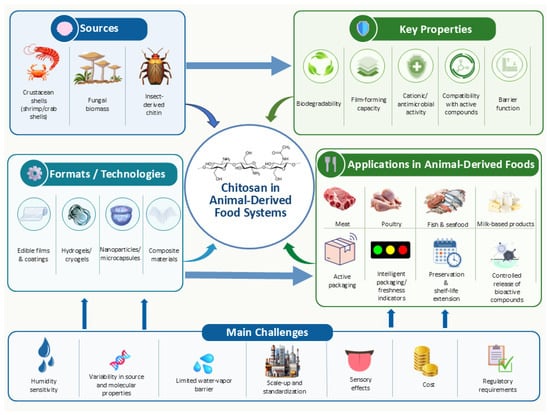
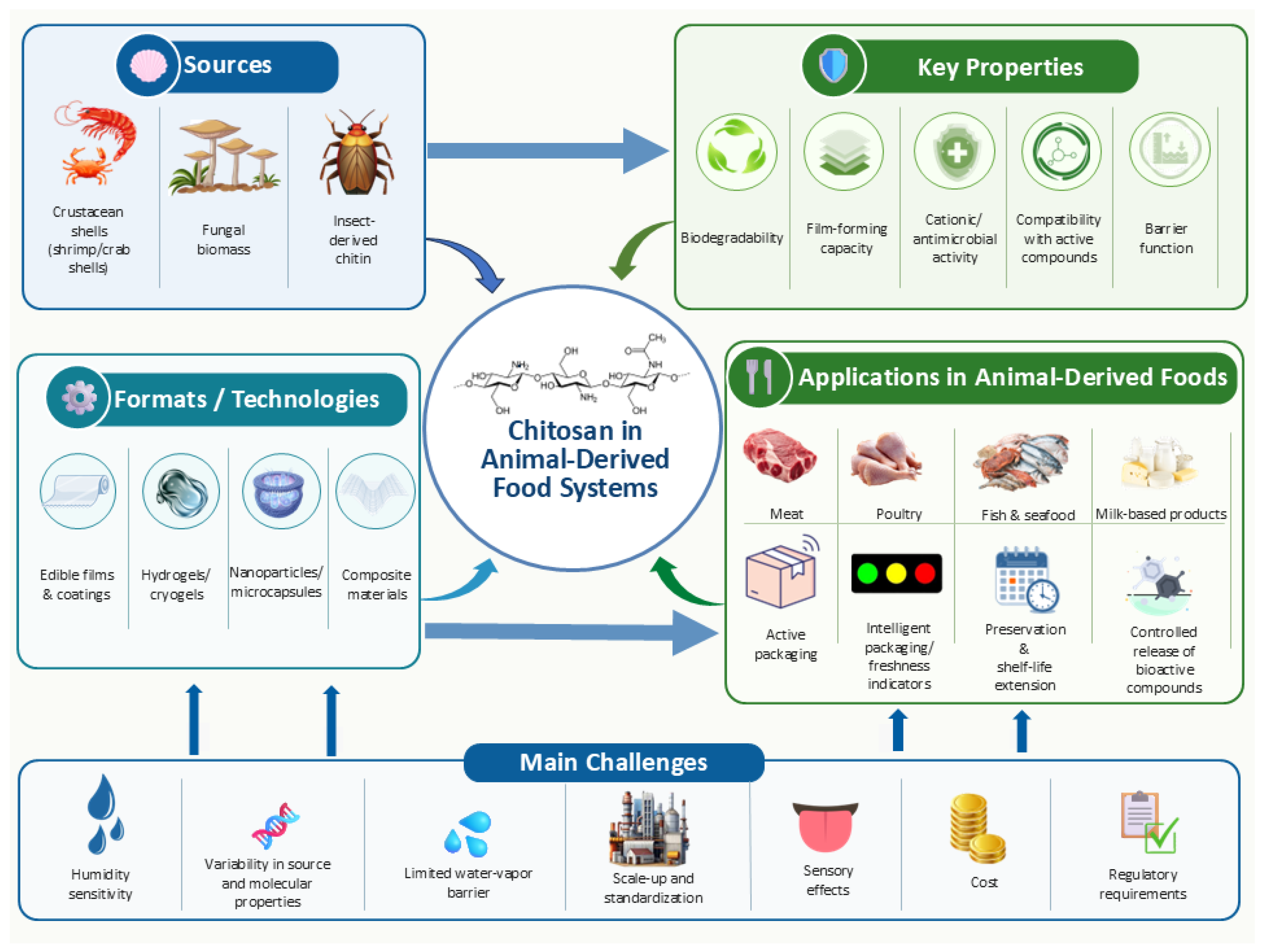
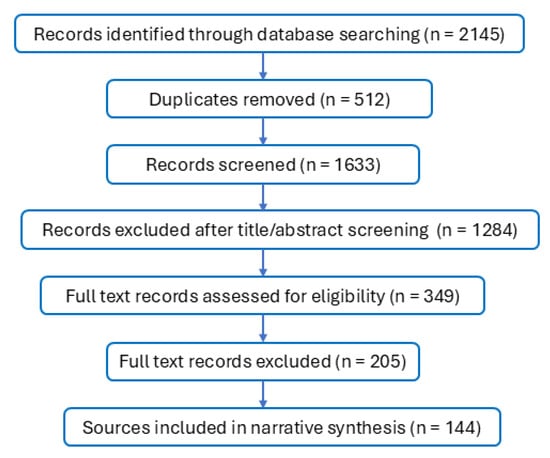
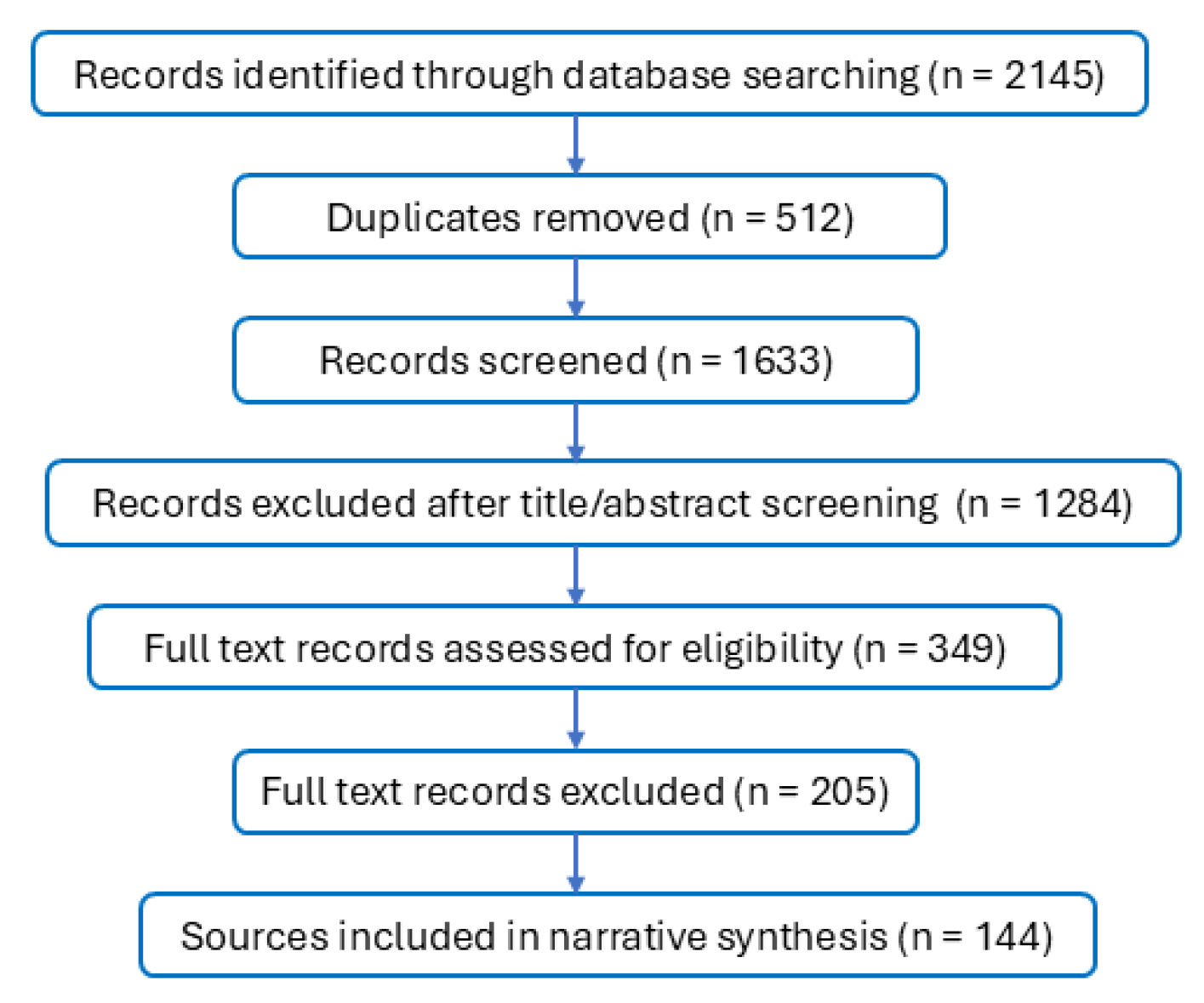

Disclaimer/Publisher’s Note: The statements, opinions and data contained in all publications are solely those of the individual author(s) and contributor(s) and not of MDPI and/or the editor(s). MDPI and/or the editor(s) disclaim responsibility for any injury to people or property resulting from any ideas, methods, instructions or products referred to in the content. |
© 2026 by the authors. Licensee MDPI, Basel, Switzerland. This article is an open access article distributed under the terms and conditions of the Creative Commons Attribution (CC BY) license.