Article

Design and Control Strategy Verification of Electro-Hydrostatic Actuator for Ship Steering

National Key Laboratory on Ship Vibration and Noise, Naval University of Engineering, Wuhan 430033, China
*
Author to whom correspondence should be addressed.
Appl. Sci. 2026, 16(12), 6098; https://doi.org/10.3390/app16126098
Submission received: 15 May 2026 / Revised: 12 June 2026 / Accepted: 12 June 2026 / Published: 16 June 2026

Abstract

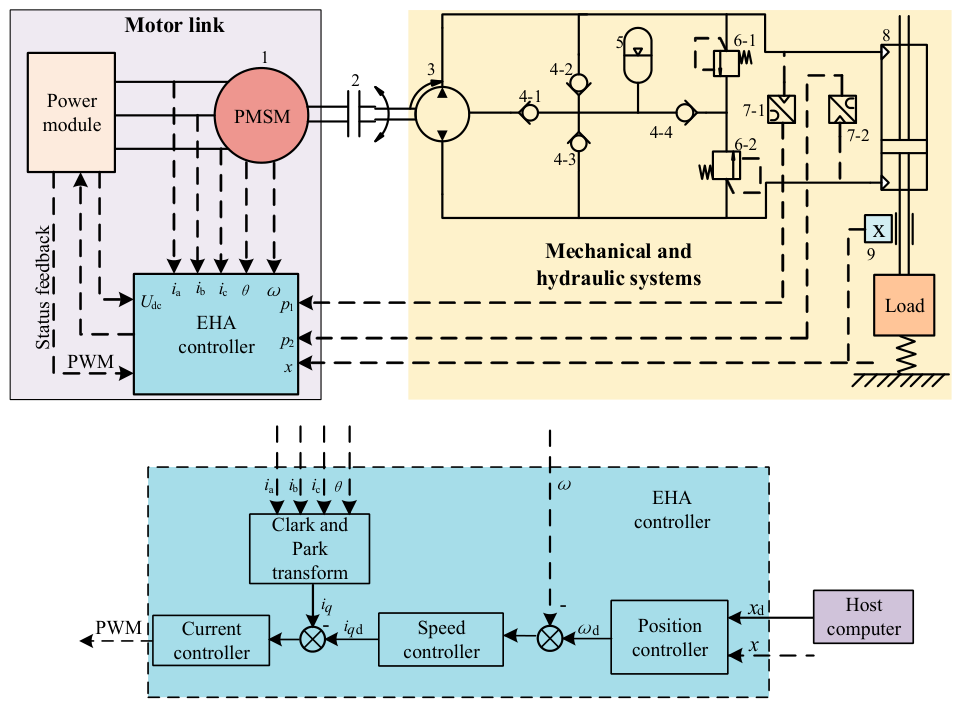
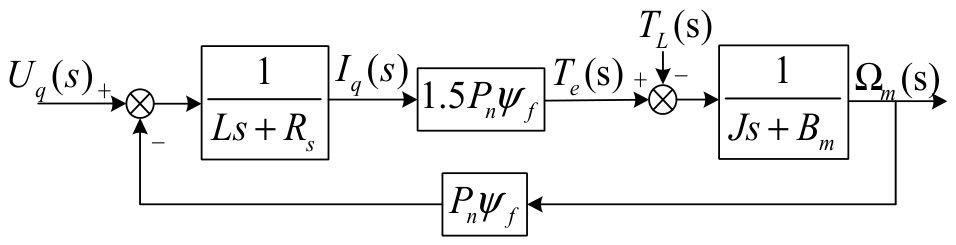
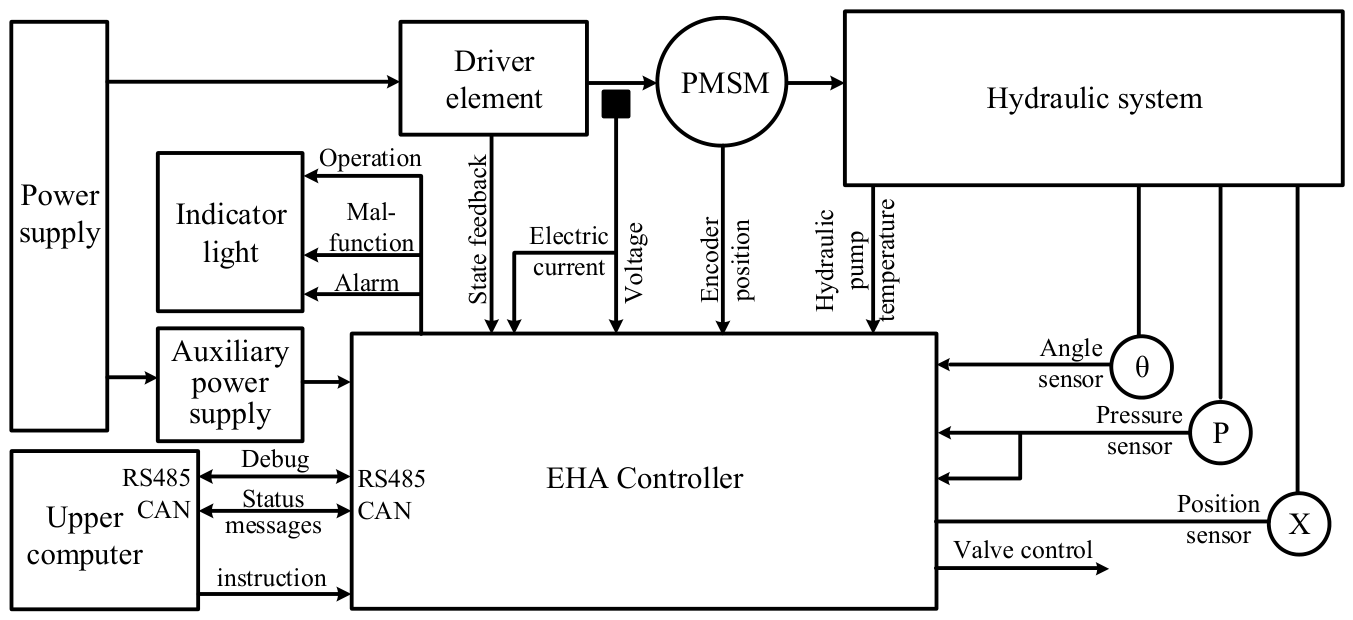
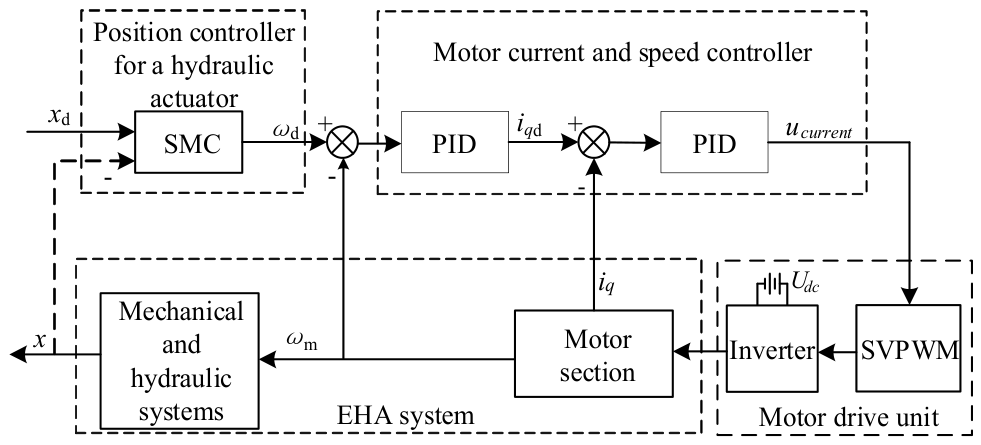
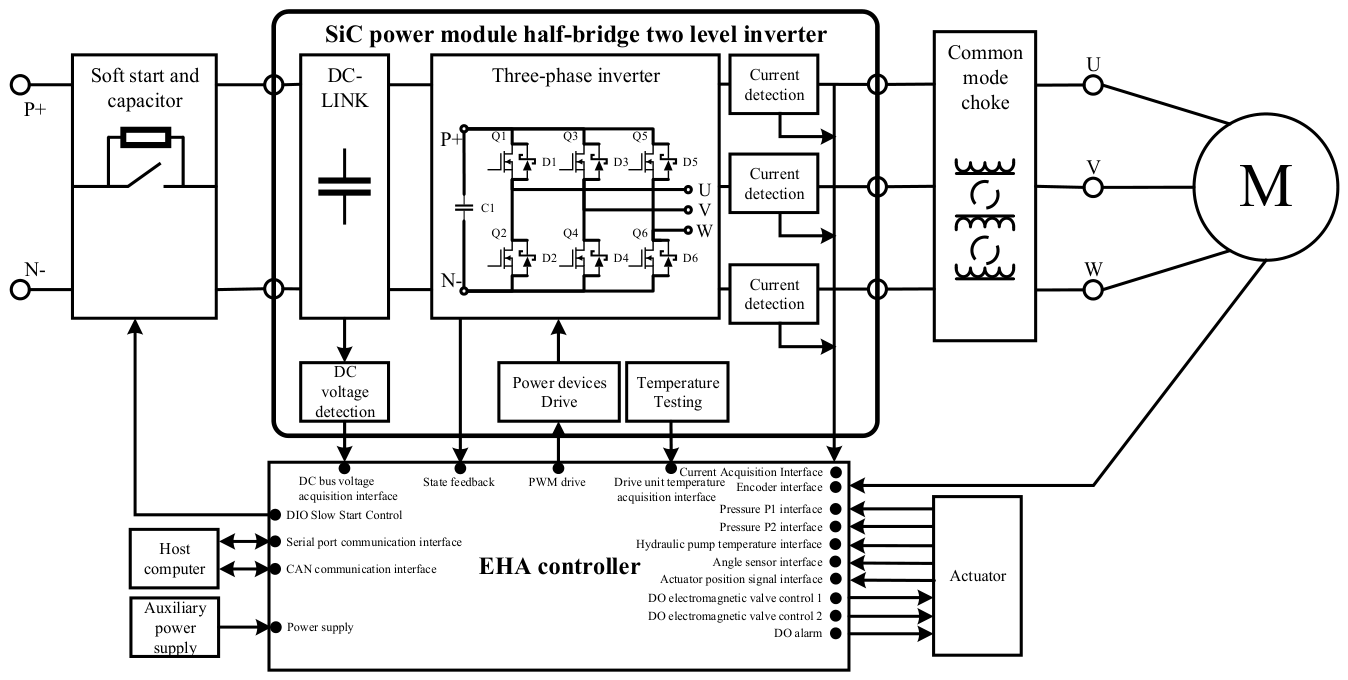
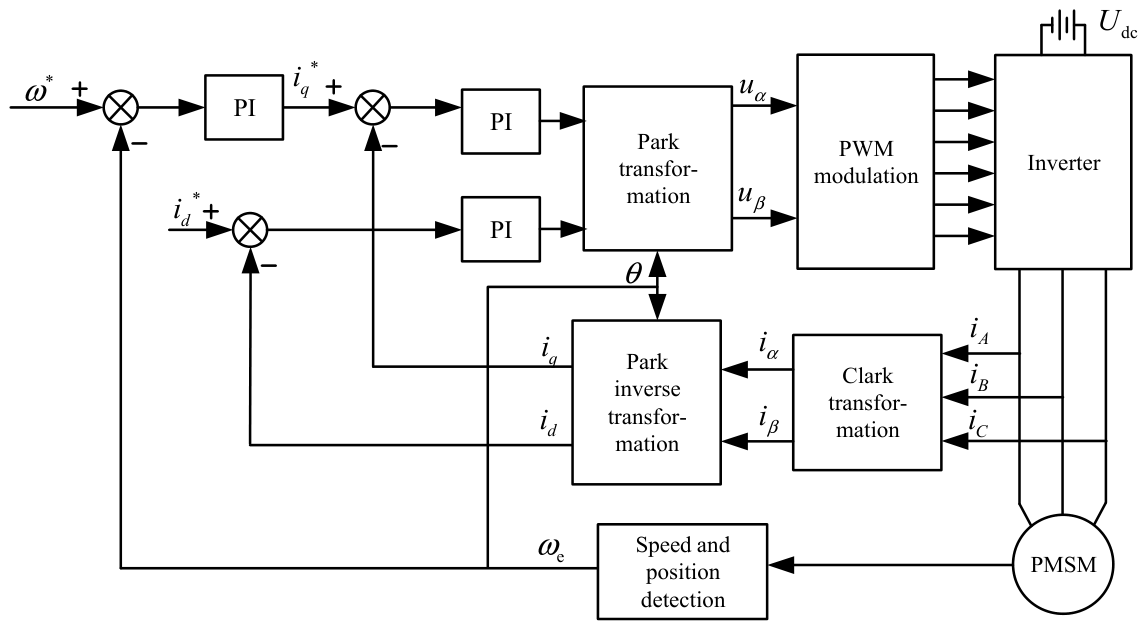
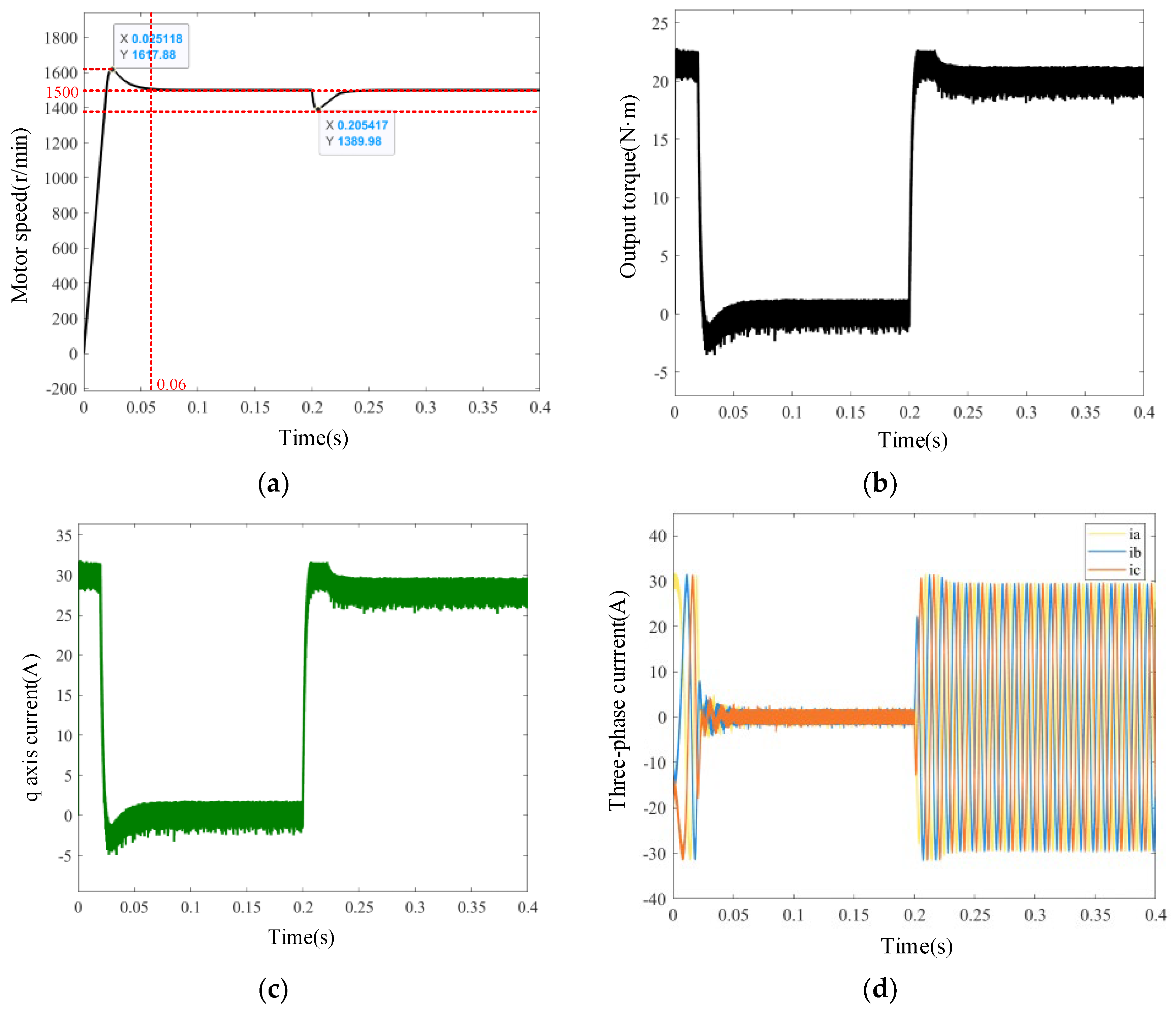
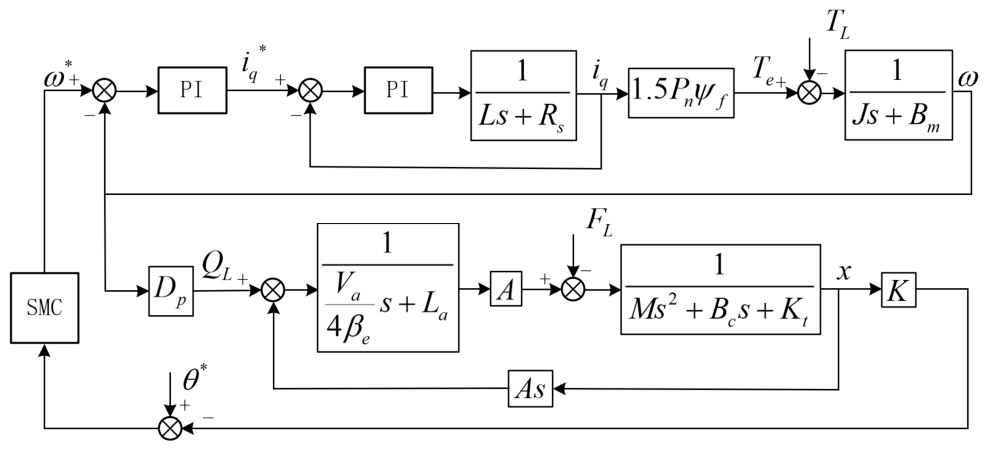
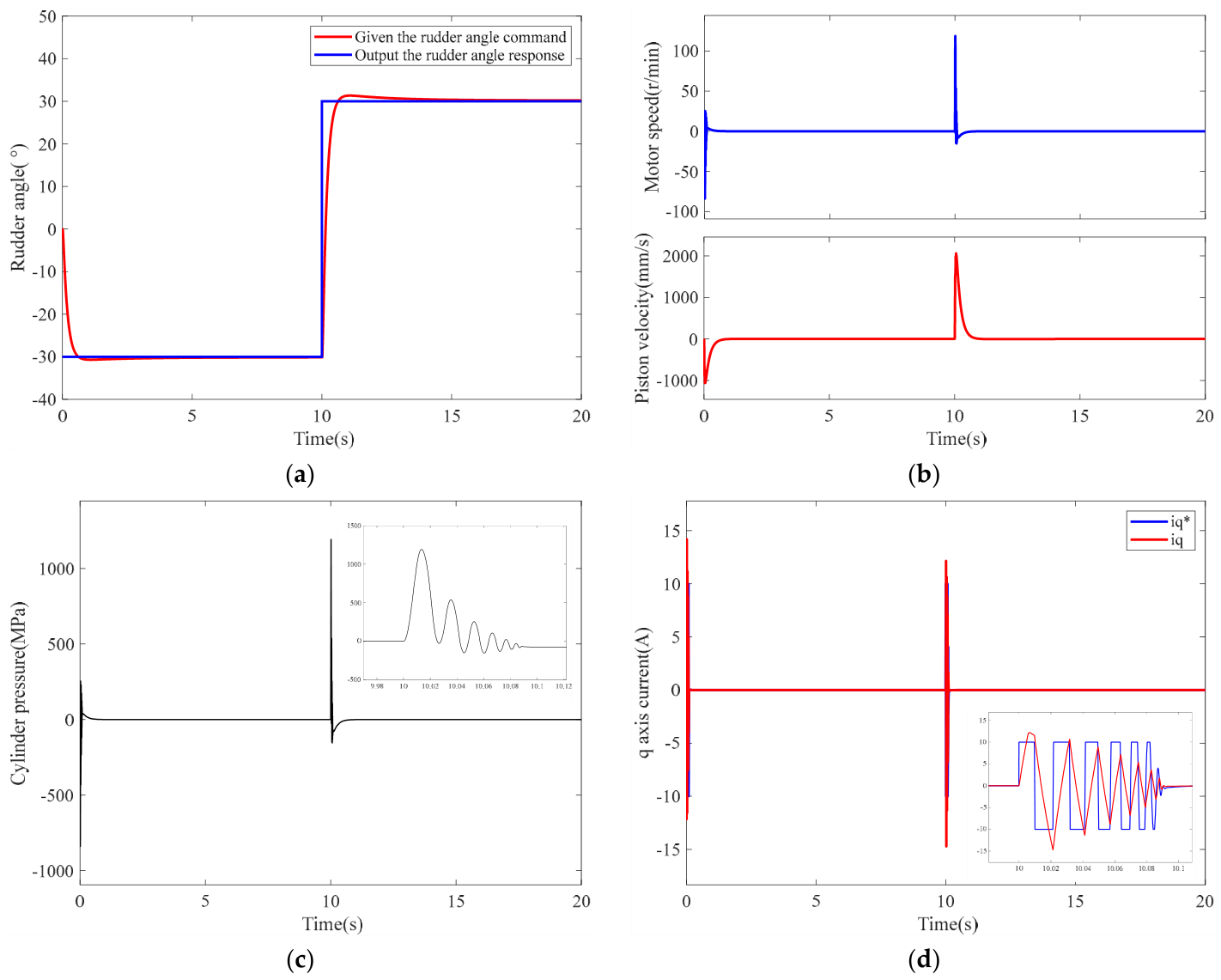
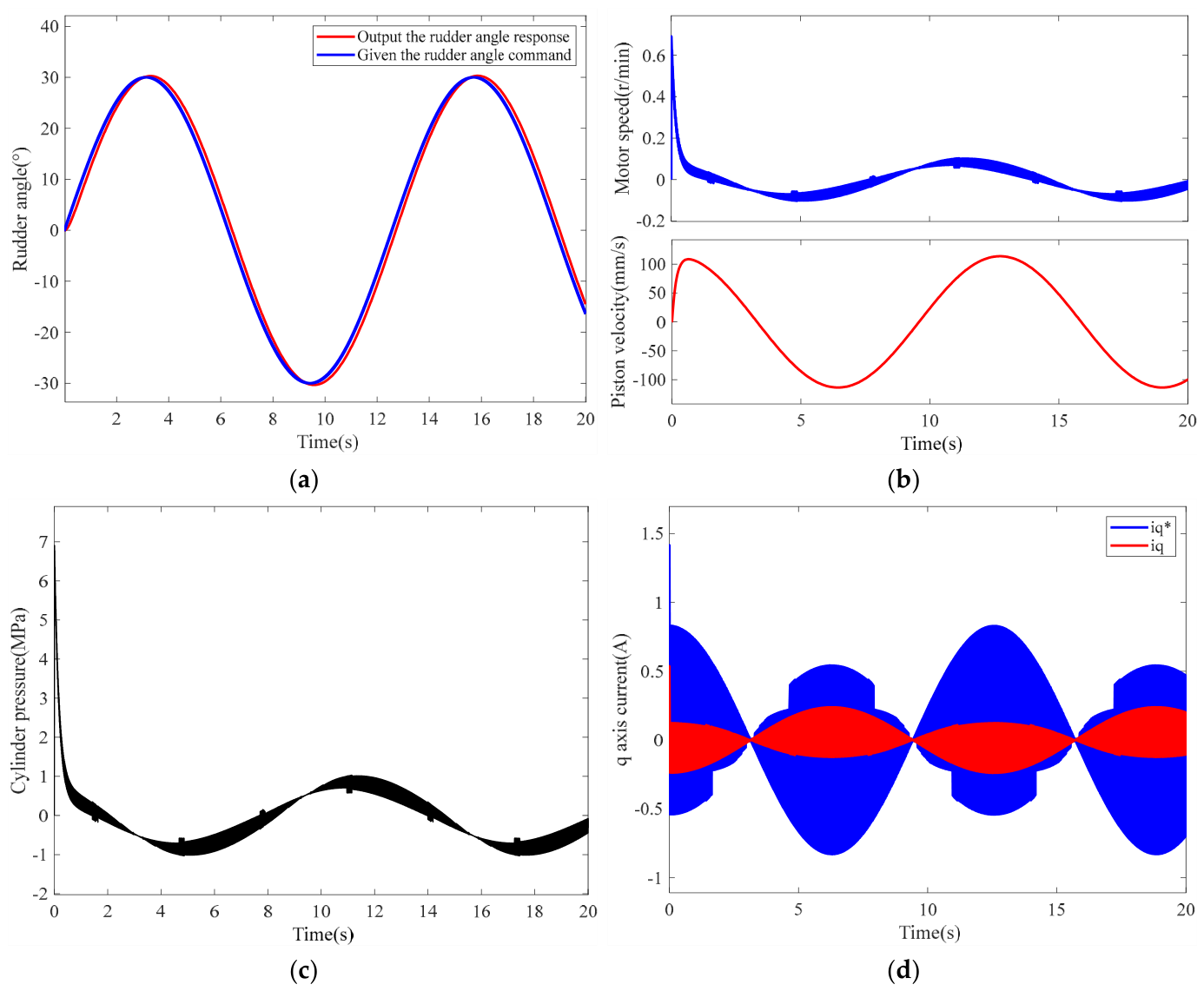
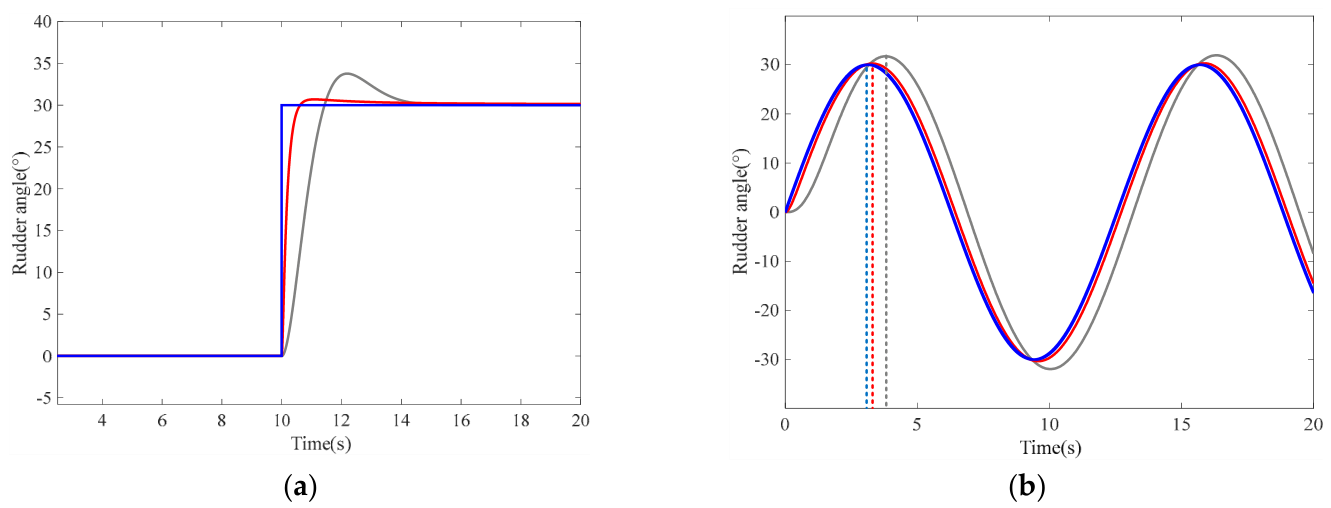
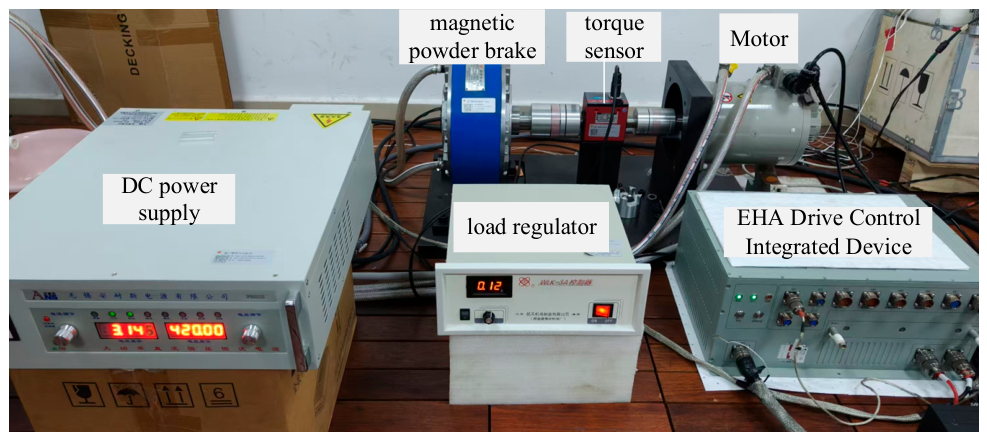
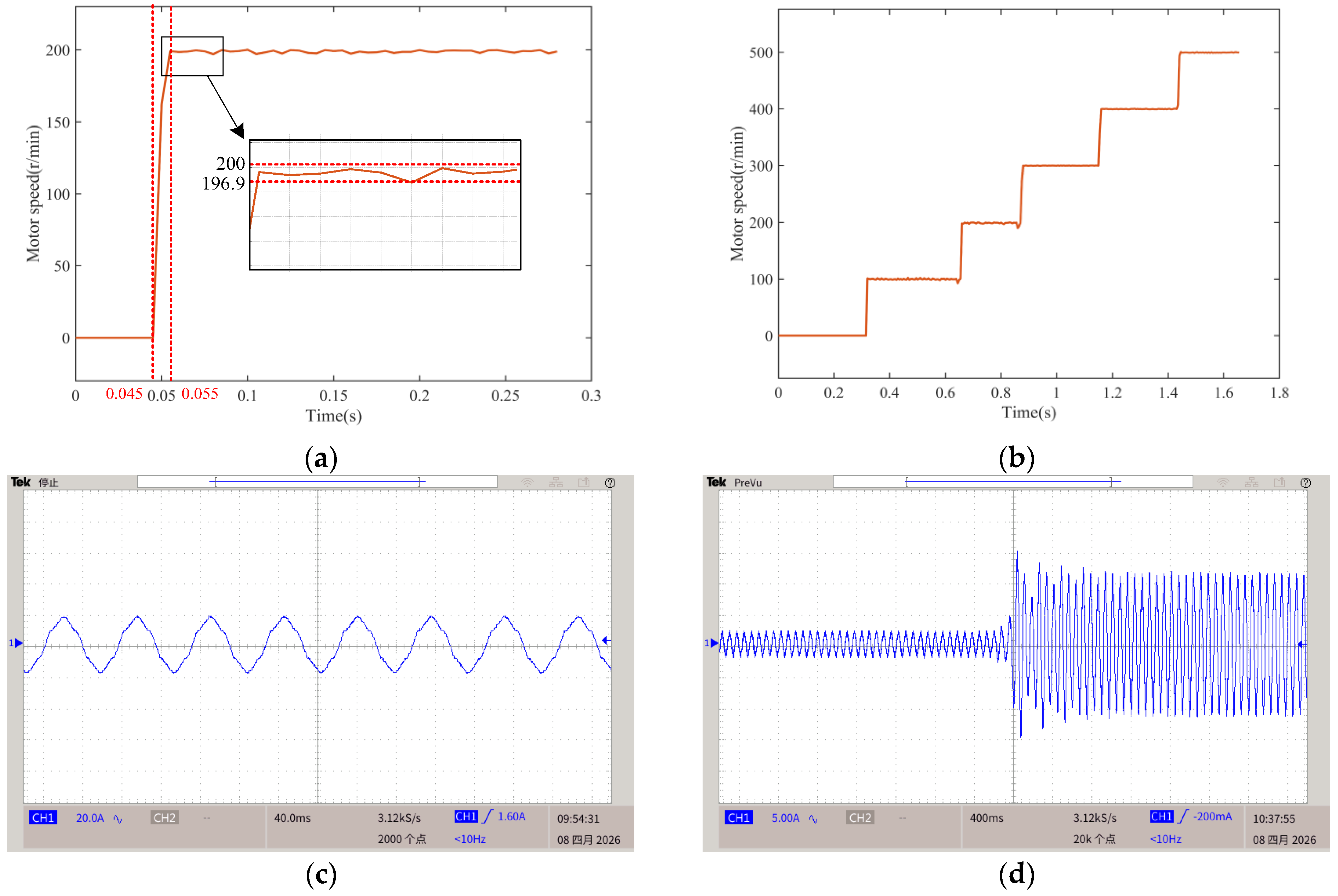
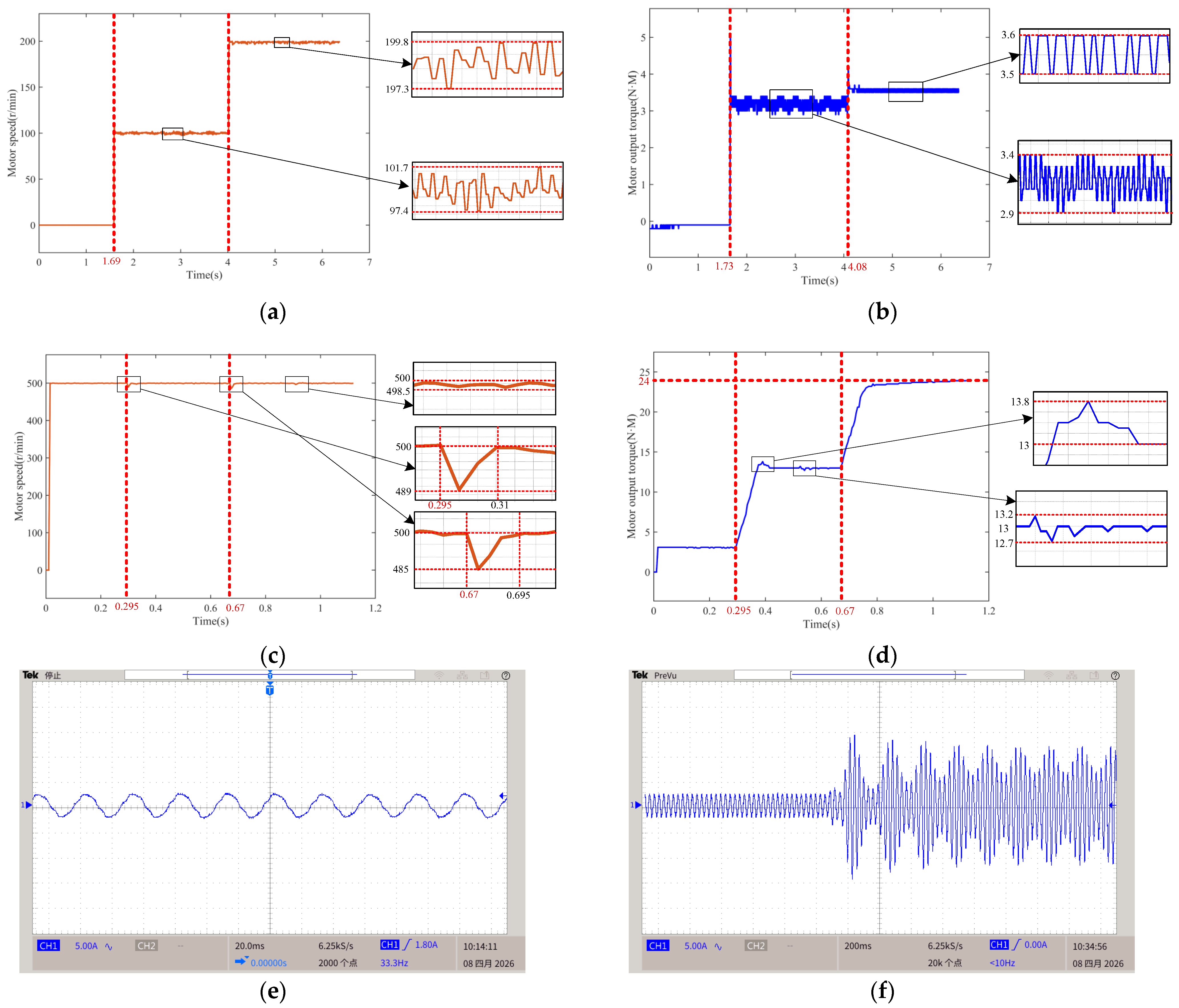
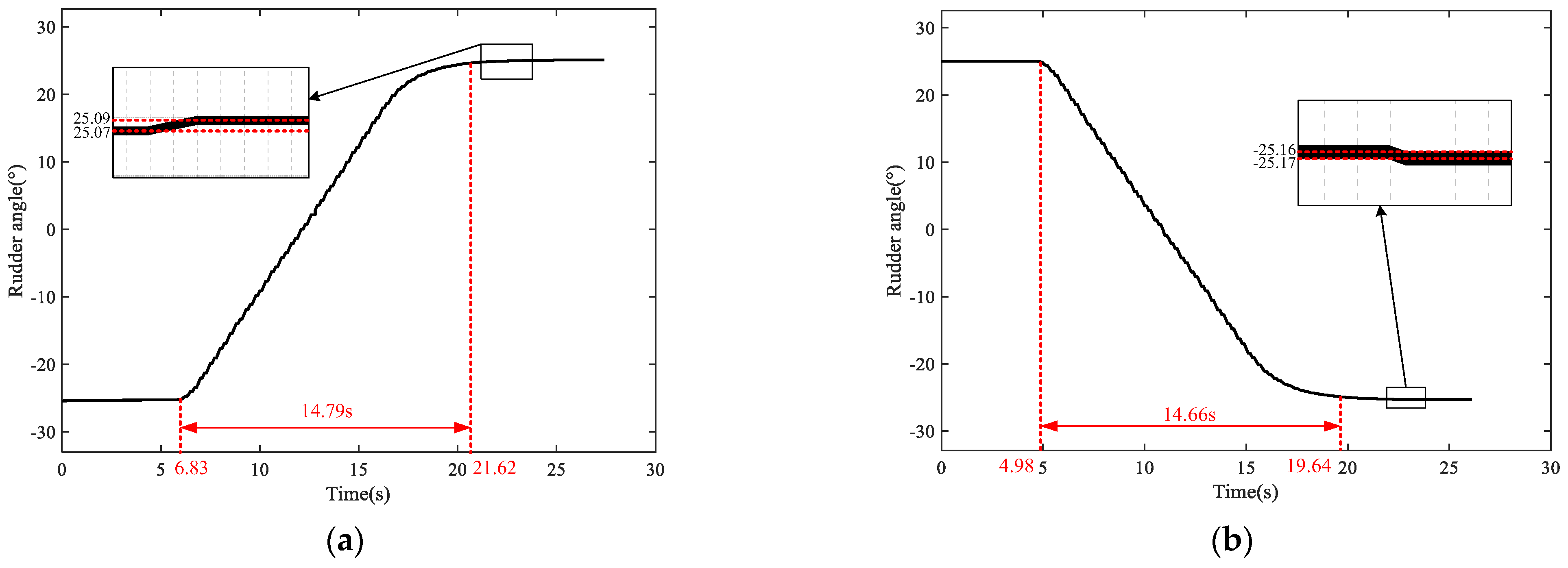
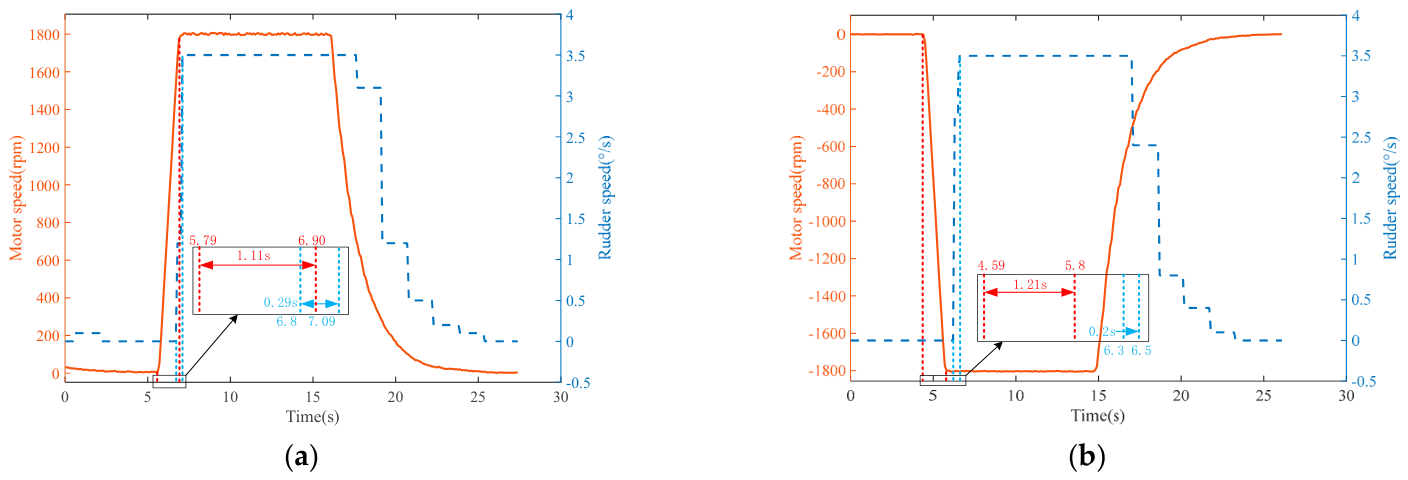
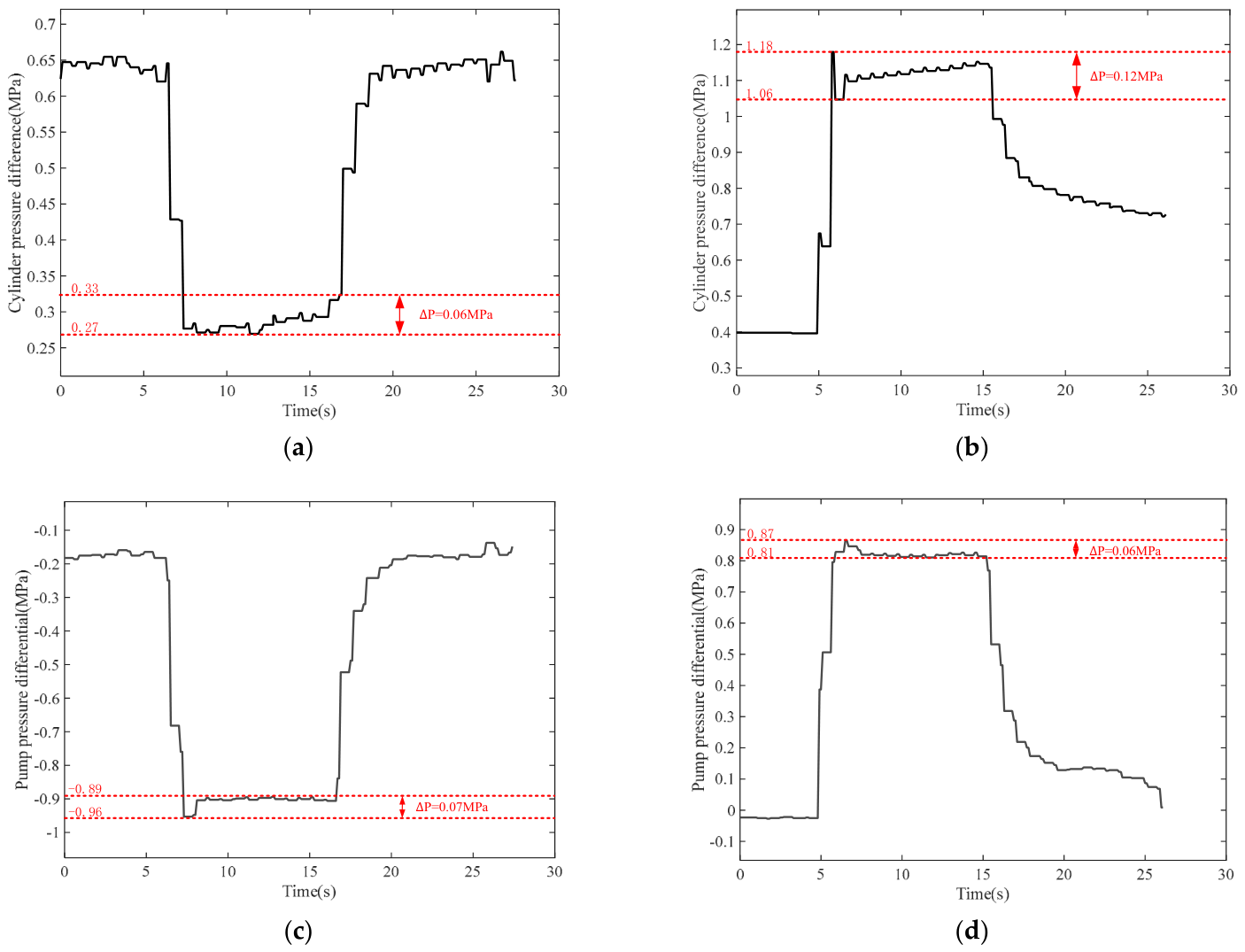
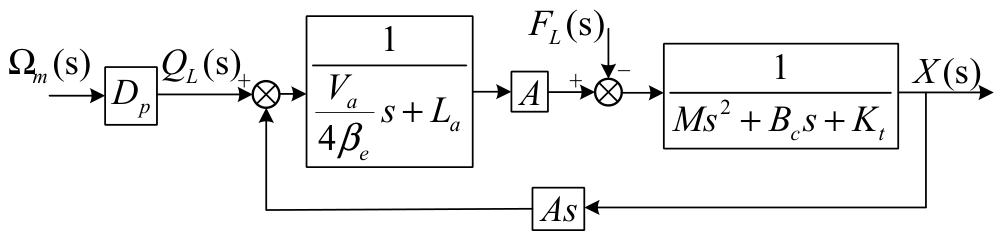
To address the bottlenecks of conventional valve-controlled marine steering systems—characterized by high throttling losses, low efficiency, and high leakage risk—as well as the insufficient power density and impact resistance of electro-mechanical actuators (EMAs) for high-load steering of large vessels, this paper proposes and validates a high-performance integrated solution for an electro-hydrostatic actuator (EHA) for ship steering. First, a fifth-order electro–hydraulic–mechanical coupled dynamic model comprising a permanent magnet synchronous motor, hydraulic pump, hydraulic cylinder, and load is established. The validity and applicability boundaries of three simplifying assumptions—neglecting leakage, pipeline pressure losses, and steady-state fluid compressibility effects—are quantitatively analysed, with a total introduced error ≤3%. These assumptions are justified under medium-pressure, short-pipeline, and well-sealed conditions typical of marine EHA systems. Second, a composite control architecture combining outer-loop sliding mode control with inner-loop motor PID dual-loop control is proposed. Parameter tuning is performed using pole placement for the sliding surface and the Ziegler–Nichols critical ratio method for the inner loops, effectively suppressing hydraulic system parameter perturbations and random wave-induced load disturbances. Quantitative comparisons show that the proposed method reduces overshoot by 11.63% and improves sinusoidal tracking accuracy by 90.13% compared to conventional single-loop PID control. An integrated drive-control structure is designed, and a three-phase full-bridge inverter main circuit with wide-voltage input capability—including EMI filtering, soft-start, and LC filtering—is developed to accommodate the ±20% voltage fluctuations typical of ship power grids, thereby enhancing system integration and grid adaptability. Phased bench tests demonstrate that the settling time from no-load start-up to 200 r/min is only 0.01 s. When a sudden 20 N·m load is applied, the speed drop is less than 3%, and the recovery time is less than 0.025 s. The steady-state steering angle error does not exceed 0.12°, the maximum average steering rate reaches 3.33°/s, and the steering response time is within 0.3 s. All core performance indicators exceed the general technical standards for marine steering systems, with a 65.7% improvement in steady-state accuracy and a 62.5% improvement in response speed over conventional PID control. The research findings provide an effective general technical solution and experimental data support for the performance optimization and engineering application of marine EHA systems.
Keywords: electro-hydrostatic actuator; ship steering system; electro–mechanical–hydraulic coupling; sliding mode control; drive-control integration; composite control electro-hydrostatic actuator; ship steering system; electro–mechanical–hydraulic coupling; sliding mode control; drive-control integration; composite control