


Abstract
The Maule Region in Chile possesses a rich cultural heritage associated with petroglyphs created by ancient hunter-gatherer inhabitants. This rock art has suffered damage over time due to natural and anthropic causes. Fostering positive attitudes toward petroglyphs may influence behavioral intentions related to their preservation. This study evaluates an augmented reality card game developed to promote positive attitudes toward the rock art heritage of the Maule Region, examining its usability and the effects of incorporating augmented reality elements. The game achieved a System Usability Scale (SUS) score of 79.7 (SD = 14.2), corresponding to an A-grade on the Sauro-Lewis curved grading scale, indicating good usability.Participants in the game condition showed higher heritage attitudes than controls (M = 6.13, SD = 0.80, = −2.33, p = 0.028). Augmented reality enhanced attitudes at moderate levels of usability (B = −1.02, p = 0.043), but produced no detectable main effect in mean comparisons alone. The results indicate that the game constitutes a system with adequate usability, effective in fostering positive attitudes toward cultural heritage, and that augmented reality enhances attitudinal outcomes under conditions of moderate perceived usability.
1. Introduction
Rock art constitutes a widespread and truly global phenomenon through which human beings have increasingly marked landscapes in symbolic ways for at least 40,000 years [1]. In Chile, the petroglyphs of the Maule Region constitute an important part of the country’s cultural heritage. This type of rock art, described as engravings carved into stone, was created in different areas of this Chilean region by ancient hunter-gatherer inhabitants of the area [2].
Although these petroglyphs were discovered during the last century by several explorers (i.e., Norma Sanguinetti [3], Hans Niemeyer [2], and Arturo Fontecilla [4]), and despite the Maule Region hosting one of the most extensively documented petroglyph concentrations in south-central Chile [2,5], the preservation of this heritage remains a major challenge. The deterioration of petroglyphs has thus become a significant threat, resulting both from natural processes and from anthropogenic damage caused by unauthorized visitors.
Consequently, this cultural and heritage asset of the Maule Region requires initiatives aimed at increasing awareness and supporting its preservation by providing the population with accessible information about its existence and associated threats. In this context, the present study evaluates the usability of an augmented reality card game, called Guardians of the Petroglyph, and examines its effect on attitudes toward the cultural heritage of the Maule Region, specifically its petroglyphs.
2. Background
2.1. Petroglyphs in the Maule Region and the Threat of Deterioration
Formal knowledge of rock art in the Maule Region dates back to the twentieth century, when several explorers of the region reported the discovery of “boulders” bearing enigmatic carved symbols. The large number of petroglyph sites that can be found within the Maule Region is particularly noteworthy. Thus, from the first finding reported by Fontecilla [4] at the ex-Fundo San Manuel (currently Villa Baviera), to the discoveries in the Médano River basin documented by Niemeyer [2], which he referred to as petroglyphs of the Guaiquivilo style, and the sites surveyed by Norma Sanguinetti [3] in Longaví (Cerro Quiñe), this type of rock art has a strong presence throughout central Chilean territory.
An important challenge both for the study of this heritage and for its dissemination is its preservation in the face of constant threats that degrade or eventually destroy it. The literature on other petroglyph contexts has been clear: the passage of time brings about the deterioration of rock art, which is exposed to various damaging factors. Some of these are natural processes, such as hydric stress produced by rainfall or flooding, or fire resulting from forest wildfires, which have been shown to have a strong impact on this type of heritage [6]. Human activity also plays an important role in the damage inflicted upon these cultural manifestations of rock art. A research team led by Fitzner and colleagues [7] investigated the damage caused to the Bangudae petroglyphs in Ulsan, South Korea. These petroglyphs, considered part of Korea’s national treasure, have been affected by significant hydric stress resulting from the construction of the Sayeon Dam between 1962 and 1965 on the Daegok stream. This infrastructure has caused seasonal flooding of specific sections of the engravings for extended periods of the year (approximately eight months). The study identified irreversible damage to particular areas of the petroglyphs and concluded that, in the absence of intervention, there is a risk of partial loss. Similarly, damage to petroglyphs in Australia has been documented as a result of inadequate industrial management [8]. In this regard, the petroglyphs of the Maule Region have also shown evidence of deterioration over time. One of the most significant cases reported in the press concerns the destruction of the Estero Los Mellicos petroglyph, documented in 2019 near Laguna del Maule. According to local media reports, supported by photographs and citizen complaints, this piece of rock art was destroyed by excavator machinery during the development of a private construction project [9].
2.2. Preservation: The Challenge
The preservation of heritage such as petroglyphs faces challenges of varying nature and complexity, making it a task whose implementation is far from simple. Although the current technological era has enabled the development of useful tools for the digitization and classification of symbols [10,11,12], thereby providing an important digital record in case of disappearance or destruction [13], the physical preservation of this heritage remains even more challenging.
Because most of the petroglyphs in the Maule Region are located on private land, it is difficult to implement responsible tourism plans that ensure minimal care from visitors. Nevertheless, it is possible to educate the population about the existence of this heritage in order to promote individual and collective behaviors aimed at its protection, thereby highlighting its value as a relevant cultural resource for the inhabitants of the Maule Region.
In this context, playful educational initiatives, such as educational board games, emerge as valuable tools for generating knowledge and fostering positive attitudes toward cultural heritage, which may eventually translate into behaviors of care and preservation among members of the public who encounter these sites.
2.3. Board Games, Industry, and Their Educational Reach
The board game industry represents a large global market, generating revenues of approximately $8.93 billion in 2025 and projecting a compound annual growth rate (CAGR) of 3.37% between 2025 and 2030 [14].
The use of board games in education constitutes an important resource for the gamification of content, increasing motivation to learn about different topics and providing playful alternatives for learning [15]. In the field of medicine, for example, a wide variety of games have been developed addressing different areas of study (i.e., immunology, physiology, oncology, etc.) [16].
The literature has demonstrated the effectiveness of board games in educational contexts, highlighting their value as tools for knowledge generation and learning [17]. Importantly, the literature also suggests that board games designed for specific purposes, such as promoting healthy behaviors (i.e., smoking cessation), have a significant impact on the attitudes that emerge from interaction with the game [18], as well as on behavior and behavioral intentions in the desired direction [19,20].
In a systematic review and meta-analysis conducted by Gauthier and colleagues [21] examining the effects of board games on health knowledge and health-related behaviors, the authors found that board games have a large effect on health-related knowledge and a moderate to small effect on health-related behaviors.
2.4. Attitudes, Behavioral Intention, and the Role of Games
Attitudes can be defined as relatively stable evaluations (positive, negative, or neutral) that individuals make about different objects in the world around them, including situations, contexts, or people, which are understood within this framework as attitudinal objects [22]. These evaluations allow individuals to organize both their internal and external worlds, enabling them to make decisions consistent with their beliefs and preferences [23].
One important aspect of this construct is its relationship with behavior. The literature has consistently shown that positive attitudes toward an attitudinal object are direct predictors of the behavioral intention associated with that object [24]. From this perspective, attitudes become a particularly relevant variable for persuasive interventions, health campaigns, or even heritage protection initiatives, since fostering positive attitudes toward cultural heritage may directly influence behavioral intentions related to its care or responsible visitation.
Games have proven to be valuable tools in educational contexts, with playful learning constituting an effective resource for enriching teaching and learning dynamics [25,26]. Modern research has also enabled the study of the effects of games on players’ attitudes, showing that game content can influence individuals’ evaluations toward different objects, such as historical topics [27]. In this regard, Kolek and colleagues [28] conducted a meta-analytic study on the effects of narrative games on resulting attitudes, demonstrating that this type of game can produce moderate but consistent changes in players’ attitudes.
In the specific case of heritage-related games, the literature has highlighted various playful initiatives aimed at promoting knowledge and learning about cultural, natural, architectural, and archaeological heritage [29]. Serious games applied to cultural heritage have been shown to create immersive and interactive learning experiences, facilitating the understanding of complex historical contexts and fostering active user engagement [30]. Nevertheless, the need to advance in design and evaluation methodologies that appropriately balance educational objectives with the ludic component has also been noted [30].
Building on these developments, recent initiatives have integrated digital and augmented reality technologies into board game formats to promote heritage knowledge and engagement. Montusiewicz and Milosz [31] developed a computerized board game combining 3D-printed architectural models with RFID technology to support cultural heritage education, demonstrating significant knowledge gains and positive player attitudes toward the game experience. More recently, Kalmpourtzis and colleagues [32] developed CHARMap, an augmented reality board game designed for cultural heritage education, finding that educators expressed interest in its potential classroom use while also identifying usability and accessibility barriers associated with AR technology adoption. Notably, however, these initiatives have primarily focused on knowledge acquisition and educators’ perceptions rather than on attitude change as a psychological outcome, and none has examined the conditions under which augmented reality may moderate attitudinal effects. The present study addresses this gap by integrating augmented reality into a cooperative card game and systematically examining its effect on heritage attitudes through a theoretically grounded attitude change framework.
2.5. Game Experience: The Usability of the Board Game
User experience in game development is one of the most crucial and central aspects of both the process and the final outcome. Accordingly, a game should aim to entertain and evoke positive emotions in users, maintaining their attention and engagement [33]. In this sense, a game must fulfill different requirements, both in its gameplay dynamics and in the game–player interaction, in order to ensure an optimal experience (i.e., the CEGE model of game experience [34]).
One of the most common ways to assess game experience is through usability testing. This concept is understood as the capacity of systems to be used efficiently and effectively for their intended purpose, considering specific users, contexts, and goals [35]. There are different approaches to evaluating usability, including tests with real users as well as computationally programmed intelligent agents designed to detect logical flaws in the game.
Feng [36] proposes a heuristic-based model specifically designed for the evaluation of board game usability. This model comprises four dimensions that affect the usability of a board game: efficiency, satisfaction, sociability, and effectiveness. Thus, these theoretical guidelines serve as a framework to ensure adequate usability in the development of board games.
3. Augmented Reality Card Game
3.1. Game Development
3.1.1. Guardians of the Petroglyph
Guardians of the Petroglyph is an augmented reality board game developed to promote positive attitudes toward the petroglyphs of the Maule Region, Chile. It is a cooperative card game in which a group of players (2 to 4 participants) must protect or seal sector cards representing petroglyph sites (each composed of four symbols) while overcoming various obstacles that threaten to permanently deteriorate the petroglyphs.
The core game dynamic requires players to use their symbol cards to complete the selected sector cards, achieving victory once all sector cards available in the game have been completed, while simultaneously allocating these symbol cards to pay, turn by turn, the cost of emerging threats so that they do not turn into damage. If a threat card is not removed (by paying its cost in symbols) by the next turn of the player who holds it, the card transforms into damage. When five damage points accumulate, the petroglyphs suffer catastrophic and irreversible deterioration, and the team loses the game. The game is designed for general audiences aged 8 and above, making it suitable for a wide range of players including children, adolescents, and adults.
Guardians of the Petroglyph was publicly launched in November 2025 and is currently in production for release. Readers interested in accessing the current prototype version may contact the corresponding author directly.
3.1.2. Game Elements
Table 1 breaks down the total number of cards and elements by category, briefly describing their role in the game.
Table 1.
Elements of the Guardians of the Petroglyph Board Game.
3.1.3. Setup
Before starting the game, both decks, the main deck and the threat deck, are shuffled. Subsequently, 5 cards are dealt to each player. Once all players have their cards in hand, the first player must reveal a sector card (see Figure 1A).
Figure 1.
Overview of Guardians of the Petroglyph board game. (A) General layout of the game components, including the main deck, threat deck, sector cards, petroglyph tokens, and damage board. (B) Example of the augmented reality (AR) application in use, showing the AR interface activated through the scanning of a sector card.
3.1.4. Gameplay Example and Round Structure
A complete game session lasts approximately 20 min. A round consists of one turn per player (2 to 4 players). On each turn, the active player performs the following steps in order:
- 1.
- Draw phase: The player draws 2 cards from the main deck and 1 threat card.
- 2.
- Action phase: The player has 3 actions to spend. Available actions are:
- Play a symbol card onto a sector card to progress toward its completion.
- Play a symbol card onto their own or another player’s threat card to begin paying its cost.
- Play a defense card to trigger its effect.
If the player cannot complete their actions, they may instead:- Spend 2 actions to draw an additional card from the main deck.
- Spend 1 action and discard 3 identical symbol cards to treat them as any symbol of their choice, playable on a sector or threat card.
- 3.
- Threat resolution: If the active player’s threat card has not been fully paid off before the start of their next turn, it converts into damage.
The game ends under one of two conditions: (a) victory, when all sector cards have been completed (each sector card requires 4 symbols placed in the indicated order, with one sector card available per player); or (b) defeat, when 5 damage points accumulate on the damage board. The core strategic tension of the game lies in balancing the allocation of symbol cards between advancing sector completion and eliminating threat cards (each requiring 2 matching symbol cards to be removed).
3.2. Design and Development Process
The board game Guardians of the Petroglyph was developed following a Design and Creation methodology [37], taking as reference previous digital developments aimed at promoting positive attitudes toward the cultural heritage of the Maule Region [38].
Each stage of development involved exhaustive processes of testing and refinement based on evidence obtained from usability evaluations, which ultimately led to a game prototype whose system is understandable and capable of ensuring an adequate gameplay experience.
In a novel approach, while the early stages of development employed board game usability heuristics [36], and the final stages involved formal usability testing (reported in this paper), the initial phases of the design process incorporated computer-based simulations under different difficulty conditions to detect logical and internal mechanical issues in the system [39,40].
3.3. Augmented Reality Application
As a complement to the physical board game, an augmented reality (AR) application was developed to enrich the user experience and provide deeper engagement with the petroglyphs of the Maule Region (see Figure 2. The application was built using the Unity game engine, with its core logic programmed in C#. To ensure cross-platform compatibility for both Android and iOS devices, the AR Foundation framework was implemented, leveraging the native capabilities of ARCore and ARKit.
Figure 2.
Representative screens of the Guardians of the Petroglyph augmented reality application. (A) AR scanning interface recognizing a sector card (Villa Baviera site) prior to triggering the augmented reality overlay. (B) Interactive 3D chest instantiated in the AR space upon successful card recognition, which the player taps to reveal a petroglyph symbol. (C) Collection screen displaying the petroglyph symbols unlocked by the player throughout the game session.
The central mechanic of the application is an image recognition system designed to identify and interact with the physical cards of the game. To optimize the tracking performance and guide the user flow, the scanning interface is divided into specific modules within a main “Scan” menu:
- Defenses and Threats Module: When a player navigates to this section and scans a Defense or Threat card, the AR system triggers a virtual user interface (UI) overlay. This menu provides tactical support, displaying detailed instructions on how the card functions, its specific effects within the game, and strategic recommendations on the optimal time to deploy it.
- Sectors Module: This section is dedicated to scanning the sector cards (see Figure 1B). The image recognition system is specifically trained to identify the representative artwork printed on these cards, which depicts two primary archaeological sites: Cerro Quiñe and Ex-Fundo San Manuel. Upon successfully recognizing the specific illustration of a sector card, an interactive 3D chest is instantiated in the AR space. When the user interacts with the chest to open it, a digital “scratchable” panel appears. By virtually scratching this surface, the player unlocks and reveals one of the four unique petroglyph symbols associated with that specific sector.
Beyond the AR features, the application does not alter the core mathematical mechanics of the board game; rather, it acts as a digital companion. To facilitate onboarding, the application includes a comprehensive “Tutorial” section that explains the rules, as well as an “Assisted Game” mode designed to guide players step-by-step through the distinct phases of their turn, ensuring a smooth and highly accessible gameplay experience (Guardians of the Petroglyph augmented reality application is available at: https://mauletec.utalca.cl/app-ra/, accessed on 5 June 2026).
3.4. Studies Overview
The present work comprises three sequential studies designed to progressively evaluate the developed game system. Each study addresses a specific research question and builds upon the findings of the previous one, allowing for a systematic examination of the game’s quality, psychological effects, and the role of augmented reality in shaping attitudinal outcomes.
Study 1 examined the usability of Guardians of the Petroglyph using both a general usability instrument (System Usability Scale; SUS) and a board-game-specific heuristic evaluation tool. This study aimed to determine whether the developed system meets adequate usability standards prior to evaluating its psychological effects, thereby ensuring that any attitudinal outcomes observed in subsequent studies could be attributed to the game’s narrative and mechanics rather than to usability-related confounds.
Study 2 constituted a pilot test of the game’s effect on attitudes toward the petroglyphs of the Maule Region. Participants were randomly assigned to either a gameplay condition (Guardians of the Petroglyph) or an active control condition consisting of a verbal informational briefing on the region’s rock art heritage. This study aimed to provide preliminary evidence of the game’s effectiveness as an attitude-change intervention.
Study 3 extended the previous findings by examining the role of augmented reality as a potential enhancer of the game’s attitudinal effects. Participants were randomly assigned to play the game either with or without the augmented reality application. In addition to mean-level comparisons, a moderation analysis was conducted to examine whether perceived game usability influenced the magnitude of the augmented reality effect on attitudes.
All three studies were conducted using prototype version 2.1 of the game, which incorporates the finalized mechanics but does not yet include the final art. Ethical approval was obtained prior to data collection, and all participants provided informed consent before taking part in any of the studies. Figure 3 provides a diagram that illustrates the information flow from gameplay to usability measurement and attitude assessment across the three studies.
Figure 3.
System block diagram showing the information flow from gameplay to usability measurement and attitude assessment across the three studies.
4. Study 1: Usability of the Developed Game
4.1. Method
4.1.1. Participants and Sample
The sample consisted of 35 participants with a mean age of 21.66 years (SD = 2.12). The sample was composed of 33.3% women, 64.4% men, and 2.2% who selected the option “other”.
4.1.2. Procedure
University students were invited to take part in a study about games and regional heritage. They were recruited in different areas of the university campus using purposive sampling. The study was presented as research on cultural heritage and board games.
Participants were invited to attend a session in a designated room, where the informed consent procedure was administered, explaining and guaranteeing conditions of anonymity and confidentiality. Those who agreed to participate received the written game instructions as well as verbal instructions from the recruiter. After completing the gameplay session, participants were asked to complete a questionnaire measuring the variables of interest. At the end of the session, participants were thanked for their participation.
4.1.3. Instruments
- System Usability Scale (SUS; [41]): To measure the usability of the game, an adapted version of Brooke’s System Usability Scale (SUS [41]) was used. The 10 original items were retained, with the term system replaced by game throughout (i.e., “I would like to use this game frequently”) to better reflect the board game context, using a five-point Likert response format. Following the scale author’s instructions, the total score was calculated by subtracting 1 from the score of each positively worded item, while the score of each reversed item was subtracted from 5. Formally, let denote the raw response to item i on a five-point scale, where is the set of positively worded items and is the set of negatively worded items. The SUS score is computed as:The measure showed an adequate level of reliability .
- Board Game Usability Heuristics Instrument: Board Game Usability Heuristics Instrument is a questionnaire based on the heuristics proposed by Feng [36]. This instrument aims to measure board game usability by assessing four fundamental heuristics: efficiency, satisfaction, sociability, and effectiveness. Each dimension is measured through three statements using a seven-point Likert scale. This resulted in a 12-item instrument reflecting the four dimensions proposed by the model’s author. After a preliminary analysis of the scale, items 3, 7, and 9 were removed due to low item–total correlations (<0.30). The resulting version of the scale showed an adequate level of reliability .
4.1.4. Data Analysis
Descriptive statistics and internal consistency coefficients (Cronbach’s alpha) were computed using IBM SPSS Statistics, version 23.
4.2. Results
The results of the scales are presented in Table 2.
Table 2.
Usability scores for Guardians of the Petroglyph board game.
4.3. Discussion and Conclusion of Study 1
The usability classifications of the System Usability Scale (SUS) indicate that the developed game achieves an A- rating [42], placing it between the 85th and 89th percentiles of usability tests and characterizing it as a system suitable for use. A relevant implication of this result is that user interaction with the game does not require expert guidance or prolonged learning of its mechanics, thereby reducing the cognitive effort that may be present in systems with usability flaws. In this sense, the game can be considered an appropriate system for facilitating positive thoughts about the petroglyphs and, consequently, fostering positive attitudes toward them.
In other words, a highly usable system allows users to direct their attention toward the narrative and intended direction of the game (i.e., confronting threats to cultural heritage and reinforcing the logic of protecting petroglyphs) rather than toward difficulties related to the system’s operation. This interpretation is directly consistent with models of attitude change, such as the Elaboration Likelihood Model (ELM; [43]), which propose that information processing and the thoughts generated during this process directly influence resulting attitudes. Thus, users have the opportunity to process the narrative information presented in the game without the need to devote excessive cognitive effort to peripheral aspects of the system (i.e., difficulties learning the rules or internal inconsistencies), thereby facilitating the formation of attitudes aligned with the narrative presented.
Furthermore, high usability in a cooperative game suggests that interaction among group members is maintained at adequate levels. This may be beneficial for the subsequent attitudinal outcomes, as all players share the common goal of protecting the petroglyphs, maintaining a context of social influence that may reinforce positive thoughts about them [44]. Additionally, the scores obtained from both instruments used to measure usability were consistent with each other, providing a more specific perspective on board game usability through the specialized instrument developed from board game usability heuristics. This measure further supports the conclusion that the developed game system demonstrates adequate usability.
Finally, and particularly relevant for research on promoting positive attitudes toward the cultural heritage of the Maule Region, the usability testing results allow the research to move forward toward a pilot evaluation of the game’s effect on attitudes. Given the adequate usability of the system, interaction with the game mechanics can reasonably be considered unlikely to confound the attitudinal results. The following study presents a pilot examination of the game’s effect on attitudes toward the associated heritage.
5. Study 2: Pilot Test of the Effect of the Developed Game
5.1. Method
5.1.1. Participants
The sample consisted of 26 participants with a mean age of 21.69 years (SD = 2.57). The sample was composed of 46.2% women, 50% men, and 3.8% who selected the option “other.” Participants were recruited using convenience sampling from the university campus, following the same procedure described in Study 1.
5.1.2. Procedure
After participants were informed about all relevant ethical aspects of the study and provided informed consent, they were randomly assigned to one of the two testing conditions.
In the game condition, participants played version 2.1 of Guardians of the Petroglyph, after which they completed the questionnaire containing the dependent variables. In the control condition, participants received a verbal briefing about the petroglyphs of the Maule Region and subsequently completed the questionnaire containing the dependent variables. Finally, participants were thanked for their participation.
5.1.3. Independent Variable
- Guardians of the Petroglyph game vs. control condition: Participants were randomly assigned to one of the two conditions of the pilot study. In the Guardians of the Petroglyph condition, participants played version 2.1 of the cooperative game described in this research and subsequently completed the questionnaire measuring the dependent variables. In the control condition, participants received a verbal informational briefing from the recruiter explaining the petroglyphs of the Maule Region, including relevant information about their location, age, and regional importance, after which they completed the questionnaire measuring the dependent variables.
5.1.4. Dependent Variable
- Attitudes toward rock art of the Maule Region: To measure attitudes toward rock art, semantic differential items were employed, based on the literature on attitude measurement (for a review, see [45]). Participants indicated their opinion along a continuum anchored by two opposing evaluative adjectives (). Although attitudes may be expressed through cognitive, affective, and behavioral dimensions, the present measure captures the overall evaluative response toward the attitudinal object, consistent with a unidimensional evaluative conceptualization of attitudes [22,23]. The scale comprised semantic differential items (i.e., good/bad, positive/negative, like/dislike, interesting/boring, and pleasant/unpleasant), with negatively worded items reverse-coded prior to analysis. The attitude index was computed as:where denotes the response to item j on a seven-point scale, and higher values indicate more positive attitudes toward the cultural heritage.
5.1.5. Data Analysis
Data were analyzed using IBM SPSS Statistics (Version 23). Group comparison tests were conducted to examine the effect of the independent variable on resulting attitudes toward the rock art of the Maule Region.
5.2. Results
The results indicate that participants who played Guardians of the Petroglyph (, ) showed higher mean attitudes toward the rock art of the Maule Region than participants who received the verbal informational briefing (, ), (, , , 95% CI for the mean difference ).
5.3. Discussion and Conclusions of Study 2
The results indicate that interaction with the game led to more positive evaluations of rock art compared to a verbal intervention providing relevant information about the petroglyphs of the region. These findings are consistent with the literature on attitude change, particularly with what is proposed by the Elaboration Likelihood Model (ELM [43]). From this perspective, the playful experience provided by Guardians of the Petroglyph appears to generate active processing of information related to the protection of cultural heritage and the prevention of threats to it.
Within the game, players must make decisions about how to prevent damage to the heritage represented in the game, thereby influencing its preservation. This dynamic requires players to engage in behaviors aimed at protecting the heritage, such as paying the cost of threats affecting themselves or their teammates, or cooperatively managing resources to reach the final goal. As a result, players may develop more positive attitudes toward regional rock art.
In contrast, simple exposure to information about the petroglyphs does not guarantee information processing that results in positive thoughts about them, nor does it necessarily activate the central route of processing described in the ELM [43], leading to a weaker effect on the resulting attitudes.
These findings are also relevant for the dissemination of scientific knowledge related to cultural heritage; because developing a game such as the one presented in this study requires significant resources and effort, science communication initiatives often prioritize informational approaches rather than interactive ones, which may result in a smaller impact on audience attitudes. The results suggest that interactive methods enable audiences to process the presented information more deeply, thereby increasing the effectiveness of dissemination efforts. It should be noted, however, that the two conditions differed not only in their content but also in their format: the game condition involved an interactive, cooperative experience, whereas the control condition consisted of a passive verbal briefing. Consequently, part of the observed effect may be attributable to differences in interactivity and engagement rather than exclusively to the specific properties of the game mechanics or narrative. Future studies should employ active control conditions, such as non-heritage board games or equivalent interactive activities, to more precisely isolate the contribution of game-specific features to attitudinal change.
It is important to note that the use of emerging technologies, such as augmented reality, could further influence and potentially amplify the resulting attitudes. Although the augmented reality component developed for this project was not included in the present study in order to isolate the effect of the game mechanics, the following study presents evidence regarding the effect of the game when complemented with augmented reality on the resulting attitudes.
6. Study 3: Effect of the Game with Augmented Reality on Attitudes Toward Cultural Heritage
6.1. Method
6.1.1. Participants
The sample consisted of 36 participants with a mean age of 21.54 years (SD = 1.94). The sample was composed of 36.1% women and 63.9% men. Participants were recruited using convenience sampling from the university campus, following the same procedure described in Study 1.
6.1.2. Procedure
After participants were informed about all relevant ethical aspects of the study and provided informed consent, they were randomly assigned to one of the two study conditions.
In the augmented reality condition, participants played prototype version 2.1 of Guardians of the Petroglyph, with the presence of the specialized augmented reality application that provides visual resources related to the game. The application does not represent a change in the core gameplay mechanics, but rather functions as an aesthetic and informational complement about the petroglyphs. In the condition without augmented reality, participants played version 2.1 of the game without the presence of the application.
6.1.3. Independent Variable
- Game condition (with augmented reality vs. without augmented reality): Participants were randomly assigned to one of two conditions. For the purposes of the moderation analysis, the experimental condition was effect-coded (with augmented reality = 0.5; without augmented reality = −0.5). In the augmented reality condition, participants played prototype version 2.1 of Guardians of the Petroglyph with access to the specialized augmented reality application, which provides visual and informational resources related to the petroglyphs without altering the core gameplay mechanics. In the condition without augmented reality, participants played the same version of the game without access to the application.
6.1.4. Moderator Variable
- Usability: To assess the usability of the board game, the specific measure “Board Game Usability Heuristics Instrument” [36] was used, as in Study 1 of this work, demonstrating adequate internal consistency .
6.1.5. Dependent Variable
- Attitudes toward the petroglyphs of the Maule Region: As in Study 2 of this work, a specific index of attitudes toward the petroglyphs was constructed. Semantic differential items were employed, based on the literature on attitude measurement (for a review, see [45]). Participants indicated their opinion along a continuum anchored by two opposing evaluative adjectives (). Although attitudes may be expressed through cognitive, affective, and behavioral dimensions, the present measure captures the overall evaluative response toward the attitudinal object, consistent with a unidimensional evaluative conceptualization of attitudes [22,23]. The scale comprised semantic differential items (i.e., pleasant/unpleasant, necessary/unnecessary, recommendable/not recommendable, good/bad, positive/negative, favorable/unfavorable, probable/improbable, and likeable/unlikeable), with negatively worded items reverse-coded prior to analysis. The attitude index was computed as:where denotes the response to item j on a seven-point scale, and higher values indicate more positive attitudes toward the petroglyphs.
6.1.6. Data Analysis
Data were analyzed using the multivariate statistical analysis software IBM SPSS (Version 23). To examine the effect of the game with and without augmented reality, mean comparison tests were conducted between the two experimental groups.
Additionally, a moderation analysis was performed to estimate the main and interaction effects between the independent variable (game with augmented reality vs. game without augmented reality) and the measured usability variable (Board Game Usability Heuristics Instrument) on attitudes toward the petroglyphs of the Maule Region. Formally, the moderation model was specified as:
where A denotes attitudes toward the petroglyphs, X represents the experimental condition, effect-coded as with augmented reality = 0.5 and without augmented reality = −0.5, M denotes perceived game usability as measured by the Board Game Heuristics instrument and mean-centered prior to analysis, represents the interaction term, is the moderation coefficient of primary interest, and denotes the error term. For this purpose, the PROCESS macro [46] (v3.5) for SPSS was used, which evaluates the predictive effects of each variable separately (main effects) and jointly (interaction effects) on attitudes toward the petroglyphs. Statistical significance was assessed using the bootstrap method, drawing 5000 samples randomly with replacement from the dataset. Effect estimates on attitudes toward the petroglyphs were calculated for each resampled dataset to construct confidence intervals (CI). If the value zero falls outside the CI, it indicates a significant effect of the corresponding factor or interaction on attitudes toward the petroglyphs. Conditional effects of augmented reality on attitudes were additionally estimated at the mean and at ±1 SD of the centered usability moderator, and the Johnson–Neyman technique was applied to identify the region of significance of the moderator.
6.2. Results
6.2.1. Mean Differences
Independent-samples t-tests indicated that there was no significant main effect of augmented reality on any of the primary attitude measures (all p > 0.05). These results suggest that, at the mean level, exposure to augmented reality did not produce differences in attitudes toward the cultural heritage content.
6.2.2. Moderation Analysis
To examine whether this null effect could be contingent on participants’ experience with the game, a moderation analysis was conducted. Specifically, we tested whether the effect of augmented reality on attitudes was moderated by perceived game usability, as measured by the Board Game Usability Heuristics scale, which was mean-centered prior to analysis (M = 6.50, SD = 0.50, scale range 1–7). The experimental condition was effect-coded (with augmented reality = 0.5; without augmented reality = −0.5). This approach allows for the possibility that augmented reality may influence attitudes only under certain levels of usability, rather than exerting a uniform main effect across participants.
The overall model was statistically significant (, , ).
A main effect of the use of augmented reality on attitudes toward the petroglyphs was not significant (, , , 95% CI ), indicating that, at the mean level of usability, the presence of augmented reality did not produce a detectable difference in attitudes.
Additionally, a main effect of the Board Game Usability Heuristics instrument on attitudes toward the petroglyphs was found (, , , 95% CI ). This suggests that participants reporting higher levels on the Board Game Usability Heuristics instrument also displayed more positive attitudes toward the petroglyphs.
Finally, and importantly, an interaction effect between the use of augmented reality and the Board Game Usability Heuristics instrument on attitudes toward the petroglyphs was identified (, , , 95% CI ).
Conditional effects of augmented reality on attitudes were estimated at three representative values of the centered moderator. Standard errors (SE) reflect the precision of each estimate; smaller values indicate greater stability across samples, though SE magnitude does not directly index effect size or practical importance. At one standard deviation below the mean (Usabilitycen = −0.50), the effect of augmented reality was positive and statistically significant (, , , , 95% CI ), indicating that participants with moderately high usability perceptions showed more positive attitudes when playing with augmented reality. At the mean (Usabilitycen = 0.00), the effect was not significant (, , , , 95% CI ). At one standard deviation above the mean (Usabilitycen = +0.50), the effect was also non-significant (, , , , 95% CI ).
The Johnson–Neyman technique identified a single region of significance: the effect of augmented reality on attitudes was statistically significant when centered usability fell below −0.24 (corresponding to a raw scale score below 6.26 out of 7), a threshold below which 25% of the sample fell. This indicates that augmented reality enhanced attitudinal outcomes specifically among participants who perceived the game as highly, but not extremely, usable (see Figure 4).
Figure 4.
Interaction effect of augmented reality and perceived usability on attitudes toward petroglyphs.
6.3. Discussion and Conclusions of Study 3
The objective of this third study was to evaluate the effect of incorporating augmented reality into the game on the resulting attitudes toward the petroglyphs. Additionally, the study examined whether usability acts as a potential moderator of this effect through a significant interaction effect.
The results indicate that there is no simple effect of incorporating augmented reality on the resulting attitudes, as observed in the mean comparison tests. However, a main effect of the use of augmented reality on the resulting attitudes was observed in the moderation model, in which usability was included as a variable that may influence attitudes. This pattern of results (a non-significant mean-level difference alongside a significant conditional effect) is interpretable within the logic of moderation analysis. Mean comparisons collapse across all levels of the moderator, estimating the average effect of augmented reality regardless of participants’ usability perceptions. When the effect of augmented reality is positive for some participants (those with moderate usability perceptions) and negligible or negative for others (those with very high usability perceptions), these opposing tendencies cancel out in the mean comparison, producing a null overall effect. The moderation analysis, by contrast, reveals that the effect of augmented reality is not uniform across participants but depends systematically on their level of perceived usability. Specifically, augmented reality enhanced attitudes only among participants who perceived the game as highly, but not extremely, usable, a subgroup comprising approximately 25% of the sample, as identified by the Johnson–Neyman technique. These findings highlight the importance of examining heterogeneity in treatment effects rather than relying solely on mean-level comparisons when evaluating technology-enhanced interventions.
In this sense, the main effect of augmented reality may be minimized when participants or players report extreme levels of usability, which generate very positive attitudes toward the petroglyphs even when the augmented reality version of the designed game is not used. In other words, when participants report moderate levels of usability, the presence of augmented reality generates more positive attitudes toward the petroglyphs than the version of the game without augmented reality.
Thus, augmented reality can be interpreted as an enhancing variable under specific conditions, but it does not produce additional variation when the gameplay experience is already extremely optimal.
Furthermore, the results have implications for the role of usability as a relevant variable when generating attitudes through designed systems. The findings suggest that high usability in games related to cultural heritage can predict the attitudes toward heritage resulting from interaction with the system, highlighting the importance of measuring usability and including it as a control variable when evaluating the effects of game-based systems on psychological outcomes.
7. General Discussion
The studies presented in this work allow for a progressive examination of a board game with augmented reality developed to promote positive attitudes toward the cultural heritage of the Maule Region, Chile. In this sense, the usability of the developed game was first examined, its effect on attitudes toward heritage was then tested, and finally the role of augmented reality and usability on the resulting attitudes was evaluated. This logical sequence makes it possible to ensure the quality of the developed system, evaluate its psychological effects, and additionally identify the conditions under which such effects may be enhanced through the use of innovative technologies.
The most relevant findings of this work indicate that the developed game suggests the potential to promote positive attitudes toward the cultural heritage of the Maule Region, and particularly toward its petroglyphs. At the same time, the results reinforce that the use of an interactive experience, such as a board game, is more effective than passive exposure to information about the petroglyphs.
Furthermore, the results highlight the role of perceived game usability in shaping the resulting attitudes, positioning this variable as an important theoretical component in the evaluation of the psychological impact of board games. Additionally, the findings indicate that the use of emerging technologies, such as the augmented reality component included in the latest version of the game, is appropriate and provides preliminary evidence that it may enhance the effect of the game, but only under specific conditions, such as when usability levels are moderate; this pattern, however, should be interpreted cautiously and warrants further replication given the restricted range of usability scores and the modest sample size of Study 3.
These results present several theoretical implications, both for the development of educational board game systems and for the field of attitude change.
7.1. Implications for the Development of Educational Board Games
One of the most relevant implications for the field of educational board game development is the possibility of designing complex playful systems that allow the public to learn about elements of cultural heritage while simultaneously promoting positive attitudes toward their appreciation and protection. Although the literature has documented various developments of games aimed at strengthening skills in medical or health-related contexts [16], particularly in university settings, the development of games centered on cultural heritage remains relatively scarce. Consequently, there are still few initiatives that seek to promote knowledge and protection of heritage through playful experiences.
Furthermore, with regard to the development process of the game system itself, the results suggest that a meticulous design ensuring high levels of usability can significantly increase the likelihood of achieving the expected psychological effects. In this sense, the findings indicate that, in some cases, a highly usable system may generate effects comparable to those obtained through the incorporation of emerging technologies such as augmented reality (AR). Although this finding does not imply that AR constitutes an unattractive or irrelevant complement, it does suggest that when the usability of a system is perceived as exceptionally high, the game design itself may become a factor as influential as the integration of novel technologies.
Additionally, the results of the present research suggest that the usability measure based on board game usability heuristics constitutes an appropriate tool for evaluating user experience in board games. This measure showed results consistent with more general usability assessment instruments widely used in usability studies, such as the SUS questionnaire. In this sense, the heuristic-based instrument allows the capture of specific dimensions of interaction in board games, such as rule comprehension, player dynamics, and the narrative coherence of the system, offering an evaluation better aligned with the particularities of this type of playful system.
From a methodological perspective, this finding suggests the convenience of incorporating specialized evaluation instruments in the analysis of educational board games or games with psychological objectives. Doing so may allow researchers to characterize the gameplay experience more precisely and to better understand its relationship with psychological variables of interest, such as attitude change.
Furthermore, an important implication for the development of board games with educational or psychological objectives concerns the potential integration of emerging technologies into the game system. The results of this research partially support the existing literature on the use of augmented reality as a complement to enrich interactive educational experiences [47]. In particular, the findings provide preliminary evidence suggesting that the incorporation of augmented reality may enhance the attitudinal effects of the game in contexts where the perceived usability of the system is at moderate levels. Under these conditions, augmented reality may function as an additional resource that increases the attractiveness of the experience and facilitates the cognitive elaboration of the presented content.
However, when the usability of the system reaches very high levels, the additional effect of this technology may tend to diminish, reinforcing the importance of game system design as a central factor in achieving the expected educational outcomes.
Finally, another relevant implication for the development of educational games or games aimed at producing psychological effects concerns the integration between thematic narrative and game mechanics. In the system developed in this research, the elements related to cultural heritage are not presented merely as additional informational content; rather, they form a central part of the game mechanics, in which players must make decisions aimed at preventing threats and protecting the petroglyphs.
This type of integration between theme and mechanics may foster a more coherent and meaningful gameplay experience, allowing educational content to be naturally embedded within the dynamics of play. From the perspective of educational game design, this finding suggests that the effectiveness of such systems may depend largely on the ability of the design to align educational objectives with the actions that players must perform during the gameplay experience.
7.2. Implications for Attitude Change
One relevant implication of the results concerns the role of interactive experiences in attitude change processes. Consistent with the Elaboration Likelihood Model (ELM) [43], playful experiences that integrate narrative and mechanics may increase participants’ motivation to elaborate information about the protection of petroglyphs, thereby making such information more available for subsequent attitude formation.
Furthermore, the game requires players to translate this information into direct in-game actions of protection and preservation. Through behavior-based inference processes (i.e., self-perception theory [48]), players may develop more positive attitudes as a consequence of having engaged in protective behaviors toward the petroglyphs within the game.
A further implication concerns the cooperative and group-based nature of the developed game. This dynamic allows players to discuss decisions within a narrative centered on heritage protection. The attitude change literature suggests that when individuals prepare to discuss or confront arguments, their motivation to process information increases, improving the elaboration of thoughts about the topic and, consequently, shaping subsequent attitudes [43].
A further implication concerns the potential mechanism through which augmented reality may enhance attitudinal outcomes. In this sense, one plausible explanation is that the augmented reality component functions by increasing participants’ sense of psychological presence during gameplay. Evidence from related research on virtual museums suggests that higher levels of presence may positively bias the thoughts generated during an interactive experience, reducing the impact of negative thoughts on resulting attitudes [49]. This interpretation is consistent with theoretical accounts proposing that immersive technologies such as augmented reality enhance attitudinal outcomes by deepening psychological presence and promoting richer cognitive elaboration of experiential content [50]. Supporting this view, a systematic review of 68 empirical studies on augmented reality in educational contexts found that increased engagement and the generation of positive attitudes toward the learning object were among the most consistently reported advantages of AR-based experiences [51]. Notably, this effect has been documented across diverse domains, including science laboratory settings, where AR exposure was associated with more favorable student attitudes toward the subject matter, suggesting that the attitudinal impact of AR may operate through its capacity to make content more interactive, meaningful, and cognitively engaging for users [51]. In other words, augmented reality may not necessarily introduce new attitudinal content, but rather moderate the valence of cognitive responses elicited during interaction with the game. This interpretation is consistent with the moderation pattern observed in Study 3: when usability is at moderate levels, participants may generate both positive and negative thoughts about the experience, and it is precisely under these conditions that augmented reality, by increasing presence and thereby biasing thoughts in a positive direction, produces a detectable enhancement in attitudes toward the petroglyphs. Conversely, when usability reaches extremely high levels, the game experience itself may already generate predominantly positive thoughts, leaving little room for augmented reality to produce an additional attitudinal effect. It should be noted, however, that no mediating variables were measured in the present study, and the proposed mechanism therefore remains speculative. Future research should incorporate direct measures of psychological presence or cognitive elaboration to empirically test this interpretation.
Finally, this study provides empirical evidence that positive attitudes toward cultural heritage and its protection can be promoted through the integration of principles from attitude change theories with the design of board games aimed at generating psychological effects. Specifically, the results indicate that interactive playful experiences foster deeper cognitive elaboration than traditional informational formats by actively engaging participants in decisions and behaviors aligned with the attitudinal object. In this way, the game does not merely transmit information about cultural heritage, but also enables participants to enact protection-oriented behaviors, which may facilitate the formation of more positive evaluations of this type of cultural asset.
7.3. Limitations
Despite the contributions presented by this research, several limitations should be considered. First, the sample sizes across studies were relatively small, and participants were predominantly university students recruited via convenience sampling. Although this type of sampling is common and appropriate for exploratory research, it limits the generalizability of the findings. It is worth noting that the intended target population of the game extends beyond university students to include general audiences aged 8 and above, and that no evidence is currently available regarding the effectiveness of the game among schoolchildren, adult museum visitors, or community stakeholders. The exclusive use of university students across all three studies therefore represents a meaningful gap between the evaluated sample and the game’s intended audience. To address this limitation, future research should implement field-based designs in naturalistic contexts to assess ecological validity. For instance, a quasi-experimental study could be conducted in real-world settings such as museums or cultural centers, where visitors are assigned to either an interactive gameplay condition (with or without augmented reality) or a traditional informational exhibit. This approach would allow the evaluation of attitudinal outcomes under natural exposure conditions, while also incorporating behavioral indicators (i.e., time spent engaging with heritage content, voluntary participation in conservation-related activities). Additionally, expanding the sample to include more diverse populations, such as school-aged children, adult visitors, and community stakeholders involved in heritage preservation, would enhance the generalizability of the findings and enable the examination of potential age-related differences in the effectiveness of game-based interventions.
Second, the research design would benefit from the inclusion of additional control variables, particularly those related to elaboration processes and behavioral intention. Although the results suggest that the observed attitude change may be associated with the level of elaboration generated during gameplay, the incorporation of these variables would enable more precise analyses of the underlying psychological mechanisms.
Third, the relatively small sample sizes across studies may have affected the statistical power of the analyses, particularly for the detection of interaction effects in Study 3, which are known to require larger samples than main effects to achieve adequate power. Although the key effects reported in this work reached conventional levels of statistical significance, the confidence intervals for some estimates are relatively wide, suggesting that the precision of the effect size estimates should be interpreted with caution. Future replications with larger and more diverse samples are needed to confirm the stability of the observed effects, particularly the moderation pattern identified in Study 3.
Fourth, the active control condition used in Study 2 (a verbal informational briefing) differed from the game condition not only in content but also in terms of interactivity and participant engagement. This confound limits the ability to attribute the observed attitudinal differences exclusively to the game mechanics and narrative, as the interactive format itself may have contributed to deeper information processing. Future research should consider employing more closely matched control conditions, such as non-heritage board games or equivalent interactive activities that control for engagement and interactivity while varying the heritage-specific content, in order to more precisely isolate the causal contribution of the game design to attitudinal outcomes.
Finally, although the controlled experimental context allowed the isolation of the effects of the game and its components on participants’ attitudes, it may differ from real-world implementation scenarios. Future research should therefore evaluate the functioning of the game in naturalistic contexts through longitudinal or pre-post field designs. For example, an intervention deployed in heritage museums or cultural centers could assess participants’ attitudes before exposure to the game, immediately after gameplay, and at follow-up intervals (i.e., several weeks later). Such designs would provide a more precise understanding of the game’s impact in heritage dissemination and cultural education settings, as well as determine whether the observed attitudinal effects are sustained over time. Furthermore, the proposed mechanism through which augmented reality may enhance attitudinal outcomes was not empirically tested in the present work, as no mediating variables such as psychological presence or cognitive elaboration were measured. Future studies should incorporate direct measures of these constructs to provide mechanistic evidence for the observed conditional effect of augmented reality on heritage attitudes.
7.4. Conclusions
The present work examined the development and evaluation of a board game with augmented reality designed to promote positive attitudes toward the cultural heritage of the Maule Region, specifically toward the petroglyphs present in the territory. Through a series of three studies, different aspects of the developed system were progressively evaluated, including its usability, its effect on attitudes toward heritage, and the role played by the incorporation of augmented reality in the gameplay experience.
The results indicate that the developed game presents adequate levels of usability, suggesting that its mechanics and narrative are understandable and allow for a smooth gameplay experience.
Furthermore, interaction with the game was associated with more positive attitudes toward heritage compared with a verbal intervention on the same topic. This finding provides preliminary evidence that developing interactive experiences may constitute a useful tool for promoting positive attitudes toward cultural heritage and can be considered a valid resource for heritage communication and education.
In a novel way, the results provide preliminary evidence suggesting that the inclusion of innovative technologies, such as augmented reality (AR), has the potential to increase and enhance the effectiveness of interactive experiences aimed at promoting positive attitudes toward heritage. Nevertheless, it is important to note that in situations where the usability of the game is extremely high, these technological additions may not produce the expected additional effects. Given the restricted range of usability scores and the modest sample size of Study 3, this moderation pattern should be treated as preliminary and requires replication before broader conclusions can be drawn.
Finally, the results of this work provide evidence regarding the potential of board game development for promoting positive attitudes toward cultural heritage and culture. At the same time, the study contributes to the literature on attitude change by demonstrating how the integration of psychological theories with the design of playful systems can generate interactive experiences capable of positively influencing public evaluations of culturally relevant objects, though further research with larger and more diverse samples is needed to confirm the generalizability of these effects.
Future research should prioritize user testing with groups beyond university students, including schoolchildren, adult museum visitors, and community stakeholders directly involved in regional heritage preservation. Given that the game is designed for general audiences aged 8 and above, evaluating its effectiveness across these distinct populations is particularly important, as attitudinal responses to cultural heritage content and sensitivity to augmented reality features may differ substantially by age, prior knowledge, and community belonging. Such studies would strengthen the ecological validity of the present findings and contribute to a more complete understanding of the game’s potential as a heritage communication and education tool across its intended audience.
Author Contributions
Conceptualization, J.G.-O., F.B.P. and I.G.; Methodology, J.G.-O.; Software, J.G.-O. and L.F.; Formal Analysis, J.G.-O.; Investigation, J.G.-O. and F.B.P.; Data Curation, J.G.-O.; Writing—Original Draft Preparation, J.G.-O.; Writing—Review & Editing, F.B.P., I.G. and L.F.; Visualization, L.F.; Supervision, F.B.P.; Funding Acquisition, F.B.P. All authors have read and agreed to the published version of the manuscript.
Funding
This research was funded by the Regional Government of Maule, Chile, through the FIC-R project, code ID 40058807-0.
Institutional Review Board Statement
The study was conducted in accordance with the Declaration of Helsinki, and the protocol was approved by the Ethics Committee of Universidad de Talca (protocol code 15/2025) on 14 August 2025.
Informed Consent Statement
Informed consent was obtained from all subjects involved in the study.
Data Availability Statement
The raw data supporting the conclusions of this article will be made available by the authors on request.
Acknowledgments
This research was also supported by the National Agency for Research and Development (ANID), Sub-directorate of Research Projects, grant number ID 1241406.
Conflicts of Interest
The authors declare no conflicts of interest. The sponsors had no role in the design, execution, interpretation, or writing of the study.
References
- Chippindale, C.; Taçon, P.S.C. (Eds.) The Archaeology of Rock-Art; Cambridge University Press: Cambridge, UK, 1998. [Google Scholar]
- Niemeyer, F.H.; Weisner, L. Los petroglifos de la Cordillera Andina de Linares (Provincias de Talca y Linares, Chile). In Proceedings of the Actas del Sexto Congreso de Arqueología Chilena, Santiago, Chile, October 1971; pp. 405–470. [Google Scholar]
- Sanguinetti, N. Petroglifos del Cerro Quiñe; Museo de Linares: Linares, Chile, 1970. [Google Scholar]
- Fontecilla, A. Contribución al estudio de los petroglifos cordilleranos. Rev. Chil. Hist. Nat. 1936, 40, 69–72. [Google Scholar]
- Blanco, J.F.; De la Maza, M.; Peñaloza, M.Á. Memoria inscrita: Arte rupestre de contacto, integración y dominación en el centro-sur de Chile. Bol. Mus. Chil. Arte Precolomb. 2015, 20, 89–110. [Google Scholar] [CrossRef] [Scilit]
- Dorn, R.I.; Whitley, D.S. Threshold of Weathering Needed for Fire to Erode Rock Art: Case Study of a Hohokam Petroglyph, Central Arizona, USA. Conserv. Manag. Archaeol. Sites 2021, 23, 235–257. [Google Scholar] [CrossRef] [Scilit]
- Fitzner, B.; Heinrichs, K.; La Bouchardiere, D. The Bangudae Petroglyph in Ulsan, Korea: Studies on weathering damage and risk prognosis. Environ. Geol. 2004, 46, 504–526. [Google Scholar] [CrossRef] [Scilit]
- Smith, B.W.; Black, J.L.; Mulvaney, K.J.; Hoerlé, S. Monitoring rock art decay: Archival image analysis of petroglyphs on Murujuga, Western Australia. Conserv. Manag. Archaeol. Sites 2021, 23, 198–220. [Google Scholar] [CrossRef] [Scilit]
- Cooperativa.cl. PDI Indagará Destrucción de Petroglifos en la Laguna del Maule, 2021. Available online: https://cooperativa.cl/noticias/pais/region-del-maule/pdi-indagara-destruccion-de-petroglifos-en-la-laguna-del-maule/2021-06-10/122257.html (accessed on 15 January 2026).
- Jalandoni, A.; Shuker, J. Automated tracing of petroglyphs using spatial algorithms. Digit. Appl. Archaeol. Cult. Herit. 2021, 22, e00191. [Google Scholar] [CrossRef] [Scilit]
- Suancha, C.; Suarez, M.; González, P.; Besoain, F. Automatic Classification of Petroglyphs: Exploratory Study in the Maule Region of Chile. In Proceedings of the International Workshop on Collaboration in Knowledge Discovery and Decision Making; Springer Nature: Cham, Switzerland, 2024; pp. 58–69. [Google Scholar]
- Sanz, J.O.; Docampo, M.D.L.L.G.; Rodríguez, S.M.; Sanmartín, M.T.R.; Cameselle, G.M. A simple methodology for recording petroglyphs using low-cost digital image correlation photogrammetry and consumer-grade digital cameras. J. Archaeol. Sci. 2010, 37, 3158–3169. [Google Scholar] [CrossRef] [Scilit]
- Kęsik, J.; Miłosz, M.; Montusiewicz, J.; Israilova, N. Documenting archaeological petroglyph sites with the use of 3d terrestrial laser scanners—A case study of petroglyphs in Kyrgyzstan. Appl. Sci. 2022, 12, 10521. [Google Scholar] [CrossRef] [Scilit]
- Statista. Board Games–Worldwide|Statista Market Forecast, 2025. Available online: https://www.statista.com/outlook/cmo/toys-hobby/toys-games/board-games/worldwide (accessed on 1 January 2025).
- Taspinar, B.; Schmidt, W.; Schuhbauer, H. Gamification in education: A board game approach to knowledge acquisition. Procedia Comput. Sci. 2016, 99, 101–116. [Google Scholar] [CrossRef] [Scilit]
- Bochennek, K.; Wittekindt, B.; Zimmermann, S.Y.; Klingebiel, T. More than mere games: A review of card and board games for medical education. Med. Teach. 2007, 29, 941–948. [Google Scholar] [CrossRef] [Scilit]
- Noda, S.; Shirotsuki, K.; Nakao, M. The effectiveness of intervention with board games: A systematic review. BioPsychoSoc. Med. 2019, 13, 22. [Google Scholar] [CrossRef] [Scilit] [PubMed]
- Gilliam, M.; Hill, B.; Jaworski, E.; Sparrow, A.; Jones, I.; Jagoda, P. Increasing anti-tobacco industry attitudes among youth: A pilot study of a multiplayer educational board game. Games Health J. 2019, 8, 49–54. [Google Scholar] [CrossRef] [Scilit] [PubMed]
- Nakao, M. Special series “effects of board games on health education and promotion” board games as a promising tool for health promotion: A review of recent literature. BioPsychoSoc. Med. 2019, 13, 5. [Google Scholar] [CrossRef] [Scilit] [PubMed]
- Hsieh, H.; Wu, C.; Tsai, C.; Liao, Y.; Chen, P.; Tseng, H.; Chen, M. Comparing the effectiveness of board game-based and drill-based education programs in improving Taiwanese nurses’ fire safety knowledge, attitudes, and behavior: A quasi-experimental study. Nurse Educ. Today 2023, 129, 105919. [Google Scholar] [CrossRef] [Scilit]
- Gauthier, A.; Kato, P.; Bul, K.; Dunwell, I.; Walker-Clarke, A.; Lameras, P. Board games for health: A systematic literature review and meta-analysis. Games Health J. 2019, 8, 85–100. [Google Scholar] [CrossRef] [Scilit]
- Fabrigar, L.; MacDonald, T.; Wegener, D. The origins and structure of attitudes. In The Handbook of Attitudes, Volume 1: Basic Principles; Routledge: New York, NY, USA, 2018; pp. 109–157. [Google Scholar]
- Briñol, P.; Petty, R.; Stavraki, M. Structure and Function of Attitudes. In Oxford Research Encyclopedia of Psychology; Oxford University Press: Oxford, UK, 2019. [Google Scholar] [CrossRef] [Scilit]
- Kraus, S.J. Attitudes and the prediction of behavior: A meta-analysis of the empirical literature. Personal. Soc. Psychol. Bull. 1995, 21, 58–75. [Google Scholar] [CrossRef] [Scilit]
- Hainey, T.; Connolly, T.M.; Boyle, E.A.; Wilson, A.; Razak, A. A systematic literature review of games-based learning empirical evidence in primary education. Comput. Educ. 2016, 102, 202–223. [Google Scholar] [CrossRef] [Scilit]
- Soriano-Sánchez, J.G.; Quijano López, R.; Airado Rodríguez, D. The Impact of Game-Based Learning on Motivation, Self-Efficacy, and Academic Achievement in the Natural Sciences: A Meta-Analysis. Educ. Sci. 2026, 16, 122. [Google Scholar] [CrossRef] [Scilit]
- Kolek, L.; Martinková, P.; Vařejková, M.; Šisler, V.; Brom, C. Is video games’ effect on attitudes universal? Results from an empirical study comparing video games’ impact on the attitude change of players with different backgrounds. J. Comput. Assist. Learn. 2024, 40, 667–684. [Google Scholar] [CrossRef] [Scilit]
- Kolek, L.; Ropovik, I.; Šisler, V.; van Oostendorp, H.; Brom, C. Video games and attitude change: A meta-analysis. Contemp. Educ. Psychol. 2023, 75, 102225. [Google Scholar] [CrossRef] [Scilit]
- Mortara, M.; Catalano, C.E.; Bellotti, F.; Fiucci, G.; Houry-Panchetti, M.; Petridis, P. Learning cultural heritage by serious games. J. Cult. Herit. 2014, 15, 318–325. [Google Scholar] [CrossRef] [Scilit]
- Anderson, E.F.; McLoughlin, L.; Liarokapis, F.; Peters, C.; Petridis, P.; De Freitas, S. Developing serious games for cultural heritage: A state-of-the-art review. Virtual Real. 2010, 14, 255–275. [Google Scholar] [CrossRef] [Scilit]
- Montusiewicz, J.; Milosz, M. Architectural Jewels of Lublin: A Modern Computerized Board Game in Cultural Heritage Education. ACM J. Comput. Cult. Herit. 2021, 14, 1–21. [Google Scholar] [CrossRef] [Scilit]
- Kalmpourtzis, G.; Xi, T.; Ketsiakidis, G.; Wang, X.L.; Vrysis, L.; Dimoulas, C. Eliciting Educators’ Needs on the Design and Application of Augmented Reality Educational Board Games on Cultural Heritage: The case of CHARMap. In Proceedings of the 2021 IEEE Global Engineering Education Conference (EDUCON); IEEE: Piscataway, NJ, USA, 2021; pp. 1282–1286. [Google Scholar] [CrossRef] [Scilit]
- Takatalo, J.; Häkkinen, J.; Kaistinen, J.; Nyman, G. Presence, involvement, and flow in digital games. In Evaluating User Experience in Games: Concepts and Methods; Springer: Cham, Switzerland, 2009; pp. 23–46. [Google Scholar] [CrossRef] [Scilit]
- Calvillo-Gámez, E.H.; Cairns, P.; Cox, A.L. Assessing the core elements of the gaming experience. In Game User Experience Evaluation; Springer: Cham, Switzerland, 2015; pp. 37–62. [Google Scholar] [CrossRef] [Scilit]
- Jokela, T.; Iivari, N.; Matero, J.; Karukka, M. The standard of user-centered design and the standard definition of usability: Analyzing ISO 13407 against ISO 9241-11. In Proceedings of the Latin American Conference on Human-Computer Interaction, Rio de Janeiro, Brazil, 17–20 August 2003; pp. 53–60. [Google Scholar] [CrossRef] [Scilit]
- Feng, Z. Heuristics for Board Game Usability Testing. In Proceedings of the 2023 IEEE Conference on Games (CoG); IEEE: Piscataway, NJ, USA, 2023; pp. 1–4. [Google Scholar] [CrossRef] [Scilit]
- Oates, B.; Griffiths, M.; McLean, R. Researching Information Systems and Computing; SAGE Publications Limited: London, UK, 2025. [Google Scholar]
- Besoain, F.; Jego, L.; Gallardo, I. Developing a virtual museum: Experience from the design and creation process. Information 2021, 12, 244. [Google Scholar] [CrossRef] [Scilit]
- Fuentes, L.; González-Ortega, J.; Besoain, F.; Barriga, N. Balancing a Collaborative Card Game Using Monte Carlo Simulations. In Proceedings of the 2025 44th International Conference of the Chilean Computer Science Society (SCCC); IEEE: Piscataway, NJ, USA, 2025; pp. 1–7. [Google Scholar]
- González-Ortega, J.; Díaz, J.; Besoain, F.; Barriga, N. Evaluating the Play Quality of a Game-balancing Simulation using Monte Carlo algorithm. In Proceedings of the 2025 44th International Conference of the Chilean Computer Science Society (SCCC); IEEE: Piscataway, NJ, USA, 2025; pp. 1–4. [Google Scholar]
- Brooke, J. SUS-A quick and dirty usability scale. Usability Eval. Ind. 1996, 189, 4–7. [Google Scholar]
- Lewis, J.R.; Sauro, J. Item benchmarks for the system usability scale. J. Usability Stud. 2018, 13, 158–167. [Google Scholar]
- Petty, R.E.; Cacioppo, J.T. The elaboration likelihood model of persuasion. In Advances in Experimental Social Psychology; Elsevier: Amsterdam, The Netherlands, 1986; Volume 19, pp. 123–205. [Google Scholar] [CrossRef] [Scilit]
- Prislin, R.; Wood, W. 16. Social influence in attitudes and attitude change. In The Handbook of Attitudes; Lawrence Erlbaum Associates: Mahwah, NJ, USA, 2005; pp. 671–706. [Google Scholar]
- Krosnick, J.A.; Judd, C.M.; Wittenbrink, B. The measurement of attitudes. In The Handbook of Attitudes, Volume 1: Basic Principles; Routledge: London, UK, 2018; pp. 45–105. [Google Scholar]
- Hayes, A.F. Introduction to Mediation, Moderation, and Conditional Process Analysis: A Regression-Based Approach; The Guilford Press: New York, NY, USA, 2013; pp. 12–20. [Google Scholar]
- Lin, Y.; Yu, Z. A meta-analysis of the effects of augmented reality technologies in interactive learning environments (2012–2022). Comput. Appl. Eng. Educ. 2023, 31, 1111–1131. [Google Scholar] [CrossRef] [Scilit]
- Harmon-Jones, E.; Armstrong, J.; Olson, J.M. The influence of behavior on attitudes. In The Handbook of Attitudes, Volume 1: Basic Principles; Routledge: London, UK, 2018; pp. 404–449. [Google Scholar]
- Besoain, F.; González-Ortega, J.; Gallardo, I. An Evaluation of the Effects of a Virtual Museum on Users’ Attitudes towards Cultural Heritage. Appl. Sci. 2022, 12, 1341. [Google Scholar] [CrossRef] [Scilit]
- Riva, G.; Baños, R.M.; Botella, C.; Mantovani, F.; Gaggioli, A. Transforming experience: The potential of augmented reality and virtual reality for enhancing personal and clinical change. Front. Psychiatry 2016, 7, 164. [Google Scholar] [CrossRef] [Scilit]
- Akçayır, M.; Akçayır, G. Advantages and challenges associated with augmented reality for education: A systematic review of the literature. Educ. Res. Rev. 2017, 20, 1–11. [Google Scholar] [CrossRef] [Scilit]
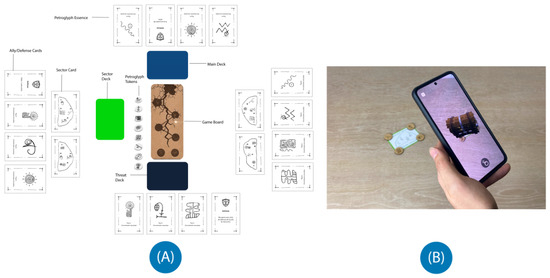
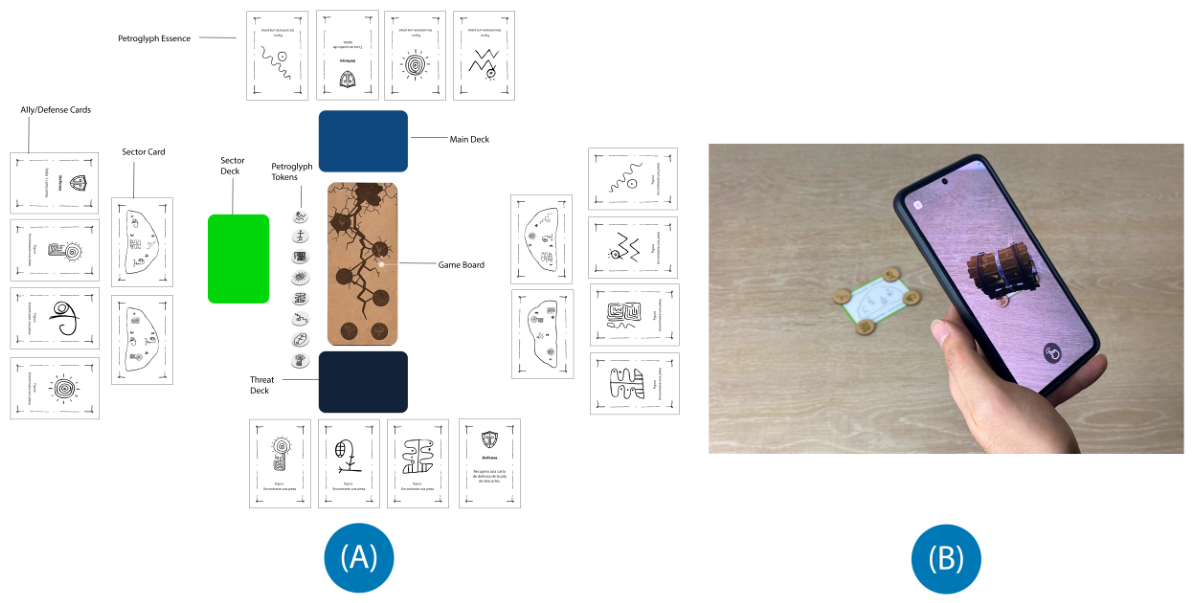
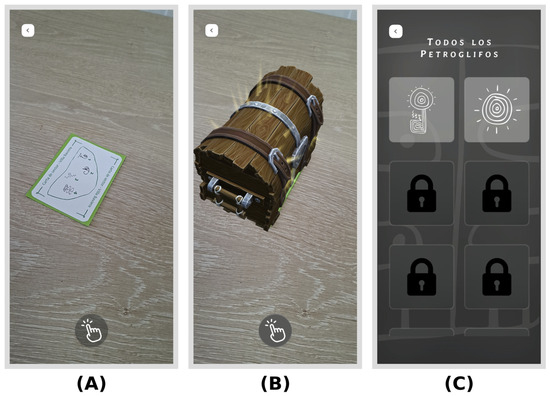
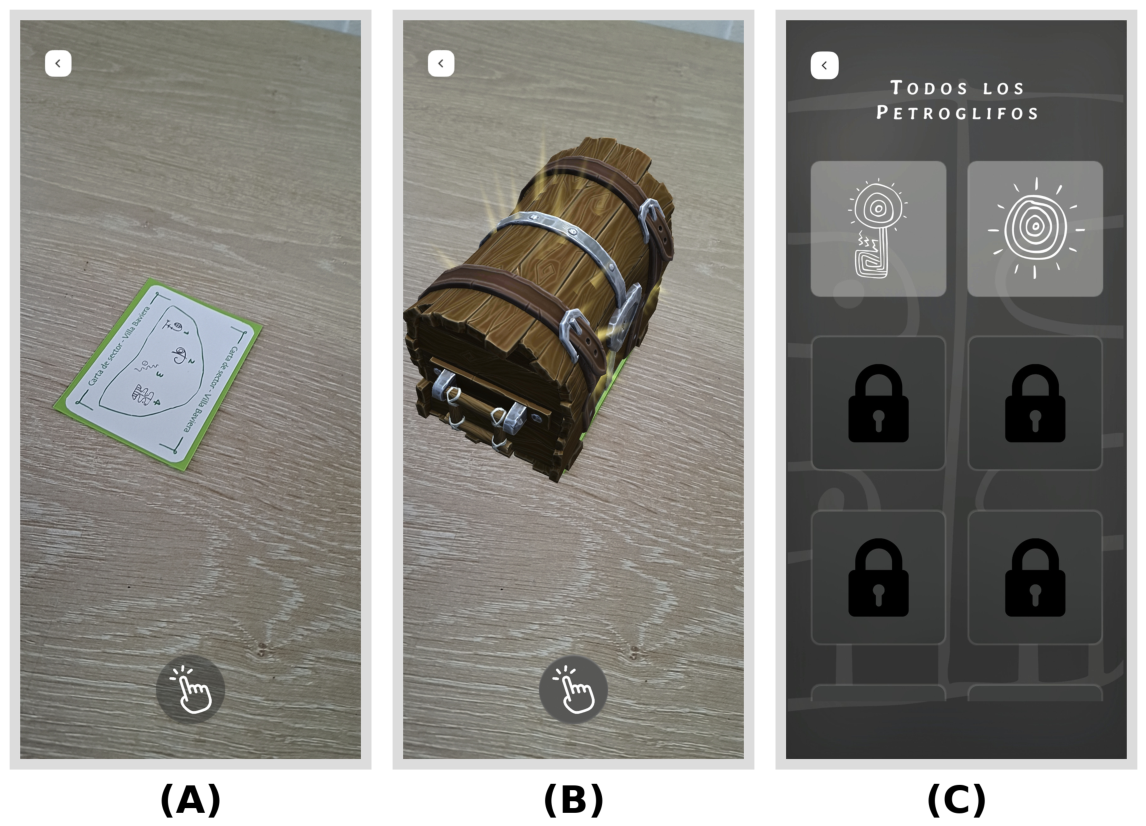
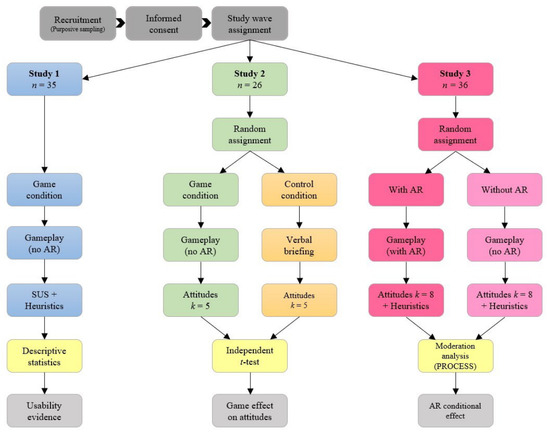
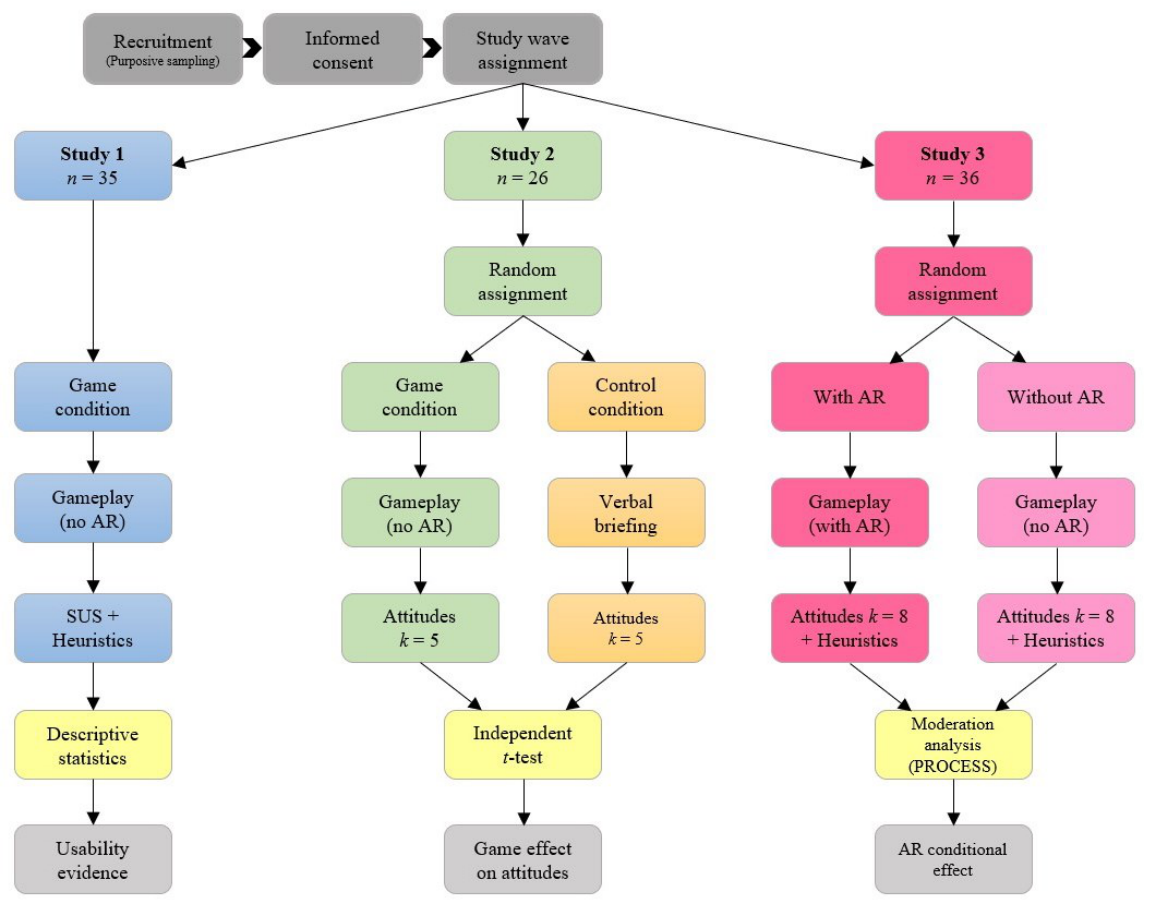
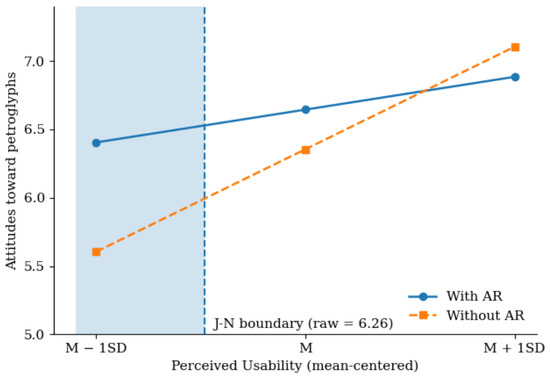
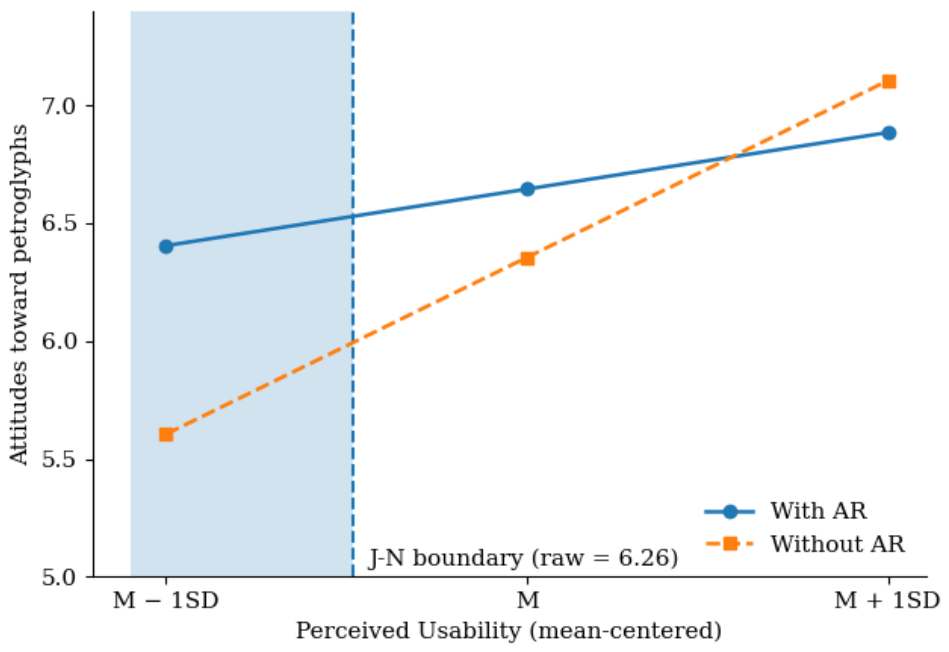

Disclaimer/Publisher’s Note: The statements, opinions and data contained in all publications are solely those of the individual author(s) and contributor(s) and not of MDPI and/or the editor(s). MDPI and/or the editor(s) disclaim responsibility for any injury to people or property resulting from any ideas, methods, instructions or products referred to in the content. |
© 2026 by the authors. Licensee MDPI, Basel, Switzerland. This article is an open access article distributed under the terms and conditions of the Creative Commons Attribution (CC BY) license.