Article

Digital Transformation of Data Collection and Archiving in Manufacturing Processes Under Industry 4.0


Department of Manufacturing Management, Faculty of Manufacturing Technologies with a Seat in Prešov, Technical University of Košice, Bayerova 1, 080 01 Presov, Slovakia
*
Author to whom correspondence should be addressed.
Appl. Sci. 2026, 16(11), 5542; https://doi.org/10.3390/app16115542
Submission received: 12 May 2026 / Revised: 27 May 2026 / Accepted: 28 May 2026 / Published: 2 June 2026

Abstract

The submitted paper focuses on linking recycled material processing with digital technologies for monitoring and managing production processes in the context of Industry 4.0 principles. Despite the rapid development of additive manufacturing and Industry 4.0 technologies, limited attention has been devoted to the integration of sustainable recycled materials with real-time digital monitoring and structured manufacturing data management. Existing studies often address either recycled materials or digital process monitoring separately, while their combined implementation in additive manufacturing environments remains insufficiently explored. The introductory part highlights polyvinyl butyral (PVB) recovered from post-consumer laminated glass and its potential application in additive manufacturing. The theoretical section provides an overview of current knowledge in the fields of additive manufacturing, circular economy, production, and digitization, forming a foundation for the practical part of the research. The practical section focuses on the design and implementation of a data collection system for additive manufacturing processes, enabling the real-time digital monitoring and evaluation of selected technological parameters. Previous research conducted by the authors addressed the preparation of recycled PVB filament; however, commercially available PVB filament was used in the present experimental study due to the limited laboratory-scale production capacity of recycled filament.

1. Introduction

The modern manufacturing industry faces increasing demands for sustainability, production efficiency, and digital transformation. In response to these challenges, the present paper combines three interconnected areas: additive manufacturing, recycled material utilization, and Industry 4.0-based digital monitoring technologies. Sustainability is addressed through the consideration of recycled polyvinyl butyral (PVB) obtained from post-consumer laminated glass, while efficiency is associated with monitoring selected technological parameters during the manufacturing process in order to support stable production conditions and process transparency. Digitalization and Industry 4.0 technologies enable the real-time monitoring, collection, evaluation, and archiving of manufacturing data without requiring direct intervention in the production process. In additive manufacturing environments, digital monitoring systems can improve process supervision, parameter traceability, and production management. However, the implementation of integrated monitoring and data archiving systems in additive manufacturing environments remains challenging due to the need for reliable communication between heterogeneous hardware and software components, the continuous acquisition of process data in real time, and the efficient synchronization of monitoring, visualization, and storage platforms. Additional challenges arise from ensuring system modularity, scalability, and compatibility with manufacturing environments utilizing sustainable or recycled materials. At the same time, the integration of sustainable materials into digitally managed manufacturing systems represents an important challenge in modern industrial production [1,2,3,4].
The presented scholarly article provides theoretical background related to additive manufacturing, recycled PVB processing, and the digitalization of manufacturing processes with emphasis on monitoring selected technological parameters within a digital manufacturing environment. The practical part of the research focuses on the design and implementation of a digital system for production data collection, visualization, evaluation, and archiving in accordance with Industry 4.0 principles. The research question of this paper is how selected technological parameters of the additive manufacturing process, particularly involving polyvinyl butyral (PVB), can be effectively monitored and evaluated in real time using digital technologies within the context of additive manufacturing.
The contribution of this work lies in the integrated approach that combines additive manufacturing process monitoring with Industry 4.0-based digitalization tools, including online monitoring, automated data collection, visualization, and structured data archiving within a unified manufacturing framework. The following subsection provides the sustainability background and previous research context related to recycled PVB processing for additive manufacturing.
Previous research conducted by the authors focused on the recycling and extrusion of PVB obtained from post-consumer laminated glass into filament suitable for additive manufacturing [5]. However, the present study focuses primarily on process monitoring during FDM printing; therefore, commercially available PVB filament was used for experimental sample fabrication due to the limited production volume of recycled filament.

2. Bibliometric Analysis

Bibliometric analysis represents an effective tool for the quantitative evaluation of scientific output and the identification of research trends. In this paper, it was employed to analyze publications focused on the digital transformation of data collection and archiving in manufacturing processes under Industry 4.0, with particular emphasis on keyword co-occurrence and thematic clustering. The analysis was conducted using the VOSviewer 1.6.20 software [6,7].
During the investigation of the selected research topic in a global context, the Web of Science Core Collection database was employed as the primary source of peer-reviewed scientific literature. To ensure the transparency and reproducibility of the literature search process, a topic-based search (including article titles, abstracts, and author keywords) was conducted. The search strategy targeted studies addressing the digital transformation and digitalization of data collection, monitoring, management, and storage within manufacturing processes, including additive manufacturing applications. The following Boolean search string was applied: (digital OR “digital transformation” OR digitalization) AND (“data collection” OR “data acquisition” OR “process data” OR monitoring) AND (“data management” OR “data storage” OR database*) AND (manufactur* OR production OR “additive manufacturing” OR “3D printing”).
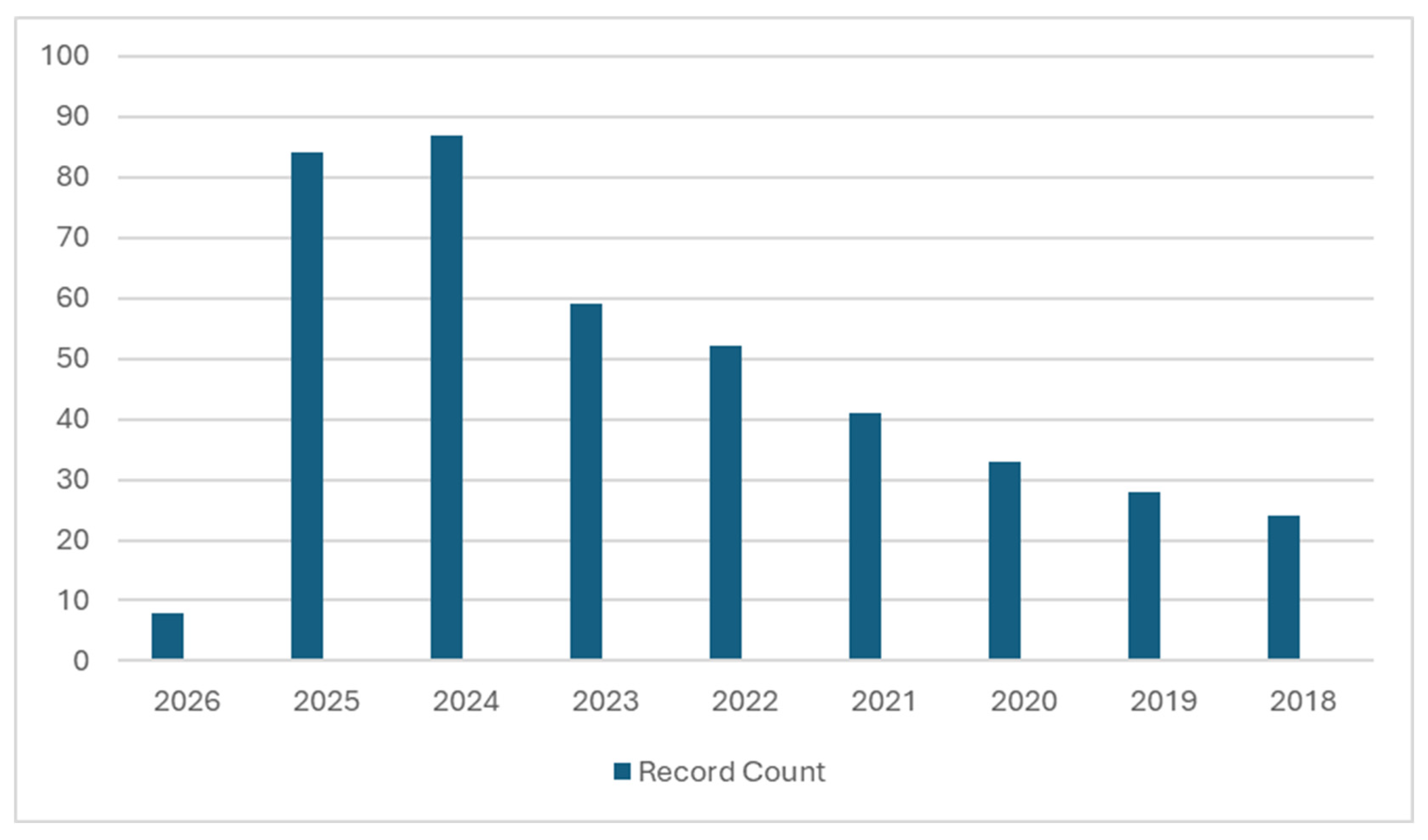
The search was limited to journal articles and review papers published within the last decade, resulting in a total of 428 records. The retrieved publications were evaluated with respect to their thematic relevance to additive manufacturing, digitalization, Industry 4.0, and sustainable manufacturing systems. The figure presents the annual number of publications retrieved from the Web of Science Core Collection, demonstrating a steady rise in research output over the analyzed period. The increasing publication activity highlights the expanding research interest in digital data acquisition, storage, and management in modern manufacturing environments. Figure 1 presents the annual number of publications retrieved from the Web of Science database.
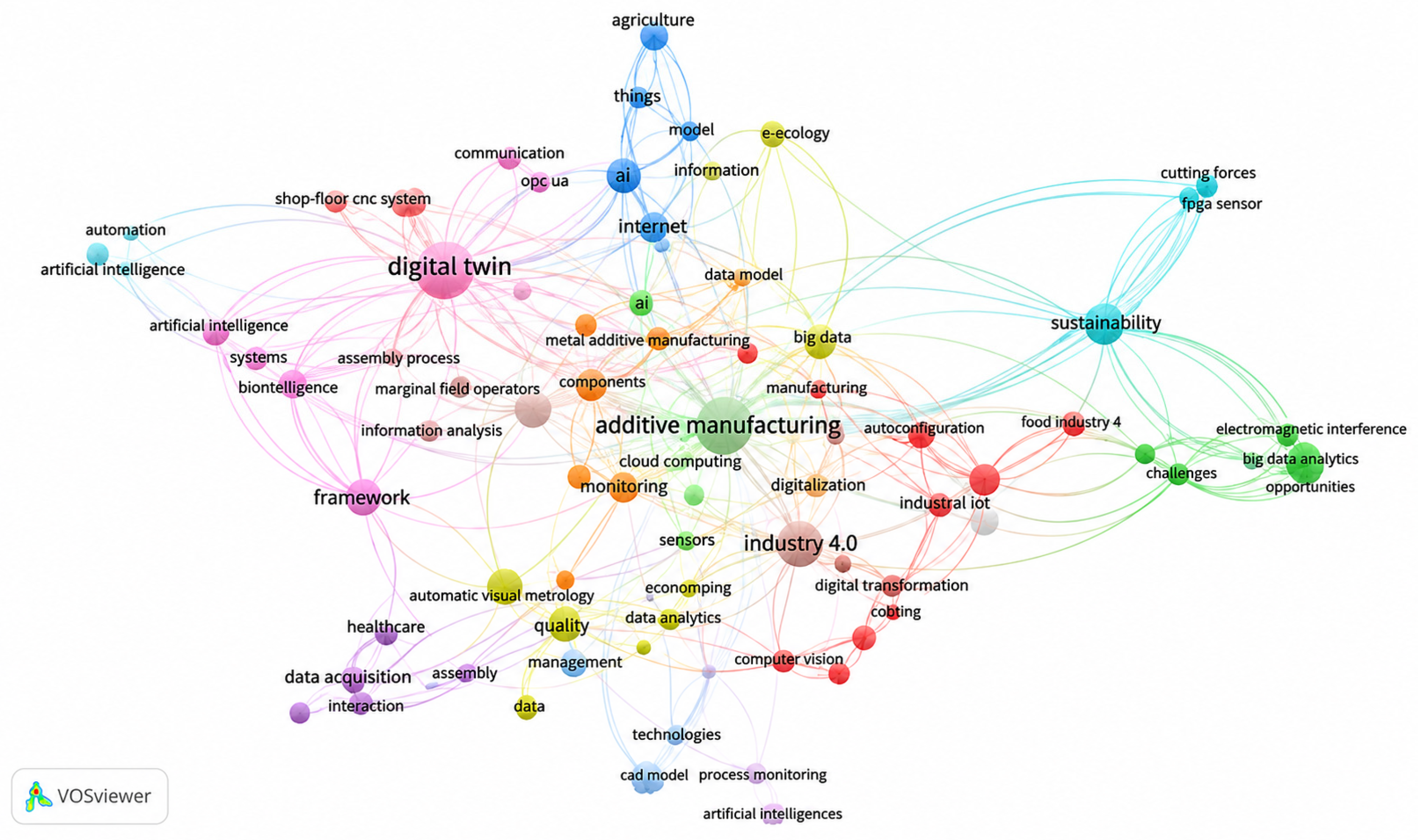
The obtained data were subsequently used to analyze the creation of a keyword co-occurrence map, which was generated using the VOSviewer software. Figure 2 illustrates the most frequently occurring keywords in the analyzed publications. The selected type of analysis was co-occurrence, with all keywords considered as the unit of analysis. Different colors represent individual thematic clusters of related keywords identified by the VOSviewer clustering algorithm.
This analysis was conducted to identify the main research trends, thematic priorities, and relationships between key concepts within the studied literature. The results reveal that, although additive manufacturing, Industry 4.0, digitalization, and digital twin technologies are strongly represented and interconnected, sustainability-related aspects and the use of recycled materials appear more peripherally and are less frequently integrated with advanced digitalization and monitoring approaches.
In particular, the map indicates a limited convergence within additive manufacturing research between recycled material utilization and Industry 4.0 digital tools, such as online monitoring, data acquisition, and data-driven process optimization. This observation highlights a research gap at the intersection of material sustainability and digitalized manufacturing systems. Previous studies addressed recycled polymer materials in additive manufacturing [7,8,9,10] while other works focused on digital monitoring systems and Industry 4.0-based manufacturing environments [11]. However, limited attention has been devoted to integrating recycled PVB processing with Industry 4.0-based monitoring and data archiving frameworks.
Therefore, the present paper addresses this gap by proposing an integrated approach that simultaneously investigates the use of recycled PVB in additive manufacturing and the implementation of Industry 4.0 digitalization tools, including online monitoring and data collection, within specific manufacturing processes.
In this way, the proposed study is well aligned with current research trends while offering a novel contribution through the combined treatment of material sustainability and digital manufacturing paradigms.

3. Materials Description and Recycling Process

To address the sustainability and process transparency challenges outlined in the introduction, this study combines the utilization of recycled materials with smart data collection in additive manufacturing. Recycled polyvinyl butyral (PVB), sourced from laminated glass waste, was employed as the feedstock material. This section details the material processing workflow, additive manufacturing setup, and the implemented data acquisition and archiving methods enabling efficient and sustainable production. Polyvinyl butyral (PVB) is a type of specialized resin characterized by its transparency, strength, and flexibility. It is a thermoplastic material with high optical clarity and good adhesion to a wide range of substrates. The melting temperature of PVB ranges from 171 °C to 218 °C. Compared to commonly used materials such as ABS (Acrylonitrile Butadiene Styrene) or PLA (Polylactic Acid), polyvinyl butyral exhibits superior mechanical properties, including increased impact resistance, flexibility, minimal shrinkage, and high dimensional stability without deformation. An additional advantage of PVB is the possibility of surface finishing through alcohol polishing, which enables the production of fully transparent printed parts. The recycled polyvinyl butyral (PVB) used in this study was obtained from post-consumer laminated safety glass. The recycling process began with the mechanical separation of the PVB interlayer from the glass fragments. Subsequently, the recovered PVB was thoroughly cleaned to remove residual impurities and dried under controlled conditions to reduce moisture content. The dried material was mechanically shredded into smaller particles suitable for further processing. These particles were then processed by extrusion to produce a continuous filament compatible with fused filament fabrication (FFF) technology. During extrusion, process parameters such as temperature and extrusion speed were adjusted to ensure material homogeneity and filament dimensional stability. Before additive manufacturing, the produced filament was visually inspected and measured to verify its diameter consistency and suitability for 3D printing [8,9,10].
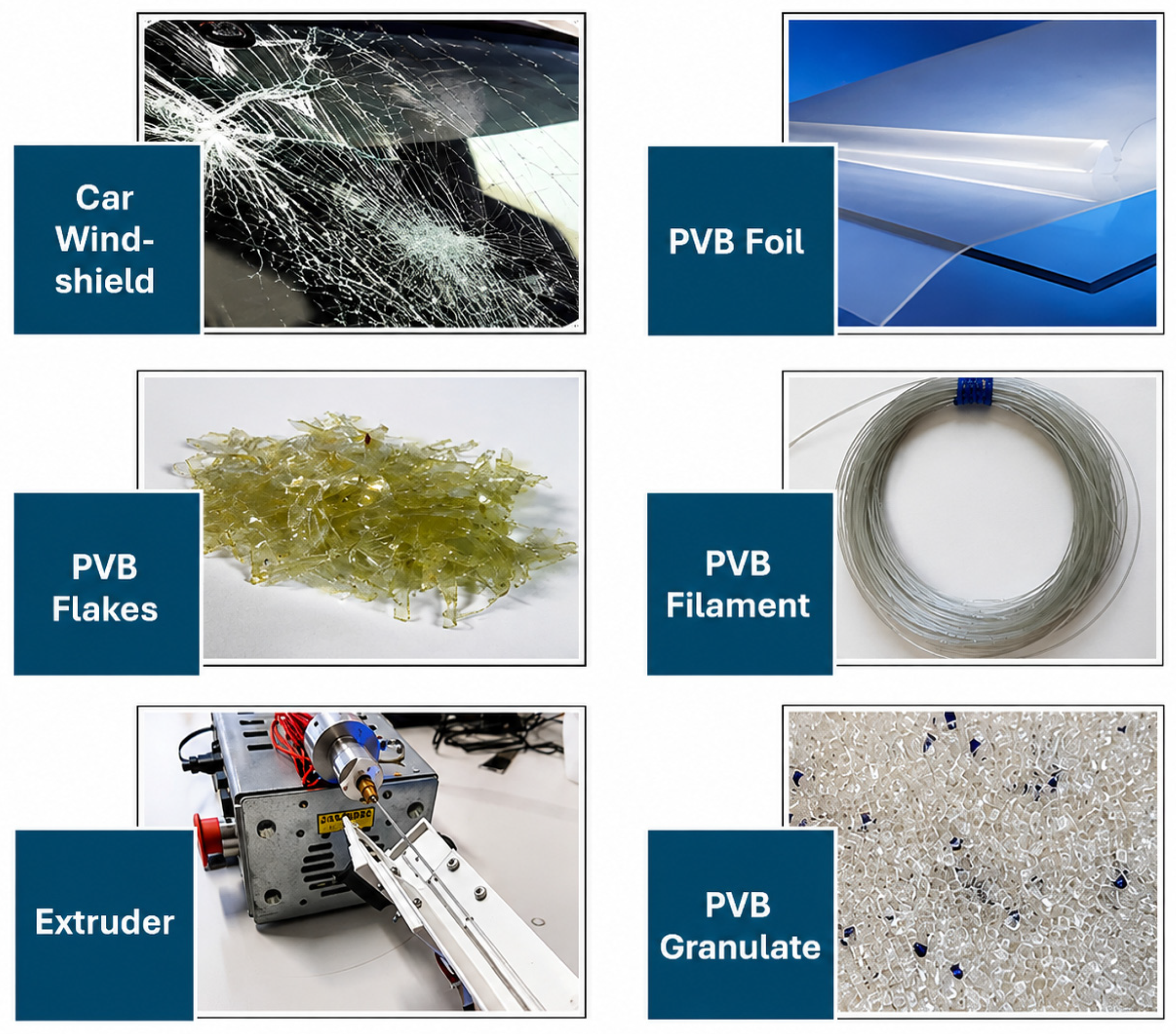
Figure 3 illustrates the recycling pathway of polyvinyl butyral (PVB) from post-consumer laminated glass to filament and granulate suitable for additive manufacturing applications.
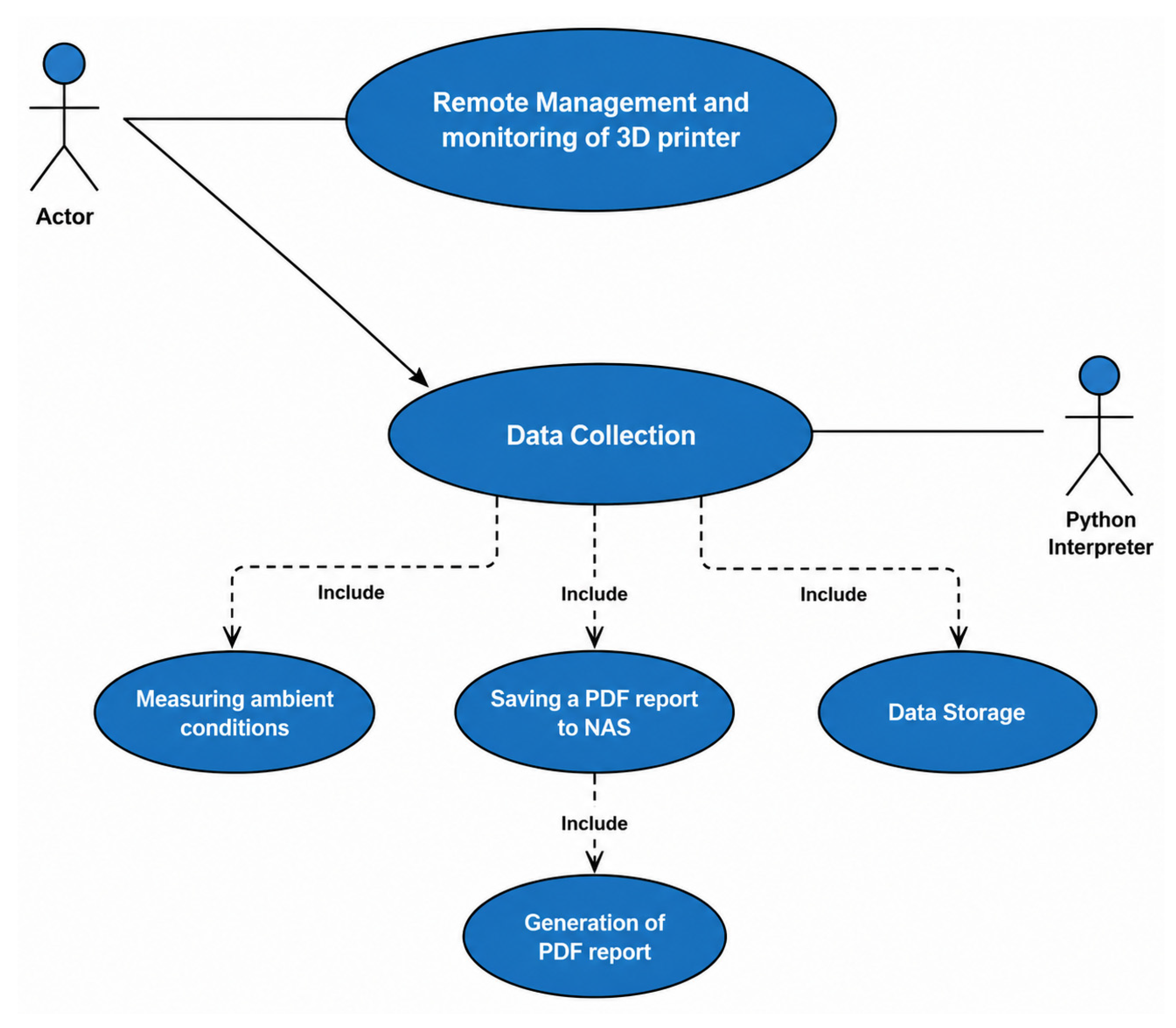
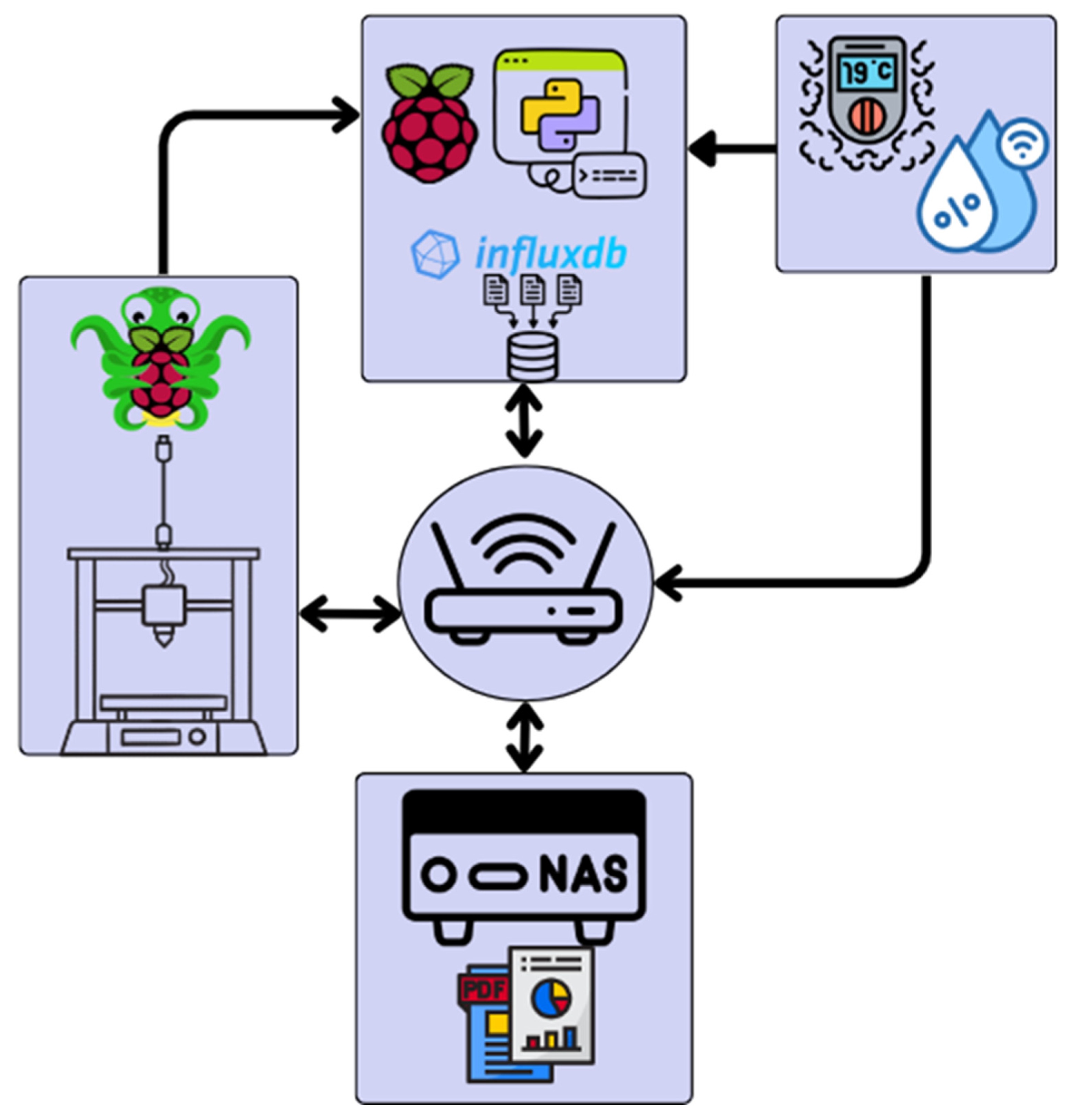
Figure 4 and Figure 5 illustrate consecutive components of the proposed monitoring and data collection workflow. Figure 4 presents the overall software architecture and user interaction within the monitoring system. Figure 5 subsequently illustrates the sequence of process monitoring and data acquisition activities during additive manufacturing.
Figure 3 presents the circular recycling pathway of polyvinyl butyral employed in this research. Post-consumer laminated glass is transformed through mechanical processing into reusable PVB granulate, which is subsequently extruded into filament for additive manufacturing. This approach demonstrates the feasibility of converting waste material into a value-added feedstock, supporting sustainable and resource-efficient production.
Previous research conducted by the authors focused on the preparation of recycled PVB filament from post-consumer laminated glass using a controlled extrusion process. The detailed extrusion setup and parameter optimization are therefore not discussed in this paper and are described comprehensively in the authors’ previous work [10].
Due to the limited laboratory-scale production volume of recycled filament, commercially available PVB filament was used for fabrication of the experimental samples in the present study. The primary objective of this work is the monitoring and evaluation of additive manufacturing process parameters rather than the validation of recycled filament production.
A detailed characterization of recycled PVB filament, including dimensional consistency, thermal behavior, and process parameter optimization, was presented in the authors’ previous study [10]. The present paper focuses primarily on the implementation of digital monitoring and data acquisition methods during additive manufacturing rather than comprehensive material characterization.

4. Design of the Digital Data Collection System

While the previous section described the material and manufacturing setup, the following section focuses on the design of a digital system for smart data collection and archiving in additive manufacturing using recycled PVB. The chapter titled “Design of the Digital Data Collection System“ describes the complete design system for collecting data from the production process, including the interconnection of individual components and their communication with one another.

4.1. Hardware Architecture of the Data Collection System

Hardware represents the physical part of a computer or another device, which is used for performing calculations, for data processing, and for ensuring communication between various components and software. The essential task of the hardware architecture system is to collect data, compute, communicate, and display information. This part of the system specifies all devices that were used in the practical part of the presented paper. When defining the objectives of the study, the requirements for data collection at regular intervals were specified. Therefore, the following hardware devices were selected:
  • Raspberry Pi 5
  • Raspberry Pi 4
  • Raspberry Pi Pico + environmental sensor
  • Smart NAS storage
To ensure the system’s agility, the hardware components were divided into four distinct devices. Theoretically, it is possible to run the entire system on a desktop computer; however, this solution would be neither spatially nor financially efficient. This division into multiple hardware components better meets the conditions of embedded systems. Unlike regular computers, these specialized computer systems are optimized for one or a few specific functions. Additionally, under the given conditions, the entire system can function without any issues on a single unit (Raspberry Pi). However, if the system were expanded or enhanced in the future with additional components, such as additional sensors for a different parameter, the entire proposed system would no longer be satisfactory in terms of performance. Also, thanks to the distribution of individual functions across multiple hardware components, the load on the central unit is significantly reduced.
Raspberry Pi 5 represents the central element of the entire proposed data acquisition system. Raspberry Pi 4 on this device runs the open source application OctoPrint, which allows the remote monitoring of 3D printing. The penultimate component of the hardware part of the system is Raspberry Pi Pico, which can be characterized as a microcontroller. It is not the same device as Raspberry Pi 4 or 5, as it has limited functions. This component is used to interact with electronics—in our case, with the BME 688 sensor from Bosch, which is used to measure humidity, barometric pressure and ambient temperature. The BME688 sensor used in the proposed system provides environmental monitoring with a temperature measurement accuracy of approximately ±1 °C and relative humidity accuracy of approximately ±3%RH according to the manufacturer’s technical datasheet. The last component of the hardware part is an intelligent NAS storage from Synology, which was added to the proposed system to back up reports in the form of a document containing an evaluation of the sample printing process.
The findings and their implications should be discussed in the broadest context possible. Future research directions may also be highlighted [12,13,14,15].

4.2. Software Architecture of the Data Collection System

The software part of the proposed data collection system allows users to perform specific tasks, giving the system instructions and functionality. In the implemented system, software plays a key role in automation, analysis, and data management. This subsection describes in more detail the software part of the data collection system, where the central point of the entire system is a program written in Python 3.11 (CPython).
In order to illustrate the entire proposed system, a use case diagram (Figure 5) was created, which serves as a visual representation and a faster understanding of how the proposed system works. The diagram defines what steps are taken when collecting data from the 3D printing process and how the data collection is performed. As can be seen from the diagram, the proposed system primarily serves the user, i.e., a person or employee who wants to monitor and analyze 3D prints. Another article used by the system is the Python Interpreter; in this case, it is software that helps with processing and storing data. After describing the users of the diagram, it is necessary to describe what is happening in the proposed system, which the diagram characterizes. The first task of the system is data collection; this is the main activity, or in other words, it is the main use case, in which all the collected data from the printing process is collected. The data collection process can be initiated by the user or by an automated script.
Process data were collected and updated at regular time intervals within the implemented monitoring framework, enabling the continuous real-time visualization and archiving of selected manufacturing parameters.
Task number one, data collection, contains several subtasks and a representation of the relationships between the individual tasks, as can be seen in the diagram:
  • Include: Measuring environmental conditions—data collection includes monitoring temperature, humidity and other environmental factors that can affect print quality.
  • Include: Data storage—continuous archiving of collected numerical data for subsequent analysis.
  • Include: Saving the final report—output data is processed and systematically stored for further use.
  • Include: Creating a final report—collected data is analyzed, and the result is a final report on the progress and results of the print.
The aim of the proposed system is to collect data from the process of printing samples, with the added value of remote management and monitoring using the open-source application OctoPrint, which has this capability. The diagram shows key processes related to data collection, storage, and analysis.
Justification of “include” relationships: “Include” relationships were used to illustrate the inseparable dependencies between individual use cases. For example, data collection cannot take place without measuring the ambient conditions and storing the data. Similarly, the creation of the final report depends on the previous step of storing the data in an intelligent repository. In the context of the dissertation, this diagram helps to understand how data is collected, processed and analyzed, thereby enabling more efficient management of the printing process and the optimization of outputs.
The following image describes a scheme whose central element is a Python script (program). The program can be run on any computer within a local network after proper configuration of the environment. This feature enables the implementation of both centralized and decentralized approaches to data collection. The centralized approach consists of using a single central node that ensures the aggregation and distribution of data through the appropriate information channels. Alternatively, a decentralized model can be used, in which multiple independent instances of the program operate simultaneously on different computers, thereby ensuring the distribution of computational load and system redundancy [16].
This Python program (hereinafter referred to as “the program”) implements multiple communication protocols, thereby creating an information interface that enables communication even between mutually incompatible systems. Given the scope of the experimental solution and the number of existing communication protocols, the following communication mechanisms were implemented in the program:
  • REST API—ensures communication with environmental sensors and with the remote 3D printing monitoring system (OctoPrint).
  • WebSocket—used for time-intensive data transfers, particularly with regard to future development.
  • InfluxClient—enables communication with a time series database system that is optimized for storing and processing time-dependent data.
The program described above acts as an intermediary within the overall system, enabling communication with the other system components. The diagram also includes a visualization of the communication between the 3D printer and the Raspberry Pi platform running the OctoPrint system. Data transmission was ensured using the UART (Universal Asynchronous Receiver-Transmitter) communication protocol. On a separate computer (Raspberry Pi version 5B), the InfluxDB database system was running, which in the version used also provides basic tools for visualizing the collected data. This system enables the efficient storage and analysis of time series data, thereby supporting monitoring and potential processing of the acquired information. PDF reports are generated directly within the program and automatically saved to a designated folder. This folder is synchronized with network-attached storage (NAS) in order to ensure efficient sharing and archiving of the generated reports [14,17,18,19,20].

5. Implementation of the Proposed System in Sample Production

5.1. Experimental Design

The presented experimental verification was designed primarily as a proof-of-concept implementation of an Industry 4.0-based digital monitoring and data acquisition framework for additive manufacturing processes. The objective of the experimental setup was not a comprehensive statistical validation of material performance, but the verification of data collection, visualization, and archiving functionalities during FDM printing using PVB-based material. Experimental sample fabrication was conducted under controlled laboratory conditions with an ambient temperature of approximately 22 °C and relative humidity of approximately 47% during the monitored print cycle. The selected geometric model was intentionally designed to contain features enabling the visual observation of common printing phenomena, such as stringing, overhang behavior, and material response during abrupt print-head direction changes. Sample quality evaluation was performed primarily through a visual inspection of printed specimens and the monitoring of selected technological parameters during printing. The presented samples illustrate representative outcomes obtained during experimental verification and parameter adjustment. The presented study focuses primarily on system implementation and process monitoring architecture. Comprehensive experimental campaigns involving multiple print cycles, statistical validation, repeatability analysis, and quantitative defect classification will be addressed in future research.

5.2. Practical Results of the Implemented System

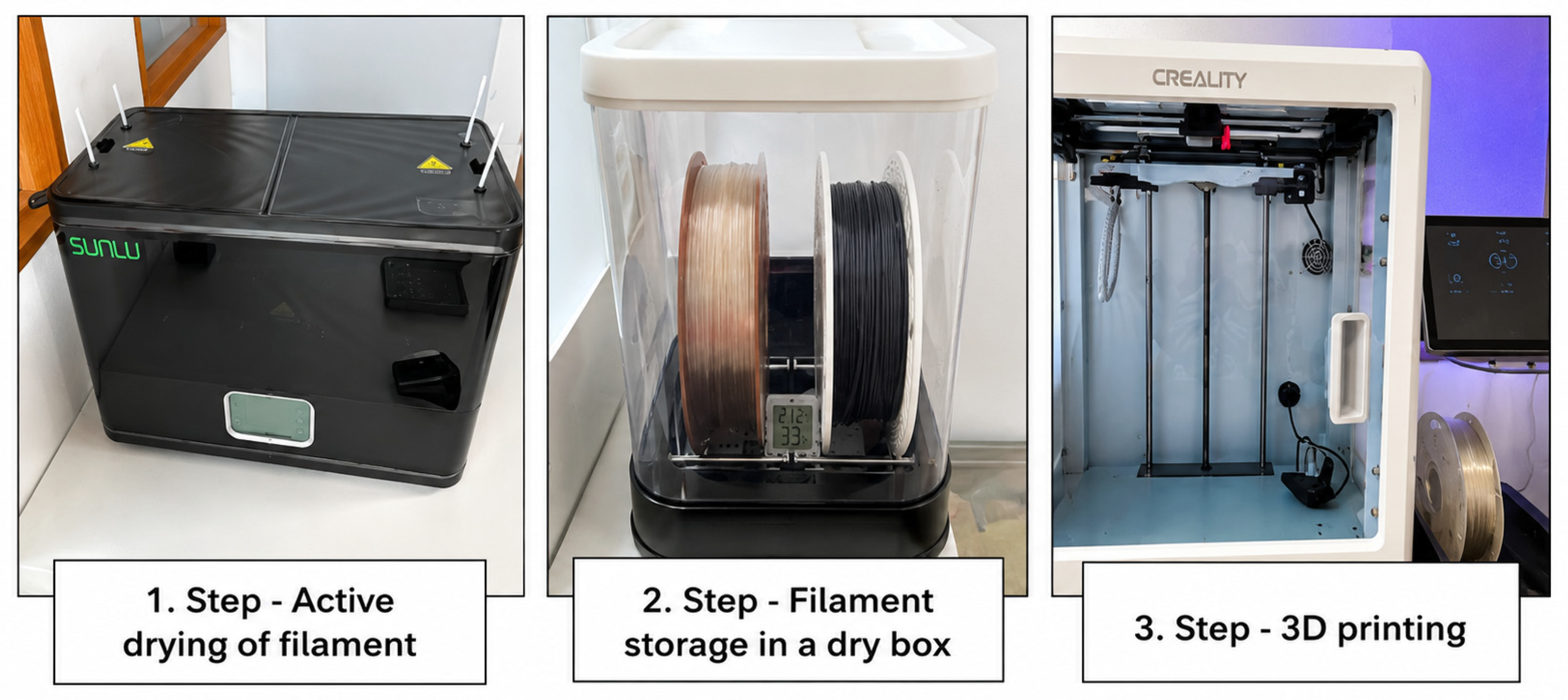
The following subsection draws attention to the practical results of the implemented system, characterizing the individual steps in the process that are manufactured using FDM technology. The following figure represents the procedure for preparing and storing filament before the printing process itself. The correct filament drying and storage procedure directly affects the resulting print quality, the mechanical properties of the samples, and the overall reliability of the production process. Drying the material is essential to remove excess moisture, as the presence of water could negatively affect the 3D printing process and cause defects in the final print, such as bubbles, surface irregularities, poor interlayer adhesion, or reduced mechanical properties of the material. Therefore, before printing, the filament was placed in an active drying chamber where it was maintained at a controlled temperature and low humidity.
The filament storage scheme (Figure 6) illustrates the recommended method of handling the material before and during 3D printing. The filament was first dried in a specialized drying device that ensured the removal of absorbed moisture. Subsequently, it was transferred to a sealed dry box equipped with desiccant or active dehumidification to minimize the reabsorption of moisture from the surrounding air. During printing, the filament spool remained inside the dry box while the material was fed to the 3D printer through a dedicated guide that prevented contact with the humid environment. This approach ensured stable material properties throughout the entire printing process.
The next phase of the experiment involved 3D printing samples from the produced filament. This stage allowed not only the verification of the material’s suitability for additive manufacturing but also the identification of potential processing issues, such as material inhomogeneity or variability in dimensional properties. Throughout the manufacturing process, selected parameters were measured using external sensors, providing important information about the stability and quality of the production process. At the same time, online monitoring of the entire process was carried out, ensuring continuous control over the experiment and the real-time acquisition of relevant data.
All collected data were subsequently processed and stored in a database, creating a dataset necessary for evaluating the influence of individual factors on the final quality of the filament and printed samples. These data formed the basis for further analysis and optimization of the PVB processing for 3D printing.
A commercially available PVB filament was used in the fabrication of the samples. The following Table 1 specifies the technical parameters of the selected PVB filament.
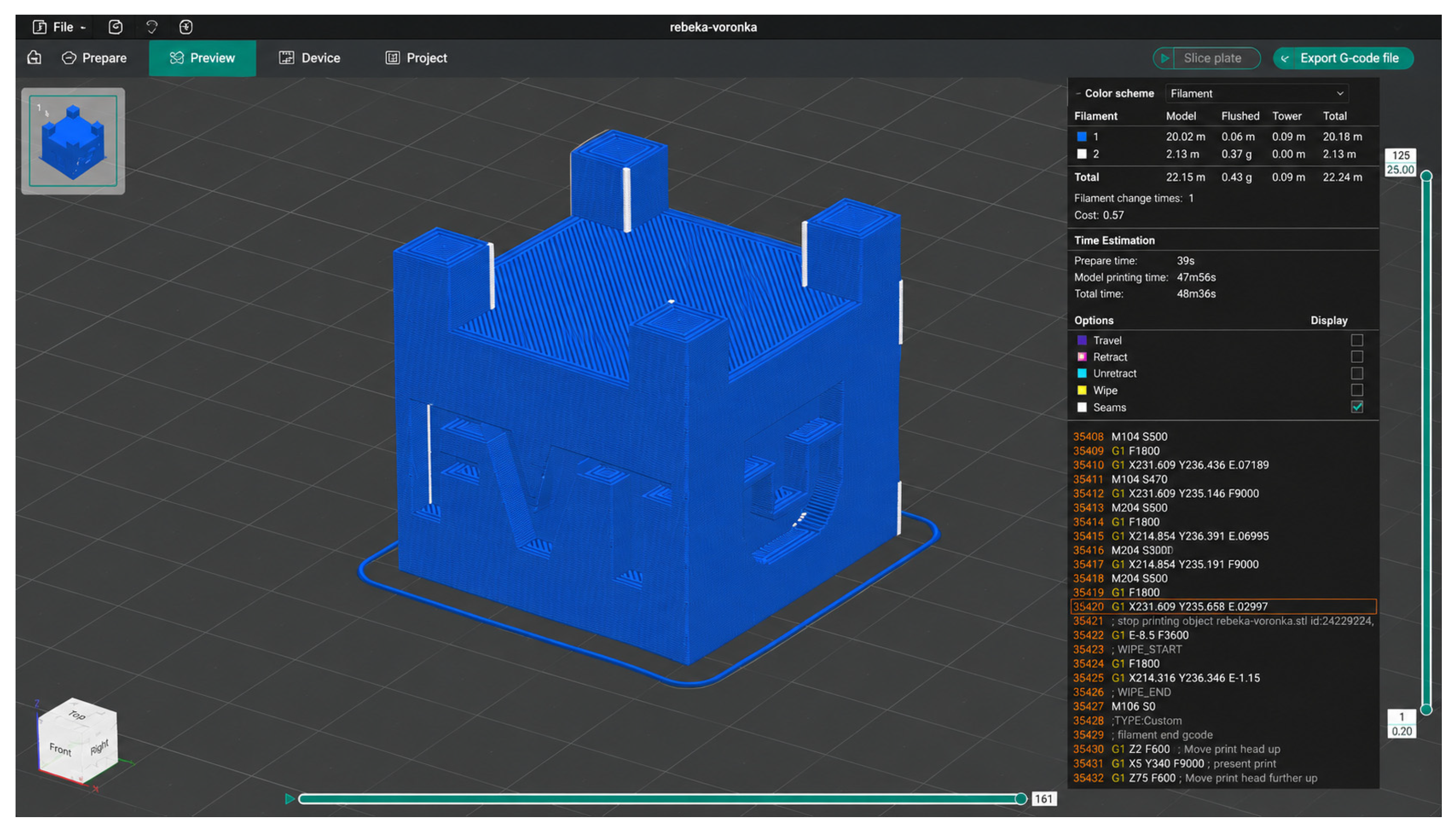
If the aforementioned steps are followed, it is possible to seamlessly continue with the production process by modeling the object to be printed. The model is subsequently imported into a slicer, where the object is divided into individual layers and the printing parameters are further configured. The following Figure 7 shows the imported 3D model in the Creality slicer. For the purposes of the experiment, this specific type of geometric model was designed to enable the observation of various critical characteristics of the selected material (such as stringing, overhangs, and material behavior in areas where abrupt changes in the print head direction occur, typically at corners).
The following Table 2 describes the basic parameters for printing a sample from a 3D model. The layer height was set to 0.2 mm, while the printing speed reached 40 mm/s. The print head temperature was 215 °C, and the build plate temperature was 60 °C, which ensured optimal material adhesion. The infill density was set to 15%, whereas the spacing between infill lines was 2.6667 mm. Retraction parameters included a distance of 6 mm and a speed of 45 mm/s, thereby minimizing the occurrence of undesirable oozing. The cooling fan operated at 100% speed, while at standard fan speed, the layer height was 0.6 mm. The minimum layer time was set to 10 s, allowing sufficient cooling before depositing the next layer. Oozing is a phenomenon in 3D printing in which molten filament undesirably leaks from the nozzle even at times when it should not. This issue results in thin “hairs” (stringing) or droplets of material forming between different parts of the printed model.
Although the manufacturer’s technical datasheet recommends a printing temperature range of 220–250 °C for PVB filament, preliminary experimental trials performed under the specific laboratory conditions indicated that stable extrusion and acceptable print quality could also be achieved at 215 °C. The selected temperature was used to reduce excessive material flow and minimize thermal degradation effects during printing. Minor defects observed in Sample 1, such as stringing, were primarily associated with initial parameter adjustment and process tuning during experimental verification.
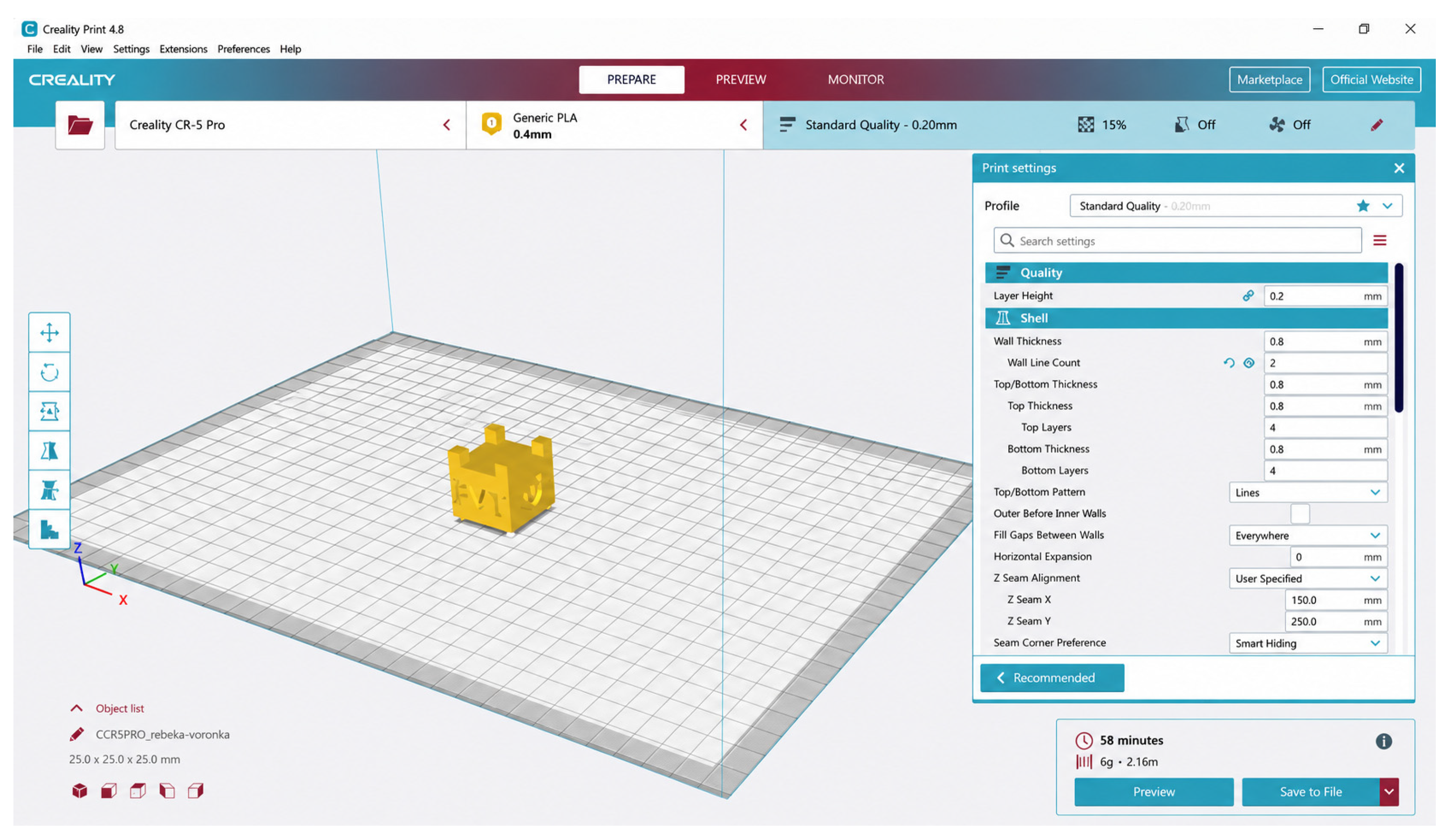
The following Figure 8 shows the user interface of the Creality slicer in which the specific printing parameters for the sample were configured. In the selected image, a table can be seen in the upper left corner specifying the outer layers of the particular model. The slicer settings include parameters for shell printing, which define the thickness and number of layers of the model. The layer height was set to 0.2 mm, while the wall thickness was 0.8 mm with three wall lines, ensuring sufficient mechanical strength of the outer shell. The top and bottom layers had a thickness of 0.8 mm and consisted of four layers, with their infill pattern set to Lines. The model was printed such that the outer walls were generated first, followed by the inner walls (Outer Before Inner Walls), while gaps between the walls were filled wherever possible (Fill Gaps Between Walls—Everywhere). The horizontal expansion was set to 0 mm, which guarantees accurate model dimensions without enlargement or shrinkage. The Z-seam alignment was user-specified with coordinates X: 150.0 and Y: 225, and the seam corner preference was set to Smart Hiding, minimizing the visual appearance of the layer seam. These settings influence the accuracy, mechanical strength, and aesthetic quality of the printed object.
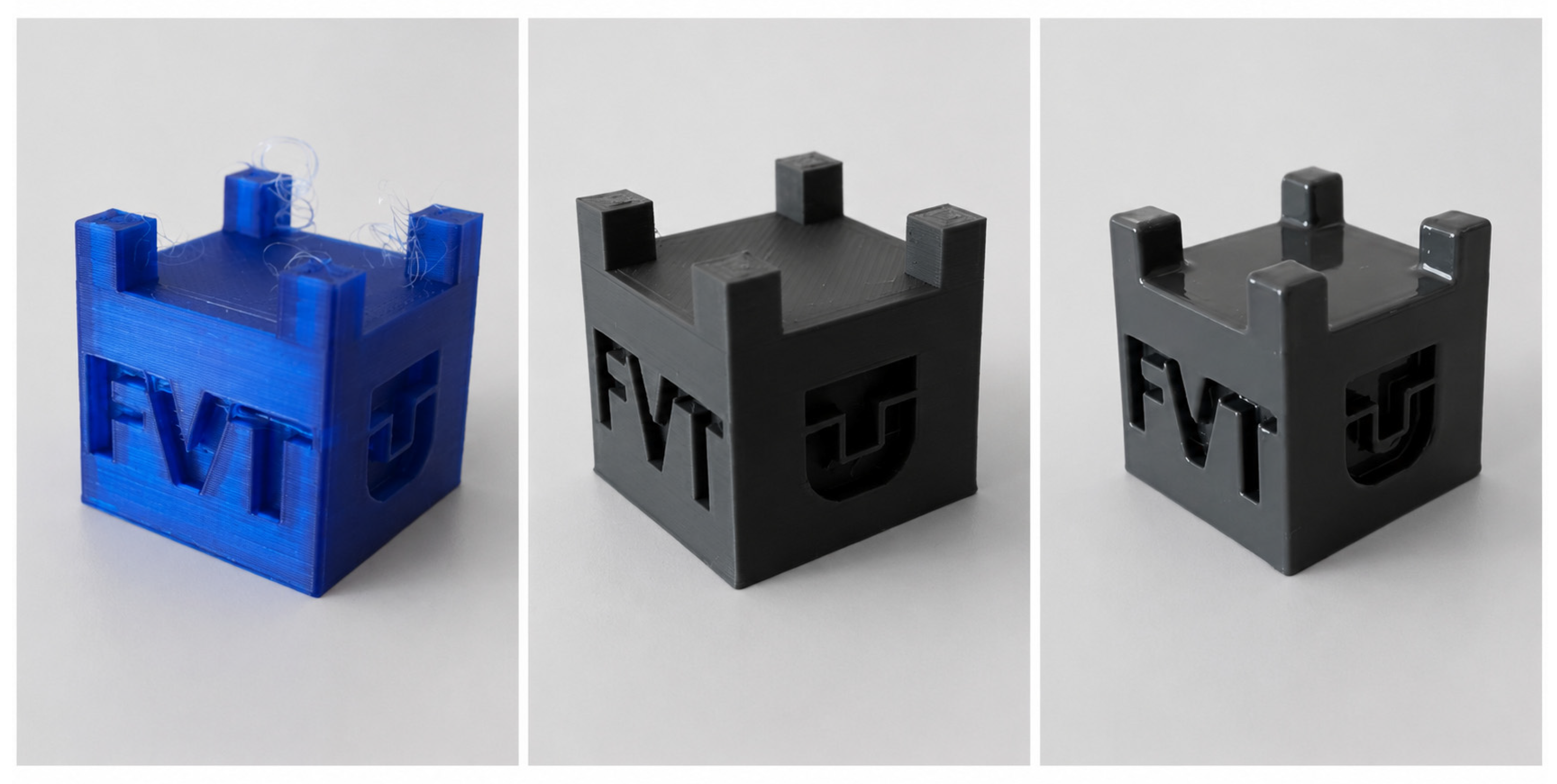
The Figure 9 below compares the quality of three fabricated samples. In the first sample (from left to right), defects such as stringing and irregular material behavior at abrupt changes in the print head direction can be visually observed. The second sample exhibits no visible defects, as the printing parameters were correctly set in this case. The third sample underwent a surface post-processing treatment, which is described in detail in a separate dedicated article done by the authors [21].
The presented samples were fabricated from commercially available PVB filament using the printing parameters summarized in Table 2. The samples illustrate representative printing outcomes observed during experimental parameter adjustment and process verification.
The entire sample manufacturing process can be initiated remotely using the open-source application OctoPrint, which runs on a Raspberry Pi 4. The use of this platform enables the user to start the print without the need for physical presence in the laboratory. Additionally, by means of an integrated camera, the printing process can be monitored in real time, allowing for the rapid identification of potential defects or issues that may arise during fabrication and enabling the immediate interruption of the process if necessary. OctoPrint also allows pre-setting and control of both nozzle and build plate temperatures prior to printing. A comprehensive description and analysis of the OctoPrint-based monitoring system is presented in a separate dedicated publication by the authors [11].
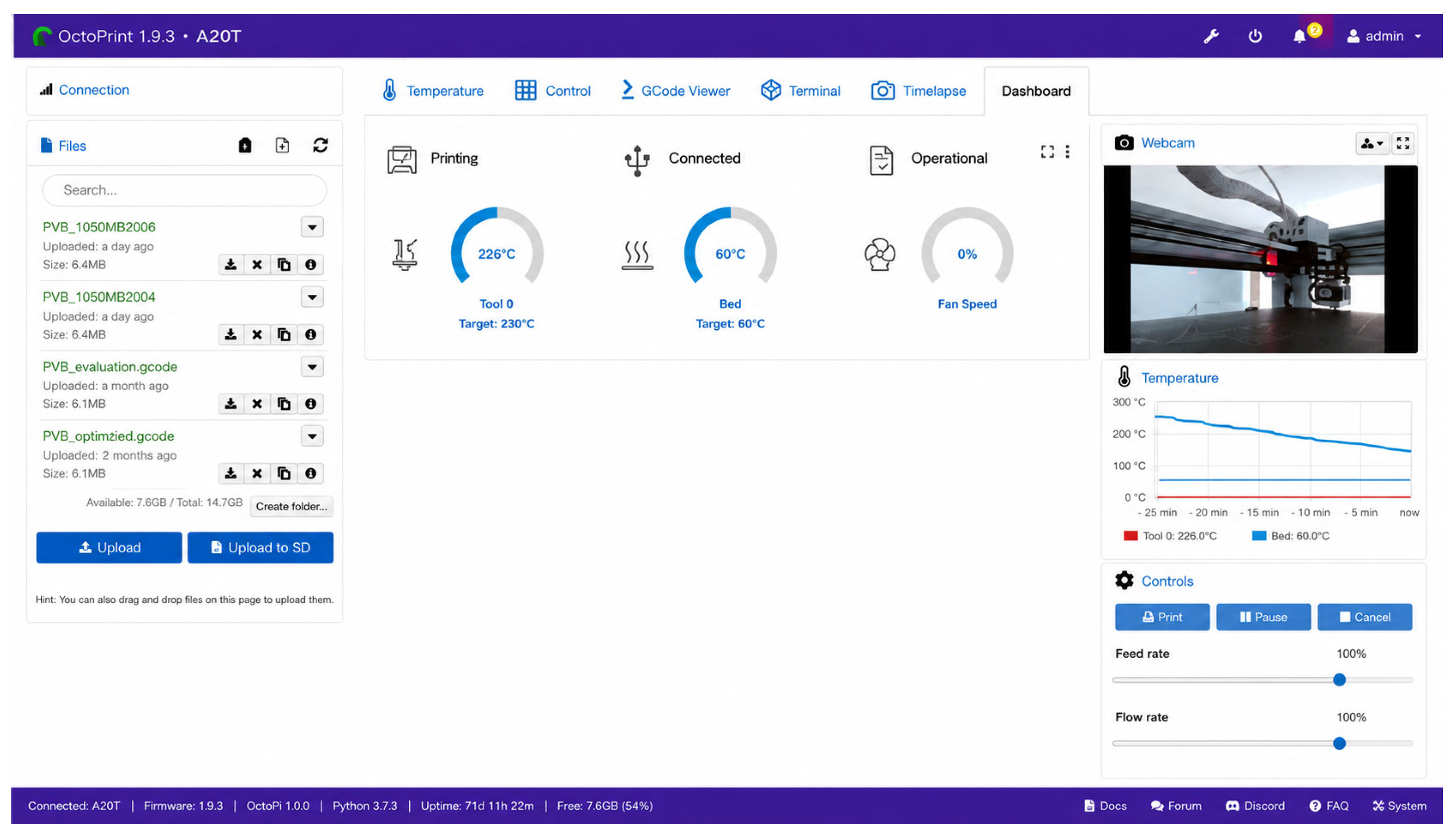
Figure 10 presents the configured user interface of the OctoPrint platform used for the online monitoring and supervision of the additive manufacturing process. The interface provides real-time access to key operational parameters of the 3D printing system, including the nozzle and build plate temperatures, printer connectivity status, fan operation, and the overall state of the printing task. In addition to numerical and graphical representations of process variables, the interface integrates a G-code viewer that enables the visualization of the toolpath corresponding to the currently executed printing job. This feature supports process transparency and allows the indirect assessment of the printing progress and potential deviations. Furthermore, a live video stream from an integrated camera is displayed, enabling the continuous visual inspection of the printing process without the need for physical presence at the machine.
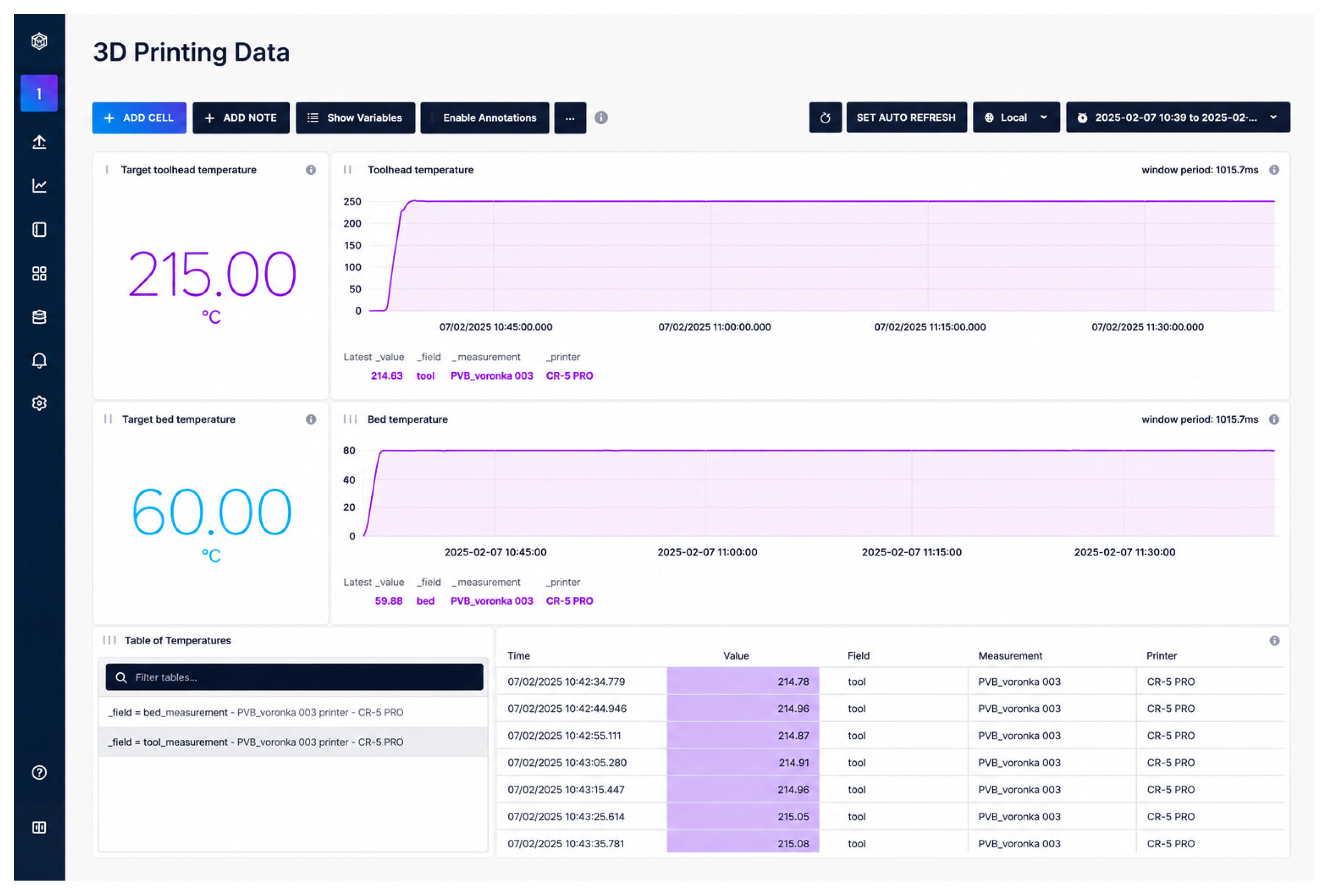
Figure 11 presents a dashboard created in the Grafana visualization platform, which is used for monitoring and analyzing data collected during the 3D printing process. The dashboard displays the temporal evolution of the nozzle temperature and the heated build plate temperature, with the data retrieved from the time-series database InfluxDB. These process data are acquired and transmitted by the OctoPrint system, which collects measurements from sensors connected to the 3D printer. Grafana enables not only the real-time visualization of current process values but also the retrospective analysis of historical data through configurable time ranges and filtering options. This approach provides immediate insight into process stability and allows the identification of short-term temperature fluctuations as well as long-term trends. Such trends may indicate improper process settings, the gradual degradation of components, or the early onset of equipment malfunctions.
From the perspective of the Industry 4.0 concept, the presented solution represents a typical example of digital transformation in manufacturing processes, where a physical production system (the 3D printer) is tightly integrated with a digital layer for data acquisition, storage, and analysis. This integration forms a cyber-physical system in which process data are continuously monitored, archived, and made available for further processing. The collected data can serve as an input for advanced manufacturing control methods, process parameter optimization, predictive maintenance strategies, and data-driven decision-making.
The integration of OctoPrint, InfluxDB, and Grafana also demonstrates the modularity and openness of modern industrial solutions, which are key characteristics of Industry 4.0. The use of standardized interfaces and open-source platforms enables straightforward system scalability and the integration of additional devices, sensors, or analytical tools. As a result, such an architecture is particularly suitable not only for large industrial environments but also for small and medium-sized manufacturing enterprises seeking to implement Industry 4.0 principles.
The visualization shown in Figure 12 presents the progress of the 3D printing process using interactive charts. The first element is a numerical indicator displaying the target temperature of the print head during the printing process. The chart following this numerical value (215 °C) illustrates the temperature profile of the print head throughout the entire printing duration. Below this element, another numerical indicator is displayed, representing the target temperature of the heated build plate (60 °C). Similarly, the chart following this numerical value shows the temperature profile of the build plate over the entire sample manufacturing period. The temperature profiles in both charts showed relatively consistent behavior throughout the monitored printing process.
The final element shown in Figure 12 is a table presenting the numerical identification of individual printed samples along with their corresponding measurement data collected during the printing process. This tabular representation enables a clear association between individual production runs and their recorded process parameters, facilitating traceability and subsequent data analysis.
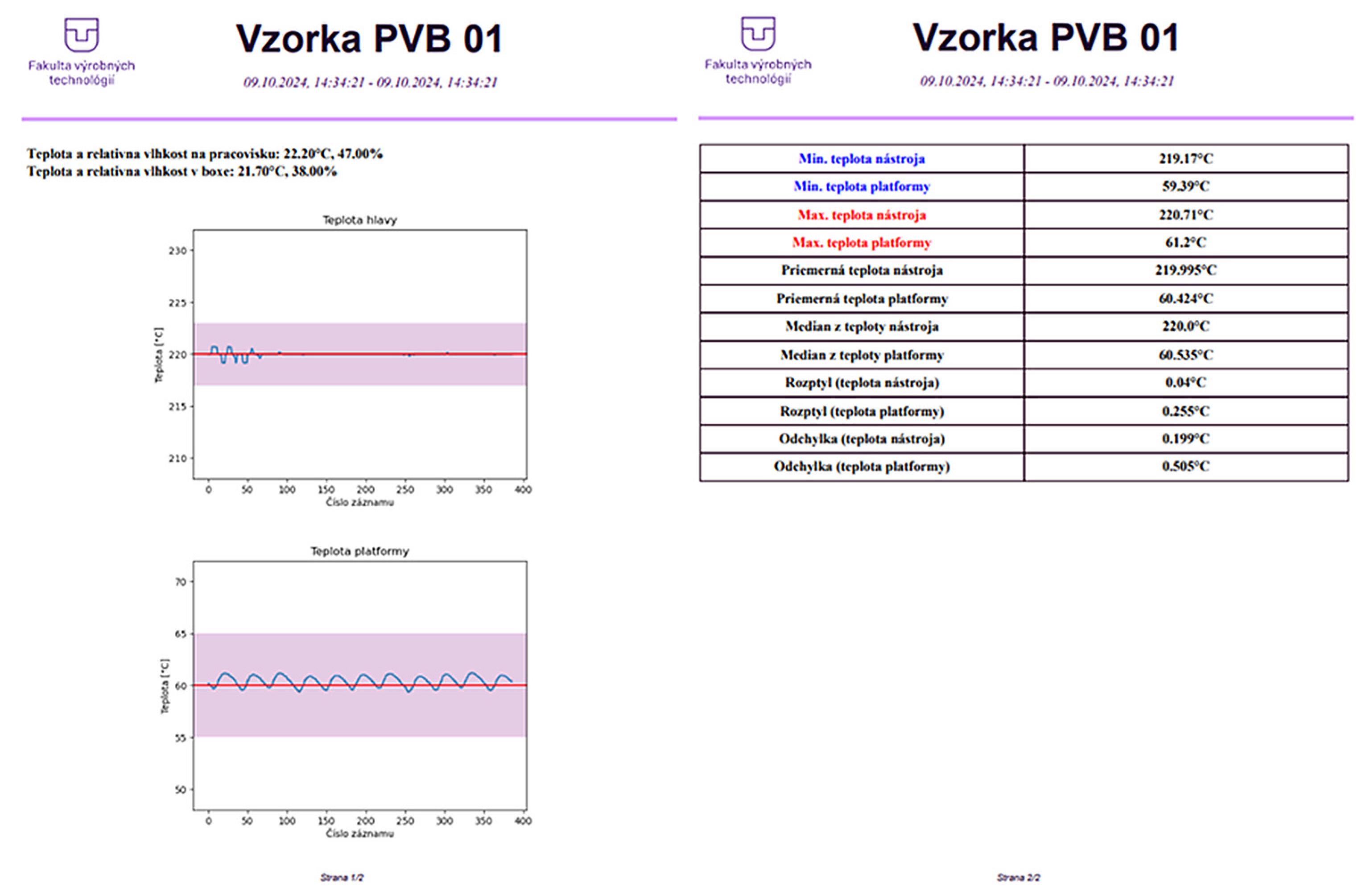
The final step of the proposed data collection framework covering the entire sample manufacturing process is the automatic generation of PDF reports. An example of such a report displayed on a tablet device is shown in Figure 12. A key advantage of these reports is their automatic archiving in an intelligent NAS (Network Attached Storage) system, which enables the retrospective retrieval of individual reports based on time-related parameters.
The practical application and main benefit of these reports lie in their ability to support post-process analysis and error identification that may potentially occur during sample production. By reviewing the report, the entire manufacturing process can be assessed, allowing the rapid and efficient identification of potentially defective samples. A complete example of the generated PDF report is presented in Figure 12. The report can be reviewed by any authorized user with access to manufacturing data and provides a detailed overview of the printing process, including the temperature profile of the print head and the temperature of the heated build plate during sample production. As can be observed from the graphs, the manufacturing process of the sample was carried out under controlled laboratory conditions without major observable process anomalies during the monitored print cycle.
Significant deviations from the initial temperature settings of the print head or the build plate could indicate potential process instabilities or defects in the final sample. During the printing process, the ambient laboratory conditions were stable, with a temperature of 22 °C and a relative humidity of 47%, further contributing to consistent manufacturing conditions. From the perspective of Industry 4.0, the automatic generation and structured archiving of PDF reports represent an important element of digital traceability and data transparency. The combination of automated reporting, centralized NAS-based storage, and time-based data organization supports data-driven quality assurance, enables the systematic documentation of production processes, and creates a reliable foundation for further analysis, optimization, and long-term knowledge preservation in manufacturing systems [22,23,24].
Translation of selected Slovak labels used in the automatically generated PDF report:
  • Teplota nástroja—Nozzle temperature
  • Teplota platformy—Build plate temperature
  • Rozptyl—Variance
  • Odchýlka—Deviation

6. Conclusions

This paper presented an integrated framework for digital data collection, visualization, reporting, and archiving in additive manufacturing processes developed in accordance with Industry 4.0 principles. The proposed system combines OctoPrint for process data acquisition, InfluxDB for time-series data storage, Grafana for real-time monitoring and analysis, and automated PDF report generation with centralized NAS-based archiving.
Compared with previously published additive manufacturing monitoring approaches reported in the literature, the proposed architecture combines several open-source technologies into a unified framework supporting real-time process monitoring, automated report generation, and centralized data archiving. While many existing studies focus primarily on sensor integration, isolated process monitoring functionalities, or machine-level supervision, the presented system integrates OctoPrint-based data acquisition, InfluxDB time-series storage, Grafana visualization, automated PDF reporting, and NAS-based archiving within a single workflow.
An additional advantage of the proposed framework is its modularity and accessibility, since the implemented solution relies predominantly on widely available open-source software components. This approach enables relatively simple adaptation to different additive manufacturing environments without requiring specialized industrial monitoring infrastructure.
The implemented monitoring architecture enabled the continuous acquisition, archiving, and evaluation of selected technological parameters, such as print head and build plate temperatures, allowing the continuous observation and evaluation of manufacturing conditions during additive manufacturing using PVB-based material.
In parallel with the presented monitoring framework, previous research conducted by the authors investigated the preparation of recycled PVB filament from post-consumer laminated glass for additive manufacturing applications. Although commercially available PVB filament was used in the present experimental study due to laboratory-scale production limitations, the developed monitoring and data management framework is applicable to future manufacturing processes utilizing recycled PVB materials.
The presented study primarily focuses on the implementation and verification of the monitoring architecture. Comprehensive statistical validation across multiple print cycles was outside the scope of the current work and will be addressed in future research.
The contribution of this work lies primarily in the integration of additive manufacturing with Industry 4.0-based digital monitoring, automated reporting, and structured data archiving within a unified experimental framework. The presented approach contributes to improved process transparency, digital traceability, and manufacturing data management in modern additive manufacturing environments.

Author Contributions

Conceptualization, R.T.; Methodology, R.T.; Software, P.L.; Validation, L.K., R.T. and P.L.; Formal analysis, L.K.; Investigation, R.T.; Resources, L.K.; Data curation, P.L.; Writing—original draft preparation, R.T.; Writing—review and editing, L.K.; Visualization, P.L.; Supervision, L.K.; Project administration, L.K.; Funding acquisition, L.K. All authors have read and agreed to the published version of the manuscript.

Funding

This work was funded by the project DRP0200194, Moving PLastics and mAchine iNdustry towards Circularity (PLAN-C) under the Interreg Danube Region Program, co-funded by the European Union. VEGA 1/0210/25 and KEGA 014TUKE-4/2025 were granted by the Ministry of Education, Research, Development and Youth of the Slovak Republic.

Institutional Review Board Statement

Not applicable.

Informed Consent Statement

Not applicable.

Data Availability Statement

The original contributions presented in this study are included in the article. Further inquiries can be directed to the corresponding author.

Conflicts of Interest

The authors declare no conflicts of interest.

References

  1. Ghobakhloo, M. Industry 4.0, digitization, and opportunities for sustainability. J. Clean. Prod. 2020, 252, 119869. [Google Scholar] [CrossRef]
  2. Jelodar, M.B.; Shu, F. Innovative use of low-cost digitisation for smart information systems in construction projects. Buildings 2021, 11, 270. [Google Scholar] [CrossRef]
  3. Nazarejova, J.; Soltysova, Z.; Rudeichuk, T. Requirements and barriers for human-centered SMEs. Sensors 2024, 24, 4681. [Google Scholar] [CrossRef] [PubMed]
  4. Gil Muñoz, V.; Muneta, L.M.; Carrasco-Gallego, R.; de Juanes Marquez, J.; Hidalgo-Carvajal, D. Evaluation of the circularity of recycled pla filaments for 3D printers. Appl. Sci. 2020, 10, 8967. [Google Scholar] [CrossRef]
  5. Martiček, M.; Tauberová, R.; Kaščak, J.; Vandžura, R.; Sukić, E.; Knapčíková, L. The Influence of Selected Parameters of Recycled Polyvinyl Butyral on the Sustainable Filament Extrusion Process. Appl. Sci. 2024, 14, 9752. [Google Scholar] [CrossRef]
  6. Donthu, N.; Kumar, S.; Mukherjee, D.; Pandey, N.; Lim, W.M. How to conduct a bibliometric analysis: An overview and guidelines. J. Bus. Res. 2021, 133, 285–296. [Google Scholar] [CrossRef]
  7. Moral Muñoz, J.A.; Herrera-Viedma, E.; Santisteban Espejo, A.L.; Cobo Martín, M.J. Software tools for conducting bibliometric analysis in science: An up-to-date review. Prof. Inf. 2020, 29, e290103. [Google Scholar] [CrossRef]
  8. Pardos, F. Plastic Films—Situation and Outlook: A Rapra Market Report; iSmithers Rapra Publishing: Shawbury, UK, 2004; ISBN 1-85957-480-7. [Google Scholar]
  9. Olabisi, O.; Adewale, K. (Eds.) Handbook of Thermoplastics; CRC Press: Boca Raton, FL, USA, 2016. [Google Scholar]
  10. Zhang, X.; Hao, H.; Shi, Y.; Cui, J. The mechanical properties of Polyvinyl Butyral (PVB) at high strain rates. Constr. Build. Mater. 2015, 93, 404–415. [Google Scholar] [CrossRef]
  11. Tauberová, R.; Lazorík, P.; Knapčíková, L.; Husár, J. Online monitoring and control FDM devices: Study. In International Conference on Future Access Enablers of Ubiquitous and Intelligent Infrastructures; Springer Nature: Cham, Switzerland, 2023; pp. 135–146. [Google Scholar]
  12. Pi, R. Raspberry Pi Pico. 2023. Available online: https://www.raspberrypi.com/products/raspberry-pi-pico (accessed on 29 May 2025).
  13. Guo, Y.; Zhou, R.; Zhang, Z.; Chen, Z. Design of remote monitoring system for 3D printing based on cloud platforme. In 2017 24th International Conference on Mechatronics and Machine Vision in Practice (M2VIP); IEEE: New York, NY, USA, 2017; pp. 1–5. [Google Scholar]
  14. Upton, E.; Halfacree, G. Raspberry Pi User Guide; John Wiley & Sons: Hoboken, NJ, USA, 2016. [Google Scholar]
  15. Seidl, M.; Scholz, M.; Huemer, C.; Kappel, G. The use case diagram. In UML@ Classroom: An Introduction to Object-Oriented Modeling; Springer International Publishing: Cham, Switzerland, 2015; pp. 23–47. [Google Scholar]
  16. Shivajirao, P.S.; Shailaja, P.; Snehal, B. Real-time defect detection in 3D printing using deep learning. In 2024 IEEE 9th International Conference for Convergence in Technology (I2CT); IEEE: New York, NY, USA, 2024; pp. 1–6. [Google Scholar]
  17. Bradbury, A.; Everard, B. Learning Python with Raspberry Pi; John Wiley & Sons: Hoboken, NJ, USA, 2014. [Google Scholar]
  18. Donat, W.; Krause, C. Learn Raspberry Pi Programming with Python; Apress: Berkeley, CA, USA, 2014; p. 2014. [Google Scholar]
  19. Yamanoor, S.; Yamanoor, S. Python Programming with Raspberry Pi; Packt Publishing Ltd.: Birmingham, UK, 2017. [Google Scholar]
  20. Prusa, J. Technický List, Prusament PVB od Prusa Polymers. 2022. Available online: https://prusament.com/wp-content/uploads/2022/10/PVB_Prusament_TDS_2021_10_CS.pdf (accessed on 3 November 2025).
  21. Tauberová, R.; Knapčíková, L.; Lazorík, P.; Vandžura, R. Monitoring the Surface Treatment Effect on the Polyvinyl Butyral Samples in the Context of Industry 4.0. In International Conference on Future Access Enablers of Ubiquitous and Intelligent Infrastructures; Springer Nature: Cham, Switzerland, 2024; pp. 121–131. [Google Scholar]
  22. Chakraborty, M.; Kundan, A.P. Grafana. In Monitoring Cloud-Native Applications; Apress: Berkeley, CA, USA, 2021; pp. 187–240. [Google Scholar]
  23. OctoPrint.: Download & Setup OctoPrint. Available online: https://octoprint.org/download/ (accessed on 15 June 2025).
  24. Rankin, K. Hack and: What’s new in 3D printing, part IV: OctoPrint. Linux J. 2015, 2015, 5. [Google Scholar]
Figure 1. Publication trends in digital data collection and archiving within manufacturing (2018–2026).
Applsci 16 05542 g001
Figure 2. Keyword co-occurrence network illustrating the convergence of additive manufacturing, digitalization, and sustainability research.
Applsci 16 05542 g002
Figure 3. Recycling pathway and processing stages of polyvinyl butyral (PVB) from laminated glass waste to filament and granulate for additive manufacturing.
Applsci 16 05542 g003
Figure 4. Process monitoring and data acquisition workflow during additive manufacturing.
Applsci 16 05542 g004
Figure 5. Data processing, storage, and report generation workflow.
Applsci 16 05542 g005
Figure 6. Preparation and storage of material before printing.
Applsci 16 05542 g006
Figure 7. 3D model in Slicer.
Applsci 16 05542 g007
Figure 8. Specific slicer settings for 3D printing a selected model in the Creality slicer.
Applsci 16 05542 g008
Figure 9. Comparison of produced samples in terms of quality.
Applsci 16 05542 g009
Figure 10. Setting printing parameters using the OctoPrint interface.
Applsci 16 05542 g010
Figure 11. Visualization of selected process parameters of the 3D printing process in Grafana—time-based temperature profiles of the nozzle and the heated build plate acquired from the InfluxDB database via the OctoPrint system.
Applsci 16 05542 g011
Figure 12. PDF report of the entire printing process of sample PVB 01.
Applsci 16 05542 g012
Table 1. Recommended printing parameters and properties of PVB filament [20].
ParameterValue
Filament diameter1.75 mm (standard) or 2.85 mm
Printing temperature220–250 °C
Bed temperature60–80 °C
Printing speed30–60 mm/s
Recommended layer height0.1–0.2 mm (for smooth surface)
HygroscopicityHigh–drying required (50–60 °C, 4+ hours)
Tensile strengthMedium (~30 MPa)
Impact resistanceMedium, less brittle than PLA
Heat resistance~60–70 °C
Table 2. D printing parameters for specimen preparation.
ParameterSample
Layer height0.2 mm
Printing speed40 mm/s
Print head temperature215 °C
Print bed temperature60 °C
Infill density15%
Infill line spacing2.6667 mm
Retraction distance6 mm
Retraction speed45 mm/s
Fan speed100.0%
Layer height at standard fan speed0.6 mm
Minimum layer time10 s
Disclaimer/Publisher’s Note: The statements, opinions and data contained in all publications are solely those of the individual author(s) and contributor(s) and not of MDPI and/or the editor(s). MDPI and/or the editor(s) disclaim responsibility for any injury to people or property resulting from any ideas, methods, instructions or products referred to in the content.