


Abstract
Ball vegetables (such as cabbage, Chinese cabbage, broccoli, etc.) hold an important position in the vegetable industry due to their unique morphology and diverse applications and are widely favored by both consumers and the market. However, the harvesting of Ball vegetables poses significant challenges to agricultural production and market supply. Traditional manual harvesting struggles to meet the rapid demands of large-scale cultivation, primarily due to its high labor intensity and time-consuming nature, compounded by the increasingly prominent issues of aging and shortage of agricultural labor in recent years. As an alternative, intelligent harvesting robot technology, through integration with optimized cropping practices, innovations in preservation techniques, and improvements in processing workflows, offers an effective solution for expanding market planting areas and enhancing production efficiency. However, such harvesting robots still require further optimization and improvement in terms of adaptability, operational efficiency, and damage control. To systematically review the research progress and current status of this field, this study employs a bibliometric analysis approach to evaluate the current performance characteristics of various types of heading vegetable harvesting robots, aiming to provide a reference for future technological developments. This review analyzes solutions suitable for low-damage, high-quality harvesting of Ball vegetables in modern agriculture from five dimensions: identification and localization, row-following mechanisms, cutting mechanisms, pulling and conveying mechanisms, and leaf-removal mechanisms. It also summarizes the main challenges currently facing harvesting equipment, including the complexity of harvest targets, diversification of crop varieties and cultivation patterns, and harvest-induced damage to Ball vegetables. Finally, this review provides a future outlook on heading vegetable harvesting from four perspectives: research on the characteristics of Ball vegetables, investigation into harvest-induced damage mechanisms, improvement in machinery adaptability, and enhancement in equipment versatility and intelligence.
1. Introduction
1.1. Research Background and Significance
Ball vegetables refer to cultivated plant types that, during their growth process, form one or more compact or loose-leaf heads through the inward curling and layered wrapping of their leaves. China is the world’s largest producer and consumer of vegetables, accounting for approximately 40% of the global vegetable planting area and about 50% of the world’s total vegetable production [1,2,3]. Ball vegetables offer advantages such as strong adaptability, robust stress resistance, stable yield, and good tolerance to storage and transportation, making it easy to achieve a year-round supply. As a result, their cultivation has developed rapidly in China, and their total production ranks among the top three of all vegetable types [4,5].
Ball vegetables constitute a major category of vegetables, common examples of which include cabbage, Brussels sprouts, Chinese cabbage, cauliflower, head lettuce, and broccoli [6,7]. Among these, Chinese cabbage [8], cabbage [9], and cauliflower are cultivated very extensively in China, with planting areas of approximately 2.667 million hectares, 0.9 million hectares, and 0.5 million hectares, respectively. According to statistics from the Food and Agriculture Organization (FAO), as of 2019, China ranked first in the world in terms of cabbage planting area [10].
Currently, Ball vegetables are harvested by two methods: manual harvesting and manually assisted mechanical harvesting. Manual harvesting involves high labor intensity and low production efficiency [11]. Although manually assisted mechanical harvesting improves harvesting efficiency, it also incurs relatively high harvesting costs. In recent years, due to factors such as the migration of young and middle-aged laborers to urban areas for work and the aging of the rural population, labor shortages have emerged in the production and harvesting of Ball vegetables. Moreover, labor costs account for more than 50% of the total production costs of Ball vegetables [12]. Currently, there are few research reports on heading vegetable harvesters in China. Although some relevant scientific research institutions have achieved certain results, they remain insufficient for the development of commercially mature models [13]. According to existing research reports on cabbage harvesters, companies such as HORTECH in Italy, Univerco in Canada, Yanmar in Japan, Vanhoucke in Belgium, and Grimme in Germany all have mature cabbage harvesters commercially available.
Relevant studies have shown that mechanized harvesting of Ball vegetables can improve production efficiency by approximately threefold. With China’s economic development, the adoption of mechanical methods for harvesting Ball vegetables has become an inevitable trend in agricultural production. This review aims to provide a reference for future technological developments by summarizing the current performance characteristics of heading vegetable harvesting robots.
1.2. Scope and Objectives of This Review
1.2.1. Scope of This Review
This review explicitly defines its scope to the specific category of Ball vegetables. Namely, vegetable crops that form tightly wrapped leaf heads above the ground as their primary edible organs.
1.2.2. Objectives of This Review
This review aims to achieve the following three objectives through a systematic literature review and analysis:
- (1)
- Technical pathway analysis. This review clarifies the technological development trajectory of low-damage, high-quality heading vegetable harvesting, analyzes how key technologies, such as machine vision, deep learning, and soft robotics, have been specifically applied to various operational processes during the upgrade from traditional mechanization to modern intelligent systems, and evaluates their practical effectiveness in resolving the trade-off between damage and efficiency.
- (2)
- Equipment status assessment. This review compares and analyzes the advantages, disadvantages, applicable scenarios, and commercial maturity of different technological pathways, including large-scale combined harvesters, modular harvesting heads, and intelligent harvesting robots, thereby clarifying the positioning and value of each equipment type within the current agricultural production system.
- (3)
- Challenge and trend analysis. This review identifies key bottlenecks in current technological development and practical adoption, such as perception reliability in complex environments, damage control under high-speed operation, and the balance between cost and benefit. It also projects future technological trends toward unmanned, self-adaptive, and data-driven evolution, providing a reference for the innovation and industrialization of mechanized heading vegetable harvesting technologies in China.
1.3. Structure of This Paper
This paper first analyzes the physical characteristics of Ball vegetables (Section 2), then examines the key technologies in each step of the harvesting process (Section 3), followed by a discussion of the challenges faced (Section 4), and finally discusses future trends and proposes development recommendations (Section 5).
2. Methodology
To ensure the rigor, systematicity, and reproducibility of this review, a well-defined systematic review protocol was strictly followed, and a detailed literature search and screening strategy was developed to address the core topic of mechanized and intelligent harvesting of Ball vegetables. The entire process encompasses three key stages: search strategy, inclusion and exclusion criteria.
2.1. Search Strategy
To systematically capture relevant studies in the field of Ball vegetable harvesting, a comprehensive search was conducted across three core academic databases: Scopus, Web of Science and CAB Abstracts. The selection of these databases was motivated by the following considerations: Scopus and Web of Science provide broad coverage of high-impact interdisciplinary journals spanning engineering, computer science, and agricultural science. CAB Abstracts, as the world’s leading database dedicated to agriculture and bioscience, effectively complements the other two by capturing studies in specialized agricultural engineering applications that might otherwise be missed.
The search strategy was constructed using Boolean logic operators, with controlled vocabulary and free-text terms combined in a building-block approach to form three conceptual groups. Within each group, terms were connected with the “OR” operator; the three groups were then linked with the “AND” operator. To ensure both recall and precision, the search terms covered three dimensions: crop type, harvesting technology, and key performance indicators. The specific strategy (illustrated using the Scopus advanced search syntax) was as follows:
The search strategy was formulated by combining three conceptual groups of terms using Boolean operators:
Group 1 (crop type): “head vegetable”, “cabbage”, “lettuce”, “broccoli”, “cauliflower”.
Group 2 (harvesting technology): “harvest”, “mechani harvest”, “robot harvest”, “automat harvest”, “selective harvest”, “cut mechanism”.
Group 3 (performance and system): “matur detection”, “locat”, “yield”, “efficien”, “damage”, “quality”, “loss”, “grasp”, “vision system”.
In addition, to capture the most recent findings and the grey literature not yet indexed in the selected databases, a bidirectional snowballing search was performed, i.e., the reference lists and citing articles of all finally included studies were manually examined. Furthermore, a manual search was conducted in leading Chinese and English core journals in this field, such as Transactions of the Chinese Society of Agricultural Engineering, Biosystems Engineering, and Computers and Electronics in Agriculture, as well as the conference paper database of the American Society of Agricultural and Biological Engineers (ASABE).
The search time span was set from January 1993 to March 2026. The year 2000 was taken as the practical starting point because it was from this period onward that machine vision, GPS navigation, and mechatronics technologies began to enter substantive laboratory and field testing stages in agricultural harvesting equipment. Consequently, the scholarly literature on mechanized harvesting of Ball vegetables published thereafter possesses sufficient continuity and direct comparability. To ensure accuracy in literature retrieval and comprehension, the search languages were English and Chinese.
2.2. Inclusion and Exclusion Criteria
To accurately identify the high-quality literature that directly addresses the research questions, explicit inclusion and exclusion criteria were pre-defined based on the research objectives, as detailed in Table 1.
Table 1.
Inclusion and exclusion criteria for literature screening.
2.3. Summary
In this study, a systematic quantitative analysis was conducted on 204 studies from the literature. Regarding the annual publication trend, the number of publications in this field has shown a significant increasing trend. The period from 2017 to 2024 was identified as a phase of rapid development, with a cumulative total of 153 publications (accounting for 75.0% of the total). Among these, the peak was reached in the biennium of 2023–2024, with 46 publications (22.5%). Publications from the past decade accounted for 78.4% of the total, indicating a continuously rising research interest in this field. In terms of methodological distribution, image processing and machine vision constituted the largest category (51 publications, 25.0%), followed by harvester mechanical design and testing (34 publications, 16.7%), deep learning and object detection (26 publications, 12.7%), and navigation, path tracking, and control (25 publications, 12.3%). These findings suggest a synergistic development between traditional machine vision and modern deep learning approaches, with an increasingly evident trend toward multi-technical integration, as shown in Figure 1 and Figure 2.
Figure 1.
Publication volume.
Figure 2.
Proportion of document types.
3. Physical Characteristics of Ball Vegetables
3.1. Geometric Characteristics
The leaves of Ball vegetables curve inward from the outer layers to the inner layers, forming a head structure through layered wrapping. The head is firm, sterile, and very clean. For example, the head of heading lettuce is round or oblate, with outer leaves spreading outward and inner leaves tightly curled inward to form a spherical shape. The head is compact and crisp in texture. The diameter of heading vegetable heads is typically around 100 mm, though the exact range may vary depending on the variety and growing conditions [14]. The head weight of heading lettuce is generally above 500 g, with high-quality varieties reaching approximately 600 g [15].
3.2. Mechanical Properties
The pulling force required for cabbage in the field ranges from 103.0 to 279.0 N [16]. The moisture content of cabbage stem and root decreases progressively from top to bottom, with values of [87.85, 90.89]%, [84.45, 91.45]%, [75.83, 83.31]%, and [79.79, 87.11]%. The shear strength of cabbage stem and root increases gradually from top to bottom, with values of [5.37 × 10⁻², 2.85 × 10⁻²] MPa, [2.58 × 10⁻², 1.10 × 10⁻²] MPa, [1.06, 1.78] MPa, and [1.25, 1.97] MPa.
3.3. Growth Characteristics
Ball vegetables prefer cool climates and are sensitive to high temperatures, with an optimal growth temperature range of 15–20 °C. Temperatures exceeding 25 °C may lead to poor head development or malformation [17]. Heading lettuce has a shallow root system with well-developed fibrous roots, distributed within the 30 cm soil layer.
3.4. Storage Characteristics
Ball vegetables are prone to water loss during storage and require a relative ambient humidity of 90–95%. In the later stages of storage, they are susceptible to bolting, root spreading or loosening, and leaf abscission, which lead to quality deterioration [14].
4. Current Status of Key Technologies and Equipment Based on the Harvesting Process
The harvesting process is divided into five dimensions: identification and localization, row-following mechanism, cutting mechanism, pulling and conveying mechanism, and leaf-removal mechanism. The specific technical roadmap is shown in Figure 3.
Figure 3.
Detailed technical road map of the heading vegetable harvester.
4.1. Identification and Localization
Identification and localization serve as the “eyes” and “brain” of mechanized heading vegetable harvesting, and their accuracy directly determines the success of subsequent operations such as cutting and gripping. Traditional methods relying on manual operation or simple mechanical tactile sensing struggle to meet the demands of large-scale, high-efficiency harvesting. With the development of machine vision and artificial intelligence technologies, this field has gradually evolved from rule-based shallow perception to deep learning-based scene understanding and precise decision-making.
4.1.1. Technical Challenges
Achieving stable and reliable identification and localization in complex field environments faces multiple challenges:
- (1)
- Complex environment. Variations in illumination, light reflection from rainwater, and interference from dust.
- (2)
- Target uncertainty. Crop occlusion caused by leaves, inconsistent growth postures, and similarity in color and texture to the background.
- (3)
- High real-time operational requirements. At typical harvesting machinery travel speeds (usually 2–5 km/h), the system must complete processing and decision-making for single or multiple targets within milliseconds.
Therefore, the core requirement is to develop a perception system with high robustness, high accuracy, and high speed, capable of stably outputting the category, two-dimensional/three-dimensional spatial position, and key feature points of target crops in unstructured farmland.
4.1.2. Application of Key Technologies
- (1)
- Traditional image processing-based methods:
Color, shape, and texture are important features used by fruit and vegetable harvesting robots for target object detection and recognition. Many researchers have conducted extensive and in-depth studies on fruit and vegetable object detection and recognition technologies based on color features (RGB [18,19,20,21,22,23,24,25,26], HSV [27,28,29], HIS [30,31,32], Lab [31,33,34], HSB, YCbCr), shape features [35,36,37,38,39,40,41,42,43,44,45,46], texture features [42,47,48,49,50,51,52,53,54], and multi-feature fusion [19,26,37,55,56,57,58,59,60,61,62,63,64,65,66,67,68,69,70,71].
- (a)
- Image processing technology based on color features.
Mature fruits and vegetables typically exhibit prominent and stable color characteristics. Color features provide a set of indicators for fruit and vegetable detection and recognition. Color feature-based target detection and recognition technologies for fruits and vegetables extract color features through color histograms, color sets, color moments, and color coherence vectors. These techniques are primarily applicable to scenarios where the color of fruits and vegetables differs significantly from the background (branches, leaves, trunks), such as tomatoes [26,33], apples [31,38], mangoes [37], bananas, cherries, citrus fruits, plums, and strawberries.
Goel and Sehgal [26] used RGB image information to detect and recognize multiple ripening stages of tomatoes. This study has positive implications for selecting the optimal ripening stage for fruits and vegetables. For example, fruits and vegetables requiring long-distance transportation can be harvested at an early ripening stage.
Zemmour et al. [20] analyzed multiple color spaces. The results indicated that evaluating different color spaces is crucial, as specific color spaces may offer advantages for different types of fruits and vegetables. To improve the detection and recognition accuracy for tomatoes, marigolds, and apples, Malik et al. [29], Sethy et al. [28], and Yu et al. [27] converted RGB images to the HSV color space and subsequently separated the image luminance channel. Ratprakhon et al. [32] converted RGB images to the HIS color space to detect and recognize mango ripeness. Tan et al. [34] and Biff et al. [33] converted RGB images to the Lab color space to detect and recognize blueberries and apples, respectively. Zemmour et al. [20] demonstrated that the Lab color space is more suitable for processing low-quality images due to its stronger resistance to image noise. In scenarios with low color contrast (e.g., when fruit and vegetable colors are similar to the background), other feature parameters can be incorporated to enhance the performance of fruit and vegetable harvesting robots in object detection and recognition.
Color feature-based fruit and vegetable detection and recognition typically require relatively long processing times. To reduce detection and recognition time, Yang et al. [38] proposed an Otsu threshold segmentation method based on the 2R-G-B (twice red minus green minus blue) color feature. Lv et al. [25] adopted an adaptive gamma correction method to process the R-channel and G-channel images of orchard apple RGB images. This method not only reduced detection and recognition time but also overcame the influence of varying illumination conditions. Zemmour et al. [20] developed a specially designed automatic parameter tuning procedure for dynamic adaptive threshold algorithms in fruit and vegetable target detection and recognition. This procedure selects thresholds by quantifying the necessary relationship between the true positive rate and the false positive rate.
Overall, color feature-based fruit and vegetable detection and recognition technologies have low dependence on image size. However, the variability and uncertainty in fruit and vegetable ripeness may affect detection and recognition accuracy, speed, and robustness. These techniques are primarily suitable for structured environments such as greenhouses.
- (b)
- Image Segmentation Methods Based on Shape Features.
Mature fruits and vegetables typically exhibit prominent and stable morphological characteristics. Geometric shape features provide another set of indicators for fruit and vegetable detection and recognition. Shape feature-based detection and recognition technologies for fruits and vegetables primarily extract morphological features using methods such as boundary feature analysis, Fourier shape descriptors, shape factors, and shape moment invariants. These techniques are mainly applied in scenarios where fruit and vegetable shapes differ significantly from the background. For example, apples and citrus fruits are generally more rounded than branches and leaves, while cucumbers present elongated fruit shapes.
For round fruits, Hannan et al. [43] detected and recognized clustered fruits through shape analysis. This method enables more accurate detection and recognition of target objects under varying illumination conditions. Jana and Parekh [40] proposed a shape-based fruit detection and recognition method that includes a preprocessing step to standardize fruit images through translation, rotation, and scaling transformations, utilizing features that remain invariant to distance variations, growth stages, or differences in fruit surface appearance. This method was applied to 210 images of seven fruit categories, achieving overall recognition accuracy between 88% and 95%. Lu et al. [37] proposed a novel shape analysis method called Hierarchical Contour Analysis (HCA). This method extracts hierarchical contour maps around each local maximum and applies Circular Hough Transform for fitting. If the radius of the fitted circle falls within a preset range, the object is recognized as a fruit target. HCA effectively utilizes shape information without requiring image edge extraction and analysis, demonstrating high efficiency and robustness under various lighting conditions and occlusion scenarios in natural environments. Lin et al. [35] proposed a shape feature-based fruit and vegetable detection and recognition method, and the results showed that the method is highly competitive for detecting most fruits and vegetables (e.g., green, orange, round, non-round, etc.) in natural environments.
Since fruit and vegetable shapes are generally unaffected by color, shape feature-based target detection and recognition technologies are more effective in scenarios where fruit and vegetable colors are similar to the background but shapes differ significantly from the background, such as green citrus [35,38,42], green apples [36,41,46], cucumbers, green peppers, and watermelons.
Overall, shape feature-based fruit and vegetable detection and recognition technologies have low dependence on lighting conditions. However, the randomness of fruit and vegetable growth in unstructured environments may affect detection and recognition accuracy, speed, and robustness. These techniques are primarily suitable for natural orchards with specific agricultural operations.
- (c)
- Image processing technology based on texture features.
Mature fruits and vegetables typically exhibit prominent and stable texture characteristics, with their surface textures generally being smoother than the background. Texture features provide another set of indicators for fruit and vegetable detection and recognition. Texture feature-based object detection and recognition technologies for fruits and vegetables extract texture features using GLCM (Gray-Level Co-occurrence Matrix), Tamura texture features, SAR (Simultaneous Auto-Regressive), Gabor transform, and wavelet transform. These techniques are primarily applicable to scenarios where fruit and vegetable textures differ significantly from the background, such as apples [54], bitter gourds [51], citrus [42], papayas [72], and pineapples [51].
Trey et al. [49] used leaf texture features as parameters for plant family detection and recognition. The results showed that this method achieved perfect classification for three plant families in Ivorian flora. Rahman et al. [47] calculated 13 different statistical features from tomato leaves using the GLCM algorithm to achieve detection and recognition of tomato leaf diseases. This method was implemented as a mobile phone application. The results demonstrated excellent annotation performance: 100% accuracy for healthy leaves, 95% for early blight, 90% for spot disease, and 85% for late blight.
Since fruit and vegetable surface textures are generally unaffected by color and shape, texture feature-based object detection and recognition technologies are more effective in scenarios where fruit and vegetable colors and shapes are similar to the background but textures differ significantly from the background. Kurtulmus et al. [42] used circular Gabor texture analysis for green citrus detection and recognition. This method scans the entire image to detect and recognize target fruits, but it achieved only 75.3% accuracy. To improve fruit and vegetable detection and recognition accuracy, Chaivivatrakul and Dailey [51] proposed a texture-based green fruit feature detection and recognition method. This method includes interest point feature extraction and descriptor computation, support vector machine-based interest point classification, candidate fruit point mapping, and morphological closing with fruit region extraction. This method effectively improves the accuracy of green fruit detection and recognition (exceeding 85%). Additionally, Hamid et al. [50] proposed a texture-based latent space disentanglement method to enhance the learning capability for new data sample representations, as shown in Figure 4.
Figure 4.
Visualization of rockmelon image slicing. (a) From a 640 × 640 pixel image to sixteen 160 × 160 pixel patches; (b) comparison between sliced images and ground truth images (adapted from [47]).
Overall, the main challenge faced by texture feature-based fruit and vegetable detection and recognition technologies is that variations in lighting conditions and complex backgrounds can affect detection and recognition accuracy, speed, and robustness. Such techniques are primarily suitable for greenhouse environments.
- (d)
- Image Processing Technology Based on Multi-Feature Fusion.
Single-feature-based fruit and vegetable target detection and recognition technologies can identify fruits in natural environments, but they often have certain limitations. By integrating two or more features to form multi-feature fusion-based fruit and vegetable target detection and recognition technologies, the accuracy, speed, and robustness of detection and recognition can be effectively improved [60,73,74,75,76,77,78].
In terms of color and shape features, Liu et al. [62] proposed a method for detecting and recognizing incomplete red apples. This method can be used not only for apple detection but also for detecting other fruits with colors that differ from the background, such as oranges, kiwifruits, and tomatoes. However, this method can only detect fruits using bounding boxes. Pixel-level segmentation is more accurate than bounding box detection. Identifying fruits at the pixel level may be a focus of future work. Arad et al. [18] and Liu et al. [60] extracted color features from the RGB color channels of fruit and vegetable images and used morphological operations to extract shape features from the detected fruit and vegetable boundary images. Subsequently, they detected and recognized colored bell peppers, grapefruits, and peaches.
In terms of color and texture features, to address segmentation problems, Lin and Zou [64] proposed a novel segmentation method utilizing both color and texture features. This method detects citrus fruits using fixed-size sub-windows combining HSV color features and Leung–Malik texture features. Madgi and Danti [65] classified fruits and vegetables based on color features and GLCM texture features, as shown in Figure 5 and Figure 6. The results showed that the combination of color and GLCM texture features is more effective than the combination of color and LBP texture features.
Figure 5.
Example of detecting the overexposed regions in a multi-fruit blob. (a) Original image; (b) saturation channel in the HSV image; (c) value channel in the HSV image; (d) image generated by multiplication of the value and inverted saturation channels; (e) detected regions by applying X-means clustering (adapted from [65]).
Figure 6.
Example of false positive elimination by blob-based segmentation. (a) Original image (the middle section of one of the test images); (b) result of pixel-based segmentation, where a pixel color of white belongs to the fruit class; (c) result of false positive elimination by blob-based segmentation (adapted from [65]).
In terms of shape and texture features, Lu et al. [37], Mustaffia et al. [63], and Bhargava and Bansal [47] identified fruits and vegetables using shape features such as area, perimeter, and circularity, and constructed fruit and vegetable textures based on Local Binary Patterns. Ultimately, they classified green citrus fruits, multi-species durian, and multi-species apples.
In terms of color, shape, and texture features, Rakun et al. [54] achieved apple detection and recognition under conditions of uneven illumination, partial fruit occlusion, and similar backgrounds by combining color, shape, and texture features. Basavaiah and Anthony [58] proposed a method for detecting and recognizing multiple tomato diseases based on color, shape, and texture features. Azarmdel et al. [59] and Septiarini et al. [55] achieved detection and recognition of mulberry and oil palm, respectively, based on multi-feature fusion including color, shape, and texture features.
Currently, digital image processing techniques used by researchers for fruit and vegetable detection and recognition typically require setting thresholds for features such as color, shape, and texture. However, these optimal thresholds often vary from image to image. To address this issue, Payne et al. [79] employed RGB and YCbCr color segmentation techniques combined with texture segmentation based on the variability in adjacent pixels to classify pixels into target fruit pixels and background pixels, achieving high-accuracy detection and recognition. Nevertheless, this method relied heavily on color features, resulting in low recognition accuracy when color features were not prominent. To overcome this limitation, Payne et al. [67] improved upon their previously proposed algorithm by incorporating boundary-constrained means and edge detection filters, thereby reducing dependence on color features and increasing the use of texture filtering. The results showed a significant improvement in recognition accuracy compared to the pre-improvement version. Yamamoto et al. [66] adopted a multi-feature fusion approach to simplify the cumbersome step of setting thresholds for each image, thereby enhancing detection and recognition accuracy.
The above research findings summarize traditional image processing-based methods, which have broad applicability but still suffer from certain limitations. Such methods rely on handcrafted features and have poor generalization ability, requiring extensive parameter adjustments for different scenarios, thus failing to meet the reliability requirements of commercial applications.
- (2)
- Deep learning-based target detection methods:
In recent years, deep learning-based image detection technologies have been widely applied in agriculture, covering aspects such as ripeness detection, pest and disease monitoring, obstacle detection, harvesting point localization, and crop grading [80]. With the continuous development of deep learning, researchers worldwide have conducted numerous studies on various types of automated vegetable harvesting robots. Results indicate that fast and accurate target recognition is the foundation for efficient harvesting [81]. Target recognition methods are generally divided into two categories: one is two-stage algorithms, with typical methods including R-CNN, SPP-Net [82], Faster R-CNN [83], R-FCN [84], Mask R-CNN [79,85], Cascade R-CNN [86], TridentNet [87], etc., and the other category is one-stage algorithms, mainly including SSD [88], YOLO, YOLO9000 [89], RetinaNet [90], YOLOv3 [91], EfficientDet [92], YOLOv4 [93,94], YOLOv4 [95,96], etc. Currently, two-stage algorithms generally consume more time than one-stage algorithms; therefore, one-stage algorithms are generally more popular in practical applications [97].
- (a)
- Two-stage algorithms.
Inkyu et al. [98] proposed Faster R-CNN for fruit detection, which improved fruit recognition rates. E Zhang and H Zhang [99] addressed the challenges of illumination changes and object occlusion for apple-picking robots in complex natural environments. To improve the accuracy of apple identification and positioning, they proposed a method using YOLOv5 combined with a fast-guided filter. By introducing a fast-guided filtering module, the ability to extract image features was improved, and the problem of inaccurate occlusion targets and edge detection was solved. The K-means clustering algorithm was introduced to realize automatic adjustment of image size and step size, and the BiFPN structure was introduced in the Neck network to add weighted feature fusion to highlight detailed features. In a real orchard environment, the proposed algorithm achieved an apple recognition accuracy of 97.8%, a recall rate of 97.3%, and a recognition speed of approximately 26.84 fps. First, the CSP structure in the network was improved. Through parameter reconfiguration, the convolutional layer (Conv) and batch normalization (BN) layer in the CBL (Conv + BN + Leaky_relu activation function) module were fused into a batch-normalized convolutional layer, Conv_B. Subsequently, in the improved backbone network, Coordinate Attention (CA) mechanism modules were embedded into different network layers to enhance the feature representation capability of the backbone network and better extract features of different apple targets. Finally, to address overlapping and occluded targets, the loss function was fine-tuned to improve the model’s ability to recognize occluded targets. The recognition performance of HOG + SVM, Faster R-CNN, YOLOv6, and baseline YOLOv5 was compared on the test set under complex occlusion scenarios.
- (b)
- One-stage algorithms.
Gao Yunqian et al. [100] improved upon YOLOv5 by applying convolution to the original backbone network and incorporating the CBAM module. They introduced the BiFPN module to enhance the model’s feature fusion capability, added the CBAM attention mechanism to improve model accuracy, optimized anchor box parameters to accelerate model convergence and improve accuracy, and used the Focal loss function to construct the YOLOv5-en strawberry target detection network, achieving a mAP of 94.36%. Zhu Zhiwei et al. [101] introduced a bidirectional FPN into the neck network of YOLOv5s to improve the model’s feature fusion capability and adopted Soft-DIoU-NMS to increase model detection speed, achieving a mAP of 83.9%. Ma Y et al. [102] addressed the challenges of insufficient datasets, high complexity and numerous parameters of image detection and recognition algorithms, and difficulty in achieving high-precision, lightweight detection of fine-grained fruits under different environments. They proposed a lightweight fruit recognition network model based on YOLOv5, named DGCC-Fruit. By combining the Ghost Bottle module with the Coordinate Attention (CA) mechanism and introducing the Carafe content-aware upsampling operator, they constructed a novel feature fusion network to improve the detection performance of fine-grained fruit images. The model was further optimized. The experimental results showed that the DGCC-Fruit network outperformed the original YOLOv5n.
Hao Zheng et al. [103] proposed the YOLOX-Dense-CT model, which is effective for cherry tomato detection. The model achieved a mean average precision (mAP) of 94.80%, an improvement of 4.02% over the original YOLOX-L model. Zhang Runchi et al. [104] proposed a tomato ripeness detection algorithm based on an improved YOLOv8n network, introducing a channel embedding position attention module and an improved large kernel convolutional block attention module into the YOLOv8 network to achieve lightweight model deployment. Yuan Jie et al. [105] proposed an improved YOLOv7-based method for apple leaf disease detection. By replacing the original fusion method with a feature pyramid, adopting a channel attention mechanism, and using the SIoU (Structured Intersection over Union) loss function, they effectively improved model performance; however, the processing time per image has not yet reached an optimal level. Xianghai Yan et al. [106] optimized the YOLOv8 model from three aspects. After the improvements were completed, comparative tests and real-vehicle validation were conducted. The validation results showed that the improved model achieved a mean detection accuracy of 98.84% mAP, an increase of 2.34% over the original model. The computational load per image was reduced from 2.35 billion floating-point operations to 1.28 billion, a reduction of 45.53% in model computation. The monitoring frame rate during test vehicle movement reached 67 FPS, meeting the performance requirements of unmanned tractors under normal operating conditions. Li Yang et al. [107] adopted an improved Single-Shot Multibox Detector (SSD) algorithm to achieve precise apple localization and grading. This method replaced some standard convolutions in the backbone feature extraction network of the original SSD network with separable convolution modules, achieving 94.89% accuracy in apple diameter and shape grading. However, this method reduced accuracy while decreasing power consumption and processing time. Zhao et al. [108] proposed a YOLOv8x-SPPCSPC-CBAM model for precise grading of fresh tea leaves. This model integrates the SPPCSPC (Spatial Pyramid Pooling with Channel–Spatial Pooling) module and introduces the CBAM attention mechanism, achieving detection accuracies of 98.2% and 99.1% for scattered and stacked tea leaves, respectively. Fan et al. [109] proposed a lightweight model based on YOLOv5 for detecting and recognizing thick- and thin-skinned fruit varieties and online grading in clean or complex scenes. By combining the C3Ghostv2 module and the Wise IoU loss function, they achieved a mAP of 93.6% in complex scenes, although missed detections still occurred. Wang Xiaochu et al. [110] proposed an improved YOLACT (You Only Look At Coefficients)++ algorithm to obtain asparagus masks. After skeleton fitting, the asparagus length and base diameter were evaluated, and grading was performed prior to harvesting. By adding the CBAM attention mechanism and SPP (Spatial Pyramid Pooling) structure, the improved YOLACT++ algorithm achieved an asparagus discrimination accuracy of 95.24%, with significant advantages in detection time compared to other algorithms.
In 1995–1996, Noriyuki Murakami et al. developed an intelligent selective cabbage harvester [111] (also referred to as Prototype No. 1). This harvester was equipped with a crawler-type running mechanism and a hydraulically driven four-degree-of-freedom robotic gripper mechanism. It relied on an image recognition system and an image processing system to identify cabbage maturity and control the hydraulic gripper to complete the picking, enabling multiple harvests of cabbage. Field trial results indicated that during continuous cabbage harvesting operations, the system suffered from low recognition rates and low harvesting efficiency. In 2000, Tadatoshi Satow et al. [112] developed a three-dimensional vision sensor that used laser ranging to achieve selective cabbage harvesting. In subsequent field trials, Satow added cabbage compression hardness as an additional indicator for determining harvest suitability. When the compression hardness parameter was incorporated, the sensor achieved an accuracy of 95% and an error rate of 8%.
In 2016, Pieter M. Blok et al. [113], at Wageningen University, investigated the capability of machine vision hardware and software to detect broccoli heads under open-field conditions. They employed an image segmentation method based on broccoli texture and color to separate broccoli heads from the background and developed a fully automatic selective broccoli harvester. The experimental results showed that the overall accuracy of the vision recognition system was 92.4%. Missed cutting occurred under conditions such as low illumination, excessively small broccoli head size, or limited camera lens focus.
In 2018, Simon Birrell et al. [114], at the University of Cambridge, developed the Vegebot platform to achieve automatic recognition and harvesting of heading lettuce-type vegetables. They demonstrated the success of a vision system for locating and classifying heading lettuce, as well as complete, systematic lettuce harvesting. Birrell applied the concept of machine autonomous intelligence to the Vegebot platform, providing the potential for selective crop harvesting in harvesting machinery. However, the current Vegebot has a relatively long average harvesting cycle for heading lettuce, slower than manual harvesting, and both the harvesting success rate and damage rate require further optimization.
The above research results demonstrate that deep learning has significant advantages in the field of target recognition, enabling rapid determination of “whether a target exists and its approximate position,” which is key for preliminary screening by heading vegetable harvesting robots or combined harvesters. However, some limitations remain:
- (1)
- Robustness in extreme environments. Perception performance under conditions such as heavy rain, dense fog, and extreme backlighting still requires improvement.
- (2)
- Few-shot learning. Deep learning models typically require large amounts of annotated data, and constructing datasets for different varieties and growth stages of vegetables is costly. Few-shot and zero-shot learning are research directions for addressing this issue.
- (3)
- Balancing computational resources and real-time performance. High-precision models often entail large computational loads. How to achieve real-time operation on the limited onboard computing power of agricultural machinery is a key challenge for engineering implementation.
4.1.3. Summary
Identification and localization technologies have entered an intelligent phase centered on deep learning and supported by multi-sensor fusion. Their goal is no longer merely to “find” the crop, but to “understand” the crop’s status (ripeness, posture) and to “guide” the mechanical actuators in performing precise and flexible operations. Technological breakthroughs in this aspect are the primary prerequisite for achieving automation and low-damage performance in the entire harvesting system.
4.2. Row-Following Harvesting
Row-following harvesting technology serves as a fundamental prerequisite for achieving efficient, low-damage mechanized and automated harvesting of Ball vegetables. It aims to address the challenges of precise alignment and coordinated travel between harvesting equipment and crop rows in the field, with its core objective being to ensure that subsequent precision operations—such as identification, cutting, gripping, and other fine tasks—can be performed stably and continuously at the correct spatial positions. Having evolved from traditional mechanical guidance to current sensor-based intelligent navigation, this technology stands as a key indicator of the level of harvesting automation.
4.2.1. Core Value
- (1)
- Ensuring operational quality. Avoids issues such as missed harvesting, crop damage, and inaccurate cutting positions caused by travel deviations.
- (2)
- Improving operational efficiency. Enables continuous, uninterrupted operation, reducing downtime and path overlap resulting from manual course correction.
- (3)
- Reducing operational difficulty. Alleviates the mental burden on the driver of maintaining row alignment over extended periods, laying the foundation for unmanned harvesting.
4.2.2. Application of Row-Following Harvesting Technology
Environmental perception and path tracking control [115] are the two core technologies for achieving automatic row following. Environmental perception aims to determine the relative position between the harvester and the crop. Currently, the main methods employed domestically and internationally include: using machine vision to extract crop row lines and paths and calculating the distance between them [116,117,118,119,120,121,122]; obtaining crop layout and localizing the harvester’s position within the field using Global Positioning System (GPS) technology [123,124,125]; and using LiDAR technology to detect crop boundary rows to obtain the relative positional relationship with respect to the boundary rows [126,127]. However, machine vision technology imposes strict requirements on the working environment and lacks adaptability to vibrations, dust, and other disturbances generated during agricultural machinery operation. GPS navigation technology requires pre-operation planning of the target navigation path. The stability of LiDAR measurements decreases under conditions of intense light or high temperatures.
Path tracking control is responsible for guiding the harvester along a predetermined path. Researchers worldwide have applied PID control to path tracking for crops such as leafy vegetables [128], tubers [129], and corn [130], effectively reducing the missed-cutting rate. Additionally, fuzzy control has been used to determine the look-ahead distance in the pure pursuit model, improving path tracking accuracy [131]. Neural network control has also been employed to endow the controller with self-learning capabilities, effectively enhancing environmental adaptability [132,133,134]. During cabbage harvesting, due to the complexity of its growing environment, the arrangement of crop rows is influenced by multiple factors, including soil type, cultivation method, and growth stage [135]. Therefore, unmanned harvesting machinery capable of real-time perception and dynamic adjustment of the harvesting path plays a crucial role in improving harvesting efficiency and crop harvest quality. However, these methods all have certain limitations when applied to agricultural machinery navigation. For instance, the parameters of PID control are difficult to determine; an incomplete or poorly designed rule base in fuzzy control can lead to suboptimal control performance; neural network algorithms are heavily influenced by the quality and quantity of training data; and none of these methods achieve satisfactory control effects when crop growth trends are nonlinear.
Between the pulling mechanism and the conveying and lifting mechanism, some heading vegetable harvesters employ a clamping guide or top-pressing guide device as an aligning mechanism [136]. The aligning mechanism ensures that the pulled plants enter the subsequent root-cutting process smoothly, preventing quality issues such as over-cutting, mis-cutting, and missed cutting caused by improper plant posture or position.
The HC-125 cabbage harvester developed by Yanmar Agricultural Machinery Co., Ltd. (Osaka, Japan), in Japan employs a double-notched disc as the pulling mechanism. During field trials, it was commonly observed that cabbages tilted forward or fell off the conveying and lifting section due to tipping. The cause of cabbage tipping was identified as the relatively high center of gravity of the cabbage, where clamping of the stem alone was insufficient to restrain its forward inertial tilt. In subsequent optimization, a reel and a variable-speed clamping guide mechanism were added to adjust the extracted cabbages to the most appropriate posture.
As shown in Table 2, current row-following harvesting technologies are mainly classified into four types: vision-based control, physical probe-based control, multi-sensor fusion-based control, and preset path and navigation-based control. Vision-based solutions are non-contact and highly accurate but are affected by lighting conditions. Physical probes feature simple structure and low cost, making them suitable for row-planted crops. Multi-sensor fusion offers the strongest environmental adaptability and is commonly used in high-end intelligent harvesters. Preset path solutions rely on RTK positioning and are suitable for regular fields and large-scale farms. By comparing the core methods, advantages, and applicable scenarios of each technology, this analysis provides a reference for the selection and design of intelligent harvesting equipment.
Table 2.
Practical applications of row-following harvesting technology.
4.2.3. Summary
Row-following harvesting technology represents the “first step” in achieving precision agricultural harvesting. It has evolved from purely manual operations relying on driver experience to an automated stage centered on intelligent perception and automatic control. The maturity of this technology directly determines whether all subsequent fine harvesting operations can be carried out on a stable and reliable spatial reference frame, serving as an indispensable foundational support for the entire harvesting system to achieve efficient, low-damage, and intelligent operation.
4.3. Cutting and Separation
Cutting and separation constitute [137] the core execution phase in the mechanized harvesting of Ball vegetables, where the target individual is physically detached from the field plant. This phase acts directly on the crop and imposes extremely stringent technical requirements: the separation must be achieved with high operational efficiency while maintaining precision, low damage, and high cleanliness. The technical challenges faced in this phase epitomize the conflicts among biological material characteristics, complex field environments, and mechanical dynamics.
4.3.1. Technical Challenges
- (1)
- Precision challenges. Precise cutting point localization: The cutter must accurately reach the theoretical cutting position, with errors often required to be controlled at the millimeter level. This imposes extremely high demands on the accuracy of the preceding identification and localization system as well as on the vibration control of the entire machine. Adaptation to complex postures: Crops may exhibit tilting, lodging, or mutual entanglement. The cutting system must possess real-time profiling or adaptive adjustment capabilities to ensure a smooth cut surface, avoiding damage to the leaf head or leaving excessively long stems.
- (2)
- Mechanical challenges. Cutting force and damage control: The cutting process is essentially a shearing and compressive failure of stem tissue. If the cutter becomes dull, the speed is inappropriate, or the clamping is unstable, the stem may be torn rather than severed, resulting in open wounds that can lead to rot. Separation force and fruit damage: For underground root and tuber crops, the digging shovel must overcome soil resistance and lift the crop [138]. This process can easily cause epidermal abrasions or internal compression injuries. Vibratory separation requires achieving a balance between effectively shaking off soil and avoiding excessive collisions among fruits.
- (3)
- Environmental challenges. Variable soil conditions: Soil moisture and compaction directly affect digging resistance, adhesion, and separation efficiency. The same set of parameters is difficult to adapt to the entire field. Interference from residual leaves and weeds [139]: Outer old leaves and weeds may become entangled in the cutter or conveying components, leading to clogging, pulling damage, and even interference with recognition.
- (4)
- Agronomic challenges. Variability in variety and maturity: Different varieties and maturity stages of vegetables exhibit variations in stem diameter, hardness, and degree of lignification, posing challenges to the adaptability of the cutting mechanism. Inconsistent agronomic standards: Variations in planting row spacing, plant spacing, and ridge height necessitate that the cutting and separation mechanisms possess a certain range of adjustability or intelligent adaptive capability.
4.3.2. Application of Key Technologies
- (1)
- Curved blade cutting mechanism.
Wilhoit et al., at the Department of Agricultural Engineering, Virginia Polytechnic Institute and State University, developed a manually guided, selective harvesting power cutting device for broccoli and conducted field harvesting tests. The prototype of this cutting device employed a vertically mounted double-acting pneumatic cylinder to power a pair of horizontal curved blades. During the actual cutting process, the device was vertically pushed downward toward the broccoli head until there was sufficient distance between the broccoli head and the blades. The pneumatic mechanism was then manually activated to complete the cut, after which the device was lifted to retrieve and collect the broccoli head. This device combined leaf removal and root-cutting operations while eliminating the bending motion required in manual harvesting, making it suitable for assisted harvesting in small-scale production scenarios.
- (2)
- “Grip–Cut” Integrated Cutting Mechanism.
In field trials, Noriyuki Murakami et al. [140] observed that the prototype No. 1 machine, which performed a series of harvesting actions from recognition to cabbage harvesting, suffered from installation issues with its motion mechanism and cutting mechanism due to its complex and heavy structure. To reduce the required power and increase the working speed, they developed prototype No. 2, reducing its mass to half that of prototype No. 1. The image recognition system was replaced with ultrasonic sensors to measure the distance from the mechanical gripper to the cabbage, improving the detection accuracy of the gripper. Additionally, to prevent gripper twisting during cabbage cutting, the cutting device was reinforced, and pressure sensors were incorporated to assist detection.
- (3)
- Disc Cutting Mechanism.
As shown in Figure 7, disc cutting mechanisms are currently widely used in various types of harvesting machinery [141,142,143,144,145] and can be classified into single-disc and double-disc types based on their structure. The single-disc cutting mechanism, which completes the cutting process with only one rotating blade, requires a relatively large cutter disc diameter and demands a high rotational speed and substantial cutting force from the single disc to reduce force imbalance during cutting. In contrast, the double-disc cutting mechanism primarily consists of upper and lower cutter discs that rotate simultaneously in opposite directions, with a certain overlapping area between the two discs. This design eliminates force imbalance during cutting, ensuring cutting integrity. Lu Liang and Tu Yu [146] addressed the cutting force optimization issues of double-disc cutting mechanisms for whole-rod giant Juncao. Based on virtual prototype design technology and cutting simulation theory, they established a three-dimensional solid model of the whole-rod double-disc cutter and a physical model of Juncao. Taking the inclination angle of the cutter head, the blade edge angle, and the rotational speed of the cutter head as influencing factors, and the cutting force as the evaluation index, they conducted a simulation analysis. The results showed that the optimal parameter combination was a cutter speed of 480 r/min, a blade edge angle of 25°, and a cutter head tilt angle of 2°, at which the cutting force reached its lowest level of 266 N.
Figure 7.
Sample of the circular cutters. (a) conventional cutter. (b) bionic cutter I. (c) bionic cutter II. (d) bionic cutter III.(adapted from [144]).
- (4)
- Practical Applications.
In 1908, American A.G. Elinwood registered a U.S. patent for a cabbage harvester. This device employed a co-operating “sprocket–chain” structure to grip the crown of the cabbage head and used a cutting disc to sever the root, thereby lifting the cabbage from the ground. Although conceptually embodying many features of modern machinery, the device was not successful. Nevertheless, its invention laid the foundation for the subsequent improvement and development of many heading vegetable harvesters.
In 1931, H.H. Bolotov of the Soviet Union demonstrated the world’s first cabbage harvester, but its application and promotion progressed slowly for various reasons. During the 1930s, the U.S. government provided continuous support and subsidies to agriculture, ushering in an era of rapid development for agricultural machinery in the United States [147]. Patents for cabbage harvesters were subsequently issued in 1950 and 1965. In the 1990s, developed countries such as the United States and Japan successively developed one-pass heading vegetable harvesters. In the United States, 20% of broccoli grown was mechanically harvested, though this method was not used to supply broccoli to the fresh market [148]. In 2000, in Japan, Hachiya et al. [149] developed a harvesting system supported by a mechanized trailer to improve cabbage harvesting efficiency and reduce labor requirements. This system integrated cabbage harvesting, transportation, and crating into one process. It employed a twin-disc pulling mechanism, belt clamping and conveying, and disc cutter root cutting to achieve single-row harvesting, requiring only three workers during operation.
In 2021, Yonghyun Park et al. [150] at Jeonnam National University in South Korea analyzed several existing cabbage harvesters [151,152] and Korean cabbage cultivation patterns, and subsequently designed a mechanism for controlling the root-cutting posture of Korean cabbage. This mechanism employs a Kalman filter sensor to adjust two pneumatic cylinders for attitude control of the cutting device, rather than driving the harvester itself. By maintaining the level, angle, and height of the cutting device, losses could be reduced, and harvesting performance improved.
In 2011, Wang Zhiqiang et al.from Gansu Agricultural University addressed the domestic cabbage cultivation patterns and the state of mechanized harvesting at the time, proposing measures to reduce manual labor intensity and improve harvest mechanization. They designed the 4YB-I single-row mounted cabbage harvester and investigated the cutting characteristics of cabbage stems. However, this design was only preliminarily validated using three-dimensional software and simulations, without physical prototype testing. Through force analysis of the double-disc cutter, they found that the blade edge angle directly affected the gripping force and thus the root-cutting quality. The gripping angle decreased with increasing disc center distance (within 180–250 mm) and with increasing disc cutter diameter (within 220–280 mm). While a smaller blade edge angle enhanced cutting sharpness, it reduced blade rigidity. Their experimental results indicated that optimal cutting performance was achieved with a blade edge angle of 30°, a disc gap of 0.2 mm, and a disc cutter diameter of 260 mm.
Yao Huiling, Xu Liming, and colleagues at China Agricultural University designed a Chinese cabbage harvester. However, due to differences in appearance and morphology between Chinese cabbage and cabbage, the Chinese cabbage harvester cannot be directly used for cabbage harvesting. Nevertheless, the Chinese cabbage harvester provided experience and direction for the development of cabbage harvesters. Based on an analysis of the growth characteristics of heading leafy vegetables, Yao Huiling et al. identified several problems existing in current harvesting machinery in China and proposed some reference solutions [153].
In 2013, Zhou Cheng et al. at Northeast Agricultural University analyzed the characteristics of heading cabbage as well as the structure and working principles of typical cabbage harvesters. They measured the physical morphology parameters, pulling force, and stem shear strength of heading cabbage and designed and manufactured the first domestically produced trailed single-row once-over cabbage harvester. They innovatively developed a curved twin-disc guiding device, a twin-screw pulling and conveying device, and a roller-type peeling device. Field tests showed that the equipment achieved a pulling rate of 93%, a root-cutting rate of 92%, and a harvesting efficiency of 0.08–0.1 hm2/h for heading cabbage. Economic analysis of the operation indicated that, compared with manual labor, the equipment improved efficiency, was economically applicable, and yielded relatively high returns.
In 2017, Du Dongdong et al. [154] at Zhejiang University, based on the physical properties of major cabbage varieties cultivated in the Jiangsu and Zhejiang regions, developed a crawler-type self-propelled single-row cabbage harvester suitable for field operations in southern China. This harvester employs a pulling shovel in conjunction with a reel to complete cabbage extraction and guidance. The conveying and lifting mechanism uses a serrated conveyor chain paired with twin transverse flexible clamping belts to clamp and transport the cabbage stem and head, and a twin-disc cutter is used for cutting. A collection and weighing system is integrated to achieve dynamic weighing of cabbages. Field tests showed that when harvesting cabbages with diameters of 15–25 cm, the harvester achieved a pulling rate of 97.4%, a qualified root-cutting rate of 89.8%, and a production efficiency of 0.21 hm2/h, making it suitable for cabbage harvesting under different cultivation patterns and with different varieties.
Between 2018 and 2020, the Nanjing Institute of Agricultural Mechanization analyzed issues in the mechanical harvesting of leafy vegetables, including unstable cutting, high cutting damage rates, and low equipment harvesting rates. Based on this analysis, they designed the 4GYZ-1200 self-propelled leafy vegetable harvester, the 4GCB-2 self-propelled cabbage harvester, and a hand-operated crawler-type two-row cabbage harvester. Based on field test conditions established with the experimental prototypes and the significant problems that existed in leafy vegetable harvesting, the relevant indicators of this equipment met the intended design goals. Among these, the 4GYZ-1200 harvester, by replacing key components, can achieve versatile harvesting of heading cabbage, young Chinese cabbage, tea leaves, and other crops.
Yin et al. [155] designed a small-scale vegetable harvesting machine whose root-cutting device adopts a reciprocating cutting method. The device uses a drive motor to move the blade in a transverse reciprocating planar motion. The height and angle of the cutting blade can be adjusted according to the vegetable planting conditions to determine the optimal working parameters [144]. This root-cutting device is adaptable to different vegetable varieties, offering strong versatility. The inclusion of a gear transmission box ensures reasonable cutting force and cutting frequency, facilitating neat root cutting and improving root-cut quality. However, due to the reciprocating cutting method, the device imposes high requirements on vegetable fixation. If clamping is insufficient, the vegetable body may shake during root cutting, adversely affecting root-cut quality.
Du Dade et al. [156] conducted single-factor and multi-factor cutting experiments to investigate the effects of sliding angle, cutting speed, and cutting diameter on splitting failure. The results showed that splitting failure decreased with increasing sliding angle, cutting speed, and cutting diameter. Sliding angle, cutting speed, and cutting diameter, as well as the interactions between cutting speed and sliding angle and between cutting speed and cutting diameter, had significant effects on the degree of splitting failure [157]. The interaction between sliding angle and cutting diameter, as well as the three-factor interaction, had no effect on the degree of splitting failure. To minimize splitting failure, the optimal cutting combination was determined as: a sliding angle of 40°, a cutting speed of 300 mm/min, and a cutting diameter of 35 mm. This study can provide a basis for the design of cabbage harvester cutters, including the optimization of cutting parameters. Meng Zhiwei et al. [158] designed an adjustable root-cutting device that can be adjusted via a servo motor controller based on different cutter rotational speeds, cutting positions, travel speeds, cutter overlap amounts, and pitch angles to conduct cutting mechanics experiments. The results showed that root-cut quality is related to root-cutting force. When the cutter rotational speed was 200 r/min, the cutting position was 17 mm, the travel speed was 0.26 m/s, the cutter overlap was 22 mm, and the pitch angle was 11°, the maximum root-cutting reaction force was −22.5 N. Under these conditions, cutting quality and efficiency were optimal, and the root-cutting loss rate was reduced.
Wenyu Tong et al. [159] designed a low-damage cabbage harvesting experimental platform to investigate the mechanism and influencing factors of cabbage harvest damage, taking into account the physical properties of cabbage, mechanical harvesting characteristics, and the cabbage harvesting workflow. Through the design of key harvesting components of the experimental platform, the critical parameters of the pulling mechanism, reel mechanism, flexible clamping and conveying mechanism, and double-disc cutting mechanism were determined. The kinematic changes in cabbage during pulling, conveying, and cutting were analyzed to clarify the damage generation process and the critical conditions for damage during cabbage harvesting operations.
Du Dongdong et al. conducted cutting performance experiments on cabbage stems. Analysis of the experimental results revealed that the clamping method, cutting speed, and cutting direction significantly affected the maximum cutting force. The cutting speed and clamping method also directly influenced the magnitude of cutting force during operation, thereby affecting the average cutting force. It was also found that single-point clamping combined with low-speed downward sliding cutting yielded the best cutting performance. The study concluded that the crude fiber content of cabbage stems is the primary factor that positively influences both the maximum cutting force and the average cutting force. Through experiments, the designed conveying and cutting device, which performs root cutting during the conveying process, was shown to reduce damage caused during root cutting. Xiao Hongru et al., after measuring the physical property parameters of cabbage, designed a root-cutting device based on the measured physical properties. They developed a root-cutting device capable of double-row harvesting, employing a double-serrated disc cutter. This cutter can counteract the horizontal component of force on the cabbage stem, exhibiting superior cutting performance compared to a single-disc cutter.
Chen Xiao from Suiyang Ruiteng Agricultural Development Co, Ltd., invented a broccoli harvesting device that uses a lever and a pull rope to drive the cutter for stem cutting, enabling single-handed operation by workers and improving operational convenience. Li Jun et al. invented another broccoli harvesting device that operates through a servo motor. The left and right cutting tools first separate to allow the broccoli stem to enter between the blade edge and the blade groove. The servo motor then reverses, bringing the blade edge and blade groove together until the blade edge engages the blade groove, thereby completing the cutting of the broccoli stem.
The UK’s RoboVeg broccoli harvester uses a robotic arm to control a laterally movable guillotine cutter for broccoli cutting [160], enabling fast and efficient broccoli harvesting. Niu Chenyu from Zhejiang Sci-Tech University invented a broccoli harvesting manipulator with cutting blades added at the end of its gripper. When the manipulator is positioned above the broccoli head area, it begins the harvesting operation, and the end-mounted cutter performs the cutting task. Cao Yunlong et al. invented a broccoli combine harvester that efficiently cuts broccoli heads using double discs, although an initial guiding device is required.
Niu Chenyu invented a broccoli harvesting manipulator. To better envelop and protect the broccoli head during picking, he designed a semi-circular arc clamping plate with a layer of rubber added to its inner surface, providing a degree of elasticity and effectively protecting the head. Fanuc Corporation developed an automated broccoli harvesting machine that uses a pipe connecting the area above the cutting blade to the rear of the machine, employing pneumatic pressure to convey the cut broccoli heads from the front cutter to a rear container. Yanmar Corporation released an automated broccoli harvester that transports broccoli to the worker by clamping the stem. However, this method does not cleanly remove the leaves, requiring manual reprocessing at an upper workstation.
4.3.3. Summary
The root-cutting mechanism is the most critical component of Ball-vegetable harvesters, as its operational efficiency directly determines the overall performance of the machine [2]. Blade geometry significantly affects cutting quality; therefore, it is essential to maximize the root-cutting force while minimizing power consumption. The contact resistance at the blade–vegetable root interface directly influences rotational speed and operating conditions, highlighting the need to reduce instantaneous friction forces. Moreover, the root-cutting system should be capable of dynamic adjustment to adapt to varying cultivation conditions across different Ball-vegetable varieties.
4.4. Pulling and Conveying
Pulling and conveying serve [161,162] as the critical transitional link between cutting and collecting Ball vegetables, representing the stage in the entire harvesting process where mechanical damage is most concentrated and frequent [163,164]. The technical core lies in providing a stable, low-stress, and low-impact mechanical environment for fragile vegetable heads with significant individual variability during dynamic, high-speed operations. The success of this stage directly determines whether the results of precise cutting can be maintained with high quality.
4.4.1. Technical Challenges
- (1)
- Damage sensitivity. Ball vegetables have fragile skins and juicy internal tissues, making them highly sensitive to compression, friction, and impact. Slightly excessive clamping force can cause skin breakage or internal bruising, while collisions and drops during conveying are the primary causes of quality deterioration.
- (2)
- Individual variability. Within the same field, vegetable heads exhibit natural variations in size, shape, weight, and firmness. This requires the clamping and conveying system to possess broad adaptability to avoid damaging small individuals through “over-tightening” or losing large individuals due to “over-loosening”.
- (3)
- Dynamic transfer characteristics. Conveying is a multi-stage dynamic process. During acceleration, deceleration, turning, and transfer (e.g., from an inclined conveyor to a horizontal collection belt), the inertial forces of the vegetables cause relative sliding or bouncing against contact surfaces, resulting in uncontrolled collisions.
- (4)
- Environmental cleanliness. Contaminants such as soil and plant sap can alter the friction coefficient of contact surfaces, affecting the stability of clamping and conveying, and may cause cross-contamination.
4.4.2. Application of Key Technologies
Before discussing the practical applications of the harvester for headed vegetables, it is important to understand the key challenge: these vegetables are compact, tender, and easily damaged. Conventional methods often fail to achieve both efficient uprooting and low-loss conveyance. Therefore, modern harvesters adopt a segmented design, separating uprooting from conveying. The following sections present the practical applications of the pulling device and the conveying device.
- (1)
- Pulling Mechanism.
The function of the pulling mechanism is to completely separate Ball vegetables from the soil as the harvester moves forward and guide them into the conveying and lifting mechanism. Common pulling mechanisms are mainly classified into shovel-type, twin-screw-type [165], and twin-disc-type [166,167,168]. Some pulling mechanisms are also equipped with an auxiliary reel, whose rotation pushes the top of the heading vegetable head backward, thereby facilitating the entry of Ball vegetables into the subsequent conveying mechanism. In the mechanized harvesting process of cabbage, the design of the pulling mechanism is critically important. The pulling mechanism is shown in Figure 8 [169]. Figure 8 shows the schematic diagram of the pulling mechanism.
Figure 8.
Dynamic analysis of pulling operation: (a) 1. reel. 2. pulling roller; (b) pulling roller and cabbage movement direction; (c) rotation speed = 50 r/min(adapted from [158]).
Cao Liwen et al. [170] at Heilongjiang University designed the overall structure of a cabbage harvester tailored to the existing cabbage production and planting conditions in China. They proposed a cabbage harvesting machine capable of single-row or double-row operation, utilizing a pulling shovel as the pulling mechanism. The main components were modeled and simulated to test the structural rationality of the moving parts.
In Japan, Kanamitsu M. et al. [171] developed a cabbage harvester based on the physical property parameters and actual harvesting conditions of cabbage, as reported by Ichito Manjo et al. The harvester uses a conical screw-type puller and a clamping belt to complete pulling and conveying, achieving a cabbage loss rate of less than 10% during continuous field harvesting operations.
In the United States, Shepardson et al. developed a cabbage harvester with a twin-disc pulling structure, achieving successful cabbage extraction. Up to 80% of the cabbages perfectly cut and harvested by this machine were suitable for the fresh market, storage, or processing. Although many components have been incorporated into commercial units, this cabbage harvester itself was not commercially produced.
- (2)
- Conveying and Lifting Mechanism.
Conveying and lifting mechanisms can be mainly classified into twin-screw-type and twin-transverse-belt-type [172,173].
The twin-screw conveying and lifting mechanism consists of a pair of screw shafts wrapped with fine round steel or rubber, together with a top-pressing conveyor belt. During operation, the two screw shafts rotate simultaneously in opposite directions [174,175]. Under the combined action of the rotating twin screws and the top-pressing conveyor belt, Ball vegetables are conveyed upward along a helical path. Due to factors such as the plant’s own weight and cutting forces, the plants may not be transported properly during upward lifting by the twin screws, leading to accumulation in front of the harvester. Therefore, the top-pressing conveyor belt is a critical component [176]. To improve transport stability and reliability and to accommodate Ball vegetables of different sizes, the top-pressing conveyor belt is typically made of a highly elastic rubber mesh belt or a nylon mesh belt [177]. The twin-screw conveying and lifting mechanism has a simple structure and high efficiency. For example, it can achieve a conveying capacity of 5–15 tons per hour with a screw diameter of 100–200 mm, a maximum lifting height of up to 8 m, and an energy consumption reduction of approximately 20–30% compared to traditional single-screw systems. However, because the twin screws are generally made of rigid materials, they can easily damage Ball vegetables during the conveying and lifting process. Additionally, the compressive force exerted by the top-pressing conveyor belt can also cause compression damage to Ball vegetables.
To reduce mechanical damage to Ball vegetables during the conveying and lifting process, a twin-transverse-belt lifting mechanism is often employed. This lifting mechanism consists of a pair of counter-rotating conveyor belts working in conjunction with tensioning pulleys, which clamp the incoming Ball vegetables and lift them upward during transport. Because the distance between the driving and driven pulleys at the two ends of the twin transverse belts is relatively large, and because the belts undergo plastic deformation and loosening during plant clamping [178], the compressive force exerted by the belts on both sides of the plant may diminish, affecting clamping performance. Therefore, tensioning pulleys are necessary to provide sufficient compressive force for the twin transverse belts. Additionally, based on the parameters of cabbage stems, the pulleys can be designed as C-type pulleys, which provide cabbage transport guidance, prevent vertical belt slippage, and improve cabbage transport stability.
- (3)
- Practical Applications.
The clamping mechanism is a key component of the cabbage harvester. Its function is to clamp the cabbage and convey it rearward to the subsequent conveying components. The working process must ensure smoothness, stability, and timeliness of the conveying operation, dynamically adjust working conditions to accommodate individual differences among cabbages, and avoid causing permanent damage to the cabbage body. Ma Kezhou et al. added a stem-supporting device to a traditional side-mounted cabbage harvester. This component facilitates smooth clamping of cabbage and helps collect loose leaves. A guide wheel was installed in the middle of the lifting and conveying mechanism to prevent sagging caused by excessive belt length. The entire working system is electrically driven, offering advantages such as simple structure, low noise, and high energy conversion efficiency. To reduce belt wear and facilitate installation, the inclined conveyor was replaced with a horizontal conveyor. Li Hongde et al. used a soft rubber belt as the clamping belt, which increases deformation with increasing pressure. This ensures effective clamping of cabbage plants while reducing damage caused by the belt, thereby protecting the cabbage body. Zhang Tao et al. [179] designed a flexible clamping mechanism for a tumorous stem mustard harvester. Using a cylindrical helical spring, the mechanism adapts to different stem diameters through its deformation characteristics, automatically adjusting the belt spacing. The clamping belt is made of rubber, ensuring stable clamping without damaging the crop body. Gao Shengbo et al. [180] addressed the issues of poor adaptability of the clamping device to different ball diameters and damage to the bottom of the leaf ball caused by the pulling device during mechanized harvesting of Chinese cabbage. They designed a self-propelled Chinese cabbage harvester consisting of a clamping conveyor, cutting device, and inclined conveyor. Based on dynamic analysis, they adopted a flexible clamping mechanism (with a maximum clamping force of 152.82 N) and a double-disc knife cutting system (with a rotation speed of 200–400 r·min−1), combined with an inclined conveyor, to achieve the whole process of clamping–root cutting–conveying integrated operation. Through orthogonal experiments and multi-objective optimization, they obtained the optimal parameter combination: a harvester travel speed of 0.30 m·s−1, a clamping and conveying speed of 131 r·min−1, and a cutting speed of 339 r·min−1. Field validation experiments showed that the accurate root-cutting rate reached 94.72%, and the damage rate was 5.06%, satisfying the design and operational performance requirements.
The overall requirements for the clamping mechanism are: maintaining stable clamping, avoiding crop body detachment, preventing damage caused by excessive clamping force, and ensuring timely conveying. To achieve these goals, flexible materials should be selected for the conveyor belt. The inner shape of the belt should be designed based on the physical properties of the crop body. An appropriate speed ratio between the conveyor belt and the forward speed of the machine should be selected, and the working speed should be appropriately increased. Limiting devices, such as tensioning pulleys, should be installed to ensure a stable clamping force and prevent slippage. These measures aim to improve clamping success rate, reduce loss rate, and enhance harvesting efficiency.
Figure 9 shows the common types of heading vegetable harvesters.
Figure 9.
Heading vegetable harvesters. (a) Self-propelled tracked double-row cabbage harvester (Adapted from [181]). (b) Vegebot platform (Adapted from [114]).
The typical institution in China conducting research on Ball vegetables is primarily focused on cabbage harvesters [182].
Luan Jiamin et al., at National Chung Hsing University in Taiwan, developed a two-row cabbage harvester that employs a twin-disc pulling mechanism for cabbage extraction. The harvester utilizes a twin-screw mechanism and a top-pressing guiding mechanism to lift and convey cabbage. It is equipped with a lateral head guiding and clamping mechanism to adjust cabbage posture. Field test results indicated that the pulling rate, root-cutting rate, and cut surface flatness rate of the harvester were all close to the mature operational stage. Under large-scale field conditions, the performance of the two-row harvester was superior to that of a single-row harvester [183].
4.4.3. Summary
In summary, recent research on cabbage harvesters has primarily focused on improving harvesting quality, reducing losses during the harvesting process, decreasing labor intensity, and achieving cost savings and efficiency gains. Considering factors such as regional variations in agronomic requirements, topographical differences, and soil conditions, the adaptability of cabbage harvesters needs to be improved. Currently, cabbage harvesters have the following problems:
- (1)
- Poor root-cutting quality, manifested as excessively long root stubble, broken root stubble, and excessive root cutting.
- (2)
- Poor performance of the clamping device, including: an inappropriate ratio between clamping speed and cabbage feeding speed, leading to accumulation and subsequent detachment; excessive clamping force, damaging the cabbage body; insufficient clamping force, resulting in low transport success rates; and slow clamping belt speeds, failing to meet practical requirements.
4.5. Leaf-Removal Mechanism
The leaf-removal mechanism is a key functional module on combine harvesters for head-forming vegetables (e.g., heading cabbage, heading lettuce) that enables preliminary field processing. Its core task is to efficiently and controllably remove one to three layers of loose, aged, damaged, or soil-laden outer leaves enveloping the internal commercial head without damaging the latter. The application of this mechanism significantly improves the clean vegetable rate, market appearance, and storage stability of the harvested produce, serving as an important link between “field harvesting” and “market-ready commodities”.
4.5.1. Technical Challenges
- (1)
- Peeling force control [184]. The connection strength between the outer leaves and the head varies. If the peeling force is too low, leaves are incompletely removed; if it is too high, it can easily tear the inner head leaves or cause the head to shift or roll.
- (2)
- Spatial obstacle avoidance. The peeling action must be accomplished within an extremely confined space (the head surface) without interfering with the head itself or the clamping and conveying mechanisms.
- (3)
- High reliability requirements [185]. In harsh operating environments filled with soil, plant sap, and under continuous high-speed operation, the mechanism must possess high reliability and self-cleaning capability to prevent clogging.
4.5.2. Application of Key Technologies
- (1)
- Research on leaf-removal mechanisms.
The leaf-removal mechanism is used to strip loose outer leaves from plants after root cutting. When Ball vegetables are collected and packed into crates, excess leaves not only occupy storage space but also affect orderly vegetable stacking, which is detrimental to vegetable storage. Currently, there are two common types of mechanical leaf-removal devices: roller-type [186] and screw-type.
The roller-type leaf-removal mechanism has a simple structure that mainly consists of a high-speed conveyor belt, a leaf-removal roller, a hydraulic motor for the leaf-removal roller, and a roller support frame. The high-speed conveyor belt is installed at the outlet of the conveying and lifting mechanism. During operation, the leaf-removal roller rotates under the drive of the hydraulic motor. The relative motion between the high-speed conveyor belt and the leaf-removal roller generates compressive and shear forces that strip the loose outer leaves from the plant [187]. The plant, now with its leaves removed, moves radially along the leaf-removal roller and exits the high-speed conveyor belt.
The screw-type leaf-removal mechanism has a more complex structure and is available in both single-screw [188] and twin-screw configurations. The TK 1000E trailed single-row once-over cabbage harvester developed by ASA-LIFT Company (Copenhagen, Denmark) uses a single-screw-type leaf-removal mechanism. This mechanism consists of a screw shaft and a rubber leaf-removal wheel, with a certain gap between them to allow discarded outer leaves to fall through. The screw-type leaf-removal mechanism is installed directly at the outlet of the conveying and lifting mechanism. During operation, the screw shaft and the rubber leaf-removal wheel rotate in opposite directions. The screw shaft drives the cabbage head forward, while the rubber leaf-removal wheel assists in stripping the loose outer leaves from the cabbage. Finally, a reel finger at the front end of the screw shaft ejects the cabbage head out of the leaf-removal mechanism.
- (2)
- Practical Applications.
For selective harvesters, leaf handling is not a significant challenge, as the coordination between the manipulator and machine vision allows the broccoli head to be cut without including the leaves. Niu Chenyu from Zhejiang Sci-Tech University invented a broccoli harvesting manipulator that uses a three-finger gripper to locate the head and cut from above, thereby reducing leaf interference. Wageningen University developed an automatic broccoli harvesting machine consisting of an autonomous carrier, an image acquisition module, and a manipulator module. The image acquisition module captures images of broccoli crops in the field, and the manipulator controls the end-effector to cut and transport the broccoli, achieving fully automated operation [189].
For non-selective harvesters, leaf removal is particularly important. Yanmar Corporation released an automated broccoli harvester that uses twin discs to cut off the upper and lower leaves of broccoli. When broccoli is conveyed to the upper platform, workers manually remove the middle leaves. The broccoli and cabbage harvester invented by Universe Company cuts the root with twin discs, then conveys the broccoli upward and uses compression to detach the leaves from the stem.
- (3)
- Summary.
Cleaning loss is a key indicator for assessing the performance of the cleaning sieve in a combine harvester [190,191]. The leaf-removal mechanism is a key value-added module that enhances the operational value of modern combine harvesters for head-forming leafy vegetables. Its technology is evolving from fixed-parameter mechanical stripping toward more intelligent, more flexible, and lower-damage solutions. An efficient and reliable leaf-removal system can directly increase the marketable product rate of field-harvested produce by 15–30%, delivering significant economic benefits and representing one of the indispensable core competencies of future high-end harvesting equipment.
5. Key Challenges and Future Research Directions
5.1. Key Challenges
Based on a systematic analysis of the existing literature, this review classifies the challenges facing heading vegetable harvesting systems into three categories: technical challenges (high priority), operational challenges (medium priority), and economic challenges (medium-low priority). Technical challenges include environmental constraints and harvest damage; operational challenges include the complexity of harvest targets and diversification of cultivation patterns; and economic challenges include high initial investment, maintenance costs, and economies of scale.
5.1.1. Complexity of Harvest Targets and Diversification of Cultivated Varieties and Patterns
Unlike the standardized production characteristics of general industrial products, the development process of vegetable plants is influenced by soil, weather, fertilizers, and other factors. Even for the same variety, the morphology of vegetable plants at harvest maturity cannot be generalized. Different cultivated varieties also result in significant differences in the physical morphology of vegetable plants. For example, heading cabbage may exhibit round, flat-round, or oxheart shapes. Furthermore, cultivation methods vary according to the topography and climate of different growing regions in China, leading to differences in ridge types, row spacing, plant spacing, planting area, and soil types. The mechanized transplanting rate of seedlings is low, with most planting still relying on semi-automatic manual methods. The low straightness of plant ridges increases the difficulty of subsequent field management and the damage rate during mechanized harvesting. All these factors add to the difficulty of developing and promoting heading vegetable harvesting machinery.
5.1.2. Environmental Constraints and Their Impact
The performance of heading vegetable harvesting systems, particularly those relying on machine vision and automated control, is substantially influenced by environmental constraints. Four major categories of environmental factors are discussed below.
- (1)
- Light variations: Field lighting conditions fluctuate considerably due to weather changes (cloud cover), time of day (sun angle), and shading from surrounding plants or structures. These variations directly affect the performance of vision-based detection systems. Studies have shown that recognition accuracy can drop by 15–25% under low-light or backlight conditions compared to optimal lighting [22,99]. To mitigate this issue, researchers have adopted techniques such as histogram equalization, adaptive thresholding, and the use of RGB-D cameras that are less sensitive to lighting changes [23,57]. Nevertheless, robust performance across the full range of natural lighting conditions remains a challenge.
- (2)
- Dust and rain: In field environments, dust accumulation on camera lenses and sensors can gradually degrade image quality, leading to decreased detection accuracy. Rain not only affects optical systems but also alters the mechanical properties of plant tissues (increased moisture content, reduced cutting resistance) and soil conditions (muddy, slippery surfaces). Few studies have systematically evaluated system performance under rainy or dusty conditions, as most field tests are conducted under favorable weather. Future research should include robustness testing under adverse weather conditions.
- (3)
- Plant occlusions: Occlusion is one of the most persistent challenges in agricultural harvesting. Heading vegetables, such as cabbage and lettuce, often have spreading outer leaves that partially or fully obscure the head from view. Additionally, adjacent plants may overlap, further complicating detection and localization. Research has shown that occlusion can reduce detection rates by 20–30% compared to non-occluded scenarios [85,135]. To address this, researchers have proposed methods such as multi-view imaging, partial shape matching, and deep learning architectures specifically designed for occluded target detection (e.g., improved YOLOv5 with attention mechanisms) [22,99]. However, complete occlusion, where the head is entirely hidden, remains an unsolved problem.
Field conditions: Uneven terrain, variable ridge shapes, and inconsistent plant spacing pose significant challenges for automated harvesting systems. A floating profiling header is often required to maintain consistent cutter alignment with the stem base [172]. Soil moisture variations affect cutting resistance and can lead to clogging of the cutting mechanism. Furthermore, non-standardized planting patterns—such as variable row spacing or plant spacing—can cause misalignment between the harvester and target plants, resulting in missed cuts or head damage. Standardization of agronomic practices is therefore critical for the successful deployment of fully automatic harvesters.
5.1.3. Harvest Damage to Ball Vegetables
The inherent characteristics of Ball vegetables determine their susceptibility to damage during harvesting. During mechanized harvesting, when the impact and vibration loads on the plant exceed its biological damage threshold [192], the plant undergoes plastic deformation, resulting in irreversible mechanical damage.
Existing heading vegetable harvesters may experience tilting of the machine body during operation, which alters the level and cutting height of the cutting device, leading to inaccurate cutting and resulting in cutting damage to the vegetables. Additionally, depending on the cutting posture of the root-cutting device, issues such as mis-cutting, over-cutting, and side-cutting may occur [193,194]. Side-cutting or over-cutting can cause damage to the head of the heading vegetable, inevitably leading to quality problems. To achieve high-efficiency batch harvesting and reduce clogging, the operating speed of the conveying and lifting mechanism is set relatively high [195]. As a result, some plants entering the conveying and lifting mechanism complete the cutting process before they have been adjusted to the appropriate posture, causing a certain degree of vegetable damage. Therefore, future equipment optimization should focus on improving the performance of terrain-following mechanisms and pulling and guiding devices [196,197].
5.1.4. Economic Challenges
Beyond technical and operational challenges, economic factors also constrain the adoption of heading vegetable harvesting machinery. First, high initial investment is a major barrier to the commercialization of fully automatic harvesters, as their cost is substantially higher than that of manual and semi-mechanical alternatives, making them unaffordable for small and medium-sized farms. Second, maintenance costs are relatively high, as core components such as sensors and control systems require specialized personnel for maintenance, yet technical support in rural areas is limited. Third, the issue of economies of scale is significant—the majority of heading vegetable farms in China are smallholder operations (<1 hectare), making it difficult to amortize equipment costs through large-scale adoption. Therefore, reducing equipment costs, developing rental services, or promoting agricultural machinery co-operative models are important pathways to facilitate the widespread adoption of heading vegetable harvesting machinery.
5.1.5. Limitations of Existing Research
Based on the three categories of challenges outlined above, this section compares the strengths and weaknesses of manual, semi-mechanical, and fully automatic harvesting modes to clarify future research and development priorities. Table 3 summarizes the key performance indicators of the three modes.
Table 3.
Comparison of three harvesting modes.
5.1.6. Phased Development Roadmap
Based on the above classification, this review proposes a phased development roadmap for heading vegetable harvesting systems (Figure 10).
Figure 10.
Development timeline for a heading vegetable harvesting system.
Short-term (1–3 years): The short-term focus should be on addressing operational challenges. Priority actions include promoting agronomic standardization (unifying row spacing, plant spacing, and ridge height), optimizing cutting and clamping mechanisms, and achieving a cutting success rate of over 90%.
Medium-term (3–6 years): The medium-term focus should shift to addressing technical challenges. Priority actions include developing occlusion-robust detection algorithms, integrating RGB-D cameras or multi-sensor fusion, achieving a detection accuracy of over 95% and a processing time of less than 1.5 s per plant, and conducting field validation under varying lighting and weather conditions.
Long-term (6–10 years): The long-term focus should be on addressing economic challenges. Priority actions include reducing costs through component standardization and local manufacturing, developing modular universal platforms (with interchangeable harvesting modules for different crops such as cabbage and lettuce), establishing training systems for operation and maintenance, and achieving commercial application of fully automatic harvesters on large-scale farms, with gradual expansion to medium-scale farms.
5.2. Future Research Directions
5.2.1. Research on the Characteristics of Ball Vegetables
Research on the physical characteristics of Ball vegetables serves as an important theoretical foundation for the development of heading vegetable harvesters. It can reduce research and development costs and shorten development cycles, which are of great significance for improving the harvesting quality of Ball vegetables. Through extensive experiments, the pulling force and geometric parameters of plant morphology can be obtained. An experimental apparatus can be used to study the mechanical properties of plant stems, acquiring material property parameters of the stem and the appropriate cutting position. Compression and crushing tests on the heading region can be conducted to observe the relationship between force and displacement during structural deformation of the plant, thereby obtaining the optimal compression force that minimizes plant damage during conveying and lifting. Quantifying the physical properties of plants provides data support for the design of heading vegetable harvesters.
5.2.2. Research on Harvest Damage Mechanisms
To explore the damage mechanisms in heading vegetable harvesting and to optimize damage-reducing harvesting equipment, research on heading vegetable harvest damage mechanisms can be conducted through simulation modeling and experimental methods [181]. By establishing a contact mechanics model of heading vegetable harvest damage, the relationship between collision damage and contact force can be analyzed. The damage reduction mechanism of cushioning materials during the pulling, conveying, and lifting of Ball vegetables can be studied by laying high-hysteresis cushioning materials on rigid surfaces and establishing an evaluation model of impact force variation on Ball vegetables. The correlation between different heading vegetable varieties and the damage reduction effect of cushioning materials can be assessed, and an evaluation model of impact force variation at damage-susceptible parts of different heading vegetable varieties can be established.
5.2.3. Improving Machinery Adaptability
European and American countries have mature technologies for mechanized heading vegetable harvesting equipment, often employing large-scale trailed or mounted combined harvesters. However, the operating environments and target crops of European and American harvesting machinery differ significantly from those in China, making them unsuitable for China’s small-scale and dispersed cultivation patterns. By understanding the agronomic requirements for heading vegetable harvesting, investigating and analyzing the agronomic cultivation methods of Ball vegetables, and considering the operation scale and cultivation patterns, the operational structure of foreign large-scale harvesters can be optimized to reduce manufacturing costs while meeting harvesting performance requirements. Additionally, the overall dimensions can be reduced to achieve lightweight and miniaturized designs, and compact and low-cost heading vegetable harvesters suitable for China’s national conditions can be developed. The adoption of hybrid technology can also effectively reduce energy waste and pollution in the agricultural sector [198,199].
5.2.4. Improving Equipment Versatility and Intelligence
Currently, the versatility and intelligence of developed heading vegetable harvesters need to be further improved. To harvest Ball vegetables with similar morphologies (e.g., cabbage and Chinese cabbage; cauliflower and broccoli) and the same variety at different sizes, a single machine can achieve multi-purpose use by replacing and adjusting operating parameters. Furthermore, both domestically and internationally, efforts have begun to apply intelligent technologies to heading vegetable harvesters. Although newly developed prototypes based on intelligent technologies cannot yet match the operating speeds of traditional harvesters, the rational design of key components enables selective harvesting while reducing crop damage rates and missed-pulling rates [200,201].
5.2.5. Promising Technical Avenues for Future Research
Beyond the phased roadmap outlined above, several specific technical avenues warrant particular attention in future research:
- (1)
- Reinforcement learning for adaptive harvesting decisions.
Reinforcement learning (RL) offers a promising approach for optimizing harvesting decisions in dynamic field environments. Unlike traditional rule-based control systems, RL can learn optimal policies for cutting height adjustment, clamping force control, and selective harvesting through interaction with the environment. Future research could explore deep Q-networks (DQNs) or proximal policy optimization (PPO) for real-time adaptive control of harvesting robots.
- (2)
- Integration of hyperspectral or multispectral sensors.
While most current vision systems rely on RGB cameras, hyperspectral and multispectral sensors can provide additional spectral information beyond the visible range. These sensors enable more accurate detection of head maturity, internal quality assessment, and discrimination between heads and occluding leaves. Future research should investigate the trade-offs between spectral resolution, cost, and processing speed for practical deployment in harvesting systems.
- (3)
- Multi-sensor data fusion.
The fusion of complementary sensing modalities—such as RGB cameras, depth sensors (RGB-D), LiDAR, force/torque sensors, and proximity sensors—can significantly improve system robustness under challenging conditions. Multi-sensor fusion enables more reliable detection under occlusion, adaptive clamping force adjustment, and real-time terrain following. Future research should focus on developing sensor fusion architectures that balance accuracy, latency, and computational cost.
- (4)
- Adaptation of lightweight models for embedded systems.
Deploying deep learning models on embedded platforms (e.g., Jetson Orin, Raspberry Pi, or dedicated FPGAs) requires careful model optimization. Future research should explore techniques such as model pruning, quantization, knowledge distillation, and neural architecture search (NAS) to develop lightweight models that maintain high detection accuracy while achieving real-time inference (<100 ms per frame) on low-power embedded systems. This would facilitate the commercial viability of vision-guided harvesting systems.
6. Summary and Outlook
Research on harvesting technologies for heading vegetables—such as cabbage, Chinese cabbage, and lettuce—has resulted in several specific machine designs. This paper reviews related studies, describes the harvesting process, analyzes representative machine types, and proposes solutions to practical field problems. Current core challenges remain: unstable harvesting systems, low head-separation success rates, insufficient training of machinery operators, and high equipment procurement costs. The difficulty in harvesting heading vegetables arises from their physical structure: a compact, spherical head attached to a short, thick stem, surrounded by spreading or ground-contacting outer leaves. Consequently, research has consistently focused on crop geometric parameters (head diameter, height, ground clearance, stem length) and mechanical parameters (stem cutting resistance, head compressive and impact limits). These parameters directly determine the specific design of key harvester components: the rotational speed and tooth profile of the disc cutter must match the stem’s cutting toughness to avoid tearing or cracking the head; the clamping force and belt speed of flexible conveying belts must be set according to the head’s compressive limit to prevent splitting or slipping; and the leaf-stripping mechanism must remove only the ground-contacting outer leaves without damaging the compact marketable head.
Future technical improvements should focus on two aspects: agronomic coordination and equipment adaptability. In breeding, requirements include uniform maturity, firm head formation, and consistent stem length. In cultivation, row spacing, plant spacing, and ridge height must be standardized; otherwise, the machine cannot align properly, and the cutter is prone to misalignment. On the equipment side, uneven ground and irregular ridge shapes require a floating profiling header to keep the cutter consistently aligned with the stem base. Changes in soil moisture demand a cutting system with anti-clogging capability. For head detection and cutting alignment, machine vision must be introduced to identify head position, diameter, and maturity, and to adjust cutting height in real time to avoid mis-cuts (cutting too high leaves the head in the field; cutting too low damages the head base). Specific tasks for intelligent systems include: identifying the head–stem interface; automatically adjusting the spacing and pressure of clamping belts according to head diameter; and determining whether outer leaves can be stripped without tearing the compact inner leaves.
The long-term direction involves modular platforms (interchangeable harvesting modules for different crops, e.g., cabbage vs. lettuce) and multi-sensor fusion (vision, force, proximity sensing). This would enable the machine to perform selective harvesting in unstructured field environments: harvesting only heads that meet size and maturity criteria, avoiding undersized or split heads, and controlling clamping force to avoid bruising—achieving a level of operation approaching that of skilled manual labor, but specifically for the particular morphology of heading vegetables.
Author Contributions
Y.G. conceived the project, consulted the literature and collected the data, wrote the manuscript, and prepared the figures. Y.G., Y.D., Y.Q., X.L., Y.W. and Z.T. revised the manuscript. All authors have read and agreed to the published version of the manuscript.
Funding
This research was funded by the Modern Agricultural Machinery Equipment and Technology Promotion Project of Jiangsu Province (NJ2025-16) and the 24th batch of college student scientific research project funding project of Jiangsu University (project number: 24B025).
Data Availability Statement
The data and the related conclusions presented in this article were all derived from the Web of Science database and “CNKI” (China National Knowledge Infrastructure).
Acknowledgments
The authors express their sincere gratitude for the valuable technical support and resources that contributed to this research.
Conflicts of Interest
The authors declare no conflicts of interest.
References
- Wang, X.; Dou, Z.; Shi, X.; Zou, C.; Liu, D.; Wang, Z.; Chen, X. Innovative management programme reduces environmental impacts in Chinese vegetable production. Nat. Food 2021, 2, 47–53. [Google Scholar] [CrossRef] [Scilit]
- Liu, Z.; Wang, E.; Mao, H.; Zuo, Z.; Peng, H.; Zhao, M.; Yu, Y.; Li, Z. Design and Testing of an Electric Side-Mounted Cabbage Harvester. Agriculture 2024, 14, 1741. [Google Scholar] [CrossRef] [Scilit]
- Liu, Z.; Mao, H.; Wang, Y.; Jiang, T.; Zuo, Z.; Chai, J.; Liu, C.; Shen, L.; Wei, S.; Ma, G. Design and Experiment of a Universal Harvesting Platform for Cabbage and Chinese Cabbage. Agriculture 2025, 15, 935. [Google Scholar] [CrossRef] [Scilit]
- Li, T.H.; Meng, Z.W.; Zheng, C.L.; Hou, J.L.; Shi, G.Y.; Xu, R. Research status and development of cabbage harvester. J. Chin. Agric. Mech. 2019, 40, 40–46. [Google Scholar]
- Sajad, S.; Jiang, S.; Anwar, M.; Dai, Q.; Luo, Y.; Hassan, M.A.; Song, J. Genome-wide study of Hsp90 gene family in cabbage (Brassica oleracea var. capitata L.) and their imperative roles in response to cold stress. Front. Plant Sci. 2022, 13, 908511. [Google Scholar] [CrossRef] [Scilit]
- Florkiewicz, A.; Ciska, E.; Filipiak-Florkiewicz, A.; Topolska, K. Comparison of Sous-vide methods and traditional hydrothermal treatment on GLS content in Brassica vegetables. Eur. Food Res. Technol. 2017, 243, 1507–1517. [Google Scholar] [CrossRef] [Scilit]
- Liang, Y.; Li, Y.; Zhang, L.; Liu, X. Phytochemicals and antioxidant activity in four varieties of head cabbages commonly consumed in China. Food Prod. Process. Nutr. 2019, 1, 3. [Google Scholar] [CrossRef] [Scilit]
- Li, J.; Wang, H.; Zhou, D.; Li, C.; Ding, Q.; Yang, X.; Gao, J. Genetic and transcriptome analysis of leaf trichome development in Chinese cabbage (Brassica rapa L. subsp. pekinensis) and molecular marker development. Int. J. Mol. Sci. 2022, 23, 12721. [Google Scholar] [CrossRef] [Scilit]
- Wang, Y.; Liang, Q.; Zhang, C.; Huang, H.; He, H.; Wang, M.; Sun, B. Sequencing and analysis of complete chloroplast genomes provide insight into the evolution and phylogeny of chinese kale (Brassica oleracea var. alboglabra). Int. J. Mol. Sci. 2023, 24, 10287. [Google Scholar] [CrossRef] [Scilit]
- Chuan, L.; Zheng, H.; Sun, S.; Wang, A.; Liu, J.; Zhao, T.; Zhao, J. A sustainable way of fertilizer recommendation based on yield response and agronomic efficiency for Chinese cabbage. Sustainability 2019, 11, 4368. [Google Scholar] [CrossRef] [Scilit]
- Zhang, Z.; Wang, Y.; Zhang, Z.; Li, D.; Wu, Z.; Bai, R.; Meng, G. Ergonomic and efficiency analysis of conventional apple harvest process. Int. J. Agric. Biol. Eng. 2019, 12, 210–217. [Google Scholar] [CrossRef] [Scilit]
- Tong, T.; Ye, F.; Zhang, Q.; Liao, W.; Ding, Y.; Liu, Y.; Li, G. The impact of labor force aging on agricultural total factor productivity of farmers in China: Implications for food sustainability. Front. Sustain. Food Syst. 2024, 8, 1434604. [Google Scholar] [CrossRef] [Scilit]
- Wang, W.; Lv, X.L.; Wang, S.L.; Lu, D.P.; Yi, Z.Y. Current status and development of stem and leaf vegetable mechanized harvesting technology. J. China Agric. Univ. 2021, 26, 117–127. [Google Scholar]
- Toole, G.A.; Parker, M.L.; Smith, A.C.; Waldron, K.W. Mechanical properties of lettuce. J. Mater. Sci. 2000, 35, 3553–3559. [Google Scholar] [CrossRef] [Scilit]
- Zhou, C.; Chen, H.; Li, L. Physical and mechanical properties of cabbages. Agric. Mech. Res. 2013, 35, 1340138. [Google Scholar]
- Noh, K.; Jeong, B.R. Optimizing temperature and photoperiod in a home cultivation system to program normal, delayed, and hastened growth and development modes for leafy Oak-leaf and Romaine lettuces. Sustainability 2021, 13, 10879. [Google Scholar] [CrossRef] [Scilit]
- Arad, B.; Balendonck, J.; Barth, R.; Ben-Shahar, O.; Edan, Y.; Hellström, T.; Hemming, J.; Kurtser, P.; Ringdahl, O.; Tielen, T.; et al. Development of a sweet pepper harvesting robot. J. Field Robot. 2020, 37, 1027–1039. [Google Scholar] [CrossRef] [Scilit]
- Zemmour, E.; Kurtser, P.; Edan, Y. Automatic parameter tuning for adaptive thresholding in fruit detection. Sensors 2019, 19, 2130. [Google Scholar] [CrossRef] [Scilit]
- Yang, Q.; Chen, C.; Dai, J.; Xun, Y.; Bao, G. Tracking and recognition algorithm for a robot harvesting oscillating apples. Int. J. Agric. Biol. Eng. 2020, 13, 163–170. [Google Scholar] [CrossRef] [Scilit]
- Peng, Y.; Wang, A.; Liu, J.; Faheem, M. A Comparative Study of Semantic Segmentation Models for Identification of Grape with Different Varieties. Agriculture 2021, 11, 997. [Google Scholar] [CrossRef] [Scilit]
- Hu, T.; Wang, W.; Gu, J.; Xia, Z.; Zhang, J.; Wang, B. Research on Apple Object Detection and Localization Method Based on Improved YOLOX and RGB-D Images. Agronomy 2023, 13, 1816. [Google Scholar] [CrossRef] [Scilit]
- Tang, S.; Xia, Z.; Gu, J.; Wang, W.; Huang, Z.; Zhang, W. High-precision apple recognition and localization method based on RGB-D and improved SOLOv2 instance segmentation. Front. Sustain. Food Syst. 2024, 8, 1403872. [Google Scholar] [CrossRef] [Scilit]
- Zhang, L.; Song, X.; Niu, Y.; Zhang, H.; Wang, A.; Zhu, Y.; Zhu, X.; Chen, L.; Zhu, Q. Estimating Winter Wheat Plant Nitrogen Content by Combining Spectral and Texture Features Based on a Low-Cost UAV RGB System throughout the Growing Season. Agriculture 2024, 14, 456. [Google Scholar] [CrossRef] [Scilit]
- Lv, J.; Wang, Y.; Xu, L.; Gu, Y.; Zou, L.; Yang, B.; Ma, Z. A method to obtain the near-large fruit from apple image in orchard for single-arm apple harvesting robot. Sci. Hortic. 2019, 257, 108758. [Google Scholar] [CrossRef] [Scilit]
- Goel, N.; Sehgal, P. Fuzzy classification of pre-harvest tomatoes for ripeness estimation—An approach based on automatic rule learning using decision tree. Appl. Soft Comput. 2015, 36, 45–56. [Google Scholar] [CrossRef] [Scilit]
- Yu, X.; Fan, Z.; Wang, X.; Wan, H.; Wang, P.; Zeng, X.; Jia, E. A lab-customized autonomous humanoid apple harvesting robot. Comput. Electr. Eng. 2021, 96, 107459. [Google Scholar] [CrossRef] [Scilit]
- Sethy, P.K.; Routray, B.; Behera, S.K. Detection and counting of marigold flower using image processing technique. In Advances in Computer, Communication and Control; Biswas, U., Banerjee, A., Pal, S., Biswas, A., Sarkar, D., Haldar, S., Eds.; Springer: Berlin/Heidelberg, Germany, 2019; Volume 41, pp. 87–93. [Google Scholar]
- Malik, M.H.; Zhang, T.; Li, H.; Zhang, M.; Shabbir, S.; Saeed, A. Mature tomato fruit detection algorithm based on improved HSV and watershed algorithm. IFAC-PapersOnLine 2018, 51, 431–436. [Google Scholar] [CrossRef] [Scilit]
- Muthukrishnan, V.; Ramasamy, S.; Damodaran, N. Disease recognition in philodendron leaf using image processing technique. Environ. Sci. Pollut. Res. 2021, 28, 67321–67330. [Google Scholar] [CrossRef] [Scilit]
- Martín-Miguélez, J.M.; Delgado, J.; Martín, I.; González-Mohino, A.; Olegario, L.S. Safety and Quality Improvement of NaCl-Reduced Banana and Apple Fermented with Lacticaseibacillus paracasei. Foods 2024, 14, 51. [Google Scholar] [CrossRef] [Scilit]
- Ratprakhon, K.; Neubauer, W.; Riehn, K.; Fritsche, J.; Rohn, S. Developing an automatic color determination procedure for the quality assessment of mangos (Mangifera indica) using a CCD camera and color standards. Foods 2020, 9, 1709. [Google Scholar] [CrossRef] [Scilit]
- Biffi, L.J.; Mitishita, E.A.; Liesenberg, V.; Centeno, J.A.S.; Schimalski, M.B.; Rufato, L. Evaluating the performance of a semi-automatic apple fruit detection in a high-density orchard system using low-cost digital RGB imaging sensor. Bol. Ciênc. Geod. 2021, 27, e2021005. [Google Scholar] [CrossRef] [Scilit]
- Tan, K.; Lee, W.S.; Gan, H.; Wang, S. Recognising blueberry fruit of different maturity using histogram oriented gradients and colour features in outdoor scenes. Biosyst. Eng. 2018, 176, 59–72. [Google Scholar] [CrossRef] [Scilit]
- Lin, G.; Tang, Y.; Zou, X.; Cheng, J.; Xiong, J. Fruit detection in natural environment using partial shape matching and probabilistic Hough transform. Precis. Agric. 2020, 21, 160–177. [Google Scholar] [CrossRef] [Scilit]
- Sun, S.; Jiang, M.; He, D.; Long, Y.; Song, H. Recognition of green apples in an orchard environment by combining the GrabCut model and Ncut algorithm. Biosyst. Eng. 2019, 187, 201–213. [Google Scholar] [CrossRef] [Scilit]
- Lu, J.; Lee, W.S.; Gan, H.; Hu, X. Immature citrus fruit detection based on local binary pattern feature and hierarchical contour analysis. Biosyst. Eng. 2018, 171, 78–90. [Google Scholar] [CrossRef] [Scilit]
- Zhuang, J.J.; Luo, S.M.; Hou, C.J.; Tang, Y.; He, Y.; Xue, X.Y. Detection of orchard citrus fruits using a monocular machine vision-based method for automatic fruit picking applications. Comput. Electron. Agric. 2018, 152, 64–73. [Google Scholar] [CrossRef] [Scilit]
- Oo, L.M.; Aung, N.Z. A simple and efficient method for automatic strawberry shape and size estimation and classification. Biosyst. Eng. 2018, 170, 96–107. [Google Scholar] [CrossRef] [Scilit]
- Jana, S.; Parekh, R. Shape-based fruit recognition and classification. In Proceedings of the International Conference on Computational Intelligence, Communications, and Business Analytics, Kolkata, India, 24–25 March 2017. [Google Scholar]
- Linker, R.; Cohen, O.; Naor, A. Determination of the number of green apples in RGB images recorded in orchards. Comput. Electron. Agric. 2012, 81, 45–47. [Google Scholar] [CrossRef] [Scilit]
- Kurtulmus, F.; Lee, W.S.; Vardar, A. Green citrus detection using ‘Eigenfruit’, color and circular Gabor texture features under natural outdoor conditions. Comput. Electron. Agric. 2011, 78, 140–149. [Google Scholar] [CrossRef] [Scilit]
- Hannan, M.W.; Burks, T.F.; Bulanon, D.M. A machine vision algorithm combining adaptive segmentation and shape analysis for orange fruit detection. Agric. Eng. Int. CIGR J. 2009, 11, 1281. [Google Scholar]
- Wang, Y.; Yang, N.; Ma, G.; Taha, M.F.; Mao, H.; Zhang, X.; Shi, Q. Detection of spores using polarization image features and BP neural network. Int. J. Agric. Biol. Eng. 2024, 17, 213–221. [Google Scholar] [CrossRef] [Scilit]
- Liu, H.; Zhu, H. Evaluation of a laser scanning sensor in detection of complex-shaped targets for variable-rate sprayer development. Trans. ASABE 2016, 59, 1181–1192. [Google Scholar]
- Safren, O.; Alchanatis, V.; Ostrovsky, V.; Levi, O. Detection of green apples in hyperspectral images of apple-tree foliage using machine vision. Trans. ASABE 2007, 50, 2303–2313. [Google Scholar] [CrossRef] [Scilit]
- Rahman, S.U.; Alam, E.; Ahmad, N.; Arshad, S. Image processing based system for the detection, identification and treatment of tomato leaf diseases. Multimed. Tools Appl. 2022, 82, 9431–9445. [Google Scholar] [CrossRef] [Scilit]
- Hameed, K.; Chai, D.; Rassau, A. Texture-based latent space disentanglement for enhancement of a training dataset for ANN-based classification of fruit and vegetables. Inf. Process. Agric. 2023, 10, 85–105. [Google Scholar] [CrossRef] [Scilit]
- Trey, Z.E.; Goore, B.T.; Bagui, K.O.; Tiebre, M.S. Classification of plants into families based on leaf texture. Int. J. Comput. Sci. Netw. Secur. 2021, 21, 205–211. [Google Scholar]
- Pulido, C.; Solaque, L.; Velasco, N. Weed recognition by SVM texture feature classification in outdoor vegetable crops images. Ing. Investig. 2017, 37, 68–74. [Google Scholar] [CrossRef] [Scilit]
- Chaivivatrakul, S.; Dailey, M.N. Texture-based fruit detection. Precis. Agric. 2014, 15, 662–683. [Google Scholar] [CrossRef] [Scilit]
- Yang, N.; Qian, Y.; EL-Mesery, H.S.; Zhang, R.; Wang, A.; Tang, J. Rapid detection of rice disease using microscopy image identification based on the synergistic judgment of texture and shape features and decision tree–confusion matrix method. J. Sci. Food Agric. 2019, 99, 6589–6600. [Google Scholar] [CrossRef] [Scilit]
- Aheto, J.H.; Huang, X.; Tian, X.; Ren, Y.; Bonah, E.; Alenyorege, E.A.; Dai, C. Combination of spectra and image information of hyperspectral imaging data for fast prediction of lipid oxidation attributes in pork meat. J. Food Process Eng. 2019, 42, e13225. [Google Scholar] [CrossRef] [Scilit]
- Rakun, J.; Stajnko, D.; Zazula, D. Detecting fruits in natural scenes by using spatial-frequency based texture analysis and multiview geometry. Comput. Electron. Agric. 2011, 76, 80–88. [Google Scholar] [CrossRef] [Scilit]
- Septiarini, A.; Sunyoto, A.; Hamdani, H.; Kasim, A.A.; Utaminingrum, E.; Hatta, H.R. Machine vision for the maturity classification of oil palm fresh fruit bunches based on color and texture features. Sci. Hortic. 2021, 286, 110245. [Google Scholar] [CrossRef] [Scilit]
- Bhargava, A.; Bansal, A. Classification and grading of multiple varieties of apple fruit. Food Anal. Methods 2021, 14, 1359–1368. [Google Scholar] [CrossRef] [Scilit]
- Yu, L.; Xiong, J.; Fang, X.; Yang, Z.; Chen, Y.; Lin, X.; Chen, S. A litchi fruit recognition method in a natural environment using RGB-D images. Biosyst. Eng. 2021, 204, 50–63. [Google Scholar] [CrossRef] [Scilit]
- Basavaiah, J.; Anthony, A.A. Tomato leaf disease classification using multiple feature extraction techniques. Wirel. Pers. Commun. 2020, 115, 633–651. [Google Scholar] [CrossRef] [Scilit]
- Azarmdel, H.; Jahanbakhshi, A.; Mohtasebi, S.S.; Munoz, A.R. Evaluation of image processing technique as an expert system in mulberry fruit grading based on ripeness level using artificial neural networks (ANNs) and support vector machine (SVM). Postharvest Biol. Technol. 2020, 166, 111201. [Google Scholar] [CrossRef] [Scilit]
- Liu, T.; Ehsani, R.; Toudeshki, A.; Zou, X.; Wang, H. Identifying immature and mature pomelo fruits in trees by elliptical model fitting in the Cr-Cb color space. Precis. Agric. 2019, 20, 138–156. [Google Scholar] [CrossRef] [Scilit]
- Wu, J.; Zhang, B.; Zhou, J.; Xiong, Y.; Gu, B.; Yang, X. Automatic recognition of ripening tomatoes by combining multi-feature fusion with a bi-layer classification strategy for harvesting robots. Sensors 2019, 19, 612. [Google Scholar] [CrossRef] [Scilit]
- Liu, X.; Zhao, D.; Jia, W.; Ji, W.; Sun, Y. A detection method for apple fruits based on color and shape features. IEEE Access 2019, 7, 67923–67933. [Google Scholar] [CrossRef] [Scilit]
- Mustaffa, M.R.; Yi, N.X.; Abdullah, L.N.; Nasharuddin, N.A. Durian recognition based on multiple features and linear discriminant analysis. Malays. J. Comput. Sci. 2018, 57–72. [Google Scholar] [CrossRef] [Scilit]
- Lin, G.; Zou, X. Citrus segmentation for automatic harvester combined with AdaBoost classifier and Leung-Malik filter bank. IFAC-PapersOnLine 2018, 51, 379–383. [Google Scholar] [CrossRef] [Scilit]
- Madgi, M.; Danti, A. An enhanced classification of Indian vegetables using combined color and texture features. Int. J. Comput. Eng. Appl. 2018, 12, 17–23. [Google Scholar]
- Yamamoto, K.; Guo, W.; Yoshioka, Y.; Ninomiya, S. On plant detection of intact tomato fruits using image analysis and machine learning methods. Sensors 2014, 14, 12191–12206. [Google Scholar] [CrossRef] [Scilit]
- Payne, A.; Walsh, K.; Subedi, P.; Jarvis, D. Estimating mango crop yield using image analysis using fruit at ‘stone hardening’ stage and night time imaging. Comput. Electron. Agric. 2014, 100, 160–167. [Google Scholar] [CrossRef] [Scilit]
- Payne, A.B.; Walsh, K.B.; Subedi, P.P.; Jarvis, D. Estimation of mango crop yield using image analysis—Segmentation method. Comput. Electron. Agric. 2013, 91, 57–64. [Google Scholar] [CrossRef] [Scilit]
- Wang, Y.; Zhang, X.; Ma, G.; Du, X.; Shaheen, N.; Mao, H. Recognition of weeds at asparagus fields using multi-feature fusion and backpropagation neural network. Int. J. Agric. Biol. Eng. 2021, 14, 190–198. [Google Scholar] [CrossRef] [Scilit]
- Zhu, W.; Li, J.; Li, L.; Wang, A.; Wei, X.; Mao, H. Nondestructive diagnostics of soluble sugar, total nitrogen and their ratio of tomato leaves in greenhouse by polarized spectra–hyperspectral data fusion. Int. J. Agric. Biol. Eng. 2020, 13, 189–197. [Google Scholar] [CrossRef] [Scilit]
- Stajnko, D.; Rakun, J.; Blanke, M. Modelling apple fruit yield using image analysis for fruit colour, shape and texture. Eur. J. Hortic. Sci. 2009, 74, 260–267. [Google Scholar] [CrossRef] [Scilit]
- Tu, S.; Pang, J.; Liu, H.; Zhuang, N.; Chen, Y.; Zheng, C.; Wan, H.; Xue, Y. Passion fruit detection and counting based on multiple scale faster R-CNN using RGB-D images. Precis. Agric. 2020, 21, 1072–1091. [Google Scholar] [CrossRef] [Scilit]
- Mao, S.; Li, Y.; Ma, Y.; Zhang, B.; Zhou, J.; Wang, K. Automatic cucumber recognition algorithm for harvesting robots in the natural environment using deep learning and multi-feature fusion. Comput. Electron. Agric. 2020, 170, 105254. [Google Scholar] [CrossRef] [Scilit]
- Fu, L.; Duan, J.; Zou, X.; Lin, G.; Song, S.; Ji, B.; Yang, Z. Banana detection based on color and texture features in the natural environment. Comput. Electron. Agric. 2019, 167, 105057. [Google Scholar] [CrossRef] [Scilit]
- Sari, C.A.; Sari, I.P.; Rachmawanto, E.H.; Setiadi, D.R.I.M.; Proborini, E.; Bijanto; Ali, R.R.; Rizqa, I. Papaya fruit type classification using LBP features extraction and Naive Bayes classifier. In Proceedings of the 2020 International Seminar on Application for Technology of Information and Communication (iSemantic), Semarang, Indonesia, 19–20 September 2020. [Google Scholar]
- Zhao, S.; Liu, J.; Wu, S. Multiple disease detection method for greenhouse-cultivated strawberry based on multiscale feature fusion Faster R-CNN. Comput. Electron. Agric. 2022, 199, 107176. [Google Scholar] [CrossRef] [Scilit]
- Wu, G.; Li, B.; Zhu, Q.; Huang, M.; Guo, Y. Using color and 3D geometry features to segment fruit point cloud and improve fruit recognition accuracy. Comput. Electron. Agric. 2020, 174, 105475. [Google Scholar] [CrossRef] [Scilit]
- Lin, G.; Tang, Y.; Zou, X.; Xiong, J.; Fang, Y. Color-, depth-, and shape-based 3D fruit detection. Precis. Agric. 2020, 21, 1–17. [Google Scholar] [CrossRef] [Scilit]
- Zhu, D.M.; Cheng, X.P.; Qiu, Y.J. Research progress on crop image recognition Alg orithm based on deep learning. Jiangxi Sci. 2025, 43, 154–161. [Google Scholar]
- Cai, Z.; Vasconcelos, N. Cascade R-CNN: Delving into high quality object detection. In Proceedings of the 2018 IEEE/CVF Conference on Computer Vision and Pattern Recognition (CVPR), Salt Lake City, UT, USA, 18–23 June 2018. [Google Scholar]
- Zhao, C.; Fan, B.; Li, J.; Feng, Q. Agricultural robots: Technology progress, challenges and trends. Smart Agric. 2023, 5, 1–15. [Google Scholar]
- He, K.; Zhang, X.; Ren, S.; Sun, J. Spatial pyramid pooling in deep convolutional networks for visual recognition. IEEE Trans. Pattern Anal. Mach. Intell. 2015, 37, 1904–1916. [Google Scholar] [CrossRef] [Scilit]
- Ren, S.; He, K.; Girshick, R.; Sun, J. Faster R-CNN: Towards real-time object detection with region proposal networks. Adv. Neural Inf. Process. Syst. 2015, 28, 1–9. [Google Scholar] [CrossRef] [Scilit] [PubMed]
- Dai, J.; Li, Y.; He, K.; Sun, J. R-FCN: Object detection via region-based fully convolutional networks. In Advances in Neural Information Processing Systems; Lee, D.D., Sugiyama, M., Luxburg, U.V., Guyon, I., Garnett, R., Eds.; Curran Associates, Inc.: Red Hook, NY, USA, 2016; Volume 29, pp. 379–387. [Google Scholar]
- He, K.; Gkioxari, G.; Dollár, P.; Girshick, R. Mask R-CNN. In Proceedings of the 2017 IEEE International Conference on Computer Vision (ICCV), Venice, Italy, 22–29 October 2017. [Google Scholar]
- Jiang, H.; Liu, J.; Lei, X.; Xu, B.; Jin, Y. Multi-stage fusion of dual attention mask R-CNN and geometric filtering for fast and accurate localization of occluded apples. Artif. Intell. Agric. 2025, 16, 187–205. [Google Scholar] [CrossRef] [Scilit]
- Li, Y.; Chen, Y.; Wang, N.; Zhang, Z. Scale-aware trident networks for object detection. arXiv 2019, arXiv:1901.01892. [Google Scholar] [CrossRef] [Scilit]
- Liu, W.; Anguelov, D.; Erhan, D.; Szegedy, C.; Reed, S.; Fu, C.-Y.; Berg, A.C. SSD: Single shot multibox detector. In Computer Vision—ECCV 2016; Leibe, B., Matas, J., Sebe, N., Welling, M., Eds.; Springer: Berlin/Heidelberg, Germany, 2016; pp. 21–37. [Google Scholar]
- Redmon, J.; Farhadi, A. YOLO9000: Better, faster, stronger. arXiv 2016, arXiv:1612.08242. [Google Scholar] [CrossRef] [Scilit]
- Lin, T.-Y.; Goyal, P.; Girshick, R.; He, K.; Dollár, P. Focal loss for dense object detection. In Proceedings of the 2017 IEEE International Conference on Computer Vision (ICCV), Venice, Italy, 22–29 October 2017; IEEE: New York, NY, USA, 2017; pp. 2999–3007. [Google Scholar]
- Redmon, J.; Farhadi, A. YOLOv3: An incremental improvement. arXiv 2018, arXiv:1804.02767. [Google Scholar] [CrossRef] [Scilit]
- Tan, M.; Pang, R.; Le, Q.V. EfficientDet: Scalable and efficient object detection. In Proceedings of the 2020 IEEE/CVF Conference on Computer Vision and Pattern Recognition (CVPR), Seattle, WA, USA, 13–19 June 2020; IEEE: New York, NY, USA, 2020; pp. 10778–10787. [Google Scholar]
- Bochkovskiy, A.; Wang, C.-Y.; Liao, H.-Y.M. YOLOv4: Optimal speed and accuracy of object detection. arXiv 2020, arXiv:2004.10934. [Google Scholar] [CrossRef] [Scilit]
- Ji, W.; Gao, X.; Xu, B.; Pan, Y.; Zhang, Z.; Zhao, D. Apple target recognition method in complex environment based on improved YOLOv4. J. Food Process Eng. 2021, 44, e13866. [Google Scholar] [CrossRef] [Scilit]
- Tao, T.; Wei, X. STBNA-YOLOv5: An improved YOLOv5 network for weed detection in rapeseed field. Agriculture 2024, 15, 22. [Google Scholar] [CrossRef] [Scilit]
- Zhang, Z.; Lu, Y.; Peng, Y.; Yang, M.; Hu, Y. A lightweight and High-Performance YOLOV5-Based model for tea shoot detection in field conditions. Agronomy 2025, 15, 1122. [Google Scholar] [CrossRef] [Scilit]
- Peng, H.; Huang, B.; Shao, Y.; Li, Z.; Zhang, C.; Chen, Y.; Xiong, J. General improved SSD model for picking object recognition of multiple fruits in natural environment. Nongye Gongcheng Xuebao/Trans. Chin. Soc. Agric. Eng. 2018, 34, 155–162. [Google Scholar]
- Sa, I.; Ge, Z.; Dayoub, F.; Upcroft, B.; Perez, T.; McCool, C. Deepfruits: A fruit detection system using deep neural networks. Sensors 2016, 16, 1222. [Google Scholar] [CrossRef] [Scilit]
- Zhang, E.; Zhang, H. An intelligent apple identification method via the collaboration of YOLOv5 algorithm and fast-guided filter theory. J. Circuits Syst. Comput. 2024, 33, 2450188. [Google Scholar] [CrossRef] [Scilit]
- Gao, Y.; Deng, S. Target detection technology of strawberry picking robot based on YOLOv5-en. Exp. Technol. Manag. 2023, 40, 178–183. [Google Scholar]
- Zhu, Z.; Shan, J.; Yu, X.; Kong, D.; Wang, Q.; Xie, X. Target detection technology of tomato picking robot based on YOLOv5s. Transducer Microsyst. Technol. 2023, 42, 129–132. [Google Scholar]
- Ma, Y.; Liu, D.; Yang, H. DGCC-Fruit: A lightweight fine-grained fruit recognition network. J. Food Meas. Charact. 2023, 17, 5062–5080. [Google Scholar] [CrossRef] [Scilit]
- Zheng, H.; Wang, G.; Li, X. YOLOX-Dense-CT: A detection algorithm for cherry tomatoes based on YOLOX and DenseNet. J. Food Meas. Charact. 2022, 16, 4788–4799. [Google Scholar] [CrossRef] [Scilit]
- Yuan, J.; Xie, L.; Guo, X.; Liang, R.; Zhang, Y.; Ma, H. Apple leaf disease detection method based on improved YOLO v7. Nongye Jixie Xuebao/Trans. Chin. Soc. Agric. Mach. 2024, 55, 68–74. [Google Scholar]
- Yang, H.; Wang, Q.; Li, H.; Geng, R.; Wu, J.; Yao, Y. Obstacle detection in complex farmland environment based on improved YOLOv5. J. Chin. Agric. Mech. 2024, 45, 216. [Google Scholar]
- Yan, X.; Chen, B.; Liu, M.; Zhao, Y.; Xu, L. Inclined obstacle recognition and ranging method in farmland based on improved YOLOv8. World Electr. Veh. J. 2024, 15, 104. [Google Scholar] [CrossRef] [Scilit]
- Li, Y.; Zhang, P.; Yuan, J.; Liu, X.M. Visual positioning and harvesting path optimization of white asparagus harvesting robot. Smart Agric. 2021, 2, 65–78. [Google Scholar]
- Zhao, X.Y.; He, Y.X.; Zhang, H.T.; Li, Y.N.; Wang, S.C.; Wang, H.; Chen, L.; Li, B. A quality grade classification method for fresh tea leaves based on an improved YOLOv8x-SPPCSPC-CBAM model. Sci. Rep. 2024, 14, 4166. [Google Scholar] [CrossRef] [Scilit]
- Fan, Y.R.; Cai, Y.L.; Yang, H.J. A detection algorithm based on improved YOLOv5 for coarse-fine variety fruits. J. Food Meas. Charact. 2024, 18, 1338–1354. [Google Scholar] [CrossRef] [Scilit]
- Wang, X.; Li, W.; Wang, L.; Shi, Y.; Wu, Y.; Wang, D. Method of detection-discrimination-localization for mature asparagus based on improved YOLACT++ algorithm. Trans. Chin. Soc. Agric. Mach. 2023, 54, 259–271. [Google Scholar]
- Birrell, S.; Hughes, J.; Cai, J.Y.; Iida, F. A field-tested robotic harvesting system for iceberg lettuce. J. Field Robot. 2020, 37, 225–245. [Google Scholar] [CrossRef] [Scilit] [PubMed]
- Satow, T.; Miyamoto, K.; Matsuda, K. Three-D vision sensor for cabbage head and determination of harvest maturity. J. Jpn. Soc. Agric. Mach. 2001, 63, 87–92. [Google Scholar]
- Blok, P.M.; Barth, R.; van den Berg, W. Machine vision for a selective broccoli harvesting robot. IFAC-PapersOnLine 2016, 49, 66–71. [Google Scholar] [CrossRef] [Scilit]
- Wang, A.; Ji, X.; Song, Q.; Wei, X.; Chen, W.; Wang, K. Path Tracking Controller and System Design for Agricultural Tractors Based on Improved Stanley and Sliding Mode Algorithms Considering Sideslip Compensation. Agronomy 2025, 15, 2329. [Google Scholar] [CrossRef] [Scilit]
- Mitsuhashi, T.; Chida, Y.; Tanemura, M. Autonomous travel of lettuce harvester using model predictive control. IFAC-PapersOnLine 2019, 52, 155–162. [Google Scholar] [CrossRef] [Scilit]
- Zhang, Z.; Li, S.; Li, C. Navigation path detection method for a banana orchard inspection robot based on binocular vision. Trans. Chin. Soc. Agric. Eng. 2021, 37, 9–15. [Google Scholar]
- Guo, X.Y.; Xu, X.Y. Extraction of navigation lines for rice seed farming based on machine vision. J. Chin. Agric. Mech. 2021, 42, 197–201. [Google Scholar]
- Wang, Q.; Meng, Z.; Fu, W.; Liu, H.; Zhang, Z.G. Detection algorithm of multiple crop row lines based on machine vision in maize seedling stage. Trans. Chin. Soc. Agric. Mach. 2021, 52, 208–220. [Google Scholar]
- Qing, Y.; Li, Y.; Yang, Y.; Xu, L.; Ma, Z. Development and experiments on reel with improved tine trajectory for harvesting oilseed rape. Biosyst. Eng. 2021, 206, 19–31. [Google Scholar] [CrossRef] [Scilit]
- Chen, J.; Song, J.; Guan, Z.; Lian, Y. Measurement of the distance from grain divider to harvesting boundary based on dynamic regions of interest. Int. J. Agric. Biol. Eng. 2021, 14, 226–232. [Google Scholar] [CrossRef] [Scilit]
- Han, X.; Kim, H.J.; Jeon, C.W.; Kim, J.H. Development of a low-cost GPS/INS integrated system for tractor automatic navigation. Int. J. Agric. Biol. Eng. 2017, 10, 123–131. [Google Scholar]
- Auernhammer, H.; Muhr, T.; Demmel, M. GPS and DGPS as a Challenge for Environmentally-Friendly Agriculture. J. Navig. 1995, 48, 268–278. [Google Scholar] [CrossRef] [Scilit]
- Zhang, S.; Xue, X.; Chen, C.; Sun, Z.; Sun, T. Development of a low-cost quadrotor UAV based on ADRC for agricultural remote sensing. Int. J. Agric. Biol. Eng. 2019, 12, 82–87. [Google Scholar] [CrossRef] [Scilit]
- Zhang, K.; Hu, Y.; Yang, L.; Zhang, D.; Cui, T.; Fan, L. Design and experiment of auto-follow row system for corn harvester. Trans. Chin. Soc. Agric. Mach. 2020, 51, 103–114. [Google Scholar]
- Zhou, H.; Yang, Y.; Liu, Y.; Ma, R.; Zhang, F.; Zhang, Q. Real-time Extraction of Navigation Line Based on LiDAR. Trans. Chin. Soc. Agric. Mach. 2023, 54, 9–17. [Google Scholar]
- Zhenyu, C.; Hanjie, D.; Yuanyuan, G.; Changyuan, Z.; Xiu, W.; Wei, Z. Research on an orchard row centreline multipoint autonomous navigation method based on LiDAR. Artif. Intell. Agric. 2025, 15, 221–231. [Google Scholar] [CrossRef] [Scilit]
- Miao, P.; Zuo, Z.; Mao, H.; Han, L.; Wang, T.; Wei, F.; Shi, X. Research on automatic alignment control system of electric leaf vegetable harvester. J. Agric. Mech. Res. 2022, 44, 84–89. [Google Scholar]
- Li, T.; Zhou, J.; Xu, W.; Zhang, H.; Liu, C.; Jiang, W. Design and Test of Auto-follow Row System Employed in Root and Stem Crops Harvester. Nongye Jixie Xuebao/Trans. Chin. Soc. Agric. Mach. 2019, 50, 102–110. [Google Scholar]
- Dong, N.; Zhang, Z.; Li, C.; Yang, L.; Zhang, D. Design of a deviation detection sensor and an auto-follow row system for corn harvesters. Proc. Inst. Mech. Eng. Part C J. Mech. Eng. Sci. 2023, 237, 2132–2142. [Google Scholar] [CrossRef] [Scilit]
- Geng, A.; Hu, X.; Liu, J.; Wang, P.; Zhang, H. Development and testing of automatic row alignment system for corn harvesters. Appl. Sci. 2022, 12, 6221. [Google Scholar] [CrossRef] [Scilit]
- Cui, B.; Sun, Y.; Ji, F.; Wei, X.; Zhu, Y.; Zhang, S. Study on whole field path tracking of agricultural machinery based on fuzzy Stanley model. Nongye Jixie Xuebao/Trans. Chin. Soc. Agric. Mach. 2022, 53, 43–48+88. [Google Scholar]
- Liu, J.; Abbas, I.; Noor, R.S. Development of deep learning-based variable rate agrochemical spraying system for targeted weeds control in strawberry crop. Agronomy 2021, 11, 1480. [Google Scholar] [CrossRef] [Scilit]
- Yang, C.; Peng, G.; Li, Y.; Cui, R.; Cheng, L.; Li, Z. Neural networks enhanced adaptive admittance control of optimized robot–environment interaction. IEEE Trans. Cybern. 2018, 49, 2568–2579. [Google Scholar] [CrossRef] [Scilit] [PubMed]
- Asano, M.; Onishi, K.; Fukao, T. Robust cabbage recognition and automatic harvesting under environmental changes. Adv. Robot. 2023, 37, 960–969. [Google Scholar] [CrossRef] [Scilit]
- Liang, R.; Zhang, B.; Chen, X.; Meng, H.; Wang, X.; Shen, C.; Kan, Z. Design and test of a multi-edge toothed cutting device for membrane-impurity mixed material. Int. J. Agric. Biol. Eng. 2023, 16, 73–84. [Google Scholar] [CrossRef] [Scilit]
- Han, D.; Wang, C.; Zhang, H.; Pang, H.; Wang, X.; Chen, X.; Wen, X. Advances in mechanized harvesting technologies and equipment for chili peppers. Agriculture 2025, 15, 1129. [Google Scholar] [CrossRef] [Scilit]
- Guan, C.; Fu, J.; Cui, Z.; Wang, S.; Gao, Q.; Yang, Y. Evaluation of the tribological and anti-adhesive properties of different materials coated rotary tillage blades. Soil. Tillage Res. 2021, 209, 104933. [Google Scholar] [CrossRef] [Scilit]
- Li, Z.; Wu, M.; Wang, G.; Dong, X.; Ou, M.; Jia, W. The physical cutting process of weeds. Weed Sci. 2025, 73, e67. [Google Scholar] [CrossRef] [Scilit]
- Yang, J.H.; Fang, X.; Ma, L.X.; Zhou, C.; Shao, C.F. Research status and direction of headed vegetable harvesting machinery. J. Agric. Mech. Res. 2023, 45, 10–17. [Google Scholar]
- Lv, J.; Yang, X.; Li, Z.; Li, J.; Liu, Z. Design and Test of Seed Potato Cutting Device with Vertical and Horizontal Knife Group. Nongye Jixie Xuebao/Trans. Chin. Soc. Agric. Mach. 2020, 51, 89–97. [Google Scholar]
- Qian, J.; Ma, S.; Xu, Y.; Li, W.; Wang, C.; Yang, S.; Wang, F. Experimental study on the sugarcane stubble base-cutting mechanism. Biosyst. Eng. 2024, 245, 122–134. [Google Scholar] [CrossRef] [Scilit]
- Zhou, J.; Li, S.; Yang, D.; Zhong, J.; Mo, H.; Zhang, B.; Deng, X. Influence of sugarcane harvester cutterhead axial vibration on sugarcane ratoon cutting quality. Trans. Chin. Soc. Agric. Eng. 2017, 33, 16–24. [Google Scholar]
- Wang, J.; Guan, R.; Gao, P.; Zhou, W.Q.; Tang, H. Design and experiment of single disc to top cutting device for carrot combine harvester. Trans. Chin. Soc. Agric. Mach. 2020, 5, 9. [Google Scholar]
- Tian, K.; Zhang, B.; Ji, A.; Huang, J.; Liu, H.; Shen, C. Design and experiment of the bionic disc cutter for kenaf harvesters. Int. J. Agric. Biol. Eng. 2023, 16, 116–123. [Google Scholar] [CrossRef] [Scilit]
- Cao, Y.; Yu, Y.; Tang, Z.; Zhao, Y.; Gu, X.; Liu, S.; Chen, S. Multi-tooth cutting method and bionic cutter design for broccoli xylem (Brassica oleracea L. var. Italica Plenck). Agriculture 2023, 13, 1267. [Google Scholar] [CrossRef] [Scilit]
- Tracy, W.F.; Goldman, I.L.; Tiefenthaler, A.E.; Schaber, M.A. Trends in productivity of US crops and long-term selection. Plant Breed. Rev. 2004, 24, 89–108. [Google Scholar]
- Ciancaleoni, S.; Negri, V. A method for obtaining flexible broccoli varieties for sustainable agriculture. BMC Genet. 2020, 21, 51. [Google Scholar] [CrossRef] [Scilit]
- Hachiya, M.; Amano, T.; Yamagata, M.; Honjo, H.; Kitani, O. Development and utilization of a new mechanized cabbage harvesting system for large fields. Jpn. Agric. Res. Q. 2004, 38, 97–103. [Google Scholar] [CrossRef] [Scilit]
- Park, Y.; Jun, J.; Son, H.I. A sensor fusion-based cutting device attitude control to improve the accuracy of Korean cabbage harvesting. arXiv 2021, arXiv:2107.10513. [Google Scholar] [CrossRef] [Scilit]
- Didamony, M.I.E.; Shalam, E. Fabrication and evaluation of a cabbage harvester prototype. Agriculture 2020, 10, 613. [Google Scholar] [CrossRef] [Scilit]
- Li, X. Improved Design of 4YB-I Cabbage Harvester. Master’s Thesis, Gansu Agricultural University, Lanzhou, China, 2013. [Google Scholar]
- Yao, H. Research on Key Components of Chinese Cabbage Harvester. Master’s Thesis, China Agricultural University, Beijing, China, 2007. [Google Scholar]
- Kanamitsu, M.; Yamamoto, K.; Shibano, Y.; Koike, M.; Ishida, M.; Noguchi, N. Development of a Chinese cabbage harvester (Part 2) tractor attached type experimental harvester. J. Jpn. Soc. Agric. Mach. 1993, 55, 121–128. [Google Scholar]
- Du, D.; Fei, G.; Wang, J.; Huang, J.; You, X. Development and experiment of self-propelled cabbage harvester. Trans. Chin. Soc. Agric. Eng. 2015, 31, 16–23. [Google Scholar]
- Yin, H.; Wang, Z. Research on the design of cutting table mechanism of leafy vegetable harvester based on computer technology. J. Phys. Conf. Ser. 2021, 1915, 022004. [Google Scholar] [CrossRef] [Scilit]
- Wang, W.; Lv, X.; Yi, Z. Parameter optimization of reciprocating cutter for Chinese little greens based on finite element simulation and experiment. Agriculture 2022, 12, 2131. [Google Scholar] [CrossRef] [Scilit]
- Du, D.; Wang, J.; Qiu, S. Analysis and test of splitting failure in the cutting process of cabbage root. Int. J. Agric. Biol. Eng. 2015, 8, 27–34. [Google Scholar]
- Song, S.; Zhou, H.; Jia, Z.; Xu, L.; Zhang, C.; Shi, M.; Hu, G. Effects of cutting parameters on the ultimate shear stress and specific cutting energy of sisal leaves. Biosyst. Eng. 2022, 218, 189–199. [Google Scholar] [CrossRef] [Scilit]
- Li, T.H.; Meng, Z.W.; Ding, H.H.; Hou, J.L.; Shi, G.Y.; Zhou, K. Mechanical analysis and parameter optimization of cabbage root cutting operation. Trans. CSAE 2020, 369, 63–72. [Google Scholar]
- Tong, W.; Zhang, J.; Cao, G.; Song, Z.; Ning, X. Design and experiment of a low-loss harvesting test platform for cabbage. Agriculture 2023, 13, 1204. [Google Scholar] [CrossRef] [Scilit]
- Zuo, Z.; Xue, Y.; Gao, S.; Zhang, S.; Dai, Q.; Ma, G.; Mao, H. Design and Evaluation of a Novel Actuated End Effector for Selective Broccoli Harvesting in Dense Planting Conditions. Agriculture 2025, 15, 1537. [Google Scholar] [CrossRef] [Scilit]
- Yan, K.; Yao, S.; Huang, Y.; Zhao, Z. Study on pulling dynamic characteristics of white radish and the optimal design of a harvesting device. Agriculture 2023, 13, 942. [Google Scholar] [CrossRef] [Scilit]
- Chen, S.; Qi, J.; Gao, J.; Chen, W.; Fei, J.; Meng, H.; Ma, Z. Research on the Control System for the Conveying and Separation Experimental Platform of Tiger Nut Harvester Based on Sensing Technology and Control Algorithms. Agriculture 2025, 15, 115. [Google Scholar] [CrossRef] [Scilit]
- Ji, W.; Qian, Z.; Xu, B.; Tang, W.; Li, J.; Zhao, D. Grasping damage analysis of apple by end-effector in harvesting robot. J. Food Process Eng. 2017, 40, e12589. [Google Scholar] [CrossRef] [Scilit]
- Zhu, S.; Liu, J.; Yang, Q.; Jin, Y.; Zhao, S.; Tan, Z.; Zhang, H. The impact of mechanical compression on the postharvest quality of ‘Shine Muscat’grapes during short-term storage. Agronomy 2023, 13, 2836. [Google Scholar] [CrossRef] [Scilit]
- Ma, Z.; Wu, Z.; Li, Y.; Song, Z.; Yu, J.; Li, Y.; Xu, L. Study of the grain particle-conveying performance of a bionic non-smooth-structure screw conveyor. Biosyst. Eng. 2024, 238, 94–104. [Google Scholar] [CrossRef] [Scilit]
- Yao, M.; Hu, J.; Liu, W.; Shi, J.; Jin, Y.; Lv, J.; Sun, Z.; Wang, C. Precise Servo-Control System of a Dual-Axis Positioning Tray Conveying Device for Automatic Transplanting Machine. Agriculture 2024, 14, 1431. [Google Scholar] [CrossRef] [Scilit]
- Han, L.; Mao, H.; Hu, J.; Kumi, F. Development of a riding-type fully automatic transplanter for vegetable plug seedlings. Span. J. Agric. Res. 2019, 17, e0205. [Google Scholar] [CrossRef] [Scilit]
- Zhou, M.; Xu, T.; Wang, G.; Dong, H.; Yang, S.; Wang, Z. Design of a 2R Open-Chain Plug Seedling-Picking Mechanism and Control System Constrained by a Differential Non-Circular Planetary Gear Train. Agriculture 2024, 14, 1576. [Google Scholar] [CrossRef] [Scilit]
- Zhang, J.; Li, Y.; Tang, J.; Tong, W.; Song, Z.; Cao, G. Design and Experiment of Vertical Clamping Combine Harvester for Cabbage. Nongye Jixie Xuebao/Trans. Chin. Soc. Agric. Mach. 2026, 57, 70–80. [Google Scholar]
- Cao, L.; Miao, S. Design of Chinese cabbage harvester. In Proceedings of the 2020 IEEE International Conference on Mechatronics and Automation (ICMA), Beijing, China, 13–16 October 2020; IEEE: New York, NY, USA, 2020; pp. 243–248. [Google Scholar]
- Zhou, M.; Shan, Y.; Xue, X.; Yin, D. Theoretical analysis and development of a mechanism with punching device for transplanting potted vegetable seedlings. Int. J. Agric. Biol. Eng. 2020, 13, 85–92. [Google Scholar] [CrossRef] [Scilit]
- Han, L.; Liu, Y.; Mo, M.; Ma, H.; Kumi, F.; Mao, H. Development and Evaluation of a Walking Type Two-row Semi-automatic Transplanter for Vegetable Plug Seedlings. Res. Bull. Taichung Dist. Agric. Improv. Stn. 1998, 59, 13–24. [Google Scholar]
- Guo, Y.; Liu, W.; Wu, B.; Wu, P.; Duan, Y.; Yang, Q.; Ma, H. Modification of garlic skin dietary fiber with twin-screw extrusion process and in vivo evaluation of Pb binding. Food Chem. 2018, 268, 550–557. [Google Scholar] [CrossRef] [Scilit]
- Bai, J.; Ma, S.; Cheng, C. The Lifting Performance and Experimental Study of a Variable Spiral Spike-Toothed Crop Divider. Agriculture 2024, 14, 916. [Google Scholar] [CrossRef] [Scilit]
- Pezo, L.; Jovanović, A.; Pezo, M.; Čolović, R.; Lončar, B. Modified screw conveyor-mixers–Discrete element modeling approach. Adv. Powder Technol. 2015, 26, 1391–1399. [Google Scholar] [CrossRef] [Scilit]
- He, Y.; Zhu, Q.; Fu, W.; Luo, C.; Cong, Y.; Qin, W.; Wu, G. Design and experiment of a control system for sweet potato seedling-feeding and planting device based on a pre-treatment seedling belt. J. Agric. Eng. 2022, 53. [Google Scholar] [CrossRef] [Scilit]
- Zhang, Y.; Shi, Y.; Wang, X.; Odhiambo, M.; Sun, G. Design on flexible champing-conveying mechanism of orderly harvester for stems-leafy vegatables. J. Chin. Agric. Mech. 2016, 37, 48–51. [Google Scholar] [CrossRef] [Scilit]
- Zhang, T.; Li, Y.; Song, S.; Pang, Y.L.; Shao, W.X.; Tang, X.L. Design and experiment of tumorous stem mustard harvester based on flexible gripping. Trans. Chin. Soc. Agric. Mach. 2020, 51, 162–169. [Google Scholar]
- Yu, Y.; Qi, J.; Li, Y.; Xie, F.; Song, J.; Bai, Y. Design and experiment of key components for self-propelled harvester for Chinese cabbage. Sci. Rep. 2025, 15, 17007. [Google Scholar] [CrossRef] [Scilit]
- Murakami, N.; Otsuka, K.; Inoue, K.; Yamashita, J. Development of robotic cabbage harvester (Part 1) operational speed of the designed robot. J. Jpn. Soc. Agric. Mach. 1999, 61, 85–92. [Google Scholar]
- Zheng, Q.; Zuo, Z.; Dai, Q.; Peng, H.; Fu, Y.; Zhang, S.; Mao, H. Design and Experimental Evaluation of a Self-Propelled Tracked Double-Row Cabbage Harvester. Agriculture 2026, 16, 941. [Google Scholar] [CrossRef] [Scilit]
- Jin, Y.; Xiao, H.; Xiao, S.; Xu, M.; Ding, W.; Liu, D. Research statue and development trendency on leaf vegetable harvesting technology and equipment. J. Agric. Sci. Technol. 2018, 20, 72. [Google Scholar]
- Zhang, J.F. Design and experiment of cutting table of cabbage harvest machine. J. Agric. Mech. 2020, 41, 39–44. [Google Scholar]
- Cao, Y.; Tang, Z.; Lu, D.; Lin, S. Performance Test of Artificial Defoliating Broccoli Conveyor Line and Analysis of Defoliating Broccoli Inflorescences. Agronomy 2024, 14, 1925. [Google Scholar] [CrossRef] [Scilit]
- Li, Y.; Xu, L.; Lv, L.; Shi, Y.; Yu, X. Study on modeling method of a multi-parameter control system for threshing and cleaning devices in the grain combine harvester. Agriculture 2022, 12, 1483. [Google Scholar] [CrossRef] [Scilit]
- Song, Z.; Du, C.; Chen, Y.; Han, D.; Wang, X. Development and test of a spring-finger roller-type hot pepper picking header. J. Agric. Eng. 2024, 55. [Google Scholar] [CrossRef] [Scilit]
- Liu, Y.; Li, Y.; Ji, K.; Yu, Z.; Ma, Z.; Xu, L.; Niu, C. Development of a hydraulic variable-diameter threshing drum control system for combine harvester part II: Controller design and field performance. Biosyst. Eng. 2025, 254, 104160. [Google Scholar] [CrossRef] [Scilit]
- Zhao, Z.; Huang, H.; Yin, J.; Yang, S.X. Dynamic analysis and reliability design of round baler feeding device for rice straw harvest. Biosyst. Eng. 2018, 174, 10–19. [Google Scholar] [CrossRef] [Scilit]
- Blok, P.M.; van Evert, F.K.; Tielen, A.P.; van Henten, E.J.; Kootstra, G. The effect of data augmentation and network simplification on the image-based detection of broccoli heads with Mask R-CNN. J. Field Robot. 2021, 38, 85–104. [Google Scholar] [CrossRef] [Scilit]
- Liang, Z.; Li, Y.; Xu, L.; Zhao, Z. Sensor for monitoring rice grain sieve losses in combine harvesters. Biosyst. Eng. 2016, 147, 51–66. [Google Scholar] [CrossRef] [Scilit]
- Ding, B.; Liang, Z.; Qi, Y.; Ye, Z.; Zhou, J. Improving cleaning performance of rice combine harvesters by DEM–CFD coupling technology. Agriculture 2022, 12, 1457. [Google Scholar] [CrossRef] [Scilit]
- Mulaosmanovic, E.; Lindblom, T.U.T.; Windstam, S.T.; Bengtsson, M.; Rosberg, A.K.; Mogren, L.; Alsanius, B.W. Processing of leafy vegetables matters: Damage and microbial community structure from field to bag. Food Control 2021, 125, 107894. [Google Scholar] [CrossRef] [Scilit]
- Pang, J.; Li, Y.; Ji, J.; Xu, L. Vibration excitation identification and control of the cutter of a combine harvester using triaxial accelerometers and partial coherence sorting. Biosyst. Eng. 2019, 185, 25–34. [Google Scholar] [CrossRef] [Scilit]
- Li, Y.; Xu, L.; Gao, Z.; Lu, E.; Li, Y. Effect of vibration on rapeseed header loss and optimization of header frame. Am. Soc. Agric. Biol. Eng. 2021, 64, 1247–1258. [Google Scholar] [CrossRef] [Scilit]
- Chen, J.; Ning, X.; Li, Y.; Yang, G.; Wu, P.; Chen, S. A fuzzy control strategy for the forward speed of a combine harvester based on KDD. Appl. Eng. Agric. 2017, 33, 15–22. [Google Scholar] [CrossRef] [Scilit]
- Luo, Y.; Wei, L.; Xu, L.; Zhang, Q.; Liu, J.; Cai, Q.; Zhang, W. Stereo-vision-based multi-crop harvesting edge detection for precise automatic steering of combine harvester. Biosyst. Eng. 2022, 215, 115–128. [Google Scholar] [CrossRef] [Scilit]
- Hu, J.; Pan, J.; Dai, B.; Chai, X.; Sun, Y.; Xu, L. Development of an attitude adjustment crawler chassis for combine harvester and experiment of adaptive leveling system. Agronomy 2022, 12, 717. [Google Scholar] [CrossRef] [Scilit]
- Zhu, Z.; Chai, X.; Xu, L.; Quan, L.; Yuan, C.; Tian, S. Design and performance of a distributed electric drive system for a series hybrid electric combine harvester. Biosyst. Eng. 2023, 236, 160–174. [Google Scholar] [CrossRef] [Scilit]
- Weng, S.; Yuan, C.; He, Y.; Shen, J.; Xu, L.; Zhu, Z.; Yang, X. Energy optimization control of extended-range hybrid combine harvesters based on quasi-cycle power demand estimation. J. Agric. Eng. 2025, 56. [Google Scholar] [CrossRef] [Scilit]
- Qing, Y.; Li, Y.; Xu, L.; Ma, Z. Screen oilseed rape (Brassica napus) suitable for low-loss mechanized harvesting. Agriculture 2021, 11, 504. [Google Scholar] [CrossRef] [Scilit]
- Dai, Q.; Zuo, Z.; Zheng, Q.; Fu, Y.; Zhang, S.; Mao, H. Optimization and Experimental Study of a Soil Loosening and Root Lifting Device for Shanghai Green (Brassica rapa subsp. chinensis) Harvesting Based on an EDEM-RecurDyn Simulation. Agriculture 2025, 15, 1865. [Google Scholar] [CrossRef] [Scilit]
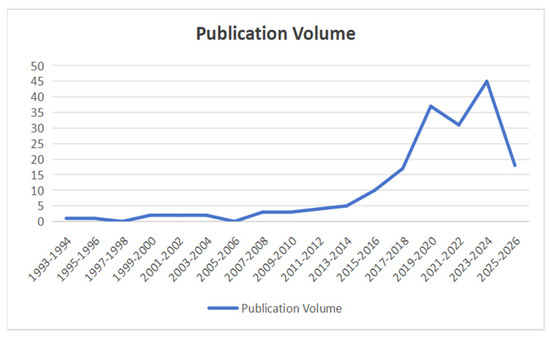
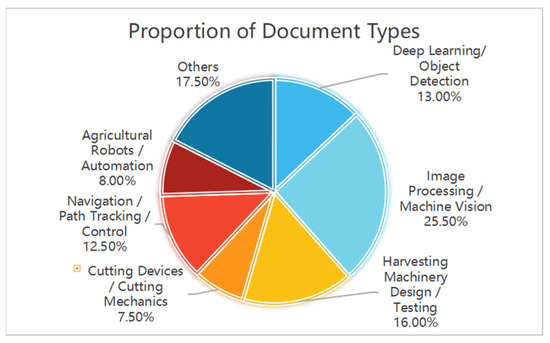
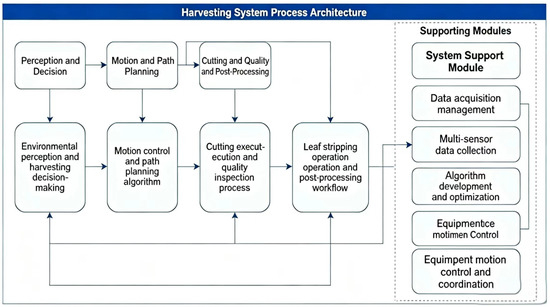
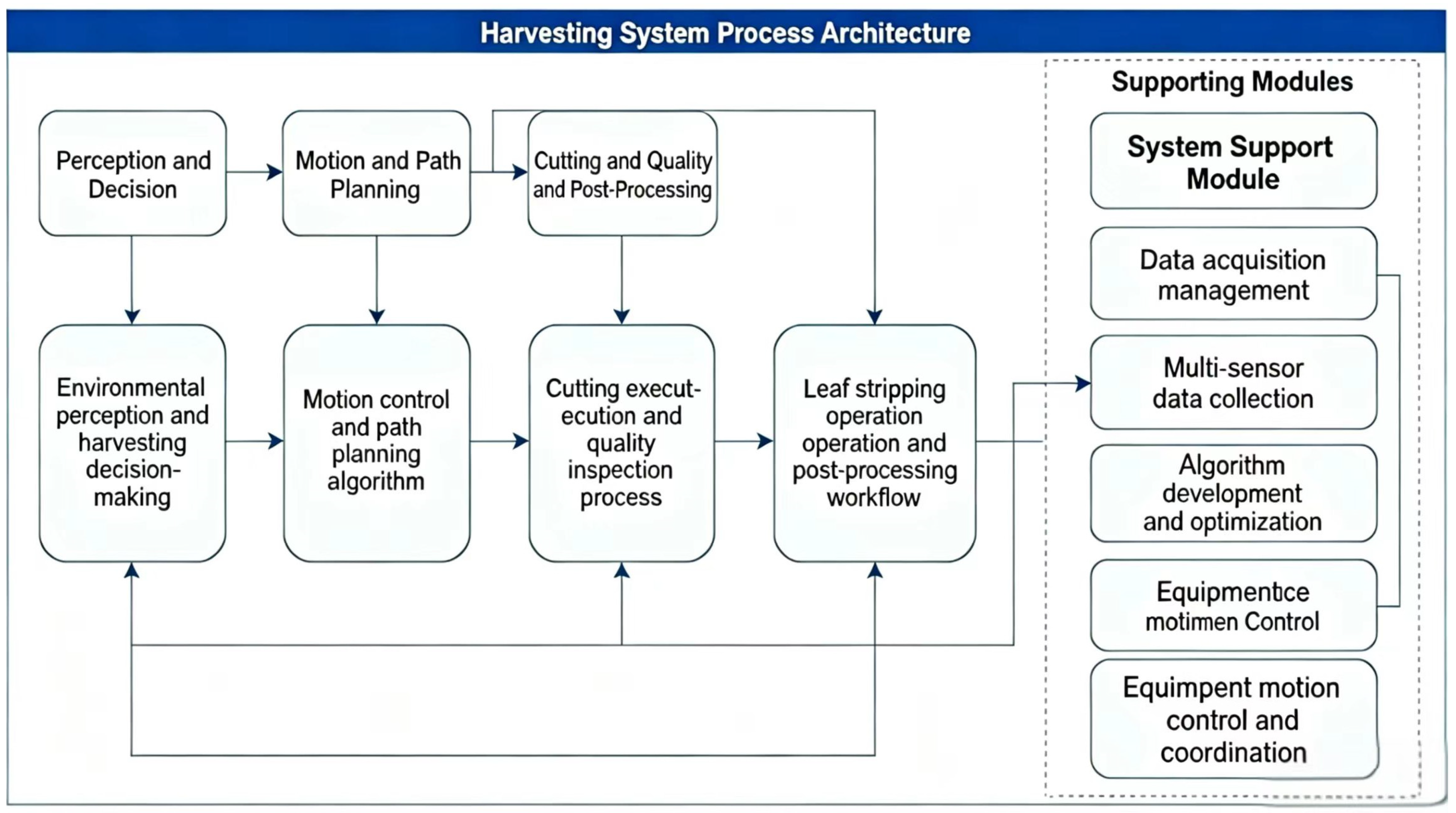
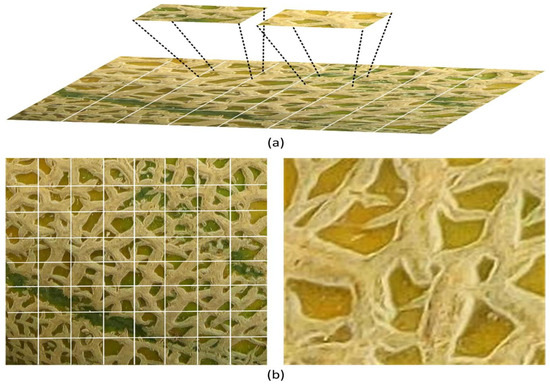
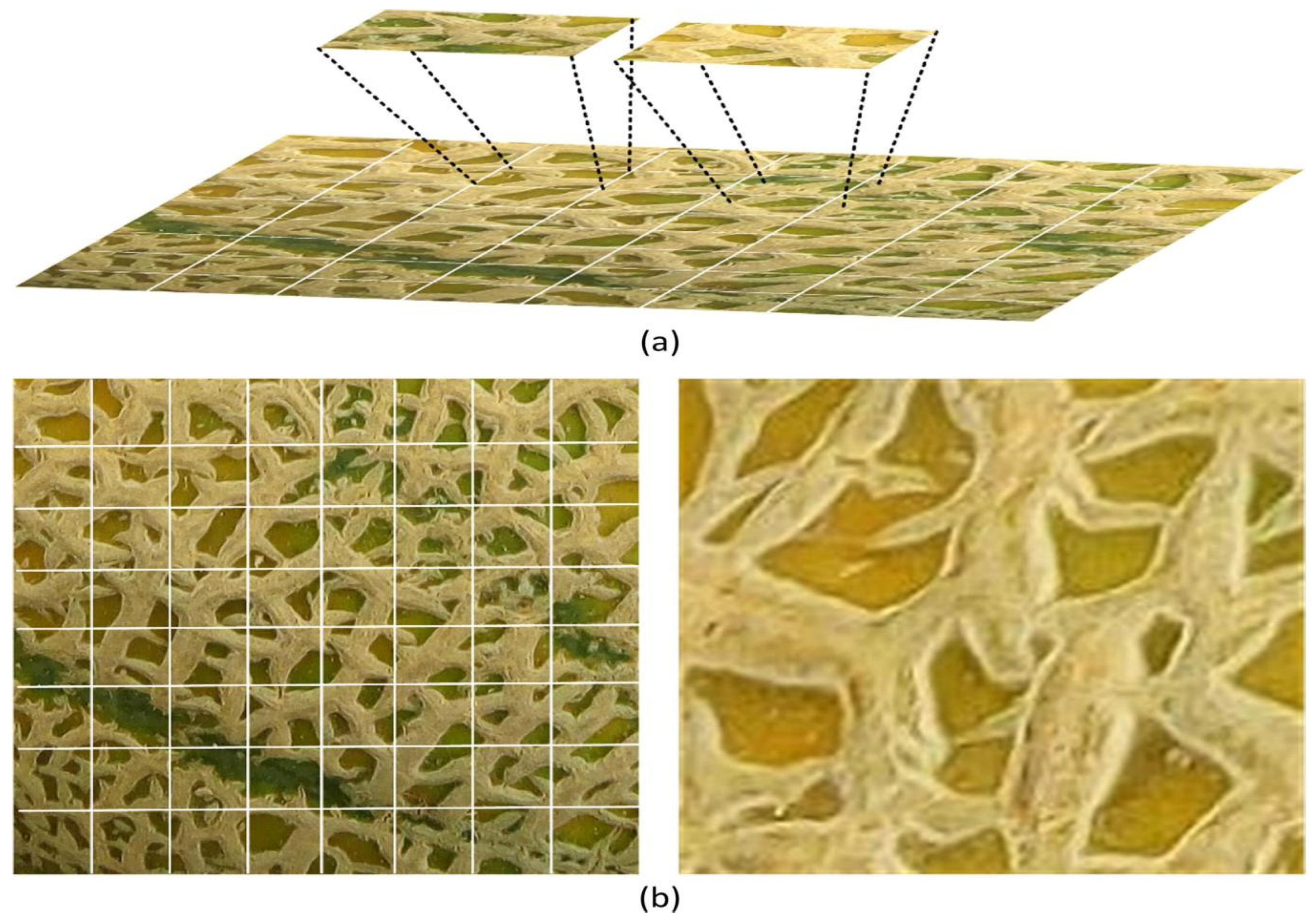
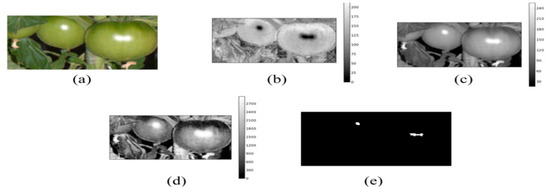
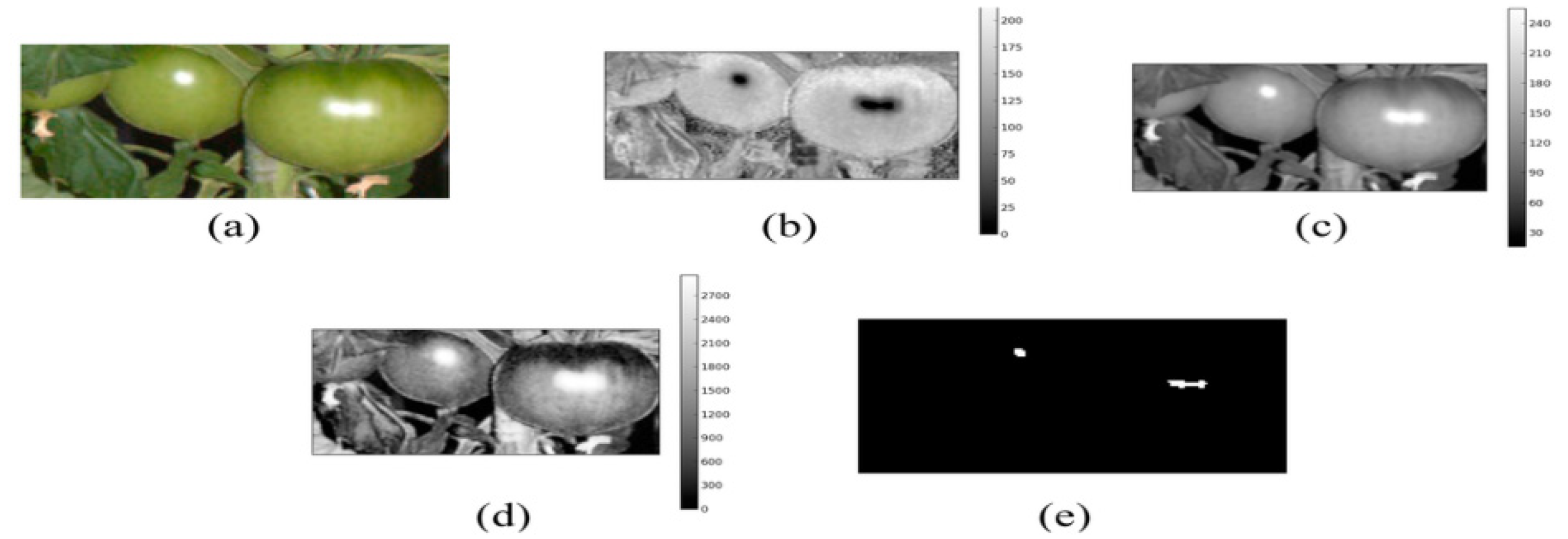
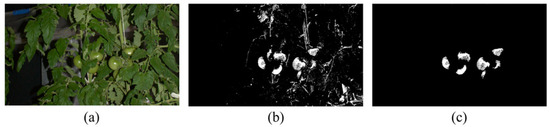
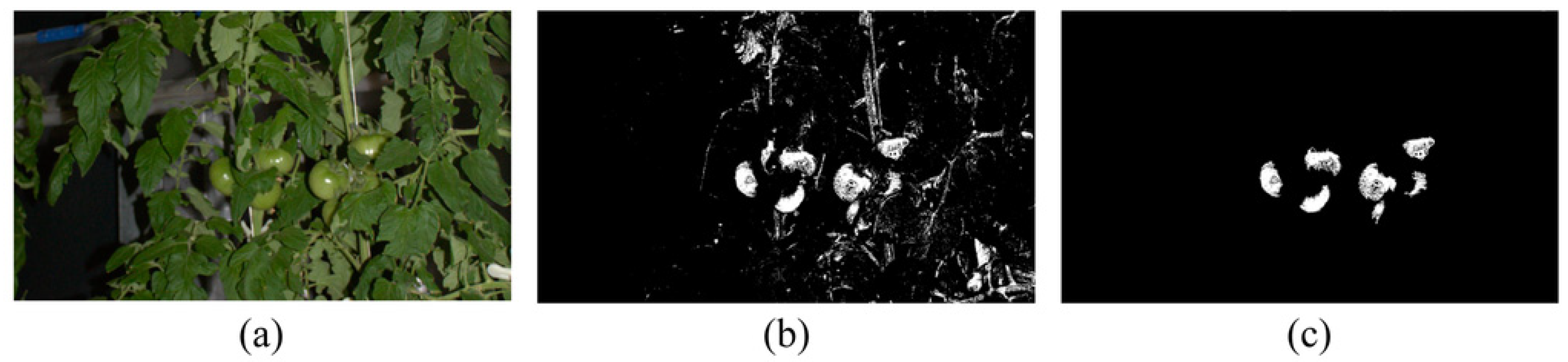
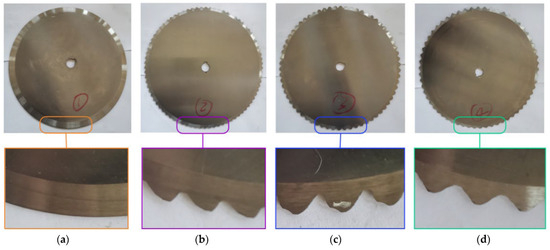
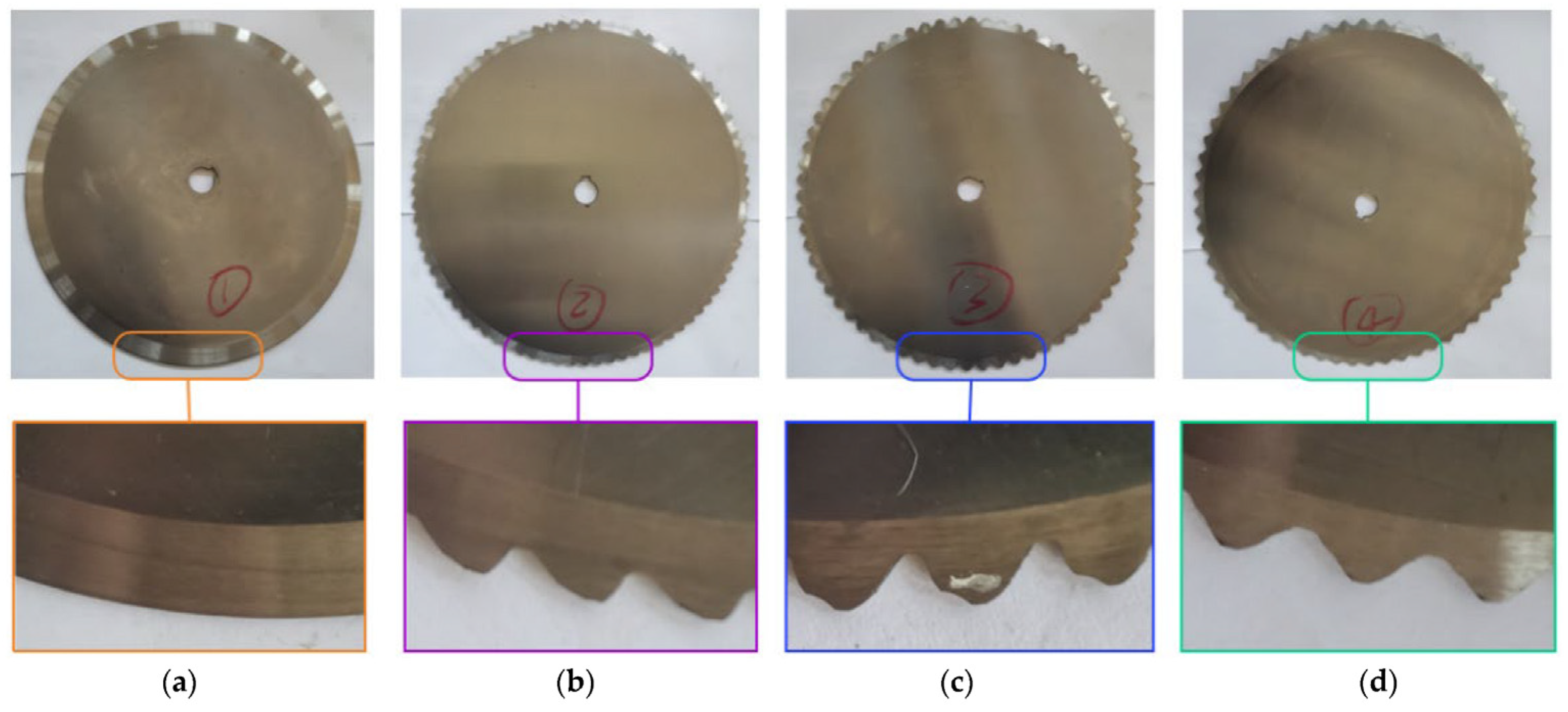
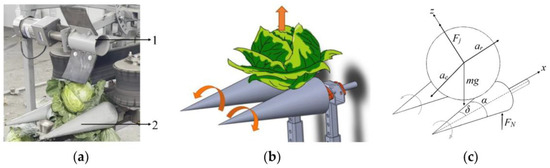
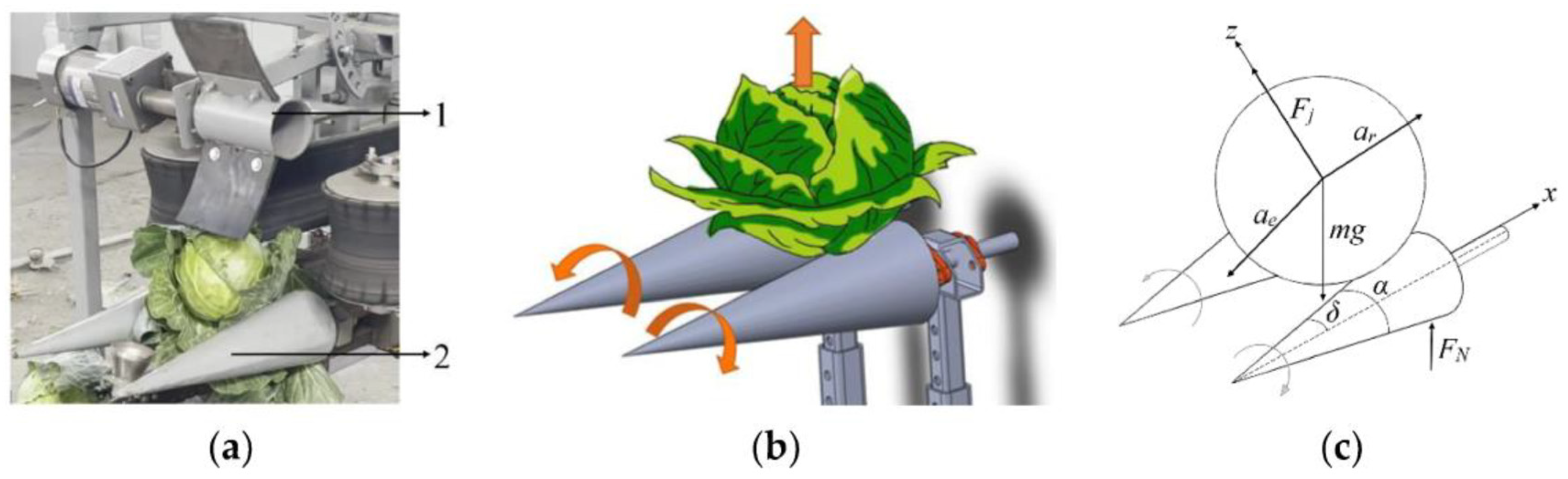
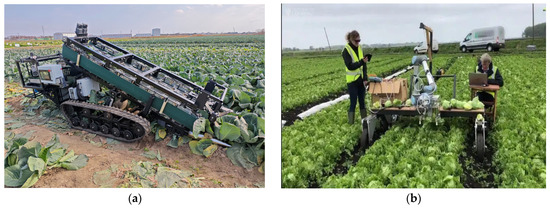
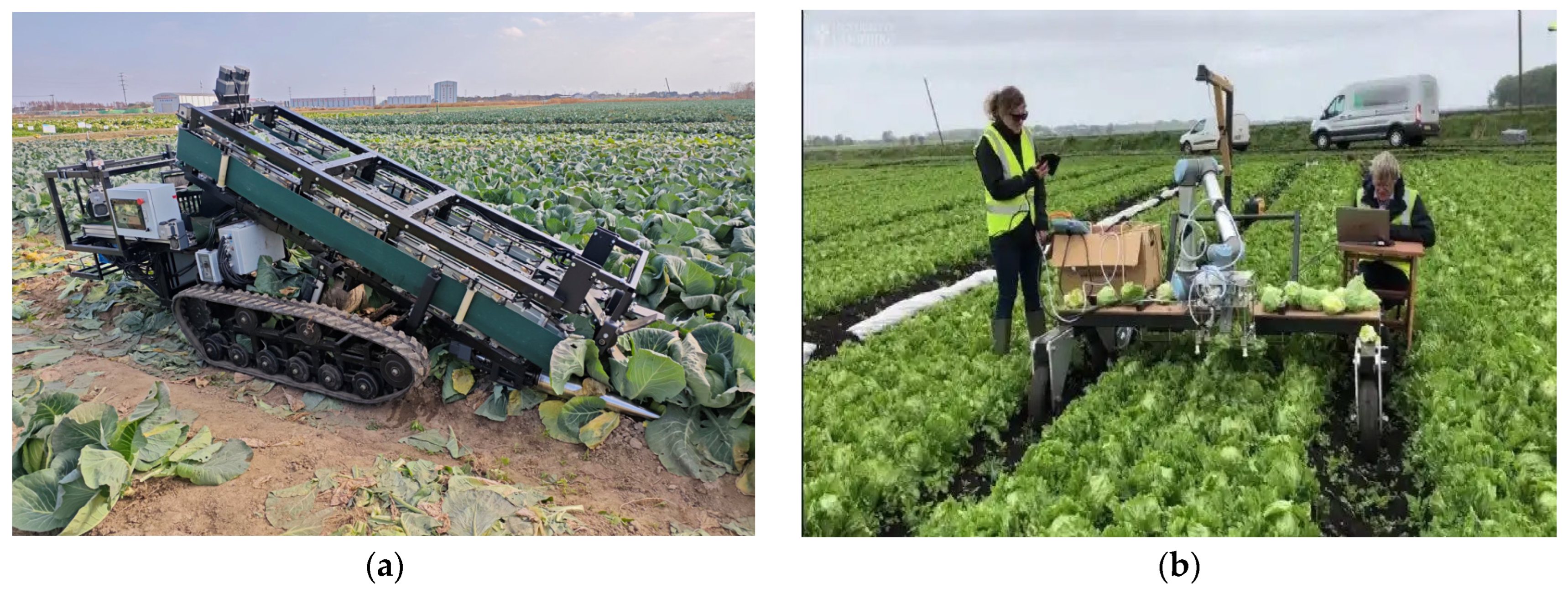
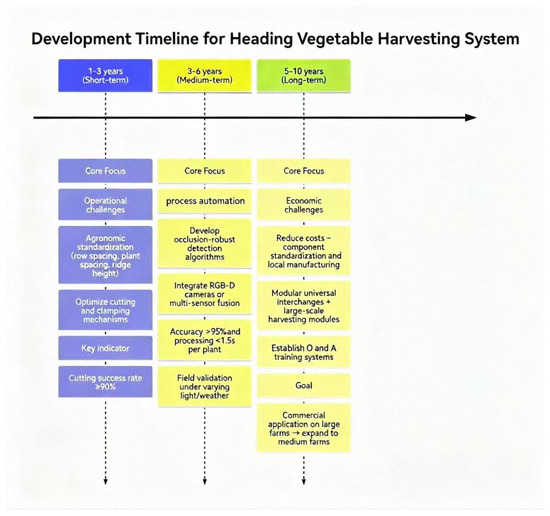
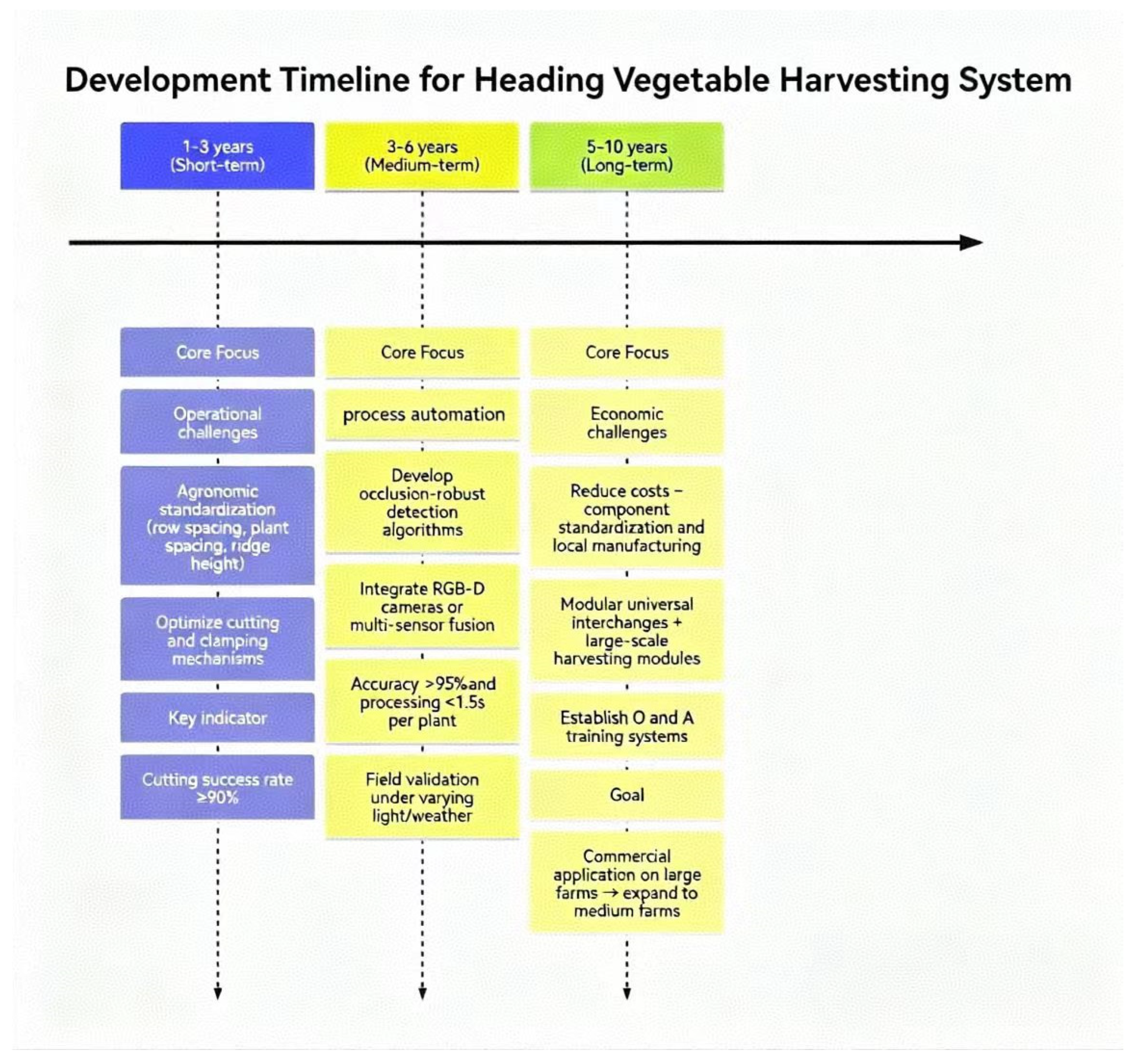

Disclaimer/Publisher’s Note: The statements, opinions and data contained in all publications are solely those of the individual author(s) and contributor(s) and not of MDPI and/or the editor(s). MDPI and/or the editor(s) disclaim responsibility for any injury to people or property resulting from any ideas, methods, instructions or products referred to in the content. |
© 2026 by the authors. Licensee MDPI, Basel, Switzerland. This article is an open access article distributed under the terms and conditions of the Creative Commons Attribution (CC BY) license.