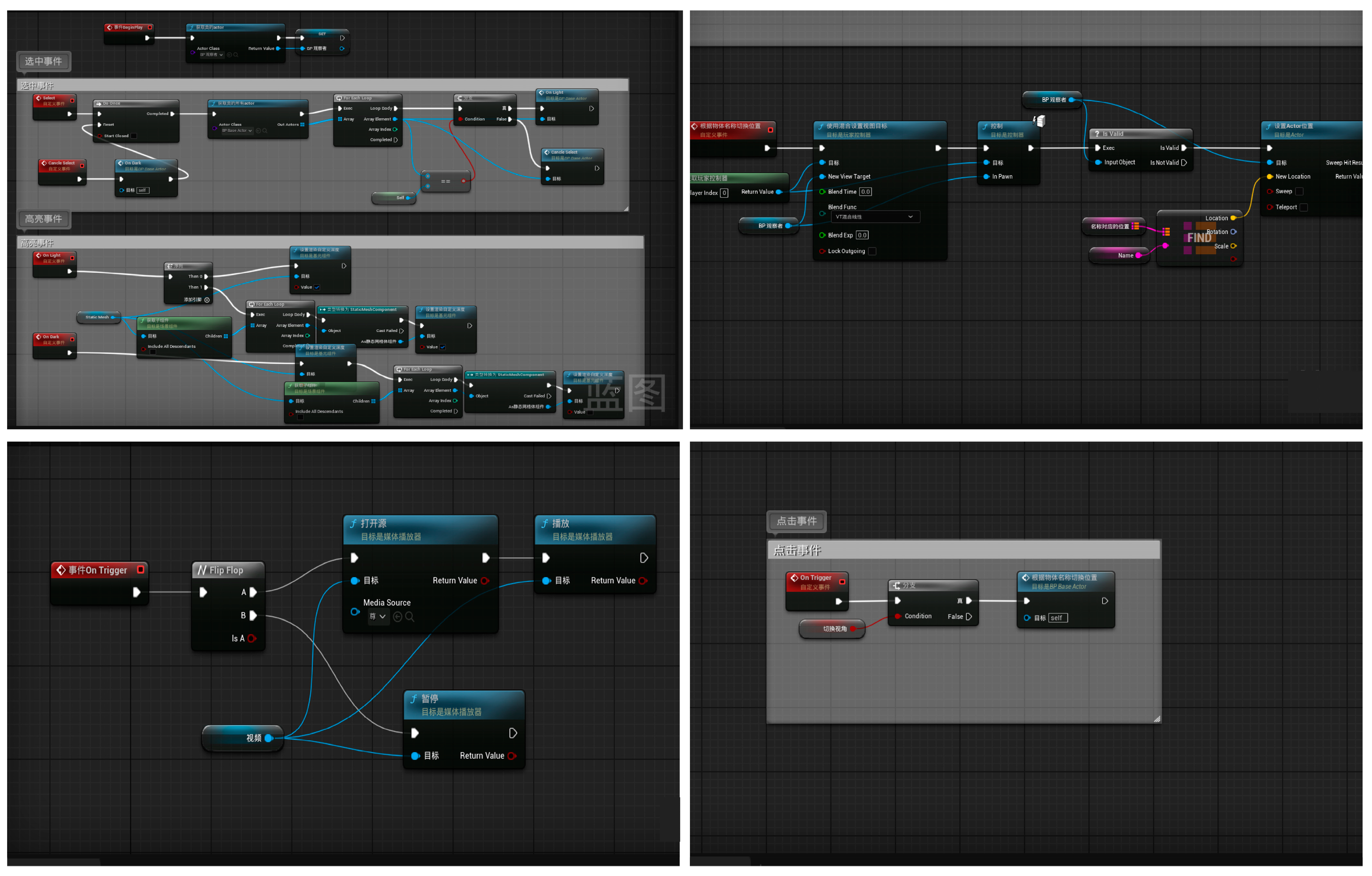
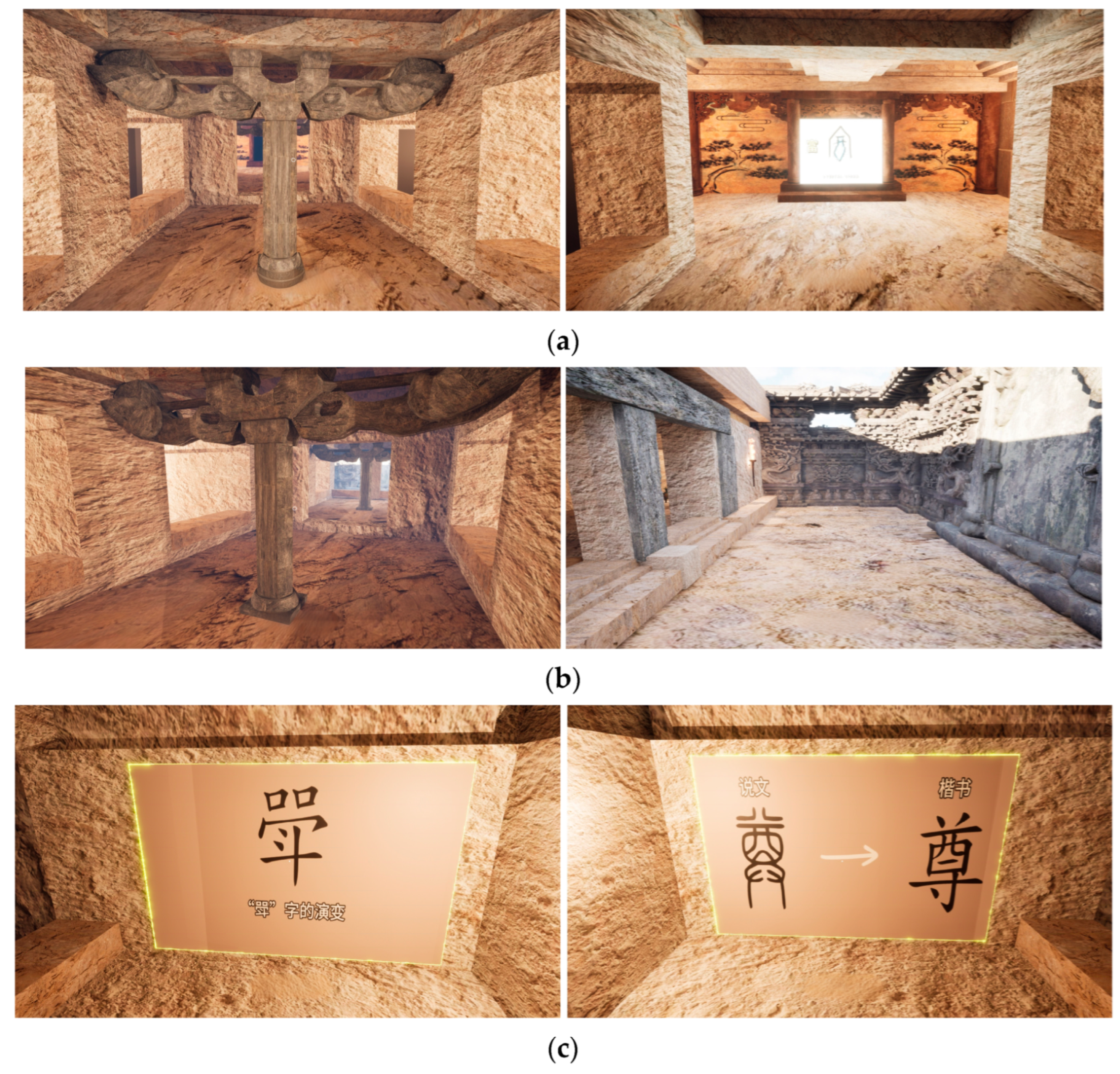
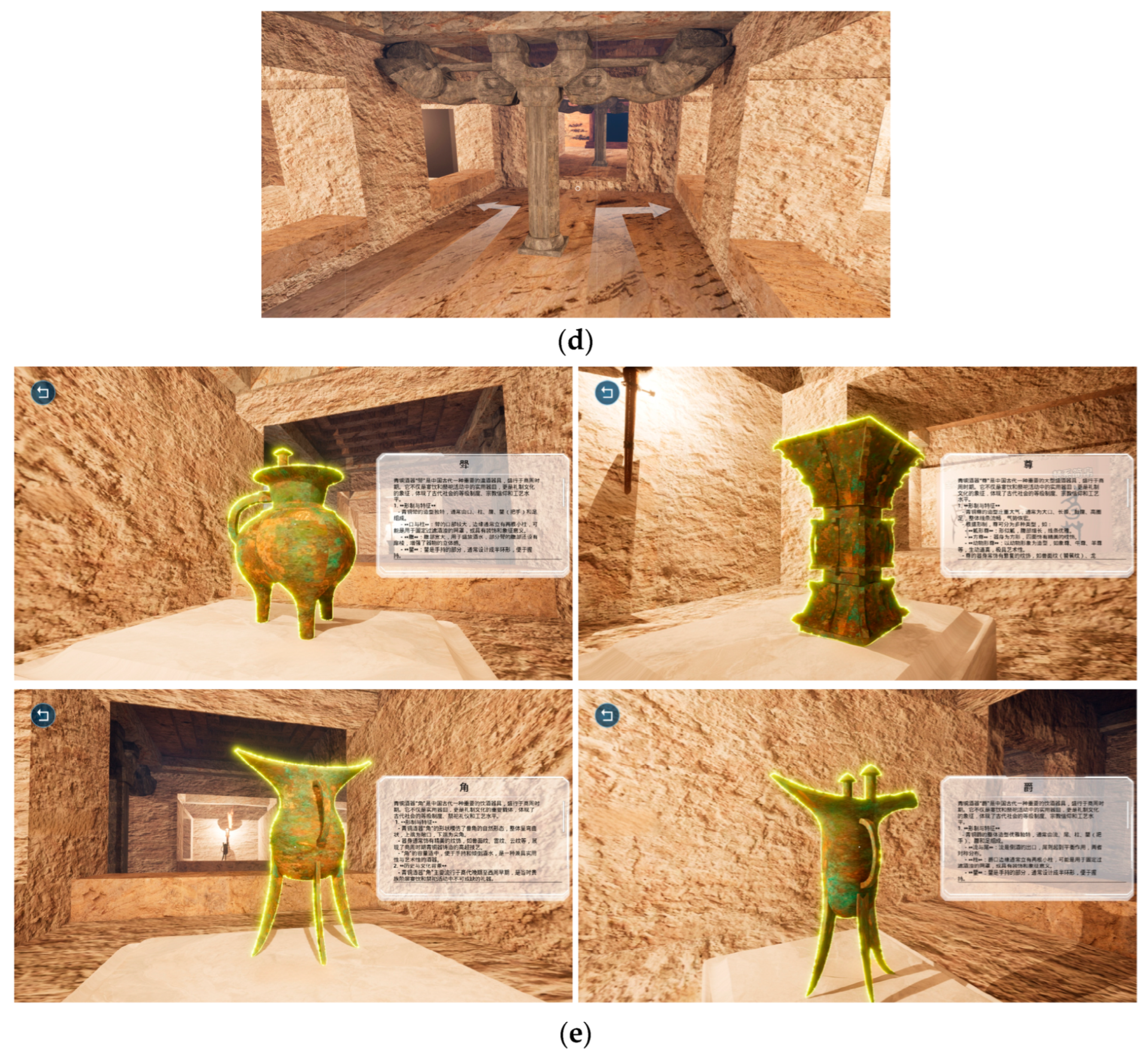
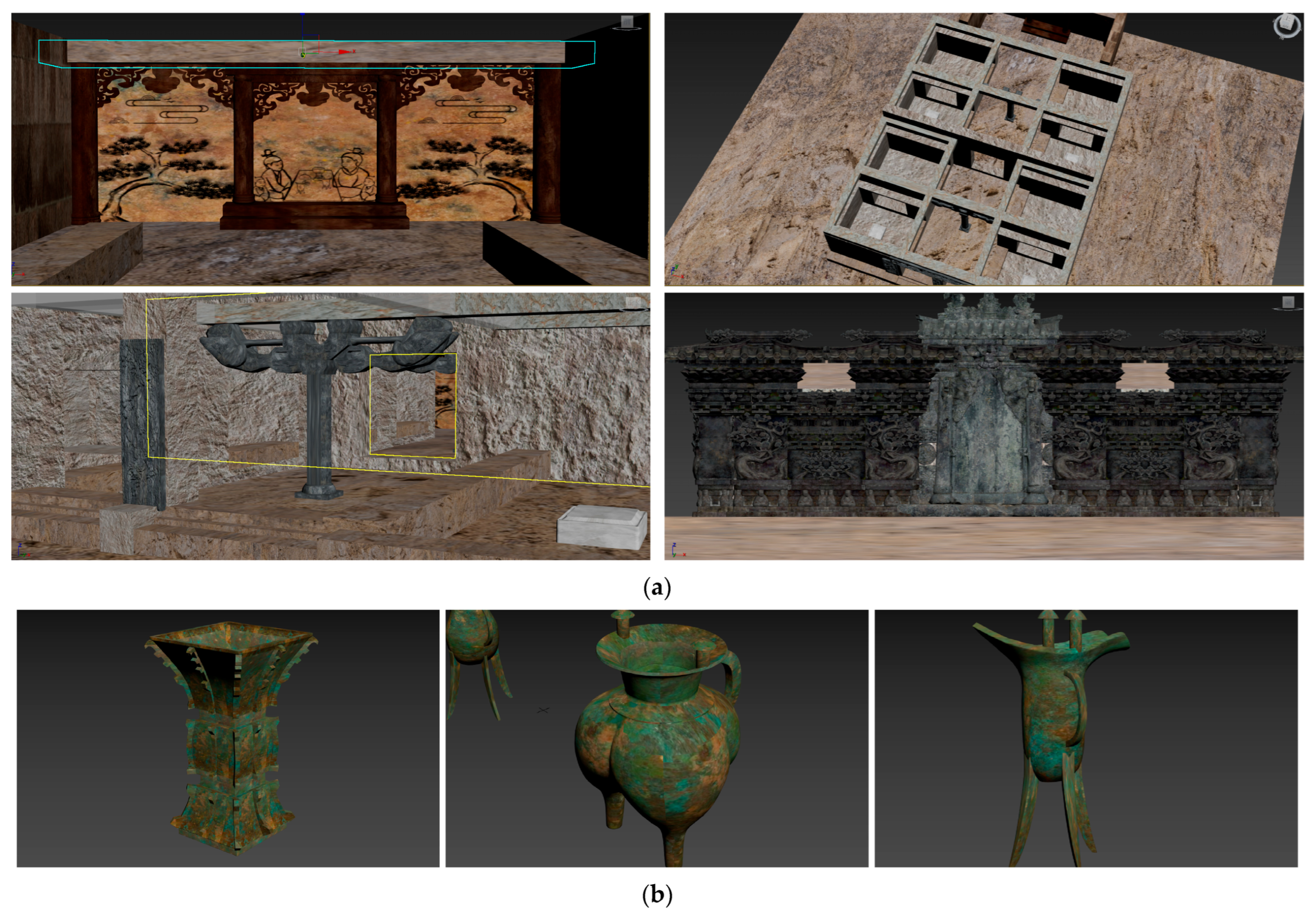
Human-Centered Design Optimization of VR Museums for Bronze Wine Vessels: A Systematic AHP–QFD Approach




Abstract
1. Introduction
2. Literature Review
2.1. VR in Cultural Heritage: From Visualization to Narrative Interpretation
2.2. Human-Centered Design and User Experience in Digital Museums
2.3. AHP–QFD Framework: A System Engineering Approach to Design Optimization
2.4. Dimensions and Metrics for Heritage Digitization
3. Methodology
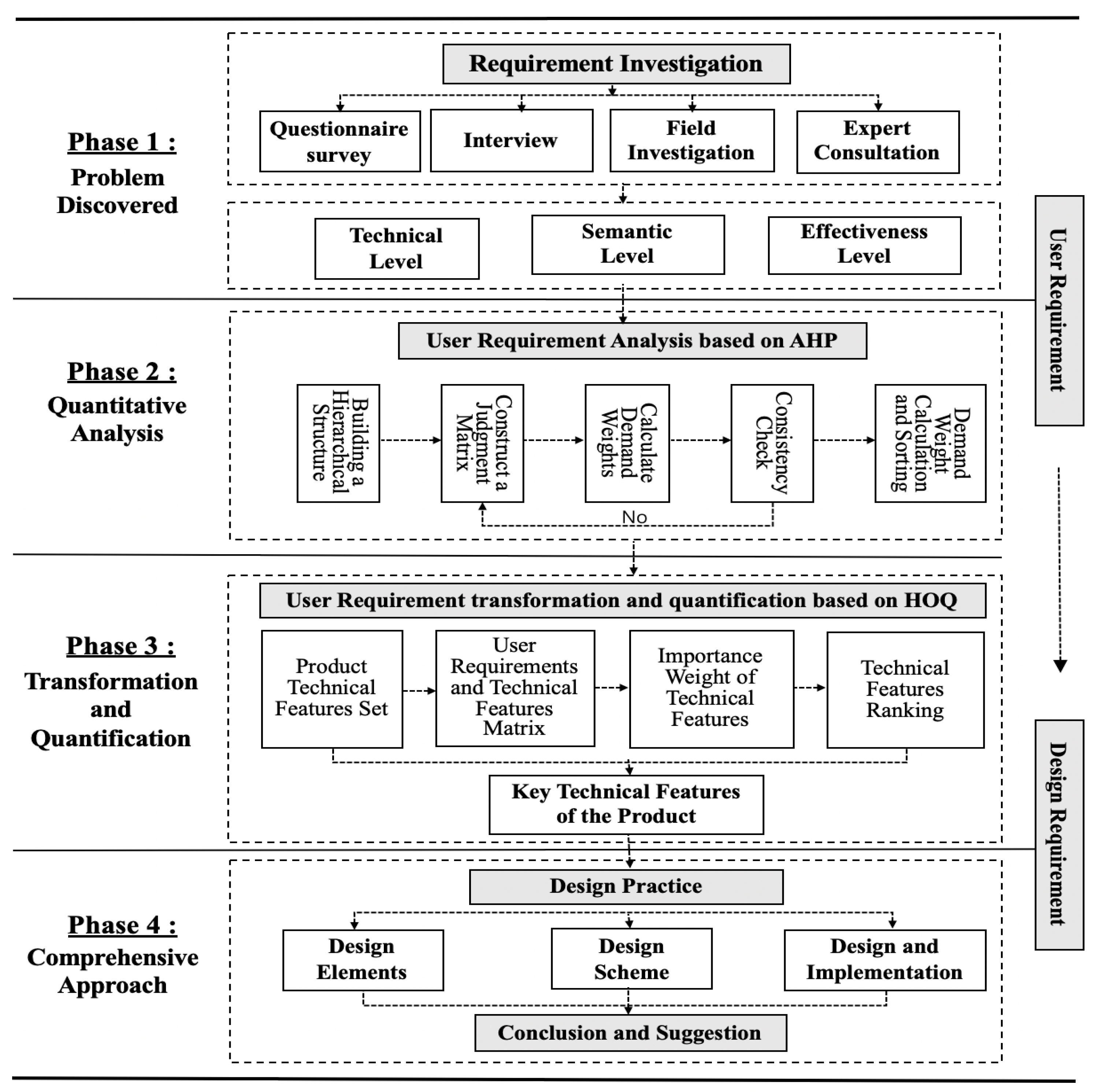
3.1. Research Procedures
3.2. AHP Calculation of User Requirements Weights
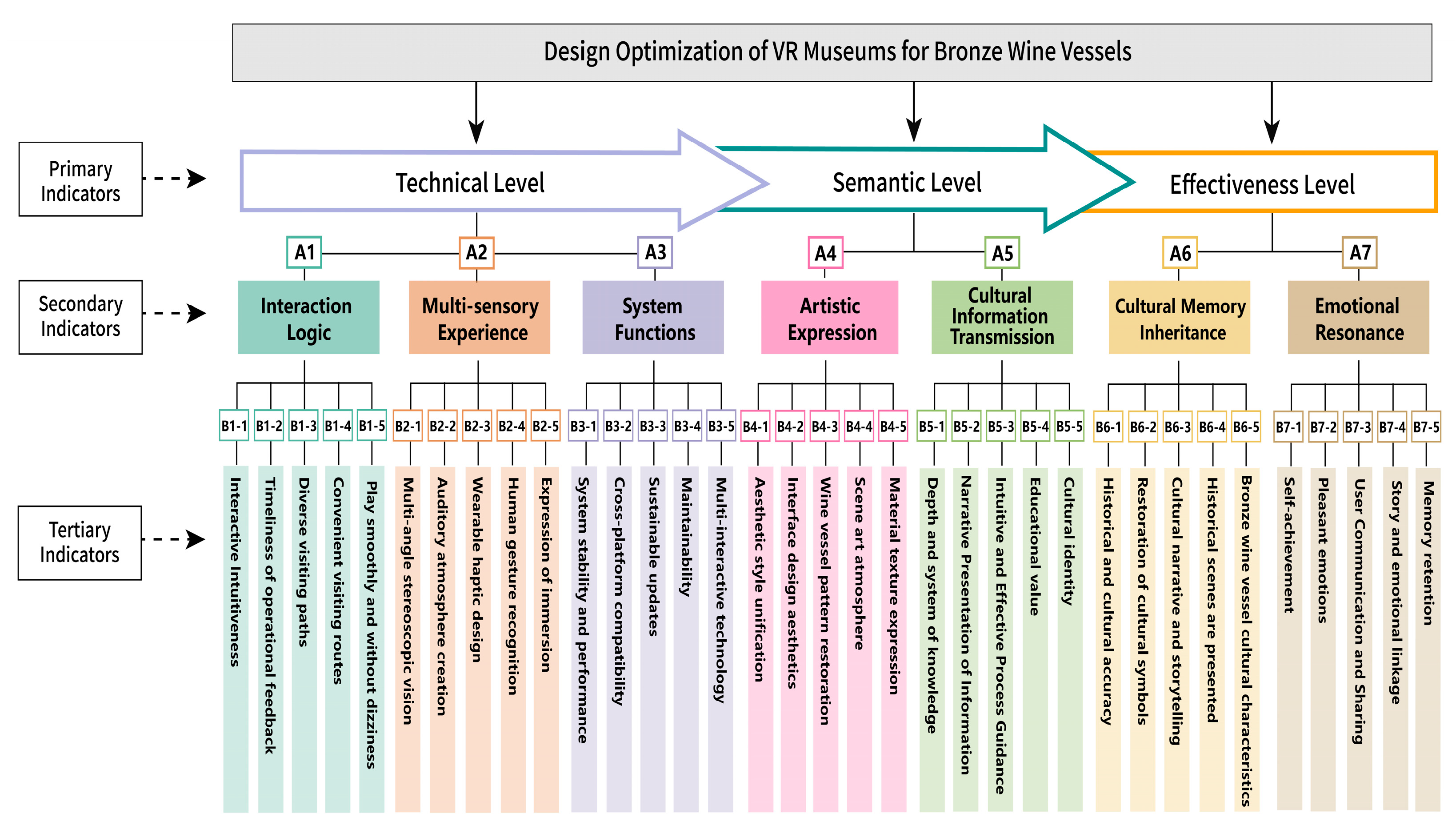
3.2.1. Construction of the Initial Evaluation Framework
3.2.2. Construction of Pairwise Comparison Matrices and Weight Analysis
- Integrated Group Decision Judgment Matrix (Equation (1))
- 2.
- Calculation of Weight Vectors (Equation (2))
- 3.
- Calculation of the Maximum Eigenvalue (Equation (3))
- 4.
- Calculation of the Consistency Index (CI) (Equation (4))
- 5.
- Calculation and Verification of the Consistency Ratio (CR) (Equation (5))
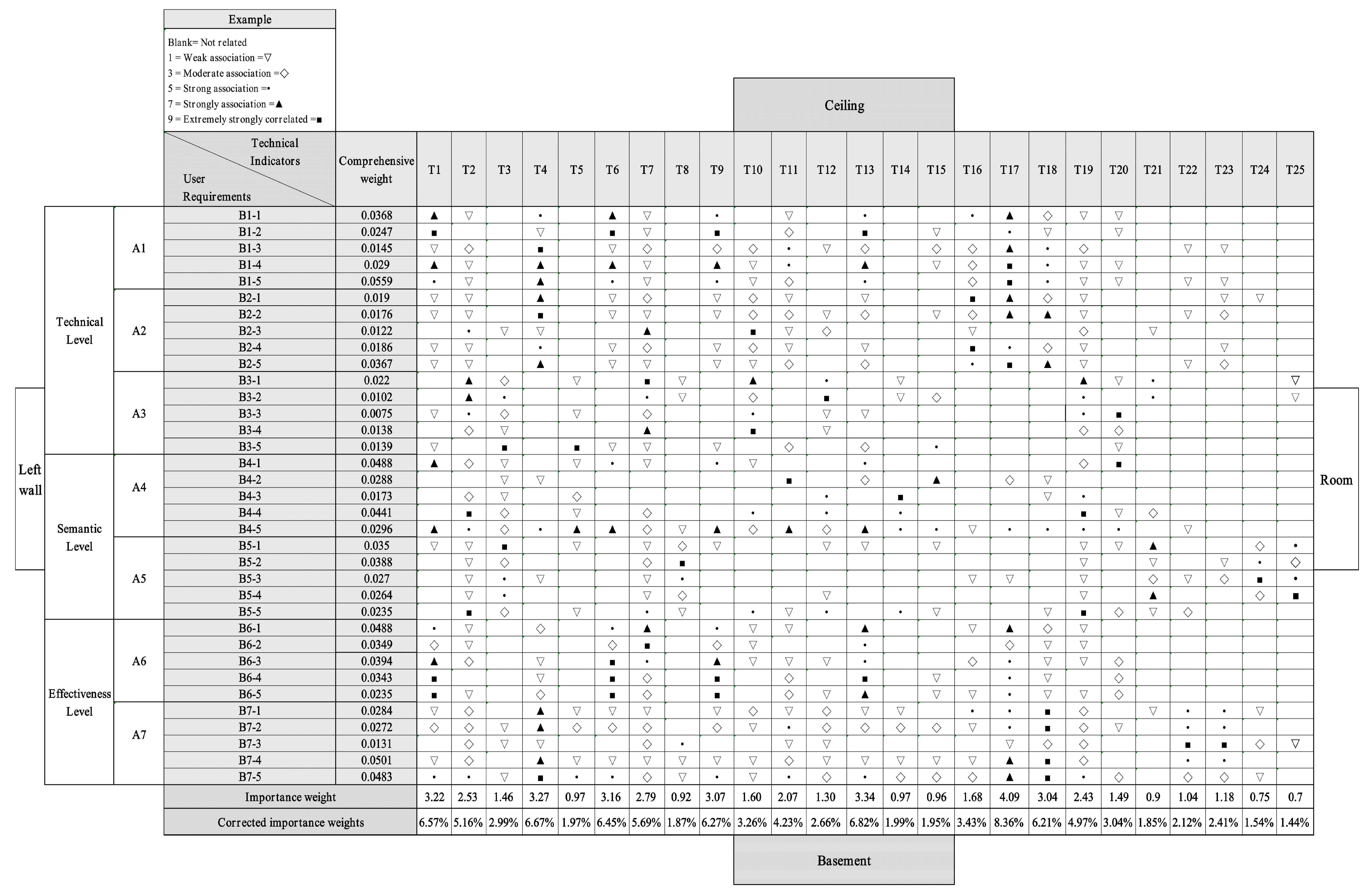
3.3. Translating to Technical Specifications (QFD)
4. Empirical Case Study: VR Museums for Bronze Wine Vessels
4.1. AHP Results and Discussion
4.2. QFD Results and Discussion
4.2.1. Technical Implications of High-Weight Requirements
4.2.2. Quantitative Basis for the Allocation of Technical Resources
4.3. Strategic Prioritization: A Tri-Dimensional Design Optimization Framework
4.3.1. Technical Indicator Priority Ranking and Strategic Mapping
4.3.2. Technical Implementation Strategy: Interactive and Sensory Dimension
4.3.3. Semantic Translation Strategy: Atmosphere Construction and Visual Encoding
4.3.4. Effectiveness Enhancement Strategy: Narrative Empowerment and Emotional Connection
5. Conclusions
- User demands regarding the virtual display of cultural heritage were deconstructed into three progressive levels—technical, semantic, and effectiveness—leading to the establishment of a hierarchical model comprising 35 specific indicators. This framework transcends the singular measurement of technical performance, reorienting the focus toward the generation of meaning across the ‘perception–cognition–affect’ continuum; thus, a standardized evaluation pathway is established for the development of audience-centered digital museums.
- The Analytic Hierarchy Process (AHP) was employed to quantify user aspirations regarding the cultural significance of bronze wine vessels, identifying ‘Cultural Memory Inheritance (A6)’, ‘Artistic Expression (A4)’, and ‘Emotional Resonance (A7)’ as the core priorities within the user experience. Through the application of the Quality Function Deployment (QFD) House of Quality matrix, these high-priority requirements were precisely mapped onto key technical indicators, including ‘Cultural Feature Transformation (T17)’, ‘Story Logic Engine (T4)’, and ‘Visual Atmosphere Rendering (T13)’. The findings indicate that technical resource allocation should prioritize the accurate conveyance of cultural significance rather than the indiscriminate accumulation of technology. A value-driven design logic for the digitization of cultural heritage is thus established, emphasizing that technology must facilitate the multidimensional objectives of cultural authenticity, narrative depth, and emotional engagement.
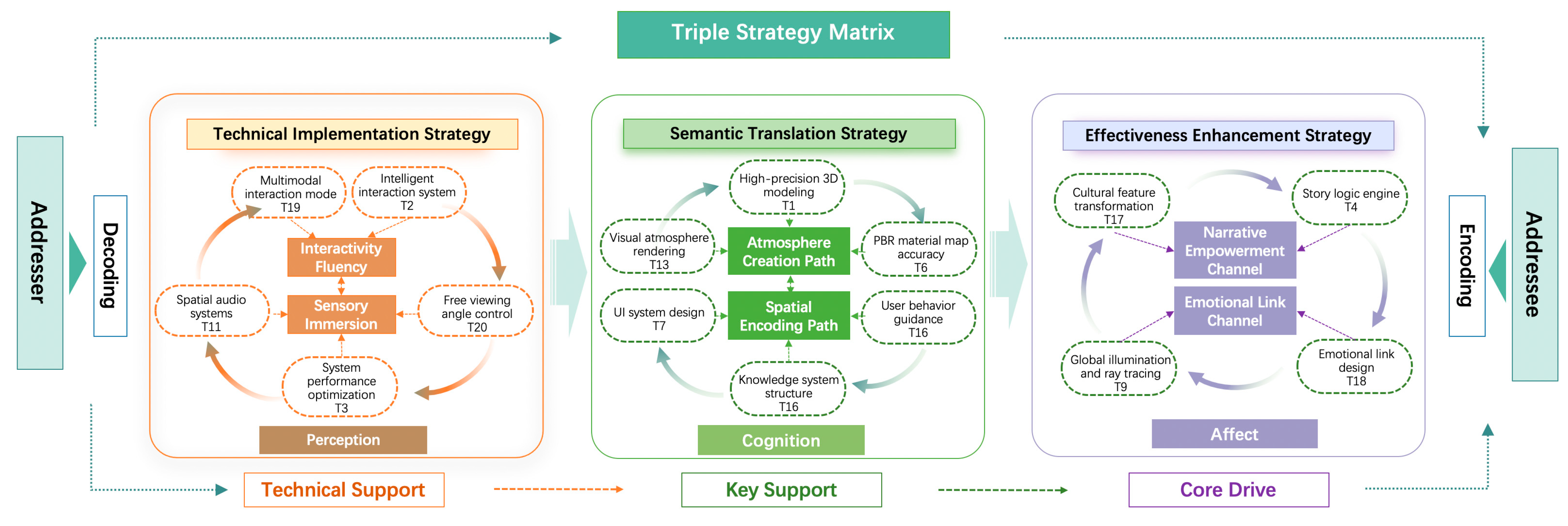
- Three strategic clusters—‘Technical Implementation’, ‘Semantic Translation’, and ‘Effectiveness Enhancement’—were identified and are illustrated in Figure 12. The framework proposes a definitive set of indicators and a coordinated pathway, offering a replicable design methodology for complex cultural artifacts such as bronze wine vessels. By establishing clear priorities for resource allocation, this framework guides development teams to optimize key technologies that significantly enhance cultural identity and narrative depth, particularly under constrained resources. This advancement not only enhances the effectiveness of virtual museum design but also establishes a feasible optimization trajectory for subsequent digitalization initiatives in cultural heritage under national policy guidance.
- Integrating systems engineering tools (AHP-QFD) into Human–Computer Interaction (HCI) effectively mitigates cognitive discrepancies between users and developers. These findings anchor a replicable and evaluable design paradigm for digital curation, driving the industry’s transition from experience-led practices toward evidence-based, data- and model-driven methodologies.
6. Limitations and Future Prospects
Author Contributions
Funding
Institutional Review Board Statement
Informed Consent Statement
Data Availability Statement
Acknowledgments
Conflicts of Interest
Appendix A

| Primary Indicators | Secondary Indicators | Tertiary Indicator | Indicator Description |
|---|---|---|---|
| Technical Level | A1 Interaction Logic | B1-1 Interactive Intuitiveness | Interaction is intuitive and requires no learning. |
| B1-2 Timeliness of operational feedback | Immediate and clear feedback after operation. | ||
| B1-3 Diverse visiting paths | Offers a variety of exploration routes to suit different preferences. | ||
| B1-4 Convenient visiting routes | The route is reasonably designed to reach the target efficiently. | ||
| B1-5 Play smoothly and without dizziness | Smooth operation, smooth action, no vertigo. | ||
| A2 Multi-sensory Experience | B2-1 Multi-angle stereoscopic vision | The model is realistic and supports free angle observation of details. | |
| B2-2 Auditory atmosphere creation | The sound effect matches the scene and effectively sets off the atmosphere. | ||
| B2-3 Wearable haptic design | The device can simulate tactile sensations such as grasping and touching. | ||
| B2-4 Human gesture recognition | Supports natural interaction with gestures. | ||
| B2-5 Expression of immersion | The whole feels immersive. | ||
| A3 System Functions | B3-1 System stability and performance | Stable operation, no lag or crash. | |
| B3-2 Cross-platform compatibility | Can run stably on different VR devices. | ||
| B3-3 Sustainable updates | Facilitate the addition of new content or features in the future. | ||
| B3-4 Maintainability | Easy troubleshooting and routine maintenance. | ||
| B3-5 Multi-interactive technology integration | Good integration of voice, gesture and other interactive technologies. | ||
| Semantic Level | A4 Artistic Expression | B4-1 Aesthetic style unification | The overall visual style is unified and in line with cultural characteristics. |
| B4-2 Interface design aesthetics | The interface is beautiful and user-friendly. | ||
| B4-3 Wine vessel pattern restoration | The decoration of the vessel is depicted finely, accurately, and beautifully. | ||
| B4-4 Scene art atmosphere | The scene light and shadow and composition create an appropriate artistic conception. | ||
| B4-5 Material texture expression | Bronze, lacquerware and other materials are visually realistic. | ||
| A5 Cultural Information Transmission | B5-1 Depth and system of knowledge | The cultural knowledge of bronze wine vessels is deep, the logic is clear, and the structure is complete. | |
| B5-2 Narrative Presentation of Information | Ability to package information into vivid stories that are easy to understand. | ||
| B5-3 Intuitive and Effective Process Guidance | The guidance is clear and straightforward to help users have a smooth experience. | ||
| B5-4 Educational value | Knowledge is naturally transmitted in the experience, which is full of educational significance. | ||
| B5-5 Cultural identity | Content can evoke emotional resonance and enhance cultural identity. | ||
| Effectiveness Level | A6 Cultural Memory Inheritance | B6-1 Historical and cultural accuracy | The content is in line with historical facts and accurate. |
| B6-2 Restoration of cultural symbols | The realistic and accurate reproduction of representative cultural symbols. | ||
| B6-3 Cultural narrative and storytelling | Present the cultural connotation vividly in a storytelling way. | ||
| B6-4 Historical scenes are presented | The virtual scene can realistically reproduce the historical environment and atmosphere. | ||
| B6-5 Bronze wine vessel cultural characteristics | It can highlight the unique cultural characteristics and charm of bronzes. | ||
| A7 Emotional Resonance | B7-1 Self-achievement | Sense of accomplishment can be generated after completing the task. | |
| B7-2 Pleasant emotions | The experience process brings a relaxed, enjoyable feeling. | ||
| B7-3 User Communication and Sharing | The experience is attractive and willing to be shared. | ||
| B7-4 Story and emotional linkage | Stories or scenes can resonate emotionally. | ||
| B7-5 Memory retention | After the end, the content and feelings are deeply remembered. |
References
- UNESCO. Charter on the Preservation of the Digital Heritage; UNESCO: Paris, France, 2003. [Google Scholar]
- La Guardia, M.; Koeva, M.; Lo Brutto, M. Digital Innovation for the Documentation, Management, and Fruition of Cultural Heritage. Heritage 2025, 8, 292. [Google Scholar] [CrossRef] [Scilit]
- Lian, Y.; Xie, J. The Evolution of Digital Cultural Heritage Research: Identifying Key Trends, Hotspots, and Challenges through Bibliometric Analysis. Sustainability 2024, 16, 7125. [Google Scholar] [CrossRef] [Scilit]
- Trček, D. Cultural Heritage Preservation by Using Blockchain Technologies. Herit. Sci. 2022, 10, 6. [Google Scholar] [CrossRef] [Scilit]
- Buragohain, D.; Meng, Y.; Deng, C.; Li, Q.; Chaudhary, S. Digitalizing Cultural Heritage through Metaverse Applications: Challenges, Opportunities, and Strategies. Herit. Sci. 2024, 12, 295. [Google Scholar] [CrossRef] [Scilit]
- Innocente, C.; Ulrich, L.; Moos, S.; Vezzetti, E. A Framework Study on the Use of Immersive XR Technologies in the Cultural Heritage Domain. J. Cult. Herit. 2023, 62, 268–283. [Google Scholar] [CrossRef] [Scilit]
- Carvajal, D.A.L.; Morita, M.M.; Bilmes, G.M. Virtual Museums. Captured Reality and 3D Modeling. J. Cult. Herit. 2020, 45, 234–239. [Google Scholar] [CrossRef] [Scilit]
- Sayaf, A.; Alamri, M.; Alqahtani, M.; Al-Rahmi, W. Information and Communications Technology Used in Higher Education: An Empirical Study on Digital Learning as Sustainability. Sustainability 2021, 13, 7074. [Google Scholar] [CrossRef] [Scilit]
- Haleem, P.; Javaid, M.; Qadri, P.; Suman, R. Understanding the Role of Digital Technologies in Education: A Review. Sustain. Oper. Comput. 2022, 13, 100164. [Google Scholar] [CrossRef] [Scilit]
- He, Y.; Zhao, H.; Liu, L.; Xu, H. Brewing and Serving Alcoholic Beverages to Erlitou Elites of Prehistoric China: Residue Analysis of Ceramic Vessels. Front. Ecol. Evol. 2022, 10, 845065. [Google Scholar] [CrossRef] [Scilit]
- Zhang, Y.; Dai, Q.; Liu, Y.; Fang, Q.; Huang, X.; Zhang, J.; Chen, J. Lipid Residue Analysis of Chinese Ritual Bronzes: Methodological and Archaeological Implications. J. Archaeol. Sci. 2022, 148, 105684. [Google Scholar] [CrossRef] [Scilit]
- Li, S. Chinese Bronze Ware; Cambridge University Press: Cambridge, UK, 2011. [Google Scholar]
- Haryanti, D.A.; Retno Ningsih, T.W.; Ayesa, A.; Saptono, D. Visual Narrative of Ethnic Identity: Preserving Chinese Culture through Traditional Hand-Drawn Batik Lasem. Dewa Ruci J. Pengkaj. Pencipta. Seni. 2025, 20, 148–161. [Google Scholar] [CrossRef] [Scilit]
- He, Z.; Wen, C. Construction of Digital Creation Development Model of Intangible Cultural Heritage Crafts in China. Humanit. Soc. Sci. Commun. 2024, 11, 1745. [Google Scholar] [CrossRef] [Scilit]
- Tao, T.; Park, H.W. The Structure of the Semantic Network Regarding “East Asian Cultural Capital” on Chinese Social Media Under the Framework of Cultural Development Policy. Information 2025, 16, 673. [Google Scholar] [CrossRef] [Scilit]
- Aguayo, C. Mixed Reality (XR) Research and Practice: Exploring a New Paradigm in Education. Pac. J. Technol. Enhanc. Learn. 2021, 3, 41–42. [Google Scholar] [CrossRef] [Scilit]
- Li, Z.; Drew, M.; Liu, J. Augmented Reality and Virtual Reality. In Progress in Information Systems; Springer: Berlin/Heidelberg, Germany, 2021; pp. 1–20. [Google Scholar] [CrossRef] [Scilit]
- Brigham, T. Reality Check: Basics of Augmented, Virtual, and Mixed Reality. Med. Ref. Serv. Q. 2017, 36, 171–178. [Google Scholar] [CrossRef] [Scilit]
- Barteit, S.; Lanfermann, L.; Bärnighausen, T.; Neuhann, F.; Beiersmann, C. Augmented, Mixed, and Virtual Reality-Based Head-Mounted Devices for Medical Education: Systematic Review. JMIR Serious Games 2021, 9, e29080. [Google Scholar] [CrossRef] [Scilit]
- Li, Z.; Zhang, Q.; Xu, J.; Li, C.; Yang, X. Gamification of Virtual Museum Curation: A Case Study of Chinese Bronze Wares. Herit. Sci. 2024, 12, 348. [Google Scholar] [CrossRef] [Scilit]
- Škola, F.; Rizvić, S.; Cozza, M.; Barbieri, L.; Bruno, F.; Skarlatos, D.; Liarokapis, F. Virtual Reality with 360-Video Storytelling in Cultural Heritage: Study of Presence, Engagement, and Immersion. Sensors 2020, 20, 5851. [Google Scholar] [CrossRef] [Scilit] [PubMed]
- Bruno, F.; Bruno, S.; De Sensi, G.; Luchi, M.L.; Mancuso, S.; Muzzupappa, M. From 3D reconstruction to virtual reality: A complete methodology for digital archaeological exhibition. J. Cult. Herit. 2010, 11, 42–49. [Google Scholar] [CrossRef] [Scilit]
- Kantaros, A.; Ganetsos, T.; Petrescu, F.I.T. Three-Dimensional Printing and 3D Scanning: Emerging Technologies Exhibiting High Potential in the Field of Cultural Heritage. Appl. Sci. 2023, 13, 4777. [Google Scholar] [CrossRef] [Scilit]
- Kantaros, A.; Douros, P.; Soulis, E.; Brachos, K.; Ganetsos, T.; Peppa, E.; Manta, E.; Alysandratou, E. 3D Imaging and Additive Manufacturing for Original Artifact Preservation Purposes: A Case Study from the Archaeological Museum of Alexandroupolis. Heritage 2025, 8, 80. [Google Scholar] [CrossRef] [Scilit]
- Soto-Martin, O.; Fuentes-Porto, A.; Martin-Gutierrez, J. A Digital Reconstruction of a Historical Building and Virtual Reintegration of Mural Paintings to Create an Interactive and Immersive Experience in Virtual Reality. Appl. Sci. 2020, 10, 597. [Google Scholar] [CrossRef] [Scilit]
- Bozzelli, G.; Raia, A.; Ricciardi, S.; De Nino, M.; Barile, N.; Perrella, M.; Tramontano, M.; Pagano, A.; Palombini, A. An Integrated VR/AR Framework for User-Centric Interactive Experience of Cultural Heritage: The ArkaeVision Project. Digit. Appl. Archaeol. Cult. Herit. 2019, 15, e00124. [Google Scholar] [CrossRef] [Scilit]
- Wang, L.; Huang, L.; Gao, J. AI-Assisted Landscape Design Optimization and Innovation Research Based on AI Assistance. WSEAS Trans. Comput. Res. 2024, 13, 27–33. [Google Scholar] [CrossRef] [Scilit]
- Liu, Y. Evaluating Visitor Experience of Digital Interpretation and Presentation Technologies at Cultural Heritage Sites: A Case Study of the Old Town, Zuoying. Built Herit. 2020, 4, 14. [Google Scholar] [CrossRef] [Scilit]
- Abgaz, Y.; Rocha Souza, R.; Methuku, J.; Koch, G.; Dorn, A. A Methodology for Semantic Enrichment of Cultural Heritage Images Using Artificial Intelligence Technologies. J. Imaging 2021, 7, 121. [Google Scholar] [CrossRef] [Scilit] [PubMed]
- Bayat, R.; De Maio, E.; Fiorenza, J.; Migliorini, M.; Lamberti, F. Exploring Methodologies to Create a Unified VR User-Experience in the Field of Virtual Museum Experiences. In Proceedings of the 2024 IEEE Gaming, Entertainment, and Media Conference (GEM), Turin, Italy, 5 June 2024; IEEE: Piscataway, NJ, USA, 2024; pp. 1–4. [Google Scholar]
- Chen, Y.; Tang, T.; Chen, X.; Li, Y.; Liu, Q.; Wang, X. VirtuNarrator: Crafting Museum Narratives via Spatial Layout in Creating Customized Virtual Museums. Vis. Inform. 2025, 9, 100257. [Google Scholar] [CrossRef] [Scilit]
- Wang, N.; Jia, C.; Wang, J.; Li, Z. Identifying Key Factors Influencing Immersive Experiences in Virtual Reality Enhanced Museums. Sci. Rep. 2025, 15, 31990. [Google Scholar] [CrossRef] [Scilit]
- Rodriguez-Garcia, B.; Guillen-Sanz, H.; Checa, D.; Bustillo, A. A Systematic Review of Virtual 3D Reconstructions of Cultural Heritage in Immersive Virtual Reality. Multimed. Tools Appl. 2024, 83, 89743–89793. [Google Scholar] [CrossRef] [Scilit]
- Boutsi, A.-M.; Ioannidis, C.; Soile, S. An Integrated Approach to 3D Web Visualization of Cultural Heritage Heterogeneous Datasets. Remote Sens. 2019, 11, 2508. [Google Scholar] [CrossRef] [Scilit]
- Windhager, F.; Federico, P.; Schreder, G.; Glinka, K.; Dork, M.; Miksch, S.; Mayr, E. Visualization of Cultural Heritage Collection Data: State of the Art and Future Challenges. IEEE Trans. Vis. Comput. Graph. 2019, 25, 2311–2330. [Google Scholar] [CrossRef] [Scilit]
- Comes, R.; Neamțu, C.G.D.; Grec, C.; Buna, Z.L.; Găzdac, C.; Mateescu-Suciu, L. Digital Reconstruction of Fragmented Cultural Heritage Assets: The Case Study of the Dacian Embossed Disk from Piatra Roșie. Appl. Sci. 2022, 12, 8131. [Google Scholar] [CrossRef] [Scilit]
- Zhao, G.; Thienmongkol, R.; Nimnoi, R. Cultural Relics Restoration Technology in Virtual Reality: Application of 3D Modeling and Rendering Algorithms in Cultural Relics Digitization. Intl. J. Rel. 2024, 5, 1701–1718. [Google Scholar] [CrossRef] [Scilit]
- Pagano, A.; Palombini, A.; Bozzelli, G.; De Nino, M.; Cerato, I.; Ricciardi, S. ArkaeVision VR Game: User Experience Research between Real and Virtual Paestum. Appl. Sci. 2020, 10, 3182. [Google Scholar] [CrossRef] [Scilit]
- Chong, H.; Lim, C.; Rafi, A.; Tan, K.; Mokhtar, M. Comprehensive Systematic Review on Virtual Reality for Cultural Heritage Practices: Coherent Taxonomy and Motivations. Multimed. Syst. 2021, 28, 711–726. [Google Scholar] [CrossRef] [Scilit]
- Marucci, M.; Di Flumeri, G.; Borghini, G.; Sciaraffa, N.; Scandola, M.; Pavone, E.; Babiloni, F.; Betti, V.; Aricó, P. The Impact of Multisensory Integration and Perceptual Load in Virtual Reality Settings on Performance, Workload and Presence. Sci. Rep. 2021, 11, 84196. [Google Scholar] [CrossRef] [Scilit] [PubMed]
- Martin, D.; Malpica, S.; Gutierrez, D.; Masiá, B.; Serrano, A. Multimodality in VR: A Survey. ACM Comput. Surv. 2021, 54, 216. [Google Scholar] [CrossRef] [Scilit]
- Jangra, S.; Singh, G.; Mantri, A. Evaluating User Experience in Cultural Heritage through Virtual Reality Simulations. Virtual Archaeol. Rev. 2025, 16, 17–31. [Google Scholar] [CrossRef] [Scilit]
- Barbot, B.; Kaufman, J.C. What Makes Immersive Virtual Reality the Ultimate Empathy Machine? Discerning the Underlying Mechanisms of Change. Comput. Hum. Behav. 2020, 111, 106431. [Google Scholar] [CrossRef] [Scilit]
- Lucifora, C.; Schembri, M.; Poggi, F.; Grasso, G.M.; Gangemi, A. Virtual Reality Supports Perspective Taking in Cultural Heritage Interpretation. Comput. Hum. Behav. 2023, 148, 107911. [Google Scholar] [CrossRef] [Scilit]
- Chen, W.; Li, T.; Zhang, Y. Embodied Cognition Model for Museum Gamification Cultural Heritage Communication a Grounded Theory Study. npj Herit. Sci. 2025, 13, 239. [Google Scholar] [CrossRef] [Scilit]
- Yan, B. Research on Digital Experience Game Design for Intangible Cultural Heritage Communication: Starting from the “Digital Scripture Cave” of Dunhuang Academy. Highlights Art Des. 2025, 11, 8–14. [Google Scholar] [CrossRef] [Scilit]
- Bekele, M.K.; Champion, E. A Comparison of Immersive Realities and Interaction Methods: Cultural Learning in Virtual Heritage. Front. Robot. AI 2019, 6, 91. [Google Scholar] [CrossRef] [Scilit] [PubMed]
- Wang, F.; Du, J. Embodied Reconstruction of Digital Museum Applications: A New Paradigm for Cultural Communication Based on Perceptual Extension and Immersive Interaction. Int. Arch. Photogramm. Remote Sens. Spat. Inf. Sci. 2025, XLVIII-M-9–2025, 1593–1598. [Google Scholar] [CrossRef] [Scilit]
- Yu, Y.; Hu, W. Three-Dimensional Modeling and AI-Assisted Contextual Narratives in Digital Heritage Education: Course for Enhancing Design Skill, Cultural Awareness, and User Experience. Heritage 2025, 8, 280. [Google Scholar] [CrossRef] [Scilit]
- Niu, Z. Exploration on Interactive Narrative Application of Museum Digital Exhibition under the Background of Digital Transformation: A Case Study of Hubei Provincial Museum. Highlights Art Des. 2025, 9, 66–70. [Google Scholar] [CrossRef] [Scilit]
- Robb, J. Art (Pre)History: Ritual, Narrative and Visual Culture in Neolithic and Bronze Age Europe. J. Archaeol. Method Theory 2020, 27, 454–480. [Google Scholar] [CrossRef] [Scilit]
- Elema, A. Archaeological Context and the Correlating Concept of Value. Int. J. Philos. 2025, 13, 156–160. [Google Scholar] [CrossRef] [Scilit]
- Poux, F.; Valembois, Q.; Mattes, C.; Kobbelt, L.; Billen, R. Initial User-Centered Design of a Virtual Reality Heritage System: Applications for Digital Tourism. Remote Sens. 2020, 12, 2583. [Google Scholar] [CrossRef] [Scilit]
- Sangamuang, S.; Wongwan, N.; Intawong, K.; Khanchai, S.; Puritat, K. Gamification in Virtual Reality Museums: Effects on Hedonic and Eudaimonic Experiences in Cultural Heritage Learning. Informatics 2025, 12, 27. [Google Scholar] [CrossRef] [Scilit]
- Xu, H.; Li, Y.; Tian, F. Contrasting Physical and Virtual Museum Experiences: A Study of Audience Behavior in Replica-Based Environments. Sensors 2025, 25, 4046. [Google Scholar] [CrossRef] [Scilit]
- Pisoni, G.; Díaz-Rodríguez, N.; Gijlers, H.; Tonolli, L. Human-Centered Artificial Intelligence for Designing Accessible Cultural Heritage. Appl. Sci. 2021, 11, 870. [Google Scholar] [CrossRef] [Scilit]
- Zidianakis, E.; Partarakis, N.; Ntoa, S.; Dimopoulos, A.; Kopidaki, S.; Ntagianta, A.; Ntafotis, E.; Xhako, A.; Pervolarakis, Z.; Kontaki, E. The Invisible Museum: A User-Centric Platform for Creating Virtual 3D Exhibitions with VR Support. Electronics 2021, 10, 363. [Google Scholar] [CrossRef] [Scilit]
- Wu, Y.; Jiang, Q.; Liang, H.; Ni, S. What Drives Users to Adopt a Digital Museum? A Case of Virtual Exhibition Hall of National Costume Museum. Sage Open 2022, 12, 1–17. [Google Scholar] [CrossRef] [Scilit]
- Zhou, Y.; Chen, J.; Wang, M. A Meta-Analytic Review on Incorporating Virtual and Augmented Reality in Museum Learning. Educ. Res. Rev. 2022, 36, 100454. [Google Scholar] [CrossRef] [Scilit]
- Chen, J.; Zhou, Y.; Zhai, J. Incorporating AR/VR-Assisted Learning into Informal Science Institutions: A Systematic Review. Virtual Real. 2023, 27, 1985–2001. [Google Scholar] [CrossRef] [Scilit]
- Akdag, M.; Botev, J.; Rothkugel, S. Enhancing Learning and Knowledge Retention of Abstract Physics Concepts with Virtual Reality. IEEE Trans. Vis. Comput. Graph. 2025, 31, 9964–9973. [Google Scholar] [CrossRef] [Scilit] [PubMed]
- Chang, S.; Suh, J. The Impact of Digital Storytelling on Presence, Immersion, Enjoyment, and Continued Usage Intention in VR-Based Museum Exhibitions. Sensors 2025, 25, 2914. [Google Scholar] [CrossRef] [Scilit]
- Pietroni, E. Experience Design, Virtual Reality and Media Hybridization for the Digital Communication Inside Museums. Appl. Syst. Innov. 2019, 2, 35. [Google Scholar] [CrossRef] [Scilit]
- Sánchez-Amboage, E.; Membiela-Pollán, M.; Martínez-Fernández, V.; Molinillo, S. Tourism Marketing in a Metaverse Context: The New Reality of European Museums on Meta. Mus. Manag. Curat. 2023, 38, 468–489. [Google Scholar] [CrossRef] [Scilit]
- Roussou, M.; Katifori, A. Flow, Staging, Wayfinding, Personalization: Evaluating User Experience with Mobile Museum Narratives. Multimodal Technol. Interact. 2018, 2, 32. [Google Scholar] [CrossRef] [Scilit]
- Daniela, L. Virtual Museums as Learning Agents. Sustainability 2020, 12, 2698. [Google Scholar] [CrossRef] [Scilit]
- Huang, X.; Li, Y.; Tian, F. Enhancing User Experience in Interactive Virtual Museums for Cultural Heritage Learning Through Extended Reality: The Case of Sanxingdui Bronzes. IEEE Access 2025, 13, 59405–59421. [Google Scholar] [CrossRef] [Scilit]
- Tcha-Tokey, K.; Christmann, O.; Loup-Escande, E.; Loup, G.; Richir, S. Towards a Model of User Experience in Immersive Virtual Environments. Adv. Hum. Comput. Interact. 2018, 2018, 7827286. [Google Scholar] [CrossRef] [Scilit]
- Mäkinen, H.; Haavisto, E.; Havola, S.; Koivisto, J.-M. User Experiences of Virtual Reality Technologies for Healthcare in Learning: An Integrative Review. Behav. Inf. Technol. 2022, 41, 1–17. [Google Scholar] [CrossRef] [Scilit]
- Saaty, R.W. The Analytic Hierarchy Process—What It Is and How It Is Used. Math. Model. 1987, 9, 161–176. [Google Scholar] [CrossRef] [Scilit]
- Akao, Y. Quality Function Deployment: Integrating Customer Requirements into Product Design; Productivity Press: New York, NY, USA, 1990. [Google Scholar]
- Akao, Y.; Mazur, G.H. The Leading Edge in QFD: Past, Present and Future. Int. J. Qual. Reliab. Manag. 2003, 20, 20–35. [Google Scholar] [CrossRef] [Scilit]
- Vasconcelos, P.; Sucupira Furtado, E.; Pinheiro, P.; Furtado, L. Multidisciplinary Criteria for the Quality of E-Learning Services Design. Comput. Hum. Behav. 2020, 107, 105979. [Google Scholar] [CrossRef] [Scilit]
- Ho, W. Integrated Analytic Hierarchy Process and Its Applications–A Literature Review. Eur. J. Oper. Res. 2008, 186, 211–228. [Google Scholar] [CrossRef] [Scilit]
- Bhattacharya, A.; Sarkar, B.; Mukherjee, S.K. Integrating AHP with QFD for Robot Selection under Requirement Perspective. Int. J. Prod. Res. 2005, 43, 3671–3685. [Google Scholar] [CrossRef] [Scilit]
- Lee, H.; Jung, T.H.; tom Dieck, M.C.; Chung, N. Experiencing Immersive Virtual Reality in Museums. Inf. Manag. 2020, 57, 103229. [Google Scholar] [CrossRef] [Scilit]
- Liu, D. Design of Digital Museum System Based on Optimized Virtual Reality Technology. Int. J. Commun. Netw. Inf. Secur. 2023, 15, 194–203. [Google Scholar] [CrossRef] [Scilit]
- Hall, S. Encoding—Decoding (1980). In Crime and Media; Routledge: London, UK, 2019; pp. 44–55. [Google Scholar]
- Barthes, R. Elements of Semiology; Macmillan: New York, NY, USA, 1977. [Google Scholar]
- Jakobson, R. Language in Literature; Harvard University Press: Cambridge, MA, USA, 1987. [Google Scholar]
- Norman, D. The Design of Everyday Things: Revised and Expanded Edition; Basic Books: New York, NY, USA, 2013. [Google Scholar]
- Petrelli, D.; Ciolfi, L.; Van Dijk, D.; Hornecker, E.; Not, E.; Schmidt, A. Integrating Material and Digital: A New Way for Cultural Heritage. Interactions 2013, 20, 58–63. [Google Scholar] [CrossRef] [Scilit]
- Kang, J.; Du, H.; Li, Z.; Xiong, Z.; Ma, S.; Niyato, D.; Li, Y. Personalized Saliency in Task-Oriented Semantic Communications: Image Transmission and Performance Analysis. IEEE J. Sel. Areas Commun. 2023, 41, 186–201. [Google Scholar] [CrossRef] [Scilit]
- Kayser, L.; Kushniruk, A.; Osborne, R.H.; Norgaard, O.; Turner, P. Enhancing the Effectiveness of Consumer-Focused Health Information Technology Systems Through eHealth Literacy: A Framework for Understanding Users’ Needs. JMIR Hum. Factors 2015, 2, e9. [Google Scholar] [CrossRef] [Scilit]
- Fang, W.; Gao, Y.; Zeng, Z.; Lin, B. A Study on Audience Perception of Aesthetic Experience in Dance Performance. J. Des. 2018, 23, 23–46. [Google Scholar]
- Fang, W.-T.; Sun, J.-H.; Liang, Q.-D. Reflections on the Battle against COVID-19: The Effects of Emotional Design Factors on the Communication of Audio-Visual Art. Front. Psychol. 2022, 13, 1032808. [Google Scholar] [CrossRef] [Scilit]
- Hilgard, E.R. The Trilogy of Mind: Cognition, Affection, and Conation. J. Hist. Behav. Sci. 1980, 16, 107–117. [Google Scholar] [CrossRef] [Scilit]
- Aronson, E.; Wilson, T.D.; Sommers, S.R. Social Psychology; Pearson Education: Upper Saddle River, NJ, USA, 2010. [Google Scholar]
- Styliani, S.; Fotis, L.; Kostas, K.; Petros, P. Virtual Museums, a Survey and Some Issues for Consideration. J. Cult. Herit. 2009, 10, 520–528. [Google Scholar] [CrossRef] [Scilit]
- Roussou, M.; Drettakis, G. Photorealism and Non-Photorealism in Virtual Heritage Representation. In Proceedings of the First Eurographics Workshop on Graphics and Cultural Heritage; Eurographics Association: Aire-la-Ville, Switzerland, 2003; p. 10. [Google Scholar]
- Gao, Y.; Spence, C. Enhancing Presence, Immersion, and Interaction in Multisensory Experiences Through Touch and Haptic Feedback. Virtual Worlds 2025, 4, 3. [Google Scholar] [CrossRef] [Scilit]
- Quattrini, R.; Pierdicca, R.; Morbidoni, C. Knowledge-Based Data Enrichment for HBIM: Exploring High-Quality Models Using the Semantic-Web. J. Cult. Herit. 2017, 28, 129–139. [Google Scholar] [CrossRef] [Scilit]
- Champion, E. Critical Gaming: Interactive History and Virtual Heritage; Routledge: London, UK, 2016. [Google Scholar]
- Evrard, Y.; Krebs, A. The Authenticity of the Museum Experience in the Digital Age: The Case of the Louvre. J. Cult. Econ. 2018, 42, 353–363. [Google Scholar] [CrossRef] [Scilit]
- Assmann, J. Cultural Memory and Early Civilization: Writing, Remembrance, and Political Imagination; Cambridge University Press: Cambridge, UK, 2011. [Google Scholar]
- Mortara, M.; Catalano, C.E.; Bellotti, F.; Fiucci, G.; Houry-Panchetti, M.; Petridis, P. Learning Cultural Heritage by Serious Games. J. Cult. Herit. 2014, 15, 318–325. [Google Scholar] [CrossRef] [Scilit]
- Tussyadiah, I.P.; Wang, D.; Jung, T.H.; Tom Dieck, M.C. Virtual Reality, Presence, and Attitude Change: Empirical Evidence from Tourism. Tour. Manag. 2018, 66, 140–154. [Google Scholar] [CrossRef] [Scilit]




| Attribute | Description |
|---|---|
| Total Experts | 10 experts from Mainland China and Taiwan |
| Institution Type | Academic institutions (5), museums (2), corporate enterprises (2), and research institutes (1) |
| Disciplinary Fields | Digital media design (3), cultural heritage conservation (2), human–computer interaction (HCI) (2), VR technology development (2), and user experience (UX) design (1) |
| Professional Experience | Minimum of 10–20 years of practical or research experience in relevant fields |
| Regional Distribution | Distributed across multiple regions, including Shanghai, Beijing, Shenzhen, Sichuan Province, and Taiwan |
| Scale | Definition |
|---|---|
| 1 | Equal Importance: Both elements contribute equally to the objective. |
| 3 | Moderate Importance: Slight preference for one element over another. |
| 5 | Strong Importance: Clear preference for one element over another. |
| 7 | Very Strong Importance: Strong dominance of one element over another. |
| 9 | Extreme Importance: Absolute dominance of one element over another. |
| 2,4,6,8 | Intermediate Values: Judgments between two adjacent scales. |
| Reciprocals of 1–9 | Indicate the mirrored comparative importance when the order of the two elements is reversed. |
| Parameters | A | A1 | A2 | A3 | A4 | A5 | A6 | A7 |
|---|---|---|---|---|---|---|---|---|
| λmax | 7.0362 | 5.0386 | 5.0386 | 5.0074 | 5.0115 | 5.0313 | 5.0142 | 5.0249 |
| CI | 0.0060 | 0.0096 | 0.0097 | 0.0018 | 0.0029 | 0.0078 | 0.0036 | 0.0062 |
| RI | 1.32 | 1.12 | 1.12 | 1.12 | 1.12 | 1.12 | 1.12 | 1.12 |
| CR | 0.0046 | 0.0086 | 0.0086 | 0.0016 | 0.0026 | 0.0070 | 0.0032 | 0.0056 |
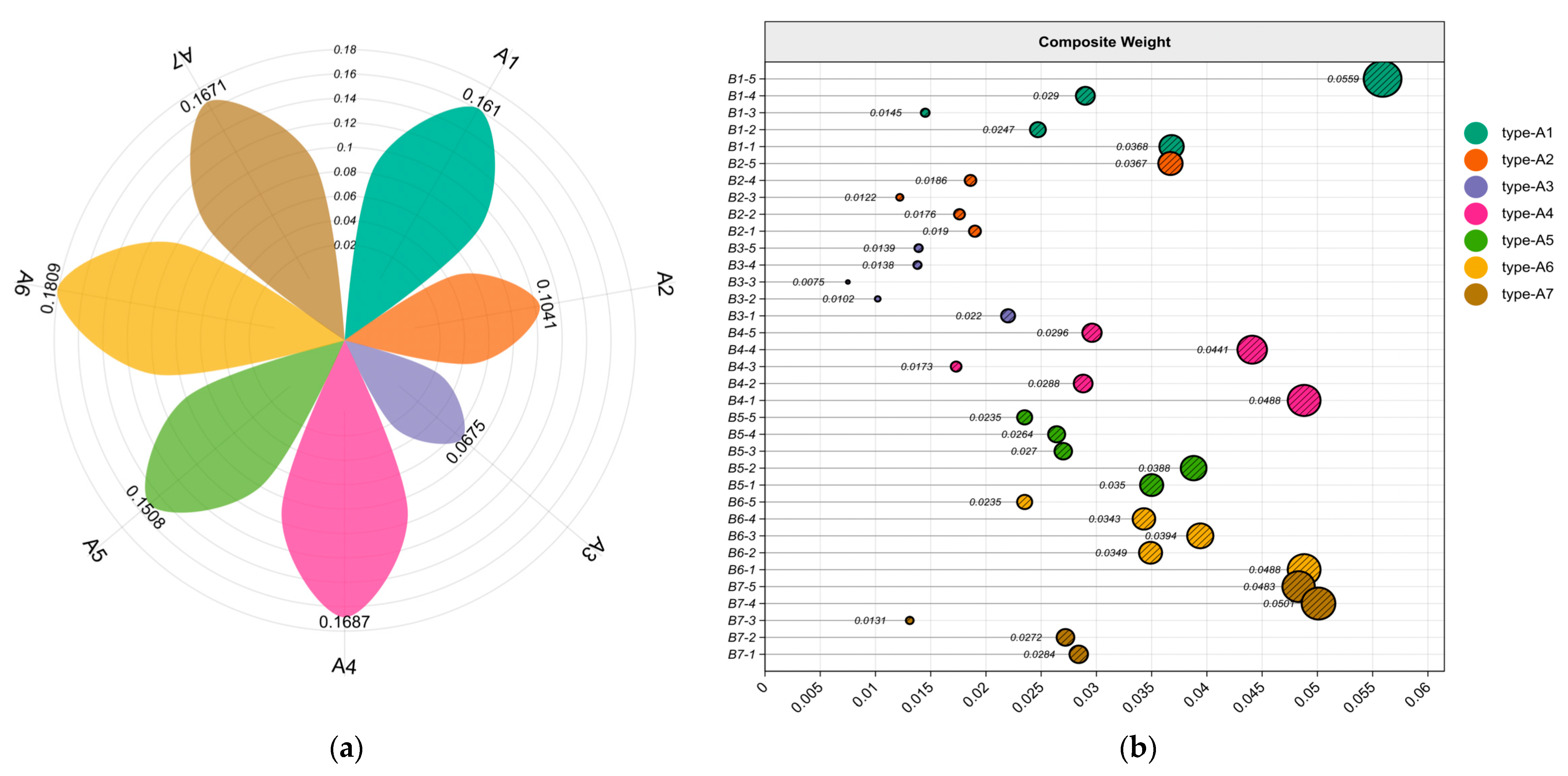
| Primary Indicator | Secondary Indicator | Secondary Weight | Tertiary Indicator | Tertiary Weight | Composite Weight | Overall Rank | Secondary Indicator Rank |
|---|---|---|---|---|---|---|---|
| Technical Level | A1 Interaction Logic | 0.1610 | B1-1 | 0.2287 | 0.0368 | 9 | 4 |
| B1-2 | 0.1536 | 0.0247 | 21 | ||||
| B1-3 | 0.0901 | 0.0145 | 29 | ||||
| B1-4 | 0.1801 | 0.0290 | 15 | ||||
| B1-5 | 0.3475 | 0.0559 | 1 | ||||
| A2 Sensory Experience | 0.1041 | B2-1 | 0.1822 | 0.0190 | 25 | 6 | |
| B2-2 | 0.1691 | 0.0176 | 27 | ||||
| B2-3 | 0.1173 | 0.0122 | 33 | ||||
| B2-4 | 0.1788 | 0.0186 | 26 | ||||
| B2-5 | 0.3526 | 0.0367 | 10 | ||||
| A3 System Functions | 0.0675 | B3-1 | 0.3255 | 0.0220 | 24 | 7 | |
| B3-2 | 0.1516 | 0.0102 | 34 | ||||
| B3-3 | 0.1114 | 0.0075 | 35 | ||||
| B3-4 | 0.2048 | 0.0138 | 31 | ||||
| B3-5 | 0.2066 | 0.0139 | 30 | ||||
| Semantic Level | A4 Artistic Expression | 0.1687 | B4-1 | 0.2894 | 0.0488 | 4 | 2 |
| B4-2 | 0.1709 | 0.0288 | 16 | ||||
| B4-3 | 0.1025 | 0.0173 | 28 | ||||
| B4-4 | 0.2614 | 0.0441 | 6 | ||||
| B4-5 | 0.1757 | 0.0296 | 14 | ||||
| A5 Cultural Information Transmission | 0.1508 | B5-1 | 0.2319 | 0.0350 | 11 | 5 | |
| B5-2 | 0.2576 | 0.0388 | 8 | ||||
| B5-3 | 0.1792 | 0.0270 | 19 | ||||
| B5-4 | 0.1752 | 0.0264 | 20 | ||||
| B5-5 | 0.1561 | 0.0235 | 22 | ||||
| Effectiveness Level | A6 Cultural Memory Inheritance | 0.1809 | B6-1 | 0.2699 | 0.0488 | 3 | 1 |
| B6-2 | 0.1931 | 0.0349 | 12 | ||||
| B6-3 | 0.2176 | 0.0394 | 7 | ||||
| B6-4 | 0.1898 | 0.0343 | 13 | ||||
| B6-5 | 0.1297 | 0.0235 | 23 | ||||
| A7 Emotional Resonance | 0.1671 | B7-1 | 0.1701 | 0.0284 | 17 | 3 | |
| B7-2 | 0.1626 | 0.0272 | 18 | ||||
| B7-3 | 0.0786 | 0.0131 | 32 | ||||
| B7-4 | 0.2998 | 0.0501 | 2 | ||||
| B7-5 | 0.2889 | 0.0483 | 5 |
| Strategic Level | Technical Indicators | Importance Weight | Total Weights | Rank |
|---|---|---|---|---|
| Technical Implementation Strategy (TIS) | Intelligent Interaction System (T2) | 5.16% | 20.41% | 9 |
| Multimodal Interaction Mode (T19) | 4.98% | 10 | ||
| Spatial Audio Systems (T11) | 4.23% | 11 | ||
| Free Viewing Angle control (T20) | 3.05% | 14 | ||
| System Performance Optimization (T3) | 2.99% | 15 | ||
| Semantic Translation Strategy (STS) | Visual Atmosphere Rendering (T13) | 6.82% | 32.22% | 2 |
| High-Precision 3D Modeling (T1) | 6.57% | 4 | ||
| PBR Material Map Accuracy (T6) | 6.45% | 5 | ||
| UI System Design (T7) | 5.69% | 8 | ||
| Knowledge System Structure (T16) | 3.43% | 12 | ||
| User Behavior Guidance (T10) | 3.26% | 13 | ||
| Effectiveness Enhancement Strategy (EES) | Cultural Feature Transformation (T17) | 8.37% | 27.53% | 1 |
| Narrative Logic Engine (T4) | 6.67% | 3 | ||
| Global Illumination and Ray Tracing (T9) | 6.27% | 6 | ||
| Emotional Link Design (T18) | 6.22% | 7 |
Disclaimer/Publisher’s Note: The statements, opinions and data contained in all publications are solely those of the individual author(s) and contributor(s) and not of MDPI and/or the editor(s). MDPI and/or the editor(s) disclaim responsibility for any injury to people or property resulting from any ideas, methods, instructions or products referred to in the content. |
© 2026 by the authors. Licensee MDPI, Basel, Switzerland. This article is an open access article distributed under the terms and conditions of the Creative Commons Attribution (CC BY) license.
Share and Cite
Fang, W.-T.; Chen, R.; Guo, W.; Wang, S.; Wu, J.; Lin, R. Human-Centered Design Optimization of VR Museums for Bronze Wine Vessels: A Systematic AHP–QFD Approach. Appl. Sci. 2026, 16, 4908. https://doi.org/10.3390/app16104908
Fang W-T, Chen R, Guo W, Wang S, Wu J, Lin R. Human-Centered Design Optimization of VR Museums for Bronze Wine Vessels: A Systematic AHP–QFD Approach. Applied Sciences. 2026; 16(10):4908. https://doi.org/10.3390/app16104908
Chicago/Turabian StyleFang, Wen-Ting, Ranzi Chen, Wenbo Guo, Shiao Wang, Jun Wu, and Rungtai Lin. 2026. "Human-Centered Design Optimization of VR Museums for Bronze Wine Vessels: A Systematic AHP–QFD Approach" Applied Sciences 16, no. 10: 4908. https://doi.org/10.3390/app16104908
APA StyleFang, W.-T., Chen, R., Guo, W., Wang, S., Wu, J., & Lin, R. (2026). Human-Centered Design Optimization of VR Museums for Bronze Wine Vessels: A Systematic AHP–QFD Approach. Applied Sciences, 16(10), 4908. https://doi.org/10.3390/app16104908