

Review

Effectiveness of Wearable Devices for Posture Correction: A Systematic Review of Evidence from Randomized and Quasi-Experimental Studies


1
School of Health Sciences, Polytechnic University of Leiria, 2411-901 Leiria, Portugal
2
Laboratory i2A, ROBOCORP, Polytechnic University of Coimbra, 3045-093 Coimbra, Portugal
3
ESEC-UNICID-ASSERT, Polytechnic University of Coimbra, 3045-093 Coimbra, Portugal
4
SPRINT, Sport Physical Activity and Health Research & Innovation Centre, 3045-093 Coimbra, Portugal
5
School of Health Sciences, ciTechCare, Polytechnic University of Leiria, 2411-901 Leiria, Portugal
6
School of Health Sciences, ciTechCare, CDRSP, Polytechnic University of Leiria, 2411-901 Leiria, Portugal
7
Centre of Mechanical Engineering, Materials and Processes (CEMMPRE), University of Coimbra, 3000-214 Coimbra, Portugal
*
Author to whom correspondence should be addressed.
Appl. Sci. 2026, 16(1), 81; https://doi.org/10.3390/app16010081 (registering DOI)
Submission received: 3 November 2025 / Revised: 3 December 2025 / Accepted: 16 December 2025 / Published: 21 December 2025
(This article belongs to the Special Issue Biomechanics and Sport Engineering: Latest Advances and Prospects)

Featured Application

Wearable devices represent feasible and safe tools for enhancing postural control and promoting motor self-regulation complementing individualized physiotherapy interventions.

Abstract

Introduction: The increasing development of wearable devices for postural monitoring (provide feedback on posture) or correction (mechanical or biofeedback to promote change) is partly driven by the rising prevalence of poor posture in the general population and its impact on pain perception and functional capacity. Objective: Examine the effects of wearable devices on posture correction or prevention and on related outcomes, including postural alignment, muscle activity, pain and functional performance. Methods: The review followed the PRISMA 2020 guidelines. Searches were performed in PubMed, Scopus, Web of Science, and PEDro for studies published between 2012 and 2025. Eligible studies included randomized controlled trials and quasi-experimental designs involving participants with postural deviations or at risk of developing them, who underwent interventions using wearable devices that provided vibratory, auditory, visual, or tactile biofeedback. Results: Eight studies reported immediate improvements in postural alignment, body awareness, and self-reported pain, particularly with devices providing vibratory or visual biofeedback. Functional task stability improved, and muscle activity during risky postures decreased. However, the strong heterogeneity across devices and protocols, small sample sizes, short intervention durations, and, in some cases, the lack of independent control groups limit the strength and generalizability of these findings. Conclusions: Wearable devices have potential as complementary tools in physiotherapy due to their autonomous and potentially effective nature. Nevertheless, current evidence remains insufficient to support definitive clinical recommendations.

1. Introduction

The increasing prevalence of sedentary behaviors and prolonged maintenance of poor postures has been associated with several musculoskeletal alterations [1,2]. While multiple factors contribute to postural misalignment, many alterations are idiopathic, and their etiology and treatment remain poorly understood [3]. Consequently, therapeutic approaches face significant challenges in accessibility, implementation, cost, and scientific evidence. Poor posture can compromise the musculoskeletal system, exacerbating chronic musculoskeletal pain, impairing balance, reducing functional capacity, and diminishing quality of life [1,4]. Joint overload and muscle strain resulting from postural deviations may also cause structural and functional damage [1,5]. Furthermore, posture influences psychological health by affecting self-confidence and body image and may induce hormonal and emotional changes [6,7].
Spinal alterations can be classified as structural or non-structural [8]. Structural alterations arise from morphological anomalies of bones or soft tissues, such as idiopathic or congenital scoliosis, and these typically involve the use of devices that provide mechanical feedback, as they require greater precision and structural support. Non-structural alterations, which involve compensatory and potentially reversible postural patterns, tend to rely on devices that deliver vibratory feedback, thereby promoting active self-correction. This distinction is essential for understanding the selection of wearable devices in each case. Idiopathic scoliosis is the most prevalent spinal deformity, accounting for 84–89% of cases in adolescents [9]. Among children and adolescents in China, poor posture prevalence is 65.3%—assessed through visual inspection, the Adams forward bending test and measurement of the angle of trunk rotation using a scoliometer [10], whereas in European countries it ranges from 50% to 82% in studies with individuals from Poland—measured through a photogrammetric approach using the Moiré pattern—and the Czech Republic—assessed through the Klein, Thomas and Mayer method, based on visual observation, with ages from 7 to 15 years old [11,12]. Non-structural alterations are associated with factors such as poor posture, imbalanced muscle activation, radicular irritation, or inflammatory processes [8]. Early and individualized interventions can improve functionality, reduce pain complaints, and prevent progression of these conditions.
Wearable devices are portable electronic tools, typically worn in contact with the body, designed to monitor, record, analyze, and intervene in health-related outcomes [13]. Wearable devices have shown potential to significantly enhance physical activity levels, such as daily step counts [14,15] and time spent in moderate-intensity physical activity [14,16]. Furthermore, these devices, including inertial sensors, vests, exoskeletons, and systems providing tactile, auditory, or visual feedback, have emerged as promising tools for postural monitoring and correction. They provide real-time feedback, facilitating motor learning outside clinical settings, continuous monitoring, self-management, and personalization, and can be integrated into rehabilitation programs [13,17,18].
However, uncertainty remains on the effectiveness of wearable devices in specific populations, such as older adults or individuals with specific conditions [16], their impact on functionality and quality of life [15], effect on postural improvement or posture-related pain [19], and long-term effects of continuous device use, including usability and comfort [19]. Additionally, it is not yet possible to determine the sustained impact of wearables outside clinical or workplace settings [18,19]. Literature suggests that wearable devices may contribute to postural correction and prevention of poor posture through extrinsic factors. Nevertheless, conceptual and methodological inconsistencies persist. Barra-López [20] critiques the notion of “ideal posture,” highlighting the absence of models that integrate human morphological and contextual variability, and advocates for a more holistic approach to postural assessment. Figueira et al. [17] further note limitations related to device heterogeneity, varied protocols, and the limited number of robust randomized controlled trials, due to short follow-up periods, sample quality and size, and inadequate blinding of physiotherapists and participants.
Therefore, the present systematic review aimed to synthesize the available evidence regarding the effectiveness of wearable devices for postural correction and prevention, as well as their impact on pain and functionality, contributing to a deeper understanding of the potential of these technologies in clinical physiotherapy practice.
This review addresses the question: What is the effectiveness of wearable devices in posture correction and prevention when applied to people with postural alterations? Using the PICOS framework, this review considers: Population (P): individuals exhibiting postural alterations or identified as at risk for postural deviations; Intervention (I): wearable devices designed to monitor, correct, or provide feedback on posture (including smart garments, vibrotactile systems, inertial sensors, or similar technology); Comparison (C): usual care, no intervention, or alternative postural correction methods; Outcome (O): postural alignment, muscle activity (EMG), proprioceptive awareness, pain perception, and adherence; Study Design (S): randomized controlled trials and quasi-experimental studies published in peer-reviewed journals.

2. Materials and Methods

This systematic review was conducted in accordance with the PRISMA 2020 (Preferred Reporting Items for Systematic Reviews and Meta-Analyses) guidelines [21]. Although not registered, the review protocol was developed a priori to define the objectives, eligibility criteria, and methodological steps.

2.1. Eligibility Criteria

Eligibility criteria were defined using the PICOS framework (Population, Intervention, Comparator, Outcomes, and Study Design).

2.1.1. Participants

Individuals with postural changes such as kyphosis, lordosis, hyperkyphosis, hyperlordosis, scoliosis) or at risk of developing postural deviations.

2.1.2. Intervention

Use of wearable devices designed to monitor, correct, or provide feedback on posture (including smart garments, vibrotactile, auditory, or visual systems, inertial sensors, or similar technology).

2.1.3. Comparison

Individuals receiving usual care, no intervention, or alternative postural correction methods.

2.1.4. Outcomes

Primary outcomes defined were postural alignment and the prevention of postural deviations achieved through wearable device use alone. Secondary outcomes comprised measures of functional performance, pain intensity, and quality of life.

2.1.5. Types of Studies

Randomized controlled trials and quasi-experimental studies published in peer-reviewed journals between 2012 and 2025 and available in English. The selected time frame reflects the emergence of modern wearable technology as consumer-grade posture devices incorporating IMU sensors and app-based biofeedback began to appear in scientific literature around 2012 [22]. Studies were excluded if participants exhibited significant comorbidities, severe disabilities, serious clinical conditions, or spinal cord injuries. Studies utilizing wearables exclusively for monitoring or employing virtual or augmented reality devices were also excluded. Additionally, studies on occupational ergonomic sensors (e.g., industrial lifting-assist feedback) were excluded because they target workplace safety rather than clinical postural deviations. These criteria aimed to reduce confounding bias and improve comparability among studies.

2.2. Search Strategy

A comprehensive literature search was performed in PubMed, Scopus, Web of Science and PEDro databases during September 2025. The search combined controlled vocabulary (MeSH terms) and free-text keywords related to posture, wearable devices, biofeedback, and postural control. A representative PubMed search string was (“wearable” OR “smart vest” OR “smart garment” OR “smart clothing” OR “inertial sensors” OR “body-worn devices” OR “wearable systems” OR “smart sensors” OR “IMUs” OR “inertial measurement units”) AND (“posture” OR “postural assessment” OR “body posture” OR “posture monitoring” OR “postural correction” OR “postural alignment” OR “kyphosis” OR “lordosis” OR “hyperkyphosis” OR “hyperlordosis” OR “scoliosis”). Reference lists of included articles and relevant reviews were also screened manually to identify additional eligible studies. The search strategy for each database is presented in Appendix A.

2.3. Study Identification and Selection

Records retrieved from the database searches were imported into Zotero for duplication removal. The procedure of studies’ selection was performed in two stages by two independent reviewers using Rayyan (Qatar Computing Research Institute, Doha, Qatar). First, two reviewers independently and blindly screened titles and abstracts to exclude irrelevant records. Subsequently, full texts of potentially eligible studies were retrieved and assessed for inclusion according to the predefined criteria. Disagreements were resolved through discussion or by a third reviewer.

2.4. Data Extraction

Data from included studies were extracted independently by two reviewers. The following variables were systematically extracted from the included studies. Sample characteristics, including the number of participants, age, sex, and clinical condition, were recorded. The study design and the type of control group were documented. A detailed description of both the intervention and comparison groups was provided. Outcome measures and assessment tools, such as joint angles, pain, functionality, and quality of life, were identified. Both primary and secondary results were extracted. The authors did not try to contact the corresponding authors of the included studies to address missing data. Given the substantial methodological limitations and pronounced heterogeneity across intervention protocols and devices, study designs, and outcome measures, a meta-analysis was not conducted.

2.5. Risk of Bias and Methodological Quality

Quality assessment was conducted on the selected studies. The Checklist for Quasi-Experimental Studies was applied to quasi-experimental designs, while the Checklist for Randomized Controlled Trials was used for randomized controlled trials. Both checklists are available via the JBI Critical Appraisal platform (https://jbi.global/critical-appraisal-tools, accessed on 13 October 2025). The assessment addressed randomization methods, deviations from intended interventions related to blinding of the participants, completeness of outcome data, validity of measurement instruments, and selective reporting of results. Two reviewers independently and blindly evaluated the studies included. When uncertainty or disagreement arose, a third reviewer made the final decision. Inter-rater agreement was not assessed. This phase aimed to systematically organize and synthesize the collected data, ensuring a rigorous analysis aligned with the PICO research question. Following the selection and quality appraisal of the included studies, relevant data were extracted and subsequently filtered to assess the effectiveness of wearable devices in correcting postural deviations, compared to no device use or conventional interventions.

2.6. Synthesis of Results

Given the low number of studies included and the heterogeneity found across protocols, interventions, outcome measures, and study designs, there was a lack of data amenable to meta-analysis. Instead, a narrative synthesis was used to summarize and explain the findings of the studies [23]. Furthermore, to assess the effectiveness of wearable devices for postural correction and to determine their impact on pain reduction and functional improvement in various clinical contexts, studies were categorized into four subgroups. Three subgroups are defined by the spinal region addressed: cervical, thoracic, and lumbar. The fourth subgroup includes interventions specifically targeting Adolescent Idiopathic Scoliosis (AIS) and Osteogenesis Imperfecta (OI).

3. Results

Figure 1 summarizes, in the PRISMA flowchart, the full selection process. A total of 2788 records were retrieved from the database searches. After removing duplicates, 1696 titles and abstracts were screened, and 23 articles were assessed in full text. Of these, 8 studies met all eligibility criteria and were included in the review.

3.1. Study Characteristics

The characteristics of the included studies are presented in Table 1. The eight studies included were conducted in Spain [24], Japan [25], Italy [26], Taiwan [27], Canada [28], and South Korea [29,30,31]. In terms of study design, it includes one single-blinded randomized controlled trial [25], four quasi-experimental studies [27,28,29,30], two pilot quasi-experimental studies [24,31] and one pilot experimental study [26]. In most studies, within-subject control design was used instead of an independent control group (Table 1).
The aggregate sample is composed of 186 participants, mainly women (n = 145; 78%), and represented populations with postural alterations, or at risk of developing said alterations, affecting different spinal regions, such as cervical [27,29,30], thoracic [28] and lumbar [24,25,31], and conditions (Adolescent Idiopathic Scoliosis or Osteogenesis Imperfecta) [26] (Table 1). Regarding participants’ age, five studies included participants in their 20s or early 30s [27,28,29,30,31]. One study included children or teenagers [26], and a larger study included hospital workers in their 40s and 50s [25].
Although a significant number of studies reviewed were conducted in South Korea and other parts of Asia, this does not indicate that Asia leads globally in research output on wearable devices for postural assessment or correction. The field is highly specialized, and the limited number of studies available prevents any conclusion about regional research trends. Moreover, the last decade has seen a substantial growth in publications on wearable technology applications within healthcare more broadly, although this trend is less pronounced in posture-specific research [32].

3.2. Experimental Interventions

3.2.1. Types of Wearable Devices and Feedback Provided

For postural correction in the cervical spine (Table 1), in the study by Lou et al. [28], an adjustable vest was used, fitted to the user’s torso. It was equipped with two inertial sensors positioned on the posterior surface, approximately aligned with the T1 and T12 vertebrae. These sensors detected the thoracic kyphosis angle by calculating the difference between the inclination value obtained from the proximal sensor and that from the distal sensor. The system provided vibratory feedback to the user whenever the thoracic kyphosis angle exceeded a predefined threshold, which was personalized for each participant.
Regarding the lumbar region (Table 1), in Rodriguez et al. [24], the device consisted of three inertial sensors positioned at T1/T2, T12, and S1 levels. It incorporated an accelerometer, a gyroscope, and a magnetometer to measure body inclination and acceleration, rotational velocity, and spatial orientation, respectively, and included a built-in vibratory feedback mechanism. Lee et al. [31] utilized a hybrid lumbar exoskeleton with active and passive components. The active component reduces muscular effort, while the passive structure maintains physiological lumbar lordosis. The system provides mechanical assistance during lumbar extension to normalize lumbopelvic rhythm, and vibratory feedback was implemented to ensure postural correction. Hagiwara et al. [25] tested a lumbosacral support garment that delivers tactile stimuli to the lower back when it detects harmful posture.
Storm et al. [26] developed wearable devices for managing adolescent idiopathic scoliosis (AIS) and osteogenesis imperfecta (OI) (Table 1). The study introduced a 3D-printed orthosis, a lightweight and flexible plastic brace, custom-made from a 3D body scan and digitally adjusted using computer-aided design software. Although the study did not include sensor-based wearable technology, it was included because it met our broader operational definition of wearable devices as body-worn, posture-corrective systems capable of mechanically influencing spinal alignment. The custom 3D-printed orthosis was considered a wearable intervention as it is a body-mounted device specifically designed to act on postural control.Furthermore, the study targeted a clinical population with structural spinal deviations (AIS and OI), which allowed inclusion of a subgroup not represented in the remaining literature. Despite methodological differences, namely the absence of embedded sensors and outcome evaluation through a force platform, this study was included to ensure comprehensive coverage of posture-corrective devices with direct biomechanical action on alignment.

3.2.2. Characteristics of Interventions

In the experimental group(s), protocols demonstrated substantial variation in duration, frequency, and context of use (Table 1). The time duration ranged from a few days to months, while frequency varied from a few minutes to long periods of utilization throughout the day (Table 1). The context of use also varied and included computer usage [27,29], activities of daily living (ADLs) [24,25,28,30] or specific low-effort tasks [31]. In some studies, rest periods were implemented [25,27] (Table 1).
In the control group, most studies implemented a within-subject control by performing an evaluation without the use of a wearable device [25,26,27,29,31], without providing feedback [24,28], or using a conventional device [26] (Table 1).

3.2.3. Outcome Measures

Postural correction outcome measures were diverse across the studies, including different angle measurements [27,28,29,30] and range of motion [25]. Additionally, other outcomes of interest were pain [24,25,27], quality of life [24] and ease of use of the device [28] (Table 1).
In the study conducted by Thanathornwong & Jalayondeja [30], measurements of the cervical flexion angle and center of pressure (CoP). Additionally, to measure CoP, force plates were used while participants stood upright with heels together and feet rotated 30 degrees, looking straight ahead. In a separate study by Park & Jung [29], the system utilized computer vision, incorporating cameras and algorithms to identify anatomical landmarks and monitor head position during computer use. The threshold for distinguishing adequate from inadequate posture was calculated individually using each participant’s baseline craniovertebral angle (CVA). In the work by Kuo et al. [27], posture was assessed by measuring joint angles of the head, neck, upper and lower cervical, and thoracic regions. Electromyographic (EMG) activity of the cervical erector spinae, upper trapezius, and thoracic erector spinae muscles was recorded.
In Lou et al. [28], participants’ postural correction was assessed by monitoring the thoracic kyphosis angle. In the study by Rodriguez et al. [24], threshold angles for feedback were individualized. Vibratory feedback was activated when the threshold was exceeded for a specified duration. If correct posture was maintained for 10 to 25 s, the system delayed subsequent vibrations to reinforce postural maintenance.
In Hagiwara et al. [25], the intervention involved a wearable lumbosacral support device (“Spinal Underwear”) designed to promote postural correction and reduce symptoms associated with low back pain. The device incorporated specific textile fibers capable of generating tactile stimuli in the dorsal region whenever the user adopted an inadequate posture, functioning as a postural biofeedback system.
In Lee et al. [31], maximum voluntary contraction (MVC) was assessed using EMG, and the lumbopelvic ratio was measured using an optical sensor and motion markers.

3.2.4. Effectiveness of Wearable Device Use

On the Cervical Spine
In the study by Thanathornwong & Jalayondeja [30], a significant reduction was observed in both cervical flexion angle and center of pressure among participants with Class II malocclusion. No significant changes were found for Class I or Class III malocclusions. The reported effect size was approximately 0.9, indicating a large effect for Class II. Kuo et al. [27] reported that neck flexion, upper cervical, and lower thoracic angles were significantly smaller during biofeedback use compared with the no-feedback condition. Other positions, such as head tilt, lower cervical, and upper thoracic angles, did not show significant changes. Participants in the biofeedback condition also exhibited a reduction in electromyographic activity of the right and left cervical erector spinae. No significant differences were found for the upper trapezius or thoracic erector spinae muscles. Pain levels increased over time during the typing task, while shoulder pain scores increased. Park & Jung [29] found that, with the use of real-time feedback, cervical flexion time during a 15 min computer session decreased, while craniovertebral angle increased, indicating improved head and neck alignment, although results remain within typical IMU error margins.
On the Thoracic Spine
In Lou et al. [28], comparisons between sessions showed progressive improvement in thoracic kyphotic angle. When feedback was disabled (day 2), the average kyphotic angle remained within 5° of baseline (day 1), whereas feedback-enabled sessions (days 3–4) produced improvements exceeding 5°. All participants demonstrated measurable improvement in thoracic alignment by day 4, with statistically significant differences between day 1 and day 4. Participants received an average of 35, 65, 40, and 38 vibratory feedback signals on intervention days 1 through 4, respectively, suggesting consistent maintenance of correct posture, considering that a maximum of 180 feedbacks could be triggered per day. All users reported that the device was comfortable and easy to use.
On the Lumbar Spine
Lee et al. [31], use of the active component of the hybrid lumbar exoskeleton led to a greater reduction in muscular activity during trunk flexion, deadlift exercises and walking while carrying weight when compared to the full device. Also, the lumbopelvic ratio decreased in the full device, whereas the active component alone increased. In the pilot study by Rodriguez et al. [24], five individuals with low back pain associated with hyper- or hypolordosis completed between 10 and 35 sessions (≥1 h each) over four months. There was a progressive decrease in device activations triggered by incorrect posture, reflecting improved postural control. Average pain reduction was approximately 2 points on the visual analog scale (VAS). No adverse events or discomfort were reported, suggesting good tolerance and clinical usability. Hagiwara et al. [25] found no significant differences in spinal alignment between groups. However, there was a statistically significant reduction in pain intensity and somatosensory symptoms in the experimental group compared to controls. Lumbar range of motion also decreased significantly in the experimental group. Subjective reports indicated lower odds of lumbar and cervical pain among participants using the wearable. No significant differences were found for other musculoskeletal symptoms.
On Adolescent Idiopathic Scoliosis (AIS) and Osteogenesis Imperfecta (OI)
Storm et al. [26] compared a novel 3D-printed brace with the conventional orthosis used in the management of AIS and OI. Both devices significantly improved postural stability compared with the no-brace condition, demonstrating comparable clinical efficacy. Quantitatively, AP and ML sway amplitude, AP and ML RMS, sway path length and 95% ellipse area decreased between the no-brace group and the 3D-brace and conventional brace groups. The reductions observed are greater between the no-brace group and the 3D brace group. The normalized jerk index, the AP and ML frequency dispersion values also decreased from the no-brace group to the 3D brace and conventional brace groups. However, a greater reduction is observed between the no-brace and conventional brace group.

3.3. Overall Synthesis of Results

Wearable devices produced immediate improvements in postural alignment and body awareness. They also reduced pain in individuals with low back pain and specific cervical conditions. Additionally, these devices decreased muscle activity and improved stability during functional tasks. However, the heterogeneity of study protocols, short follow-up periods, small sample sizes, and limited use of independent control groups in most studies restrict the strength and generalizability of these findings.

3.4. Risk of Bias Analysis

The methodological quality varied from moderate to high quality among the included studies (Table 2 and Table 3). The quasi-experimental studies demonstrated a low risk of bias in outcome measurement and intervention implementation (Table 2). However, several studies lacked an independent control group, which reduces the strength of the conclusions.
The only randomized clinical trial, Hagiwara et al. [25], demonstrated adequate randomization but partial blinding and low allocation concealment (Table 3).
The reliability of measurements, the validity of instruments, and the statistical analysis were satisfactory. Participants’ and assessors’ blinding were frequently absent. Therefore, interpretation of the results requires caution due to heterogeneous study designs and insufficient control in several interventions.
No studies were excluded due to inadequate methodological quality. However, important limitations, such as the lack of rigorous control in most studies, substantially impacted result synthesis and conclusions.

4. Discussion

This systematic review synthesized current evidence on the effectiveness of wearable devices for posture correction.

4.1. Subgroup: Cervical Spine Intervention

Across the three studies examining cervical posture [27,29,30], wearable devices consistently produced short-term improvements in craniovertebral angle or reductions in forward-head posture. However, the magnitude and clinical significance of these changes require careful interpretation. Many of the reported angle improvements were small—often within the ±3–5° measurement error commonly associated with IMU-based and optical angle-tracking systems—raising the possibility that some statistically significant effects may not represent meaningful biomechanical changes. This is particularly relevant for the immediate biofeedback effects reported by Kuo et al. [27,30] and Park & Jung [29] whose interventions were limited to single sessions or very short observation periods.
The vibratory feedback systems examined by Thanathornwong & Jalayondeja [30], demonstrated larger reductions in cervical flexion over a four-week protocol, suggesting that repeated exposure may enhance motor awareness. However, methodological limitations—including small sample and lack of an independent control group—reduce confidence in the generalizability of these findings. Even when statistical significance was achieved, the extent to which these postural changes translate into clinically relevant improvements remains uncertain.
Notably, one study [27] reported reductions in postural deviations accompanied by an increase in perceived discomfort, underscoring that “correcting” posture does not always produce beneficial outcomes and may, in some cases, disrupt motor strategies that individuals have adopted to maintain comfort. This highlights the importance of balancing biomechanical alignment with individual variability in pain experience, motor control, and task demands.
While wearable devices demonstrate some potential for facilitating short-term cervical posture modifications, the durability of these effects, their true clinical value, and their impact on symptoms remain unclear. High-quality randomized controlled trials with adequate sample sizes, long-term follow-up, and standardized measures are needed to determine whether wearable-induced postural changes represent meaningful therapeutic benefits rather than transient sensor-driven adjustments.

4.2. Subgroup: Thoracic Spine Intervention

The evidence regarding thoracic posture interventions suggests that wearable devices—particularly those using vibratory feedback [27,28] or hybrid exoskeletal support [27,31]—can influence thoracic alignment and modify erector spinae muscle activity during functional tasks. However, these findings must be interpreted with caution, as the physiological and clinical implications of reduced muscle activation remain unclear. Although statistically significant decreases were reported in erector spinae EMG [27,31] it is uncertain whether these reductions reflect beneficial off-loading or potentially maladaptive decreases in muscular support. Without long-term follow-up, the risk of secondary effects—such as altered spinal loading, compensatory muscle recruitment, or diminished endurance—cannot be excluded.
Reported improvements in thoracic flexion angles were generally small and, in some cases, approached the known measurement error range of IMU-based systems (approximately ±3–5°). This limits confidence in the practical significance of angle changes, even when statistically significant. Larger effects, such as the 8° reduction in thoracic kyphosis described in one study [28], are more likely to represent genuine postural modifications; however, these results were derived from small samples without control groups, reducing their generalizability.
Wearable devices show some potential to acutely modify thoracic posture and influence muscle activation patterns, but current evidence does not yet establish whether these changes translate into meaningful clinical benefits or long-term functional improvements. Future research should prioritize rigorous randomized controlled trials with larger, more diverse samples and extended follow-up to evaluate both the therapeutic value and the safety of altering thoracic muscle activity and alignment through wearable technologies.

4.3. Subgroup: Lumbar Spine Intervention

The studies addressing lumbar posture [24,25,31], collectively suggest that wearable devices may contribute to modest improvements in pain and postural control; however, their clinical significance remains uncertain. Although two studies [24,25,31] reported reductions in low back pain over multi-month interventions, these changes were small in magnitude, raising the possibility that they reflect natural variability in pain, placebo effects, or behavioral modifications unrelated to the device. The absence of randomized designs or independent control groups makes it difficult to attribute improvements directly to the intervention.
Reductions in lumbar flexion or lumbopelvic ratios observed in the study of Lee et al. [31] require careful interpretation. While decreased lumbar motion may protect against excessive flexion, excessive restriction can also disrupt natural lumbopelvic rhythms, potentially leading to compensatory strategies, altered spinal loading, or reduced activation of stabilizing musculature. Without long-term follow-up, it remains unclear whether wearable-induced motion modulation represents a protective adaptation or a potential risk factor.
Similarly, reductions in erector spinae muscle activation reported with hybrid exoskeletal devices [31] may indicate improved motor efficiency or off-loading; however, they may also reflect reduced engagement of stabilizing muscles. EMG reductions observed in small samples cannot be assumed to translate into clinically meaningful outcomes, as EMG variability is influenced by different methodological and physiological aspects. In the absence of larger cohorts or comparisons with individuals displaying pathological lumbopelvic movement, the clinical value of such findings remains speculative.
The lumbar evidence indicates that wearable devices can influence motor behavior in the short term, but the long-term consequences and benefits remain unknown. Future trials should prioritize robust randomized designs, standardized biomechanical assessments, and evaluations in populations with clinically relevant lumbar impairments to determine whether observed effects represent meaningful therapeutic changes rather than temporary device-driven adjustments.

4.4. Subgroup: Intervention in Individuals with Adolescent Idiopathic Scoliosis (AIS) and Osteogenesis Imperfecta (OI)

The single study examining AIS and OI [26] compared a novel 3D-printed brace with a conventional orthosis and found that both devices improved short-term postural stability relative to the no-brace condition. Although these findings suggest that the 3D-printed brace may offer comparable stabilizing effects, the very small sample size (n = 10) and heterogeneity of participants prevent firm conclusions regarding therapeutic equivalence. While both orthoses produced statistically significant improvements in postural control, the specific sway variables influenced by each device differed. The 3D-printed brace reduced anteroposterior sway, indicating enhanced sagittal-plane stability, whereas the conventional brace reduced sway-path length, suggesting decreased postural variability. These differences, however, must be interpreted with caution: the magnitude of the changes was modest, potentially within the normal variability of sway measurements, and the absence of longer-term follow-up limits insight into whether the observed effects reflect sustained biomechanical improvements or short-term compensatory adjustments.
The potential technological advantages of 3D-printed orthoses—such as improved customization and reduction in manual manufacturing steps—are noteworthy. However, the current evidence does not permit conclusions regarding whether these benefits translate into superior clinical outcomes or improved patient adherence compared with traditional orthoses. The short intervention period and the study’s limited methodological rigor restrict generalizability, particularly with respect to curve progression, functional capacity, and long-term comfort.
Overall, the preliminary findings suggest that 3D-printed orthoses may achieve short-term stabilizing effects similar to those of conventional braces in individuals with AIS or OI. However, the strength of the evidence is very limited. Larger, well-controlled studies with homogeneous diagnostic groups, proper blinding, placebo comparisons, and long-term follow-up are needed to determine whether 3D-printed devices provide meaningful or sustained clinical advantages.
A broader concern is that most studies involved short intervention periods and young, healthy participants, limiting their applicability to populations with clinically relevant postural deviations or spinal conditions. Moreover, the absence of independent control groups and limited follow-up restricts the ability to determine whether the observed effects persist beyond the immediate biofeedback response.
Moreover, the potential influence of placebo and expectation effects must be acknowledged. Wearable devices and orthotic technologies often produce a strong perception of technological sophistication, which may enhance users’ confidence, perceived support, and attentional focus on posture. Such psychological factors can independently lead to transient improvements in pain, body awareness, or postural stability, even in the absence of direct biomechanical effects. Given the lack of blinding in most included studies, it is not possible to disentangle the physiological impact of the devices from expectation-driven responses, reinforcing the need for rigorously controlled trials incorporating appropriate sham or placebo conditions.

4.5. Limitations

Heterogeneity in study designs is vastly present throughout the included studies, with differences in device types and protocols, including variations in device usage duration, frequency, application mode, and associated interventions. Furthermore, the number of randomized controlled trials remains limited, and most quasi-experimental studies lack a control group, introducing possible confounding bias. Most studies present small sample sizes, short follow-up periods, and none included extended follow-up assessments. This limits conclusions about the durability of effects and long-term sustainability of postural correction or motor learning.
Regarding sample characteristics, older adults were markedly underrepresented; the majority of studies involved young, healthy participants or convenience samples such as students and workers performing repetitive or sedentary tasks. This demographic imbalance introduces potential bias and limits the generalizability of findings.
Another relevant limitation is the variability of outcome measures used across studies. Such outcome measurement incompatibility significantly undermines the possibility of direct comparisons and the synthesis of results. Additionally, many studies primarily evaluated the device itself rather than its impact on pain perception, functional performance, or postural alignment. Future research must employ outcome measures that are simultaneously clinically feasible, meaningful, and aligned with international recommendations, so that significant analysis and conclusions can be made.
An inherent limitation of the device’s technological design must be acknowledged. Inertial Measurement Units (IMUs) are subject to a measurement error typically ranging from ±3–5°, which can substantially affect the precision of small-angle measurements. This limitation is particularly pronounced in high-precision applications, such as posture assessment and correction, where even minor deviations may result in significant inaccuracies in identifying and addressing subtle postural changes. Furthermore, the rapid pace of technological advancements in recent years has led to the obsolescence or discontinuation of some devices evaluated in relatively recent studies. This challenges the long-term relevance of the evidence and the applicability of findings to newer generations of wearable devices.
It should also be noted that reporting on device adherence and user acceptability is generally limited. Since many devices are designed to be worn for several hours per day, studies should include information on comfort, aesthetics, ease of use, and, when applicable, the reasons for participant withdrawal. Furthermore, both short- and long-term adverse effects must be documented, particularly those related to prolonged skin contact or vibratory feedback, so that the feasibility and safety of this system can be assessed.
Another limitation of this study is the lack of prior registration of the research protocol on platforms such as PROSPERO or the Open Science Framework (OSF) before its development.
The combined impact of these methodological and technological constraints substantially limits the confidence that can be placed in the current evidence base. The heterogeneity of protocols and outcomes, the predominance of quasi-experimental designs, and the short duration of follow-up across studies restrict the ability to draw robust or generalizable conclusions. As a result, the findings of this review should be interpreted cautiously, and no definitive claims regarding the clinical effectiveness, safety, or long-term applicability of wearable devices for postural correction can be made at this stage. Future research employing rigorous randomized designs, larger sample sizes, standardized assessment tools, adherence assessment, and diverse clinical populations is essential to strengthen the validity of the evidence.

4.6. Clinical Implications and Future Research

Despite these limitations, the findings suggest that wearable devices represent a promising and complementary approach to physiotherapy for postural correction and monitoring. Vibratory biofeedback and active-assistance systems appear to enhance motor learning and postural awareness.
Future research should prioritize the implementation of rigorous blinding protocols to more accurately determine the true efficacy of these interventions. It should also focus on diverse populations, such as older adults and individuals with structural postural deformities, to ensure broader applicability. Furthermore, future studies should incorporate comprehensive assessments of functionality, pain, and quality of life, as well as evaluate user adherence and acceptability during prolonged use. Investigations into the long-term sustainability of postural improvements, alongside analyses of the cost-effectiveness and environmental impact of emerging technologies, are also crucial.
In addition, the development of robust regulatory policies and technical validation frameworks is imperative to guarantee the safety, efficacy, and clinical standardization of wearable devices, ensuring their ethical and effective integration into physiotherapy programs on a broader scale.

5. Conclusions

This systematic review examined the current evidence on wearable devices designed to support posture correction, postural awareness, and related outcomes such as pain and muscle activity. Although several studies report short-term improvements in alignment or proprioceptive awareness when biofeedback is provided, which can be a clinical promise as complementary physiotherapy tools, these findings should be interpreted with caution. The available evidence is preliminary, highly heterogeneous, and derived predominantly from small quasi-experimental studies with notable methodological limitations.
Across the included studies, methodological weaknesses—such as small sample sizes, short intervention periods, lack of independent control groups, absence of blinding, inconsistent outcome measures, and limited follow-up—substantially restrict the strength of any conclusions. Furthermore, the rapid evolution of wearable technologies means that some devices assessed in earlier studies may no longer be commercially available or representative of current capabilities, limiting the long-term relevance of the findings.
Given these constraints, the existing evidence does not allow definitive statements regarding clinical effectiveness, long-term safety, or real-world applicability of wearable devices for postural correction. At best, current findings indicate that such devices may facilitate immediate postural adjustments in controlled environments, but there is insufficient evidence to support their sustained clinical benefit or routine integration into physiotherapy practice.
Future research should prioritize well-designed randomized controlled trials including larger and more diverse populations, particularly older adults and individuals with structural postural deviations. Long-term follow-up is essential to determine whether any observed improvements persist beyond the immediate feedback effect. Studies should also employ standardized, validated outcome measures that encompass not only postural alignment but also pain, functional performance, quality of life, adherence, and safety. Cost-effectiveness analyses and reporting on user experience would further support clinical decision-making.
Finally, the development of consistent international guidelines for the validation, safety testing, and reporting of wearable biofeedback devices is needed to improve comparability across studies and support informed clinical implementation.

Author Contributions

M.A.C., R.M. and C.G.S. conceptualized the study. D.C., T.C., L.C. and J.C. developed methodology and performed data collection. D.C., T.C., L.C. and J.C. wrote the original draft. M.A.C., R.M. and C.G.S. reviewed and edited the manuscript. M.A.C., R.M. and C.G.S. supervised all study phases. All authors have read and agreed to the published version of the manuscript.

Funding

This research received no external funding.

Institutional Review Board Statement

Not applicable.

Informed Consent Statement

Not applicable.

Data Availability Statement

All data underlying this systematic review were extracted from previously published studies that are publicly available in the cited scientific databases. No new datasets were generated.

Acknowledgments

MAC acknowledges the research support provided by CEMMPRE by national funds through FCT— Fundação para a Ciência e a Tecnologia, under projects UID/00285/2025 and LA/P/0112/2020 and CDRSP UID/04044/2025 DOI: https://doi.org/10.54499/UID/04044/2025. MAC and CS acknowledge ciTechCare UID/05704/2025 DOI: https://doi.org/10.54499/UID/05704/2025. RM acknowledges SPRINT support under the projects UID/06185/2025 DOI: https://doi.org/10.54499/UID/06185/2025 and UID/PRR/6185/2025 by FCT.

Conflicts of Interest

The authors declare no conflicts of interest.

Appendix A

Search Record
PICO Question: “What is the effectiveness of wearable devices in posture correction and prevention when applied to people with postural alterations?”
Population (P): Individuals exhibiting postural alterations or identified as at risk for postural deviations.
Intervention (I): Use of wearable devices designed to monitor, correct, or provide feedback on posture (including smart garments, vibrotactile systems, inertial sensors, or similar technology).
Comparison (C): Usual care, no intervention, or alternative postural correction methods.
Outcome (O): Postural alignment, muscle activity (EMG), proprioceptive awareness, pain perception, and adherence.
Study Design (S): Randomized controlled trials and quasi-experimental studies published in peer-reviewed journals.
DatabaseSearch DateSearch StrategyFilters (Study Type, Year of Publication, Language)Results
PubMed25 September 2025P AND I:
((wearable*[Title/Abstract]) OR (“smart vest”[Title/Abstract]) OR (“smart garment”[Title/Abstract]) OR (“smart clothing”[Title/Abstract]) OR (“inertial sensors”[Title/Abstract]) OR (“body worn devices”[Title/Abstract]) OR (“wearable systems”[Title/Abstract]) OR (“smart sensor*”[Title/Abstract]) OR (imus[Title/Abstract]) OR (“inertial measurement units”[Title/Abstract]))
AND ((posture[Title/Abstract]) OR (“postural assessment”[Title/Abstract]) OR (“body posture”[Title/Abstract]) OR (“posture monitoring”[Title/Abstract]) OR (“postural correction”[Title/Abstract]) OR (“postural alignment”[Title/Abstract]) OR (kyphosis[Title/Abstract]) OR (lordosis[Title/Abstract]) OR (hyperkyphosis[Title/Abstract]) OR (hyperlordosis[Title/Abstract]) OR (scoliosis[Title/Abstract]))
2012–2025
RCT; CT;
23
Scopus26 September 2025P AND I:
TITLE-ABS-KEY ((wearable*) OR (“smart vest”) OR (“smart garment”) OR (“smart clothing”) OR (“inertial sensors”) OR (“body worn devices”) OR (“wearable systems”) OR (“smart sensor*”) OR (imus) OR (“inertial measurement units”)) AND ((posture) OR (“postural assessment”) OR (“body posture”) OR (“posture monitoring”) OR (“postural correction”) OR (“postural alignment”) OR (kyphosis) OR (lordosis) OR (hyperkyphosis) OR (hyperlordosis) OR (scoliosis))
2012–2026;
Article;
English;
(Subject Area);
1394
Web of Science26 September 2025P AND I:
I:
(Topic) (wearable* OR “smart vest” OR “smart garment” OR “inertial measurement units” OR “smart clothing” OR “inertial sensors” OR “body worn devices” OR “wearable systems” OR “pressure sensor” OR “smart sensor” OR IMUs)
P:
(Topic) (posture OR “postural assessment” OR “body posture” OR “posture monitoring” OR “postural correction” OR “postural alignment” OR kyphosis OR lordosis OR hyperkyphosis OR hyperlordosis OR scoliosis)
1 January 2012–26 September 2025
Article;
English;
(WoS Categories);
1353
PEDro26 September 2025Wearable AND PostureClinical Trial2
PEDro26 September 2025Inertial SensorsClinical Trial8
PEDro26 September 2025IMUsClinical Trial1
PEDro26 September 2025Inertial Measurement UnitsClinical Trial6
PEDro26 September 2025Smart SensorsClinical Trial1

References

  1. Maekawa, M. Effects of Postural Interventions on Physical and Psychological Aspects of Children in Terms of Secondary Sexual Characteristics. Int. J. Environ. Res. Public Health 2022, 19, 7401. [Google Scholar] [CrossRef]
  2. Susilowati, I.H.; Kurniawidjaja, L.M.; Nugraha, S.; Nasri, S.M.; Pujiriani, I.; Hasiholan, B.P. The prevalence of bad posture and musculoskeletal symptoms originating from the use of gadgets as an impact of the work from home program of the university community. Heliyon 2022, 8, e11059. [Google Scholar] [CrossRef]
  3. Maqsood, A.; Frome, D.K.; Gibly, R.F.; Larson, J.E.; Patel, N.M.; Sarwark, J.F. IS (Idiopathic Scoliosis) etiology: Multifactorial genetic research continues. A systematic review 1950 to 2017. J. Orthop. 2020, 21, 421–426. [Google Scholar] [CrossRef]
  4. Park, J.; Nguyen, V.Q.; Ho, R.L.M.; Coombes, S.A. The effect of chronic low back pain on postural control during quiet standing: A meta-analysis. Sci. Rep. 2023, 13, 7928. [Google Scholar] [CrossRef]
  5. Salsali, M.; Sheikhhoseini, R.; Sayyadi, P.; Hides, J.A.; Dadfar, M.; Piri, H. Association between physical activity and body posture: A systematic review and meta-analysis. BMC Public Health 2023, 23, 1670. [Google Scholar] [CrossRef]
  6. Nair, S.; Sagar, M.; Sollers, J.; Consedine, N.; Broadbent, E. Do slumped and upright postures affect stress responses? A randomized trial. Health Psychol. 2015, 34, 632–641. [Google Scholar] [CrossRef] [PubMed]
  7. Wilkes, C.; Kydd, R.; Sagar, M.; Broadbent, E. Upright posture improves affect and fatigue in people with depressive symptoms. J. Behav. Ther. Exp. Psychiatry 2017, 54, 143–149. [Google Scholar] [CrossRef] [PubMed]
  8. Du, S.H.; Zhang, Y.H.; Yang, Q.H.; Wang, Y.C.; Fang, Y.; Wang, X.Q. Spinal posture assessment and low back pain. EFORT Open Rev. 2023, 8, 708–718. [Google Scholar] [CrossRef] [PubMed]
  9. Ceballos-Laita, L.; Carrasco-Uribarren, A.; Cabanillas-Barea, S.; Pérez-Guillén, S.; Pardospardos-Aguilella, P.; Del Barrio, S.J. The effectiveness of Schroth method in Cobb angle, quality of life and trunk rotation angle in adolescent idiopathic scoliosis: A systematic review and meta-analysis. Ed. Minerva Med. 2023, 59, 228–236. [Google Scholar] [CrossRef]
  10. Yang, L.; Lu, X.; Yan, B.; Huang, Y. Prevalence of Incorrect Posture among Children and Adolescents: Finding from a Large Population-Based Study in China. iScience 2020, 23, 101043. [Google Scholar] [CrossRef]
  11. Kratěnová, J.; ŽEjglicová, K.; Malý, M.; Filipová, V. Prevalence and Risk Factors of Poor Posture in School Children in the Czech Republic. J. Sch. Health 2007, 77, 131–137. [Google Scholar] [CrossRef] [PubMed]
  12. Pokrywka, J.; Fugiel, J.; Posłuszny, P. Czȩstość wad postawy ciała u dzieci z Zagłȩbia Miedziowego. Fizjoterapia 2011, 19, 3–10. [Google Scholar] [CrossRef]
  13. Lu, L.; Zhang, J.; Xie, Y.; Gao, F.; Xu, S.; Wu, X.; Ye, Z. Wearable health devices in health care: Narrative systematic review. JMIR Mhealth Uhealth 2020, 8, e18907. [Google Scholar] [CrossRef]
  14. Gal, R.; May, A.M.; van Overmeeren, E.J.; Simons, M.; Monninkhof, E.M. The Effect of Physical Activity Interventions Comprising Wearables and Smartphone Applications on Physical Activity: A Systematic Review and Meta-analysis. Sports Med. 2018, 4, 42. [Google Scholar] [CrossRef]
  15. Master, H.; Bley, J.A.; Coronado, R.A.; Robinette, P.E.; White, D.K.; Pennings, J.S.; Archer, K.R. Effects of physical activity interventions using wearables to improve objectively-measured and patient-reported outcomes in adults following orthopaedic surgical procedures: A systematic review. PLoS ONE 2022, 17, e0263562. [Google Scholar] [CrossRef]
  16. Longhini, J.; Marzaro, C.; Bargeri, S.; Palese, A.; Dell’Isola, A.; Turolla, A.; Rossettini, G. Wearable Devices to Improve Physical Activity and Reduce Sedentary Behaviour: An Umbrella Review. Sports Med.-Open 2024, 10, 9. [Google Scholar] [CrossRef] [PubMed]
  17. Figueira, V.; Silva, S.; Costa, I.; Campos, B.; Salgado, J.; Pinho, L.; Pinho, F. Wearables for Monitoring and Postural Feedback in the Work Context: A Scoping Review. Sensors 2024, 24, 1341. [Google Scholar] [CrossRef]
  18. Simpson, L.; Maharaj, M.M.; Mobbs, R.J. The role of wearables in spinal posture analysis: A systematic review. BMC Musculoskelet. Disord. 2019, 20, 55. [Google Scholar] [CrossRef] [PubMed]
  19. Lee, R.; James, C.; Edwards, S.; Skinner, G.; Young, J.L.; Snodgrass, S.J. Evidence for the effectiveness of feedback from wearable inertial sensors during work-related activities: A scoping review. Sensors 2021, 21, 6377. [Google Scholar] [CrossRef]
  20. Barra-López, M.E. M the Standard Posture Is a Myth: A Scoping Review. J. Rehabil. Med. 2024, 56, jrm41899. [Google Scholar] [CrossRef]
  21. Page, M.J.; McKenzie, J.E.; Bossuyt, P.M.; Boutron, I.; Hoffmann, T.C.; Mulrow, C.D.; Moher, D. The PRISMA 2020 statement: An updated guideline for reporting systematic reviews. BMJ 2021, 373, n71. [Google Scholar] [CrossRef]
  22. Senanayake, S.M.N.; Gopalai, A. Intelligent vibrotactile biofeedback system for real-time postural correction on perturbed surfaces. In Proceedings of the 2012 12th International Conference on Intelligent Systems Design and Applications (ISDA), Kochi, India, 27–29 November 2012. [Google Scholar] [CrossRef]
  23. Campbell, M.; McKenzie, J.E.; Sowden, A.; Katikireddi, S.V.; Brennan, S.E.; Ellis, S.; Thomson, H. Synthesis without meta-analysis (SWiM) in systematic reviews: Reporting guideline. BMJ 2020, 368, 16890. [Google Scholar] [CrossRef]
  24. Rodriguez, A.; Rabunal, J.R.; Pazos, A.; Sotillo, A.R.; Ezquerra, N. Wearable Postural Control System for Low Back Pain Therapy. IEEE Trans Instrum. Meas. 2021, 70, 4003510. [Google Scholar] [CrossRef]
  25. Hagiwara, Y.; Yabe, Y.; Yamada, H.; Watanabe, T.; Kanazawa, K.; Koide, M.; Itoi, E. Effects of a wearable type lumbosacral support for low back pain among hospital workers: A randomized controlled trial. J. Occup. Health 2017, 59, 201–209. [Google Scholar] [CrossRef]
  26. Storm, F.A.; Redaelli, D.F.; Biffi, E.; Reni, G.; Fraschini, P. Additive Manufacturing of Spinal Braces: Evaluation of Production Process and Postural Stability in Patients with Scoliosis. Materials 2022, 15, 6221. [Google Scholar] [CrossRef]
  27. Kuo, Y.L.; Wang, P.S.; Ko, P.Y.; Huang, K.Y.; Tsai, Y.J. Immediate effects of real-time postural biofeedback on spinal posture, muscle activity, and perceived pain severity in adults with neck pain. Gait Posture 2019, 67, 187–193. [Google Scholar] [CrossRef]
  28. Lou, E.; Lam, G.C.; Hill, D.L.; Wong, M.S. Development of a smart garment to reduce kyphosis during daily living. Med. Biol. Eng. Comput. 2012, 50, 1147–1154. [Google Scholar] [CrossRef] [PubMed]
  29. Park, G.; Jung, I.Y. Real-Time Forward Head Posture Detection and Correction System Utilizing an Inertial Measurement Unit Sensor. Appl. Sci. 2024, 14, 9075. [Google Scholar] [CrossRef]
  30. Thanathornwong, B.; Jalayondeja, W. Vibrotactile -Feedback Device for Postural Balance among Malocclusion Patients. IEEE J. Transl. Eng. Health Med. 2020, 8, 2100406. [Google Scholar] [CrossRef] [PubMed]
  31. Lee, D.; Kim, S.; Park, H.J.; Kim, S.; Shin, D. A Spine Assistive Robot with a Routed Twisted String Actuator and a Flat-Back Alleviation Mechanism for Lumbar-Degenerative Flat Back. IEEE/ASME Trans. Mechatron. 2022, 27, 5185–5196. [Google Scholar] [CrossRef]
  32. Meng, F.; Cui, Z.; Guo, H.; Zhang, Y.; Gu, Z.; Wang, Z. Global research on wearable technology applications in healthcare: A data-driven bibliometric analysis. Digit Health 2024, 10. [Google Scholar] [CrossRef] [PubMed]
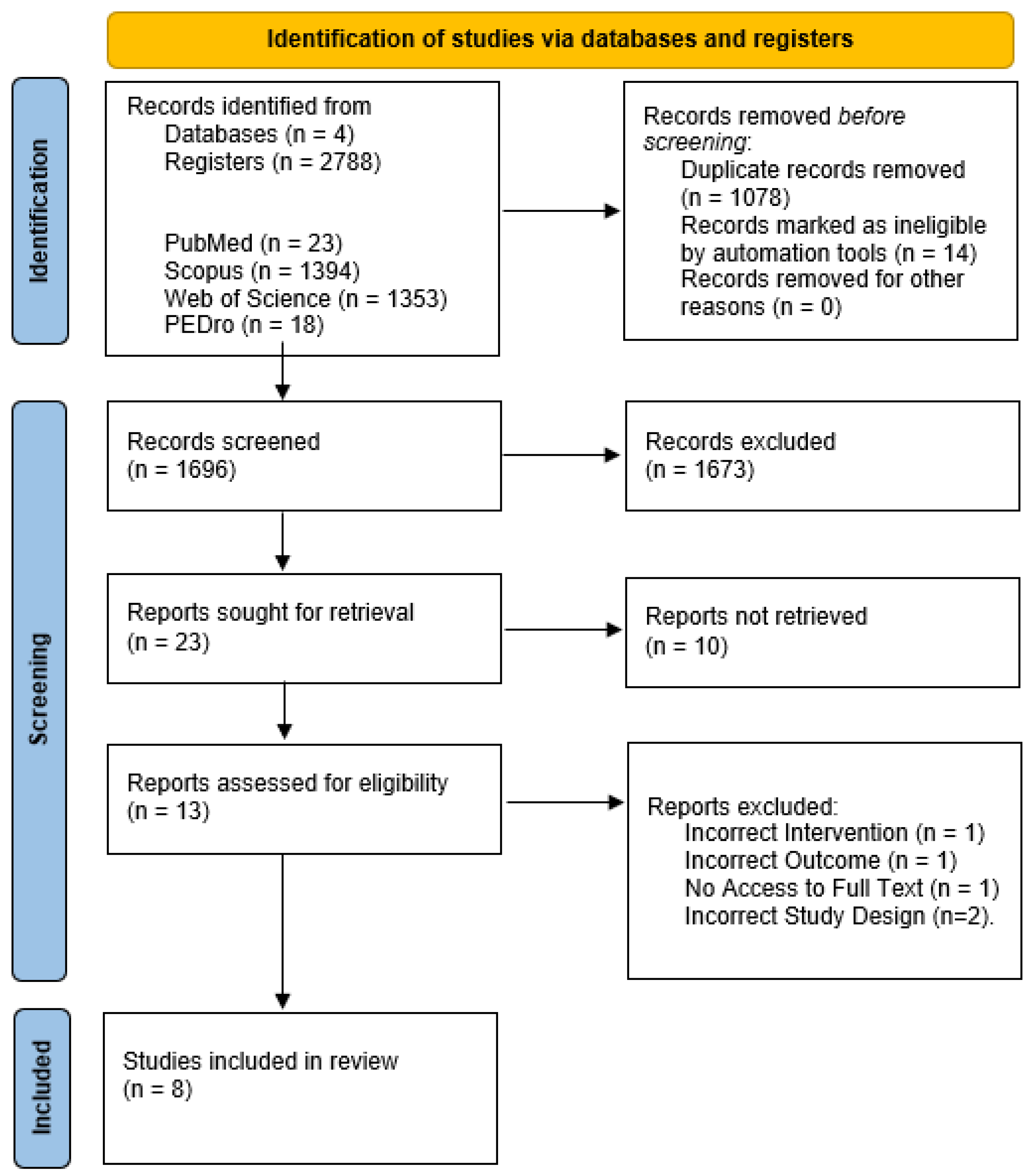
Figure 1. PRISMA flowchart.
Applsci 16 00081 g001
Table 1. Characteristics of included studies.
StudyStudy DesignSample/Groups CharacteristicsExperimental Intervention(s)Control Intervention(s)Outcome MeasuresResults
Kuo et al. (2019) [27]
Taiwan
Quasi-experimental study- Region: Cervical Spine

- n = 21 (F: n = 13; M: n = 18)
- Age (yrs): 23.8 ± 3.5
- Wearable: Inertial sensor with vibratory feedback

- Duration: 1 h
Within-subject design (without wearable)- Cervical, neck, and thoracic flexion angles
- Electromyographic (EMG) activity of cervical erector spinae (ES) muscles
- Numeric Pain Rating Scale (NPRS)
- Reduction in all flexion angles.
- Reduction in muscle activity.
- Increase in pain.
Thanathornwong & Jalayondeja (2020) [30]
South Korea
Quasi-experimental study- Region: Cervical Spine

- n = 24 (F: n = 20; M: n = 4)
- Age (yrs): 23.4 ± 2.9

- 3 groups (n = 8/8/8)
Class I malocclusion
Class II malocclusion
Class III malocclusion
- Wearable: Triaxial accelerometer with vibratory feedback

- Duration: 4 weeks, 6 h per day
Not applicable- Cervical flexion angle
- Center of pressure
- Reduction in the cervical flexion angle in Class II malocclusion.
- Reduction in the center of pressure in Class II malocclusion.
Park & Jung (2024) [29]
South Korea
Quasi-experimental study- Region: Cervical Spine

- n = 10 (M: n = 10)
- Age (yrs): 23.8 ± 0.9
- Wearable: Inertial sensor with visual and auditory feedback

- Duration: 15 min
Within-subject design (without wearable)- Craniovertebral angle (CVA)
- Time spent in forward head posture (FHP)
- Increase in CVA.
- Reduction in time spent in FHP.
Lou et al. (2012) [28]
Canada
Quasi-experimental study (pre-post)- Region: Thoracic Spine

- n = 4 (M: n = 4)
- Age (yrs): 28 ± 5
- Wearable: Adjustable vest with two inertial sensors and vibratory feedback

- Duration: 4 days, ~3 h per day
Within-subject design (without feedback)- Thoracic kyphosis angle
- Number of feedback signals
- Device comfort
- Reduction in thoracic kyphosis angles.
- Consistent number of feedback activations.
- Ease of use and comfort during device wearing.
Hagiwara et al. (2017) [25]
Japan
Randomized controlled trial (single-blinded)- Region: Lumbar Spine

- n = 107

Experimental Group:
- n = 54 (F: n = 52; M: n = 2)
- Age (yrs): 44.7 ± 10

Control Group:
- n = 53 (F: n = 52; M: n = 1)
- Age (yrs): 44.7 ± 9.7
- Wearable: Lumbosacral support with tactile stimulation

- Duration: 3 months (except during bathing and sleep)
Waitlist group
(no wearable)
- Subjective musculoskeletal symptoms
- Low back pain (VAS)
- Somatosensory Amplification Scale (SSAS)
- Lumbar range of motion (ROM)
- Subjective musculoskeletal symptoms:
- Reduction in low back pain;
- Reduction neck pain.
- Reduction in SSAS.
- Reduction in lumbar ROM.
Rodriguez et al. (2021) [24]
Spain
Pilot Quasi-experimental study - Region: Lumbar Spine

- n = 5

- Age Range (yrs): 18 to 65
- Wearable: Inertial sensors with vibratory feedback

- Duration: 10–35 sessions over a 4-month period
Within-subject design (without feedback)- Feedback activation rate
- Low back pain
- Quality of life/functionality
- Reduction in device activation rate over time.
- Reduction in low back pain.
- Increased in postural awareness and ease of self-correction.
Lee et al. (2022) [31]
South Korea
Pilot Quasi-experimental study (Evaluation during activities)- Region: Lumbar Spine

- n = 5 (M: n = 5)
- Age (yrs): 25.2 ± 2.6
- Wearable: Hybrid lumbar exoskeleton (active + passive components)

- Duration: Performance of three low-effort tasks: trunk flexion, deadlift, and walking
Within-subject design (without wearable)- Erector spinae muscle activation
- Lumbo-pelvic ratio
- Reduction in muscle activation.
- Lumbo-pelvic ratio:
- Increase in the active component;
- Reduction in the full device.
Storm et al. (2022) [26]
Italy
Pilot experimental study- Condition: Adolescent Idiopathic Scoliosis or Osteogenesis Imperfecta

- n = 10 (F: n = 8; M: n = 2)

Adolescent Idiopathic Scoliosis Group
- n = 8 (F: n = 8)
- Age (yrs): 12.8–17.3

Osteogenesis Imperfecta Group
- n = 2 (M: n = 2)
- Age (yrs): 6.9–8.5
- Wearable: 3D-printed vest

- Duration: 2 weeks, median 10 h per day
Within-subject design (no vest and conventional vest)- Range medio-lateral (ML) and antero-posterior (AP) sway amplitude
- RMS (ML and AP): root mean square displacement of the center of pressure
- Sway path length: total path length of postural movement
- Frequency dispersion (ML and AP): variability of sway frequency in both plane
- Reduction in range (ML and AP)
- Reduction in RMS (ML and AP).
- Reduction in sway path length.
- Reduction in frequency dispersion (AP and ML).
Table 2. JBI checklist for quasi-experimental studies.
Checklist for Quasi-Experimental Studies
Studies123456789
Rodriguez et al., 2021 [24]YesNoYesYesYesYesYesYesYes
Thanathornwong & Jalayondeja, 2020 [30]YesNoYesYesYesYesYesYesYes
Lee et al., 2022 [31]YesNoYesYesYesYesYesYesNo
Park & Jung, 2024 [29]YesNoYesNoYesYesYesYesNo
Lou et al., 2012 [28]YesNoYesYesUnclearYesYesYesUnclear
Storm et al., 2022 [26]YesNoYesYesYesYesYesYesYes
Kuo et al., 2019 [27]YesYesYesYesYesYesYesYesYes
1. Is it clear in the study what is the “cause” and what is the “effect” (i.e., there is no confusion about which variable comes first)? 2. Was there a control group? 3. Were participants included in any comparisons similar? 4. Were the participants included in any comparisons receiving similar treatment/care, other than the exposure or intervention of interest? 5. Were there multiple measurements of the outcome, both pre- and post-intervention/exposure? 6. Were the outcomes of participants included in any comparisons measured in the same way? 7. Were outcomes measured in a reliable way? 8. Was follow-up complete and, if not, were differences between groups in terms of their follow-up adequately described and analyzed? 9. Was appropriate statistical analysis used?
Table 3. JBI Checklist for Randomized Controlled Trials.
Checklist for Randomized Controlled Trials
Studies12345678910111213
Hagiwara et al., 2017 [25]YesUnclearYesNoNoUnclearYesYesNoYesYesYesYes
1. Was true randomization used for assignment of participants to treatment groups? 2. Was allocation to treatment groups concealed? 3. Were treatment groups similar at the baseline? 4. Were participants blind to treatment assignment? 5. Were those delivering the treatment blind to treatment assignment? 6. Were treatment groups treated identically other than the intervention of interest? 7. Were outcome assessors blind to treatment assignment? 8. Were outcomes measured in the same way for treatment groups? 9. Were outcomes measured in a reliable way? 10. Was follow-up complete and, if not, were differences between groups in terms of their follow-up adequately described and analyzed? 11. Were participants analyzed in the groups to which they were randomized? 12. Was appropriate statistical analysis used? 13. Was the trial design appropriate and any deviations from the standard RCT design (individual randomization, parallel groups) accounted for in the conduct and analysis of the trial?
Disclaimer/Publisher’s Note: The statements, opinions and data contained in all publications are solely those of the individual author(s) and contributor(s) and not of MDPI and/or the editor(s). MDPI and/or the editor(s) disclaim responsibility for any injury to people or property resulting from any ideas, methods, instructions or products referred to in the content.


