This is an early access version, the complete PDF, HTML, and XML versions will be available soon.
Article

Unveiling the Extremely Low Frequency Component of Heart Rate Variability

Faculty of Electronics, Photonics and Microsystems, Wrocław University of Science and Technology, 50-372 Wrocław, Poland
*
Author to whom correspondence should be addressed.
Appl. Sci. 2026, 16(1), 426; https://doi.org/10.3390/app16010426 (registering DOI)
Submission received: 5 December 2025 / Revised: 24 December 2025 / Accepted: 29 December 2025 / Published: 30 December 2025
(This article belongs to the Special Issue Data Processing in Biomedical Devices and Sensors)

Featured Application

This work presents an adaptive method for separating the conventional ultra-low frequency band (ULF) of heart rate variability (HRV) into two independent components, leading to the description of extremely low frequency (ELF) oscillations. By establishing that the distinct ELF and nULF (narrowed ULF) components correspond to circadian and ultradian biological rhythms, respectively, this research offers a novel approach for potential long-term health monitoring, e.g., using wearable devices, enabling the assessment of slow changes in physiological regulation.

Abstract

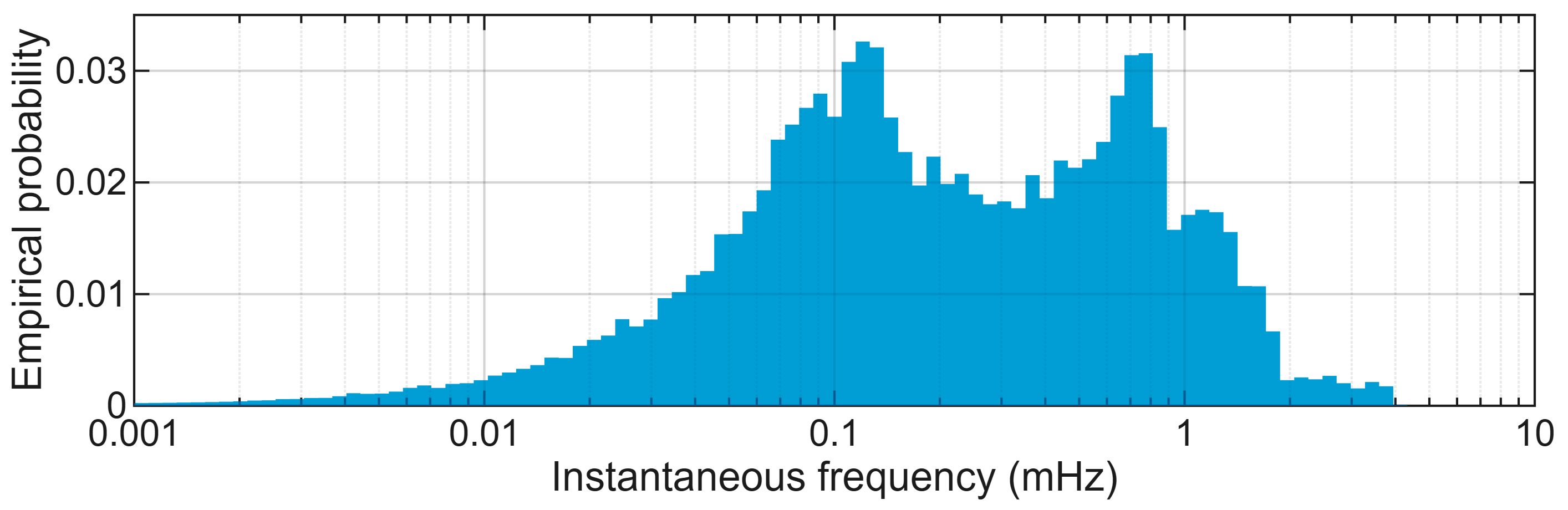
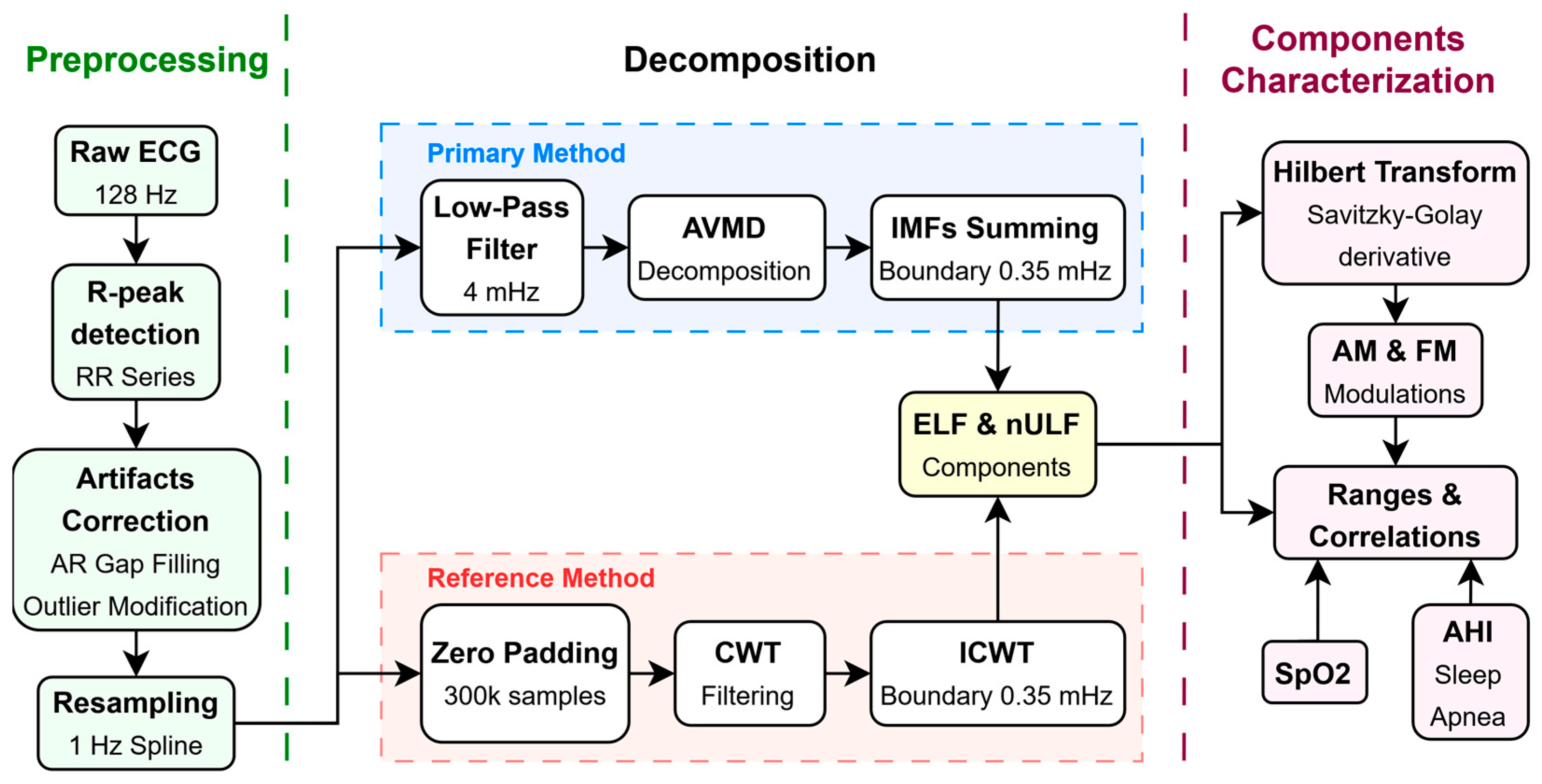
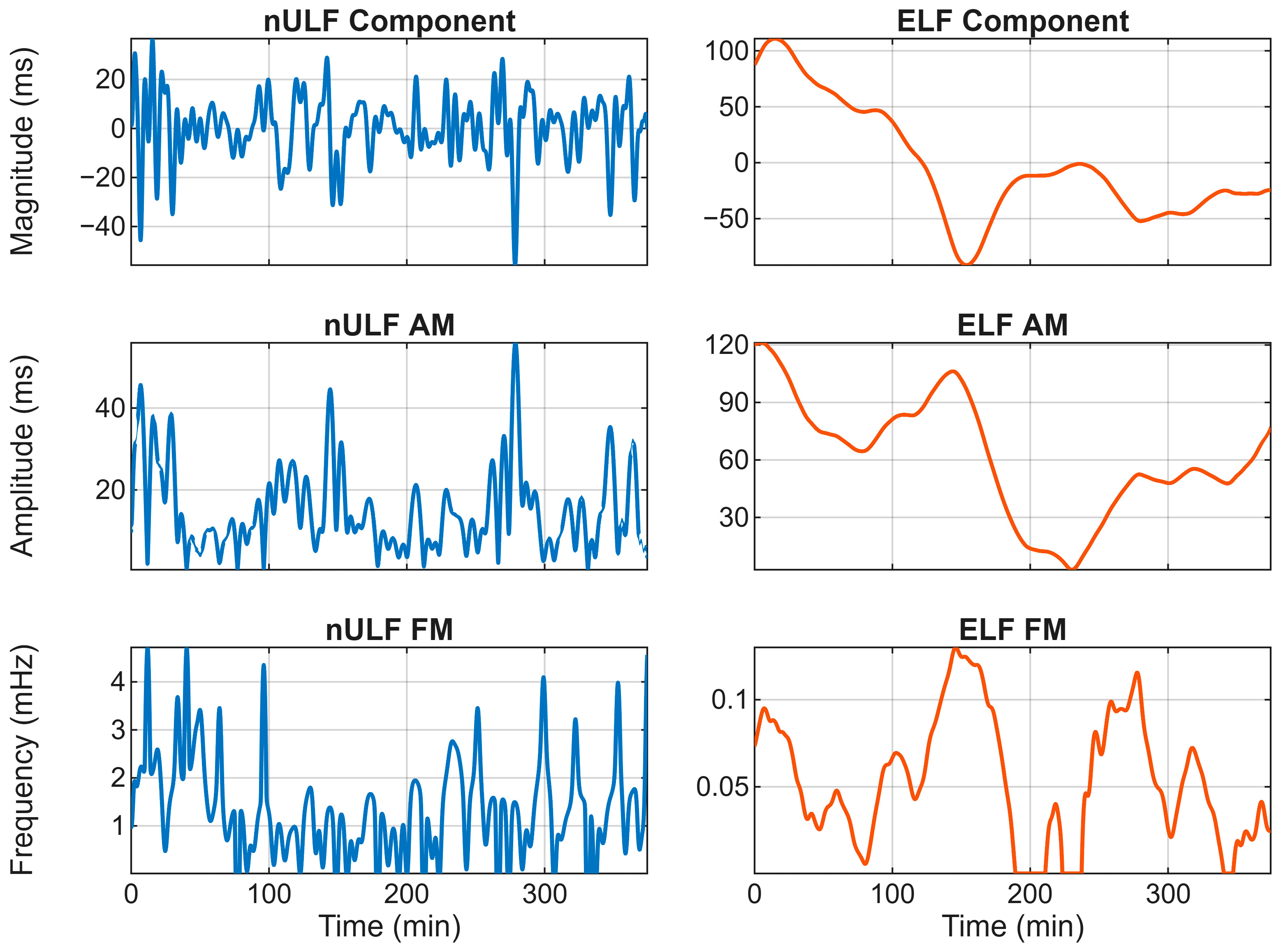
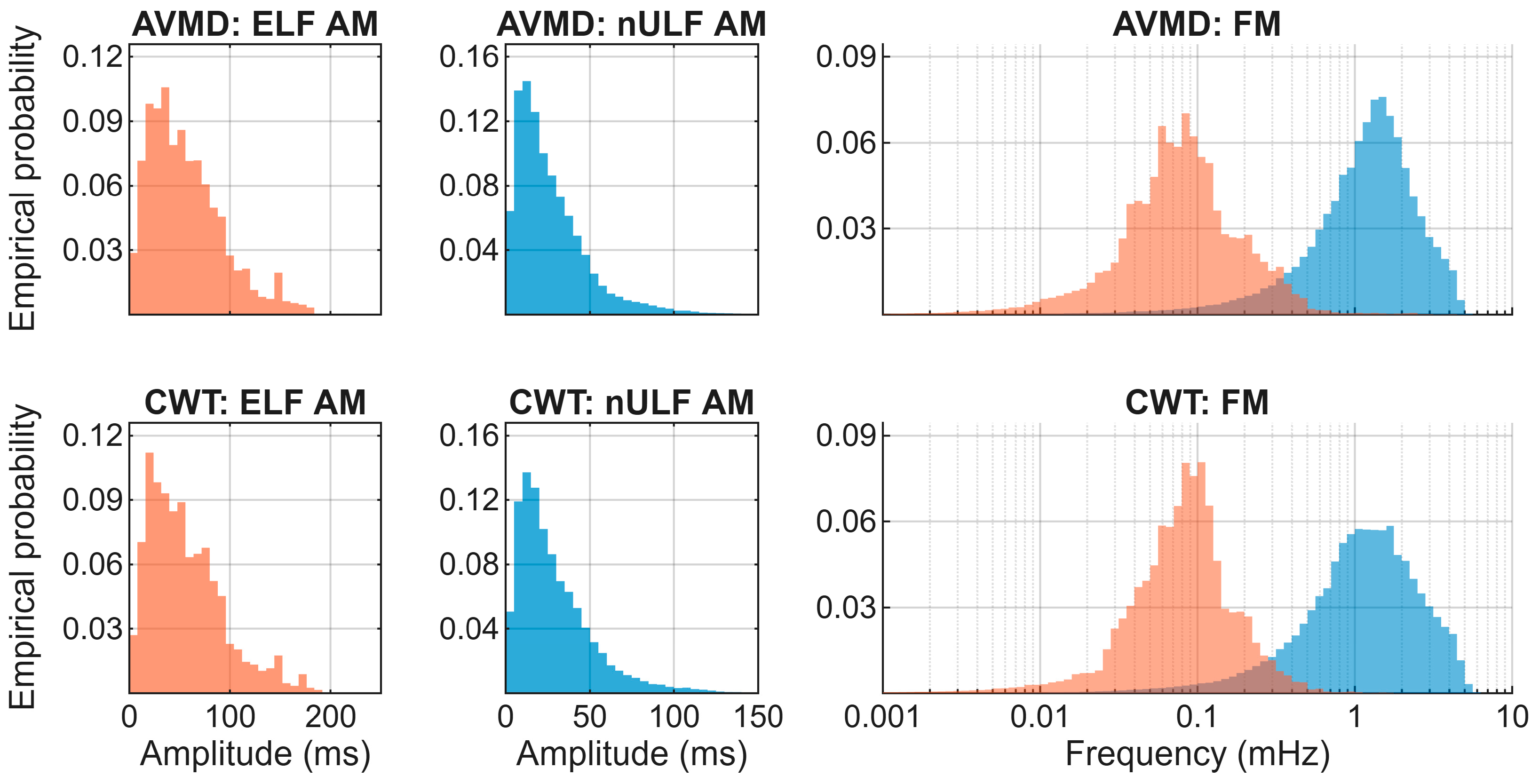
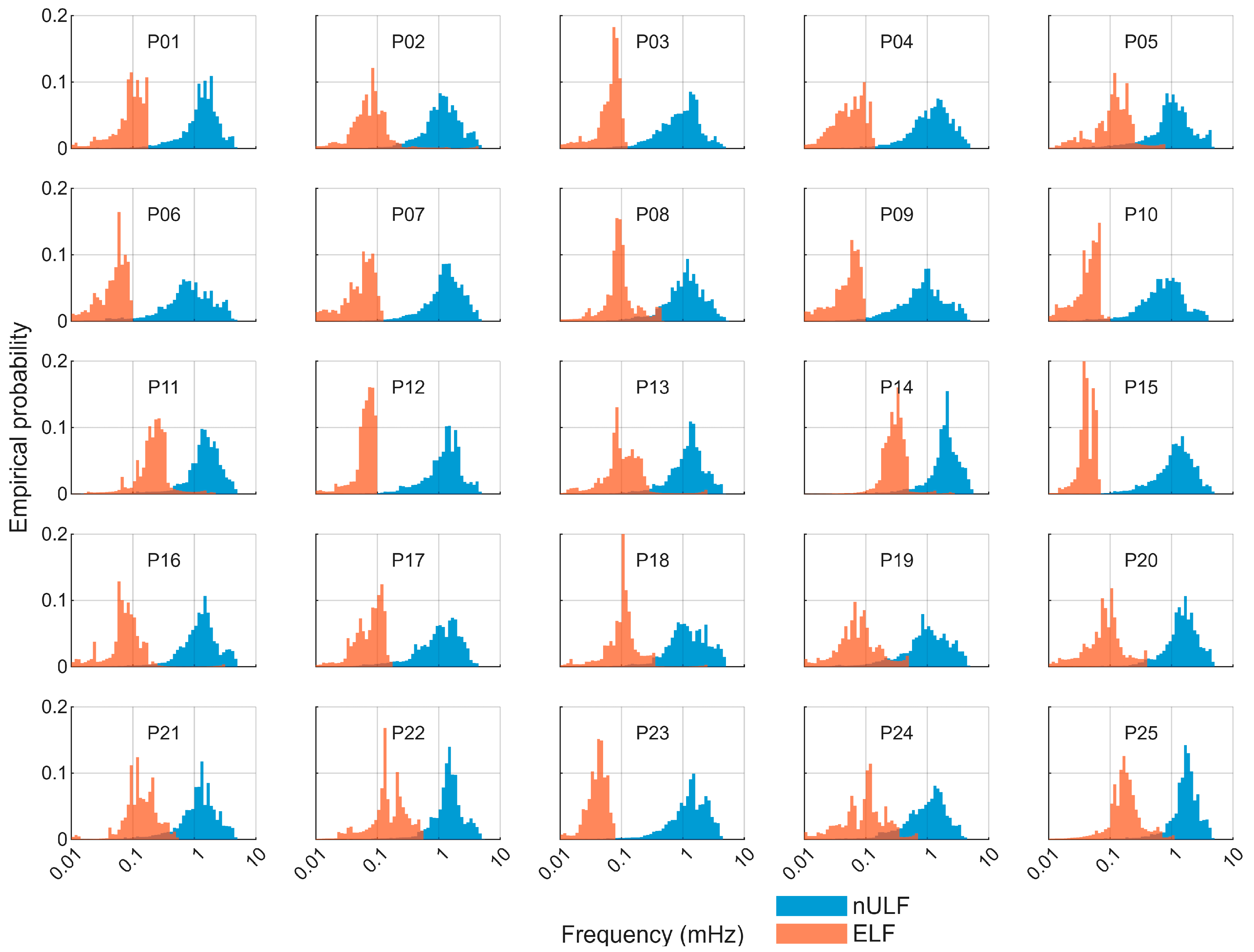
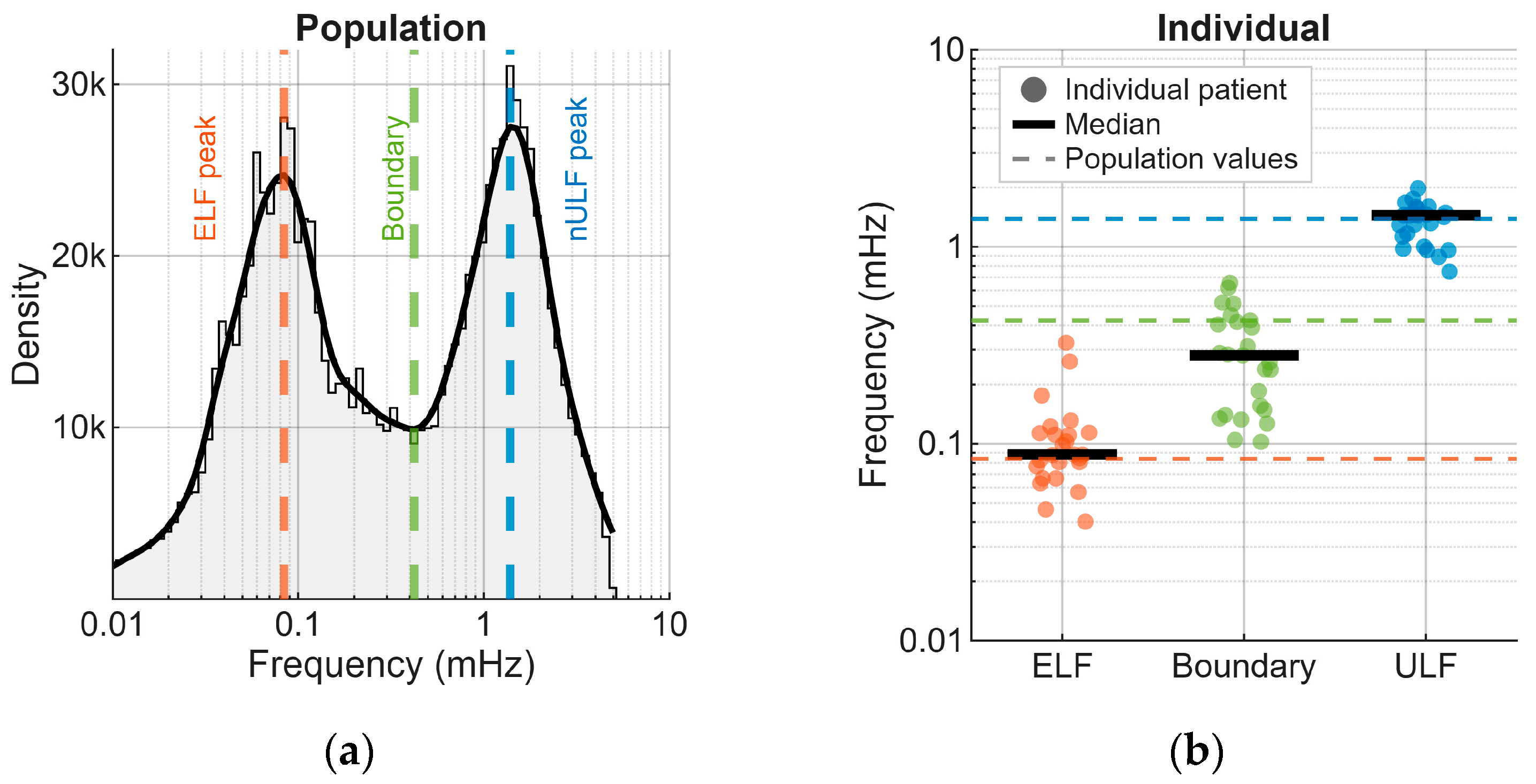
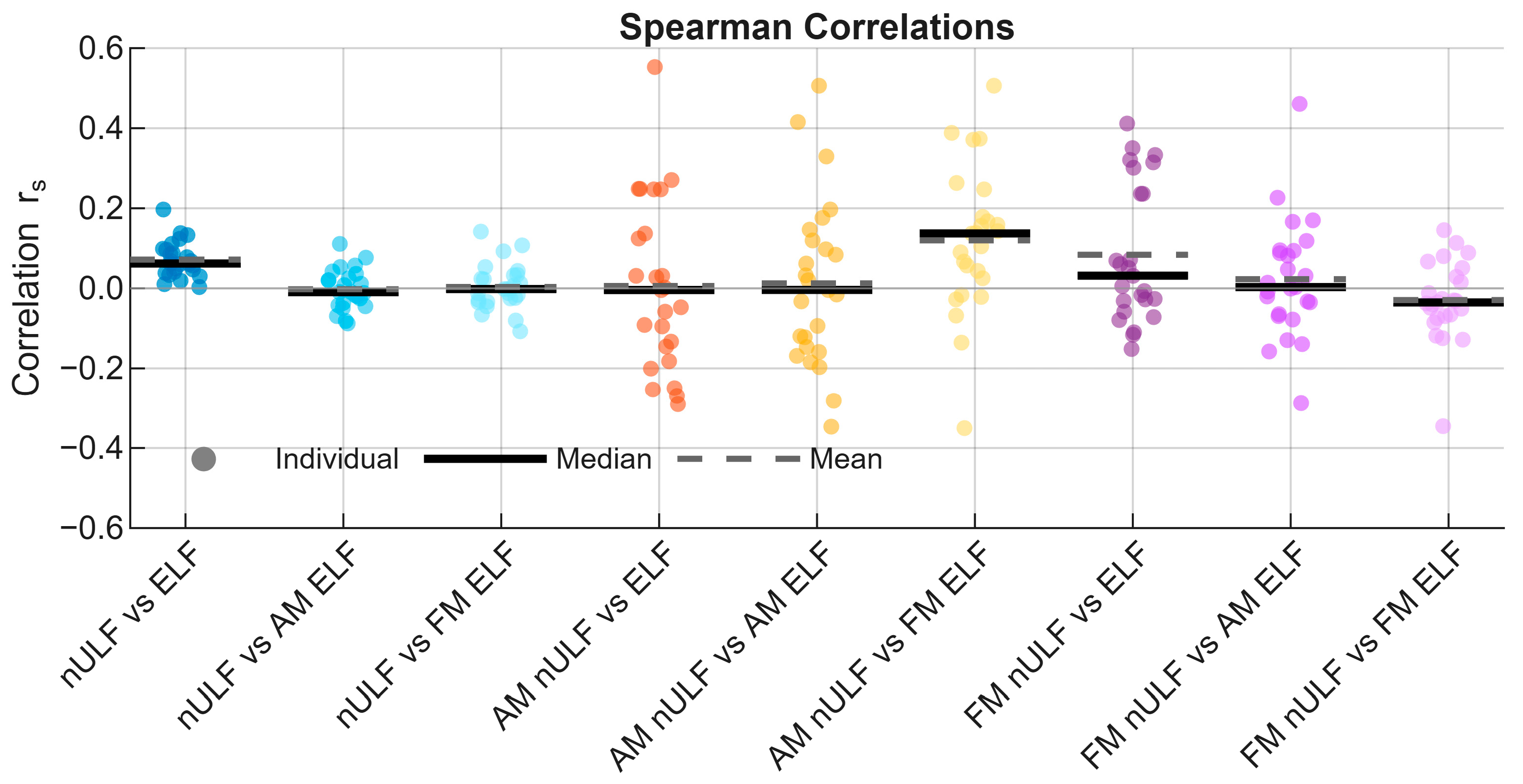
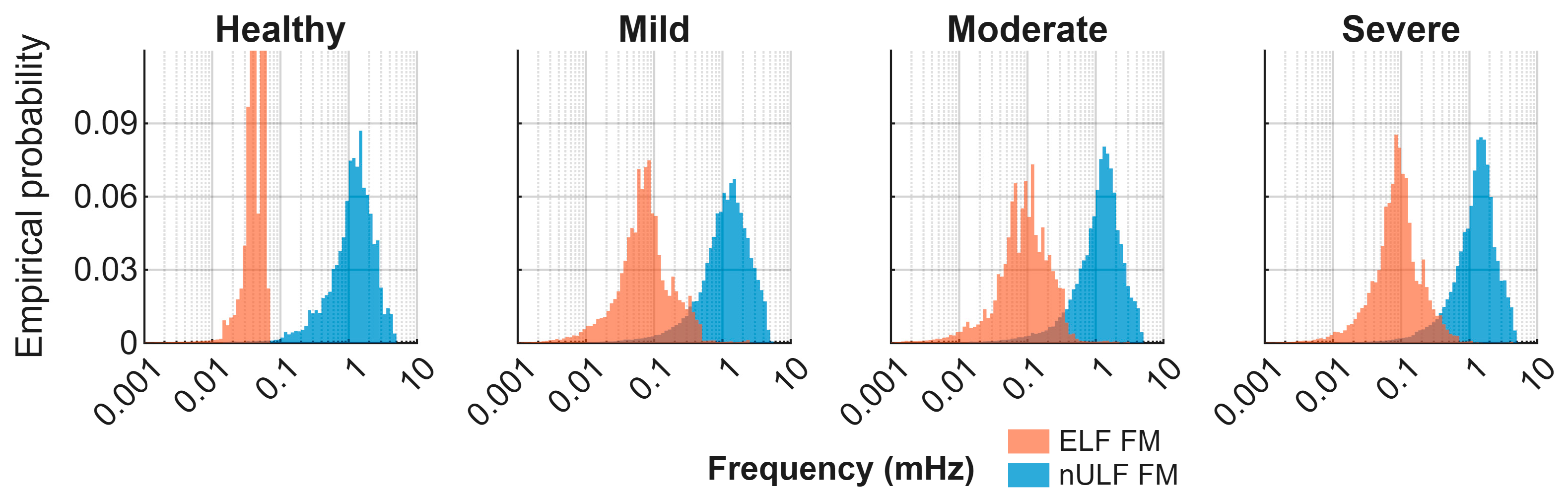
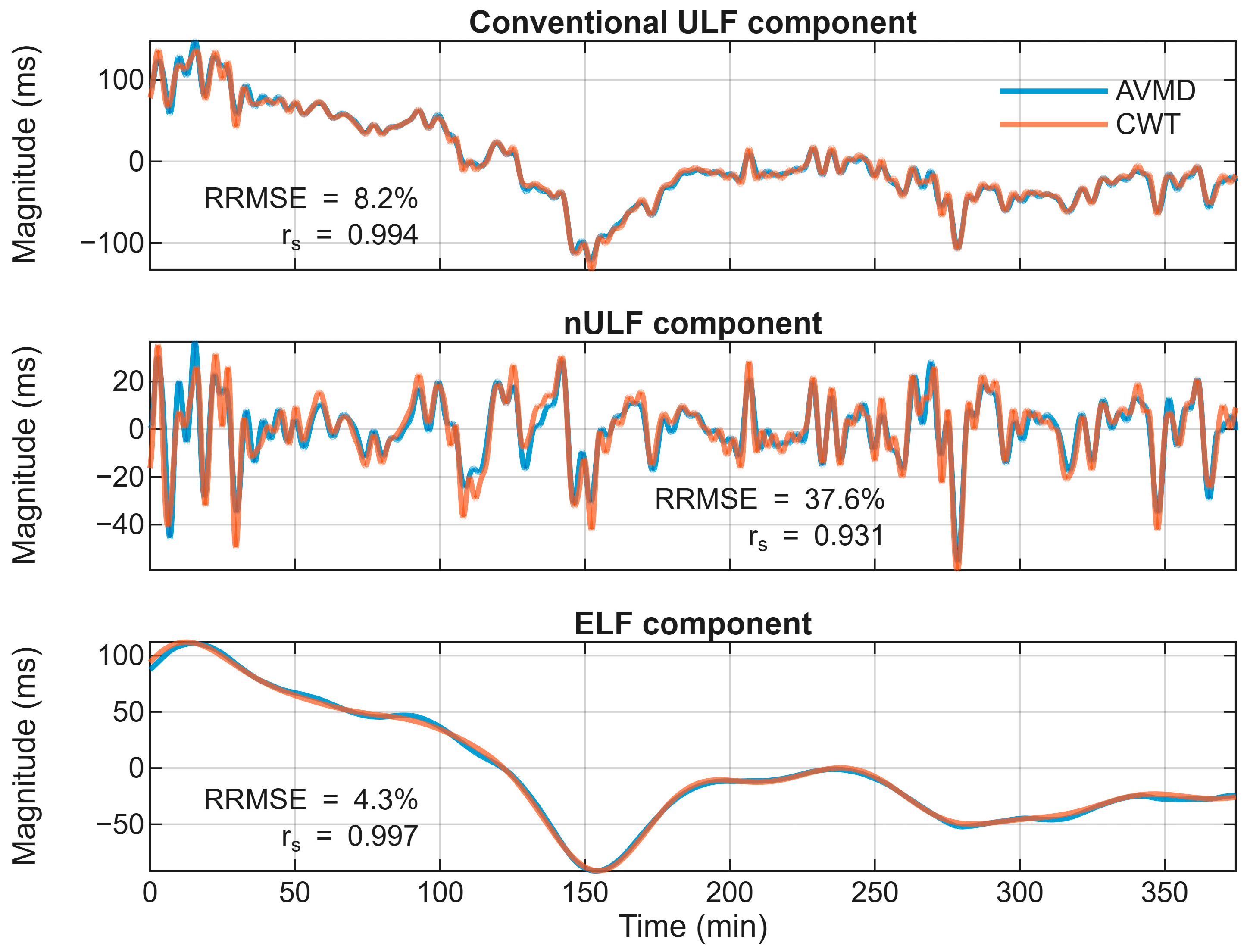
Heart rate variability (HRV) comprises several components driven by various internal processes, the least understood of which is the ultra-low frequency (ULF) one. Recently published research has shown that the HRV frequency distribution in this range is bimodal. The main aims of this work were to verify this finding, to determine the basic characteristics of these two components and to analyze their potential physiological couplings. For this purpose, two components within the conventional ULF band (below 4 mHz) were extracted from HRVs of 25 patients with apnea using adaptive variational mode decomposition (AVMD) and continuous wavelet transform (CWT), and then analyzed with the Hilbert transform (HT), Savitzky–Golay filter, and empirical distributions of instantaneous amplitudes and frequencies. These studies have demonstrated the existence of both components in HRVs of all subjects and apnea groups: extremely low frequencies (ELFs) in the range of 0.01–0.4 mHz and narrowed ultra-low frequencies (nULFs) in the range of 0.1–4 mHz. The independence of both components is also shown. Concluding, heart rate variability is separately regulated by circadian rhythms (ELF bound) and ultradian fluctuations (nULF bound), which can be assessed by decomposing HRV, and the obtained components may be helpful to better understand the underlying homeostatic mechanisms, as well as in the long-term monitoring of patients.
Keywords: heart rate variability; variational mode decomposition; ultra-low frequency; Hilbert transform; amplitude modulation; frequency modulation heart rate variability; variational mode decomposition; ultra-low frequency; Hilbert transform; amplitude modulation; frequency modulation