1. Introduction
The Daniudi gas field, located in the northern Ordos basin, is an important tight, low-permeability gas field in China. Its gas-bearing formations are above the gas-bearing horizons primarily consist of the Carboniferous Taiyuan formation, lower Permian Shanxi formation, and lower Shihezi formation, forming a “near-source box-type” gas accumulation-forming model [
1]. The coal measure strata are characterized by superimposed development of large-scale lithologic traps, controlled by Carboniferous–Permian clastic rocks and Jurassic coal-bearing strata. The burial depth generally exceeds 2000 m, with high heterogeneity, low permeability, and strong anisotropy. The deep coalbed methane resources in Daniudi gas field are abundant, with explored reserve exceeding 75 billion cubic meters and additional predicted reserves of 122.6 billion cubic meters. The resource abundance of deep coalbed methane can reach up to 3.86 × 10
8 m
3/km
2 [
2]. In recent years, with breakthroughs in deep coalbed methane wells such as the Y-1HF well, wellbore instability has become increasingly prominent in deep development, manifested by severe borehole enlargement and frequent drilling fluid leakage.
The causes of wellbore instability in deep coal seams include geological factors, the effects of drilling fluids, and engineering factors. The coal reservoirs have relatively low elastic modulus and compressive strength, and a relatively high Poisson’s ratio. When the borehole is drilled, stress concentration occurs under the in situ stress. Shear failure of the coal formation can be induced by insufficient drilling fluid pressure, resulting in wellbore collapse [
3,
4]. The well-developed bedding planes and micro-fractures in coal rocks provide pathways for drilling fluid invasion, which are subsequently widened by capillary action, leading to wellbore spalling [
5]. Following its invasion into the coal seam, the drilling fluid causes swelling of clay minerals. This leads to a 20–40% reduction in compressive strength and a 30–50% decrease in the elastic modulus, thereby exacerbating wellbore instability [
6]. In deep coal seams, the low water saturation and highly mineralized formation water further intensify this water sensitive effect [
7]. During drilling, excessive displacement or excessive drilling speed can induce pressure fluctuations, and failure to replenish drilling fluid promptly during tripping out may cause a sudden drop in the fluid column pressure, triggering the swabbing effect, which can also lead to wellbore collapse [
8].
Regarding the issue of wellbore instability in coal seams, extensive research methodologies have been proposed across theoretical analysis, experimental testing, and numerical simulation. Traditional borehole stability analysis methods, grounded in elastic mechanics theory, were initially introduced for calculating instability in coal seams. These methods feature simple computational procedures but fail to accurately describe the mechanical behavior of coal rock after entering the plastic stage, as well as the influence of coal anisotropy on failure. In recent years, developed multi-field coupling wellbore stability analysis models provide a more comprehensive description of the wellbore instability process under complex conditions by establishing more complete governing equation systems [
9,
10]. However, solving these equations is complex and requires extensive experimentation to determine the relevant parameters. Therefore, for coal seams, in addition to conventional rock mechanics experiments, special mechanical properties of coal are determined through cyclic loading-unloading tests, drilling fluid-coal interaction experiments, CT scanning, and acoustic emission monitoring experiments [
11,
12]. Furthermore, finite element or discrete element models are established, and the model parameters are assigned based on the coal properties obtained from experiments. Numerical simulation techniques are then employed to efficiently solve the multi-field coupling governing equations, thereby addressing coal seam wellbore stability issues [
13,
14].
Wellbore instability in deep coal seams is governed by multiple complex factors. This study employed a combination of experimental tests and comprehensive theoretical analysis to systematically reveal the underlying mechanisms. The experimental materials were sourced from deep coal seams in Daniudi gas field. Representative cores of different coal types were drilled and machined into standard specimens for various tests following relevant ISRM standards.
Scanning electron microscopy (SEM) was utilized for high-resolution imaging of the coal microstructure, enabling quantitative statistics of micro-fracture apertures, observation of pore morphology, and analysis of fracture network connectivity. Combined with X-ray diffraction (XRD) analysis, the mineral composition and content of the coal were determined, providing a mineralogical basis for analyzing hydration effects and mechanical anisotropy.
A triaxial compression test system was used to simulate different confining pressure conditions, obtaining key mechanical parameters of the coal, including elastic modulus, Poisson’s ratio, and peak strength. Mechanical testing on specimens prepared along different bedding orientations was conducted to quantitatively evaluate the anisotropy of the coal’s mechanical properties.
Considering the physicochemical interactions between drilling fluid and coal seams, mechanical tests after immersion and pressure transmission tests were performed to assess the impact of drilling fluid on coal strength and its plugging efficiency against coal fractures.
Based on the quantitative parameters obtained from the above experiments—such as fracture distribution, strength anisotropy, drilling fluid penetration efficiency, and its impact on coal—a multi-factor coupling theory was applied. This involved integrating a geomechanical model with a fluid diffusion-chemical interaction model to establish a coupled model for predicting wellbore stability in deep coal seams. This model provides a theoretical foundation for the safe and efficient development of deep coalbed methane.
2. Observation and Structure Characteristic Analysis of Deep Coal Samples
As a typical sedimentary rock, coal exhibits complex multiscale fracture networks. These networks comprise both endogenous fractures, formed during coalification, and exogenous fractures, induced by tectonic stress [
15]. Endogenous fractures are predominantly developed in bright and semi-bright coal, creating a dual-porosity system. In contrast, exogenous fractures are controlled by regional tectonics and often concentrate in the transition zones of microstructural areas [
16]. Collectively, these fracture systems constitute mechanical weak planes that serve as preferential paths for wellbore instability.
In this study, deep coal seam core samples were collected from the well Y-1HF of Daniudi gas field at a depth of approximately 2880 m, corresponding to the first section of the Taiyuan formation. The obtained coal samples were classified into four types: bright coal, semi-bright coal, semi-dull coal, and dull coal.
Following the standards ASTM E1695 (CT Image Quality Evaluation) and ISO 15708 (Non-destructive Testing-CT) [
17,
18], based on a high-resolution micro-focus CT system that includes an X-ray source, a rotating sample stage, and a detector, cylindrical coal samples of different types with a diameter of 100 mm from downhole were fixed on the sample stage, and marker points were added for image alignment if necessary. Based on the coal density of 1.3–2.0 g/cm
3, parameters such as voltage (typically 40–150 kV), current, exposure time, and resolution (micron-level) were configured. The sample was scanned with a 360° rotation to collect projection images from multiple angles.
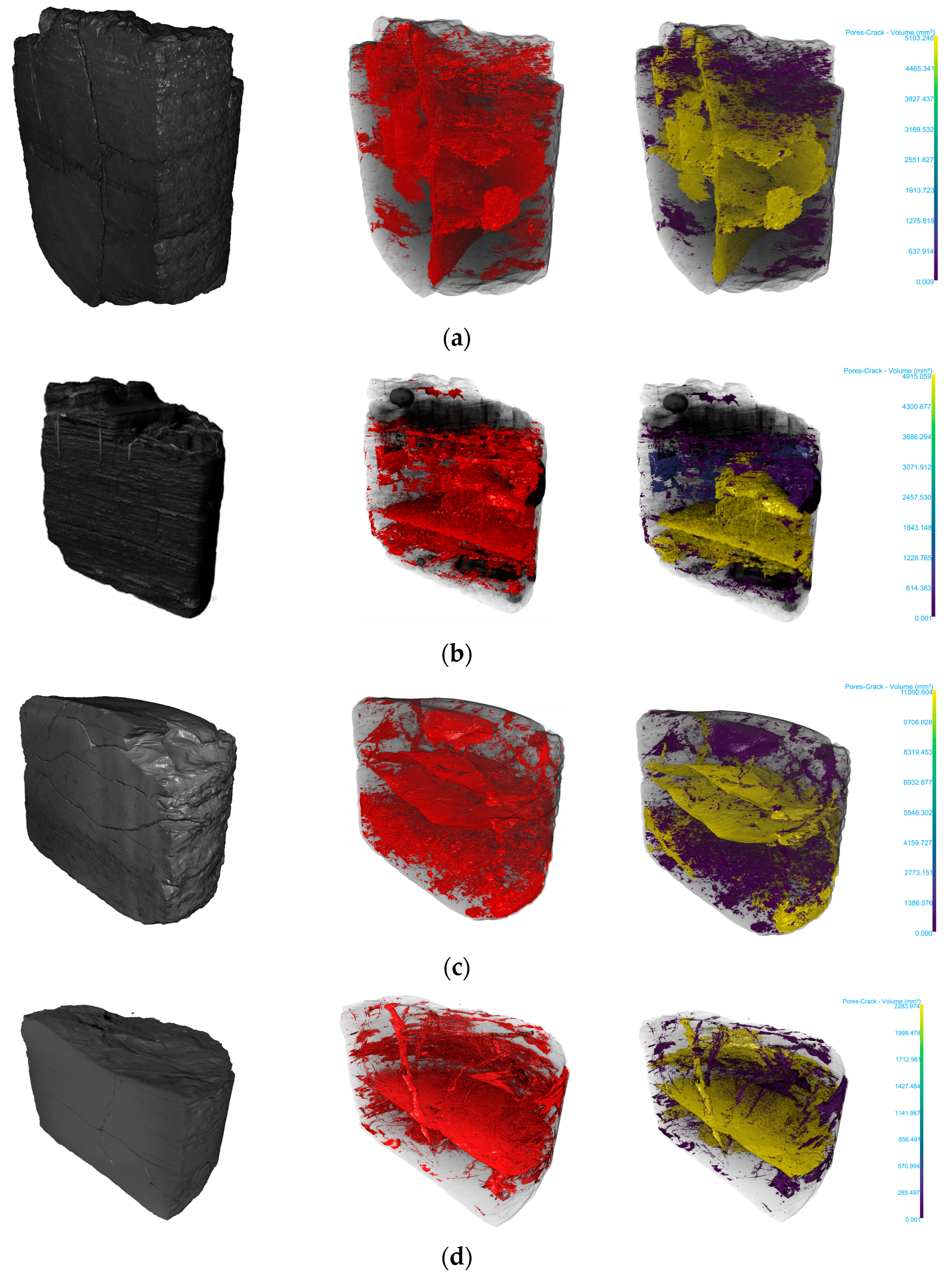
CT scanning revealed that the bright coal exhibits a massive structure; the semi-bright coal shows a thin-bedded to massive structure, while the semi-dull and dull coals display thin-bedded structures. Compared with bright and semi-bright coals, visible fractures are less developed in the semi-dull and dull coals (
Figure 1).
Further observation of the deep coal samples was conducted using scanning electron microscopy (SEM). Following the standards ASTM E986 (SEM Practice) and ISO 16700 (SEM Calibration) [
19,
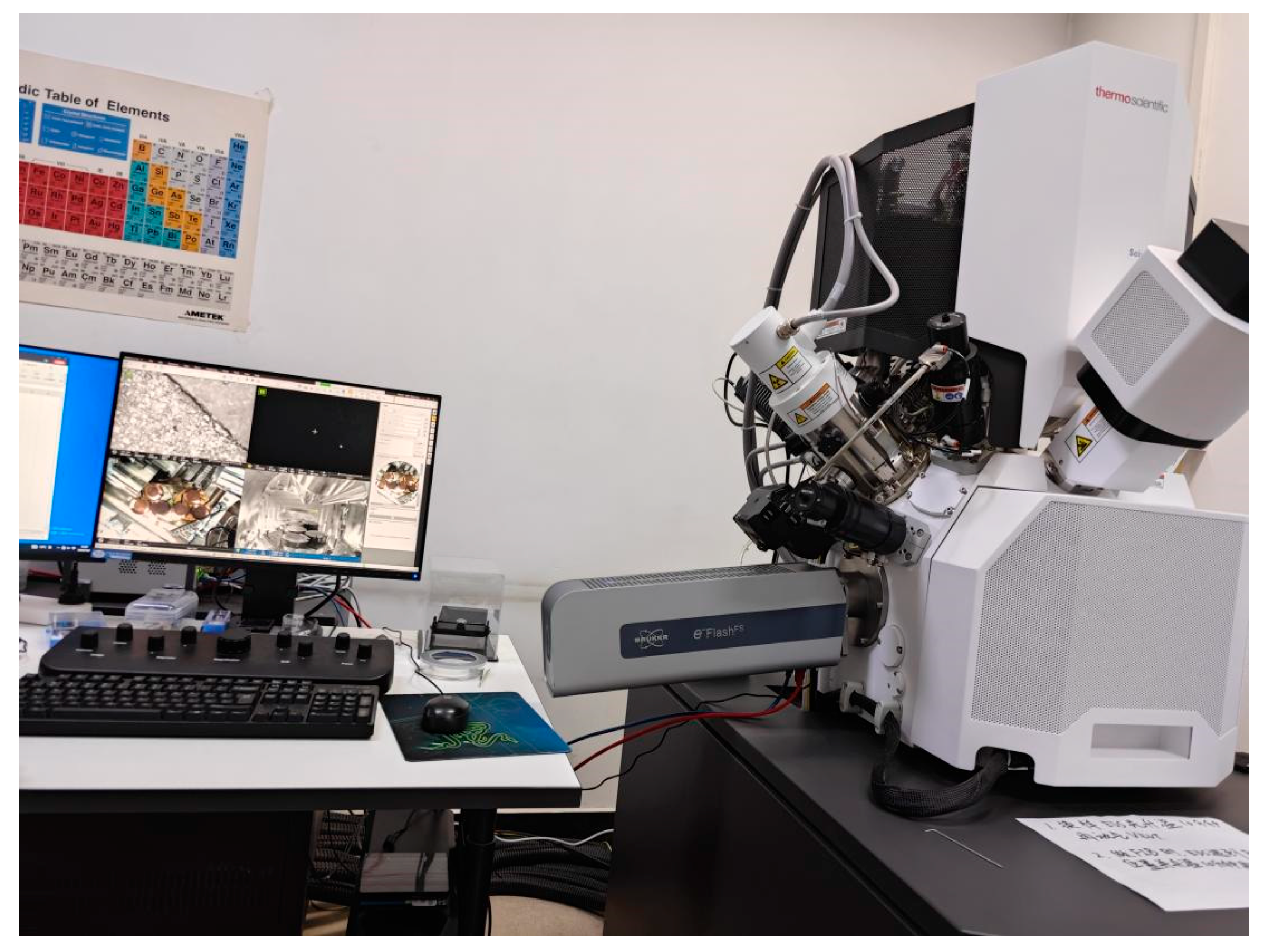
20], the analysis was conducted using a high-vacuum FEI Quanta 200 F Field Emission Scanning Electron Microscope (FEI Group in Hillsboro, OR, USA) (
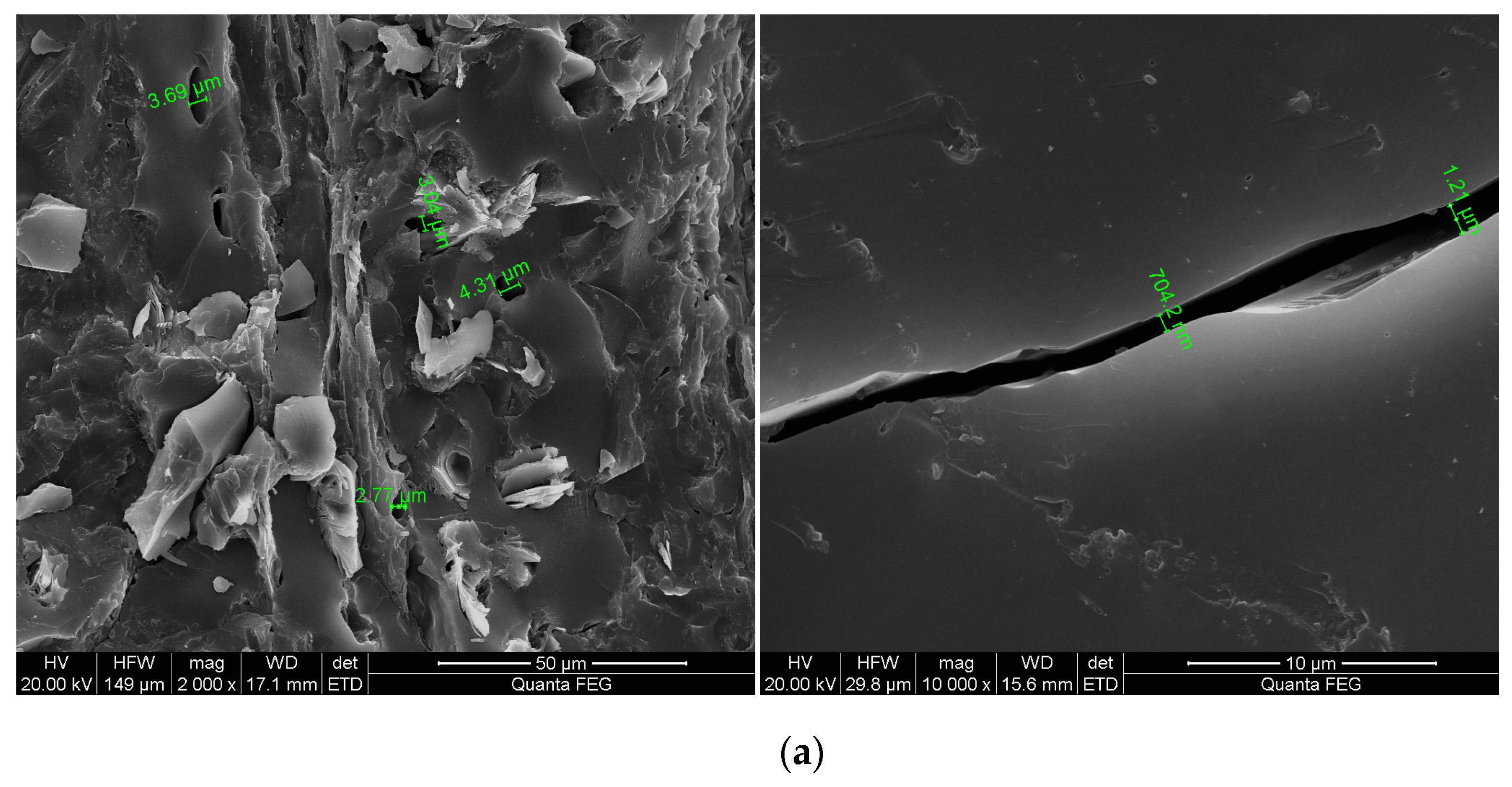
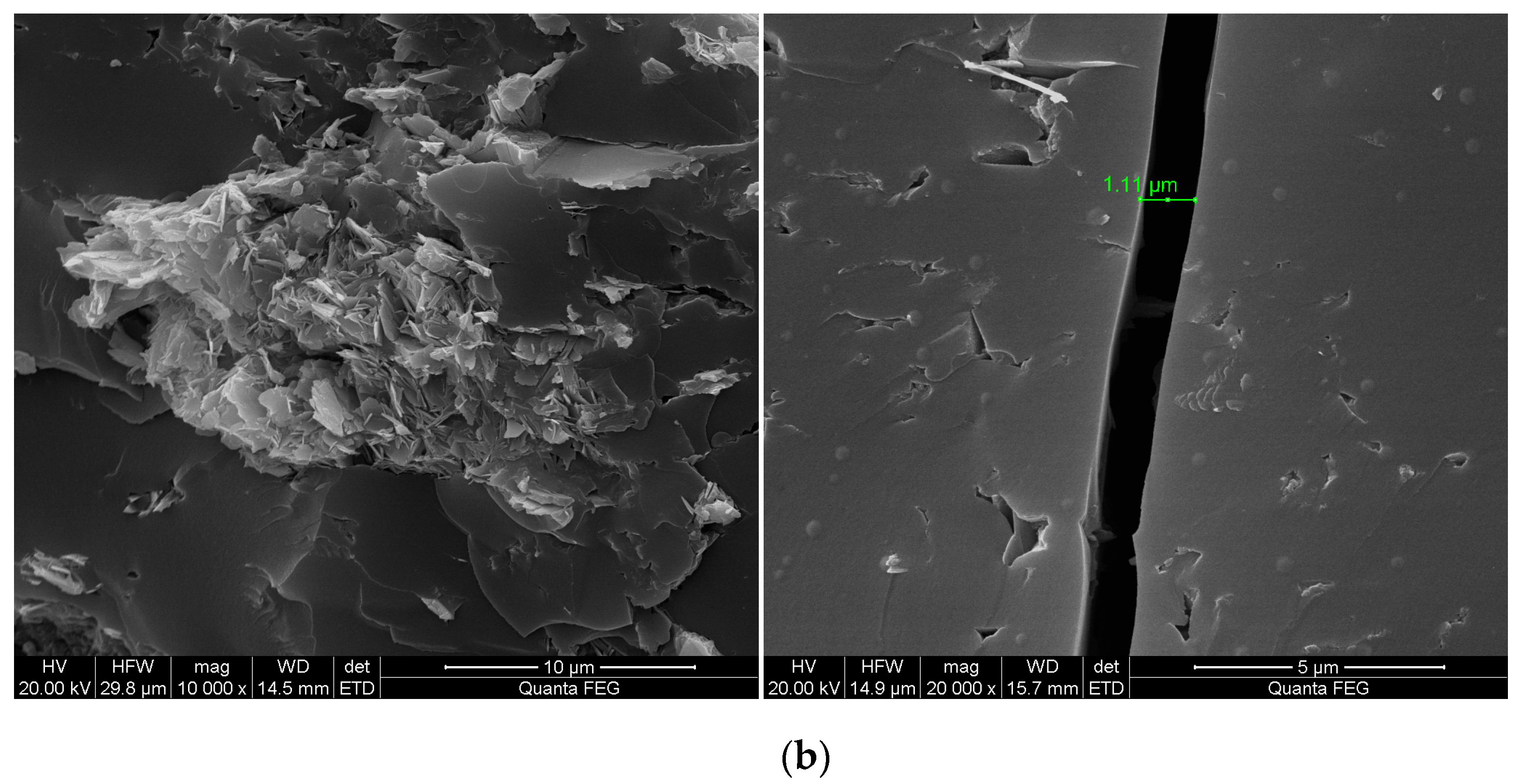
Figure 2) equipped with secondary electron or backscattered electron detectors and an energy dispersive spectrometer. Fragments of bright coal and semi-bright coal from downhole were selected, cut into small pieces suitable for the sample chamber size (8 mm × 8 mm × 5 mm), and their surfaces were polished to remove contaminants. The samples were adhered to a sample stub, and non-conductive coal/rock samples were sputter-coated with gold (approximately 10–20 nm thick). After the conductive treatment, the samples were placed into the sample chamber. Parameters were set, including the accelerating voltage (typically 5–30 kV), working distance, and detector mode. Microscopic fracture and mineral morphology images were captured at multiple locations, and the micro-graphs are shown in
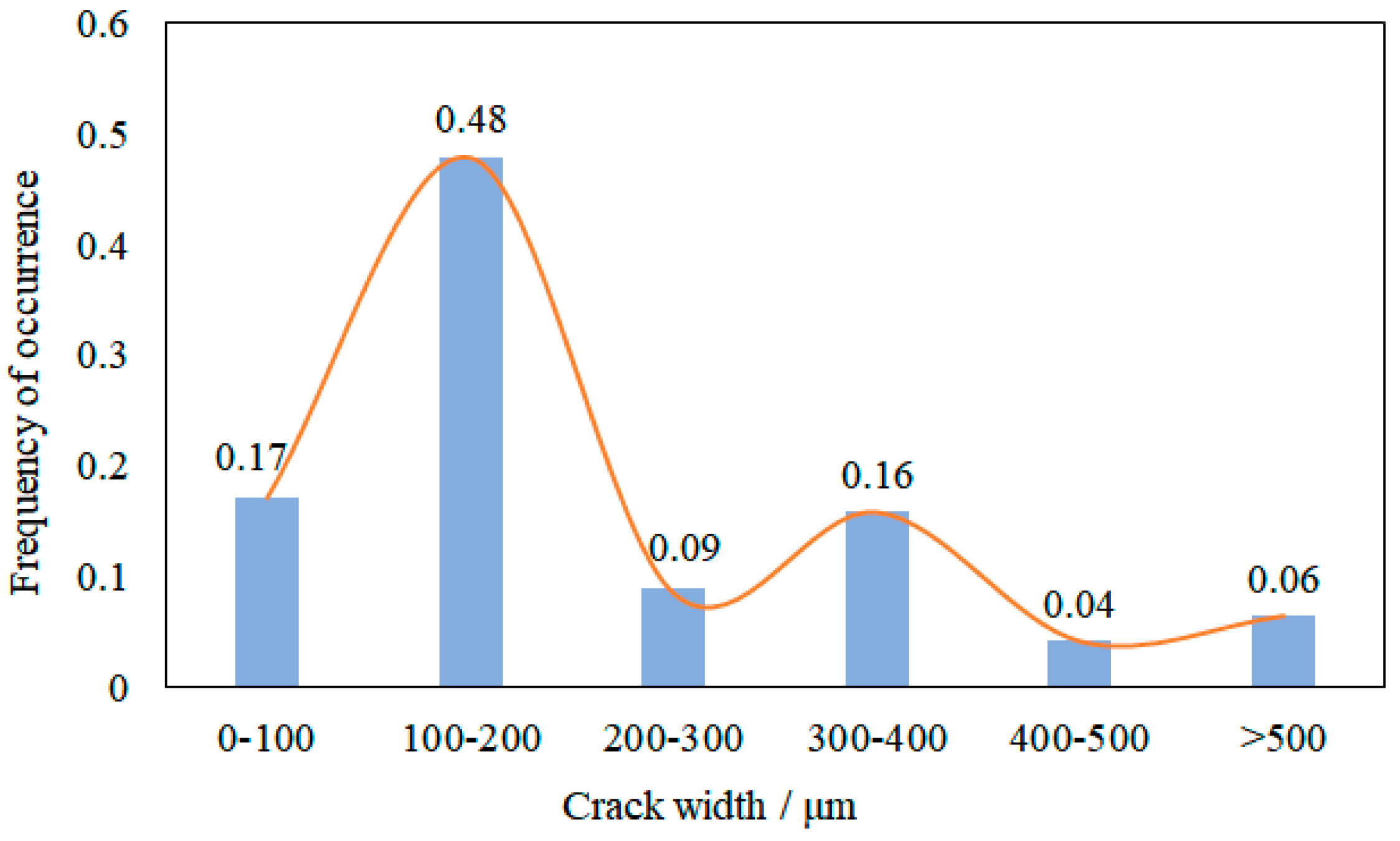
Figure 3. In terms of micro-structure, the matrix of bright and semi-bright coals exhibits pore and micro-fracture widths ranging from 117.5 nm to 231.8 μm, characterized by a dual pore structure with both pores and fractures well developed. By correlating microscale SEM observations with macroscale CT scan data, a bimodal distribution characteristic was identified for the crack widths in deep coal seam cores (
Figure 4).
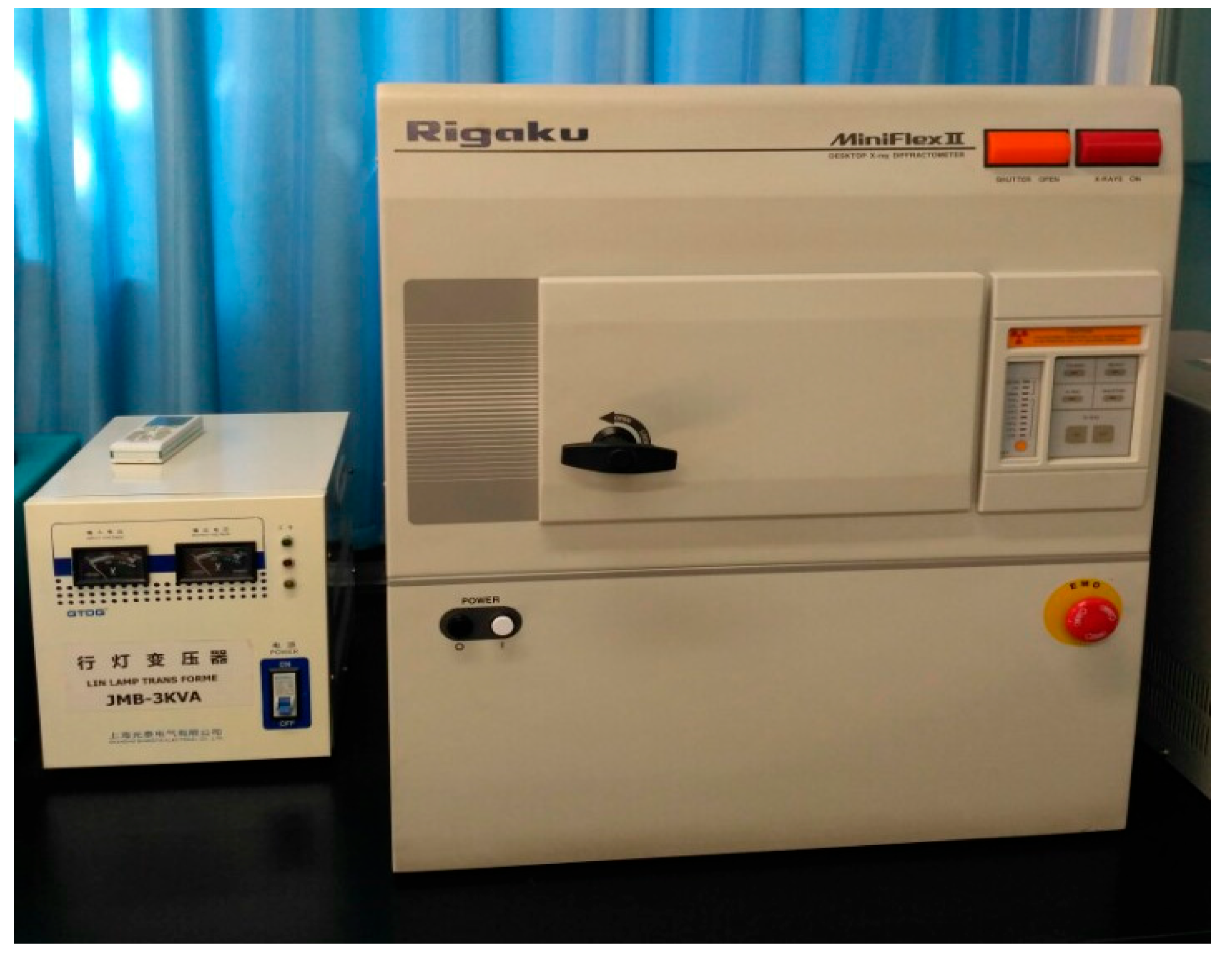
Following the ASTM D934 XRD identification standard, the Rigaku MiniflexII benchtop X-ray diffractometer(Rigaku Corporation, Tokyo, Japan) (
Figure 5) was used to analyze the minerals composition of deep coal seam cores [
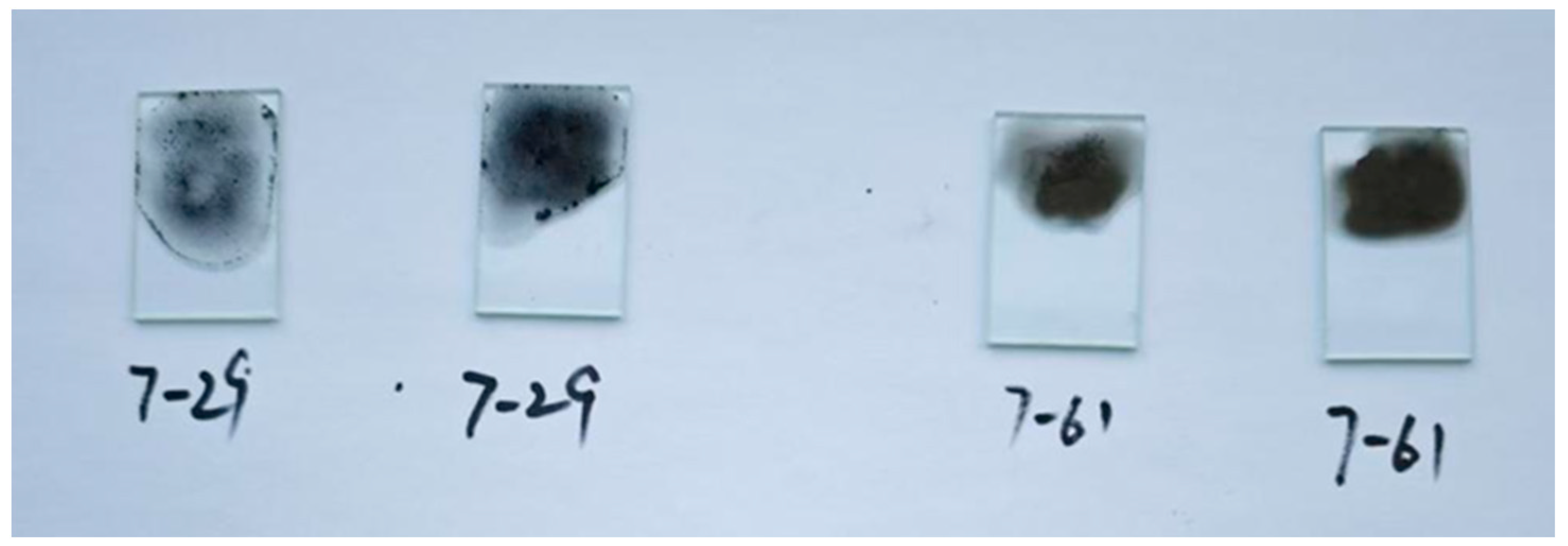
21]. The rock cores after completing rock mechanics strength tests were ground to a particle size smaller than 10 μm and pressed into the sample holder (
Figure 6). The sample holder was then inserted into the sample stage. Scanning parameters, including the scan range (typically 5–90° 2θ), step size (0.01–0.02°), and scan speed, were set. Whole-rock and clay mineral composition tests were completed for different types of coal rocks.
The test and analysis results of mineral composition and relative content of clay minerals in the whole rock are shown in
Table 1 and
Table 2. Results from the Taiyuan formation show that bright and semi-bright coals are rich in organic matter, with a relatively low clay mineral content (19.4–32.5%) dominated by non-swelling kaolinite. Furthermore, the predominant clay minerals in these deep coal seams are illite and chlorite, which have a low swelling capacity [
22]. Correspondingly, swelling tests recorded a 24 h expansion rate of less than 0.45% in distilled water, significantly lower than that of the mudstone interlayers. Consequently, the potential for clay swelling to cause wellbore instability is considered limited in deep coal seams, an effect that can be further mitigated by the inhibition properties of the drilling fluid.
The structural analysis of deep coal seams reveals significant heterogeneity and multiscale fracturing. Among these, bright and semi-bright coals, characterized by well-developed fractures and dual-porosity structures, are highly prone to wellbore instability. In contrast, semi-dull and dull coals exhibit more compact structures and greater mechanical stability. Given the low swelling potential of clay minerals, the primary drivers of instability are not chemical but mechanical: specifically, the pre-existing weak planes and fracture networks. Consequently, drilling strategies for deep coal seams should thus focus on maintaining mechanical equilibrium in fracture-rich zones and optimizing the drilling fluid system to enhance wellbore stability.
3. Mechanical Experiments and Strength Anisotropy of Deep Coal Seam Cores
The wellbore stability of deep coal rock is closely related not only to their structural characteristics but also to their mechanical properties. The mechanical behavior of coal is influenced by multiple factors, including mineral composition and structural heterogeneity [
23,
24,
25]. Core samples from deep coal seams as well as from roof, floor, and dirt bands in Daniudi gas field were used for laboratory rock mechanics experiments.
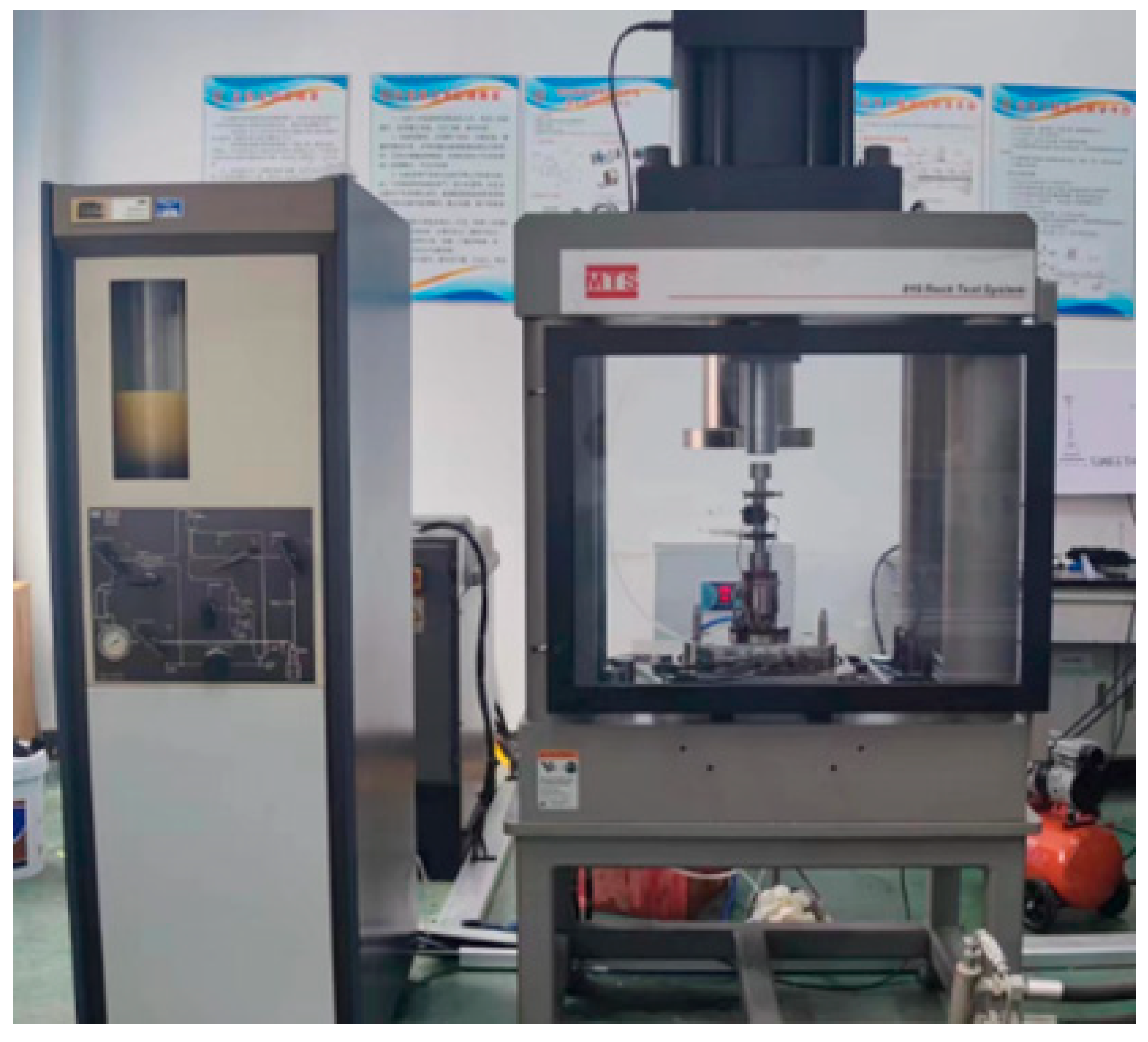
Based on the MTS-816 electro-hydraulic servo rock testing system (MTS Systems Corporation, Eden Prairie, MN, USA) (
Figure 7) and in compliance with the “GB/T 23561-2010 method for determining the physical and mechanical properties of coal and rock” standard [
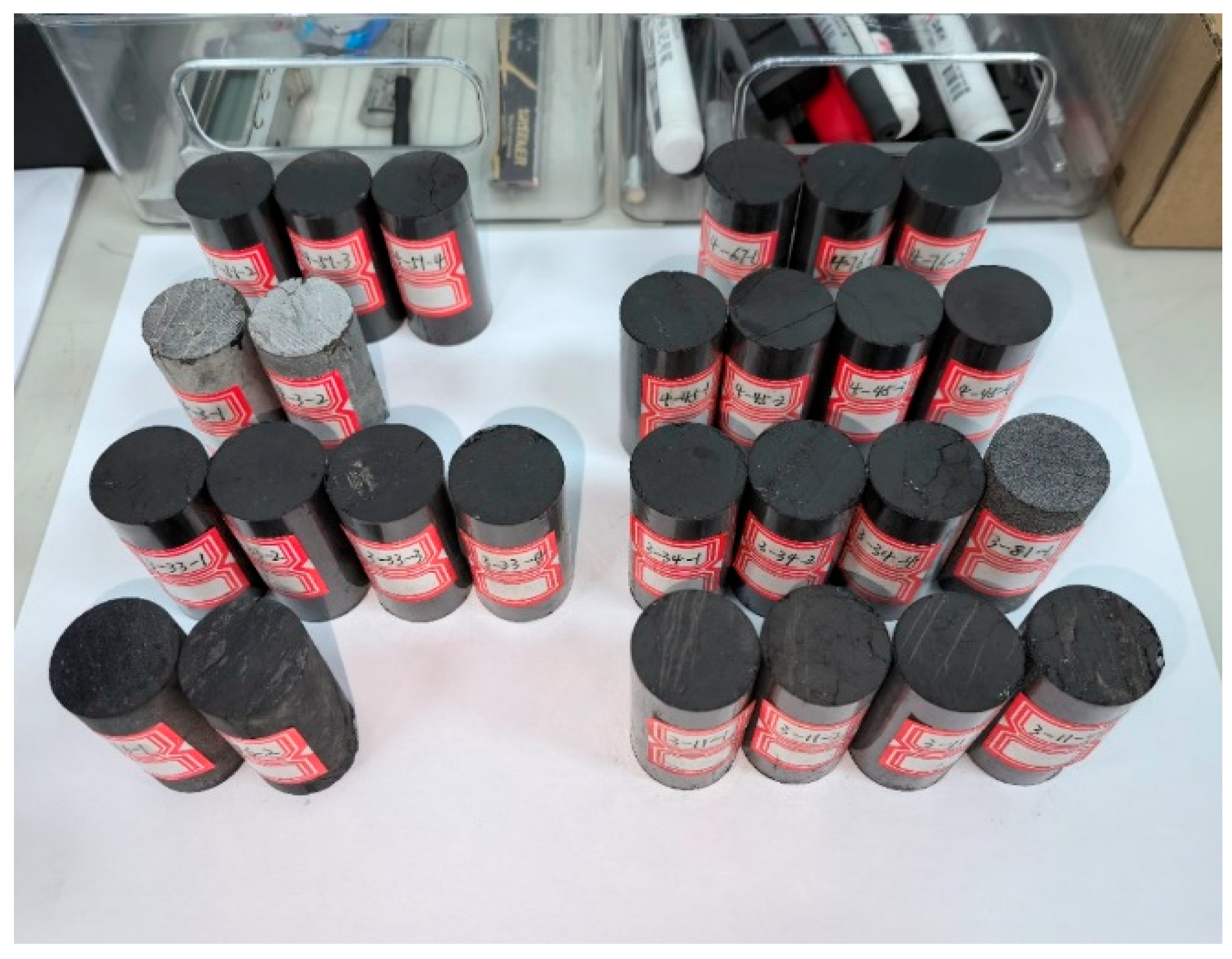
26], uniaxial compressive strength tests were conducted on standard specimens of different types of coal, roof and floor rocks, and dirt bands (
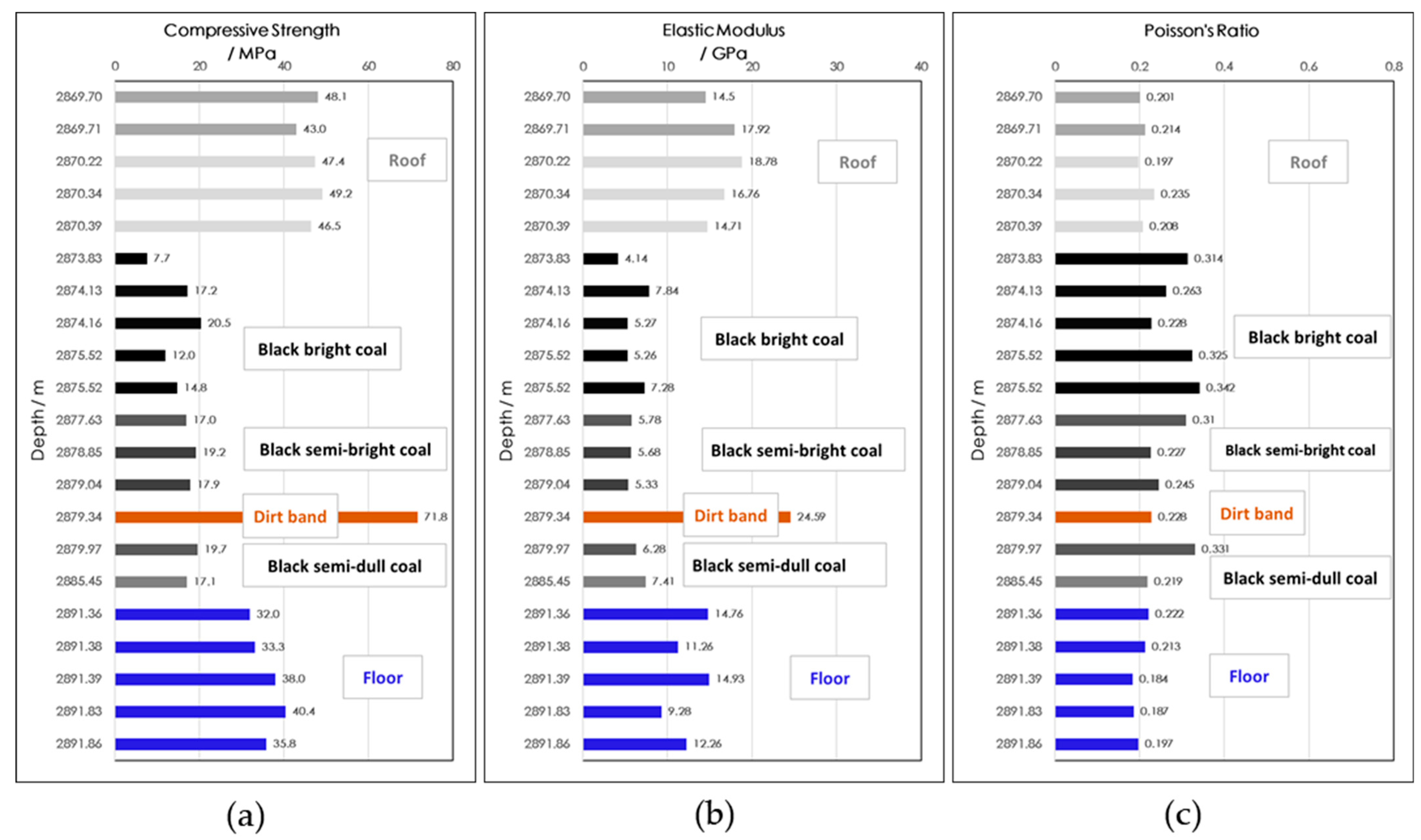
Figure 8). Mechanical parameters such as compressive strength, elastic modulus, and Poisson’s ratio were obtained. A comparison of the experimentally measured mechanical parameters for different strata is shown in
Figure 9.
The experimental results reveal significant variations in the mechanical properties of different strata in deep coal seams. The roof, floor, and especially the dirt bands exhibit relatively high uniaxial compressive strength (UCS) and elastic modulus, with dirt bands exceeding 70 MPa. In contrast, the coal itself has a low average UCS of 16.3 MPa—approximately 60% lower than that of the surrounding roof and floor. Meanwhile, coal exhibits a higher Poisson’s ratio. This combination of a low elastic modulus and a high Poisson’s ratio suggests that coal is more susceptible to internal damage and lateral deformation under stress, which constitutes a key factor contributing to wellbore instability.
The mechanical weakness of coal rock extends beyond its low compressive strength to include pronounced anisotropy, which arises from its internal cleats and fissures. These pervasive weak planes significantly reduce coal strength, complicate collapse pressure distribution, and thereby narrow the safe drilling window [
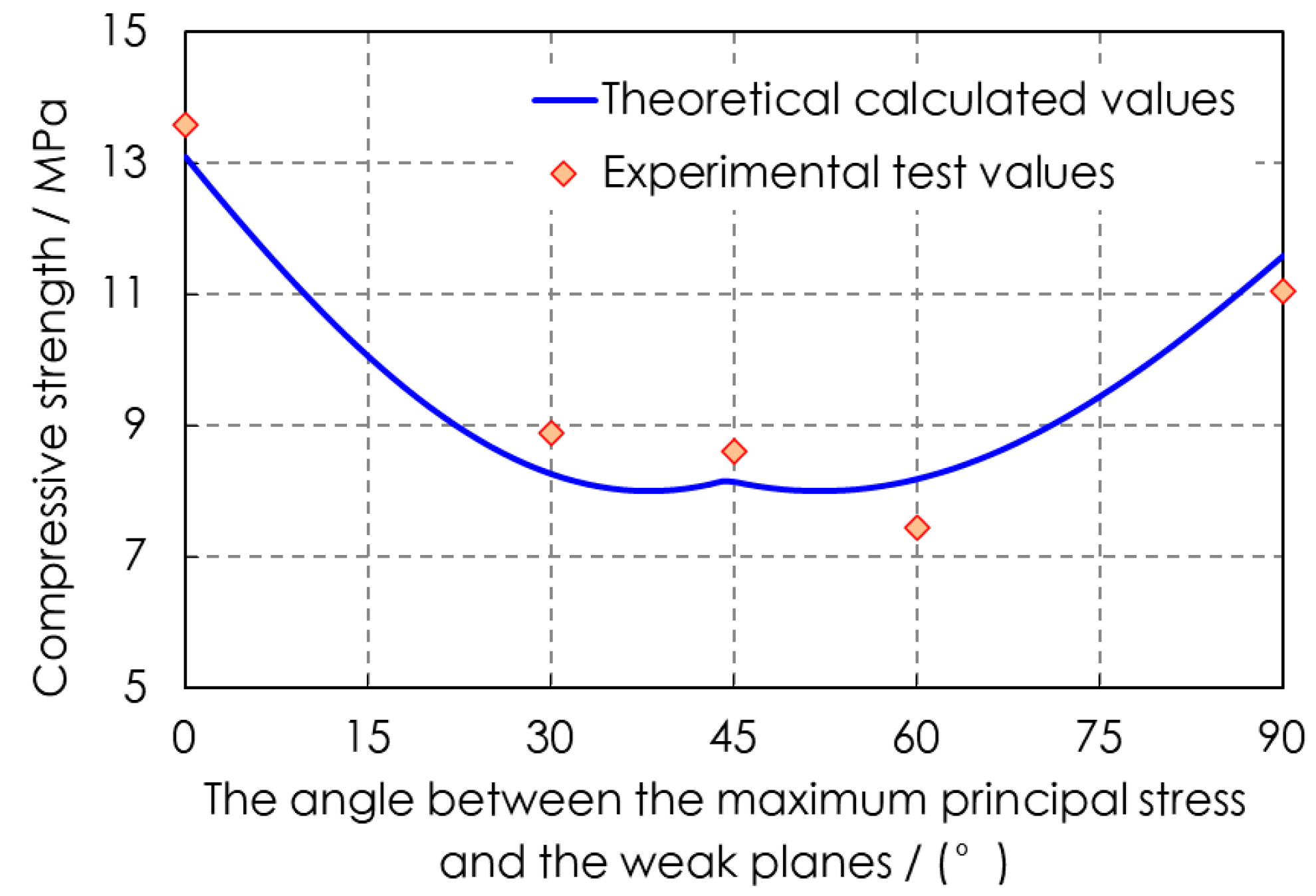
27]. To characterize this anisotropy, we drilled five standard cores from a single block at orientations of 0°, 30°, 45°, 60°, and 90° relative to the cleat planes. Uniaxial compression tests revealed a distinct strength anisotropy (
Figure 10). Cores with loading directions at 0° or 90° to the weak planes showed the highest strength, averaging 12.3 MPa. In contrast, strength was minimized at intermediate angles (30–60°), with an average of only 8.3 MPa.
Based on the experimental results, the relevant parameters were fitted using the double-weak-plane failure criterion, and the maximum error between the theoretically calculated compressive strength and the measured values was 9%. Therefore, the double-weak-plane failure criterion can be applied to describe the strength anisotropy of coal rock in wellbore instability analysis of deep coal seams [
28].
where
β is the angle between the weak plane normal direction and the maximum horizontal principal stress,
is the cohesion of the weak plane,
is the internal friction coefficient of the weak plane.
Wellbore stability in deep coal is governed not by rock strength alone, but by the complex interplay of in situ stress, weak plane orientation, and wellbore trajectory. Coal anisotropy critically complicates this interaction. If the drilling direction aligns with a high-risk orientation, even moderate circumferential stresses can induce shear slip or tensile failure along the weak planes. This leads to wellbore collapse, severe spalling, or borehole enlargement—and in critical cases, can result in a buried BHA (Bottom Hole Assembly) and stuck pipe. This anisotropy also constrains the safe mud weight window: a fluid density sufficient to support the wellbore wall normal to weak planes may be inadequate to prevent shear failure along them. Conversely, indiscriminately raising the mud weight risks inducing lost circulation through fractures. Consequently, anisotropy effectively narrows the operational mud weight window in deep coal seam drilling.
4. Experimental Study on the Effect of Drilling Fluid on Deep Coal Cores
4.1. Strength Degradation Patterns of Deep Coal Rock After Drilling Fluid Immersion
The softening of coal upon contact with drilling fluid is a key mechanism of wellbore instability. Studies indicate that prolonged exposure to drilling fluids significantly degrades coal’s mechanical properties, reducing its brittleness and enhancing its plasticity [
6]. Furthermore, the degree of deterioration varies with the type of drilling fluid used [
12]. This study investigates the water-absorption softening of deep coal by immersing bright and semi-bright coal samples from the Taiyuan Formation in two different drilling fluids: HX-Coalmud and a highly inhibitive composite salt drilling fluid, to evaluate their respective impacts on coal strength. The basic performance parameters of these two drilling fluids are shown in
Table 3.
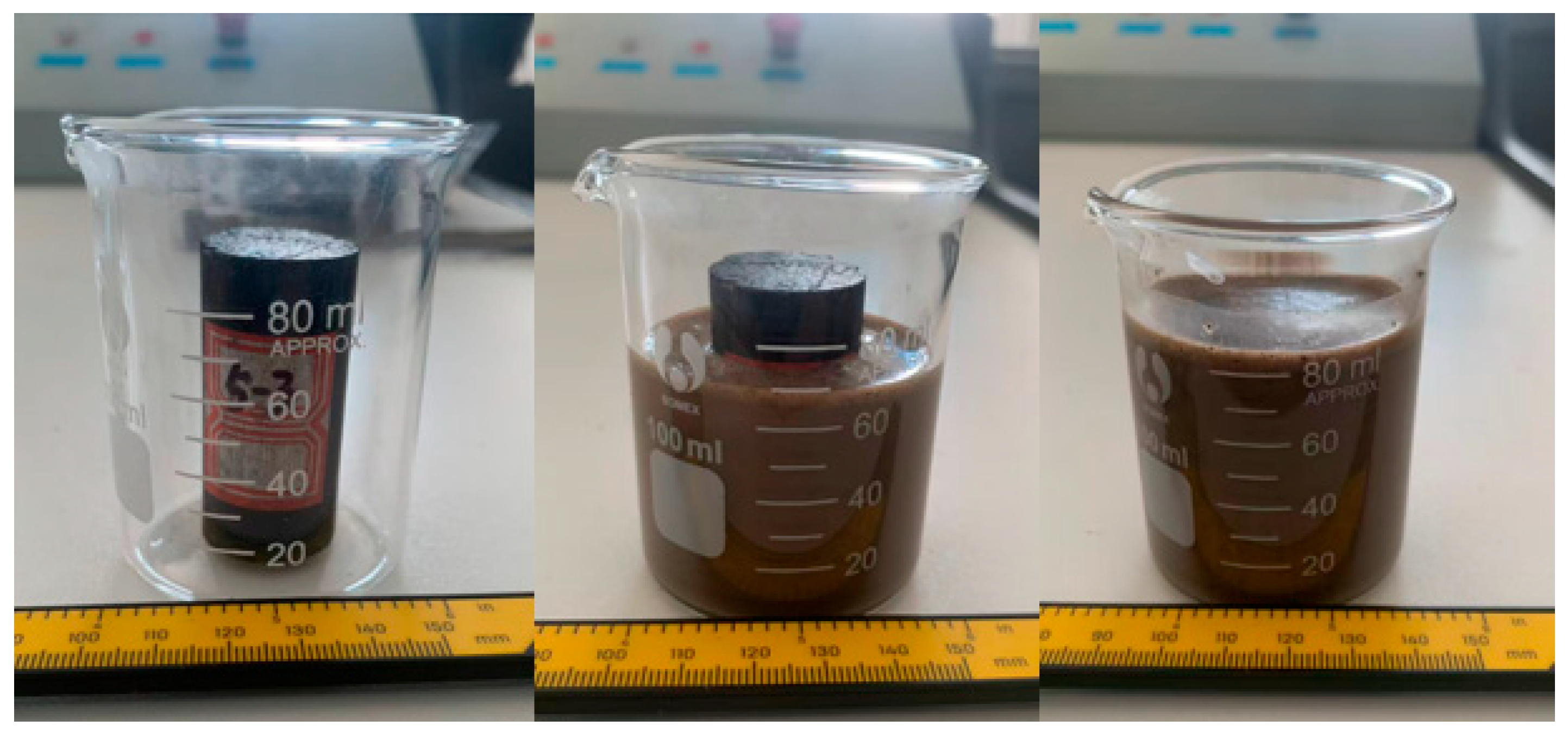
The laboratory uniaxial compression test combined with immersion simulation method was employed. Standard coal and rock specimens with a diameter of 25 mm and a length of 50 mm were prepared and immersed in drilling fluid (simulating wellbore conditions) at a set temperature 25 °C (
Figure 11). Specimens were removed at different time intervals (e.g., 0, 1, 3, 5, 7, 12, 24 h), surface-dried, and subjected to uniaxial compressive strength tests. The attenuation pattern was analyzed through strength-time curves, in accordance with the standard of ASTM D7012 [
29].
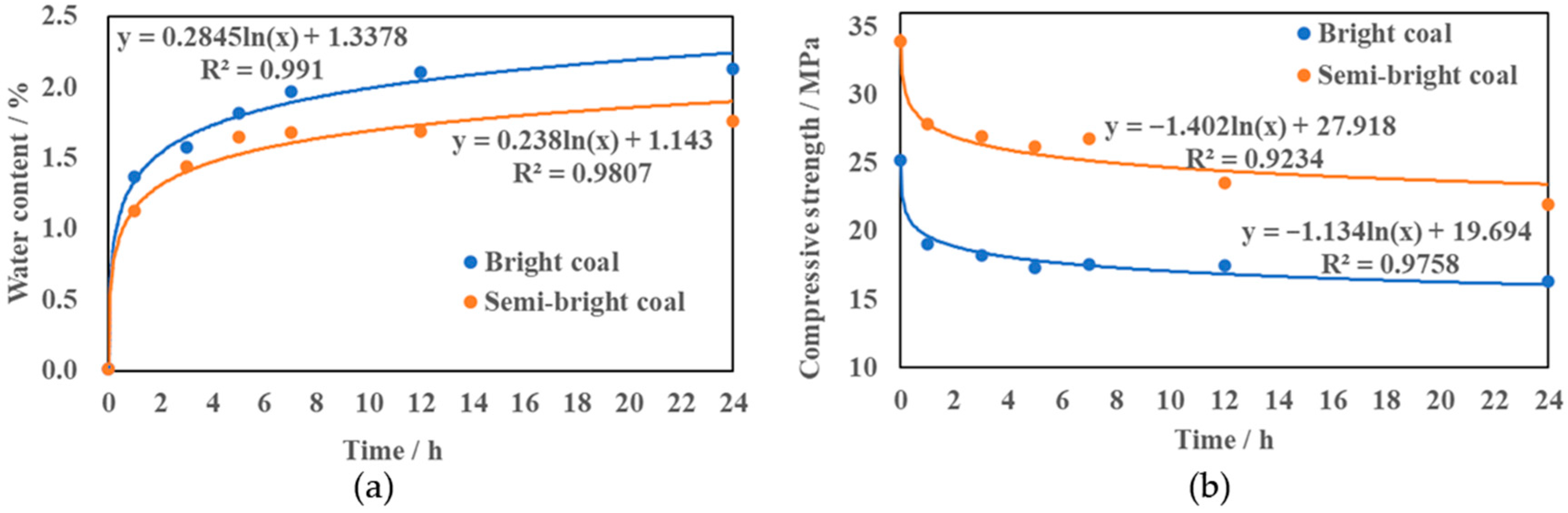
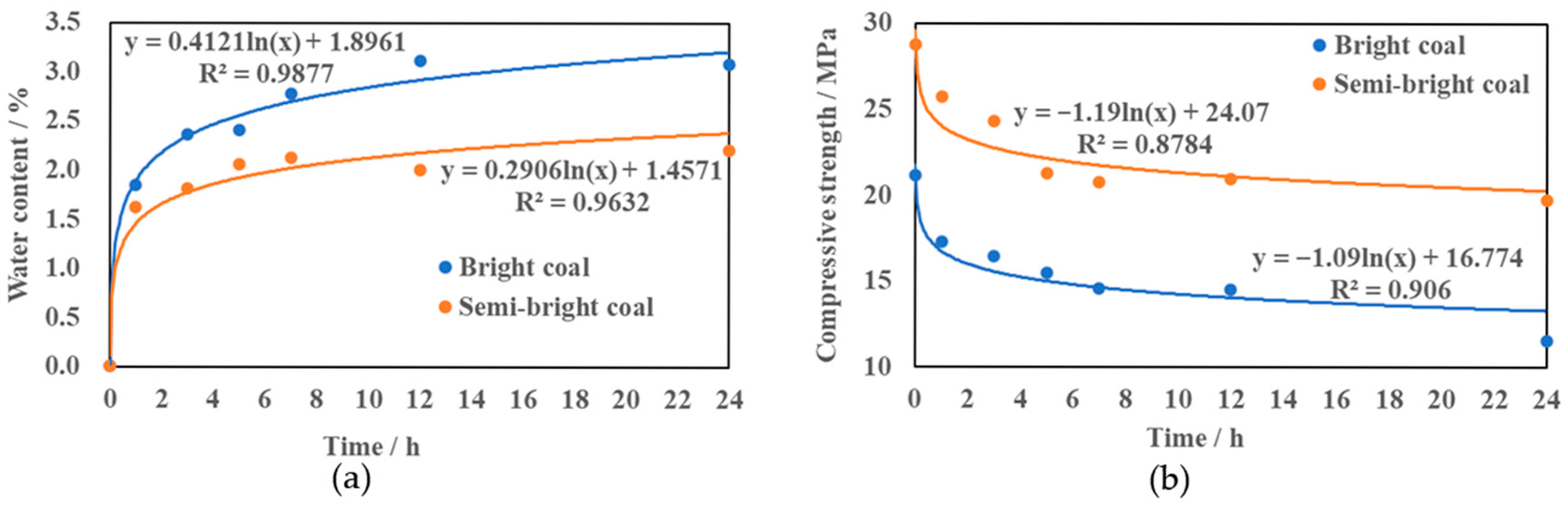
After immersion in the two water-based drilling fluids, the water absorption and strength degradation curves of deep coal rocks are shown in
Figure 12 and
Figure 13. The strength evolution of coal rocks during drilling fluid immersion can be divided into three distinct stages.
Stage 1: Rapid initial deterioration.
In the early stage of immersion (within 3 h), the strength decreases sharply. This is mainly due to the strong hydrophilicity of coal rock and the well-developed fracture system, which allow the filtrate from the drilling fluid to rapidly infiltrate, leading to an immediate physical softening effect.
Stage 2: Continuous decline and gradual stabilization (3–24 h).
After the initial rapid drop, the strength continues to decrease at a slower rate and eventually approaches a relatively stable lower value. At this stage, the coal rock becomes almost fully saturated with filtrate, reaching its maximum degree of softening.
Stage 3: Final strength (after 24 h).
The final strength is only about 55–65% of that of the original dry coal sample, and samples with more developed fractures exhibit even lower final strength values.
The immersion experiments in water-based drilling fluids reveal distinct strength degradation patterns governed by both coal fabric and fluid composition.
When comparing different coal types under the same fluid, bright coal—characterized by a higher density of cleats and fractures—exhibited more severe strength degradation than semi-bright coal. These fractures act as primary conduits for filtrate invasion. Driven by capillary forces, the fluid penetrates more rapidly and deeply into bright coal, significantly reducing the interfacial friction on fracture surfaces. This reduction promotes shear slip and fracture propagation under external stress. In contrast, the less-fractured semi-bright coal permits only slow, surface-driven diffusion, resulting in a shallower affected zone and more modest strength loss.
Comparing the performance of different fluids on the same coal type demonstrated the superiority of HX-Coalmud over the composite salt fluid. HX-Coalmud’s lower fluid loss and its polymer components, which form a sealing film on the coal surface, more effectively plug fractures and thus mitigate initial strength reduction. Although prolonged immersion still leads to a gradual strength decrease, the results confirm that effective physical plugging (by polymers) and chemical inhibition (suppressing hydration) can significantly delay the water-softening process.
Coal rock is a special heterogeneous, multi-fractured, dual-porosity medium (consisting of matrix pores and natural fractures), and its strength degradation behavior is far more complex than that of conventional sandstones and similar rocks. The mechanisms of strength degradation under immersion in water-based drilling fluids can be summarized as follows.
Physical softening: The filtrate from the drilling fluid infiltrates the micro-fractures and pores of the coal rock through capillary forces, pressure differential driving force, and diffusion due to concentration gradients. Water acts as a lubricant between the coal matrix particles and fracture surfaces, reducing the internal friction angle. At the same time, water molecules weaken the intermolecular forces within the coal, such as van der Waals forces and hydrogen bonds, leading to a significant reduction in cohesion. The infiltrating fluid generates pore pressure within the fractures, partially counteracting the confining stress and making the coal rock more prone to shear failure (effective stress principle).
Ion exchange: Ions in the filtrate can exchange with ions in the clay minerals of the coal (e.g., Na+ replacing Ca2+), which may induce clay swelling and further generate micro-fractures and internal stress.
Reduction in effective stress: Coal has extremely low permeability. When the pore water within the core cannot be expelled in time, the trapped water resists volumetric compression during loading, causing a rapid increase in pore pressure. This reduces the effective stress borne by the rock skeleton, significantly lowering the uniaxial compressive strength of the rock and causing its deformation behavior to shift from brittle to ductile.
4.2. Drilling Fluid Pressure Transmission Experiment
During drilling, the hydrostatic pressure of the drilling fluid column is transmitted into the coal matrix through its cleats and fractures. This alters the effective stress state in the near-wellbore zone and is a primary cause of wellbore instability [
30]. Given this mechanism, the ability of the drilling fluid to form an effective seal becomes critical for maintaining stability. Plugging efficiency is evaluated not only by standard API and HTHP filtration tests but also by more specialized methods [
31,
32]. These include the permeability plugging test (PPT), which quantifies the time to achieve instantaneous plugging and the maximum pressure sustained, and pressure transmission tests (PTT), which measure the delay in pore pressure propagation [
33].
The test specimens consisted of bright and semi-bright coal, machined from natural core samples obtained from Member 1 of the Taiyuan formation coal seam. Cylindrical cores with dimensions of 25.4 mm in diameter and 12.7 mm in length were prepared. All experiments were conducted under a constant radial confining pressure of 6.9 MPa and a temperature of 35 °C.
The testing comprised two distinct cycles. In the first (baseline) cycle, both ends of the core were exposed to a synthetic pore fluid at an initial inlet pressure of 2.1 MPa. We first measured the sample’s initial permeability and hydraulic conductivity. The inlet pressure was then raised to 3.5 MPa, and the cycle was considered complete once the outlet pressure reached 75% of the inlet pressure. The system was subsequently depressurized back to 2.1 MPa to allow for pore pressure re-equilibration. In the second cycle, the inlet fluid was replaced with a barite-free drilling mud to displace the pore fluid. The inlet pressure was again increased to 3.5 MPa, and the outlet pressure was monitored for 7 days.
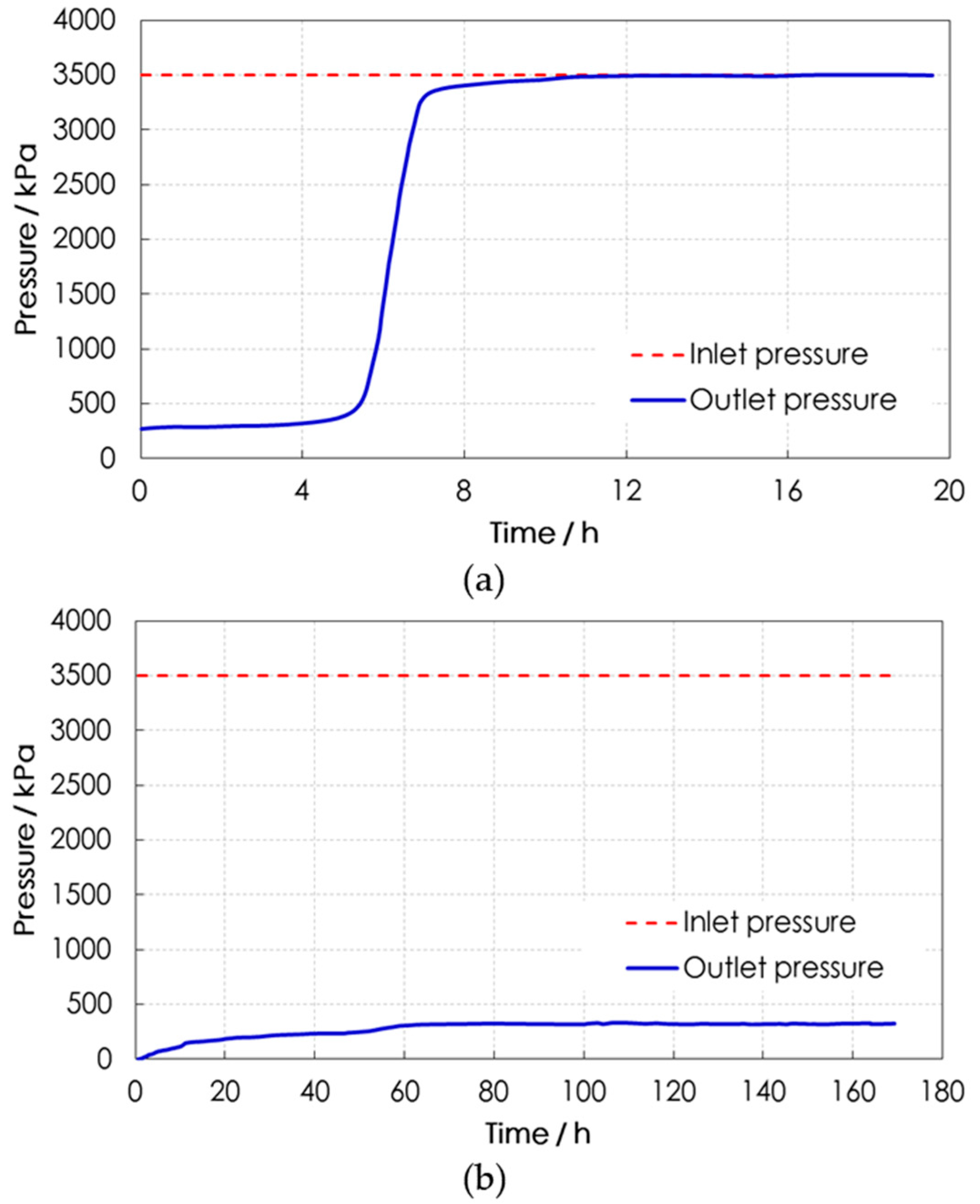
The core samples underwent a 7-day pressure decay test under a confining pressure of 10 MPa and an inlet pressure of 3.5 MPa. The results, shown in
Figure 14, demonstrate that the pressure transmission efficiency of the drilling fluid system remained below 10% throughout the testing period. In contrast to the baseline with pure water, this indicates that the current plugging system performs effectively by significantly impeding fluid pressure penetration.
The results of the pressure transmission experiments conducted with HX-Coalmud drilling fluid on different types of coal and mudstone interlayer cores are shown in
Table 4. The pressure transmission efficiency of the coal samples is slightly higher than that of the mudstone interlayers, mainly because coal has a higher porosity and relatively more developed pores and micro-fractures. Meanwhile, a pressure breakthrough test was immediately performed after the transmission test, and no breakthrough occurred in any core sample under a pressure of 8 MPa, indicating that the internal filter cake formed by the drilling fluid remained stable.
5. Risk Assessment of Wellbore Instability in Deep Coal Seams
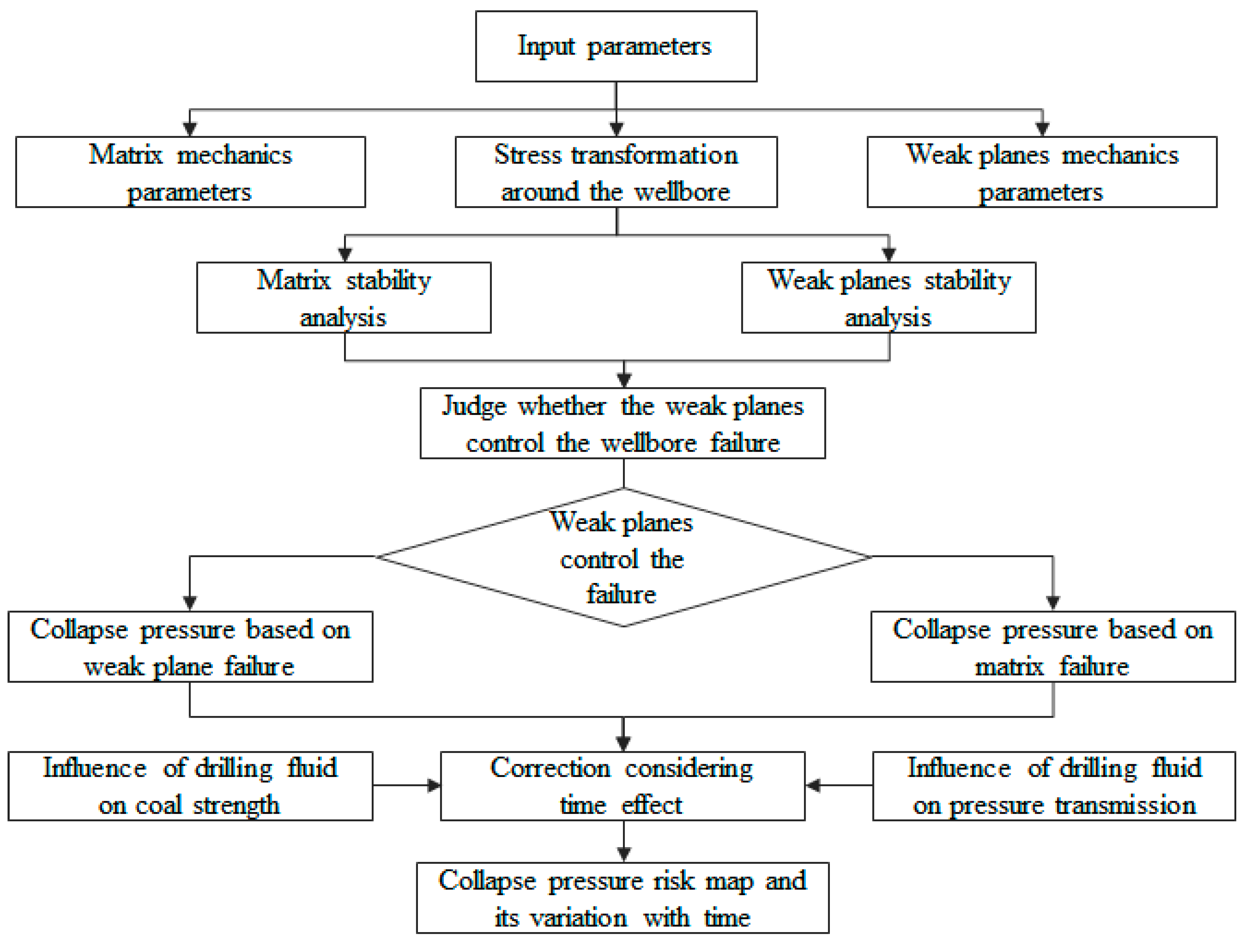
Based on the preceding experimental results and theoretical analysis, we have developed a collapse pressure calculation method that comprehensively accounts for the in situ stress field, the dual-weak-plane structure of deep coal seams, the influence of drilling fluid on coal-rock strength, and the time-dependent effects of pressure transmission. This method, grounded in the dual-weak-plane strength criterion and incorporating the time-sensitive strength degradation behavior of deep coal rock, enables the prediction of the temporal evolution of collapse pressure under varying wellbore trajectories. The approach takes as input parameters the vertical depth, magnitude and orientation of in situ stresses, formation pore pressure, and the mechanical properties of both the coal matrix and the weak planes. The computational procedure is illustrated in
Figure 15.
This study employed the No. 8 coal seam (the first section in Taiyuan formation) in the well Y-1HF from Daniudi gas field as a case study. At a true vertical depth of 2875 m, the analysis integrated multiple factors—including coal anisotropy, drilling fluid invasion, strength attenuation, and pressure transmission. A dual-weak-plane criteria prediction model was applied to forecast the wellbore collapse pressure for this deep coalbed methane formation.
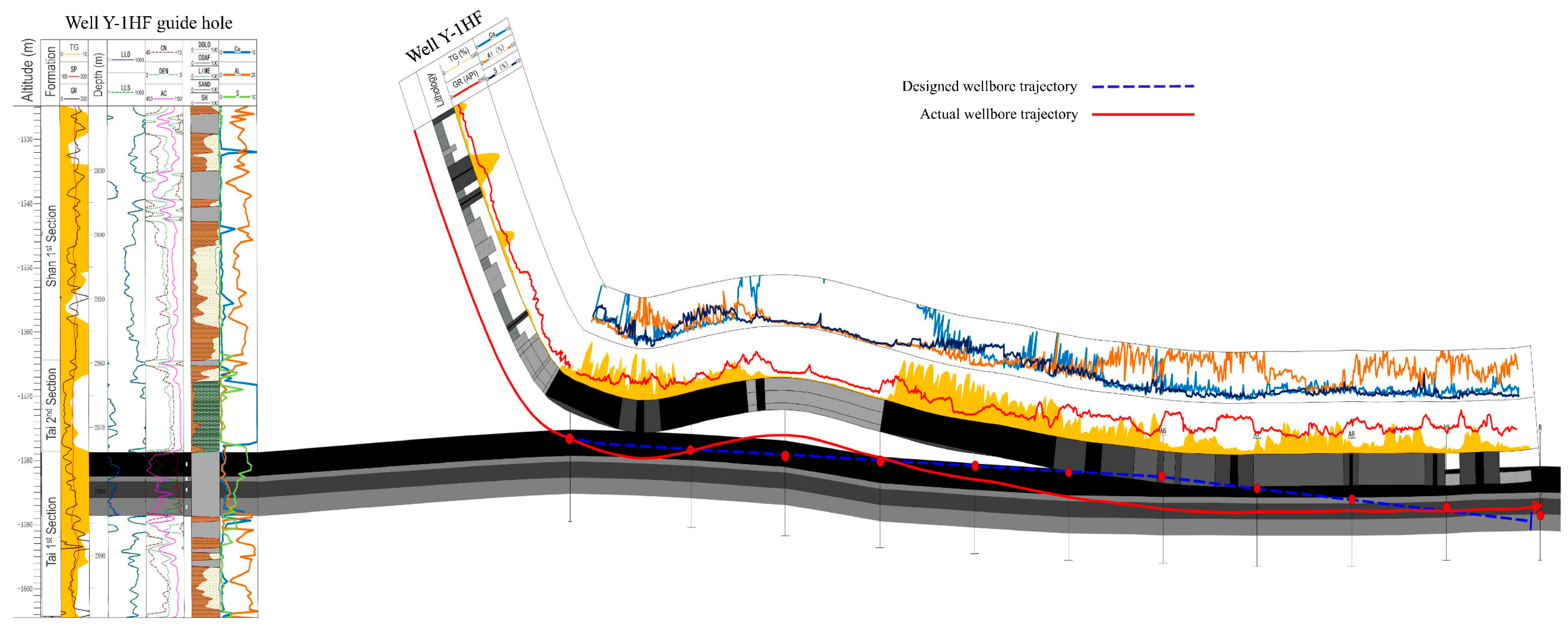
Figure 16 shows the wellbore trajectory of well Y-1HF passing through deep coal seams, and the requisite input parameters for collapse pressure calculation are provided in
Table 5.
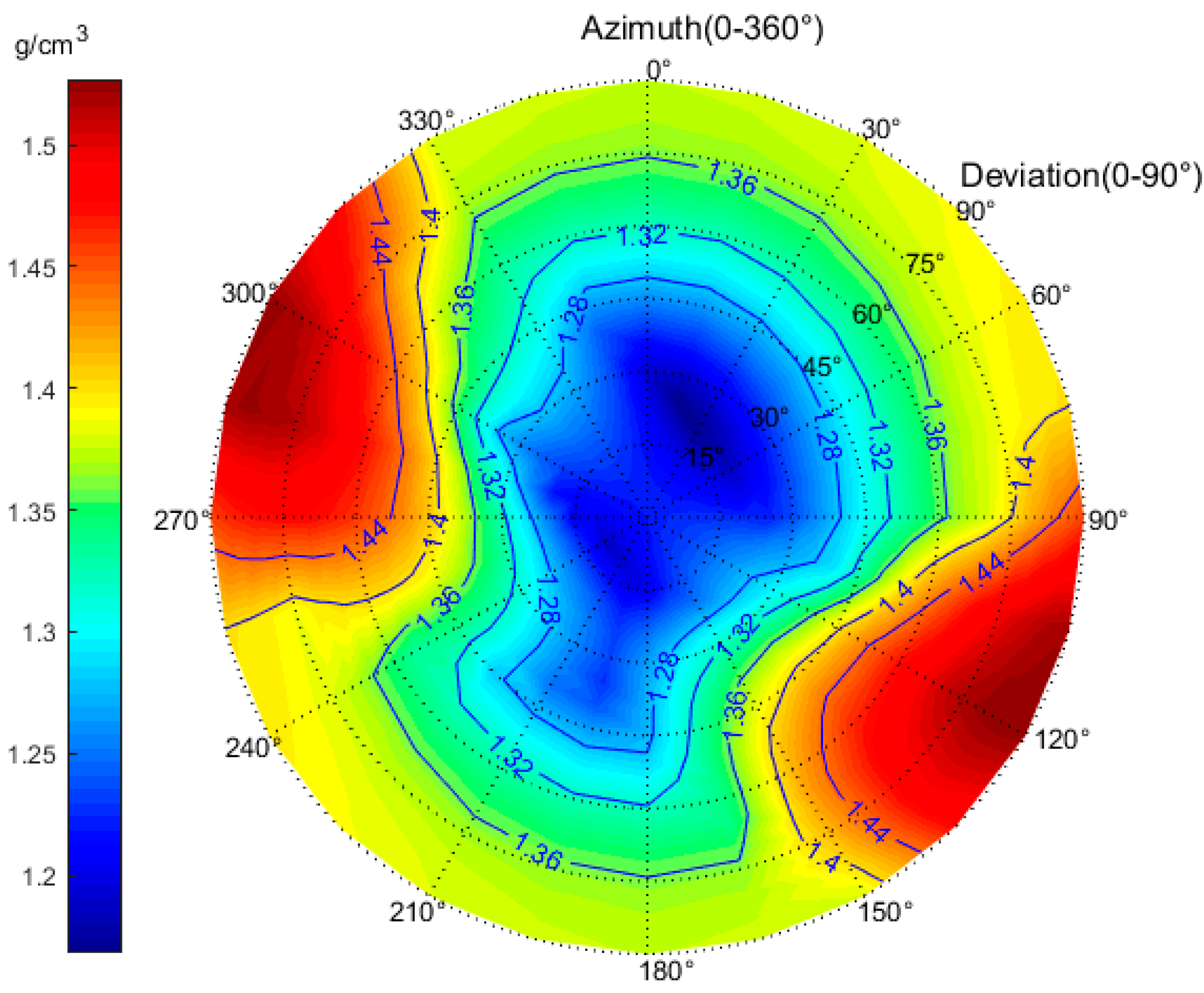
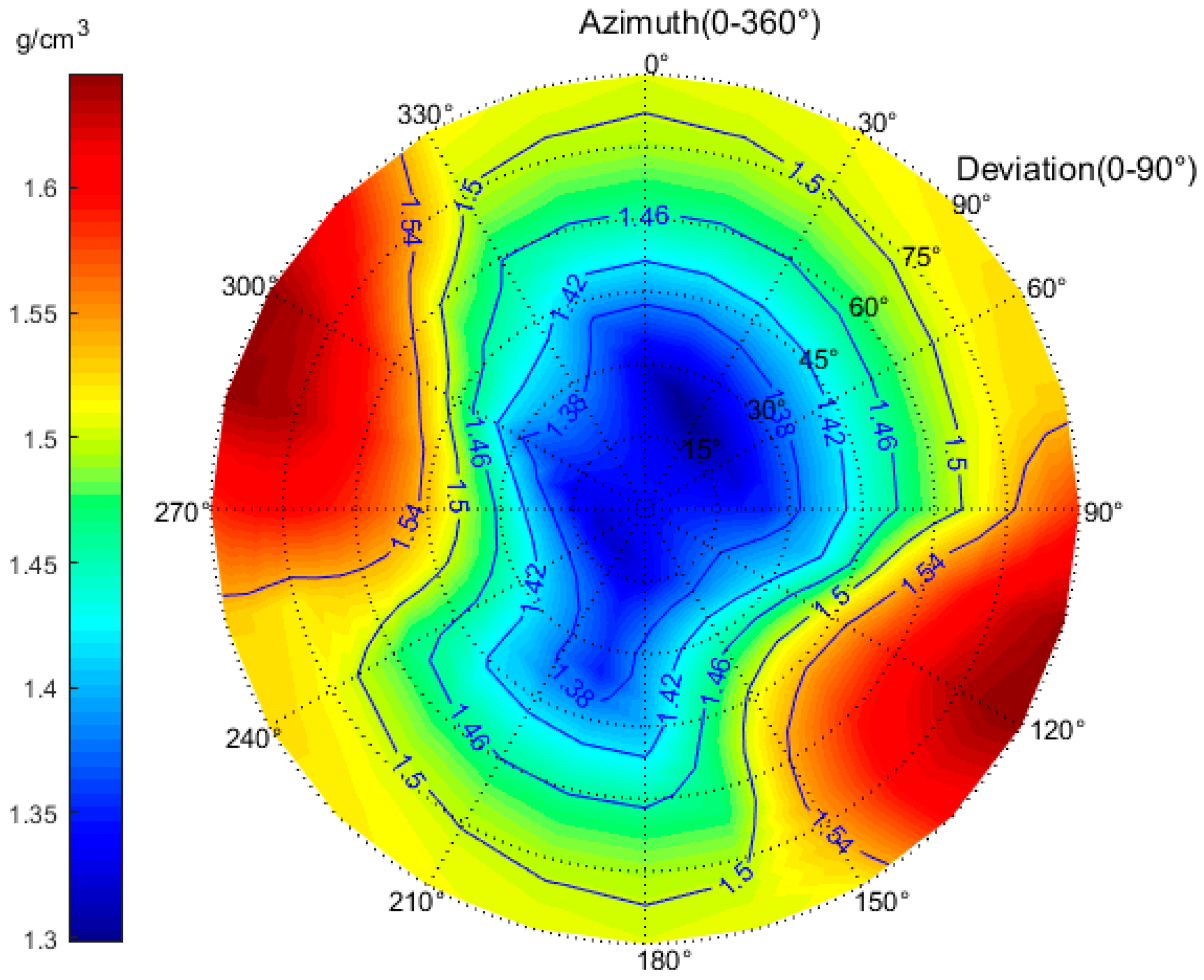
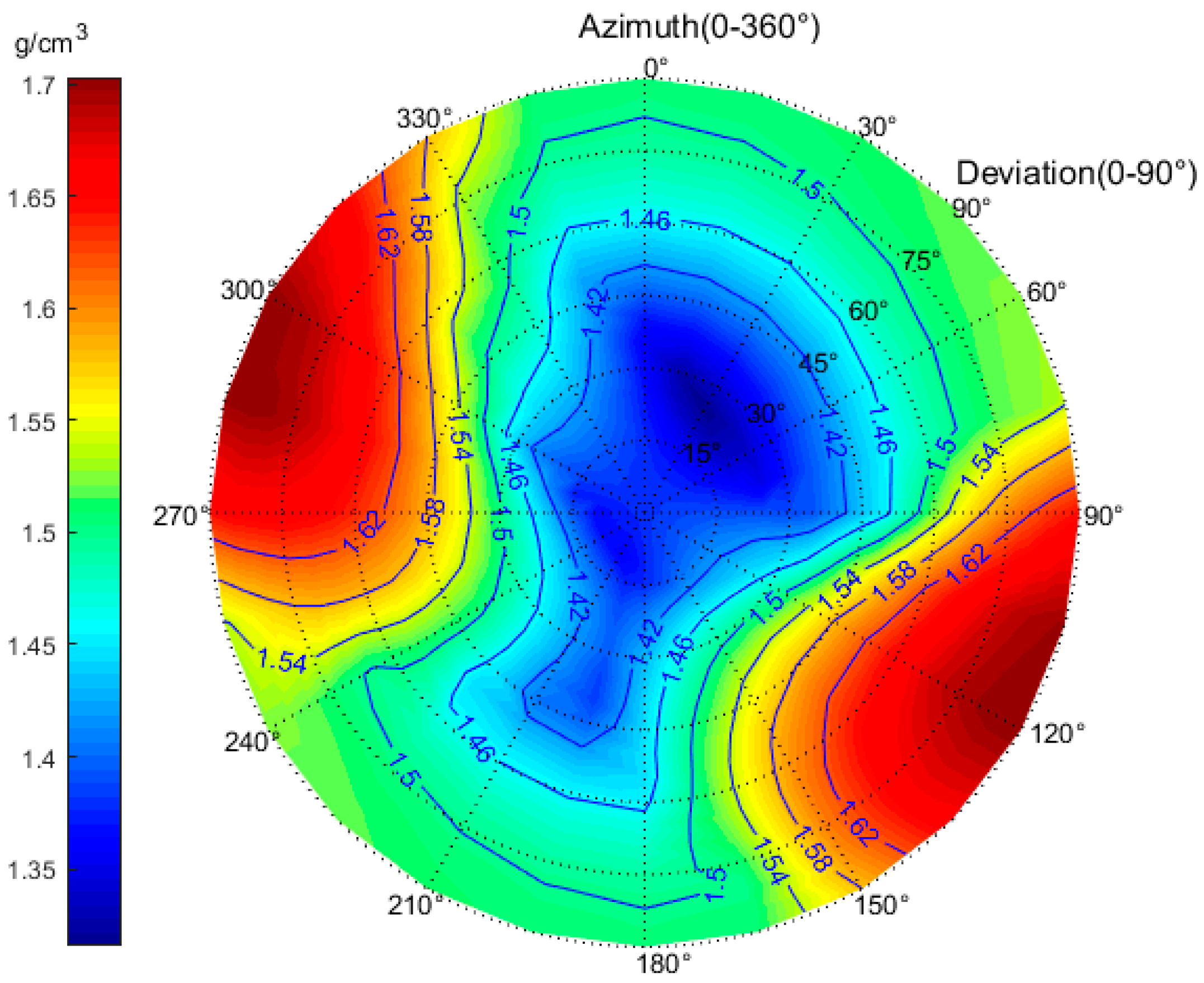
Under the combined influence of multiple factors, the variation in the equivalent mud density corresponding to the collapse pressure of the dual-weak-plane coal seam with well inclination, azimuth, and borehole drilling time is shown in
Figure 17,
Figure 18 and
Figure 19.
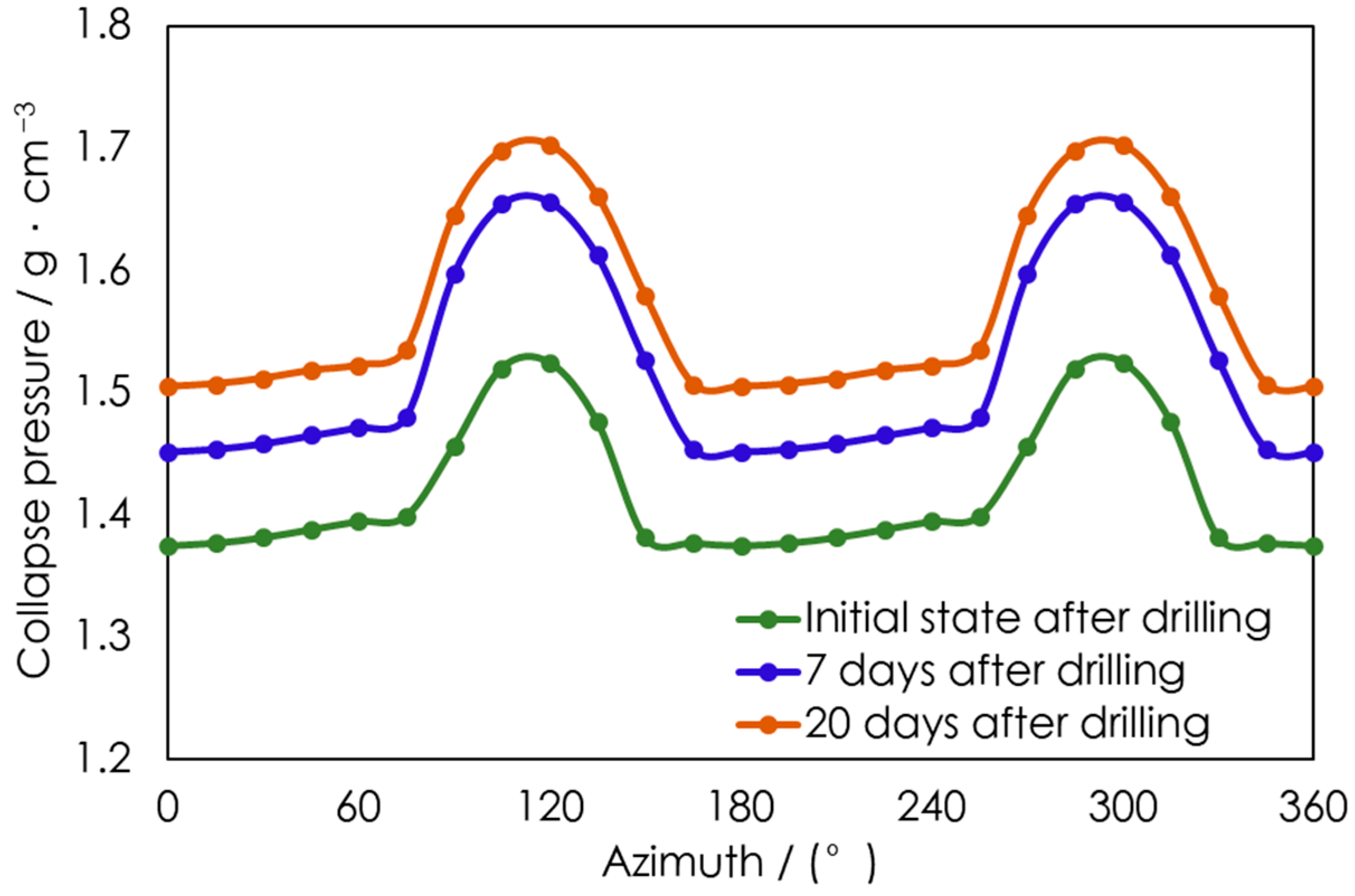
According to field data on actual drilling fluid density, the equivalent fluid density was 1.38 g/cm3 when the wellbore was first drilled, and the drilling conditions were stable during the initial stage. However, as drilling continued, wellbore collapse and related incidents gradually occurred. To ensure safe drilling, the fluid density was subsequently increased to 1.58 g/cm3, indicating that with increasing drilling time, the formation rock strength decreased and the likelihood of wellbore collapse increased. Meanwhile, by calculating the variation in wellbore collapse pressure with drilling time under both the double-weak-plane model and the homogeneous formation model, and comparing the results with the actual drilling fluid densities used in the field, it can be observed that when the formation is assumed to be homogeneous, the calculated mud density is significantly underestimated, which easily leads to wellbore collapse and related accidents. For coal-bearing formations with well-developed weak planes, the effects of both the number and attitude of weak planes must be comprehensively considered in order to minimize prediction errors and more accurately determine the required fluid density to maintain wellbore stability.
The temporal analysis of collapse pressure contour maps reveals a progressive, time-dependent increase in wellbore instability risk.
Figure 20 illustrates the variation in collapse pressure with drilling time for horizontal wells at different azimuths under multi-factor coupling conditions. The required collapse pressure gradient rises continuously as drilling time progresses. After 7 days, the equivalent mud density increased by 0.08–0.15 g/cm
3 across all azimuths; by day 20, this increase reached 0.13–0.20 g/cm
3. This trend indicates that the dual-weak-plane effect is most pronounced during the later stages of drilling. The underlying mechanism involves the invasion of drilling fluid filtrate into micro-fractures, which reduces formation strength and elevates near-wellbore pore pressure through fluid diffusion. To mitigate this risk, field operations should employ high-performance sealing drilling fluids (oil-based or advanced water-based systems) promptly to minimize filtrate invasion, thereby preserving rock strength and ensuring wellbore stability.
6. Discussion
CT and SEM analyses revealed that bright and semi-bright coals, characterized by well-developed fracture networks and a dual-porosity system, are more susceptible to wellbore instability than semi-dull and dull coals. This structural heterogeneity aligns with previous studies emphasizing the role of endogenous and exogenous fractures as mechanical weak planes. These fractures serve as primary conduits for drilling fluid infiltration, exacerbating pressure transmission and strength degradation. Crucially, the observed limited clay-swelling potential—attributable to the dominance of low-swelling minerals such as kaolinite, illite, and chlorite in deep coal—indicates that chemical effects are not the primary driver of instability in deep coal seams. This finding shifts the traditional paradigm, which often emphasizes clay hydration as a key instability mechanism in shallow formations, underscoring the necessity of developing environment-specific instability models.
The strength anisotropy observed in mechanical tests on coal cores confirms the critical influence of weak planes on wellbore stability. This mechanical anisotropy narrows the safe mud weight window, as a density sufficient to support intact rock may prevent shear slip along the weak planes. These insights are consistent with prior work [
21] but extend it by quantitatively linking anisotropy to wellbore trajectory and time-dependent strength reduction. Our findings underscore that the drilling direction must be optimized relative to in situ stress and cleat orientation to mitigate instability—a factor often overlooked in homogeneous formation models.
Soaking and pressure transmission tests demonstrate the effective invasion of fluids into the coal’s micro-fracture system, reducing cohesion and the internal friction angle through lubrication and pore pressure effects. The superior performance of HX-Coalmud, with its excellent plugging capacity and film-forming ability, over the composite salt drilling fluid, further highlights the importance of tailored fluid design. These results align with studies emphasizing physical plugging but contrast with those focusing solely on inhibition. Pressure transmission experiments further confirm that effective plugging can delay fluid invasion and maintain near-wellbore stability.
The dual-weak-plane shear failure model, which incorporates anisotropy, fluid invasion, and time-dependent strength weakening, successfully predicted the observed increase in collapse pressure with drilling time in the subject formation—a phenomenon observed in Well Y-1HF. The model’s accuracy was validated against field data, whereas a homogeneous model severely underestimated the required mud density. This underscores the necessity of incorporating discrete weak planes and time-varying strength reduction in stability analysis for fractured coal seams. The increase in collapse pressure by 0.13–0.20 g/cm3 after 20 days highlights the imperative of using high-plugging drilling fluids to minimize filtrate invasion and maintain wellbore stability over time.
This study provides a comprehensive framework for understanding and mitigating wellbore instability in deep, fractured coal seams—a challenge of growing importance as exploration shifts towards deeper CBM resources. The integration of structural characterization, mechanical testing, fluid interaction analysis, and coupled modeling offers a template for similar studies in other unconventional reservoirs.
Future research should focus on:
Developing real-time monitoring and adaptive drilling fluid systems capable of responding to changing wellbore conditions.
Investigating the coupling between thermal effects and mechanical behavior in deep coal seams.
Extending the dual-weak-plane model to account for dynamic fracture propagation and multi-phase flow effects.
Exploring nanomaterials or novel polymers for enhanced fracture plugging in deep coal.
In summary, wellbore instability in deep coal seams is a time-dependent, multi-mechanism process dominated by mechanical anisotropy and drilling fluid invasion. Through multi-factor coupled stability analysis and the custom design of high-performance drilling fluids, the safe and efficient development of deep coalbed methane can be achieved.
7. Conclusions
- (1)
The structural fabric of deep coal seams defines intervals susceptible to wellbore instability. In the Taiyuan formation of Daniudi gas field, bright and semi-bright coals—characterized by a dual-porosity structure with pore and micro-fracture apertures of 117.5 nm to 231.8 μm—constitute the most sensitive intervals. In contrast, semi-dull and dull coals, with their thin-layered and less-fractured morphology, exhibit greater mechanical stability. Furthermore, mineralogical analysis reveals a clay content of 19.4–32.5%, dominated by low-swelling kaolinite and illite, which exhibit minimal expansion (<0.45%) in deionized water. Consequently, wellbore instability is not primarily driven by clay swelling, but is instead dictated by the inherent fracture network and mechanical weak planes.
- (2)
The wellbore instability risk in deep coal seams is significantly heightened by their pronounced mechanical anisotropy and inherent weakness. The coal exhibits substantially lower strength than its roof, floor, and dirt bands, with an average UCS of 16.3 MPa—only 40% of the surrounding strata. Coupled with a higher Poisson’s ratio, this makes the coal highly susceptible to internal damage and lateral deformation. Anisotropy tests further reveal a dramatic strength variation with loading orientation, with a minimum at 30–60° to the weak planes (67.5% of the strength at 0°/90°). The variation in strength anisotropy caused by weak planes is the main factor affecting the collapse pressure of directional wells. The double-weak-plane failure criterion accurately captured this behavior with error less than 9%. Consequently, this strength anisotropy critically narrows the safe drilling density window, simultaneously increasing the risk of both wellbore collapse and fluid loss.
- (3)
The deterioration of coal strength and pressure transmission caused by drilling fluids can be mitigated through systematic fluid design. Drilling fluid immersion weakens coal in three distinct stages, a process involving filtrate-induced physical softening—which reduces the internal friction angle and intermolecular forces—coupled with ion exchange and a reduction in effective stress. A comparison of two water-based fluids revealed that HX-Coalmud, leveraging synergistic polymer plugging and chemical inhibition, more effectively reduces fluid loss and retards water invasion. This resulted in a 10–15% slower strength attenuation compared to a strongly inhibitive composite salt fluid. Furthermore, pressure transmission tests showed that while coal exhibits higher transmission efficiency than mudstone due to its developed porosity, HX-Coalmud restricted this to below 10.8% over 7 days. The integrity of its internal filter cake under 8 MPa differential pressure confirms excellent plugging stability.
- (4)
A dynamic assessment of wellbore instability risk under multi-factor coupling conditions is essential and should be guided by the dual-weak-plane model. A case study of the Taiyuan formation at 2875 m in Daniudi gas field, which integrated anisotropy, drilling fluid invasion, and strength deterioration, demonstrates a time-dependent increase in collapse pressure. The required equivalent mud weight increased by 0.08–0.15 g/cm3 after 7 days and by 0.13–0.20 g/cm3 after 20 days. In contrast, a conventional homogeneous model significantly underestimates the fluid density needs, explaining potential field failures. Consequently, field operations should prioritize high-performance sealing fluids like HX-Coalmud to minimize invasion and dynamically adjust mud weight based on the dual-weak-plane model to meet evolving stability requirements, thereby ensuring drilling safety.
Author Contributions
Conceptualization, X.L., B.D. and L.L.; methodology, B.D., L.L. and Q.T.; software, Q.S. and S.B.; validation, X.L., B.D. and Q.S.; formal analysis, S.B. and Q.T.; investigation, Q.T. and Q.S.; resources, X.L., B.D. and L.L.; data curation, Q.T. and Q.S.; writing—original draft preparation, S.B., Q.T. and Q.S.; writing—review and editing, Q.T.; visualization, Q.S.; supervision, X.L. and B.D.; project administration, B.D. and L.L.; funding acquisition, X.L. All authors have read and agreed to the published version of the manuscript.
Funding
This research received no external funding.
Institutional Review Board Statement
Not applicable.
Informed Consent Statement
Not applicable.
Data Availability Statement
The original contributions presented in the study are included in the article, further inquiries can be directed to the corresponding author.
Acknowledgments
The authors wish to acknowledge the use of DeepSeek-V3.2 for English language polishing during the preparation of this manuscript.
Conflicts of Interest
Authors Xugang Liu, Binghua Dang, Lei Li were employed by the company Sinopec North China Oil and Gas Company. The remaining authors declare that the research was conducted in the absence of any commercial or financial relationships that could be construed as a potential conflict of interest.
References
- Hao, S.M.; Li, L.; You, H.Z. Permo-Carboniferous paralic depositional systems in the Daniudi gas field and its near-source box-type gas accumulation-forming model. Geol. China 2007, 34, 606–611. [Google Scholar]
- He, F.Q.; Dong, Z.X. Development potential of deep coalbed methane: A case study in the Daniudi gas field, Ordos Basin. Oil Gas Geol. 2022, 43, 277–285. (In Chinese) [Google Scholar] [CrossRef]
- Wang, P.; Li, B.; Wang, K.J.; Zhang, H.J.; Zhang, Y.C.; Du, J.; Zhang, L.Q.; Wang, X.Q.; Su, H.Y.; Chen, G.H.; et al. Critical drilling and completion techniques for deep coalbed methane in the Shenfu block and their application. Coal Geol. Explor. 2024, 52, 44–56. (In Chinese) [Google Scholar] [CrossRef]
- Jiang, T.W.; Xiong, X.Y.; Jin, Y.Q. Geological characteristics and development countermeasures of deep coalbed methane. Acta Pet. Sin. 2023, 44, 1918–1930. (In Chinese) [Google Scholar] [CrossRef]
- Wang, H.; Yang, Z.Z.; Li, Y.; Gao, H.B.; Zhang, K.; Hu, H.; Kong, P. Study on drilling and fracturing technology for deep complex structure coal reservoir in Qinshui Basin. Coal Sci. Technol. 2019, 47, 105–111. (In Chinese) [Google Scholar] [CrossRef]
- Yu, E.X.; Ma, L.T.; Zhou, F.S. Study on effects of fluids on the mechanical properties of high-rank coal rock. Coal Sci. Technol. 2020, 48, 71–74. (In Chinese) [Google Scholar] [CrossRef]
- Jiang, W.P.; Zhang, P.H.; Li, Z.C.; Wang, J.; Li, D.D.; Wu, J.; Duan, Y.N.; Bai, Y.M. Discussion on abnormal characteristics of deep coalbed methane and the development technology. Coal Eng. 2022, 54, 158–164. [Google Scholar]
- Zhao, K.; Song, W.J.; Deng, J.G.; Tan, Q.; Wang, X.Y. Evolution law of wellbore instability risk under fluctuating pressure. Energies 2023, 16, 2948. [Google Scholar] [CrossRef]
- Fan, X.Y.; Meng, C.; Zhang, Q.G.; Ma, T.S.; Li, Z.Z.; Wang, X.D.; Zhang, J.Z.; Zhao, P.F.; Deng, J.; Zhou, G.Q. Rsearch progress in the evaluation theory and control technology of wellbore instability in ultra-deep strata. Nat. Gas Ind. 2024, 44, 159–176. (In Chinese) [Google Scholar] [CrossRef]
- Ma, T.S.; Liu, J.H.; Fu, J.H.; Qiu, Y.; Fan, X.Y.; Martyushev, D.A. Fully coupled thermo-hydro-mechanical model for wellbore stability analysis in deep gas-bearing unsaturated formations based on thermodynamics. Rock Mech. Rock Eng. 2025, 58, 33–64. [Google Scholar] [CrossRef]
- Li, X.; Li, H.; Yang, Z.; Sun, Z.X.; Zhuang, J.Y.; Song, C.X.; Wang, X. Experimental study on triaxial unloading failure of deep composite coal-rock. Adv. Civ. Eng. 2021, 2021, 6687051. [Google Scholar] [CrossRef]
- Wang, H.; Yang, S.; Zhang, L.; Xiao, Y.; Su, X.; Yu, W.; Zhou, D. Experimental analysis of the mechanical properties and failure behavior of deep coalbed methane reservoir rocks. Processes 2024, 12, 1125. [Google Scholar] [CrossRef]
- Zhang, G.F.; He, S.M.; Tang, M.; Kong, L.H. The mechanism and countermeasures of inclined well wellbore instability in Dibei deep coal seam. J. Pet. Explor. Prod. Technol. 2022, 12, 2833–2848. [Google Scholar] [CrossRef]
- Lv, J.K.; Xiong, L.C.; Ma, J.; Yu, K.; Cui, W.X.; Zhang, Z.; Yan, Z.H. Mechanism of floor failure during coordinated and sustainable extraction of coal and geothermal resources in deep mines: A case study. Sustainability 2025, 17, 10341. [Google Scholar] [CrossRef]
- Rodrigues, C.F.; Laiginhas, C.; Fernandes, M.; Lemos de Sousa, M.J.; Dinis, M.A.P. The coal cleat system: A new approach to its study. J. Rock Mech. Geotech. Eng. 2014, 6, 208–218. [Google Scholar] [CrossRef]
- Xiong, X.Y.; Yan, X.; Xu, F.Y.; Li, S.G.; Nie, Z.H.; Feng, Y.G.; Liu, Y.; Chen, M.; Sun, J.Y.; Hu, K.; et al. Analysis of multi-factor coupling control mechanism, desorption law and development effect of deep coalbed methane. Acta Pet. Sin. 2023, 44, 1812–1826, 1853. (In Chinese) [Google Scholar] [CrossRef]
- ASTM E1695-20; Standard Test Method for Measurement of Computed Tomography (CT) System Performance. ASTM International: West Conshohocken, PA, USA, 2020.
- ISO 15708-3; Non-Destructive Testing—Radiation Methods for Computed Tomography—Part 3: Operation and Interpretation. International Organization for Standardization: Geneva, Switzerland, 2025.
- ASTM E986-04; Standard Practice for Scanning Electron Microscope Beam Size Characterization. ASTM International: West Conshohocken, PA, USA, 2004.
- ISO 16700; Microbeam analysis—Scanning Electron Microscopy—Guidelines for Calibrating Image magnification. International Organization for Standardization: Geneva, Switzerland, 2016.
- ASTM D934-80(2003); Standard Practices for Identification of Crystalline Compounds in Water-Formed Deposits by X-Ray Diffraction. ASTM International: West Conshohocken, PA, USA, 2003.
- Wilson, M.J.; Wilson, L. Clay mineralogy and shale instability: An alternative conceptual analysis. Clay Miner. 2014, 49, 127–145. [Google Scholar] [CrossRef]
- Zhang, B.; Sun, B.L.; Wang, D.Z. Molecular mechanism of influence of clay mineral types on coal mechanical heterogeneity. J. China Coal Soc. 2025, 50, 2567–2580. (In Chinese) [Google Scholar] [CrossRef]
- Meng, J.G.; Niu, J.X.; Xia, J.K.; Kan, L.H. Study on mechanical properties and failure mechanisms of coal at the nanometer scale. Chin. J. Rock Mech. Eng. 2020, 39, 84–92. (In Chinese) [Google Scholar] [CrossRef]
- Liu, P.; Zhao, Y.L.; Nie, B.S. Study on nano-mechanical behavior of coal using nano-indentation tests. J. China Coal Soc. 2024, 49, 3453–3467. (In Chinese) [Google Scholar] [CrossRef]
- GB/T 23561-2010; Methods for Determining the Physical and Mechanical Properties of Coal and Rock. Standardization Administration of China: Beijing, China, 2010. (In Chinese)
- Ding, Y.; Liu, X.J.; Luo, P.Y.; Liang, L.X. Influence of weak plane on wellbore stability in shale formation. Chin. J. Undergr. Space Eng. 2018, 14, 1130–1136. (In Chinese) [Google Scholar] [CrossRef]
- Liu, Z.Y.; Chen, M.; Jin, Y.; Yang, X.T.; Lu, Y.H.; Xiong, Q.Q. Calculation model for borehole collapse volume in horizontal openhole in formation with multiple weak planes. Pet. Explor. Dev. 2014, 41, 113–119. [Google Scholar] [CrossRef]
- ASTM D7012-23; Standard test methods for compressive strength and elastic moduli of intact rock core specimens under varying states of stress and temperatures. ASTM International: West Conshohocken, PA, USA, 2023. [CrossRef]
- Zhang, Y.; Chen, D.; Zhang, H. Study on the influence of drilling fluid filtration on stability of coalbed wellbore. Saf. Coal Mines 2021, 52, 78–84. (In Chinese) [Google Scholar] [CrossRef]
- Poorabbasi, H.R.; Manteghian, M. Characterization of microbubble-based drilling fluids: Investigating the role of surfactants and polymers. Iran. J. Chem. Chem. Eng. 2020, 39, 123–131. [Google Scholar] [CrossRef]
- Tian, Y.X.; Liu, X.J.; Luo, P.Y.; Liang, L.X.; Xiong, J.; Huang, J.J. Testing of drilling mud filter cake for low permeability micro-fracture plugging performance in shale rocks. J. Pet. Explor. Prod. Technol. 2022, 12, 3289–3302. [Google Scholar] [CrossRef]
- Tian, Z.Y.; Yang, H.W.; Li, X.H. Drilling fluid technology for horizontal shale oil wells in the Dagang oilfield. Pet. Drill. Tech. 2021, 49, 59–65. (In Chinese) [Google Scholar] [CrossRef]
Figure 1.
CT scan images of cores from different deep coal types. (a) CT scan images of a bright coal core; (b) CT scan images of a semi-bright coal core; (c) CT scan images of a semi-dull coal core; (d) CT scan images of a dull coal core.
Figure 1.
CT scan images of cores from different deep coal types. (a) CT scan images of a bright coal core; (b) CT scan images of a semi-bright coal core; (c) CT scan images of a semi-dull coal core; (d) CT scan images of a dull coal core.
Figure 2.
FEI quanta 200 F field emission scanning electron microscope.
Figure 2.
FEI quanta 200 F field emission scanning electron microscope.
Figure 3.
SEM images of cores from different types of deep coal seams. (a) SEM images of bright coal cores; (b) SEM images of semi-bright coal core.
Figure 3.
SEM images of cores from different types of deep coal seams. (a) SEM images of bright coal cores; (b) SEM images of semi-bright coal core.
Figure 4.
Statistical diagram of bimodal distribution of crack width in deep coal seam cores.
Figure 4.
Statistical diagram of bimodal distribution of crack width in deep coal seam cores.
Figure 5.
Rigaku miniflexII benchtop X-ray diffractometer.
Figure 5.
Rigaku miniflexII benchtop X-ray diffractometer.
Figure 6.
Samples for mineral content analysis after extraction.
Figure 6.
Samples for mineral content analysis after extraction.
Figure 7.
MTS-816 servo control testing system.
Figure 7.
MTS-816 servo control testing system.
Figure 8.
Standard specimens of different types of coal and partings.
Figure 8.
Standard specimens of different types of coal and partings.
Figure 9.
Comparative chart of mechanical parameters for deep coal seam, roof/floor strata, and dirt bands. (a) Uniaxial compressive strength; (b) Elastic modulus; (c) Poisson’s ratio.
Figure 9.
Comparative chart of mechanical parameters for deep coal seam, roof/floor strata, and dirt bands. (a) Uniaxial compressive strength; (b) Elastic modulus; (c) Poisson’s ratio.
Figure 10.
Anisotropy of compressive strength in deep coal cores.
Figure 10.
Anisotropy of compressive strength in deep coal cores.
Figure 11.
The soaking process of a coal core in drilling fluid.
Figure 11.
The soaking process of a coal core in drilling fluid.
Figure 12.
Variation pattern of compressive strength after immersion in HX-Coalmud drilling fluid. (a) Changes in moisture content over time; (b) Changes in compressive strength over time.
Figure 12.
Variation pattern of compressive strength after immersion in HX-Coalmud drilling fluid. (a) Changes in moisture content over time; (b) Changes in compressive strength over time.
Figure 13.
Variation pattern of compressive strength after immersion in composite-salt drilling fluid. (a) Changes in moisture content over time; (b) Changes in compressive strength over time.
Figure 13.
Variation pattern of compressive strength after immersion in composite-salt drilling fluid. (a) Changes in moisture content over time; (b) Changes in compressive strength over time.
Figure 14.
Experimental results of pressure transmission in coal samples. (a) Experimental curve of pressure transfer between bright coal and clean water; (b) Experimental curve of pressure transfer between bright coal and drilling fluid.
Figure 14.
Experimental results of pressure transmission in coal samples. (a) Experimental curve of pressure transfer between bright coal and clean water; (b) Experimental curve of pressure transfer between bright coal and drilling fluid.
Figure 15.
Time-dependent wellbore collapse risk calculation flowchart.
Figure 15.
Time-dependent wellbore collapse risk calculation flowchart.
Figure 16.
Wellbore trajectory and stratigraphic/lithological group cross-section of well Y-1HF.
Figure 16.
Wellbore trajectory and stratigraphic/lithological group cross-section of well Y-1HF.
Figure 17.
Risk cloud map of collapse pressure in the bright coal seam (Initial state after drilling).
Figure 17.
Risk cloud map of collapse pressure in the bright coal seam (Initial state after drilling).
Figure 18.
Risk cloud map of collapse pressure in the bright coal seam (7 days after drilling).
Figure 18.
Risk cloud map of collapse pressure in the bright coal seam (7 days after drilling).
Figure 19.
Risk cloud map of collapse pressure in the bright coal seam (20 days after drilling).
Figure 19.
Risk cloud map of collapse pressure in the bright coal seam (20 days after drilling).
Figure 20.
Temporal evolution law of wellbore collapse pressure in deep coal seams under multi-factor influence conditions.
Figure 20.
Temporal evolution law of wellbore collapse pressure in deep coal seams under multi-factor influence conditions.
Table 1.
Statistical table of mineral compositions in deep coal seams.
Table 1.
Statistical table of mineral compositions in deep coal seams.
| No. | MD, m | Lithology | Calcite, % | Goethite, % | Analcime, % | Barite, % | Clay Min, % | C-Comp, % |
|---|
| 1 | 2875.3 | BrCoal | 9.0 | —— | —— | —— | 19.0 | 71.4 |
| 2 | 2875.5 | BrCoal | 3.3 | 7.1 | —— | —— | 19.0 | 71.6 |
| 3 | 2879.3 | SBCoal | 11.2 | 3.1 | —— | —— | 32.5 | 53.2 |
| 4 | 2879.9 | SBCoal | 7.2 | 2.8 | 3.8 | 4.3 | 30.3 | 51.6 |
Table 2.
Relative clay mineral content (%) in deep coal seams.
Table 2.
Relative clay mineral content (%) in deep coal seams.
| No. | MD, m | Lithology | S, % | I/S, % | It, % | Kao, % | C, % | C/S, % |
|---|
| 1 | 2875.3 | BrCoal | —— | —— | 12.3 | 74.2 | 13.5 | —— |
| 2 | 2875.5 | BrCoal | —— | —— | 11.8 | 72.8 | 15.4 | —— |
| 3 | 2879.3 | SBCoal | —— | —— | 17.6 | 62.6 | 19.8 | —— |
| 4 | 2879.9 | SBCoal | —— | —— | 13.8 | 68.7 | 17.5 | —— |
Table 3.
Measured performance parameters of two water-based drilling fluids.
Table 3.
Measured performance parameters of two water-based drilling fluids.
| Evaluation Type | Experimental Project | HX-Coalmud Drilling Fluid | Composite Salt Drilling Fluid |
|---|
| Plugging ability | 40–70 mesh sand bed filtrate volume | 0 mL | 0 mL |
| Sand disk filtrate volume | 4.0 mL | 4.4 mL |
| Pervious capacity of mud cake with fresh water | 2.4 mL | 1.4 mL |
| Filtrate loss with cake | 2.4 mL | 6.5 mL |
| 7-day pressure transmission efficiency | 10.8% | \ |
| Inhibition performance | Expansion rate | 15.4% | 19.4% |
Table 4.
Experimental data of pressure transmission in drilling fluid.
Table 4.
Experimental data of pressure transmission in drilling fluid.
| Core No. | 28 | 29 | 30 | 31 | 9 | 23 | 32 |
|---|
| Lithology | BrCoal | SBCoal | SDCoal | DullCoal | Grayish-Black Mudstone | Dark Gray Mudstone | Carbonaceous Mudstone |
| Porosity | 5.52 | 3.21 | 2.35 | 2.19 | 1.83 | 1.77 | 3.36 |
| Trans Time | 7 d | 7 d | 7 d | 7 d | 7 d | 7 d | 7 d |
| Downstream Pressure | 325 kPa | 182 kPa | 168 kPa | 126 kPa | 66 kPa | 32 kPa | 22 kPa |
| Trans Eff | 9.3% | 13.2% | 10.5% | 11.0% | 2.2% | 1.06% | 0.73% |
Table 5.
Basic parameters for calculation of wellbore collapse pressure in deep coal-rock.
Table 5.
Basic parameters for calculation of wellbore collapse pressure in deep coal-rock.
| Parameter | Value | Parameter | Value |
|---|
| Overburden Pressure | 67.2 MPa | Effective Stress Coefficient | 0.73 |
| Maximum Horizontal In Situ Stress | 54.5 MPa | Cohesion of Weak Plane 1 | 3.12 MPa |
| Minimum Horizontal In Situ Stress | 50.8 MPa | Internal Friction Angle of Weak Plane 1 | 36° |
| Azimuth of Maximum Horizontal Stress | N85°E | Dip Direction of Weak Plane 1 | 335° |
| Formation Pore Pressure | 0.97 g/cm3 | Dip Angle of Weak Plane 1 | 53° |
| Cohesion of Coal Matrix | 4.24 MPa | Cohesion of Weak Plane 2 | 3.24 MPa |
| Internal Friction Angle of Coal Matrix | 40.2° | Internal Friction Angle of Weak Plane 2 | 37° |
| Tensile Strength | 1 MPa | Dip Direction of Weak Plane 2 | 140° |
| Poisson’s Ratio | 0.25 | Dip Angle of Weak Plane 2 | 86° |
| Disclaimer/Publisher’s Note: The statements, opinions and data contained in all publications are solely those of the individual author(s) and contributor(s) and not of MDPI and/or the editor(s). MDPI and/or the editor(s) disclaim responsibility for any injury to people or property resulting from any ideas, methods, instructions or products referred to in the content. |