


Abstract
Potato (Solanum tuberosum) is an important crop globally, being a starchy, energy-dense food source rich in several micronutrients and bioactive compounds. Achieving food security for everyone is highly challenging in the context of growing populations and climate change. As a highly adaptable crop, potatoes can significantly contribute to food security for vulnerable populations and have outstanding commercial relevance. Specific pre- and post-harvest parameters influence potato quality. It is vital to understand how these factors interact to shape potato quality, minimizing post-harvest losses, ensuring consumer safety, and enhancing marketability. This review highlights how pre-harvest (cultivation approaches, agronomic conditions, biotic and abiotic stresses) and post-harvest factors impact tuber’s microbial stability, physiological behaviour, nutritional, functional attributes and frying quality. Quality parameters, such as moisture content, dry matter, starch, sugar, protein, antioxidants, and color, are typically measured using both traditional and modern assessment methods. However, advanced non-destructive techniques, such as imaging and spectroscopy, enable rapid, high-throughput quality inspection from the field to storage. This review integrates recent advancements and specific findings to identify factors that contribute to substantial quality degradation or enhancement, as well as current challenges. It also examines how pre- and post-harvest factors collectively impact potato quality. It proposes future directions for quality maintenance and enhancement across the field and storage, highlighting research gaps in the pre- and post-harvest linkage.
1. Introduction
Potatoes (Solanum tuberosum) are starchy root vegetables belonging to the Solanaceae family, which are consumed worldwide [1]. Potato cultivation originated in the Andes of southern Peru [2] and northern Bolivia [3], being grown as a summer crop in temperate zones and as a winter crop in subtropical lowlands worldwide [4]. Potatoes have emerged as the world’s major non-cereal commodity and are an affordable source of carbohydrates, positioning them as essential for food security [5,6]. In fact, in December 2023, the United Nations (UN) Food and Agriculture Organization (FAO) declared 30 May as International Potato Day [7].
Potatoes have long been a staple food [8], particularly in developing nations [9]. From a nutritional standpoint, potatoes are classified as a source of carbohydrates, minerals [10], vitamin C, dietary fibre [11,12,13] and carotenoids [14,15,16]. As such, these tubers are central to a healthy and balanced diet [17], helping individuals to achieve their nutritional requirements, especially in countries with a high prevalence of extreme hunger, poverty, and nutritional deficiencies [18]. In developed countries, adults consume up to 150 g of potatoes daily. African and Latin American adult consumption ranges from 300 to 800 g daily, which reflects the importance of potatoes in the diet of these populations [19].
Pre-harvest determinants, including cultivar selection, soil quality, irrigation, climate and temperature changes, and pest management, significantly impact overall tuber quality. For example, environmental stresses, such as nutrient imbalances and heat, may alter carbohydrate metabolism and affect storage performance. Additionally, biotic stress, including bacterial, fungal, and viral infections, threatened the physiological quality and shelf-life of potatoes. At the same time, post-harvest management aims to preserve potato quality during storage by optimizing storage conditions, including temperature, relative humidity, gas composition (particularly carbon dioxide and oxygen), light, and the use of sprout inhibitors. Inappropriate storage can lead to cold-induced sweetening, microbial spoilage, internal defects, and sprouting, ultimately diminishing both the overall quality of potatoes and their market value. Consequently, potatoes must undergo rigorous quality assessment to meet commercial standards. All stages of the production chain must work in synchrony to prevent microbiological and physical damage during the pre-harvest phase and to ensure optimal post-harvest management.
Traditional methods commonly used for potato quality assessment are manual and therefore time-consuming, inconsistent, and prone to experimental errors. On the other hand, advanced analytical techniques can be used for the same goal, such as high-performance liquid chromatography (HPLC), texture analyzer, Leco protein analyzer, colorimeter, and refractometer. Although accurate, such methods are often destructive. Alternatively, recent advancements have revolutionized potato quality assessment by employing imaging and spectroscopy methods. These technologies have the ability to detect both the external and internal quality of potatoes in a non-destructive manner [20,21].
Although many independent studies on pre-harvest agronomic factors, cultivation practices, and post-harvest quality of potatoes have been conducted, the lack of an integrated framework that unifies the influence of pre-harvest factors on post-harvest compositional and physiological changes, and the role of non-destructive assessment, remains a critical gap. Pre-harvest conditions shape the potato’s initial physiological and biochemical status and, in turn, determine its behaviour during storage. Post-harvest quality changes are a dynamic process and require regular monitoring. The application of non-destructive technologies across the pre- and post-harvest stages could enable consistent tracing of these changes.
This review addresses pre-harvest agronomic quality factors, post-harvest conditions and behaviour during storage, quality attributes relevant to nutrition and processing, and recent non-destructive technological advancements for potato quality assessment. The final section discusses the key insights and the need for future research. Figure 1 presents a schematic overview of the review’s main idea. The dashed boxes represent the conceptual and inferred domains of potato quality and their assessment at various stages. At the same time, the solid blue arrows indicate the factors that influence the overall potato quality and its market value across the pre- and post-harvest stages. The dashed arrow also depicts the non-destructive assessment methods applied at different stages of the potato supply chain, and when coupled with Internet of Things (IoT) and Artificial Intelligence (AI), will enable continuous, real-time tracking of potato quality.
Figure 1.
Schematic illustration of the review main idea.
The objective of this review is to synthesize the current understanding of potato quality with pre- and post-harvest linkages, emphasizing the abiotic, biotic, and technological factors that govern the development and maintenance of potato quality. It also examines non-destructive techniques for assessing potato quality, specifically imaging and spectroscopy, and their potential to facilitate comprehensive, rapid quality assessment. By spanning pre- and post-harvest dimensions, integrating non-destructive techniques, and bridging these phases of potato production, this review aims to provide an integrative perspective that supports informed decision-making in academia, research, production, and industry, thereby improving potato quality.
2. Pre-Harvest Potato Quality Aspects
Potato quality is strongly influenced by plant-pathogen-environment interactions and physiological development during the pre-harvest stage. Agronomic factors (cultivar types, soil nutrients, irrigation, climatic stress, and pests) interact in complex ways to determine potato quality and consumer acceptability. Given the severe consequences, maintaining plant health and ensuring uniform tuber development, along with an appealing appearance, are paramount for preserving pre-harvest quality for the farmers and the agricultural sector [22].
2.1. Genetic and Cultivar Background
One of the most critical factors influencing quality attributes (shape, size, nutritional content, and sensory properties) of potatoes is cultivar selection, which specifies or restricts the cultivar to be grown [23]. Components responsible for the quality traits, such as starch, sugar, colour, and antioxidants, are determined by cultivars and their genetic variability, as highlighted by Prysiazhniuk et al. [24]. According to Seid et al. [25], high dry-matter cultivars typically exhibit superior textural stability for frying, whereas low dry-matter cultivars are suitable for table consumption. Meanwhile, Zaheer et al. [26] reported that highly pigmented (purple cultivars) potatoes contain higher levels of anthocyanins, carotenoids, and other antioxidants than other varieties. Enzymatic (invertase) activity, responsible for the interconversion of starch and sugar during storage, is also regulated by genetic variations. Abbas et al. [27] indicated that invertases are responsible for cold-induced sweetening (accumulation of reducing sugars) during storage of potatoes at low temperatures. They also contribute to the production of acrylamide in fried potato products, deteriorating their quality. Each cultivar is genetically distinct from the others, and thus some have limitations in terms of performance, quality, and their appropriateness for specific uses. Therefore, cultivars that meet quality standards while also being disease-tolerant are vital [23].
2.2. Soil Nutrients and Fertility
Soil nutrients and fertility conditions have a direct influence on tuber development and composition. Potatoes are sensitive to nitrogen, i.e., adequate application promotes canopy growth and yield, whereas excess or fluctuation can negatively affect development, quality, and yield. It can also significantly affect dry matter as well as reduce sugar content when applied inappropriately [28,29]. Potassium, the second most abundant mineral after nitrogen, is essential for plant growth, development, and productivity. It may also help plants adapt to infections, drought, and other climate challenges [30,31,32]. At the same time, calcium improves membrane stability and cellular integrity. Regional calcium deficits in tuber tissues trigger cell death and tissue necrosis, leading to internal defects such as a hollow heart in potatoes [33]. Soil texture and microbial activity further influence nutrient absorption [34]. The incorporation of organic compounds and biofertilizers increases microbial diversity and enhances nutrient cycling, resulting in improved nutrient absorption and more consistent quality [35].
However, applying excessive fertilizer does not always yield high-quality potatoes. Sha et al. [36] reported that it reduces plant nutrient-use efficiency. Excess nitrogen and phosphorus can wash away from the field and pollute the environment. El-Hadidi et al. [37] observed that excessive nitrogen application delays tuber initiation, diminishes specific gravity, and decreases yields in certain cultivars. Therefore, applying fertilizer at the appropriate rate is important to achieve expected yields and market-quality potatoes [38] and to reduce environmental pollution and human health hazards.
2.3. Water and Irrigation Stress
Water availability and irrigation are crucial at different stages of tuber initiation and bulging to maintain turgor, support development, and facilitate starch deposition. Excess and deficiency of water both negatively affect tuber quality. Drought reduces canopy development, leaf area, and photosynthesis, delays tuber initiation, and decreases tuber number, size, and overall yield [39]. As noted by Djaman et al. [40], it is essential to optimize irrigation scheduling to maintain uniformity in tuber size, quality, and yield. Alteration in tuber composition and yield reduction is associated with water deficit during the initiation and bulging of the tuber. Furthermore, irrigation techniques (sprinkler, drip, surface, and subsurface) may affect overall potato yield and quality. They also indicated that the drift method offers the best performance by maintaining soil moisture consistency and optimizing water use efficiency. The authors suggested that integrating modern sensors, advanced tools, and decision-making based on weather data can enhance potato productivity and overall post-harvest and processing quality. Jama-Rodzenska et al. [41] conducted a study on water-use efficiency and tuber yield by varying irrigation levels across different early-season cultivars over two growing seasons. The study showed that yield, tuber size, and total biomass can be significantly increased by adequate irrigation, and that the opposite is also true. Thus, their study suggests that optimized irrigation for potato cultivars and growth stages is essential for maximizing productivity and water savings. In a similar study, Ierna and Mauromicale [42] examined how water-saving irrigation affects the growth and nutritional composition (dry matter, starch, reducing sugars, protein, and ash) of potato tubers. The study emphasizes that regulated deficit irrigation can be an effective water-conservation strategy while preserving the equilibrium between agronomic and tuber composition. However, the specific soil and climatic conditions of the study limit generalization across diverse agronomic and environmental conditions. Overall, the study supports the notion that advanced strategic irrigation practices can enhance both water-use efficiency and potato quality. A study by Orsák et al. [43] revealed that the composition of potatoes (amino acids and carbohydrates) is affected by water stress (waterlogging and drought). Drought conditions increased glucose, fructose, and sucrose and decreased starch. However, amino acids get elevated in both stress conditions in distinct patterns. The study provided details on the effects of water stress on potato quality. Li et al. [44] also reported that water deficit delayed flowering and substantially reduced tuber yield, dry matter, and tuber size. At the same time, Stark et al. [45] noted that high soil moisture and nitrogen levels during the early stages of tuber development can increase the risk of brown center and hollow heart, particularly in a cold environment.
Nevertheless, studies focused on validating post-harvest and processing quality can be conducted. Adoption of modern irrigation practices, sensors, precision, and scheduling strategies can be a promising approach to improving potato yield and quality.
2.4. Pest and Microbial Stress
Biotic stressors, such as bacterial, fungal, and viral infections, can compromise tuber quality before harvest. Insects and pathogens are attracted to potatoes due to their high nutritional content, posing serious threats. Environmental and operational factors, such as temperature and humidity, further exacerbate disease severity [46], thereby reducing quality and yield [47]. Such effects are further amplified by the globalization of international free trade, which has increased the likelihood of introducing novel pests and diseases [48].
Bacterial diseases pose major biotic threats to potato production, particularly in tropical, subtropical, and some temperate regions [49]. Among these, bacterial ring rot is caused by Clavibacter michiganensis subsp. Sepedonicus. Similarly, bacterial wilt, also known as brown rot, caused by Ralstonia solanacearum, is transmitted through wounds and results in dark lesions on leaves and stems, black pits in tubers, and vascular necrosis with bacterial ooze, often leading to significant yield losses [49,50,51]. Dickeya and Pectobacterium species can grow and develop in soil, irrigated water, infected plants, stems, and seed potatoes, causing blackleg, stem necrosis, aerial stem rot, lenticular soft rot, and soft rot [52]. Blackleg, primarily linked to Pectobacterium atroseptica, is seed-borne and develops at the stem base following mother tuber decay, with spread facilitated by moist, decomposing tissue [49,53,54,55]. Meanwhile, soft rot is caused by tuber maceration and is often initiated through wounds caused by insects, frost, or mechanical damage [49,50,56]. Beyond these bacterial pathogens, common scabs caused by Streptomyces species, which spread through the soil, result in rough, scab-like lesions on tuber surfaces, thereby lowering market value and yield [57]. Moreover, disease severity in subsequent crops often correlates with the infection level in mother tubers, emphasizing the importance of consistent monitoring and intervention [58,59]. Zebra Chip (ZC) disease, caused by Candidatus Liberibacter solanacearum (Lso), reduces tuber yield and is associated with elevated levels of phenolics and sugars, further degrading processing quality [60].
Among fungal diseases, black dot, caused by Colletotrichum coccodes, manifests as necrotic spots and microsclerotia on potato tubers [61]. Similarly, Rhizoctonia solani causes black scurf, in which cankers form on sprouts, stems, and stolons, and black sclerotia form on tuber surfaces, leading to reduced tuber size and yield [62]. Fusarium, a major phytopathogenic fungal genus, causes dry rot in potato tubers during storage, resulting in significant losses [63,64]. In addition, Alternaria solani causes early blight, affecting leaves, stems, and tubers, which reduces yield, marketability, and storability [65].
Major disease-causing viral strains include Potato virus Y (PVY), Potato leafroll virus (PLRV), Potato virus A (PVA), Potato virus S (PVS), and Potato virus M (PVM), transmitted primarily by aphids, thrips, and whiteflies [66,67]. These viruses are responsible for substantial global yield and quality losses, particularly in warm subtropical regions where high vector activity accelerates seed stock degradation, necessitating frequent replacement with pathogen-free seed potatoes [68]. Table 1 below summarizes the categorization of common potato diseases based on their pre- and post-harvest predominance.
Table 1.
Summary of the most common potato disease categorization for pre- and post-harvest predominance.
Agronomic stressors act in isolation; however, their interactions affect the physiology and quality of potatoes, which are again cultivar dependent. It can be noted that multiple factors, including temperature, soil, irrigation, and cultivar, highly influence tuber development, composition, and yield. They further shape the post-harvest behaviour and quality during long-term storage of potatoes. Thus, both pre- and post-harvest stressors can influence overall results. Therefore, it is crucial to recognize these multidimensional interactions to understand and interpret field variables, inform post-harvest management, and conceptualize non-destructive assessment.
3. Post-Harvesting Quality Aspects
Post-harvest and pre-harvest of potatoes are often treated separately; however, they collectively affect the production process. The potential of tuber quality is initially set by agronomic factors and cultivation management practices. This further defines the behaviour of potatoes during storage, including sugar accumulation, hollow heart, dry matter, and overall processing performance in the later post-harvest stage, which may significantly reduce potatoes’ marketability and shelf life and increase their susceptibility to a range of disorders. While potatoes may appear good on the outside, they may have internal defects. It is not uncommon for a potato’s external appearance to conceal internal defects that render it unfit for further processing. Additionally, bruises occur during various stages of potato harvest and post-harvest operations (handling, transportation, and storage). Eventually, the presence of bruises in any form results in tissue damage, microbial contamination, and spoilage, thus reducing the quality and shelf-life of the potatoes if left unnoticed [77].
Having identified the pre-harvest determinants that shape potatoes’ initial quality, the following subsections highlight the crop’s behaviour during the post-harvest stage.
3.1. Storage Conditions
As biological materials, potatoes continue to respire even after harvesting. Consequently, potato storage is one of the most critical steps in post-harvest management, during which conditions such as temperature, relative humidity, air circulation, and exposure to light are determinant for meeting quality standards. These conditions must be carefully monitored, as inappropriate temperature and humidity can lead to shrinkage, weight loss, sprouting, greening, and disorders. Potatoes turn green when exposed to light, and excessive carbon dioxide, caused by a high respiration rate, can lead to black hearts. Starch breaks down into reducing sugars at very low temperatures (cold-induced sweetening), storing potatoes under 2–4 °C, which may retain dry matter, reduces shrinkage loss, controls diseases and pests, and prevents sprouting [78,79].
In a storage study, Gikundi et al. [80] investigated the impact of storage temperature and relative humidity on the quality of Irish potatoes during a three-month storage period for three different cultivars. The findings revealed that weight loss was highest for all the cultivars stored at room temperature. Overall quality could be maintained at 7 °C and 75% relative humidity, but was compromised with the elevated reducing sugars, indicating that low temperature had a significant effect on the buildup of reducing sugars, and different cultivars behave differently at reduced temperature. On the other hand, low-temperature storage helps maintain weight loss and prevent sprouting in potatoes. Therefore, the study’s findings demonstrate a need to focus on alternative storage methods that balance storage conditions and the overall quality of potato preservation. In another study, Zhen et al. [81] investigated the distribution of temperature and relative humidity inside the potato storage facility. They monitored the airflow pattern, air distribution, and microclimate inside the store. It was observed that there were gradients at different locations inside the storage facility, such as the upper regions, which were accumulated with warm air, and the corners, which had higher humidity. Such variations could hasten physiological changes, microbial growth, and even sprouting. Computational fluid dynamics (CFD) simulation allowed for the visualization of air flow distribution and demonstrated the significant effects of ventilation, fan arrangement, and stacking configurations. The results highlighted the importance of engineering-based design and monitoring of potato storage facilities. Salomao et al. [82] studied the importance of potato storage and found that keeping potatoes for a longer time makes them noticeably worse. Therefore, to preserve the quality of potatoes, ideal storage conditions are necessary, particularly regarding storage temperature, relative humidity, ventilation, and overall infrastructure. In a similar attempt to reduce potato losses during long-term storage, Jakubowski et al. [83] treated potatoes with ultraviolet radiation before storage. The results showed a positive impact of the treatment on potato quality. The treatment could reduce losses caused by transpiration and respiration. It also reduced potato sprouting, serving as a sprout inhibitor. This study demonstrated the value of pretreatment before storage as a method for preserving potato quality.
Considering all the studies, we can explore a new approach, one that is innovative and safe, for storing potatoes for an extended period.
3.2. Physiological Quality, Disorders, and Defects
Although physiological disorders are primarily initiated during pre-harvesting due to environmental stressors, nutrient imbalances, or cultivation practices, they become more evident during post-harvest handling and storage. After harvest, these physiological disorders often worsen, compromising the storability, marketability, and processing quality of potatoes. Thus, this section discusses how the origin of such disorders lies in the field and their full commercial quality impact is comprehended in the post-harvest phase.
Tubers are particularly prone to physiological problems. One storage-associated concern is potato tubers with black hearts, which develop discoloured interior tissue due to physiological factors. Phenolic buildup was associated with the formation of black hearts, which may intensify over the storage period [84]. Storing potatoes in confined, inadequately ventilated areas results in insufficient oxygen, leading to blackheart [85]. This can happen in the field if the soil temperature exceeds 32 °C during the growth and maturation of the tubers [86]. The investigation suggests that potatoes may not be able to withstand low oxygen (O2). The black heart appears in the center of the potato, where carbon dioxide and oxygen exchange are the lowest and respiratory disorders are more likely [87]. Blackheart in potatoes is associated with the overall development of phenolics. The cultivar most susceptible to blackheart exhibited elevated levels of reducing sugars, whereas the non-susceptible cultivar contained more chlorogenic acid isomers in its flesh tissue. The data suggested tissue discoloration may commence during cold storage and intensify throughout shelf life [84].
Beyond the blackhearts, the quality of potato tubers intended for processing and fresh markets is influenced by physiological conditions, such as internal brown spots characterized by rust-coloured necrosis in parenchymal tissues. The processing, sensory, and overall quality aspects of tubers may be affected by this disorder, resulting in a negative market impact. The internal brown spot is a physiological disorder affecting potato tuber quality [88,89], and researchers believe it may also result from water stress [90]. Interestingly, a recent study in Eastern India revealed that the brown spot in potatoes from this region is attributed to Alternaria alternata [91].
In addition, potatoes are at risk of a star-shaped hollow in the tuber core, an internal, non-pathogenic physiological disorder known as hollow heart. This problem develops when the conditions for growth change rapidly during the growing period or when potato plants recover too quickly from environmental or nutrient stress. After recovering, the tubers proliferate, resulting in pith necrosis, tissue separation, and central space [33]. A hollow heart impacts tuber quality and may negatively affect potato marketability [92]. According to research on irrigated and dryland cultivation of potatoes, tuber hollow heart, weight, and yield are correlated with growing conditions. It was suggested that using overhead irrigation might generate higher marketable yields and a superior quality of potatoes. Tuber quality and yield are the primary factors that impact the market value of potatoes. These parameters are determined mainly by the availability of moisture and nutrients in the root zone of potatoes [93].
When exposed to light in the field, during storage, and/or during commercialization, potato tubers turn green, leading to the formation of solanine, a toxic alkaloid. Light exposure triggers the synthesis of chlorophyll (a photosensitizer) and glycoalkaloids, although these processes are independent. Dhalsamant et al. [94] mentioned that artificial light converts amyloplasts to chloroplasts, with greening beginning even pre-harvest. Suberin in the periderm linked to cultivar and maturity increases resistance to greening. Synthetic thaxtomin D improved suberization and reduced greening [95]. Nitrogen enhances chlorophyll production, raising the greening risk [96].
As storage progresses, post-harvest dormancy break and sprouting are crucial for maintaining potato value, which is influenced by factors such as humidity, temperature, metabolism, and hormones [97,98,99]. Tubers are consumed year-round in many ways; therefore, they must be preserved long after harvest. After suberization, tuber wounds heal, resulting in skin thickening and the formation of new tissue. This process blocks oxygen from entering the cells. The potato undergoes its initial dormancy as tuber respiratory intensity decreases and transpiration diminishes. Dormancy is a multifaceted physiological response to environmental stress that reduces potato metabolic rate without affecting it. Prolonged post-harvest storage breaks tuber dormancy, thereby promoting sprouting. Phytohormones, glucose metabolism, environmental conditions, and physiology regulate dormancy in potatoes. Several biochemical changes occur when tuber dormancy ends and sprouts develop. Budding requires sucrose, and a dormancy break cannot happen without it. Thus, sucrose may act as a signaling and nutrient molecule. Natural hormones, the environment, and physiological mechanisms may regulate tuber dormancy. Sprouting and dormancy breaks also require gibberellins [100].
Apart from these, in low temperature storage, potatoes may also develop reducing sugar-related defects, such as sugar end, which is a physiological condition chemically characterized by significantly lower starch and high reducing sugar levels in the tuber’s base. French fries, produced from tubers with a sugar end defect, have a dark color on the stem ends [101], making them unappealing to customers. Temperature stress causes tubers’ starch to break down [40]. Water stress can also cause translucent end defects, resulting in dark sugar ends in French fries [102]. This phenomenon results from the chemical reaction between reducing sugars and amino groups from proteins, which ultimately generates brown-colored compounds (melanoidins), responsible for the characteristic dark colour in French fries [103]. Evidence suggests that soil temperature and moisture are two of the most crucial elements in the development of sugar end, especially during the early stages of potato bulking [104,105]. Table 2 below summarizes some of the most common potato disorders and defect categorization based on their prevalence before and after harvest.
Table 2.
Summary of some of the most common potato disorders and defect categorization for pre- and post-harvest predominance.
From the perspective of the potato industry, losses, including bruises, shrinkage, sugar accumulation, sprouting, greening, and disorders, can elevate economic losses to millions annually. Post-harvest losses are prevalent during storage and handling due to injuries, temperature fluctuations, humidity, and light exposure. Non-destructive assessment techniques, such as spectroscopy, imaging, and machine vision, can directly support industry needs for large-scale storage handling and management. Such techniques also represent an economically practical approach to quality control by providing rapid, scalable, and reliable information and have gained particular importance in minimizing losses.
4. Nutritional Quality
Storage conditions can alter the biochemical composition of potatoes, leading to changes in their nutritional content and quality. During low-temperature storage, starch in potatoes is broken down into reducing sugars, which alters their nutritional value and impacts their frying quality. Following harvest, continuous enzyme activity throughout extended storage periods can significantly influence the protein content of potatoes. Moreover, the micronutrients and bioactive substances in potatoes vary depending on the cultivar, climate, and storage conditions, ultimately affecting their functional properties.
Shortly after harvest, potatoes typically have a moisture content of around 80% and a dry matter content of 20%. On a dry weight basis, potatoes contain 60–80% starch and are a source of zinc, iron, protein, potassium, and vitamin C [109]. It is claimed that 100 g of boiled, unpeeled potatoes can provide up to 16% of daily potassium and 30% of the maximum vitamin C needs [110]. Additionally, potatoes are a good source of vitamin B6, providing approximately 15% of the daily recommended intake. Potato composition impacts processing outcome [23]. Table 3 presents the nutritional composition of various common potato cultivars per 100 g serving [111,112,113,114].
Table 3.
Potato nutritional composition per 100 g serving of some common cultivars (USDA FoodData Central: USDA, 2022) [111,112,113,114].
4.1. Carbohydrates
Potato dry matter comprises around 18% carbohydrates and 2% proteins. Most tuber solids are starch, the primary contributor to density and specific gravity, whereas the other components are substantially less [45]. Starch granules are composed of amylose (linear chain) and amylopectin (branched chain) polysaccharides. In fact, the energy value of potatoes depends on starch digestibility, since amylose and amylopectin must be broken down into individual glucose units, which are then oxidized, producing cellular energy in the form of adenosine triphosphate (ATP). The digestibility of potato starch can be enhanced by cooking and other processing techniques.
Three distinct types of starch can be found in potatoes: rapid and slowly digestible starch (RDS and SDS, respectively), as well as digestion-resistant starch (RS). These starches directly impact blood glucose levels, determining their glycemic index. Digestible starch can be easily and quickly converted into glucose molecules through enzymatic digestion, typically within 20 min. A high proportion of RDS in meals causes a quick release of glucose, which increases blood glucose and insulin response, and negatively impacts health. Slowly digestible starch undergoes a prolonged digestion period and completes its breakdown in the small intestine. The enzymatic conversion of this type of starch into glucose molecules can last up to 120 min. This slow progression avoids spikes in blood sugar, maintaining a healthy balance in insulin secretion. On the other hand, RS is not metabolized in the small intestine, directly moving to the colon, where endogenous bacteria initiate a fermentation process [115]. Recent research examined RS levels in cooked and boiled Yukon Gold, Russet Burbank, and Red Norland potatoes under different conditions: hot, refrigerated for six days, cooled, and reheated. The study found that temperature and preparation methods, but not cultivar, affected the concentration of RS in potatoes [116]. Alterations in composition and starch can also result from factors such as water stress during tuber bulging and from enzyme (invertase) activity during low-temperature storage [27,40].
Soluble monosaccharides are the building blocks of carbohydrates. Glucose, fructose, and sucrose (a disaccharide of glucose and fructose) comprise 0.5–2% of potato tuber weight [117]. Potato sugar content influences the quality of chips and fries. Depending on the potato’s genotype, development, physiological condition, field temperature, nutritional availability, irrigation, storage period, and conditions, tubers can contain 0.5–1% of soluble sugars. Cold storage significantly elevates the reducing sugar levels in most genotypes. Furthermore, high-heat frying causes glucose and fructose to react with amino acids (e.g., asparagine) and other compounds, resulting in dark-colored chips and fries via non-enzymatic browning (the Maillard reaction).
Specific gravity, dry matter, and starch are used alternately to assess the quality of potatoes [45]. Several studies have demonstrated a linear relationship between the specific gravity of potato tubers and their starch content [118]. The potato processing industry uses potatoes’ specific gravity to determine their dry matter content rapidly [119]. Equations (1) [120] and (2) [45,118] represent the interconversion of dry matter, specific gravity, and starch.
4.2. Protein
Potatoes are not a primary source of dietary protein. However, the protein found in potatoes is nutritionally relevant for containing significant amounts of key amino acids such as lysine, tryptophan, threonine and methionine [121]. Protein constitutes the second-largest dry matter component in potato tubers, despite representing only 1–3% of their fresh weight [122]. The biological value (BV) of protein is the proportion of amino acids absorbed by the gut and retained in the body [123]. Egg protein has a BV of 100 and is considered the standard protein [11]. Comparatively, potato protein has a BV of 90 to 100, higher than other plant sources, such as soybeans and beans. Potatoes have higher lysine concentration than cereal proteins, depending on the variety [124]. Most of the proteins found in potatoes are patatin glycoproteins, which are salt- and water-soluble portions of the globulin and albumin classes, respectively. The protease inhibitors that make up around 30–50% of the soluble proteins in potatoes are thermally resistant and are related to many health benefits [125].
4.3. Micronutrient and Bioactive Compounds
The main micronutrients found in potatoes include vitamin C and various minerals, while polyphenols constitute the primary group of bioactive compounds [126]. A serving of potatoes (100 g) provides 4% of the recommended daily calorie intake, 33% of vitamin C, and 12% of potassium [13]. A medium-sized potato weighing 147.4 g contains 27 mg of vitamin C. According to a study [11], potatoes rank as the fifth dietary source of vitamin C consumed by Americans. Moreover, they provide 10% of the recommended daily intake of potassium and B6 vitamin per serving. Compared to fruits and other vegetables, they have higher potassium content per gram. In addition, potatoes are low in salt and contain 2% of the daily intake of magnesium, phosphorus, folate, thiamin, riboflavin, and iron [124].
Polyphenols are a heterogeneous group of phytochemicals with several health-promoting benefits, displaying antioxidant, cardioprotective, and anti-inflammatory effects. Potatoes are enriched in polyphenols, including phenolic acids like caffeic, ferulic, and chlorogenic acids, as well as anthocyanins [127]. Cebulak et al., Ref. [128] concluded that colored potato tubers showed a higher content of biologically active compounds, such as phenolic acids, than white-fleshed potatoes. Anthocyanins are water-soluble flavonoid pigments with red, purple, and blue coloration. These compounds are present in the skin and flesh of colored potatoes, with concentrations ranging from 15 mg to 40 mg per 100 g of fresh weight [129]. The Peru Purple potato variety has the highest anthocyanin content, at 2.96 g/kg [22]. Scientific evidence supports the traditional uses of purple- or red-fleshed local potato cultivars in Manipur, India, for patients with diabetes and postpartum women [130].
Included among potato bioactives, carotenoids are lipid-soluble pigments exhibiting yellow, orange, and red colours, and display functional properties, such as vitamin A activity and antioxidant capacity. Yellow-fleshed potato cultivars predominantly contain lutein, with minor quantities of other carotenoids such as β-carotene and zeaxanthin. Carotenoid levels in potatoes vary from 35 to 795 µg per 100 g of fresh weight. Dark-yellow varieties are tenfold greater in total carotenoids than their white-fleshed counterparts [15].
Potatoes offer essential nutritional benefits, yet conventional methods, such as frying, increase their caloric and fat content. Healthier techniques (baking, air frying, boiling) and the incorporation of resistant starch or other nutrients can reduce their glycemic index and enhance health benefits, making them more effective for blood sugar management and overall wellness support. Fortifying potato-derived products can augment their nutritional value and reduce their glycemic index. Studies show that adding vitamins E and C, along with calcium, using vacuum impregnation, slows down the rate at which starch breaks down during digestion, helping lower blood sugar levels [131]. Chemically modified, enhanced potato starches have been associated with reduced blood glucose levels [132]. Additionally, potato starch with added calcium may improve fermentation and reduce fat accumulation by increasing acetate production [133]. Therefore, fortification serves as a practical approach to developing healthier potato-derived foods with functional benefits.
In essence, the presence of bioactive compounds, such as polyphenols and carotenoids, in potatoes, particularly in the coloured varieties, highlights the nutritional significance of this crop. Although bioactive molecules are not classified as nutrients, they can modulate human physiology beneficially by promoting cellular redox balance, preventing chronic inflammation, and regulating biomarkers associated with metabolic diseases. Therefore, evidence about the potato’s functional and biological potential can lead to informed decisions about further processing strategies that preserve and enhance these aspects, thereby increasing the value of the potato crop. Accordingly, the subsequent section examines how processing techniques may affect the quality parameters of potato-derived products and, consequently, their market value.
5. Processing Quality
The global market for fried potatoes has experienced significant growth recently, resulting in a corresponding increase in demand for high-quality fried potatoes. French fries accounted for 64.7% of global potato processing, with potato chips second at 14.4% [134]. Texture, color, flavor, moisture, and fat content determine the quality of fried foods [135]. Potatoes must comply with specific starch and sugar requirements for chips and French fries. Potatoes with a high starch content are preferable for a desirable texture, processing efficiency, and cost-effectiveness. The desired starch, dry matter, and specific gravity for most processed products are 13%, 20%, and 1.080, respectively, or higher [45]. When the sugar level is higher than optimal, various preconditioning actions, such as adjusting the temperature during wound healing and storage, can be taken.
When bitten or cracked in the mouth, the acoustic characteristics of potato chips also influence their quality [136]. Potato crispness, texture, appearance, flavor, and taste appeal to consumers. However, during the frying process, they undergo assessment for potentially harmful chemicals such as acrylamide [137]. Additionally, chip color is a factor that determines whether potatoes are suitable for processing potato chips [138]. Many studies found that frying temperature, thickness, and variety affect fried potato color [139].
Frying, a primary cooking method in snack food production, involves immersing fresh food items in heated oil at temperatures ranging from 150 to 190 °C [140], imparting a desirable color, texture, and flavor [141]. The large-scale production of potato chips requires a substantial amount of oil, which serves as a medium for heat transfer. The fries absorb some of the oil, which enhances their flavor [142]. Various chemical reactions, including oxidation, hydrolysis, and thermal polymerization, occur in the oil during frying and lead to the formation of hazardous substances [143]. It is a concern that water in food promotes oil hydrolysis, yielding unwanted free fatty acids. Additionally, the hydrogenation of heated oil produces trans-fatty acids, which are associated with increased risk of hypercholesterolemia and cardiovascular disease [144]. As the quality of fried potatoes is highly influenced by oil absorption, acrylamide formation, and color development, these parameters will be discussed in more detail.
Fried potatoes contain 35–45% oil. Excessive consumption may lead to health issues [145,146]. Managing the oil content of fried foods necessitates in-depth knowledge of oil absorption. During frying, water evaporation generates internal pores and crevices that facilitate oil absorption in foods [147], with the duration and temperature of frying influencing the absorption process [148].
Acrylamide (CH2=CHCNH2) is a by-product of the Maillard reaction, occurring between reducing sugars and the amino acid asparagine at high temperatures. Potatoes contain the precursors of this reaction in their composition, meaning that when they are subjected to the frying process (temperatures above 120 °C), acrylamide is formed. Unlike other products of the Maillard reaction (e.g., flavor compounds, melanoidins) that are essential for the characteristic appearance and flavor of fried potato products, acrylamide is a substance of concern [149]. This organic compound is classified as a probable human carcinogen, according to the International Agency for Research on Cancer. High acrylamide levels are commonly found in fried potato products, such as chips and French fries, which account for nearly 50% of total dietary acrylamide exposure. The European Commission has set benchmark levels of 500 µg/kg for French fries and 750 µg/kg for other potato products [150,151].
Given the health concerns associated with acrylamide formation, researchers have suggested mitigation strategies to reduce acrylamide content, including cultivar selection, blanching, salt treatment, and frying conditions. Beyond cultivar selection, interventions at different stages of the farm-to-fork process can affect acrylamide formation. Recommended extensive controls include fertilization, storage conditions, and processing, which can reduce levels by 37–98%, as reported by Kumari et al. [152]. These highlight the requirement for specialized processing and complete supply chain strategies. To complement this, Bose et al. [153] achieved an approximately 99% reduction in acrylamide through a multistep laboratory method that included blanching, 2% L-proline treatment, moisture reduction, and frying in deodorized virgin coconut oil at 140 °C, while simultaneously enhancing sensory quality. Salt treatment can help mitigate acrylamide by reducing its accumulation. This approach was supported by a study conducted by Cirit et al. [154], which employed rapid vacuum impregnation with 0.1 M KCl, NaCl, or CaCl2 for 10–15 min, reducing acrylamide by up to 95% with KCl, thereby demonstrating the greater effectiveness of monovalent salts. This rapid, quality-preserving method is suitable for industrial applications. In this regard, Cerit and Demirkol [155] investigated the effects of the thiol compounds glutathione, cysteine, and N-acetylcysteine on acrylamide reduction in French fries cooked at 180 °C for 6 min in sunflower oil. Each compound was meticulously tested at concentrations of 0.5%, 1.0%, and 2.0%. The results were compelling, with all treatments reducing acrylamide levels by 62–70%. This underscores the potential of thiol compounds as effective pretreatments for acrylamide mitigation in fried potato products.
With respect to frying conditions, optimizing temperature and time combinations, along with techniques such as vacuum or air frying, can significantly reduce acrylamide formation by lowering thermal load and moisture loss. A similar study, in connection with such a strategy, Kabeer and Hatha [156] examined how various treatments (L-asparaginase, acetic acid, NaCl, the frying technique, and temperature) affect acrylamide levels in potato chips. The methods employed were frying in sunflower oil for 5 min and air-frying for 10 min. The best results, which showed an 81% reduction in acrylamide, were achieved by soaking in a salt solution, using L-asparaginase, and air-frying at 160 °C. Additionally, incorporating food-grade additives, such as organic acids and salts, provides another layer of mitigation. Verma and Yadav [157] examined the effects of various additives on acrylamide formation in French fries. The 2% lysine treatment was the most effective, decreasing acrylamide levels by 54.6%. Thus, a combined strategy that influences both cultivar traits and scalable mitigation offers a realistic framework for reducing acrylamide formation in potato processing.
The colour of fried potato products is again a result of the Maillard reaction between reducing sugars and amino groups from proteins at frying temperatures, as mentioned above. As previously discussed, carcinogenic acrylamide is one of the many intermediates formed during the Maillard reaction. At the same time, this chemical reaction is fundamental to achieving the desired color characteristics sought by consumers in high-quality fried potato products. Thus, a delicate balance must be achieved in which non-enzymatic browning contributes to the appealing sensory features of fried potatoes while also minimizing acrylamide levels. The key to achieving this balance is the careful control and optimization of frying conditions (temperature and time) and potato moisture content. In general, low frying temperatures and reduced frying times can offset acrylamide formation while allowing flavor development to occur. At the same time, potato pre-treatments can be incorporated to control moisture content and, consequently, decrease the content of reducing sugars and asparagine. Potatoes stored below 7 °C accumulate reducing sugars, leading to darker chips and fries due to sugar-amino acid interactions [158,159]. The effects of temperature, moisture, and oil content on the mechanical behavior of fried potatoes, especially French fries, are poorly understood.
Strict control on pre- and post-harvest management of the potato crop, as well as ensuring the optimal processing conditions during the manufacture of fried potato products, should be accompanied by rigorous analytical assessment of quality parameters.
6. Nondestructive Assessment of Potato Quality
Currently, non-destructive techniques are available for crop analyses, aiming to preserve the food matrix structure while obtaining high-quality data at each step of the production chain. Non-destructive imaging and spectroscopic methods have demonstrated their effectiveness as analytical instruments for assessing the overall quality of various horticultural crops [160,161,162,163]. This section addresses the recent applications of nondestructive quality assessment of potatoes.
6.1. Nondestructive Assessment for Pre-Harvest Potato Quality
Pre-harvest quality management of potatoes has been boosted using non-destructive approaches, including imaging, spectroscopy, and optical techniques. These techniques have shown their ability to monitor physiological and biochemical features directly in the field. For instance, remote sensing or drone-based multispectral imaging can be used to monitor crop vigour and early stress responses in the field. Hyperspectral imaging (HSI), spectroscopy including visible–near-infrared (VIS-NIR) and short-wave infrared (SWIR), and unmanned aerial vehicle (UAV) [164] based remote sensing can predict variability related to cultivar genetics, fertilizers, environmental stresses, pests, and disease pressure without requiring sample destruction. These non-destructive techniques enable the early detection and prediction of pests and diseases [165] before symptoms appear, facilitating timely interventions and minimizing losses. Taken together, non-destructive techniques provide real-time, scalable monitoring of the potato crop and quality [164,166]. The recent literature on potato pre-harvest quality remains scarce, despite advances in non-destructive technologies, and is discussed below.
Potato cultivation relies on nitrogen application, and conventional methods often result in either excessive or insufficient application, leading to nitrogen seepage and, consequently, increased expenses or reduced potato productivity and quality. Qaswar et al. [167] assessed the combined use of VIR-NIR spectroscopy and online and remote sensing to enhance variable-rate applications (VRA) with this approach. This method utilizes VIS-NIR spectral data from the soil, combined with crop reflectance obtained by remote sensing, to delineate spatial nitrogen variability in the soil, thereby facilitating real-time precision nitrogen delivery. The results showed that VRA resulted in an input of 1.2 kg/ha of nitrogen, and crop yield increased by 1.89 tons/ha. The combined use of non-destructive methods and remote sensing would facilitate sustainable potato cultivation by optimizing fertilizer utilization. Detecting early blight is challenging using traditional methods. Van De Vijver et al. [165] investigated whether HSI could detect Alternaria solani (early blight) in potato crops directly in the field before the symptoms become visible and severe. Alternaria solani was successfully detected even at an early stage. The machine learning model demonstrated high classification accuracy (above 0.92) and showed strong potential for detecting potato diseases. However, in field applications, sunlight, wind, rain, and other environmental factors can introduce noise, making it a challenging task. The study proves HSI as a capable tool for non-destructive monitoring of in-field potato diseases. The detection of another potato disease, late blight, primarily relies on visual symptoms, which often occur too late to effectively control the disease. Hou et al. [166] proposed the concept that, as the infection develops and progresses, its spectral signature changes, enabling late blight detection before it advances. They investigated the nondestructive prediction of the severity and epidemic phase of potato late blight using VIS-NIR spectroscopy. Two methods of machine learning (ML), one with chemometrics and the other with partial least squares (PLS), were used to develop a predictive model of relative chlorophyll content and peroxidase activity, followed by ML models for disease level classification, and the accuracy was as high as 99% and 95%, respectively. In this way, disease progression can be estimated by monitoring spectral shifts over time. This work provides a diagnostic tool for farmers to detect potato blight early, in a rapid and non-destructive manner. This will help prevent disease and control it rather than reacting after symptoms appear, which is too late. In connection with the detection of late blight in potatoes, Rodriguez et al. [164] assessed the use of an unmanned aerial vehicle (UAV) with multispectral imaging to detect late blight in potato fields. The presence of this disease affects plant physiology and pigments. This technique enables the differentiation of spectral patterns between healthy and infected plants, most notably in the VIS-NIR range. The images were processed to distinguish healthy and diseased plants using different machine learning algorithms. The results indicated that machine learning classifiers, such as linear support vector (LSV) and Random Forest, performed better than other methods in improving detection accuracy and mapping the severity levels of late blight across the field. However, under heavy plant canopy, unpredictable sunlight, weather, and environmental stress conditions will demand robust calibration. Acquisition techniques for data are illustrated in Figure 2.
Figure 2.
Unmanned Aerial Vehicle (UAV) multispectral imaging to detect late blight in potato field. (a) Yellow line: flight path; red marks (numbered 1–8): ground control points; white marks (numbered 1–11): way points. (b) UAV for data acquisition. (c) Marker for signalling ground control points [164] (copyright permission pending) (reproduced with permission).
6.2. Nondestructive Assessment for Post-Harvest Potato Quality
6.2.1. Damage and Bruises
Potatoes sustained injuries and bruises during harvesting, handling, transportation, and storage. The wound further spread, leading to deterioration and spoilage of the entire load if left overlooked [77]. Ji et al. [77] demonstrated that hyperspectral imaging, combined with the discrete wavelet transform (DWT), was highly effective for detecting bruising in potatoes. Using spectral data, DWT facilitated the extraction of textural and spectral attributes that discriminate healthy tissues from bruised ones, unlike traditional methods. Their model achieved a superior detection accuracy rate of 99.82%, revealing a strong capability for the automatic sorting of damaged potatoes. The study primarily focuses on laboratory samples, and scaling to commercial sorting lines will require fast and robust performance that consistently operates under variable conditions (surface, shape, size, and variety). However, this study demonstrated that DWT-based bruise detection may potentially reduce potato loss and degradation in quality.
Furthermore, López-Maestras et al. [168] assessed the competence of VIS-NIR and SWIR hyperspectral imaging in non-destructively detecting blackspot in potatoes, which is a post-harvest quality defect that affects consumer acceptance. The study involved scanning various potato varieties under controlled conditions, obtaining hyperspectral images, and utilizing chemometrics to differentiate samples based on the presence of blackspot and normal tissues. The performance of SWIR wavelengths (93%) is significantly better than VIS-NIR. The PLS-DA model surpassed SIMCA, attaining an overall classification rate of over 94% for both hyperspectral systems. The detection accuracy was notable, showing a robust potential for industrial applications. Highlights of the study are that SWIR outperformed Vis-NIR for detecting subsurface physiological defects in potatoes. In another study, Zhao et al. [169] developed a technique for detecting potatoes by identifying healthy and external defects (highlighted in red rectangular boxes, (b) greenskin,(c) black-skin (d) scab-disease (e) broken-skin and (f) mechanical damaged skin) as shown in Figure 3, usingHSI along with chemometrics and extracted spectral features that distinguish healthy potatoes from defective ones. The red square in Figure 4 is the specific sampling area on the potato. The sampling area comprises multiple pixels, and the coloured lines summarize the spectral statistics for the pixels in the selected region of interest. The colours black and purple represent the minimum and maximum values across all pixels in the area at each wavelength, respectively. Whereas red, blue, and green lines denote the minus-standard deviation, average value, and plus-standard deviation, respectively. The accuracy of detection for healthy, black/green, and scab/mechanical damage skin was 93, 93, and 83%, respectively. This nondestructive technique is applicable for real-time use, making it beneficial for post-harvest grading and sorting. The investigation focused on red potatoes; therefore, a broader view of more varieties may require additional studies, as well as research on internal disorders such as hollow heart.
Figure 3.
Potato samples: (a) healthy skin, (b) green skin, (c) black skin, (d) scab-diseased skin, (e) broken skin, (f) mechanically damaged skin (open access) [169].
Figure 4.
Hyperspectral data extraction from the potato region of interest (open access) [169].
A real-time system utilizing a computer vision system and an optimal algorithm, integrated along a moving store conveyor belt, was developed by Korchagin et al. [170] to detect damaged and diseased potatoes. The objective of the study was to facilitate the automatic sorting of potatoes during post-harvest handling. The developed system used a regular laptop and a camera for image acquisition and further processing on a conveyor belt in motion. The images were processed using the scale-invariant feature transform (SIFT), support vector machine (SVM), and other methods for feature extraction, segmentation, and classification to highlight the damaged, diseased, and different surface characteristics of the potatoes. Classifiers based on neural networks were also used to improve noise and contrast adjustments. The outcome with the optimal setting was almost 97%. Among the methods used in the study, Viola-Jones was reported to be the most effective, as it detects objects more quickly. Viola-Jones algorithms use Haar features, rectangular regions for identifying potatoes, and construct a cascading classifier, the result is shown in Figure 5a. An AdaBoost algorithm then selects the most informative features. Additionally, Otsu’s thresholding was applied to the original and inverted versions of each image for binary classification. The images were processed using two convolutional neural network (CNN) classifiers, as indicated by the white circular nodes and connecting lines in Figure 5b, thereby enabling efficient extraction of local features.
Figure 5.
(a) Potato identification by using Viola-Jones method; (b) schematic diagram of Otsu’s thresholding binarization (open access) [170].
The presence of blackheart can go unnoticed without cutting, and it may appear healthy from the surface. This results in a loss of quality, economy, and consumer confidence. The inability to detect blackhearts nondestructively is challenging in the post-harvest quality management of potatoes. To overcome this constraint, Han et al. [171] employed transmittance VIS-NIR spectroscopy to detect potato blackheart. In this approach, the transmittance light passes through the core of the potato, allowing for the detection of differences in tissue characteristics and biochemical compositions between healthy and affected potatoes, which in turn influences the intensity of the absorbed, transmitted, and scattered light. Three different statistical discrimination methods were used for the 675–750 nm wavelength range to accurately identify blackheart in potatoes. The classification accuracy for the three methods was 91.69%, 92.43%, and 93.69% for peak area (PA)-linear discrimination analysis (LDA), peak value (PV)-LDA, and peak difference value (PDV)-LDA, respectively. Since the study was conducted with a limited sample size under laboratory conditions, the severity of black heart, which can be influenced by size, cultivar, and skin texture, should be the focus of future research. One of the greatest scientific contributions of this study is that it demonstrated the influence of transmittance on the difference in internal composition and structure of healthy and affected potatoes.
Glycoalkaloids, a group of defense molecules, help protect the potato plant against diseases and pests. The green part of the potato is toxic beyond a permissible limit due to TGA, while its colour is also attributed to chlorophyll, which is harmless. In this context, Kjær et al. [172] investigated prediction for chlorophyll and glycoalkaloids using HSI. The study showed R2 values of 0.92 and 0.21 for chlorophyll and glycoalkaloids, respectively, indicating satisfactory predictions for chlorophyll and inadequate for glycoalkaloids. In a very recent study, Ramalingam et al. [173] developed SWIR HSI and machine learning regression algorithms to predict TGA in Yukon Gold potatoes. Among the models, the highest prediction accuracy, with a high R2 value of 0.72, was achieved, along with low prediction error, demonstrating the feasibility of HSI nondestructive estimation of TGA. This study is highly valuable because Yukon Gold potatoes are more prone to greening and glycoalkaloid accumulation due to environmental stresses during post-harvest handling and storage. The work shows a practical application of spectral imaging for food safety and quality control. However, the study’s validation was limited to Yukon Gold, a single variety, and the model may need to be tested with other varieties, such as Russet and red-skinned potatoes, in the future. Tilahun et al. [174] also studied the prediction of α-chaconine and α-solanine in potatoes using VIS-NIR and colour values from the Hunter colorimeter in combination with the PLSR model. It was mentioned that these two parameters correlated positively with the colour values. It was exhibited that the alteration of VIS-NIR spectra is associated with the chemical changes. The coefficient correlation (R2) of α-chaconine and α-solanine in potatoes were 0.63 and 0.68, respectively. The study highlighted the VIR-NIR capability to provide spectral data with higher predictive ability for the glycoalkaloids in potato than the conventional colour measurement method.
6.2.2. Sprouting
Sprouting is another objectionable issue in potatoes during storage, reducing their commercial value. Therefore, early detection of sprouting is crucial in managing potato storage. Gao et al. [175] employed an HSI approach to detect the sprouting of potato eyes before they become visually apparent by extracting spectra from eye and non-sprout tissue regions. Among all classifiers, the Successive Projections Algorithm (SPA), the Sine Fit Algorithm (SFA), and the Fisher Discriminant Analysis (FDA) performed best, with overall classification accuracies of 96.5% (training sets) and 97.6% (prediction sets). This study is necessary to monitor and detect biochemical changes in potatoes prior to sprouting. The outcome will contribute to potato quality control by detecting tubers at the risk of sprouting. Though scaling up to detect the whole potato rather than a specific eye region would improve the scope. Similarly, Rady et al. [176] compared three techniques (VIS-NIR interactance, VIS-NIR HSI, and NIR transmittance with machine learning) to detect potato sprouting activity during storage of potatoes. Spectral data were collected from potatoes stored under different temperature conditions to monitor sprout progression using both sliced and whole potatoes. Machine learning classifiers were used to train and distinguish between sprouts and non-sprouts, as well as to classify the progress levels of sprouts. Among the techniques used, HSI produced the highest and most accurate classification, with 87.5% accuracy for sliced potatoes and 90% accuracy for whole potatoes. Taken together, the development and further refinement of this technique, which combines imaging and machine learning, will advance the detection of sprouting potatoes in the stores, so that fresh and superior quality can be ensured, ultimately reducing losses.
6.2.3. Disease
Dacal-Nieto et al. [177] demonstrated a method for detecting common scabs on potato surfaces using an HSI system that acquires images of potatoes and employs machine learning to distinguish between healthy and scab-infected regions. Spectral signatures were extracted from VIS-NIR wavelengths, and texture segmentation and classification were used to detect lesion patterns. Results displayed good classification accuracy (97.1% with the SVM), suggesting that HSI can distinguish scabs even when discoloration or texture variations are delicate and complex for the naked eye to assess. This study is significant as it highlights nondestructive monitoring suitable for sorting, which may improve quality control and reduce post-harvest losses. However, the study was restricted to a controlled set of images and selected wavelengths; hence, scaling to sufficient commercial storage would require real-time processing and validation across a broader range of potato varieties and surface non-uniformity. Prasetyo et al. [178] indicated that over the last decade, Fusarium dry rot has become a major post-harvest threat and seed piece disease in potatoes. It leads to the suppression of sprout development, compromising crop growth, and can cause a yield loss of up to 25% and an infection rate exceeding 60% in stored potato. They conducted a study to identify biochemical and structural alterations in potatoes for the early diagnosis of Fusarium dry rot infection before symptom appearance. Healthy and infested seed potatoes were stored at 12 and 25 °C, and at combined temperature (10 days at 12 °C followed by 25 °C). Principal component analysis (PCA) and LDA could reveal significant spectral differences between healthy and infected potatoes across all storage conditions. The highest accuracy (98.65%) was observed for the combined storage temperature. This study provided a faster and non-destructive method for early detection of Fusarium dry rot compared to traditional laboratory culturing or the PCR technique. Since Fusarium infection is localized, calibration models may be needed for diverse varieties and storage conditions. Following this study, Prasetyo et al. [179] investigated the application of VIS-NIR (400–1000 nm) and SW-NIR (970–1700 nm) spectroscopy to detect Fusarium infection in potatoes during storage. Spectra collected from healthy and diseased tubers were used to develop chemometric differentiation models based on PCA-LDA. The PCA-LDA model based on VIS-NIR had calibration and prediction accuracies of 80.26% and 65%, respectively. In contrast, the SWIR model demonstrated superior performance, achieving 100% calibration accuracy and 97.30% prediction accuracy. The SWIR-based model performed much better, with 100% calibration and 97.30% prediction accuracy. Both spectral ranges were able to classify accurately, but SWIR was more accurate. This work demonstrates that spectroscopy can detect infections at an early stage non-invasively, contributing to a capable tool for automatic sorting and storage monitoring to reduce post-harvest losses. This method might enable the detection of Fusarium infection in potatoes before the development of external symptoms, facilitating the early exclusion of contaminated potatoes and reducing spoilage.
6.2.4. Shape, Size and Compositional Quality
Recent research has shown the potential of deep learning and HSI for non-destructive evaluation of potato quality. Tang et al. [180] estimated the nitrogen nutrition index (NNI) using hyperspectral data and machine learning, and the random forest model demonstrated high accuracy with an R2 of 0.869. Wang et al. [181] employed convolutional neural networks (CNNs) and advanced HIS (365–1025 nm) to quantify anthocyanin levels in colorful potatoes, demonstrating that their CNN models outperformed previous methods (R2 > 0.94). These techniques provide a rapid, accurate, non-invasive quality assessment of various potato attributes.
Potato shape and size are essential grading criteria that meet market standards. Shen et al. [182] developed and studied a machine vision system for assessing the shape and size of potatoes. The study included acquisition under a controlled environment (with light) and preprocessing of the image to separate the potato from the background, as well as extraction of morphological features (shape and size). Figure 6 presents the process flowchart of the machine vision (MV) system algorithms, with arrows indicating the sequence of operations. First, the acquired image was converted to grayscale, and the entity and boundary were extracted by applying filters. This was followed by the extraction of features from the image based on geometrical characteristics, image wavelet moment and fractal dimensions of the boundary. Finally, the shape (circle, square, ellipse, and deformity) and features (small, medium, and large) of potatoes were estimated using a support vector machine (SVM). The SVM model classified potatoes into marketable standard grades. The findings for classifying potato shape and size using SVM were 88.89% and 87.41%, respectively, for the polynomial and linear kernels. The study demonstrated superior precision across multiple potato cultivars, reducing dependence on manual assessment, which is prone to bias and irregularity. This process provides a rapid, nondestructive grading method suitable for industrial processing lines, enhances grading efficiency, and minimizes labour costs.
Figure 6.
Potato discrimination system based on shape and size (reprinted with permission) [182].
Hyperspectral imaging (HSI) is an imaging technique that integrates spectral and spatial data to rapidly and non-destructively identify both internal and external quality attributes across a diverse range of samples. The application of HSI has gained popularity in the domains of food and agriculture, particularly in the case of potatoes [183]. Cui et al. [184] conducted a study to predict potato moisture content and firmness using HSI in the VIS/NIR and SWIR spectral regions. The best wavelength (spectral subset) was selected by Competitive Adaptive Weighted Sampling (CARS) following the pre-processing of the spectra by first derivative (FD), Savitzky–Golay (SG) smoothing, Standard Normal Variate (SNV), and Multiplicative Scatter Correction (MSC). Models for calibration and prediction were constructed by applying Partial Least Squares Regression (PLSR) to achieve optimal performance. The best model for the VIS/NIR band was derived from a combination of SG, CARS, and PLSR, yielding R2P (0.9219) and RMSEP (0.0034) for moisture content and R2P (0.09118) and RMSEP (0.640 N) for firmness. In the SWIR band, the best approach used FD, CARS, and PLSR, yielding R2P (0.09313) and RMSEP (0.0025) for moisture content and R2P (0.9317) and RMSEP (0.0216 N) for firmness. The research found that hyperspectral imaging is feasible for assessing moisture content and firmness in potatoes without causing damage. However, an inferred constraint is the penetration depth, as measurements are confined to the near surface, which affects moisture content at deeper depths, core integrity, and interior firmness. The model may possess limitations. The findings support HSI for quality control of potatoes in the supply chain, with further work across cultivars to test its robustness. Similarly, Muruganantham et al. [185] carried out a study aimed at developing a non-destructive and quick technique for assessing the moisture content of unpeeled potato tubers with HSI. The PLSR models were employed to correlate moisture content with spectra. The best-performing spectrum was chosen based on the β-coefficient loading to enhance predictions, applying 80% of the training data and 70% of the testing/validation data sets. The PLSR model achieved an R2 of 0.53, a root mean square error (RMSE) of 5.04%, and a ratio of prediction to deviation (RPD) of 1.46 using the complete spectral range of 400–1000 nm. Applying the β-coefficient for wavelength selection yielded comparable performance: R2 (0.53), RMSE (5.02%), and RPD (1.47). Consequently, HSI demonstrated its capability to assess the moisture content in unpeeled potato tubers. This study acknowledges its limited sample size and recommends that future research include larger samples and a more diverse range of cultivars and sources.
Reducing sugar levels in potatoes is a critical quality criterion, and during cold storage, starch breakdown can elevate reducing sugar levels. Increased sugar level may influence the quality of fried food (browning) and its safety (acrylamide production). The assessment of reducing sugar content is crucial for decision-making in the potato processing sector. Peraza-Aleman et al. [186] explored the application of NIR-HIS to predict spatial sugar content by integrating it with chemometric models, using images of multiple potato varieties. The PLSR method was used after preprocessing the spectra and selecting appropriate wavelengths. The projected results were R2 = 0.88 for calibration and R2 = 0.86 for validation. The spatial analysis indicated that reducing sugar in potatoes was inconsistent across various tubers locations (near the skin, periphery, and inner regions). Hyperspectral imaging, combined with classification and regression algorithms, has further enabled the precise quantification of sucrose and glucose in tubers, supporting the development of rapid, non-destructive online monitoring tools [187]. Another study by Rady et al. [187] also employed HSI to measure glucose and sucrose content in potatoes across different growing seasons. Classification performance for high and low sugar content using HIS was 95% and 80%, for glucose and sucrose, respectively. Therefore, it can be concluded that HSI may be an appropriate choice for monitoring sugar content during storage and could enable real-time applications, including those in the fry industry and potato sugar profiling research, thereby contributing to the production of high-quality processed potato products.
Potato starch is an indicator of organoleptic and nutritional quality. Wang et al. [188] used HSI to examine starch content and distribution in the Kexin No. 1 and Holland No. 15 cultivars. Three sampling regions (the top, middle, and umbilicus) of the potato were selected for imaging. The collected data were preprocessed using the SNV transformation, and various methods were employed to select the optimized wavelengths. The authors reported significant differences at three locations, particularly at the top and the umbilicus, suggesting compositional differences among varieties. However, there is higher similarity for the middle regions. Wavelength selection was best performed using CARS for predicting starch. The SVR model exhibited greater accuracy than PLSR. In the middle area, the performance of both models was worse. This finding suggests that the consideration of sampling sites is crucial. Such an approach and its findings will make a significant contribution to future potato quality supervision and grading, with a greater focus on developing accurate and feasible prediction models. Wang et al. [189] extracted spectral and textural data from the VIS-NIR HSI and from the transformed principal component images, specifically the region of interest (ROI). The PLSR model was employed to predict potato starch content using the provided data. Their results indicated that a combination of low-level data could not accurately predict the starch content. Therefore, optimized spectral and textural data were selected using CARS, yielding satisfactory accuracy (residual predictive deviation > 2). Thus, the study yielded a valuable finding that prediction accuracy for potato starch can be improved by combining data appropriately, which facilitates accurate prediction of potato starch in the potato sorting and production line. Models for predicting potato starch content, improved by Wang et al. [190], overcome geographical, variety, and sample source variation. The Transfer Component Analysis (TCA) model, which uses a Whale Optimization Algorithm and Radial Basis Function (WOA–RBF), achieved high accuracy (91.25%), precision (95%), and strong prediction results (correlation coefficient = 0.931, root-mean-square error of prediction = 0.763%, relative percent deviation = 2.740). The method enhances generalization across data sources and offers robust testing for potato starch, ensuring traceability.
The dry matter content of potatoes affects texture, density, processing, and storage quality. Guo et al. [191] investigated the online prediction of potato dry matter content using VIS-NIR spectroscopy with a 1D-convolutional neural network (1D-CNN). The model identified spectral features without manual preprocessing. It demonstrates higher prediction accuracy, robustness, and speed, making it suitable for industrial sorting. Among the models, the performance of the 1D-AlexNet (R2P values of 0.934; RMSEP values of 0.0603 g/100 g) and Deep Spectra (R2P values of 0.913; RMSEP values of 0.0695 g/100 g) models was achieved for dry matter. An online setup demonstrated that potatoes could be rapidly assessed as they moved on conveyors, confirming the potential for real-time grading and quality control with minimal human intervention. This underscores a promising objective related to automation and nondestructive internal quality assessment in the potato industry. Wang et al. [192] evaluated the application of VIS-NIR spectroscopy in determining the dry matter content of potatoes across various cultivars and growth seasons. The calibration models were developed to assess their effectiveness in the study. The model’s ability to make accurate predictions was reduced when it was tested with a wider range of genetic and seasonal differences. The study introduced the Mahalanobis distance and concentration gradient (MDCG) method, along with improved methods for variable selection and model updating, which were crucial for identifying external factors and improving prediction reliability when the cultivar and growing season changed. The results highlighted that VIS-NIR spectroscopy has significant potential for the rapid and non-destructive estimation of dry matter. However, efficient application requires calibration techniques that account for cultivar and seasonal variability. Table 4 summarizes selected studies on nondestructive quality assessment of pre- and post-harvest potato quality.
Table 4.
Summary of the nondestructive quality assessment for pre- and post-harvest potato quality.
Recent studies on non-destructive assessment of potato quality for the pre- and post-harvest stages have exhibited a standard range of spectra and their accuracy and effectiveness, such as VIR-NIR (380 to 1000 nm) and SWIR (900–2500 nm) [193]. From the above discussion, it was observed that VIS-NIR acquires surface information with greater accuracy. VIS-NIR could accurately predict late blight, black spot, and Fusarium dry rot. However, VIS-NIR has limited sensitivity to deeper information on parameters such as total glycoalkaloids, reducing sugar, and dry matter content. On the other hand, SWIR hyperspectral imaging outperforms other methods for quantifying glycoalkaloids, glucose, and sucrose, as well as for sprout detection and for detecting scab and Fusarium rot.
It would not be fair to comment only on the advantages of non-destructive assessment techniques. These techniques also present challenges, including the storage, processing, and analysis of large datasets, which can be complex. It must be calibrated for each capture or modification to the setup. Such instruments require substantial investment to purchase, repair, and maintain. Above all, the operation of non-destructive instruments is often constrained by physical and environmental factors, such as light, optical alignment, size, and temperature [194].
Therefore, integrating different spectral ranges and imaging or sensing techniques can provide complementary information, resulting in a more comprehensive assessment of potato quality across the pre- and post-harvest stages and for industrial applications.
7. Integration Between Pre- and Post-Harvest Research and Future Prospective
Despite significant advancements in understanding and evaluating potato quality, substantial technical and practical gaps persist. Current research is inconsistent across the pre-harvest (agronomy) and post-harvest (physiology, storage, and analytical) domains, exhibiting only partial integration of pre- and post-harvest information into unified projection frameworks. A general understanding of how field management, genetics, harvesting, transportation, handling, and storage infrastructures jointly influence quality is essential for achieving uniformity, sustainability, and traceability throughout the potato supply chain.
Most research investigates either pre-harvest agronomic practices or post-harvest storage physiology in isolation, which is a one-directional approach. As a result, the systematic associations between environmental stress during cultivation and subsequent metabolic responses in storage remain poorly illustrated. Factors such as temperature and water stress can modify the biosynthesis paths of starch and sugar, affecting the accumulation of reducing sugars during storage and leading to defects, disorders and inferior fried product quality. Hence, future research should focus on integrative investigations that trace genetic and physiological indicators to establish a linkage from pre-harvest (field cultivation) to post-harvest, enabling the detection and monitoring of quality at every stage.
Despite rapid advances in nondestructive techniques, multivariate chemometric approaches, and ongoing research, a gap persists between pre- and post-harvest quality research, and closing it remains challenging. Incorporation of artificial intelligence (AI) and the Internet of Things (IoT), and sensors that could predict the environmental conditions (temperature, humidity, gas composition, and others), will be beneficial in anticipating, detecting, and controlling the quality of potatoes from the pre-harvest to post-harvest throughout the supply chain, thus ensuring the production and supply of high-quality potatoes. Multidisciplinary collaboration among various domains, including plant breeders, genetic engineers, agricultural engineers, physiologists, data scientists, growers, processors, academia, and industry stakeholders, is necessary to transform laboratory findings into practical and scalable outputs. Such an approach would change potato cultivation, storage and supply into predictive, data-driven strategies that reduce losses and enhance quality.
8. Conclusions
Potato is an important crop with high starch content, a variety of nutrients, and proteins that benefit human health. They are crucial for global food security and culinary delicacy. Potatoes also experience physiological issues resulting from environmental stressors and nutrient imbalances during the pre-harvest stage. Moreover, potato cultivation is threatened by bacterial, fungal, and viral diseases. Bacterial diseases, such as ring rot, bacterial wilt, blackleg, and soft rot, can cause significant postharvest losses. Fungal infection, commonly known as black dot disease, reduces tuber quality, leading to early leaf aging, stunted plant growth, and lower yields. Viral infections, such as Potato virus Y (PVY) and Potato leafroll virus (PLRV), among others, weaken plant vitality and yield, occasionally resulting in crop loss. Pre-harvest conditions shape the post-harvest behaviour of tubers. Potatoes, as biological materials, contain living cells and tissues even after harvest and continue to respire, posing risks to the maintenance of post-harvest potato quality. Tubers’ susceptibility to microbial infections, such as rot, and to disorders, including hollow heart and internal defects, that reduce marketability and consumer appeal, is heightened under unfavourable handling and storage conditions, particularly with respect to temperature, humidity, and air circulation. Greening, driven by exposure to light and environmental factors, is a marketing concern because it increases levels of toxic glycoalkaloids. The untimely sprouting of potatoes is another challenge of post-harvest storage. Potato quality for processing is crucial for fries, which should have high dry matter content, low sugar levels, and minimal oil absorption. The nutritional content and taste of the final product are greatly influenced by processing conditions, especially frying temperature and duration. High frying temperatures can create acrylamide, a substance that may cause cancer, prompting concerns about food safety and regulations.
Non-destructive imaging and spectroscopic methods, including spectroscopy, imaging, unmanned aerial vehicles, and drones, can effectively assess potato quality by predicting pre-harvest conditions and detecting internal defects, monitoring compositional changes, and evaluating nutritional and structural properties during post-harvest stages. Near-infrared (NIR) spectroscopy and hyperspectral imaging accurately predict key traits, including dry matter, reducing sugars, crude protein, moisture, and internal defects. These methods support rapid, non-invasive quality evaluation, making them valuable tools for assessing potatoes and their commercial viability.
Spectroscopy and imaging, coupled with data-driven approaches and Internet of Things (IoT) integration, will enable continuous, real-time, non-destructive tracking of potato quality from pre- and post-harvest through final processed products in future studies. Predictive models linking pre-harvest agronomic conditions (temperature, fertilizer, irrigation, and pathogens) to post-harvest behaviour (sugar accumulation, shrinkage, sprouting, greening, and processing performance) in potatoes are essential for supporting overall quality management and the selection of suitable cultivars. Moreover, the development of low-cost, portable, smartphone-based sensors and imaging systems will facilitate monitoring of potato quality across the potato supply chain in resource-limited developing countries.
Maintaining potato quality requires comprehensive management across the pre- and post-harvest stages and final processing, accounting for biotic and abiotic stresses and processing parameters. Careful and consistent management practices are essential throughout the pre-harvest and post-harvest stages (harvesting, storage, handling and processing).
This review focused on current methodologies for understanding the factors that affect potato quality from pre-harvest through post-harvest. By highlighting the roles of agronomic factors, pests and diseases, physiological changes, storage conditions, and processing, the review provided a comprehensive understanding of the main factors influencing potato quality. The focus was on identifying challenges and gaps across the pre- and post-harvest stages to articulate future research directions and technical strategies for maintaining and enhancing quality. Additionally, special consideration was given to the incorporation of non-destructive techniques, such as unmanned aerial vehicles, hyperspectral imaging, spectroscopy (including visible/near-infrared spectroscopy), and machine vision, as emerging techniques for early detection, rapid prediction, and continuous monitoring of quality attributes, diseases, defects, disorders, and biochemical alterations. These technologies have significant potential to enhance decision-making at all stages, from observing field conditions and conducting post-harvest practices to handling, transporting, grading, and storing potatoes, as well as evaluating the final product. The goal is to meet the needs of farmers, consumers, industry, and other stakeholders.
Author Contributions
L.B.K.: Conceptualization, original drafting, reviewing, and editing. R.D.: reviewing and editing. C.B.S., D.S.J. and C.K.: supervising, critically reviewing, and editing. All authors have read and agreed to the published version of the manuscript.
Funding
The authors thank Results Driven Agricultural Research (RDAR) and Potato Growers of Alberta (PGA) for the funding support.
Data Availability Statement
No new data was created.
Conflicts of Interest
The authors declare no conflict of interest.
References
- Chetty, V.J.; Narváez-Vásquez, J.; Orozco-Cárdenas, M.L. Potato (Solanum tuberosum L.). In Agrobacterium Protocols; Springer: New York, NY, USA, 2014; Volume 2, pp. 85–96. [Google Scholar] [CrossRef] [Scilit]
- Hawkes, J.G.; Francisco-Ortega, J. The early history of the potato in Europe. Euphytica 1993, 70, 1–7. [Google Scholar] [CrossRef] [Scilit]
- Dolničar, P. Importance of potato as a crop and practical approaches to potato breeding. In Solanum tuberosum: Methods and Protocols; Dobnik, D., Gruden, K., Ramšak, Z., Coll, A., Eds.; Humana Press: New York, NY, USA, 2021; pp. 3–20. [Google Scholar]
- Hijmans, R.J. Global distribution of the potato crop. Am. J. Potato Res. 2001, 78, 403–412. [Google Scholar] [CrossRef] [Scilit]
- Dobnik, D.; Gruden, K.; Ramšak, Ž.; Coll, A. (Eds.) Solanum tuberosum: Methods and Protocols; Methods in Molecular Biology; Humana Press: New York, NY, USA, 2021; Volume 2354. [Google Scholar]
- Lutaladio, N.B.; Castaldi, L. Potato: The hidden treasure. J. Food Compos. Anal. 2009, 22, 491–493. [Google Scholar] [CrossRef] [Scilit]
- FAO. A Guide to the International Day of Potato. Available online: https://www.fao.org/family-farming/detail/en/c/1738150/ (accessed on 8 June 2025).
- Singh, J.; Kaur, L. (Eds.) Advances in Potato Chemistry and Technology; Academic Press: Cambridge, MA, USA, 2016. [Google Scholar]
- Wijesinha-Bettoni, R.; Mouillé, B. The contribution of potatoes to global food security, nutrition and healthy diets. Am. J. Potato Res. 2019, 96, 139–149. [Google Scholar] [CrossRef] [Scilit]
- Sharma, J.; Sharma, V.; Dua, V.K.; Gupta, V.K.; Kumar, D. Variations in micronutrient content in tubers of Indian potato varieties. Potato J. 2017, 44, 101–109. [Google Scholar]
- Beals, K.A. Potatoes, nutrition and health. Am. J. Potato Res. 2019, 96, 102–110. [Google Scholar] [CrossRef] [Scilit]
- Burlingame, B.; Mouillé, B.; Charrondiere, R. Nutrients, bioactive non-nutrients and anti-nutrients in potatoes. J. Food Compos. Anal. 2009, 22, 494–502. [Google Scholar] [CrossRef] [Scilit]
- Navarre, D.A.; Goyer, A.; Shakya, R. Nutritional value of potatoes: Vitamin, phytonutrient, and mineral content. In Advances in Potato Chemistry and Technology; Singh, J., Kaur, L., Eds.; Academic Press: New York, NY, USA, 2009; pp. 395–424. [Google Scholar]
- Brown, C.R. Antioxidants in potato. Am. J. Potato Res. 2005, 82, 163–172. [Google Scholar] [CrossRef] [Scilit]
- Brown, C.R.; Durst, R.W.; Wrolstad, R.; De Jong, W. Variability of phytonutrient content of potato in relation to growing location and cooking method. Potato Res. 2008, 51, 259–270. [Google Scholar] [CrossRef] [Scilit]
- Ezekiel, R.; Singh, N.; Sharma, S.; Kaur, A. Beneficial phytochemicals in potato—A review. Food Res. Int. 2013, 50, 487–496. [Google Scholar] [CrossRef] [Scilit]
- Fleming, S.A.; Morris, J.R. Perspective: Potatoes, quality carbohydrates, and dietary patterns. Adv. Nutr. 2024, 15, 100138. [Google Scholar] [CrossRef] [Scilit]
- Devaux, A.; Goffart, J.P.; Kromann, P.; Andrade-Piedra, J.; Polar, V.; Hareau, G. The potato of the future: Opportunities and challenges in sustainable agri-food systems. Potato Res. 2021, 64, 681–720. [Google Scholar] [CrossRef] [Scilit] [PubMed]
- Burgos, G.; Zum Felde, T.; Andre, C.; Kubow, S. The potato and its contribution to the human diet and health. In The Potato Crop: Its Agricultural, Nutritional and Social Contribution to Humankind; Campos, H., Ortiz, O., Eds.; Springer Nature: Cham, Switzerland, 2020; pp. 37–74. [Google Scholar] [CrossRef] [Scilit]
- Ibrahim, A.; El-Bialee, N.; Saad, M.; Romano, E. Non-destructive quality inspection of potato tubers using automated vision system. Int. J. Adv. Sci. Eng. Inf. Technol. 2020, 10, 2419–2428. [Google Scholar] [CrossRef] [Scilit]
- Ji, Y.; Sun, L.; Li, Y.; Li, J.; Liu, S.; Xie, X.; Xu, Y. Non-destructive classification of defective potatoes based on hyperspectral imaging and support vector machine. Infrared Phys. Technol. 2019, 99, 71–79. [Google Scholar] [CrossRef] [Scilit]
- Arshaghi, A.; Ashourian, M.; Ghabeli, L. Potato diseases detection and classification using deep learning methods. Multimed. Tools Appl. 2023, 82, 5725–5742. [Google Scholar] [CrossRef] [Scilit]
- Arvanitoyannis, I.S.; Vaitsi, O.; Mavromatis, A. Potato: A comparative study of the effect of cultivars and cultivation conditions and genetic modification on the physico-chemical properties of potato tubers in conjunction with multivariate analysis towards authenticity. Crit. Rev. Food Sci. Nutr. 2008, 48, 799–823. [Google Scholar] [CrossRef] [Scilit] [PubMed]
- Prysiazhniuk, L.; Sonets, T.; Shytikova, Y.; Melnyk, S.; Dikhtiar, I.; Mazhuha, K.; Sorochinsky, B. The environmental and genetic factors affect the productivity and quality of potato cultivars. Zemdirb.-Agric. 2023, 110, 319–328. [Google Scholar] [CrossRef] [Scilit]
- Seid, E.; Tessema, L. Review on breeding potato (Solanum tuberosum L.) genotypes for processing quality traits. J. Nat. Sci. Res. 2021, 12, 10–19. [Google Scholar]
- Zaheer, K.; Akhtar, M.H. Potato production, usage, and nutrition—A review. Crit. Rev. Food Sci. Nutr. 2016, 56, 711–721. [Google Scholar] [CrossRef] [Scilit]
- Abbas, A.; Shah, A.N.; Shah, A.A.; Nadeem, M.A.; Alsaleh, A.; Javed, T.; Alotaibi, S.S.; Abdelsalam, N.R. Genome-wide analysis of invertase gene family, and expression profiling under abiotic stress conditions in potato. Biology 2022, 11, 539. [Google Scholar] [CrossRef] [Scilit]
- Badr, M.A.; Ali, E.; Salman, S.R. Effect of nitrogen application and fertigation scheduling on potato yield performance under drip irrigation system. Gesunde Pflanz. 2023, 75, 2909–2918. [Google Scholar] [CrossRef] [Scilit]
- Zhang, F.; Chen, M.; Fu, J.; Zhang, X.; Li, Y.; Shao, Y.; Xing, Y.; Wang, X. Coupling effects of irrigation amount and fertilization rate on yield, quality, water and fertilizer use efficiency of different potato varieties in Northwest China. Agric. Water Manag. 2023, 287, 108446. [Google Scholar] [CrossRef] [Scilit]
- Ali, M.M.; Petropoulos, S.A.; Selim, D.A.F.H.; Elbagory, M.; Othman, M.M.; Omara, A.E.D.; Mohamed, M.H. Plant growth, yield and quality of potato crop in relation to potassium fertilization. Agronomy 2021, 11, 675. [Google Scholar] [CrossRef] [Scilit]
- Torabian, S.; Farhangi-Abriz, S.; Qin, R.; Noulas, C.; Sathuvalli, V.; Charlton, B.; Loka, D.A. Potassium: A vital macronutrient in potato production—A review. Agronomy 2021, 11, 543. [Google Scholar] [CrossRef] [Scilit]
- Xie, J.; Li, M.; Shi, M.; Kang, Y.; Zhang, R.; Wang, Y.; Zhang, W.; Qin, S. Effects of potassium fertilizer base/topdressing ratio on dry matter quality, photosynthetic fluorescence characteristics and carbon and nitrogen metabolism of potato. Potato Res. 2025, 68, 835–853. [Google Scholar] [CrossRef] [Scilit]
- Zorrilla, C.; Navarro, F.; Vega-Semorile, S.; Palta, J.; Molina, L.; La Molina, A. QTL for pitted scab, hollow heart, and tuber calcium identified in a tetraploid population of potato derived from an Atlantic × Superior cross. Crop Sci. 2021, 61, 1630–1651. [Google Scholar] [CrossRef] [Scilit]
- Hartmann, M.; Six, J. Soil structure and microbiome functions in agroecosystems. Nat. Rev. Earth Environ. 2023, 4, 4–18. [Google Scholar] [CrossRef] [Scilit]
- Wang, D.; Lin, J.Y.; Sayre, J.M.; Schmidt, R.; Fonte, S.J.; Rodrigues, J.L.; Scow, K.M. Compost amendment maintains soil structure and carbon storage by increasing available carbon and microbial biomass in agricultural soil—A six-year field study. Geoderma 2022, 427, 116117. [Google Scholar] [CrossRef] [Scilit]
- Sha, S.; Zhao, X.; Li, Y.; Li, C.; Zhu, L.; Wang, Y.; Gao, Q. Nutrient expert system optimizes fertilizer management to improve potato productivity and tuber quality. J. Sci. Food Agric. 2022, 102, 1233–1244. [Google Scholar] [CrossRef] [Scilit]
- El-Hadidi, E.; Ewais, M.; Shehata, A. Fertilization effects on potato yield and quality. J. Soil Sci. Agric. Eng. 2017, 8, 769–778. [Google Scholar] [CrossRef] [Scilit]
- Tan, X.L.; Guo, T.W.; Song, S.Y.; Zhang, P.L.; Zhang, X.C.; Zhao, C. Balanced fertilizer management strategy enhances potato yield and marketing quality. Agron. J. 2016, 108, 2235–2244. [Google Scholar] [CrossRef] [Scilit]
- Nasir, M.W.; Toth, Z. Effect of drought stress on potato production: A review. Agronomy 2022, 12, 635. [Google Scholar] [CrossRef] [Scilit]
- Djaman, K.; Irmak, S.; Koudahe, K.; Allen, S. Irrigation management in potato (Solanum tuberosum L.) production: A Review. Sustainability 2021, 13, 1504. [Google Scholar] [CrossRef] [Scilit]
- Jama-Rodzenska, A.; Janik, G.; Walczak, A.; Adamczewska-Sowinska, K.; Sowinski, J. Tuber yield and water efficiency of early potato varieties (Solanum tuberosum L.) cultivated under various irrigation levels. Sci. Rep. 2021, 11, 19121. [Google Scholar] [CrossRef] [Scilit] [PubMed]
- Ierna, A.; Mauromicale, G. How irrigation water saving strategy can affect tuber growth and nutritional composition of potato. Sci. Hortic. 2022, 299, 111034. [Google Scholar] [CrossRef] [Scilit]
- Orsák, M.; Kotíková, Z.; Hnilička, F.; Lachman, J. Effect of drought and waterlogging on saccharides and amino acids content in potato tubers. Plant Soil Environ. 2021, 67, 408–416. [Google Scholar] [CrossRef] [Scilit]
- Li, S.; Kupriyanovich, Y.; Wagg, C.; Zheng, F.; Hann, S. Water deficit duration affects potato plant growth, yield and tuber quality. Agriculture 2023, 13, 2007. [Google Scholar] [CrossRef] [Scilit]
- Stark, J.; Thornton, M.; Nolte, P. Potato Production Systems; Springer Nature: Berlin/Heidelberg, Germany, 2020. [Google Scholar] [CrossRef] [Scilit]
- Adams, S.S.; Stevenson, W.R. Water management, disease development, and potato production. Am. Potato J. 1990, 67, 3–11. [Google Scholar] [CrossRef] [Scilit]
- Meno, L.; Escuredo, O.; Rodríguez-Flores, M.S.; Seijo, M.C. Looking for a sustainable potato crop. field assessment of early blight management. Agric. For. Meteorol. 2021, 308–309, 108617. [Google Scholar] [CrossRef] [Scilit]
- Basu, A.; Konar, A. Integrated disease and pest management under potato based cropping system. In Integrated Pest Management in Diverse Cropping Systems; Apple Academic Press: Palm Bay, FL, USA, 2023; pp. 427–459. [Google Scholar]
- Charkowski, A.; Sharma, K.; Parker, M.L.; Secor, G.A.; Elphinstone, J. Bacterial Diseases of Potato. Am. J. Potato Res. 2020, 94, 283–296. [Google Scholar]
- Nolte, P.; Miller, J.; Duellman, K.M.; Gevens, A.J.; Banks, E. Disease management. In Potato Production Systems; Springer Nature: Berlin/Heidelberg, Germany, 2020; pp. 203–257. [Google Scholar] [CrossRef] [Scilit]
- Sagar, V. Management of soil and tuber borne diseases of potato. Indian Hortic. 2019, 64, 34–39. [Google Scholar]
- Kabir, M.N.; Taheri, A.; Dumenyo, C.K. Development of PCR-based detection system for soft rot pectobacteriaceae pathogens using molecular signatures. Microorganisms 2020, 8, 358. [Google Scholar] [CrossRef] [Scilit] [PubMed]
- Abd-El-Khair, H.; Abdel-Gaied, T.G.; Mikhail, M.S.; Abdel-Alim, A.I.; El-Nasr, H.I.S. Biological control of Pectobacterium carotovorum subsp. carotovorum, the causal agent of bacterial soft rot in vegetables, in vitro and in vivo tests. Bull. Natl. Res. Cent. 2021, 45, 37. [Google Scholar] [CrossRef] [Scilit]
- Ashmawy, N.A.; El-Bebany, A.F.; Shams, A.H.M.; Shoeib, A.A. Identification and differentiation of soft rot and blackleg bacteria from potato using nested and multiplex PCR. J. Plant Dis. Prot. 2020, 127, 141–153. [Google Scholar] [CrossRef] [Scilit]
- Elhalag, K.; Elbadry, N.; Farag, S.; Hagag, M.; Hussien, A. Etiology of potato soft rot and blackleg diseases complex in Egypt. J. Plant Dis. Prot. 2020, 127, 855–871. [Google Scholar] [CrossRef] [Scilit]
- Mansfield, J.; Genin, S.; Magori, S.; Citovsky, V.; Sriariyanum, M.; Ronald, P.; Dow, M.; Verdier, V.; Beer, S.V.; Machado, M.A.; et al. Top 10 plant pathogenic bacteria in molecular plant pathology. Mol. Plant Pathol. 2012, 13, 614–629. [Google Scholar] [CrossRef] [Scilit]
- Braun, S.; Gevens, A.; Charkowski, A.; Allen, C.; Jansky, S. Potato common scab: A review of the causal pathogens, management practices, varietal resistance screening methods, and host resistance. Am. J. Potato Res. 2017, 94, 283–296. [Google Scholar] [CrossRef] [Scilit]
- Sabhikhi, H.S.; Hunjan, M.S.; Kaur, Y. Development of Common Scab in Potato Cv. Kufri pukhraj in the Indian Punjab is influenced by scab lesion severity on seed tubers and by crop duration in the field. J. Plant Dis. Prot. 2023, 130, 867–873. [Google Scholar] [CrossRef] [Scilit]
- Wei, Q.; Li, J.; Yang, S.; Wang, W.; Min, F.; Guo, M.; Zhang, S.; Dong, X.; Hu, L.; Li, Z.; et al. Streptomyces rhizophilus causes potato common scab disease. Plant Dis. 2022, 106, 266–274. [Google Scholar] [CrossRef] [Scilit]
- O’Shaughnessy, S.A.; Rho, H.; Colaizzi, P.D.; Workneh, F.; Rush, C.M. Impact of Zebra Chip disease and irrigation levels on potato production. Agric. Water Manag. 2022, 269, 107647. [Google Scholar] [CrossRef] [Scilit]
- Chang, J.; Crous, P.W.; Ades, P.K.; Wang, W.; Liu, F.; Damm, U.; Vaghefi, N.; Taylor, P.W.J. Potato leaf infection caused by Colletotrichum coccodes and C. nigrum. Eur. J. Plant Pathol. 2024, 170, 163–167. [Google Scholar] [CrossRef] [Scilit]
- Rafiq, M.; Shoaib, A.; Javaid, A.; Perveen, S.; Umer, M.; Arif, M.; Cheng, C. Exploration of resistance level against black scurf caused by rhizoctonia solani in different cultivars of potato. Plant Stress 2024, 12, 100476. [Google Scholar] [CrossRef] [Scilit]
- Azil, N.; Stefańczyk, E.; Sobkowiak, S.; Chihat, S.; Boureghda, H.; Śliwka, J. Identification and pathogenicity of Fusarium spp. associated with tuber dry rot and wilt of potato in algeria. Eur. J. Plant Pathol. 2021, 159, 495–509. [Google Scholar] [CrossRef] [Scilit]
- Mehmood, S.; Khatoon, Z.; Amna; Ahmad, I.; Muneer, M.A.; Kamran, M.A.; Ali, J.; Ali, B.; Chaudhary, H.J.; Munis, M.F.H. Bacillus sp. PM31 harboring various plant growth-promoting activities regulates Fusarium dry rot and wilt tolerance in potato. Arch. Agron. Soil Sci. 2023, 69, 197–211. [Google Scholar] [CrossRef] [Scilit]
- Gold, K.M.; Townsend, P.A.; Chlus, A.; Herrmann, I.; Couture, J.J.; Larson, E.R.; Gevens, A.J. Hyperspectral measurements enable pre-symptomatic detection and differentiation of contrasting physiological effects of late blight and early blight in potato. Remote Sens. 2020, 12, 286. [Google Scholar] [CrossRef] [Scilit]
- Chakrabarti, S.K.; Sharma, S.; Shah, M.A. Potato pests and diseases: A global perspective. In Sustainable Management of Potato Pests and Diseases; Springer: Singapore, 2022; pp. 1–23. [Google Scholar] [CrossRef] [Scilit]
- Kreuze, J.F.; Souza-Dias, J.A.C.; Jeevalatha, A.; Figueira, A.R.; Valkonen, J.P.T.; Jones, R.A.C. Viral Diseases in Potato. In The Potato Crop; Campos, H., Ortiz, O., Eds.; Springer: Cham, Switzerland, 2020; pp. 389–430. [Google Scholar] [CrossRef] [Scilit]
- Kumar, R.; Tiwari, R.K.; Sundaresha, S.; Kaundal, P.; Raigond, B. Potato viruses and their management. In Sustainable Management of Potato Pests and Diseases; Springer: Singapore, 2022; pp. 309–335. [Google Scholar] [CrossRef] [Scilit]
- Lees, A.K.; Hilton, A.J. Black dot (Colletotrichum coccodes): An increasingly important disease of potato. Plant Pathol. 2003, 52, 3–12. [Google Scholar] [CrossRef] [Scilit]
- Adebola, M.O.; Bello, T.S.; Seriki, E.A.; Aremu, M.B. Evaluation of three plant species to control black scurf disease of Irish potato (Solanum Tuberosum Linn.). Not. Sci. Biol. 2020, 12, 90–99. [Google Scholar] [CrossRef] [Scilit]
- Nuri, T.; Biswas, M.K. Impact of different culture media, temperature and PH on growth of rhizoctonia solani i kühn causes black scurf of potato. Plant Cell Biotechnol. Mol. Biol. 2021, 22, 27–33. [Google Scholar]
- Yang, S.; Kong, Y.; Guo, M.; Dong, X.; Min, F.; Wei, Q.; Wang, W.; Mao, Y.; Gu, X.; Wang, L. First report of black scurf caused by Rhizoctonia solani AG 2-2IV on potato tubers in Heilongjiang Province, China. Plant Dis. 2022, 106, 2996. [Google Scholar] [CrossRef] [Scilit]
- Singh, P.K.; Patidar, J.K.; Singh, R.; Roy, S. Screening of potato varieties against black scurf caused by Rhizoctonia solani kuhn. Int. J. Curr. Microbiol. Appl. Sci. 2021, 10, 1444–1449. [Google Scholar] [CrossRef] [Scilit]
- Bojanowski, A.; Avis, T.J.; Pelletier, S.; Tweddell, R.J. Management of potato dry rot. Postharvest Biol. Technol. 2013, 84, 99–109. [Google Scholar] [CrossRef] [Scilit]
- Bauske, M.J.; Robinson, A.P.; Gudmestad, N.C. Early Blight in Potato. NDSU Agriculture and Extension, North Dakota State University, 2018; Publication PP1892. 7. Available online: https://www.ag.ndsu.edu/publications/crops/early-blight-in-potato (accessed on 4 February 2025).
- Nie, X.; Dickison, V.; Singh, M.; de Koeyer, D.; Xu, H.; Bai, Y.; Hawkins, G. Potato tuber necrosis induced by alfalfa mosaic virus depends on potato cultivar rather than on virus strain. Plant Dis. 2020, 104, 340–347. [Google Scholar] [CrossRef] [Scilit] [PubMed]
- Ji, Y.; Sun, L.; Li, Y.; Ye, D. Detection of bruised potatoes using hyperspectral imaging technique based on discrete wavelet transform. Infrared Phys. Technol. 2019, 103, 103054. [Google Scholar] [CrossRef] [Scilit]
- Sowokinos, J.R. Biochemical and molecular control of cold-induced sweetening in potatoes. Am. J. Potato Res. 2001, 78, 221–236. [Google Scholar] [CrossRef] [Scilit]
- Storey, M. The Harvested Crop. In Potato Biology and Biotechnology: Advances and Perspectives; Elsevier Science BV: Amsterdam, The Netherlands, 2007; pp. 441–470. [Google Scholar] [CrossRef] [Scilit]
- Gikundi, E.N.; Buzera, A.K.; Orina, I.N.; Sila, D.N. Storability of Irish potato (Solanum tuberosum L.) varieties grown in Kenya, under different storage conditions. Potato Res. 2023, 66, 137–158. [Google Scholar] [CrossRef] [Scilit]
- Zhen, Q.; Xu, C.; Tana; Wang, H.; Yue, X.; Yan, C.; Sun, Y. Research on the temperature and humidity distribution characteristics in potato storage facilities: Experimental analysis and numerical simulation. Front. Sustain. Food Syst. 2025, 9, 1594791. [Google Scholar] [CrossRef] [Scilit]
- Salomão, H.M.; Suchoronczek, A.; Jadoski, S.O.; Suchoronczek, A.; Cristina, K.; Hartmann, D.; Cosmedamiana, J.; Bueno, M. Quality of potato tubers according to the storage time. Commun. Plant Sci. 2022, 12, 42–49. [Google Scholar] [CrossRef] [Scilit]
- Jakubowski, T.; Królczyk, J.B. Method for the reduction of natural losses of potato tubers during their long-term storage. Sustainability 2020, 12, 1048. [Google Scholar] [CrossRef] [Scilit]
- Kiaitsi, E.; Tosetti, R.; Terry, L.A. Susceptibility to blackheart disorder in potato tubers is influenced by sugar and phenolic profile. Postharvest Biol. Technol. 2020, 162, 111094. [Google Scholar] [CrossRef] [Scilit]
- Guo, Y.; He, Y.; Li, X.; Guo, Z.; Zhang, M.; Huang, X.; Zhu, Z.; Jian, H.; Du, Z.; Lv, H. Assessment of optical properties and monte carlo-based simulation of light propagation in blackhearted potatoes. Sensors 2025, 25, 3713. [Google Scholar] [CrossRef] [Scilit]
- Ismayil, M.; Kumar, N.; Bankar, D.; Chauhan, A. Novel Approaches in Plant Protection; Integrated Publications: Delhi, India, 2023. [Google Scholar]
- Jin, Y.I.; Chang, D.C.; Cho, J.H.; Yu, D.L.; Nam, J.H.; Yu, H.S.; Lee, S. Storage condition that induce black heart of potato (Solanum tuberosom L.). In Proceedings of the Korean Society of Crop Science Conference, Jeju, Republic of Korea, 24–28 April 2017; p. 193. [Google Scholar]
- Atiq, M.; Faizan Ullah, M.; Ahmed Rajput, N.; Hameed, A.; Ahmad, S.; Usman, M.; Hasnain, A.; Nawaz, A.; Iqbal, S.; Ahmad, H.; et al. Surveillance and management of brown spot of potato. Arch. Phytopathol. Plant Prot. 2024, 57, 387–404. [Google Scholar] [CrossRef] [Scilit]
- Raimo, F.; Pentangelo, A.; Pane, C.; Parisi, B.; Mandolino, G. Relationships between internal brown spot and skin roughness in potato tubers under field conditions. Potato Res. 2018, 61, 327–339. [Google Scholar] [CrossRef] [Scilit]
- Hajjar, G.; Quellec, S.; Pépin, J.; Challois, S.; Joly, G.; Deleu, C.; Leport, L.; Musse, M. MRI Investigation of internal defects in potato tubers with particular attention to rust spots induced by water stress. Postharvest Biol. Technol. 2021, 180, 111600. [Google Scholar] [CrossRef] [Scilit]
- Lingwal, S.; Sinha, A.; Rai, J.P.; Prabhakar, C.S.; Srinivasaraghavan, A. Brown spot of potato caused by alternaria alternata: An emerging problem of potato in eastern India. Potato Res. 2022, 65, 693–705. [Google Scholar] [CrossRef] [Scilit]
- Luthra, S.K. Screening for hollow heart in potato (Solanum tuberosum L.) Genotypes. Potato J. 2020, 47, 54–58. [Google Scholar]
- Abbas, H.; Ranjan, R.S. Effect of soil moisture deficit on marketable yield and quality of potatoes. Biosyst. Eng. J. 2015, 57, 1.25–1.37. [Google Scholar] [CrossRef] [Scilit]
- Dhalsamant, K.; Singh, C.B.; Lankapalli, R. A Review on greening and glycoalkaloids in potato tubers: Potential solutions. J. Agric. Food Chem. 2022, 70, 13819–13831. [Google Scholar] [CrossRef] [Scilit]
- Tanios, S.; Thangavel, T.; Eyles, A.; Tegg, R.S.; Nichols, D.S.; Corkrey, R.; Wilson, C.R. Suberin deposition in potato periderm: A novel resistance mechanism against tuber greening. New Phytol. 2020, 225, 1273–1284. [Google Scholar] [CrossRef] [Scilit]
- Tanios, S.; Tegg, R.; Eyles, A.; Thangavel, T.; Wilson, C. Potato Tuber Greening risk is associated with tuber nitrogen content. Am. J. Potato Res. 2020, 97, 360–366. [Google Scholar] [CrossRef] [Scilit]
- Di, X.; Wang, Q.; Zhang, F.; Feng, H.; Wang, X.; Cai, C. Advances in the modulation of potato tuber dormancy and sprouting. Int. J. Mol. Sci. 2024, 25, 5078. [Google Scholar] [CrossRef] [Scilit]
- Haider, M.W.; Nafees, M.; Amin, M.; Asad, H.U.; Ahmad, I. Physiology of tuber dormancy and its mechanism of release in potato. J. Hortic. Sci. Technol. 2021, 4, 13–21. [Google Scholar] [CrossRef] [Scilit]
- Visse-Mansiaux, M.; Soyeurt, H.; Herrera, J.M.; Torche, J.M.; Vanderschuren, H.; Dupuis, B. Prediction of potato sprouting during storage. Field Crops Res. 2022, 278, 108396. [Google Scholar] [CrossRef] [Scilit]
- Hu, Q.; Tang, C.; Zhou, X.; Yang, X.; Luo, Z.; Wang, L.; Yang, M.; Li, D.; Li, L. Potatoes dormancy release and sprouting commencement: A review on current and future prospects. Food Front. 2023, 4, 1001–1018. [Google Scholar] [CrossRef] [Scilit]
- Wang, Y.; Bussan, A.J.; Bethke, P.C. Stem-end defect in chipping potatoes (Solanum tuberosum L.) as influenced by mild environmental stresses. Am. J. Potato Res. 2012, 89, 392–399. [Google Scholar] [CrossRef] [Scilit]
- Pavlista, A.D.; Ojala, J.C. Potatoes: Chip and French fry processing. In Processing Vegetables: Science and Technology; Routledge: London, UK, 2023; pp. 237–284. [Google Scholar] [CrossRef] [Scilit]
- Thompson, A.L.; Love, S.L.; Sowokinos, J.R.; Thornton, M.K.; Shock, C.C. Review of the sugar end disorder in potato (Solanum tuberosum, L.). Am. J. Potato Res. 2008, 85, 375–386. [Google Scholar] [CrossRef] [Scilit]
- Eldredge, E.P.; Holmes, Z.A.; Mosley, A.R.; Shock, C.C.; Stieber, T.D. Effects of transitory water stress on potato tuber stem-end reducing sugar and fry color. Am. Potato J. 1996, 73, 517–530. [Google Scholar] [CrossRef] [Scilit]
- Thornton, M.; Buhrig, W.; Olsen, N. The relationship between soil temperature and sugar ends in potato. Potato Res. 2010, 53, 289–296. [Google Scholar] [CrossRef] [Scilit]
- Hutchinson, C.M.; Byrd, S.; Gergela, D.; Rowland, D.L. Potato Physiological Disorders: Brown Center and Hollow Heart; Institute of Food and Agricultural Sciences, University of Florida Cooperative Extension Service: Gainesville, FL, USA, 2003. [Google Scholar]
- Tanios, S.; Eyles, A.; Tegg, R.; Wilson, C. Potato tuber greening: A review of predisposing factors, management and future challenges. Am. J. Potato Res. 2018, 95, 248–257. [Google Scholar] [CrossRef] [Scilit]
- Grudzińska, M.; Boguszewska-Mańkowska, D.; Zarzyńska, K. Drought stress during the growing season: Changes in reducing sugars, starch content and respiration rate during storage of two potato cultivars differing in drought sensitivity. J. Agron. Crop Sci. 2022, 208, 609–620. [Google Scholar] [CrossRef] [Scilit]
- Buono, V.; Paradiso, A.; Serio, F.; Gonnella, M.; De Gara, L.; Santamaria, P. Tuber quality and nutritional components of “early” potato subjected to chemical haulm desiccation. J. Food Compos. Anal. 2009, 22, 556–562. [Google Scholar] [CrossRef] [Scilit]
- Lindqvist-Kreuze, H.; Bonierbale, M.; Grüneberg, W.J.; Mendes, T.; De Boeck, B.; Campos, H. Potato and sweetpotato breeding at the international potato center: Approaches, outcomes and the way forward. Theor. Appl. Genet. 2024, 137, 12. [Google Scholar] [CrossRef] [Scilit] [PubMed]
- USDA FoodData Central. Flour, Potato—Nutrients—Foundation. Available online: https://fdc.nal.usda.gov/food-details/2261422/nutrients (accessed on 11 November 2024).
- USDA FoodData Central. Potatoes, Russet, Without Skin, Raw—Nutrients—Foundation. Available online: https://fdc.nal.usda.gov/food-details/2346401/nutrients (accessed on 28 March 2025).
- USDA FoodData Central. Potatoes, Red, Without Skin, Raw—Nutrients—Foundation. Available online: https://fdc.nal.usda.gov/food-details/2346402/nutrients (accessed on 28 March 2025).
- USDA FoodData Central. Potatoes, Gold, Without Skin, Raw—Nutrients—Foundation. Available online: https://fdc.nal.usda.gov/food-details/2346403/nutrients (accessed on 28 March 2025).
- Raigond, P.; Atkinson, F.S.; Lal, M.K.; Thakur, N.; Singh, B.; Mishra, T. Potato Carbohydrates. In Potato: Nutrition and Food Security; Springer: Singapore, 2020; pp. 13–36. [Google Scholar] [CrossRef] [Scilit]
- Raatz, S.K.; Idso, L.; Johnson, L.K.; Jackson, M.I.; Combs, G.F., Jr. Resistant starch analysis of commonly consumed potatoes: Content varies by cooking method and service temperature but not by variety. Food Chem. 2016, 208, 297–300. [Google Scholar] [CrossRef] [Scilit] [PubMed]
- Mareček, J.; Frančáková, H.; Bojňanská, T.; Fikselová, M.; Mendelová, A.; Ivanišová. Carbohydrates in varieties of stored potatoes and influence of storage on quality of fried products. J. Microbiol. Biotechnol. Food Sci. 2013, 2, 1744–1753. [Google Scholar]
- Hassel, R.L.; Kelly, D.M.; Wittmeyer, E.C.; Wallace, C.; Grassbaugh, E.M.; Elliott, J.Y.; Wenneker, G.L. Ohio potato cultivar trials. Ohio State Univ. Hortic. Ser. 1997, 666, 1–34. [Google Scholar]
- Kumar, D.; Ezekiel, R.; Singh, B.; Ahmed, I. Conversion table for specific gravity, dry matter and starch content from under water weight of potatoes grown in north-Indian plains. Potato J. 2005, 32, 79–84. [Google Scholar]
- Kleinkopf, G.E.; Westermann, D.T.; Wille, M.J.; Kleinschmidt, G.D. Specific gravity of Russet Burbank potatoes. Am. Potato J. 1987, 64, 579–587. [Google Scholar] [CrossRef] [Scilit]
- Hussain, M.; Qayum, A.; Xiuxiu, Z.; Liu, L.; Hussain, K.; Yue, P.; Yue, S.; Koko, M.Y.; Hussain, A.; Li, X. Potato protein: An emerging source of high quality and allergy free protein, and its possible future based products. Food Res. Int. 2021, 148, 110583. [Google Scholar] [CrossRef] [Scilit]
- Miller, K.; Reichert, C.L.; Schmid, M.; Loeffler, M. Physical, chemical and biochemical modification approaches of potato (peel) constituents for bio-based food packaging concepts: A review. Foods 2022, 11, 2927. [Google Scholar] [CrossRef] [Scilit]
- Ayimbila, F.; Keawsompong, S. Nutritional quality and biological application of mushroom protein as a novel protein alternative. Curr. Nutr. Rep. 2023, 12, 290–307. [Google Scholar] [CrossRef] [Scilit]
- McGill, C.R.; Kurilich, A.C.; Davignon, J. The role of potatoes and potato components in cardiometabolic health: A review. Ann. Med. 2013, 45, 467–473. [Google Scholar] [CrossRef] [Scilit]
- Pęksa, A.; Sciences, J.M.-A. Potato industry by-products as a source of protein with beneficial nutritional, functional, health-promoting and antimicrobial properties. Appl. Sci. 2021, 11, 3497. [Google Scholar] [CrossRef] [Scilit]
- Narwojsz, A.; Borowska, E.J.; Polak-Śliwińska, M.; Danowska-Oziewicz, M. Effect of different methods of thermal treatment on starch and bioactive compounds of potato. Plant Foods Hum. Nutr. 2020, 75, 298–304. [Google Scholar] [CrossRef] [Scilit] [PubMed]
- Rasheed, H.; Ahmad, D.; Bao, J. Genetic diversity and health properties of polyphenols in potato. Antioxidants 2022, 11, 603. [Google Scholar] [CrossRef] [Scilit] [PubMed]
- Cebulak, T.; Krochmal-Marczak, B.; Stryjecka, M.; Krzysztofik, B.; Sawicka, B.; Danilčenko, H.; Jarienè, E. Phenolic acid content and antioxidant properties of edible potato (Solanum tuberosum L.) with various tuber flesh colours. Foods 2023, 12, 100. [Google Scholar] [CrossRef] [Scilit]
- Brown, C.R. Anthocyanin and carotenoid contents in potato: Breeding for the specialty market. Proc Ida Winter Commod Sch 2006, 39, 157–163. [Google Scholar]
- Lokendrajit, N.; Singh, C.B.; Swapana, N.; Singh, M.S. Evaluation of nutritional value of two local potato cultivars (Aberchaibi and Amubi) of Manipur, Northeast India. Bioscan 2013, 8, 589–593. [Google Scholar]
- Duarte-Correa, Y.; Vega-Castro, O.; López-Barón, N.; Singh, J. Fortifying compounds reduce starch hydrolysis of potato chips during gastro-small intestinal digestion in vitro. Starch-Stärke 2021, 73, 2000196. [Google Scholar] [CrossRef] [Scilit]
- Bede, D.; Lou, Z. Recent developments in resistant starch as a functional Food. Starch-Stärke 2021, 73, 2000139. [Google Scholar] [CrossRef] [Scilit]
- Nagata, R.; Taneda, K.; Pelpolage, S.W.; Bochimoto, H.; Fukuma, N.; Shimada, K.; Tani, M.; Han, K.H.; Fukushima, M. Effect of calcium-fortified potato starch on cecal fermentation and fat accumulation in rats. Starch-Stärke 2021, 73, 2000097. [Google Scholar] [CrossRef] [Scilit]
- Kammoun, M.; Gargouri-Bouzid, R.; Nouri-Ellouz, O. Effect of deep-fat frying on french fries quality of new somatic hybrid potatoes. Potato Res. 2022, 65, 915–932. [Google Scholar] [CrossRef] [Scilit]
- Ngadi, M.; Adedeji, A.A.; Kassama, L. Microstructural changes during frying of foods. In Advances in Deep-Fat Frying of Foods; CRC Press: Boca Raton, FL, USA, 2008; pp. 169–200. ISBN 9781420055597. [Google Scholar]
- Szczesniak, A.S. The meaning of textural characteristics-crispness. J. Texture Stud. 1988, 19, 51–59. [Google Scholar] [CrossRef] [Scilit]
- Yee, N.G.; Bussell, W.T. Good potatoes for good potato crisps, a review of current potato crisp quality control and manufacture. Food 2007, 1, 271–286. [Google Scholar]
- Fick, R.J.; Brook, R.C. Threshold Sugar Concentrations in Snowden Potatoes During Storage. Am. J. Potato Res. 1999, 76, 357–362. [Google Scholar] [CrossRef] [Scilit]
- Weber, L.; Putz, B. Quality of potato crisps. influence of variety, type of frying oil and frying temperature on crisp quality. Kartoffelbau 2003, 11, 424–427. [Google Scholar]
- Ağçam, E. Modeling of the changes in some physical and chemical quality attributes of potato chips during frying process. Appl. Food Res. 2022, 2, 100064. [Google Scholar] [CrossRef] [Scilit]
- Li, P.; Wu, G.; Yang, D.; Zhang, H.; Qi, X.; Jin, Q.; Wang, X. Analysis of quality and microstructure of freshly potato strips fried with different oils. LWT 2020, 133, 110038. [Google Scholar] [CrossRef] [Scilit]
- Ahmad Tarmizi, A.H.; Ismail, R. Comparison of the Frying Stability of Standard Palm Olein and Special Quality Palm Olein. J. Am. Oil Chem. Soc. 2008, 85, 245–251. [Google Scholar] [CrossRef] [Scilit]
- Abd Razak, R.A.; Ahmad Tarmizi, A.H.; Kuntom, A.; Sanny, M.; Ismail, I.S. Intermittent frying effect on french fries in palm olein, sunflower, soybean and canola oils on quality indices, 3-monochloropropane-1,2-diol esters (3-mcpde), glycidyl esters (ge) and acrylamide contents. Food Control 2021, 124, 107887. [Google Scholar] [CrossRef] [Scilit]
- Hayakawa, K.; Linko, Y.Y.; Linko, P. The role of trans fatty acids in human nutrition. Eur. J. Lipid Sci. Technol. 2000, 102, 419–425. [Google Scholar] [CrossRef]
- Yang, W.S.; Zeng, X.F.; Liu, Z.N.; Zhao, Q.H.; Tan, Y.T.; Gao, J.; Li, H.L.; Xiang, Y.B. Diet and liver cancer risk: A narrative review of epidemiological evidence. Br. J. Nutr. 2020, 124, 330–340. [Google Scholar] [CrossRef] [Scilit]
- Dueik, V.; Robert, P.; Bouchon, P. Vacuum frying reduces oil uptake and improves the quality parameters of carrot crisps. Food Chem. 2010, 119, 1143–1149. [Google Scholar] [CrossRef] [Scilit]
- Costa, R.M.; Oliveira, F.A.R. Modelling the kinetics of water loss during potato frying with a compartmental dynamic model. J. Food Eng. 1999, 41, 177–185. [Google Scholar] [CrossRef] [Scilit]
- Gamble, M.H.; Rice, P.; Selman, J.D. Relationship between oil uptake and moisture loss during frying of potato slices from c. v. record U.K. tubers. Int. J. Food Sci. Technol. 1987, 22, 233–241. [Google Scholar] [CrossRef] [Scilit]
- Orsák, M.; Kotíková, Z.; Podhorecká, K.; Lachman, J.; Kasal, P. Acrylamide formation in red-, purple- and yellow-fleshed potatoes by frying and baking. J. Food Compos. Anal. 2022, 110, 104529. [Google Scholar] [CrossRef] [Scilit]
- Sanny, M.; Luning, P. Acrylamide in fried potato products. In Acrylamide in Food; Elsevier: Amsterdam, The Netherlands, 2023; pp. 161–183. ISBN 9780323991193. [Google Scholar]
- Ahmed, Z.A.; Mohammed, N.K. Investigating influencing factors on acrylamide content in fried potatoes and mitigating measures: A review. Food Prod. Process. Nutr. 2024, 6, 24. [Google Scholar] [CrossRef] [Scilit]
- Kumari, A.; Bhattacharya, B.; Agarwal, T.; Paul, V.; Chakkaravarthi, S. Integrated approach towards acrylamide reduction in potato-based snacks: A critical review. Food Res. Int. 2022, 156, 111172. [Google Scholar] [CrossRef] [Scilit]
- Bose, A.; Bhattacharjee, P. Acrylamide mitigation and 2,4-decadienal elimination in potato-crisps using l-proline accompanied by modified processing conditions. J. Food Sci. Technol. 2023, 60, 925–937. [Google Scholar] [CrossRef] [Scilit]
- Cirit, B.; Canbay, H.S.; Gürsoy, O.; Yilmaz, Y. Vacuum impregnation pre-treatment: A novel method for incorporating mono- and divalent cations into potato strips to reduce the acrylamide formation in French fries. Open Chem 2023, 21, 20220279. [Google Scholar] [CrossRef] [Scilit]
- Cerit, İ.; Demirkol, O. Application of thiol compounds to reduce acrylamide levels and increase antioxidant activity of French fries. LWT 2021, 143, 111165. [Google Scholar] [CrossRef] [Scilit]
- Shahana Kabeer, S.; Mohamed Hatha, A.A. Effective processing strategies for minimizing acrylamide level in potato chips using l-asparaginase from Streptomyces koyangensis SK4. J. Food Process Eng. 2023, 46, e14459. [Google Scholar] [CrossRef] [Scilit]
- Verma, V.; Yadav, N. Inhibition of acrylamide and 5-hydroxymethylfurfural formation in French fries by additives in a model reaction. J. Food Process Eng. 2022, 45, e14178. [Google Scholar] [CrossRef] [Scilit]
- Brown, J.; Mackay, G.R.; Bain, H.; Griffith, D.W.; Allison, M.J. The processing potential of tubers of the cultivated potato, Solanum tuberosum L., after storage at low temperatures. 2. Sugar concentration. Potato Res. 1990, 33, 219–227. [Google Scholar] [CrossRef] [Scilit]
- Marquez, G.; Anon, M.C. Influence of reducing sugars and amino acids in the color development of fried potatoes. J. Food Sci. 1986, 51, 157–160. [Google Scholar] [CrossRef] [Scilit]
- Abasi, S.; Minaei, S.; Jamshidi, B.; Fathi, D. Dedicated non-destructive devices for food quality measurement: A review. Trends Food Sci. Technol. 2018, 78, 197–205. [Google Scholar] [CrossRef] [Scilit]
- Ekramirad, N.; Adedeji, A. A review of non-destructive methods for detection of insect infestation in fruits and vegetables. Innov. Food Res. 2016, 2, 6–12. [Google Scholar]
- Magwaza, L.S.; Tesfay, S.Z. A Review of destructive and non-destructive methods for determining avocado fruit maturity. Food Bioprocess Technol. 2015, 8, 1995–2011. [Google Scholar] [CrossRef] [Scilit]
- Sanchez, P.D.C.; Hashim, N.; Shamsudin, R.; Nor, M.Z.M. Applications of imaging and spectroscopy techniques for non-destructive quality evaluation of potatoes and sweet potatoes: A review. Trends Food Sci. Technol. 2020, 96, 208–221. [Google Scholar] [CrossRef] [Scilit]
- Rodriguez, J.; Lizarazo, I.; Prieto, F.; Angulo-Morales, V. Assessment of potato late blight from UAV-based multispectral imagery. Comput. Electron. Agric. 2021, 184, 106061. [Google Scholar] [CrossRef] [Scilit]
- Van De Vijver, R.; Mertens, K.; Heungens, K.; Somers, B.; Nuyttens, D.; Borra-Serrano, I.; Lootens, P.; Roldán-Ruiz, I.; Vangeyte, J.; Saeys, W. In-field detection of Alternaria solani in potato crops using hyperspectral imaging. Comput. Electron. Agric. 2020, 168, 105106. [Google Scholar] [CrossRef] [Scilit]
- Hou, B.; Hu, Y.; Zhang, P.; Hou, L. Potato late blight severity and epidemic period prediction based on Vis/NIR spectroscopy. Agriculture 2022, 12, 897. [Google Scholar] [CrossRef] [Scilit]
- Qaswar, M.; Bustan, D.; Mouazen, A.M. Economic and environmental assessment of variable rate nitrogen application in potato by fusion of online visible and near infrared (Vis-NIR) and remote sensing data. Soil Syst. 2024, 8, 66. [Google Scholar] [CrossRef] [Scilit]
- López-Maestresalas, A.; Keresztes, J.C.; Goodarzi, M.; Arazuri, S.; Jarén, C.; Saeys, W. Non-destructive detection of blackspot in potatoes by Vis-NIR and SWIR hyperspectral imaging. Food Control 2016, 70, 229–241. [Google Scholar] [CrossRef] [Scilit]
- Zhao, P.; Wang, X.; Zhao, Q.; Xu, Q.; Sun, Y.; Ning, X. Non-destructive detection of external defects in potatoes using hyperspectral imaging and machine learning. Agriculture 2025, 15, 573. [Google Scholar] [CrossRef] [Scilit]
- Korchagin, S.A.; Gataullin, S.T.; Osipov, A.V.; Smirnov, M.V.; Suvorov, S.V.; Serdechnyi, D.V.; Bublikov, K.V. Development of an optimal algorithm for detecting damaged and diseased potato tubers moving along a conveyor belt using computer vision systems. Agronomy 2021, 11, 1980. [Google Scholar] [CrossRef] [Scilit]
- Han, Y.-F.; Lv, C.-X.; Yuan, Y.-W.; Yang, B.-N.; Zhao, Q.-L.; Cao, Y.-F. Non-destructive detection of blackheart potatoes based on energy spectrum of VIS/NIR transmittance. Earth Environ. Sci. 2017, 8, 68–74. [Google Scholar] [CrossRef] [Scilit]
- Kjær, A.; Nielsen, G.; Stærke, S.; Clausen, M.R.; Edelenbos, M.; Jørgensen, B. Detection of glycoalkaloids and chlorophyll in potatoes (Solanum tuberosum L.) by hyperspectral imaging. Am. J. Potato Res. 2017, 94, 573–582. [Google Scholar] [CrossRef] [Scilit]
- Ramalingam, S.; Singla, D.; Chowdhury, M.; Singh, C.B. A machine-learning-based prediction model for total glycoalkaloid accumulation in Yukon Gold potatoes. Foods 2025, 14, 3431. [Google Scholar] [CrossRef] [Scilit]
- Tilahun, S.; An, H.S.; Hwang, I.G.; Choi, J.H.; Baek, M.W.; Choi, H.R.; Park, D.S.; Jeong, C.S. Prediction of α-solanine and α-chaconine in potato tubers from hunter colour values and VIS/NIR spectra. J. Food Qual. 2020, 2020, 8884219. [Google Scholar] [CrossRef] [Scilit]
- Gao, Y.; Li, Q.; Rao, X.; Ying, Y. Precautionary analysis of sprouting potato eyes using hyperspectral imaging technology. Int. J. Agric. Biol. Eng. 2018, 11, 153–157. [Google Scholar] [CrossRef] [Scilit]
- Rady, A.M.; Guyer, D.E.; Donis-González, I.R.; Kirk, W.; Watson, N.J. A comparison of different optical instruments and machine learning techniques to identify sprouting activity in potatoes during storage. J. Food Meas. Charact. 2020, 14, 3565–3579. [Google Scholar] [CrossRef] [Scilit]
- Dacal-Nieto, A.; Formella, A.; Carrión, P.; Vazquez-Fernandez, E.; Fernández-Delgado, M. Common scab detection on potatoes using an infrared hyperspectral imaging system. In Proceedings of the Image Analysis and Processing—ICIAP 2011, Ravenna, Italy, 14–16 September 2011; International Conference on Image Analysis and Processing; Lecture Notes in Computer Science (LNIP, Volume 6979). Springer Nature: Berlin/Heidelberg, Germany, 2011; pp. 303–312. [Google Scholar] [CrossRef] [Scilit]
- Prasetyo, E.W.; Amanah, H.Z.; Farras, I.; Pahlawan, M.F.R.; Masithoh, R.E. Vis/NIR reflectance spectroscopy for non-destructive diagnosis of Fusarium spp. infection in postharvest potato tubers (Solanum tuberosum). Conf. Ser. Earth Environ. Sci. 2017, 8, 68–74. [Google Scholar] [CrossRef] [Scilit]
- Prasetyo, E.W.; Amanah, H.Z.; Farras, I.; Pahlawan, M.F.R.; Masithoh, R.E. Detection of Fusarium spp. Infection in Potato (Solanum Tuberosum L.) during Postharvest Storage through Visible–near-Infrared and Shortwave–near-infrared reflectance spectroscopy. Open Agric. 2024, 9, 20220295. [Google Scholar] [CrossRef] [Scilit]
- Tang, Z.; Xiang, Y.; Zhang, W.; Wang, X.; Zhang, F.; Chen, J. Research on potato (Solanum tuberosum L.) nitrogen nutrition diagnosis based on hyperspectral data. Agron. J. 2024, 116, 531–541. [Google Scholar] [CrossRef] [Scilit]
- Wang, F.; Li, Q.; Deng, W.; Wang, C. Detection of anthocyanins in potatoes using micro-hyperspectral images based on convolutional neural networks. Foods 2024, 13, 2096. [Google Scholar] [CrossRef] [Scilit]
- Shen, D.; Zhang, S.; Ming, W.; He, W.; Zhang, G.; Xie, Z. Development of a new machine vision algorithm to estimate potato’s shape and size based on support vector machine. J. Food Process Eng. 2022, 45, e13974. [Google Scholar] [CrossRef] [Scilit]
- Peraza-Alemán, C.M.; López-Maestresalas, A.; Jarén, C.; Rubio-Padilla, N.; Arazuri, S. A systematized review on the applications of hyperspectral imaging for quality control of potatoes. Potato Res. 2024, 67, 1539–1561. [Google Scholar] [CrossRef] [Scilit]
- Cui, L.; Wang, X.; Xu, Y.; Li, Y.; Han, M. Hyperspectral reflectance imaging for water content and firmness prediction of potatoes by optimum wavelengths. J. Consum. Prot. Food Saf. 2022, 17, 51–64. [Google Scholar] [CrossRef] [Scilit]
- Muruganantham, P.; Samrat, N.; Islam, N. Rapid estimation of moisture content in unpeeled potato tubers using hyperspectral imaging. Appl. Sci. 2022, 13, 53. [Google Scholar] [CrossRef] [Scilit]
- Peraza-Aleman, C.; Arazuri, S.; Jarén, C.; de Galarreta, J.I.R.; Barandalla, L.; López-Maestresalas, A. Predicting the spatial distribution of reducing sugars using near-infrared hyperspectral imaging and chemometrics: A study in multiple potato genotypes. Comput. Electron. Agric. 2025, 235, 110323. [Google Scholar] [CrossRef] [Scilit]
- Rady, A.M.; Guyer, D.E.; Watson, N.J. Near-infrared spectroscopy and hyperspectral imaging for sugar content evaluation in potatoes over multiple growing seasons. Food Anal. Methods 2021, 14, 581–595. [Google Scholar] [CrossRef] [Scilit]
- Wang, F.; Wang, C.; Song, S.; Xie, S.; Kang, F. Study on starch content detection and visualization of potato based on hyperspectral imaging. Food Sci. Nutr. 2021, 9, 4420–4430. [Google Scholar] [CrossRef] [Scilit] [PubMed]
- Wang, F.; Wang, C. Improved model for starch prediction in potato by the fusion of near-infrared spectral and textural data. Foods 2022, 11, 3133. [Google Scholar] [CrossRef] [Scilit]
- Wang, Y.; Xu, Y.; Wang, X.; Wang, H.; Liu, S.; Chen, S. A transfer learning method for near infrared models of potato starch content and traceability from different origins. J. Food Compos. Anal. 2025, 137, 106909. [Google Scholar] [CrossRef] [Scilit]
- Guo, Y.; Zhang, L.; Li, Z.; He, Y.; Lv, C.; Chen, Y.; Lv, H. Online detection of dry matter in potatoes based on visible near-infrared transmission spectroscopy combined with 1D-CNN. Agriculture 2024, 14, 787. [Google Scholar] [CrossRef] [Scilit]
- Wang, S.; Yan, J.; Tian, S.; Tian, H.; Xu, H. Vis/NIR model development and robustness in prediction of potato dry matter content with influence of cultivar and season. Postharvest Biol. Technol. 2023, 197, 112202. [Google Scholar] [CrossRef] [Scilit]
- Martínez-Domingo, M.Á.; Valero-Benito, E.M.; Hernández-Andrés, J. Multispectral and Hyperspectral Imaging. In Non-Invasive and Non-Destructive Methods for Food Integrity; Springer Nature: Cham, Switzerland, 2024; pp. 175–201. [Google Scholar]
- Ren, W.; Jiang, Q.; Qi, W. Research progress in near-infrared spectroscopy for detecting the quality of potato crops. Chem. Biol. Technol. Agric. 2025, 12, 32. [Google Scholar] [CrossRef] [Scilit]
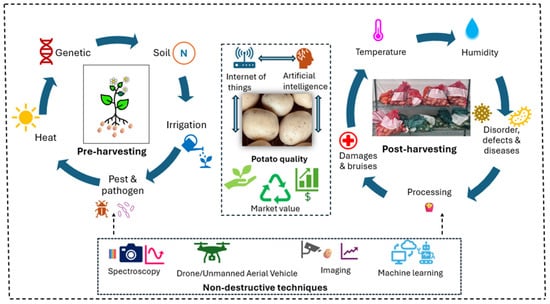
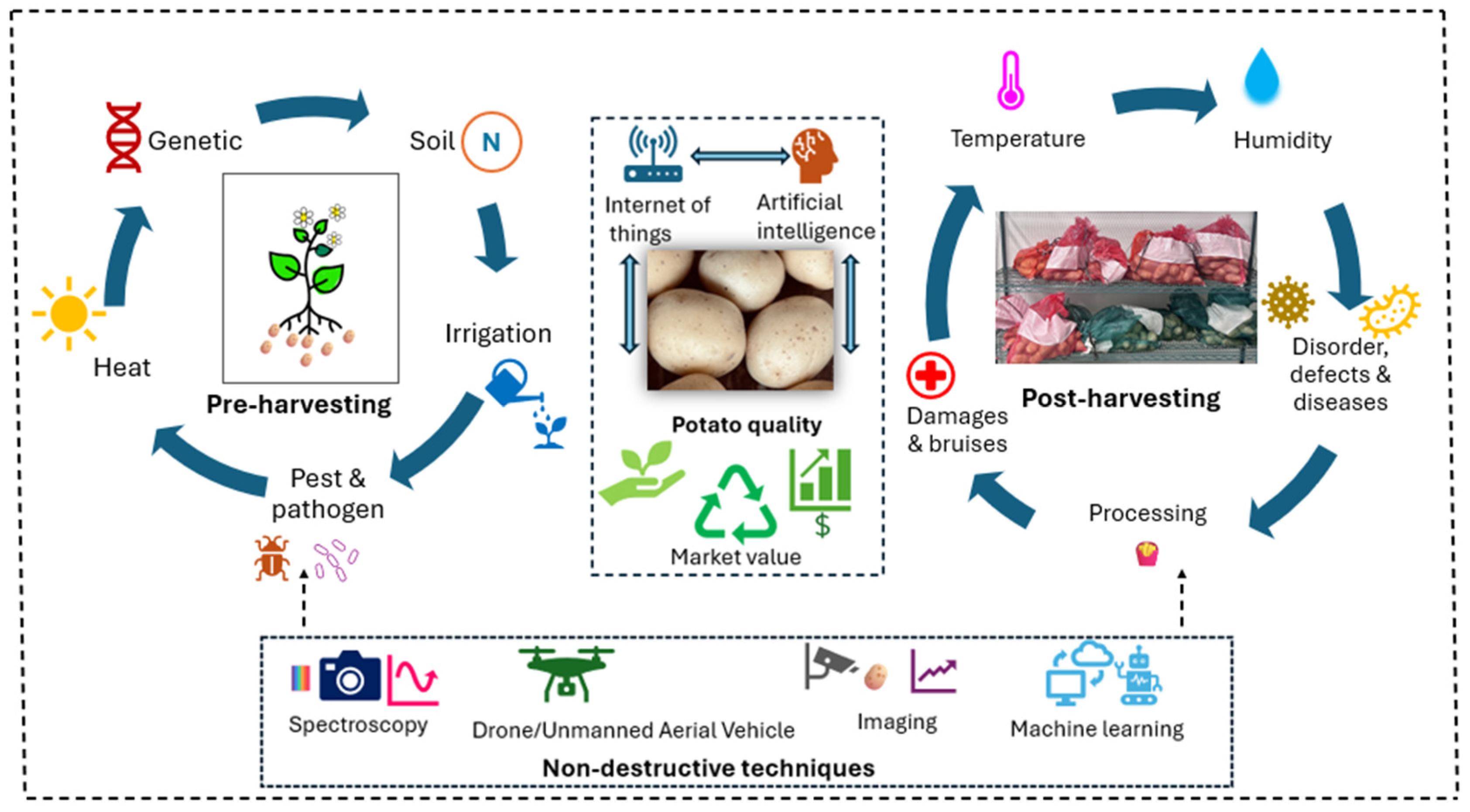
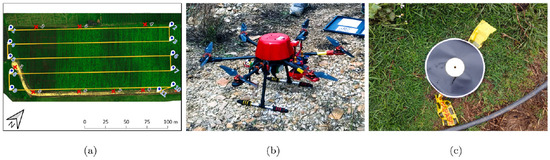
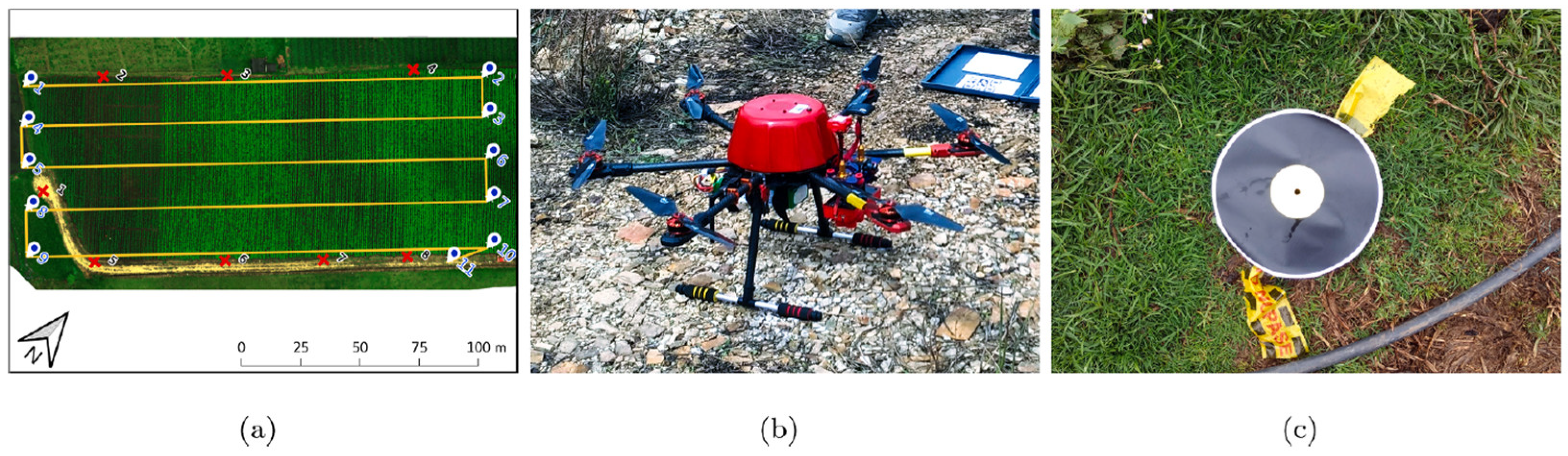
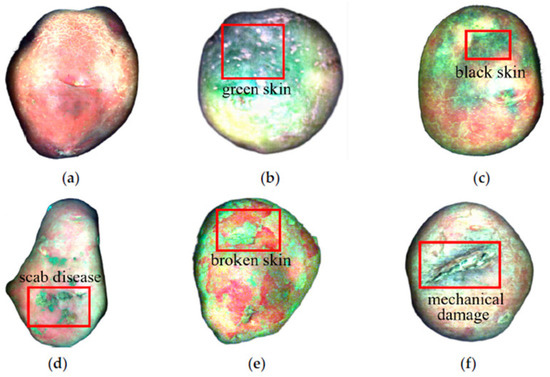
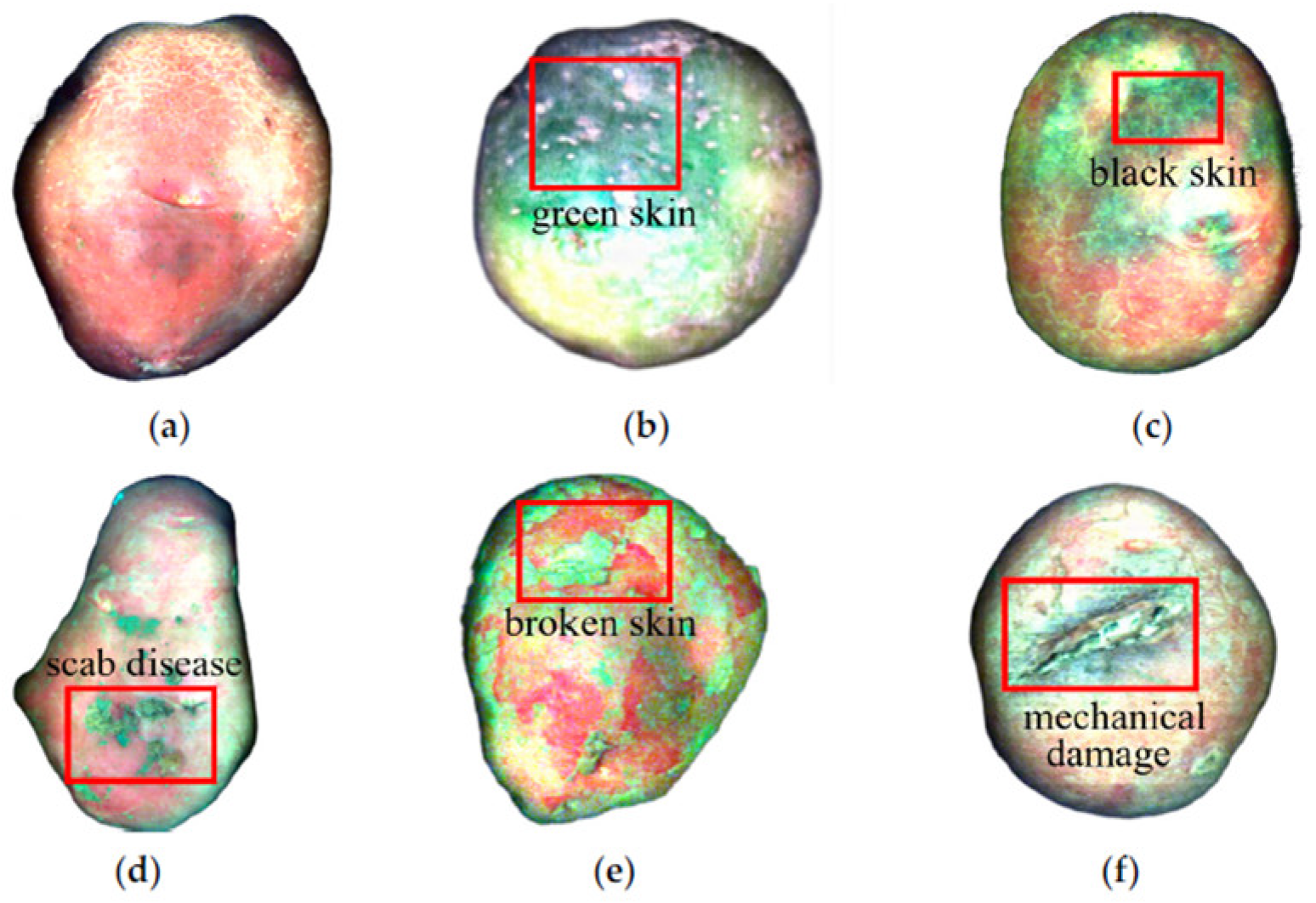
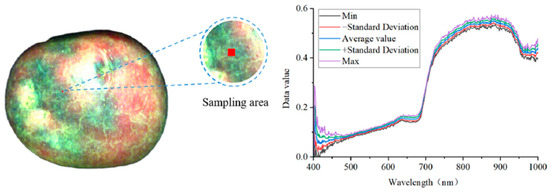
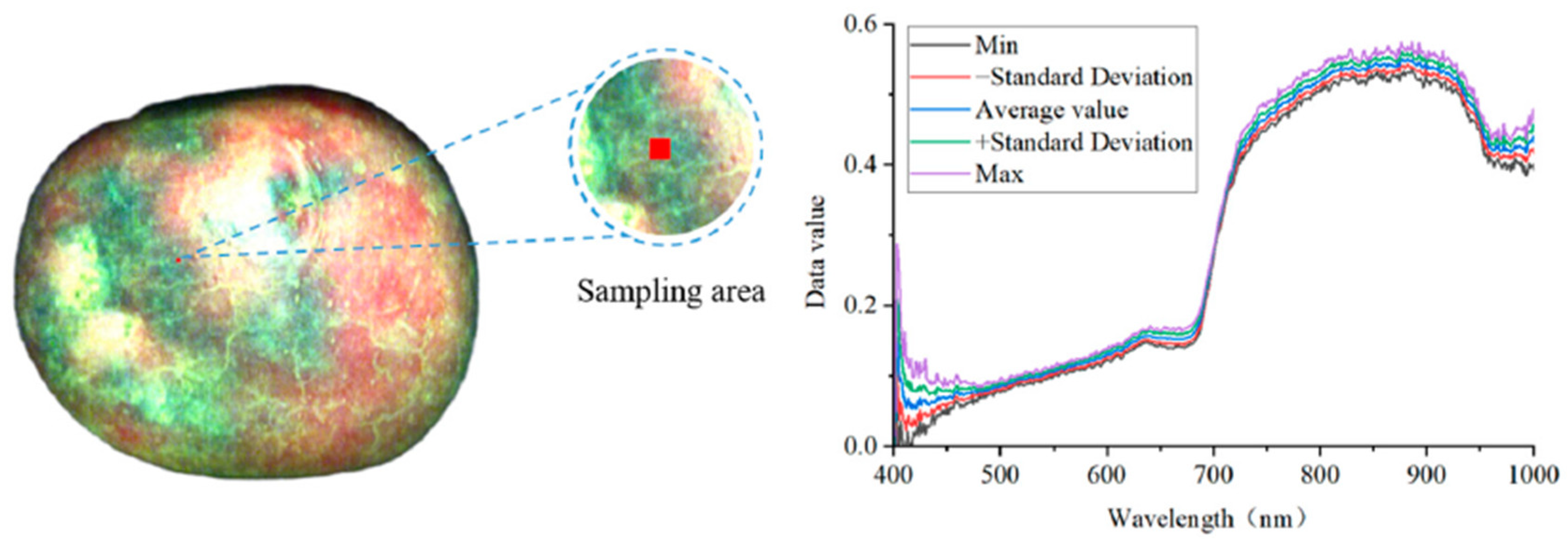
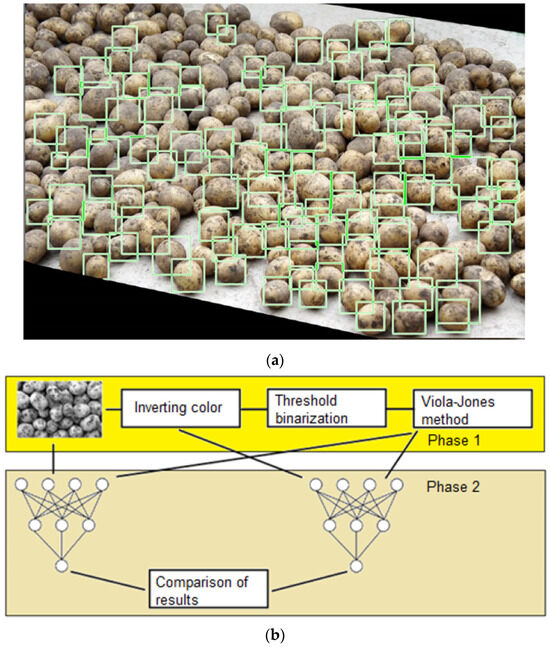
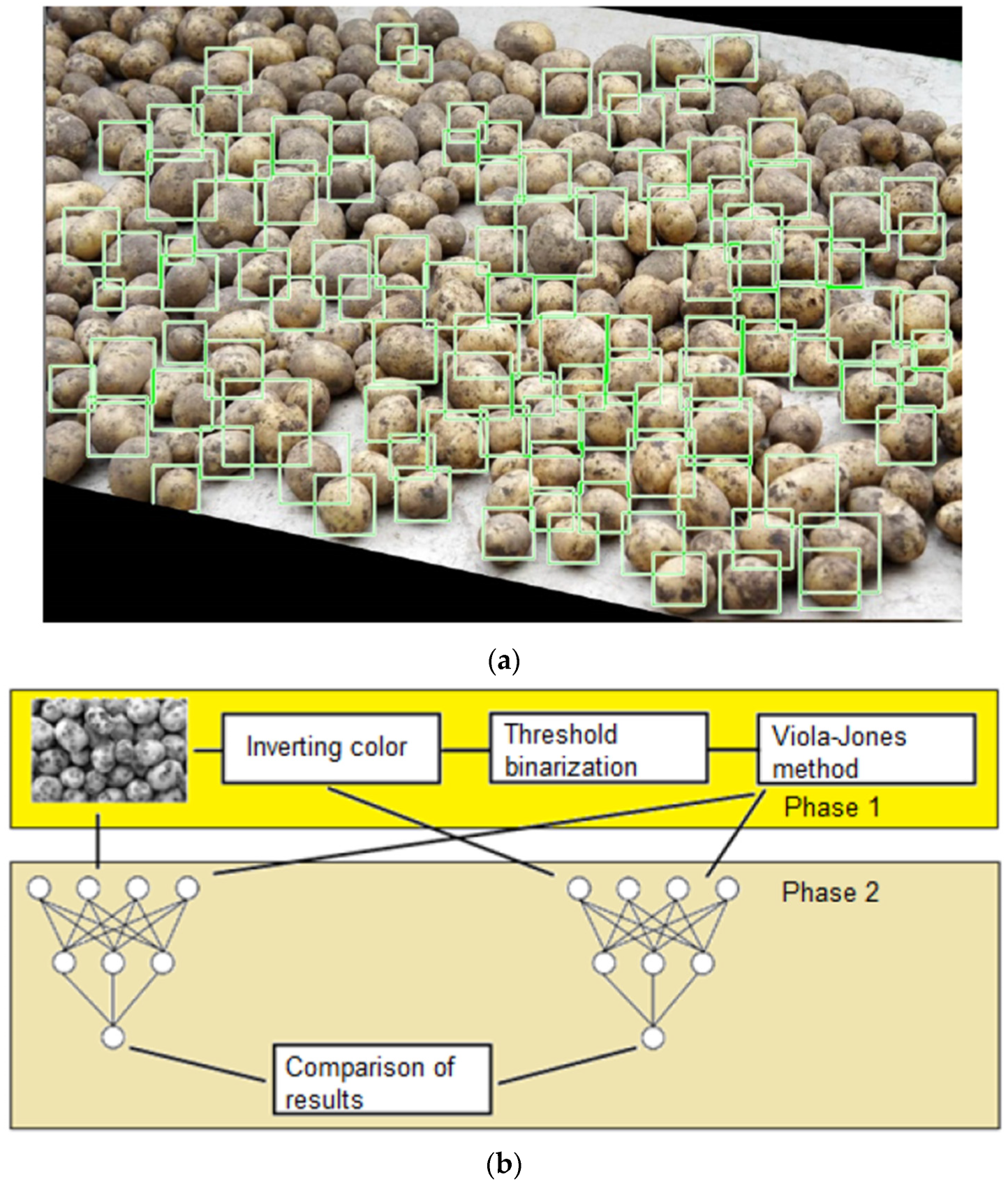
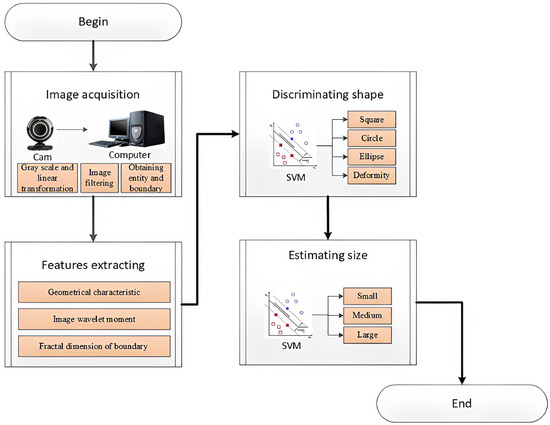
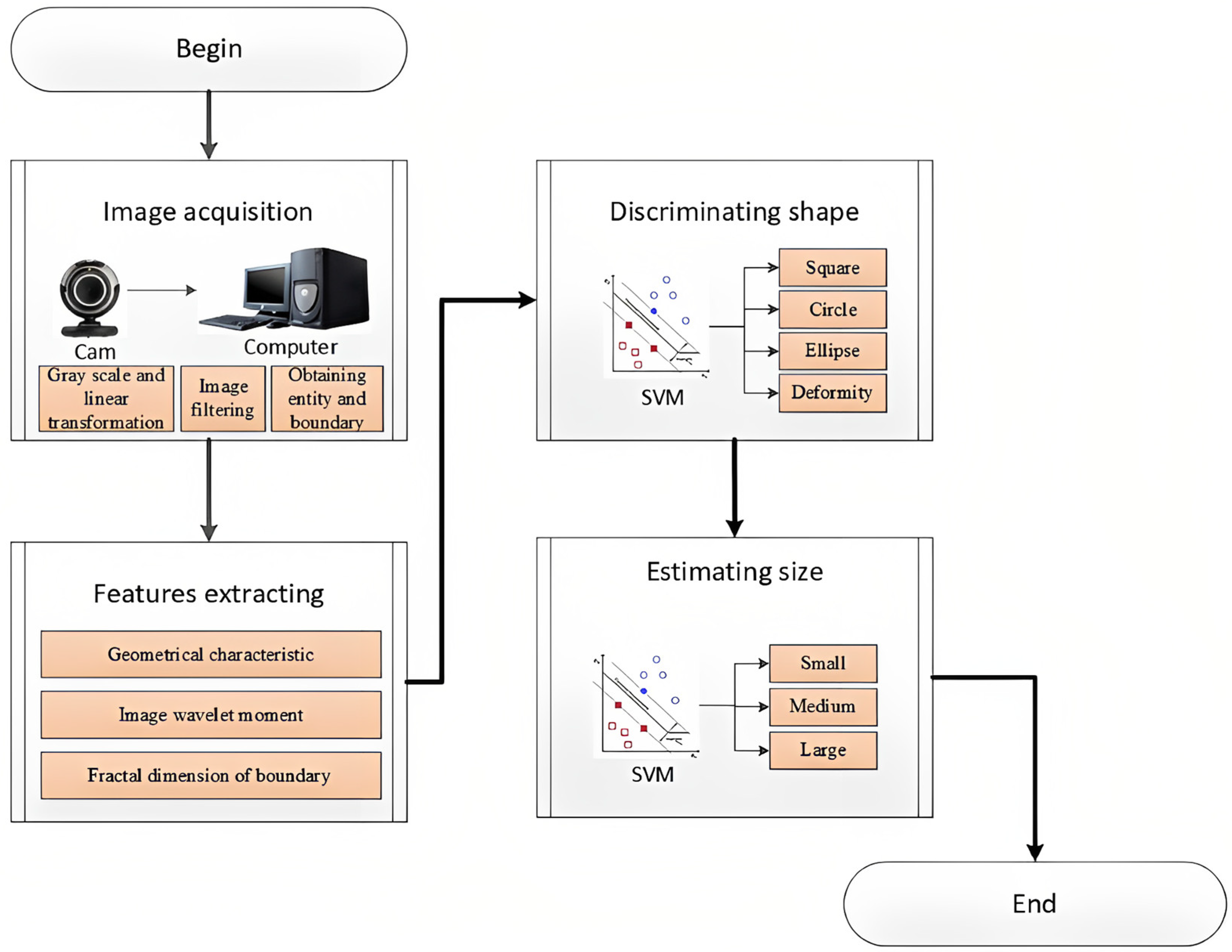

Disclaimer/Publisher’s Note: The statements, opinions and data contained in all publications are solely those of the individual author(s) and contributor(s) and not of MDPI and/or the editor(s). MDPI and/or the editor(s) disclaim responsibility for any injury to people or property resulting from any ideas, methods, instructions or products referred to in the content. |
© 2025 by the authors. Licensee MDPI, Basel, Switzerland. This article is an open access article distributed under the terms and conditions of the Creative Commons Attribution (CC BY) license.