Review

Therapeutic Potential of Flavonoids—The Use of Apigenin in Medicine

1
Department of Toxicology, Toxicological Analysis and Bioanalysis, Faculty of Pharmaceutical Sciences in Sosnowiec, Doctoral School, Medical University of Silesia, 40-055 Katowice, Poland
2
Department of Drug and Cosmetics Technology, Faculty of Pharmaceutical Sciences in Sosnowiec, Medical University of Silesia, 40-055 Katowice, Poland
3
Department of Toxicology, Toxicological Analysis and Bioanalysis, Faculty of Pharmaceutical Sciences in Sosnowiec, Medical University of Silesia, 40-055 Katowice, Poland
*
Author to whom correspondence should be addressed.
Appl. Sci. 2025, 15(24), 12996; https://doi.org/10.3390/app152412996
Submission received: 7 October 2025 / Revised: 2 December 2025 / Accepted: 5 December 2025 / Published: 10 December 2025
(This article belongs to the Special Issue Bioactive Analysis and Applications of Honey and Other Bee Products)

Abstract

Flavonoids are organic compounds of plant origin from the group of polyphenols. They are known mainly for their antioxidant, anticancer and antimicrobial properties. It is worth noting, however, that scientists are constantly discovering new applications for these compounds. One of the most well-known flavonoids is apigenin. Starting with its strong antioxidant properties, apigenin is also important in oncology, allergology, cardiology, orthopedics, neurology, diabetology, microbiology and virology. Apigenin was and will be a valuable direction of research. The purpose of this article is to provide information on the use of one of the most promising flavonoids, apigenin. This article will present in vitro and in vivo studies, as well as clinical studies, using apigenin as a treatment adjunct or medicinal substance. The conclusions from these studies indicate that apigenin has the potential to become an important link in the development of innovative, safer and more effective nature-based therapies.

1. Introduction

Flavonoids are organic compounds of plant origin from the group of polyphenols. As one of the secondary metabolites of plants, they have been of interest to scientists around the world, but it was only in the last century that they began to be interested in them in the context of their use in medicine [1,2]. Their most promising feature is their antioxidant activity—they are able to capture and “sweep” free oxygen radicals, and hydroxyl functional groups chelate metal ions, mediating the antioxidant effect. In addition, they may have anti-allergic effects (inhibition of lymphocyte proliferation and inhibition of the synthesis of IgE, IgG, IgM and IgA) and anti-inflammatory effects (inhibition of the activity of 5-LOX 5-lipoxygenase and COX-2 cyclooxygenase 2), anticancer effects and they have deadly effect on bacteria, viruses and fungus. All the above-mentioned features mean that flavonoids are thoroughly researched for their use in broadly understood medicine [2,3,4,5].
Flavonoids are derivatives of 2-phenylchromen-4-one (flavone). Their common feature is the carbon skeleton, which is based on the flavan system—it is made of two benzene rings (A and B), which are connected by a pyrone or pyran ring (heterocyclic ring C) [6,7]. The basic structure of flavonoids is shown in Figure 1.
The biosynthesis of the A ring occurs during the malon pathway and the B ring during the shikimate pathway. The basic precursors for their synthesis are erythrose-4-phosphate and phosphoenolpyruvate (PEP). Flavonoid biosynthesis is part of the phenylpropanoid pathway [5,6].
Flavonoids accumulate in the above-ground parts of plants—mainly in flowers, leaves, fruits, bark and seeds. One of their roles is to give colors to plants. Plant families particularly rich in flavonoids are: Apiaceae (celery family), Asteraceae (aster family), Betulaceae (birch family), Brassicaceae (cabbage family), Ericaceae (heather family), Fabaceae (legume family), Hypericaceae, Lamiaceae, Polygonaceae, Primulaceae (primroses family), Ranunculaceae, Rosaceae (rose family), Rutaceae, and Scrophulariaceae [8,9].
Flavonoids can be divided according to their structural differences—the best known groups are [1,3,5]:
Flavones—e.g., apigenin, luteolin, diosmetin;
Isoflavones—e.g., genisgtein, daidzein;
Flavonols—e.g., quercetin, myricetin, morin, kemferol, fistein;
Flavanones—e.g., hesperetin, hesperedin, nerygenin, naringenin;
Flavanols—e.g., catechin, epigallocatechin, epicatechin;
Anthocyanins—e.g., cyanidin, malvidin, pelargonidin;
Biflavonoids—e.g., ginkgetin;
Flavonoglycans—e.g., silybin;
Chalcones—e.g., phloretin.
The purpose of this article is to provide information on the use of one of the most promising flavonoids, apigenin.

2. Apigenin

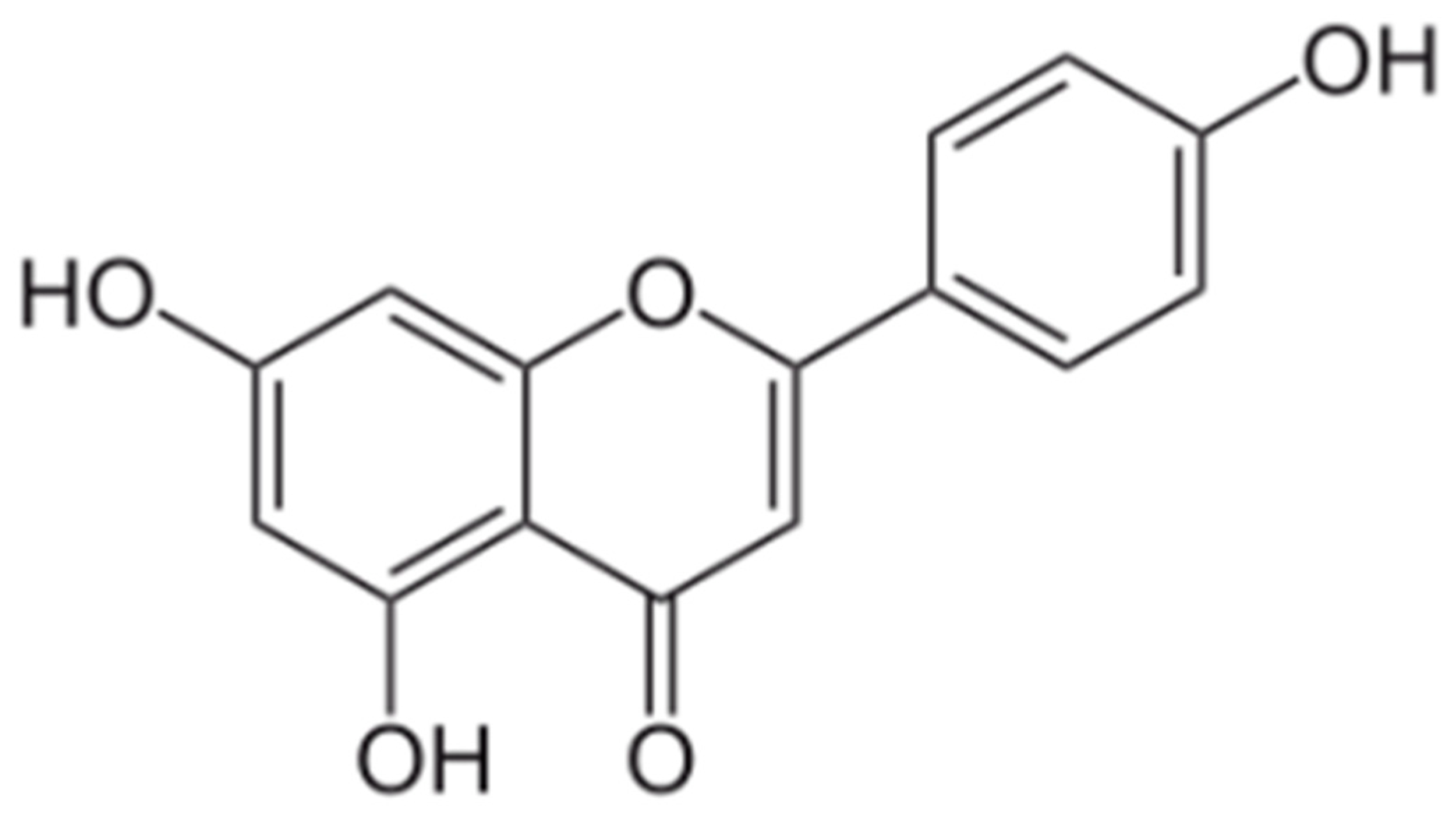
Apigenin is one of the most well-known flavonoids to scientists, belonging to the flavone group. It gives plants a yellow color which can, among other things, serve the function of repelling herbivores and make a given plant more attractive to pollinating insects. In the human diet, it can be found, for example, in chamomile, grapefruit, thyme, celery, lemon, parsley, red pepper and red bell pepper. Apigenin exhibits high lipophilicity, allowing it to penetrate biological membrane [9,10,11]. Hołderna-Kędzia also noted that apigenin can occur in honey and its derivatives. She described a method for isolating apigenin from propolis: propolis should be purified with 70% ethanol to remove beeswax. Such an ethanol extract is ready for further technological processing in order to use it for treatment or prevention [12]. The structure of apigenin is presented in Figure 2.
Apigenin is an inhibitor of metabolic enzymes that can inhibit CYP2C9, or cytoxhrome P450 from family 2 and subfamily C. This enzyme is involved in human metabolism by oxidizing drugs and xenobiotics. This is therefore of great importance in general pharmaceutics. The most important features of apigenin certainly include its antiproliferative, anti-inflammatory, antibacterial, antiviral, antioxidant, anticancer and antiallergic properties, but it plays its role in virtually every field of medicine. Since it is described as a non-mutagenic and non-toxic flavonoid, it is often used by researchers from all over the world [14].
Despite its many potential health effects, apigenin has very low solubility in water, which limits its use in animal studies. Researchers are trying to find a way to increase its solubility using liposomes, nanosuspensions, nanosized injections, or polymer micelles. The most promising material is apigenin nanocapsules [15]. Rosiak et al. in their study, they prepared solid dispersions of APG using the ball milling method. Sodium alginate (SA), Pluronic® F-68 (PLU68), Pluronic® F-127 (PLU127), PVP K30, and PVP VA64 were used as polymeric excipients. The dispersions were tested for apparent solubility in buffers at pH 1.2, 5.5, and 6.8, as well as in water. After 60 min, APG-PLU68 and APG-PLU127 showed improved solubility, and APG-PLU127 was selected for further study. DSC and FT-IR analysis confirmed molecular interactions between the polymer matrices and APG. APG-PLU127 achieved 100% solubility at pH 6.8, suggesting its high potential in the small intestine. APG-PLU127 also achieved 84.3% solubility at pH 1.2, which may translate into good results in sustained oral dosing and absorption in the acidic environment of the stomach [11]. Omer et al. prepared glycyrrhizin–apigenin spray-dried solid dispersions and developed 3D printlets of PVA filament to increase dissolution of apigenin. Three formulations of apigenin named here as APN1, APN2 and APN3 were ioned from 1:1 to 1:3. A physicochemical analysis revealed APN content within 98.0–102.0% and also process yields of 80.5–91%. They used a FTIR spectroscopy to confirm structural preservation of apigenin. Powder-XRD analysis and Differential Scanning Calorimetry confirmed transformation of apigenin from a crystalline form to an amorphous form. APN2 exhibited the best properties. In vitro studies with APN2, confirmed releasing up to 94.65% of the drug. It also revealed that controlled release mechanisms of test samples have a lower mean dissolution time of 71.80 min than the marketed APN formulation. APN2 also exhibited enhanced cytotoxicity against HCT-116 colon cancer cells than APN pure. This research underscores the potential of apigenin solid dispersions in medicine and therapeutic applications, while creating a 3D printlet shell offers the chance for better drug delivery in colon cancer treatment [16].

3. The Use of Apigenin in Medicine

The aim of this review is to present the most promising studies demonstrating the therapeutic potential of apigenin and its applications in medicine. The paper aims to consolidate current knowledge on the multifaceted effects of this flavonoid, including its anti-inflammatory, antioxidant, anticancer, neuroprotective, and antiviral properties. The authors analyze the molecular mechanisms of apigenin in various cell types, such as cancer, immune, neural, metabolic, and viral and bacterial microorganisms. The review also aims to assess apigenin’s potential in the treatment of chronic, metabolic, and infectious diseases, and its potential use as a component of nutraceuticals and phytotherapeutic preparations. Furthermore, the paper suggests directions for future research that may enable standardization of dosages, increased bioavailability, and increased therapeutic efficacy of apigenin in clinical practice. As a result, the review provides a comprehensive overview of the current state of knowledge and prospects for the development of new, safe, and effective therapies based on this natural flavonoid. The most promising studies showing the therapeutic potential of apigenin will be presented below.

3.1. Antioxidant Effect

Szeleszczuk and co-authors turned their attention to the antioxidant activity of apigenin contained in perilla (P. frutescens). The study by Meng and co-authors confirmed the presence of apigenin and luteolin in this plant. Tests were carried out on the antioxidant activity of this plant by deactivating the DPPH radical. DPPH, or 2,2-diphenyl-1-picrylhydrazyl, is an organic compound containing a stable nitrogen radical. In organic solutions, e.g., in ethanol, it takes on a dark purple color, while when mixed with substances that are hydrogen donors, it changes its color to light yellow or colorless. Meng’s studies confirmed the high antioxidant activity of perilla. In order to identify which compounds contained in this plant are mainly responsible for scavenging free radicals, a TLC analysis was carried out, i.e., thin-layer liquid chromatography. This technique is based on the separation of chemical compound mixtures on a separation phase, i.e., a bed with sorption properties. The mixtures applied to the bed are placed in a chromatographic chamber and subjected to the action of an eluent, which, thanks to the capillary phenomenon, climbs the bed and moves the substances up the plate. The speed of movement of the given components of the mixture varies depending on the intermolecular interactions between the mixture and the eluent. During the study, four compounds with the highest antioxidant potential were isolated, these being apigenin, luteolin, rosmarinic acid and chrysoeriol [17,18].
Salehi et al. also noted the high antioxidant potential of apigenin. In order to counteract oxidative stress, this flavonoid can increase the expression of enzymes participating in antioxidant reactions, e.g., catalase or GSH-synthase. Salehi et al. also noted that apigenin can increase the expression of genes that encode phase II enzymes. It does this by blocking the NADPH oxidase complex and by increasing the expression of nuclear translocation Nrf-2 [15].
Apigenin has also been detected in medicinal plants. Mihailovic et al., in their article, described the medicinal use of Blackstonia perfoliata (L.). This plant is characterized by a bitter taste but is used in herbal preparations. Analysis of the methanol extract from this plant revealed the dominant presence of three compounds: swertiamarin, gentiopicrin, and sweroside. Additionally, 23 phenolic compounds, including apigenin, were detected. Biological activity studies showed that the extract possesses anti-inflammatory activity by inhibiting COX-1 and COX-2 enzymes, as well as moderate antioxidant activity, a beneficial effect on inhibiting lipid peroxidation, and stronger antifungal than antibacterial activity. Importantly, the extract did not demonstrate cytotoxicity in in vitro tests. In Blackstonia perfoliata, apigenin is one of the key components responsible for its biological activity. The presence of apigenin may synergistically enhance the effects of other secondary metabolites, such as flavonol glycosides and iridoids. Phytochemical studies indicate that the apigenin content of the plant may be an important parameter determining its therapeutic potential. Due to its multifaceted mechanism of action, apigenin is a subject of growing interest in the design of new natural drugs. The highly bioactive potential of B. perfoliata makes it a valuable candidate for further research and use in pharmaceutical products or functional foods [19].
In a study by Scimone et al., the authors exposed lemon balm (Melissa officinalis L.) crops to ozone (80 ppb, 5 h per day) for 35 consecutive days. The aim was to assess the effect of ozone as an elixir of secondary compound biosynthesis. Long-term exposure to ozone caused stomatal dysfunction and a significant inhibition of photosynthesis 7 days after the start of treatment, with the effect persisting throughout the exposure period. In response to oxidative stress, an approximately 47% increase in hydrogen peroxide (H2O2) concentration was observed after one week, indicating the generation of reactive oxygen species, leading to lipid peroxidation and visible tissue damage. Simultaneously, from the 7th day of ozone exposure, a significant increase in total phenolic and flavonoid content was observed—up to +48% and +93%, respectively, compared to the control group. Phytochemical analysis identified, among others: Apigenin. A characteristic, biphasic response pattern to ozone accumulation was observed for apigenin: after an initial increase in flavonoid concentration in Phase I and a temporary decrease in Phase II, a strong re-accumulation occurred at the highest total ozone doses. The increase in apigenin content was correlated with an increase in the activity of the enzyme phenylalanine-ammonia-lyase (PAL), crucial for the induction of the phenylpropanoid pathway, indicating a shift in the plant’s metabolism from primary metabolism towards the biosynthesis of defensive compounds. The increase in total antioxidant activity was also observed to be up to three times the control value after 35 days. The authors concluded that short-term exposure of lemon balm to ozone may be a useful and cost-effective treatment for increasing the production of bioactive phenolic compounds (including apigenin) in this plant—which could have applications in the production of pharmaceutical or nutraceutical raw materials [20].
Parsley (Petroselinum crispum) is renowned for its anti-inflammatory effects. In their study, Song et al. present a detailed analysis of two glycosidation enzymes from parsley, key to the biosynthesis of apiin (apigenin 7-O-[β-D-apiosyl-(1→2)-β-D-glucoside]), the main apigenin glycoside in this plant. The researchers identified and described the activities of glucosyltransferase and apiosyltransferase, which lead to the formation of apiin. The enzymes demonstrate high substrate specificity and expression dependent on the plant organ and developmental stage, which correlates with apiin accumulation. The authors emphasize that apiin serves as a stable storage form of apigenin in the plant. The authors suggest the possibility of using the identified enzymes for the biotechnological production of apiin in plant or microbial systems to obtain standardized raw materials rich in apigenin precursors. The authors also emphasize the need for further quantitative studies using chromatographic techniques to determine the realistic doses of apigenin achievable through the consumption of plant raw materials. The results represent an important step in understanding flavonoid biosynthesis in parsley and pave the way for the development of methods for increasing apiin content in herbal raw materials, which may translate into greater efficacy of apigenin-rich preparations. From a medical perspective, apigenin from parsley exhibits numerous beneficial pharmacological properties: anti-inflammatory effects through inhibition of NF-κB and reduction in proinflammatory cytokines, and antioxidant effects through neutralization of free radicals and protection of cells from oxidative stress. Moreover, apigenin has a beneficial effect on the circulatory system, lipid metabolism and immune system functions, which makes parsley extracts potentially useful as nutraceutical supplements or ingredients of phytotherapeutic preparations [21].
All antioxidant effects of apigenin described in this article are compiled in Table 1.

3.2. Anticancer Effect

By far the largest number of reports on apigenin concern its potential anticancer effects, therefore this article will present the most promising oncological studies.
In her review article, Kałwa drew attention to the anticancer properties of apigenin. This is related to the high antioxidant activity of this flavonoid. In addition to reducing free radicals and the ability to chelate metals, it can also induce apoptosis of cancer cells. In addition, it is a strong inhibitor of ornithine decarboxylase, an enzyme from the lyase group that decarboxylates ornithine to the diamine, putrescine. Ornithine is necessary for the urea cycle and, consequently, for the elimination of ammonia from the body [11].
Salehi et al. pointed out the broad potential of apigenin to regulate the cell cycle and set cells to the apoptosis pathway. Apigenin can induce cell cycle arrest in the G1/S phase and in the G2/M phase. This occurs as a result of modulation of the expression of CDKs, or cyclin-dependent kinases, which are direct regulators of the cell cycle. In addition, apigenin can change the mitochondrial membrane potential, which causes the release of cytochrome C in its cytoplasm, activation of caspase 3 and the activation of apoptosis. In another case, apigenin caused the cell to switch to apoptosis mode by activating caspase 8. In cancer cells, this flavonoid can drive anti-inflammatory pathways, including the p38/MAPK pathway and the PI3K/Akt pathway. It can also reduce the activity of cyclooxygenase COX-2. Activation of apoptosis caused by apigenin may also have its source in the modulation of the expression of proteins such as Bax, STAT-3 or Bcl-2. Studies on human cell cultures have also shown that apigenin can inactivate nuclear factor kappa-light-chain-enhancer and activate NF-KB B cells. Further studies on human cell cultures have proven that apigenin can induce the inhibition of angiogenesis and tumor metastasis through interaction with the mitogen-activated protein kinase (MAPK) pathway, interaction with the extracellular signal-regulated kinase (ERK) pathway and interaction with the c-Jun N-terminal kinase pathway. Moreover, studies on mouse microglia have shown that apigenin can inhibit the production of CD40, IL-6 and TNF-α by inhibiting phosphorylation induced by interferon gamma and by inhibiting activators of transcription 1 (STAT1) [15].
Silvan et al. conducted studies on hamsters. Carcinogenesis of the cheek pouch of these animals was induced by DMBA, or dimethylbenz(a)anthracene, which is a polycyclic aromatic hydrocarbon and a strong immunosuppressant and carcinogen. These animals were simultaneously given apigenin daily at a dose of 2.5 mg per kilogram of body weight. Apigenin administration began seven days before the animals were infected with DMBA. Studies clearly showed that apigenin prevented the formation of tumors in the animals that took it compared to the control group that took only DMBA. In the research group, only moderate and mild neoplastic changes were observed, i.e., dysplasia, hyperkeratosis and hyperplasia, but full carcinogenesis was not observed [22].
Golonko et al. examined the effect of apigenin on the cytotoxicity of doxorubicin (DOX) in two breast cancer cell lines: MCF-7 (hormone-dependent) and MDA-MB-231 (triple-negative, TNBC). The aim was to determine whether apigenin could synergize with DOX, increasing its efficacy at lower doses and reducing toxicity. After 24 h of exposure, the IC50 of DOX was determined to be 2.3 µM for MCF-7 and 4.1 µM for MDA-MB-231, confirming the greater resistance of TNBC cells. Further experiments employed subtoxic doses of 1.15 µM DOX (MCF-7) and 2.04 µM DOX (MDA-MB-231). A range of 12.5–200 µM was studied for apigenin. Low doses (12.5–25 µM) were not only non-toxic but also increased cell viability by up to 120%, while high concentrations (100–200 µM) reduced it to 30–60%, indicating a dose-dependent cytotoxic effect. The combination of Api with DOX (2 µM) demonstrated a strong synergistic effect: in MCF-7, cell viability decreased from 94% to approximately 31% at 100 µM Api, and in MDA-MB-231 to approximately 66%. Isobolographic analysis confirmed synergism (interaction coefficient γ = 0.63 for MCF-7 and 0.57 for MDA-MB-231), indicating that the drug combination induced a greater cytotoxic effect than the sum of their individual effects. In the wound-healing assay, Api reduced cell motility in a dose-dependent manner—the migration rate of MDA-MB-231 decreased from 22.5 µm/h in the control to 4.8 µm/h with 50 µM Api. A similar trend was observed in MCF-7. DOX alone reduced migration to a lesser extent, confirming the greater aggressiveness of the TNBC line. In the analysis of lipid droplet (LD) accumulation, Api induced their growth in MDA-MB-231 cells (p < 0.0001), but not in MCF-7. In combination with DOX, this effect persisted only in TNBC, suggesting differences in lipid metabolism and oxidative stress between the lines. Protein network analysis (STITCH 5.0) revealed that Api and DOX interact with ABC transporters (ABCB1, ABCG2, ABCC1), as well as with proteins TP53, MYC, and AKT1. Api likely inhibits the activity of drug efflux pumps (P-gp, MRP1), increasing intracellular DOX accumulation. It also influences the PI3K/AKT/mTOR, MAPK, p53, and JAK/STAT pathways, modulating proliferation and apoptosis. The results indicate that Api at 25–100 µM can enhance the cytotoxic effect of DOX (1–2 µM) in breast cancer cells, particularly in the TNBC model, through mechanisms independent of classical antioxidant activity. In summary, this study confirms the synergistic effect of apigenin and doxorubicin, associated with the inhibition of multidrug resistance pumps and modulation of proliferative pathways. The authors emphasize the need for further research on the effect of Api on mitochondrial bioenergetics, apoptosis gene expression and toxicity in non-cancer cells [23].
Li Xu et al. analyzed the effects of apigenin on proliferation, apoptosis, and glucose metabolism in endometrial cancer cells. Two cell lines were used: Ishikawa and HEC-1A, which were treated with apigenin at concentrations of 0, 10, 20, and 40 µM for 24–72 h. Viability and proliferation were assessed using CCK-8 and EDU assays, apoptosis by flow cytometry (Annexin V/PI), and energy metabolism by measuring glucose, lactate, and ATP. Apigenin significantly inhibited cell proliferation in a dose-dependent and time-dependent manner. Compared to the control group, a significant reduction in proliferation indices was observed even at 20 µM. Flow cytometric analysis showed that the percentage of apoptotic cells increased proportionally with Api concentration. Western blots revealed increased expression of the proapoptotic proteins BAX and Cleaved Caspase-3, with a concomitant decrease in the antiapoptotic protein BCL-2, confirming activation of the mitochondrial apoptotic pathway. Metabolism-wise, Api decreased glucose consumption, lactate production, and ATP levels, suggesting inhibition of aerobic glycolysis (Warburg effect) in cancer cells. Analysis of signaling protein expression showed that apigenin increased PTEN levels and simultaneously inhibited the phosphorylation of PI3K, Akt, and mTOR, confirming inhibition of the PI3K/Akt/mTOR pathway. The results demonstrate that apigenin at doses of 10–40 µM effectively reduces endometrial cancer cell growth, induces apoptosis, and disrupts glucose metabolism by inhibiting the PI3K/Akt pathway. The authors suggest that this compound may be a potential adjunct therapy for endometrial cancer, although further in vivo studies are needed to confirm its efficacy [24].
Prostate cancer has also been a subject of research by scientists. Shukla et al. studied the effect of apigenin on TRAMP, or transgenic prostate adenocarcinoma in mice. Apigenin was administered to mice at doses of 20 µg per day or 50 µg per day for 20 weeks. The results showed a reduction in the volume of tumors and a complete abolition of the process of metastasis to other organs. In addition, the weight of the genitourinary system and the ventral prostate system decreased. Apigenin may affect the PI3K/Akt/Fox0 signaling pathway. This is due to the fact that apigenin causes a decrease in the phosphorylation of Akt and Fox03a, which results in increased nuclear retention and negative regulation of Fox03a. In other studies, these authors also proved that apigenin may also affect the β-catechin and insulin-like growth factor I signaling pathway [25].
A meta-analysis by Koohyar Ahmadzadeh et al., including 39 preclinical studies, assessed the effect of apigenin on colon cancer in cellular and animal models. In vitro studies (doses 1–2777 µM, 24–72 h) showed that apigenin significantly reduces cell viability (SMD from −5.51 to −12.99; p < 0.0001), inhibits cell growth (SMD ≈ 9–11; p < 0.001), and induces apoptosis, particularly at doses of 10–100 µM after 24–48 h. Additionally, it causes cell cycle arrest, mainly in the G2/M phase, with a simultaneous decrease in the number of cells in the G0–G1 and G1 phases. In in vivo models (mice bearing colon cancer, doses 25–300 mg/kg, 14–42 days), apigenin significantly reduced tumor size (SMD = −2.48; p = 0.003) without affecting animal body weight. No significant toxic effects or publication bias were observed. These results indicate that apigenin exerts potent antitumor activity against colon cancer, mainly through inhibition of proliferation, induction of apoptosis, and cell cycle blockade, while having no negative impact on the organism in animal models [26].
Perrot et al. pointed out that one of the causes of cancer, especially in old age, may be SASP, or sentence-associated secretory phenotype. SASP is a proinflammatory secretory phenotype that mediates the effects of aging. It is composed of cytokines, proteases, chemokines and growth factors, i.e., those chemical compounds that we most often observe in aging cells. Despite the fact that SASP helps in finding and removing old and unnecessary cells, it can also promote the progression of cancer cells by, for example, participating in the formation of new vessels for the tumor. The researchers tried to prove that apigenin can reduce SASP. They conducted studies on strains of human fibroblasts induced by ionizing radiation, oncogenic RAS protein, replicative exhaustion and mitogen-activated protein kinase (MAPK) signaling. Previously, similar studies have shown that apigenin inhibits SASP in fibroblasts induced by bleomycin (an antibiotic and cytostatic with anticancer activity). The results of Perrot et al. suggest that for all fibroblasts tested, apigenin showed an inhibitory effect on SASP. This flavonoid showed partial inhibition of SASP by suppressing MAPK but was particularly effective in suppressing the proinflammatory phenotype by suppressing interleukin 1 (IL-1) signaling. SASP inhibition was also studied in human breast cancer cells, and apigenin also showed a positive response. This study suggests that apigenin may be useful in inhibiting tumor progression but also in inhibiting excessive apoptosis of normal cells [27].
Domino in his doctoral dissertation investigated the importance of flavonoids, including apigenin, on induced apoptosis of cervical cancer cells of the HeLa ACC 57 line. These cells were isolated from a woman suffering from cervical cancer in 1951 and are still a key cell line in this type of research. Polish propolis used for the study was flooded with 95% ethanol and assessed using thin-layer chromatography to contain flavonoids such as apigenin, acacetin, chrysin, quercetin, galangin, kaempferol and kaempferide. The tests that were performed included the MTT test, the LDH test and the TRAIL test. The MTT test allows researchers to measure the activity of mitochondrial enzymes in cells, which translates into the amount of tetrazolium salt (MTT) reduced by the cells. Yellow MTT is transformed into purple formazan by dehydrogenase of living cells. The more live cells, the greater the activity of mitochondrial dehydrogenase and the more purple the color on the plate. The LDH test is a test based on the action of lactate dehydrogenase (LDH), which is a cytoplasmic enzyme. Damaged and dead cells have many changes in the integrity of their cell membranes. Then this cytoplasmic enzyme spills out into the culture medium. In this test, under the influence of LDH in the medium, lactate is converted to pyruvate with simultaneous reduction in NAD+ to NADH/H+. Then, hydrogen is transferred from NADH/H+ to the tetrazolium salt. The tetrazolium salts present there are reduced to formazan. The more LDH in the medium, the more dead cells in the sample and the more purple the color of the sample. TRAIL is a ligand of tumor necrosis factor that induces cell apoptosis. More precisely, it is a type II membrane protein belonging to the TNF family. Its great advantage is that it can induce apoptosis in cancer cells without causing death of normal cells. In this study, the cytotoxic effect of flavonoids on cancer cells was compared to the same effect of flavonoids in combination with TRAIL. A fluorescence microscope study was also performed. The MTT test results showed that ethanolic propolis extract enhanced the cytotoxic effect of TRAIL. The strongest cytotoxic effects were caused by TRAIL compiled with 50 µg/mL EEP—then the result was from 51.14 to 71.24% dead cells. The LDH study did not show that TRAIL caused necrosis and cytolysis of HeLa cells, which means that cancer cells safely undergo programmed death without bursting and possible inflammation in the patients’ body. The TRAIL study showed that flavonoids showed cytotoxic effects on cervical cancer cells of the HeLa line and cytotoxicity was from 19.89 to 25.43%. After combining flavonoids with TRAIL, cytotoxicity increased to 46.28–60.53. What is very important—the highest percentage of cytotoxicity in combination with TRAIL was demonstrated by apigenin and quercetin [28].
All anticancer effects of apigenin described in this article are compiled in Table 2.

3.3. Antiallergic Effect

Atopic dermatitis is a chronic and recurrent dermatosis that most often begins in early childhood. Excessive reactivity of Langerhans cells, or dendritic cells in the epidermis, associated with the pathological response of the immune system to even small doses of antigens causes excessive production of IgE antibodies. IgE antibodies bind specific antigens, which are presented to T helper lymphocytes. This leads to the accumulation of these cells and the secretion of proinflammatory cytokines, including interleukin 4, interleukin 5 and interleukin 10, which are directly responsible for the deterioration of the skin. During the inflammatory reaction, histamine, a heterocyclic amine, is also released, which is a mediator of the inflammatory process and is responsible for, among other things, vasodilation, increased heart rate and severe redness, warming and swelling of the skin. Golonko and co-authors linked the use of a vegetarian diet, a high content of flavonoids absorbed into the body and a reduction in the degree of skin inflammation in patients with atopic dermatitis. The study was based on the fact that patients with atopic dermatitis ate only a vegetarian diet for two months, which contained daily: 29 mg of kaempferol, 19.5 mg of quercetin, 17 mg of apigenin and 1.6 mg of luteolin [29,30].
The antiallergic effect of flavonoids, including apigenin, is also based on the inhibition of the synthesis of cysteinyl leukotrienes (cysLT), i.e., lipids secreted by mast cells, in the structure of which there is an amino acid—cysteine. These lipids are responsible for the contraction of smooth muscles and bronchi. Flavonoids such as apigenin, quercetin, naringenin, and galangin have the ability to inhibit 5-lipoxygenase and cyclooxygenase 2 (COX-2), and consequently to inhibit the synthesis of cysteinyl leukotrienes [29].
A study by Huang Li et al. evaluated the effect of apigenin on inflammatory responses in a model of allergic rhinitis. In an in vitro study, the researchers activated HMC-1 mast cells with compounds 48/80 and LPS, and in an in vivo study, rhinitis was induced in BALB/c mice using ovalbumin (OVA). Apigenin significantly inhibited the release of β-hexosaminidase and histamine, limiting mast cell degranulation. It also reduced apoptosis and proinflammatory cytokine secretion by inhibiting the TLR4/MyD88/NF-κB pathway. In the serum of mice with induced rhinitis, apigenin reduced the levels of OVA-specific IgE, IgG1, IgG2a, histamine, and ECP protein. Apigenin treatment led to a decrease in Th2 cytokines (IL-4, IL-5, IL-13) and an increase in Th1 (IFN-γ), which increased the Th1/Th2 cell ratio. Additionally, it reduced eosinophil infiltration. The authors suggest that apigenin’s effect is related to the blockade of the TLR4/MyD88/NF-κB pathway, making it a potential therapeutic agent for allergic rhinitis [31].
A study by Hang Yu et al. examined the effect of apigenin on chronic asthma in obese individuals—a phenotype characterized by complex inflammation and resistance to steroid treatment. The disease model was established in mice fed a high-fat diet (HFD) and sensitized with ovalbumin (OVA). Apigenin at various doses effectively reduced airway inflammation, reduced eosinophil and neutrophil infiltration, and reduced bronchial hyperresponsiveness. Apigenin was also shown to inhibit oxidative stress and apoptosis in bronchial epithelial cells by modulating the ROS-ASK1-MAPK pathway. In cellular studies, apigenin stabilized the ASK1 protein by inhibiting its phosphorylation and ubiquitin-dependent degradation. It also improved mitochondrial function and epithelial cell survival, which translated into maintaining an immunological balance between Th1, Th2, and Th17 cells. The results indicate that apigenin may be a new therapeutic agent for the treatment of chronic asthma in obese patients [32].
A study by Lu Yao et al. assessed the effect of apigenin on allergic reactions exacerbated by excess estrogen (E2) in BALB/c mouse models and in RBL-2H3 and OVCAR-3 cell cultures. Female mice were sensitized with hen’s egg white protein (OVA) and administered estrogen at a dose of 0.15 mg/kg. Apigenin was then administered at doses of 75, 150, or 300 mg/kg orally for one week. Apigenin significantly reduced clinical symptoms of allergy such as pruritus, dyspnea, and seizures, ameliorated intestinal damage, and inhibited mast cell degranulation and the release of histamine and MCT-1 in a dose-dependent manner. In mouse serum, apigenin reduced Th2 cytokine levels (IL-4, IL-5) and IgE/IgG1, while simultaneously increasing IFN-γ and IgG2a, thereby restoring the Th1/Th2 balance. In RBL-2H3 cells, apigenin at concentrations of 10−9–10−5 mol/L effectively inhibited E2-induced histamine and β-hexosaminidase release, without affecting cell viability. Apigenin reduced ERα and ERβ expression in the uterus and RBL-2H3 cells and inhibited ERK1/2 and JNK1/2/3 phosphorylation, limiting MAPK pathway activation and the secretion of proinflammatory cytokines such as TNF-α and IL-4. In luciferase assays with OVCAR-3 cells, apigenin competed with estrogen for ER binding, demonstrating weak selectivity for ERβ and partial antiestrogenic activity. In conclusion, apigenin alleviated estrogen-induced food allergy effects by competitively binding to estrogen receptors, inhibiting the ER/MAPK pathway, and regulating the Th1/Th2 immune response [33].

3.4. Effects in Cardiology

Navarro-Nunez et al. examined flavonoids, including apigenin, for their effects on thrombin-triggered platelet signaling pathways and selective activation of PAR 1 and PAR 4, or protease-activated receptors. Human platelets were incubated with flavonoids at concentrations ranging from 0 to 100 µM, and the effects were assessed after stimulation with thrombin (0.2 U/mL), PAR1-AP (25 µM), or PAR4-AP (150 µM). Quercetin demonstrated the greatest inhibitory activity (IC50 = 22–37 µM), while apigenin also significantly reduced aggregation (IC50 = 20–56 µM), particularly in response to PAR4. Flavonoids significantly inhibited serotonin (5-HT) release and Ca2+ mobilization from intracellular stores, thereby blocking granule secretion and platelet aggregation. Apigenin (50–100 µM) reduced the activity of multiple platelet kinases, particularly Syk, Fyn, Src, and Lyn (by 50–68%), and also moderately inhibited PI3Kβ, γ, and δ, as confirmed by in vitro kinase assays. The inhibition of platelet protein tyrosine phosphorylation following stimulation with thrombin, PAR1-AP, and PAR4-AP indicates that apigenin interferes with intracellular signaling rather than ligand binding to receptors. Binding studies with 125I-thrombin showed that none of the flavonoids (up to 1.25 mM) competed for binding sites on PAR1/PAR4 receptors. The results suggest that apigenin acts primarily by blocking intracellular calcium mobilization and tyrosine kinase activity, leading to reduced platelet aggregation and secretion [34].
Ruixuan Li et al. developed novel PLGA nanoparticles containing apigenin (AP) and adenosine (AD) and used them to treat cardiac injury induced by myocardial infarction (MI) in rats. They compared two methods of nanoparticle production—emulsification and microfluidic—and examined their pharmacokinetic and pharmacodynamic properties. Nanoparticles obtained by the emulsification method had a smaller size (~100 nm), lower viscosity, and higher encapsulation efficiency (EE) and drug loading (DL), which favored their intravenous administration. The MI model was induced with doxorubicin (85 mg/kg) in SD rats, and the animals were divided into control groups, drug-only groups, and groups treated with AP-AD nanoparticles. The study showed that AP-AD PNPs increased the concentration of both substances in the blood and heart, prolonging their residence time in the body and reducing clearance. Enzymatic markers of myocardial damage (AST, LDH, CK) were also assessed—all values normalized after AP-AD PNP therapy. Furthermore, the nanoparticles reduced levels of the proinflammatory cytokines IL-6 and TNF-α and the oxidative stress reducers NO and MDA, while simultaneously increasing GSH and SOD activity, indicating potent antioxidant and anti-inflammatory effects. AP-AD PNPs demonstrated better myocardial protection and greater efficacy in preventing apoptosis compared to a mixture of free compounds (AP&AD) and metoprolol (MT). Histological studies of other organs (liver, kidney, brain) did not reveal any toxicity. AP-AD are safe, stable, and effective in reducing myocardial damage through antioxidant, anti-inflammatory, and anti-apoptotic effects, making them a promising treatment option for myocardial infarction [35].
The other studies by Navarro-Nunez et al. also show that apigenin can enhance the effect of aspirin on inhibiting platelet aggregation. The binding of apigenin to TP in PRP was examined using the binding test and the TP antagonist [3H]SQ29548. The assessment of apigenin’s effect on the adhesion process to platelets and primary hemostasis under high shear forces was determined using the PFA-100 test, i.e., an occlusion time test, which is based on blood flow through a special capillary that is supposed to imitate a blood vessel. This capillary should contain a gap with collagen and, for example, as in this study, epinephrine. The gap is designed to activate platelets to aggregate and form a platelet plug. In binding assays with TP receptors (thromboxane A2 receptor), apigenin competed with the ligand [3H]SQ29548 with a Ki value of 155.3 ± 65.4 µM. The first conclusions were that apigenin is a good and effective competitor to TP [3H]SQ29548. In addition, apigenin significantly prolonged the occlusion time in the PFA-100 test compared to the control group, and when apigenin was added to platelets that had previously been treated in vivo with aspirin, this flavonoid enhanced the inhibitory effect of this drug. This study is a promising avenue for the treatment of patients in whom aspirin is unable to properly inhibit the TxA2 pathway and does not act with sufficient potency [36].
Szeleszczuk et al. described a 2011 study that confirmed that an extract from the leaves of perilla (P. frutescens) can lower blood lipid levels. In vivo tests were conducted using laboratory rats fed a high-fat diet and consequently suffering from hypercholesterolemia and hyperlipidemia. The extracts were first analyzed using HPLC, or high-performance liquid chromatography. HPLC involves dissolving a sample of the material in an appropriate solvent and directing it to a column with an appropriately selected bed. Intermolecular interactions result in the separation of chemical compounds that are part of a given sample. According to the HPLC analysis, the perilla leaves used in these studies contained mainly apigenin and luteolin. This extract was administered to the rats orally in doses ranging from 50 to 200 mg/kg body weight. The results showed that the rats had reduced levels of triglycerides, total cholesterol, and low-density lipoproteins in their blood. In addition, they had increased levels of high-density lipoproteins in their blood, which have a positive effect on the body [17,37].
Xin et al. tried to check whether apigenin affects the activity of the TRPV4 channel and consequently the effect on vasodilation. TRPV4 is a cation channel with a transient receptor potential. As it is permeable to calcium ions, it is involved in many key physiological functions of the body. It plays a major role in the regulation of osmotic pressure in the brain, liver, intestines, kidneys and urinary bladder. It also participates in the protection of the skin from UV-B radiation and in the increase in the structural integrity of the skeleton. Activation of this channel is possible thanks to osmotic, mechanical and chemical signals, but it can also be activated during injuries and inflammation. The effect of apigenin on these channels was studied in HEK293 cells (a specific line of embryonic kidney cells) overexpressing TRPV4. MAEC cells (rat mesenteric artery endothelial cells) and in isolated small segments derived from the mesenteric artery. The study used the “patch clamp” technique, a fluorescent imaging technique of Ca2+, and the technique of intracellular recording and pressure myography. The “patch clamp” technique consists of direct measurement of the membrane potential and/or current intensity flowing through the cell membrane of the tested sample. In HEK293 cells overexpressing the TRPV4 channel, apigenin was used in the range of 0.01µM to 30µM. In these cells, the EC50 value for apigenin in this channel function was measured to be approximately 4.32 µM (95% CI: 3.62–5.15 µM) for the whole-cell current. The conclusions from these tests are as follows: apigenin can stimulate the influx of calcium ions in TRPV4. In MAEC cells, it was observed that apigenin could stimulate calcium ion influx depending on its concentration. Pressure myography showed that apigenin could induce cell membrane hyperpolarization in smooth muscle cells, resulting in vasodilation. TRPV4 blockers then reduced apigenin-induced vasodilation. Apigenin could activate TRPV4 channels in a dose-dependent manner and could induce vasodilation, which leaves much room for further investigation [38].
All cardiological effects of apigenin described in this article are compiled in Table 3.

3.5. Effects in Orthopedics

Mroczek suggested in his doctoral thesis that apigenin may have an effect on bone metabolism. His study was based on proving that apigenin affects the bone mineralization process, which occurs with the help of annexin A6 and TNAP. In this study, two types of cells capable of active mineralization were used: hFOB (fetal osteoblasts) and Saoa-2 (osteosarcoma cells, or osteoid osteoma). These cells were cultured in resting conditions, as well as in stress conditions after stimulation with beta-glycerophosphate, ascorbic acid and various concentrations of apigenin. Studies have shown that apigenin has the ability to change the structure of minerals and to change the regulation of the activity of the TNAP enzyme. Osteosarcoma cells cultured with apigenin produced more minerals than in the control sample. Analysis using TEM-EDX, i.e., electron microscope with X-ray microanalysis, which allows for the determination of elemental compositions or material composition in the sample, showed that apigenin also affects the composition of minerals itself. In addition, it can also disturb the distribution of annexin 6 and the TNAP enzyme in cells and vesicles, which results in blocking the aggregation of annexin 6 and blocking the attachment of TNAP to cell membranes. This study has opened the way to further research on how apigenin can be used as a modulator of the bone mineralization process [39,40].
In the previously mentioned studies by Xin et al. on the effect of apigenin on TRVP4 channel activity, it was proven that this flavonoid can be responsible for the activation of this channel in a dose-dependent manner. O’Conor et al. proved in their studies that the activation of TRPV4 can also play an important role in maintaining the health of the cartilage extracellular matrix. Inhibition of TRPV4 during dynamic loading of cartilage cells prevented the acute regulation of pro-anabolic genes and blocked excessive accumulation of matrix caused by loading. In the absence of loading of cartilage cells, TRPV4 agonists increased the expression of anabolic genes and suppressed the expression of catabolic genes, significantly increasing matrix biosynthesis. They proved that the regulation of TRPV4 channel activation can play a very important role in maintaining the health of cartilage and joints. The possibilities that TRPV4-based therapy brings may contribute to the cure of diseases such as osteoarthritis. Xin et al. have shown that apigenin has a profound effect on TRPV4 channel activation, so this is a potential avenue for further research in the combination of apigenin and orthopedics [38,41].
Shoara et al. conducted a clinical trial using apigenin in the form of chamomile oil to treat osteoarthritis of the knee. Patients rubbed chamomile oil into their skin three times a day for three weeks. The study showed that patients in the study group reported less pain, which resulted in a reduction in the number of painkillers taken, compared to the control group. This resulted in increased mobility and improved physical fitness [42].
In an in vitro and in vivo study by Jietal, the protective effects of apigenin were tested in a model of osteoarthritis (OA). In the in vitro model, a co-culture system was used: macrophages (RAW264.7) were polarized to M1 with LPS (100 ng/mL) + IFN-γ (50 ng/mL), followed by the addition of apigenin at a concentration of 10µM. In the in vivo model, a modified Hulth surgery-induced OA model was used in mice, followed by gavage administration of apigenin for 4 weeks. The results showed that apigenin significantly reduced joint cartilage degradation, limited chondrocyte apoptosis, and reduced the expression of proinflammatory cytokines (IL-1, IL-6), MMP3, and MMP13 in cartilage tissue. It also decreased M1 markers in macrophages (IL-1, IL-12, and TNF-α) and increased M2 markers (ARG-1 and IL-10). The action of this flavonoid was associated with inhibition of the TRPM7/mTOR pathway in macrophages and blockade of MAPK kinase phosphorylation (p38, JNK, and ERK) in chondrocytes, which would explain the reduced inflammatory response and apoptosis. The authors suggest that modulation of macrophage polarization (shift from M1 to M2 phenotype) by apigenin is a key mechanism of cartilage protection in this disease [43].

3.6. Effects in Neurology

3.6.1. Alzheimer’s Disease

Apigenin is a promising chemical compound for delaying or treating Alzheimer’s disease. The research by Zhao et al. was based on the treatment of mice with induced Alzheimer’s disease (the mice had the amyloid precursor protein APP/PS1). They were fed apigenin at a dose of 40 mg per kilogram of body weight for three months. Improvements in memory and learning were observed in the mice that took apigenin compared to the control group. In addition, these mice had reduced amyloid deposits in the brain and the ERK/CREB/BDNF pathway responsible for memory was restored [15,44].
The research by Balez et al., on the other hand, used a model of this neurodegenerative disease based on human pluripotent stem cells. Apigenin reduced neuronal hyperexcitability, inhibited cytokine activation, inhibited nitric oxide production and reduced cell apoptosis. The clinical trial conducted by de Font-Reaulx Rojaz on patients with Alzheimer’s disease was based on the administration of a preparation with apigenin every twelve hours for two years. After such long-term administration of the test substance, patients achieved a significant improvement in their cognitive abilities [15,45].
Golonko and co-authors linked the daily intake of plant flavonoids, including apigenin, to the mortality rate for dementia and Alzheimer’s disease per 100,000 citizens in their work. As noted, in countries where a lot of vegetables and fruits are consumed, such as in Asian countries, this rate is much lower than in countries where vegetables are not a basic component of the average citizen’s diet. WHO reported in 2014 that the USA has an average intake of plant flavonoids (apigenin, quercetin, luteolin, myricetin and kaempferol) of 13 mg/day, and the mortality rate for the above-mentioned diseases is 45.58 per 100,000 citizens. For comparison, in Japan, the daily intake of these flavonoids was 64 mg, and the mortality rate for Alzheimer’s disease and dementia was only 4.23 per 100,000 citizens [29].

3.6.2. Monoamines (MAO)

Monoamines—these are organic chemical compounds produced, among others, in neurons and stored in axon terminals, or more precisely, in synaptic vesicles. The most important neurological monoamines are serotonin, adrenaline, noradrenaline and dopamine. MAO-A, or monoamine oxidase A, is responsible for their deamination. Disturbances in the activity of this enzyme can lead to affective disorders (including manic episodes and depressive episodes). Zhao et al. proved that apigenin and luteolin isolated from the fruit of perilla (P. frutescens) can affect the reduction in the amount of monoamines in the body, contributing to the cure of neurological and neuropsychological disorders such as depression and cocaine addiction (this addiction is caused by an excessive amount of monoamines in synaptic vesicles) [46].
Lorenzo et al. were also interested in the effect of apigenin on MAO. Their study involved the administration of apigenin to an isolated rat atrial model. Apigenin increased noradrenaline activity, thereby inhibiting monoamine oxidase activity in rat atrial homogenates [47].
Salehi et al. pointed out that apigenin, after being absorbed into the digestive tract, can reach the brain through the circulatory system with the possibility of crossing the blood-brain barrier. Studies on rat brains have shown that apigenin can inhibit monoamine oxidases (MAO), which are present, among others, in human stroglia and neurons. When MAO activity gets out of control, it can cause many psychiatric and neurological disorders in the human body. MAO inhibitors are a promising way to treat anxiety, depression, and even Parkinson’s and Alzheimer’s diseases [15].

3.6.3. Memory Problems

Salehi et al. also described a study in which rodents were given chamomile extract (Matricaria chamomilla) in doses of 200 mg per kilogram of body weight and 500 mg per kilogram of body weight. They had previously had scopolamine-induced memory deficits. After 15 days, memory improvement was observed, as assessed by the Morris water maze model and the passive avoidance paradigm. This study suggests that apigenia may have a positive effect on cognitive function in people with Alzheimer’s disease [15].
Kim et al.’s article describes the effects of apigenin in a model of memory impairment in mice following i.p. administration of scopolamine (1.5 mg/kg). Mice were administered apigenin orally at doses of 10 mg/kg and 20 mg/kg daily. In behavioral tests such as the T-maze, the novel object recognition test, and the MorrisWaterMaze, apigenin-treated mice demonstrated improved spatial and cognitive memory, as evidenced by shorter platform access times and a higher percentage of new route exploration compared to the control group that did not receive apigenin. Reduced lipid peroxidation (lower MDA levels) was observed in the control group, suggesting apigenin’s antioxidant activity. Furthermore, apigenin reduced the Bax/Bcl-2 ratio, decreased caspase-3 and PARP activation, and decreased the levels of BACE, Presenilin1 and 2, and RAGE receptors, while increasing IDE, BDNF, and TrkB levels. This suggests regulation of apoptosis, amyloidogenesis, and the neurotrophic pathway. Apigenin may have a protective effect in the context of cognitive and memory impairments [48].
The aim of the experiment by Ayad et al. was to evaluate the effect of apigenin on brain aging induced by D-galactose. D-galactose modulates mitochondrial dysfunction and cellular senescence. Thirty mice were divided into a control group (0.9% saline + dimethyl sulfoxide orally), a D-galactose study group, and a D-galactose and apigenin study group. D-galactose was injected subcutaneously (150 mg/kg/day), and apigenin was administered orally (20 mg/kg/day). The administration period was eight weeks. The mice were tested for object recognition (OLR). β-galactosidase enzyme activity and P16 immunohistochemical expression levels were determined. Next, we assessed the levels of reactive oxygen species (ROS), superoxide dismutase (SOD) activity, and malondialdehyde (MDA) levels, as well as the expression levels of miR-34a genes and markers of mitochondrial dynamics: mitofusin-2 (MFN-2) and fission 1 (Fis-1). The OLR test revealed memory impairment in the D-galactose group. Apigenin attenuated this effect in the third group. In the D-galactose group, decreased Fis-1 levels and SOD activity, as well as miR-34a and p16 gene expression, were observed, along with increased SA-β-gal activity, MFN-2, ROS, and MDA levels. Apigenin administration helped maintain mitochondrial homeostasis, miR-34a and p16 expression levels in the D-galactose/apigenin group, and increased SOD activity. Therefore, apigenin is a promising compound in the treatment of memory disorders [49].

3.6.4. Anxiety Disorders and Depression

Mao et al. conducted a long-term, randomized clinical trial of 500 mg of chamomile extract three times daily for the treatment of GAD, or generalized anxiety disorder. This is a chronic anxiety disorder that is most often characterized by the constant presence of anxiety regardless of external circumstances. The open-label treatment lasted twelve weeks, followed by a 26-week double-blind trial with chamomile and placebo. The results showed that those taking chamomile throughout the study period observed a reduction in anxiety symptoms compared to the placebo group. In addition, those in the study group showed reduced mean blood pressure and reduced body weight [50].
Another randomized, double-blind clinical trial was conducted by Amsterdam et al. Chamomile extract containing an average of 1.2% apigenin was taken by patients with anxiety accompanying depression, with anxiety and depression in the past, and with anxiety without depression in their history. The results showed that apigenin may have potential antidepressant effects. This is most likely due to the modulation of dopamine, serotonin, and narepinephrine neurotransmission [51].
Li et al. conducted a study in mice to prove that apigenin can affect lipopolysaccharide (LPS)-induced depressive behavior. LPS is an endotoxin derived from Gram-negative bacteria and cyanobacteria. Its presence in the human body can trigger a strong immune response and even lead to sepsis and death. Mice in this study were given apigenin at a dose of 25 mg per kilogram of body weight or 50 mg per kilogram of body weight once a day for a week. The administration of this flavonoid reduced LPS-induced abnormalities and attenuated the body’s immune response by reducing the production of proinflammatory cytokines interleukin-1β and reducing the production of tumor necrosis factor, or TNF-α. Apigenin also suppressed the expression of cyclooxygenase COX2 and inducible nitric oxide synthase. Higher doses of apigenin reversed the depressive behavior without negative changes in the animals’ locomotor activity [52].

3.6.5. Insomnia

It is also worth considering the problem of insomnia when talking about the human neurological system. Insomnia is a disturbance of health due to insufficient sleep. It can manifest itself in difficulties in falling asleep, waking up during sleep, poor sleep quality or waking up too early. It can be diagnosed as a separate disease entity or be only a symptom of a larger disease. Zick et al. examined the ability of apigenin isolated from chamomile flowers to improve sleep and symptoms associated with chronic insomnia. Patients who had been diagnosed with insomnia for at least six months were given an extract containing 2.5 mg of apigenin. Although the chamomile given to the patients did not affect the time and quality of sleep, it did bring a slight improvement in the patients’ functioning during the day. This may be due to the ability of apigenin and other selected flavonoids (e.g., genistein, puercetin, kaempferol, quercetin, rutin and hesperidin) to cross the blood-brain barrier [53].
In their article, Kramer and Johnson discuss the effects of apigenin on sleep, focusing primarily on preclinical studies. In animal models, including mice and rats, apigenin exhibited a sedative effect, reduced motor activity, and improved learning and memory parameters, suggesting a beneficial effect on sleep quality. The authors note that apigenin may reverse the correlation between aging and sleep disorders, as sleep deterioration accelerates the aging process, while aging itself reduces sleep quality. Studies in insects and worms were also described, in which supplementation with apigenin or its glycosides improved parameters related to sleep and resistance to oxidative stress. The mechanisms of action include modulation of the GABA system, reduction in inflammation (decrease in IL-6 and TNF-α), increased glutathione levels, and reduction in oxidative stress markers. In summary, apigenin appears to be a promising candidate for supporting sleep and healthy aging [54].
All neurological effects of apigenin described in this article are compiled in Table 4.

3.7. Antidiabetic Effect

Salehi et al. drew attention to the antidiabetic activity of apigenin. It has the ability to inhibit the activity of α-glucosidase, an enzyme responsible for the breakdown of starch into glucose. In addition, it can also cause increased insulin secretion and interaction with reactive oxygen species in the cell. Apigenin also acts preventively through its ability to deliver nitric oxide to endothelial cells, which limits its damage and dysfunction caused by hyperglycemia. A study on mice by Panda and Kar proved the ability of apigenin to regulate hyperglycemia. Mice were treated with alloxan, a pyrimidine derivative responsible for the destruction of insulin-producing pancreatic cells. Additionally, giving them apigenin increased hepatoprotection by increasing the activity of catalase, glutathione and superoxide dismutase. The same authors also proved that apigenin can reverse the increase in blood cholesterol levels caused by alloxan [15,55].
In the study by Ihim et al., the authors aimed to prove that apigenin can support the function and survival of pancreatic β-cells (INS-1D lines) by limiting ER-induced apoptosis and stimulating insulin secretion. They initially demonstrated that at a glucose concentration of 11.1 mM, apigenin dose-dependently increased insulin secretion, with the maximum effect achieved at a concentration of 30 µM. However, at a very high concentration of 100 µM, the therapeutic effect disappeared, suggesting that too high a dose may be less effective. Next, pancreatic β-cells were exposed to ER-induced apoptosis with the toxin Thapsigargin at a dose of 300 µM for 14 h. This dose resulted in increased expression of endoplasmic reticulum stress marker proteins, such as CHOP, and an increase in the activated form of caspase-3, as well as increased apoptosis. Administration of apigenin at concentrations ranging from 10 µM to 100 µM dose-dependently reduced CHOP expression. The most pronounced inhibition was observed at an apigenin concentration of 30 µM. Furthermore, apigenin reduced the number of apoptotic cells, improved cell morphology, and decreased DNA fragmentation, suggesting that it protects β-cells from endoplasmic reticulum stress and death. Apigenin is a promising candidate for pancreatic β-cell support therapy, both by stimulating insulin secretion and by reducing apoptosis by reducing TXNIP and CHOP expression. Further in vivo and clinical studies are necessary before conclusions can be drawn regarding its use in humans [56].
The study by Shahab et al. aimed to determine whether apigenin could enhance glucose-stimulated insulin secretion (GSIS) in both isolated mouse pancreatic islets and in vivo in rats with induced diabetes. In isolated pancreatic islets, apigenin was observed to dose-dependently increase insulin secretion at high glucose concentrations. Furthermore, the effect was distinct from the effects of a classic insulin secretagogue. Higher apigenin concentrations resulted in greater enhancement of GSIS, confirming that the effect was dose-dependent. Further testing showed that a PKA kinase inhibitor (H-89) and a MEK kinase inhibitor (U0126) significantly attenuated the effect of apigenin, indicating that PKA → MEK signaling is crucial for its action. The epac2 inhibitor (ESI-05) had no significant effect on the therapeutic effect of apigenin, suggesting that the effect does not occur through the epac2 pathway. Importantly, in vivo, apigenin increased serum insulin concentrations in rodents during a glucose tolerance test, and chronic treatment resulted in lower serum glucose levels in animals with induced diabetes. The researchers concluded that the effect of apigenin was not dependent on K+/ATP channels in pancreatic β-cells, indicating that the action is independent of the typical mechanism of insulin stimulation. The results are largely experimental (mouse islets + animal models) and require further study before they can be translated into humans [57].

3.8. Antiviral Effects

Apigenin has proven activity against the EV71 virus. EV71 is an enterovirus that is responsible for severe HFMD (hand, foot and mouth disease) in children. The study examined eight flavonoids, including apigenin, for their ability to destroy this virus. Dai and co-workers using the HPLC method, it was determined that flavonoid compounds have a purity higher than 98%. The cells on which part of the study was performed were 293S embryonic kidney cells overexpressing the SCARB2 receptor. They were cultured in DMEM + FBS + puromycin. The obtained EV71 C4 virus was previously transformed to contain a luciferase reporter gene. The second part of the study was conducted on BALB/c mice. The mice were tested within 24 h of birth and infected with a lethal dose of the virus by intracranial inoculation. Then, the sick mice were injected with appropriate doses of flavonoids in a PBS + DMSO solution for a week, starting two hours after infection and they were under constant observation for 16 days. The results of in vitro tests on 293S embryonic kidney cells showed that apigenin showed one of the highest rates of cell growth inhibition—it was 85.65% (right after luteolin, which had an inhibition rate of 94.13%). Studies on mice showed that all untreated rodents, which were the control group, died within the first 11 days of the study. The best survival results were achieved by mice treated with: isorhamnetin (100%), luteolin (91.67%), apigenin (88.89%) and kaempferol (88.89%). It is also worth adding that mice treated with flavonoids increased in weight, while the weight of mice from the control group only decreased from the 6th day of the study. The researchers investigated why apigenin inhibits this virus so well. They found that it inhibits its replication by disrupting the binding of viral RNA to a factor that modulates the JNK pathway [58].
Apigenin has also been tested for antiviral therapy against Epstein–Barr virus. Epstein–Barr virus (EBV) is a human herpesvirus 4. The study by Wu et al. was conducted on rAkata cells co-cultured with TW01 and HONE-1 cells. Uninfected cells were NA and HA cells. The positive control was Burkitt’s lymphoma cells. The cytotoxic effect of apigenin on the given cell lines was determined using the WST-1 test. The samples were also examined by the Western Blot technique. The WST-1 studies showed that apigenin had no significant cytotoxic effect on HA and NA control cells after both 24 and 48 h of incubation. The apigenin concentration of 50 µM was the most promising concentration for further studies. Apigenin at 20 and 50 µM concentrations blocked the lytic expression of the virus, which resulted in a significant inhibitory effect on its replication in both the test cells and the control Burkitt’s lymphoma cells. The conclusions that were drawn here are that apigenin can inhibit the expression of the Epstein–Barr virus lytic protein in both B lymphocytes and epithelial cells [59].
Much attention has also been focused on the effect of apigenin on the hepatitis C virus (HCV). HCV is an enveloped virus from the Flaviviridae family. It has been proven that microRNA122 (miR122), which is specific to the liver, can positively regulate the replication of the hepatitis C virus. In this study, Shibata et al. tried to prove that apigenin is an inhibitor of this miRNA, which results in the inhibition of the replication of this virus. The study was conducted on Huh7 cells. Apigenin administration for five days of culture significantly reduced the replication of this virus. Even a dose of 5 µM apigenin can significantly inhibit HCV replication, and importantly, it can do so without negatively affecting the patient’s healthy cells. This study offers much hope for patients chronically infected with the hepatitis C virus, as taking regular doses of this flavonoid, either in the diet or as a separate supplement, can reduce viral replication in the body and reduce symptoms of the disease [60].
The study by Sales et al. investigated the role of apigenin in increasing the efficacy of antiretroviral therapy (ART) in HTLV-1-infected cells. HTLV-1 is a virus that causes, among other things, tropical spastic paraparesis (HAM/TSP). Apigenin binds directly to the aromatic hydrocarbon receptor (AhR), which regulates the immune response and xenobiotic metabolism. In the in vitro study, 8 µM apigenin concentrations were used to analyze protein expression in PBMCs and 20 µM in experiments with the HTLV-1 MT-4 cell line. Apigenin entered the cells, causing changes in the expression of genes dependent on this receptor, such as Ahrr, Cyp1a1, Nrf2, and Atf4, and translocation of AhR to the nucleus. A transient increase in the expression of AhR-dependent genes and a reduction in proinflammatory cytokines (IL-12b, IFN-γ, TNF-α) were observed in cells after 4–8 h. Furthermore, in the HTLV-1 model, apigenin significantly increased the toxicity of the drugs zidovudine (AZT) and lopinavir (LPN), reducing their IC50 from approximately 25 µM to 0.9 µM (AZT) and 1.7 µM (LPN) after 24 h pre-incubation with 20 µM apigenin. The action of apigenin is dependent on activation of the Ahr pathway, as knockdown of the AhR gene (siRNA) abolished its effect. Furthermore, expression analysis of 28 AhR-related genes revealed that apigenin inhibits the transcription of proliferative and oncogenic genes, such as NCOA3, SP1, RELA, and EP300. The results indicate that apigenin can modulate cellular responses through the AhR pathway and enhance the efficacy of antiretroviral drugs against infected cells, without exhibiting its own cytotoxicity up to 128 µM. The authors concluded that combining apigenin with ART drugs may be a novel therapeutic strategy for HTLV-1-associated diseases [61].
All antiviral effects of apigenin described in this article are compiled in Table 5.

3.9. Antibacterial Effects

The study by Tang et al. aimed to identify natural compounds that could overcome the resistance of Gram-negative bacteria possessing the mcr-1 gene, responsible for resistance to the antibiotic colistin. A computer-aided screening of 19,732 compounds using the MCR-1 protein structure revealed that apigenin has one of the lowest binding energies (−13 kcal/mol), indicating a strong affinity for this protein. Apigenin has been shown to have good physicochemical properties and can be well absorbed from the gastrointestinal tract. In vitro, apigenin demonstrated synergistic activity with colistin against E. coli and Klebsiella pneumoniae strains possessing the mcr-1 gene. The inhibitory concentration for apigenin was 128–256 µg/mL, while in combination with colistin (4 µg/mL), the colistin MIC was reduced manyfold and the FIC was 0.125–0.25, indicating strong synergy. The combination of apigenin 32 µg/mL and colistin 4 µg/mL effectively eliminated MCR-1-positive bacteria within 6–12 h. Apigenin also binds to the active site of the MCR-1 protein through hydrogen bonds and van der Waals interactions. This destabilizes the enzyme’s structure by lowering its melting point and reducing catalytic activity. Further experiments showed that apigenin increased bacterial membrane permeability and enhanced the production of reactive oxygen species (ROS) and nitric oxide (NO), which potentiated the effect of colistin. In in vivo studies on Galleria mellonella larvae and BALB/c mice, the combination of 10 mg/kg apigenin with 5 mg/kg colistin significantly increased the survival of infected animals—up to 60% in rodents and 50% in larvae after 5 days, whereas colistin monotherapy resulted in survival of less than 20%. Importantly, apigenin did not potentiate colistin toxicity—it did not increase erythrocyte hemolysis or cytotoxicity in cell-based assays. Apigenin may act as a natural antibiotic adjuvant by directly binding to the MCR-1 protein [62].
Apigenin is a component of honey. Many reports suggest that honeys have antibacterial effects. The study by Hegazi et al. attempted to prove that selected honeys have antibacterial effects against Clostridium acetobutylicum DSM1731 and Clostridium perfringens KF383123. The synergistic effects of honeys and sulfamethoxazole against these microorganisms were also studied. The content of flavonoids in honeys was examined using the Folin–Ciocalteu method. Antibacterial activity was assessed based on the inhibition zone of the culture growth: a zone greater than 18 mm was significant activity. The results showed that the antimicrobial activity of the honeys was higher for Clostridium perfringens KF383123 than for Clostridium acetobutylicum DSM1731. The highest antimicrobial activity against C. perfringens was demonstrated by palm honey (31.33 mm), followed by cotton honey (30.33 mm) and acacia honey (30.33 mm). Against C. acetylbutylicum, the highest inhibition was caused by eucalyptus honey (25.00 mm), which showed one of the lowest inhibition zones for the latter bacterium. It was also noted that the synergistic effect of honeys and drugs supports antibacterial treatment [63].
The study by Pei et al. analyzed the antibacterial and antibiofilm activity of apigenin-7-O-glucoside (A7G) against Escherichia coli ATCC 25922 and Staphylococcus aureus ATCC 6538. The minimum inhibitory concentrations (MICs) of A7G were 0.14 mg/mL for E. coli and 0.28 mg/mL for S. aureus, while the minimum inhibitory concentrations (MBICs) were 0.10 mg/mL and 0.20 mg/mL, respectively. These values were significantly lower than those of gallate (GA) and kaempferol-7-O-glucoside (K7G), also described in the article, indicating that the apigenin derivative had the highest antibacterial activity. The use of half the MIC dose of A7G (0.07 mg/mL for E. coli, 0.14 mg/mL for S. aureus) did not significantly affect bacterial growth itself but strongly reduced biofilm formation—by 83.2% for E. coli and 88.9% for S. aureus. A7G also reduced exopolysaccharide (EPS) production by 74.5% in S. aureus and 71.2% in E. coli, and also reduced cell surface hydrophobicity (CSH), which significantly limited bacterial adhesion to the substrate. As the A7G concentration increased, the number of cells attached to the surface decreased, and the biofilm became thinner and less organized. The conclusion is that A7G does not have a bactericidal effect but acts as an anti-adhesive agent by disrupting cell communication, reducing EPS synthesis, and reducing cell adhesion. The authors emphasize that A7G, as a natural, non-toxic phenolic compound derived from, among others, peonies, can be a safe alternative to chemical preservatives in the food industry [64].
The study by Jafar et al. describes the development of a new formulation containing apigenin (APG) in the form of gastroretentive microsponges for the treatment of Helicobacter pylori infection, particularly strains resistant to metronidazole and clarithromycin. Apigenin is poorly soluble in water but exhibits stability in acidic environments, making it a suitable candidate for action in the stomach. The microsponges were prepared using Eudragit RS100 polymer (UFC Biotechnology, Buffalo, NY, USA), containing 250 mg of apigenin and 375 mg of polymer in each formulation. In vivo studies in Wistar rats (a dose of 10 mg/kg body weight) confirmed that all microsponges remained on the surface of gastric fluid for more than 12 h. SEM and XRD analysis showed that apigenin was well dispersed in the polymer matrix and partially transformed into an amorphous state, which improved its solubility. In vitro release studies demonstrated a gradual, controlled release of apigenin over 12 h. Antibacterial activity was assessed against the metronidazole-resistant H. pylori ATCC43504 strain. The MIC for pure apigenin was 8 µg/mL, while for the apigenin microsponge it was 16 µg/mL, with the formulation demonstrating a twice as long duration of action (72 h vs. 36 h). This longer effect resulted from the slow release of the active ingredient and prolonged contact with the gastric mucosa. Apigenin’s mechanism of action involved binding to the HsrA regulator in the bacteria, which disrupted its division, oxidative stress, and metabolic functions, as well as damaging the cell membrane through interaction with lipids. Apigenin exhibits multifaceted bactericidal activity and may act synergistically with antibiotics, limiting the development of resistance. The developed apigenin microsponge is a promising solution in the treatment of H. pylori infection and peptic ulcer disease [65].
All antibacterial effects of apigenin described in this article are compiled in Table 6.

4. Conclusions

Apigenin is one of the most promising flavonoids in terms of potential therapeutic effects, exhibiting broad biological activity relevant to medicine. In cancer cells, including breast, prostate, endometrial, and colon cancer, it induces apoptosis, inhibits proliferation, and regulates the PI3K/Akt pathway as well as the senescence-associated secretory phenotype, supporting chemopreventive effects. In immune and inflammatory cells, by modulating TLR4/MyD88/NF-κB signaling and macrophage polarization, apigenin reduces the production of proinflammatory cytokines and attenuates inflammation in conditions such as asthma, allergic rhinitis, and other inflammatory diseases. In neuronal cells, it exerts neuroprotective effects, reduces apoptosis and oxidative stress, improves cognitive function, and limits amyloid deposition in models of Alzheimer’s disease. Apigenin also protects pancreatic β-cells by increasing insulin secretion via PKA-MEK kinase pathways, independently of K-ATP channels, thereby supporting glycemia regulation in diabetes. In the cardiovascular system, it inhibits platelet adhesion and clot formation and acts synergistically with aspirin. Furthermore, apigenin exhibits antiviral activity, inhibiting replication of viruses including Enterovirus 71, EBV, HCV, and HTLV-1, while enhancing the efficacy of antiviral drugs. It also demonstrates antibacterial and antibiofilm effects, particularly against Staphylococcus aureus, Escherichia coli, and Helicobacter pylori. Its antioxidant properties include neutralization of free radicals, activation of antioxidant enzymes, inhibition of lipid peroxidation, and cellular protection against oxidative stress. These multifaceted actions make apigenin a valuable natural ingredient in nutraceuticals, phytotherapeutic preparations, and supportive therapies for chronic diseases and infections. Scientists worldwide continue to explore new and innovative applications of apigenin, as its natural properties provide a strong foundation for the development of safer and more effective therapies. Combined with advances in biotechnology and pharmacology, apigenin has the potential to become a key natural compound in modern medicine, offering broad-spectrum therapeutic benefits and opening prospects for novel treatments based on bioactive natural substances. However, further research is needed to fully elucidate its potential and integrate it into clinical practice. In the future, apigenin may become one of the key natural compounds used in modern medicine.

Author Contributions

Conceptualization, A.G., A.R.-S., J.S.; data curation, A.G., A.R.-S., J.S.; writing—original draft preparation, A.G.; writing—review and editing, A.R.-S., J.S.; supervision, A.R.-S., J.S.; funding acquisition, A.G., A.R.-S., J.S. All authors have read and agreed to the published version of the manuscript.

Funding

This research was funded by the FE SL Project entitled “Support for the transformation of the region by strengthening the potential of the Doctoral School of the Medical University of Silesia in Katowice” contract no. UDA-FESL.10.25-IŻ.01.05/FB/23-00, BNW-NWD/894/2024.

Institutional Review Board Statement

Not applicable.

Informed Consent Statement

Not applicable.

Data Availability Statement

No new data were created or analyzed in this study. Data sharing is not applicable to this article.

Acknowledgments

The authors have reviewed and edited the output and take full responsibility for the content of this publication.

Conflicts of Interest

The authors declare no conflicts of interest. The funders had no role in the design of the study; in the collection, analyses, or interpretation of data; in the writing of the manuscript; or in the decision to publish the results.

References

  1. Jasiński, M.; Mazurkiewicz, E.; Rodzewicz, P.; Figlerowicz, M. Flavonoids’ structure, properties and particular function for legume plants. Biotechnologia 2009, 2, 81–94. [Google Scholar]
  2. Kumar, S.; Pandey, A.K. Chemistry and Biological Activities of Flavonoids: An Overview. Sci. World J. 2013, 2013, 162750. [Google Scholar] [CrossRef] [PubMed]
  3. Majewska, M.; Czeczot, H. Flavonoids in prevention and therapy of diseases. Ter. I Leki 2009, 65, 369–377. [Google Scholar]
  4. Waszkiewicz-Robak, B. The content of polyphenolic compounds in raw materials and in processed food–A review. Technol. Prog. Food Process. 2021, 2, 155–166. [Google Scholar]
  5. Panche, A.N.; Diwan, A.D.; Chandra, S.R. Flavonoids: An overview. J. Nutr. Sci. 2016, 5, e47. [Google Scholar] [CrossRef]
  6. Brodowska, K.M. Natural flavonoids: Classification, potential role, and application of flavonoid analogues. Eur. J. Biol. Res. 2017, 7, 108–123. [Google Scholar]
  7. Siddiquee, R.; Mahmood, T.; Ansari, V.A.; Ahsan, F.; Bano, S. Apigenin unveiled: An encyclopedic review of its preclinical and clinical insights. Discov. Plants 2025, 2, 11. [Google Scholar] [CrossRef]
  8. Nurzyńska-Wierdak, R. Selected aspects of the biological activity of flavonoids. Ann. UMCS 2016, XXVI, 67–78. [Google Scholar]
  9. Znajdek-Awiżeń, P. Phytochemical Studies on the Herb of Axyris amaranthoides L. Ph.D. Thesis, Poznan University of Medical Sciences, Poznań, Poland, 2016. [Google Scholar]
  10. Kałwa, K. Antioxidant properties of flavonoids and their impact on human health. Kosm. Probl. Nauk. Biol. 2019, 1, 153–159. [Google Scholar] [CrossRef]
  11. Rosiak, N.; Tykarska, E.; Miklaszewski, A.; Pietrzak, R.; Cielecka-Piontek, J. Enhancing the Solubility and Dissolution of Apigenin: Solid Dispersions Approach. Int. J. Mol. Sci. 2025, 26, 566. [Google Scholar] [CrossRef]
  12. Hołderna-Kędzia, E. Antibacterial activity of ethanolic extracts of propolis (EEP). Post. Fitoter. 2022, 23, 135–141. [Google Scholar]
  13. Maciejewska, P.; Skrzypczak, N. Moda na flawonoidy–o co tyle szumu? Tutoring Gedanensis 2021, 6, 55–64. [Google Scholar] [CrossRef]
  14. Sen, P.; Sahu, P.K.; Haldar, R.; Sahu, K.K.; Prasad, P.; Roy, A. Apigenin Naturally Occurring Flavonoids: Occurrence and Bioactivity. UK J. Pharm. Biosci. 2016, 4, 56–68. [Google Scholar] [CrossRef]
  15. Salehi, B.; Venditti, A.; Sharifi-Rad, M.; Kręgiel, D.; Sharifi-Rad, J.; Durazzo, A.; Lucarini, M.; Santini, A.; Souto, E.B.; Novellino, E.; et al. The Therapeutic Potential of Apigenin. Int. J. Mol. Sci. 2019, 20, 1305. [Google Scholar] [CrossRef]
  16. Omer, A.B.; Fatima, F.; Ahmed, M.M.; Aldawsari, M.F.; Alalaiwe, A.; Anwer, M.K.; Mohammed, A.A. Enhanced Apigenin Dissolution and Effectiveness Using Glycyrrhizin Spray-Dried Solid Dispersions Filled in 3D-Printed Tablets. Biomedicines 2023, 11, 3341. [Google Scholar] [CrossRef]
  17. Szeleszczuk, Ł.; Zielińska-Pisklak, M.; Młodzianka, A. Perilla frutescens—Niezwykłe właściwości pachnotki zwyczajnej. Lek. W Polsce 2013, 23, 45–50. [Google Scholar]
  18. Meng, L.; Lozano, Y.F.; Gaydou, E.M.; Li, B. Antioxidant activities of polyphenols extracted from Perilla frutescens varieties. Molecules 2009, 14, 133. [Google Scholar] [CrossRef]
  19. Mihailović, V.; Katanić Stanković, J.S.; Jurić, T.; Srećkowić, N.; Misić, D.; Siler, B.; Monti, D.M.; Imbimbo, P.; Nikles, S.; Pan, S.-P.; et al. Blackstonia perfoliata (L.) Huds. (Gentianaceae): A promising source of useful bioactive compounds. Ind. Crops Prod. 2020, 145, 111974. [Google Scholar] [CrossRef]
  20. Scimone, G.; Carucci, M.G.; Risoli, S.; Pisuttu, C.; Cotrozzi, L.; Lorenzini, G.; Nali, C.; Pellegrini, E.; Petersen, M. Ozone Treatment as an Approach to Induce Specialized Compounds in Melissa officinalis Plants. Plants 2024, 13, 933. [Google Scholar] [CrossRef]
  21. Song, A.; Yamashita, M.; Iguchi, S.; Kihara, T.; Kamon, E.; Ishikawa, K.; Kobayashi, M.; Ishimizu, T. Biochemical Characterization of Parsley Glycosyltransferases Involved in the Biosynthesis of a Flavonoid Glycoside, Apiin. Int. J. Mol. Sci. 2023, 24, 17118. [Google Scholar] [CrossRef]
  22. Silvan, S.; Manoharan, S.; Baskaran, N.; Anusuya, C.; Karthikeyan, S.; Prabhakar, M.M. Chemopreventive potential of apigenin in 7,12-dimethylbenz(a)anthracene induced experimental oral carcinogenesis. Eur. J. Pharmacol. 2011, 670, 571–577. [Google Scholar] [CrossRef]
  23. Golonko, A.; Olichwier, A.J.; Szklaruk, A.; Paszko, A.; Świsłocka, R.; Szczerbiński, Ł.; Lewandowski, W. Apigenin’s Modulation of Doxorubicin Efficacy in Breast Cancer. Molecules 2024, 29, 2603. [Google Scholar] [CrossRef]
  24. Xu, L.; Peng, L.; Cao, T.; Zhang, L.; Li, M.; Liu, Y. Apigenin inhibits the proliferation and aerobic glycolysis of endometrial cancer cells by regulating the PI3K/Akt signaling pathway. Eur. J. Gynaecol. Oncol. 2024, 45, 125–131. [Google Scholar] [CrossRef]
  25. Shukla, S.; Bhaskaran, N.; Babcook, M.A.; Fu, P.; Maclennan, G.T.; Gupta, S. inhibits prostate cancer progression in TRAMP mice via targeting PI3K/Akt/FoxO pathway. Carcinogenesis 2014, 35, 452–460. [Google Scholar] [CrossRef]
  26. Ahmadzadeh, K.; Dizaji, S.R.; Ramezani, F.; Imani, F.; Shamseddin, J.; Sarveazad, A.; Yousefifard, M. Potential therapeutic effects of apigenin for colorectal adenocarcinoma: A systematic review and meta-analysis. Cancer Med. 2024, 13, 70171. [Google Scholar] [CrossRef]
  27. Perrott, K.M.; Wiley, C.D.; Desprez, P.-Y.; Campisi, J. Apigenin suppresses the senescence-associated secretory phenotype and paracrine effects on breast cancer cells. Geroscience 2017, 39, 161–173. [Google Scholar] [CrossRef]
  28. Domino, M. Enatolowy Ekstrakt Propolisu (EEP) Jako Stymulator Apoptozy Indukowanej w Komórkach Nowotworowych HeLa. Ph.D. Thesis, Faculty of Medical Sciences in Zabrze, Medical University of Silesia in Katowice, Zabrze, Poland, 2020. [Google Scholar]
  29. Golonko, A.; Kalinowska, M.; Świsłocka, R.; Świderski, G.; Lewandowski, W. Applications of phenolic compounds and their derivatives in industry and medicine. Civ. Environ. Eng. Bud. I Inżynieria Sr. 2015, 6, 161–179. [Google Scholar]
  30. Gołąb, J.; Nowis, D.; Lasek, W.; Stokłosa, T. Immunologia. Wydawnictwo Naukowe; PWN: Warszawa, Poland, 2023. [Google Scholar] [CrossRef]
  31. Li, H.; Zhang, H.; Zhao, H. Apigenin attenuates inflammatory response in allergic rhinitis mice by inhibiting the TLR4/MyD88/NF-κB signaling pathway. Environ. Toxicol. 2023, 38, 253–265. [Google Scholar] [CrossRef]
  32. Yu, H.; Huang, X.; Zhu, H.-H.; Wang, N.; Xie, C.; Zhou, Y.-L.; Shi, H.-L.; Chen, M.-M.; Wu, Y.-R.; Ruan, Z.-H.; et al. Apigenin ameliorates non-eosinophilic inflammation, dysregulated immune homeostasis and mitochondria-mediated airway epithelial cell apoptosis in chronic obese asthma via the ROS-ASK1-MAPK pathway. Phytomedicine 2023, 111, 154646. [Google Scholar] [CrossRef] [PubMed]
  33. Yao, L.; Fan, Z.; Han, S.; Sun, N.; Che, H. Apigenin Attenuates the Allergic Reactions by Competitively Binding to ER With Estradiol. Front. Pharmacol. 2020, 16, 1046. [Google Scholar] [CrossRef] [PubMed]
  34. Navarro-Nunez, L.; Rivera, J.; Guerrero, J.A.; Martinez, C.; Vicente, V.; Lozano, M.L. Differential effects of quercetin, apigenin and genistein on signalling pathways of protease-activated receptors PAR(1) and PAR(4) in platelets. Br. J. Pharmacol. 2009, 158, 1548–1556. [Google Scholar] [CrossRef]
  35. Li, R.; Xu, A.; Chen, Y.; Li, Y.; Fu, R.; Jiang, W.; Li, X. Fabrication of apigenin and adenosine loaded nanoparticles against doxorubicin induced myocardial infarction by reducing inflammation and oxidative stress. BMC Biotechnol. 2024, 24, 87. [Google Scholar] [CrossRef]
  36. Navarro-Nunez, L.; Lozano, M.L.; Palomo, M.; Vicente, V.; Castillo, J.; Benavente-Garcia, O.; Diaz-Ricart, M.; Escolar, G.; Rivera, J. Apigenin inhibits platelet adhesion and thrombus formation and synergizes with aspirin in the suppression of the arachidonic acid pathway. J. Agric. Food Chem. 2008, 56, 2970–2976. [Google Scholar] [CrossRef]
  37. Li-Jun, F.; Chen, H.; Ke-Jing, Y.; Jian, H.; Xiao-Yan, D. Hypolipidemic and antioxidant effects of total flavonoids of Perilla Frutescens leaves in hyperlipidemia rats induced by high-fat diet. Food Res. Int. 2011, 44, 404–409. [Google Scholar] [CrossRef]
  38. Xin, M.; He, D.; Ru, X.; Chen, Y.; Cai, Y.; Bruce, I.C.; Xia, Q.; Yao, X.; Jin, J. Apigenin, a plant-derived flavone, activates transient receptor potential vanilloid 4 cation channel. Br. J. Pharmacol. 2012, 166, 349–358. [Google Scholar] [CrossRef]
  39. Mroczek, J. Zastosowanie Apigeniny Jako Modulatora Procesu Mineralizacji Zachodzącego w Pęcherzykach Macierzy Pozakomórkowej Wydzielanych Przez Komórki Kości Człowieka. Ph.D. Thesis, Faculty of Chemistry, University of Warsaw, Warsaw, Poland, 2022. [Google Scholar]
  40. Briolay, A.; Bessueille, L.; Magne, D. TNAP: A New Multitask Enzyme in Energy Metabolism. Int. J. Mol. Sci. 2021, 22, 10470. [Google Scholar] [CrossRef]
  41. O’Conor, C.J.; Leddy, H.A.; Benefield, H.C.; Liedtke, W.B.; Guilaj, F. TRPV4-mediated mechanotransduction regulates the metabolic response of chondrocytes to dynamic loading. Proc. Natl. Acad. Sci. USA 2014, 111, 1316–1321. [Google Scholar] [CrossRef] [PubMed]
  42. Shoara, R.; Hashempur, M.H.; Ashraf, A.; Salehi, A.; Dehshahri, S.; Habibagahi, Z. Efficacy and safety of topical Matricaria chamomilla L. (chamomile) oil for knee osteoarthritis: A randomized controlled clinical trial. Complement. Ther. Clin. Pract. 2015, 21, 181–187. [Google Scholar] [CrossRef]
  43. Ji, X.; Du, W.; Che, W.; Wang, L.; Zhao, L. Apigenin Inhibits the Progression of Osteoarthritis by Mediating Macrophage Polarization. Molecules 2023, 28, 2915. [Google Scholar] [CrossRef] [PubMed]
  44. Zhao, L.; Wang, J.-L.; Liu, R.; Li, X.-X.; Li, J.-F.; Zhang, L. Neuroprotective, anti-amyloidogenic and neurotrophic effects of apigenin in an Alzheimer’s disease mouse model. Molecules 2013, 18, 9949–9965. [Google Scholar] [CrossRef]
  45. Balez, R.; Steiner, N.; Engel, M.; Munoz, S.S.; Lum, J.S.; Wu, Y.; Wang, D.; Vallotton, P.; Sachdev, P.; O’Connor, M.; et al. Neuroprotective effects of apigenin against inflammation, neuronal excitability and apoptosis in an induced pluripotent stem cell model of Alzheimer’s disease. Sci. Rep. 2016, 6, 31450. [Google Scholar] [CrossRef] [PubMed]
  46. Zhao, G.; Qin, G.W.; Wang, J.; Chu, W.-J.; Guo, L.-H. Functional activation of monoamine transporters by luteolin and apigenin isolated from the fruit of Perilla frutescens (L.) Britt. Neurochem. Int. 2010, 56, 168–176. [Google Scholar] [CrossRef] [PubMed]
  47. Lorenzo, P.S.; Rubio, M.C.; Medina, J.H.; Adler-Graschińsky, E. Involvement of monoamine oxidase and noradrenaline uptake in the positive chronotropic effects of apigenin in rat atria. Eur. J. Pharmacol. 1996, 312, 203–207. [Google Scholar] [CrossRef]
  48. Kim, Y.; Kim, J.; He, M.; Lee, A.; Cho, E. Apigenin Ameliorates Scopolamine-Induced Cognitive Dysfunction and Neuronal Damage in Mice. Molecules 2021, 26, 5192. [Google Scholar] [CrossRef]
  49. Ayad, N.H.; Awad, M.M.; El-Shaer, R.A.; Ibrahim, H.A.M.; Ibrahim, S.; AbuoHashish, N.A.; El-Khalik, S.R.A. Anti-Aging Effect Of Apigenin Through Modulating Mitochondrial Dysfunction, Cellular Senescence, And miR-34a In D-Galactose Induced Brain Aging In Mice. Egypt. J. Hosp. Med. 2025, 101, 5142–5153. [Google Scholar] [CrossRef]
  50. Mao, J.J.; Xie, S.X.; Keefe, J.R.; Soeller, I.; Li, Q.S.; Amsterdam, J.D. Long-term chamomile (Matricaria chamomilla L.) treatment for generalized anxiety disorder: A randomized clinical trial. Phytomedicine 2016, 23, 1735–1742. [Google Scholar] [CrossRef]
  51. Amsterdam, J.D.; Shults, J.; Soeller, I.I.; Mao, J.J.; Rockwell, K.; Newberg, A.B. Chamomile (Matricaria recutita) may provide antidepressant activity in anxious, depressed humans: An exploratory study. Altern. Ther. Health Med. 2012, 18, 44–49. [Google Scholar] [PubMed]
  52. Li, R.; Zhao, D.; Qu, R.; Fu, Q.; Ma, S. The effects of apigenin on lipopolysaccharide-induced depressive-like behavior in mice. Neurosci. Lett. 2015, 594, 17–22. [Google Scholar] [CrossRef]
  53. Zick, S.M.; Wright, B.D.; Sen, A.; Arnedt, T. Preliminary examination of the efficacy and safety of a standardized chamomile extract for chronic primary insomnia: A randomized placebo-controlled pilot study. BMC Complement. Altern. Med. 2011, 11, 78. [Google Scholar] [CrossRef]
  54. Kramer, D.J.; Johnson, A.A. Apigenin: A natural molecule at the intersection of sleep and aging. Front. Nutr. 2024, 11, 1359176. [Google Scholar] [CrossRef]
  55. Panda, S.; Kar, A. Apigenin (4′,5,7-trihydroxyflavone) regulates hyperglycaemia, thyroid dysfunction and lipid peroxidation in alloxan-induced diabetic mice. J. Pharm. Pharmacol. 2007, 59, 1543–1548. [Google Scholar] [CrossRef]
  56. Ihim, S.A.; Kaneko, Y.K.; Yamamoto, M.; Yamaguchi, M.; Kimura, T.; Ishikawa, T. Apigenin Alleviates Endoplasmic Reticulum Stress-Mediated Apoptosis in INS-1 β-Cells. Biol. Pharm. Bull. 2023, 46, 630–635. [Google Scholar] [CrossRef]
  57. Shahab, F.; Hameed, A.; Ali, A.; Imad, R.; Hafizur, R.M. Apigenin potentiates glucose-stimulated insulin secretion through the PKA-MEK kinase signaling pathway independent of K-ATP channels. Biomed. Pharmacother. 2024, 177, 116986. [Google Scholar] [CrossRef]
  58. Dai, W.; Bi, J.; Li, F.; Wang, S.; Huang, X.; Meng, X.; Sun, B.; Wang, D.; Kong, W.; Jiang, C.; et al. Antiviral Efficacy of Flavonoids against Enterovirus 71 Infection in vitro and in Newborn Mice. Viruses 2019, 11, 625. [Google Scholar] [CrossRef]
  59. Wu, C.C.; Fang, C.Y.; Cheng, Y.-J.; Hsu, H.-Y.; Chou, S.-P.; Huang, S.-Y.; Tsai, C.-H.; Chen, J.-Y. Inhibition of Epstein-Barr virus reactivation by the flavonoid apigenin. J. Biomed. Sci. 2017, 24, 2. [Google Scholar] [CrossRef]
  60. Shibata, C.; Ohno, M.; Otsuka, M.; Kishikawa, T.; Goto, K.; Muroyama, R.; Kato, N.; Yoshikawa, T.; Takata, A.; Koike, K. The flavonoid apigenin inhibits hepatitis C virus replication by decreasing mature microRNA122 levels. Virology 2014, 462–463, 42–48. [Google Scholar] [CrossRef] [PubMed]
  61. Sales, A.; Lin, E.; Stoffel, V.; Dickson, S.; Khan, Z.K.; Beld, J.; Jain, P. Apigenin improves cytotoxicity of antiretroviral drugs against HTLV-1 infected cells through the modulation of AhR signaling. NeuroImmune Pharmacol. Ther. 2023, 2, 49–62. [Google Scholar] [CrossRef] [PubMed]
  62. Tang, X.; Peng, W.; Kou, X.; Chen, Z.; Zhang, L. High-throughput screening identification of apigenin that reverses the colistin resistance of mcr-1-positive pathogens. Microbiol. Spectr. 2024, 12, e0034124. [Google Scholar] [CrossRef] [PubMed]
  63. Hegazi, A.; Abd El-Moez, S.I.; Abd Allah, A.A.F. Antibacterial Activity of Some Types of Monofloral Honey Against Clostridium acetobutylicum and Clostridium perfringens. Int. J. Curr. Microbiol. Appl. Sci. 2014, 3, 552–565. [Google Scholar]
  64. Pei, Y.; Li, C.; Dai, W.; Lou, Z.; Sun, X.; Wang, H.; Khan, A.A.; Wan, C. The Anti-Biofilm Activity and Mechanism of Apigenin-7-O-Glucoside Against Staphylococcus aureus and Escherichia coli. Infect. Drug Resist. 2023, 16, 2129–2140. [Google Scholar] [CrossRef]
  65. Jafar, M.; Khan, M.S.A.; Salahuddin, M.; Zahoor, S.; Slais, H.M.; Alalwan, L.I.; Alshaban, H.R. Development of apigenin loaded gastroretentive microsponge for the targeting of Helicobacter pylori. Saudi Pharm. J. 2023, 31, 659–668. [Google Scholar] [CrossRef] [PubMed]
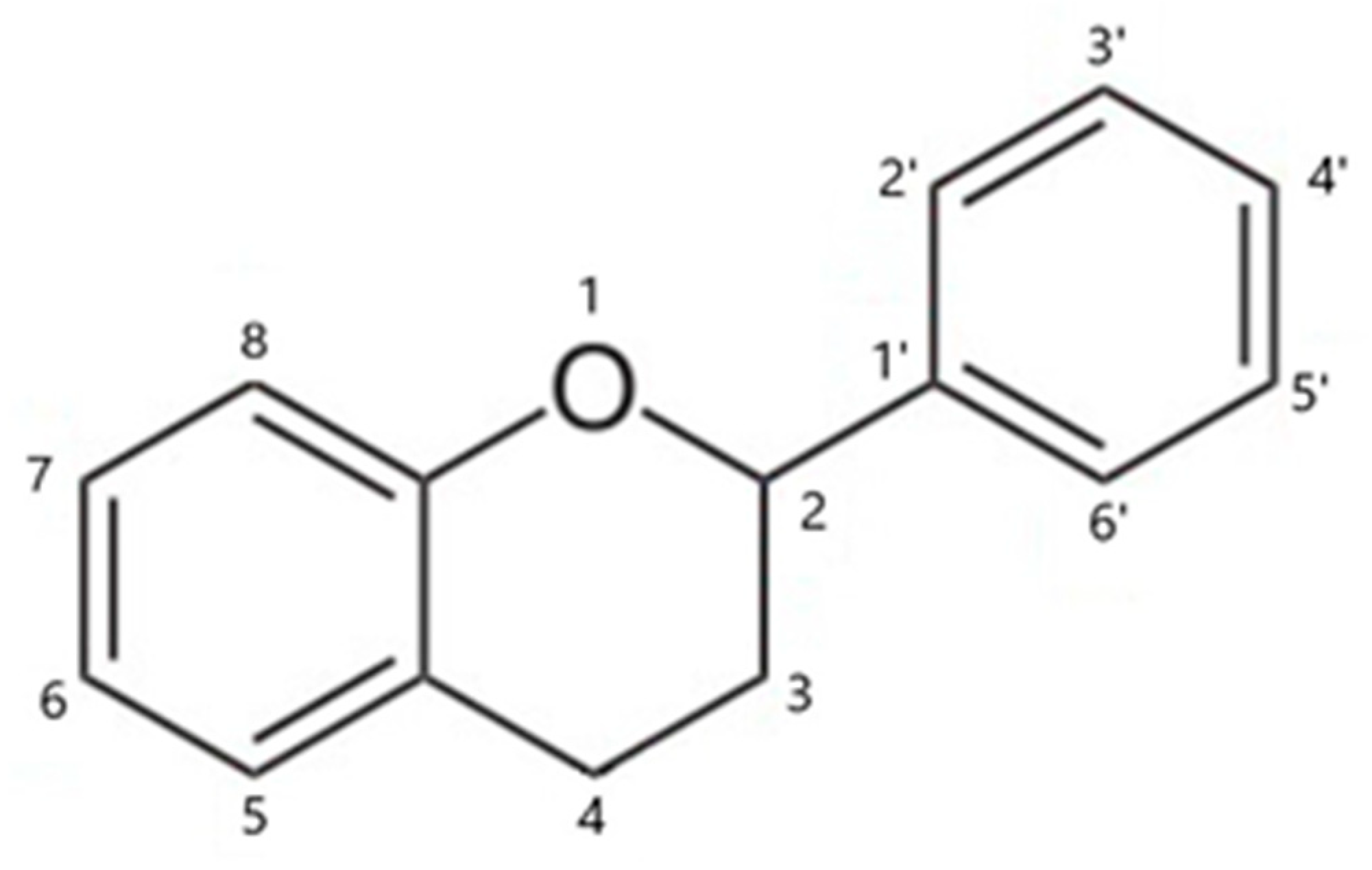
Figure 1. Basic structure of flavonoids [2].
Applsci 15 12996 g001
Figure 2. The structure of apigenin [13].
Applsci 15 12996 g002
Table 1. Summary of apigenin’s antioxidant properties [15,18,19,20,21].
AuthorsModel/MethodCell LineMechanism
Meng et al. [18] Perilla frutescens extractIn vitro (DPPH assay)Antioxidant activity; apigenin identified as one of four compounds with highest radical scavenging potential
Salehi et al. [15]ReviewVarious cell modelsAnti-oxidative stress increases expression of catalase, GSH-synthase; upregulates Phase II enzymes via Nrf2 activation and NADPH oxidase inhibition
Mihailović et al. [19]Blackstonia perfoliata methanol extractIn vitroAnti-inflammatory (COX-1/COX-2 inhibition), moderate antioxidant activity, inhibition of lipid peroxidation, antifungal > antibacterial activity; apigenin contributes synergistically with other secondary metabolites
Scimone et al. [20]Melissa officinalis (lemon balm)Plant modelOzone elicitation increased apigenin content (~48–93% increase in flavonoids), enhanced PAL activity; increased total antioxidant activity up to 3× control
Song An et al. [21]Petroselinum crispum (parsley)Plant tissue/enzymatic studyApiin (apigenin glycoside) biosynthesis via glucosyltransferase and apiosyltransferase; apigenin exerts anti-inflammatory (NF-κB inhibition, cytokine reduction) and antioxidant effects; supports cardiovascular, lipid metabolism, and immune function; potential for nutraceutical/phytotherapeutic use
Table 2. Summary of apigenin’s anticancer properties [15,22,23,24,25,26,27,28].
AuthorsModelCancer Type/CellsDose of ApigeninMechanism/Results
Salehi et al. [15]In vitro human cell culturesVarious cancer cell linesCell cycle stopped in G1/S and G2/M; activation of caspase 3 and 8; regulation of PI3K/Akt, p38/MAPK, ERK, COX-2, Bax, STAT-3, Bcl-2.
Silvan et al. [22]In vivo (hamsters)DMBA-induced buccal pouch carcinoma2.5 mg/kg body weightPrevented tumor formation; only mild dysplasia and hyperplasia observed; no full carcinogenesis.
Golonko et al. [23]In vitroMCF-7 and MDA-MB-23112.5–200 µM; synergistic effects mainly at 25–100 µMWhen api was combined with DOX, a strong synergistic effect was observed, reducing the IC50 of both compounds. Api inhibited cell migration and increased lipid droplet accumulation in TNBC.
Li Xu et al. [24]In vitroHEC-1A0–40 µmol of apigeninApigenin inhibited the proliferation of endometrial cancer cells in a dose-dependent manner and enhanced apoptosis by increasing the expression of BAX and Cleaved Caspase-3 and downregulating BCL-2. Additionally, it reduced aerobic glycolysis, reducing glucose consumption, lactate production, and ATP levels by inhibiting the PI3K/Akt/mTOR pathway.
Shukla et al. [25]In vivo (TRAMP mice)Prostate cancer20 µg or 50 µg daily for 20 weeksReduced tumor volume and metastasis; decreased genitourinary mass; modulated PI3K/Akt/FoxO3a and IGF-I signaling.
Ahmadzadeh et al. [26]Meta-analysis
In vitro and in vivo
Colon cancer-Apigenin significantly inhibited the proliferation and growth of colon cancer cells, induced apoptosis, and cell cycle arrest in the G2/M phase in vitro. In animal models, it reduced tumor size without significant toxicity or impact on body weight.
Perrot et al. [27]In vitrohuman fibroblasts and breast cancer cells)Inhibited SASP via MAPK and IL-1 suppression; reduced inflammatory phenotype.
Domino [28]In vitro (HeLa ACC 57)Cervical cancerEthanolic propolis extract containing apigeninMTT, LDH, and TRAIL assays showed strong cytotoxicity; enhanced apoptosis with TRAIL.
Table 3. Summary of apigenin’s cardiological properties [17,34,35,36,37,38].
AuthorModel/MethodMain Findings/DosesMechanism
Navarro-Nunez et al. [34]Radioligand binding assay with 125I-thrombin, platelet aggregation testsApigenin, quercetin, genistein impair platelet aggregation and 5-HT release.
Apigenin in doses 0–100 µM.
Apigenin acts as protein kinase inhibitors or disrupt platelet intracellular signaling; do not directly bind thrombin receptors.
Li et al. [35]Development and evaluation of nanoparticles with apigenin (AP) and adenosine (AD) for the treatment of cardiac injury induced by myocardial infarction (MI) in ratsDOX in dose 85 mg/kg. AP + AD in doses 5 mg/kg and 7.5 mg/kg.AP-AD PNPs increased the concentration of both substances in the blood and heart, extending their residence time in the body and reducing clearance.
Navarro-Nunez et al. [36]PFA-100 test, binding to TP receptor, platelet adhesion testsApigenin competed with the ligand [3H]SQ29548 with a Ki value of 155.3 ± 65.4 µM.Apigenin enhances aspirin’s inhibitory effect on platelet aggregation. Competes with TP antagonist, prolongs occlusion time, may help in aspirin-resistant patients.
Szeleszczuk et al. [17,37]In vivo study in hyperlipidemic rats, HPLC analysisThis extract was administered to the rats orally in doses ranging from 50 to 200 mg/kg body weight.Extracts contained mainly apigenin and luteolin; beneficial effect on lipid profile. Reduced triglycerides, total cholesterol, LDL; increased HDL.
Xin et al. [38]HEK293 cells, MAEC cells, mesenteric artery segments; patch clamp, calcium imaging, pressure myographyIn HEK293 cells, apigenin was used in the range of 0.01 µM to 30 µM.Apigenin activates TRPV4, induces Ca2+ influx and vasodilation. TRPV4 activation is dose-dependent; vasodilation blocked by TRPV4 inhibitors.
Table 4. Summary of apigenin’s neurological properties [15,29,44,45,46,47,48,49,50,51,52,53,54].
Study/AuthorModel/SubjectsDose/MethodMain FindingsMechanism
Zhao et al. [44]Mice with APP/PS1-induced Alzheimer’s40 mg/kg apigenin orally for 3 monthsImproved memory and learning; reduced amyloid depositsRestoration of ERK/CREB/BDNF pathway
Balez et al. [45]Human pluripotent stem cell model of Alzheimer’sApigenin treatmentReduced neuronal hyperexcitability; inhibited cytokine activation; reduced apoptosisInhibition of nitric oxide production
Golonko et al. [29]Population-level analysisDietary flavonoid intakeHigher flavonoid intake linked to lower Alzheimer’s/dementia mortalityEpidemiological correlation
Zhao et al. [46]Monoamine studiesApigenin and luteolin from perillaReduced monoamine levels, potentially alleviating depression and cocaine addictionAffects monoamine metabolism
Lorenzo et al. [47]Isolated rat atrial tissueApigeninIncreased noradrenaline activity; inhibited MAOMAO inhibition
Salehi et al. [15]Rat brainsApigenin absorption studiesCan cross blood-brain barrier; inhibits MAOPotential treatment for anxiety, depression, Parkinson’s, Alzheimer’s
Salehi et al. [15]Rodents with scopolamine-induced memory deficitsChamomile extract 200–500 mg/kgImproved memory (Morris water maze, passive avoidance)Cognitive enhancement in Alzheimer’s model
Kim et al. [48]In vivo research on miceApigenin orally at doses of 10 mg/kg and 20 mg/kg dailApigenin reduced the Bax/Bcl-2 ratio, decreased caspase-3 and PARP activation, and decreased the levels of BACE, Presenilin1 and 2, and RAGE receptors, while increasing IDE, BDNF, and TrkB levelsRegulation of apoptosis, amyloidogenesis, and the neurotrophic pathway
Ayad et al. [49]In vivo research on miceD-galactose—150 mg/kg/day); apigenin—(20 mg/kg/day).In the D-galactose group, decreased Fis-1 levels and SOD activity, as well as miR-34a and p16 gene expression, were observed, along with increased SA-β-gal activity, MFN-2, ROS, and MDA levels.Apigenin administration helped maintain mitochondrial homeostasis, miR-34a and p16 expression levels in the D-galactose/apigenin group, and increased SOD activity
Mao et al. [50]GAD patientsChamomile extract 500 mg, 3x dailyReduced anxiety symptoms, lowered BP and body weightChronic anxiety treatment
Amsterdam et al. [51]Anxiety ± depression patientsChamomile extract (1.2% apigenin)Potential antidepressant effectsModulation of dopamine, serotonin, norepinephrine
Li et al. [52]Mice, LPS-induced depressive behaviorApigenin 25–50 mg/kg daily for 1 weekReduced depressive behavior and inflammatory responseSuppressed IL-1β, TNF-α, COX2, iNOS
Zick et al. [53]Chronic insomnia patientsChamomile extract 2.5 mg apigeninSlight improvement in daytime functioningPossibly due to flavonoids crossing blood-brain barrier
Kramer and Johnson [54]Chronic insomnia and sleep disordersApigenin studiesApigenin exhibited a sedative effect, reduced motor activity, and improved learning and memory parameters, suggesting a beneficial effect on sleep qualityThe mechanisms include modulation of the GABA system, reduction in inflammation, increased glutathione levels, and reduction in oxidative stress markers
Table 5. Summary of apigenin’s antiviral properties [58,59,60,61].
Authors of ArticleTarget/AreaStudy ModelApigenin Dose/AdministrationKey Findings/Effects
Dai et al. [58]EV71 Virus (HFMD)293S embryonic kidney cells overexpressing SCARB2; BALB/c mice (neonatal)In vitro: flavonoids tested on cells; In vivo: injected in PBS + DMSO for a week starting 2 h post-infectionIn vitro: 85.65% inhibition of cell growth; In vivo: 88.89% survival rate, weight gain; inhibits viral replication by disrupting RNA binding to JNK pathway
Wu et al. [59]Epstein–Barr Virus (EBV)rAkata cells co-cultured with TW01 and HONE-1; control cells NA and HA; Burkitt’s lymphoma cells20 µM and 50 µM in vitroNo cytotoxicity to control cells; blocks lytic expression of EBV; inhibits viral replication in both B lymphocytes and epithelial cells
Shibata et al. [60]Hepatitis C Virus (HCV)Huh7-Feo human hepatoma cells (replicon system)5 µM and higher, administered for 5 daysSignificantly reduces HCV replication without harming healthy cells; inhibits miR122 which regulates viral replication
Sales et al. [61]HTLV-1 virusHTLV-1 MT-4 cell line8 µM of apigenin were used to analyze protein expression in PBMCs and 20 µM in experiments with the HTLV-1 MT-4 cell line.Apigenin can modulate cellular responses through the AhR pathway and enhance the efficacy of antiretroviral drugs against infected cells, without exhibiting its own cytotoxicity up to 128 µM
Table 6. Summary of apigenin’s antibacterial properties [62,63,64,65].
Target/AreaStudy ModelApigenin Dose/AdministrationKey Findings/Effects
Tang et al. [62]E. coli and Klebsiella pneumoniae and in vivo tests on larvas and mices128–256 µg/mL of apigenin and 4 µg/mL of colistinApigenin may act as a natural antibiotic adjuvant by directly binding to the MCR-1 protein.
Hegazi et al. [63] Clostridium acetobutylicum DSM1731; Clostridium perfringens KF383123Honey samples with flavonoids; compared with antibioticsStrong inhibition of bacterial growth; highest inhibition against C. perfringens: palm (31.33 mm), cotton (30.33 mm), acacia (30.33 mm); C. acetobutylicum: eucalyptus (25 mm); synergistic effect with drugs observed.
Pei et al. [64]Escherichia coli ATCC 25922 and Staphylococcus aureus ATCC 6538MIC of A7G were 0.14 mg/mL for E. coli and 0.28 mg/mL for S. aureusThe use of half the MIC dose of A7G did not significantly affect bacterial growth itself but strongly reduced biofilm formation—by 83.2% for E. coli and 88.9% for S. aureus.
Jafar et al. [65]Helicobacter pyloriMicrosponges contain 250 mg of apigenin and 375 mg of polymerApigenin exhibits multifaceted bactericidal activity and may act synergistically with antibiotics, limiting the development of resistance. This is promising solution in the treatment of H. pylori infection and peptic ulcer disease.
Disclaimer/Publisher’s Note: The statements, opinions and data contained in all publications are solely those of the individual author(s) and contributor(s) and not of MDPI and/or the editor(s). MDPI and/or the editor(s) disclaim responsibility for any injury to people or property resulting from any ideas, methods, instructions or products referred to in the content.