1. Introduction
The SSRF is a third-generation synchrotron radiation light source. In 2009, SSRF began user operations with its first 7 Phase-I beamlines. The SSRF Phase-II Project commenced in 2016 and was completed in 2023. To date, SSRF has 34 operational beamlines supporting 46 experimental stations [
1,
2,
3,
4].
The application mechanism of synchrotron radiation originates from light–matter interactions, where synchrotron radiation exhibits wave–particle duality. The wave nature governs optical phenomena including reflection, scattering, interference, refraction, and diffraction. The particle nature dictates absorption processes, inducing fluorescence, phosphorescence, photoelectrons, secondary characteristic X-rays, Auger electrons, recoil electrons, ionization effects, thermal effects, photolytic effects, and photosensitive effects upon absorption [
5].
The BL07U Spatial-resolved and Spin-resolved ARPES and magnetism (S
2) beamline at SSRF provides experimental techniques including angle-resolved photo emission spectroscopy (ARPES), x-ray absorption spectroscopy (XAS), and x-ray magnetic circular dichroism/x-ray magnetic linear dichroism (XMCD/XMLD) [
6]. BL07U employs two parallel elliptical polarization undulators (EPUs) covering low-energy (50–350 eV) and high-energy (350–2000 eV) ranges, respectively. The undulators function by inducing specific periodic small-amplitude transverse oscillations in relativistic electron beams within storage rings, generating highly brilliant, well-collimated, narrow-bandwidth synchrotron radiation with tunable polarization. The EPUs at BL07U deliver horizontally/vertically linear polarization, left/right circular polarization, and arbitrary elliptical polarization with continuous tunability through flexible adjustment.
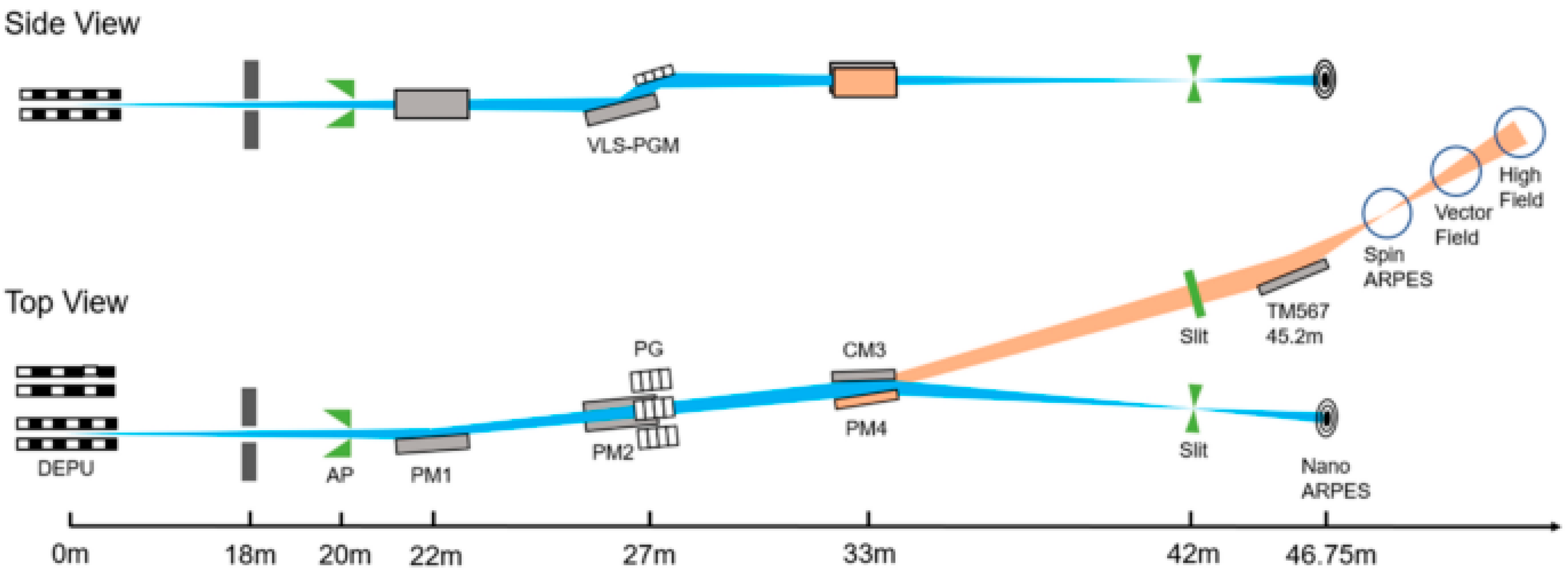
The BL07U beamline comprises two branches, as illustrated in
Figure 1, with the switching between the two branches achieved via deflecting mirrors in a time-sharing configuration. One branch connects three experimental stations: Spin APRES, Vector Field, and High Field. The main scientific objective of BL07U is to investigate the electronic properties of materials at the local nanoscale using XAS. To achieve this scientific goal with more stable and high-brightness light sources, the Vector Field and High Field stations employ a synchronous undulator–monochromator scanning system that aligns the monochromator’s spectral range with the undulator radiation spectrum, while enabling experimental methods such as XMCD, XMLD, and absorption spectroscopy under this synchronized operation mode.
2. Materials and Methods
The implementation of experimental methods such as XAS, XMCD and XMLD through synchronized scanning between the BL07U monochromator and undulator encompasses theoretical foundations, operational protocols, hardware control systems, software architecture design, and application development.
2.1. The Theoretical Framework and Experimental Protocol for Synchronized Operation
The performance of the monochromator is contingent upon the intensity distribution of the incident light. Significant discrepancies between the spectral peak of the undulator and the selected monochromator energy may result in the monochromator sampling low-intensity regions of the undulator spectrum, consequently yielding weak signals and elevated noise levels. During undulator–monochromator synchronized operation, spectral tuning is achieved by adjusting the undulator gap (GAP), enabling precise alignment between the spectral maximum and the monochromator’s ultra-narrow bandwidth (1/10,000 of total bandwidth), thereby facilitating optimal spectral component extraction [
7,
8,
9,
10,
11].
The synchronized operation of undulators and monochromators is utilized in both soft and hard X-ray regions, though with different technical emphases. For the BL07U soft X-ray regime, where low-energy photons require higher-order harmonics (e.g., 3rd harmonics for carbon K-edge at 284 eV) and grating monochromators are prone to higher-order harmonic contamination, synchronized operation is particularly crucial for background noise suppression and signal intensity maintenance. In the hard X-ray region where fundamental radiation dominates, rapid-scan experiments (e.g., QEXAFS) still require synchronized adjustment of double-crystal monochromators and undulator gaps to eliminate I0 fluctuations. The undulator–monochromator coordination is typically achieved through hardware closed-loop control and system-level collaboration: The undulator magnetic gap and monochromator Bragg angle are dynamically coupled via high-precision servo systems and adjusted synchronously based on predefined energy-motion mapping relationships, while pre-detectors provide real-time light intensity feedback to dynamically optimize magnetic field strength for flux stability; Fundamental energy is locked to match the monochromator window, while adjusting the undulator operating point forces higher harmonics beyond detector response range for physical suppression. Combined with standard sample calibration to correct mechanical errors and energy drift, achieving three objectives across the entire soft/hard X-ray spectrum: intensity equalization, harmonic purification, and background compensation. This provides an undistorted physical reference beam for absorption spectroscopy. At BL07U, magnetic gap adjustment of dual EPU light sources and SX700 grating monochromator capability (Bragg angle) are dynamically coupled via software, achieving synchronized motion based on predefined energy-gap-angle mapping. This coordination ensures stable beam flux, harmonic suppression and precise energy calibration across the full range (50–2000 eV), providing clean light sources for BL07U’s nanofocusing and spin-resolved XMCD/XMLD experiments.
The coupling between the undulator gap (G) and the photon energy (E) originates from the undulator resonance condition [
1,
12,
13,
14,
15,
16,
17]. For a given undulator period λ_u and electron beam energy γ, the fundamental energy is approximately E ∝ 1/G. Over the limited energy range of a typical absorption edge scan (e.g., <5 eV), this relationship can be effectively linearized for control purposes:
The coefficients a and b for this linear approximation are not fixed but are dynamically calibrated prior to each measurement. This is achieved by performing a fast intensity scan to locate the undulator’s fundamental peak at two proximate energies, thereby determining the optimal linear correlation for the subsequent synchronized scan. This procedure ensures high precision and adapts to any minor variations in beam conditions.
2.2. Hardware Control
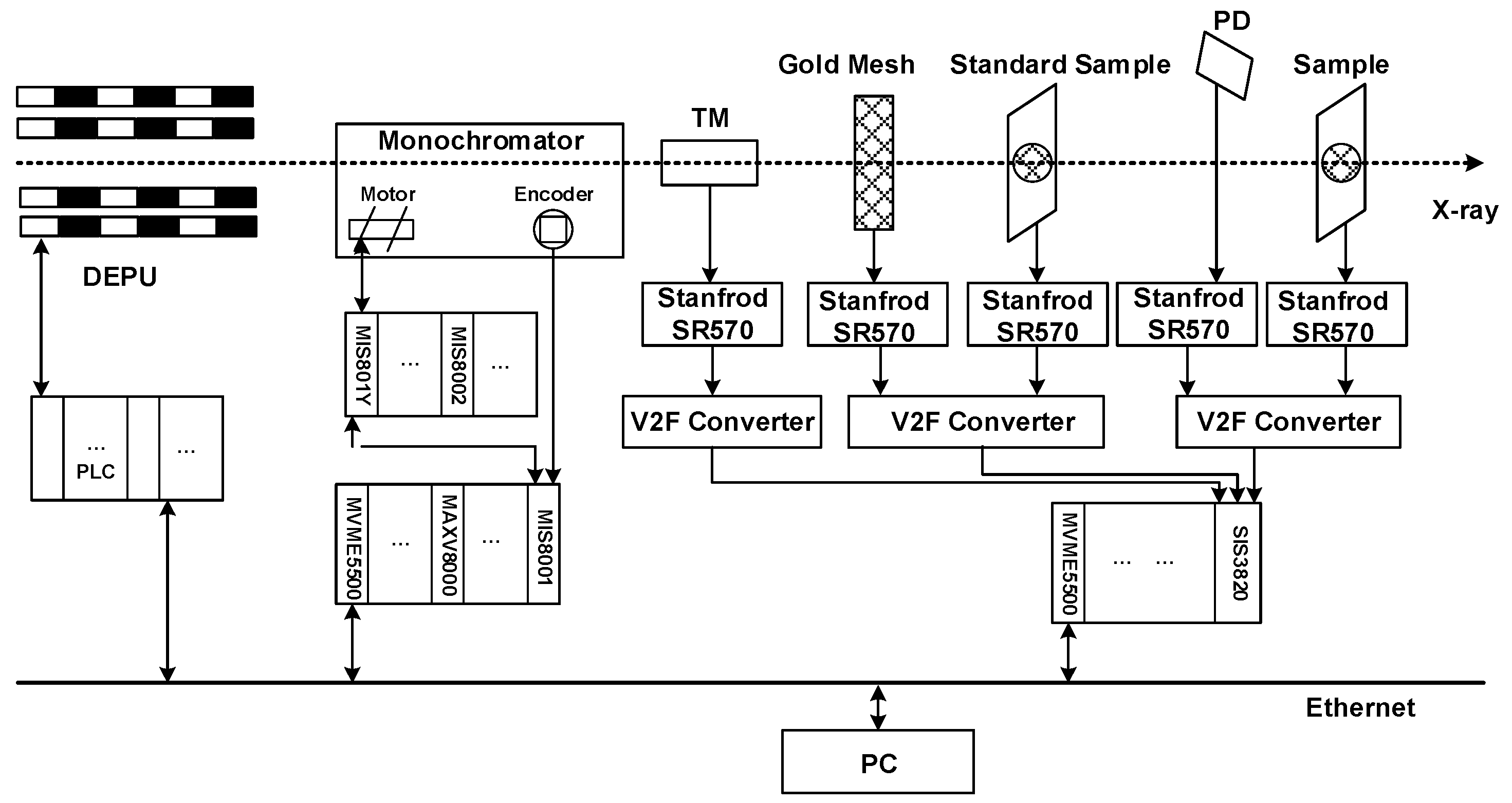
The hardware system for absorption spectra, XMCD, and XMLD experiments in synchronized operation mode primarily consists of EPU58, EPU90, the monochromator, PD (photodiode), gold mesh, signal amplifier, amplitude-to-frequency converter, SIS3820 counter, etc., as illustrated in
Figure 2.
The BL07U beamline employs two variable elliptic polarizing undulators (EPUs), EPU58 and EPU90, which are operated alternately via time-sharing switching. The EPU’s magnetic configuration is sophisticated, with four magnet arrays mounted on four girders. Magnetic interactions exist not only between the upper and lower arrays but also between the left and right arrays, with the strength and orientation of these forces varying dynamically with positional changes. During EPU operation, both the vertical gap between magnet arrays and the relative positions of individual rows require precise adjustment. The Shanghai Synchrotron Radiation Facility (SSRF) utilizes PLCs to control the EPUs.
The BL07U beamline employs an SX700 grating monochromator, featuring adjustment mechanisms for grating rotation, plane mirror rotation, grating translation, and plane mirror translation. Stepper motors drive the monochromator adjustments, with motor control hardware comprising a VME bus-based chassis, MVME5500 embedded CPU, MAXv-8000 motion controller, and SSRF’s proprietary SMD series drivers. The X-ray beam sequentially passes through the deflection mirror, gold mesh, reference sample, PD, and experimental sample, generating five current signals. These currents are converted to voltage signals via SR570 amplifiers, then transformed into frequency signals by amplitude-to-frequency converters before being recorded by the SIS3820 counter. The SIS3820 counter is housed within the VME chassis and controlled by the MVME5500 embedded CPU.
2.3. Software Framework
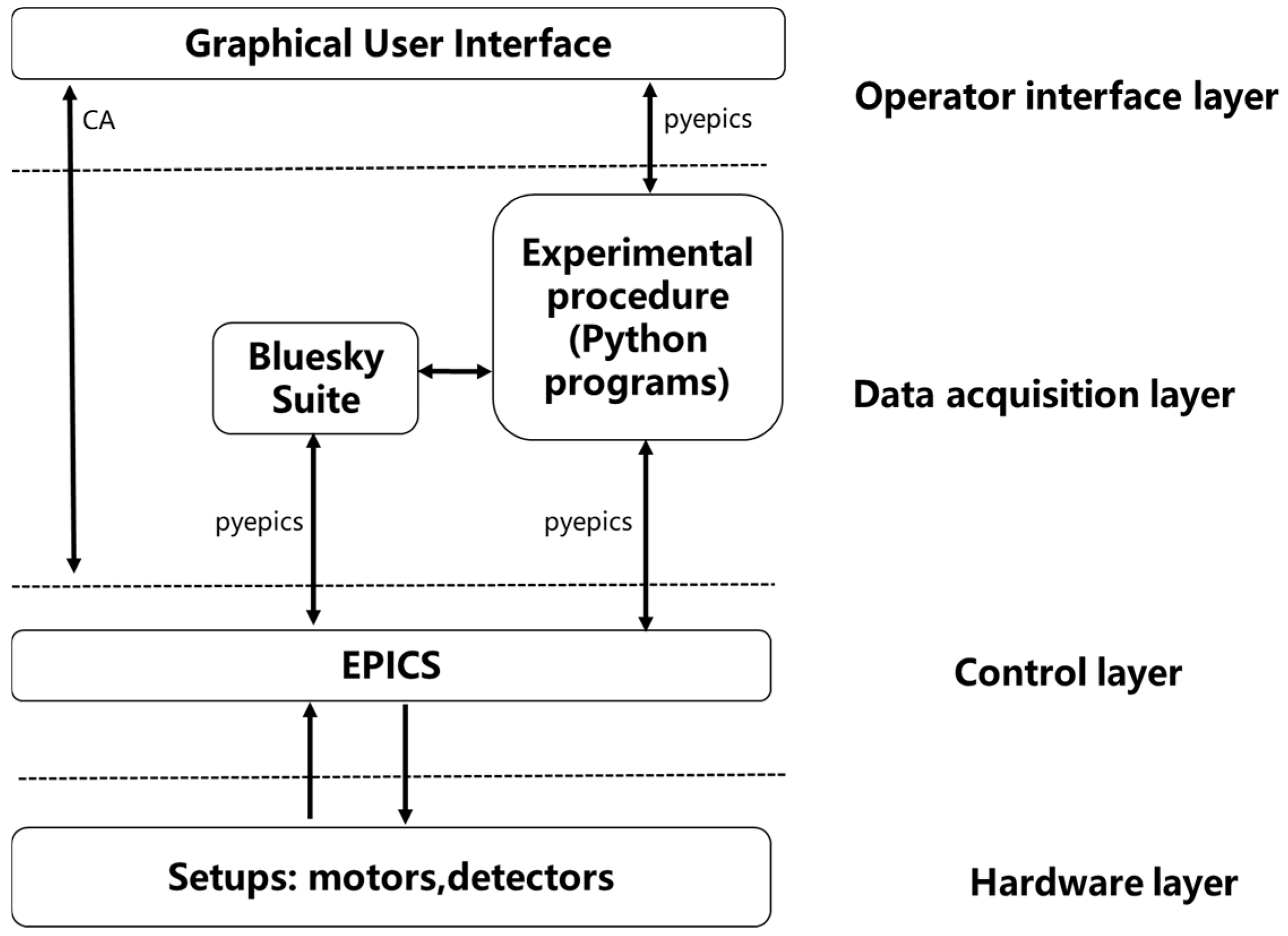
Figure 3 illustrates the software framework for XAS, XMCD, and XMLD experiments in the synchronized operation mode of BL07U. The distributed architecture consists of four hierarchical layers: device layer, control layer, data acquisition layer, and human–machine interface layer. The device layer incorporates EPU58, EPU90, SX700 grating monochromator, photodiode (PD), SR570 amplifier, amplitude-to-frequency converter, and SIS3820 counter. The control layer is implemented using the Experimental Physics and Industrial Control System (EPICS).
The control layer achieves unified device management through EPICS. Implemented in Python3.9, the data acquisition layer utilizes the PyEpics interface to invoke EPICS CA protocol, accessing the CA library for PV communication and control. The data acquisition layer is built upon the Bluesky Suite. This Python-based open-source framework enables beamline staff to execute complex experimental procedures with minimal knowledge of underlying controls or data structures. The human–machine interface layer, implemented with Phoebus(4.6) software, enables automated experiment initiation via PyEpics-mediated communication with the data acquisition layer.
2.4. Software Implementation
The experimental logic for XAS, XMCD and XMLD in the synchronized mode between the monochromator and EPU58/EPU90 undulators is identical for a single measurement cycle, with differences lying solely in data processing procedures. Absorption spectroscopy experiments in the EPU58/EPU90-monochromator synchronized mode are controlled through two separate yet consistent interfaces that share identical layout designs and experimental logic. The software implementation process for acquiring absorption spectra in the coordinated scanning mode between the monochromator and EPU58 will be described below to avoid redundancy.
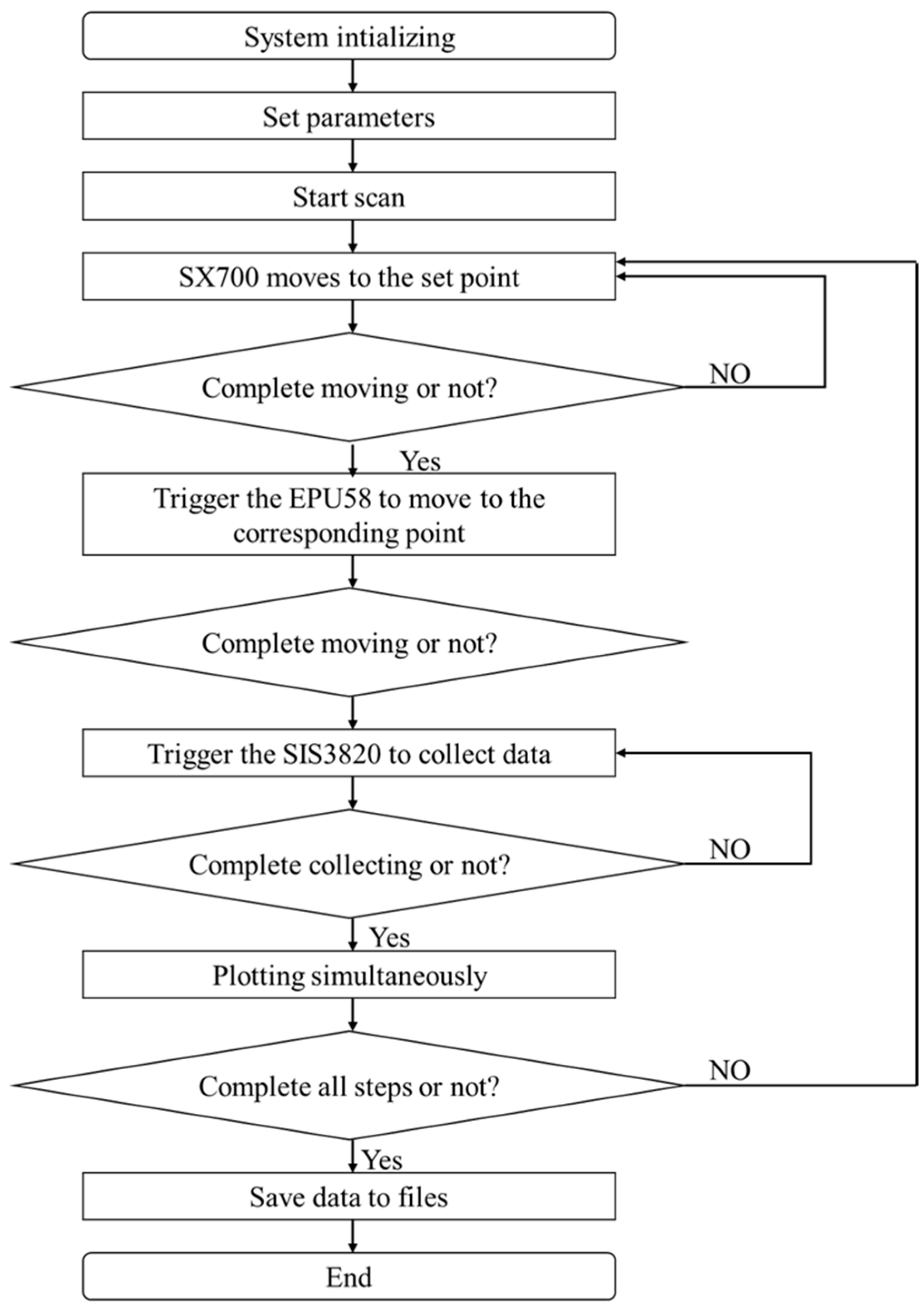
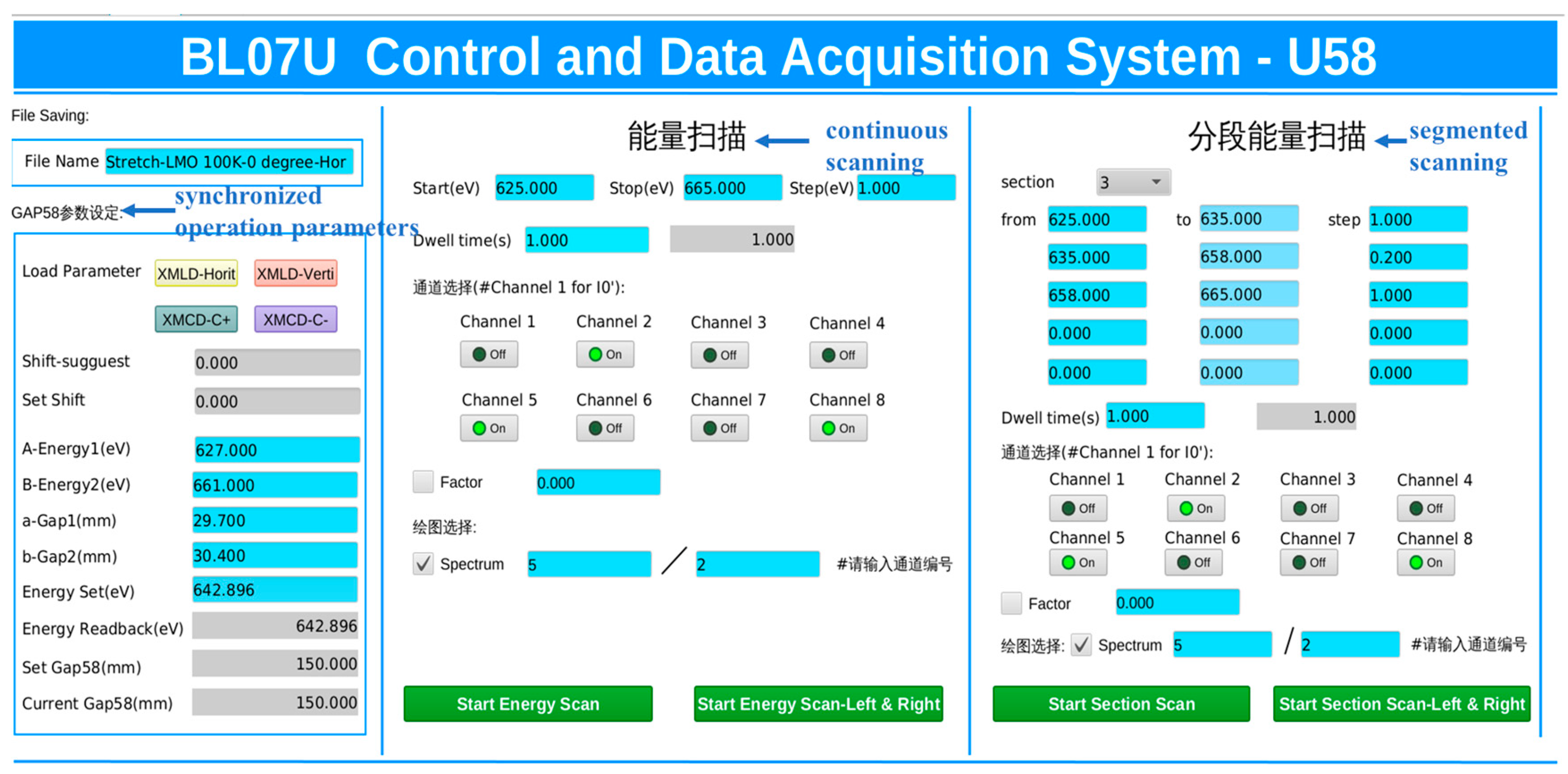
Figure 4 illustrates the logical flow diagram for absorption spectroscopy experiments in synchronized mode: First, initialization verifies proper operation of both hardware devices and software systems. Second, scanning parameters are configured—including segmented scan start/end points, step size, integration time, output filename, EPU gap settings, and dual calibration values for the monochromator, with full parameter specifications shown in
Figure 5′s synchronized mode interface. Third, the coordinated scanning mode between EPU58 and the monochromator is activated. Fourth, the SX700 monochromator is positioned to predefined coordinates, with iterative verification of movement completion before proceeding. Fifth, the EPU gap adjustment is triggered to target positions, with the system cycling until confirmed movement completion. Sixth, the SIS3820 module initiates data acquisition, proceeding only after successful collection confirmation through iterative checking. Seventh, real-time spectral plotting is performed. Eighth, the system evaluates scan completion status—either moving the monochromator to the next position (repeating from step four) or finalizing data storage to conclude the experiment.
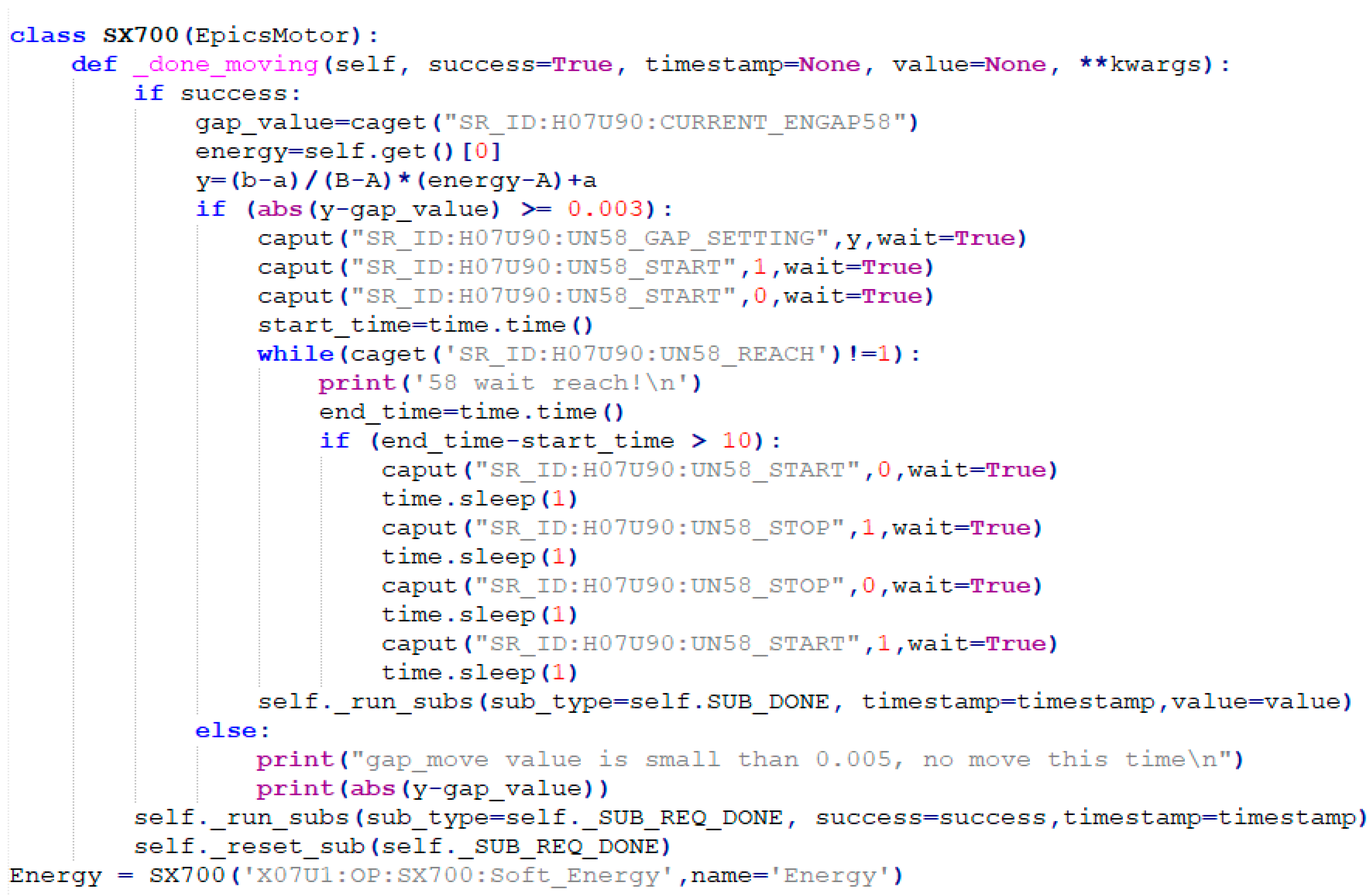
Figure 6 presents the Python implementation of the monochromator–undulator synchronization. This code module handles real-time communication and timing control between the two devices, ensuring coordinated operation during experimental scans.
Hardware device control is implemented via EPICS, while experimental logic is constructed using the Bluesky Suite framework. The multi-segment scanning requirement for BL07U (maximum 5 segments) is achieved by customizing the scan() function and yield from operator in Bluesky module. The synchronization between monochromator and EPU58 is accomplished by developing an EpicsMotor() class in ophyd module that incorporates their linear relationship. As illustrated in
Figure 4, an SX700 class inheriting from EpicsMotor is defined to configure the monochromator. The linear relationship is integrated in the _done_moving function, where EPU58 gap automatically moves to position y upon monochromator movement completion. The target position y is determined by the monochromator’s current position and predefined linear coefficients. Data acquisition from SIS3820 is implemented using the scaler() class in ophyd.
3. Results
The synchronized mode between the undulator and monochromator at BL07U beamline ensures the monochromator’s spectral range falls within the emission spectrum of the undulator radiation, thereby delivering a more stable and higher brilliance light source.
To validate the performance of the BL07U monochromator–EPU synchronized mode, comparative experiments were conducted under both horizontal (hori) and vertical (vert) linearly polarized light conditions using coordinated and standard operation modes. The experiments performed X-ray absorption spectroscopy (XAS) measurements at the Fe L2,3-edges for comparative analysis across different operational modes.
Measurements were carried out at 40 K with a 2 T magnetic field applied along the X-axis (beam propagation direction). Linearly polarized X-rays (both horizontal and vertical) were employed for the experiments. The spectra were recorded using a variable-line-spacing plane grating with a central density of 800 lines/mm and a monochromatic slit vertical opening of 15 µm, providing a measured energy resolution (E/ΔE) of approximately 7000. The energy scan range (698–735 eV) was selected to cover the Fe L2,3 absorption edges. Three segmented scans were performed: pre-edge (698–704 eV), near-edge (704–730 eV), and post-edge (730–735 eV) regions. Energy steps of 0.5 eV, 0.1 eV, and 0.5 eV with a 1 s integration time were used for each segment, respectively.
Data acquisition utilized two channels: channel2 (chan2) and channel5 (chan5). As noted previously, chan2 recorded the I0 signal from the gold mesh while chan5 acquired the sample signal. The absorption spectrum in TEY mode was calculated as the channel5/channel2 ratio.
3.1. Experimental Results Under Horizontal Polarization
Two sets of experiments were performed under horizontal polarization: standard operation mode versus monochromator–EPU58 synchronized mode. In standard mode, the EPU gap was fixed at 31.7 mm—the midpoint between gap values corresponding to the scan range endpoints (698 eV and 735 eV).
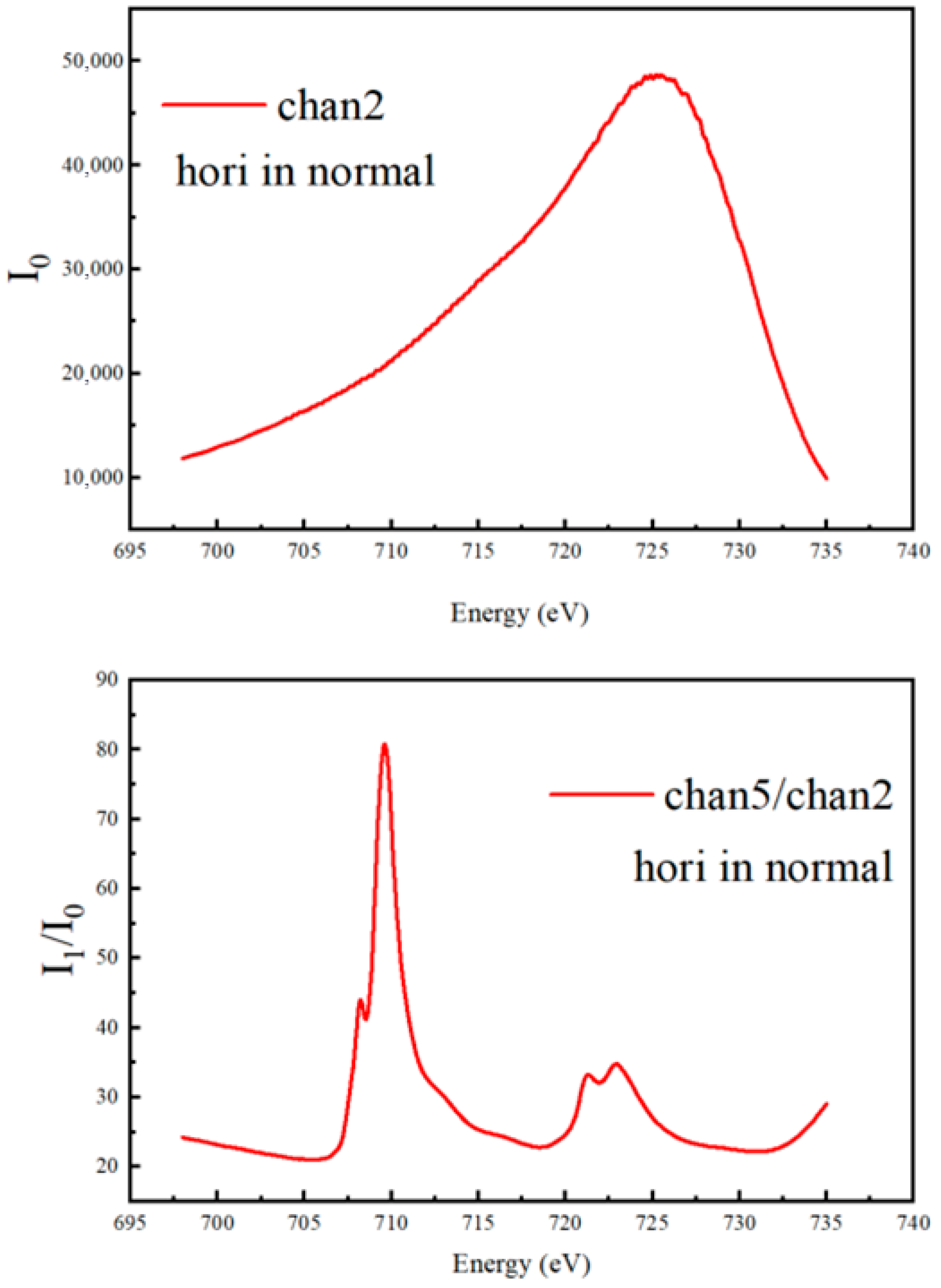
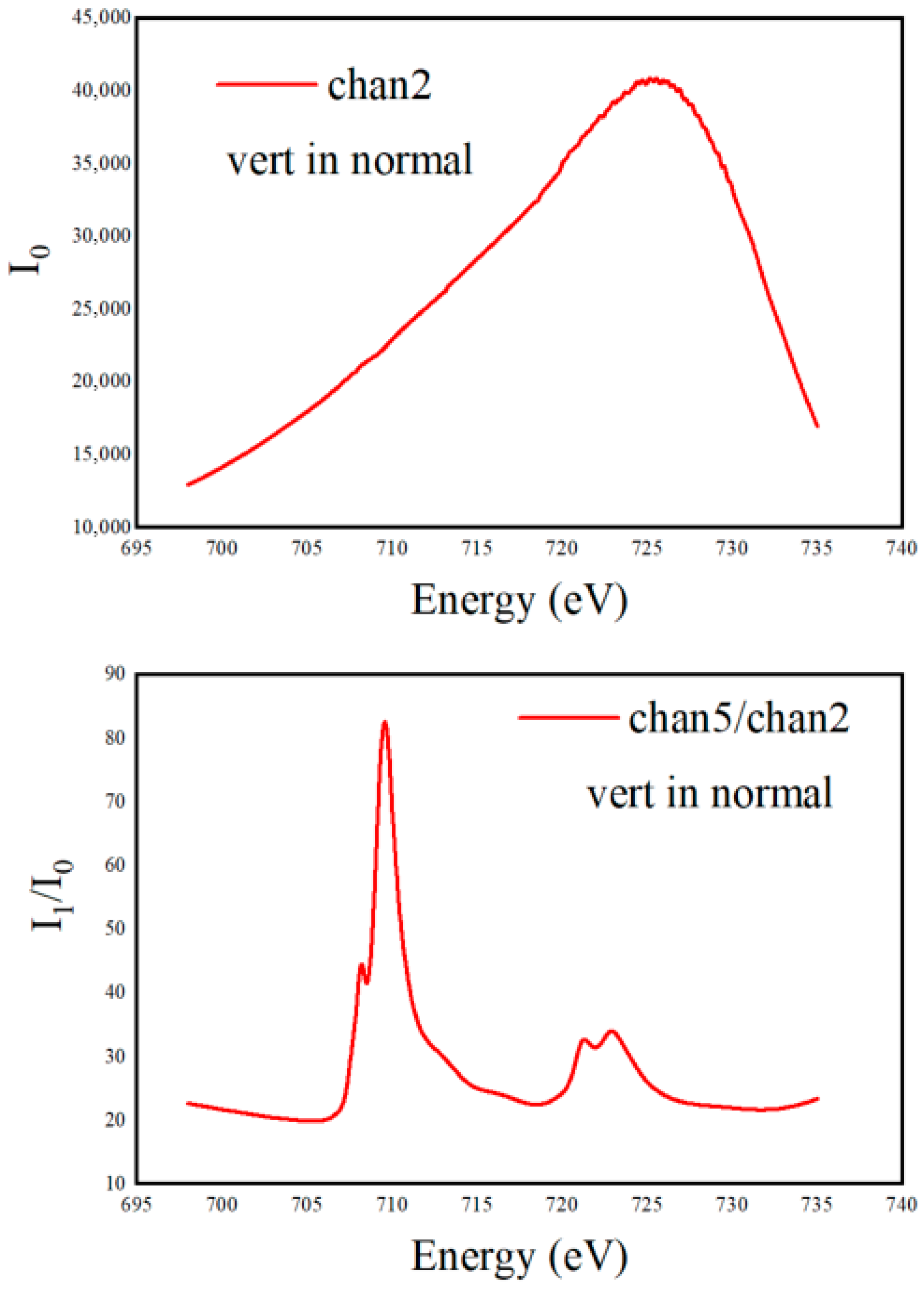
Figure 7 presents the standard mode results: the upper panel shows chan2 I
0 signal, while the lower panel displays the TEY XAS(chan5/chan2 ratio).
The radiation spectrum from the EPU light source exhibits a narrow-bandwidth characteristic [
12]. The results in
Figure 7 show excellent agreement with theoretical predictions. The Au mesh I
0 signal exhibited a humped profile, increasing monotonically until reaching 725 eV with 4-fold signal enhancement before rapid attenuation. Above 725 eV, the photocurrent intensity decreased precipitously with increasing energy. This incident flux variation induced anomalous slopes in the absorption spectrum (downward in pre-edge 698–705 eV, upward in post-edge 730–735 eV). Such artifacts distort spectral lineshapes and complicate subsequent data processing.
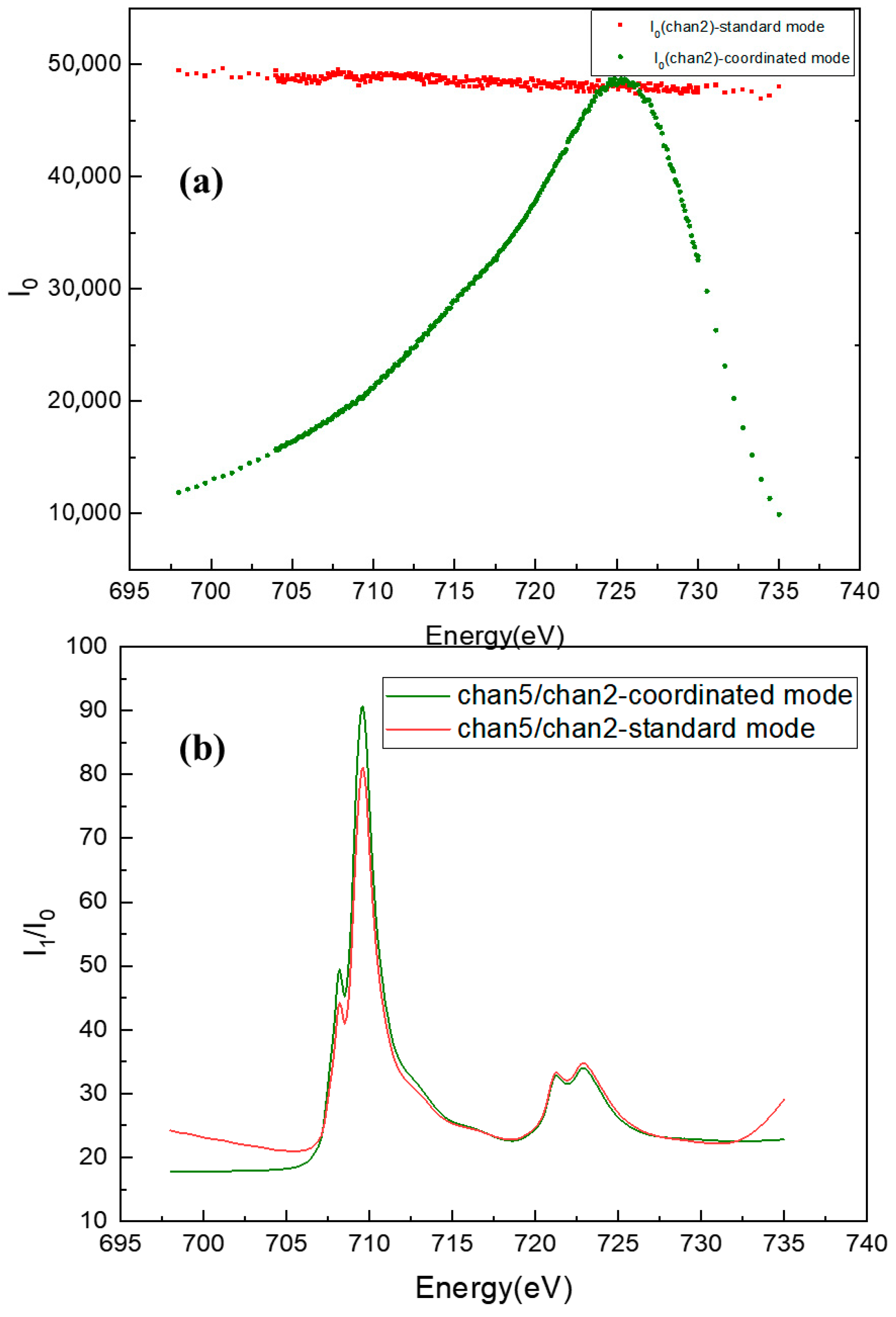
In the synchronized mode, the EPU gap varies with photon energy, exhibiting a linear correlation between these parameters. synchronized mode
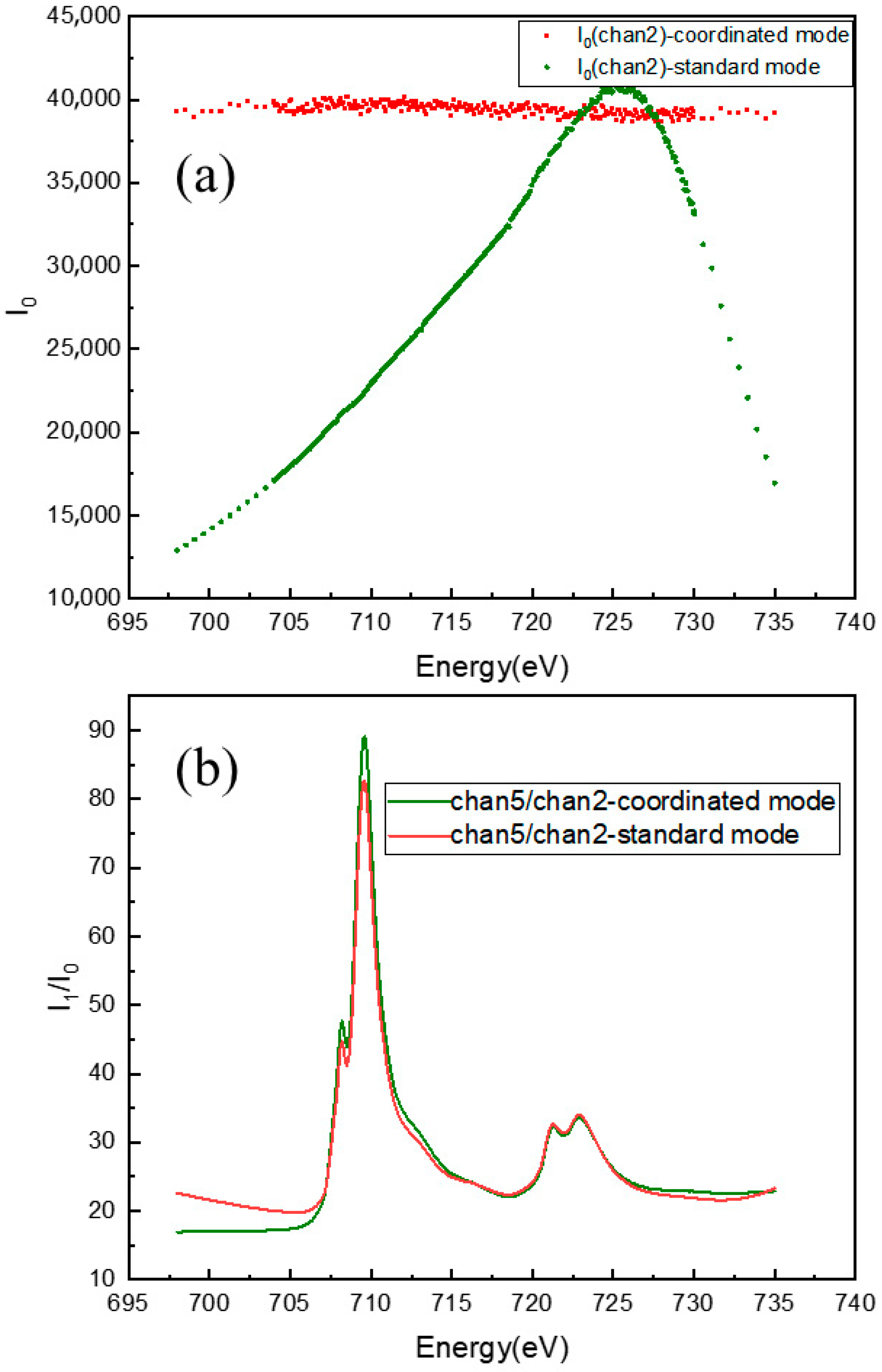
Figure 8 displays the synchronized mode results. To directly isolate the effect of synchronization, the upper panel compares the I
0 and absorption spectrum signal from the synchronized mode with that from the standard mode (replotted from
Figure 7). The synchronized mode completely suppresses the large hump-shaped variation observed in the standard mode, maintaining a stable incident flux. The lower panel presents the resulting TEY absorption spectrum (chan5/chan2 ratio), which, as a direct consequence of the stable I
0, exhibits flatter baselines and a lineshape free from the instrumental artifacts seen in
Figure 7.
3.2. Experimental Results Under Vertical Polarization State
Two sets of experiments were conducted under vertical polarization conditions: a standard mode and a synchronized mode combining the monochromator with EPU58. In standard mode, the EPU gap was set to the median value of 22.1 mm between the gap values corresponding to the starting (698 eV) and ending (735 eV) energy points of the test range.
Figure 9 presents the experimental results under standard mode: the upper curve shows the I
0 signal from channel 2, while the lower plot displays the absorption spectrum (spectrum = channel5/channel2) in electron yield mode. Comparative analysis between
Figure 7 and
Figure 9 reveals similar experimental trends in standard mode for both horizontal and vertical polarization states: The channel 2 gold mesh I
0 signal exhibits a hump-shaped peak profile, demonstrating a fourfold enhancement in photocurrent intensity that monotonically increases with monochromator energy from 698 to 725 eV before reaching its maximum at 725 eV. Beyond 725 eV, the photocurrent signal intensity undergoes abrupt attenuation with increasing energy. The channel5/channel2 absorption spectrum displays downward and upward slopes in the pre-edge (698–705 eV) and post-edge (730–735 eV) regions, respectively.
In synchronized mode, the EPU gap varies dynamically with photon energy.
Figure 10 presents the experimental results obtained in monochromator–EPU58 synchronized mode. Comparative analysis of
Figure 8 and
Figure 10 reveals consistent experimental trends between horizontal and vertical polarization states in synchronized mode.
Figure 10 provides a direct and conclusive visualization of the synchronization effect under vertical polarization. The upper panel presents a critical comparison of the incident beam flux: the gold mesh current (I
0, channel 2) measured in the synchronized mode (solid line) is overlaid with the I
0 signal from the standard mode (dashed line, replotted from
Figure 9). This comparison isolates the fundamental improvement delivered by the synchronized scanning. The characteristic hump-shaped profile of the standard mode—a result of the fixed undulator gap causing detuning—is entirely eliminated in the synchronized mode. Instead, the synchronized scan maintains a stable, high incident flux throughout the entire energy range, with a measured coefficient of variation (CV) of only 1.8%.
The lower panel displays the direct consequence of this stabilization: the resulting X-ray absorption spectrum (XAS) in TEY mode (channel5/channel2). Freed from the distorting influence of a fluctuating I
0 signal, the absorption spectrum exhibits a canonical lineshape with flat pre-edge and post-edge baselines. The dramatic suppression of noise and the elimination of the anomalous slopes observed in
Figure 9 demonstrate how the synchronized mode provides a more faithful representation of the sample’s intrinsic electronic structure.
4. Discussion
The implementation of a synchronized scanning mode between the EPU and the monochromator at the BL07U beamline represents a significant advancement in ensuring optimal beamline performance for high-precision soft X-ray spectroscopy. The comparative results presented in this study, supported by quantitative metrics, unequivocally demonstrate the superiority of this approach. The discussion below interprets the underlying mechanisms for the observed enhancements, isolates the effect of synchronization, and contextualizes its impact.
4.1. Isolation of the Synchronization Effect and Interpretation of Performance Enhancement
The core technological achievement of this work is the active stabilization of the incident photon flux (I
0), which directly isolates and underlies all subsequent improvements in data quality. As visually demonstrated in the direct comparison of I
0 signals in
Figure 8 and
Figure 10, the synchronized mode completely suppresses the large, hump-shaped variation inherent to the standard asynchronous mode. In the standard mode, the fixed undulator gap forces the monochromator to scan through the low-intensity wings of the undulator spectrum, leading to the characteristic I
0 profile. This fluctuating I
0 is the primary source of instrumental artifact; when used to normalize the sample signal (I
1), it introduces the anomalous slopes observed in the pre-edge and post-edge regions of the absorption spectra (
Figure 7 and
Figure 9).
The synchronized scanning strategy directly addresses this fundamental limitation. The pre-calibrated linear correlation between the monochromator energy and the undulator gap ensures that the undulator’s fundamental peak dynamically tracks the monochromator setting. This continuous re-optimization maintains the monochromator at the intensity maximum of the undulator spectrum. Consequently, the I0 signal is stabilized, as evidenced by its near-flat profile. Therefore, the elimination of spectral artifacts and the enhancement of signal intensity are not merely correlative but are the direct, isolated outcome of this I0 stabilization achieved through synchronization.
4.2. Theoretical Foundation and Calibration Robustness
The use of a linear approximation (G = a · E + b ) for the synchronization is well-justified. It is grounded in the physics of undulator radiation, where the fundamental energy is inversely proportional to the gap (E ∝ 1/Gap). Over the limited energy range of a typical absorption edge scan (e.g., ~40 eV for the Fe L-edge), this relationship can be effectively linearized for control purposes. Furthermore, to ensure robustness and accuracy, the coefficients (a, b) are not treated as fixed constants but are dynamically determined for each experiment through a rapid, automated calibration procedure that locates the intensity maximum at two proximate energies. This process validates the linear model for the specific experimental conditions, ensuring precision across the entire operational range.
4.3. Quantitative Performance Metrics
The performance gains are substantiated by quantitative metrics derived from our data:
Flux Stability: The coefficient of variation (CV) of the I0 signal in the near-edge region improved from 4.2% (standard mode) to 1.8% (synchronized mode), a 2.3-fold enhancement in stability.
Energy Precision: The standard deviation of the monochromator positioning error was reduced from ±0.009 eV to ±0.006 eV, demonstrating superior energy calibration precision.
Spectral Reproducibility: The noise level in the spectrally flat pre-edge region decreased by 40%, from 0.035 to 0.021 (in normalized absorption units), indicating significantly improved measurement reproducibility and lower experimental uncertainty.
These metrics collectively confirm that the synchronized scanning mode provides not just qualitatively better spectra, but quantitatively superior performance in terms of flux stability, energy precision, and data reproducibility.
4.4. Broader Implications
The success of this synchronization system has critical implications for experiments conducted at BL07U, particularly for XMCD/XMLD studies where subtle spectral differences are analyzed. The removal of I0-induced artifacts and the stabilization of the photon flux provide a more faithful representation of the sample’s intrinsic absorption characteristics. This leads to more reliable fitting results, clearer identification of spectral features, and ultimately, more robust scientific conclusions. The system, built upon the standard EPICS and Bluesky frameworks, serves as a scalable model for implementing similar synchronized scanning capabilities at other beamlines.
5. Conclusions
In summary, we have developed and validated a synchronized undulator–monochromator scanning system for the BL07U beamline. The system’s efficacy is demonstrated through a direct comparison with standard operation, isolating its primary effect as the stabilization of incident flux. This is achieved through a theoretically justified and dynamically calibrated linear coupling strategy. Quantitative analysis confirms significant improvements in beam stability, energy precision, and spectral quality. This advancement ensures the delivery of a high-fidelity, brilliant photon beam, thereby elevating the capability of the BL07U beamline for cutting-edge soft X-ray spectroscopy.
Author Contributions
Conceptualization, J.C., Z.Z., C.W. and Y.Z.; methodology, J.C. and Y.Z.; software, S.Z., Y.Z., Z.Z., C.H. and C.W.; validation, Y.W., J.C. and Y.Z.; formal analysis, Y.W. and J.C.; resources, Y.W. and J.C.; data curation, Y.W. and Y.Z.; writing—original draft preparation, S.Z. and Y.Z.; writing—review and editing, J.C., Z.Z. and C.W.; visualization, Y.Z. All authors have read and agreed to the published version of the manuscript.
Funding
This research and the article processing charge were funded by National Natural Science Foundation of China (NO.12105351) and the Youth Innovation Promotion Association, CAS (Grant no. 2022290).
Institutional Review Board Statement
Not applicable.
Informed Consent Statement
Not applicable.
Data Availability Statement
The data presented in this study are available on request from the corresponding authors.
Acknowledgments
The research team would like to thank all participants for participating in the study during the pandemic.
Conflicts of Interest
The authors declare no conflicts of interest.
References
- Tai, R.; Zhao, Z. Commissioning and first results of the SSRF Phase-II beamline project. J. Phys. Conf. Ser. 2022, 2380, 012004. [Google Scholar] [CrossRef]
- Yin, L.; Tai, R.; Wang, D.; Zhao, Z. Progress and future of shanghai synchrotron radiation facility. J. Vac. Soc. Jpn. 2016, 59, 198–204. [Google Scholar] [CrossRef][Green Version]
- Tai, R.Z.; Zhao, Z.T. Overview of SSRF phase-II beamlines. Nucl. Sci. Tech. 2024, 35, 137. [Google Scholar] [CrossRef]
- Available online: https://ssrf.sari.ac.cn/dkxzz/tbfs/gsxz_gb/xzdl_tbfs/ (accessed on 1 January 2025).
- Xu, C.Y. Synchrotron Radiation Optics and Engineering; University of Science and Technology of China: Hefei, China, 2005; Volume 102–108, pp. 231–233. [Google Scholar]
- Zhu, F.; Cao, J.; Meng, X.; Li, J.; Yu, R.; Wang, Y.; Qiao, S.; Zhao, B.; Zhang, M.; Liu, Z.; et al. Spatial- and Spin-Resolution ARPES and Magnetism Beamline at SSRF. Nucl. Sci. Technol. 2024, 35, 130. [Google Scholar] [CrossRef]
- Izquierdo, M.; Hardion, V.; Renaud, G.; Chapuis, L.; Millet, R.; Langlois, F.; Marteau, F.; Chauvet, C. SUMS: Synchronous undulator–monochromator scans at Synchrotron Soleil. Synchrotron Radiat. 2012, 19, 619–626. [Google Scholar] [CrossRef] [PubMed]
- Joly, L.; Otero, E.; Choueikani, F.; Marteau, F.; Chapuis, L.; Ohresser, P. Fast continuous energy scan with dynamic coupling of the monochromator and undulator at the DEIMOS beamline. Synchrotron Radiat. 2014, 21, 502–506. [Google Scholar] [CrossRef] [PubMed]
- Balzer, A.; Follath, R.; Suljoti, E.; Witt, M. Status of the continuous mode scan for undulator beamlines at BESSY II. In Proceedings of the 15th International Conference on Accelerator and Large Experimental Physics Control Systems ICALEPCS 2015, Melbourne, VIC, Australia, 17–23 October 2015; pp. 1091–1095. [Google Scholar]
- Padmore, H.A. Optimization of soft X-ray monochromators. Rev. Sci. Instrum. 1989, 60, 1608–1615. [Google Scholar] [CrossRef]
- Cocco, D.; Cutler, G.; Del Rio, M.S.; Rebuffi, L.; Shi, X.; Yamauchi, K. Wavefront preserving X-ray optics for Synchrotron and Free Electron Laser photon beam transport systems. Phys. Rep. 2022, 974, 1–40. [Google Scholar] [CrossRef]
- Zhao, Z. Principles and Key Technologies of Advanced X-Ray Light Source Accelerators; Shanghai Jiao Tong University Press: Shanghai, China, 2020; pp. 164–165. [Google Scholar]
- Zhao, Z.T.; Xu, H.J.; Ding, H. SSR Project Team. Construction of Shanghai synchrotron radiation facility. In Proceedings of the APAC 2007, Indore, India, 29 January–2 February 2007; pp. 593–596. [Google Scholar]
- Wang, Z.; Xu, H.; Hao, Z.; Zhang, Y.; Liu, L.; Fan, G.; Wang, H. The method of measuring electron beam parameters based on laser Compton scattering. Nucl. Tech. 2024, 47, 1–9. [Google Scholar]
- Liu, X.Z.; Tian, S.Q.; Wu, X.; Wang, M.; Zhao, Z.-T.; Feng, B.-Y. Feedforward compensation of the insertion devices effects in the SSRF storage ring. Nucl. Sci. Tech. 2022, 33, 70. [Google Scholar] [CrossRef]
- Ma, G.-M.; Zhao, Z.-T.; Liu, J.-F. Design of a higher harmonic cavity for the SSRF storage ring. Chin. Phys. C 2008, 32, 275. [Google Scholar] [CrossRef]
- Tai, R.Z. X-ray physics. Physics 2021, 50, 501–511. [Google Scholar]
| Disclaimer/Publisher’s Note: The statements, opinions and data contained in all publications are solely those of the individual author(s) and contributor(s) and not of MDPI and/or the editor(s). MDPI and/or the editor(s) disclaim responsibility for any injury to people or property resulting from any ideas, methods, instructions or products referred to in the content. |
© 2025 by the authors. Licensee MDPI, Basel, Switzerland. This article is an open access article distributed under the terms and conditions of the Creative Commons Attribution (CC BY) license (https://creativecommons.org/licenses/by/4.0/).



 ,
,