

Biomass of Microalgae and Other Phototrophic Microorganisms: Current Trends in Regulation of Its Accumulation and Application of Immobilized Forms

Abstract
1. Introduction
- (i)
- (ii)
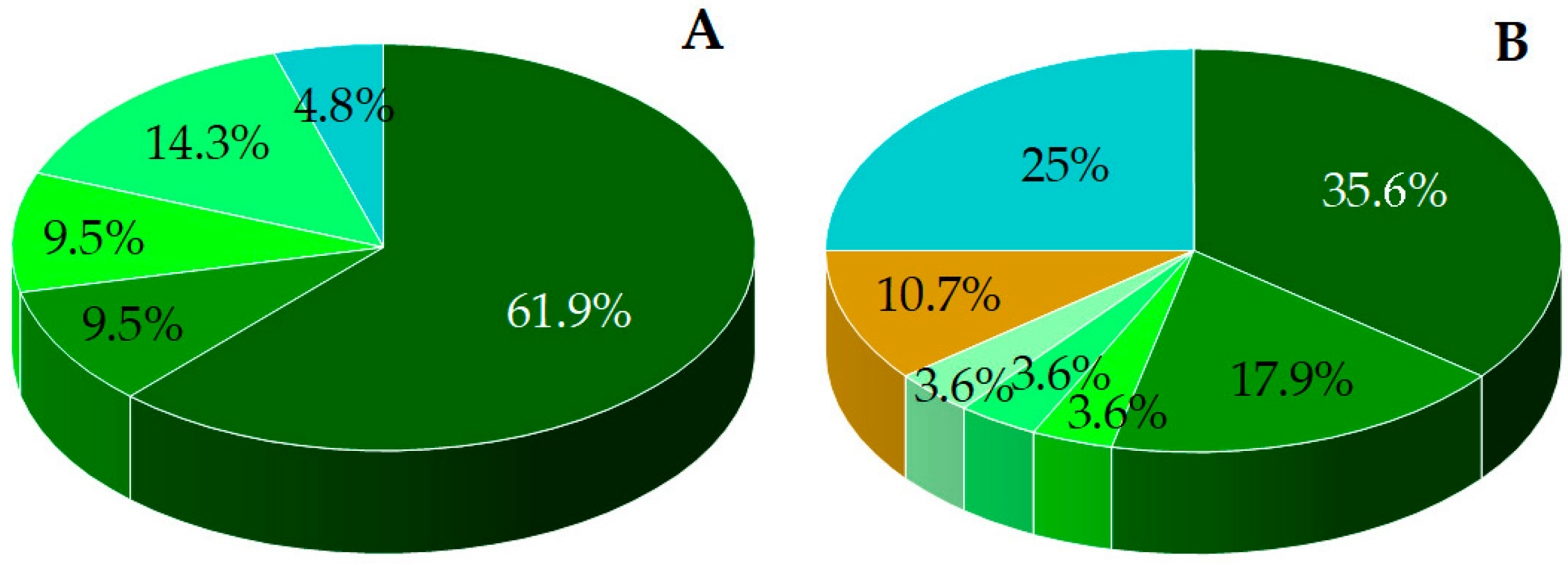
- stimulation of in situ synthesis or external introduction into the cultivation media of regulators of microalgal growth (phytohormones, molecules involved in the formation of so-called Quorum Sensing (QS) communication networks that regulate metabolic activity programs [21,22,23], and molecules that intensify gas-transfer processes [24], etc.);
- (iii)
- (iv)
2. Molecular Regulators Providing Enhanced Biomass Accumulation of Phototrophic Microorganisms Used in Different Immobilized Forms
3. Immobilized Cells of Phototrophic Microorganisms
3.1. Immobilized Forms of Individual Microalgal Cultures and Their Biotechnological Features
3.2. Co-Immobilization of Microalgae with Other Microorganisms
- -
- the search for new combinations of participants in co-immobilized systems,
- -
- the application of new carrier materials, predominantly of composite nature and often with improved sorptive characteristics,
- -
- and the exploration of new directions for using these biological combinations, including their potential as resource bases enriched with accumulated microalgal biomass for subsequent conversion into commercially valuable products.
4. Analysis of the Current Trends and Perspectives in the Application of Immobilized Phototrophic Microorganisms
5. Conclusions
Author Contributions
Funding
Institutional Review Board Statement
Informed Consent Statement
Data Availability Statement
Conflicts of Interest
Abbreviations
| AMD | Acid mine drainage |
| COD | Chemical oxygen demand |
| QS | Quorum Sensing |
| PFCs | Perfluorocarbons |
| SPs | Sulfated polysaccharides |
| TN | Total nitrogen |
| TP | Total phosphorus |
References
- Guieysse, B.; Plouviez, M. Microalgae cultivation: Closing the yield gap from laboratory to field scale. Front. Bioeng. Biotechnol. 2024, 12, 1359755. [Google Scholar] [CrossRef] [PubMed]
- Chew, K.W.; Chia, S.R.; Show, P.L.; Yap, Y.J.; Ling, T.C.; Chang, J.-S. Effects of water culture medium, cultivation systems and growth modes for microalgae cultivation: A review. J. Taiwan Inst. Chem. Eng. 2018, 91, 332–344. [Google Scholar] [CrossRef]
- Tandon, P.; Jin, Q. Microalgae culture enhancement through key microbial approaches. Renew. Sustain. Energy Rev. 2017, 80, 1089–1099. [Google Scholar] [CrossRef]
- Barkia, I.; Saari, N.; Manning, S.R. Microalgae for high-value products towards human health and nutrition. Mar. Drugs 2019, 17, 304. [Google Scholar] [CrossRef]
- Beckstrom, B.D.; Wilson, M.H.; Crocker, M.; Quinn, J.C. Bioplastic feedstock production from microalgae with fuel co-products: A techno-economic and life cycle impact assessment. Algal Res. 2020, 46, e101769. [Google Scholar] [CrossRef]
- Taleb, A.; Pruvost, J.; Legrand, J.; Marec, H.; Le-Gouic, B.; Mirabella, B.; Legeret, B.; Bouvet, S.; Peltier, G.; Li-Beisson, Y.; et al. Development and validation of a screening procedure of microalgae for biodiesel production: Application to the genus of marine microalgae Nannochloropsis. Bioresour. Technol. 2015, 177, 224–232. [Google Scholar] [CrossRef]
- Efremenko, E.N.; Nikolskaya, A.B.; Lyagin, I.V.; Senko, O.V.; Makhlis, T.A.; Stepanov, N.A.; Maslova, O.V.; Mamedova, F.; Varfolomeev, S.D. Production of biofuels from pretreated microalgae biomass by anaerobic fermentation with immobilized Clostridium acetobutylicum cells. Bioresour. Technol. 2012, 114, 342–348. [Google Scholar] [CrossRef]
- Borowitzka, M.A. High-value products from microalgae—Their development and commercialisation. J. Appl. Phycol. 2013, 25, 743–756. [Google Scholar] [CrossRef]
- Sun, H.; Zhao, W.; Mao, X.; Li, Y.; Wu, T. High-value biomass from microalgae production platforms: Strategies and progress based on carbon metabolism and energy conversion. Biotechnol. Biofuels 2018, 11, 227. [Google Scholar] [CrossRef] [PubMed]
- Roles, J.; Yarnold, J.; Hussey, K.; Hankamer, B. Techno-economic evaluation of microalgae high-density liquid fuel production at 12 international locations. Biotechnol. Biofuels 2021, 14, 133. [Google Scholar] [CrossRef]
- Morais Junior, W.G.; Gorgich, M.; Corrêa, P.S.; Martins, A.A.; Mata, T.M.; Caetano, N.S. Microalgae for biotechnological applications: Cultivation, harvesting and biomass processing. Aquaculture 2020, 528, 735562. [Google Scholar] [CrossRef]
- Mahapatra, D.M.; Murthy, G.S. Long term evaluation of a pilot scale multimodal algal bioprocess for treatment of municipal wastewater. J. Clean. Prod. 2021, 311, 127690. [Google Scholar] [CrossRef]
- Mehta, A.K.; Saikat Chakraborty, S. Multiscale integration of mixotrophic microalgal cultivation, lipid synthesis, rapid biomass harvesting, and nutrient recycling in pilot-scale photobioreactors. Algal Res. 2021, 53, 102146. [Google Scholar] [CrossRef]
- Bhowmick, G.D.; Sen, R.; Sarmah, A.K. Consolidated bioprocessing of wastewater cocktail in an algal biorefinery for enhanced biomass, lipid and lutein production coupled with efficient CO2 capture: An advanced optimization approach. J. Environ. Manag. 2019, 252, 109696. [Google Scholar] [CrossRef]
- Zhai, Q.; Hong, Y.; Wang, X.; Wang, Q.; Zhao, G.; Liu, X.; Zhang, H. Mixing starch wastewaters to balance nutrients for improving nutrient removal, microalgae growth and accumulation of high value-added products. Water Cycle 2022, 3, 151–159. [Google Scholar] [CrossRef]
- Wen, S.; Zhang, Y. Review of advances in microalgae cultivation technology. J. Innov. Dev. 2023, 3, 51–53. [Google Scholar] [CrossRef]
- Cui, X.; Yang, J.; Cui, M.; Zhang, W.; Zhao, J. Comparative experiments of two novel tubular photobioreactors with an inner aerated tube for microalgal cultivation: Enhanced mass transfer and improved biomass yield. Algal Res. 2021, 58, e102364. [Google Scholar] [CrossRef]
- Wang, L.; Zhao, R.; Wang, Q.; Han, Z.; Mao, X.-Z. Novel bioreactor with inclined baffles in cost-efficiently increasing algal biomass and carbon fixation. Energy 2022, 247, e123453. [Google Scholar] [CrossRef]
- Vujović, T.; Brčić, S.; Paradžik, T.; Miloš, M.; Galić Perečinec, M.; Vranjković, L.; Starčević, A.; Bojanić, K.; Čož-Rakovac, R.; Ivančić Šantek, M.; et al. Microalga Chlamydomonas reinhardtii cultivation and biomass processing optimization for biological activity improvement. Algal Res. 2025, 92, 104354. [Google Scholar] [CrossRef]
- Mosey, M.; Douchi, D.; Knoshaug, E.P.; Laurens, L.M.L. Methodological review of genetic engineering approaches for non-model algae. Algal Res. 2021, 54, e102221. [Google Scholar] [CrossRef]
- Maddela, N.R.; Sheng, B.; Yuan, S.; Zhou, Z.; Villamar-Torres, R.; Meng, F. Roles of quorum sensing in biological wastewater treatment: A critical review. Chemosphere 2019, 221, 616–629. [Google Scholar] [CrossRef] [PubMed]
- Berner, F.; Heimann, K.; Sheehan, M. Microalgal biofilms for biomass production. J. Appl. Phycol. 2015, 27, 1793–1804. [Google Scholar] [CrossRef]
- Morffy, N.; Strader, L.C. Old town roads: Routes of auxin biosynthesis across kingdoms. Curr. Opin. Plant Biol. 2020, 55, 21–27. [Google Scholar] [CrossRef]
- Senko, O.; Maslova, O.; Aslanli, A.; Efremenko, E. Impact of perfluorocarbons with gas transport function on growth of phototrophic microorganisms in a free and immobilized state and in consortia with bacteria. Appl. Sci. 2023, 13, 1868. [Google Scholar] [CrossRef]
- Zhuang, L.-L.; Yu, D.; Zhang, J.; Liu, F.-F.; Wu, Y.-H.; Zhang, T.-Y.; Dao, G.-H.; Hu, H.-Y. The characteristics and influencing factors of the attached microalgae cultivation: A review. Renew. Sustain. Energy Rev. 2018, 94, 1110–1119. [Google Scholar] [CrossRef]
- Senko, O.; Stepanov, N.; Maslova, O.; Efremenko, E. “Nature-like” cryoimmobilization of phototrophic microorganisms: New opportunities for their long-term storage and sustainable use. Sustainability 2022, 14, 661. [Google Scholar] [CrossRef]
- Wu, X.; Kong, L.; Feng, Y.; Zheng, R.; Zhou, J.; Sun, J.; Liu, S. Communication mediated interaction between bacteria and microalgae advances photogranulation. Sci. Total. Environ. 2024, 914, 169975. [Google Scholar] [CrossRef]
- Efremenko, E.; Senko, O.; Stepanov, N.; Aslanli, A.; Maslova, O.; Lyagin, I. Quorum sensing as a trigger that improves characteristics of microbial biocatalysts. Microorganisms 2023, 11, 1395. [Google Scholar] [CrossRef]
- Venuleo, M.; Raven, J.A.; Giordano, M. Intraspecific chemical communication in microalgae. New Phytol. 2017, 215, 516–530. [Google Scholar] [CrossRef] [PubMed]
- Fu, L.; Li, Q.; Chen, C.; Zhang, Y.; Liu, Y.; Xu, L.; Zhou, Y.; Li, C.; Zhou, D.; Rittmann, B.E. Benzoic and salicylic acid are the signaling molecules of Chlorella cells for improving cell growth. Chemosphere 2021, 265, 129084. [Google Scholar] [CrossRef] [PubMed]
- Kozlova, T.A.; Hardy, B.P.; Krishna, P.; Levin, D.B. Effect of phytohormones on growth and accumulation of pigments and fatty acids in the microalgae Scenedesmus quadricauda. Algal Res. 2017, 27, 325–334. [Google Scholar] [CrossRef]
- Lu, Y.; Xu, J. Phytohormones in microalgae: A new opportunity for microalgal biotechnology? Trends Plant Sci. 2015, 20, 273–282. [Google Scholar] [CrossRef] [PubMed]
- Khasin, M.; Cahoon, R.R.; Nickerson, K.W.; Riekhof, W.R. Molecular machinery of auxin synthesis, secretion, and perception in the unicellular chlorophyte alga Chlorella sorokiniana UTEX 1230. PLoS ONE 2018, 13, e0205227. [Google Scholar] [CrossRef] [PubMed]
- Liu, Z.; Zeng, T.; Wang, J.; Wang, Z.; Zhao, D.; Wei, J.; Peng, Y.; Miao, L. AHL-mediated quorum sensing drives microbial community succession and metabolic pathway in algal-bacterial biofilm system. Water Res. 2025, 282, 123702. [Google Scholar] [CrossRef]
- Chen, J.; Liu, X.; Lu, T.; Liu, W.; Zheng, Z.; Chen, W.; Yang, C.; Qin, Y. The coupling of anammox with microalgae-bacteria symbiosis: Nitrogen removal performance and microbial community. Water Res. 2024, 252, 121214. [Google Scholar] [CrossRef]
- Zhang, Y.; Zheng, L.; Wang, S.; Zhao, Y.; Xu, X.; Han, B.; Hu, T. Quorum sensing bacteria in the phycosphere of HAB microalgae and their ecological functions related to cross-kingdom interactions. Int. J. Environ. Res. Public Health 2021, 19, 163. [Google Scholar] [CrossRef]
- Cheng, X.; Li, X.; Tong, M.; Wu, J.; Chan, L.L.; Cai, Z.; Zhou, J. Indole-3-acetic acid as a cross-talking molecule in algal-bacterial interactions and a potential driving force in algal bloom formation. Front. Microbiol. 2023, 14, 1236925. [Google Scholar] [CrossRef]
- Sandhya, S.V.; Vijayan, K.K. Symbiotic association among marine microalgae and bacterial flora: A study with special reference to commercially important Isochrysis galbana culture. J. Appl. Phycol. 2019, 31, 2259–2266. [Google Scholar] [CrossRef]
- Dao, G.H.; Wu, G.X.; Wang, X.X.; Zhuang, L.L.; Zhang, T.Y.; Hu, H.Y. Enhanced growth and fatty acid accumulation of microalgae Scenedesmus sp. LX1 by two types of auxin. Bioresour. Technol. 2018, 247, 561–567. [Google Scholar] [CrossRef]
- Singh, G.; Patel, A.; Tiwari, S.; Gupta, D.; Prasad, S.M. Signaling molecules hydrogen sulfide (H2S) and nitric oxide (NO): Role in microalgae under adverse environmental conditions. Acta Physiol. Plant. 2022, 44, 68. [Google Scholar] [CrossRef]
- Mallén-Ponce, M.J.; Pérez-Pérez, M.E.; Crespo, J.L. Deciphering the function and evolution of the target of rapamycin signaling pathway in microalgae. J. Exp. Bot. 2022, 73, 6993–7005. [Google Scholar] [CrossRef]
- Pancha, I.; Chokshi, K.; Tanaka, K.; Imamura, S. Microalgal target of rapamycin (TOR): A central regulatory hub for growth, stress response and biomass production. Plant Cell Physiol. 2020, 61, 675–684. [Google Scholar] [CrossRef]
- Costa Gomes, M.F.; Pádua, A.A.H. Interactions of carbon dioxide with liquid fluorocarbons. J. Phys. Chem. B 2003, 107, 14020–14024. [Google Scholar] [CrossRef]
- Senko, O.; Stepanov, N.; Tyutyunov, A.; Sterlin, S.; Grinberg, V.; Makhlis, T.; Efremenko, E. Intensification of organophosphorus hydrolase synthesis by using substances with gas-transport function. Appl. Sci. 2017, 7, 1305. [Google Scholar] [CrossRef]
- Efremenko, E.; Stepanov, N.; Senko, O.; Maslova, O.; Lyagin, I.; Aslanli, A. Progressive biocatalysts for the treatment of aqueous systems containing pharmaceutical pollutants. Life 2023, 13, 841. [Google Scholar] [CrossRef]
- Maslova, O.; Senko, O.; Gladchenko, M.A.; Gaydamaka, S.N.; Efremenko, E. Prospects for combined applications of nanostructured catalysts and biocatalysts for elimination of hydrocarbon pollutants. Appl. Sci. 2023, 13, 5815. [Google Scholar] [CrossRef]
- Tawfik, A.; Niaz, H.; Qadeer, K.; Qyyum, M.A.; Liu, J.J.; Lee, M. Valorization of algal cells for biomass and bioenergy production from wastewater: Sustainable strategies, challenges, and techno-economic limitations. Renew. Sustain. Energy Rev. 2022, 157, 112024. [Google Scholar] [CrossRef]
- Razaviarani, V.; Arab, G.; Lerdwanawattana, N.; Gadia, Y. Algal biomass dual roles in phycoremediation of wastewater and production of bioenergy and value-added products. Int. J. Environ. Sci. Technol. 2023, 20, 8199–8216. [Google Scholar] [CrossRef]
- Lin, H.; Li, Y.; Hill, R.T. Microalgal and bacterial auxin biosynthesis: Implications for algal biotechnology. Curr. Opin. Biotechnol. 2022, 73, 300–307. [Google Scholar] [CrossRef] [PubMed]
- Zhou, J.; Lyu, Y.; Richlen, M.; Anderson, D.M.; Cai, Z. Quorum sensing is a language of chemical signals and plays an ecological role in algal-bacterial interactions. CRC Crit. Rev. Plant Sci. 2016, 35, 81–105. [Google Scholar] [CrossRef] [PubMed]
- Khosravitabar, F.; Spetea, C. Evaluating technical parameters for microalgae immobilization to optimize green hydrogen photoproduction: A comparative review. Int. J. Hydrogen Energy 2024, 67, 925–932. [Google Scholar] [CrossRef]
- Hardiningtyas, S.D.; Glenn, C.; Setyaningsih, I. Alginate–cellulose nanofiber hydrogel for stable microalgae immobilization for phycoremediation of aquaculture wastewater. J. Water Process Eng. 2025, 79, 108843. [Google Scholar] [CrossRef]
- Wang, X.; Du, Z.; Song, Z.; Liu, M.; He, P.; Feng, L.; Chen, Z.; Chen, Q. Konjac glucomannan (KGM) aerogel immobilized microalgae: A new way for marine oil spills remediation. Mar. Pollut. Bull. 2025, 218, 118158. [Google Scholar] [CrossRef] [PubMed]
- Woon, J.M.; Khoo, K.S.; Sahrin, N.T.; Ardo, F.M.; Lim, J.W.; Tong, W.Y.; Chan, Y.J.; Lin, C.; Goh, P.S.; Ansar, S.; et al. Rederiving kinetics to model biohydrogen production from immobilized microalgae alginate beads at various polymerization degrees of alginate under dark fermentative environment. Algal Res. 2024, 82, 103684. [Google Scholar] [CrossRef]
- Im, H.; Nguyen, H.T.; Jeong, D.; Jang, A. Wastewater treatment optimization utilizing polyvinyl alcohol cryogel immobilized microalgae for nutrient removal. Chemosphere 2024, 366, 143426. [Google Scholar] [CrossRef]
- Woon, J.M.; Khoo, K.S.; Kazi, M.; Nur-e-Alam, M.; Sahrin, N.T.; Lim, J.W.; Kiatkittipong, W.; Ali, S.S.; Ho, C.D.; Usman, A.; et al. Hydrogel immobilized microalgae-alginate beads to model the fermentation of phenol-containing wastewater into biohydrogen molecules. J. Mol. Liq. 2024, 407, 125157. [Google Scholar] [CrossRef]
- Diale, P.P.; Hildebrandt, D.; Glasser, D.; Matambo, T.S.; Makgato, S.S. An analysis of the processes, kinetics and equilibrium of iron’s biosorption on immobilized green microalgae. S. Afr. J. Chem. Eng. 2023, 45, 210–220. [Google Scholar] [CrossRef]
- Nouacer, I.; Hammadi, S.; Benalia, M.; Djedid, M.; Bencheikh, S.E. Biosorption of carcinogenic metal ions using the immobilized microalgae Auxenochlorella protothecoides on a lignocellulosic matrix: Optimization, kinetics, isotherm and mechanism. S. Afr. J. Bot. 2023, 157, 297–313. [Google Scholar] [CrossRef]
- Cao, S.; Teng, F.; Lv, J.; Zhang, Q.; Wang, T.; Zhu, C.; Li, X.; Cai, Z.; Xie, L.; Tao, Y. Performance of an immobilized microalgae-based process for wastewater treatment and biomass production: Nutrients removal, lipid induction, microalgae harvesting and dewatering. Bioresour. Technol. 2022, 356, 127298. [Google Scholar] [CrossRef]
- Krasaesueb, N.; Boonnorat, J.; Maneeruttanarungroj, C.; Khetkorn, W. Highly effective reduction of phosphate and harmful bacterial community in shrimp wastewater using short-term biological treatment with immobilized engineering microalgae. J. Environ. Manag. 2023, 325, 116452. [Google Scholar] [CrossRef]
- Shchemelinina, T.N.; Anchugova, E.M.; Kotova, O.B.; Shushkov, D.A. The analcime-bearing rock immobilized microalgae: Stress resistance, psychrotolerance, phenol removal. Bioresour. Technol. 2021, 322, 124560. [Google Scholar] [CrossRef]
- Wang, R.; Li, F.; Ruan, W.; Tai, Y.; Cai, H.; Yang, Y. Removal and degradation pathway analysis of 17β-estradiol from raw domestic wastewater using immobilised functional microalgae under repeated loading. Biochem. Eng. J. 2020, 161, 107700. [Google Scholar] [CrossRef]
- Alfaro-Sayes, D.A.; Amoah, J.; Aikawa, S.; Matsuda, M.; Hasunuma, T.; Kondo, A.; Ogino, C. Alginate immobilization as a strategy for improving succinate production during autofermentation using cyanobacteria Synechocystis sp. PCC 6803. Biochem. Eng. J. 2022, 188, 108681. [Google Scholar] [CrossRef]
- Purev, O.; Park, C.; Kim, H.; Myung, E.; Choi, N.; Cho, K. Spirulina platensis immobilized alginate beads for removal of Pb (II) from aqueous solutions. Int. J. Environ. Res. Public Health 2023, 20, 1106. [Google Scholar] [CrossRef]
- Liu, Y.; Zhang, G.; Li, Y.; Wu, X.; Shang, S.; Che, W. Enhancing immobilized Chlorella vulgaris growth with novel buoyant barium alginate bubble beads. Bioresour. Technol. 2024, 406, 130996. [Google Scholar] [CrossRef]
- Zhu, T.; Jing, M.; Zhang, J.; Li, H.; Zhou, M.; Li, G. Efficacy of micro–nano bubble enhanced immobilized Chlorella vulgaris in the removal of typical antibiotics. RSC Adv. 2025, 15, 20268–20280. [Google Scholar] [CrossRef]
- Zafar, A.M.; Al Mosteka, H.; Hassan, A.A. Performance of immobilized microalgal strains for biodesalination of real seawater. Desalination 2023, 561, 116704. [Google Scholar] [CrossRef]
- Liang, L.; Bai, X.; Hua, Z. Enhancement of the immobilization on microalgae protective effects and carbamazepine removal by Chlorella vulgaris. Environ. Sci. Pollut. Res. 2022, 29, 79567–79578. [Google Scholar] [CrossRef] [PubMed]
- Mohseni, A.; Kube, M.; Fan, L.; Roddick, F.A. Treatment of wastewater reverse osmosis concentrate using alginate-immobilised microalgae: Integrated impact of solution conditions on algal bead performance. Chemosphere 2021, 276, 130028. [Google Scholar] [CrossRef] [PubMed]
- Jing, M.; Zhang, J.; Li, G.; Zhang, D.; Liu, F.; Yang, S. Micro-nano bubbles enhanced immobilized Chlorella vulgaris to remove ofloxacin from groundwater. J. Contam. Hydrol. 2025, 268, 104458. [Google Scholar] [CrossRef]
- Khosravitabar, F.; Mamedov, F. Improved hydrogen production in immobilized Chlamydomonas reinhardtii cells with inhibited inter-photosystem electron transfer. Algal Res. 2024, 83, 103732. [Google Scholar] [CrossRef]
- Li, H.; Sun, H.; Wang, J.; Ma, X.; Wei, Q. Process optimization of Cd2+ removal with Tetradesmus obliquus-immobilized algal beads. Biochem. Eng. J. 2024, 207, 109336. [Google Scholar] [CrossRef]
- Zhang, Y.; Wang, X.; Su, D.; Zhao, L.; Leng, K.; Miao, J.; Yu, Y. Enhancing astaxanthin accumulation in immobilized Haematococcus pluvialis via alginate hydrogel membrane. Int. J. Biol. Macromol. 2025, 292, 139145. [Google Scholar] [CrossRef]
- Kube, M.; Fan, L.H.; Roddick, F. Alginate-immobilised algal wastewater treatment enhanced by species selection. Algal Res. 2021, 54, 102219. [Google Scholar] [CrossRef]
- Han, S.I.; Jeon, M.S.; Park, Y.H.; Kim, S.; Choi, Y.E. Semi-continuous immobilized cultivation of Porphyridium cruentum for sulfated polysaccharides production. Bioresour. Technol. 2021, 341, 125816. [Google Scholar] [CrossRef] [PubMed]
- Athira, K.; Sathish, A.; Nithya, K.; Guhananthan, A. Corn cob immobilised Chlorella sorokiniana for the sequestration of chromium ions from aqueous solution. Mater. Today Proc. 2020, 33, 2148–2155. [Google Scholar] [CrossRef]
- Saloglu, D.; Sahin, O.I. Removal of azo dyes–tartrazine, carmoisine, and Allura Red–from wastewater using Spirulina biomass-immobilized alginate beads: Equilibrium, kinetics, thermodynamics, desorption, and reusability. Desalin. Water Treat. 2021, 220, 431–445. [Google Scholar] [CrossRef]
- Bauer, L.M.; Rodrigues, E.; Rech, R. Potential of immobilized Chlorella minutissima for the production of biomass, proteins, carotenoids and fatty acids. Biocatal. Agric. Biotechnol. 2020, 25, 101601. [Google Scholar] [CrossRef]
- Khatoon, H.; Penz, K.P.; Banerjee, S.; Rahman, M.R.; Minhaz, T.M.; Islam, Z.; Mukta, F.A.; Nayma, Z.; Sultana, R.; Amira, K.I. Immobilized Tetraselmis sp. for reducing nitrogenous and phosphorous compounds from aquaculture wastewater. Bioresour. Technol. 2021, 338, 125529. [Google Scholar] [CrossRef] [PubMed]
- Hu, J.; Liu, H.; Shukla, P.; Lin, W.; Luo, J. Nitrogen and phosphorus removals by the agar-immobilized Chlorella sacchrarophila with long-term preservation at room temperature. Chemosphere 2020, 251, 126406. [Google Scholar] [CrossRef]
- Wu, J.Y.; Lay, C.H.; Chiong, M.C.; Chew, K.W.; Chen, C.C.; Wu, S.Y.; Zhou, D.; Kumar, G.; Show, P.L. Immobilized Chlorella species mixotrophic cultivation at various textile wastewater concentrations. J. Water Process Eng. 2020, 38, 101609. [Google Scholar] [CrossRef]
- Wu, P.H.; Hsieh, T.M.; Wu, H.Y.; Yu, C.P. Characterization of the immobilized algae-based bioreactor with external ceramic ultrafiltration membrane to remove nutrients from the synthetic secondary wastewater effluent. Int. Biodeterior. Biodegrad. 2021, 164, 105309. [Google Scholar] [CrossRef]
- Alhumairi, A.; Hamouda, R.; Saddiq, A. Comparative study between immobilized and suspended Chlorella sp in treatment of pollutant sites in Dhiba port Kingdom of Saudi Arabia. Heliyon 2022, 8, e10766. [Google Scholar] [CrossRef]
- Sepian, N.R.A.; Yasin, N.H.M.; Zainol, N. The feasibility of immobilized Chlorella vulgaris cultivated in palm oil mill effluent for lipid and fatty acid methyl ester production. Mater. Today Proc. 2022, 57, 1071–1077. [Google Scholar] [CrossRef]
- Meril, D.; Piliyan, R.; Perumal, S.; Sundarraj, D.K.; Binesh, A. Efficacy of alginate immobilized microalgae in the bioremediation of shrimp aquaculture wastewater. Process Biochem. 2022, 122, 196–202. [Google Scholar] [CrossRef]
- Abinandan, S.; Praveen, K.; Subashchandrabose, S.R.; Venkateswarlu, K.; Megharaj, M. Life cycle assessment for the environmental sustainability of the immobilized acid-adapted microalgal technology in iron removal from acid mine drainage. ACS Sustain. Chem. Eng. 2020, 8, 15670–15677. [Google Scholar] [CrossRef]
- Chen, C.Y.; Kuo, E.W.; Nagarajan, D.; Dong, C.D.; Lee, D.J.; Varjani, S.; Lam, S.S.; Chang, J.S. Semi-batch cultivation of Chlorella sorokiniana AK-1 with dual carriers for the effective treatment of full strength piggery wastewater treatment. Bioresour. Technol. 2021, 326, 124773. [Google Scholar] [CrossRef]
- Emparan, Q.; Harun, R.; Sing, J.Y. Efficiency of pollutants removal in treated palm oil mill effluent (TPOME) using different concentrations of sodium alginate-immobilized Nannochloropsis sp. cells. Int. J. Phytoremediat. 2021, 23, 454–461. [Google Scholar] [CrossRef]
- Kube, M.; Spedding, B.; Gao, L.; Fan, L.; Roddick, F. Nutrient removal by alginate-immobilized Chlorella vulgaris: Response to different wastewater matrices. J. Chem. Technol. Biotechnol. 2020, 95, 1790–1799. [Google Scholar] [CrossRef]
- Jeong, D.; Jang, A. Mitigation of self-shading effect in embedded optical fiber in Chlorella sorokiniana immobilized polyvinyl alcohol gel beads. Chemosphere 2021, 283, 131195. [Google Scholar] [CrossRef] [PubMed]
- Sepian, N.R.A.; Yasin, N.H.M.; Ramesh, N. Immobilization method to separate microalgae biomass for fatty acid methyl ester production. Chem. Eng. Technol. 2022, 45, 1474–1481. [Google Scholar] [CrossRef]
- Lee, H.; Jeong, D.; Im, S.; Jang, A. Optimization of alginate bead size immobilized with Chlorella vulgaris and Chlamydomonas reinhardtii for nutrient removal. Bioresour. Technol. 2020, 302, 122891. [Google Scholar] [CrossRef]
- Leon-Vaz, A.; Cubero-Cardoso, J.; Trujillo-Reyes, Á.; Fermoso, F.G.; León, R.; Funk, C.; Vigara, J.; Urbano, J. Enhanced wastewater bioremediation by a sulfur-based copolymer as scaffold for microalgae immobilization (AlgaPol). Chemosphere 2023, 315, 137761. [Google Scholar] [CrossRef]
- Murujew, O.; Whitton, R.; Kube, M.; Fan, L.; Roddick, F.; Jefferson, B.; Pidou, M. Recovery and reuse of alginate in an immobilized algae reactor. Environ. Technol. 2021, 42, 1521–1530. [Google Scholar] [CrossRef]
- Aguiar Severo, I.; Azevedo, O.G.D.A.; da Silva, P.A.S.; Jacob-Furlan, B.; Mariano, A.B.; Ordonez, J.C.; Vargas, J.V.C. Wastewater treatment process using immobilized microalgae. Water Sci. Technol. 2024, 90, 1306–1320. [Google Scholar] [CrossRef]
- Vasilieva, S.; Lobakova, E.; Grigoriev, T.; Selyakh, I.; Semenova, L.; Chivkunova, O.; Gotovtsev, P.; Antipova, C.; Zagoskin, Y.; Scherbakov, P.; et al. Bio-inspired materials for nutrient biocapture from wastewater: Microalgal cells immobilized on chitosan-based carriers. J. Water Process Eng. 2021, 40, 101774. [Google Scholar] [CrossRef]
- Mazzolini, F.; Carraro, E.; Peressini, D.; Bellucci, M.; Tassinato, G.; Cavinato, C. Evaluation of calcium alginate beads immobilization of Chlorella vulgaris for biomass production in space life support systems. Bioresour. Technol. 2025, 441, 133522. [Google Scholar] [CrossRef]
- Cao, S.; Teng, F.; Wang, T.; Li, X.; Lv, J.; Cai, Z.; Tao, Y. Characteristics of an immobilized microalgae membrane bioreactor (iMBR): Nutrient removal, microalgae growth, and membrane fouling under continuous operation. Algal Res. 2020, 51, 102072. [Google Scholar] [CrossRef]
- Kube, M.; Mohseni, A.; Fan, L.; Roddick, F. Impact of alginate selection for wastewater treatment by immobilised Chlorella vulgaris. Chem. Eng. J. 2019, 358, 1601–1609. [Google Scholar] [CrossRef]
- Ji, L.; Song, W.; Wei, D.; Jiang, D.; Cai, L.; Wang, Y.; Guo, G.; Zhang, H. Modified mussel shell powder for microalgae immobilization to remove N and P from eutrophic wastewater. Bioresour. Technol. 2019, 284, 36–42. [Google Scholar] [CrossRef] [PubMed]
- Leyva, L.A.; Bashan, Y.; de-Bashan, L.E. Activity of acetyl-CoA carboxylase is not directly linked to accumulation of lipids when Chlorella vulgaris is co-immobilised with Azospirillum brasilense in alginate under autotrophic and heterotrophic conditions. Ann. Microbiol. 2015, 65, 339–349. [Google Scholar] [CrossRef]
- Gonzalez-Bashan, L.E.; Lebsky, V.K.; Hernandez, J.P.; Bustillos, J.J.; Bashan, Y. Changes in the metabolism of the microalga Chlorella vulgaris when coimmobilized in alginate with the nitrogen-fixing Phyllobacterium myrsinacearum. Can. J. Microbiol. 2000, 46, 653–659. [Google Scholar] [CrossRef]
- Joshi, J.S.; Fladung, L.; Kruse, O.; Patel, A. Novel co-cultivation bioprocess with immobilized Paenibacillus polymyxa and Scenedesmus obliquus for lipid and butanediol production. Microorganisms 2025, 13, 606. [Google Scholar] [CrossRef]
- Wang, J.; Chen, X.; Sun, H.; Li, X.; Lu, Q.; Qin, P.; Yang, Y.; Lai, D.; Luo, L.; Peng, X.; et al. Accelerated removal and mechanism of tetracycline from water using immobilized bacteria combined with microalgae. J. Environ. Chem. Eng. 2025, 13, 115424. [Google Scholar] [CrossRef]
- Janpum, C.; Pandhal, J.; Pombubpa, N.; Komkhum, T.; Sirichan, C.; Srichuen, P.; In-na, P. Bio-hydrogel formulation for co-immobilization of microalgae and bacteria in living biofilters for nutrient recovery from secondary industrial effluents. Clean. Eng. Technol. 2025, 29, 101075. [Google Scholar] [CrossRef]
- Thi, M.P.; Bui, X.D. Selection enhanced nutrient removal from pig farm wastewater using co-immobilized Chlorella vulgaris and Azospirillum brasilense Azo09 in alginate beads. Eur. J. Biol. Biotechnol. 2025, 6, 1–5. [Google Scholar] [CrossRef]
- Li, Y.; Feng, L.; Li, G.; Wang, J.; Li, K. Removing high strength lincomycin in pharmaceutical wastewater by a bacteria microalgae consortium co-immobilized filter. Bioresour. Technol. 2025, 415, 131704. [Google Scholar] [CrossRef] [PubMed]
- Zhang, L.; Ali, A.; Su, J.; Huang, T.; Wang, Z. Ammonium nitrogen and phosphorus removal by bacterial-algal symbiotic dynamic sponge bioremediation system in micropolluted water: Operational mechanism and transformation pathways. Sci. Total Environ. 2024, 947, 174636. [Google Scholar] [CrossRef]
- Morán-Valencia, M.; Nishi, K.; Akizuki, S.; Ida, J.; Cuevas-Rodríguez, G.; Cervantes-Avilés, P. Nitrogen removal from wastewater by an immobilized consortium of microalgae–bacteria in hybrid hydrogels. Water Sci. Technol. 2023, 87, 527–538. [Google Scholar] [CrossRef] [PubMed]
- Alonso, K.A.; Choix, F.J.; Nevarez-Moorillón, G.V.; Palacios, O.A. Microalgae-bacteria interaction in alginate beads prevents the negative effect of copper oxide nanoparticles on the growth and metabolism of Scenedesmus sp. J. Appl. Phycol. 2024, 36, 155–166. [Google Scholar] [CrossRef]
- Chung, Y.C.; Chen, C.Y. Coupled photocatalysis and microalgal–bacterial synergy system for continuously treating aquaculture wastewater containing real phthalate esters. Environments 2023, 10, 215. [Google Scholar] [CrossRef]
- Kono, M.; Haruta, S. Coaggregation occurs between a piliated unicellular Cyanobacterium, Thermosynechococcus, and a filamentous bacterium Chloroflexus aggregans. Microorganisms 2024, 12, 1904. [Google Scholar] [CrossRef] [PubMed]
- Sun, K.M.; Wang, J.; Ju, Q.; Zhao, Y.; Kong, X.; Yuan, C.; Tian, Y. The mitigating effects of diatom-bacteria biofilm on coastal harmful algal blooms: A lab-based study concerning species-specific competition and biofilm formation. J. Environ. Manag. 2023, 335, 117544. [Google Scholar] [CrossRef]
- Huang, G.; Wang, Y. Nitrate and phosphate removal by co-immobilized Chlorella pyrenoidosa and activated sludge at different pH values. Water Qual. Res. J. 2003, 38, 541–551. [Google Scholar] [CrossRef]
- Peng, L.; Shu, M.; Fang, L.; Xu, Y. Revealing roles of immobilization in microalgae-bacteria symbiosis system for nutrient removal from wastewater. Bioresur. Technol. 2025, 437, 133136. [Google Scholar] [CrossRef]
- Senko, O.; Stepanov, N.; Maslova, O.; Efremenko, E. Transformation of enzymatic hydrolysates of Chlorella–fungus mixed biomass into poly(hydroxyalkanoates). Catalysts 2023, 13, 118. [Google Scholar] [CrossRef]
- Talukdar, S.; Barzee, T.J. Fungal-assisted immobilization of microalgae for simultaneous harvesting and product customization: Effects of geometry, loading, and microalgae concentration. Algal Res. 2023, 74, 103242. [Google Scholar] [CrossRef]
- Barzee, T.J.; El-Mashad, H.M.; Burch, A.R.; Franz, A.K.; Zhang, R. Immobilization of diatom Phaeodactylum tricornutum with filamentous fungi and its kinetics. J. Microbiol. Biotechnol. 2022, 33, 251. [Google Scholar] [CrossRef]
- Cui, L.; Wang, J.; Wu, X.; Li, J.; Zeng, W.; Qiu, G.; Shen, L. Study on strengthened the Cd (II) adsorption based on co-culture of fungi and cyanobacteria. Algal Res. 2025, 85, 103823. [Google Scholar] [CrossRef]
- Nishanth, S.; Prasanna, R. Untargeted GC–MS reveals differential regulation of metabolic pathways in cyanobacterium Anabaena and its biofilms with Trichoderma viride and Providencia sp. Curr. Res. Microb. Sci. 2022, 3, 100174. [Google Scholar] [CrossRef] [PubMed]
- Velmourougane, K.; Prasanna, R.; Angamuthu, M.; Harinkhede, L.R.; Bansod, P.T.; Vaidya, J.B.; Prasad, Y.G. Cyanobacterium-based bacterial and fungal biofilms as economically viable and climate smart biostimulants for Bt-cotton in rainfed Vertisol. J. Appl. Phycol. 2025, 1–17. [Google Scholar] [CrossRef]
- Kariyawasam, T.; Petkovich, M.; Vriens, B. Diclofenac degradation by immobilized Chlamydomonas reinhardtii and Scenedesmus obliquus. MicrobiologyOpen 2024, 13, e70013. [Google Scholar] [CrossRef]
- Casas, M.E.; Pastor-López, E.J.; Rodríguez-Espelta, Y.; Matamoros, V. Simultaneous veterinary antibiotics reduction and biomass production from pig slurry by microalgae co-immobilization in moving bed biofilm reactors. Environ. Technol. Innov. 2024, 35, 103677. [Google Scholar] [CrossRef]
- Wicker, R.J.; Daneshvar, E.; Gupta, A.K.; Song, H.; Khan, E.; Bhatnagar, A. Hybrid planktonic-biofilm cultivation of a Nordic mixed-species photosynthetic consortium: A pilot study on carbon capture and nutrient removal. Chem. Eng. J. 2023, 471, 144585. [Google Scholar] [CrossRef]
- Chindanonda, C.; Saramul, S.; Piumsomboon, A. Diatom-cyanobacterial biofilm formation and its effects on sediment stability under laboratory conditions. Sci. Technol. Asia 2021, 26, 114–124. [Google Scholar] [CrossRef]
- Mehmood, A.; Liu, G.; Wang, X.; Meng, G.; Wang, C.; Liu, Y. Fungal Quorum-Sensing Molecules and Inhibitors with Potential Antifungal Activity: A Review. Molecules 2019, 24, 1950. [Google Scholar] [CrossRef] [PubMed]
- Dow, L. How do Quorum-Sensing signals mediate algae-bacteria interactions? Microorganisms 2021, 9, 1391. [Google Scholar] [CrossRef] [PubMed]
- Anli Dino, A.; Kishore, G. Microalgae: An emerging source of bioplastics production. Discov. Environ. 2024, 2, 10. [Google Scholar] [CrossRef]
- Lee, J. Toxin-producing cyanobacteria in freshwater: A review of the problems, impact on drinking water safety, and efforts for protecting public health. J. Microbiol. 2013, 51, 1–10. [Google Scholar] [CrossRef]
- Massey, I.Y.; Yang, F. A mini review on microcystins and bacterial degradation. Toxins 2020, 12, 268. [Google Scholar] [CrossRef]
- Efremenko, E.; Senko, O.; Maslova, O.; Stepanov, N.; Aslanli, A.; Lyagin, I. Biocatalysts in synthesis of microbial polysaccharides: Properties and development trends. Catalysts 2022, 12, 1377. [Google Scholar] [CrossRef]
- Bahrulolum, H.; Nooraei, S.; Javanshir, N.; Tarrahimofrad, H.; Vasighe Sadat Mirbagheri, V.S.; Easton, A.J.; Ahmadian, G. Green synthesis of metal nanoparticles using microorganisms and their application in the agrifood sector. J. Nanobiotechnol. 2021, 19, 86. [Google Scholar] [CrossRef] [PubMed]
- Moreira, J.B.; Vaz, B.d.S.; Cardias, B.B.; Cruz, C.G.; Almeida, A.C.A.d.; Costa, J.A.V.; Morais, M.G.d. Microalgae polysaccharides: An alternative source for food production and sustainable agriculture. Polysaccharides 2022, 3, 441–457. [Google Scholar] [CrossRef]
- Quagliarini, E.; Gregorini, B.; D’Orazio, M. Modelling microalgae biofouling on porous buildings materials: A novel approach. Mater. Struct. 2022, 55, 158. [Google Scholar] [CrossRef]
- Cao, K.; Cui, Y.; Sun, F.; Zhang, H.; Fan, J.; Ge, B.; Cao, Y.; Wang, X.; Zhu, X.; Wei, Z.; et al. Metabolic engineering and synthetic biology strategies for producing high-value natural pigments in microalgae. Biotechnol. Adv. 2023, 68, 108236. [Google Scholar] [CrossRef]
- Senko, O.; Stepanov, N.; Aslanli, A.; Efremenko, E. Bioluminescent ATP-metry in assessing the impact of various microplastic particles on fungal, bacterial, and microalgal cells. Microplastics 2025, 4, 72. [Google Scholar] [CrossRef]



| Phototrophic Microorganisms [Reference] | Regulators | Results of Regulators’ Application |
|---|---|---|
| Chlorella sp. [27] | Indole-3-acetic acid, N-acyl-homoserine lactones | Growth and formation of stable granules with bacterial cells and their polysaccharides |
| Chlorella regularis [30] | Benzoic acid, salicylic acid | Increase in growth rate per 75% and 25% in presence of benzoic and salicylic acids, correspondently |
| Scenedesmus quadricauda [31] | 2.4-epibrassinolid, 3-indoleacetic acid | Increase in growth rate (1.6–2.3-fold), lipid accumulation and carotenoid production |
| Nannochloropsis oceanica [32] | Abscisic acid, cytokinin | Increase in growth rate and lipid accumulation |
| Chlorella sorokiniana [33] | Indole-3-acetic acid | Increase in growth rate and biofilm formation |
| Geitlerinema sp. [34] | N-acyl-homoserine lactone | Growth and biofilm formation with anaerobic ammonium-oxidizing bacteria |
| Chlorella sp., Anabaena sp., Navicula sp. [35] | N-acyl-homoserine lactones | Improved biofilm formation with denitrifying and anaerobic ammonium-oxidizing bacteria for the removal of increased concentrations of ammonia (100 mg/L) from wastewater |
| Prorocentrum minimum, Alexandrium tamarense, Chattonella marina, Prorocentrum donghaiense, Prorocentrum lima, Heterosigma akashiwo, Alexandrium streptosus, Karenia mikimotoi [36] | N-(3-Oxodecanoyl)-L-homoserine lactone, N-Octanoyl-L-homoserine lactone, N-(3-Oxooctanoyl)-L-homoserine lactone | Active formation of biofilms with improved degradation activity in relation to β-dimethylmercaptopropionic acid |
| Isochrysis galbana [37] | Indole-3-acetic acid | Increased cell growth and biofilm formation |
| Isochrysis galbana [38] | Indole-3-acetic acid | Increase in microalgae growth and formation of microalgae-bacteria associations |
| Scenedesmus sp. [39] | Indole-3-acetic acid, 2,4- dichlorophenoxyacetic acid | Increase in growth, lipid and pigment accumulation |
| Phaeodatylum tricornutum [40] | Nitric oxide (NO) | Increased tolerance capacity of microalgae against stress factors |
| Chlamydomonas reinhardtii [41,42] | Rapamycin | Increase in cell growth due to the protein synthesis, accumulation of triacylglycerol and starch in the cell biomass |
| Chlorella vulgaris [24] | Perfluorohexane, perfluorodecalin | Increase in cell rate growth and biomass accumulation |
| Phototrophic Microorganisms [Reference] | Immobilized Form of Microalgae | Biotechnological Process | Appeared Positive Characteristics of the Process |
|---|---|---|---|
| Chlamydomonas reinhardtii [51] | Inclusion in Sr-alginate gel | Production of the H2 | Enhanced level of H2 accumulation |
| Chlorella sp. [52] | Entrapment in Ca-alginate-cellulose nanofiber hydrogel | Bioremediation of aquaculture wastewater | Enhanced nutrient removal efficiencies |
| Chlorella vulgaris [53] | Inclusion in konjac glucomannan aerogel | Remediation of oil pollution | Improved crude oil biodegradation |
| Chlorella vulgaris [54] | Entrapment in Ca-alginate beads | Biohydrogen production | Enhanced biohydrogen production |
| Chlorella sorokiniana [55] | Entrapment in poly (vinyl alcohol) (PVA) cryogels | Wastewater treatment | Enhanced nutrient removal efficiency |
| Chlorella vulgaris [56] | Encapsulation in Ca-alginate hydrogel beads | Wastewater treatment, biohydrogen production | Phenol degradation and biohydrogen production |
| Desmodesmus sp. [57] | Encapsulation in Ca-alginate beads | Acid mine drainage (AMD) wastewater bioremediation | Method for Fe (II) removal from AMD effluent |
| Auxenochlorella protothecoides [58] | Immobilization within sugarcane bagasse | Biosorption of carcinogenic metal ions | Enhanced biosorption of Ni (II) |
| Chlorella vulgaris [59] | Inclusion in Ca-alginate hydrogel | Wastewater treatment and biomass production | Enhanced nutrients removal and biomass accumulation |
| Synechocystis sp. [60] | Encapsulation in Ca-alginate beads | Bioremediation of shrimp wastewater | Reduction in phosphates and harmful bacteria |
| Chlorella vulgaris [61] | Biofilm formation on the analcime-bearing rock | Biodegradation of recalcitrant organic pollutants | Increased phenol removal |
| Desmodesmus sp. [62] | Entrapment in Ca-alginate beads | Bioremediation of raw domestic wastewater | Enhanced nitrogen, phosphorus, and 17β-estradiol removal efficiencies |
| Synechocystis sp. [63] | Encapsulation in Ca-alginate beads | Succinate production | Increased growth and succinate productivity |
| Spirulina platensis [64] | Inclusion in Ca-alginate beads | Removal of Pb (II) from aqueous solutions | Enhanced adsorption of Pb (II) |
| Chlorella vulgaris [65] | Encapsulation in Ba-alginate bubble beads | Novel type of immobilized beads | Enhanced growth of microalgae |
| Chlorella vulgaris [66] | Encapsulation in Ca-alginate micro-nano bubble beads | Remediation of groundwater | Improved microalgal biomass and antibiotics removal efficiency |
| Euglena deses, Chlamydomonas reinhardtii, Trichormus variabilis, Scenedesmus obliquus [67] | Encapsulation in Ca-alginate beads | Bio-desalination of real seawater samples | Reduced amount of Cl− ions |
| Chlorella vulgaris [68] | Entrapment in PVA-Na-alginate beads | Carbamazepine removal | Increased carbamazepine removal rate |
| Chlorella vulgaris [69] | Entrapment in Ca-alginate beads | Municipal wastewater reverse osmosis concentrate treatment | Improved nutrient remediation and biomass production |
| Chlorella vulgaris [70] | Encapsulation in Ca-alginate micro-nano bubble beads | Removal of antibiotics from groundwater | Improved ofloxacin removal efficiency |
| Chlamydomonas reinhardtii [71] | Encapsulated within Ca-alginate beads | Production of H2 | Enhanced sustainability and H2 production |
| Tetradesmus obliquus Chlorella pyrenoidosa [72] | Encapsulation in Ca-alginate beads | Cd2+-containing wastewater treatment | Enhanced removal efficiency of Cd2+ |
| Haematococcus pluvialis [73] | Entrapment within Ca-alginate hydrogel membrane | Production of astaxanthin | Enhanced astaxanthin accumulation |
| Chlorella vulgaris, Scenedesmus abundans, Selenastrum capricornutum, Coelastrum microporum [74] | Entrapment in Ca-alginate beads | Wastewater treatment | Enhanced nutrient removal efficiency |
| Porphyridium cruentum [75] | Entrapment in Ca-alginate beads | Sulfated polysaccharides (SPs) production | Enhanced cell biomass and SPs production |
| Chlorella sorokiniana [76] | Immobilization on corn cob | Removal of chromium ions from aqueous solution | Improved removal of chromium ions |
| Arthtospira (Spirulina) platensis [77] | Encapsulation in Ca-alginate beads | Removal of azo dyes from wastewater | Improved adsorption capacity |
| Chlorella minutissima [78] | Encapsulation in Ca-alginate beads | Production of biomass and bioactive compounds | Enhanced biomass growth and proteins, carotenoids, fatty acids production |
| Tetraselmis sp. [79] | Encapsulation in Sr-alginate beads | Aquaculture wastewater treatment | Improvement of water quality by reduction in nitrogenous waste |
| Chlorella sacchrarophila [80] | Immobilization on agar | Wastewater treatment | Increased nutrient removal efficiency |
| Chlorella vulgaris Chlorella sp. [81] | Encapsulation in Ca-alginate beads | Textile wastewater treatment | Increased pollutant removal efficiency, lipid accumulation |
| Chlorella vulgaris, Scenedesmus quadricaud [82] | Entrapment in Ca-alginate beads | Wastewater effluent treatment | Improved nutrient removal |
| Chlorella sp. [83] | Encapsulation in Ca-alginate beads | Treatment of pollutant sites in Dhiba port | Reduced number of organic compounds, metals, and metalloids |
| Chlorella vulgaris [84] | Immobilization on mixed matrix | Treatment of palm oil mill effluent | Potential for lipid, fatty acid methyl ester, biodiesel production |
| * Different types of microalgae [85] | Encapsulation in Ca-alginate beads | Bioremediation of shrimp aquaculture wastewater | Enhanced nutrient removal efficiency |
| Desmodesmus sp., Heterochlorella sp. [86] | Entrapment in Ca-alginate beads | Acid mine drainage remediation | Increased Fe removal |
| Chlorella sorokiniana [87] | Immobilization on dual carriers (sponge, activated carbon) | Piggery wastewater treatment | Enhanced nutrient removal efficiency |
| Nannochloropsis sp. [88] | Encapsulation in Ca-alginate beads | Treatment of palm oil mill effluent | Enhanced biomass accumulation and chemical oxygen demand (COD) removal |
| Chlorella vulgaris [89] | Entrapment in Ca-alginate beads | Bioremediation of municipal wastewater | Enhanced nutrients removal and biomass accumulation |
| Chlorella sorokiniana [90] | Immobilization into polyvinyl alcohol-optical fibers gel beads | Mitigation of self-shading effect | Enhanced light penetration and nutrient removal efficiency |
| Chlorella vulgaris [91] | Entrapment in Ca-alginate/carboxymethyl cellulose | Biomass accumulation for extraction of lipids | Enhanced lipid accumulation |
| Chlorella vulgaris, Chlamydomonas reinhardtii [92] | Encapsulation in Ca-alginate beads | Bioremediation of wastewater | Enhanced nutrient removal efficiency |
| Chlorella sorokiniana [93] | Inclusion in biofilm alga-copolymer | Bioremediation of wastewater | Enhanced removal efficiency of Cu2+, Cd2+ |
| Scenedesmus obliquus [94] | Encapsulation in Ca-alginate beads | Alginate recycling method | Enhanced nutrient removal, reduced operational cost |
| Tetradesmus obliquus [95] | Encapsulation in Ca-alginate beads | Bioremediation of swine manure-based wastewater | Enhanced nutrient removal efficiency |
| Lobosphaera sp. [96] | Immobilization on chitosan-based carriers | Bioremediation of wastewater | Enhanced nutrient removal efficiency |
| Chlorella vulgaris [97] | Entrapment in Ca-alginate beads | Space life support systems | Ease of recovery, and suitability for automated, closed-loop bioregenerative |
| Chlorella vulgaris [98] | Encapsulation in Ca-alginate beads | Wastewater treatment | Improved nutrient removal, control of membrane fouling |
| Chlorella vulgaris [99] | Entrapment in Ca-alginate beads | Wastewater treatment | Improved nutrient removal |
| Chlorella sorokiniana [100] | Immobilization into modified mussel shell powder | Bioremediation of eutrophic wastewater | Enhanced nutrient removal efficiency |
| Phototrophic Microorganisms [Reference] | Microbial “Partner” | Carrier/Immobilization Method | Purpose of Use | Effect of Co-Immobilization |
|---|---|---|---|---|
| Bacteria co-immobilized with microalgae | ||||
| Chlorella vulgaris [101] | Azospirillum brasilense | Ca-alginate beads/ Gel inclusion | Increasing the lipid content in accumulating microalgae biomass | Increased activity of acetyl-CoA carboxylase and the level of accumulation of biomass with increased lipid content compared to immobilization of only microalgae cells |
| Chlorella vulgaris [102] | Phyllobacterium myrsinacearum | Ca-alginate beads/ Gel inclusion | Wastewater treatment | Increased synthesis of five pigments in microalgae cells |
| Scenedesmus obliquus [103] | Paenibacillus polymyxa | Chitosan coated K-carrageenan and Chitosan-coated Ca- alginate beads/Sorption | Increasing productivity of the target product | A 1.5-fold increase in the concentration of bacterial 2,3-butanediol and a 3-fold increase in the growth rate of microalgae |
| Tetradesmus obliquus [104] | Alcaligenes faecalis | Polyvinyl alcohol (PVA)- alginate- perylene diimide/ Gel inclusion | Tetracycline degradation | Significant reduction in the decomposition time of the antibiotic (1.25 days), increase in the efficiency of its decomposition (up to 94%) |
| Chlorella sp. [105] | Bacillus subtilis | Guar gum-K-carrageenan hydrogel/Sorption | Biofilter for the treatment of industrial effluent from vegetable oil factories | Increased efficiency of removal of wastewater components (NH4+, PO43−, COD—up to 53.5%, 68.6 and 98.7%, respectively) compared to microalgae cells alone |
| Chlorella vulgaris [106] | Azospirillum brasilense | Ca-alginate beads/Gel inclusion | Pig farm wastewater treatment | Increased removal efficiency of N-NH4+, TN, P−PO43− and TP up to 93.8%, 85.9%, 77.7% and 66%, respectively, compared to microalgae cells alone |
| Synechococcus leopoliensis or Chlorella vulgaris [107] | B. subtilis | Filling of polyurethane sponge with activated carbon/Sorption | Artificial pharmaceutical wastewater treatment with lincomycin | Increasing the efficiency of the developed biosorbent |
| Auxenochlorella sp. [108] | Acinetobacter calcoaceticus | Polyurethane sponges/Sorption | Simultaneous removal of several micropollutants | Enhanced removal (NH4+ and TN by bacteria and PO43− by microalgae) through biomass recycling and accumulation |
| Microalgal–bacterial cultures [109] | Microalgal–bacterial cultures | Hybrid hydrogel made of PVA, alginate, and activated carbon/ Gel inclusion | Removing N and COD | Increase in nitrification rate to 0.43 mg N/g Total suspended solid/h |
| Scenedesmus sp. [110] | Azospirillum brasilense | Ca-alginate beads/ Gel inclusion | Reducing the impact of high concentrations of CuO nanoparticles | Increased growth rate and biochemical composition of accumulating biomass |
| Chlorella vulgaris [111] | Pseudomonas putida | I-doped TiO2 hydrogel/ Sorption | Removal of phthalate esters | Increased phthalate ester removal efficiency and reduced CO2 emissions using microalgae |
| Thermosynechococcus sp. [112] | Chloroflexus aggregan | Formation of aggregates | Use in biotechnological processes | Strengthening interspecies interactions and accumulation of necessary biomass |
| Fistulifera sp. [113] | Dinoroseobacter shibae | Biofilm | Suppression of toxic blooming | Changes in the species composition of the phytoplankton community |
| Active sludge co-immobilized with microalgae | ||||
| Chlorella pyrenoidosa [114] | Activated sludge | Simplifying modified PVA-sulfate method/ Gel inclusion | Wastewater treatment | Increased efficiency of nitrate removal (up to 80%) and phosphates (up to 88%), possibility of repeated use of the immobilized form of microorganisms (4 working cycles) |
| Chlorella vulgaris [115] | Activated sludge | Ca-alginate beads/ Gel inclusion | Synthetic wastewater treatment | Increased total nitrogen removal efficiency (up to 50%) |
| Filamentous fungi co-immobilized with microalgae | ||||
| Chlorella vulgaris [116] | PVA cryogel-entrapped Rhizopus oryzae, Aspergillus terreus | Sorption on fungal mycelium | Production of mixed biomass | Increased microalgae sorption |
| Haematococcus pluvialis [117] | Aspergillus awamori | Sorption on fungal mycelium | Production of biomass with specified properties | Increased microalgae sorption |
| Phaeodactylum tricornutum [118] | Aspergillus sp. | Sorption on fungal mycelium | Production of biomass with specified properties | Increased microalgae sorption |
| Synechocystis sp. [119] | Aspergillus allahabdii | Sorption on fungal mycelium | Adsorption of Cd(II) | Increase in sorption capacity for Cd(II) by 22.2% compared to cyanobacteria alone |
| Anabaena torulosa [120] | Trichoderma viride | Sorption on biofilm | Formulation of a preparation for stimulating agricultural plants | Changes in the metabolite profile (increased proportion of sugars, decreased concentration of amino acids) |
| Anabaena torulosa [121] | Trichoderma viride | Bt-cotton hybrid (Ajeet 155 BG II®)/Biofilm formation | Production of biofertilizer | Increase in cotton yield by 57–71% |
| Consortia of microalgae | ||||
| Scenedesmus obliquus [122] | Chlamydomonas reinhardtii | Ca-alginate beads/ Gel inclusion | Degradation of diclofenac | Change in the ratio between bioaccumulation and biodegradation of diclofenac towards its degradation |
| Scenedesmus sp. [123] | Chlorella sp. | Moving Bed Biofilm Reactors | Pig farm wastewater treatment with lincomycin | Increased efficiency of simultaneous removal of lincomycin (up to 99%) and ammonium (up to 94%), which are 30% and 15%, respectively, higher than without the co-immobilized culture variant |
| Scenedesmus sp. and Chlorella sp. [124] | Aphanocapsa sp. | Mixed biofilm | Purification of digestates and aquaculture waste | Increased carbon capture efficiency, removal of nitrogen and phosphorus compounds |
| Cylindrotheca closterium [125] | Oscillatoria subbrevis | Mixed biofilm | Mitigating the effects of shoreline erosion | Reduction in suspended solids concentration as a result of surface coating with biofilm |
Disclaimer/Publisher’s Note: The statements, opinions and data contained in all publications are solely those of the individual author(s) and contributor(s) and not of MDPI and/or the editor(s). MDPI and/or the editor(s) disclaim responsibility for any injury to people or property resulting from any ideas, methods, instructions or products referred to in the content. |
© 2025 by the authors. Licensee MDPI, Basel, Switzerland. This article is an open access article distributed under the terms and conditions of the Creative Commons Attribution (CC BY) license (https://creativecommons.org/licenses/by/4.0/).
Share and Cite
Efremenko, E.; Senko, O.; Teplova, K.; Aslanli, A. Biomass of Microalgae and Other Phototrophic Microorganisms: Current Trends in Regulation of Its Accumulation and Application of Immobilized Forms. Appl. Sci. 2025, 15, 12775. https://doi.org/10.3390/app152312775
Efremenko E, Senko O, Teplova K, Aslanli A. Biomass of Microalgae and Other Phototrophic Microorganisms: Current Trends in Regulation of Its Accumulation and Application of Immobilized Forms. Applied Sciences. 2025; 15(23):12775. https://doi.org/10.3390/app152312775
Chicago/Turabian StyleEfremenko, Elena, Olga Senko, Kamella Teplova, and Aysel Aslanli. 2025. "Biomass of Microalgae and Other Phototrophic Microorganisms: Current Trends in Regulation of Its Accumulation and Application of Immobilized Forms" Applied Sciences 15, no. 23: 12775. https://doi.org/10.3390/app152312775
APA StyleEfremenko, E., Senko, O., Teplova, K., & Aslanli, A. (2025). Biomass of Microalgae and Other Phototrophic Microorganisms: Current Trends in Regulation of Its Accumulation and Application of Immobilized Forms. Applied Sciences, 15(23), 12775. https://doi.org/10.3390/app152312775