Article

Intelligent Identification of Embankment Termite Nest Hidden Danger by Electrical Resistivity Tomography


1
School of Earth Science and Engineering, Hohai University, Nanjing 211100, China
2
Yellow River Engineering Consulting Co. Ltd., Zhengzhou 450003, China
3
The First Geological Brigade of Jiangsu Geological Bureau, Nanjing 210041, China
*
Author to whom correspondence should be addressed.
Appl. Sci. 2025, 15(23), 12763; https://doi.org/10.3390/app152312763
Submission received: 10 November 2025 / Revised: 26 November 2025 / Accepted: 29 November 2025 / Published: 2 December 2025

Abstract

Traditional electrical resistivity tomography (ERT) technology confronts bottlenecks such as the volume effect in the detection of termite nests in levees, while the ERT based on deep learning has insufficient interpretation accuracy due to small sample data. This study proposes an intelligent ERT diagnosis framework that integrates generative adversarial networks (GANs) with semantic segmentation models. The GAN-enhanced networks (GFU-Net and GFL-Net) are developed, incorporating a Squeeze-and-Excitation (SE) attention mechanism to suppress false anomalies. Additionally, a comprehensive loss function combining binary cross-entropy (BCE) and the Focal loss function is used to address the issue of sample imbalance. Using forward modeling based on the finite difference method (FDM), a termite nest hidden danger ERT dataset, which includes seven types of high-resistance anomaly configurations, is generated. Numerical simulations demonstrate that GFL-Net achieves a mean intersection-over-union (mIoU) of 97.68% and a spatial positioning error of less than 0.04 m. In field validation on a red clay embankment in Jiangxi Province, this method significantly improves the positioning accuracy of hidden termite nests compared to traditional least squares (LS) inversion. Excavation verification results show that the maximum error in the horizontal center and top burial depth of the termite nest identified by GFL-Net is less than 7% and 16%, respectively. The research findings provide reliable technical support for the accurate identification of termite nest hidden dangers in embankments.

1. Introduction

Termites are a widely distributed and diverse global pest that pose a serious threat to ancient buildings, landscape resources, civil engineering projects, and water conservancy facilities. Studies have shown that termites can damage various wooden structures, such as bridges and cabins, and even breach the height limits of high-rise buildings. Their destructive impact is both widespread and often hidden [1,2]. In embankment engineering, the moist environment and abundant organic matter in soil–rock structures create ideal conditions for termites to nest. The complex tunnel networks formed by termite colonies can significantly weaken the structural integrity of dams, leading to severe risks such as leakage and collapse. These threats have become a major hidden danger to the safety of many infrastructures [3]. Traditional termite detection methods largely rely on human observation and experience, such as looking for visible signs like mud quilts, mud lines, and flying holes. However, these methods are subjective, inefficient, and heavily influenced by environmental factors, making them insufficient for large-area and high-precision detection. As a result, there is an urgent need to develop non-destructive and non-invasive detection technologies [4]. This type of technology has become the industry’s mainstream method due to its ability to detect without damaging the engineering structure and its significant efficiency [5,6].
As a typical non-destructive detection method, ERT measures the resistivity distribution of underground media using a surface electrode array and constructs an image of the subsurface structure through inversion [7]. ERT is widely employed in identifying unfavorable geological bodies, resource exploration, and detecting hidden dangers in dams [8,9,10]. While traditional ERT offers advantages such as reduced workload and comprehensive data coverage, its conventional interpretation methods struggle to meet the fine-grained identification requirements of modern engineering for small-scale targets like termite nests. This approach is particularly prone to missing true anomalies and misidentifying false anomalies in complex geological settings [11,12]. In recent years, deep learning has emerged as a promising approach to overcome this bottleneck, enabling intelligent inversion by establishing a nonlinear mapping relationship between apparent resistivity data and the geoelectric model [13,14,15]. However, this method faces two key challenges: first, the scarcity of high-quality measured datasets leads to insufficient training; second, sample imbalance causes model overfitting.
To address the aforementioned challenges, this paper generates synthetic data through FDM forward modeling, introducing random noise to simulate real-world measurement conditions, and leverages GANs to efficiently expand the dataset [16,17,18]. Additionally, a weighted loss function is designed to address the issue of sample imbalance, and an attention mechanism is incorporated into the inversion network to suppress false anomaly responses [19,20]. Dynamic learning rate adjustment and early stopping strategies are employed to enhance the model’s generalization ability. This approach mitigates data dependency and sample imbalance issues in deep learning-based inversion, improving both the resolution and the ability to counteract multi-solution interference for detecting targets such as termite nests [21,22]. Ultimately, this work advances ERT technology from empirical interpretation to intelligent diagnosis, offering new technical support for the prevention and control of hidden hazards in dams. It holds significant engineering value in ensuring the safety of critical infrastructure.

2. Basic Principle of Classical Segmentation Network

U-Net employs a symmetrical encoder–decoder architecture, with its core functionality centered on fusing deep semantic features and shallow spatial details via skip connections [23]. The encoder is composed of four down-sampling modules, each containing two 3 × 3 convolution layers with ReLU activation followed by 2 × 2 max pooling. As the feature map progresses through the encoder, its size is progressively reduced by half, while the number of channels increases (64 → 128 → 256 → 512). The decoder performs up-sampling using transposed convolutions and concatenates features from the encoder at the same scale. Finally, a 1 × 1 convolution is applied to output the probability map (Figure 1a).
LinkNet is renowned for its lightweight design. In place of traditional skip connections, its decoder utilizes residual links [24]. After extracting multi-level features from the encoder, which uses ResNet as the backbone, the decoder performs element-wise addition by up-sampling and applying 1 × 1 convolutions to compress the encoder features, rather than using channel splicing (Figure 1b). This approach significantly reduces parameter complexity (by 68% compared to U-Net) and boosts inference speed by more than three times. LinkNet is particularly well-suited for mobile devices that require high real-time performance or for large-scale data processing. However, its ability to retain spatial details is slightly weaker than U-Net, making it more ideal for applications where real-time processing is a priority.

3. Improved Design of Network Architecture for ERT Inversion

3.1. The Expansion Method of Dataset

The Generative Adversarial Network (GAN) comprises a generator and a discriminator structured within an adversarial framework. The generator takes random noise as input to produce synthetic samples, aiming to deceive the discriminator, while the discriminator is tasked with distinguishing between real data and generated samples. Through a zero-sum game, both components are optimized simultaneously: the generator improves the realism of the generated samples, while the discriminator enhances its discriminative capability. This mechanism enables the efficient synthesis of high-fidelity synthetic data, effectively addressing data scarcity issues, and has been widely applied in fields such as image generation and enhancement [25].
In terms of network architecture, a dual-backbone generator based on LinkNet34 and ResNet34 is constructed. It takes random noise as input and generates realistic synthetic images through adversarial training in an attempt to deceive the discriminator. These two networks have demonstrated significant advantages in image segmentation and reconstruction tasks, making them well-suited for the reconstruction and generation of ERT data. The discriminator adopts a conventional convolutional neural network (CNN) structure, aiming to distinguish between real and generated images by performing a binary classification task that outputs the probability of authenticity for each input image. The discriminator is optimized adversarially against the generator, with both components jointly enhancing the capabilities of data generation and discrimination. The core strength of this architecture lies in the alternating optimization of the generator and discriminator, which progressively improves the realism of the generated images, thereby boosting the overall model performance on ERT data.
On the loss function front, the generator employs a combination of BCE loss and Focal loss. The Binary Cross-Entropy (BCE) loss measures the discrepancy between generated samples and true labels, while the Focal loss effectively addresses class imbalance, particularly improving recognition of small targets. By adjusting the weighting of positive and negative samples, Focal loss reduces emphasis on easily classified examples and increases sensitivity to hard-to-classify instances, thereby enhancing the network’s capability to detect small targets such as termite nests.
Additionally, a Squeeze-and-Excitation self-attention mechanism is incorporated into the network architecture, enhancing the generator’s perceptual capability for small targets. In electrical resistivity tomography inversion, the Squeeze-and-Excitation attention mechanism effectively improves the recognition capability for real low-resistivity anomalies while suppressing background noise and false anomalies, thereby strengthening the resolution of small targets.
Ultimately, through the generative adversarial training of GAN, combined with Focal loss and the Squeeze-and-Excitation self-attention mechanism, this study successfully expands a high-quality dataset, effectively addresses the class imbalance issue, and enhances the accuracy of termite nest identification by the network.
The experimental environment configuration and hyperparameter settings are detailed in Table 1. The training process employs a dynamic learning rate along with an early stopping strategy. The initial learning rate is set to 0.0001 with a sufficiently large number of pre-defined training epochs. A dual-tolerance threshold mechanism is adopted to regulate the optimization process: when the number of consecutive non-decreasing epochs in validation loss reaches the first threshold, the learning rate is reduced by 50%; if it reaches the second threshold, the training is terminated by reverting to the historically optimal weights; otherwise, the learning rate remains unchanged if the loss continues to decrease. This strategy effectively suppresses overfitting while ensuring model convergence.

3.2. Intelligent Termite Nest Recognition Network Architecture

In the task of termite nest identification, termite nests often occupy less than 5% of the pixels in an image, and the resulting electric field perturbations are extremely weak, making them highly susceptible to being overlooked by the network due to background fields or errors. Therefore, to enhance the network’s sensitivity to small targets, this study builds upon the classic image segmentation network architectures U-Net and Link-Net and, through a series of improvements, constructs an intelligent identification network structure more suitable for termite nest identification.

3.2.1. The Introduction of Attention Mechanism

In traditional convolutional neural networks, the feature extraction process applies the same weight distribution to all channels, making it difficult for features of weak and small anomalies to stand out in deep representations. Therefore, it is necessary to introduce mechanisms that can adaptively adjust the importance of channels to effectively enhance the network’s sensitivity to small targets [26].
The core idea of the Squeeze-and-Excitation self-attention mechanism is to explicitly model the dependencies between channels. It squeezes each channel via global average pooling to form a statistical vector describing the overall response of the channel. Subsequently, a lightweight fully connected network learns the correlations between channels, generating normalized weight coefficients. Finally, these weights are applied to the original features, achieving the enhancement of critical channels and the suppression of irrelevant ones. This process enables the network to focus on task-relevant feature representations while suppressing responses induced by redundancy or noise. It has demonstrated its capability to improve the discernibility of weak targets in medical imaging and geophysical inversion [27,28]. In the ERT inversion task, this mechanism can highlight feature expressions related to resistivity anomalies while suppressing false anomalies caused by background fields, noise, or inversion ill-posedness, thereby improving the imaging capability and boundary delineation accuracy for small-scale targets.
To this end, this study embeds the Squeeze-and-Excitation self-attention mechanism throughout the entire encoder–decoder path, including applying channel re-weighting to the features after each downsampling in the encoder to enhance the effective information in skip connections, and performing an additional feature calibration before the decoder output to ensure the sustained reinforcement of anomalous body responses during the reconstruction stage.

3.2.2. Optimization of Loss Function

The loss function is a key optimization tool in deep learning, as it quantifies the difference between the model’s predicted values and the true values (i.e., the loss). This loss value guides the backpropagation algorithm to adjust network parameters, driving continuous optimization of the model until convergence, ultimately improving prediction accuracy. The choice of loss function depends on the specific task and data type. In the context of termite nest identification, termite nests represent the target to be detected and are referred to as positive samples, while the embankment soil constitutes non-target areas and is termed negative samples. Typically, termite nests occupy only a very small portion of the entire electrical resistivity tomography profile, leading to a class imbalance between positive and negative samples. If training is conducted directly under such conditions, the resulting model will likely fail to meet practical requirements. Therefore, taking into account the positive-to-negative sample ratio and incorporating the aforementioned adversarial network and SE mechanism, this paper adopts a combined loss function of BCE and Focal Loss [29,30] to address the issue.
The BCE loss function can be expressed as
B C E p t = l o g ( p t )
In the formula, p t is the prediction probability of the model for the correct category.
The Focal loss function can be expressed as
F L p t = α t ( 1 p t ) γ l o g ( p t )
In the formula, p t is the prediction probability of the target category, α t is the balance factor, which is used to adjust the influence between positive and negative samples, and γ is the focus factor, which is used to adjust the weight of difficult and easy samples. The size of p t can reflect the difficulty of sample classification. The smaller the value is, the more difficult it is to classify, and the more worthy of our consideration. The value of α t is between [0,1], and the larger the value, the greater the proportion of positive samples. γ is usually used to determine the attenuation of the loss. In this study, α t is 0.2, γ is 2.
In summary, for sample expansion, this study employs the main architectures of U-Net and Link-Net as generators in the generative adversarial network, while adopting a conventional CNN as the discriminator. Squeeze-and-Excitation self-attention mechanism are incorporated into skip connections and following residual blocks in the encoder. The Focal loss is selected as the loss function, and through adaptive adjustment of learning rates and training epochs, the efficiency of sample generation is improved, effectively expanding the sample size and enhancing training reliability. For termite nest identification, this study builds upon the classical image segmentation architectures of U-Net and Link-Net. By integrating Squeeze-and-Excitation self-attention mechanism and optimizing loss functions, the capability for small target detection is enhanced, constructing an intelligent identification network structure better suited for termite nest recognition. To facilitate subsequent description, the U-Net and Link-Net networks augmented with generative adversarial networks are designated as GFU-Net and GFL-Net.

4. Improved Network Architecture for ERT Inversion

4.1. Construction of Dataset of Embankment Termite Nest Hidden Danger Model

To simulate actual field acquisition conditions, this study configured a 20 m-long survey line. ERT was used for data acquisition. The Wenner array was used for electrode arrangement, and the electrode spacing was fixed at 0.5 m. The parameter setting is designed to finely characterize the resistivity distribution characteristics of shallow surface targets.
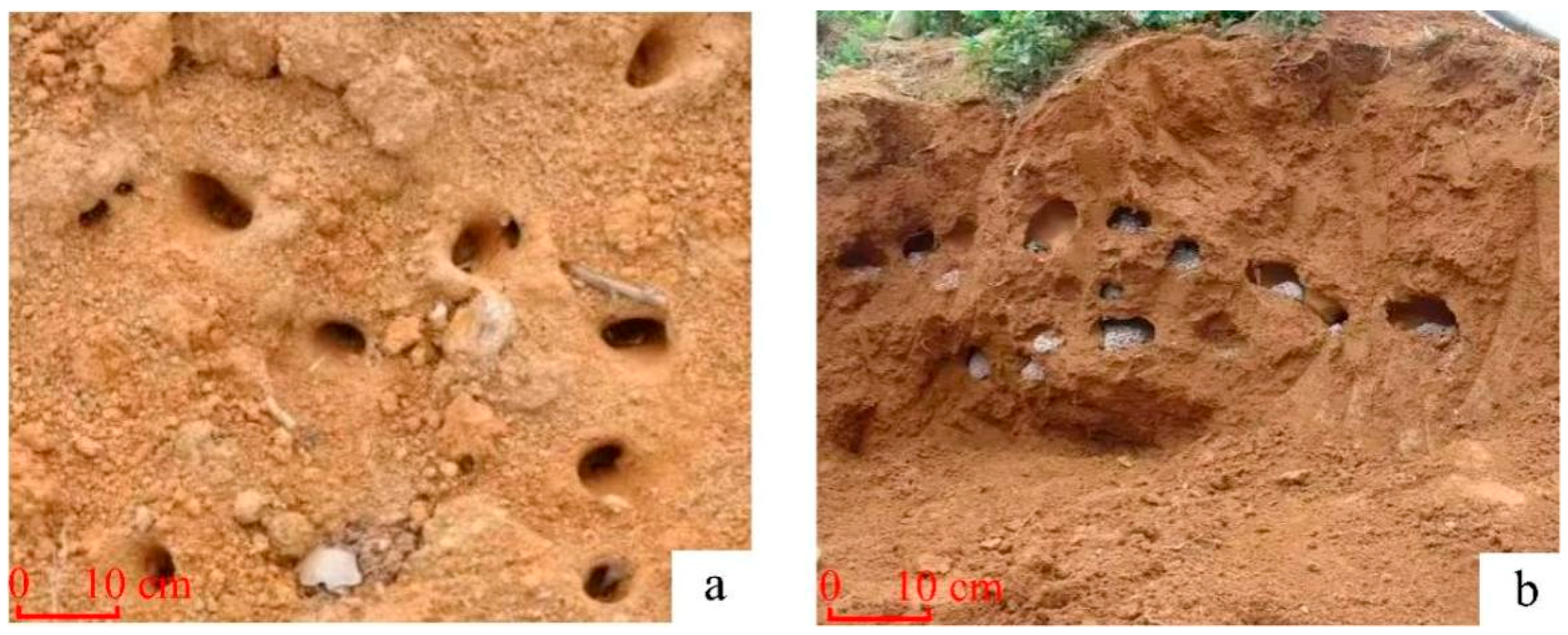
Based on the observation of the cross-sectional morphology and spatial distribution characteristics of termite nests in the field, it is found that the main structure of termite nests usually presents an approximately circular or elliptical hole shape (Figure 2). This kind of pore structure rich in air or low-density material shows typical relatively high resistance anomaly characteristics in the forward modeling response of ERT because of its significantly lower conductivity than the surrounding soil medium.
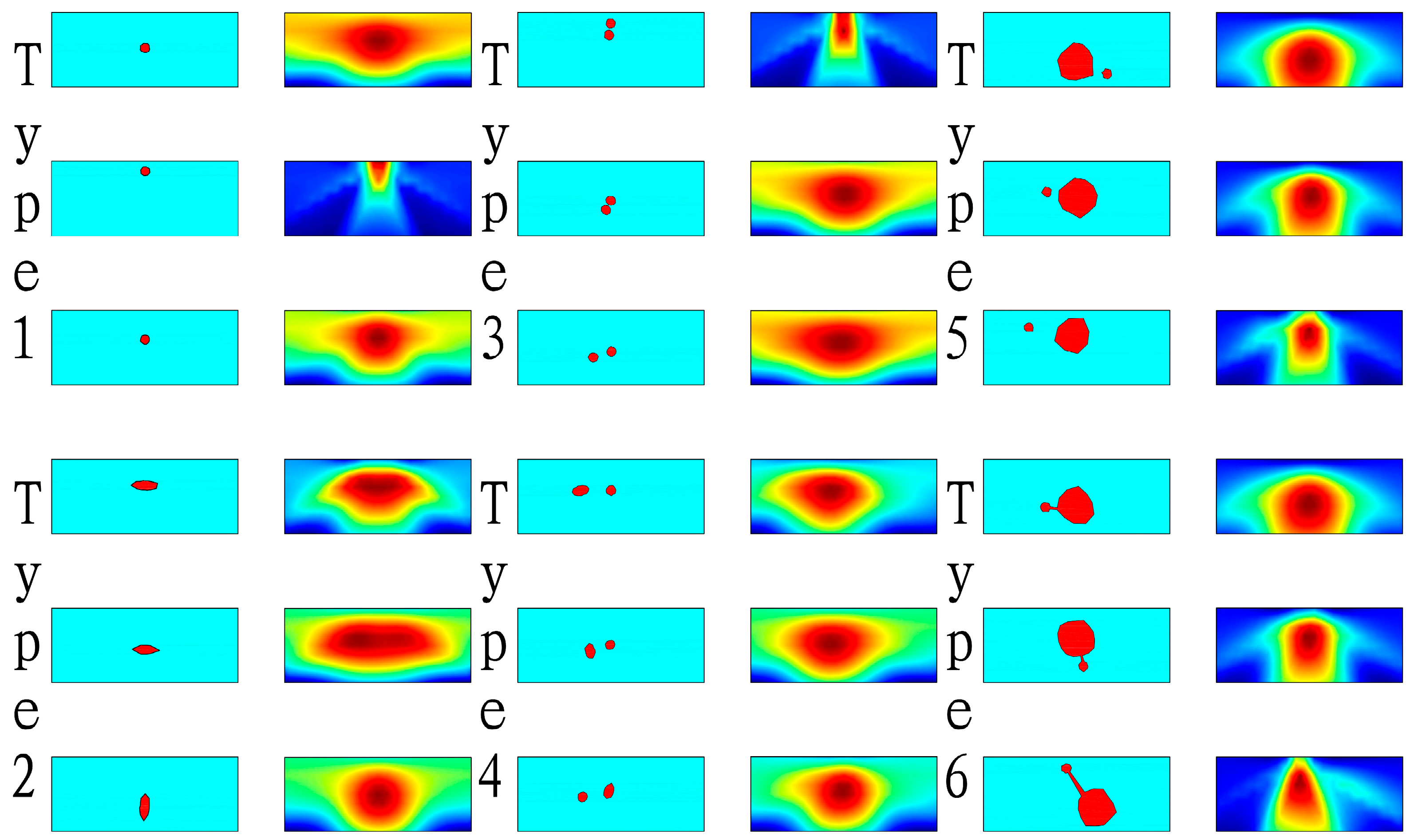
To enhance the training robustness of the deep learning model and its generalization capability for practical scenarios, this study generated a dataset for deep learning recognition using the finite element method, based on the previously described resistivity anomaly characteristics of termite nests (manifested as relatively high resistance). A dataset comprising six geometric configurations of nest models was constructed, including: near-circular single nest models, near-elliptical single nest models, combined near-circular nests of equal size, combined near-circular nests of varying sizes, combined near-circular and near-elliptical nest models, and interconnected main-sub nest models. The shapes and sizes of these models were randomly generated by a self-developed algorithm. This model group was designed to cover a wider range of spatial distribution possibilities, thereby improving the diversity of the training dataset and the credibility of the model’s final inversion results. Electrical parameters were set based on literature and site data: the background medium (damp earth-rock embankment) was assigned a conductivity of 0.01 S/m, while the nest models (cavity structures containing air/low-density material) were set to 0.002 S/m, creating a significant high-resistance anomaly with a resistivity five times greater than the background medium.
Figure 3 displays six types of typical geoelectric models of anomalous bodies and their corresponding apparent resistivity forward responses obtained using the Wenner array. For single-body models, randomization was achieved by varying burial depths and rotation angles, while for combined models (e.g., dual high-resistivity anomalies comprising main and subsidiary nests), configuration randomization was realized through spatial position swapping. This approach effectively enhances data diversity to strengthen the generalization capability of the deep learning model.

4.2. Model Training and Testing

In terms of network training configuration, dynamic learning rates and early stopping strategies were adopted for both GFU-Net and GFL-Net. The initial learning rate is set to 0.0001 and sufficient training rounds are preset. The optimization process is controlled by the double tolerance threshold mechanism. When the number of consecutive non-declining of verification set losses reaches the first threshold, the learning rate decays by 50%; if the number of consecutive undeclined times reaches the second threshold, the training is terminated back to the historical optimal weight; the continuous decline in losses during the period maintains the original learning rate. This strategy effectively suppresses the risk of overfitting while ensuring the convergence of the model. The training data is standardized and enhanced, scaled to 512 × 512 resolution, performed random rotation/flip and color disturbance, and normalized to improve the feature generalization ability. The label data converts the RGB geoelectric model into a single-channel binary mask to meet the requirements of the binary classification task.
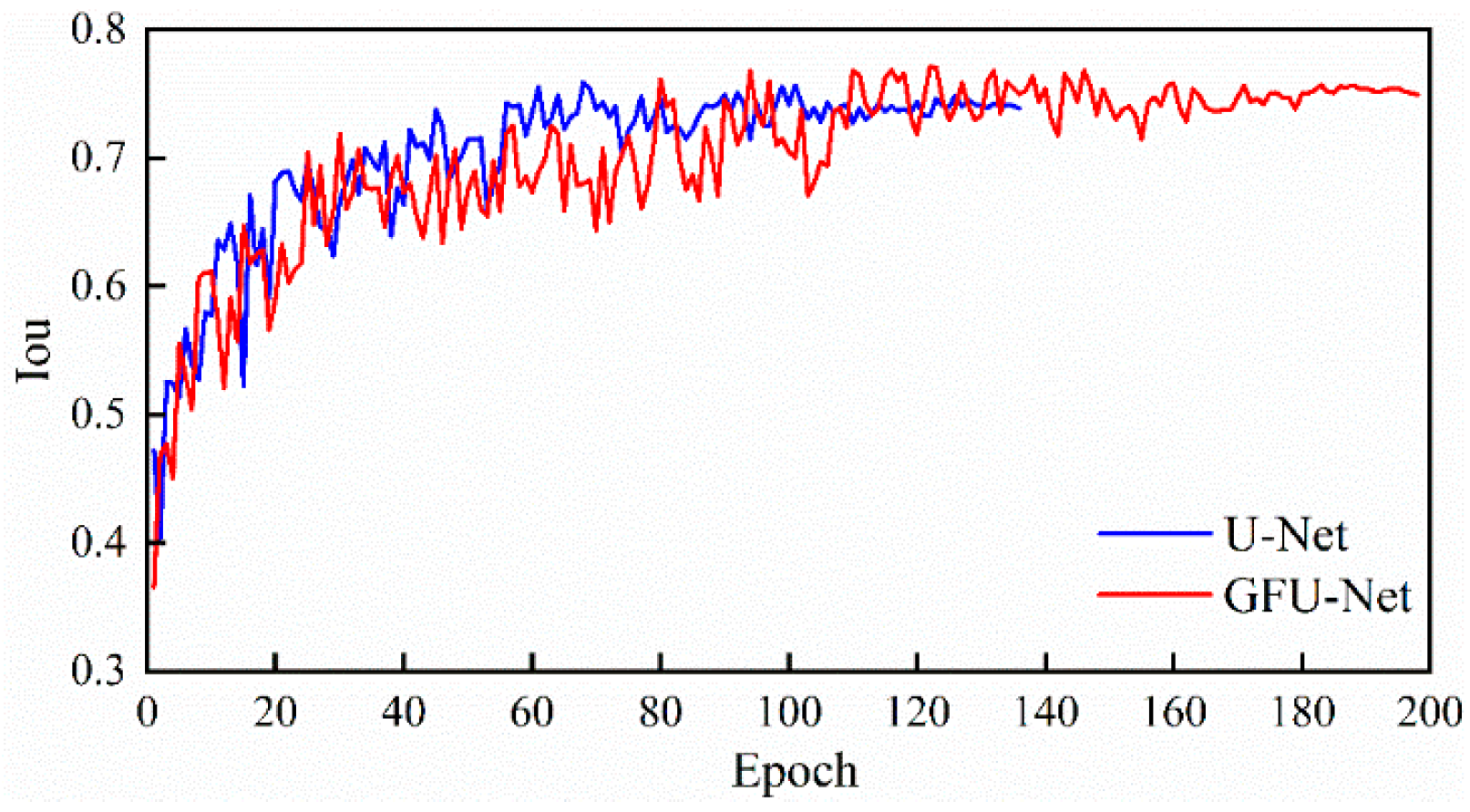
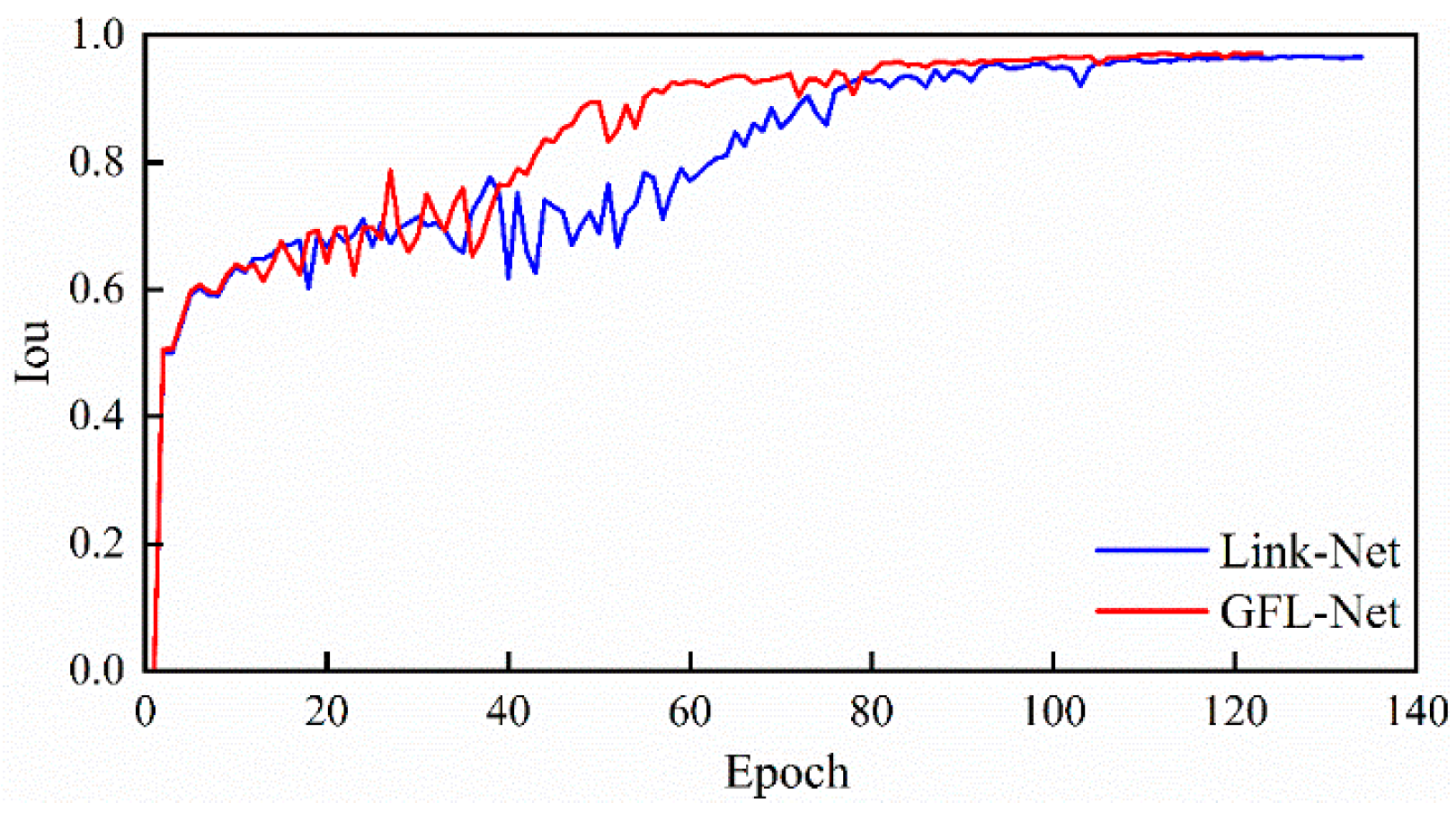
In order to objectively evaluate the performance of the improved network architecture, mIoU, BPA and Dice coefficients are selected as the main evaluation indexes. The same set of verification sets is used to verify the model training results of each round, and the mIoU, loss value, Dice coefficient and BPA coefficient of each round are recorded. Figure 4 and Figure 5 show the IoU comparison curves of U-Net & GFU-Net and LinkNet & GFL-Net. Table 2 shows the performance comparison of the four network architecture models.
From Figure 4 and Table 2, it can be seen that the training rounds and convergence time of U-Net are significantly increased after integrating GAN, which is attributed to the complexity of the gradient propagation path and the expansion of parameter quantity caused by its skip connection structure, and the gradient instability caused by the superposition generator-discriminator adversarial training, which jointly aggravates the difficulty of optimization. Nevertheless, its final IoU stability value (75%) is 2 percentage points higher than the benchmark U-Net (73%), which verifies the enhancement effect of GAN on segmentation accuracy. On the contrary, LinkNet shows accelerated convergence characteristics (about 80 rounds of stabilization) after integrating GAN, which benefits from a more concise encoding-decoding structure to reduce the confrontation strength, making the generator output easier to distinguish and the optimization process more efficient. The IoU stability value of its optimized version GFL-Net reaches 96%, which is 2 percentage points higher than the original LinkNet (94%) (Figure 5 and Table 2), highlighting the significant gain of the GAN optimization scheme on the lightweight network.
Table 3 presents the identification performance of each neural network on forward modeling samples. The inversion results of all networks generally reflect the locations of the anomalous bodies with relative accuracy. Compared to Link-Net, the U-Net network exhibits poorer suppression of the volume effect and consequently, it yields less accurate identification results. In contrast, the optimized GFL-Net model demonstrates the best performance in boundary identification. This is further corroborated by the statistical metrics of area error and centroid distance error, indicating that augmenting the dataset using Generative Adversarial Networks (GANs) can enhance training accuracy, while incorporating an attention mechanism effectively suppresses false anomalies and significantly improves the precision in locating anomalous bodies.

5. Validation with Field Data

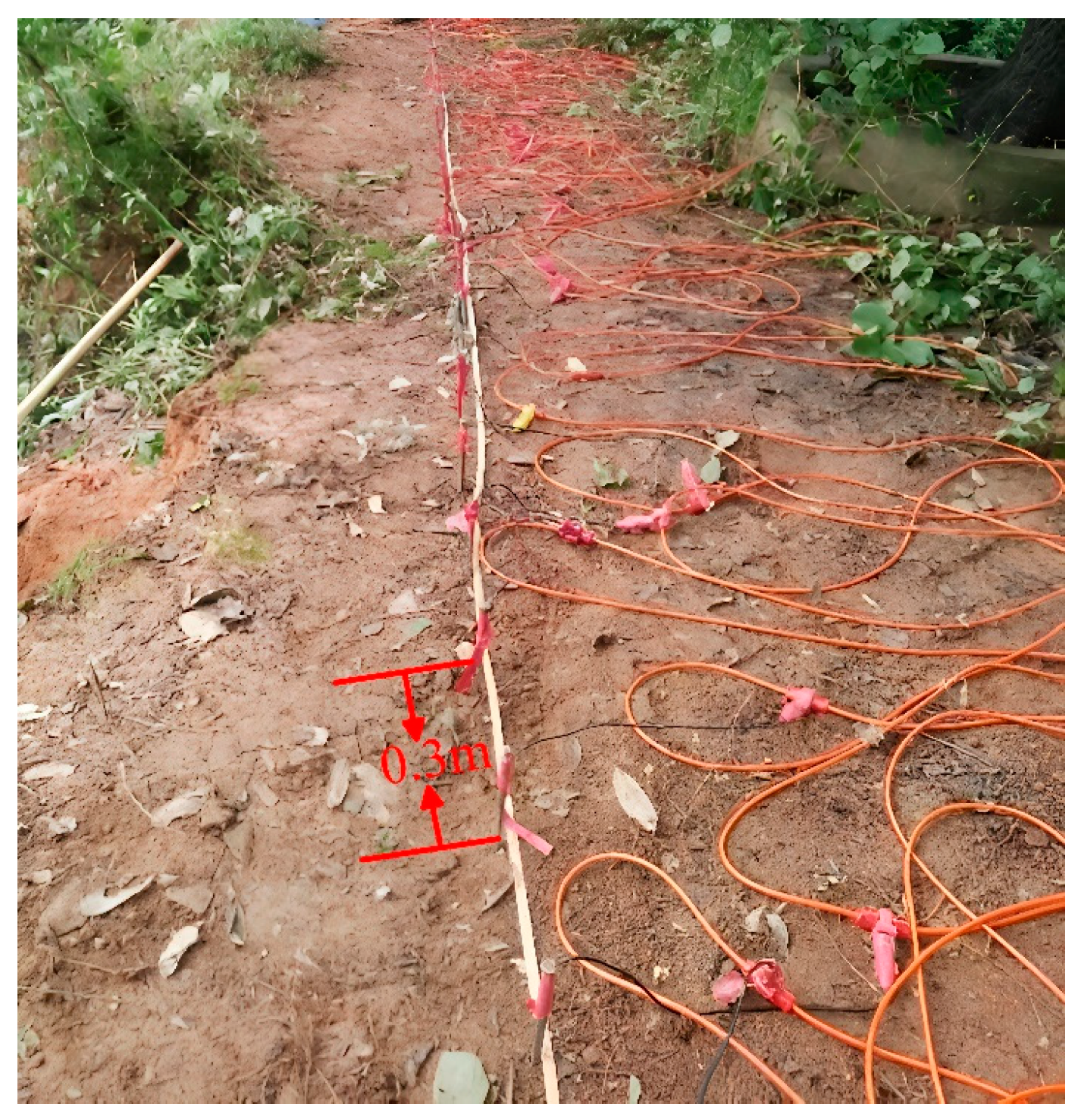
In response to the need for termite detection in a red clay embankment in Quangang Town, Fengcheng City, Jiangxi Province (where the slope’s camphor trees create a favorable habitat for termites), and based on the analysis of the burial depth distribution of termite nests, an ERT survey line was deployed in the high-risk nest zone (Figure 6).
The survey employed a Wenner array configuration with 60 electrodes deployed along a 17.7 m line (electrode spacing: 0.3 m). This parameter design was tailored to match the local nest dimensions while balancing the need for high shallow-depth resolution. The acquired field data were interpreted using both manual analysis and the GFL-Net deep learning algorithm.
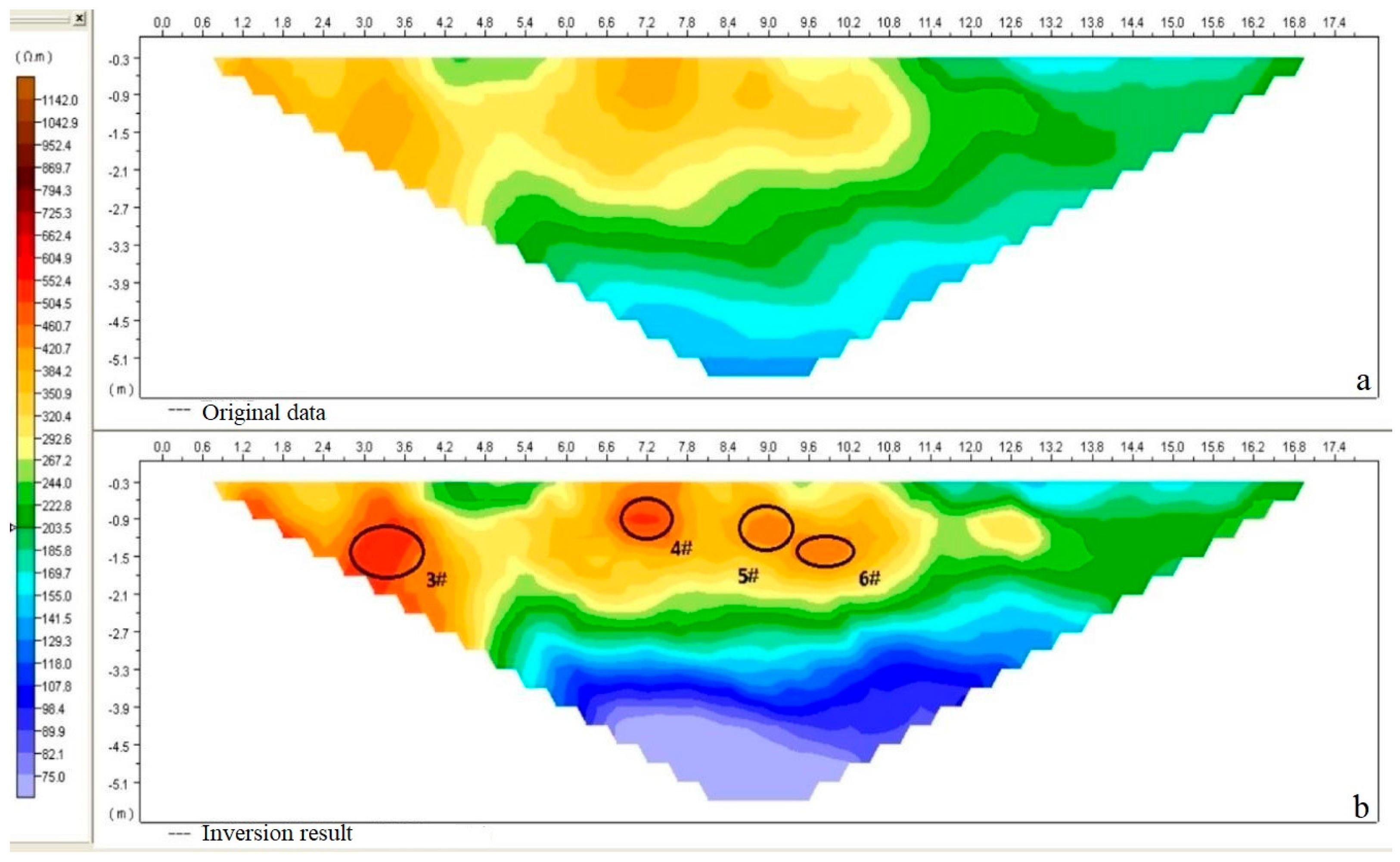
Figure 7 presents the raw data and conventional inversion results. The inversion profile indicates that the background resistivity of the red clay is generally below 100 Ω·m (blue-green regions). Significant high-resistivity anomalies (>200 Ω·m) were identified at horizontal positions of 3.0–3.6 m (marked Zone 3), 7.2 m (Zone 4), 9.0 m (Zone 5), and 9.7 m (Zone 6), with top depths shallower than 1 m. Manual interpretation confirmed these four zones as probable termite nests. The low misfit error (4.4%) supports the reliability of these interpretations, though it remains challenging to extract more detailed nest characteristics from the inversion results.
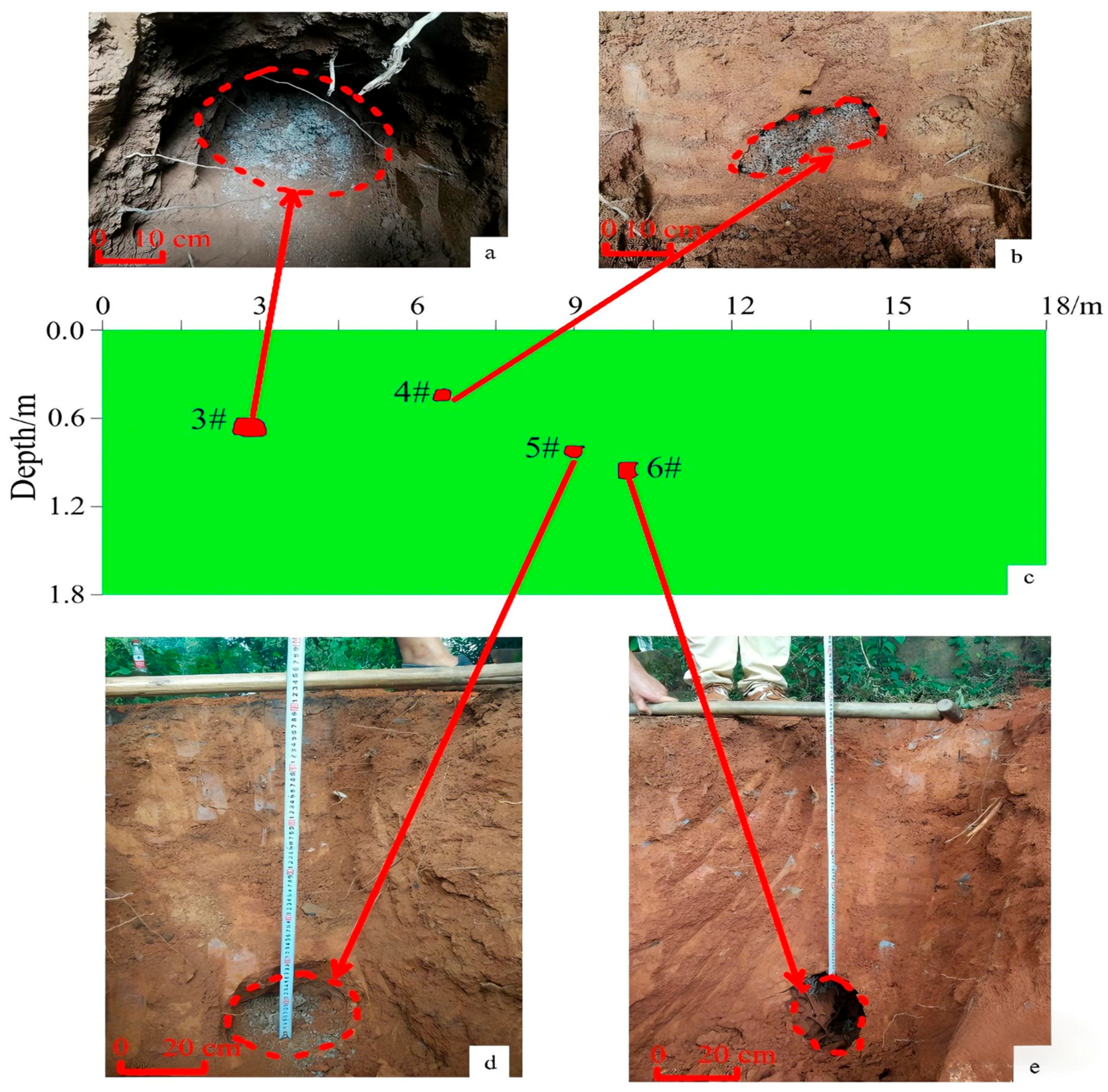
Figure 8c presents the interpretation results based on the GFL-Net deep learning algorithm.
Field verification was conducted through excavation at the identified termite nest locations. The results demonstrate that the anomalous zones interpreted by the GFL-Net deep learning algorithm show strong agreement with the actual nest positions, with a maximum error in top burial depth of less than 16%. In contrast, the maximum error in top burial depth from manual interpretation reached nearly 82%. A comprehensive statistical comparison of the identification errors for these four termite nests is provided in Table 4.
It should be noted that discrepancies persist between the predicted results and the excavation outcomes. The primary reasons for these deviations are hypothesized to include the following: (1) insufficient quantity of field-measured samples validated through excavation; (2) inevitable random noise in the measured data; and (3) remaining potential for optimization in both network architecture and training parameters. It is foreseeable that with the gradual expansion of high-quality samples and further refinement of the network structure and training strategies, the recognition accuracy of this termite nest identification model will be progressively enhanced in subsequent iterations.

6. Conclusions

In this study, a high-precision ERT detection method of termite nests based on deep learning enhancement is established. The core innovations include the following: (1) Using GAN to synthesize 2000 sets of high-fidelity training data, breaking through the limitation of small samples. (2) The GFL-Net network embedded with SE attention mechanism achieves mIoU as high as 97.68%, and effectively suppresses false anomalies through channel reweighting. (3) BCE and Focal loss function optimization solves the sample imbalance problem of termite nest target (less than 5% pixel proportion). Excavation verification confirmed that the maximum error of the top burial depth of the termite nest identified by GFL-Net is less than 16% (82% by the traditional method), and the horizontal center positioning error is less than 7%. The improved GFL-Net framework can quickly process resistivity data, accurately restore the morphological characteristics of termite nests, further promote the transformation of ERT technology from empirical interpretation to intelligent diagnosis mode, and provide important technical support for the accurate identification of termite nest hidden dangers in embankment engineering.

Author Contributions

F.J.: Conceptualization, Formal analysis, Funding acquisition, Investigation, Methodology, Project administration, Resources, Supervision, Writing—original draft, Writing—review and editing. Y.L.: Data curation, Formal analysis, Investigation, Software, Validation, Visualization, Writing—original draft. P.Q.: Data curation, Investigation, Validation, Writing—review and editing. L.G.: Data curation, Formal analysis, Funding acquisition, Methodology, Project administration, Supervision. J.N.: Investigation, Methodology, Validation. X.X.: Software, Validation. S.Z.: Validation, Visualization. All authors have read and agreed to the published version of the manuscript.

Funding

This research was funded by the National Key Research and Development Program of China (Grant No. 2021YFC3000103), the National Natural Science Foundation of China (Grant No. 41504081).

Data Availability Statement

Data will be made available on request.

Conflicts of Interest

Author Mr. Yao Lei was employed by Yellow River Engineering Consulting Co. Ltd., the remaining authors declare that the research was conducted in the absence of any commercial or financial relationships that could be construed as a potential conflict of interest.

References

  1. Kim, S.; Kim, J. Estimation of the Damage Risk Range and Activity Period of Termites (Reticulitermes speratus) in Korean Wooden Architectural Heritage Building Sites. Forests 2024, 15, 602. [Google Scholar] [CrossRef]
  2. Kuswanto, E.; Ahmad, I.; Dungani, R. Threat of Subterranean Termites Attack in the Asian Countries and their Control: A Review. Asian J. Appl. Sci. 2015, 8, 227–239. [Google Scholar] [CrossRef]
  3. Tian, W.; Ke, Y.; Zhuang, T.; Wang, C.; Li, M.; Liu, R.; Mao, W.; Zhang, S.; Li, D. A review of the research on dike-infesting termites in China (Isoptera: Termitidae). Sociobiology 2008, 52, 751–760. [Google Scholar]
  4. Hassan, B.; Nanda, M.A. Detection and monitoring techniques of termites in buildings: A review. Int. Biodeterior. Biodegrad. 2024, 195, 105890. [Google Scholar] [CrossRef]
  5. Wang, Z.; Guo, J.; Gong, Y.; Lu, W.; Lei, A.; Sun, W.; Mo, J. Control of dam termites with a monitor-controlling device (Isoptera: Termitidae). Sociobiology 2007, 50, 399–407. [Google Scholar]
  6. Yang, X.; Henderson, G.; Mao, L.; Evans, A. Application of Ground Penetrating Radar in Detecting the Hazards and Risks of Termites and Ants in Soil Levees. Environ. Entomol. 2009, 38, 1241–1249. [Google Scholar] [CrossRef]
  7. Shima, H.; Sakayama, T. Resistivity tomography: An approach to 2-D resistivity inverse problems. In SEG Technical Program Expanded Abstracts 1987; Society of Exploration Geophysicists: Houston, TX, USA, 1987; pp. 59–61. [Google Scholar]
  8. Espin, A.; Reyes, M.; Gil, A. Characterisation of the Historical Heritage of Murcia Using Non-Destructive Geophysical Methods. Geoheritage 2025, 17, 60. [Google Scholar] [CrossRef]
  9. Li, M.; Dai, Q.; Liu, S.; Liu, Y. 2D Inversion of DC Resistivity Method to Detect High-resistivity Targets inside Dams. J. Environ. Eng. Geophys. 2023, 28, 109–117. [Google Scholar] [CrossRef]
  10. Yang, X.; Shao, S.; Jia, C.; Kong, K. Unraveling the influence of paleochannels in coastal environments vulnerable to saltwater intrusion: A synergistic approach of electrical resistivity tomography and groundwater modeling. J. Hydrol. 2025, 660, 133500. [Google Scholar] [CrossRef]
  11. Chambers, J.E.; Wilkinson, P.B.; Gunn, D.A.; Meldrum, P.I.; Haslam, E.; Holyoake, S.; Kirkham, M. Electrical resistivity tomography applied to geologic, hydrogeologic, and engineering investigations at a former waste-disposal site. Near Surf. Geophys. 2009, 7, 291–305. [Google Scholar] [CrossRef]
  12. Bichler, A.; Bobrowsky, P.; Best, M. Three-dimensional mapping of a landslide using a multi-geophysical approach: The Quesnel Forks landslide. Landslides 2004, 1, 29–40. [Google Scholar] [CrossRef]
  13. Över, D.; Candansayar, M.E. Enhancing DC resistivity data two-dimensional inversion result by using U-net based Deep learning- algorithm: Examples from archaegeophysical surveys. J. Appl. Geophys. 2024, 227, 105430. [Google Scholar] [CrossRef]
  14. Liu, B.; Guo, Q.; Li, S.; Liu, B.; Ren, Y.; Pang, Y.; Guo, X.; Liu, L.; Jiang, P. Deep Learning Inversion of Electrical Resistivity Data. IEEE Trans. Geosci. Remote Sens. 2020, 58, 5715–5728. [Google Scholar] [CrossRef]
  15. Kong, S.H.Y.; Oh, J.; Yoon, D.; Ryu, D.W.; Kwon, H.S. Integrating Deep Learning and Deterministic Inversion for Enhancing Fault Detection in Electrical Resistivity Surveys. Appl. Sci. 2023, 13, 6250. [Google Scholar] [CrossRef]
  16. Jahandari, H.; Lelièvre, P.; Farquharson, C. Forward modeling of direct-current resistivity data on unstructured grids using an adaptive mimetic finite-difference method. Geophysics 2023, 88, E123–E134. [Google Scholar] [CrossRef]
  17. Tong, X.; Sun, Y. Fictitious Point Technique Based on Finite-Difference Method for 2.5D Direct-Current Resistivity Forward Problem. Mathematics 2024, 12, 269. [Google Scholar] [CrossRef]
  18. Zhou, T.; Li, Q.; Lu, H.; Cheng, Q.; Zhang, X. GAN review: Models and medical image fusion applications. Inf. Fusion 2023, 91, 134–148. [Google Scholar] [CrossRef]
  19. Guo, M.; Xu, T.; Liu, J.; Liu, Z.; Jiang, P.; Mu, T.; Zhang, S.; Martin, R.; Cheng, M.; Hu, S. Attention mechanisms in computer vision: A survey. Comput. Vis. Media 2022, 8, 331–368. [Google Scholar] [CrossRef]
  20. Ma, J.; Chen, J.; Ng, M.; Huang, R.; Li, Y.; Li, C.; Yang, X.; Martel, A. Loss odyssey in medical image segmentation. Med. Image Anal. 2021, 71, 102035. [Google Scholar] [CrossRef]
  21. Iiduka, H. Appropriate Learning Rates of Adaptive Learning Rate Optimization Algorithms for Training Deep Neural Networks. IEEE Trans. Cybern. 2022, 52, 13250–13261. [Google Scholar] [CrossRef]
  22. Prechelt, L. Automatic early stopping using cross validation: Quantifying the criteria. Neural Netw. 1998, 11, 761–767. [Google Scholar] [CrossRef]
  23. Siddique, N.; Paheding, S.; Elkin, C.; Devabhaktuni, V. U-Net and Its Variants for Medical Image Segmentation: A Review of Theory and Applications. IEEE Access 2021, 9, 82031–82057. [Google Scholar] [CrossRef]
  24. Wang, Y.; Seo, J.; Jeon, T. NL-LinkNet: Toward Lighter but More Accurate Road Extraction with Nonlocal Operations. IEEE Geosci. Remote Sens. Lett. 2022, 19, 1–5. [Google Scholar] [CrossRef]
  25. Wang, S. A hybrid SMOTE and Trans-CWGAN for data imbalance in real operational AHU AFDD: A case study of an auditorium building. Energy Build. 2025, 348, 116447. [Google Scholar] [CrossRef]
  26. Wang, S. Evaluating cross-building transferability of attention-based automated fault detection and diagnosis for air handling units: Auditorium and hospital case study. Build Environ. 2025, 287, 113889. [Google Scholar] [CrossRef]
  27. Li, H.; Zhang, J.; Menze, B. Generalisable Cardiac Structure Segmentation via Attentional and Stacked Image Adaptation. In Proceedings of the 2021 IEEE 18th International Symposium on Biomedical Imaging (ISBI), Nice, France, 13–16 April 2021; pp. 1–5. [Google Scholar]
  28. Gao, C.; Li, Y.; Wang, X. AUTL: An Attention U-Net Transfer Learning Inversion Framework for Magnetotelluric Data. IEEE Geosci. Remote Sens. Lett. 2024, 21, 1–5. [Google Scholar] [CrossRef]
  29. Petr, H.; Stefania, T.; Jan, H.; David, H. Binary cross-entropy with dynamical clipping. Neural. Comput. Appl. 2022, 34, 12029–12041. [Google Scholar]
  30. Yeung, M.; Sala, E.; Schönlieb, C.; Rundo, L. Unified Focal loss: Generalising Dice and cross entropy-based losses to handle class imbalanced medical image segmentation. Comput. Med. Imaging Graph. 2022, 95, 102026. [Google Scholar] [CrossRef]
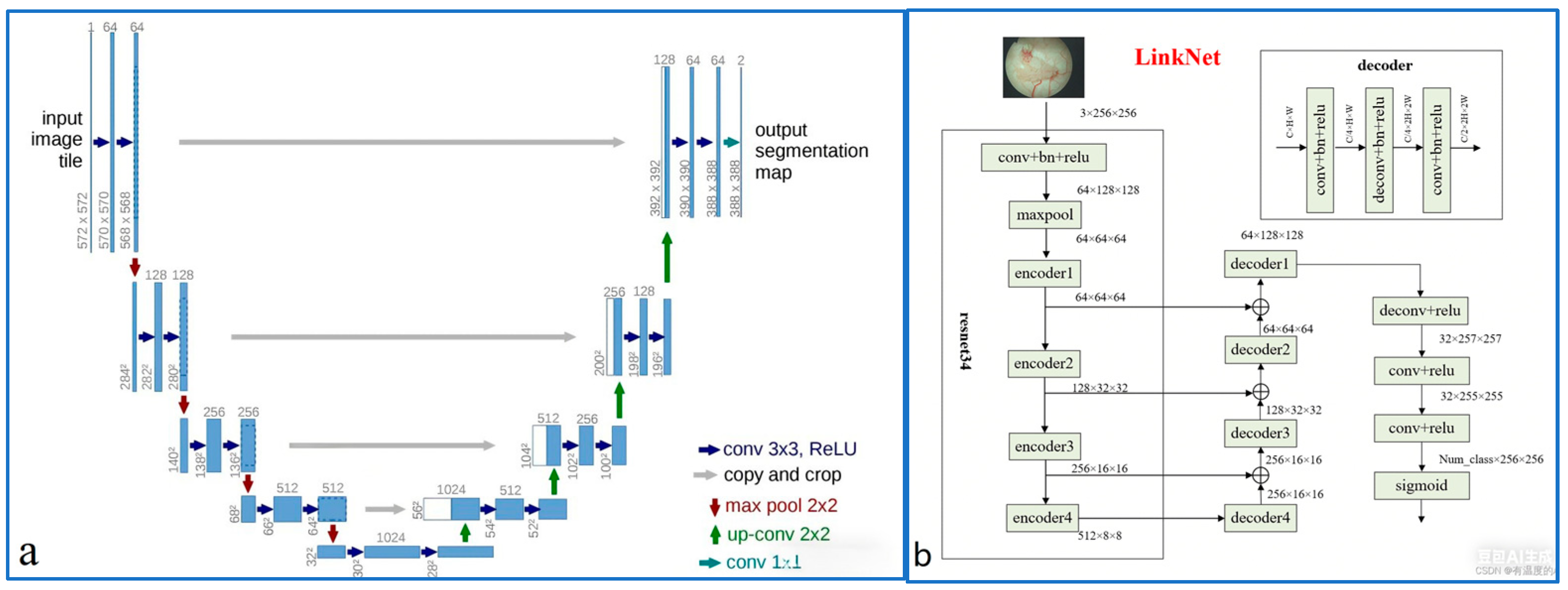
Figure 1. U-Net (a) and LinkNet (b) network architecture diagram.
Applsci 15 12763 g001
Figure 2. (a) and (b) are both cross-sectional views of termite nests.
Applsci 15 12763 g002
Figure 3. Hazard models of six termite nest types and their forward responses (The red area indicates high resistance, while the blue area indicates low resistance).
Applsci 15 12763 g003
Figure 4. U-Net and GFU-Net IoU line chart.
Applsci 15 12763 g004
Figure 5. LinkNet and GFL-Net IoU line chart.
Applsci 15 12763 g005
Figure 6. Survey line layout map.
Applsci 15 12763 g006
Figure 7. The measured apparent resistivity and least square inversion result of a embankment. ((a): The measured resistivity section; (b) The inverted resistivity section).
Applsci 15 12763 g007
Figure 8. GFL-Net identification results and excavation verification. (a): No.3 Termite Nest Excavation On-site Photo; (b) No.4 Termite Nest Excavation On-site Photo; (c) Deep Learning Model Identification Results; (d) No.5 Termite Nest Excavation On-site Photo; (e) No.6 Termite Nest Excavation On-site Photo.
Applsci 15 12763 g008
Table 1. Network Hyperparameter Settings.
Hyperparameter NameSetting Value
Batch size4
OptimizerAdam
Learning rateDynamically adjusted
Epochs400
Generator lossBCE + Focal
Discriminator lossFocal
Table 2. Performance comparison of different network models.
Network TypemIoUDiceBPAEpochsTime
U-Net74.2135%84.3730%96.0122%1369.5 h
GFU-Net74.3614%84.4661%96.4980%19816.4 h
Link-Net96.5870%98.1596%99.3094%1345.7 h
GFL-Net97.6838%98.6582%99.6579%1235.5 h
Table 3. Statistical table of recognition effect error of each model.
Model IDArea ErrorCentroid Distance Error (m)
U-NetGFU-NetLink-NetGFL-NetU-NetGFU-NetLink-NetGFL-Net
TYPE 140.29%39.38%0.47%0.35%0.2790.2740.0280.009
TYPE 220.16%15.37%5.66%3.51%0.3140.3070.0560.022
TYPE 442.37%36.13%2.01%1.69%0.2790.2990.0320.030
TYPE 59.00%8.55%3.08%1.58%0.0160.0720.0460.011
TYPE 61.19%4.21%3.23%3.22%0.0630.0310.0150.007
TYPE 726.91%23.69%23.98%21.29%0.1530.1440.1390.126
Mean Error22.87%20.39%6.30%5.02%0.2020.2040.0530.032
Table 4. Statistical table of excavation verification error of termite nest identification results.
Termite Nest NumberExcavation Results (Horizontal Center/m, Top Burial Depth/m)Inferred LocationHorizontal Center Error (%)Top Burial Depth Error
GFL-NetLSGFL-NetLSGFL-NetLS
3#(3.0, 0.55)(2.8, 0.60)(3.3, 1.00)6.667%10.000%9.091%81.818%
4#(7.0, 0.45)(6.5, 0.40)(7.2, 0.57)7.143%2.857%11.111%26.667%
5#(9.0, 0.75)(9.1, 0.78)(8.7, 0.70)1.111%3.333%4.000%6.667%
6#(10.5, 0.78)(10.0, 0.90)(9.7, 1.22)4.762%7.619%15.385%56.410%
Disclaimer/Publisher’s Note: The statements, opinions and data contained in all publications are solely those of the individual author(s) and contributor(s) and not of MDPI and/or the editor(s). MDPI and/or the editor(s) disclaim responsibility for any injury to people or property resulting from any ideas, methods, instructions or products referred to in the content.