Article

How Different Lipid Blends Affect the Quality and Sensory Attributes of Short Dough Biscuits

by
Silvia Marzocchi
1,
Cesare Ravagli
1,
Francesca Cuomo
2,
Maria Cristina Messia
2,
Emanuele Marconi
3,
Maria Fiorenza Caboni
1,4 and
Federica Pasini
1,4,*
1
Department of Agricultural and Food Science, University of Bologna, Piazza Goidanich 60, 47521 Cesena, Italy
2
Department of Agricultural, Environmental and Food Sciences, University of Molise, Via F. De Sanctis, 86100 Campobasso, Italy
3
Department of Science and Technology for Sustainable Development and One Health, Università Campus Bio-Medico di Roma, Via Alvaro del Portillo 21, 00128 Roma, Italy
4
Interdepartmental Centre of Industrial Agri-Food Research-CIRI Agroalimentare, University of Bologna, Via Quinto Bucci, 336, 47521 Cesena, Italy
*
Author to whom correspondence should be addressed.
Appl. Sci. 2025, 15(23), 12679; https://doi.org/10.3390/app152312679
Submission received: 6 November 2025 / Revised: 27 November 2025 / Accepted: 28 November 2025 / Published: 29 November 2025
(This article belongs to the Special Issue Antioxidant Compounds in Food Processing: Second Edition)

Abstract

The influence of different lipid blends on the physicochemical, nutritional, and sensory characteristics of short dough biscuits was investigated in comparison with a conventional formulation containing palm oil. Six different lipid matrices were employed: palm oil, butter, high-oleic sunflower oil, butter/extra virgin olive oil, butter/high-oleic sunflower oil, and a coconut/sunflower oil mixture. Biscuits were analyzed for fatty acid composition, sterols, tocols, oxidative stability, texture, and sensory attributes. The results showed a variability in the lipid composition. In particular, formulations containing high-oleic sunflower oil and its blends exhibited higher monounsaturated fatty acids and α-tocopherol, while coconut-based samples displayed greater saturated fatty acids and an improved oxidative stability. Butter-containing biscuits had the highest sterol concentration, mainly cholesterol. Textural and sensory evaluations revealed how the lipid fraction significantly affected crispiness, friability, and flavour perception. Biscuits formulated with high-oleic sunflower oil or butter achieved desirable structural and sensory properties, while the coconut/sunflower oil sample obtained the highest overall acceptability. The findings demonstrate that replacing palm oil with selected lipid blends can produce biscuits with an improved lipid quality and oxidative stability and satisfactory sensory performance, contributing to healthier and more sustainable bakery products.

1. Introduction

The selection of fat in biscuit and dough formulations is critical for defining the nutritional profile, structure, texture, sensory properties, and shelf life of the final product. In particular, semi-sweet and hard dough biscuits rely on specific fat compositions to achieve their characteristic crispness, tenderness, and stability [1]. Beyond these attributes, fats play a key role in limiting excessive gluten development during mixing [2], thereby improving dough machinability and controlling spread after cutting. This contributes to the desirable texture, flavour, and overall sensory quality of baked biscuits [1]. The fat also reduces dough elasticity, preventing shrinkage during moulding, and strongly influences its viscoelastic properties, establishing its importance as a structural component. For instance, reducing the fat content or replacing solid fats with liquid oils softens the dough and reduces stiffness, while higher fat levels in short doughs enhance the dough softness [3].
In the 19th and 20th centuries, butter had long been a central ingredient in baking, but the greater awareness of consumers of the nutritional aspects has shifted attention to the cholesterol content of butter and its health risks, in particular for cardiovascular diseases [4]. At the same time, the use of margarine in baking took hold as a “healthier” cholesterol-free alternative, which was mainly produced from vegetable fats such as soybean oil [5]. Another important step was the use of shortenings, which were solid vegetable fats adopted to improve the flakiness of baked products, including biscuits; but, like margarine, they were rich in trans fatty acids, identified as harmful to human health [6]. More recently, there has been growing attention towards vegetable oils, such as olive oil, coconut oil, and palm oil [7].
Historically, palm oil and shortenings have been the ideal fats in biscuit production due to both their low cost and their ability to produce a flaky, aerated structure and a consistent crumb texture [2,8,9]. Shortenings, in particular, are valued for their stabilizing effect on the air cells formed during mixing, which is essential for achieving the desired biscuit structure and texture [10]. However, concerns about deforestation and the negative environmental impact of palm oil production have driven many food companies to replace this oil with more sustainable and healthier alternative lipid sources.
In order to reduce dietary fat intake, carbohydrate- and protein-based fat replacers were also used in biscuit formulations. For instance, Sudha and collaborators [11] investigated maltodextrin and polydextrose as carbohydrate-based fat replacers. While these alternatives negatively impacted the biscuit texture, their addition alongside emulsifiers such as glycerol monostearate and guar gum mitigated some of these effects. Similarly, Forker and co-authors [12] evaluated the use of lupine extract as a protein-based fat replacer, finding that it increased the moisture content and firmness of biscuits while reducing their volume expansion compared to conventional margarine-based formulations. Overall, biscuits made with fat replacers exhibit notable differences in physical and sensory characteristics compared to traditional formulations. They are generally firmer, more brittle, and exhibit increased moisture content and higher water activity levels [13,14]. Goldstein and Seetharaman [15] explored the use of monoglyceride-stabilized oil-in-water emulsions as a fat alternative in cookie formulation. Their study revealed that, while the emulsion resulted in firmer dough, cookies prepared with shortening presented higher sensory characteristics. Tarancón et al. [16,17] investigated the mechanical and sensory changes perceived by consumers in biscuits formulated with vegetable oils (olive and sunflower oil) as replacements for solid fats. Their findings revealed that consumers detected changes in hardness, crunchiness, mealiness, and crumbliness; from a sensory perspective, low-fat biscuits showed a reduced acceptability, whereas higher-fat formulations were able to maintain sensory quality.
Based on these considerations, the present study represents a first approach to the use of blends of different lipid matrices in biscuit formulation. Their technological and nutritional quality was evaluated and compared with that of biscuits obtained with palm oil and butter, which are still the most used fats in the production of industrial and artisanal/homemade biscuits today. To achieve these objectives, the fat and oil mixtures were first characterized, and then the texture, sensory, and oxidative properties of the resulting biscuit samples, as well as the content of functional lipid compounds, such as sterols and tocopherols, were evaluated.

2. Materials and Methods

2.1. Materials

Wheat flour type 00, sugar, palm oil (PO), butter (B), extra virgin olive oil (EVOO), high-oleic sunflower oil (HOSO), coconut oil (CO), eggs, lemon zest, and baking powder for the preparation of biscuits were purchased at a local supermarket. All solvents and chemicals used were of analytical grade and were purchased from Sigma-Aldrich (St. Louis, MO, USA).

2.2. Samples

The biscuit samples were formulated with the following ingredients: 52% wheat flour 00 type, 16% sugar, 16% fat, 16% whole eggs, 1.5% of baking powder, and 0.6% lemon zest. In particular, six different types of lipid fractions were used, as shown in Table 1.
The ingredients were weighed; the fats were left to soften at room temperature before being added in the bowl of the kneader and mixed with the eggs. All the other ingredients were then added. The professional kneader was equipped with a stainless-steel k-beater mixing tool. Ingredients were mixed until the dough reached the suitable consistency. Successively, the dough was extruded in the shape of crumiri-like biscuits. The cooking phase was performed in a rotational oven at 180 °C for 20 min. After cooling, biscuits were stored in closed bags, leaving for each sample the same head space, and stored at room temperature in the dark. The aspects of the different samples are shown in Figure 1

2.3. Lipid Extraction

According to the AOAC Official Method [18], the lipid fraction of ground biscuits (10 g) was extracted with n˗hexane by using a Soxhlet apparatus (Behr Labor-Technik, Fischer Scientific Italia, Milano, Italy). The oil was taken up with n-hexane/isopropanol (4:1 v/v) solution and stored at −18 °C until use. Each extraction was carried out two times (n = 2).

2.4. Fatty Acid Analysis

The fatty acid composition of lipid matrices and their corresponding biscuits was determined as fatty acid methyl esters (FAMEs) through capillary gas chromatography analysis after alkaline treatment according to Marzocchi and collaborators [19]. FAME composition was measured in two replicates for each lipid extract (n = 4).

2.5. Tocol Analysis

For the tocol determination, the protocol described in Pasini et al. [20] was used, where a solution of approximately 0.05 g of fat in 0.5 mL of n-hexane was injected in HPLC with a fluorimeter detector (Agilent 1200 series, Palo Alto, CA, USA). All concentrations were expressed as mg of α-tocopherol/100 g of fat, using different calibration solutions of α-tocopherol (from 1 to 100 μg/mL) for quantification. Analysis was achieved in two replicates for each extract (n = 4).

2.6. Sterol Analysis

Determination of sterols was achieved as reported in Pasini et al. [20], through a saponification at room temperature [21]. Before injection, samples were silylated [22], and the sterol separation was performed through GC/MS (GCMS-QP2010 Plus, Shimadzu, Tokyo, Japan) in the same chromatographic conditions reported by Cardenia et al. [23]. Phytosterol identification was achieved by comparing peak mass spectra with peaks of a standard mixture and by comparing them to the GC/MS data reported in the literature [24]. Analysis was conducted in two replicates for each lipid extract (n = 4).

2.7. Oxidative Stability Evaluation

Ten grams of ground biscuits were placed in the OXITEST® instrument (Velp Scientific, Usmate Velate, Italy) at 90 °C and 6 bar of oxygen pressure, as reported by Marzocchi and Caboni [25]. The analysis was repeated twice for each sample (n = 2).

2.8. Texture Analysis

Texture analyzer TA-XT2i (Stable MicroSystem, Godalming, UK) was used for penetration and three-point bending (3PB) tests. The fracturability and hardness of biscuits were determined using a cell load of 25 kg and a P/6 probe for the penetration test. The test settings were pre-speed 2.0 mm/s; test speed 2.0 mm/s; post-speed 2.0 mm/s; distance 50%; trigger value 0.010 kg. The test allowed us to determine the sample height (mm), the fracturability, measured as the force for the first rupture (g) registered on the sample after penetration, the hardness, measured as the maximum force (g), and the consistency, measured as the area of the penetration graph (g × s).
A 3PB test was carried out with a cell load of 25 kg and the probe HDP/3PB with the following settings: pre-speed 2.0 mm/s; test speed 2.0 mm/s; post-speed 2.0 mm/s; distance 30%. The 3PB test allowed a measurement the strength at break of hard and brittle products (maximum force for product rupture) by bending the sample, and the distance at break refers to the distance travelled by the point of force application (the central pin) before the sample breaks. This measurement is important for determining the sample resistance to the rupture. Each result was expressed as the mean of at least 10 repetitions ± standard deviation.

2.9. Sensory Analysis

A panel of ten trained assessors, recruited from the Department of Agricultural, Environmental and Food Sciences at the University of Molise for their experience and familiarity with the product, evaluated the descriptive sensory aspects of the biscuits. The samples were randomly coded during the sensory test. A total of 11 descriptors were considered: 6 for aroma and flavour (overall aroma, lemon aroma, overall flavour, cereal flavour, lemon flavour, and sweetness) and 5 for tactile/textural sensations (crispiness, consistency, friability, fat perception, and palatability). The panellists rated the intensity of each attribute using a grading scale from 1 to 9, where 1 indicated an absence of sensation and 9 indicated the maximum sensation intensity. Scores for two replicates and averages were calculated. Furthermore, the assessors were asked to provide an additional rating to express their satisfaction/appreciation of the following attributes: appearance, shape, overall aroma, overall flavour, crispiness, sweetness, and palatability.

2.10. Statistical Analysis

Relative standard deviation was obtained for all data collected. One-way analysis of variance (ANOVA) was evaluated using Statistica 8 software (2006, StatSoft, Tulsa, OK, USA). p-Values lower than 0.05 were considered statistically significant using the Tukey Honest Significant Difference (HSD) Test. All chemical analyses were carried out in two replicates for each extract (n = 4 for each sample).
Three-way ANOVA was used to evaluate the output of the sensory analysis, and results were expressed according to Fisher’s Least Significant Difference (LSD) Test.

3. Results

3.1. Determination of Fatty Acids

As shown in Table 2, a total of 17 fatty acids was quantified in the lipid samples and their corresponding biscuits. Monounsaturated fatty acids (MUFAs) were the predominant class in the blends with EVOO and HOSO, with contents in the range from 57 to 83%. This trend was similarly observed in the corresponding biscuits, B2, B3, and B4, albeit with a slightly reduced content (55–79%). In contrast, saturated fatty acids (SFAs) were the dominant class in the other fats, 100% PO and 100% B, and, in the blend CO:SO, their SFA content ranged from 50 to 79%, while, in the corresponding biscuits (Bctrl, B1, and B5, respectively), it was slightly lower, between 47 and 75%. Polyunsaturated fatty acids (PUFAs) were detected at lower levels, ranging from 5% to 10% in all the lipid blends, and, unlike MUFAs and SFAs, their content increased slightly in the final biscuits (8–12%). Additionally, samples Bctrl, B2, B3, B4, and B5 showed a significant decrease in MUFA content, with drops ranging from approximately 2 to 15%. These observed changes could be attributed to the fatty acids from the other ingredients used in the biscuit recipe, as well as the influence of the processing steps, particularly baking.
Obviously, the fatty acid profile of the biscuits was very similar to the profile of the lipid matrices used in their formulation. In fact, lauric acid (C12:0) and myristic acid (C14:0) were found mainly in the CO:SO blend and in the related biscuit (B5), due to the high content of coconut oil. Lauric and myristic acids are medium-chain fatty acids abundant in coconuts [26,27]. For decades, these saturated fats were demonized for their supposed health damages, but new research suggests that the medium-chain fatty acids from vegetable oils are absorbed differently than those found in animal products and may even offer health benefits like improved cognitive function and a better cholesterol profile [28]. Palmitic acid (C16:0) was the most abundant SFA in PO, B, B:EVOO, and B:HOSO, with concentrations ranging from 16 to 44%, as was also found in their corresponding biscuits (Bctrl, B1, B2, and B3, respectively). Oleic acid (C18:1cis9) was the principal MUFA across all lipid matrices and final biscuit samples. HOSO and its corresponding biscuit B4 (100% HOSO) showed the highest contents in C18:1cis9 (82.5% and 78.6%, respectively). Linoleic acid (C18:2n6) was the second most abundant fatty acid in all samples, with levels between 3 and 10% in the lipid samples and between 6 and 12% in the final biscuits.
The fatty acid profiles recorded for the lipid fractions and their biscuits are closely in line with data reported in the existing scientific literature [29,30,31].

3.2. Determination of Tocols

Following the order of elution, seven tocols were quantified in fat and biscuit samples: α-tocopherol, α-tocotrienol, β-tocopherol, γ-tocopherol, β-tocotrienol, δ-tocopherol, and δ-tocotrienol (Table 3). Among these, α-tocopherol was consistently present across all samples, with concentrations ranging from 2.7 to 27.7 mg/100 g of fat. Among the raw lipid matrices, the HOSO exhibited the highest α-tocopherol content, at 27.7 mg/100 g of fat; in fact, α-tocopherol is typically the predominant isomer in sunflower oils and can reach particularly elevated levels in high-oleic cultivars. Genetic factors, environmental conditions during seed development, and processing steps such as extraction and refining could influence and reduce tocopherols differentially but generally preserve α-tocopherol to a larger extent than other tocol isomers [32,33]. Following this, PO, B:HOSO, and B:EVOO showed values of α-tocopherol between 16 and 20 mg/100 g of fat, whereas B and CO:SO displayed lower contents, between 3 and 10 mg/100 g of fat. PO stood out with the highest total tocol concentration, reaching 80.3 mg/100 g of fat. The tocotrienols represented 70% of this total content, making palm oil the richest source of these compounds, which are known to exert a good antioxidant activity [34,35]. In addition, according to the literature, palm oil was the only fat that contained γ-tocotrienol and δ-tocotrienol [36,37].
β-tocotrienol was absent in the raw lipid matrices but was detected in all the final formulated biscuits in a range from 3.9 and 5.2 mg/100 g of fat. As reported in many studies, β-tocotrienol is the main tocol of wheat flour [38,39], suggesting that its presence in the biscuits likely originated from the flour used in their formulation.
Among the biscuits, Bctrl exhibited the significantly (p < 0.05) highest total tocol concentration (63.3 mg/100 g of fat) and reflects the trend of raw materials, where PO was the richest in tocols compared to the other lipid matrices.
Sample B4, formulated with 100% HOSO, showed a concentration of 32.3 mg/100 g of fat, followed by sample B3, with 29.8 mg/100 g of total tocols. B2 and B5 exhibited similar tocol levels, equal to 23.9 and 23.4 mg/100 g of fat, respectively. Finally, sample B1, formulated with 100% B, had the lowest total tocol content, with a value of 13.1 mg/100 g of fat. In general, the results showed an equal trend of the total tocol content for the fat and biscuit samples, although the content increased from the raw fat to the final products, with the exception of the Bctrl samples. The observed increase may be attributed to the incorporation of ingredients in the biscuits like wheat flour and eggs that are recognized as sources of tocols, contributing mainly to the increase in the α-, β-, and γ-tocopherols and α- and β-tocotrienols of biscuits [40,41,42,43]. However, the Bctrl sample showed a decrease in tocol content mainly due to a decrease in its main compounds, such as α- and γ-tocotrienol. These isomers are not present in the other ingredients used for the biscuit formulation, and therefore their drop could be due to their thermolabile nature, consistent with their chemical structure. In fact, tocotrienols possess three double bonds on the phytyl side chain, which is significantly more susceptible to thermal and oxidative degradation than the saturated phytyl chain of tocopherols [44].

3.3. Determination of Sterols

A total of eight sterols were found in the raw lipid matrices and in the final biscuit samples (Table 4). Among the lipid fractions, B exhibited the highest sterol content, equal to 244.3 mg/100 g of fat, of which 94% was represented by cholesterol (229 mg/100 g of fat). Following this, B:EVOO, B:HOSO, and HOSO showed comparable sterol concentrations, ranging from 184 to 204 mg/100 g of fat. In both B:EVOO and B:HOSO, cholesterol was still the most abundant sterol (105–110 mg/100 g), coming from the butter fraction; β-sitosterol was the second most prevalent compound (57–67 mg/100 g of fat) in these two lipid blends, along with smaller amounts of other sterols, mainly from the EVOO and HOSO. In contrast, no cholesterol was found in the HOSO and CO:SO samples that exhibited the highest β-sitosterol content, between 95 and 140 mg/100 g of fat, in line with the established literature [45,46]. These lipid samples also presented relevant concentrations of campesterol (9–20 mg/100 g of fat) and stigmasterol (11–14 mg/100 g of fat) compared to the other fats. PO showed the lowest sterol content (83.2 mg/100 g of fat), and β-sitosterol accounted for half of the total amount (44 mg/100 g of fat), followed by campesterol (26 mg/100 g of fat), stigmasterol (11.2 mg/100 g of fat), and a small quantity of cholesterol. Considering only phytosterols, therefore, not cholesterol, the lipid sample with the highest total sterol content was HOSO, followed by the mixtures CO:SO, B:HOSO, B:EVOO, PO, and finally B.
Regarding the biscuits, the total sterol content was consistently higher (p < 0.05) compared to their corresponding lipid matrices. This increase can primarily be attributed to the presence of eggs in the recipes, as eggs are known for their significant cholesterol content, between 210 and 357 mg/100 g of fat [47,48]. Notably, cholesterol was the sterol that exhibited the most substantial increase from lipid fractions to the final biscuits, underlining the impact of eggs on the sterol profile. Wheat flour also contributes to the final sterol content of the various biscuits, as it is particularly rich in β-sitosterol, campesterol, their stanol forms, and stigmasterol [49,50].
As observed for the lipid samples, the biscuit B1 (formulated with B) showed the highest total sterol amount, with a significant (p < 0.05) value of 594 mg/100 g of fat. Besides the 88% of cholesterol, this biscuit was enriched in β-sitosterol, campesterol, and sitostanol, given by the contribution of flour in the formulation. The sterol content in B2, B3, and B4 samples was around 550 mg/100 g of fat, with no statistical differences (p < 0.05) between them. Nevertheless, B4 showed a different sterol profile compared to B2 and B3, with a smaller cholesterol amount and higher contribution of campesterol and β-sitosterol. Also, B5, made with the blend CO:SO, in addition to cholesterol (324.6 mg/100 g of fat), reported a high content in β-sitosterol (120 mg/100 g of fat). Finally, the sample Bctrl, formulated with 100% PO, showed the lowest sterol concentration (365.4 mg/100 g of fat), in accordance with the results of the fat samples. Regarding the phytosterol fraction, the trend was the same observed for the raw matrices, and B1 was the biscuit with the lowest content, whereas B4, followed by B5, was the highest one. In general, excluding cholesterol, β-sitosterol was the most abundant sterol in all biscuits, followed by campesterol and sitostanol. Campestanol and stigmasterol were present in lower amounts and were absent in B1 and in B1 and B2, respectively. Δ5- and Δ7-Avenasterol, originally present in several of the fat sources and naturally supplied by flour, were detected only in samples B4 and B5. These two sterols contain additional double bonds in the sterol ring system, which increase their susceptibility to thermal oxidation. As a result, they are more prone to radical abstraction and subsequent degradation after baking. Furthermore, the side-chain configuration of Δ5-Avenasterol, including the presence of ethylidene substituents, provides additional reactive sites that facilitate the formation of free-radical intermediates, thereby accelerating thermo-oxidative degradation compared to more saturated or less substituted sterols [51,52].

3.4. Oxidative Stability of Biscuits

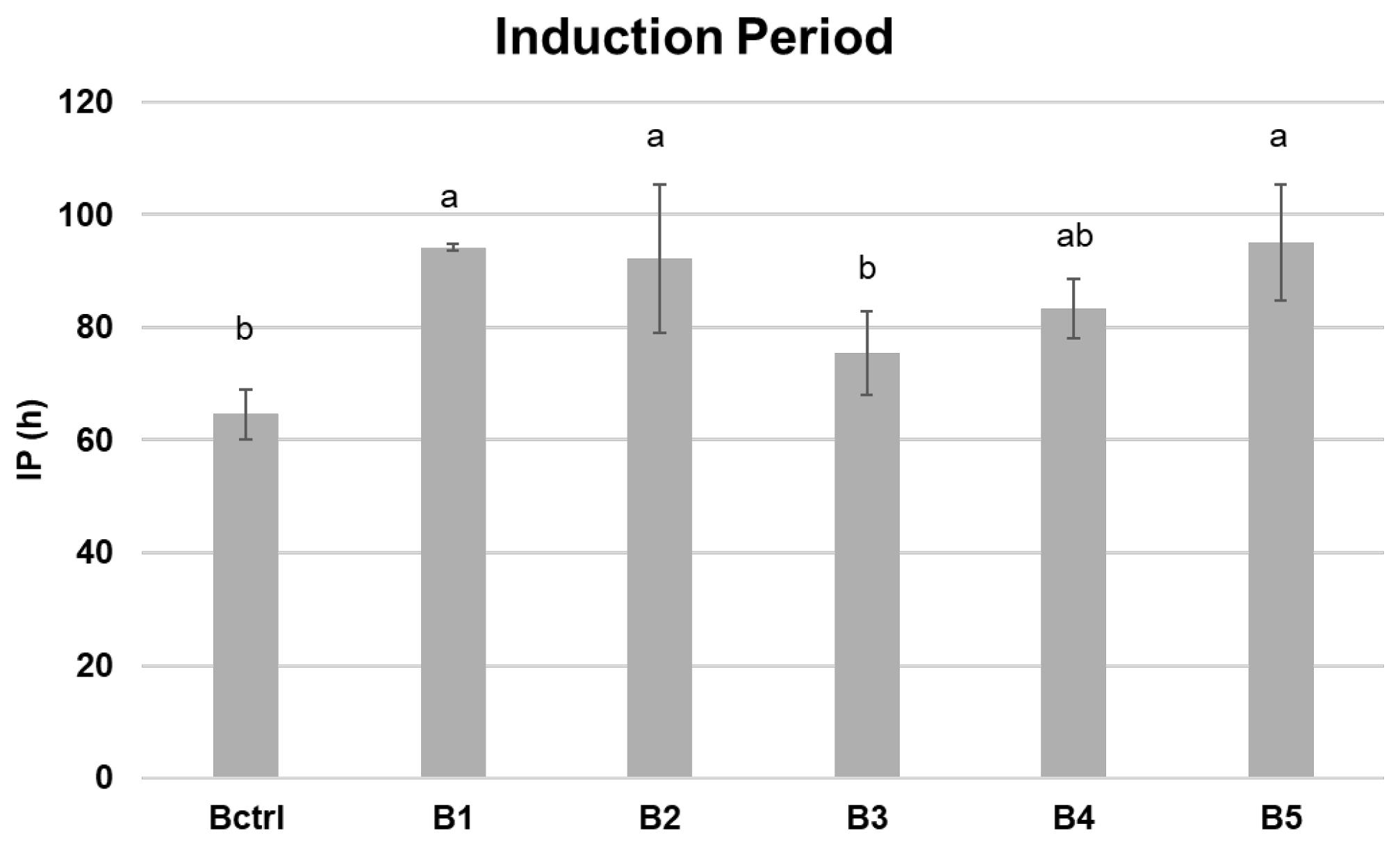
The oxidative stability of biscuits has been tested to evaluate the impact of the different lipid fractions used in formulations on the oxidative quality of the final biscuits. The results obtained with OXITEST® (Figure 2) are expressed as the Induction Period (IP) in hours (h), which is the time required to obtain a complete oxidation cycle of the samples.
B1, B2, and B5 samples, formulated with B, B:EVOO, and CO:SO, presented the highest (p < 0.05) IP values, equal to 94.2, 92.2, and 95.3 h, respectively. The highest oxidative stability of B1 and B5 could be probably due to their high concentration of saturated fatty acids (Table 2), whereas the presence of high phenolic compounds in EVOO could preserve this biscuit from oxidative degradation. The samples B3 and B4 reported IP values of 75.6 and 89.4 h, whereas the control sample (Bctrl) had an IP value of 64.8 h, the lowest one recorded between the samples. These data highlight how the replacement of palm oil with these alternative lipid fractions can still preserve the oxidative stability of the biscuits.

3.5. Texture and Sensory Analysis

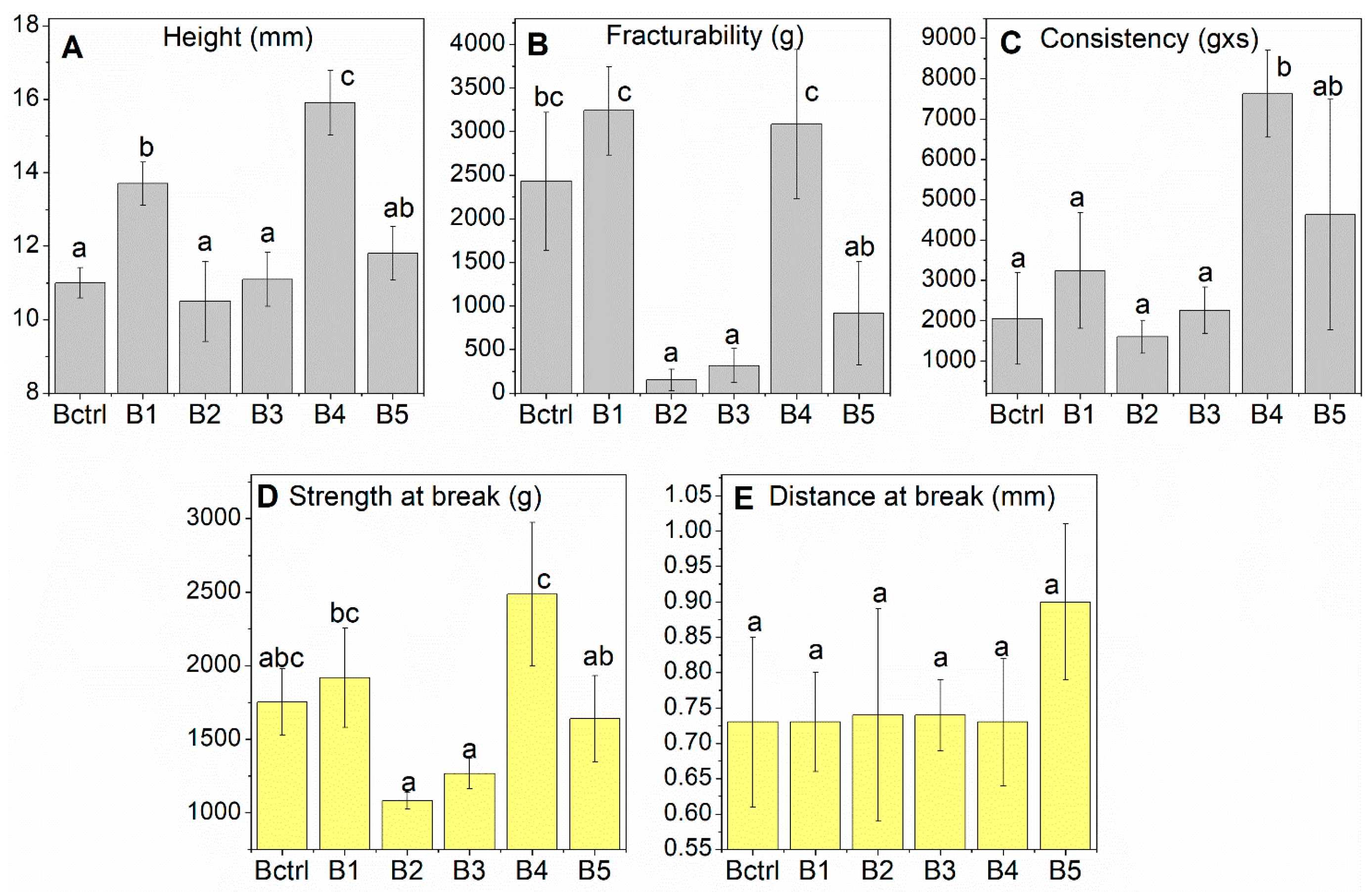
Figure 3A–C show the penetration test results, and Figure 3D,E show the 3PB test results of the biscuit samples prepared with the different lipid fractions [12]. The first test measured the mean height of the sample, the fracturability, and the consistency. As can be seen, samples B1 and B4 (made with B and HOSO as fat replacers, respectively) differed from the others, showing higher height values, with sample B4 being the highest. These two samples differed from the others in terms of their overall appearance (see Figure 1 for an illustration of the samples). Regarding fracturability, B2 and B3 required a lower force for the first rupture, whereas Bctrl, B1, and B4 required a higher force. Biscuit B4, which had the highest values of height and fracturability (together with B1), also showed the highest consistency, together with B5. For the strength at break, measured using the 3PB test, the main difference was found between B2 and B3, which broke at a lower force, and B4. The distance at break was similar for all the samples.
The data from the sensory analysis were analyzed using a three-way ANOVA, considering as independent factors the samples, the judges, and the replicates. The results of the analysis are reported in form of tables showing the degree of freedom, the sum of squares, the mean squares, the F values, and the significance for each selected factor and their interactions as supporting materials (see file in Supplementary Materials). The results of the analysis of the variance for the 11 descriptors considered are reported in Table 5.
As shown in the table, samples were significantly different for all the descriptors; the judges present significant differences; the replicates are reproducible for all the descriptors except for crispiness and consistency. The interactions of S × J reveal significant differences for all the descriptors; the interactions of J × R highlight the good reproducibility provided by the judges; and the interactions of S × R reveal a good sample homogeneity in the replicates.
The results of the statistical analysis, as determined by Fisher’s Least Significant Difference (LSD) Test, are presented in Table 6.
The overall aroma was perceived as less intense for sample B2 and more intense for sample B5. The lemon aroma was weaker in sample B5 and stronger in samples Bctrl and B1, which were both made with 100% concrete fats. The overall flavour was perceived as less intense in sample B2. The cereal flavour was perceived as stronger in sample B4, and the lemon flavour was more noticeable in samples B4 and Bctrl. The crispiness was perceived as most intense in samples B2, B3, and B5, which contained either solid or liquid fats. The consistency and friability were instead perceived as strongest in sample B4, in agreement with the results of the instrumental evaluations. The sample B4 was also perceived as having the strongest fat sensation. There were no differences in sweetness, while palatability was perceived as better in the Bctrl and B1 samples.
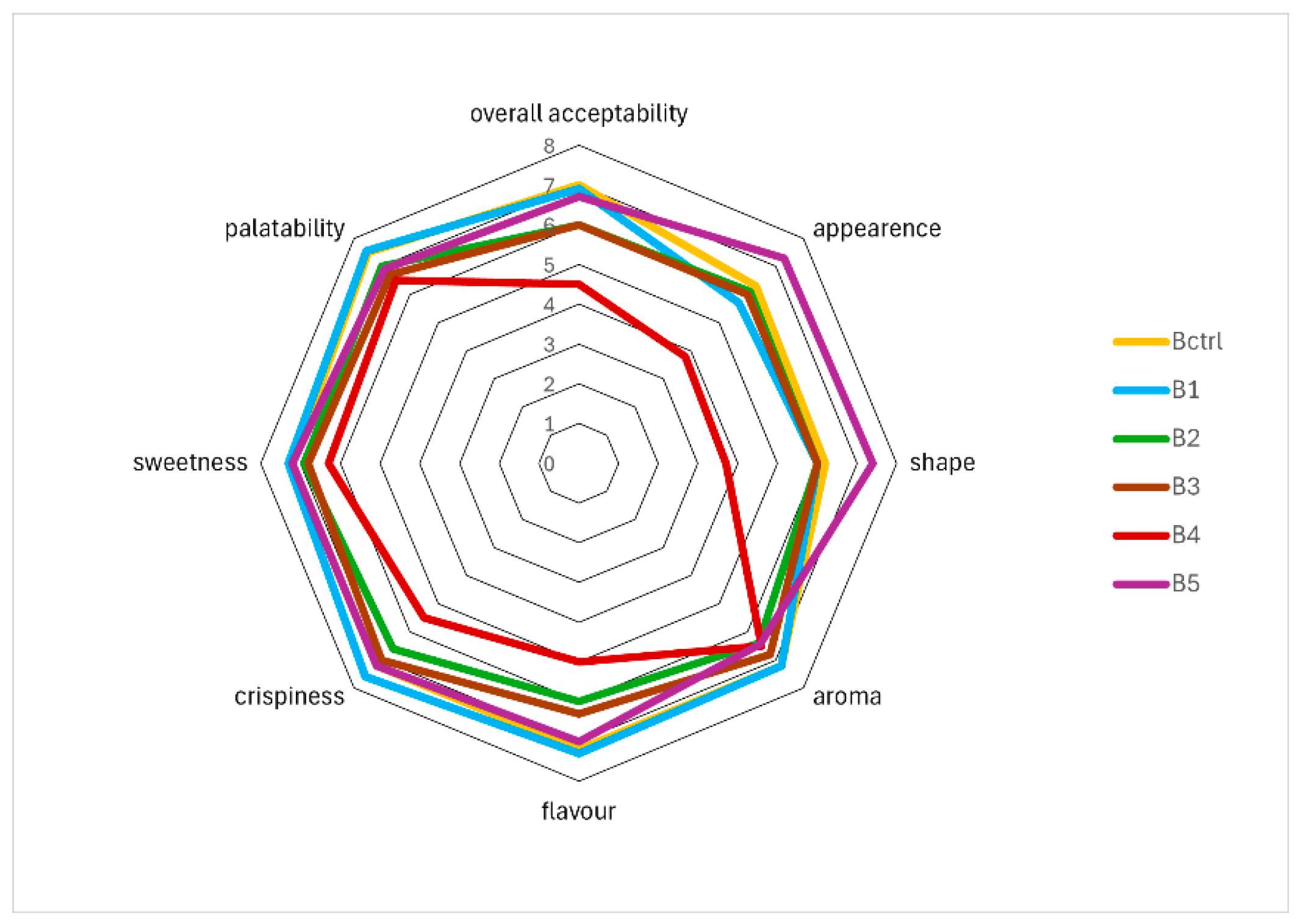
The results of the appreciation test for the different biscuit samples are reported in Figure 4. As represented in the figure, the overall acceptability of B1 and B5 were rated similarly to the reference sample Bctrl. For the appearance and the shape, the highest acceptances were given to sample B5 and the lowest to sample B4, while, for the aroma, the samples were all scored similarly. The highest scores for flavour and crispiness were assigned to B1, and the lowest acceptance was once again reserved for B4. The same trend but with less distance within the scores was observed also for the sweetness perception and the palatability.
Beyond their intrinsic fat composition, the functional properties of the biscuits are also influenced by interactions between the lipids and other formulation components. The effects observed in dough rheology and final texture are largely mediated by how fats interact with proteins (gluten), starch, and sugars [1]. In short dough systems, fats primarily interact with gluten-forming proteins by coating their surfaces and limiting their hydration. This restriction in protein hydration prevents the formation of an extensive gluten network, resulting in a softer and more workable dough [53]. Solid fats, rich in SFA, are particularly effective in this “shortening” action because they coat flour particles efficiently, lubricating the dough and further restricting gluten development. This reduced gluten formation is essential for obtaining a greater biscuit fracturability [1], as was probably the case for the Bctrl and B1 samples, formulated with P and B, both rich in SFA.
The lipid composition also affects starch–lipid interactions during baking. Higher concentrations of SFA promote the formation of more stable amylose–lipid complexes, contributing to an increased crispiness and enhanced oxidative stability [3]. This is consistent with sample B5, whose high SFA content derived from CO was associated with the highest crispiness and IP values. In contrast, formulations richer in PUFA, such as B4 (100% HOSO), are less prone to forming such complexes, typically resulting in softer textures and a reduced oxidative stability.
Furthermore, different lipids influence water distribution within the dough. Lipids with a high MUFA content form weaker fat crystalline network, facilitating moisture migration during baking and contributing to a higher friability [1]. Indeed, sample B4, rich in MUFA from HOSO, was perceived by the panel as the most friable biscuit.
Finally, lipids participate in Maillard pathways influencing the profile and concentration of volatile compounds during baking [16], which may help explain the differences in sensory perception between the samples and, in particular, the enhanced cereal flavour observed in B4 and the more intense aroma perceived in B5.
In addition to their functional performance, the oils considered in the alternative lipid blends also show notable environmental advantages across their life cycle: extra virgin olive oil can offset much of its production emissions thanks to olive trees’ strong carbon sequestration capacity [54], sunflower oil generally has a low climate footprint due to efficient cultivation practices [55], and coconut oil benefits from coconut palms’ high carbon uptake and their root systems’ ability to stabilize soil and reduce erosion [56,57].

4. Conclusions

The study demonstrated that the replacement of palm oil with selected oil blends in short dough biscuit formulations can preserve or improve some technological, nutritional, and sensory qualities of the final products. Regarding the nutritional aspects, biscuits formulated with HOSO (B4 and B3) showed the best profiles, with the highest MUFA and tocol content, together with a low cholesterol but high phytosterol amount. On the other hand, biscuits formulated with CO:HOSO (B5) showed the best results in oxidative resistance, supported, however, by a high level of tocopherols, high phytosterols, and low cholesterol. Biscuit B5 was also the best for most of the sensory attributes, with characteristics in line with B and PO biscuits.
Overall, these findings highlight that substituting palm oil or butter with specific vegetable oil blends, particularly high-oleic sunflower and coconut-based formulations, offers an effective strategy to produce bakery products with an improved lipid quality, preserved oxidative stability, and good sensory performance. Such formulations can contribute to the development of healthier and more sustainable short dough biscuits aligned with current consumer and environmental demands.

Supplementary Materials

The following supporting information can be downloaded at https://www.mdpi.com/article/10.3390/app152312679/s1. Table S1: Descriptor: aroma; Table S2: Descriptor: aroma of lemon; Table S3: Descriptor: flavour; Table S4: Descriptor: flavour of cereal; Table S5: Descriptor: flavour of lemon; Table S6: Descriptor: crispiness; Table S7: Descriptor: firmness; Table S8: Descriptor: friability; Table S9: Descriptor: fat perception; Table S10: Descriptor: sweetness; Table S11: Descriptor: palatability.

Author Contributions

Conceptualization, S.M., F.C., M.C.M., E.M., M.F.C. and F.P.; methodology, S.M., C.R., F.C., M.C.M., E.M., M.F.C. and F.P.; validation, S.M., F.C., M.C.M., E.M., M.F.C. and F.P.; formal analysis, S.M., C.R., F.C., M.C.M. and F.P.; investigation, S.M., C.R., F.C., M.C.M., E.M., M.F.C. and F.P.; data curation, S.M., C.R., F.C., M.C.M., E.M., M.F.C. and F.P.; writing—original draft preparation, S.M., F.C., M.C.M. and F.P.; writing—review and editing, S.M., F.C., M.C.M., E.M., M.F.C. and F.P.; supervision, M.C.M., E.M., M.F.C. and F.P.; funding acquisition, E.M. and M.F.C. All authors have read and agreed to the published version of the manuscript.

Funding

This research was funded by Italian Ministry of Economic Development within the project “Biotecnologie integrate per l’identità e la competitività delle produzioni e del Sistema oleario Italiano” (Grandi Progetti R&S–PON IC 2014/2020). CUP: B78I17000610008.

Institutional Review Board Statement

The study was conducted in accordance with the Declaration of Helsinki, and the protocol was approved by the BioEthics Committee of the University of Molise (No. 47711 of 19 September 2025).

Informed Consent Statement

Informed consent was obtained from all subjects involved in the study.

Data Availability Statement

The original contributions presented in this study are included in the article/Supplementary Material. Further inquiries can be directed to the corresponding author.

Conflicts of Interest

The authors declare no conflicts of interest.

References

  1. Mamat, H.; Hill, S.E. Effect of fat types on the structural and textural properties of dough and semi-sweet biscuit. J. Food Sci. Technol. 2014, 51, 1998–2005. [Google Scholar] [CrossRef] [PubMed]
  2. Kouhsari, F.; Saberi, F.; Kowalczewski, P.Ł.; Lorenzo, J.M.; Kieliszek, M. Effect of the various fats on the structural characteristics of the hard dough biscuit. LWT 2022, 159, 113227. [Google Scholar] [CrossRef]
  3. Giuffrè, A.M.; Caracciolo, M.; Capocasale, M.; Zappia, C.; Poiana, M. Effects of shortening replacement with extra virgin olive oil on the physical–chemical–sensory properties of Italian Cantuccini biscuits. Foods 2022, 11, 299. [Google Scholar] [CrossRef] [PubMed]
  4. Zong, G.; Li, Y.; Wanders, A.J.; Alssema, M.; Zock, P.L.; Willett, W.C.; Hu, F.B.; Sun, Q. Intake of individual saturated fatty acids and risk of coronary heart disease in US men and women: Two prospective longitudinal cohort studies. BMJ 2016, 355, i5796. [Google Scholar] [CrossRef]
  5. Silva, T.J.; Barrera-Arellano, D.; Ribeiro, A.P.B. Margarines: Historical approach, technological aspects, nutritional profile, and global trends. Food Res. Int. 2021, 147, 110486. [Google Scholar] [CrossRef]
  6. Bhardwaj, S.; Passi, S.J.; Misra, A. Overview of trans fatty acids: Biochemistry and health effects. Diabetes Metab. Syndr. 2011, 5, 161–164. [Google Scholar] [CrossRef]
  7. Atkinson, G. Fats and oils as biscuit ingredients. In Manley’s Technology. Biscuits Crackers Cookies, 4th ed.; Elsevier: Amsterdam, The Netherlands, 2011; pp. 160–180. [Google Scholar]
  8. Nor Aini, I.; Miskandar, M.S. Utilization of palm oil and palm products in shortenings and margarines. Eur. J. Lipid Sci. Technol. 2007, 109, 422–432. [Google Scholar] [CrossRef]
  9. Perez-Santana, M.; Cagampang, G.B.; Nieves, C.; Cedeño, V.; MacIntosh, A.J. Use of high oleic palm oils in fluid shortenings and effect on physical properties of cookies. Foods 2022, 11, 2793. [Google Scholar] [CrossRef]
  10. Indrani, D.; Rao, G.V. Functions of ingredients in baking of sweet goods. In Food Engineering Aspects of Baking Sweet Goods, 1st ed.; Sumnu, S.G., Sahin, S., Eds.; CRC Press: Boca Raton, FL, USA, 2008; pp. 31–48. [Google Scholar]
  11. Sudha, M.L.; Srivastava, A.K.; Vetrimani, R.; Leelavathi, K. Fat replacement in soft dough biscuits: Its implications on dough rheology and biscuit quality. J. Food Eng. 2007, 80, 922–930. [Google Scholar] [CrossRef]
  12. Forker, A.; Zahn, S.; Rohm, H. A combination of fat replacers enables the production of fat-reduced shortdough biscuits with high-sensory quality. Food Bioprocess. Technol. 2012, 5, 2497–2505. [Google Scholar] [CrossRef]
  13. Zoulias, E.I.; Oreopoulou, V.; Kounalaki, E. Effect of fat and sugar replacement on cookie properties. J. Sci. Food Agric. 2002, 82, 1637–1644. [Google Scholar] [CrossRef]
  14. Seker, I.T.; Ozboy-Ozbas, O.; Gokbulut, I.; Ozturk, S.; Koksel, H. Utilization of apricot kernel flour as fat replacer in cookies. J. Food Process Preserv. 2010, 34, 15–26. [Google Scholar] [CrossRef]
  15. Goldstein, A.; Seetharaman, K. Effect of a novel monoglyceride stabilized oil in water emulsion shortening on cookie properties. Food Res. Int. 2011, 44, 1476–1481. [Google Scholar] [CrossRef]
  16. Tarancón, P.; Sanz, T.; Salvador, A.; Tárrega, A. Effect of fat on mechanical and acoustical properties of biscuits related to texture properties perceived by consumers. Food Bioprocess. Technol. 2014, 7, 1725–1735. [Google Scholar] [CrossRef]
  17. Tarancón, P.; Salvador, A.; Sanz, T.; Fiszman, S.; Tárrega, A. Use of healthier fats in biscuits (olive and sunflower oil): Changing sensory features and their relation with consumers’ liking. Food Res. Int. 2015, 69, 91–96. [Google Scholar] [CrossRef]
  18. AOAC International Website. Available online: https://www.aoac.org (accessed on 16 October 2025).
  19. Marzocchi, S.; Pasini, F.; Baldinelli, C.; Caboni, M.F. Value-addition of beef meat byproducts: Lipid characterization by chromatographic techniques. J. Oleo Sci. 2018, 67, 143–150. [Google Scholar] [CrossRef] [PubMed]
  20. Pasini, F.; Marzocchi, S.; Ravagli, C.; Cuomo, F.; Messia, M.C.; Marconi, E.; Caboni, M.F. Effect of replacing olive oil with oil blends on physicochemical and sensory properties of taralli. Int. J. Food Sci. Technol. 2024, 59, 2697–2706. [Google Scholar] [CrossRef]
  21. Sander, B.D.; Addis, P.B.; Park, S.W.; Smith, D.E. Quantification of cholesterol oxidation products in a variety of foods. J. Food Prot. 1989, 52, 109–114. [Google Scholar] [CrossRef] [PubMed]
  22. Sweeley, C.C.; Bentley, R.; Makita, M.; Wells, W.W. Gas– liquid chromatography of trimethylsilyl derivatives of sugars and related substances. J. Am. Chem. Soc. 1963, 85, 2497–2507. [Google Scholar] [CrossRef]
  23. Cardenia, V.; Rodriguez-Estrada, M.T.; Baldacci, E.; Savioli, S.; Lercker, G. Analysis of cholesterol oxidation products by fast gas chromatography/mass spectrometry. J. Sep. Sci. 2012, 35, 424–430. [Google Scholar] [CrossRef]
  24. Pelillo, M.; Iafelice, G.; Marconi, E.; Caboni, M.F. Identification of plant sterols in hexaploid and tetraploid wheats using gas chromatography with mass spectrometry. Rapid Commun. Mass Spectrom. 2003, 17, 2245–2252. [Google Scholar] [CrossRef]
  25. Marzocchi, S.; Caboni, M.F. Study of the effect of tyrosyl oleate on lipid oxidation in a typical Italian bakery product. J. Agric. Food Chem. 2018, 66, 12555–12560. [Google Scholar] [CrossRef]
  26. Bhatnagar, A.S.; Prasanth Kumar, P.K.; Hemavathy, J.; Gopala Krishna, A.G. Fatty acid composition, oxidative stability, and radical scavenging activity of vegetable oil blends with coconut oil. J. Am. Oil Chem. Soc. 2009, 86, 991–999. [Google Scholar] [CrossRef]
  27. Ibrahim, A.I.; Nurjanah, S.; Kramadibrata, A.M.; Naufalin, R.; Dwiyanti, H. Influence of different extraction methods on physic-chemical characteristics and chemical composition of coconut oil (Cocos nucifera L). IOP Conf. Ser. Earth Environ. Sci. 2019, 250, 012102. [Google Scholar] [CrossRef]
  28. Hewlings, S. Coconuts and health: Different chain lengths of saturated fats require different consideration. J. Cardiovasc. Dev. Dis. 2020, 7, 59. [Google Scholar] [CrossRef] [PubMed]
  29. Zambiazi, R.C.; Przybylski, R.; Zambiazi, M.W.; Mendonça, C.B. Fatty acids composition of vegetable oils and fats. Bol. Cent. Pesq. Process. Alim. 2007, 25, 111–120. [Google Scholar]
  30. Kostik, V.; Memeti, S.; Bauer, B. Fatty acid composition of edible oils and fats. J. Hyg. Eng. Des. 2013, 4, 112–116. [Google Scholar]
  31. Schröder, M.; Abdurahman, H.; Ruoff, T.; Lehnert, K.; Vetter, W. Identification of aromatic fatty acids in butter fat. J. Am. Oil Chem. Soc. 2014, 91, 1695–1702. [Google Scholar] [CrossRef]
  32. Gotor, A.A.; Rhazi, L. Effects of refining process on sunflower oil minor components: A review. OCL 2016, 23, 1–10. [Google Scholar] [CrossRef]
  33. Belo, R.G.; Nolasco, S.; Mateo, C.; Izquierdo, N. Dynamics of oil and tocopherol accumulation in sunflower grains and its impact on final oil quality. Eur. J. Agron. 2017, 89, 124–130. [Google Scholar] [CrossRef]
  34. Yoshida, Y.; Niki, E.; Noguchi, N. Comparative study on the action of tocopherols and tocotrienols as antioxidant: Chemical and physical effects. Chem. Phys. Lipids 2003, 123, 63–75. [Google Scholar] [CrossRef]
  35. Müller, L.; Theile, K.; Böhm, V. In vitro antioxidant activity of tocopherols and tocotrienols and comparison of vitamin E concentration and lipophilic antioxidant capacity in human plasma. Mol. Nutr. Food Res. 2010, 54, 731–742. [Google Scholar] [CrossRef]
  36. Schwartz, H.; Ollilainen, V.; Piironen, V.; Lampi, A.M. Tocopherol, tocotrienol and plant sterol contents of vegetable oils and industrial fats. J. Food Compos. Anal. 2008, 21, 152–161. [Google Scholar] [CrossRef]
  37. Azrina, A.; Lim, P.H.; Amin, I.; Zulkhairi, A. Vitamin E and fatty acid composition of blended palm oils. J. Food Agric. Environ. 2009, 7, 256–262. [Google Scholar]
  38. Panfili, G.; Fratianni, A.; Irano, M. Normal Phase High-Performance Liquid Chromatography Method for the Determination of Tocopherols and Tocotrienols in Cereals. J. Agric. Food Chem. 2003, 51, 3940–3944. [Google Scholar] [CrossRef]
  39. Engelsen, M.M.; Hansen, A. Tocopherol and Tocotrienol Content in Commercial Wheat Mill Stream. Cereal Chem. 2009, 86, 499–502. [Google Scholar] [CrossRef]
  40. Guinazi, M.; Rodrigues Miranda Milagres, R.C.; Pinheiro-Sant’Ana, H.M.; Paes Chaves, J.B. Tocopherols and tocotrienols in vegetable oils and eggs. Quim. Nova 2009, 32, 2098–2103. [Google Scholar]
  41. Fratianni, A.; Di Criscio, T.; Mignogna, R.; Panfili, G. Carotenoids, tocols and retinols evolution during egg pasta–making processes. Food Chem. 2012, 131, 590–595. [Google Scholar] [CrossRef]
  42. Skřivan, M.; Englmaierová, M. The deposition of carotenoids and α-tocopherol in hen eggs produced under a combination of sequential feeding and grazing. Anim. Feed. Sci. Technol. 2014, 190, 79–86. [Google Scholar] [CrossRef]
  43. Gałązka-Czarnecka, I.; Korzeniewska, E.; Czarnecki, A.; Sójka, M.; Kiełbasa, P.; Dróżdź, T. Evaluation of quality of eggs from hens kept in caged and free-range systems using traditional methods and ultra-weak luminescence. Appl. Sci. 2019, 9, 2430. [Google Scholar] [CrossRef]
  44. Mba, O.I.; Dumont, M.J.; Ngadi, M. Thermostability and degradation kinetics of tocochromanols and carotenoids in palm oil, canola oil and their blends during deep-fat frying. LWT 2017, 82, 131–138. [Google Scholar] [CrossRef]
  45. Li, C.; Yao, Y.; Zhao, G.; Cheng, W.; Liu, H.; Liu, C.; Shi, Z.; Chen, Y.; Wang, S. Comparison and analysis of fatty acids, sterols, and tocopherols in eight vegetable oils. J. Agric. Food Chem. 2011, 59, 12493–12498. [Google Scholar] [CrossRef]
  46. Deme, T.; Haki, G.D.; Retta, N.; Woldegiorgis, A.; Geleta, M.; Mateos, H.; Lewandowski, P.A. Sterols as a biomarker in tracing niger and sesame seeds oils adulterated with palm oil. Heliyon 2021, 7, e06797. [Google Scholar] [CrossRef]
  47. Aletor, O.; Famakin, F.M. Vitamins, amino acids, lipids and sterols of eggs from three different birds’ genotypes. IOSR J. Environ. Sci. Toxicol. Food Technol. 2017, 11, 41–47. [Google Scholar] [CrossRef]
  48. Derewiaka, D.; Pydyn, M. Quantitative Analysis of Sterols and Oxysterols in Foods by Gas Chromatography Coupled with Mass Spectrometry. Appl. Sci. 2024, 14, 7934. [Google Scholar] [CrossRef]
  49. Rajhi, I.; Baccouri, B.; Mhadhbi, H. Phytosterols in Wheat: Composition, Contents and Role in Human Health. Open Access J. Biog. Sci. Res. 2020, 5, 1–6. [Google Scholar] [CrossRef]
  50. Loskutov, I.G.; Khlestkina, E.K. Wheat, barley, and oat breeding for health benefit components in grain. Plants 2021, 10, 86. [Google Scholar] [CrossRef]
  51. Piironen, V.; Lindsay, D.G.; Miettinen, T.A.; Toivo, J.; Lampi, A.M. Plant sterols: Biosynthesis, biological function and their importance to human nutrition. J. Sci. Food Agric. 2000, 80, 939–966. [Google Scholar] [CrossRef]
  52. Evtyugin, D.D.; Evtuguin, D.V.; Casal, S.; Domingues, M.R. Advances and challenges in plant sterol research: Fundamentals, analysis, applications and production. Molecules 2023, 28, 6526. [Google Scholar] [CrossRef]
  53. Pareyt, B.; Brijs, K.; Delcour, J.A. Impact of fat on dough and cookie properties of sugar-snap cookies. Cereal Chem. 2010, 87, 226–230. [Google Scholar] [CrossRef]
  54. Regni, L.; Sdringola, P.; Torquati, B.; Evangelisti, N.; Chiorri, M.; Arcioni, L.; Proietti, P. A multidimensional approach to the decarbonization of the olive oil sector: Methodology proposal and case study. Sci. Total Environ. 2025, 979, 179460. [Google Scholar] [CrossRef] [PubMed]
  55. Schmidt, J.H. Life cycle assessment of five vegetable oils. J. Clean. Prod. 2015, 87, 130–138. [Google Scholar] [CrossRef]
  56. Namitha, V.V.; Raj, S.K.; Prathapan, K. Carbon Sequestration Potential in Coconut based Cropping System: A Review. Agric. Rev. 2022, 46, 143–146. [Google Scholar] [CrossRef]
  57. Subramanian, P.; Gupta, A.; Gopal, M.; Selvamani, V.; Mathew, J.; Surekha; Indhuja, S. Coconut (Cocos nucifera L.). In Soil Health Management for Plantation Crops; Springer: Singapore, 2024; pp. 37–109. [Google Scholar]
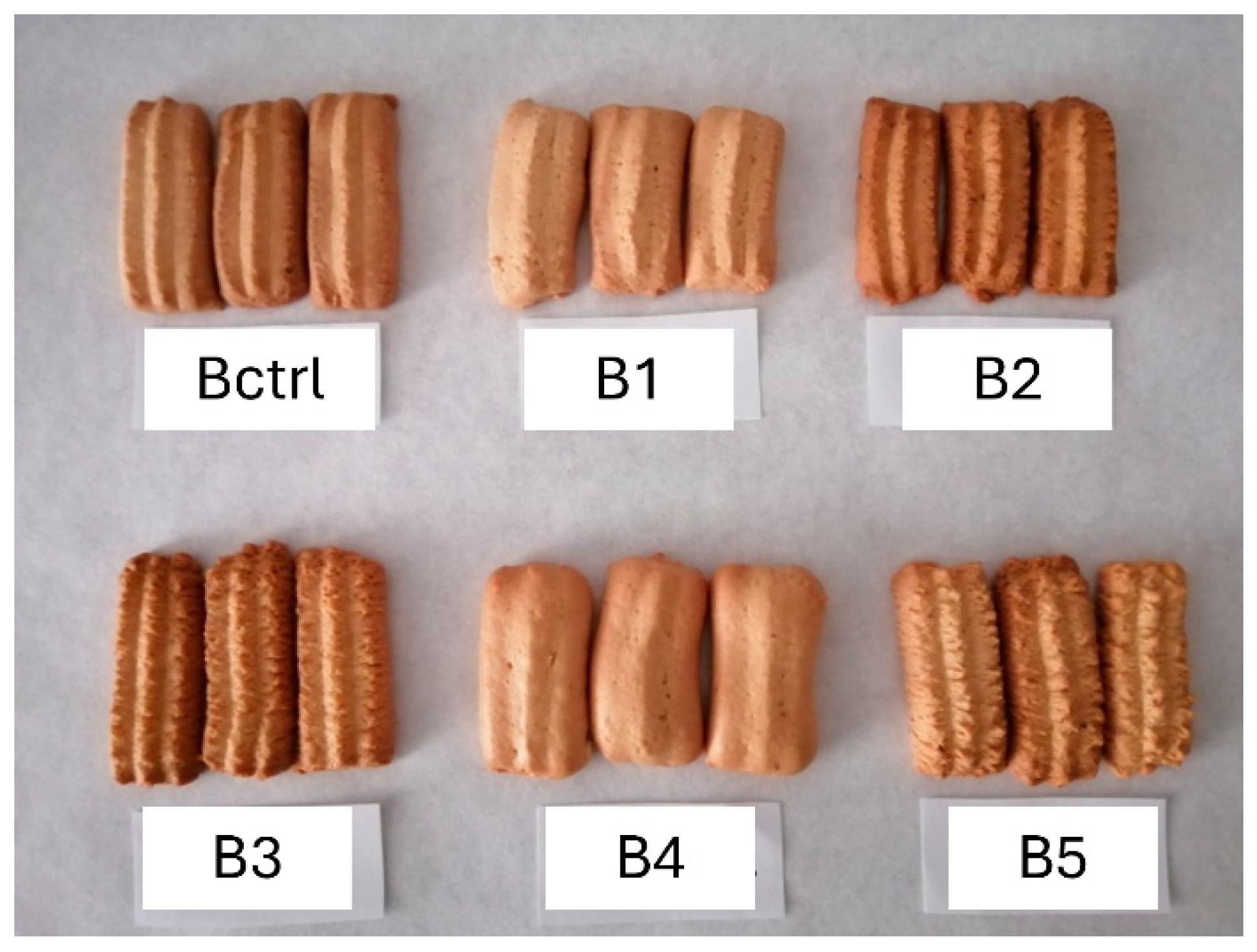
Figure 1. Representative picture of the biscuits realized with the different fats.
Applsci 15 12679 g001
Figure 2. IP (Induction Period) values recorded for the different biscuit samples. Different letters in the same row show significantly different mean values (Tukey HSD p < 0.05).
Applsci 15 12679 g002
Figure 3. (A) Height, (B) fracturability, and (C) consistency of the biscuits measured through the penetration test. (D) Strength and (E) distance at break measured through the 3PB test. Different letters indicate significantly different mean values (Tukey’s HSD p < 0.05).
Applsci 15 12679 g003
Figure 4. Spider plot showing the acceptance of the products through mean score assigned by the assessors to different descriptors.
Applsci 15 12679 g004
Table 1. Fat fraction composition and sample coding of biscuit samples.
SamplesComposition of Fat Fraction
Bctrl100% Palm Oil (PO)
B1100% Butter (B)
B250% Butter + 50% Extra Virgin Olive Oil (B:EVOO)
B350% Butter + 50% High-Oleic Sunflower Oil (B:HOSO)
B4100% High-Oleic Sunflower Oil (HOSO)
B587.5% Coconut Oil + 12.5% Sunflower Oil (CO:SO)
Table 2. Fatty acid composition and content (mg FA/100 mg of FAME) of raw lipid matrices and biscuits.
FAPOBB:EVOO
(50:50)
B:HOSO
(50:50)
HOSOCO:SO
(87.5:12.5)
Bctrl
(PO)
B1
(B)
B2
(B:EVOO)
B3
(B:HOSO)
B4
(HOSO)
B5
(CO:SO)
C6:0n.d.1.8 ± 0.0 a0.8 ± 0.0 c0.7 ± 0.0 cn.d.0.5 ± 0.0 en.d.1.7 ± 0.0 b0.7 ± 0.0 d0.7 ± 0.0 dn.d.0.4 ± 0.0 e
C8:0n.d.1.1 ± 0.0 c0.5 ± 0.0 e0.5 ± 0.0 en.d.6.3 ± 0.0 an.d.1.0 ± 0.0 d0.4 ± 0.0 e0.4 ± 0.0 en.d.5.6 ± 0.0 b
C10:0n.d.2.7 ± 0.1 c1.2 ± 0.0 e1.2 ± 0.0 en.d.4.9 ± 0.0 an.d.2.5 ± 0.0 d1.1 ± 0.0 f1.0 ± 0.0 fn.d.4.4 ± 0.0 b
C12:00.4 ± 0.0 f3.4± 0.1 c1.5 ± 0.0 e1.6 ± 0.0 en.d.40.2 ± 0.2 a0.4 ± 0.0 f3.2 ± 0.0 d1.4 ± 0.0 e1.4 ± 0.0 en.d.37.1 ± 0.1 b
C14:01.0 ± 0.0 h10.8 ± 0.1 c4.8 ± 0.0 e4.7 ± 0.0 en.d.15.3 ± 0.1 a0.9 ± 0.0 g10.1 ± 0.0 d4.3 ± 0.0 f4.3 ± 0.0 fn.d.14.1 ± 0.1 b
C14:1n.d.1.2 ± 0.0 a0.5 ± 0.0 c0.5 ± 0.0 cn.d.n.d.n.d.1.1 ± 0.0 b0.5 ± 0.0 c0.5 ± 0.0 cn.d.n.d.
C15:0n.d.1.0 ± 0.1 a0.5 ± 0.0 b0.5 ± 0.0 bn.d.n.d.n.d.1.0 ± 0.0 a0.4 ± 0.0 b0.4 ± 0.0 bn.d.n.d.
C16:044.1 ± 0.1 a32.9 ± 0.2 c20.9 ± 0.0 f16.6 ± 0.0 h4.4 ± 0.0 n9.1 ± 0.0 l40.8 ± 0.1 b32.3 ± 0.0 d21.5 ± 0.1 e17.1 ± 0.1 g6.2 ± 0.0 m10.2 ± 0.0 i
C16:1c0.2 ± 0.0 e1.6 ± 0.0 a1.2 ± 0.0 b0.7 ± 0.0 c0.1 ± 0.0 en.d.0.3 ± 0.0 d1.6 ± 0.0 a1.2 ± 0.1 b0.8 ± 0.0 c0.3 ± 0.0 dn.d.
C17:00.1 ± 0.0 c0.5 ± 0.0 a0.3 ± 0.0 b0.2 ± 0.0 bn.d.n.d.0.1 ± 0.0 c0.5 ± 0.0 a0.2 ± 0.0 b0.2 ± 0.0 bn.d.n.d.
C17:1n.d.0.3 ± 0.0 a0.2 ± 0.0 b0.1 ± 0.0 cn.d.n.d.n.d.0.2 ± 0.0 b0.2 ± 0.0 b0.2 ± 0.0 bn.d.n.d.
C18:04.0 ± 0.0 d10.0 ± 0.0 a6.0 ± 0.0 b5.7 ± 0.0 c2.6 ± 0.0 h2.9 ± 0.0 g4.1 ± 0.0 d9.9 ± 0.0 a6.0 ± 0.1 b5.9 ± 0.0 b3.0 ± 0.0 f3.3 ± 0.0 e
C18:1c941.4 ± 0.0 h27.3 ± 0.0 i55.3 ± 0.0 e58.7 ± 0.0 c83.1 ± 0.1 a11.1 ± 0.2 n41.9 ± 0.1 g26.8 ± 0.152.8 ± 0.2 f56.7 ± 0.1 d78.6 ± 0.1 b12.8 ± 0.0 m
C18:2n68.1 ± 0.0 f3.8 ± 0.2 l5.4 ± 0.1 i7.2 ± 0.0 g9.2 ± 0.1 e9.7 ± 0.1 d10.6 ± 0.1 c6.7 ± 0.1 h8.0 ± 0.1 f9.3 ± 0.1 de11.3 ± 0.0 b11.7 ± 0.1 a
C18:3n30.2 ± 0.0 e0.6 ± 0.0 b0.6 ± 0.0 b0.3 ± 0.0 d0.1 ± 0.0 f0.1 ±0.0 f0.4 ± 0.0 c0.7 ± 0.0 a0.7 ± 0.0 a0.4 ± 0.0 c0.2 ± 0.0 e0.2 ± 0.0 e
C20:00.3 ± 0.0 d0.8 ± 0.0 a0.3 ± 0.0 d0.4 ± 0.0 c0.2 ± 0.0 e0.1 ± 0.0 f0.3 ± 0.0 d0.7 ± 0.0 b0.4 ± 0.0 c0.4 ± 0.0 c0.2 ± 0.0 e0.1 ± 0.0 f
C20:10.1 ± 0.0 bn.d.0.2 ± 0.0 a0.2 ± 0.0 a0.2 ± 0.0 a0.1 ± 0.0 b0.2 ± 0.0 an.d.0.2 ± 0.0 a0.2 ± 0.0 a0.2 ± 0.0 a0.1 ± 0.0 b
SFA49.9 ± 0.1 e65.3 ± 0.6 c36.6 ± 0.1 g32.2 ± 0.0 h7.3 ± 0.0 l79.1 ± 0.3 a46.7 ± 0.1 f62.7 ± 0.1 d36.4 ± 0.1 g32.0 ± 0.0 h9.3 ± 01 i75.3 ± 0.1 b
MUFA41.8 ± 0.0 h30.4 ± 0.3 i57.4 ± 0.0 e60.3 ± 0.1 c83.4 ± 0.1 a11.1 ± 0.2 n42.3 ± 0.1 g29.9 ± 0.2 l54.9 ± 0.1 f58.3 ± 0.0 d79.1 ± 0.0 b12.8 ± 0.0 m
PUFA8.3 ± 0.0 e4.4 ± 0.3 h6.0 ± 0.1 g7.5 ± 0.1 f9.3 ± 0.1 d9.8 ± 0.1 c11.0 ± 0.1 b7.4 ± 0.1 f8.7 ± 0.0 e9.7 ± 0.1 c11.6 ± 0.1 a11.9 ± 0.1 a
Abbreviation: PO: palm oil; B: butter; EVOO: extra virgin olive oil; HOSO: high-oleic sunflower oil; SO: sunflower oil; CO: coconut oil; n.d.: not determined. Different letters in the same row show significantly different mean values (Tukey HSD p < 0.05).
Table 3. Tocol composition and content (mg/100 g of fat) of raw lipid matrices and biscuits.
POBB:EVOO
(50:50)
B:HOSO
(50:50)
HOSOCO:SO
(87.5:12.5)
Bctrl
(PO)
B1
(B)
B2
(B:EVOO)
B3
(B:HOSO)
B4
(HOSO)
B5
(CO: SO)
α-T19.7 ± 0.8 c2.7 ± 0.0 g16.4 ± 0.0 d19.6 ± 0.4 c27.7 ± 0.0 a10.2 ± 1.4 e17.5 ± 1.6 cd4.6 ± 0.1 f16.2 ± 0.6 d20.4 ± 1.7 bc22.0 ± 1.0 b12.5 ± 0.4 e
α-T321.2 ± 0.3 a0.1 ± 0.0 dn.d.n.d.n.d.2.4 ± 0.3 c13.8 ± 2.0 b0.9 ± 0.1 c0.6 ± 0.1 c0.8 ± 0.1 c0.7 ± 0.1 c2.7 ± 0.0 c
β-Tn.d.n.d.0.3 ± 0.0 c0.7 ± 0.0 b0.7 ± 0.0 b0.4 ± 0.2 b1.1 ± 0.2 ab1.2 ± 0.0 ab0.7 ± 0.0 b1.8 ± 0.3 a1.9 ± 0.6 a1.7 ± 0.1 a
γ-T3.3 ± 0.1 ab0.3 ± 0.0 d1.4 ± 0.0 cd1.2 ± 0.0 cd 0.5 ± 0.1 d0.3 ± 0.1 d3.7 ± 0.8 a1.9 ± 0.1 c2.5 ± 0.2 abc2.3 ± 0.3 bc2.5 ± 0.6 abc2.1 ± 0.1 bc
β-T32.0 ± 0.0 bn.d.n.d.n.d.n.d.n.d.4.9 ± 0.5 a4.5 ± 0.1 a3.9 ± 0.2 ab4.5 ± 0.3 a5.2 ± 1.1 a4.4 ± 0.2 a
γ-T325.9 ± 1.1 an.d.n.d.n.d.n.d.n.d.16.7 ± 1.9 bn.d.n.d.n.d.n.d.n.d.
δ-T38.2 ± 0.8 an.d.n.d.n.d.n.d.n.d.5.6 ± 0.4 an.d.n.d.n.d.n.d.n.d.
Total80.3 ± 3.2 a3.1 ± 0.1 f18.1 ± 0.1 de21.5 ± 0.3 de28.9 ± 0.1 d13.3 ± 1.1 e63.3 ± 7.4 b13.1 ± 0.2 e23.9 ± 1.1 de29.8 ± 2.7 d32.3 ± 3.3 c23.4 ± 0.9 de
Abbreviation: α-T: α-tocopherol; α-T3: α-tocotrienol; β-T: tocopherol; γ-T: γ-tocopherol; β-T3: β-tocotrienol; γ-T3: γ-tocotrienol; δ-T3: δ-tocotrienol; PO: palm oil; B: butter; EVOO: extra virgin olive oil; HOSO: high-oleic sunflower oil; SO: sunflower oil; CO: coconut oil; n.d.: not determined. Different letters in the same row show significantly different mean values (Tukey HSD p < 0.05).
Table 4. Sterol composition and content (mg/100 g of fat) of raw lipid matrices and biscuits.
POBB:EVOO
(50:50)
B:HOSO
(50:50)
HOSOCO:SO
(87.5:12.5)
Bctrl
(PO)
B1
(B)
B2
(B:EVOO)
B3
(B:HOSO)
B4
(HOSO)
B5
(CO: SO)
Cholesterol2.1 ± 0.1 g228.9 ± 9.2 e110.3 ± 1.4 f105.3 ± 1.4 fn.d.n.d.236.4 ± 1.8 e525.6 ± 12.8 a414.3 ± 10.6 b409.4 ± 1.4 b294.9 ± 0.8 d324.6 ± 2.3 c
Campesterol26.0 ± 0.6 abn.d.7.5 ± 0.1 d9.5 ± 0.1 c20.4 ± 0.2 b8.8 ± 0.4 cd29.3 ± 0.4 a12.7 ± 2.6 c20.2 ± 1.0 b21.2 ± 3.3 b30.9 ± 1.5 a10.2 ± 0.6 c
Campestanoln.d.n.d.4.0 ± 0.2 b2.4 ± 0.1 b5.5 ± 0.5 b3.3 ± 0.0 b3.2 ± 0.5 bn.d.10.0 ± 3.7 a5.5 ± 0.6 b6.8 ± 0.1 ab3.9 ± 0.4 b
Stigmasterol11.2 ± 0.4 bn.d.n.d.6.5 ± 0.1 c13.5 ± 0.6 b10.6 ± 1.4 b13.2 ± 0.4 bn.d.n.d.6.8 ± 0.4 c16.7 ± 0.0 a11.3 ± 1.4 b
β-Sitosterol43.9 ± 0.9 e15.4 ± 0.2 f56.9 ± 2.0 de67.2 ± 2.0 d139.8 ± 1.1 ab95.3 ± 3.4 c77.4 ± 0.2 e46.7 ± 0.4 e91.0 ± 2.1 c98.1 ± 3.3 bc163.6 ± 1.0 a120.0 ± 0.5 b
Sitostanoln.d.n.d.4.4 ± 0.2 cd4.3 ± 0.1 cd9.3 ± 0.3 a2.5 ± 0.1 d5.9 ± 0.8 bcd9.0 ± 0.3 ab11.2 ± 0.8 a8.2 ± 1.8 abc11.5 ± 1.3 a8.8 ± 1.9 ab
Δ5-Avenasteroln.d.n.d.4.6 ± 0.0 c4.6 ± 0.4 c8.0 ± 0.1 b13.2 ± 1.4 an.d.n.d.n.d.n.d.9.3 ± 0.7 b5.0 ± 0.0 c
Δ7-Avenasteroln.d.n.d.n.d.4.0 ± 0.0 c8.1 ± 0.1 b6.1 ± 0.2 bcn.d.n.d.n.d.n.d.13.0 ± 1.5 an.d.
Total phytosterols81.1 ± 0.3 e15.4 ± 0.2 g77.4 ± 2.5 ef98.5 ± 0.7 de204.6 ± 1.3 b139.8 ± 6.2 c129.0 ± 1.0 d68.4 ± 0.6 f132.4 ± 2.1 cd139.8 ± 1.4 cd251.8 ± 1.2 a159.2 ± 1.5 c
Total sterols83.2 ± 0.5 i244.3 ± 9.4 e187.7 ± 3.5 g203.8 ± 1.0 f204.6 ± 1.3 f139.8 ± 6.2 h365.4 ± 1.8 d594.0 ± 5.9 a546.7 ± 1.1 b549.2 ± 0.4 b546.7 ± 1.0 b483.8 ± 1.3 c
Abbreviation: PO: palm oil; B: butter; EVOO: extra virgin olive oil; HOSO: high-oleic sunflower oil; SO: sunflower oil; CO: coconut oil; n.d.: not determined. Different letters in the same row show significantly different mean values (Tukey HSD p < 0.05).
Table 5. Influence of samples, judges, replicates, and the respective interactions on the descriptors.
F-Values
DescriptorSamples (S)Judges (J)Replicates (R)S × JJ × RS × R
Aroma17.8 *2.7 *0.1 ns12.8 *1.0 ns0.5 ns
Aroma of lemon22.6 *19.4 *0.9 ns10.7 *0.2 ns0.3 ns
Flavour9.8 *2.1 *0.4 ns22.2 *1.2 ns0.4 ns
Flavour of cereal41.2 *23.1 *0.3 ns14.6 *0.8 ns0.8 ns
Flavour of lemon21.7 *54.9 *0.2 ns12.8 *1.1 ns1.1 ns
Crispiness37.1 *7.3 *4.1 *19.6 *0.7 ns2.0 ns
Consistency14.7 *54.8 *4.1 *12.8 *0.3 ns1.9 ns
Friability59.8 *38.0 *0.3 ns14.1 *0.4 ns0.5 ns
Fat perception8.3 *71.3 *3.4 ns12.8 *0.7 ns1.5 ns
Sweetness4.8 *36.9 *6.8 ns8.6 *0.4 ns1.4 ns
* indicates significant differences; ns indicates absence of significant differences.
Table 6. Sensory data for the different biscuit samples.
AttributesSamples
BctrlB1B2B3B4B5
Aroma4.90 b5.20 b4.15 a4.80 b5.00 b5.55 c
Aroma of lemon5.35 c5.20 c4.40 b4.45 b4.40 b4.05 a
Flavour5.00 b4.85 b4.35 a5.25 b4.85 b5.05 b
Flavour of cereal4.80 a4.95 a5.30 b5.00 a6.10 c4.95 a
Flavour of lemon4.70 c3.75 a4.10 b4.15 b5.10 c4.10 b
Crispiness4.70 a4.90 a5.55 b5.50 b4.55 a5.35 b
Consistency4.50 a4.70 a4.95 b4.95 b5.20 c4.55 a
Friability5.35 b4.75 a5.25 b5.35 b6.65 c5.55 c
Fat perception5.00 b5.00 b5.05 b5.05 b5.35 c4.75 a
Sweetness4.70 a4.95 a4.75 a4.75 a4.55 a4.95 a
Palatability4.95 b4.95 b4.55 a4.55 a4.50 a4.50 a
Different letters in the same row indicate significant differences among samples (Fisher’s LSD p < 0.05).
Disclaimer/Publisher’s Note: The statements, opinions and data contained in all publications are solely those of the individual author(s) and contributor(s) and not of MDPI and/or the editor(s). MDPI and/or the editor(s) disclaim responsibility for any injury to people or property resulting from any ideas, methods, instructions or products referred to in the content.