Raman-Validated Macromolecular Model of SG Coking Coal: ESP–FMO Mapping Unravels Site-Selective Oxidation in Combustion


Abstract
1. Introduction
2. Research Methods
2.1. Coal Sample Preparation
2.2. Experimental Setup
2.2.1. XPS Analysis
2.2.2. Nuclear Magnetic Resonance (NMR) Experiment
2.2.3. Raman Spectroscopic Analysis
2.3. Model Construction and Optimization
2.4. DFT Calculations for Coking Coal Combustion
2.5. Uncertainty Analysis and Data Reproducibility
3. Results and Discussion
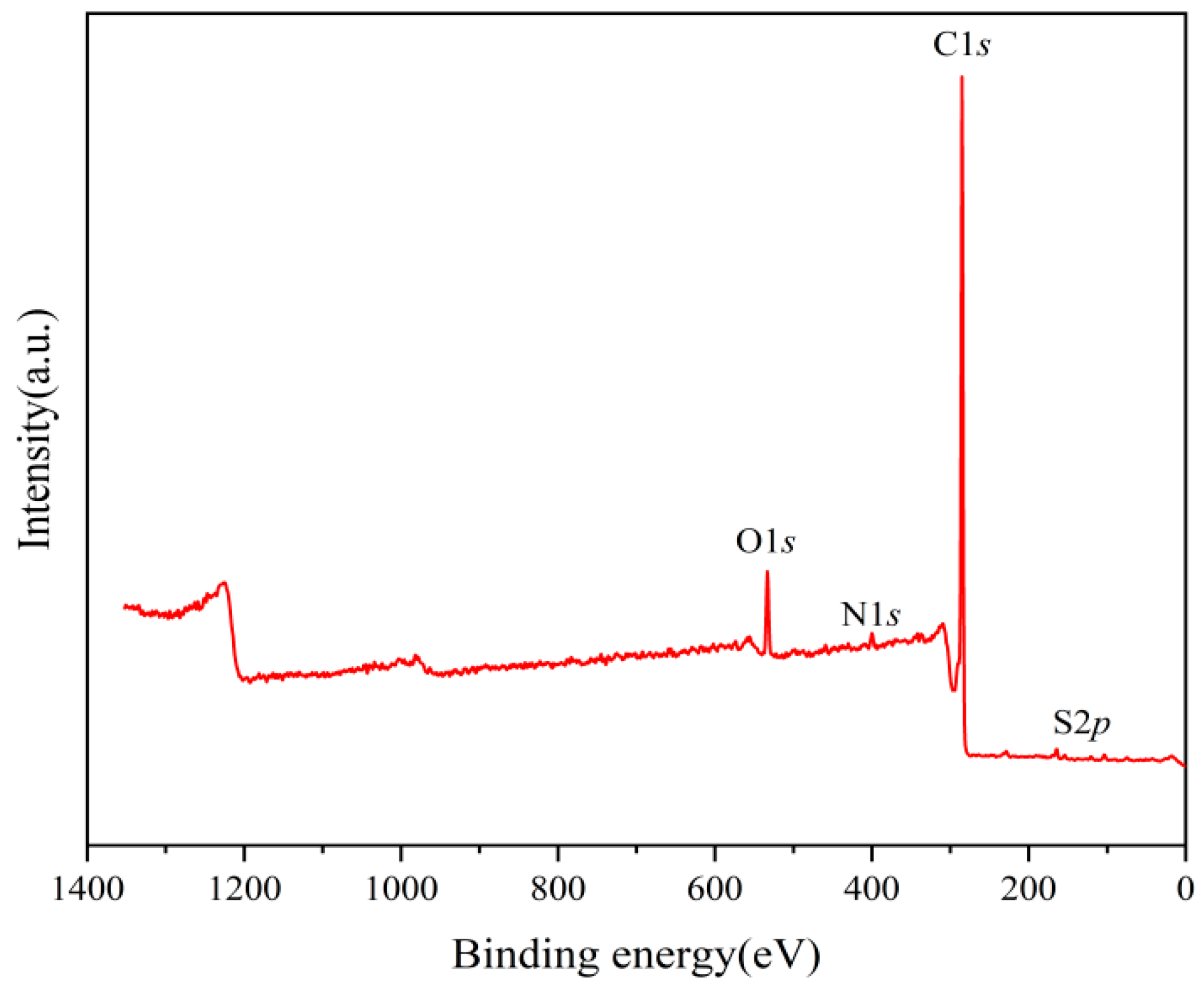
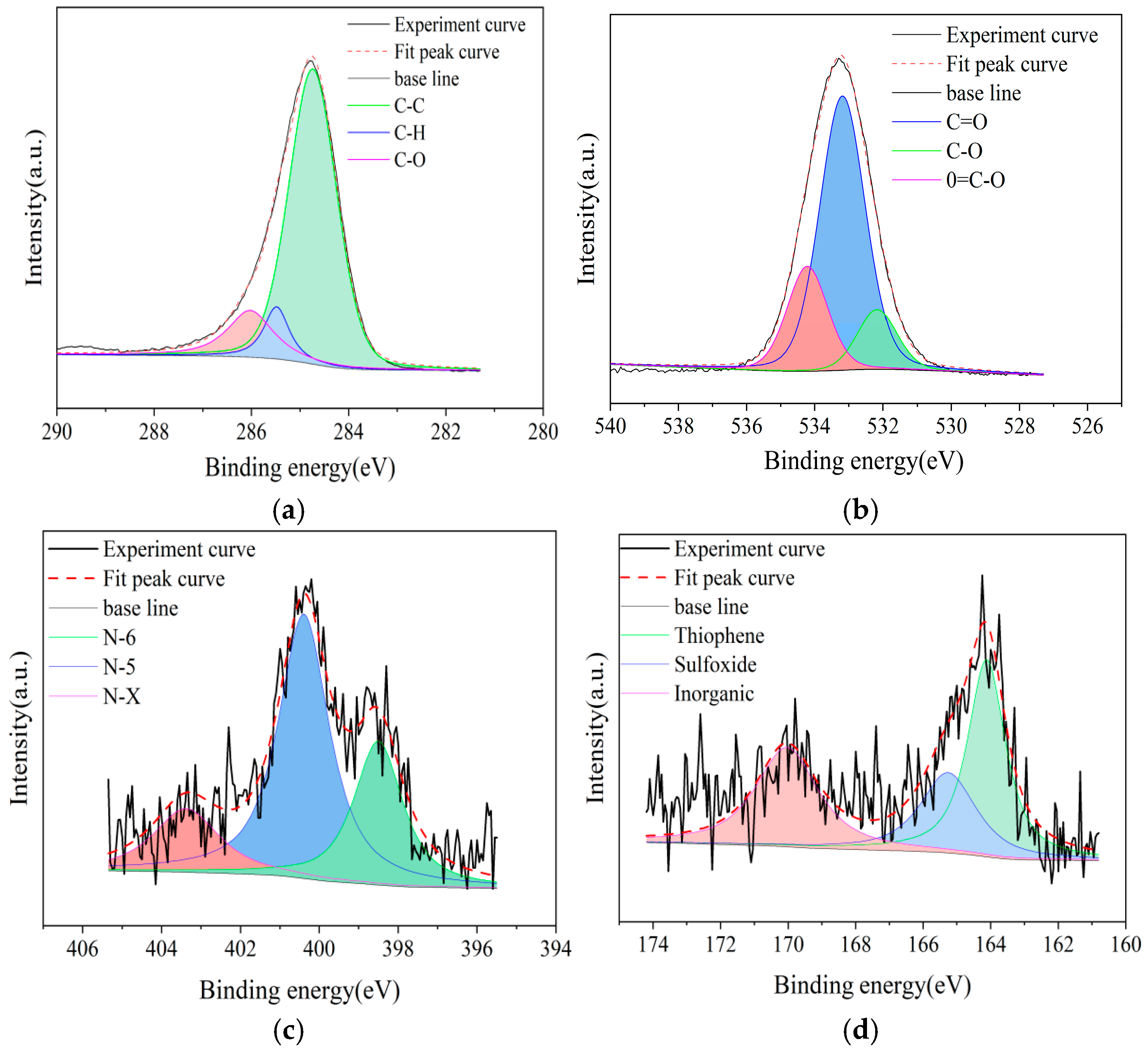
3.1. XPS Results Analysis
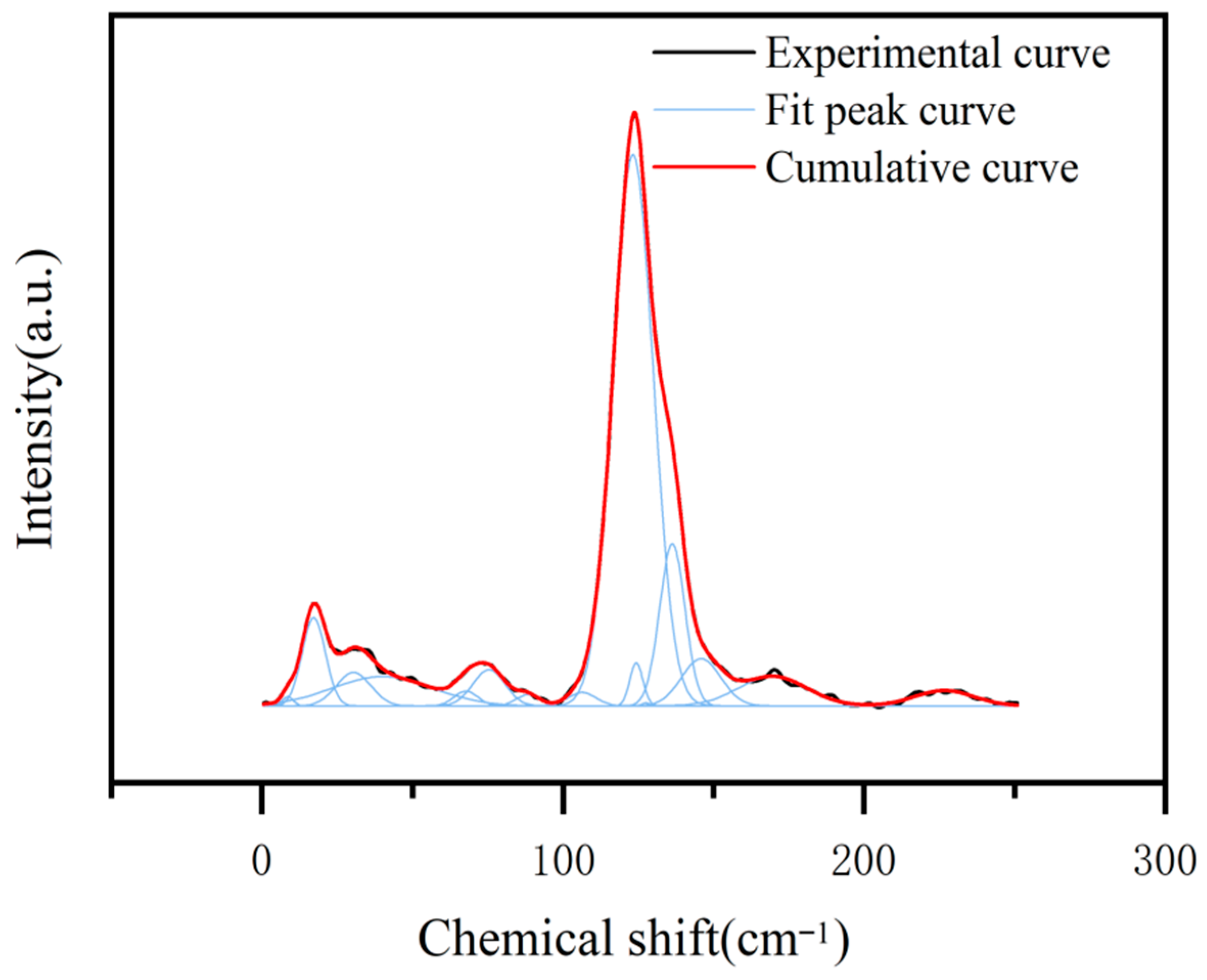
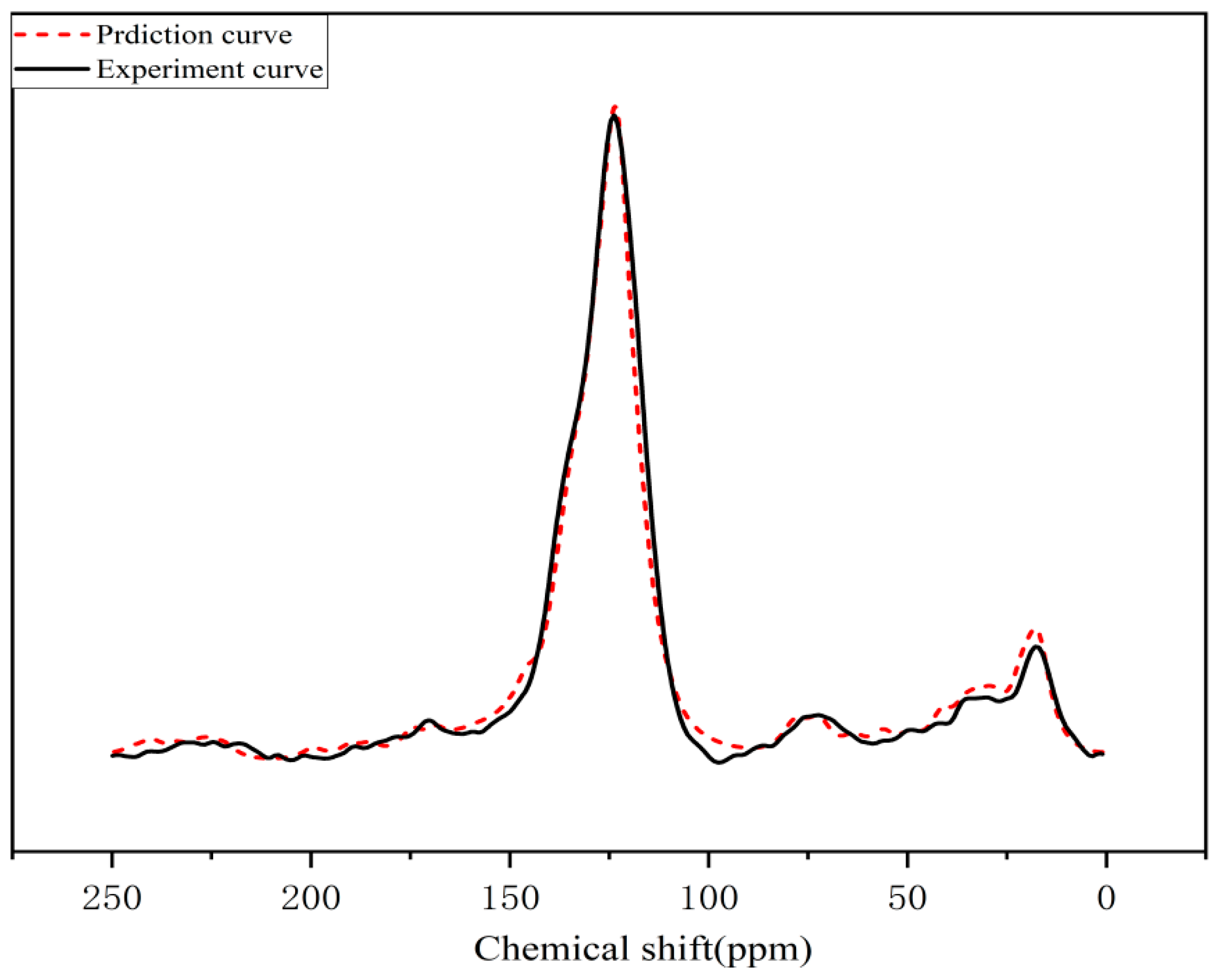
3.2. 13C NMR Results Analysis
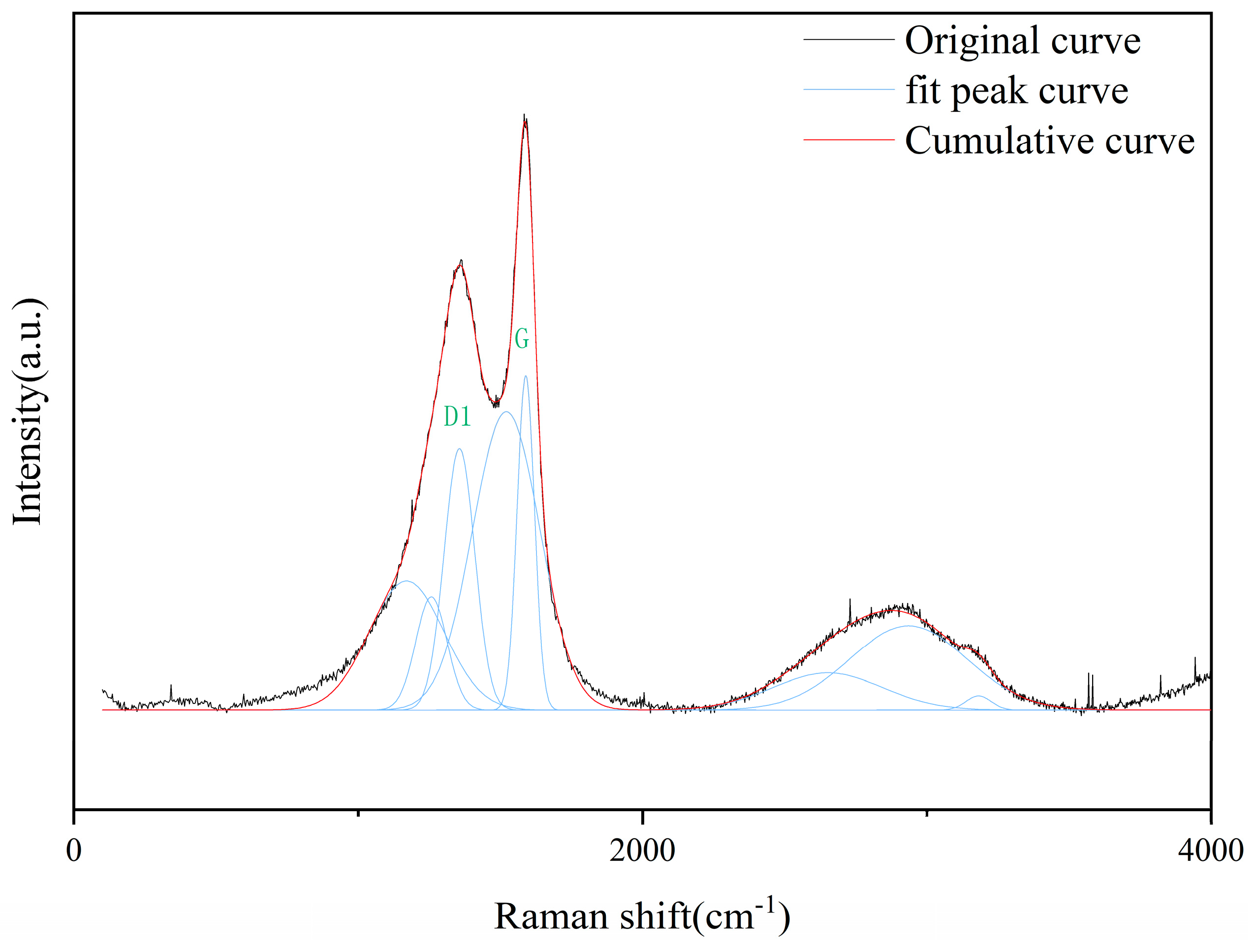
3.3. Raman Spectroscopic Results Analysis
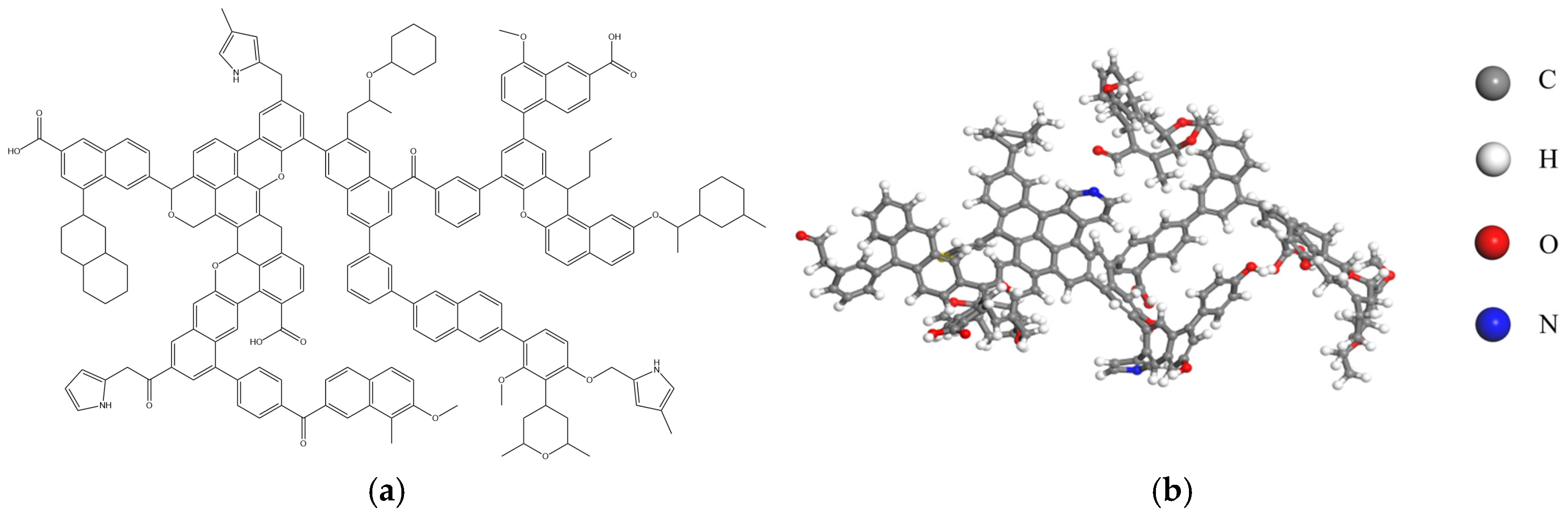
3.4. Molecular Modelling of SG Coking Coal
3.5. DFT Results Analysis
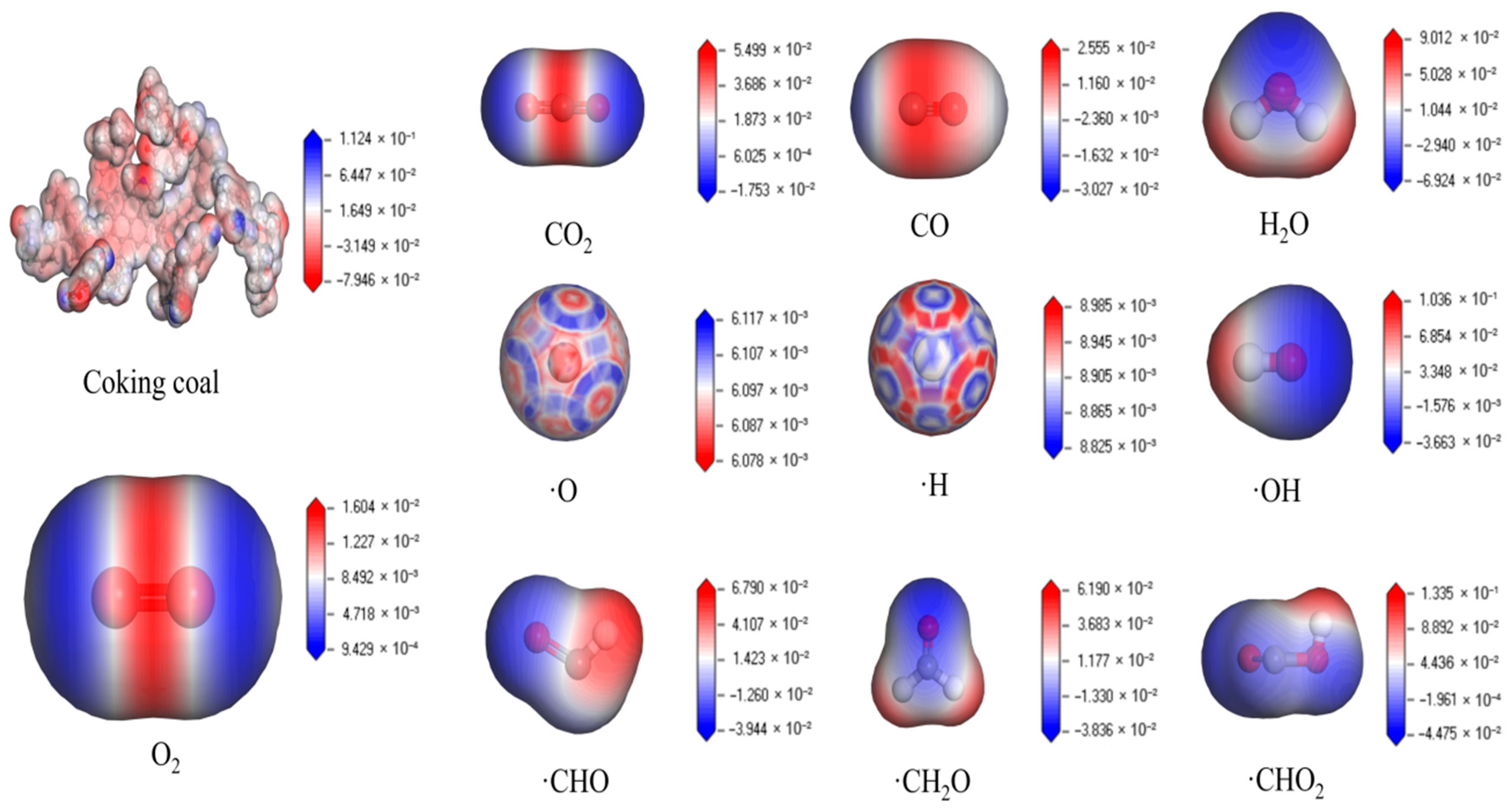
3.5.1. Electrostatic Analysis
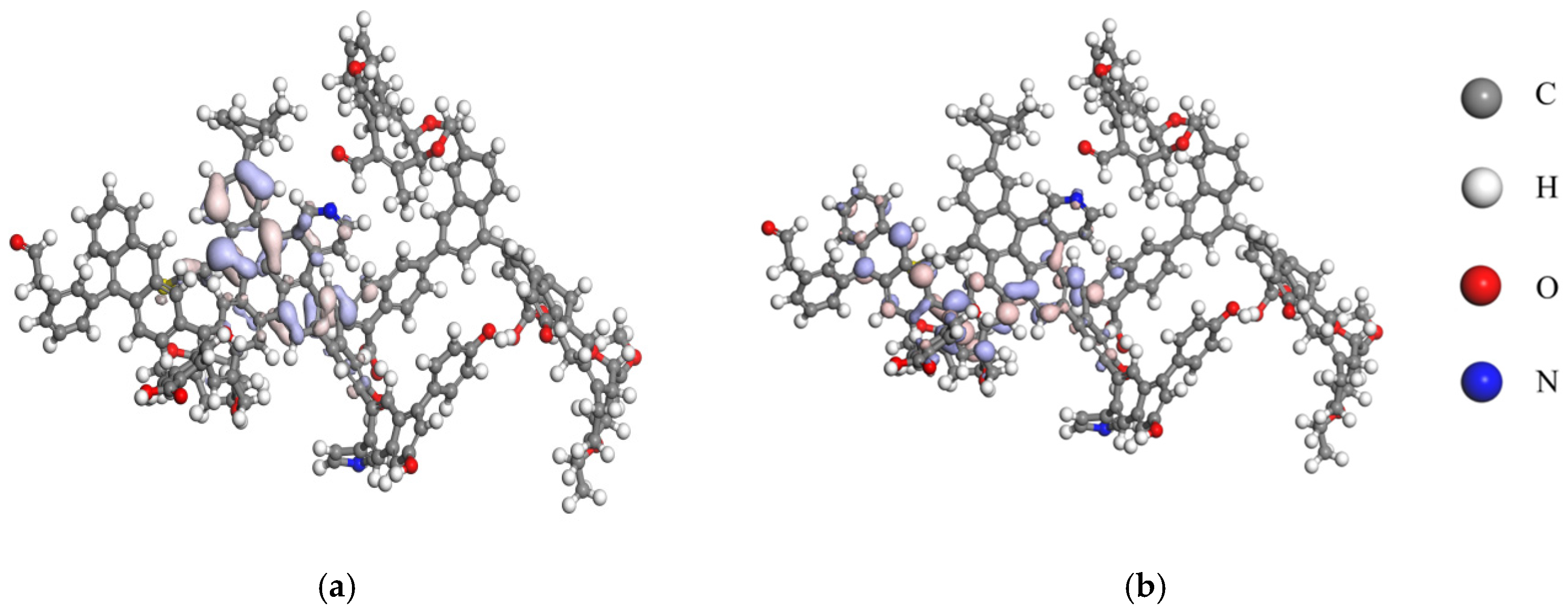
3.5.2. Frontline Molecular Orbital Analysis
4. Conclusions
- (1)
- Integrated XPS, 13C NMR and Raman constraints yield a macromolecular model in which aromatic/aliphatic C–C/C–H dominates the carbon skeleton, oxygen is mainly present as phenolic/etheric C–O with minor carbonyl/carboxyl C=O, nitrogen occurs primarily as pyrrolic and pyridinic N, and sulfur is partitioned between thiophenic and oxidised forms. The aromatic fraction (fa′ ≈ 68%) and bridgehead-to-periphery ratio (XBP = 0.215) indicate moderately condensed, naphthalene-dominant fused-ring domains with relatively few alkyl side chains but a substantial population of accessible edge carbons. The model composition C190H144N2O21S reproduces the experimental ultimate analysis within ±0.5 wt% for all elements, and the model-predicted 13C NMR envelope is in good agreement with the measured spectrum, confirming that the structural and compositional features of SG coal are captured consistently.
- (2)
- ESP–FMO mapping elucidates oxidation hotspots and site-selective reactivity.ESP maps reveal pronounced electron-rich regions around phenolic/etheric C–O groups, carboxyl/carbonyl moieties and thiophenic environments, contrasted by electron-poor belts along H-terminated aromatic edges and aliphatic bridges. FMO analysis shows HOMO density concentrated on fused aromatics and thiophenic units, whereas LUMO density is localised on carbonyl/ether groups and aromatic carbons adjacent to pyridinic N, with a moderate HOMO–LUMO gap indicative of intermediate chemical softness. This spatial separation of HOMO- and LUMO-dominated regions provides an electronic basis for site-selective oxidation: benzylic and edge carbons in HOMO-rich domains are predisposed to H-abstraction and radical initiation, while LUMO-rich oxygenated and N-adjacent sites favour subsequent oxygen addition and charge transfer, ultimately promoting CO2/H2O formation at specific structural motifs rather than uniformly over the macromolecular surface.
- (3)
- Practical implications for controlling coal oxidation and spontaneous combustion.The identified reactive motifs—phenolic/etheric C–O sites, benzylic/edge carbons and heteroatom-substituted aromatic units—are precisely those that dominate the ESP–FMO hotspots and thus represent key levers for industrial control. In practical terms, these insights can inform (i) targeted strategies for managing low-temperature oxidation (e.g., inertisation and ventilation schemes that focus on zones enriched in highly reactive, defect-rich coal), (ii) rational design or selection of chemical inhibitors and additives that preferentially adsorb on, cap or scavenge radicals at phenolic/etheric and benzylic sites, and (iii) more mechanistically grounded risk assessment tools that link coal quality, structural parameters (fa, XBP, ID/IG) and storage conditions to spontaneous-combustion propensity. The macromolecular model and ESP–FMO descriptors thus provide a transferable framework for bridging laboratory characterisation with field-scale safety management.
- (4)
- Limitations and future perspectives.The present work is subject to several limitations. First, the SG model represents a single, “average” macromolecular structure derived from bulk characterisation data; it cannot capture the full structural heterogeneity of real coal particles or the potential catalytic influence of mineral inclusions. Second, the DFT calculations are performed on isolated molecules and fragments in the gas phase, without explicit treatment of condensed-phase packing, transport processes or full kinetic pathways. As a result, the ESP–FMO descriptors used here provide semi-quantitative indicators of relative reactivity rather than explicit rate constants or ignition thresholds. Future work will address these limitations by (i) performing ReaxFF-based molecular dynamics simulations on the SG macromolecular model to follow dynamic oxidation pathways and radical evolution under controlled temperature and atmosphere; (ii) extending the multi-probe-constrained modelling and ESP–FMO analysis to coals of different rank and geological origin to establish more general structure–reactivity correlations; and (iii) applying the same electronic-structure framework to adsorption and catalytic phenomena, including the interaction of inhibitors, inerting gases (O2/CO2/N2) and mineral phases with coal macromolecular “hotspots”. Such efforts will further refine the mechanistic understanding of coal oxidation and spontaneous combustion and support the development of more effective, structure-guided mitigation strategies.
Author Contributions
Funding
Institutional Review Board Statement
Informed Consent Statement
Data Availability Statement
Conflicts of Interest
References
- Wang, H.; Dlugogorski, B.Z.; Kennedy, E.M. Coal oxidation at low temperatures: Oxygen consumption, oxidation products, reaction mechanism and kinetic modelling. Prog. Energy Combust. Sci. 2003, 29, 487–513. [Google Scholar] [CrossRef]
- Uludag, S. A visit to the research on Wits-Ehac index and its relationship to inherent coal properties for Witbank Coalfied. J. South. Afr. Inst. Min. Metall. 2007, 107, 671–679. [Google Scholar]
- Krishnaswamy, S.; Agarwal, P.K.; Gunn, R.D. Low-temperature oxidation of coal. 3. Modelling spontaneous combustion in coal stockpiles. Fuel 1996, 75, 353–362. [Google Scholar] [CrossRef]
- Zhao, J.; Wang, T.; Deng, J.; Shu, C.-M.; Zeng, Q.; Guo, T.; Zhang, Y. Microcharacteristic analysis of CH4 emissions under different conditions during coal spontaneous combustion with high-temperature oxidation and in situ FTIR. Energy 2020, 209, 118494. [Google Scholar] [CrossRef]
- Isa, A.R.; Li, J.; Pan, R.; Ren, Y.; Wang, C.; Fan, X.; Solomon, M.M.; Chen, G.Z.; Yusuf, A.; Zhou, J.L.; et al. A critical review on deactivation dynamics in methane combustion catalysts: Challenges and innovations for palladium-based systems. Catal. Rev. 2025, 1–56. [Google Scholar] [CrossRef]
- Given, P.H. The distribution of hydrogen in coals and its relation to coal structure. Fuel 1960, 39, 147–153. [Google Scholar]
- Shinn, J.H. From coal to single-stage and two-stage products: A reactive model of coal structure. Fuel 1984, 63, 1187–1196. [Google Scholar] [CrossRef]
- Baccile, N.; Falco, C.; Titirici, M.M. Characterization of biomass and its derived char using 13C-solid state nuclear magnetic resonance. Green Chem. 2014, 16, 4839–4869. [Google Scholar] [CrossRef]
- Wilson, D.; Langell, M.A. XPS analysis of oleylamine/oleic acid capped Fe3O4 nanoparticles as a function of temperature. Appl. Surf. Sci. 2014, 303, 6–13. [Google Scholar] [CrossRef]
- Wang, J.; Zhang, S.; Zhou, J.; Liu, R.; Du, R.; Xu, H.; Liu, Z.; Zhang, J.; Liu, Z. Identifying sp–sp2 carbon materials by Raman and infrared spectroscopies. Phys. Chem. Chem. Phys. 2014, 16, 11303–11309. [Google Scholar] [CrossRef]
- Gupta, R. Advanced Coal Characterization: A Review. Energy Fuels 2007, 21, 451–460. [Google Scholar] [CrossRef]
- Chen, G.; Guan, Y.; Liu, J.; Han, X.; Liu, J. Molecular Structural Evolution During Coal Oxidation Based on in Situ FTIR and Raman Spectroscopy. J. Anal. Appl. Pyrolysis 2025, 191, 107209. [Google Scholar] [CrossRef]
- Van Krevelen, D.W. Coal: Typology-Physics-Chemistry-Constitution; Elsevier: Amsterdam, The Netherlands, 1993. [Google Scholar]
- Solum, M.S.; Pugmire, R.J.; Grant, D.M. Carbon-13 solid-state NMR of Argonne-premium coals. Energy Fuels 1989, 3, 187–193. [Google Scholar] [CrossRef]
- Zhang, S.; Zhang, C.; Zhang, M.; Liu, X.; Xue, S. Model construction and optimization of coal molecular structure. J. Mol. Struct. 2023, 1290, 135960. [Google Scholar] [CrossRef]
- Sadezky, A.; Muckenhuber, H.; Grothe, H.; Niessner, R.; Pöschl, U. Raman microspectroscopy of soot and related carbonaceous materials: Spectral analysis and structural information. Carbon 2005, 43, 1731–1742. [Google Scholar] [CrossRef]
- Ferrari, A.C.; Robertson, J. Interpretation of Raman spectra of disordered and amorphous carbon. Phys. Rev. B 2000, 61, 14095. [Google Scholar] [CrossRef]
- Cançado, L.G.; Takai, K.; Enoki, T.; Endo, M.; Kim, Y.A.; Mizusaki, H.; Jorio, A.; Coelho, L.N.; Magalhães-Paniago, R.; Pimenta, M.A. General equation for the determination of the crystallite size La of nanographite by Raman spectroscopy. Appl. Phys. Lett. 2006, 88, 163106. [Google Scholar] [CrossRef]
- Mathews, J.P.; Chaffee, A.L. The molecular representations of coal—A review. Fuel 2012, 96, 1–14. [Google Scholar] [CrossRef]
- Takanohashi, T.; Kawashima, H. Construction of a Model Structure for Upper Freeport Coal Using 13C NMR Chemical Shift Calculations. Energy Fuels 2002, 16, 379–387. [Google Scholar] [CrossRef]
- Mathews, J.P.; Van Duin, A.C.T.; Chaffee, A.L. The utility of coal molecular models. Fuel Process. Technol. 2011, 92, 718–728. [Google Scholar] [CrossRef]
- Jiang, B.; Yu, C.F.; Yuan, L.; Lu, K.; Tao, W.; Lin, H.; Zhou, Y. Investigation on oxidative pyrolysis characteristics of bituminous coal through thermal analysis and density functional theory. Appl. Energy 2023, 349, 121680. [Google Scholar] [CrossRef]
- Li, Y.; Wang, Y.; Liu, Q.; Xiao, B.; Li, H.; Zhang, Y.; Zhang, Y.; Liu, T. Study of Oxidation Reaction Mechanism of Coal Reactive Functional Groups Based on Model Compounds. Combust. Sci. Technol. 2025, 197, 4306–4330. [Google Scholar] [CrossRef]
- Politzer, P.; Murray, J.S. The fundamental nature and role of the electrostatic potential in atoms and molecules. Theor. Chem. Accounts 2002, 108, 134–142. [Google Scholar] [CrossRef]
- Fukui, K. The Role of Frontier Orbitals in Chemical Reactions (Nobel Lecture). Angew. Chem. Int. Ed. Engl. 1982, 21, 801–809. [Google Scholar] [CrossRef]
- Chen, L.; Qi, X.; Tang, J.; Xin, H.; Liang, Z. Reaction pathways and cyclic chain model of free radicals during coal spontaneous combustion. Fuel 2021, 293, 120436. [Google Scholar] [CrossRef]
- Huang, J.; Tan, B.; Gao, L.; Fan, L.; Shao, Z.; Wang, H.; Qi, Q. Study on the evolution characteristics of molecular surface active sites of low-rank coal in low-temperature oxidation stage. Energy 2024, 294, 130850. [Google Scholar] [CrossRef]
- Caetano, N.R.; Lorenzini, G.; Rocha Lhamby, A.; Guillet, V.M.M.; Klunk, M.A.; Rocha, L.A.O. Experimental Assessment of Thermal Radiation Behavior Emitted by Solid Porous Material. Int. J. Heat Technol. 2020, 38, 1–8. [Google Scholar] [CrossRef]
- Hussein, U.A.R.; Altimari, U.S.; Abid, F.M.; Abd, S.; Alieboree, A.M.; Alkaim, A.F. Electronic and Structural Elucidation of ZnO-ZnS–Aniline Nanocomposite Interactions via DFT and Microscopy Techniques. J. Nanostruct. 2025, 15, 1025–1033. [Google Scholar]
- Ha, Y. Sulfur K-Edge Xas and Dft Studies on Metal-Sulfur Covalent Bonds in Bioinorganic Active Sites; Stanford University: Stanford, CA, USA, 2017. [Google Scholar]
- Khajehzadeh, M.; Moghadam, M.; Rahmaniasl, S. Structural, spectroscopic characterization (UV–vis, FT–IR and NMR) and TGA, TEM, FE–SEM, NBO and FMO analysis for (PdII–PNHC) n@ nSiO2. J. Mol. Struct. 2020, 1204, 127526. [Google Scholar] [CrossRef]
- GB/T 482-2008; Sampling of Coal Seams. General Administration of Quality Supervision, Inspection and Quarantine of the People’s Republic of China. Standardization Administration of the People’s Republic of China: Beijing, China, 2008.
- Domazetis, G.; Raoarun, M.; James, B.D.; Liesegang, J.; Pigram, P.J.; Brack, N.; Glaisher, R. Analytical and characterization studies of organic and inorganic species in brown coal. Energy Fuels 2006, 20, 1556–1564. [Google Scholar] [CrossRef]
- Zhang, D.; Li, Y.; Zi, C.; Zhang, Y.; Hu, X.; Tian, G.; Zhao, W. Structural characterization and molecular simulation of Baoqing lignite. ACS Omega 2021, 6, 10281–10287. [Google Scholar] [CrossRef] [PubMed]
- Li, S.; Zhu, Y.; Wang, Y.; Liu, J. The chemical and alignment structural properties of coal: Insights from Raman, solid-state 13C NMR, XRD, and HRTEM techniques. ACS Omega 2021, 6, 11266–11279. [Google Scholar] [CrossRef] [PubMed]
- Kawashima, Y.; Katagiri, G. Fundamentals, overtones, and combinations in the Raman spectrum of graphite. Phys. Rev. B 1995, 52, 10053–10059. [Google Scholar] [CrossRef]
- Fu, S.; Tan, B.; Cheng, G.; Wang, H.; Fang, X.; Li, Z.; Guo, M.; Zan, X. Molecular model construction of Chifeng lignite and analysis of adsorption mechanism of O2 at low temperature. J. Mol. Struct. 2023, 1276, 134613. [Google Scholar] [CrossRef]
- Wu, M.; Yang, H.; Wu, Q.; Yang, Y.; He, Z. Adsorption and competition mechanism of tetracycline and erythromycin on montmorillonite: Experimental and theoretical investigation. J. Mol. Liq. 2023, 370, 121037. [Google Scholar] [CrossRef]
- Hu, J.; Gu, C.; Liu, J. Porous aromatic frameworks with metallized catecholate ligands for CO2 capture from gas mixtures: A molecular simulation study. Fuel 2022, 319, 123768. [Google Scholar] [CrossRef]
- Lin, L.; Feng, Z.; Dong, Z.; Tao, H.; Hu, C. Transition metal disulfide (MoTe2, MoSe2 and MoS2) were modified to improve NO2 gas sensitivity sensing. J. Ind. Eng. Chem. 2023, 118, 533–543. [Google Scholar] [CrossRef]
- Su, X.; Li, N.; Li, L.; Tuerhong, R.; Yu, Y.; Zhang, P.; Su, Q.; Shen, T.; Sun, M.; Ma, X. Structural parameters and molecular model of Shendong subbituminous coal. Chin. J. Chem. Eng. 2024, 76, 124–134. [Google Scholar] [CrossRef]
- Jia, J.; Tian, H.; Jia, P.; Zhao, D.; Wu, Y.; Wang, D.; Xing, Y.; Song, H. Construction of macromolecular model of Shenmu lignite and study of its high-temperature combustion mechanism using ReaxFF MD simulation. Fuel 2025, 395, 135215. [Google Scholar] [CrossRef]



| Coal Sample | Industrial Analysis (%) | Elemental Analysis (%) | ||||||
|---|---|---|---|---|---|---|---|---|
| Moisture Determination (Mad) | Ash Determination (Aad) | Volatile Fraction Determination (Vad) | C | H | O | N | S | |
| SG | 0.51 | 8.93 | 17.30 | 81.26 | 5.10 | 11.37 | 1.30 | 0.97 |
| Structure | Binding Energy/eV | Relative Content/% | |
|---|---|---|---|
| C1s | C-C | 284.74 | 75.24 |
| C-H | 285.49 | 9.09 | |
| C-O | 286.03 | 15.67 | |
| O1s | C=O | 532.15 | 10.03 |
| C-O | 533.16 | 65.46 | |
| O=C-O | 534.18 | 24.51 | |
| N1s | N-6 | 398.44 | 41.79 |
| N-5 | 400.42 | 44.81 | |
| N-X | 404.38 | 13.40 | |
| S2p | thiophene | 164.22 | 45.80 |
| sulfoxide | 165.40 | 22.82 | |
| inorganic sulfur | 169.14 | 31.38 | |
| Peak Number | Chemical Shift /cm−1 | FWHM | Area /cm−2 | Relative Content/% | Functional Group |
|---|---|---|---|---|---|
| 1 | 11.76 | 8.24 | 10,964.83 | 1.99 | R-CH3 |
| 2 | 17.91 | 7.52 | 29,709.24 | 5.40 | Ar-CH3 |
| 3 | 27.02 | 11.53 | 26,667.91 | 4.85 | CH2-CH3 |
| 4 | 35.41 | 10.79 | 19,855.21 | 3.61 | CH2 |
| 5 | 46.47 | 16.39 | 18,875.83 | 3.43 | C, CH |
| 6 | 72.58 | 14.87 | 22,909.27 | 4.16 | O-CH |
| 7 | 114.25 | 17.33 | 23,159.66 | 4.21 | Ar-H |
| 8 | 114.25 | 7.76 | 6493.55 | 1.18 | Ar-H |
| 9 | 123.69 | 14.40 | 252,557.16 | 42.89 | Ar-H |
| 10 | 133.22 | 5.18 | 10,738.75 | 1.95 | Ar-H |
| 11 | 136.97 | 7.59 | 44,249.43 | 11.54 | Bridgehead C |
| 12 | 142.05 | 10.13 | 24,405.63 | 4.43 | Ar-C |
| 13 | 151.50 | 12.88 | 12,435.28 | 2.26 | Ar-O |
| 14 | 171.07 | 27.05 | 33,289.76 | 6.04 | COOH |
| 15 | 226.98 | 21.97 | 14,099.85 | 2.56 | C=O |
| fal* | falH | falO | faH | faB | faS | faP | faN | faC | fal | fa | fa′ |
|---|---|---|---|---|---|---|---|---|---|---|---|
| 7.39 | 11.89 | 4.16 | 49.23 | 12.04 | 4.43 | 2.26 | 18.73 | 8.60 | 23.88 | 76.56 | 67.96 |
| Raman Type | Peak Type | Peak Position | Area | FWHM | Intensity | Relative Content/% |
|---|---|---|---|---|---|---|
| First order mode | D4 | 1180.62 | 26,280.26 | 299.50 | 82.43 | 15.53 |
| D3 | 1247.62 | 8143.75 | 146.56 | 52.20 | 4.81 | |
| D1 | 1355.82 | 30,120.58 | 158.50 | 184.34 | 17.80 | |
| D2 | 1533.41 | 44,258.48 | 279.98 | 148.50 | 26.15 | |
| G | 1589.83 | 20,811.86 | 86.72 | 220.37 | 12.30 | |
| Second order mode | 2D1 | 2689.45 | 11,696.96 | 473.02 | 23.23 | 6.91 |
| D1 + G | 2932.25 | 26,999.28 | 505.08 | 50.22 | 15.96 | |
| 2G | 3189.41 | 910.67 | 106.32 | 8.82 | 0.54 |
| Forms of Existence | Benzene | Naphthalene | Anthracene | N-6 | N-5 | Thiophene Sulfur |
|---|---|---|---|---|---|---|
| Number | 3 | 7 | 2 | 1 | 1 | 1 |
Disclaimer/Publisher’s Note: The statements, opinions and data contained in all publications are solely those of the individual author(s) and contributor(s) and not of MDPI and/or the editor(s). MDPI and/or the editor(s) disclaim responsibility for any injury to people or property resulting from any ideas, methods, instructions or products referred to in the content. |
© 2025 by the authors. Licensee MDPI, Basel, Switzerland. This article is an open access article distributed under the terms and conditions of the Creative Commons Attribution (CC BY) license (https://creativecommons.org/licenses/by/4.0/).
Share and Cite
Gao, X.; Du, L.; Jia, J.; Tian, H.; Huang, X. Raman-Validated Macromolecular Model of SG Coking Coal: ESP–FMO Mapping Unravels Site-Selective Oxidation in Combustion. Appl. Sci. 2025, 15, 12540. https://doi.org/10.3390/app152312540
Gao X, Du L, Jia J, Tian H, Huang X. Raman-Validated Macromolecular Model of SG Coking Coal: ESP–FMO Mapping Unravels Site-Selective Oxidation in Combustion. Applied Sciences. 2025; 15(23):12540. https://doi.org/10.3390/app152312540
Chicago/Turabian StyleGao, Xiaoxu, Lu Du, Jinzhang Jia, Hao Tian, and Xiaoqi Huang. 2025. "Raman-Validated Macromolecular Model of SG Coking Coal: ESP–FMO Mapping Unravels Site-Selective Oxidation in Combustion" Applied Sciences 15, no. 23: 12540. https://doi.org/10.3390/app152312540
APA StyleGao, X., Du, L., Jia, J., Tian, H., & Huang, X. (2025). Raman-Validated Macromolecular Model of SG Coking Coal: ESP–FMO Mapping Unravels Site-Selective Oxidation in Combustion. Applied Sciences, 15(23), 12540. https://doi.org/10.3390/app152312540