Article

PDCA-Based Methodology for the Evaluation of Energy Efficiency in the Industrial Sector

by
Luis Vargas-Gurrola
1,2,
Quetzalli Aguilar-Virgen
1,*,
Silvia Balderas-López
1,2 and
Paul Taboada-González
1,*
1
Facultad de Ciencias Químicas e Ingeniería, Universidad Autónoma de Baja California, Tijuana 22424, Mexico
2
Tecnología Ambiental y Energías Renovables, Tecnología Ambiental, Posgrado e Investigación, Universidad Tecnológica de Tijuana, Tijuana 22253, Mexico
*
Authors to whom correspondence should be addressed.
Appl. Sci. 2025, 15(23), 12530; https://doi.org/10.3390/app152312530
Submission received: 11 November 2025 / Revised: 22 November 2025 / Accepted: 24 November 2025 / Published: 26 November 2025

Abstract

Reducing energy consumption and improving energy efficiency are essential objectives in the productive sector to ensure economic growth and reduce emissions. However, some energy management models do not include tools such as the balanced scorecard (BSC) and energy-based key performance indicators (KPIs). These tools help organisations make decisions and support continuous improvement actions. To address this gap, this study developed a methodology to facilitate the implementation of an Energy Management System. Specifically, this system evaluates the energy performance of processes within the abrasives industry, using KPIs based on energy efficiency. The proposed model, based on the Deming Cycle (PDCA, Plan-Do-Check-Act), consists of three stages: first, profiling and planning; second, implementation and maintenance; and third, surveillance. To support these stages, the main KPIs of energy typology were determined using AHP. Following this, the KPIs were prioritised based on energy efficiency. The results indicate that the company’s highest priority is meeting international goals, followed by reducing production costs and avoiding energy-related penalties. The energy baseline developed through regression analysis yielded a coefficient of 0.7794 and a specific consumption of 0.0345 kWh per manufactured piece for electricity alone, which increases by 107.25% when all energy sources used in the process are included. Within this context, the key indicators for monitoring energy efficiency strategies were established, demonstrating that model-assisted energy management not only supports the identification of improvement opportunities and internal control of production parameters but also provides a robust framework for evaluating, measuring, reporting, and improving energy efficiency targets.

1. Introduction

The competitiveness of companies is closely related to the proper administration and operational management of their processes, with a focus on cost control and the rationalisation of operations [1]. In addition to the foregoing, many industries face challenges in energy supply, natural resource utilisation, and environmental pressures, including carbon footprints, energy use, materials, and land use [2]. In this sense, energy efficiency in industries must be an important objective to ensure economic growth while saving energy and reducing emissions [3]. In recent years, energy savings have become important due to the economic and environmental benefits achieved through process improvements and, occasionally, through non-investment actions.
Some companies, as part of their environmental policies and commitments, set goals to reduce energy consumption. However, due to various factors (lack of indicators, a methodology that does not adapt to the production method, among others), the stated objective is not achieved. Despite its benefits, energy efficiency can encounter barriers in various areas, including behavioural, financial, economic, political, regulatory, awareness, information, and organisational [4]. Human behaviour is among the main barriers to the rational use of energy [5]. Therefore, it would not be surprising if a company’s personnel, under heavy workloads due to pressure from corporate competitiveness and profitability, disapprove of implementing complex energy management models. Their desire would be to adopt a methodology whose process is lean, rather than the application of a standard or norm. This aspect has already been documented by Narciso and Martins [6], who indicated that industrial priorities are generally set toward more immediate objectives, and that energy efficiency is not among the most important priorities established by companies.
In the energy management field, models used to optimise the use and management of energy resources can be classified into three approaches: economic, technical, and environmental. Each one presents specific characteristics that address different perspectives, needs, and objectives of organisations. For this reason, they employ differentiated tools for decision-making. For this reason, it is to be expected that it is not possible to address the complexity of the energy environment from multiple angles with a single model. The development and integration of new models are necessary to achieve effective energy management.
There are methods, standards, and guides for measuring energy efficiency; however, there is a generalised lack of awareness, knowledge, and experience in the industry for implementing these initiatives [6,7,8]. Selecting the appropriate tool can be difficult, as energy efficiency can be approached from different perspectives, such as energy conservation practices for cost reduction, the implementation of more efficient technologies, carbon emission reduction, and the promotion of sustainable habits among end-users. From a methodological perspective, there are guides for energy management [9,10,11], but they assume continuous production, which is not the case for all companies. In some cases, production is carried out in batches, so work is in progress, and it is difficult to precisely establish the relationship between the quantities produced and the energy used. May et al. [9] propose a seven-step methodology that emphasises the implementation of key performance indicators (KPIs) by examining time and performance. When production processes are not continuous flow or in-line, the application of this methodology is complex. Serna-Machado [1] presents Business Energy Management, a three-stage methodology that applies basic concepts of statistics and mathematics to the understanding of energy consumption in a machine, production line, or general process. For optimisation, the units produced in each process must be measured, which can be complicated in non-continuous processes. Schmidt [10] proposes a battery of indicators for energy, environmental, and cost aspects, which can be implemented across different scenarios. Depending on the level of on-site information, different indicators can be generated, though choosing the priority indicators is difficult due to the number of calculations and records required. Lawrence [11] proposes the use of energy indicators through the calculation of KPIs for specific energy consumption (SEC) but does not include macro-indicators that describe the overall plant efficiency in economic and environmental terms. Rosas-Moya [12] proposes a methodology based on measuring electrical parameters in the field and replacing equipment through an economic evaluation. The international standards ISO 50001, “Energy Management Systems,” and ISO 50002, “Energy Audits,” provide a framework of requirements based on the PDCA cycle to increase energy efficiency in companies. ISO 50001 requires two concrete measures: an energy baseline and a comparison of actual performance against it. Among the disadvantages of its application, one can mention the lack of clarity when more than one product is produced simultaneously and erroneous results when the same product is obtained under different operating conditions [13]. The standard for process energy audits, EN 16247-3:2014, provides a general framework for energy performance monitoring but does not provide guidance on developing energy KPIs for specific industries [14].
For an energy management model to be effective, it must consider the sector’s level of development where it will be applied [15]. Each company must select and apply the techniques that best fit the quantity and quality of the energy information it has, considering data-driven decision-making, informed, measurable adjustments, and flexibility to evolve and maintain effectiveness.
Continuous improvement is essential for any management model because it guarantees its adaptability and relevance in dynamic environments. Technological, political, and economic changes make it essential to constantly update the needs or demands of the governmental and productive sectors. In this sense, a model that does not account for changes can render its operation obsolete, leading to loss of competitiveness and utility. Therefore, integrating continuous improvement into the model ensures that organisational objectives and environmental demands remain aligned.
One of the most widely used tools in continuous improvement is the PDCA (Deming) cycle. It is a simple yet powerful methodology for achieving continuous process improvement. By applying this cycle systematically, improvements are obtained in the processes that lead to achieving objectives in a more efficient and effective way. The PDCA cycle can be applied to the implementation of environmental management programmes because this tool is recognised as a method for developing improvements in organisational processes and as an ongoing quest for the best methods to improve products and processes [16]. However, effectively applying the PDCA cycle to energy efficiency evaluation may require additional tools, such as balanced scorecards (BSCs) and key performance indicators (KPIs). The first deals with multiple aspects of performance, while the second focuses on individual metrics for specific areas and is part of the energy BSC, marking the performance of the strategic direction and aiming to apply continuous improvement or projects and initiatives to achieve the goals and objectives [17].
The integration of KPIs into a production process helps optimise resources and align business efforts without excessively increasing individual workloads. Every department within the company generates data or information, which is systematised and tracked at different levels of the hierarchical range. This systematised information can be leveraged to generate KPIs and facilitate the monitoring of metrics to evaluate actual compliance with the proposed goals. Moreover, authors [14] note that there is an industrial need for energy KPIs at the process level to measure energy efficiency and support decision-making. Therefore, KPIs enable well-founded decisions that contribute to achieving strategic business objectives and lead to an outcomes-oriented organisational culture.
Therefore, the need was identified to develop a methodology based on the PDCA cycle and KPIs to manage energy efficiency in a batch production process. To demonstrate the potential of this methodology, the results of a pilot study at an abrasive product manufacturing company are presented as a case study.

2. Materials and Methods

2.1. Case Study

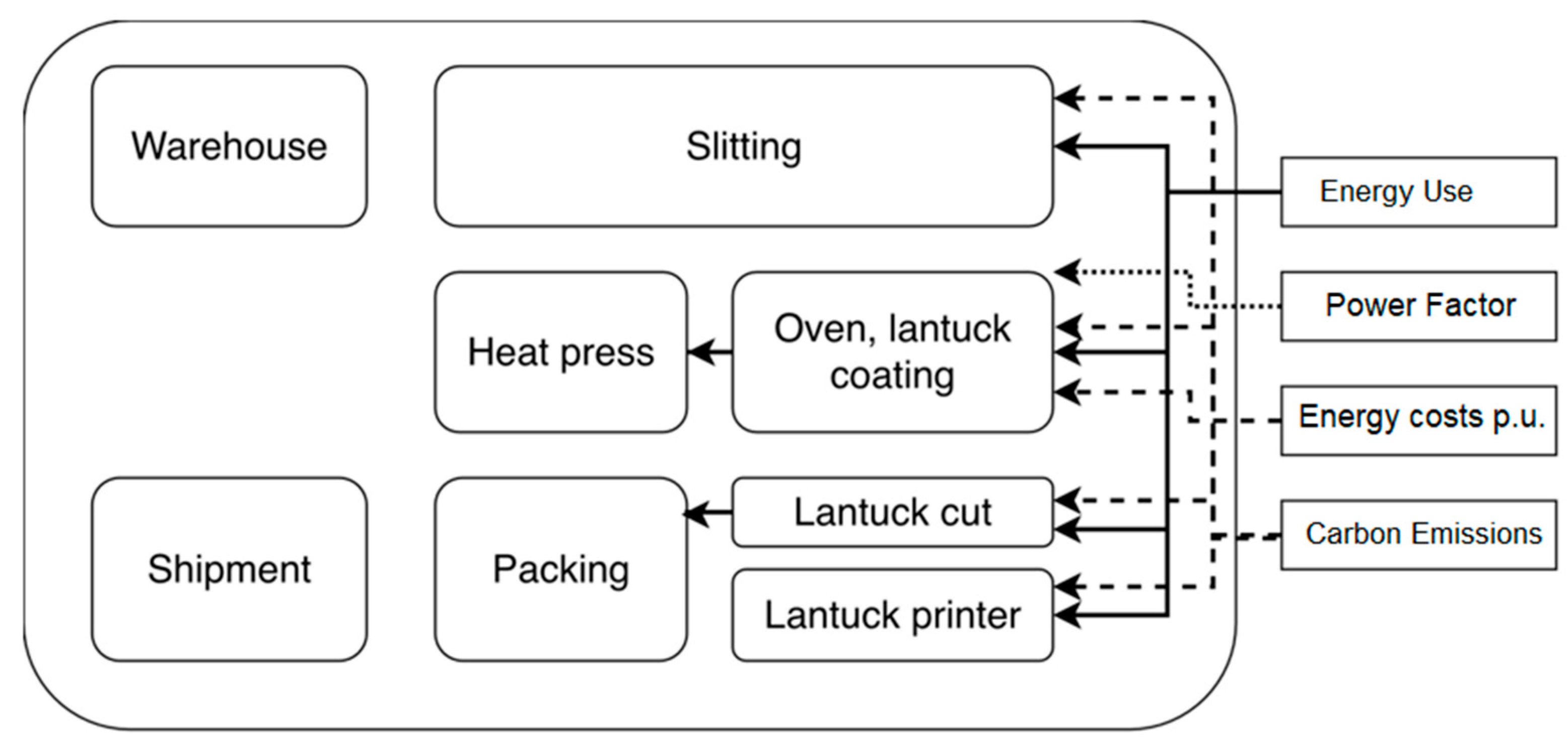
The company that will undergo the following study has an industrial building with approximately 10,124 m2 of surface area. It has a qualified energy supply under an hourly tariff greater than 2MW, and its total annual consumption is approximately 2,553,189 kWh. The company’s abrasives are handled on two independent lines. Both processes differ in the use of automated technologies and conventional electromechanical machinery. The processes involved in abrasive manufacturing use different types of energy sources, with significant use at different stages. Production is planned in advance and is adjusted as each week of the year progresses. Inputs and raw materials are available to meet production. There are sub-processes within the same line that do not require material demand, such as cutting, sanding, painting, and printing sub-processes, as well as their polyester fleece coating (see Figure 1).

2.2. Methodological Proposal for Energy Assessment

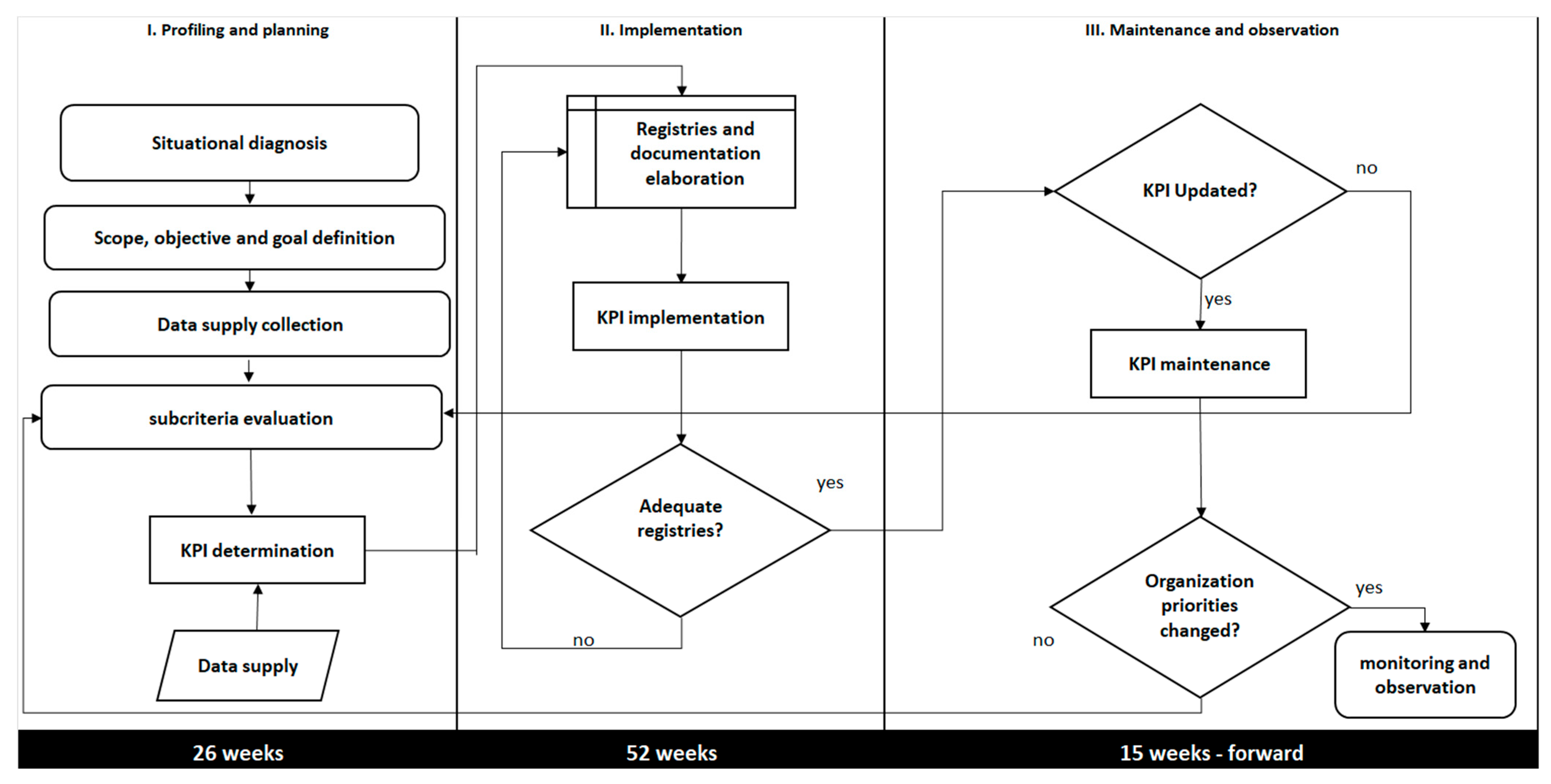
Drawing on the literature on energy efficiency measurement issues [9,10,11] and on the selection of criteria and performance indicators, this work proposes the M2KPIEn methodology (Measurement Methodology with Energy-based KPI). This methodology has three main stages (see Figure 2). The first stage analyses the planning and documentation process. In the second stage, indicators are implemented and evaluated. The final stage analyses the indicators and their validity.
Measuring the energy efficiency of a process using KPIs that reflect environmental, energy, productivity, and policy factors is challenging. Including both qualitative and quantitative variables must be systematised to meet objectives [18]. To address this, the M2KPIEn applies the analytical hierarchy process (AHP) to solve multi-variable problems. This tool has proven effective for energy-related issues, as noted by Taylan [19], Liang et al. [20], and Algarín et al. [21].
KPIs are part of the BSC and measure the performance against the strategic direction, aiming to support continuous improvement, as well as projects and initiatives [17]. The indicators must be based on measurable variables within the process and set for a determined time or production cycle [22]. When the organisation’s strategic objectives are updated, the strategic map and BSC are updated as well. As a result, KPIs are adjusted in line with company policies and changes to facilities, production lines, and machinery. These factors influence energy use and efficiency. Given the importance of the update process, the M2KPIEn includes a mechanism to re-evaluate the KPIs.
Energy performance measurement is obtained once organisations have implemented management systems [23] and are carrying out continuous improvement in the process [10]. In this step, energy audits of processes or significant SEUs (Significant Energy Uses) are essential, as they will enable verification of achievement against the goals and objectives set. Observing compliance enables the identification of whether a restructuring of the planning framework is required to integrate any other indicator or goal. Therefore, the M2KPIEn includes a maintenance and surveillance phase for the main indicators. Changes in strategy that shift priorities and require an operational review must be considered. If necessary, the hierarchies are constructed again, and new indicators are proposed. In this stage, it is crucial to reflect on changes within the organisation—both in policies and production—to develop a current, realistic, and more effective plan.

2.3. Implementation of the Proposed Model

Pilot studies are almost always worth the time and effort and should be conducted if any aspect of your design needs clarification [24]. This type of study, conducted in smaller environments, allows for the identification of potential flaws, parameter adjustments, and validation of the model’s effectiveness, providing insight into how it will perform in real-life production environments. This reduces the risk of operational errors and increases the likelihood of successful implementation, maximising long-term efficiency and effectiveness. For this reason, the M2KPIEn model was implemented through a 52-week pilot study in an abrasives manufacturing plant.

2.3.1. Stage I: Profiling and Planning

This stage consists of five steps: Situational diagnosis. Scope, objective, and goal definition. Collection of information and inputs. Sub-criteria evaluation. Determination of KPIs. In the first step, staff awareness was raised, and the work team was integrated. The project coordinator conducted initial interviews with those involved in energy efficiency measurement, using an interview guide to assess the implementation of policies, programmes, and actions related to the topic within the organisation. Once the interviews were concluded, the scope of the energy efficiency measurement could be defined. This would be carried out for electricity consumption and within the non-automated abrasive production processes. The project coordinator organised the work team to identify their functions and define the project leader’s responsibilities. The project leader was responsible for creating the base documentation and identifying the basic elements along 3 axes (political and strategic, technical and technological, and manufacturing processes), in accordance with the approach proposed by May et al. [25]. These documents constituted the situational diagnosis of energy efficiency in the organisation, from which the measurement strategy started.
Improving any process requires knowledge; therefore, an ASHRAE Level 1 Energy Assessment was carried out to provide an initial assessment of energy consumption [12]. The collected information included the inventory of electrical installations, the inventory of machinery with its nameplate data, the inventory of significant energy uses, annual behaviour of utility electrical bills, and annual production consumption data. The products from the Level 1 Energy Audit included single-line diagrams, load censuses, consumption histories, and production reports. The areas with the highest energy intensity were identified, and an ASHRAE Level 2 Energy Assessment was conducted to evaluate energy efficiency in equipment and areas with intensive energy consumption. The consumption pattern was characterised through sampling and energy measurements on machines, specific equipment, or panels. As a result of the study, the main energy indicators, areas of opportunity, and consumption patterns were identified.
In Step Two, Scope Definition, the work team defined the scope and objectives for measuring energy efficiency. This definition used measurement-scope dimensions for KPIs cited in prior studies on plant-wide energy-efficiency measurement [26]. The dimensions include a complete production line, a group of machines, or a specific product. Top management set the goal of evaluating the energy performance of one of the most representative production lines over a 1-year period to assess consumption reduction. Based on the gathered information, the project leader determined a global annual energy consumption indicator. Pareto charts were then prepared to identify the areas or processes with the highest energy intensity, which facilitated the continuation of the measurement process.
In the third step, collection of information and inputs, tours were conducted to gather information for an energy census (see Table 1) to identify the main loads and the significant energy uses of each piece of equipment. An area of opportunity has been identified as residing not only in data acquisition [9,10,11,17,23] but also in integrating energy efficiency measurement into the organisation’s overall strategy. To address this, flow charts were developed for the production process under evaluation, and the principal energy uses within it were identified. The relevant departments (Environmental/Health and Safety, Facilities Maintenance, or Administration) were asked to provide energy supplier invoices (electricity, gas, or other) for a minimum of 3 years. Pertinent equipment data was collected, including voltage, amperage, power (HP or kW), and the daily operating hours. Once the study area (PL1) was selected, energy consumption was measured at five main electrical panels that supply various loads (motors, lighting, compressors, among others). To measure electrical consumption at each selected load point, a Fluke 435 Power Quality Analyser was installed. This device was configured to integrate data hourly over a seven-day period, covering a complete week. This process was repeated at each selected panel during two distinct periods: the first, designated the baseline, and the second, designated the closure period. Once the necessary information was collected, an analysis of energy states was performed, as proposed by May [9].
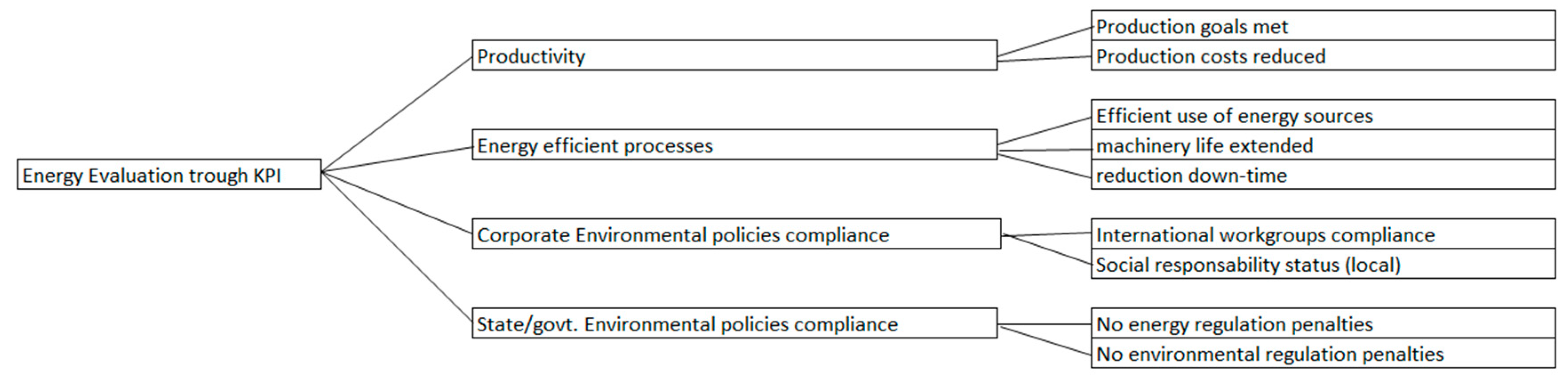
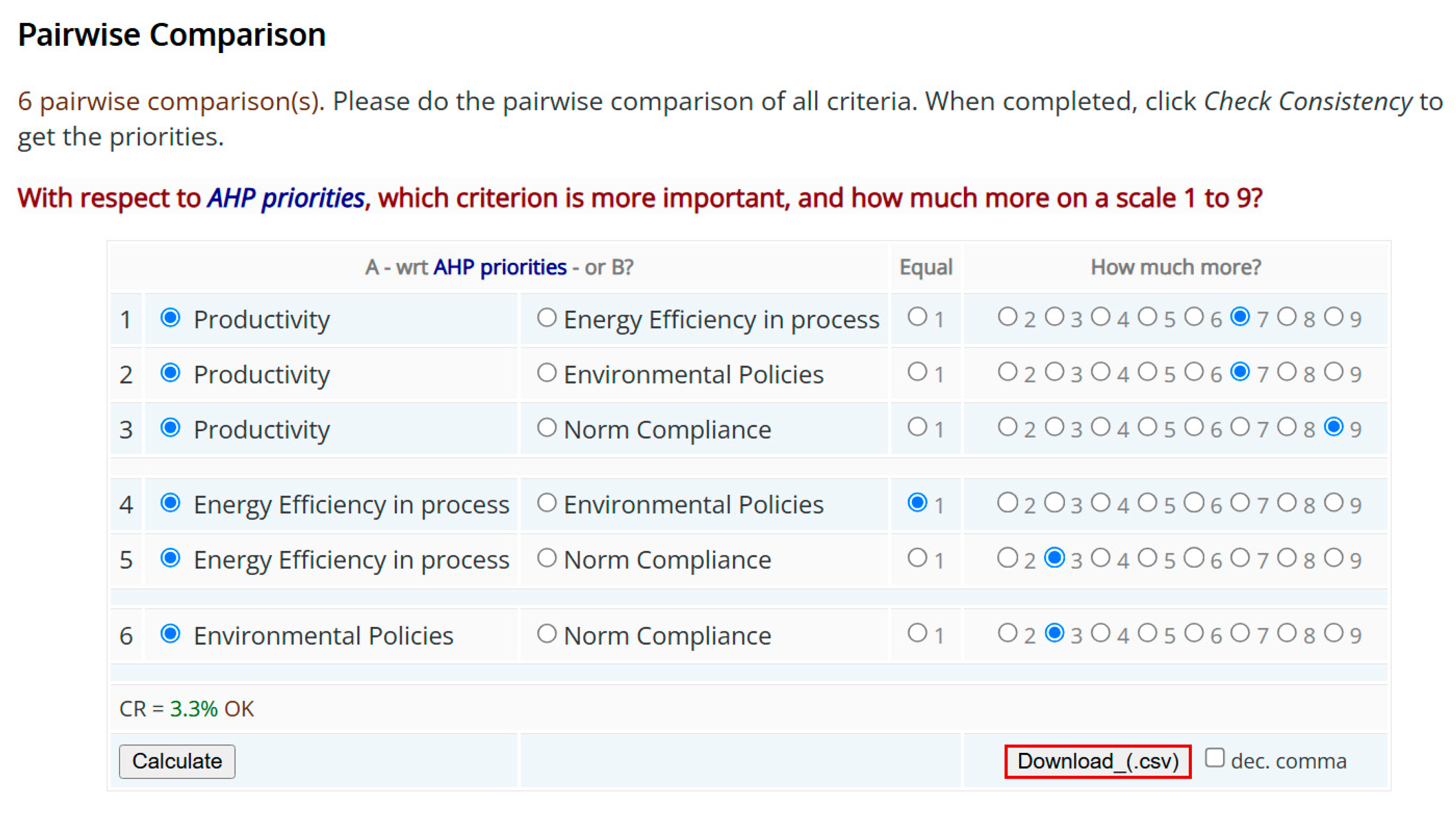
In the fourth step—sub-criteria evaluation—the organisation’s priorities were defined using four axes: (a) compliance with corporate environmental policies; (b) regulatory compliance; (c) energy efficiency in processes; and (d) productivity. The AHP is incorporated at this stage. The team began with a brainstorming session to construct hierarchies and identify key aspects. The project leader developed a paired-terms interview guide using the four axes to collect information for AHP prioritisation. Specialised software facilitated the weighting process. In this study, the AHP online System (AHP-OS) [27], a free tool, supported decision-making. The working team’s hierarchical network (see Figure 3) was entered into the software, followed by pairwise comparisons (see Figure 4). Once the criteria and sub-criteria were defined, the AHP-OS hierarchy was built, and weighting began. Each sub-criterion was weighted according to personnel experience, equipment characteristics, and relevant information. For example, if a client’s product request results in increased consumption, the company’s policy is to fulfil the request regardless of cost, prioritising productivity over energy efficiency. This rationale guided all pairwise comparisons. Table 2 shows the verbal numerical scale used for weighting. For this study, involved personnel were from two areas central to energy efficiency: the Environmental, Health and Safety Department and the Maintenance Department. Three technicians, one engineer, and two managers completed a questionnaire to prioritise within the hierarchical network using a nine-point scale (see Table 2).
Once the weights were obtained for each criterion, the consistency index was calculated to verify the coherence of the judgments. If the consistency ratio is less than or equal to 0.1, the calculation result is considered acceptable. However, if the value exceeds 10%, the assessment of judgement data must be improved [29,30]. Upon concluding this process, the main hierarchical values of the decision network were obtained. These values were used to determine the KPIs to be utilised for measuring energy efficiency, based on the review of indicators in the energy efficiency KPI matrix.
The last step of this stage, KPI determination, was used to define the indicators for measurement and to build the energy efficiency dashboard. The indicators that obtained the highest weights in the AHP were used. The KPIs are formulated based on measurable variables within the process (see Table 3) and are established within a determined time or production cycle [22]. In this study, the KPIs were estimated at weekly values. The selected indicators were integrated into an energy-based BSC.

2.3.2. Stage II: Implementation

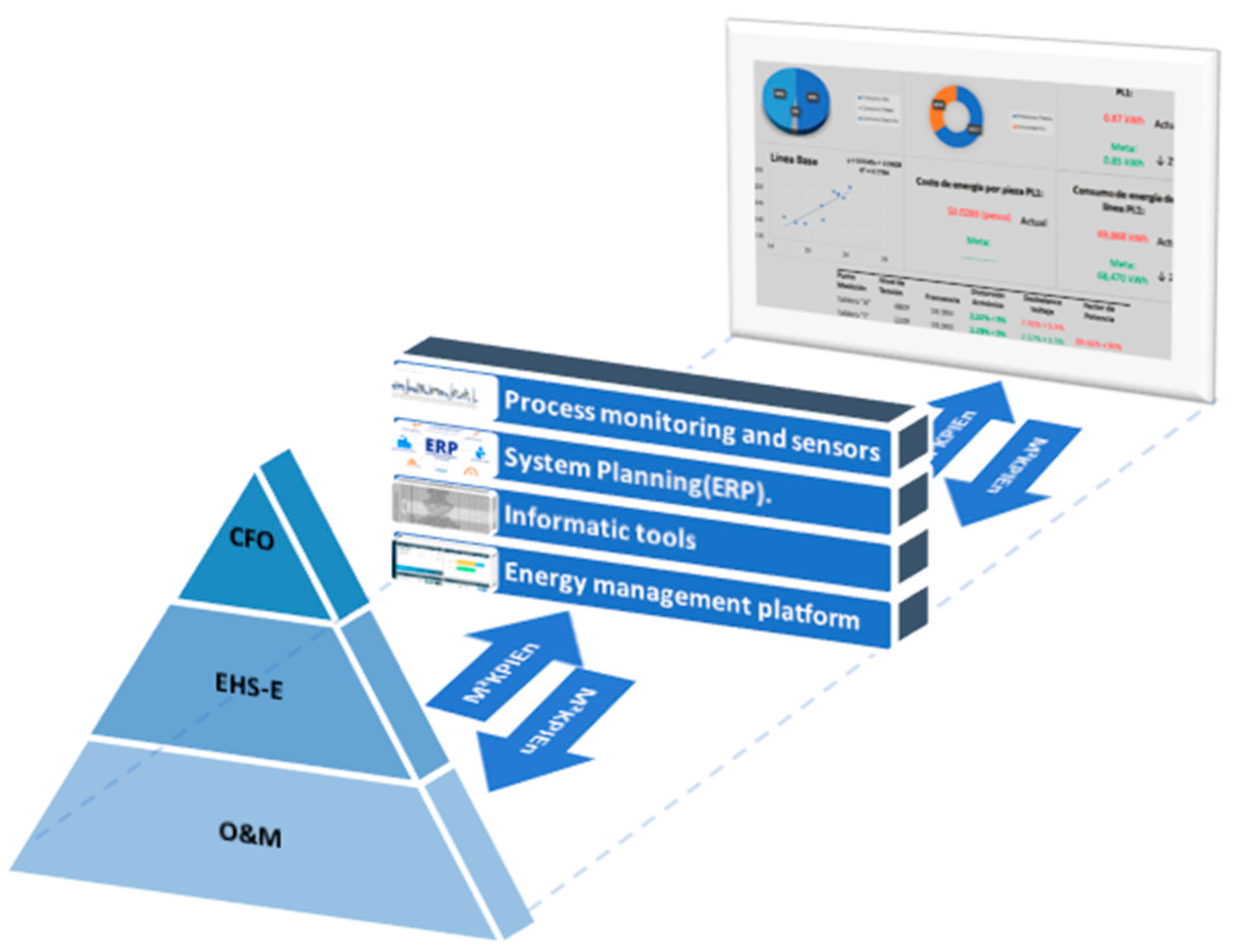
The implementation stage consisted of collecting and integrating information, technologies, and goals to measure the organisation’s energy performance using the selected KPIs. Electrical energy consumption reviews were conducted at the load centres within the scope of the measurement during complete weekly production cycles. It has been indicated [9] that it is important to implement process variable monitoring systems through an online network of field sensors. A Fluke 435 Power Quality Analyser was installed at five selected load centres, and the readings were analysed to assess power quality. The project leader documented the results in Excel spreadsheets as production and consumption reports. Data was extracted from the network analysis equipment for each load centre, and a daily production column was associated with each load centre. Operations were then performed to integrate data on energy, voltage variation, and other indicators necessary to construct the KPIs selected in the first stage. A dashboard associated with the energy efficiency measurement process was developed.
A BSC associated with the energy efficiency measurement process was developed. Simultaneously, it was determined that the generated records are adequate and current, in accordance with the proposed goals and objectives, enabling the company to come closer to the proposed targets. This is in terms of having completed production and evaluation cycles, as well as the validity of continuous improvement projects

2.3.3. Stage III: Maintenance and Observation

This stage is intended to monitor indicators and to conduct surveillance of organisational policies and priorities. Due to implementation timelines, there were no changes to the organisation’s policies and priorities. Therefore, only records were maintained, consisting of weekly reviews to identify missing information or data (see Figure 5).

3. Results and Discussion

It is important to have a reference point from which to begin the initial comparison of the measurement. As well as establishing goals and objectives. Production planning in economic, energy, and environmental terms should be an integral strategy that industries with high carbon footprints should adopt.
In the situational diagnosis stage, it was identified that the company lacked initial procedures, measurements, and an energy audit. A more detailed analysis identified that energy management is carried out simultaneously by two departments: Environmental, Safety, and Hygiene and the facilities maintenance department. It has been indicated [31] that if there are two people responsible for the same activity, there is a risk of creating ambiguous situations that make it difficult to determine responsibilities, affect efficiency, and clarity in decision-making. In this case, both departments expected the other to act during the documentation process, which led to confusion and operational deficiencies. Therefore, establishing a single person responsible for energy management was identified as an opportunity to prioritise its implementation.
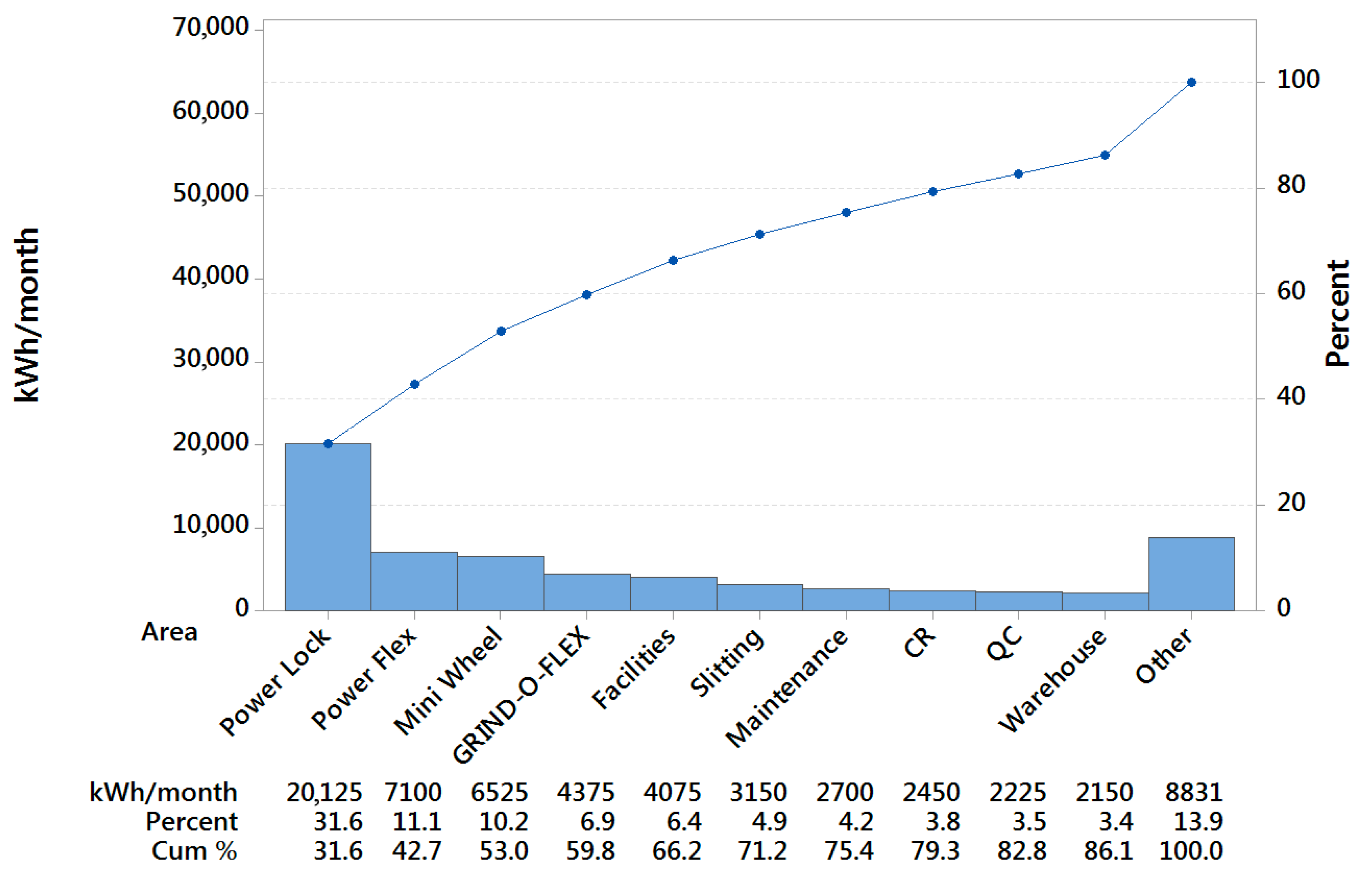
The measurement results from a 7-day, 24 h weekly shift with 10 min intervals were compiled into 3 spreadsheets with 864 rows and 236 columns each. With this information, a Pareto chart was constructed to identify the area with the highest energy consumption, which consumes 32% of the plant’s total (see Figure 6). During this phase of the study, it was observed that using web platforms and incorporating Industry 4.0 and IoT technologies for indicator monitoring is advisable and highly beneficial. This is particularly relevant when automated processes are in place for acquiring the process data used to generate the KPIs. Nevertheless, attention must be paid to the functionality of exporting data in formats compatible with the native platforms to be used. Tools such as Energywatch or an Excel spreadsheet will help ensure continuity in the recording and evaluation of the indicators.
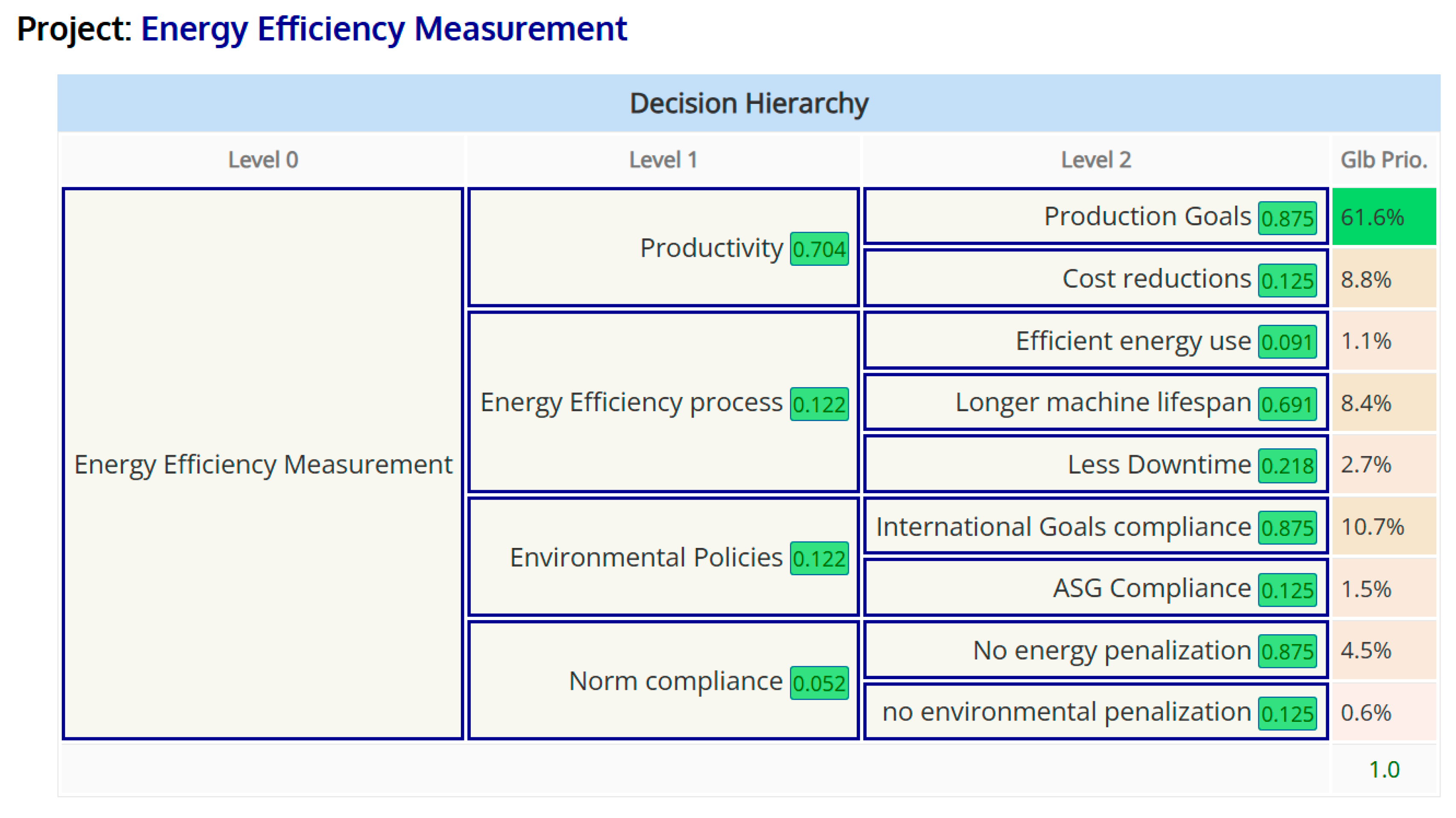
By conducting the AHP in conjunction with a work team, the hierarchy of weights shown in Figure 7 was obtained. It was found that, for the measurement of energy efficiency in PL1, the highest priority is the productivity indicator group with 70.4%, followed by energy efficiency in processes with 12.2%, environmental policy with 12.2%, and finally, regulatory compliance with 5.2%. The ratio obtained for the evaluation of the 4 axes was 3.3%, which, given the percentage, allows proceeding to the next step of indicator prioritisation.
The hierarchy results feed the priority column of the following matrix that contains the indicator groups (see Table 4). The 3 most relevant indicator levels are selected for display on the dashboard.
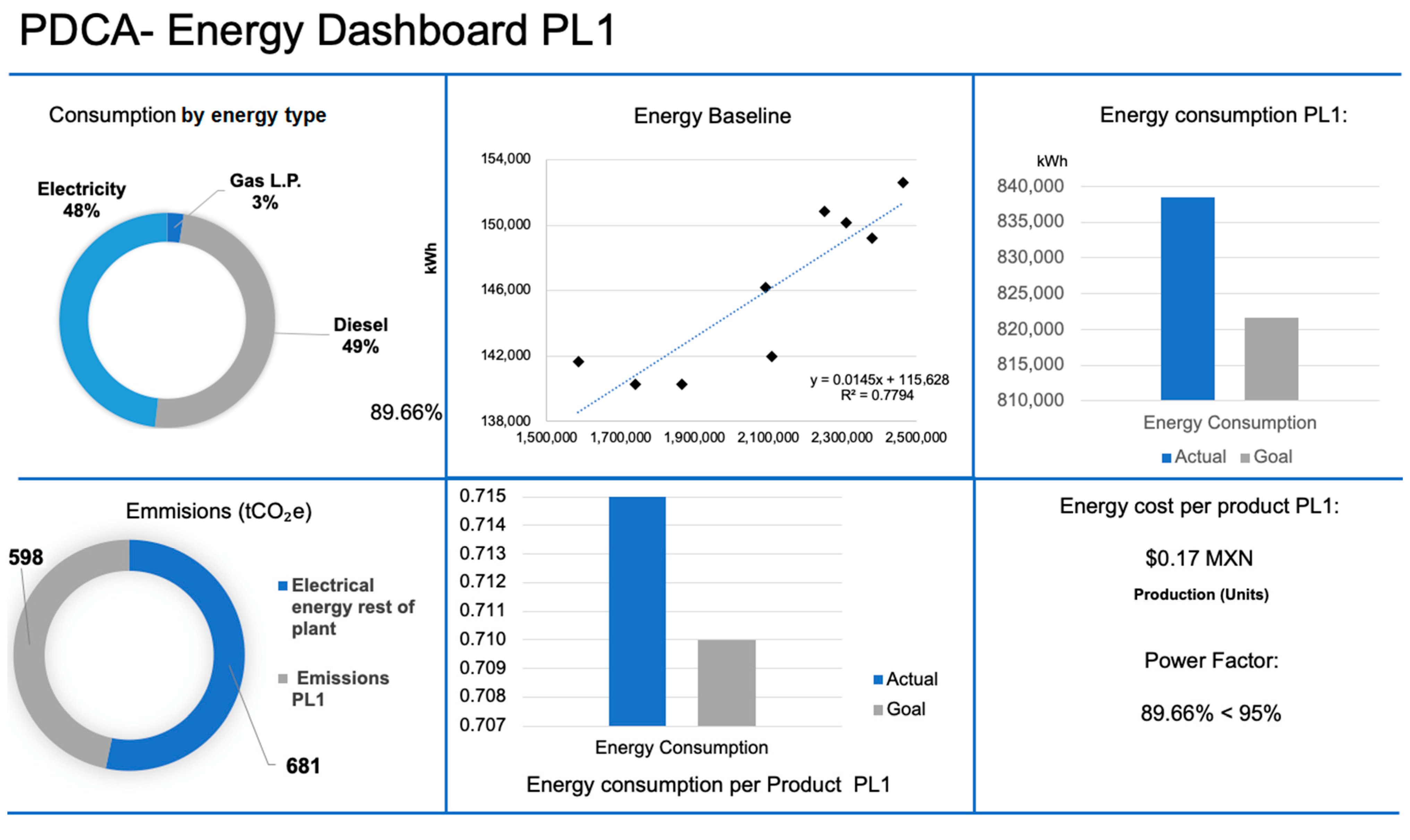
The final result was the BSC dashboard, which contains indicators that allow following up on the company’s energy efficiency strategies, as shown in Figure 8. The analysis of energy consumption at the abrasive production company reveals an almost equal distribution between Diesel (49%) and electrical energy (48%), while gas accounts for only 3% of the total. This result can be explained by the abrasive manufacturing process, which requires burning diesel in the oven to reach the specified temperatures for each product.
The total annual emissions were determined to be 1279 tCO2e. The following factors were used as references for the calculation: 0.444 tCO2/MWh for emissions produced by electricity consumption [32]; 0.002663618 tCO2/L for emissions from diesel consumption; and 0.001636762 tCO2/L for emissions from LP gas consumption [33]. The selected process (PL1) accounts for 47% of the plant’s total emissions (598 tCO2e), with contributions from energy sources of 372.26 tCO2e from electricity use, 215.81 tCO2e from diesel use, and 9.77 tCO2e from LP gas use. It can be observed that any improvement in this specific process will yield a high environmental return compared to efforts made in the remaining processes.
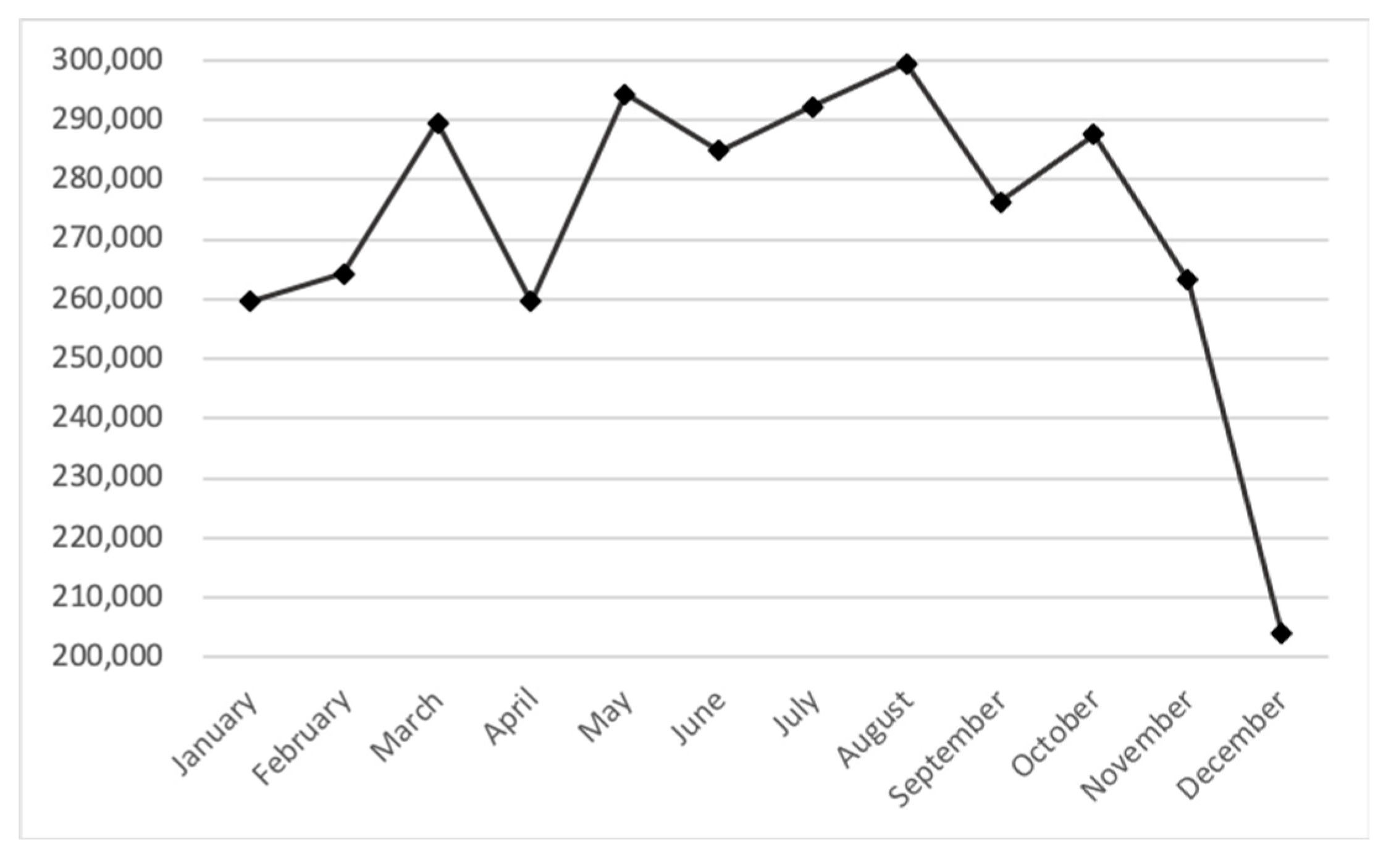
The coefficient of correlation assessment (R2) should be made as part of an initial evaluation of the regression-based energy model and the energy consumption equation [34]. For an acceptable Measurement and Verification model, R2 should be greater than 0.75 [34,35,36]. In this study, the regression coefficient for the energy baseline was 0.7794, which may not be very high because the production process exhibits significant day-to-day variations, generating uncertainty in energy consumption behaviour (see Figure 9). This variability limits the predictive capacity of linear regression, as the independent variables used in the model do not fully capture these changing dynamics. Furthermore, during the study, it was observed that no controls are in place over the use of fuels such as LP gas and diesel for thermal generation via boilers. Unlike electrical energy, thermal consumption is not part of a structured energy management system. This situation leads to a lack of records that could strengthen the baseline model and improve its accuracy.
The power factor is an indicator that determines the amount of energy converted into work. In Mexico, the Federal Electricity Commission (CFE) charges a penalty for a low power factor, which can amount to up to 125% of the cost of the energy consumed for users below the minimum required values [37]. The Energy Regulatory Commission (CRE) approved agreement A/073/2023 on 13 December 2023, establishing that the minimum Power Factor increases from 0.90 to 0.95 for users with an electrical demand greater than 1 MW or with a high-voltage connection [38]. Following 8 April 2026, the minimum requirement will increase to 97%. This study revealed an average power factor of 0.8966, which does not meet the current minimum requirement, resulting in financial penalties. Considering the increase in this value starting in 2026, immediate corrective and improvement actions are required. The complete replacement of equipment with high-efficiency alternatives is not entirely feasible; therefore, the installation of capacitor banks for automatic compensation, the use of SCADA systems or smart metres for real-time monitoring, and electrical system maintenance were suggested.
The annual electrical energy consumption for Plant PL1 was 838,415 kWh, corresponding to a total production of 24,315,576 pieces. This equates to approximately 0.0345 kWh per manufactured piece. When considering the other energy sources used for production (LP gas and Diesel), this value increases to 0.0715 kWh / piece, representing a 107.25% increase. This finding demonstrates that achieving a significant reduction in specific energy consumption requires expanding the energy management system to encompass all energy sources. The lack of monitoring for gas and diesel consumption prevents the identification of potential overconsumption or inefficiencies in thermal systems, thereby representing a significant opportunity. Decision-makers must be informed to consider the inclusion of KPIs for all employed energy sources. Operational costs can only be reduced, and industrial sustainability best practices can only be met if there is traceability in energy accounting; what is not measured cannot be controlled or improved.
The resulting energy cost per unit produced was $0.017 MXN. This value could be lower if measures to more efficiently use diesel and LP gas were implemented, as these two sources collectively account for 52% of the plant’s total energy consumption. The company has set a proposed saving target of 2%, which may be lower than values reported elsewhere. The International Energy Agency [39] stated that energy management in industrial companies has been shown to deliver more than 10% energy savings on average within the first three years of implementation, and a number of companies have shown savings of 30% or more, with many of the measures at low- or no-cost. Data from 42 ISO 50001 case studies show an average annual energy savings of 26% [40].

4. Conclusions

The energy efficiency model developed in this study (M2KPIEn) demonstrated its applicability in the context of a batch-production manufacturing company. The integrated tools facilitated the identification of critical areas, quantification of energy consumption, and creation of an Energy Efficiency Measurement Dashboard to identify opportunities and propose corrective and preventive measures. All these efforts were aimed at reducing specific energy consumption without compromising system productivity.
Among the main findings, the study highlights the potential to reduce annual energy consumption by up to 2% through the adoption of more efficient technologies, automation of specific processes, and improvements in operational practices. Significantly, the M2KPIEn provides companies with guidance on reliably determining the most appropriate KPIs for their specific needs at both the plant and process levels.
Contributions to energy efficiency assessments through PDCA include the development of a novel, methodological framework based on reliable data. The introduction of decision-making tools such as AHP for multiuser evaluation experience and a dashboard that can be configured to evolve parameters occur in future iterations. Continuous improvement in energy assessment is important for enterprises to enhance competitiveness and set goals to reduce environmental issues.
The M2KPIEn’s applicability does not depend on data availability or the maturity of existing management systems; their existence merely facilitates implementation. Future research should focus on the influence of real-time monitoring, machine learning algorithms, and broader multi-energy analyses to increase predictive accuracy and scalability. Overall, the study provides a replicable and adaptable framework that supports industry efforts to achieve continuous energy efficiency improvements and align with international sustainability goals.

Author Contributions

Conceptualization, methodology, formal analysis, validation, L.V.-G., Q.A.-V. and P.T.-G.; software, data curation, resources, L.V.-G., Q.A.-V. and P.T.-G.; investigation, L.V.-G. and S.B.-L.; writing—original draft preparation, L.V.-G. and P.T.-G.; writing—review and editing, L.V.-G., Q.A.-V. and P.T.-G.; visualisation, L.V.-G. and P.T.-G.; supervision, project administration, Q.A.-V. and P.T.-G. All authors have read and agreed to the published version of the manuscript.

Funding

This research received no external funding.

Data Availability Statement

The original contributions presented in this study are included in the article. Further inquiries can be directed to the corresponding author.

Conflicts of Interest

The authors declare no conflicts of interest.

Abbreviations

The following abbreviations are used in this manuscript:
AHPAnalytic Hierarchy Process
AHP-OSAHP Online System
ASHRAEAmerican Society of Heating, Refrigerating, and Air-Conditioning Engineers
BSCBalanced Scorecard
CFEFederal Electricity Commission (Comisión Federal de Electricidad)
CREEnergy Regulatory Commission (Comisión Reguladora de Energía)
EHSEnvironmental/Health and Safety
ISOInternational Organization for Standardization
KPIsKey Performance Indicators
KPIEnKey Performance Indicators for Energy
LLitre
MXNCurrency code for the Mexican peso
M2KPIEnMeasurement Methodology with Energy-based KPI
PDCAPlan-Do-Check-Act
PL1Power Lock Line 1
SCADASupervisory Control and Data Acquisition
SECSpecific Energy Consumption
SEUSignificant Energy Uses
tCO2Tonnes of carbon dioxide
tCO2eTonnes of carbon dioxide equivalent
LP gasLiquefied petroleum gas

References

  1. Serna-Machado, C.A. Gestión energética empresarial una metodología para la reducción de consumo de energía. Prod. + Limpia 2010, 5, 107–126. [Google Scholar]
  2. Ezici, B.; Eğilmez, G.; Gedik, R. Assessing the Eco-Efficiency of U.S. Manufacturing Industries with a Focus on Renewable vs. Non-Renewable Energy Use: An Integrated Time Series MRIO and DEA Approach. J. Clean. Prod. 2020, 253, 119630. [Google Scholar] [CrossRef]
  3. Zhao, H.; Lin, B. Impact of Foreign Trade on Energy Efficiency in China’s Textile Industry. J. Clean. Prod. 2020, 245, 118878. [Google Scholar] [CrossRef]
  4. Herrero-Sola, A.V.; de Paula-Xavier, A.A. Organizational Human Factors as Barriers to Energy Efficiency in Electrical Motors Systems in Industry. Energy Policy 2007, 35, 5784–5794. [Google Scholar] [CrossRef]
  5. Dias, R.A.; Mattos, C.R.; Balestieri, J.A.P. Energy Education: Breaking up the Rational Energy Use Barriers. Energy Policy 2004, 32, 1339–1347. [Google Scholar] [CrossRef]
  6. Narciso, D.A.C.; Martins, F.G. Application of Machine Learning Tools for Energy Efficiency in Industry: A Review. Energy Rep. 2020, 6, 1181–1199. [Google Scholar] [CrossRef]
  7. Mokhtar, A.; Nasooti, M. A Decision Support Tool for Cement Industry to Select Energy Efficiency Measures. Energy Strategy Rev. 2020, 28, 100458. [Google Scholar] [CrossRef]
  8. Munguia, N.; Vargas-Betancourt, N.; Esquer, J.; Giannetti, B.F.; Liu, G.; Velazquez, L.E. Driving Competitive Advantage through Energy Efficiency in Mexican Maquiladoras. J. Clean. Prod. 2018, 172, 3379–3386. [Google Scholar] [CrossRef]
  9. May, G.; Barletta, I.; Stahl, B.; Taisch, M. Energy Management in Production: A Novel Method to Develop Key Performance Indicators for Improving Energy Efficiency. Appl. Energy 2015, 149, 46–61. [Google Scholar] [CrossRef]
  10. Schmidt, C.; Li, W.; Thiede, S.; Kornfeld, B.; Kara, S.; Herrmann, C. Implementing Key Performance Indicators for Energy Efficiency in Manufacturing. Procedia CIRP 2016, 57, 758–763. [Google Scholar] [CrossRef]
  11. Lawrence, A.; Thollander, P.; Andrei, M.; Karlsson, M. Specific Energy Consumption/Use (SEC) in Energy Management for Improving Energy Efficiency in Industry: Meaning, Usage and Differences. Energies 2019, 12, 247. [Google Scholar] [CrossRef]
  12. Rosas-Moya, R. Guía Para Realizar Diagnósticos Energéticos y Evaluar Medidas de Ahorro En Equipos de Bombeo de Agua de Organismos Operadores de Agua Potable. 2014. Available online: https://www.gob.mx/cms/uploads/attachment/file/268483/Gu_a_para_realizar_diagn_sticos_energ_ticos_y_evaluar_medidas_de_ahorro.pdf (accessed on 28 May 2024).
  13. Samitier, L. ISO 50001 en la Industria de Procesos. 2019. Available online: https://es.linkedin.com/pulse/iso-50001-en-la-industria-de-procesos-luciano-samitier (accessed on 14 June 2024).
  14. Andersson, E.; Thollander, P. Key Performance Indicators for Energy Management in the Swedish Pulp and Paper Industry. Energy Strategy Rev. 2019, 24, 229–235. [Google Scholar] [CrossRef]
  15. Avella, J.C.C.; Caicedo, O.F.P.; Oqueña, E.C.Q.; Medina, J.R.V.; Figueroa, E.D.L. El MGIE, un modelo de gestión energética para el sector productivo nacional. El Hombre Máquina 2008, 6, 18–31. [Google Scholar]
  16. Silva, A.S.; Medeiros, C.F.; Vieira, R.K. Cleaner Production and PDCA Cycle: Practical Application for Reducing the Cans Loss Index in a Beverage Company. J. Clean. Prod. 2017, 150, 324–338. [Google Scholar] [CrossRef]
  17. Putarungsi, P. Development of Conceptual Framework and Indicators for Assessment of Power Development Fund in Thailand. Kasetsart J. Soc. Sci. 2020, 41, 8–14. [Google Scholar] [CrossRef]
  18. Szabo, Z.K.; Szádoczki, Z.; Bozóki, S.; Stănciulescu, G.C.; Szabo, D. An Analytic Hierarchy Process Approach for Prioritisation of Strategic Objectives of Sustainable Development. Sustainability 2021, 13, 2254. [Google Scholar] [CrossRef]
  19. Taylan, O.; Alamoudi, R.; Kabli, M.; AlJifri, A.; Ramzi, F.; Herrera-Viedma, E. Assessment of Energy Systems Using Extended Fuzzy AHP, Fuzzy VIKOR, and TOPSIS Approaches to Manage Non-Cooperative Opinions. Sustainability 2020, 12, 2745. [Google Scholar] [CrossRef]
  20. Liang, G.; Niu, D.; Liang, Y. Sustainability Evaluation of Renewable Energy Incubators Using Interval Type-II Fuzzy AHP-TOPSIS with MEA-MLSSVM. Sustainability 2021, 13, 1796. [Google Scholar] [CrossRef]
  21. Robles-Algarin, C.A.; Polo Llanos, A.; Ospino Castro, A.J. An Analytic Hierarchy Process Based Approach for Evaluating Renewable Energy Sources. Int. J. Energy Econ. Policy 2017, 7, 38–47. [Google Scholar]
  22. Marr, B. Key Performance Indicators, 1st ed.; Financial Times Press: Harlow, UK; New York, NY, USA, 2012; ISBN 978-0-273-75011-6. [Google Scholar]
  23. Tseng, Y.-C.; Lee, D.; Lin, C.-F.; Chang, C.-Y. The Energy Savings and Environmental Benefits for Small and Medium Enterprises by Cloud Energy Management System. Sustainability 2016, 8, 531. [Google Scholar] [CrossRef]
  24. Maxwell, J.A. Qualitative Research Design: An Interactive Approach; SAGE: Thousand Oaks, CA, USA, 2005; ISBN 978-0-7619-2608-5. [Google Scholar]
  25. May, G.; Stahl, B.; Taisch, M.; Kiritsis, D. Energy Management in Manufacturing: From Literature Review to a Conceptual Framework. J. Clean. Prod. 2017, 167, 1464–1489. [Google Scholar] [CrossRef]
  26. Millán, G.; Llano, E.; Globisch, J.; Durand, A.; Hettesheimer, T.; Alcalde, E. Increasing Energy Efficiency in the Food and Beverage Industry: A Human-Centered Design Approach. Sustainability 2020, 12, 7037. [Google Scholar] [CrossRef]
  27. Goepel, K.D. Implementation of an Online Software Tool for the Analytic Hierarchy Process (AHP-OS). Int. J. Anal. Hierarchy Process 2018, 10, 469–487. [Google Scholar] [CrossRef]
  28. de Luis-Ruiz, J.M.; Salas-Menocal, B.R.; Pereda-García, R.; Pérez-Álvarez, R.; Sedano-Cibrián, J.; Ruiz-Fernández, C. Optimal Location of Solar Photovoltaic Plants Using Geographic Information Systems and Multi-Criteria Analysis. Sustainability 2024, 16, 2895. [Google Scholar] [CrossRef]
  29. Sarjono, H.; Seik, O.; Defan, J.; Simamora, B.H. Analytical Hierarchy Process (Ahp) In Manufacturing And Non-Manufacturing Industries: A Systematic Literature Review. Syst. Rev. Pharm. 2020, 11, 158–170. [Google Scholar]
  30. Cacal, J.C.; Taboada, E.B.; Mehboob, M.S. Strategic Implementation of Integrated Water Resource Management in Selected Areas of Palawan: SWOT-AHP Method. Sustainability 2023, 15, 2922. [Google Scholar] [CrossRef]
  31. Chandra Bose, D. Principles of Management and Administration, 2nd ed.; PHI Learning Pvt. Ltd.: Delhi, India, 2012; ISBN 978-81-203-4581-2. [Google Scholar]
  32. SEMARNAT. Factor de emisión del sistema eléctrico nacional. 2024. Available online: https://www.gob.mx/cms/uploads/attachment/file/981194/aviso_fesen_2024.pdf (accessed on 30 September 2025).
  33. Gobierno de México. Factores de Emision. 2015. Available online: https://www.gob.mx/cms/uploads/attachment/file/235891/FACTORES_DE_EMISION_2015.pdf (accessed on 23 October 2025).
  34. The Investor Confidence Project. Project Development Specification—Industry and Energy Supply. 2018. Available online: https://ee-ip.org/fileadmin/user_upload/DOCUMENTS/Content/ICP_PDS_INDUSTRY_2018_ENG.pdf (accessed on 20 October 2025).
  35. The Australasian Energy Performance Contracting Association. Best Practice Guide to Measurement and Verification of Energy Savings: A Companion Document to “A Best Practice Guide to Energy Performance Contracts”; Australasian Energy Performance Contracting Association: Castle Hill, NSW, Australia, 2004; ISBN 0-646-44370-4. [Google Scholar]
  36. Pacific Northwest National Laboratory. M&V Guidelines: Measurement and Verification for Performance-Based Contracts Version 5.0. 2024. Available online: https://www.energy.gov/sites/default/files/2024-10/mv_guide_5_0.pdf (accessed on 20 October 2025).
  37. AP Automatización. Ajuste en las Tarifas Eléctricas Y Cambios en el Factor de Potencia. 2024. Available online: https://ap-automatizacion.com/noticias/cambios-en-el-factor-de-potencia/ (accessed on 2 October 2025).
  38. AP Automatización. ¿Recibiste un cargo por bajo Factor de Potencia en el recibo CFE? 2024. Available online: https://ap-automatizacion.com/noticias/recibiste-un-cargo-por-bajo-factor-de-potencia-en-tu-factura-de-cfe/ (accessed on 2 October 2025).
  39. International Energy Agency (IEA). Executive Summary—Energy Management for Industry—Analysis. Available online: https://www.iea.org/reports/energy-management-for-industry/executive-summary (accessed on 24 October 2025).
  40. International Energy Agency. Energy Efficiency 2017; Energy Efficiency; OECD: Paris, France, 2017; ISBN 978-92-64-28423-4. [Google Scholar]
Figure 1. Variables to optimise in the abrasive manufacturing process.
Applsci 15 12530 g001
Figure 2. KPI-Based Model for Measurement Methodology with Energy-based KPI (M2KPIEn).
Applsci 15 12530 g002
Figure 3. Decision tree of the Energy Efficiency Measurement Model.
Applsci 15 12530 g003
Figure 4. Hierarchy prioritisation pairwise process.
Applsci 15 12530 g004
Figure 5. Variable monitoring system for measuring Energy Efficiency.
Applsci 15 12530 g005
Figure 6. Energy consumption in production areas.
Applsci 15 12530 g006
Figure 7. Hierarchy prioritisation process.
Applsci 15 12530 g007
Figure 8. Energy efficiency measurement dashboard based on energy efficiency KPIs.
Applsci 15 12530 g008
Figure 9. Annual energy consumption (kWh).
Applsci 15 12530 g009
Table 1. Information for preparing an energy census.
Data RequiredArea/ProviderDocument
a. Overall energy consumptionFacilities/EHSElectrical Energy billing
Gas provider bill
Diesel provider bill
b. Weekly productionPlanning/productionWeekly production goals
c. Yearly production forecastManagement/planningDetailed production plan
d. Machine inventoryMaintenance/EHSDetailed machine inventory
e. Weekly energy consumptionMaintenance/EHSElectrical energy monitoring per consumption area (weekly)
Table 2. Pairwise Comparison Scale for the definition of the weighting of the selected criteria [28].
ScaleDefinitionExplanation
1Equally importantBoth criteria contribute equally to the objective
3Moderate importanceExperience and judgement somewhat favour one criterion over the other
5High importanceExperience and judgement strongly favour one criterion over the other
7Very high importanceOne criterion is very strongly favoured over the other. In practice, its dominance can be demonstrated
9Extreme importanceThe evidence strongly favours one factor over the other
2, 4, 6 and 8Intermediate values between the above when it is necessary to qualify
Table 3. Energy Efficiency BSC.
CriteriaSub-Criteria
Cost savingsCost/production
Energy cost/production
Savings through energy measures
Goals and corporate priorities metGlobal consumption share
CO2 emissions mitigation
Energy consumption reduction
ProcessPower factor and quality
Down-time reduction
Production loss due to maintenance
Energy EfficiencyEnergy Baseline
Production/energy
Energy used by production unit
Table 4. Energy efficiency indicator matrix.
GroupIDKPIProcessGlobalPriority
2% Energy intensity reductionEnergy statesE0Valuable energy Consumption 25%
E1Net production Energy 0%
E2Gross production Energy 0%
E3Net Energy usage 25%
E4Gross Energy usage 0%
E5Start-up Energy use 0%
E6Theoretical production time energy 0%
Energetic TypologyT1Production Energy Indicators 25%
T2Overall economic indicators 14%
T3Costs of EE and evolution of EE 25%
T4Energy Savings 14%
T5Overall energy costs 25%
Specific energy consumptionSECSpecific Energy consumption 0%
SECxSpecific Energy consumption per product 25%
SECaggSpecific Energy consumption per product group 0%
SECprSpecific primary Energy consumption per product 0%
Energy IndicatorsP.FPower Factor 14%
Desb.Electric Unbalance 14%
THDTotal Harmonic Distortion in line 14%
EnBLEnergy Baseline 12%
Frec.Line Frequency 14%
Disclaimer/Publisher’s Note: The statements, opinions and data contained in all publications are solely those of the individual author(s) and contributor(s) and not of MDPI and/or the editor(s). MDPI and/or the editor(s) disclaim responsibility for any injury to people or property resulting from any ideas, methods, instructions or products referred to in the content.